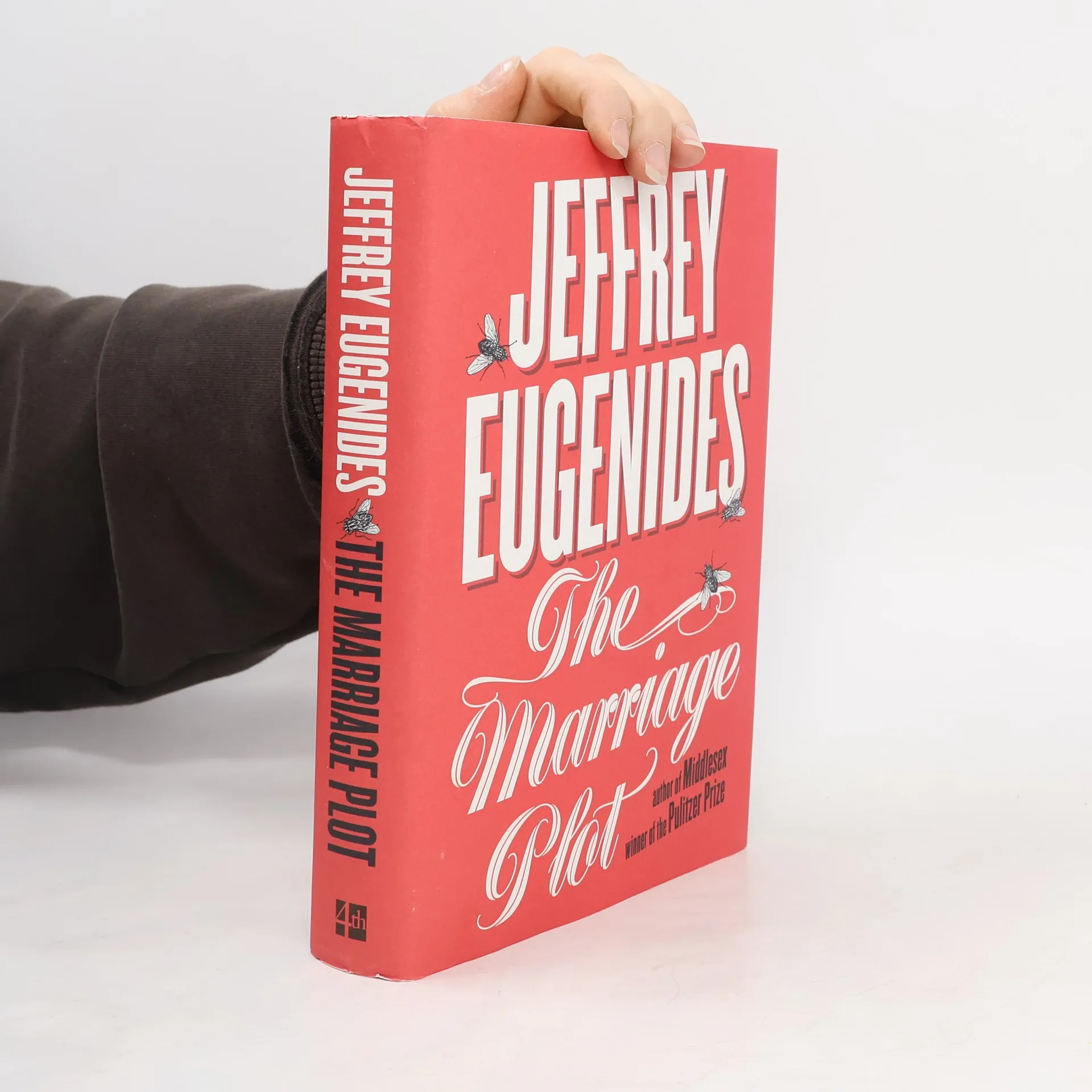
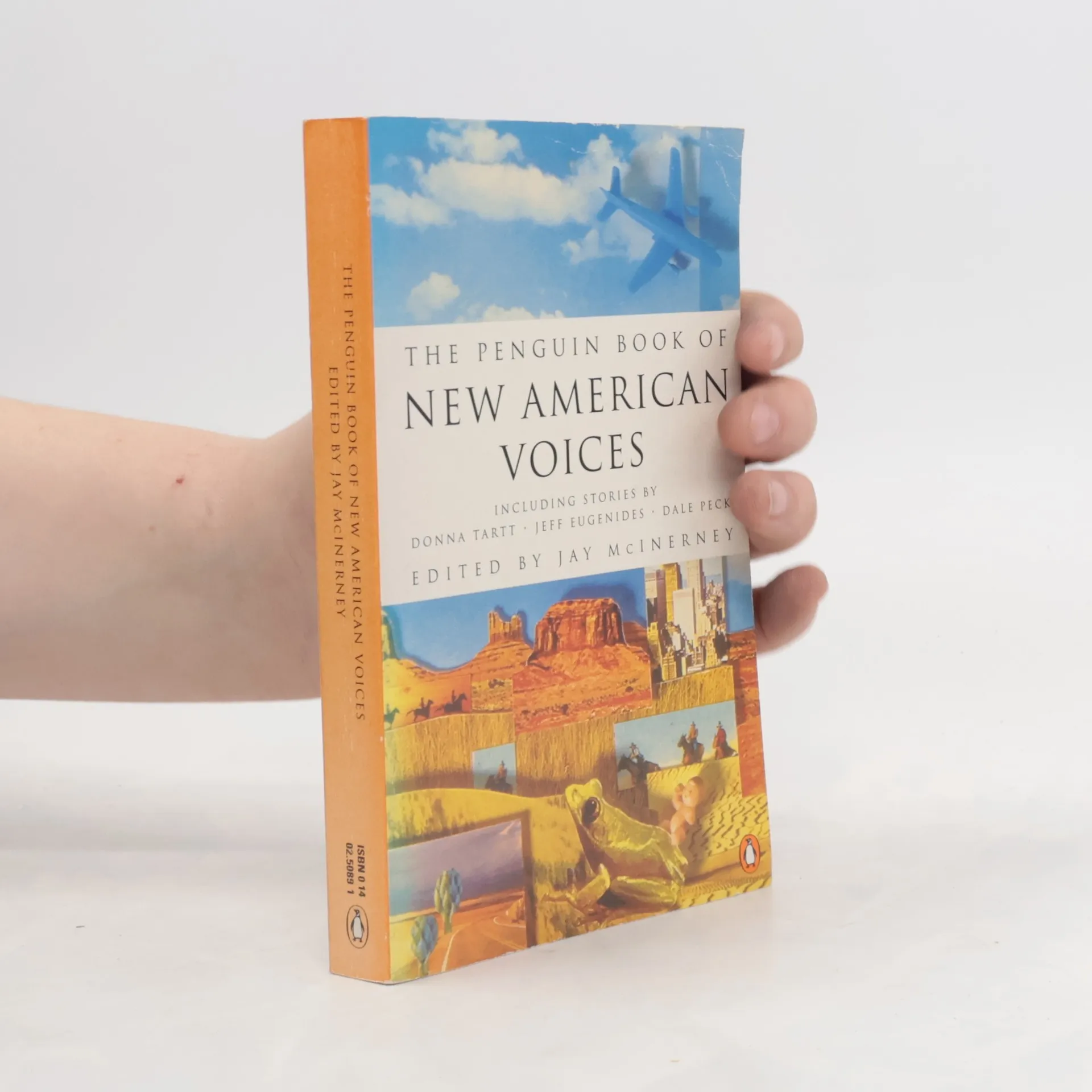
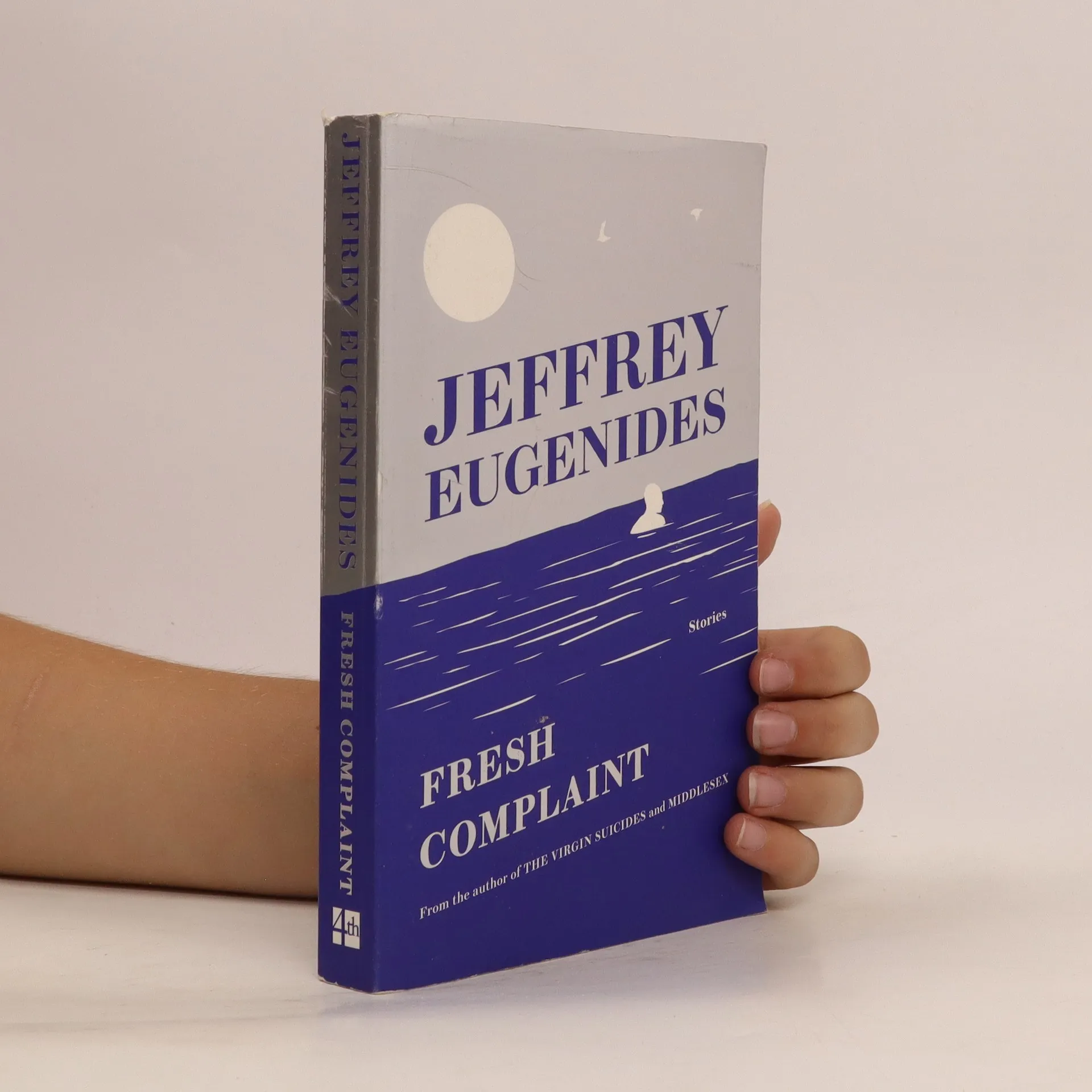
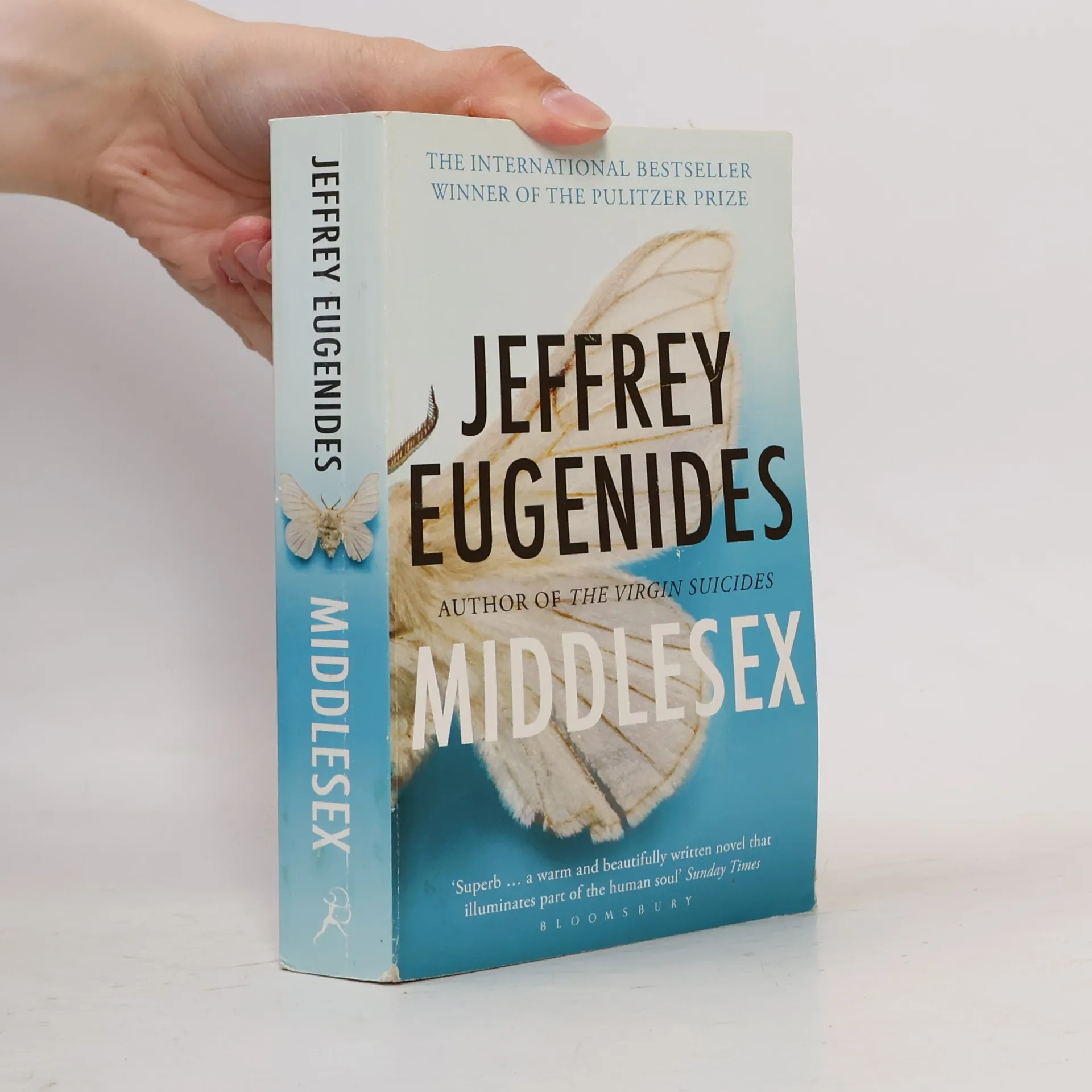
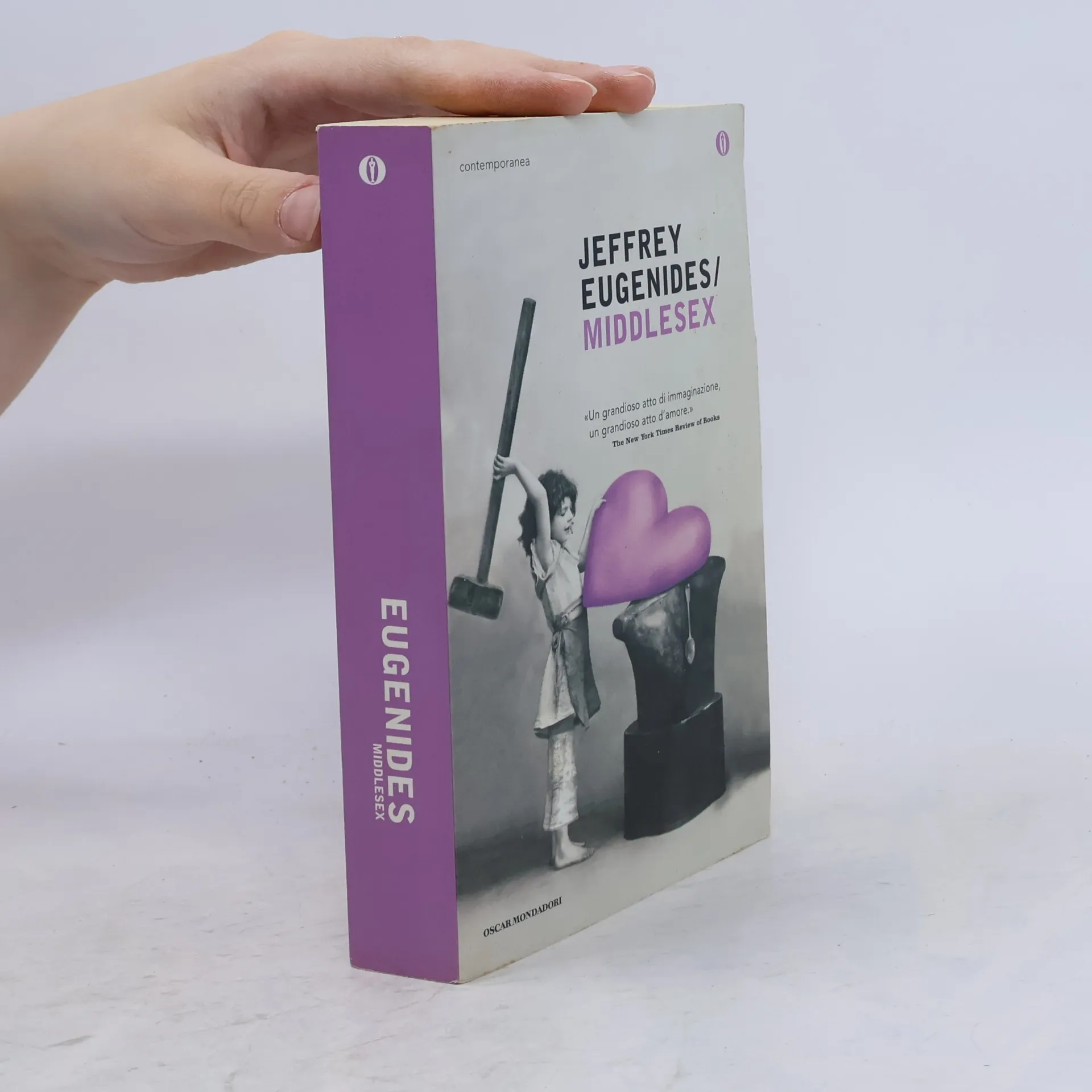
Jeffrey Eugenides crea narrativas que profundizan en las complejidades de la historia familiar y la búsqueda de identidad. Sus obras a menudo exploran temas de la inmigración estadounidense, las divisiones generacionales y las ambigüedades de la experiencia humana. Eugenides se destaca por crear mundos ricos y atmosféricos que reflejan la memoria tanto personal como colectiva. A través de personajes meticulosamente desarrollados y un estilo matizado, captura la esencia de vidas vividas entre culturas e identidades.
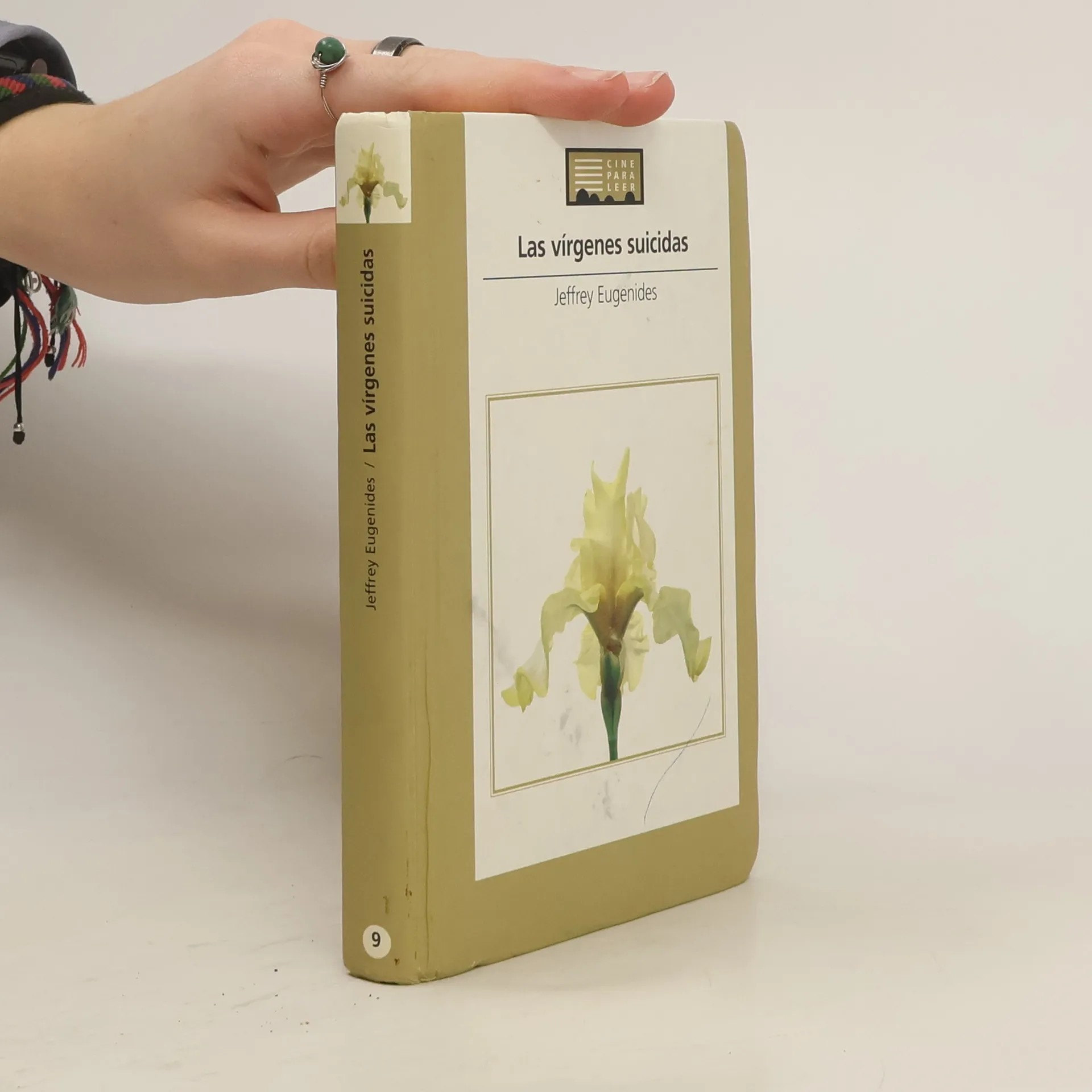
Es verano en la América de la década de 1970 y las cinco hermanas Lisbon se quitan la vida ante la atónita mirada de sus vecinos. Veinticinco años después, Jonathan, el enamorado amigo de una de ellas, recuerda el impacto que produjeron aquellas muertes. Las chicas vivían enclaustradas en casa, sometidas a la férrea custodia de unos padres extremadamente estrictos. Sus figuras deambulaban por las habitaciones y sus sombras proyectadas en las ventanas las hacían deseables a quienes se asomaban a ellas. Todavía hoy, tantos años después, aquellas lolitas fascinan a unos hombres que siguen preguntándose qué ocurrió.
Middlesex tells the breathtaking story of Calliope Stephanides, and three generations of the Greek-American Stephanides family, who travel from a tiny village overlooking Mount Olympus in Asia Minor to Prohibition-era Detroit, witnessing its glory days as the Motor City and the race riots of 1967 before moving out to the tree-lined streets of suburban Grosse Pointe, Michigan. To understand why Calliope is not like other girls, she has to uncover a guilty family secret, and the astonishing genetic history that turns Callie into Cal, one of the most audacious and wondrous narrators in contemporary fiction. Lyrical and thrilling, Middlesex is an exhilarating reinvention of the American epic.
From the prize-winning author of Seating Arrangements comes an exquisitely written, fiercely compelling glimpse into the demanding world of professional ballet and its magnetic hold over two generations.
The first collection of short fiction from the Pulitzer Prize-winning author Jeffrey Eugenides Jeffrey Eugenides’s bestselling novels have shown him to be an astute observer of the crises of adolescence, self-discovery, family love, and what it means to be American in our times. The stories in Fresh Complaint explore equally rich—and intriguing—territory. Ranging from the bitingly reproductive antics of “Baster” to the dreamy, moving account of a young traveler’s search for enlightenment in “Air Mail” (selected by Annie Proulx for Best American Short Stories), this collection presents characters in the midst of personal and national emergencies. We meet a failed poet who, envious of other people’s wealth during the real-estate bubble, becomes an embezzler; a clavichordist whose dreams of art founder under the obligations of marriage and fatherhood; and, in “Fresh Complaint,” a high school student whose wish to escape the strictures of her immigrant family lead her to a drastic decision that upends the life of a middle-aged British physicist. Narratively compelling, beautifully written, and packed with a density of ideas despite their fluid grace, these stories chart the development and maturation of a major American writer.
This is an anthology of fiction, by those who began publishing in the 1990s. The authors include Terry McMillan, Mark Leyner, Jeffrey Eugenides, Paul Watkins, William Vollman, Darcey Steinke and Dorothy Alison.
In the spring of her final year, Madeleine Hanna has enrolled in a semiotics course 'to see what all the fuss is about'. She falls in love with Leonard Bankhead - charismatic loner and college Darwinist - who introduces her to the ecstasies of immediate experience. Then Mitchell Grammaticus resurfaces, and wants her to be his wife.
Or Twelve Stories Appearing in Up to Six Versions Each - Eighteen Languages: English, French, Czech, Dutch, German, Hungarian, Icelandic, Italian, Korean, Latin, Polish, Portuguese, Russian, Spanish, Swedish, Turkish
300 páginas
11 horas de lectura
With the help of guest editor Adam Thirlwell (author of Kapow!, Visual Editions), Issue 42 is a monumental experiment in translated literature—twelve stories taken through six translators apiece, weaving into English and then back out again, gaining new twists and textures each time, just as you'd expect a Kierkegaard story brought into English by Clancy Martin and then sent into Dutch by Cees Nooteboom before being made into English again by J. M. Coetzee to do. With original texts by Kafka and Kharms and Kenji Miyazawa, and translations by Lydia Davis and David Mitchell and Zadie Smith (along with others by John Banville and Tom McCarthy and Javier Marías, and even more by Shteyngart and Eugenides and A. S. Byatt), this will be an issue unlike anything you've seen before—altered, echoing narratives in the hands of the finest writers of our time, brought to you in a book that looks like nothing else we’ve ever done.
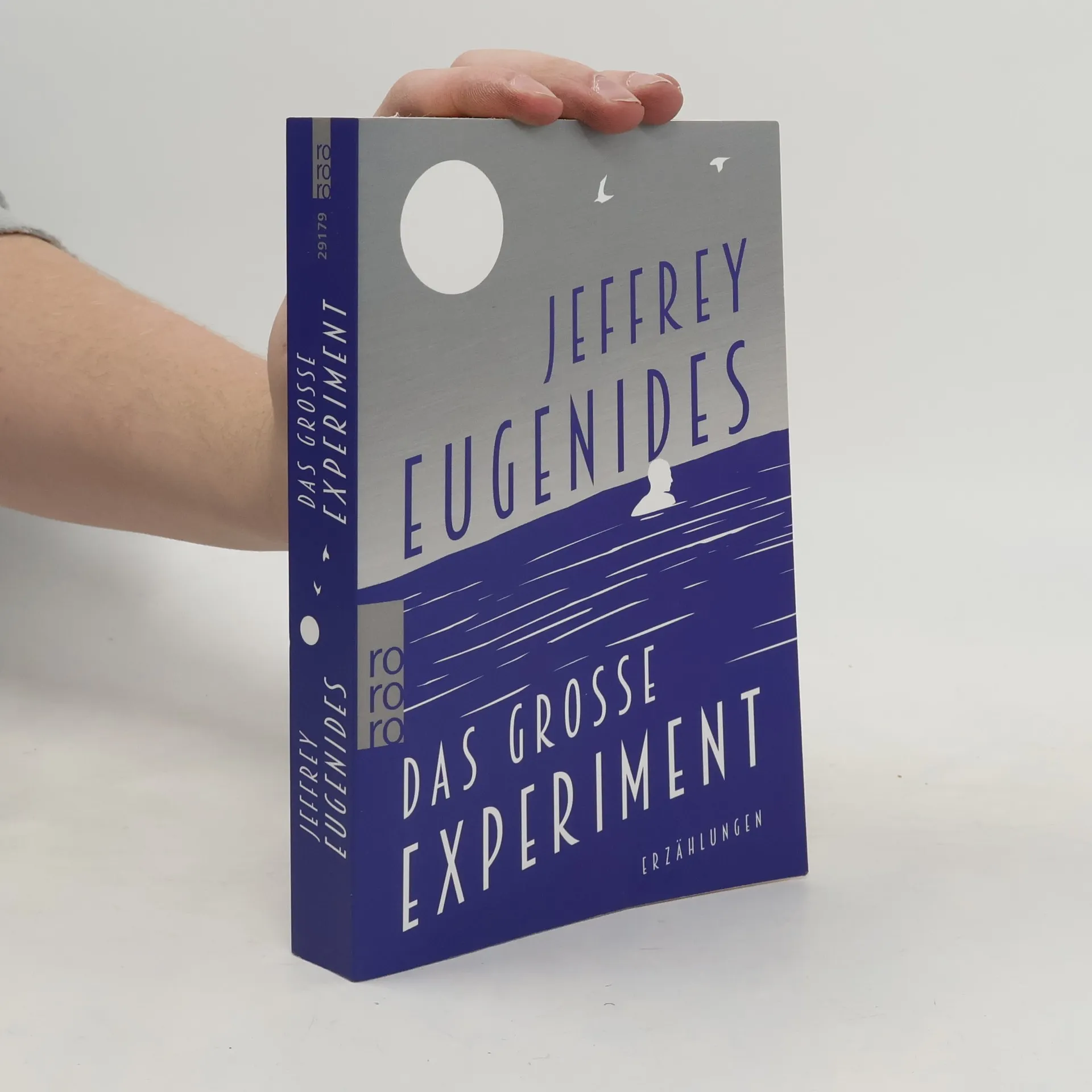
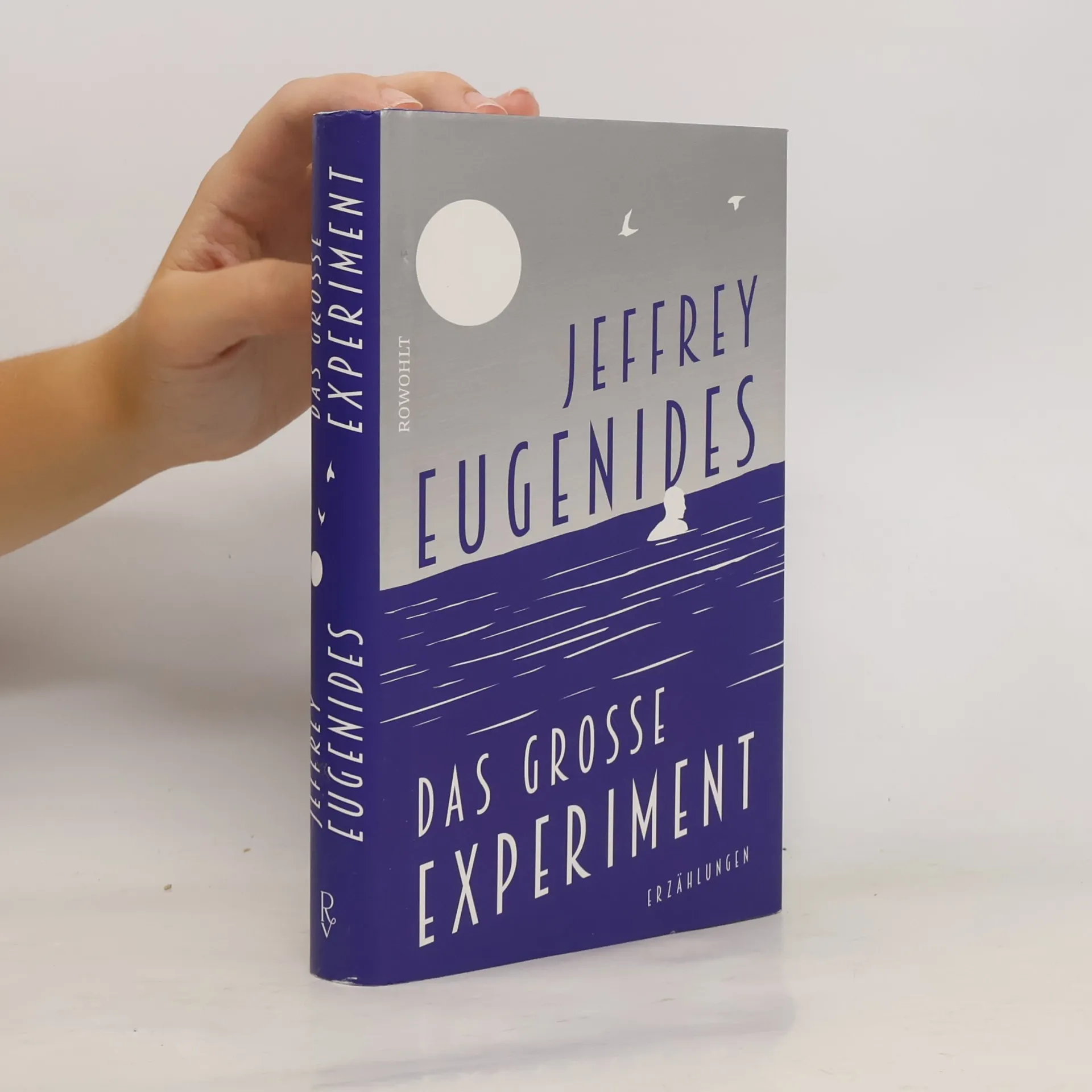
Virtuos, anrührend und mit großer Menschenkenntnis erzählt der Autor der Weltbestseller «Middlesex» und «Die Liebeshandlung» über Liebe, Hoffnung, Identität und die Angst, am Alltag zu zerbrechen.«Der Epiker Eugenides ist auch ein Artist der Kurzstrecke», lobte der Spiegel. Seine Erzählungen lesen sich wie kondensierte Romane. Es geht um Menschen in Schwierigkeiten. Da ist beispielsweise ein Familienvater, der im Garten sitzt und auf sein Haus schaut, das er nach einem Seitensprung nicht mehr betreten darf. Oder eine junge Frau, die von ihren indischen Eltern verheiratet werden soll, und dem entgehen will, indem sie einen Mann verführt, der nicht weiß, dass sie minderjährig ist und davon aus der Bahn geworfen wird. Oder die 88jährige demenzkranke Della, die das Pflegeheim auf eigene Faust verlässt.
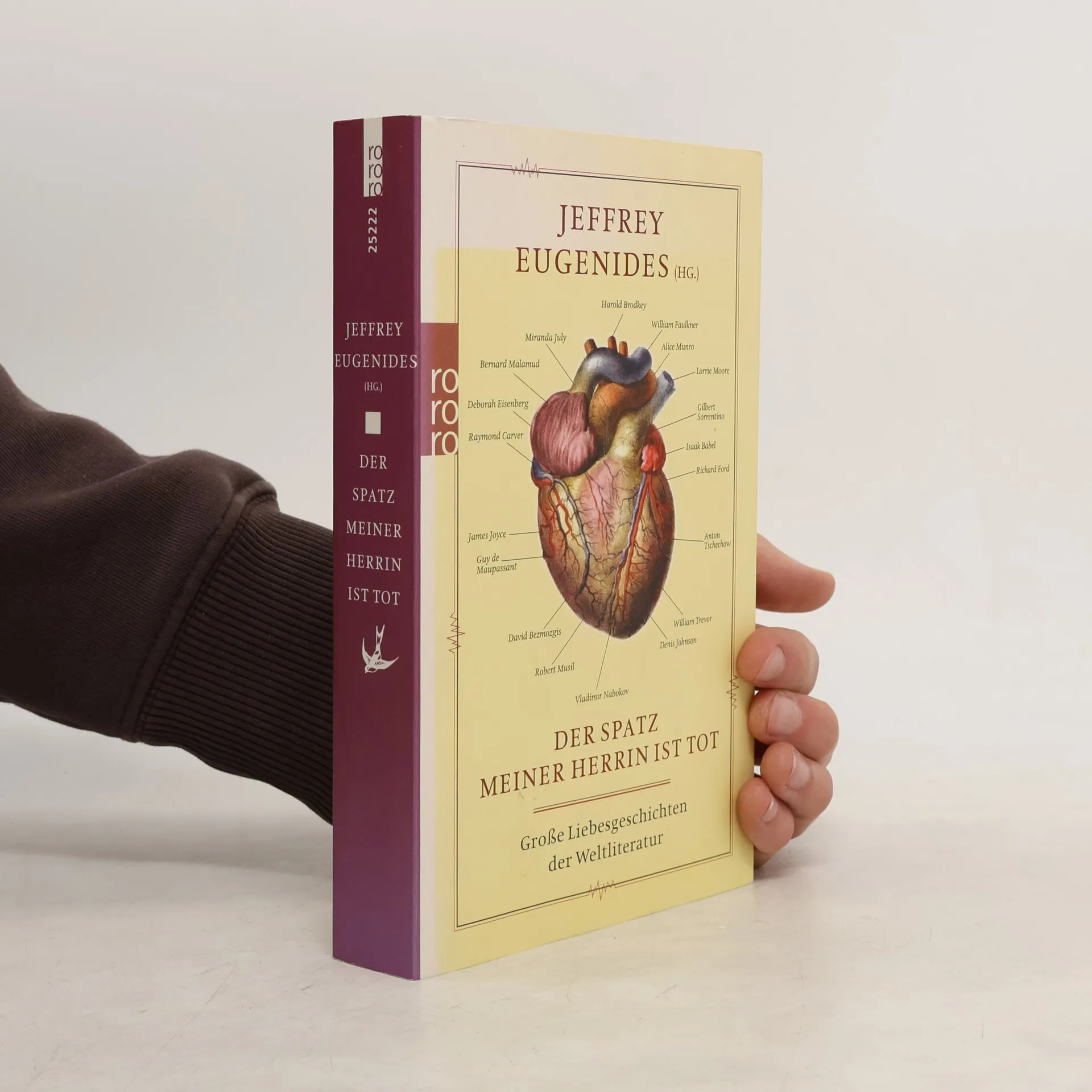
Liebende & Lesende Was uns vor allem an der Liebe berührt, ist ihre Vergänglichkeit. Vom Suchen und Finden, aber auch vom Verlieren der Liebe handeln diese Erzählungen. Ein Jahr lang hat Jeffrey Eugenides sie gelesen, die großen Liebesgeschichten der Weltliteratur. Seine persönlichen Lieblingsgeschichten sind hier versammelt. „Eine der besten Anthologien der letzten Jahre, und zugleich der eindrucksvolle Beweis, dass Eugenides nicht nur ein hervorragender Schriftsteller, sondern auch ein profunder Literaturkenner ist.“ (Kirkus Reviews)
Jeffrey Eugenides, bekannt für seine meisterhafte Darstellung von Liebe, Ehe und Identitätskrisen, zeigt in dieser Sammlung von Erzählungen erneut sein Können. Die Geschichten handeln von Menschen in schwierigen Lebenslagen, oft in Beziehungen. Ein Familienvater sitzt am Feuer, unfähig, sein Haus nach einem Seitensprung zu betreten. Ein junges Mädchen, von ihren indischen Eltern an einen Unbekannten verheiratet, verführt unwissentlich einen Mann, um dem zu entkommen. Ein überarbeiteter Lektor, der kaum genug verdient, um seine Kinder zu versorgen, greift zur Veruntreuung des Vermögens seines Chefs. Della, 88 Jahre alt und mit Demenz, wird trotz Schneesturm-Warnung von ihrer langjährigen Freundin aus einem Pflegeheim entführt. Schließlich plant eine junge Frau, ihren Kinderwunsch mit einer Bratenspritze zu erfüllen. Diese Geschichten, die sowohl verkappte Romane als auch eigenständige Erzählungen sein könnten, zeigen Eugenides' Talent für die kleinere Form und seine große Menschenkenntnis.
Das Paradies kann einem ganz schön auf den Magen schlagen. Was nützt der schönste Palmenstrand, wenn man von einer Darminfektion gezwungen wird, in einer schäbigen Schilfhütte zu dösen? Der Alternativ-Tourist und Backpacker Mitchell kommt auf der abgelegenen Insel im Golf von Siam zu wundersamen Gedanken. Die Amöben in seinem Körper lösen ein Verlangen nach Harmonie von Leib, Geist und Natur aus, und er versucht, seine körperlichen Bedürfnisse sowie die Banalität seiner Mitreisenden hinter sich zu lassen. Nach einer rigorosen Fastenkur geht er ins Wasser, um eins mit dem Paradies zu werden. Ganz andere Sorgen hat Wally Mars, dessen ehemalige Affäre, die TV-Produzentin Tomasina Genovese, verzweifelt nach einem geeigneten Vater für ihre zukünftigen Kinder sucht. Ihre geniale, aber für Wally affige Idee einer Schwangerschaftsparty, bei der sie Männer um genetische Spenden bittet, führt zu unerwarteten Wendungen. Wie Wally aus der Not eine Tugend macht und in Tomasinas Plan involviert wird, bleibt spannend. Jeffrey Eugenides, bekannt für seine einfallsreichen Geschichten, zeigt in diesen Erzählungen seine Wandlungsfähigkeit und sein Gespür für die surrealen Nuancen des Alltags. Trotz Ironie bleiben die Charaktere vertraut und spiegeln eigene Erfahrungen wider, während ein ernstes Anliegen hinter dem Humor spürbar bleibt.
Madeleine Hanna era l'unica laureanda a non aver capito. All'inizio degli anni Ottanta, mentre tutti attorno a lei leggono Roland Barthes e studiano lo strutturalismo («la prima cosa che profumava di rivoluzione»), Madeleine rimane felicemente attaccata a Jane Austen, George Eliot e Henry James. Ma ora, all'ultimo anno di università, si è iscritta al corso di semiotica. Folgorata dai Frammenti di un discorso amoroso, cede al fascino di Leonard Bankhead, un giovane dallo strano carisma che soffre di profonde crisi depressive, fino a convincersi di esserne davvero innamorata. Ma all'improvviso ricompare anche Mitchell Grammaticus, un vecchio amico ossessionato dall'idea che Madeleine sia la donna della sua vita. Nel corso di un anno, da quando si laureano e muovono i primi passi nel mondo, i tre ragazzi saranno costretti a rimettere in discussione tutto quello che hanno imparato sui libri, a rivedere le idee e gli ideali mediati dalla letteratura. Con conseguenze imprevedibili.
Calliope Stephanides, detta Callie e poi Cal, è una bambina come le altre, o così crede, ma un giorno scopre che nel suo Dna si nasconde un gene misterioso che attraversa come una colpa tre generazioni della sua famiglia e ora si manifesta in lei. Callie è colpita da un'"eccentricità biologica", che fa di lei un raro ermafrodito. E da qui ha inizio la sua odissea. Un viaggio travagliato nel cuore di un passato che nasconde i segreti del suo destino. Tra furbi imprenditori e ciarlatani, tra sagge donne di casa e improbabili leader religiosi, in un vorticoso alternarsi di matrimoni, nascite e scandali. Dalla Turchia del crollo dell'Impero Ottomano all'America del proibizionismo, dai conflitti razziali alla controcultura, dal Vietnam al Watergate, Jeffrey Eugenides ci restituisce un mondo scintillante e drammatico, in cui il senso del destino e l'eredità familiare si mescolano e si oppongono alla volontà di essere artefici di se stessi, di dar voce ai propri desideri, alla propria sessualità, ai propri sentimenti.
Calliope Stephanides, rara specie di ermafrodito, ha vissuto i primi anni della sua vita come bambina, fino a quando l'arrivo della pubertà l'ha sottoposta a inevitabili trasformazioni. Responsabile della sua "eccentricità biologica" è un gene misterioso che attraversa come una colpa tre generazioni e che ora si manifesta dando inizio all'odissea di Callie: un viaggio che ci proietta nei sogni e nei segreti della famiglia Stephanides, tra furbi imprenditori e ciarlatani, sagge donne di casa e improbabili leader religiosi, in un alternarsi di nascite, matrimoni, scendali e segreti, che dalla Turchia ottomana si trasferisce nell'America del Proibizionismo e della guerra, dei conflitti razziali e della controcultura, del Vietnam e del Watergate. È un mito contemporaneo quello che Eugenides ci racconta, un romanzo di trasformazioni che affronta i temi più dibattuti dell'epoca moderna, da quello dell'identità a quello del tempo, in una sublime combinazione di elegia, avventura e analisi storico-sociale. Con questo libro Eugenides ha vinto il premio Pulitzer nel 2003.
Gibt es eine Formel, nach der die großen Leidenschaften funktionieren? Roberta Gómez Dawson, Literatin und ehemals Inhaberin eines Lehrstuhls für Mathematik, ist sich sicher, eine solche Formel gefunden zu haben. Zu spät, wie die 82-Jährige findet. Den einzigen Mann, den sie je wollte, hat sie immer nur fast bekommen. Hätte ihr das Wissen um die Formel seinerzeit genützt? Wie handelt man richtig, wenn man glaubt, den einen Menschen gefunden zu haben, der 100%ig zu einem passt? Was passiert, wenn zwei Menschen die Erfüllung ihres Traums schon mit 18 Jahren erleben? Welche Rolle ist begehrenswerter: Lieben oder Geliebtwerden? Gibt es eine Strategie des Glücks? Helfen Vorbilder, Theorien weiter? Lässt sich eine Liebe wiederbeleben, zu der man 25 Jahre zuvor nein gesagt hat? Fragen wie diese tauchen in den von Susanne Nadolny kenntnisreich zusammengestellten Texten auf. Sie regen zum Nachdenken über die Liebe an – über jenes „Wunder des Kosmos“, das uns jeden Tag, an jeder Straßenecke begegnen kann. Ob mit 18 oder 80, ob in Buenos Aires oder Paris, Harajuku oder Amsterdam. Jede Liebe hat ihre eigene Geschichte und funktioniert auf eigene Weise. Acht besondere erzählt dieses Buch mit Texten von Alex Capus, Jeffrey Eugenides, Gustave Flaubert, Benoîte Groult, Siri Hustvedt, Haruki Murakami, Connie Palmen, Esther Vilar