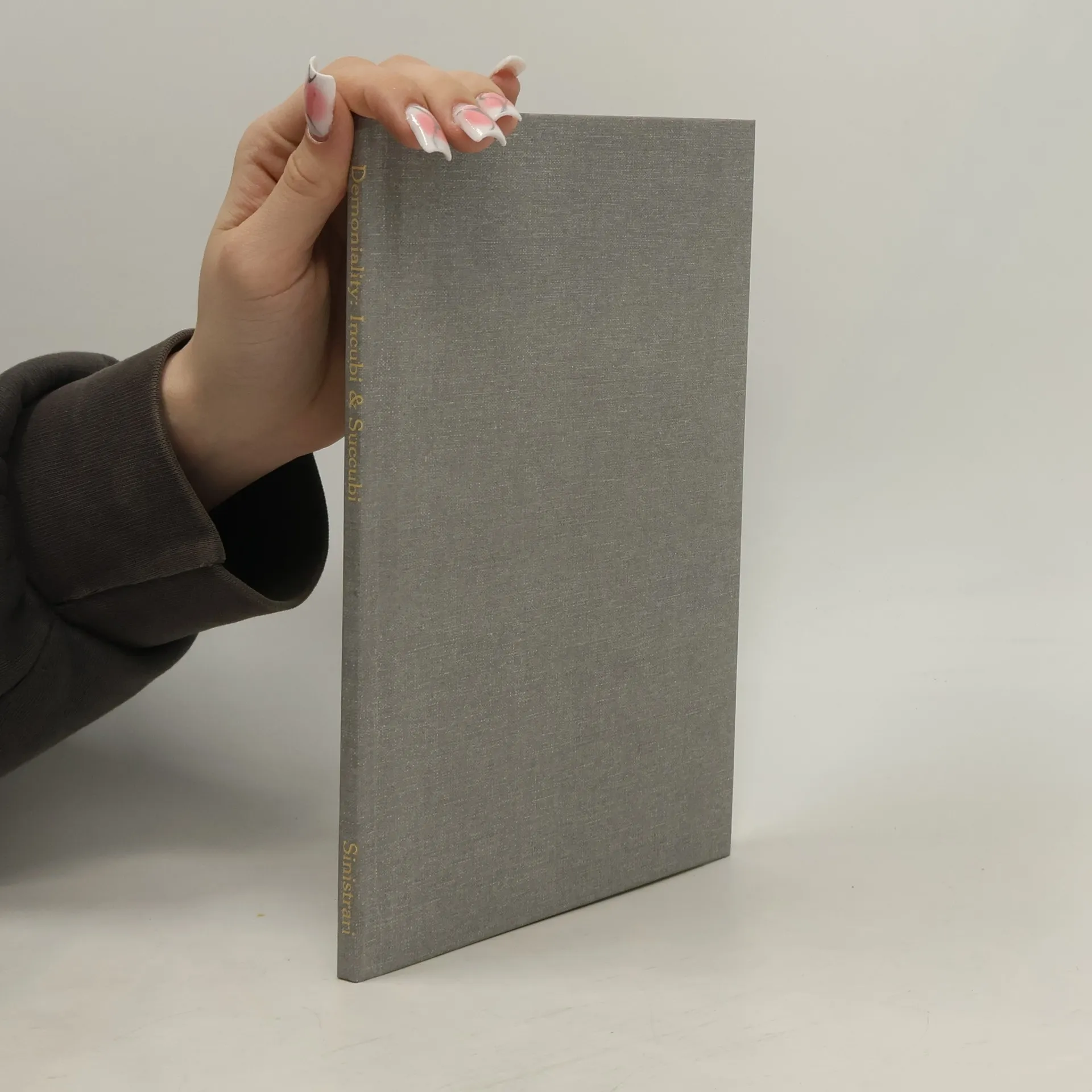
This 17th-century treatise on demonology, authored by Rev. Father Sinistrari, a theologian and exorcist, explores incubus and succubus—minor demons that seek sexual encounters with their victims during sleep. While considered less dangerous than possessing demons, these spirits can be persistent and violent when resisted. Sinistrari presents innovative theories about occult biology, suggesting that demons can reanimate corpses for sexual purposes and impregnate victims with demonic seed, resulting in offspring described as "tall, hardy, bold and wicked." He delves into related topics such as bestiality, necrophilia, and witchcraft, showcasing his expertise in these areas. Using deductive reasoning, he examines the nature of demons, concluding they possess mass but are porous, enabling supernatural abilities. Sinistrari classifies demons based on their actions, distinguishing between those that make corrupt pacts and those that indiscriminately attack innocents. His extensive knowledge of herbalism and alchemy informs his remedies for expelling demons, featuring elaborate herbal recipes reminiscent of a magician's grimoire. He argues that incubus and succubus, while evil, may possess souls and have the potential for salvation, contrasting them with more malevolent spirits. Drawing on his experiences with victims, including nuns and priests, he recounts stories of demonic encounters, applying reason alongside theology, history,
Isidore Liseux Orden de los libros (cronológico)