
Compra 10 libros por 10 € aquí!
Bookbot

Robert M. Sapolsky

    6 de abril de 1957

    Robert Sapolsky es un distinguido profesor de la Universidad de Stanford, reconocido por su innovador trabajo en ciencias biológicas y neurología. Su investigación profundiza en la intrincada relación entre la biología y el comportamiento, explorando los complejos factores que dan forma a las acciones humanas. Sapolsky es célebre por su habilidad para traducir conceptos científicos complejos en narrativas accesibles y cautivadoras, poniendo sus ideas sobre el comportamiento y el cerebro a disposición de una amplia audiencia. Sus contribuciones han avanzado significativamente nuestra comprensión de los fundamentos biológicos del comportamiento.

    Robert M. Sapolsky
    Why Zebras Don't Get Ulcers
    The Trouble With Testosterone
    Why Zebras Don't Get Ulcers -Revised Edition
    A Primate's Memoir
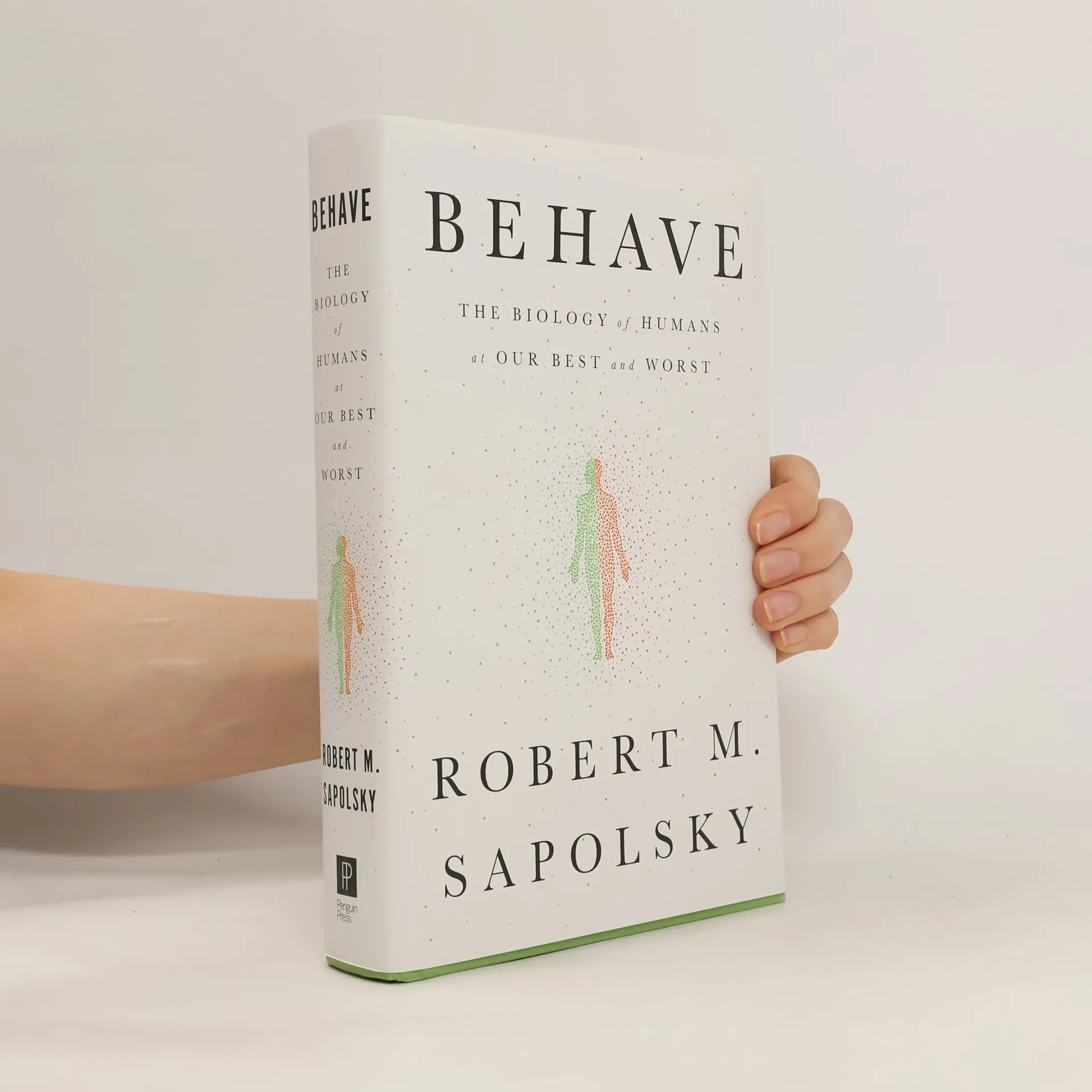
    Behave : the biology of humans at our best and worst
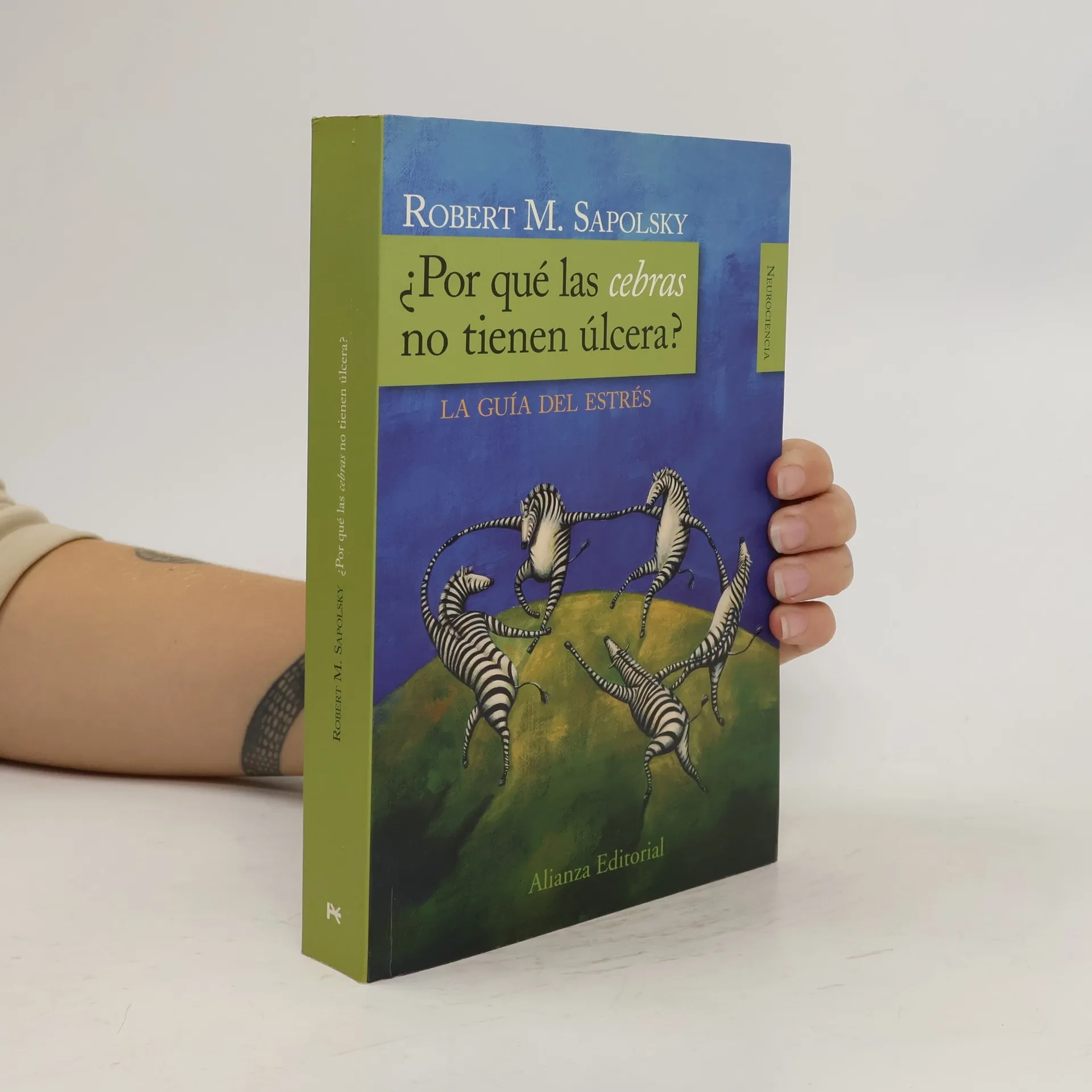
    ¿Por qué las cebras no tienen úlcera? : la guía del estrés
    • Gracias a los avances en la medicina y en la sanidad pública, nuestros patrones de enfermedad han cambiado. Actualmente padecemos enfermedades distintas y tenemos más probabilidades de morir de forma diferente que la mayor parte de nuestros antepasados. Lo que nos preocupa y nos quita el sueño es otro tipo de enfermedades. Y una de ellas es el estrés: atascos de tráfi co, problemas económicos, exceso de trabajo, relaciones sociales... Y el estrés sí puede generar enfermedades. En nuestra vida privilegiada, hemos sido los únicos (del mundo animal) con la suficiente inteligencia como para inventarnos esos agentes estresantes, y los únicos lo bastante estúpidos como para permitir que dominen nuestras vidas. Ante el gran muro de un agente estresante no hay que suponer que existe una solución especial que logrará derribar el muro, lo que hay que asumir es que a menudo, mediante el control de una serie de puntos de apoyo podemos escalarlo. Este libro es una útil guía para ello. Esta nueva edición totalmente actualizada incluye nuevos capítulos y nuevas perspectivas sobre cómo responde el sistema nervioso al estrés y cómo se pueden controlar estas respuestas.


      ¿Por qué las cebras no tienen úlcera? : la guía del estrés
    • New York Times bestseller • Winner of the Los Angeles Times Book Prize • One of the Washington Post's 10 Best Books of the Year “It’s no exaggeration to say that Behave is one of the best nonfiction books I’ve ever read.” —David P. Barash, The Wall Street Journal "It has my vote for science book of the year.” —Parul Sehgal, The New York Times "Immensely readable, often hilarious...Hands-down one of the best books I’ve read in years. I loved it." —Dina Temple-Raston, The Washington Post From the bestselling author of A Primate's Memoir and the forthcoming Determined: A Science of Life Without Free Will comes a landmark, genre-defining examination of human behavior and an answer to the question: Why do we do the things we do? Behave is one of the most dazzling tours d’horizon of the science of human behavior ever attempted. Moving across a range of disciplines, Sapolsky—a neuroscientist and primatologist—uncovers the hidden story of our actions. Undertaking some of our thorniest questions relating to tribalism and xenophobia, hierarchy and competition, and war and peace, Behave is a towering achievement—a majestic synthesis of cutting-edge research and a heroic exploration of why we ultimately do the things we do . . . for good and for ill.

      Behave : the biology of humans at our best and worst
    • A Primate's Memoir

      • 384 páginas
      • 14 horas de lectura

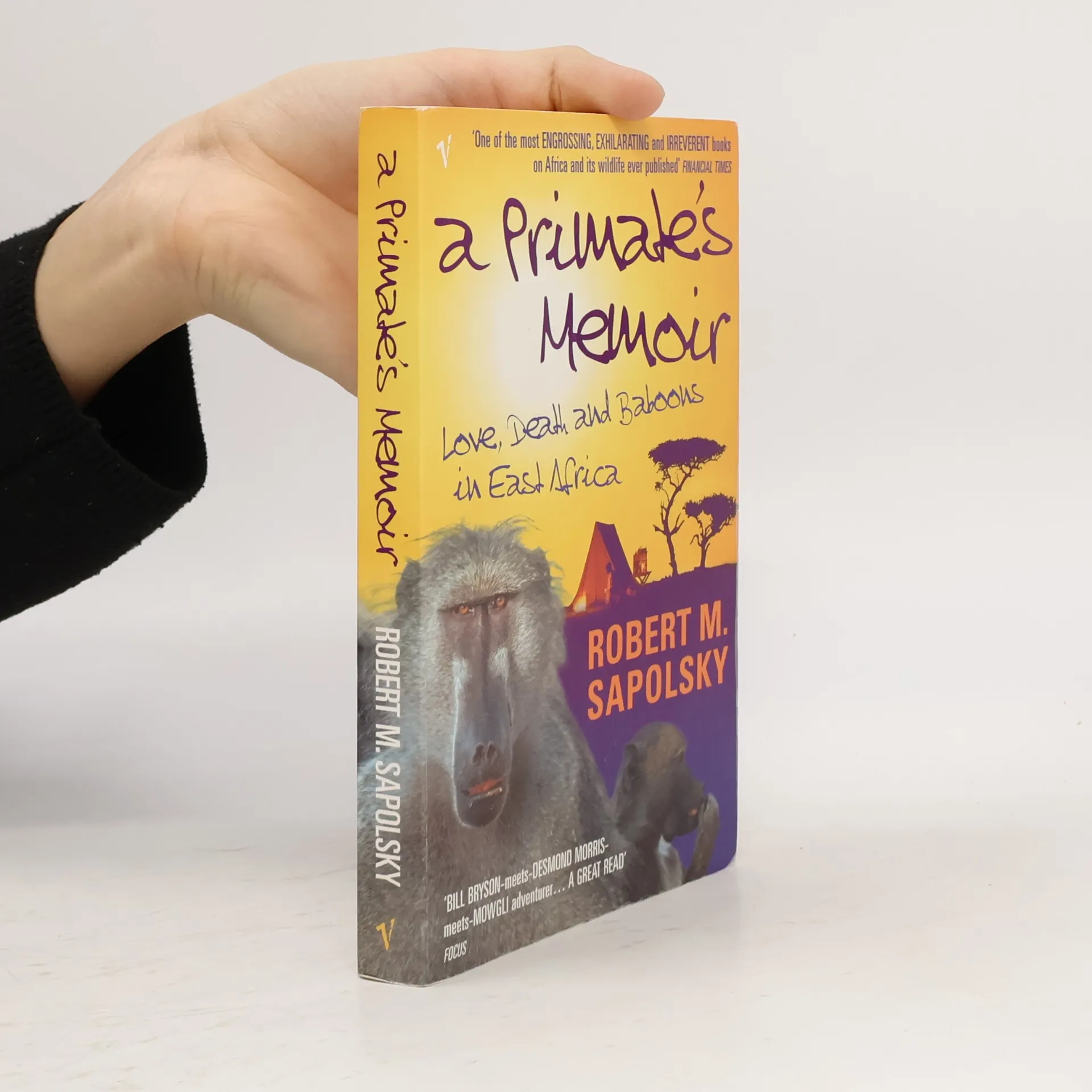
      FROM AUTHOR OF THE NEW YORK TIMES BESTSELLER, BEHAVE 'Remarkable... A Primate's Memoir is the closest the baboon is likely to come - and it's plenty close enough - to having its own Iliad' The New York Times Review of Books 'One of the best scientist-writers of our time' Oliver Sacks Brooklyn-born Robert Sapolsky grew up wishing he could live in the primate diorama in the Museum of Natural History. At school he wrote fan letters to primatologists and even taught himself Swahili, all with the hope of one day joining his primate brethren in Africa. But when, at the age of twenty-one, Sapolky's dream finally comes true he discovers that the African bush bears little resemblance to the tranquillity of a museum. This is the story of the next twenty-one years as Sapolsky slowly infiltrates and befriends a troop of Savannah baboons. Alone in the middle of the Serengeti with no electricity, running water or telephone, and surviving countless scams, culinary atrocities and a surreal kidnapping, Sapolsky becomes ever more enamoured with his adopted baboon troop - unique and compelling characters in their own right - and he returns to them summer after summer, until tragedy finally prevails. Exhilarating, hilarious and poignant, A Primate's Memoir is a uniquely honest window into the coming-of-age of one of our greatest scientific minds.

      A Primate's Memoir
    • Why Zebras Don't Get Ulcers -Revised Edition

      • 560 páginas
      • 20 horas de lectura
      4,2(12879)Añadir reseña

      A distinguished primatologist explains how prolonged stress causes or intensifies a range of physical and mental afflictions, including ulcers, colitis, heart disease, depression, and memory loss, and addresses how to combat it. Reprint. 30,000 first printing.

      Why Zebras Don't Get Ulcers -Revised Edition
    • The Trouble With Testosterone

      • 288 páginas
      • 11 horas de lectura

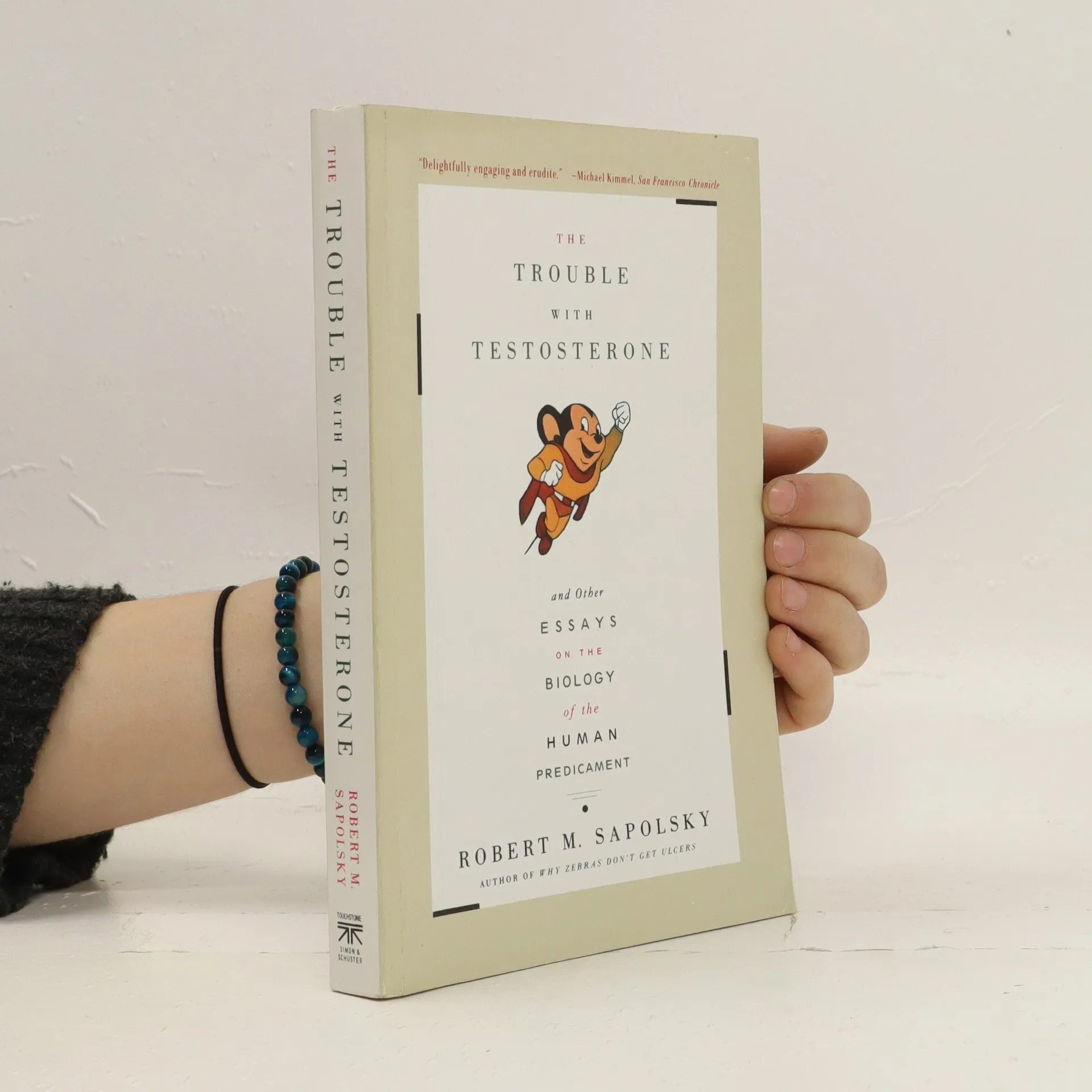
      As a professor of biology and neuroscience at Stanford and a recipient of a MacArthur Foundation "genius grant," Robert Sapolsky carries impressive credentials. Best of all, he's a gifted writer who possesses a delightfully devilish sense of humor. In these essays, which range widely but mostly focus on the relationships between biology and human behavior, hard and intricate science is handled with a deft touch that makes it accessible to the general reader. In one memorable piece, Sapolsky compares the fascination with tabloid TV to behavior he's observed among wild African baboons. "Rubber necks," notes the professor, "seem to be a common feature of the primate order." In the title essay of The Trouble with Testosterone, Sapolsky ruminates on the links, real or perceived, between that hormone and aggression.Covering such broad topics as science, politics, history, and nature, the author of Why Zebras Don't Get Ulcers writes accessible and interesting essays that explore the human struggle with moral and ethical problems in today's world. 20,000 first printing.

      The Trouble With Testosterone
    • Why Zebras Don't Get Ulcers

      • 368 páginas
      • 13 horas de lectura

      witty style, skillful integration of biology and psychology, and research-based recommendations for coping with stress make Why Zebras Don't Get Ulcers a unique and indispensable book for people worried about worrying themselves sick.

      Why Zebras Don't Get Ulcers
    • Victorians in Camera

      • 224 páginas
      • 8 horas de lectura

      'The making of a lifelike picture was something to be wondered at. It was an adventure, it was an expense, and it was often something of an ordeal...' Victorians in Camera explores the world of nineteenth century photography from the subjects' point of view. What did people want from their portraits? Where did they go to have them made and did the Victorians really never smile? What did they do with the finished product, whether a formal daguerreotype or cheery snapshot? From a wealth of contemporary evidence - in both words and pictures - Robert Pols reveals the story behind Victorian photography - from trickery to photographic fashions. Discover the social history behind nineteenth century photographs and how to trace hidden stories within your own family album.

      Victorians in Camera
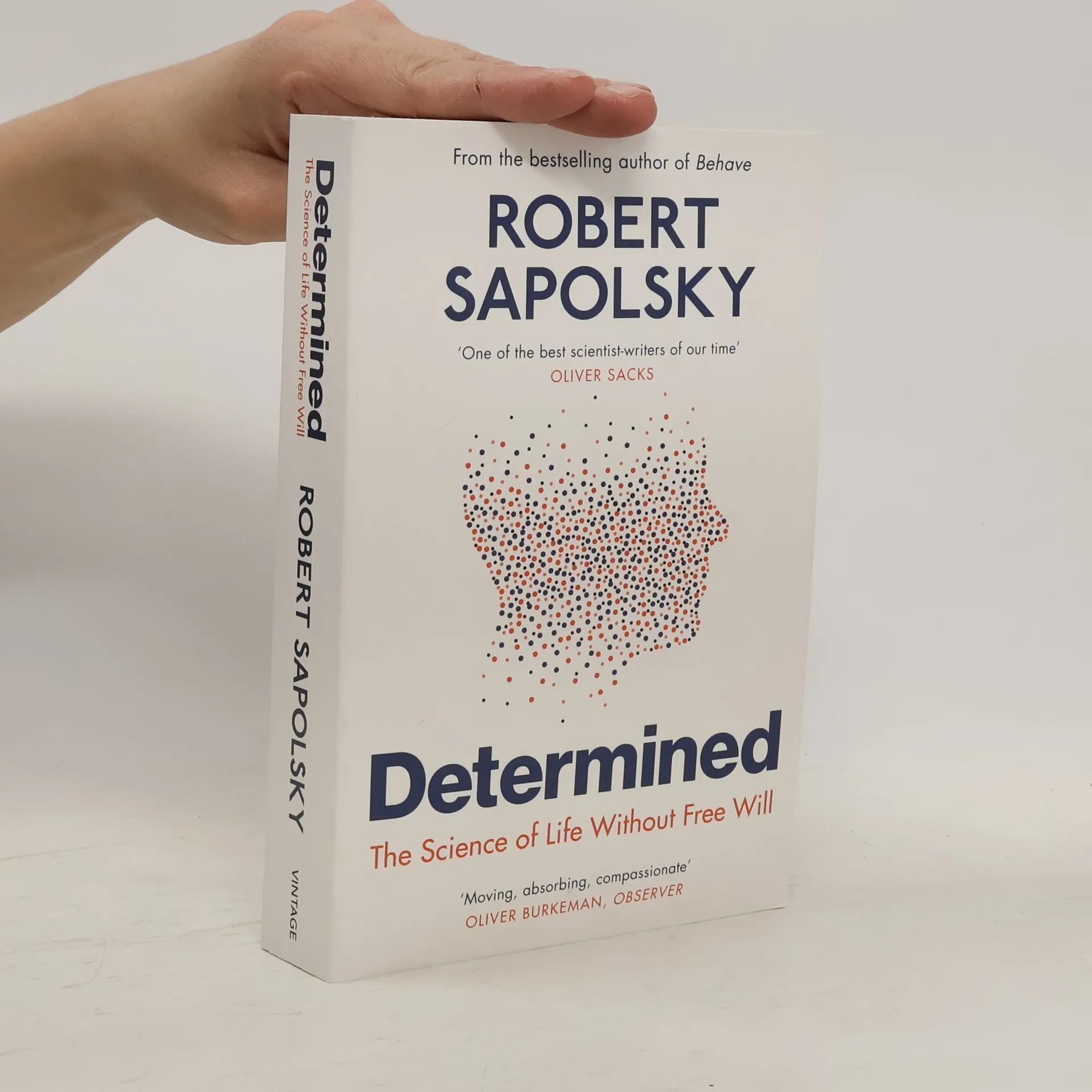
    • One of the world's greatest scientists of human behaviour, the bestselling author of Behave, shows that free will does not exist - and sets out the disturbing yet liberating implications of accepting this fact. 'One of the best scientist-writers of our time' OLIVER SACKS What if free will is an illusion? As Robert Sapolsky shows in this masterful account of the science of human behaviour, everything we think and do is caused by the luck of our biology and the influence of our environment, and ultimately both are beyond our control. In a world without free will, we must completely rethink what we mean by choice, responsibility, morality and justice. Sapolsky's extraordinary book does exactly this, guiding us toward a profoundly fairer, more humane way of living together. 'A joy to read. It's impossible to recommend this book too highly. Reading it could change your life' LAURENCE REES 'Outstanding for its breadth of research, the liveliness of the writing and the depth of humanity it conveys' Wall Street Journal 'Moving, absorbing, compassionate' OLIVER BURKEMAN, Observer

      Determined
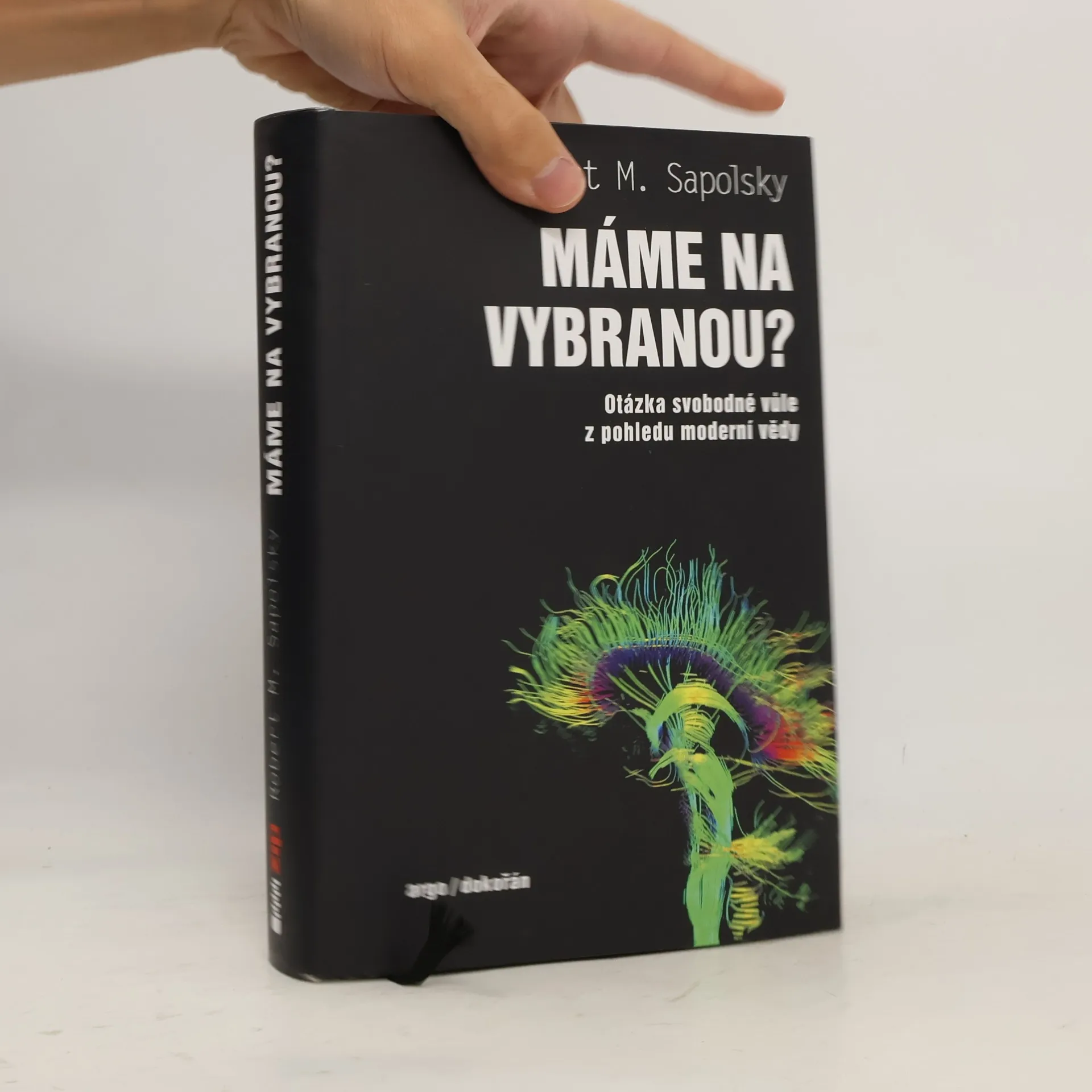
    • Proč se chováme tak, jak se chováme? Takovou otázku se pokoušeli zodpovědět mnozí a už rozmanitost přístupů, jak ji lze uchopit, naznačuje, že se jedná o úlohu navýsost zapeklitou. Jedni se zaměřují na neurobiologii, jiní si vzali na paškál hormony, další preferují geny, někteří zase kladou na první místo výchovu či další vlivy prostředí, které na nás zprostředkovaně působí od momentu našeho početí, tedy již v matčině lůně. Nesmíme ovšem zapomínat ani na evoluci, která naše chování utvářela po dlouhé věky. Všechno jsou to však jen škatulky, které jsou součástí jednoho celku, jenž ve své monumentální knize rozplétá americký biolog Robert Sapolsky. Ten čtenáři představuje původ našeho chování od prvních sekund, během kterých byla stěžejní aktivita různých oblastí mozku, přes hodiny až dny, kdy hrály prim hormony, až k milionům let, během nichž naše chování formovala evoluce. Sapolského kniha se tak vymaňuje z pout, kterými snahy o vysvětlení chování svazují jednotlivé obory, a snaží se o přístup holističtejší, který čerpá z nejrůznějších oborů biologie od neurologie a endokrinologie přes genetiku po evoluční biologii.

      Chování – Biologie člověka v dobrém i ve zlém