
Bookbot

Rubina Raja

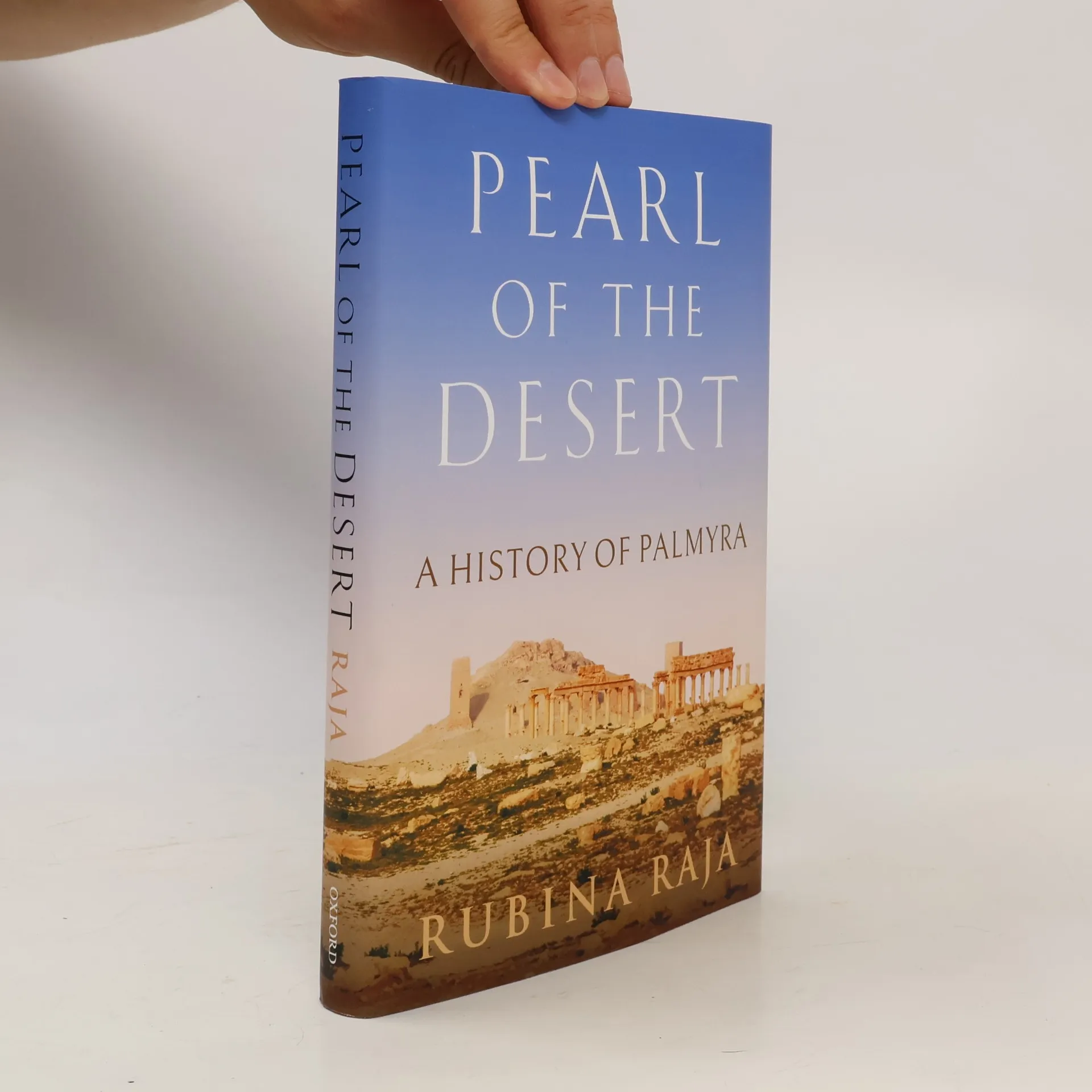
    Women in Antiquity: Pearl of the Desert
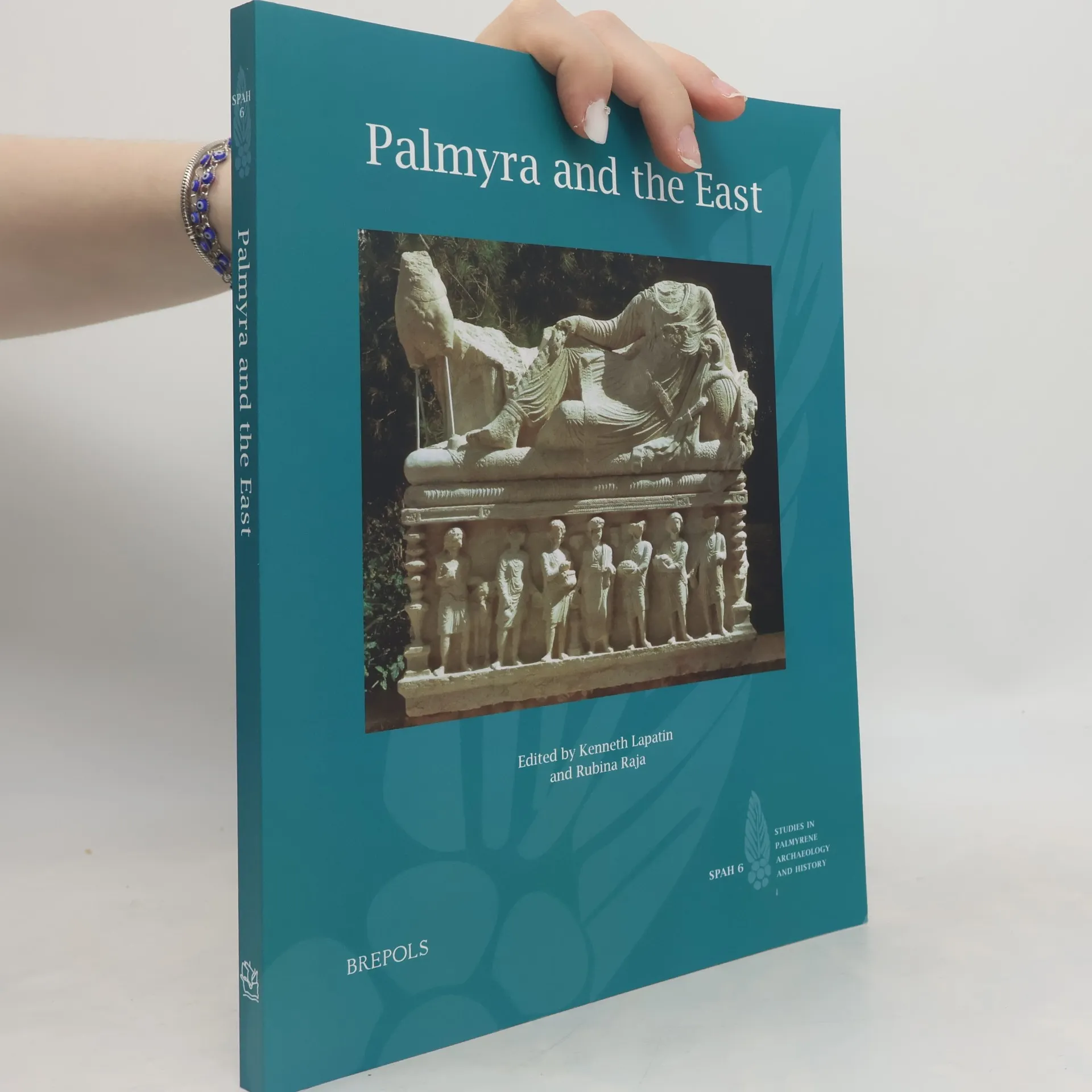
    Studies in Palmyrene Archaeology and History - 6: Palmyra and the East
    • The ancient caravan city of Palmyra, situated in the Syrian Desert, was a vibrant cultural hub where diverse peoples, goods, and ideas converged from Europe to the west and India and China to the east. Positioned between the Roman Empire and the Parthian Empire, Palmyra's strategic location has led scholars to focus primarily on its connections with the west, often overlooking its ties to eastern regions. This edited volume aims to fill that gap by offering a comprehensive examination of Palmyra's interactions with its eastern neighbors during the first three centuries AD. The collected papers delve into various aspects of the city, including its art, architecture, material culture, languages, inscriptions, political relations, social dynamics, and religious identity during its peak. By exploring these elements, the volume sheds light on Palmyra's unique identity and its complex, often tense, relationships with Parthia and other eastern territories. The contributions provide valuable insights into the city's dynamic connections with the east and illustrate how these influences shaped and permeated Palmyrene culture.

      Studies in Palmyrene Archaeology and History - 6: Palmyra and the East
    • Women in Antiquity: Pearl of the Desert

      A History of Palmyra

      • 224 páginas
      • 8 horas de lectura

      Palmyra has captivated global interest for centuries, especially due to its legendary Queen Zenobia, who in the third century CE defied Roman authority and expanded the city's reach into modern Turkey and Egypt. Although her empire was short-lived and ultimately crushed by the Romans, her ascent reveals much about Palmyrene identity before her defeat. Despite renewed scholarly and media attention on Zenobia, particularly as a political symbol in contemporary Syria, the period preceding her reign remains largely unexplored. This comprehensive history of Palmyra in English integrates extensive archaeological and literary evidence, covering its settlement from the Bronze Age to its emergence as a significant urban center during the late Hellenistic and Roman periods, its destruction in 273 CE, and its endurance through the Byzantine and medieval Islamic eras. The narrative concludes with Palmyra's modern rediscovery and its tumultuous experiences during the Syrian civil war, where it became a symbol of resistance, ISIS power, and Syrian state supremacy. Following years of devastation and looting, efforts for site security and restoration are underway. This pivotal moment in Palmyra's long history presents an opportune time to reflect on its past, present, and future.

      Women in Antiquity: Pearl of the Desert