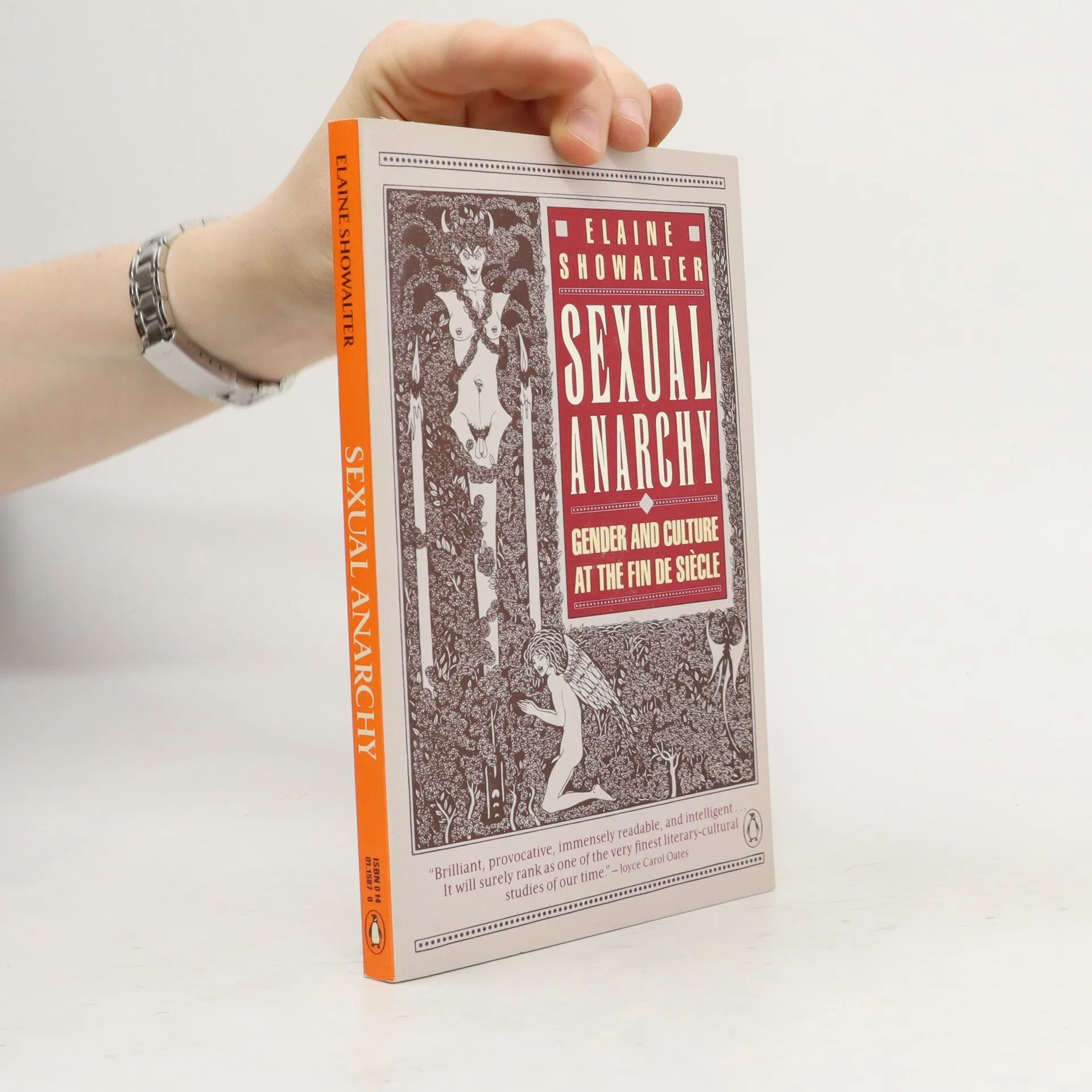
An exploration of the paralells between the ends of the 19th and 20th centuries and their representations in art, literature and film, this book asks whether the approaching millenium signals a beginning or points grimly to an end, and whether the ends of centuries are merely imaginery borderlines in time, or cycles, such as the crises of the "fin de siecle" and the sense of ending so ominously present in the works of contemporary writers and artists. The novelist George Gissing remarked that the 1880s and 1890s were decades of sexual anarchy, when the notions of gender that governed sexual identity and behaviour were being constantly eroded. It was a time when the words "feminism" and "homosexuality" came into use, redefining accepted ideas of masculine and feminine, and a time when the "emancipated woman" was viewed as a threat to family stability. That was nearly 100 years ago, and in this book the author points out the similarity between that time and this time. The sexual abuse of children and the increasing frequency of rape; the censoring of art and the banning of pornography; anti-abortion campaigns and the AIDs epidemic - these late-20th-century crises are, the author suggests, comparable to their "fin de siecle" counterparts. Elaine Showalter is also the author of "A Literature of Their Women Writers from Bronte to Lessing" and "The Female Women, Madness, and English Culture, 1830 - 1980".
Elaine Showalter Libros
Elaine Showalter es una crítica literaria y comentarista cultural estadounidense, reconocida como una figura fundamental en la crítica literaria feminista. Desarrolló el concepto y la práctica de la gino crítica, centrando el enfoque crítico en la tradición literaria femenina. Los agudos análisis de Showalter, que a veces abordan temas controvertidos como la enfermedad, han generado un importante debate público. Es ampliamente respetada por sus contribuciones tanto en el ámbito académico como en el cultural popular.

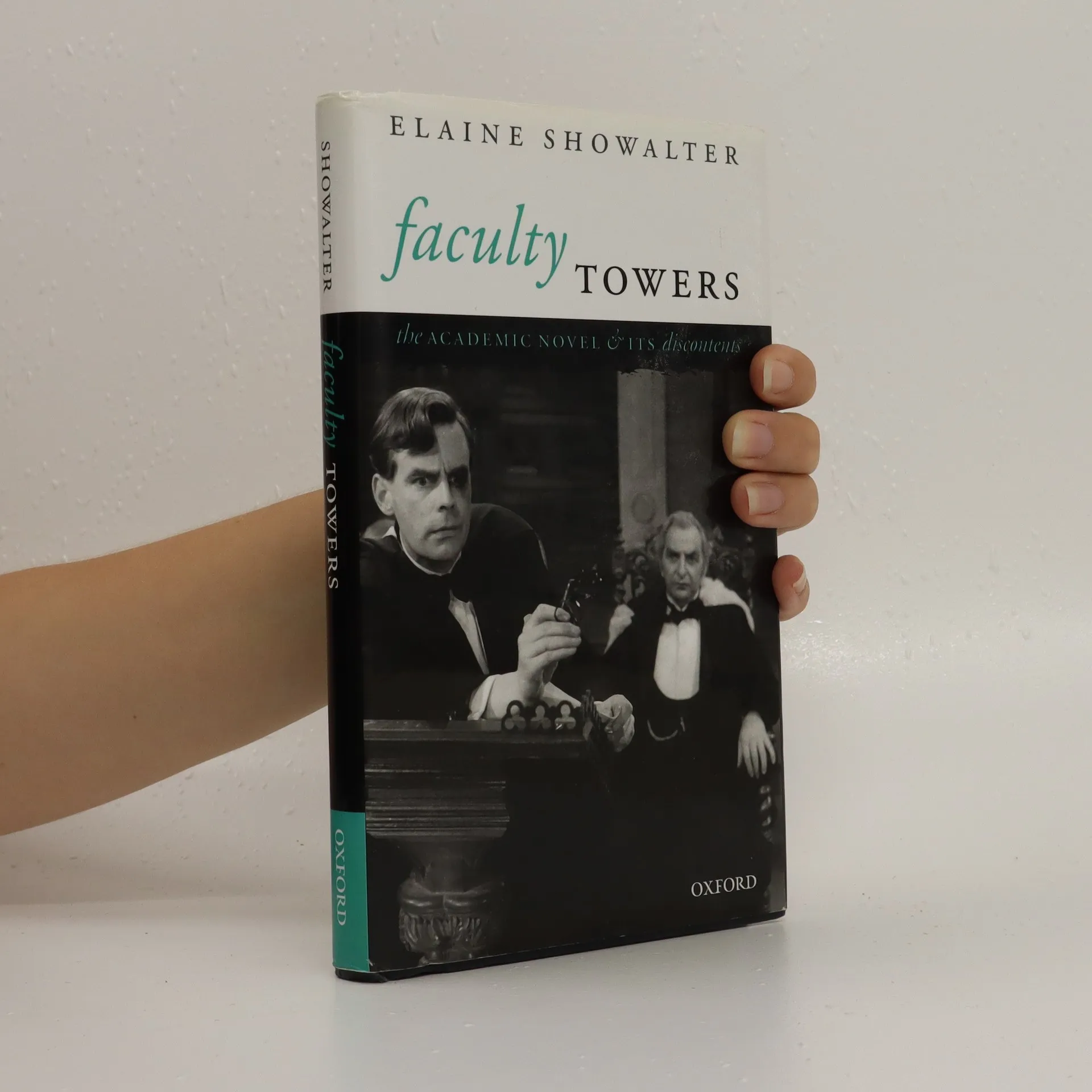
In the days before there were handbooks, self-help guides, or advice columns for graduate students and junior faculty, there were academic novels teaching us how a proper professor should speak, behave, dress, think, write, love, and (more than occasionally) solve murders. If many of thesebooks are wildly funny, others paint pictures of failure and pain, of lives wasted or destroyed. Like the suburbs, Elaine Showalter notes, the campus can be the site of pastoral and refuge. But even ivory towers can be structurally unsound, or at least built with glass ceilings. Though we love toread about them, all is not well in the faculty towers, and the situation has been worsening.In Faculty Towers, Showalter takes a personal look at the ways novels about the academy have charted changes in the university and society since 1950. With her readings of C. P. Snow's idealized world of Cambridge dons or of the globe-trotting antics of David Lodge's Morris Zapp, of the sleuthingKate Fansler in Amanda Cross's best-selling mystery series or of the recent spate of bitter novels in which narratives of sexual harassment seem to serve as fables of power, anger, and desire, Showalter holds a mirror up to the world she has inhabited over the course of a distinguished and oftencontroversial career.
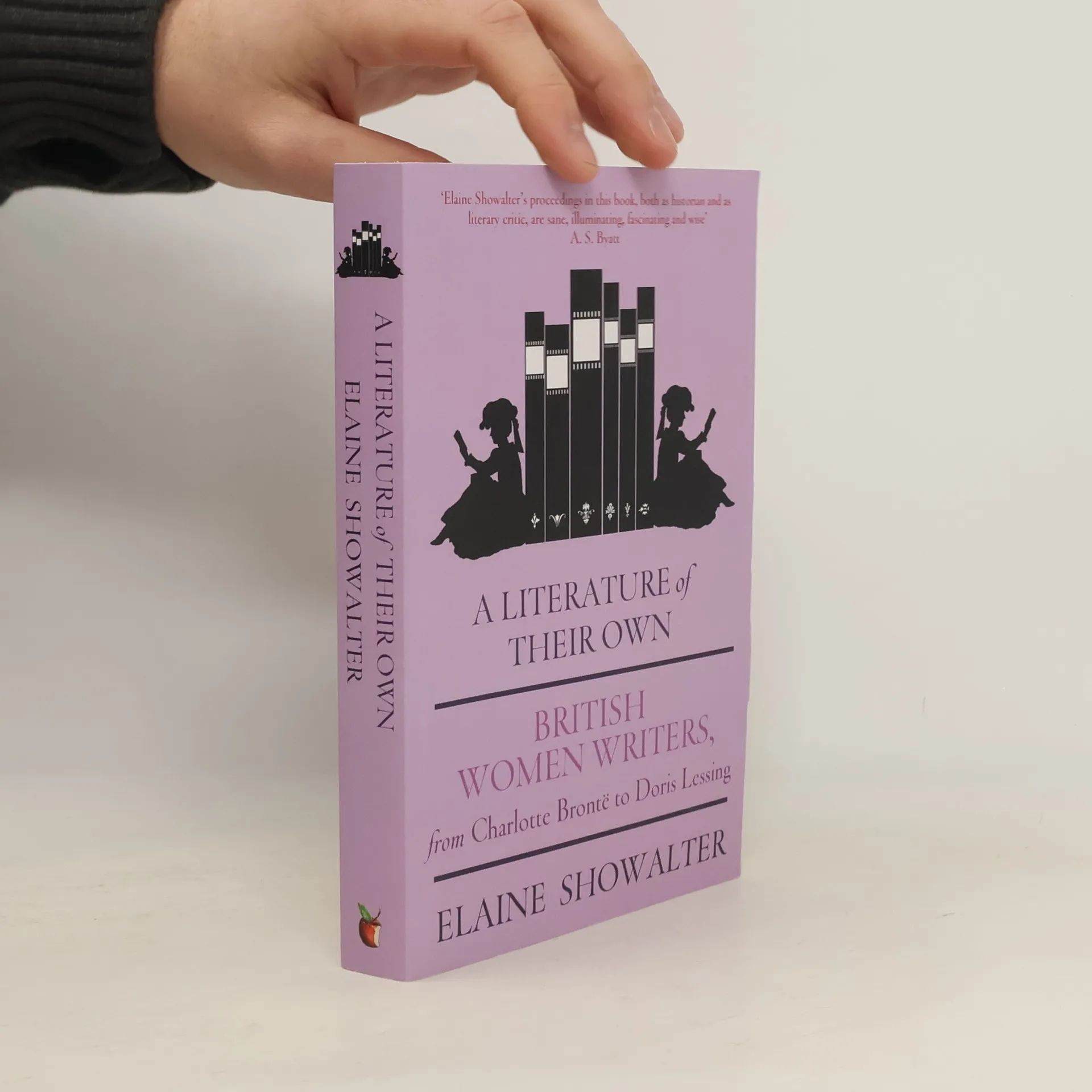
A Literature Of Their Own
- 384 páginas
- 14 horas de lectura
Revised and expanded edition with a new introduction and postscript, published to coincide with Elaine Showalter's new hardback, A JURY OF HER PEERS
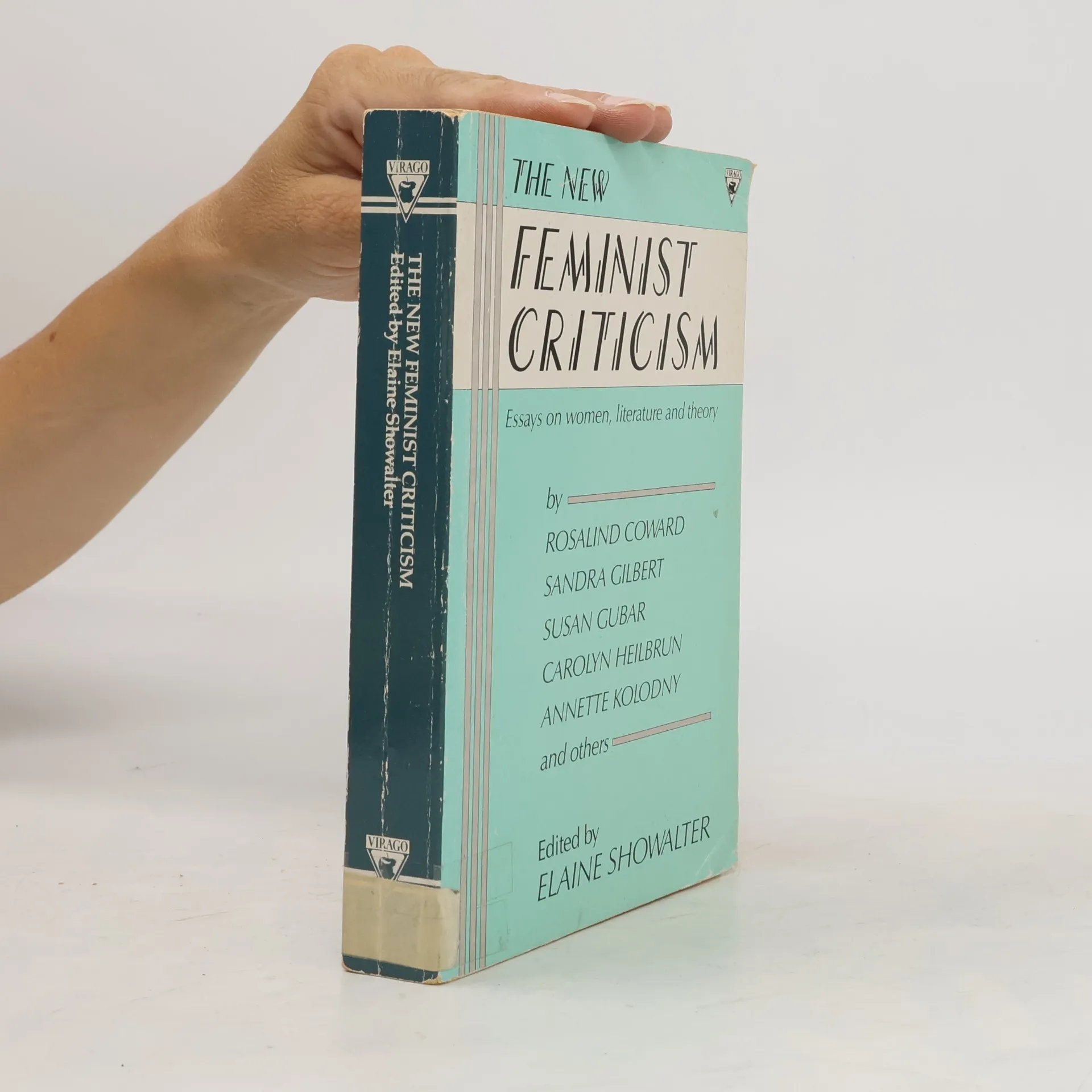
The New Feminist Criticism
- 416 páginas
- 15 horas de lectura
Essays discuss American literature, feminist poetics, Black and Lesbian feminist criticism, and women's writing
At the turn of the century, short stories by- and often about- 'New Women' flooded the pages of English and American magazines like The Yellow Book, The Savoy, Atlantic Monthly and Harpers. This daring new fiction, often innovative in form, and courageous in its candid literary aspiration, shocked Victorian critics who parodied the experimental stories in Punch as symptoms of fin de siecle decadence, or denounced the authors as 'literary degenerates' or 'erotomaniacs.' This collection brings together twenty of the most original and important stories, including such little-known writers as Victoria Cross, George Egerton, Vernon Lee, Constance Fenimore Wollson and Charlotte Mew. Ranging from the lyrical to the Gothic, and frequently dealing with the conflicts of women artists, the short fiction of the fin de siecle is the missing link between the Golden Age of Victorianism women writers and the new era of feminist modernism.
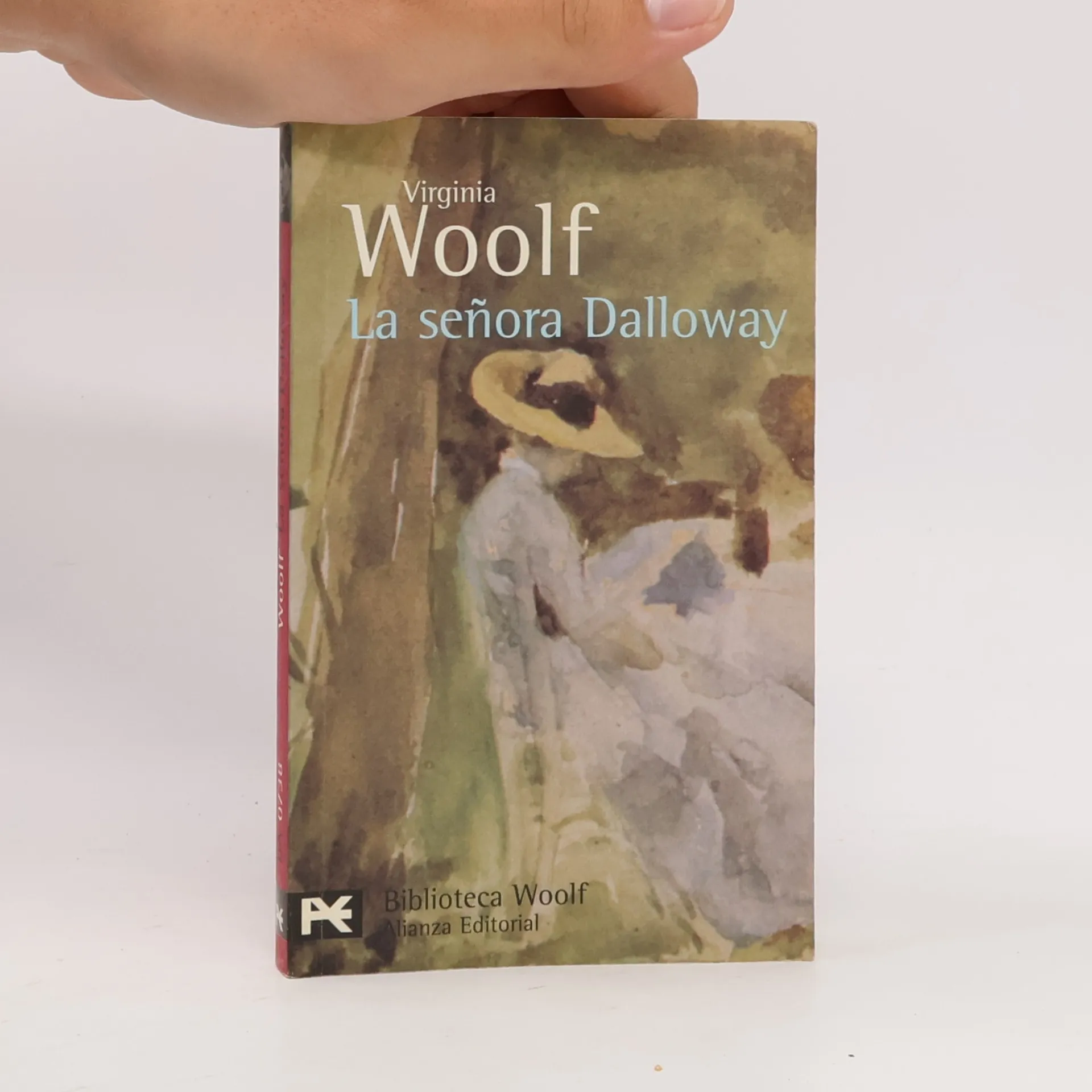
Biblioteca Woolf - 738: La señora Dalloway
- 224 páginas
- 8 horas de lectura
Figura destacada del llamado «Grupo de Bloomsbury», Virginia Woolf (1882-1941) fue autora de una serie de relatos que la sitúan en la vanguardia del movimiento renovador de las técnicas narrativas que buscó en la profundización del análisis de la conciencia el reflejo de una realidad más auténtica y esencial. Fue en la amalgama de sentimientos, pensamientos y emociones que es la subjetividad donde Woolf encontró el material apropiado para una narrativa que contribuyó a forjar la sensibilidad contemporánea. Publicada en 1925, La señora Dalloway relata un día en la vida de una mujer de la clase alta londinense desde el punto de vista de una conciencia que experimenta con plena intensidad cada instante vivido, en el que se condensan el pasado, el entorno y el presente.
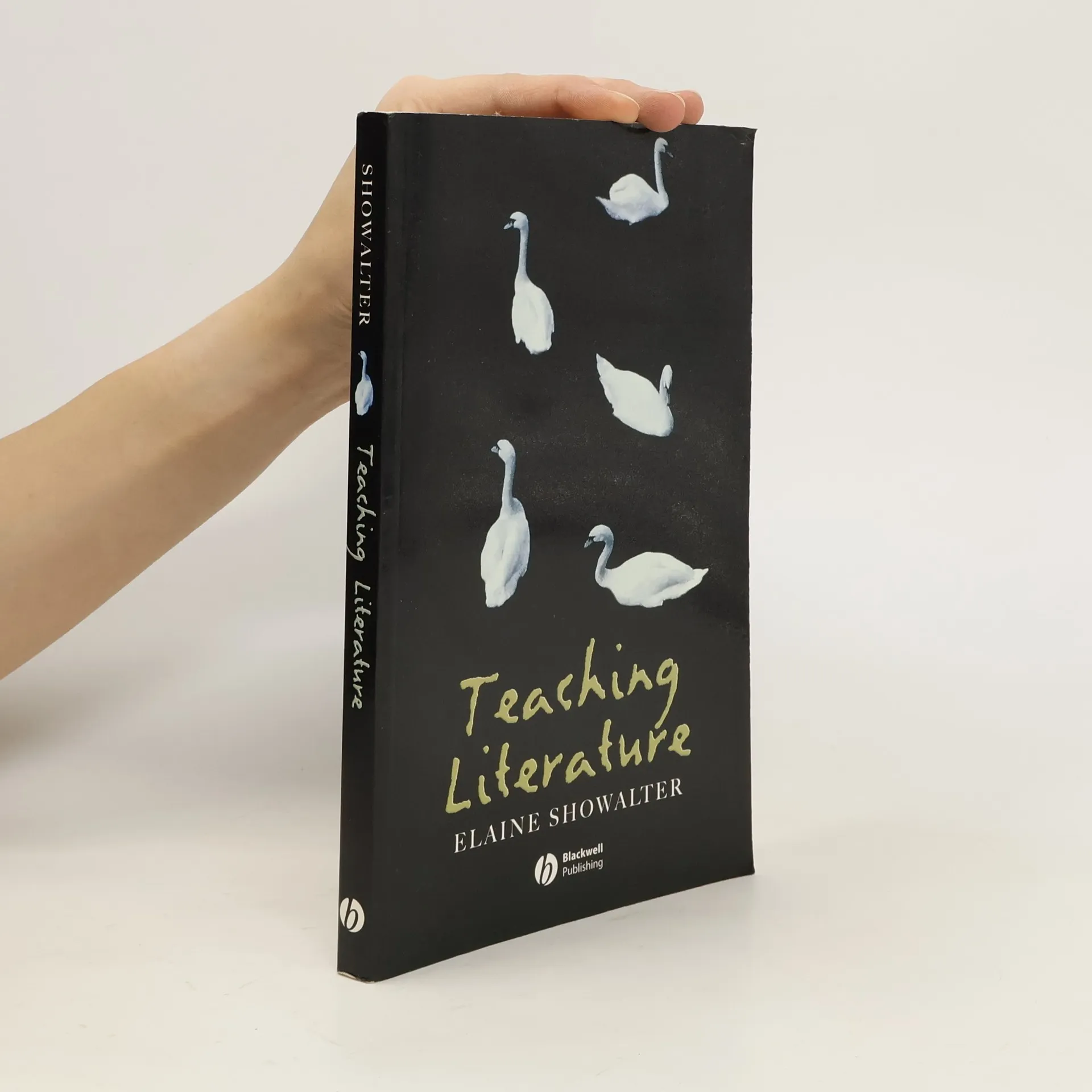
A guidebook for all teachers of English and American literature in higher education. Drawing on 40 years of international teaching experience, author Elaine Showalter inspires instructors to make their classroom practice as intellectually exciting as their research.
Them
- 546 páginas
- 20 horas de lectura
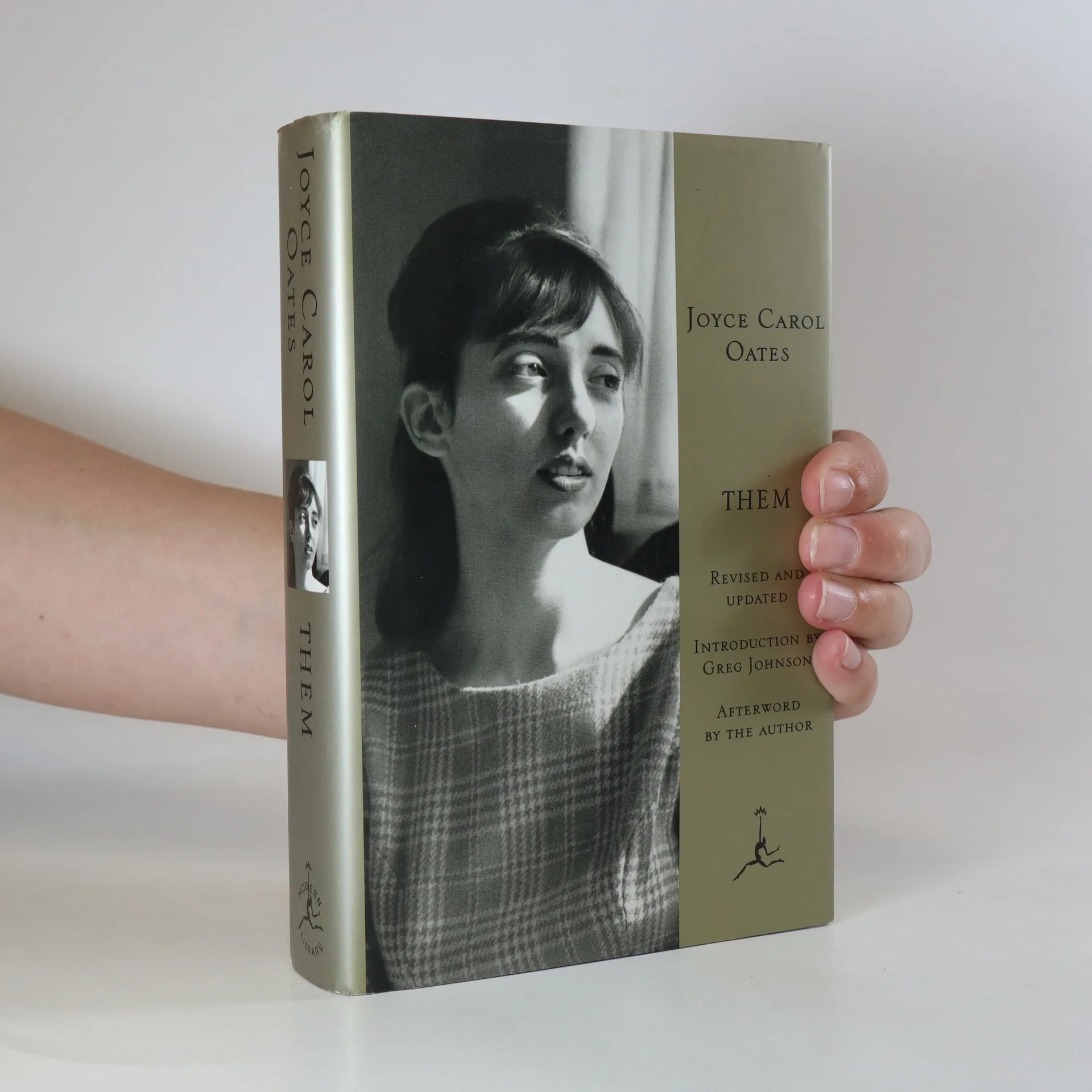
Chronicles the lives of the Wendalls, a family on the steep edge of poverty in the windy, riotous Detroit slums
Where Are You Going, Where Have You Been?
- 178 páginas
- 7 horas de lectura
Joyce Carol Oates’s prize-winning story “Where Are You Going, Where Have You Been?” takes up troubling subjects that continue to occupy her in her fiction: the romantic longings and limited options of adolescent women; the tensions between mothers and daughters; the sexual victimization of women; and the American obsession with violence. Inspired by a magazine story about a serial killer, its remarkable portrait of the dreamy teenager Connie has made it a feminist classic. Connie’s life anticipates the emergence of American society from the social innocence of the fifties into the harsher contemporary realities of war, random violence, and crime. The story was the basis for the movie Smooth Talk, which became the subject of much feminist debate. This casebook includes an introduction by the editor, a chronology of Oates’s life, an authoritative text of “Where Are You Going, Where Have You Been,” an essay by Oates on Smooth Talk , the original Life article about the serial killer, ten critical essays (including two about the film), and a bibliography. The contributors are Brenda O. Daly, Christina Marsden Gillis, Don Moser, Tom Quirk, B. Ruby Rich, R.J.R. Rockwood, Larry Rubin, Gretchen Schulz, Marie Mitchell Oleson Urbanski, Joyce M. Wegs, Marilyn C. Wesley, and Joan D. Winslow.
Hystorien
- 319 páginas
- 12 horas de lectura
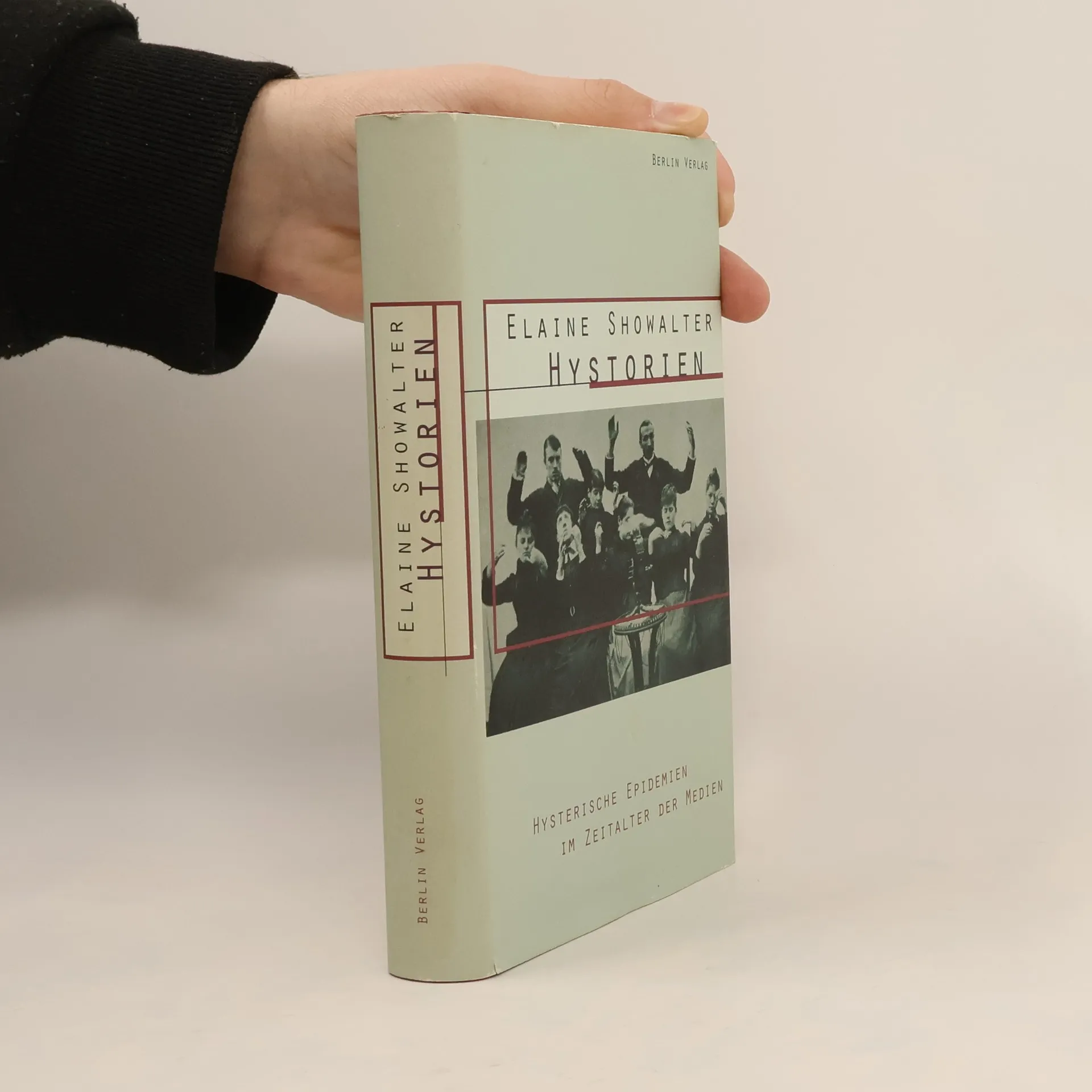
Gefüllt mit faszinierenden neuen Perspektiven auf eine Kultur, die mit Syndromen aller Art durchdrungen ist, untersucht Hystorien geschickt den Zustand der Hysterie – ihre Ursachen, Heilmittel, berühmte Patienten und Ärzte – im 20. Jahrhundert, um zu zeigen, dass Hysterien immer mit uns sind, eine Art kollektiver Bewältigungsmechanismus für sich verändernde Zeiten.