

Compra 10 libros por 10 € aquí!
Bookbot

John Powers

    1 de enero de 1957

    John Powers es un agudo observador de la cultura pop y un crítico general para Fresh Air de NPR. Su escritura se adentra en la intersección del cine y la política, ofreciendo agudas perspectivas sobre la sociedad contemporánea. El trabajo de Powers, presentado en numerosas publicaciones destacadas, proporciona un examen reflexivo de las tendencias culturales y sus implicaciones más amplias.

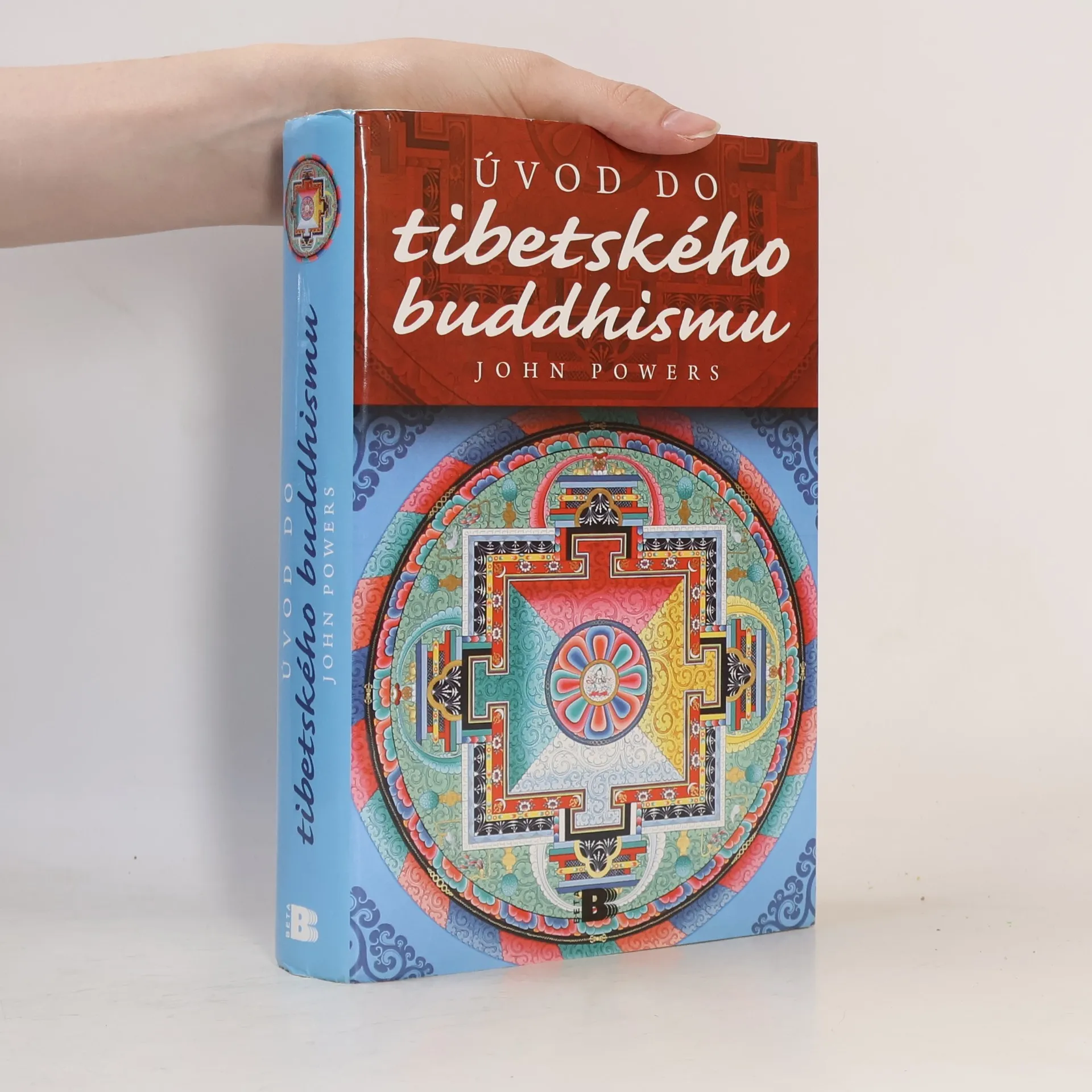
    Úvod do tibetského buddhismu
    Technology and the Making of Experimental Film Culture
    The Future of the Economy
    The Boston Handbook
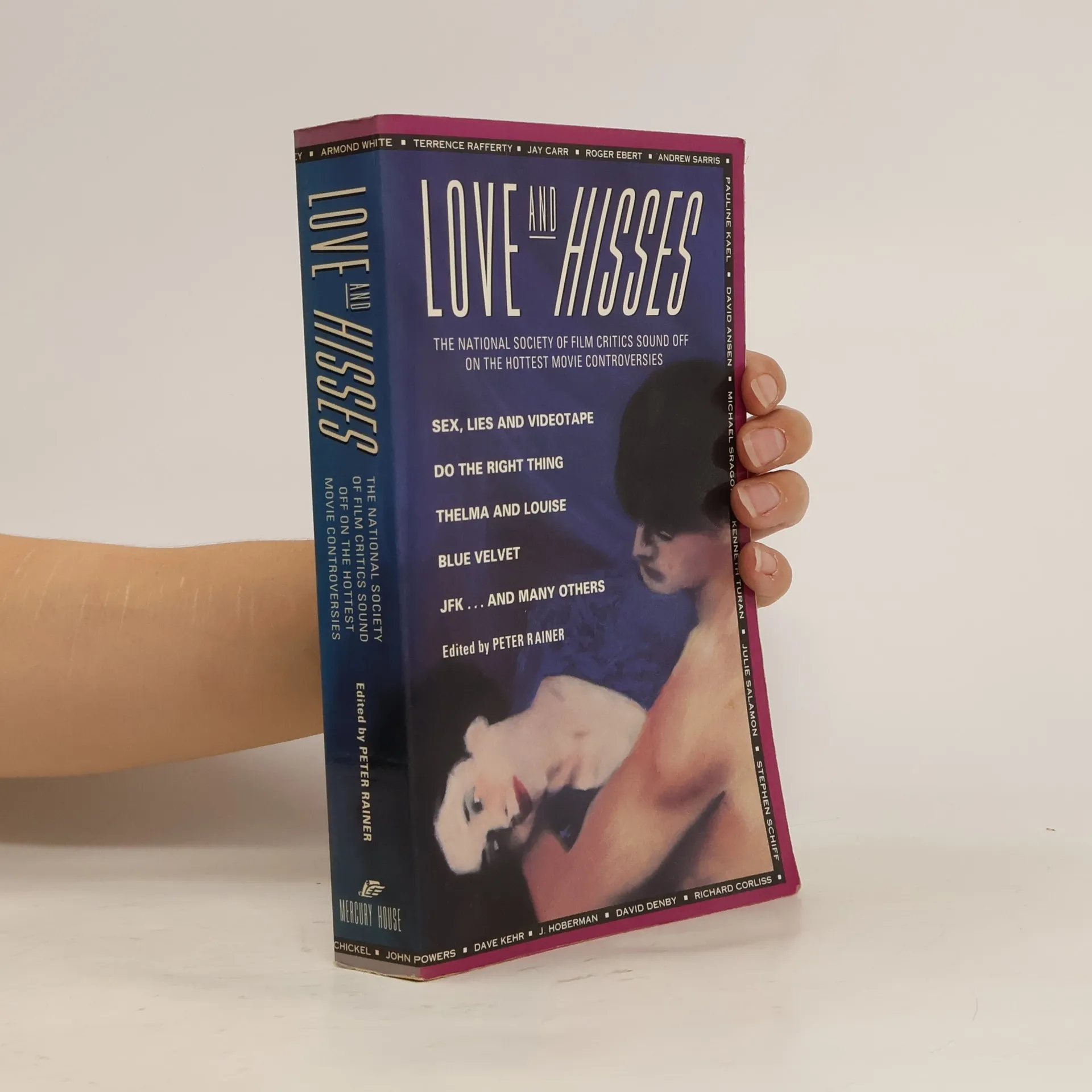
    Love and Hisses
    A Concise Introduction to Tibetan Buddhism
    • A Concise Introduction to Tibetan Buddhism

      • 160 páginas
      • 6 horas de lectura

      Lucid and economical, this introductory text delivers a brisk, fast-moving survey of Tibetan Buddhism. For many years Powers's nearly 600-page Introduction to Tibetan Buddhism has served as the field's most authoritative and comprehensive overview of Tibet's distinctive Buddhist tradition. A Concise Introduction to Tibetan Buddhism explains the core Buddhist doctrines and the practices of meditation and tantra and provides a survey of the four main schools of Tibetan Buddhism.

      A Concise Introduction to Tibetan Buddhism
    • Love and Hisses

      The National Society of Film Critics Sound Off on the Hottest Movie Controversies

      • 560 páginas
      • 20 horas de lectura

      A collection of essays on the most hotly debated films features discussions on Spike Lee, Oliver Stone, the ratings war, and the war of the sexes by such critics as Pauline Kael, Roger Ebert, and Terrence Rafferty. Original.

      Love and Hisses
    • The Boston Handbook

      An Irreverent Guide to the Hub of the Universe

      • 136 páginas
      • 5 horas de lectura

      Navigating the unique culture of Boston is a central theme in this guide, which offers insights from a local's perspective. John Powers shares over fifty years of experience, highlighting the city's distinct customs, transportation, and culinary scene. Accompanied by lively illustrations from Peter Wallace, the book provides practical tips for visitors, such as understanding local slang and the city's geography. It captures the pride of Bostonians and reveals why Boston is often seen as a trendsetter in the U.S.

      The Boston Handbook
    • The Future of the Economy

      • 84 páginas
      • 3 horas de lectura

      Taking a multi-dimensional view, this book synthesizes the main issues and dilemmas facing the economy of the future, seeks to frame the trade-offs in policy terms, while also advancing the discussion towards recommendations and solutions.

      The Future of the Economy
    • "In 1972, the filmmaker John Luther Schofill lured two promising students, Bill Brand and Louis Hock, to the School of the Art Institute of Chicago to join the newly inaugurated film department. Brand was tantalized by the prospect of getting his hands on the school's optical printer, which would allow him to submit his images to repetition, multiplication, and other forms of synthetic transformation through rephotography. For several years, the promise of rephotography had inspired Brand to invent one-off devices for his own films and those of Paul Sharits, his mentor at Antioch College. Upon arrival in Chicago, however, Brand learned that, in fact, no printer existed--he had been recruited to build one. Meanwhile, Hock found himself in need of a financial stipend. At Schofill's behest, the pair was charged with fashioning a newly purchased Mauer camera and a heavy industrial lathe bed into a do-it-yourself (DIY) optical printer--"one piece at a time, putting things in place, modified as we went along," Hock recalled. Homemade optical printers (and their mass-produced offshoot, the JK optical printer) were appearing at other schools, too, providing the first generation of experimental film students with easier access to the technology. Within a decade, the optical printer became a mainstay of MFA programs and filmmaker's cooperatives, as fundamental to avant-garde practice as Bolex cameras and reversal stocks. Meanwhile, the practice itself became routinized, a skill that could be acquired. In hindsight, P. Adams Sitney remarked, "just as rapid editing with invisible splice marks had, for many filmmakers, become a mark of aesthetic authority in the early sixties, optical printing represented technical mastery in the seventies." His observation affirms that technical sophistication had become an important distinction in experimental filmmaking, but it also suggests that the optical printer came to instantiate aesthetic, cultural, and even philosophical values. What were these values, and where did they come from?"-- Provided by publisher

      Technology and the Making of Experimental Film Culture
    • Obsáhlý výklad seznamuje s indickou náboženskou tradicí, tibetskými dějinami a kulturou. Tím se postupně dostává k tibetskému buddhismu samotnému, rozebírá tantrické učení, smrt a umírání, a na konci podrobně popisuje jednotlivé řády.

      Úvod do tibetského buddhismu