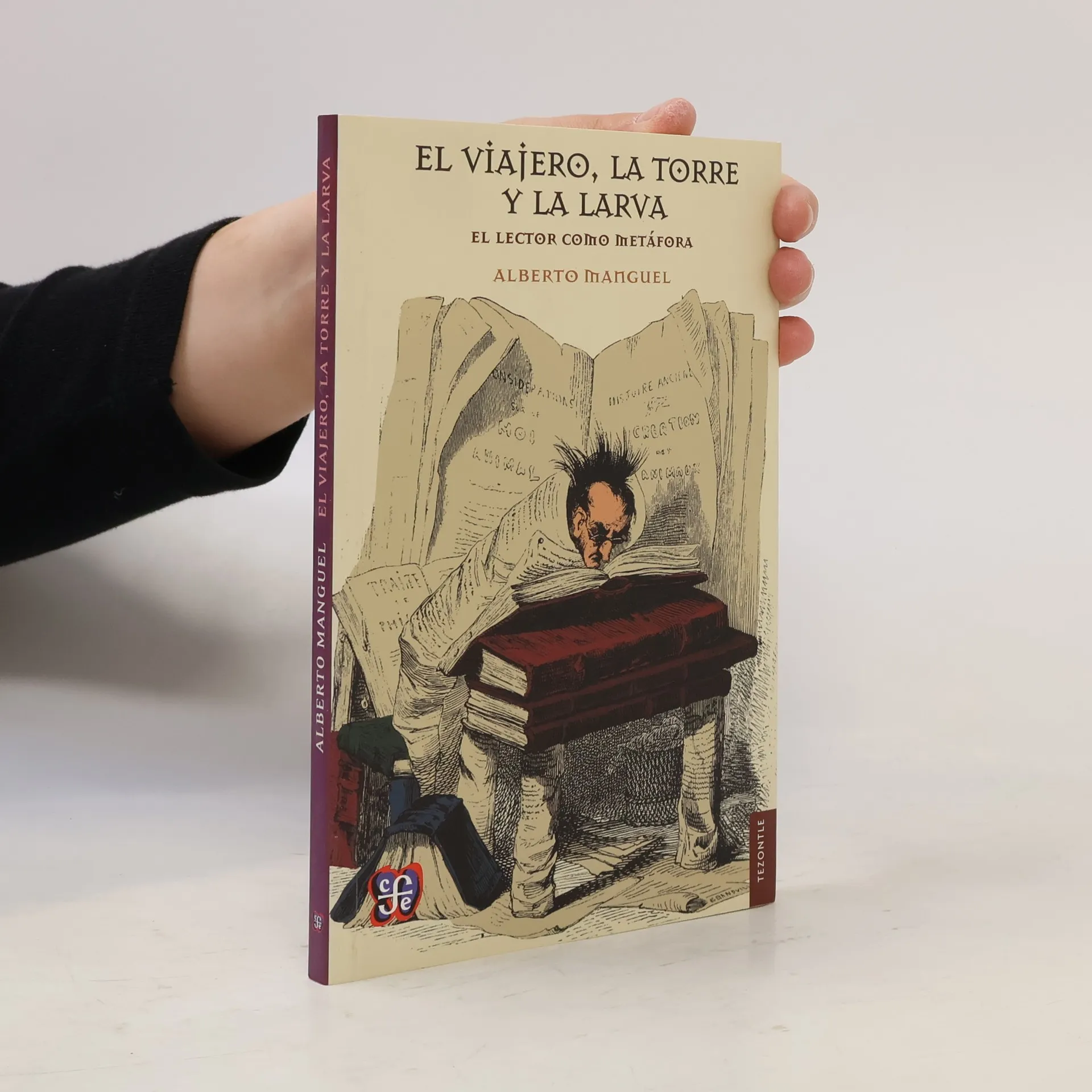
Leer es un misterio. Las letras se ensamblan en nuestra mente, permitiéndonos viajar por el planeta, aislarnos del ruido cotidiano o alimentar el espíritu. Alberto Manguel utiliza tres imágenes para explorar el enigma de la lectura. Considera que el lector es un viajero que navega por las páginas del universo, un erudito en su torre de marfil o una larva glotona que consume libros sin digerir. Estas ideas, respaldadas por referencias literarias y pictóricas, desde Agustín de Hipona hasta Dante, y desde los grabados medievales hasta el ingenio de Bouvard y Pécuchet, son el núcleo de sus ensayos sobre las virtudes y peligros de leer. Con un humor sutil y un vasto conocimiento, Manguel nos recuerda que "somos criaturas lectoras". Esta obra, recién traducida al español, nos invita a analizar "el acto de leer" mediante metáforas que presentan al lector como un viajero en un mundo extenso, peligroso y abierto al descubrimiento. A lo largo de este ameno viaje, se plantean preguntas sobre el peligro de alienarse del mundo y cómo desarrollar el potencial creativo al leer, ofreciendo respuestas enriquecidas por citas de autores clásicos y personajes ilustres.
Alberto Manguel Libros
Alberto Manguel se centra en la importancia vital del libro dentro de las sociedades letradas, argumentando que el acto intelectual ha perdido prestigio. Aboga por las bibliotecas como símbolos esenciales de la memoria colectiva, sugiriendo que deberían ser valoradas por encima de las instituciones financieras. Manguel postula que los humanos pueden definirse como animales lectores, impulsados a descifrar el mundo y a sí mismos. Su obra explora la profunda conexión entre lectores, textos y la experiencia humana.


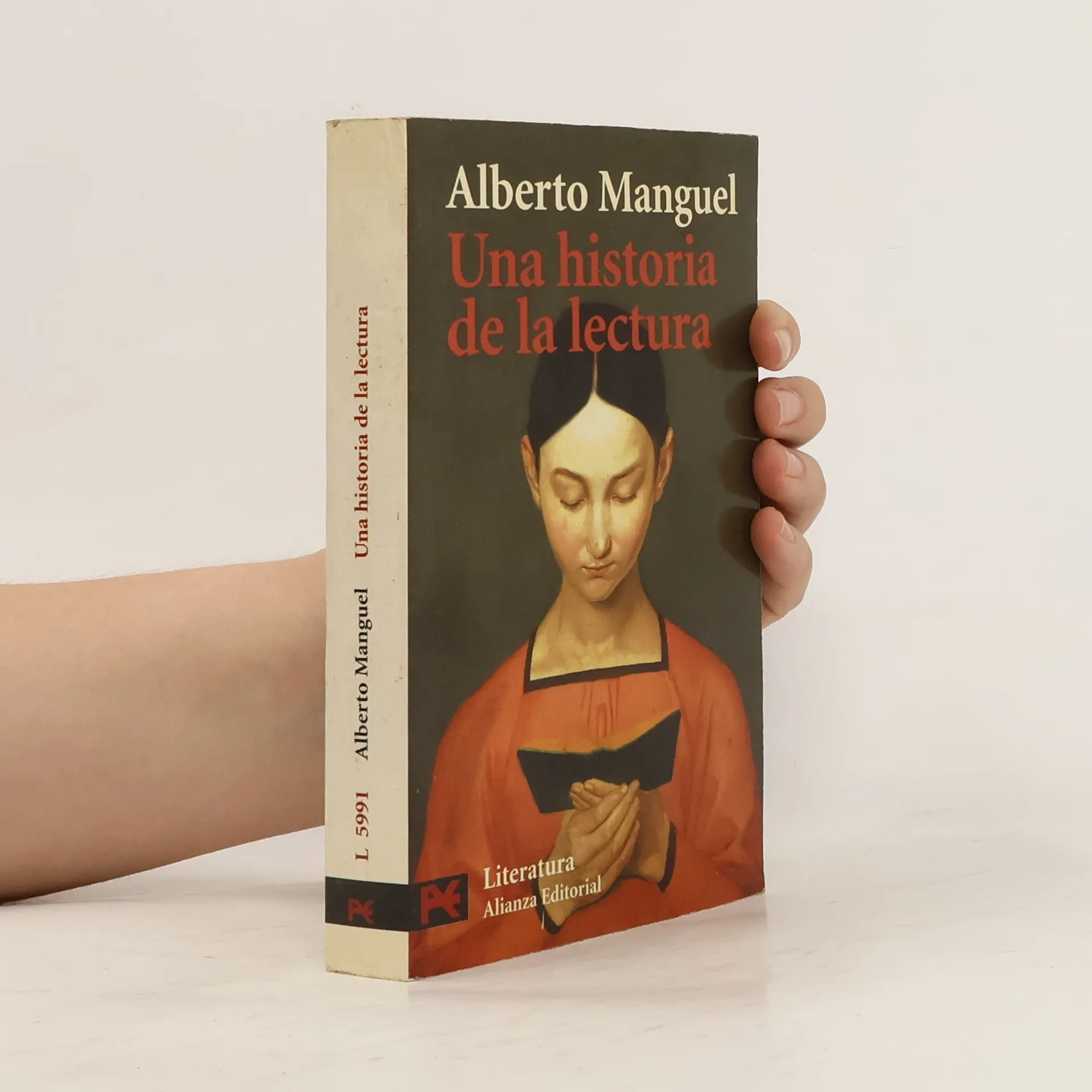
Una historia de la lectura
- 496 páginas
- 18 horas de lectura
Con un espíritu lúdico que atrapará a todo aficionado al libro y a la lectura, ALBERTO MANGUEL traza en esta deliciosa mezcla de psicología, historia, anécdotas, memoria, fantasía, estudios clásicos, etc., un estimulante recorrido por el caprichoso y apasionante laberinto de 6.000 años de palabra escrita. Lectores y experiencias de todos tiempos y lugares nos guían con amenidad a través de su HISTORIA DE LA LECTURA: san Ambrosio, uno de los primeros en aprender a leer en silencio; Diderot, convencido de las propiedades terapéuticas de las novelas " picantes " ; Borges, que pedía que leyeran para él su madre, sus amigos, quien estuviera a mano; Stevenson, que no quería aprender a leer para no privarse del placer que le producían las lecturas de su niñera & … Otras obras de Manguel en esta colección: «Breve guía de lugares imaginarios» (GB 1004), «Aguas negras: Antología del relato fantástico» (L 5542) y «Las puertas del paraíso: Antología del relato erótico» (L 5543).
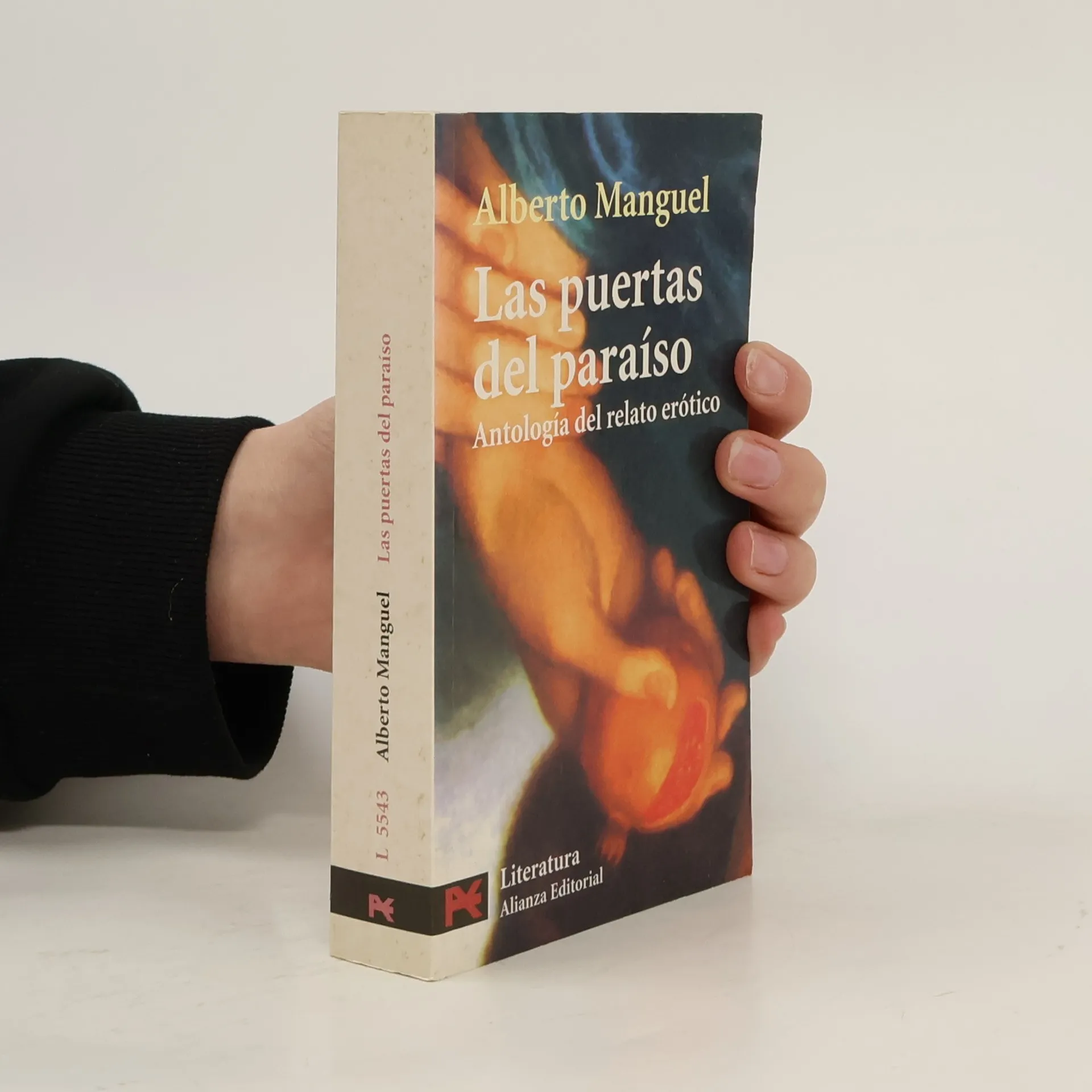
Las puertas del paraíso
- 502 páginas
- 18 horas de lectura
Confrontada a la tarea de hacer arte con una desconcertante variedad de temas y objetos, sentimientos y miedos, limitada por un vocabulario especialmente concebido para otros fines, caminando por el peligroso filo entre pornografía y sensiblería, amenazada por las las fuerzas censoras de la política, la educación y la religión, la literatura erótica no sólo sobrevive, sino que halla formas cada vez más atrevidas y más lúcidas en su búsqueda de objetos del deseo. La presente ANTOLOGÍA DEL RELATO ERÓTICO, seleccionada por ALBERTO MANGUEL, reúne relatos de autores tan prestigiosos como Harold Brodkey, Robert Coover, Yasunari Kawabata, Ian McEwan, Adolf Muschg o Anaïs Nin -entre otros-, que ofrecen a nuestra sensibilidad distintas llaves para franquear las que Blake llamara LAS PUERTAS DEL PARAÍSO.
Mientras embalo mi biblioteca : una elegía y diez digresiones
- 208 páginas
- 8 horas de lectura
Cuando a comienzos de este siglo Alberto Manguel instaló su biblioteca en un viejo presbiterio del Valle del Loira, sintió finalmente que, al igual que sus libros, había hallado su lugar en el mundo. Pero la vida le desdijo y su biblioteca está ahora guardada en cajas en un depósito en Canadá. Eco inverso del breve ensayo de Walter Benjamin, "Mientras embalo mi biblioteca" es casi un manifiesto, un gesto de rebeldía frente a la amenaza de olvido que supone vaciar los estantes. En esta elegía (acompañada de diez digresiones), Manguel reivindica con lucidez y sabiduría la biblioteca que sigue existiendo en la mente del lector, el poder de la palabra y los juegos de asociaciones y recuerdos que los libros, aun encerrados, producen. Una biblioteca, dice Manguel, es una autobiografía de muchas capas: esa es la noción que explora este nuevo texto del autor, Premio Formentor 2017, quien tanto ha contribuido, a lo largo de todos sus escritos, al placer de la lectura.
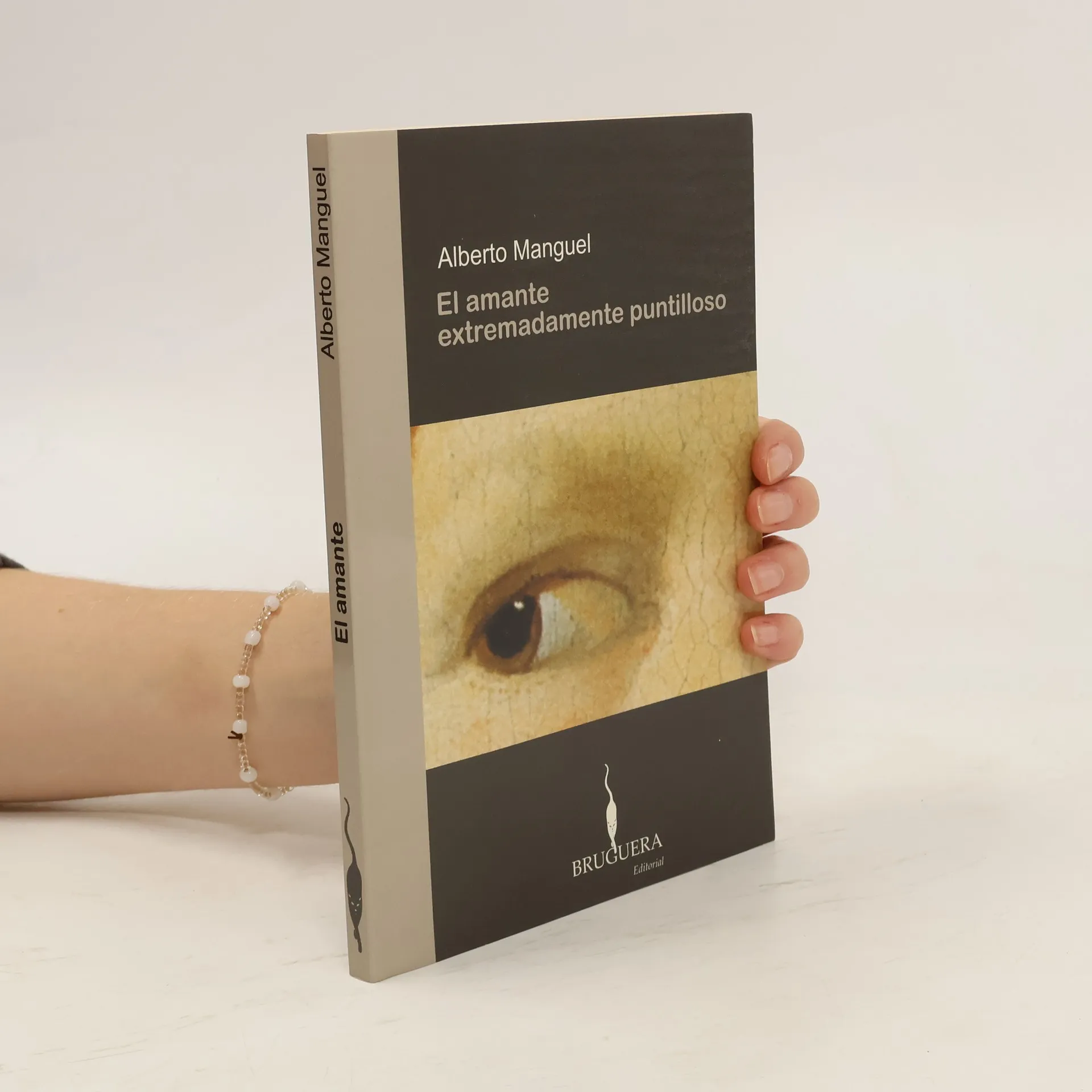
El amante extremadamente puntilloso
- 88 páginas
- 4 horas de lectura
Relato irónico y sensual del "caso Vasanpeine," personaje presentado como histórico pero inventado por el autor apoyándose en notas de eruditos y estudiosos de la extraña figura del joven protagonista y de su peripecia existencial. Situada en el Poitiers oscuro y misterioso de principios del siglo XX, esta novela corta narra la fatal aventura del joven Anatole, precursor del arte de la fotografía, que usa para satisfacer sus necesidades estéticas y eróticas, llevado por una necesidad compulsiva que desemboca en tragedia.
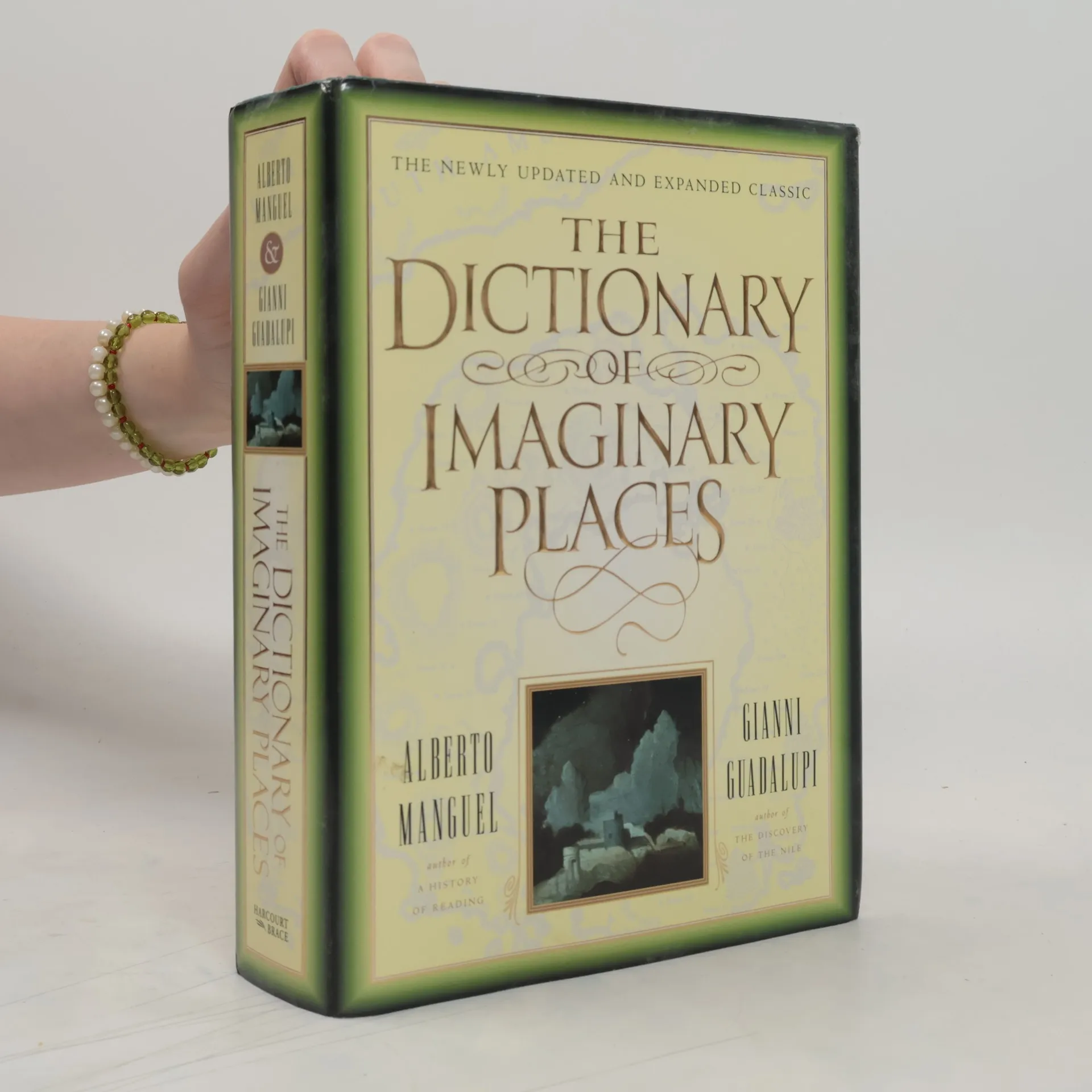
The Dictionary of Imaginary Places
- 776 páginas
- 28 horas de lectura
"From Atlantis to Xanadu, this Baedeker of make-believe takes readers on a tour of more than 1,200 realms invented by storytellers from Homer's day to our own." "Most every fanciful world from books and film is included: Shangri-La and El Dorado are here, as is Utopia, Tolkien's Middle-earth, and Carroll's Wonderland, as well as the Beatles' Pepperland, the Marx Brothers' Freedonia, and a strange little town called Stepford. The history and behavior of the inhabitants of these lands are described in detail and supplemented by more than 220 maps and illustrations that depict the lay of the land in a host of elsewheres." "Now brought up-to-date with dozens of new entries for such places as Jurassic Park, Salman Rushdie's Sea of Stories, and Neil Gaiman's Neverwhere, this volume is even more comprehensive and entertaining."--Jacket
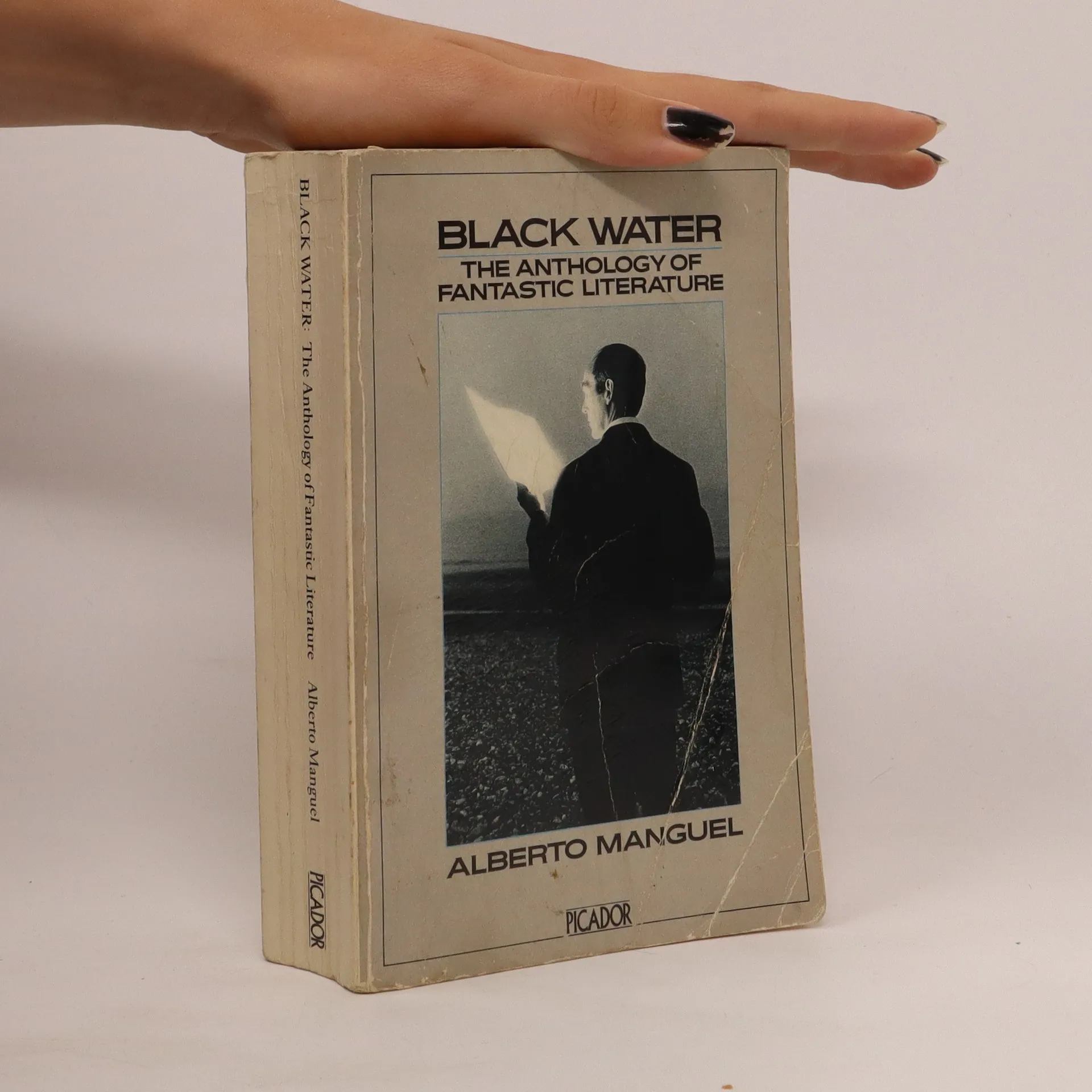
Black Water
- 992 páginas
- 35 horas de lectura
Manguel explains in his introduction that "fantastic literature" makes use of the everyday world as a facade through which the undefinable appears, hinting at the half-forgotten dreams of the imagination. This collection includes material from Kafka, Henry James, E.M. Forster and Herman Hesse.
This book delves into the profound impact of the Iliad and the Odyssey, examining their historical significance and enduring relevance across cultures. It invites readers to reconsider Homer's masterpieces by exploring their themes, characters, and the ways they have shaped literature and society throughout history. Through a global lens, the exploration reveals the timeless nature of these epic tales and their influence on contemporary thought and storytelling.
The Library at Night
- 381 páginas
- 14 horas de lectura
Offers a captivating meditation on the meaning of libraries. This title conducts a library tour that extends from the author's childhood bookshelves to the 'complete' libraries of the Internet, from Ancient Egypt and Greece to the Arab world, from China and Rome to Google.
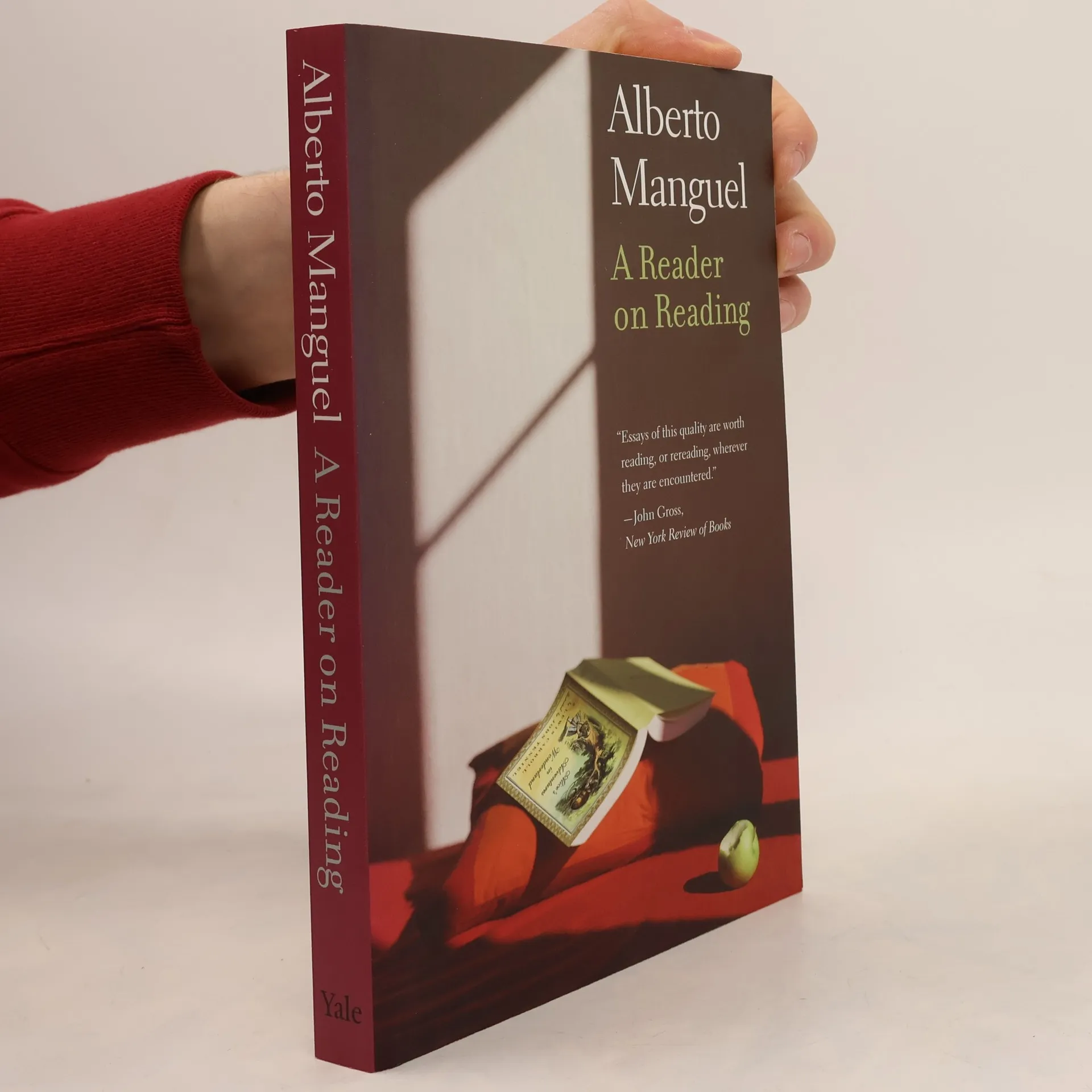
A Reader on Reading
- 308 páginas
- 11 horas de lectura
An intimate and exhilarating journey through the world of books by the internationally celebrated author In this major collection of his essays, Alberto Manguel, whom George Steiner has called “the Casanova of reading,” argues that the activity of reading, in its broadest sense, defines our species. “We come into the world intent on finding narrative in everything,” writes Manguel, “landscape, the skies, the faces of others, the images and words that our species create.” Reading our own lives and those of others, reading the societies we live in and those that lie beyond our borders, reading the worlds that lie between the covers of a book are the essence of A Reader on Reading. The thirty-nine essays in this volume explore the crafts of reading and writing, the identity granted to us by literature, the far-reaching shadow of Jorge Luis Borges, to whom Manguel read as a young man, and the links between politics and books and between books and our bodies. The powers of censorship and intellectual curiosity, the art of translation, and those “numinous memory palaces we call libraries” also figure in this remarkable collection. For Manguel and his readers, words, in spite of everything, lend coherence to the world and offer us “a few safe places, as real as paper and as bracing as ink,” to grant us room and board in our passage.
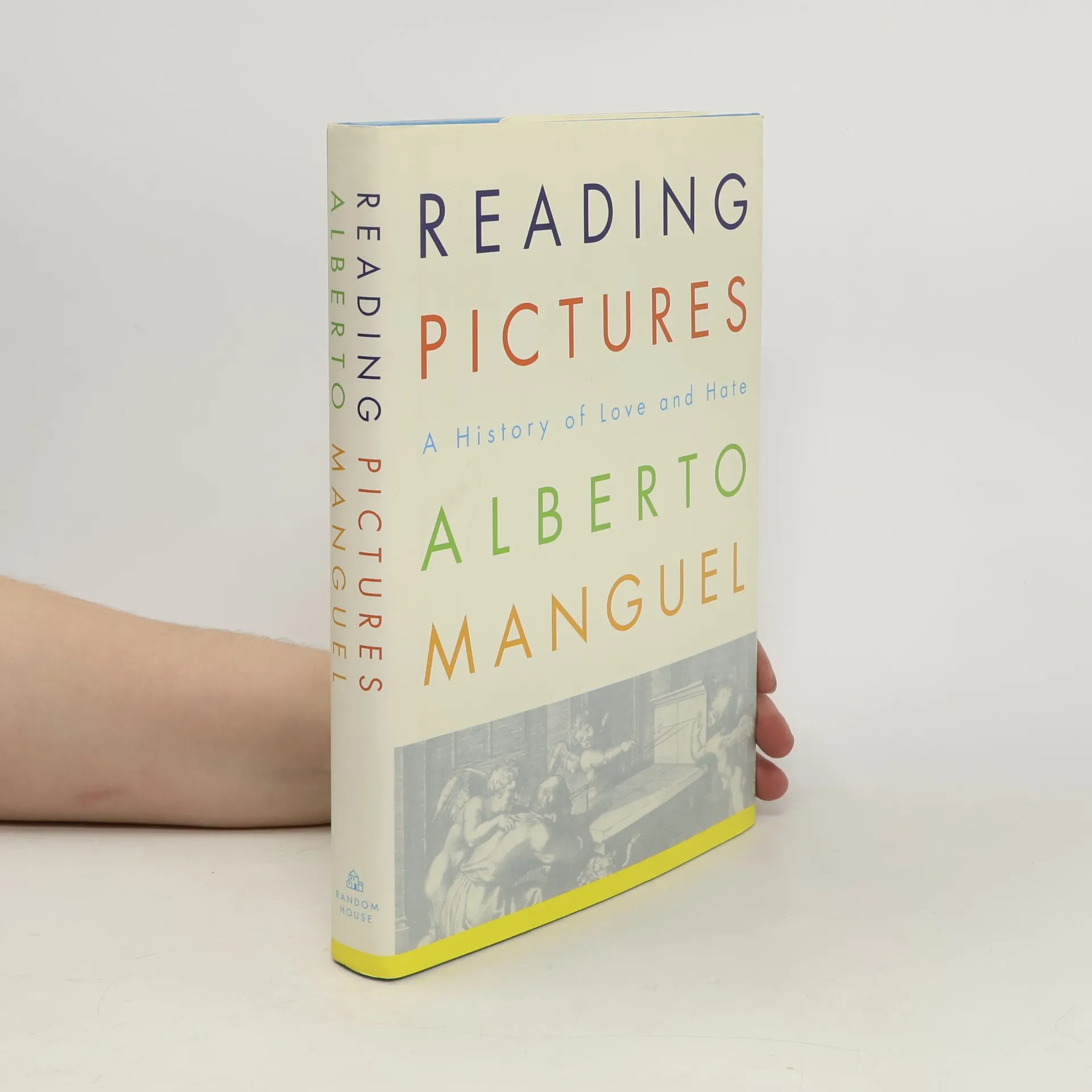
Reading Pictures
- 352 páginas
- 13 horas de lectura
This profoundly illuminating, entertaining book could well change the way we "read" the visual world around us, and certainly help open our eyes and minds to its astonishing riches. The language in which we speak about art has become steadily more abstruse, a jargon that only art critics and con-artists can understand, though for thousands of years this was not the case. Today, we live in a kaleidoscopic new world of images: Is there a vocabulary we can learn in order to read these images? Is there something we can do so as not to remain passive when we flip through an illustrated book, or download images on a screen? Are there ways in which we can "read" the stories within paintings, monuments, buildings and sculptures? We say "every picture tells a story" - but does it?Taking a handful of extraordinary images - photographed, painted, built, sculpted - Alberto Manguel explores how each one attempts to tell a story that we, the viewer, must decipher or invent. A History of Love and Hate is not about art history or theory - it is about the astonishing pleasures and surprises of stories.
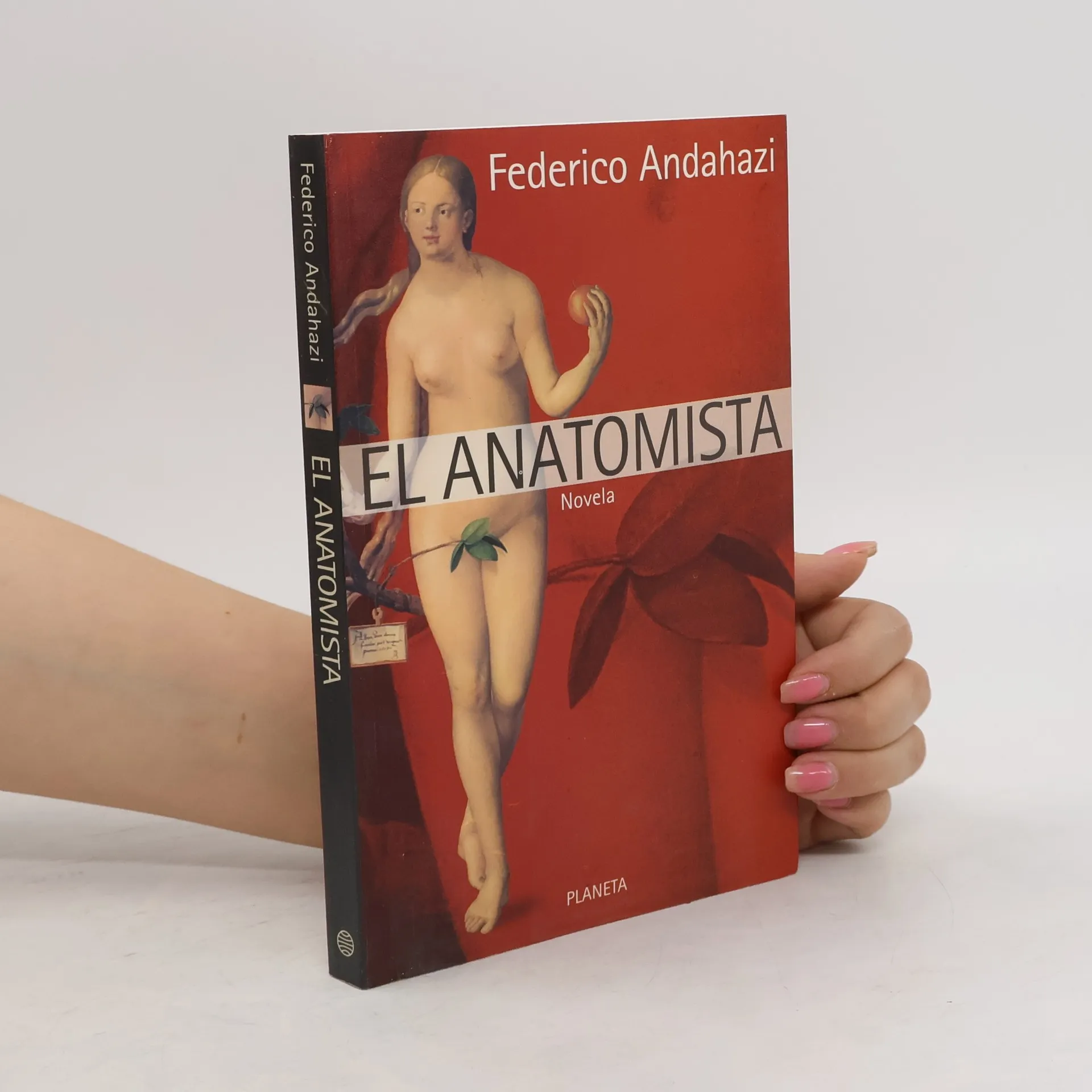
El héroe de esta novela es Mateo Colón, un anatomista del Renacimiento que al enamorarse de una prostituta veneciana, Mona Sofía, emprende la búsqueda de algún tipo de pócima que le permita conseguir su amor. El anatomista da comienzo así, nada más ni nada menos, a la ardua exploración de la misteriosa naturaleza de las mujeres. Es nuestro héroe un hombre avanzado a su tiempo, y en su audacia decide experimentar con prostitutas y, algo totalmente prohibido en la época, con la disección de cadáveres. Lo que descubre Mateo Colón en pleno siglo XVI es, tal como lo fuera América para su homónimo, una *dulce tierra hallada+: el Amor Veneris, equivalente anatómico del kleitoris, hasta entonces desconocido en Occidente. Pero al intentar hacerlo público, Colón debe hacer frente al despiadado poder de la Inquisición, lo cual le supone verse envuelto en un proceso vertiginoso. Federico Andahazi ha construido una novela apasionante y ha recreado la época renacentista no sólo en sus costumbres sino en su sistema de pensamiento. El autor le imprime un ritmo sostenido al relato así como al impecable manejo de la intriga --sin soslayar el humor y la ironía-- que convierten a El anatomista, y a su autor, en una impactante revelación.
La cena secreta
- 376 páginas
- 14 horas de lectura
Un monje dominicano, Agustín Leyre, escribe sus memorias, de acontecimientos que ocurrieron hace muchos años cuando fue enviado a investigar el fresco de la última cena que estaba pintando Leonardo da Vinci en el convento de Santa Maria delle Grazie en Milan. A finales del año 1496 los monjes habían empezado a recibir cartas anónimas, firmadas “el Agorero”. Hablaban de la magia diabólica de la escena, de las símbolos esotéricos y heréticas que contiene, de una conspiración que pervertirá a muchos y dañará a la santa iglesia si nadie lo frenara. No era la primera vez que las obras de Leonardo llamaban la atención de la inquisición pero esta vez la iglesia se encontraba en una situación muy delicada. La pintura era un encargo del poderoso duque de Milán y lo está pintando en la pared del refectorio del convento del cual es el benefactor. Agustín consiguió la llave del refectorio y cuando Leonardo no está, se dedicó contemplar su obra cuya belleza le deslumbró totalmente pero a la vez le preocuparon y luego horrorizaron muchos detalles que al principio no entendió. Pero las pistas fueron pocas y la investigación se complicó con unos cuantos asesinatos. El simpático bibliotecario se suicidó, otro fraile empezó a predicar doctrinas cátaras para luego prenderse fuego. Un peregrino se encontró asesinado en la iglesia....
All Men Are Liars
- 256 páginas
- 9 horas de lectura
Where can you find truth in a world that is so thoroughly ruled by lies? That is the question tackled by the investigation of a French journalist who endeavours to shed light on the enigma of an unexplained death: that of the Argentinian writer Alejandro Bevilacqua, found lying on the pavement underneath his balcony in Madrid in the mid-1970s.
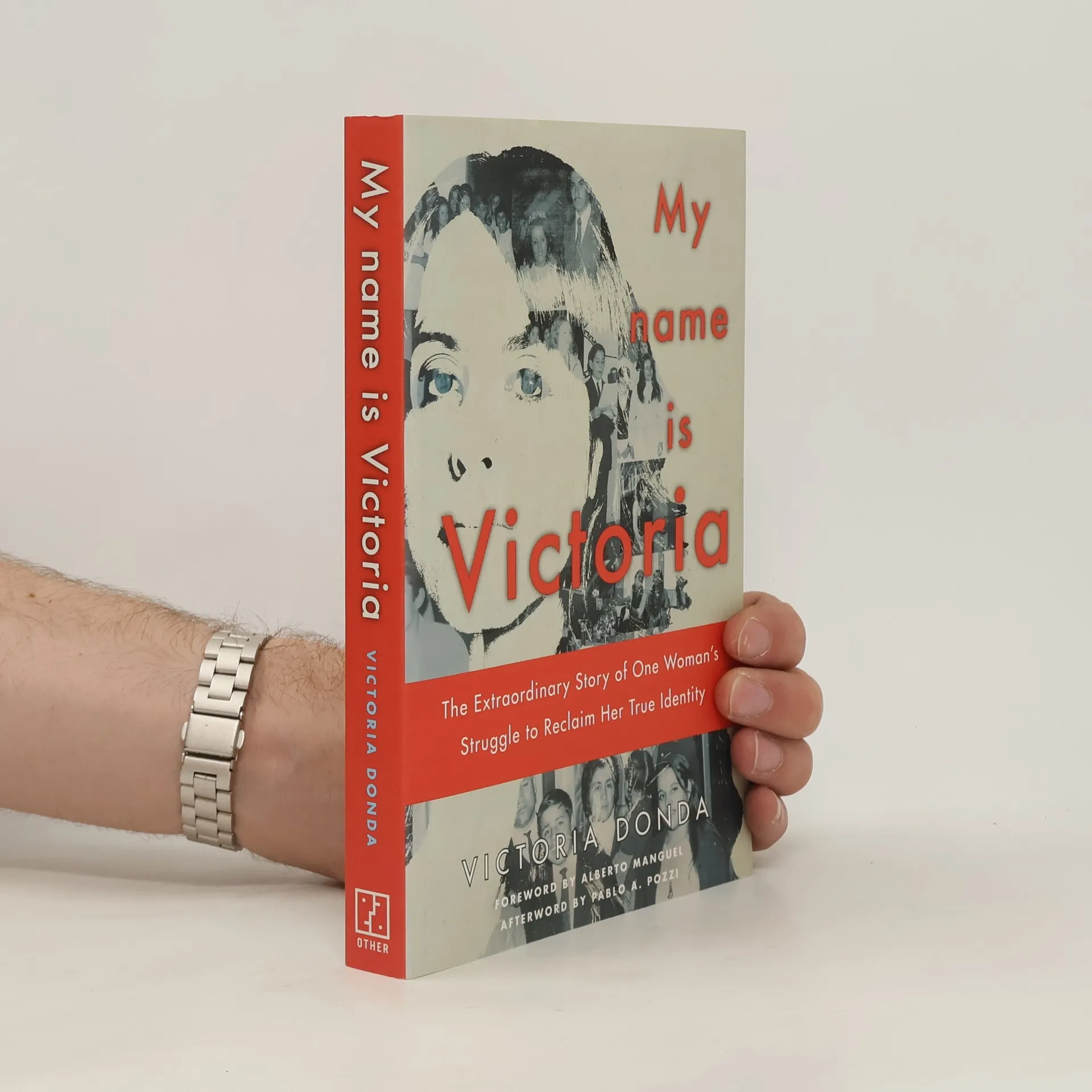
My Name Is Victoria
The Extraordinary Story of One Woman's Struggle to Reclaim Her True Identity
- 239 páginas
- 9 horas de lectura
Argentina’s 1976 coup d’état resulted in a brutal dictatorship, with thirty thousand people abducted and tortured, and hundreds of babies born to political prisoners stolen and given to military families or regime collaborators. Analía was one of these children, raised unaware of her adoption. At twenty-seven, she discovered her true identity and the far-reaching consequences of the dictatorship that persisted through decades of democracy. In this narrative, she becomes Victoria, sharing her journey as a young, politically engaged woman from the outskirts of Buenos Aires. Initially feeling like the family’s black sheep due to her contrasting beliefs, Victoria’s life changes dramatically when she uncovers the truth about her origins, including her uncle’s involvement in her parents’ murder and her own kidnapping. This revelation allows her to embrace her legacy fully. Now the youngest member of congress in Argentina, she has reclaimed her identity and her real name: Victoria Donda. This story chronicles her life from the abduction of her parents to her election to parliament, highlighting her resilience and determination to confront her past.
Le safari historico-gastronomique en Poitou-Charentes
- 127 páginas
- 5 horas de lectura
Catch the flight of the cheese crab, climb the hill of cartilages, dive in a diving suit into the boiling pot of eels, descend into the littered cave, boost the barrel of pineau des Charentes to another planet, check the orbit of the farci poitevin, discover the hidden side of the petatou, leap wildly onto the broyé du Poitou… Glen Baxter pulls out all the stops in his historical-gastronomic safari in Poitou-Charentes. The famous English explorer uncovers the products that give the region its flavor, these secret recipes born from industrious imagination and popular know-how that he elevates to objects of desire, even covetousness, as aesthetic feats. Undertaken in the year 2000 for the magazine L’Actualité Poitou-Charentes, this safari creates beautiful encounters, such as that of the writer Alberto Manguel, who recounts here the "exuberant gambols" of Glen Baxter.
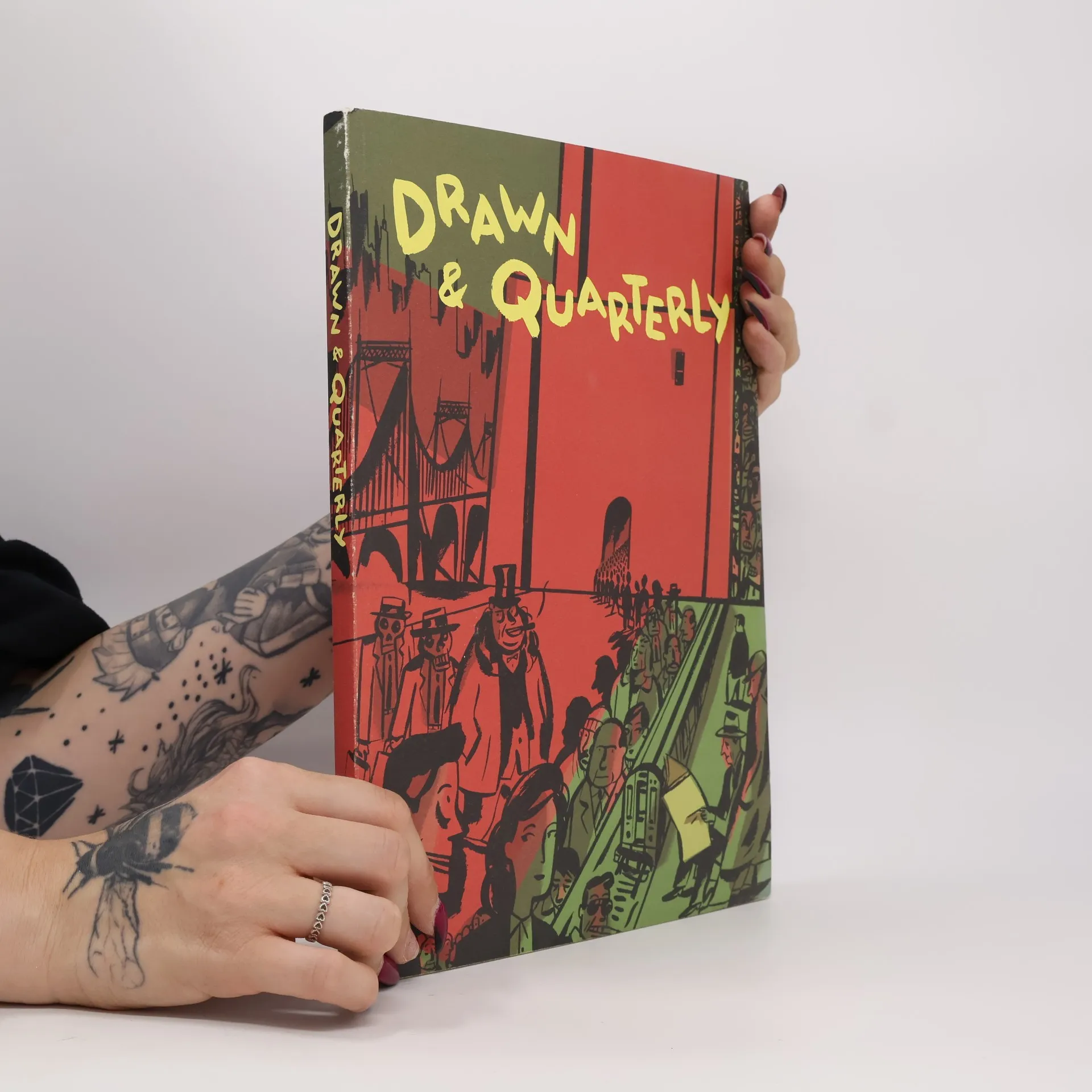
Drawn & Quarterly Anthology, Vol. 5
- 192 páginas
- 7 horas de lectura
The Annual Celebration of the Hippest & Best in the Popular Cartoon Arts. Now in its 13th year, this multiple award winning series returns in another deluxe full-color coffee-table edition. D+Q presents a mix of cartooning, illustration and art and graphic deisgn. Another wry, sophisticated story from New Yorker favorites Dupuy & Berberian join a spectacular retrospective of the work of French-Canadian Albert Chartier. Chartier brought a European style to his witty strips about life in mid-century Quebec and one can trace his legacy in the new story from D+Q fave Michel Rabagliati. Wuthering Heights gets the classic EC horror comic treatment from postmodern trickster R. Sikoryak, and Harry Mayerovitch turns his funny, classy pen to the subject of death and dying. Features an introduction from writer, scholar and critic Alberto Manguel, best-selling author of A History of Reading and Reading A History of Love and Hate .
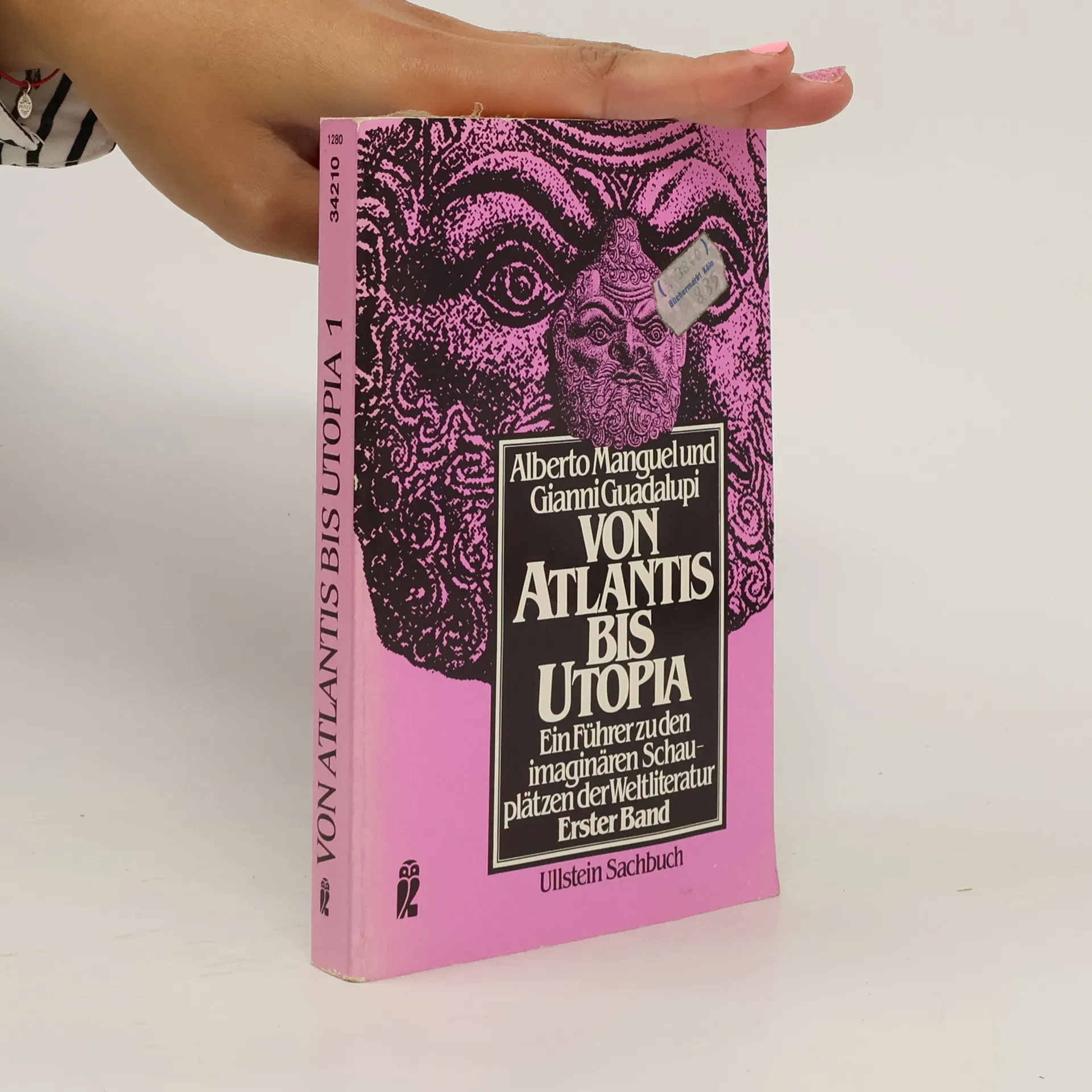
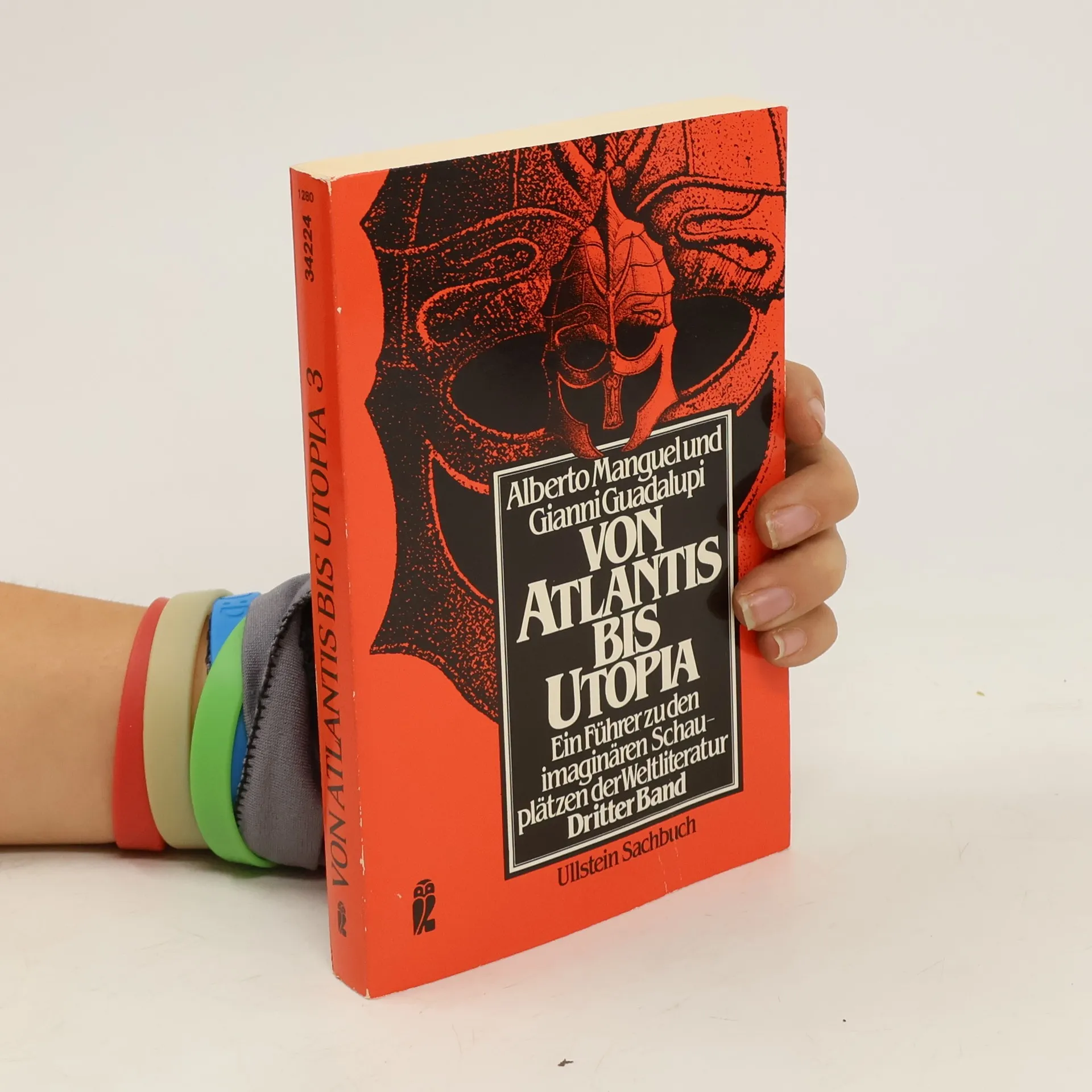
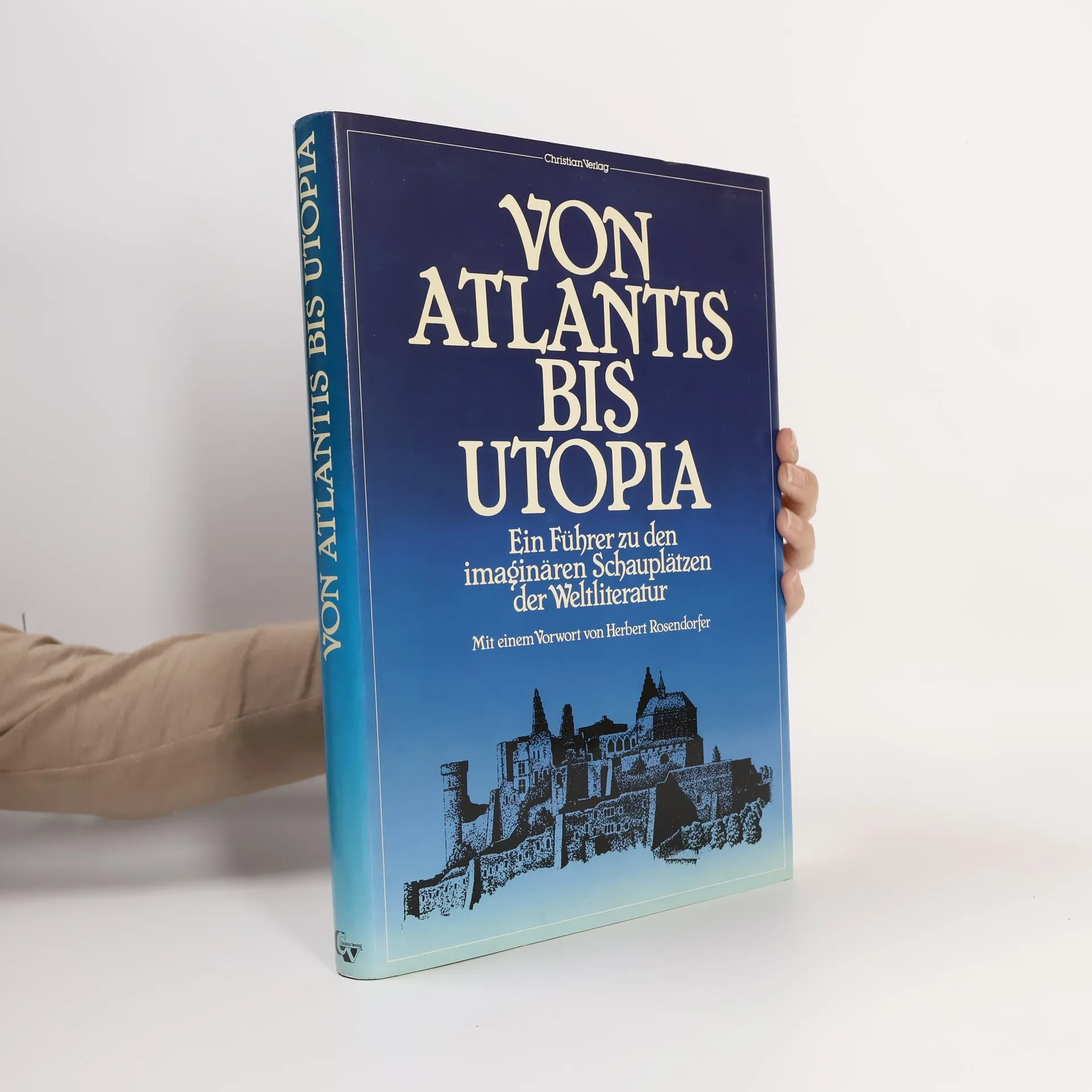
Von Atlantis bis Utopia 1
- 302 páginas
- 11 horas de lectura
O Filho de Mil Homens
- 280 páginas
- 10 horas de lectura
Raramente a Literatura universal produziu um texto tão sensível e humano quanto este. O filho de mil homens é uma obra da ourivesaria literária de Valter Hugo Mãe. Uma experiência de amor pela humanidade que explica como, afinal, o sonho muda a vida. Crisóstomo, um pescador solitário, ao chegar aos quarenta anos de idade decide fazer o seu próprio destino. Inventa uma família, como se o amor fosse sobretudo a vontade de amar. Sempre com a magnífica capacidade poética de Valter Hugo Mãe, esta história é um elogio a todos quantos resistem para além do óbvio.
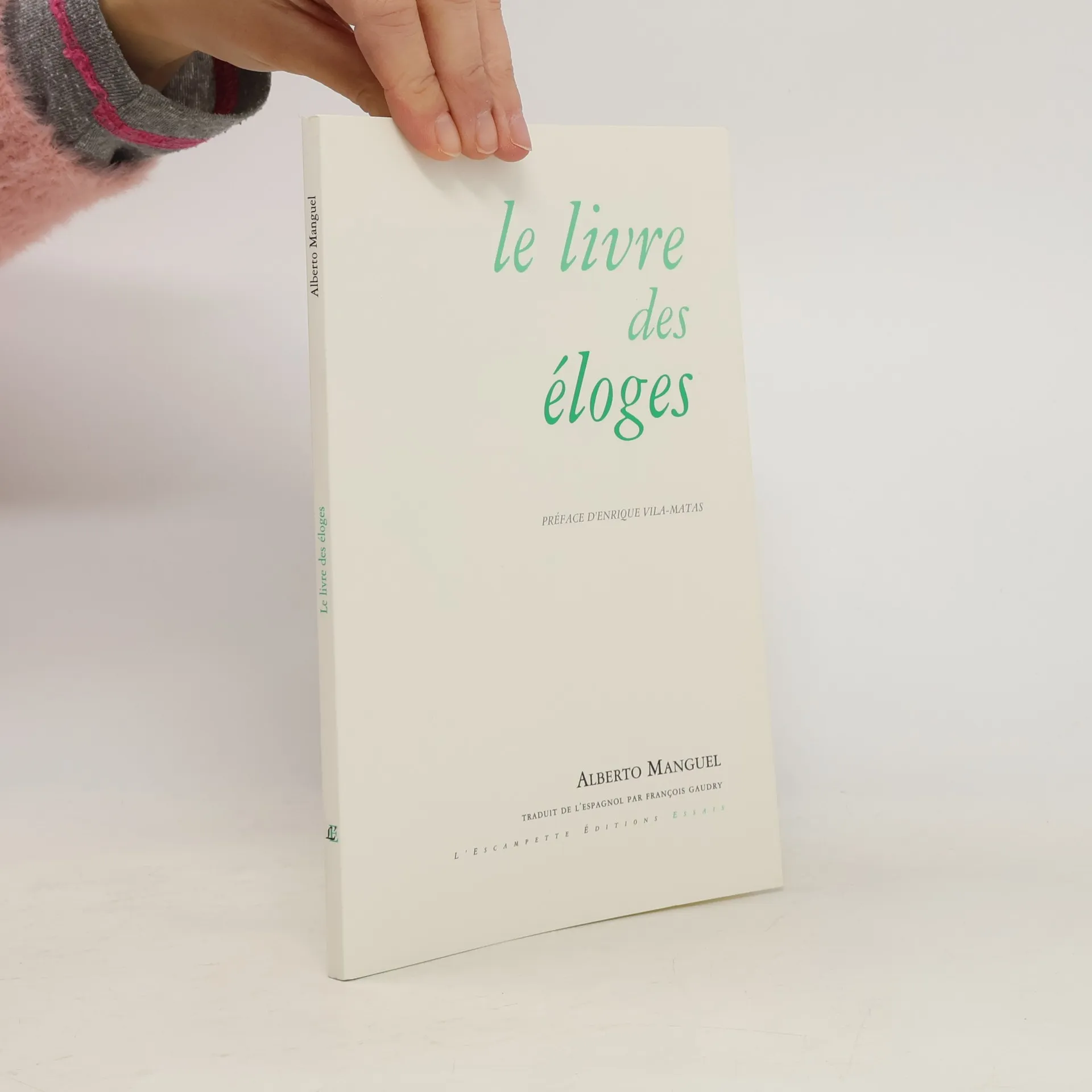
Le livre des éloges
- 80 páginas
- 3 horas de lectura
Série d'éloges qui sont autant de variations sur les sujets les plus variés : la Bible, la librairie, l'horreur, le plaisir, les animaux, le blasphème ou la France.
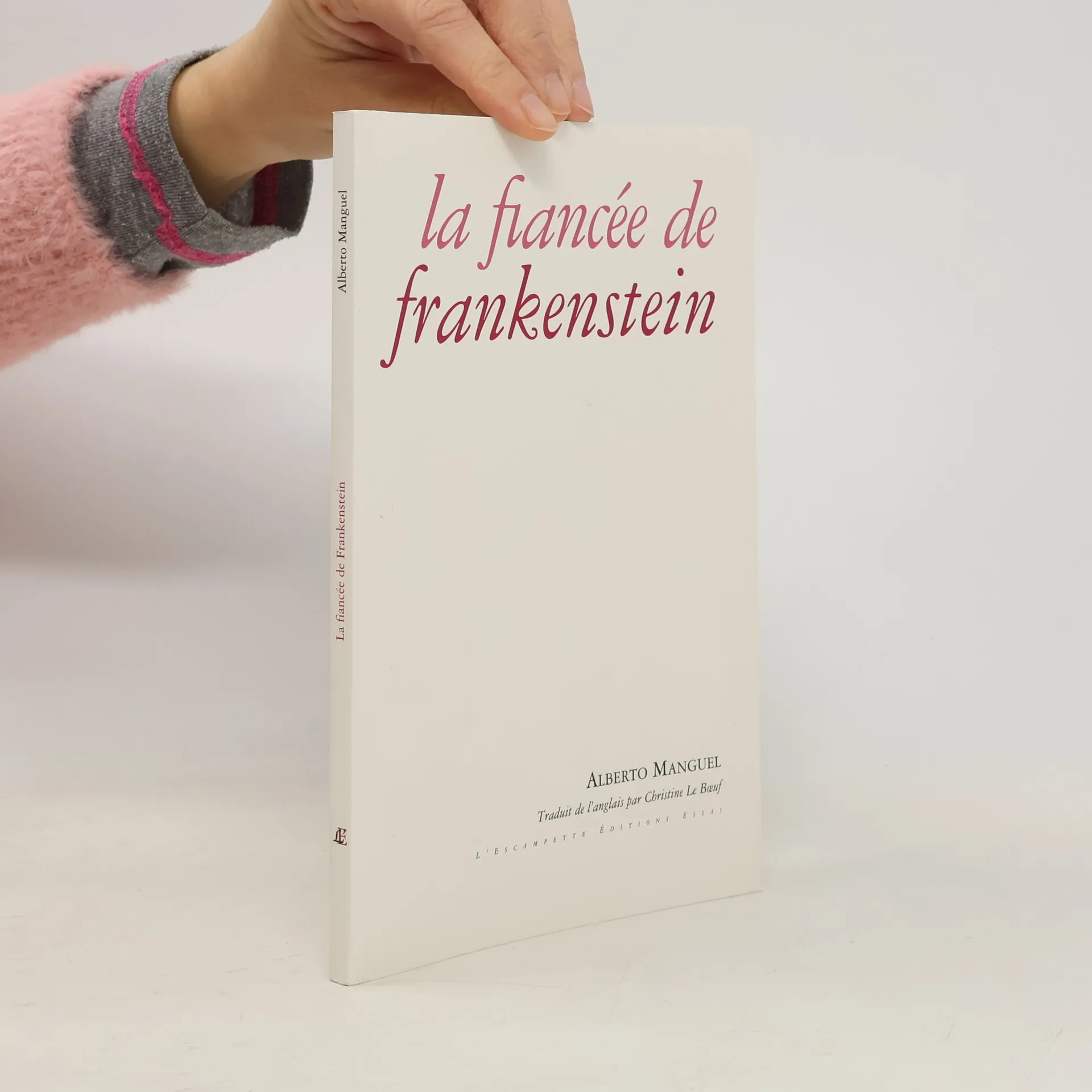
La Fiancée de Frankenstein
- 81 páginas
- 3 horas de lectura
En première lecture, ce livre est un essai sur le film de James Whale (1935), ses origines (le célèbre roman de Mary Shelley), l'écriture de son scénario, le choix de ses acteurs, la relation avec la censure, etc. Mais, plus profondément, c'est un essai sur la création, sur les relations du créateur avec sa création, sur la prédominance de l'acte de création sur tout autres considérations philosophiques, religieuses ou morales. C'est aussi un essai sur le mal, sur la tentation de puissance, sur le vertige des interdits. A sa première apparition, le visage du monstre est présenté par Manguel comme l'une des icônes de notre temps, au même titre que le visage de Greta Garbo... Cela fait partie des nombreuses réussites de ce livre provoquées par ces rapprochements inattendus où nous entraînent l'intelligence et la culture de Manguel. La comparaison, du point de vue de la création pure, entre la Fiancée créée par Frankenstein et la Mariée mise à nu par ses célibataires créée par Duchamp est un grand moment d'analyse et de jubilation ! Enfin, et d'une façon assez classique dans la littérature et le cinéma fantastiques, la monstruosité n'est peut-être pas là où on le penserait. Le monstre n'aspire qu'à une harmonie que la société des hommes " normaux " lui refuse. L'instant de bonheur que connaît le monstre en compagnie d'un vieillard aveugle est une scène magnifiquement décrite...
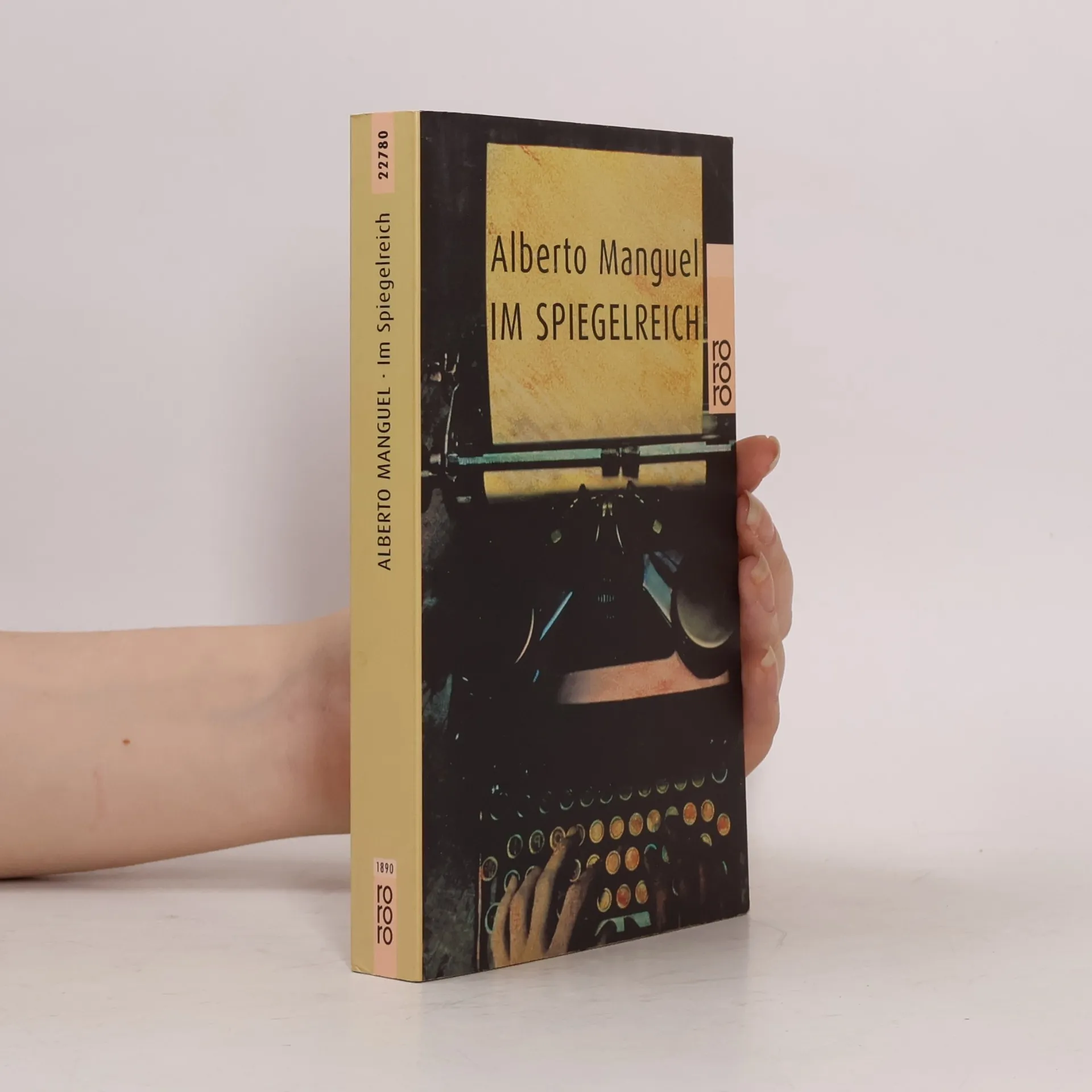
Im Spiegelreich
- 319 páginas
- 12 horas de lectura
Geschichten, Anekdoten und Gedanken aller Jahrhunderte klingen an in diesen fast spielerisch erzählten Betrachtungen über die Notwendigkeit von Kultur, die Rolle der Medien, das Judentum, die Klassiker, über Kunst und Grausamkeit. Alberto Manguel, ein begeisterter und begeisternder Erzähler, gibt in diesem Band auf höchst unterhaltsame Weise seine Leseerfahrungen und Erlebnisse in der Welt weiter. Er glaubt übrigens fest daran, dass Bücher besser und klüger machen.
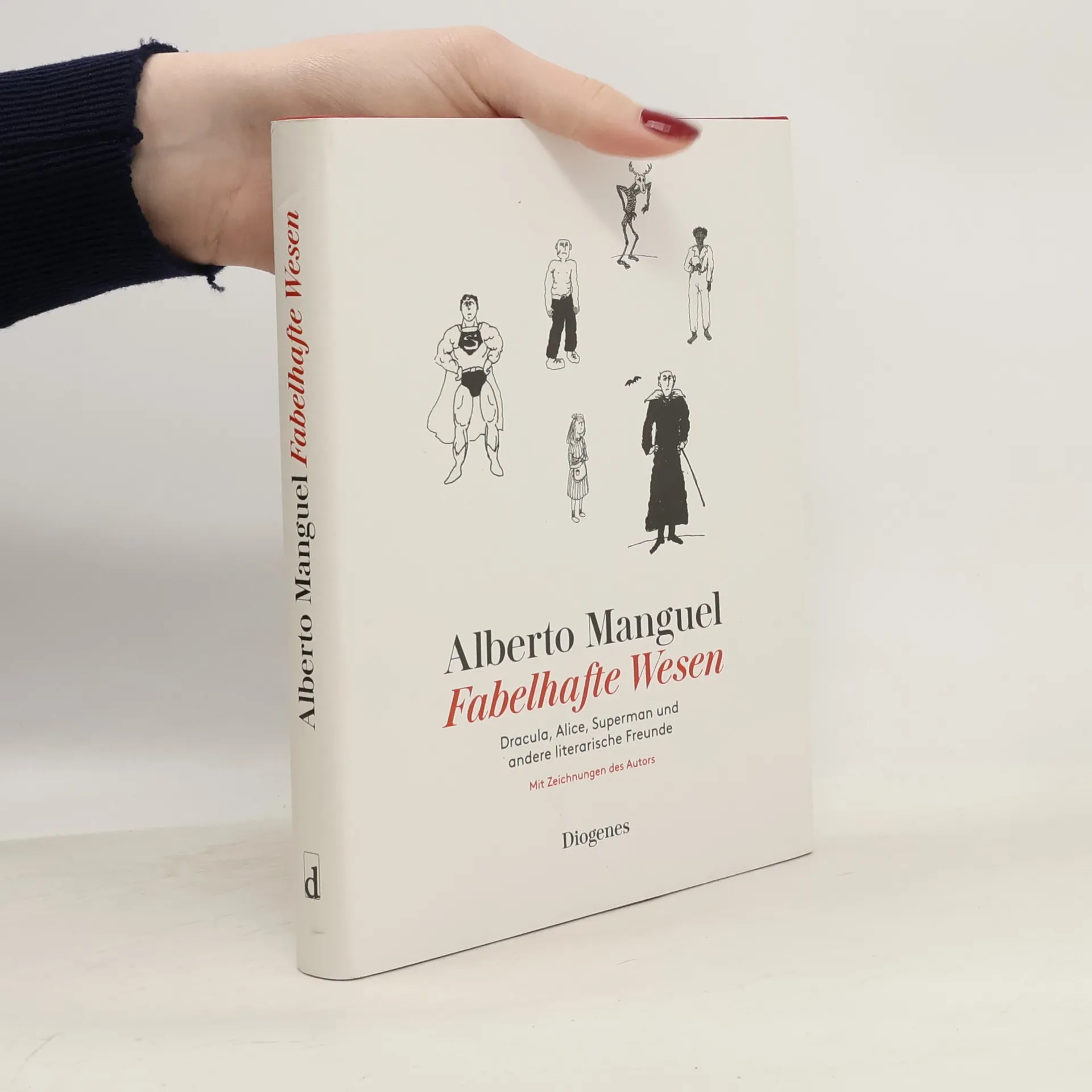
Alberto Manguel lädt uns ein, die Weltliteratur neu zu entdecken, indem er literarische Heldinnen und Helden wie Sindbad, Superman und Alice im Wunderland betrachtet. Diese Figuren bestehen Abenteuer, die sie klug und welterfahren machen und uns inspirierende Antworten auf die großen Lebensfragen bieten.
Bücher sind die Sterne am Firmament unserer Biographie. Im »Tagebuch eines Lesers« überlässt sich Alberto Manguel ein Jahr lang seinen Sternen. Monat für Monat liest er im Rhythmus seiner Reisen und der Jahrezeiten je eines seiner Lieblingsbücher neu – von Don Quijote bis Sherlock Holmes. Alberto Manguel begegnet seiner Kindheit wieder, seinen literarischen Helden und zeigt uns, wie man in Zeiten politischer Wirrnis lesend seinen Kopf behält.
Cestovatel, věž a červ. Čtenář jako metafora
- 152 páginas
- 6 horas de lectura
„Podle všeho jsme jediný živočišný druh, který vnímá svět tak, jako by se skládal z příběhů.“ Alberto Manguel Knihu světa čteme v různých rolích. Můžeme být cestovateli, kteří putují stránkami na cestě k osvícení. Můžeme být samotáři čtením se uzavírat do své slonovinové věže. Nebo můžeme knihy hltat jako (kniho)molové, nevnímat jejich moudrost a jen se cpát nespočetnými slovy. Alberto Manguel se ve své poslední knize elegantně a s mimořádným záběrem zabývá řetězcem metafor, které v průběhu čtyř tisíciletí zobrazovaly čtenáře a jejich vztah k textu světa. Na přikladu známých postav — jako je knihami poblouzněný don Quijote, princ Hamlet, jehož úplně ochromilo studium, nebo Emma Bovaryová, která si příběhy z knih plete se životem — Manguel ukazuje, jakým způsobem se v literárních postavách a jejich interpretacích odrážejí proměnlivé postoje ke čtenářům a čtení i jisté opakující se představy o úloze intelektuála.
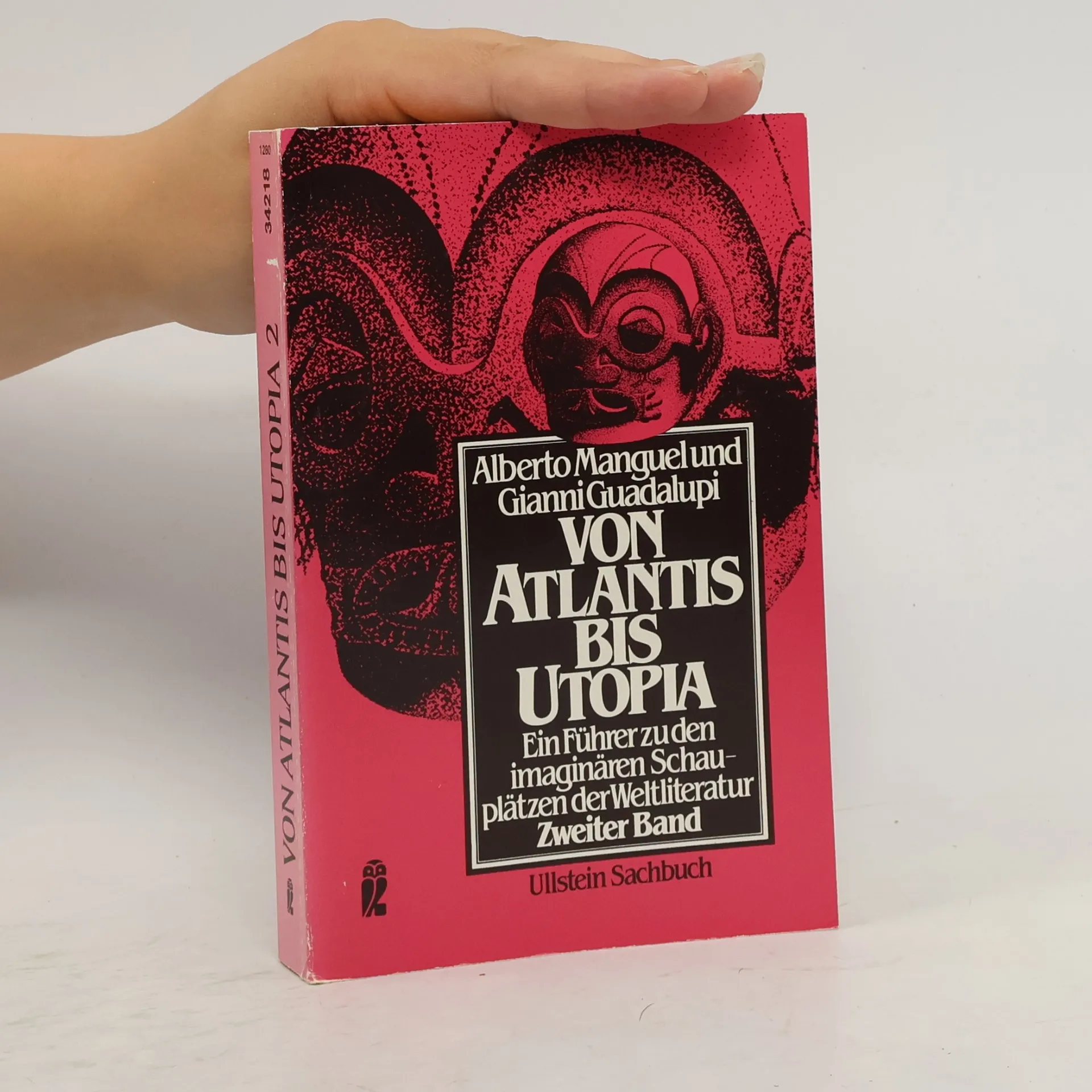
Von Atlantis bis Utopia 2
- 331 páginas
- 12 horas de lectura
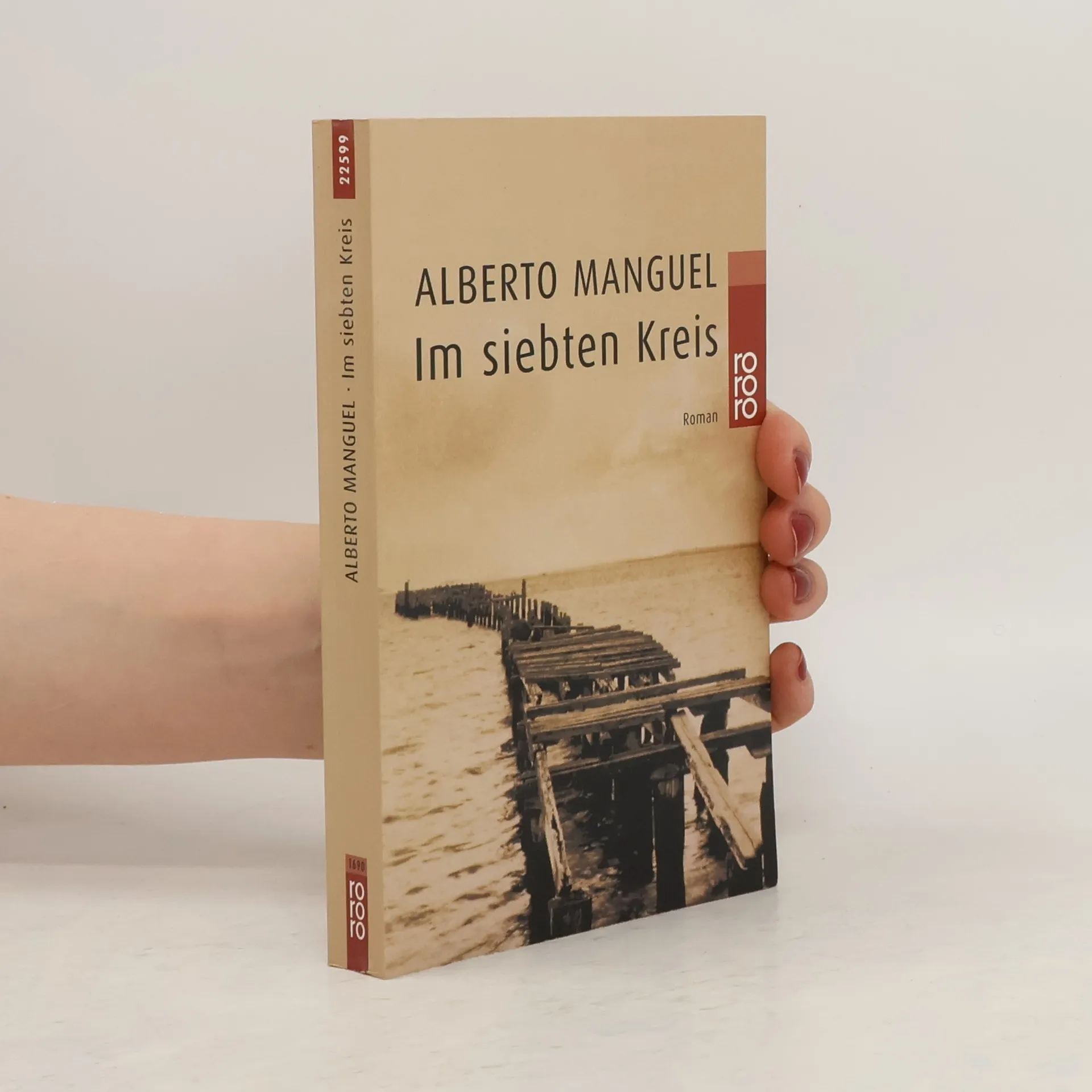
Im siebten Kreis
- 271 páginas
- 10 horas de lectura
Bevor Alberto Manguel die Bibliotheken der Welt besuchte, schrieb er einen Roman über das Schicksal des Exils, das Opfer und Täter aneinander kettet. In einem idyllischen Badeort lebt Antoine Berence zurückgezogen mit seiner Familie. Der pensionierte Polizeioffizier gilt als liebevoller Vater und Ehemann. Bis eine Bombe sein Haus in die Luft jagt und er weiß, die Abrechnung hat begonnen.
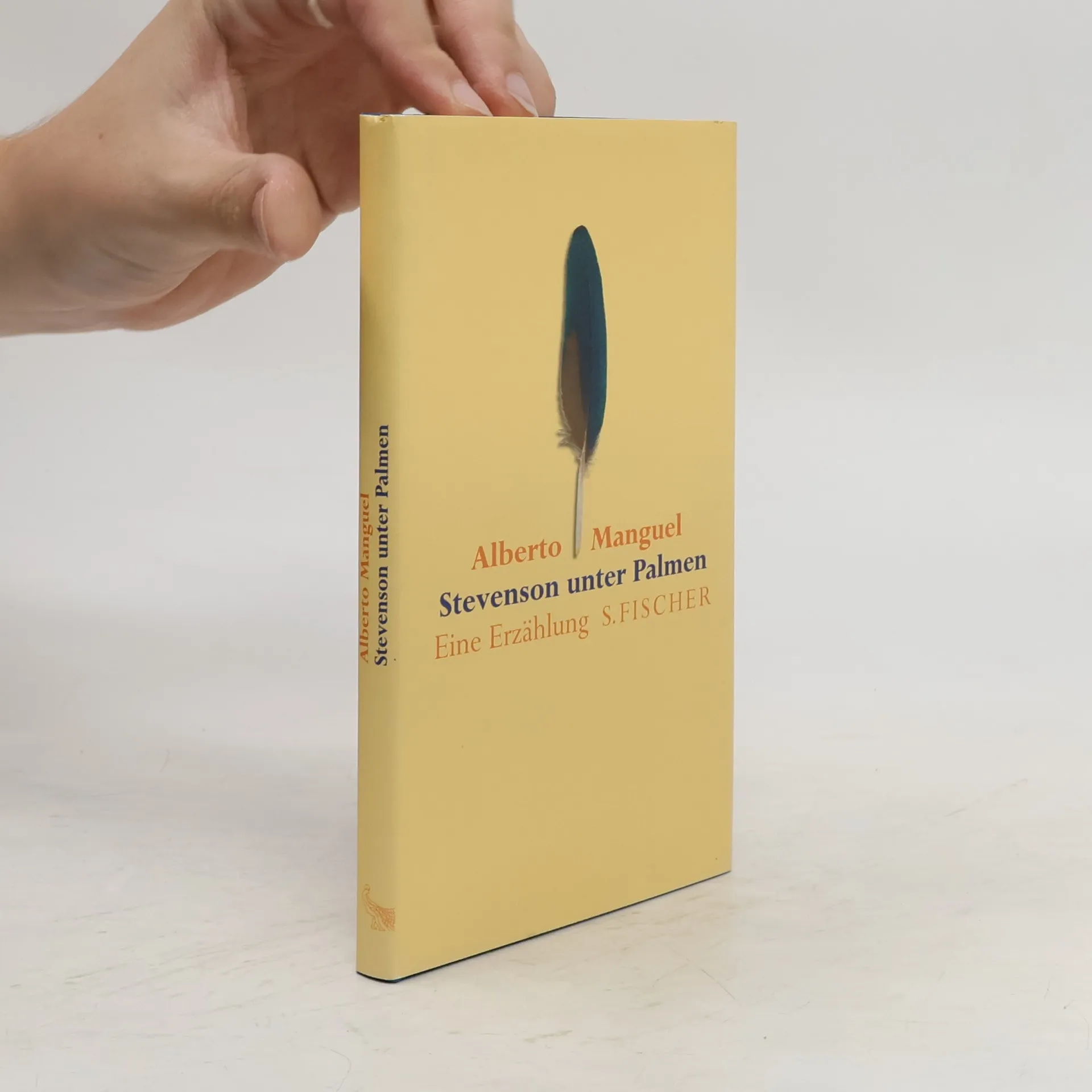
Stevenson unter Palmen
- 109 páginas
- 4 horas de lectura
»Liebesbriefe an das Lesen«, schrieb der »New Yorker« über Alberto Manguels Bestseller »Die Geschichte des Lesens«, einem erzählerischen und essayistischen Bravourstück und eine Hommage an eine der schönsten »Möglichkeiten des Glücks« (Borges). Es ist der Traum jedes Schriftstellers, seinem eigenen Tod zu begegnen und so zumindest eine Geschichte lang Macht über ihn zu haben. In Alberto Manguels Erzählung »Stevenson unter Palmen« scheint sich dieser Traum gegen den Autor zu richten. Stevenson, der berühmte Schöpfer der »Schatzinsel« und von »Dr. Jeckyll und Mr Hyde«, hat sich von den kalten Nebeln Schottlands in die Südsee zurückgezogen. Doch plötzlich begegnet er einem Mann mit vertrauten Akzent, ein Missionar mit harten Zügen. Und es ereignen sich mysteriöse Dinge, in deren Urheber alle Stevenson sehen…
Von Manguel, Alberto ; Guadalupi, Gianni. Zahlr. Abb. u. Ktn. 410 S. Bearb. u. erw. dt. Ausg.
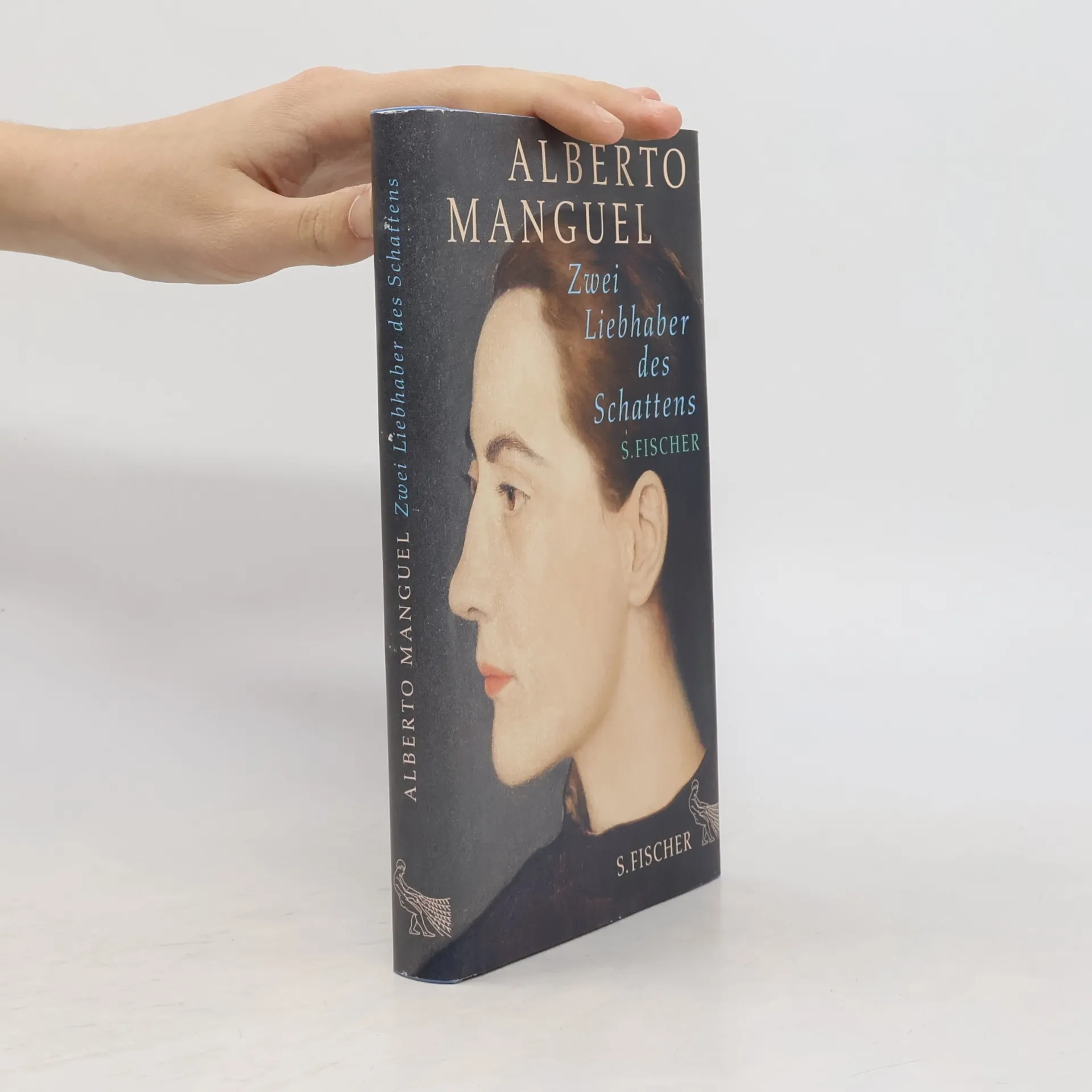
»Zwei Liebhaber des Schattens« sammelt zwei Kurzromane über das Dunkel der Existenz. Im ersten Roman verfällt ein merkwürdiger Erotiker der menschlichen Haut, die er immer wieder fotografiert. Doch das Begehrte entzieht sich ihm, und die Obsession frisst seine Seele auf. Der zweite Roman ist das politische Gegenstück. Er berichtet von einer Heimkehr nach Buenos Aires. Hier sind die Opfer der Diktatur zu Untoten geworden, zu Erinnerungen, die das Leben aufzehren. Alberto Manguel verflicht Politik und Passion, Erinnerung und Verrat zu einem bestechenden Meisterwerk zärtlicher Intelligenz.
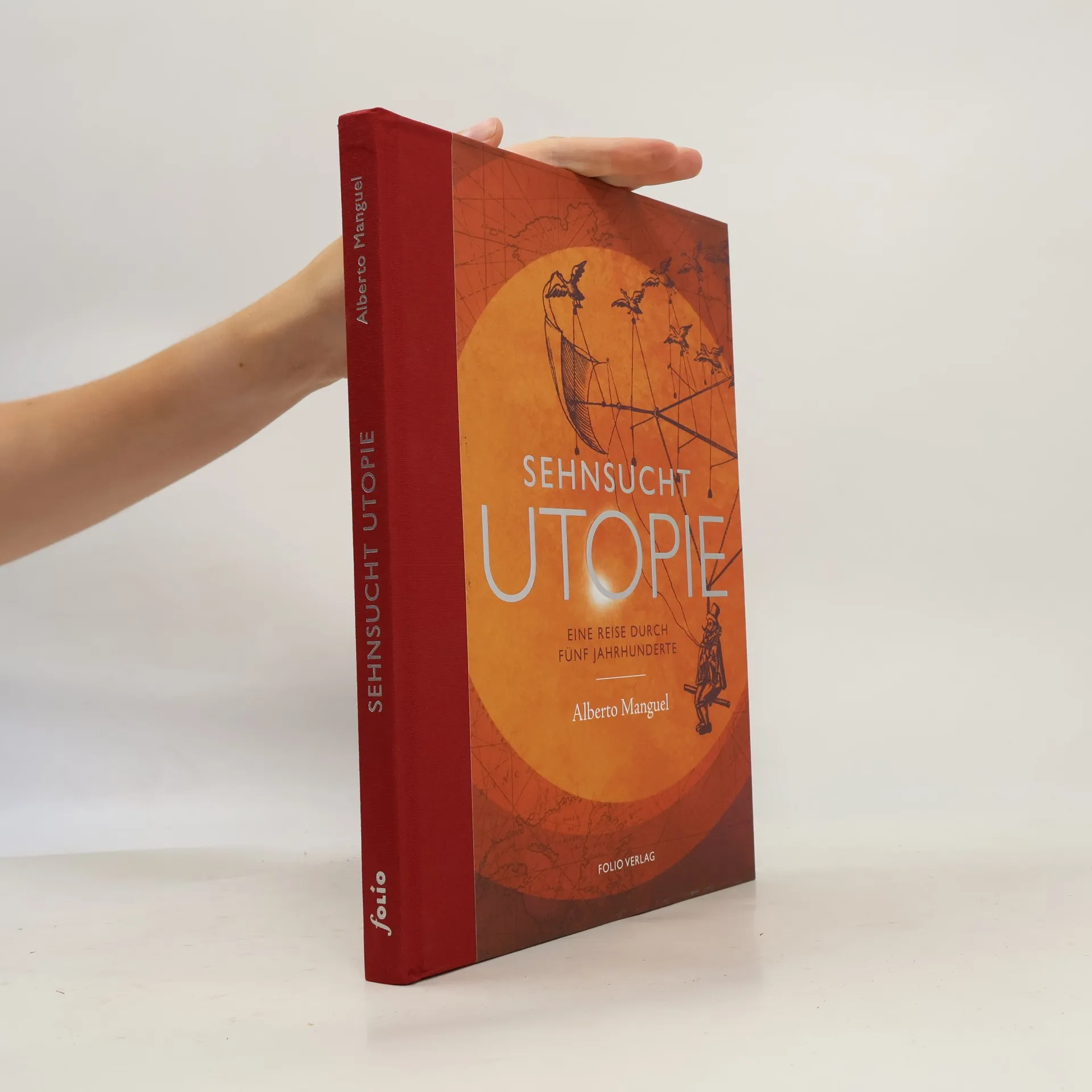
Eine Reise in utopische Welten großer Denker. Utopien faszinieren. Sie wecken Hoffnungen auf eine bessere Welt. Ganz und gar fantastisch oder realitätsnah – eine Frage treibt alle Utopisten um: Wie sieht sie aus, die bessere Gesellschaft? Wie Thomas Morus’ Utopia, Tommaso Campanellas Sonnenstaat, Francis Bacons Nova Atlantis? Alberto Manguel erzählt von Charles Fouriers Ideen zur freien Liebe, von Jean-Baptiste André Godin, der seine Utopie vom gemeinsamen Wohnen, Leben und Arbeiten tatsächlich verwirklichte, von John Lennon und Yoko Ono, die ihren Staat ohne Grenzen Nutopia gründeten, und von Austin Tappan Wright, der mit Islandia eine Welt erschuf, in der die Menschen der Natur wieder mehr Bedeutung schenken und ein entschleunigtes und glückliches Leben führen.
Neue Rundschau - 118/2: Atheismus
- 192 páginas
- 7 horas de lectura
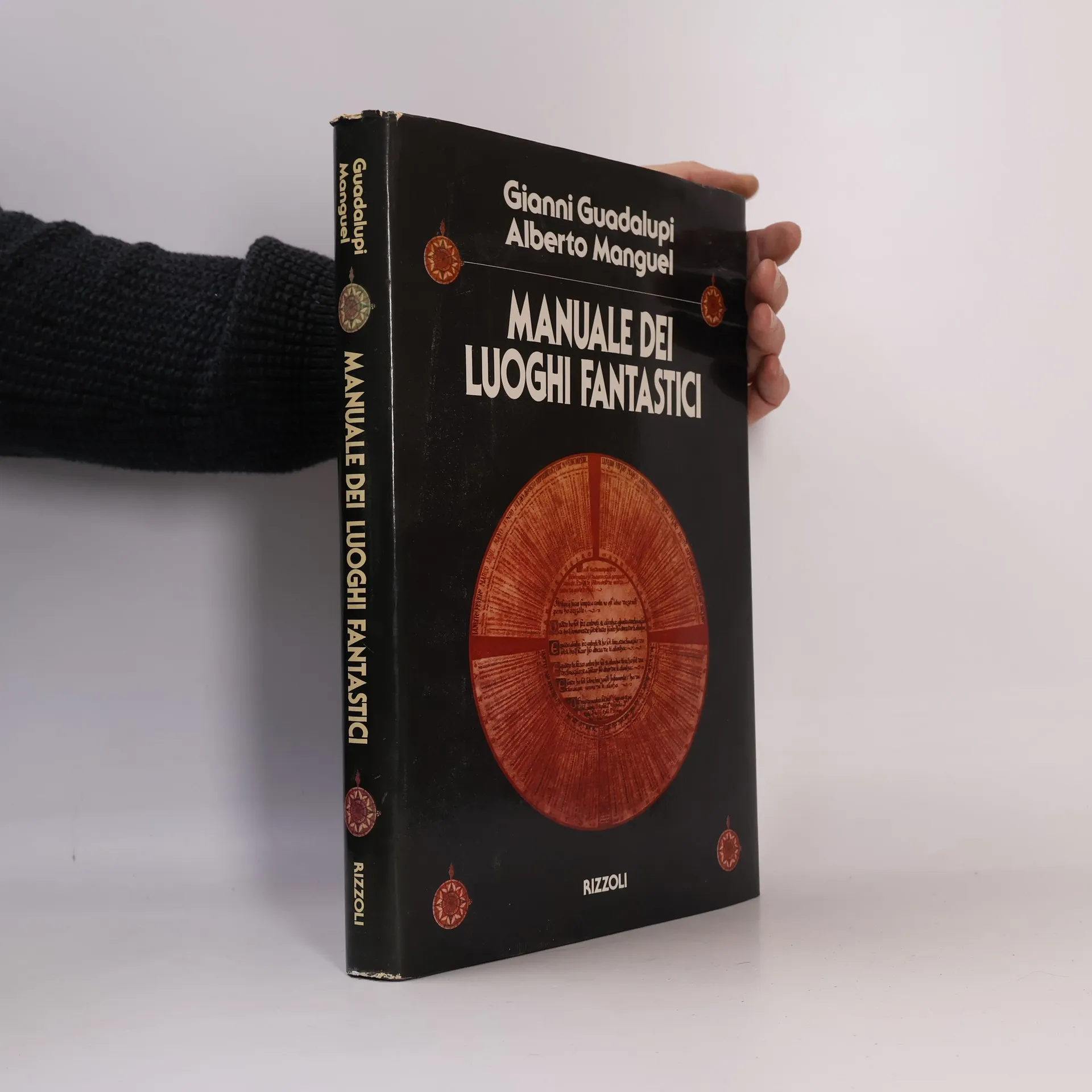
Un prezioso manuale per l’avventuriero della pagina scritta, corredato di dettagliate cartine e illustrazioni introvabili persino sui più attendibili atlanti ufficiali. Dalla città utopica alla selva infernale, ogni sorta di località fantastica è rappresentata in questo volume intriso d’ingegno ed erudizione, di humour e saggezza, che presenta con scherzosa sistematicità le immaginifiche finzioni topografiche di Calvino, Borges, Tolkien, Verne e molti altri.
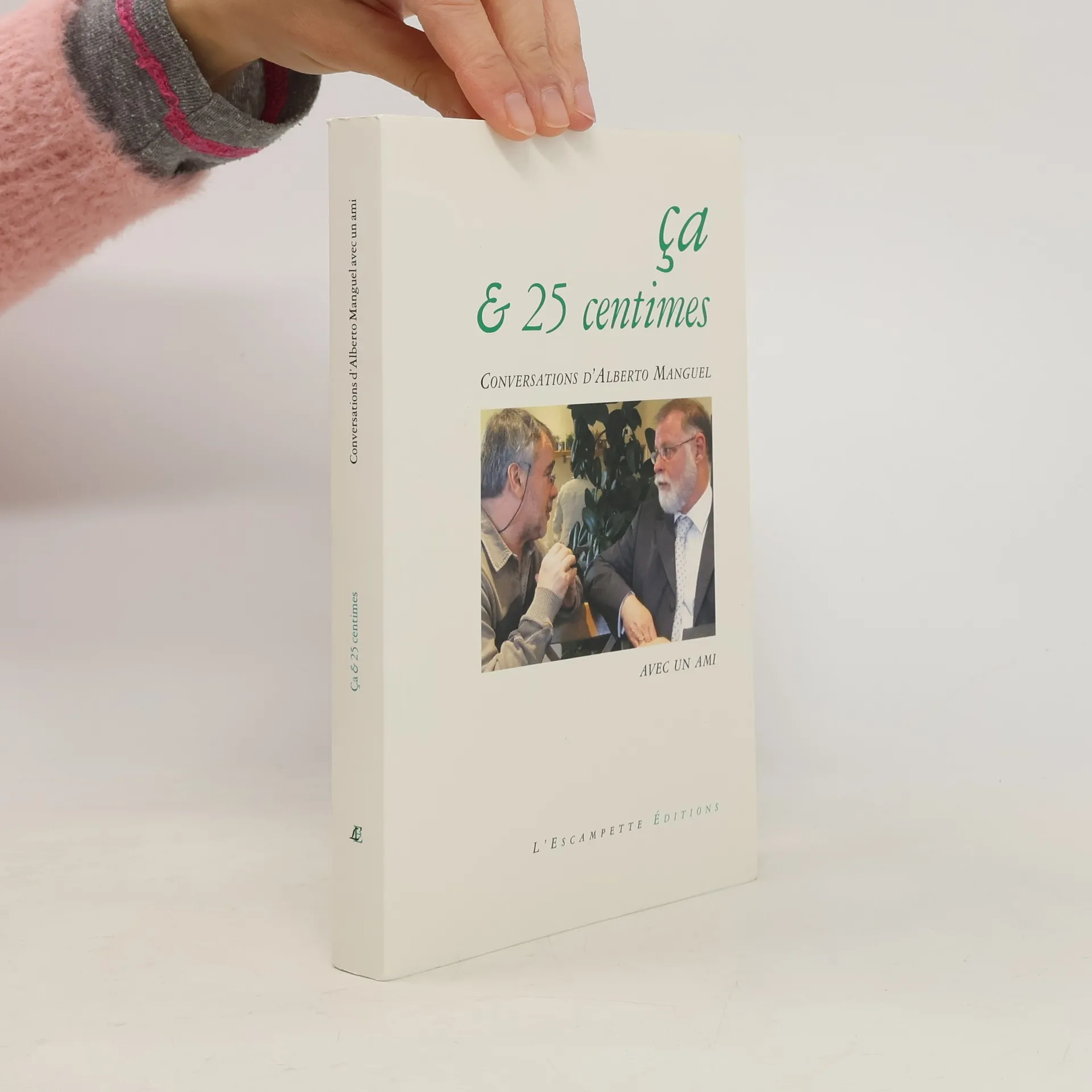
Il nuovo libro di Alberto Manguel ci offre libertà, humour, impertinenza e amicizia, che fluiscono come in "presa diretta" dalla voce dell'autore, raccolta con affetto e perizia da Claude Rouquet. Da queste conversazioni ora sommesse ora appassionate, spesso ironiche e divertenti, costellate da uno stuolo di aneddoti su personaggi molto spesso straordinari, emerge non solo un inedito ritratto del panorama letterario ed editoriale internazionale dagli anni Sessanta ad oggi, ma anche un autoritratto umano e personale di incredibile intensità e sincerità: Manguel appare saggio e disincantato, ma al tempo stesso ancora pieno di amore e interesse per il meraviglioso mondo dei libri e delle biblioteche, scoperto con Borges e mai più abbandonato.
Eine Geschichte der Neugierde
- 528 páginas
- 19 horas de lectura
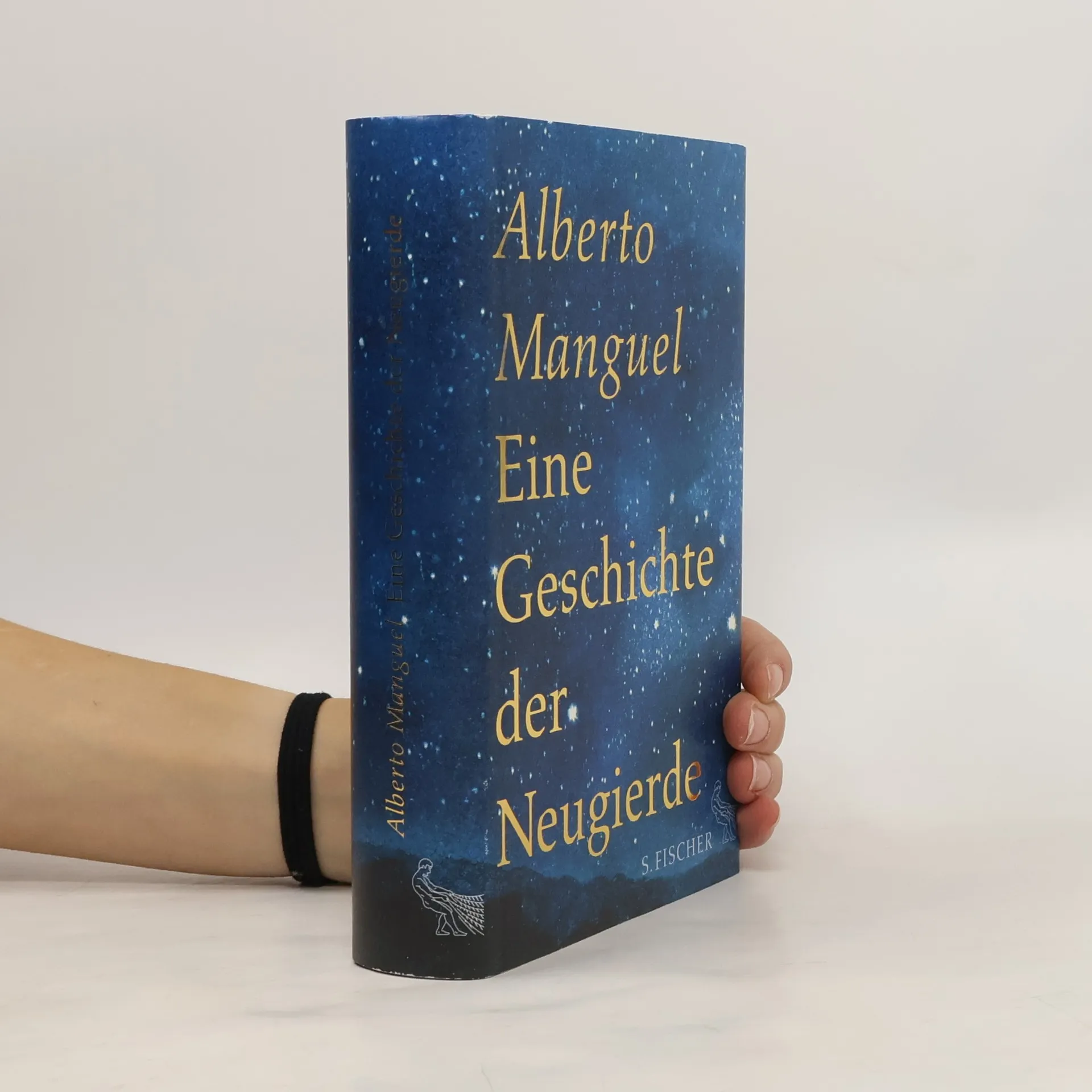
Eine Abenteuerreise durch die Menschheitsgeschichte der Neugierde - mit Alberto Manguel Der Bestsellerautor Alberto Manguel ist der Leser unserer Zeit, ein Gelehrter und Geschichtenerzähler. Was ihn antreibt, ist die Neugierde, die seit jeher Quell des Fortschritts, der Kunst und des Scheiterns ist. Nun geht er dieser selbst auf den Grund und entführt seine Leser auf eine überraschende Reise durch die Geschichte der Neugierde. Seine Wegbegleiter sind die großen Denker, von Dante über David Hume, Rachel Carson und Lewis Carroll bis Sokrates. Auf den Spuren der größten Literaten und Philosophen der Menschheitsgeschichte entwirft er ein Panorama der Kunst des Fragens und erzählt mit viel Witz und Verstand, warum Weisheit nicht in den Antworten, sondern in den Fragen liegt. Manguel stellt sie den Büchern seines Herzens, die großen und die kleinen Fragen, und wo er keine Antwort findet, so doch immer eine bessere Frage. Alberto Manguels bisher persönlichstes Buch ist eine vielseitige Geschichte der menschlichen Neugierde, ein großes Fest der Ideen und der eigenen Vorstellungskraft und die Lebenserinnerung eines international gefeierten Romanciers, Kritikers und Übersetzers.
Kunstlezen, over het kijken naar beeldende kunst
- 352 páginas
- 13 horas de lectura
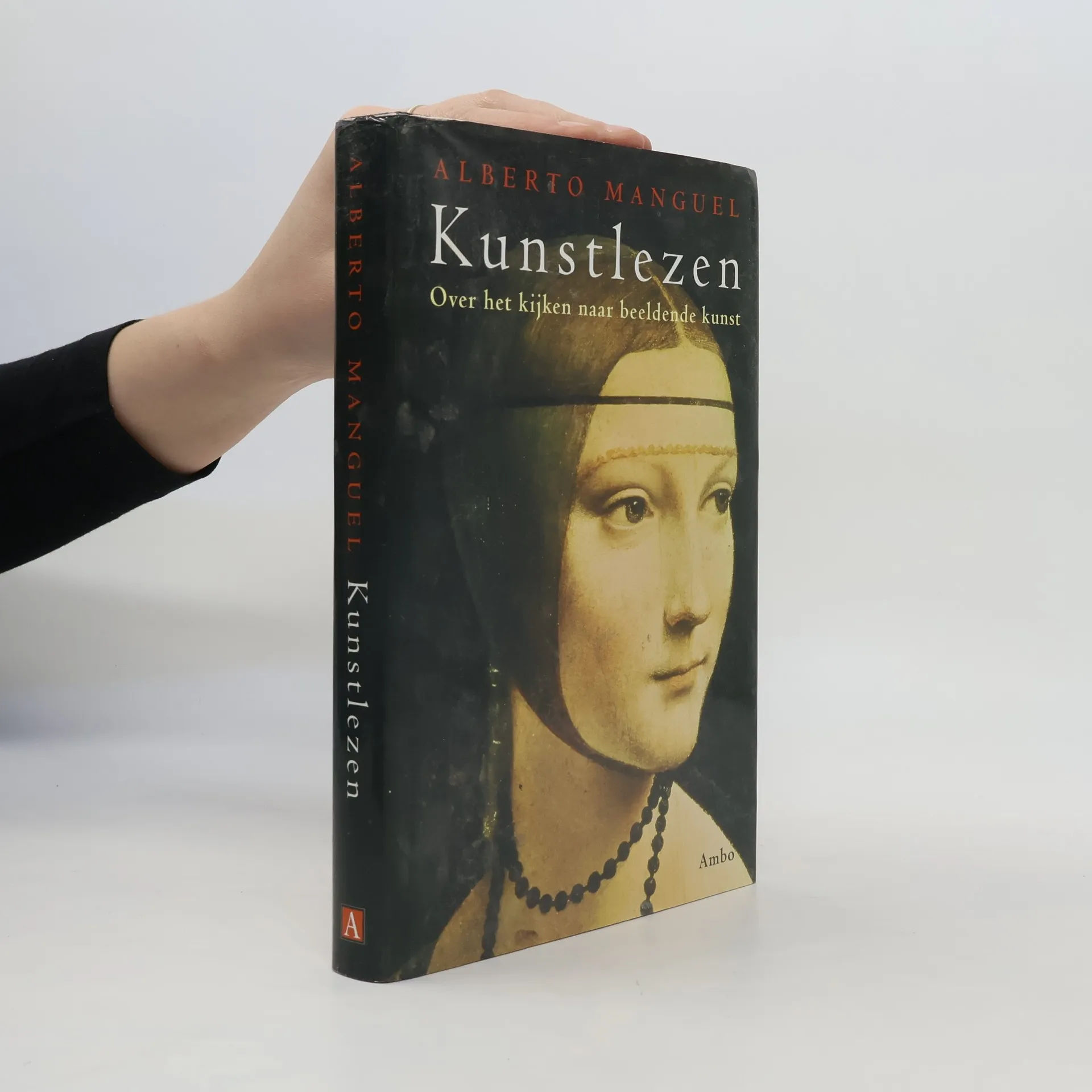
Volgens de omschrijving van Malraux wordt onze kijk op kunst bepaald door een enorm aantal persoonlijke en sociale omstandigheden, waaronder de kennis die wij hebben van de wereldwijde beeldtaal: het imaginaire museum. Manguel verkent zijn eigen kijk op kunst aan de hand van een aantal kunstwerken, waarbij hij zijn eigen associaties de vrije loop laat, los van bekende kunsthistorische opvattingen.