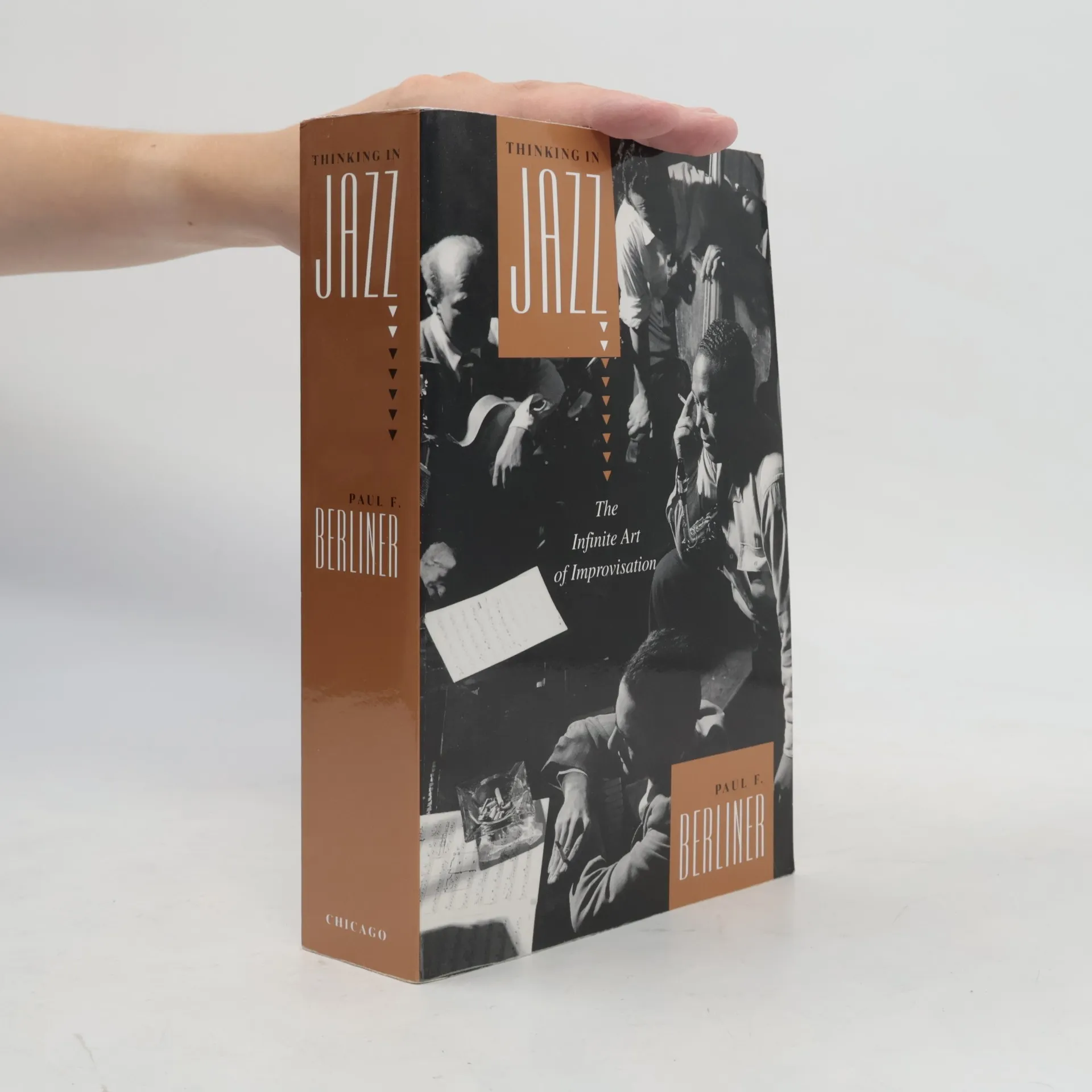
A landmark in jazz studies, this work reveals how musicians learn to improvise both individually and collectively. It chronicles leading musicians from their first encounters with jazz to the development of their unique improvisatory voices, documenting the extensive preparation behind each skilled improviser's ideas. The product of over fifteen years of immersion in the jazz world, it combines participant observation, detailed musicological analysis, and the author's experience as a jazz trumpeter. Original data from interviews with more than fifty professional musicians, including bassists, drummers, guitarists, pianists, saxophonists, trombonists, trumpeters, and vocalists, provides deep insights into the production of jazz by great artists. The work is rich with musical examples from the 1920s to the present, featuring original transcriptions of collective improvisations by renowned groups. These transcriptions enhance understanding of jazz improvisation's structure and creativity, serving as a valuable resource for musicians, students, and educators. The exploration of various conceptual approaches—aural, visual, kinetic, verbal, emotional, theoretical—highlights the interplay between soloists and ensembles in collective improvisation. This integration of musical development and the complexities of real-time composition leads to a new understanding of jazz improvisation as a language, aesthetic, and tradition, captivating
Paul F. Berliner Libros