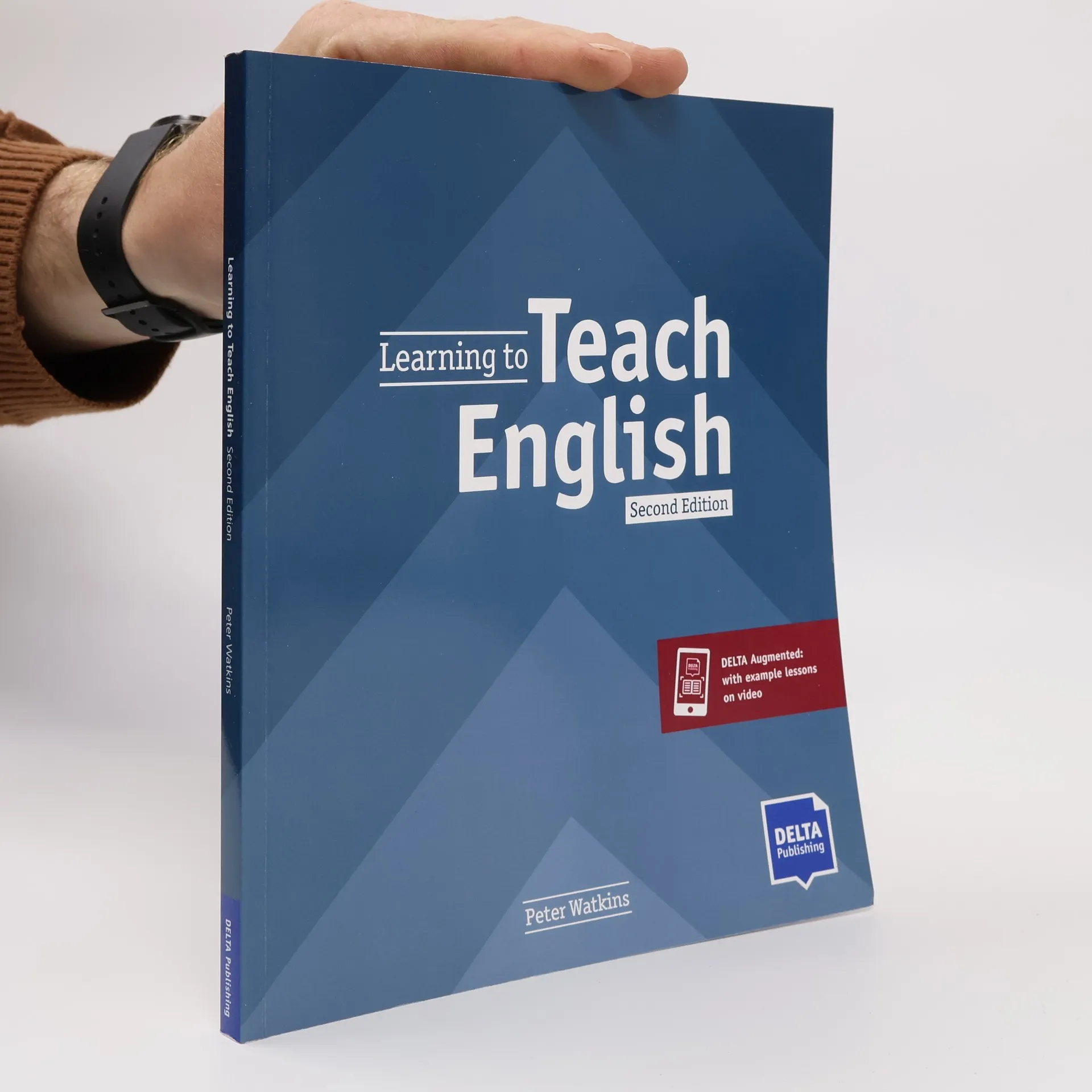

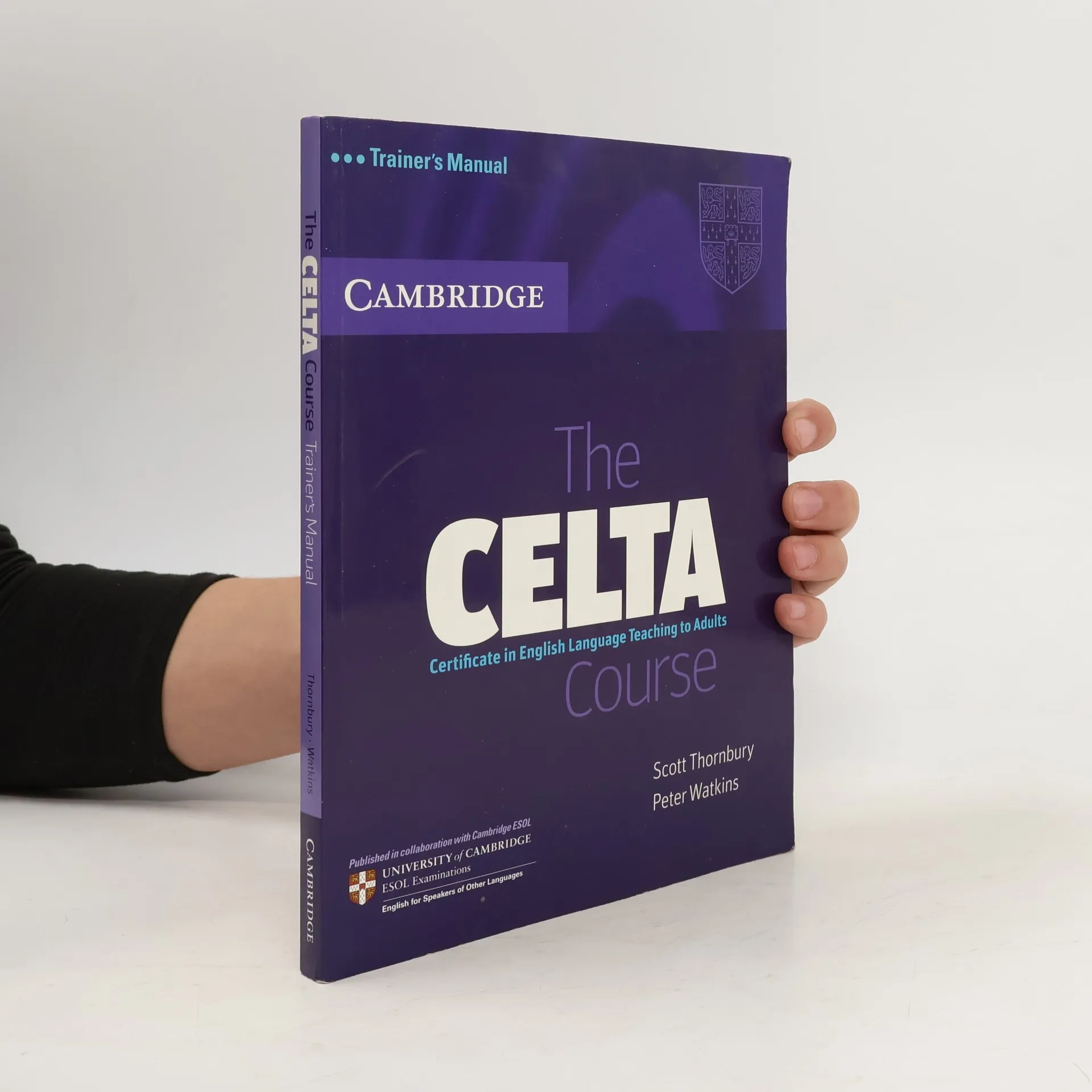
The CELTA Course offers a comprehensive preparation program for the CELTA syllabus, endorsed by Cambridge ESOL. It features structured sections including input sessions covering learner contexts, teaching methods, and professional development, alongside teaching practice and classroom observation. The Trainee Book provides essential materials and guidance, while the Trainer's Manual offers strategies for effective teaching. An introductory questionnaire and a concluding review test ensure trainees grasp key concepts and terminology, enhancing their learning experience.
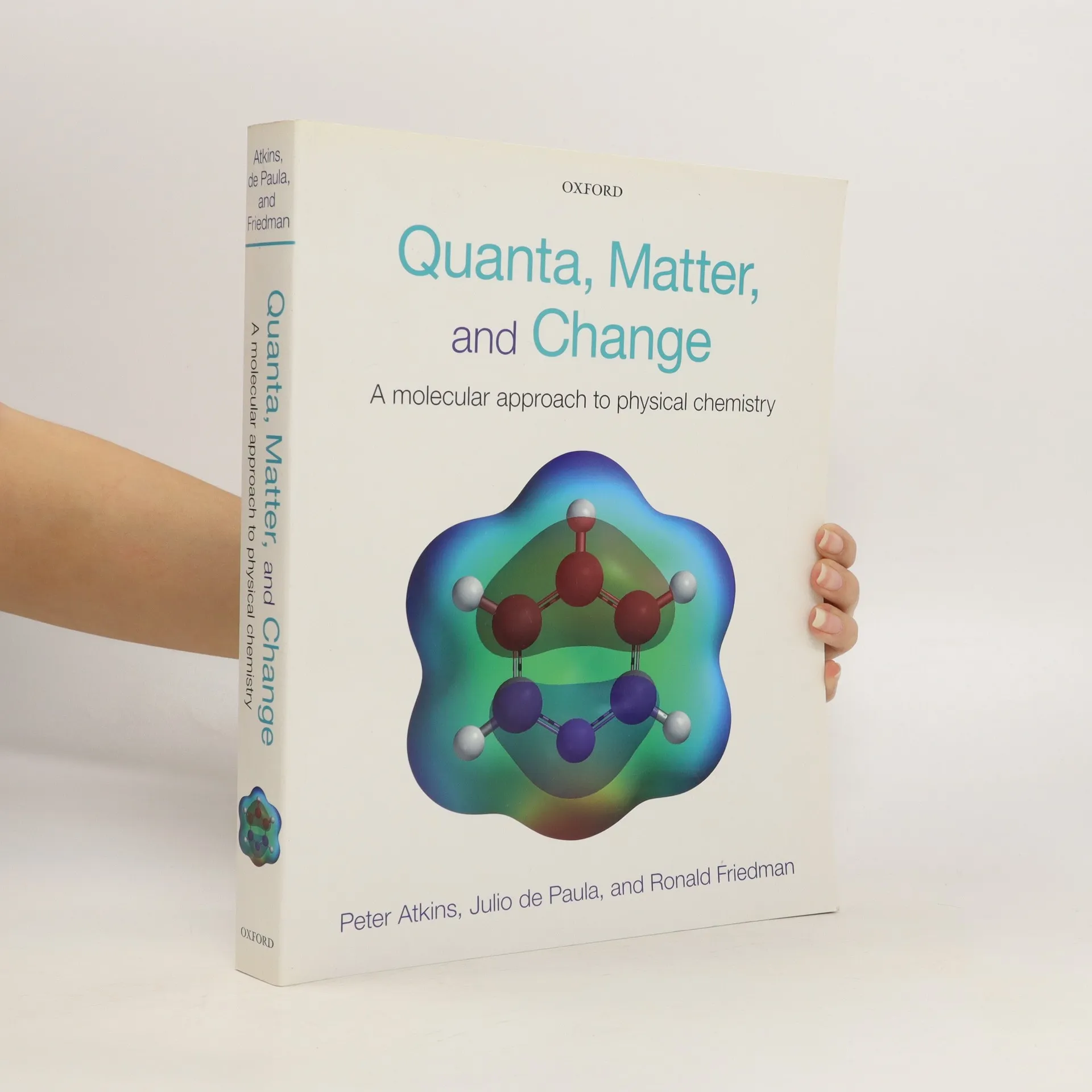
aspects of the learning process are fully supported, including the understanding of terminology, notation, mathematical concepts, and the application of physical chemistry to other branches of science." "Building on the heritage of the world-renowned Atkins' Physical Chemistry , Quanta, Matter, and Change gives a refreshing new insight into the familiar by illuminating physical chemistry from a new direction." --Book Jacket.
A non-mathematical and highly visual account of the concepts of quantum mechanics widely encountered in chemistry and related disciplines, now completely revised and updated, with many more illustrations.
Molecular Quantum Mechanics explores the principles of quantum mechanics as they relate to matter, including atomic and molecular structures. The book features clear explanations, illustrations, and updated computational techniques. It includes an Online Resource Centre with interactive worksheets and solutions for students and instructors.
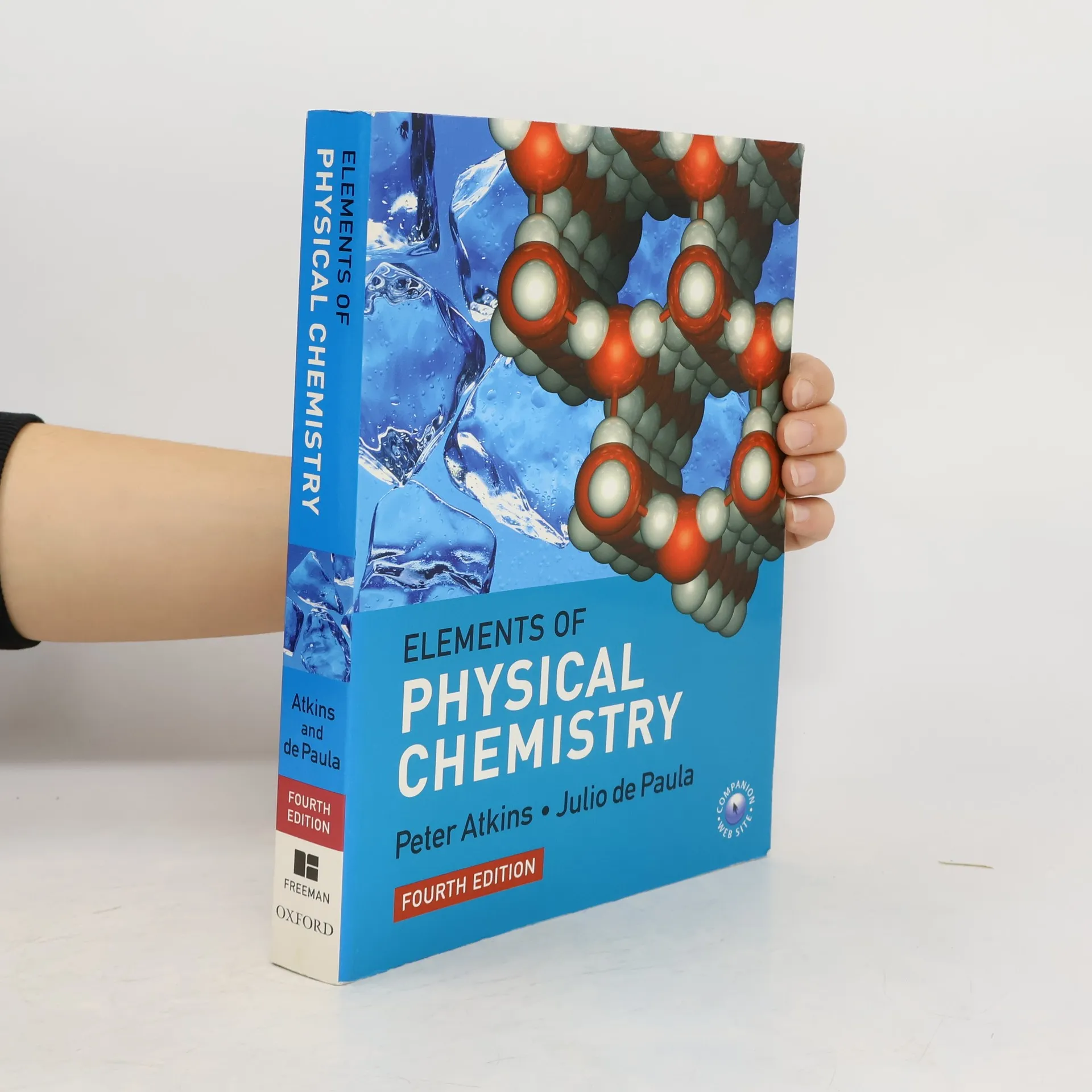
This volume features a greater emphasis on the molecular view of physical chemistry and a move away from classical thermodynamics. It offers greater explanation and support in mathematics which remains an intrinsic part of physical chemistry.
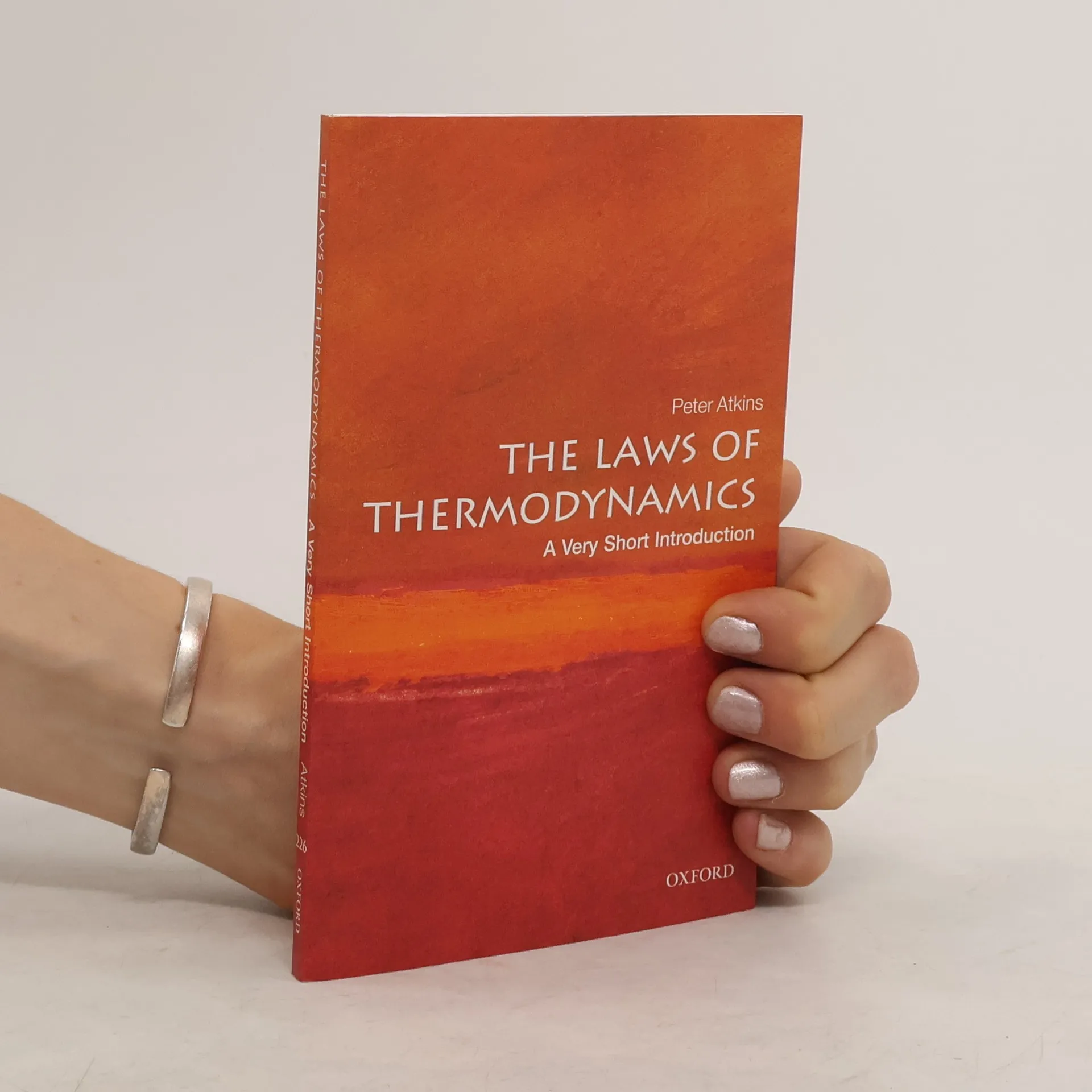
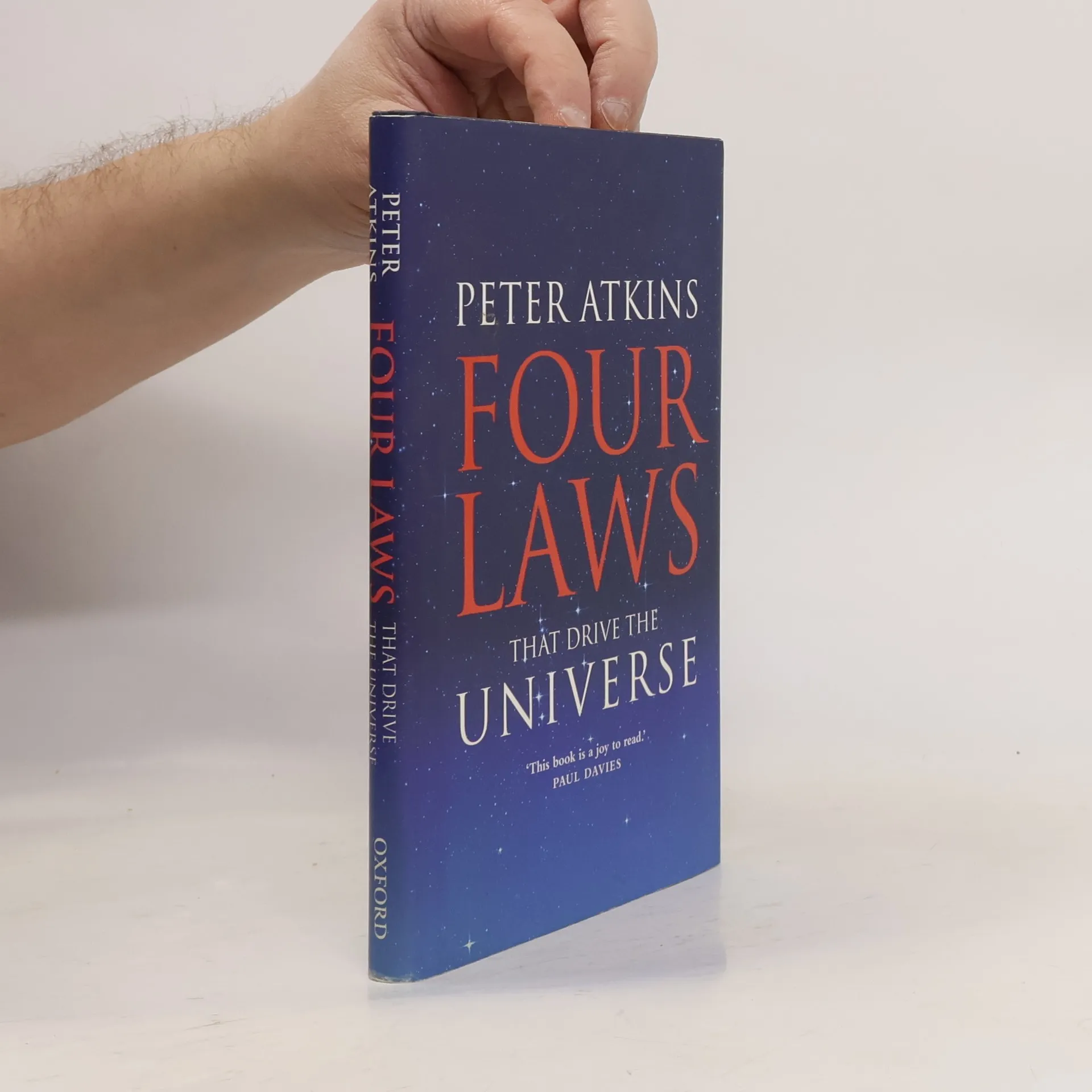
The laws of thermodynamics drive everything that happens in the universe. From
the expansion of a cloud of gas to the cooling of hot metal, and from the
unfurling of a leaf to the course of life itself - everything is directed and
constrained by four simple laws. Peter Atkins' powerful introduction explains
what the laws are and how they work.
Mastering the fundamentals of physical chemistry is a challenge for many. This edition is designed to attain a thorough understanding of this vital branch of chemistry.
The laws of thermodynamics drive everything that happens in the universe. From the sudden expansion of a cloud of gas to the cooling of hot metal--everything is moved or restrained by four simple laws. Written by Peter Atkins, one of the world's leading authorities on thermodynamics, this powerful and compact introduction explains what these four laws are and how they work, using accessible language and virtually no mathematics. Guiding the reader a step at a time, Atkins begins with Zeroth (so named because the first two laws were well established before scientists realized that a third law, relating to temperature, should precede them--hence the jocular name zeroth), and proceeds through the First, Second, and Third Laws, offering a clear account of concepts such as the availability of work and the conservation of energy. Atkins ranges from the fascinating theory of entropy (revealing how its unstoppable rise constitutes the engine of the universe), through the concept of free energy, and to the brink, and then beyond the brink, of absolute zero. About the Series: Combining authority with wit, accessibility, and style, Very Short Introductions offer an introduction to some of life's most interesting topics. Written by experts for the newcomer, they demonstrate the finest contemporary thinking about the central problems and issues in hundreds of key topics, from philosophy to Freud, quantum theory to Islam.
In this Very Short Introduction Peter Atkins inspires us to look at chemistry through new eyes. Considering the remarkable achievements chemistry has made, he presents a fascinating, clear, and rigorous exploration of the world of chemistry - its structure, core concepts, and contributions to the material comfort and culture of the modern world.