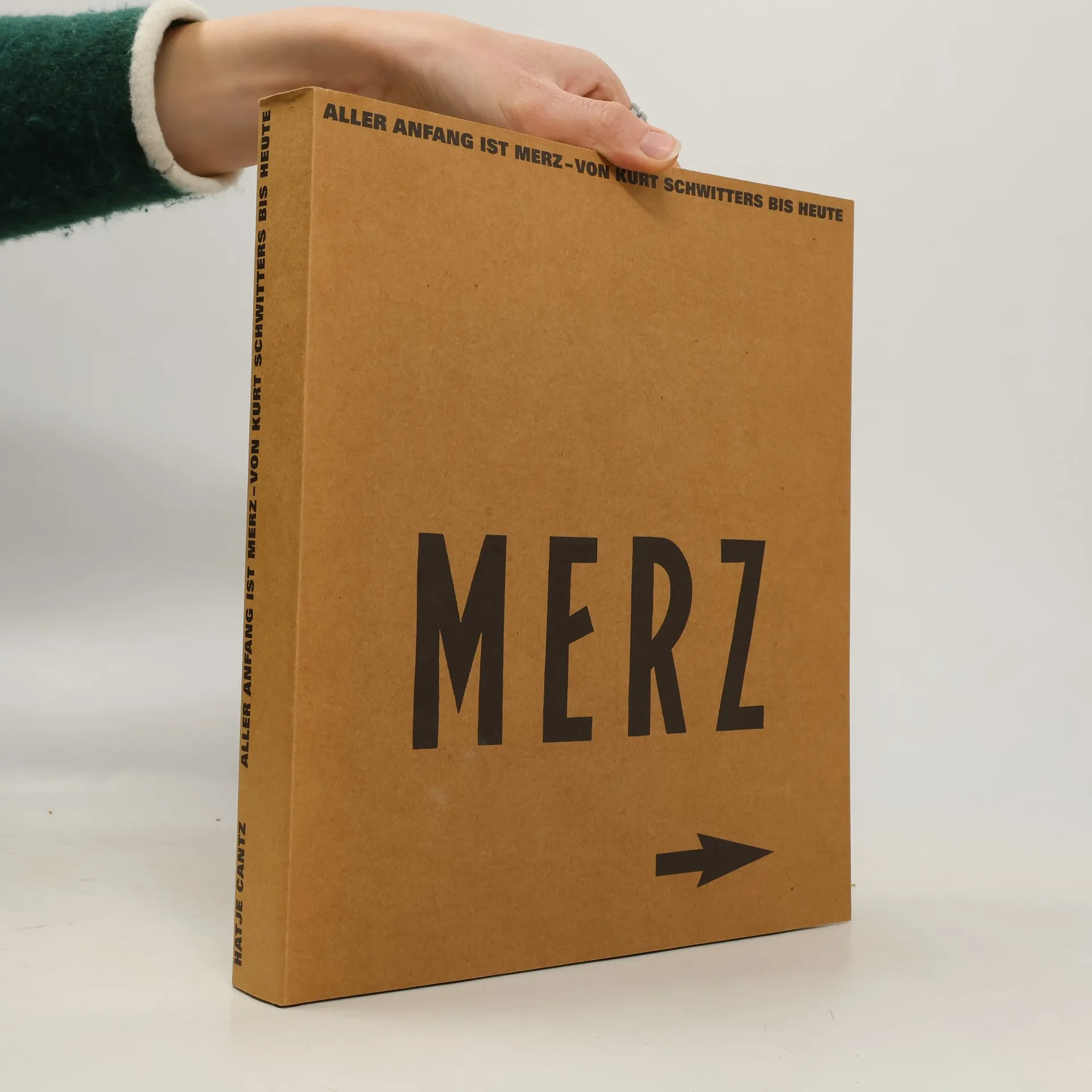
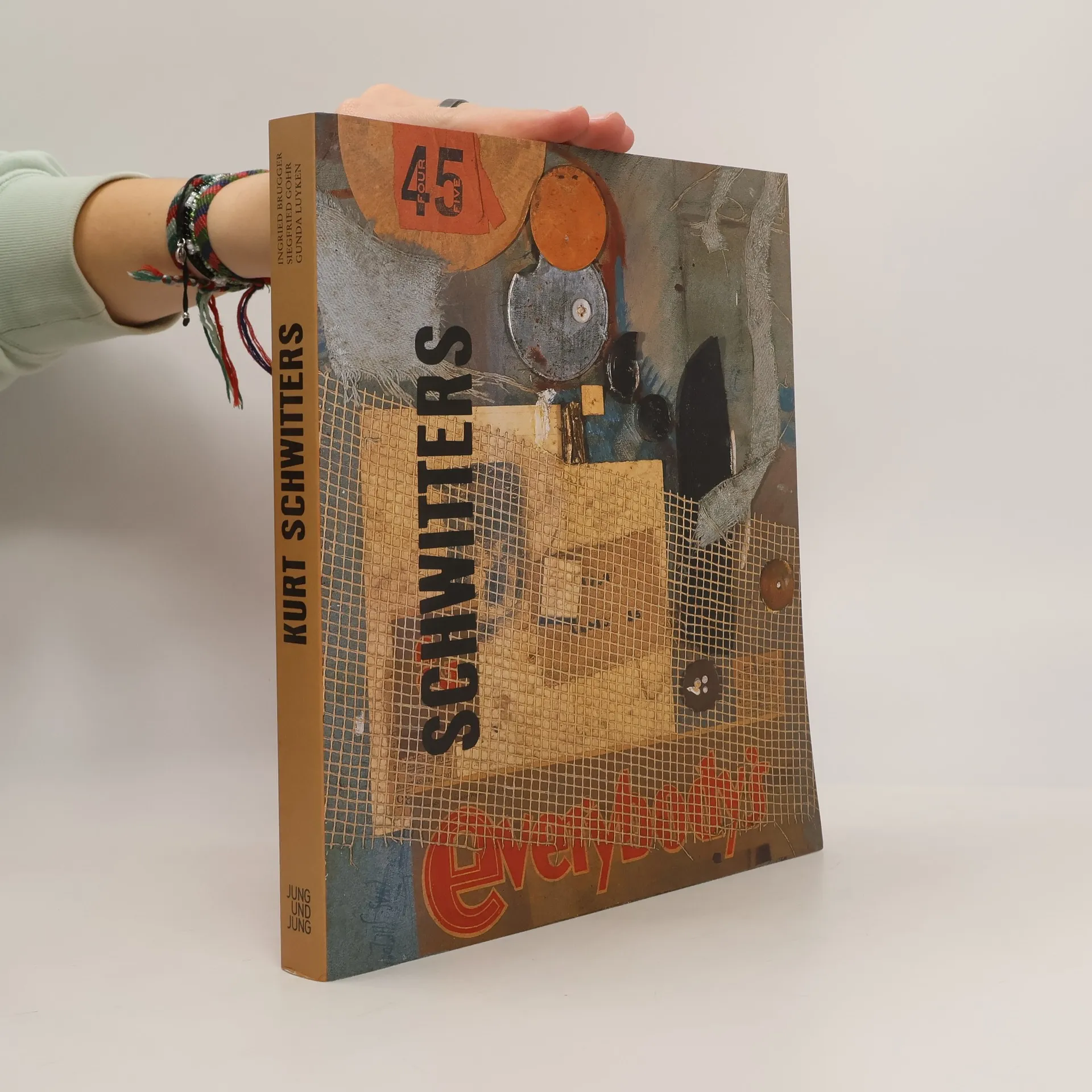
Kurt Schwitters fue uno de los artistas más influyentes y vanguardistas del Modernismo, aunque solo ciertas áreas de su inmensa y diversa obra han sido investigadas y catalogadas a fondo. Este primer volumen de un catálogo razonado en tres volúmenes documenta por primera vez su obra completa, revelando muchos de los collages, dibujos y pinturas de Schwitters que no habían sido publicados anteriormente. Este primer volumen abarca los años tempranos del artista, desde 1905 hasta 1922, incluyendo obras poco conocidas del período anterior a la Primera Guerra Mundial, así como las primeras piezas de Merz que creó entre 1918 y 1922. Las obras están organizadas cronológicamente y, dentro de los años, según su género. El libro también presenta una biografía detallada e ilustrada del artista.
Kurt Schwitters Libros
- Kurt Merz Schwitters

A-N-N-A
- 248 páginas
- 9 horas de lectura
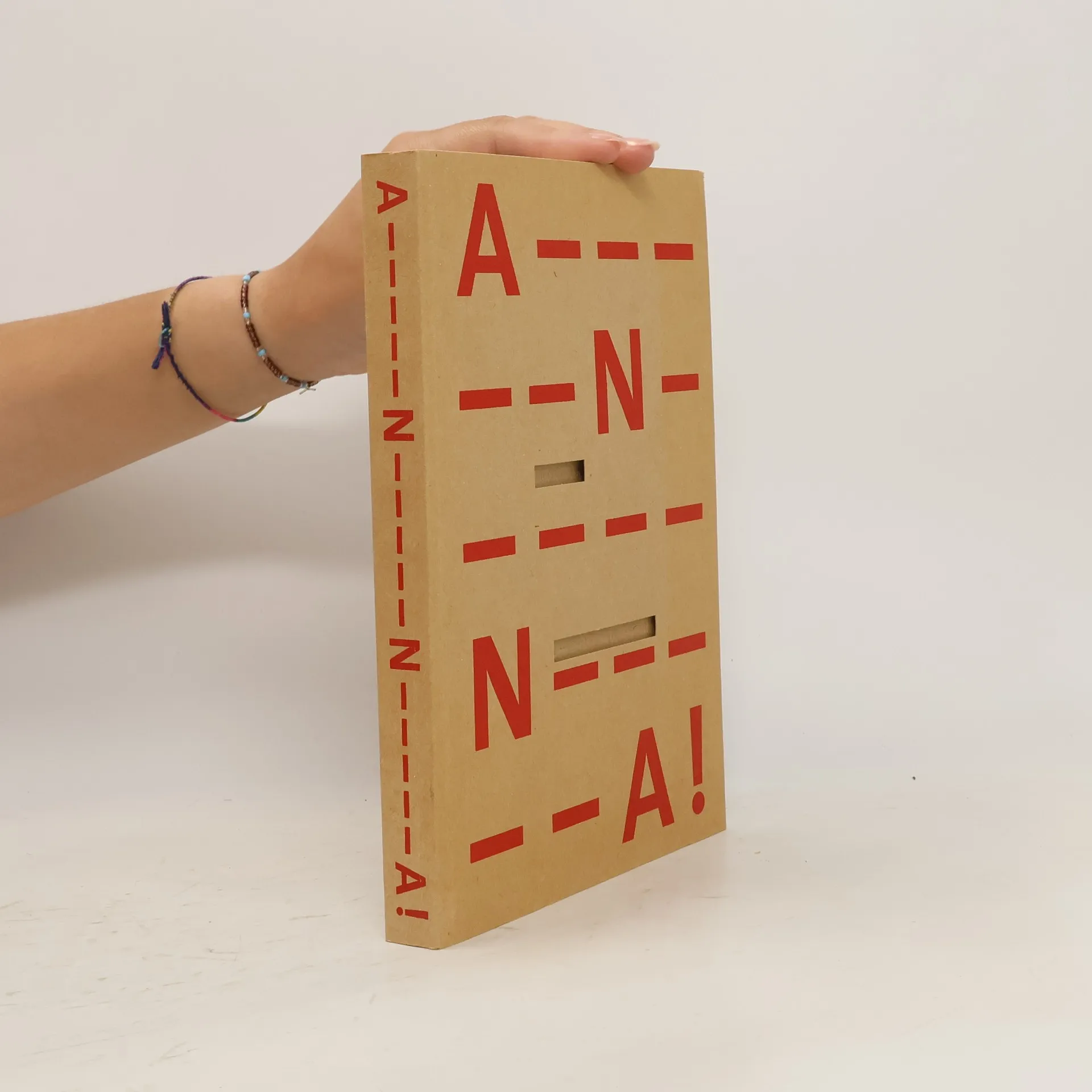
Kurt Schwitters hat mehr als nur gewöhnliche Sätze gefunden, um seiner Liebe zu einer gewissen Anna Blume Ausdruck zu verleihen. Und seine 'Ursonate' ist das wohl berühmteste Lautgedicht, das je erdacht wurde. Hier eine Auswahl der verblüffenden Sprachakrobatik des dadaistischen Künstlers.
Lucky Hans and Other Merz Fairy Tales
- 256 páginas
- 9 horas de lectura
Kurt Schwitters revolutionized the art world in the 1920s with his Dadaist Merz collages, theater performances, and poetry. But at the same time he was also writing extraordinary fairy tales that were turning the genre upside down and inside out. This book gathers thirty-two stories written between 1925 and Schwitters' death in 1948.
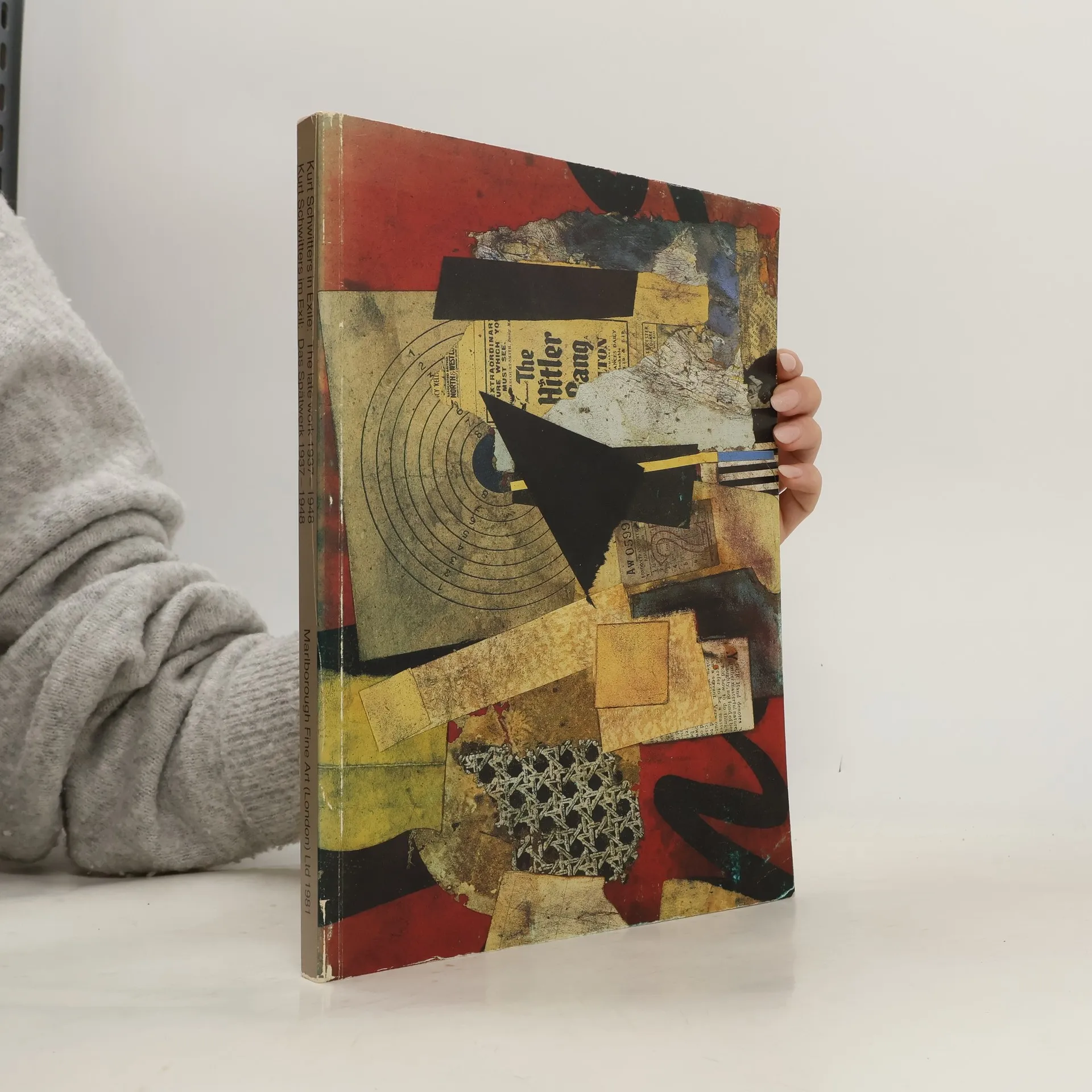
Kurt Schwitters in Exile
The Late Work, 1937-1948 = Kurt Schwitters im Exil
- 160 páginas
- 6 horas de lectura
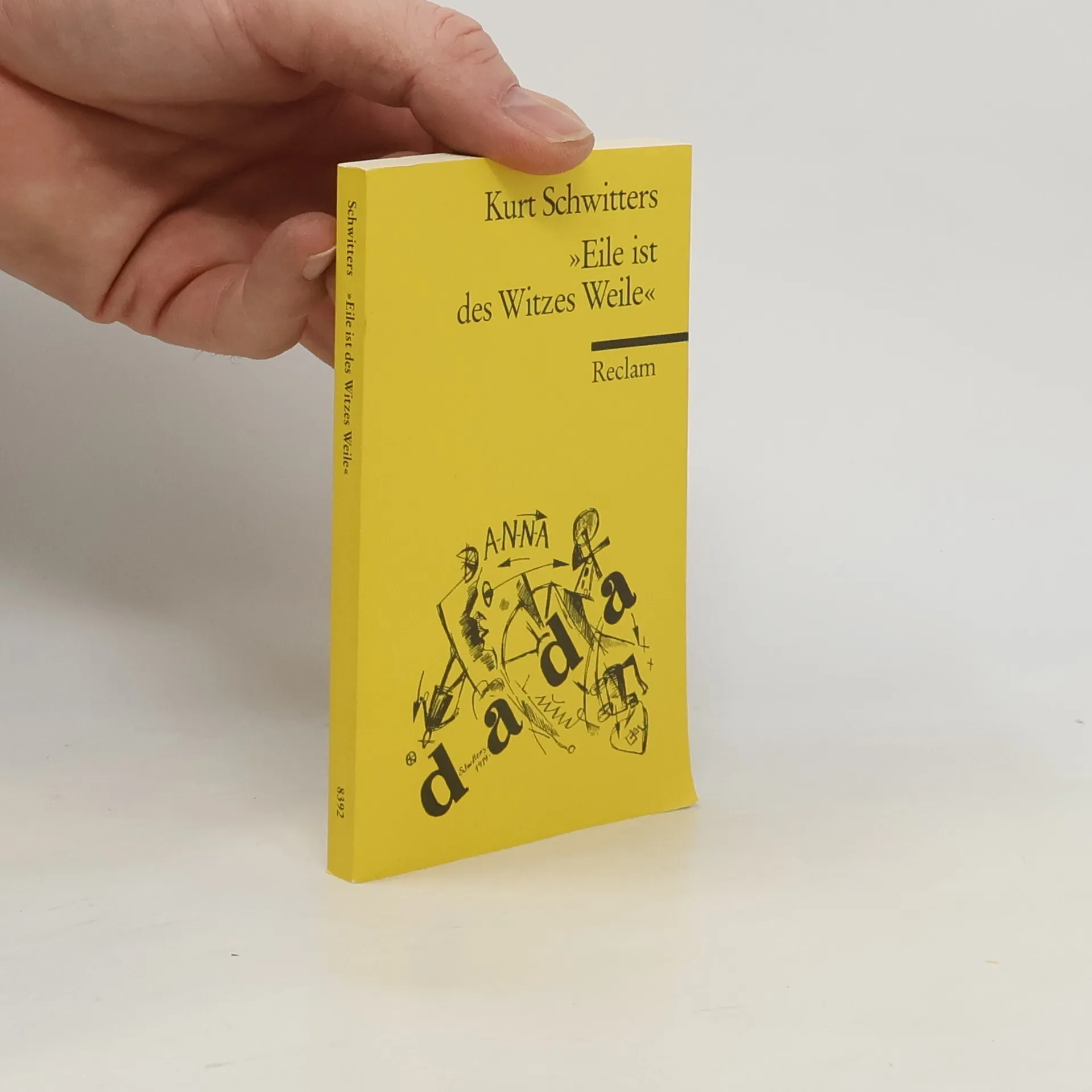
"Eile ist des Witzes Weile"
- 160 páginas
- 6 horas de lectura
The book features a rich tapestry of biographical and topographical insights, detailing the author's life experiences in Hannover and beyond. It reflects on themes of rebirth, the beauty of life, and the essence of art intertwined with personal narratives. The text includes a variety of poems and manifestos that explore the absurdities of existence, the interplay of madness and creativity, and the significance of Dadaism. The collection includes notable works such as "Anna Blume," "Welt voll Irrsinn," and various experimental poems that challenge conventional forms. It also presents a series of manifestos that articulate the principles of Dada and Merz, emphasizing the importance of artistic freedom and the rejection of traditional norms. Throughout, the author engages with the concept of art as a reflection of societal conditions, addressing themes of madness, identity, and the human experience. The interplay between humor and seriousness is evident, as is a deep-seated critique of societal structures. The text culminates in a call for artistic innovation and a reevaluation of what constitutes art in a rapidly changing world. Overall, it serves as a profound exploration of creativity, identity, and the complexities of modern life.
Kurt Schwitters, "der seltsamste Bürger von Hannover", kombiniert ernsthafte Ziele mit humorvollen Erzählungen. Seine Geschichten über Abenteuer mit einem geliehenen Fahrrad und absurde Alltagsdramen zeigen seinen einzigartigen Humor. Schwitters, ein vielseitiger Künstler, strebte nach der Einheit von Kunst und Leben.
Die literarischen Werke
Schauspiele und Szenen
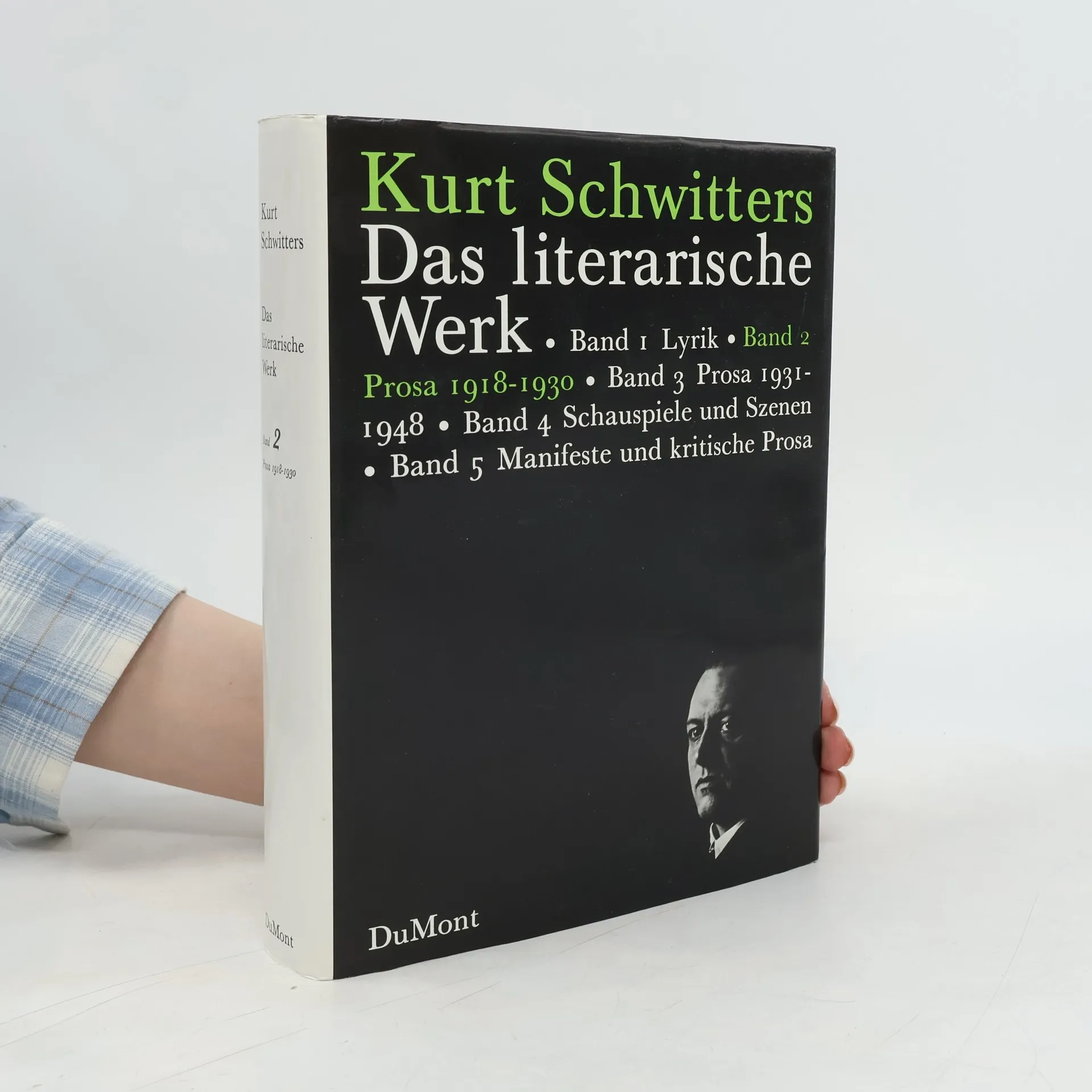
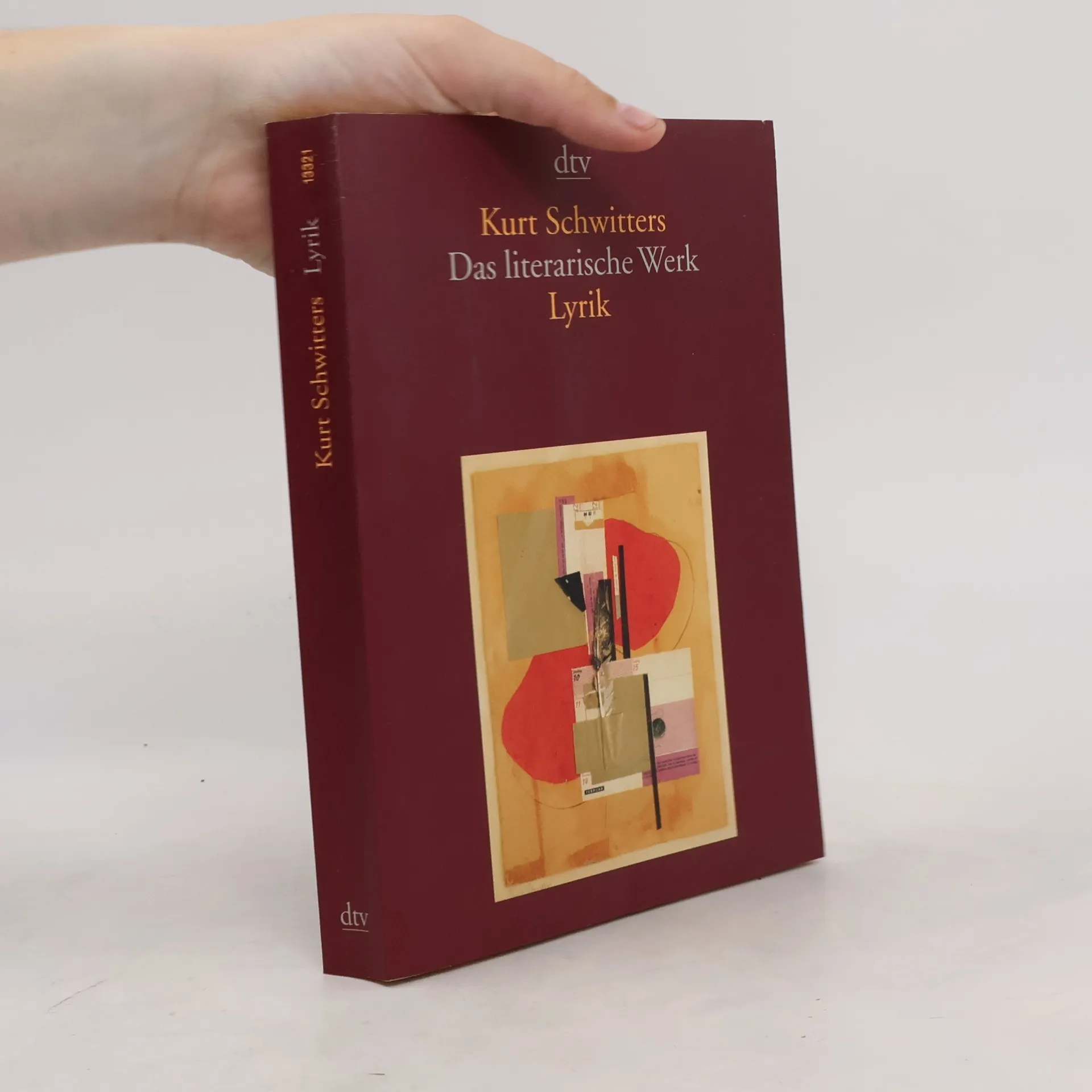
"Oh Du, Geliebte meiner 27 Sinne, ich liebe Dir!" Sein Gedicht an Anna Blume hat Kurt Schwitters berühmt gemacht. Durch seine Sonate in Urlauten wurde er zum Klassiker unter den Sprachartisten und Kunst-Avantgardisten des 20. Jahrhunderts. Parallel zu seinen bildnerischen Arbeiten mit Malerei und Collage schuf Kurt Schwitters ein hochoriginelles literarisches Werk, dessen Umfang und Vielseitigkeit diese neue gebundene Ausgabe zeigt. Neben dem verspielten Lyriker ist der Erzähler Schwitters zu entdecken, der Dramatiker des Grotesken, der bissige Kritiker und scharfsichtige Pamphletist. Kurt Schwitters bietet radikale literarische Kunst für alle 27 Sinne.
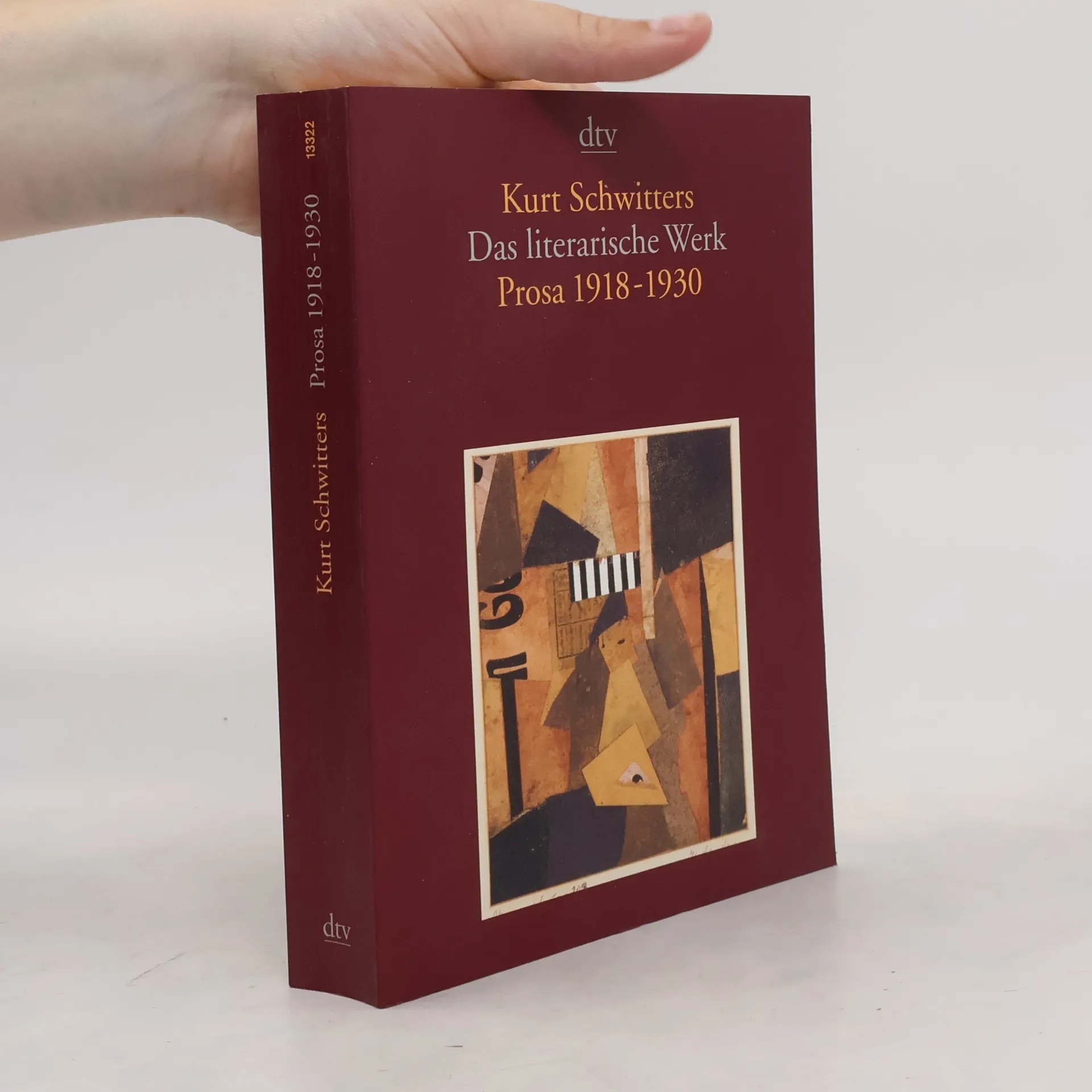
Das literarische Werk, in 5 Bdn., Bd.2, Prosa 1918-1930
- 438 páginas
- 16 horas de lectura
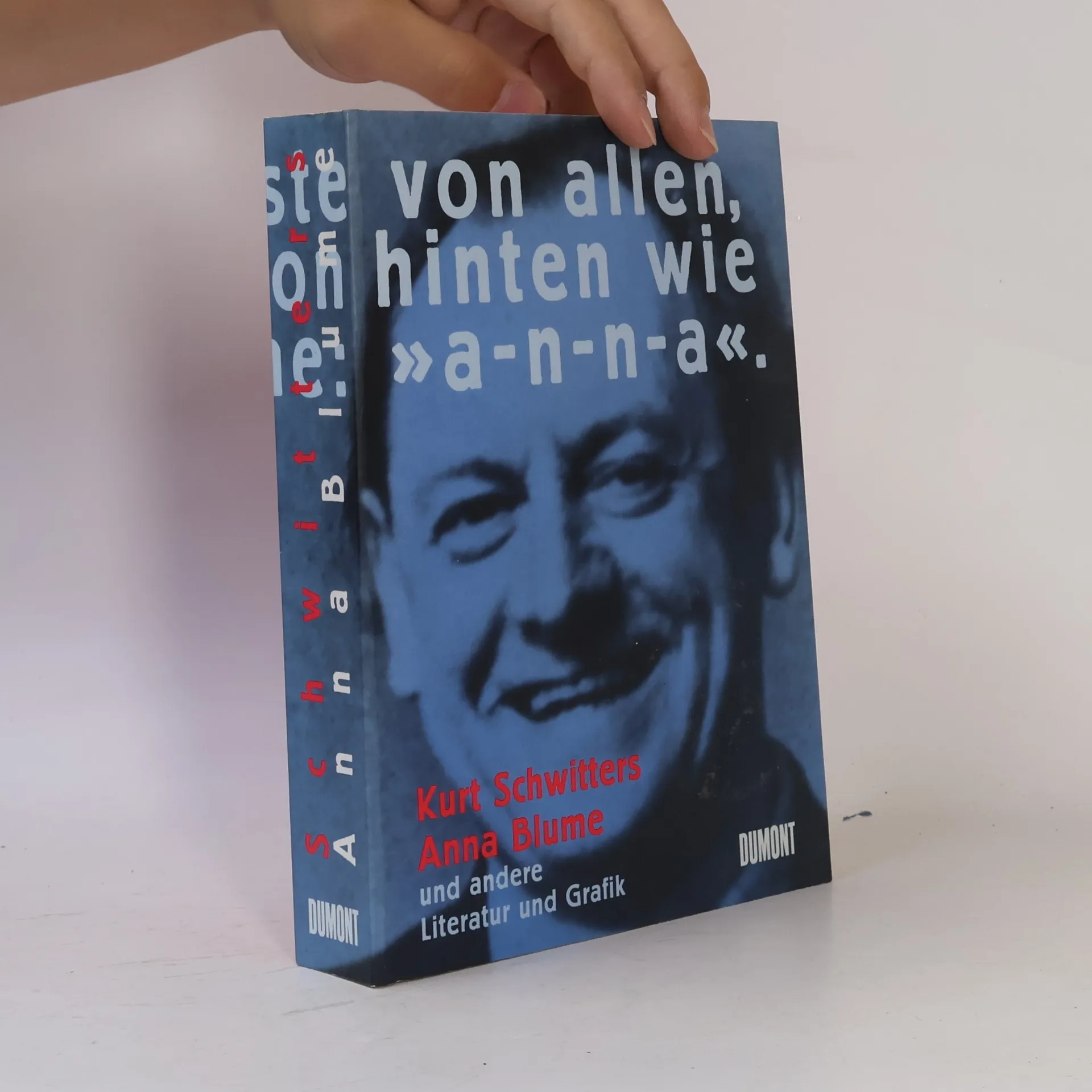
Anna Blume und andere
- 532 páginas
- 19 horas de lectura
Alle Texte - Die Sammelkladden 1919-1923
"Bleichsucht und Blutarmut", "Gästebuch für die Merzausstellung", "Schwarzes Notizbuch VI", "8 uur", "Kritiken. Spezialhaus für Abfälle" und lose Kritiken. Mitarbeit v. Sprengel Museum
- 1075 páginas
- 38 horas de lectura
Kurt Schwitters' Sammelkladden aus den 1920er Jahren sind eine faszinierende Sammlung von nahezu sechshundert Texten und Bildern, die Leserbriefe, Künstlerkorrespondenzen und Kommentare enthalten. Diese bislang weitgehend unbekannten Notizbücher werden hier erstmals umfassend erschlossen und bieten tiefgreifende Einblicke in Schwitters' kreative Prozesse. Sie zeugen von seiner Leidenschaft für das Sammeln und Konstruieren und eröffnen neue Perspektiven auf die Vielfalt und Komplexität seiner Merzkunst.
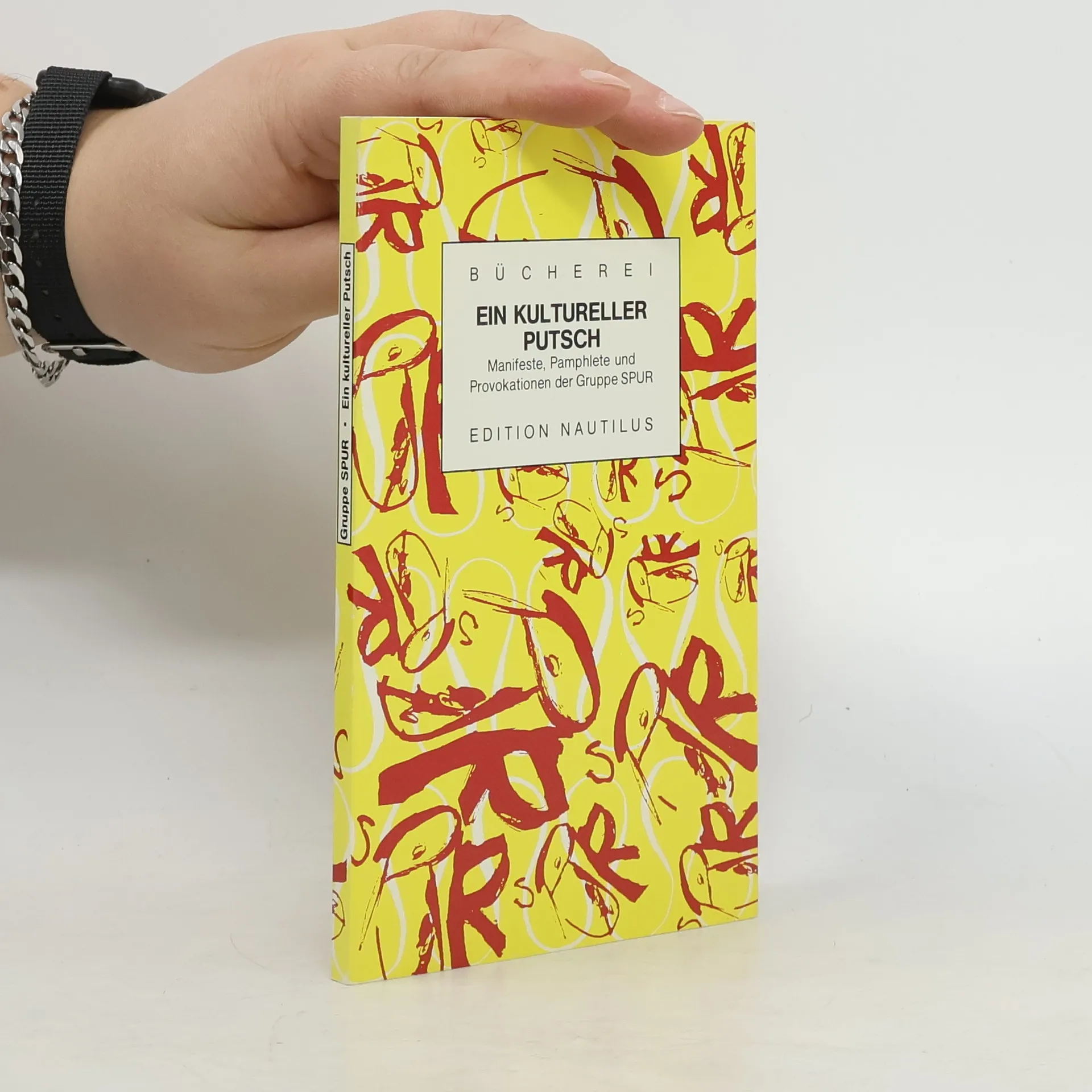
Ein kultureller Putsch
- 63 páginas
- 3 horas de lectura
Ausstellungskatalog:Sprengel Museum Hannover 20.8.-5.11.2000.Kunstsammlung Nordrhein-Westfalen, Düsseldorf 25.11.2000-18.2.2001.Haus Der Kunst München 9.3.-20.5.2001.Texts by Dietmar Elger, Anette Kruszynski, Isabel Ewig, Justin Hoffman, Gerhard Schaub, Julia Schmidt u.a.
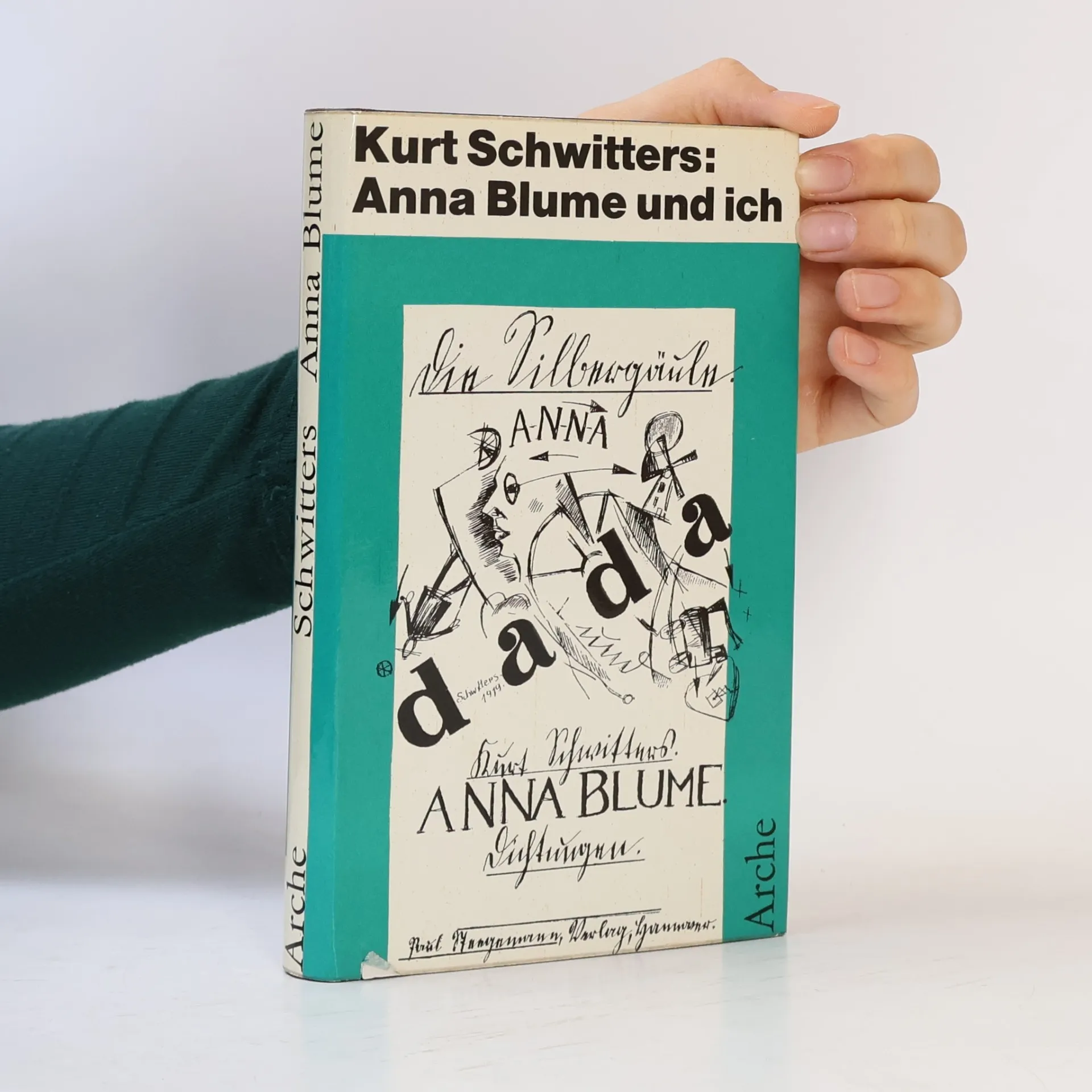
Die berühmten Anna Blume-Texte (u.a. Anna Blume, Memoiren Anna Blumes in Bleie, Die Blume Anna) des Dadaisten Kurt Schwitters liegen nun in neuer Ausstattung vor.
Anna Poupě
- 160 páginas
- 6 horas de lectura
Malíř, sochař, básník a spisovatel, všestranný kolážista Kurt Schwitters (1887–1948) je jedním z nejznámějších zástupců dadaismu, jeho dílo se však nedá ohraničit rámcem jedné epochy či směru. Kniha zahrnuje výbor poezie z let 1914-1947. Tento stvořitel specifické dadaistické odnože, jíž dal název „MERZ“, zůstával po celoudobu svého tvůrčího života širšímu publiku neznámý, ve svých snahách si byl však jistý, vynikal nebývalou houževnatostí a instinktem: „Vím, že jsem jako faktor ve vývoji umění důležitý a v každé době důležitým zůstanu,“ napsal sebevědomě v roce 1930; že měl pravdu, se ukazuje znovu a znovu. Bývá považován za jednoho z předchůdců konkretismu, také happeningu nebo intermediálních a multimediálních postupů v umění, stojí na počátku architektonických či environmentálních instalací, lze ho nahlížet i v souvislosti s konceptualismem, objevuje se také srovnání s absurdním divadlem. Jeho dílo literární působí v úzkém sepětí s dílem výtvarným a pohybuje se v širokém žánrovém spektru: od poezie přes drobné prózy, bajky a pohádky, dramatické texty až po teoretické stati a manifesty. Náš výbor se soustřeďuje na Schwittersovu poezii a nabízí i drobný vhled do jeho výtvarného díla. Je s podivem, že tomuto svéráznému autorovi bylo v našem prostředí dosud věnováno tak málo pozornosti: knižní výbor z autorova básnického díla má tento dluh alespoň částečně splatit.
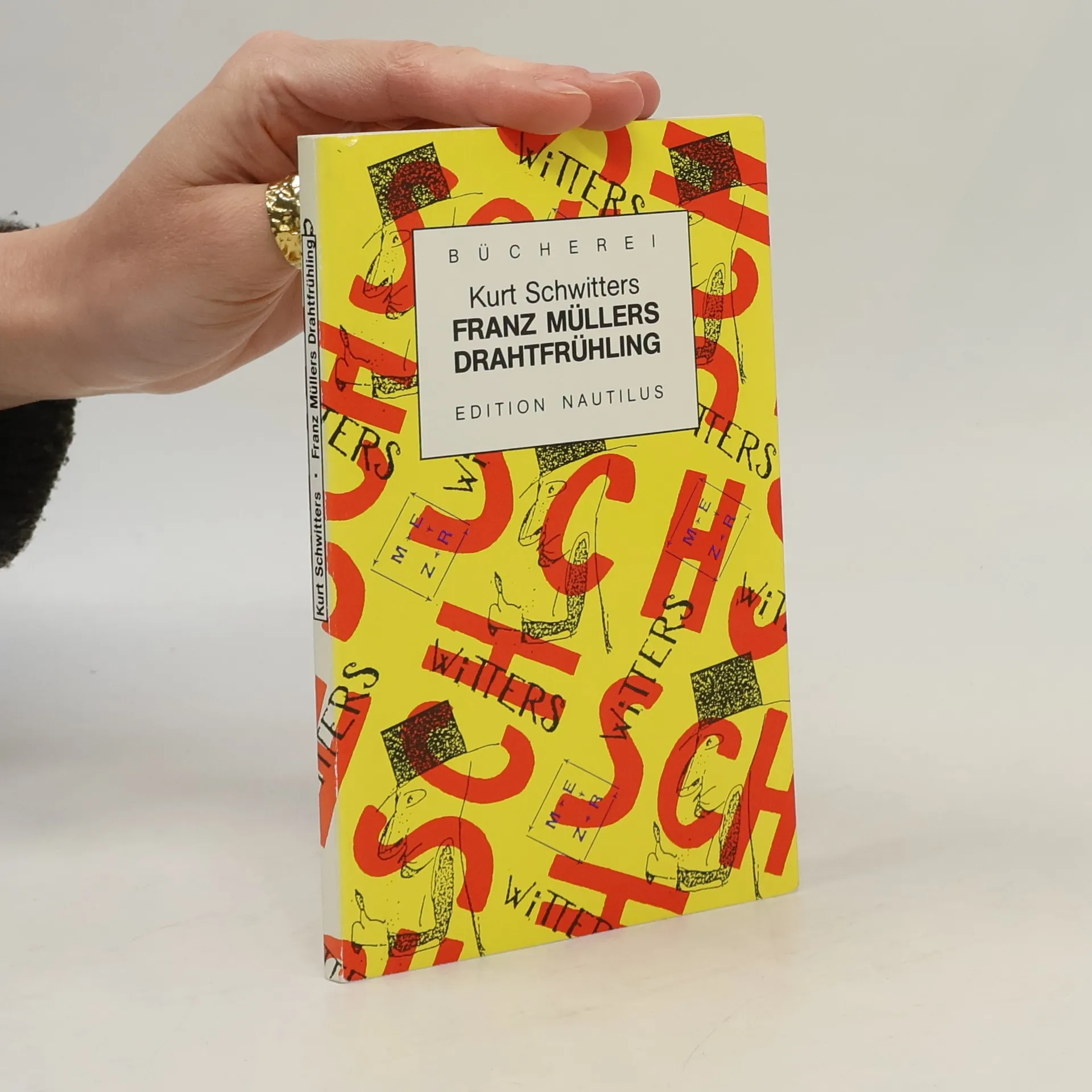
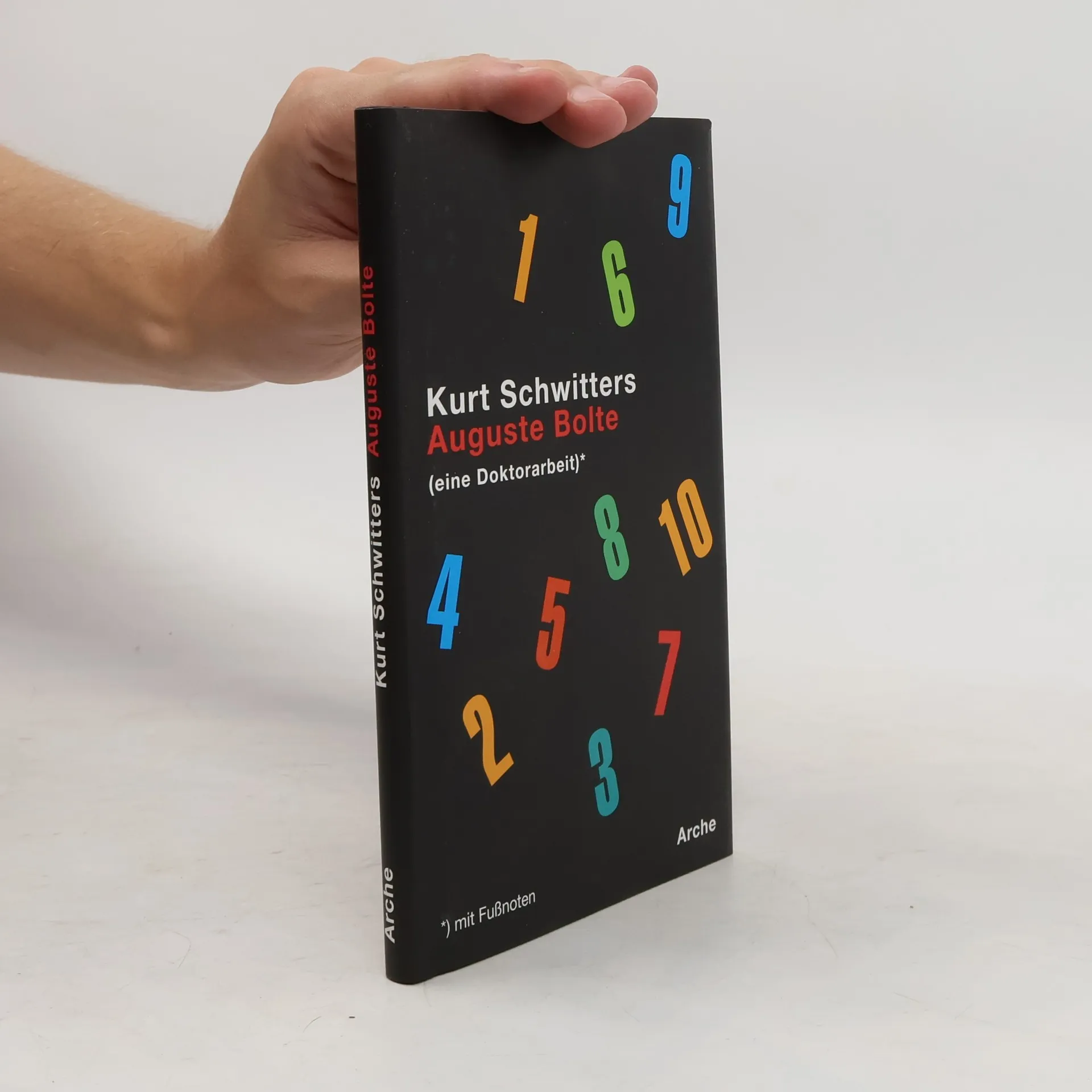
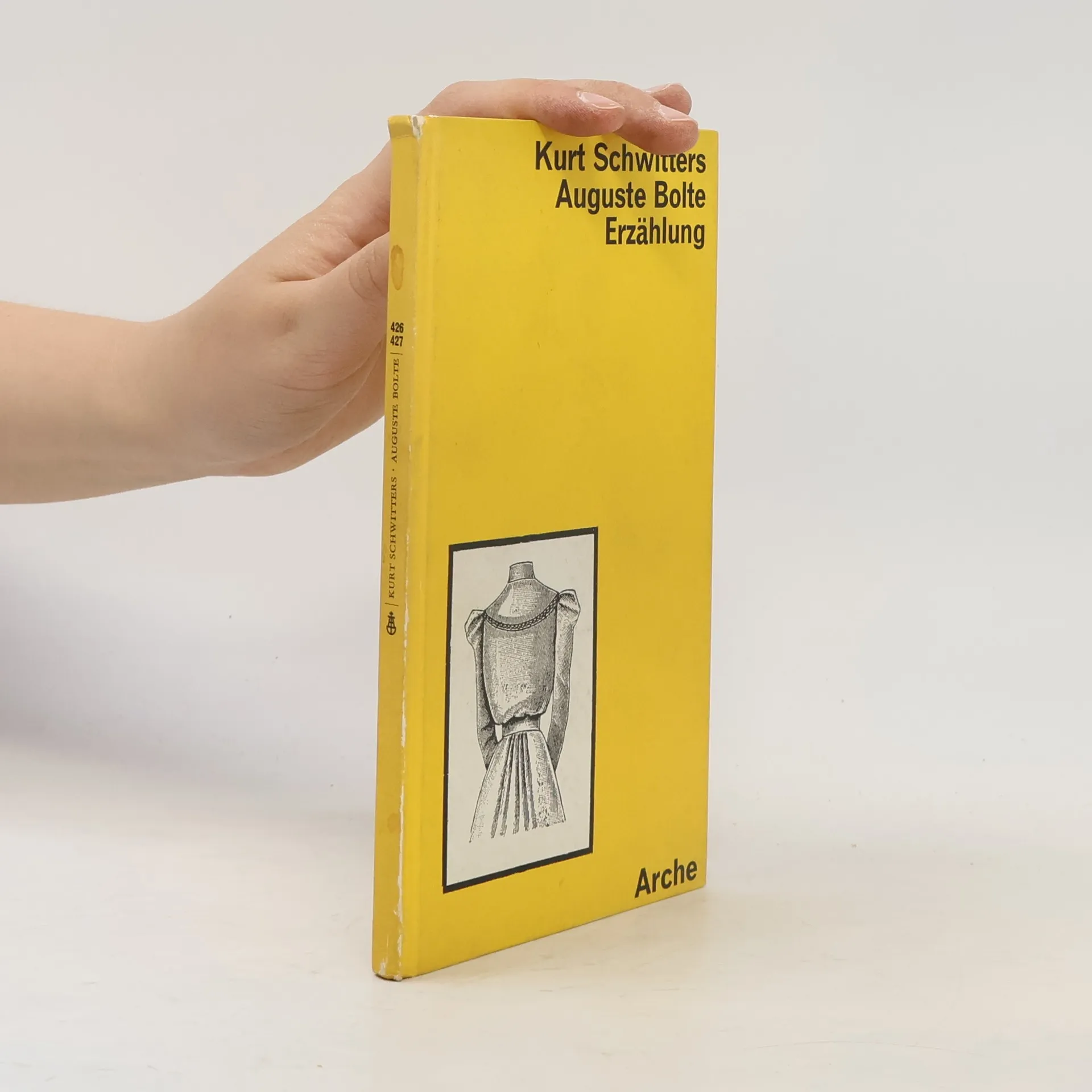
Kurt Schwitters' berühmte Erzählung über das Verhältnis von Kunst und Kritik erschien vor neunzig Jahren udn ist nochimmer aktuell - eine Neuausgabe in besonders schöner Ausstattung und mit einem Nachwort versehen von Christian Demand. 'Auguste Bolte sah etwa 10 Menschen auf der Straße, die in einer und derselben Richtung geradeaus vorwärts gingen. Das kam Auguste Bolte verdächtig vor. 10 Menschengingen in einer und derselben Richtung. 1,2,3,4,5,6,7,8,9,10. Da musste etwas los sein.' Um das herauszufinden, folgt sie den Menschen. Als sich die Gruppe teilt, entscheidet sie sich zunächst, nur dem einen Teil weiter zu folgen, rennt dann aber zwischen beiden hin und her. Unterwegs zeiht sie sich bis auf das Unterhemd aus, um schneller laufen zu können. Und dann verlässt ein junges Mädchen die Gruppe und verschwindet in einem Haus. Was macht Auguste nun? Eine herrlich verrückte Persiflage voller Reime und Wortspiele, die auch die Form der wissenschaftlichen Arbeit nicht verschont.
Schwitters
- 311 páginas
- 11 horas de lectura
Das literarische Werk - Schauspiele & Szenen - bk1528; DTV Verlag; Kurt Schwitters; pocket_book; 2005
Das literarische Werk
- 480 páginas
- 17 horas de lectura
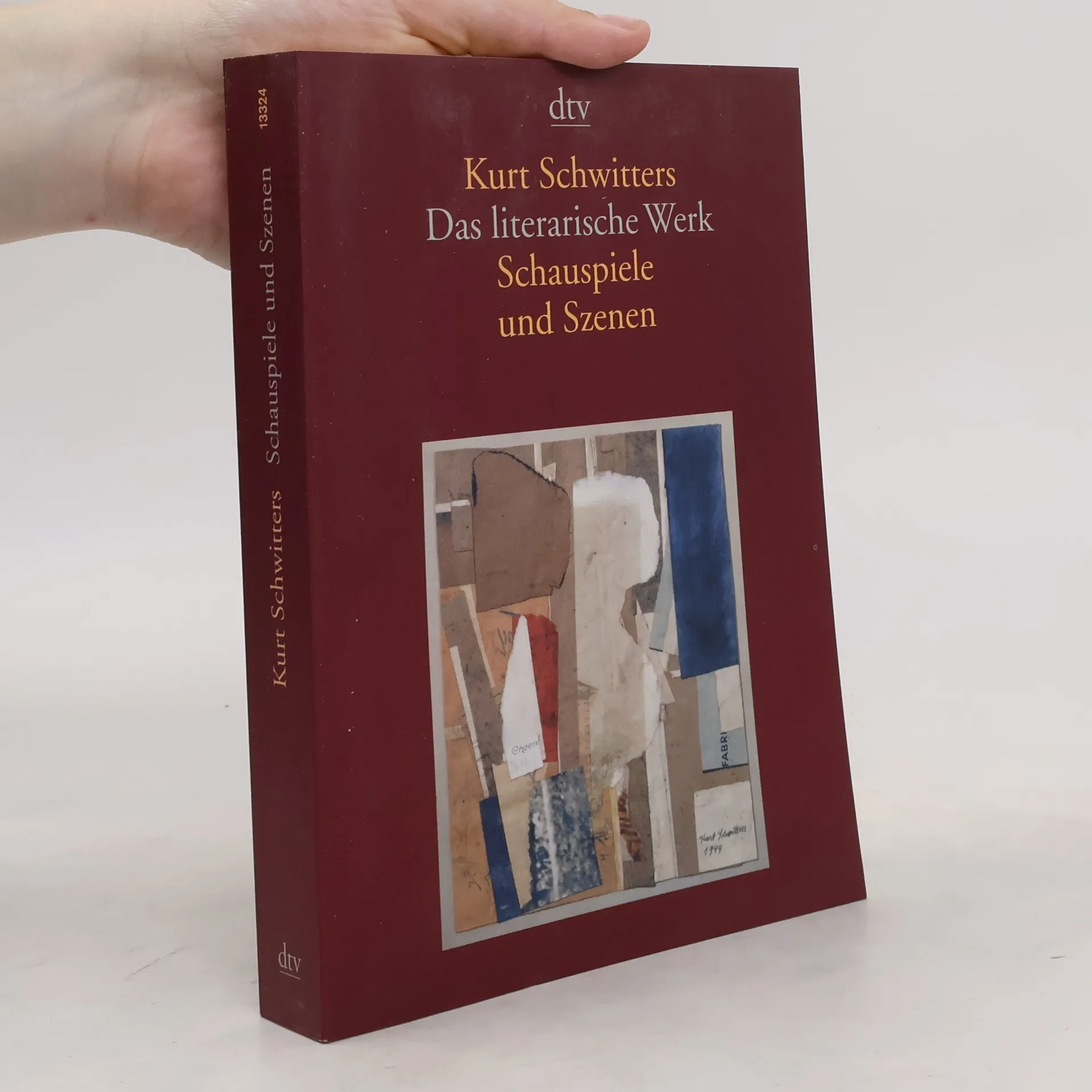
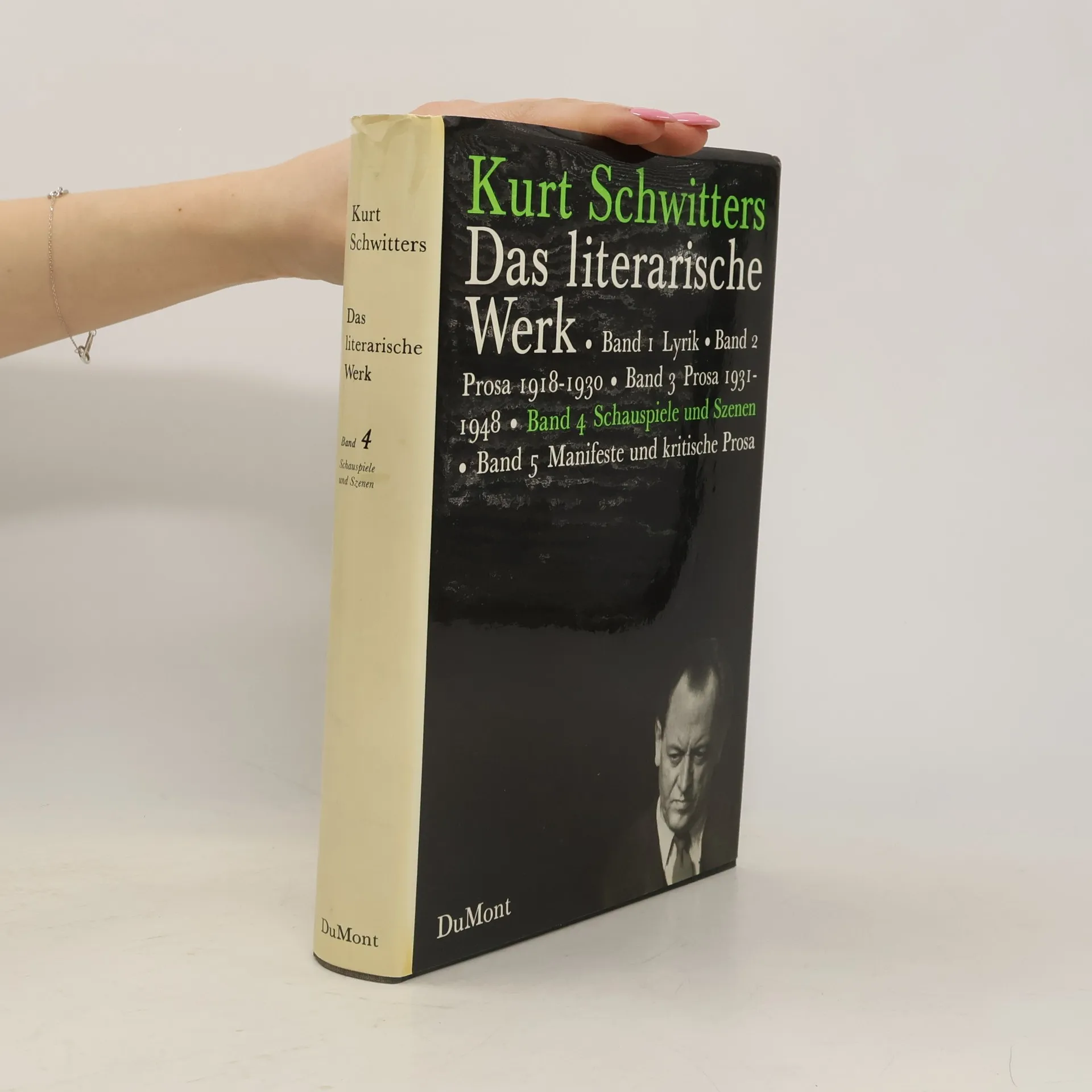
Das literarische Werk, in 5 Bdn., Bd.4, Schauspiele und Szenen
- 371 páginas
- 13 horas de lectura
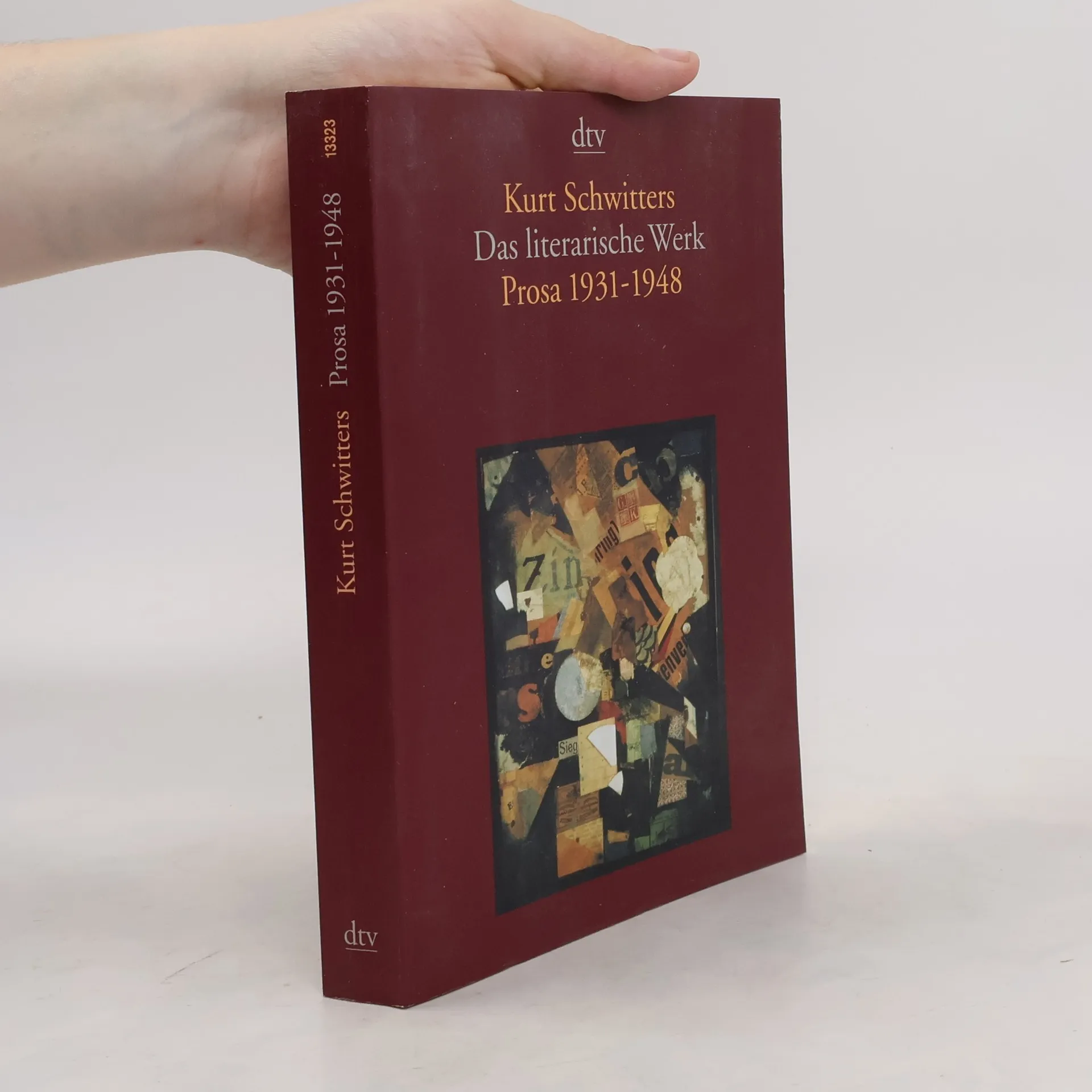
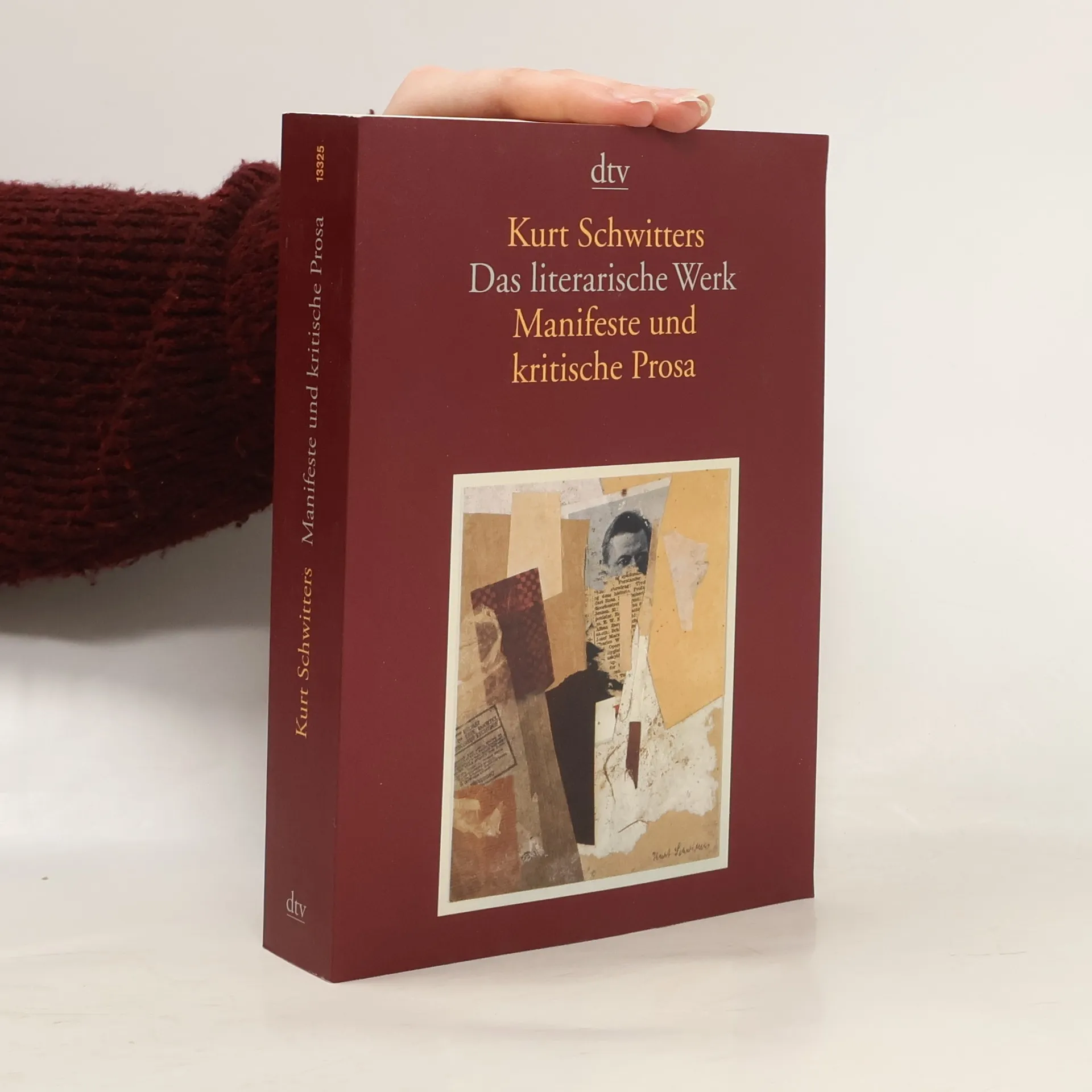
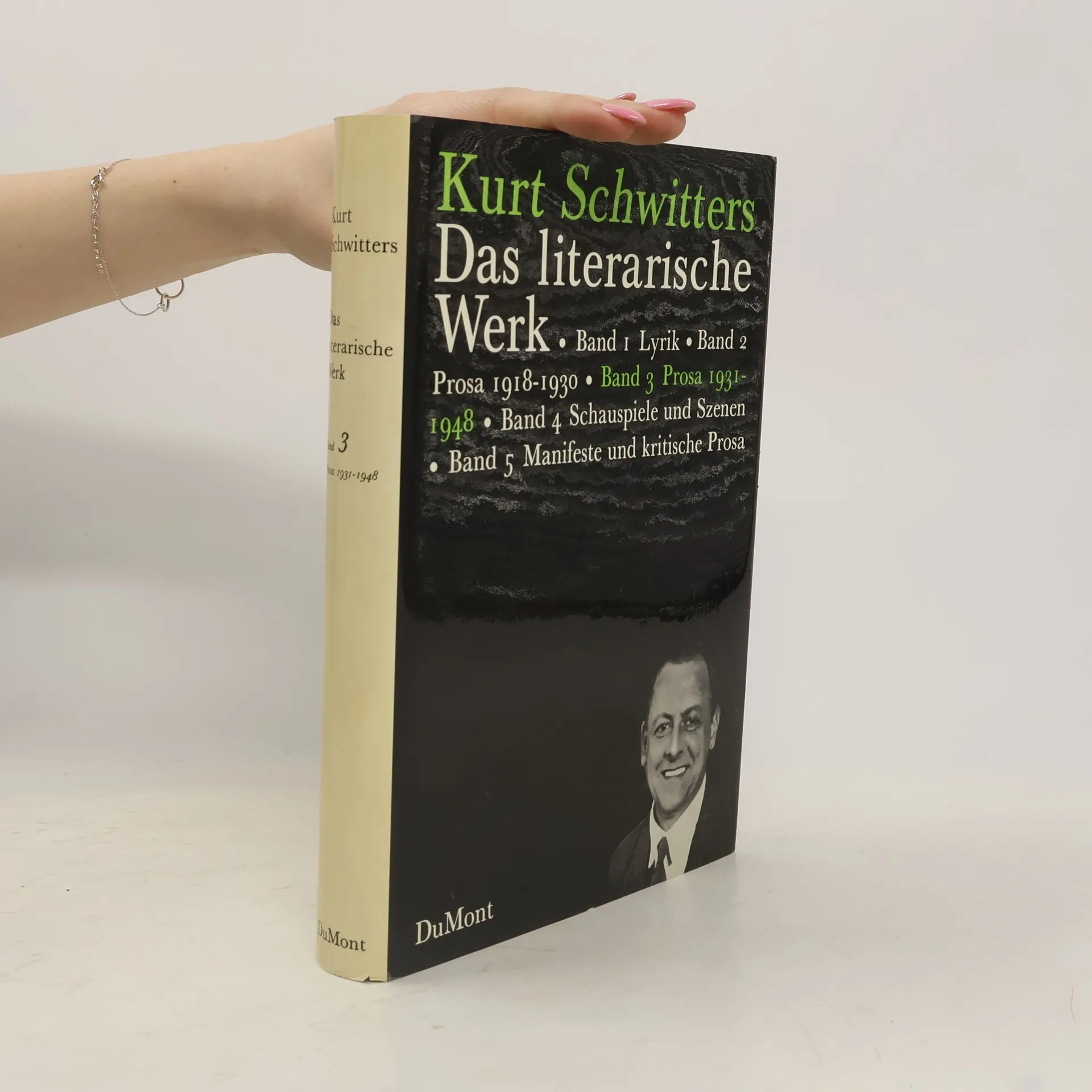
Das literarische Werk, in 5 Bdn., Bd.3, Prosa 1931-1948
- 338 páginas
- 12 horas de lectura
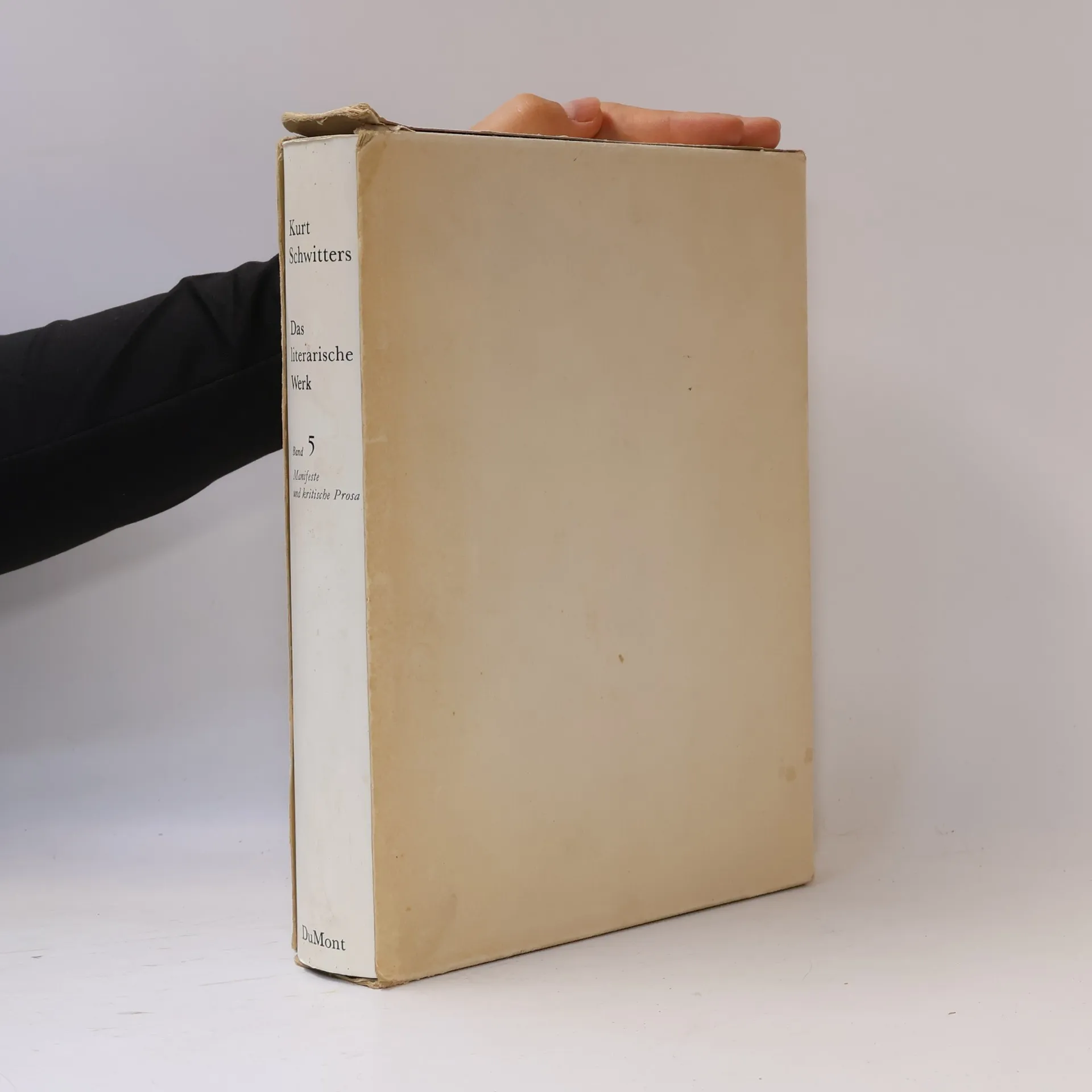
Das literarische Werk, in 5 Bdn., Bd.5, Manifeste und kritische Prosa
- 462 páginas
- 17 horas de lectura
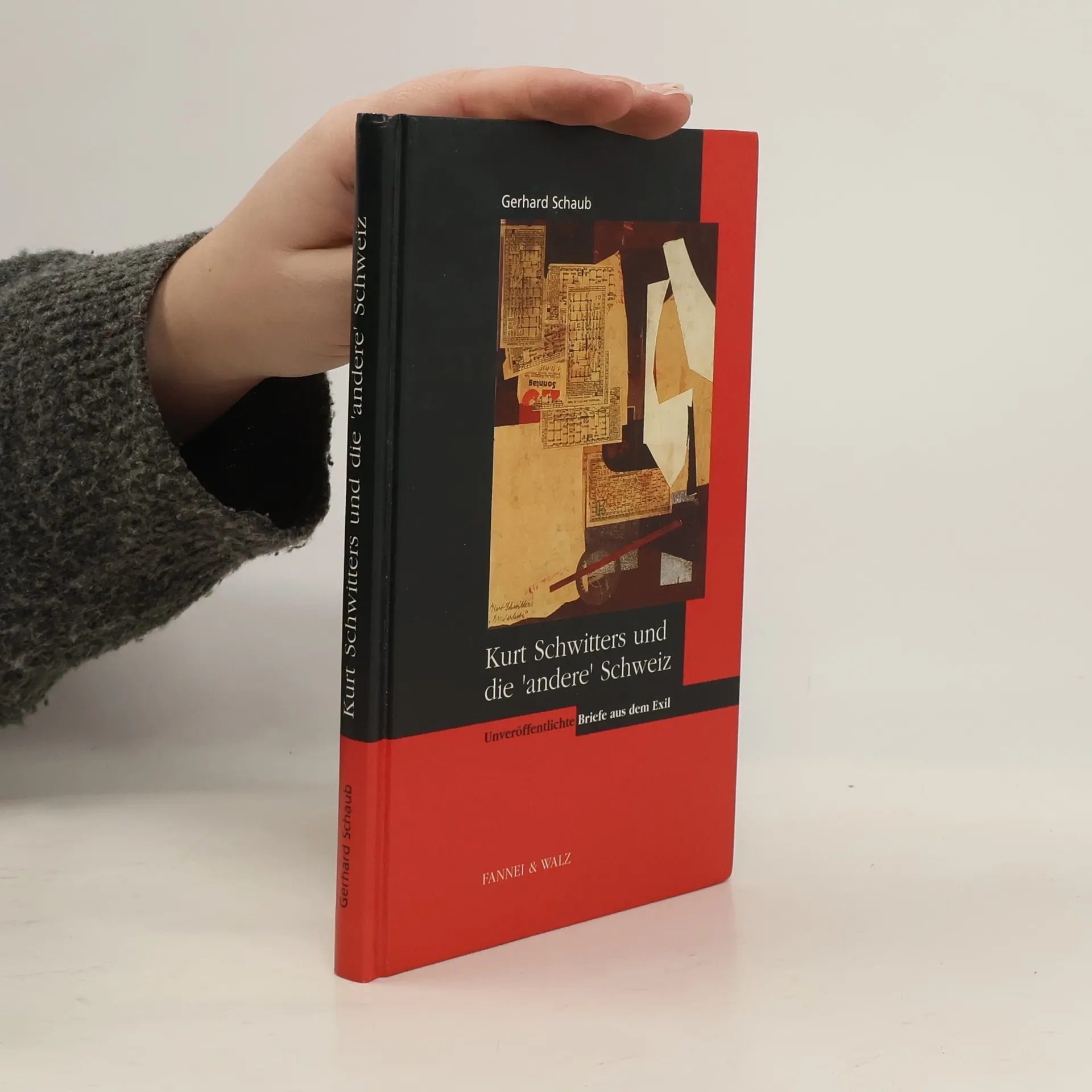
Kurt Schwitters und die "andere" Schweiz
- 135 páginas
- 5 horas de lectura
Band 4 der Gesamtausgabe Kurt Schwitters. Alle Text e bietet erstmals eine vollständige Edition der von Kurt Schwitters herausgegebenen, multimedialen Künstlerzeitschrift Merz . Sie ermöglicht durch eine umfassende editorische Aufbereitung und eine vielschichtige Kommentierung mit komplexer Verweisstruktur einen neuen Zugang zu der kunstformenübergreifenden Reihe Merz . Dafür wurden die Inhalte sowie strukturelle und gestalterische Besonderheiten der Reihe interdisziplinär erforscht. Eine genaue wissenschaftliche Analyse der einzelnen Hefte, die relevante, bisher noch unerforschte Materialien einbezieht, liefert Erkenntnisse zur Entwicklung und zu künstlerischen Strategien des Gesamtwerks von Schwitters sowie zur Verortung von Merz in der internationalen Avantgarde der 1920er bis 1930er Jahre. Die kritische Transkription ermöglicht insbesondere im Falle der als Text-Bild-Collagen komponierten Seiten eine erhöhte Lesbarkeit. Die Materialität der Reihe Merz kann und will das Buch nicht dokumentarisch abbilden. Die Leserinnen und Lesern sollen vielmehr in die Lage versetzt werden, durch die editorische Aufbereitung des Materials dessen Spezifik zu erfassen. Aus diesem Grund wendet sich die Edition an Experten und Interessierte gleichermaßen, bietet sie doch sowohl Spezial- als auch Überblickswissen.
Kurt Schwitters. MERZ - ein Gesamtweltbild
- 263 páginas
- 10 horas de lectura
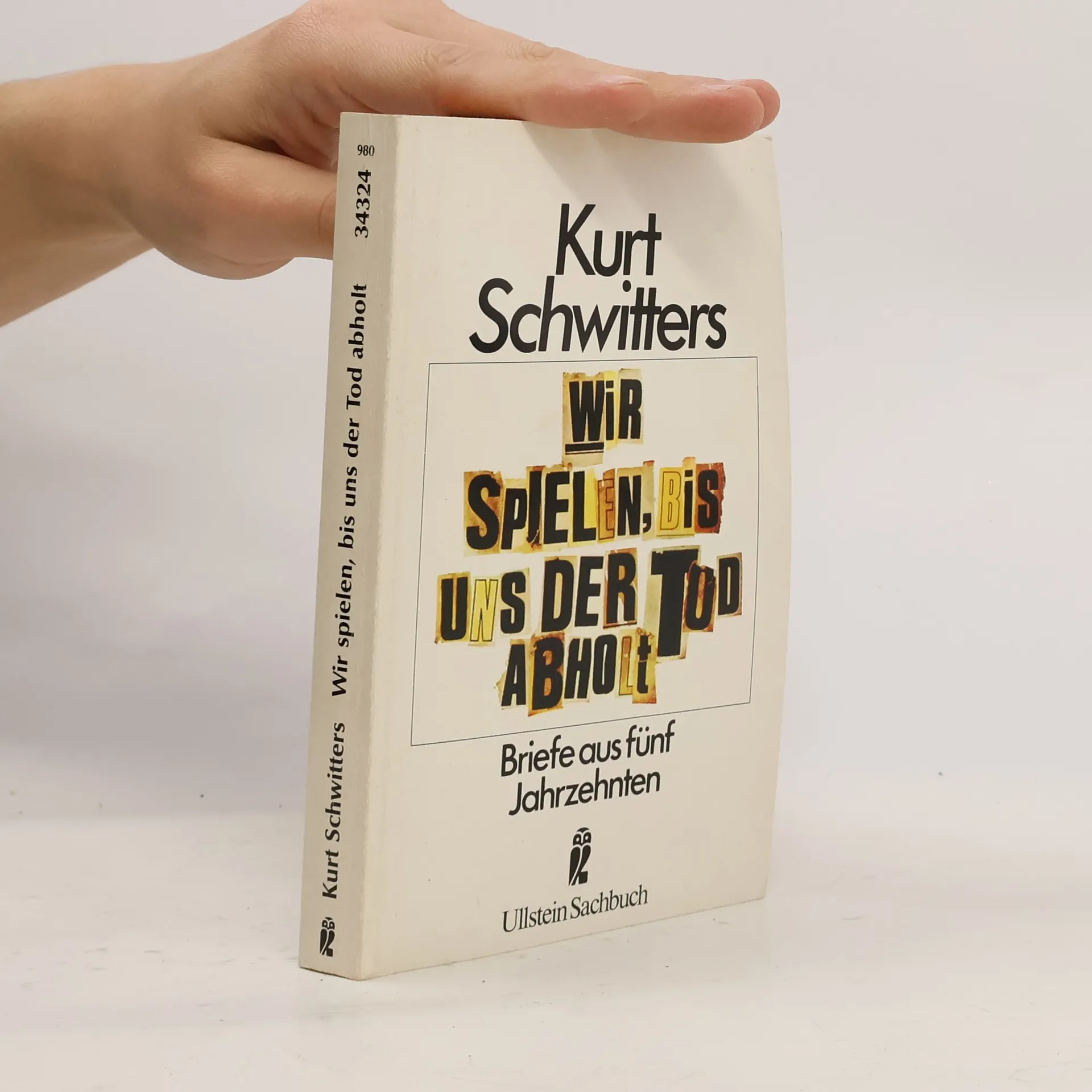
Wir spielen, bis uns der Tod abholt
- 350 páginas
- 13 horas de lectura
German
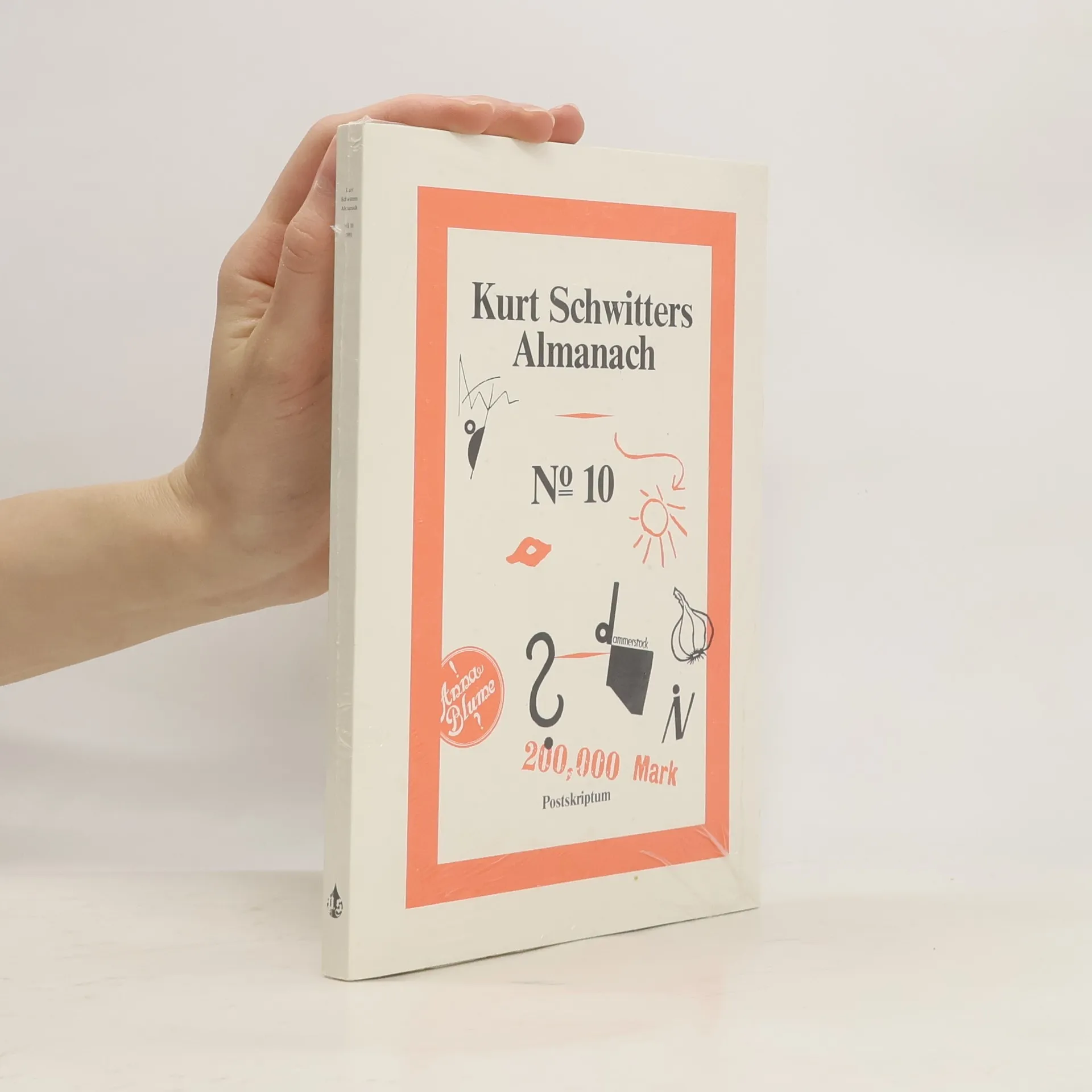
Almanach
- 48 páginas
- 2 horas de lectura
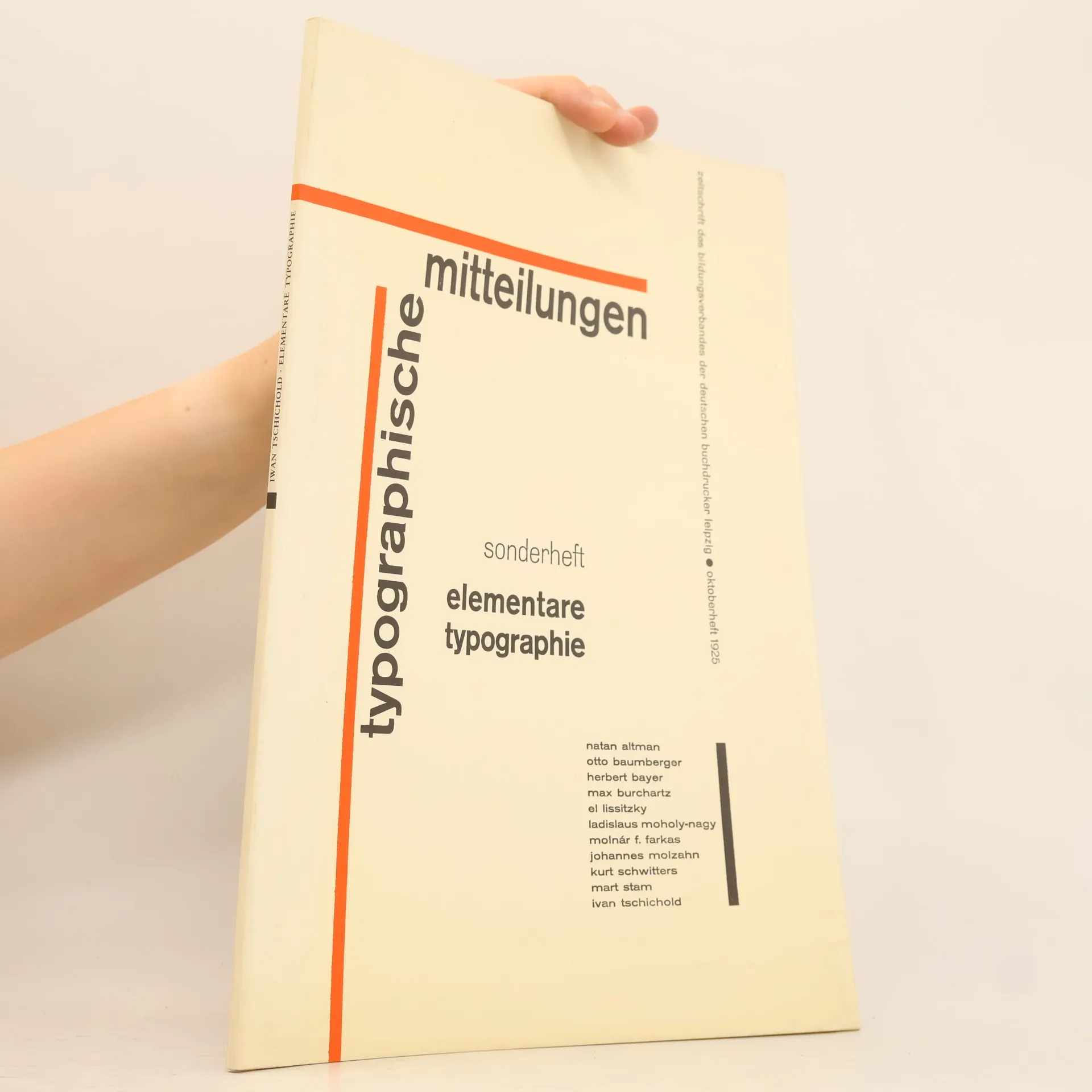
Typographische Mitteilungen: Elementare Typographie - Sonderheft - Oktoberheft 1925
- 12 páginas
- 1 hora de lectura
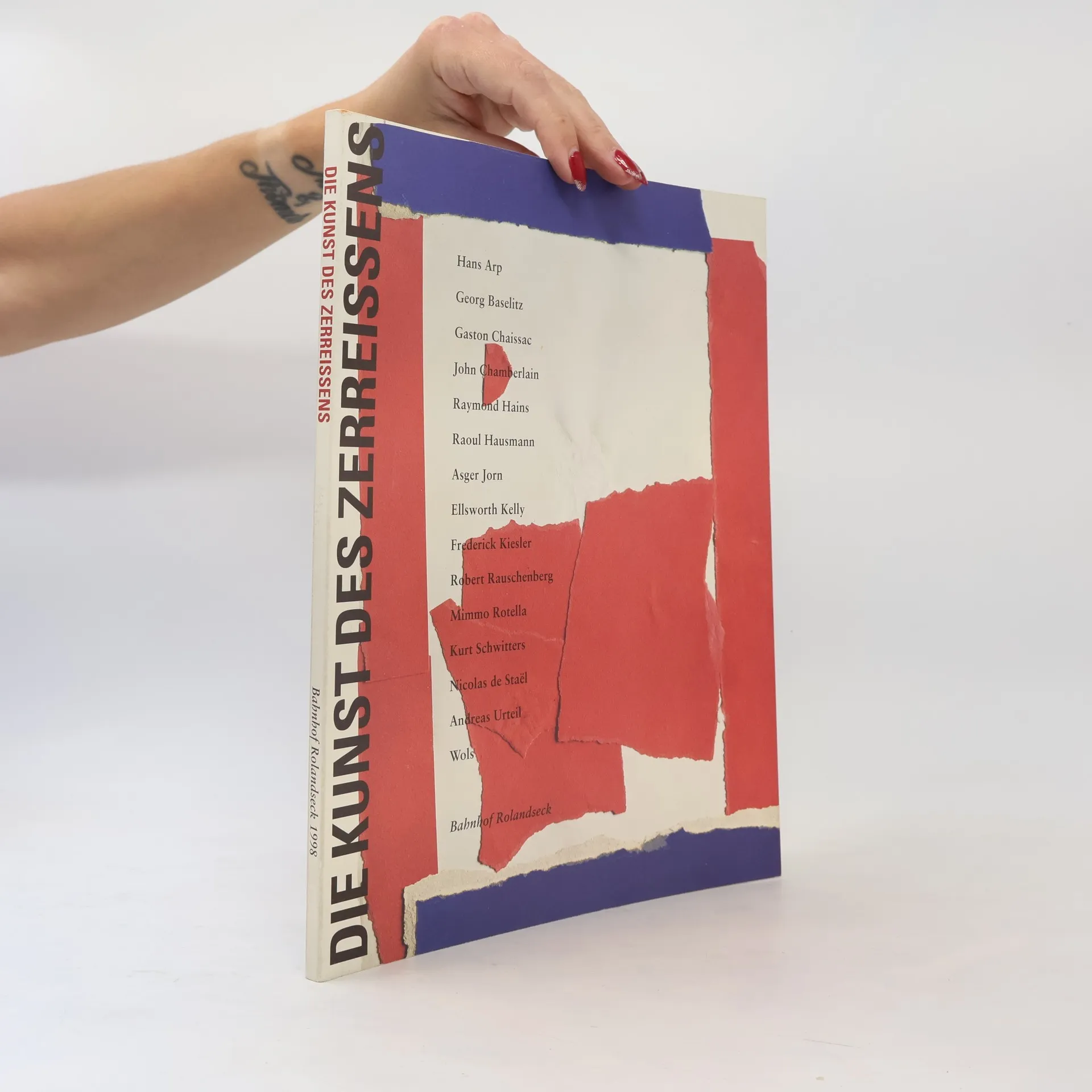
Die Kunst des Zerreißens
- 71 páginas
- 3 horas de lectura
German
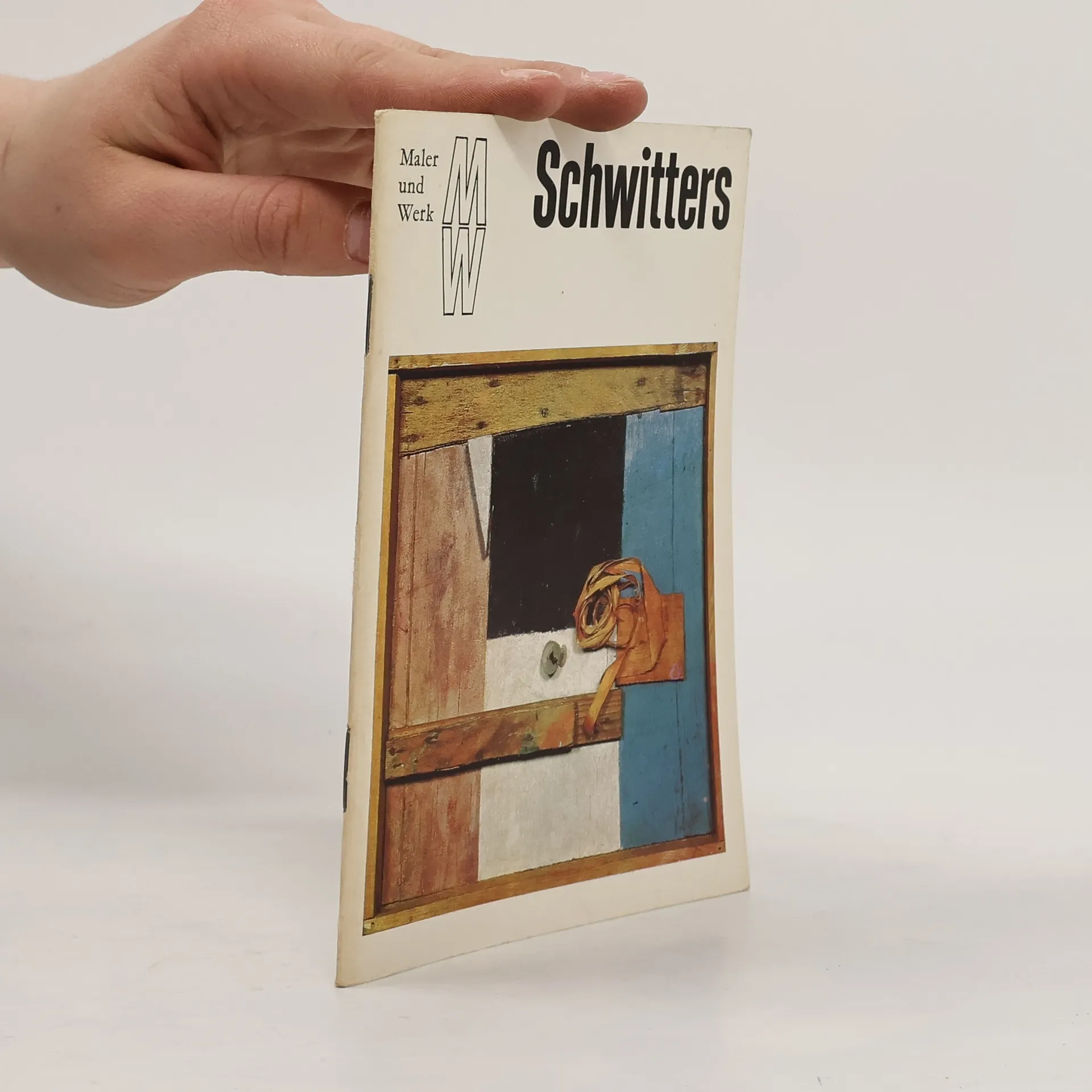
Maler und Werk: Schwitters
- 31 páginas
- 2 horas de lectura
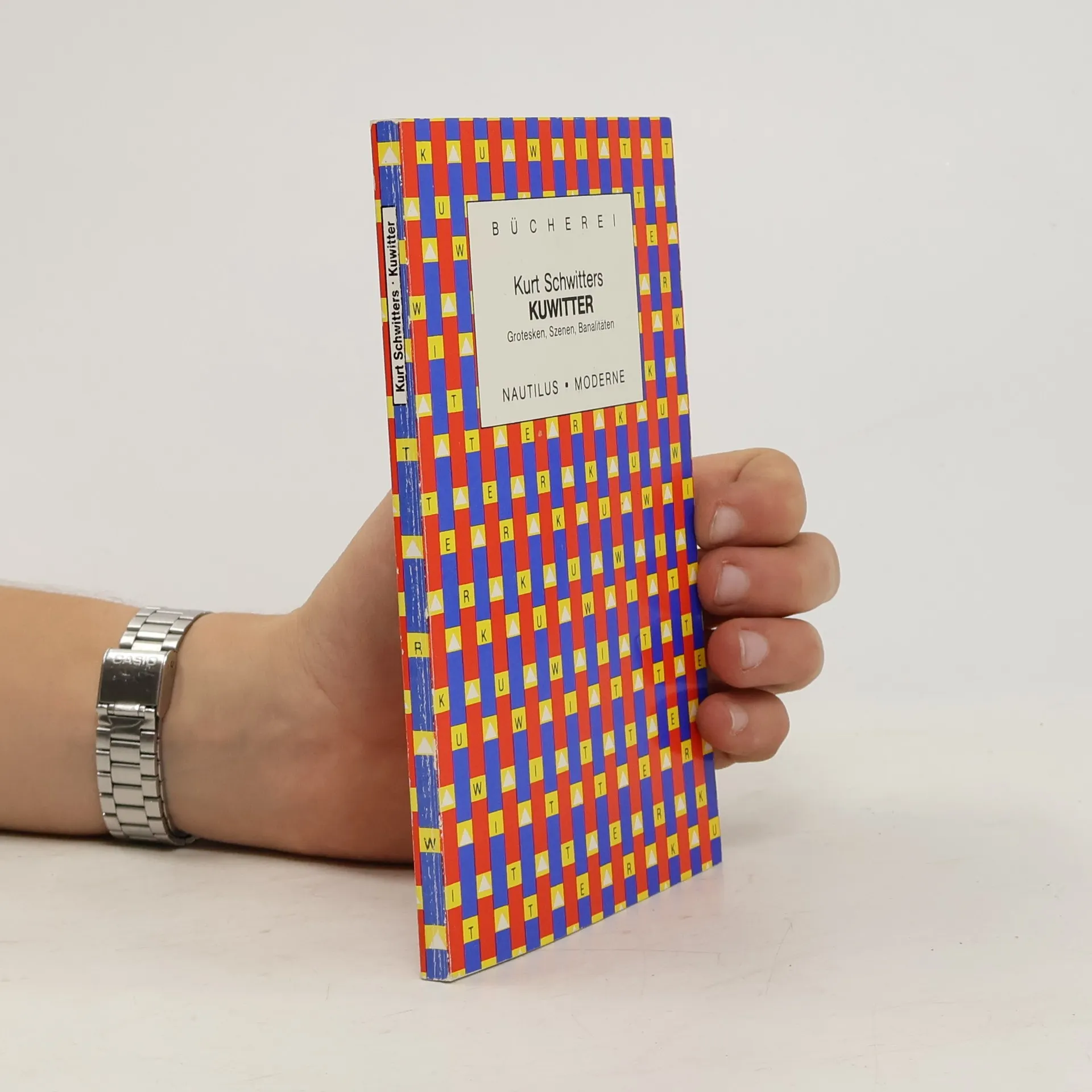
Kuwitter, Grotesken, Szenen, Banalitäten
- 67 páginas
- 3 horas de lectura
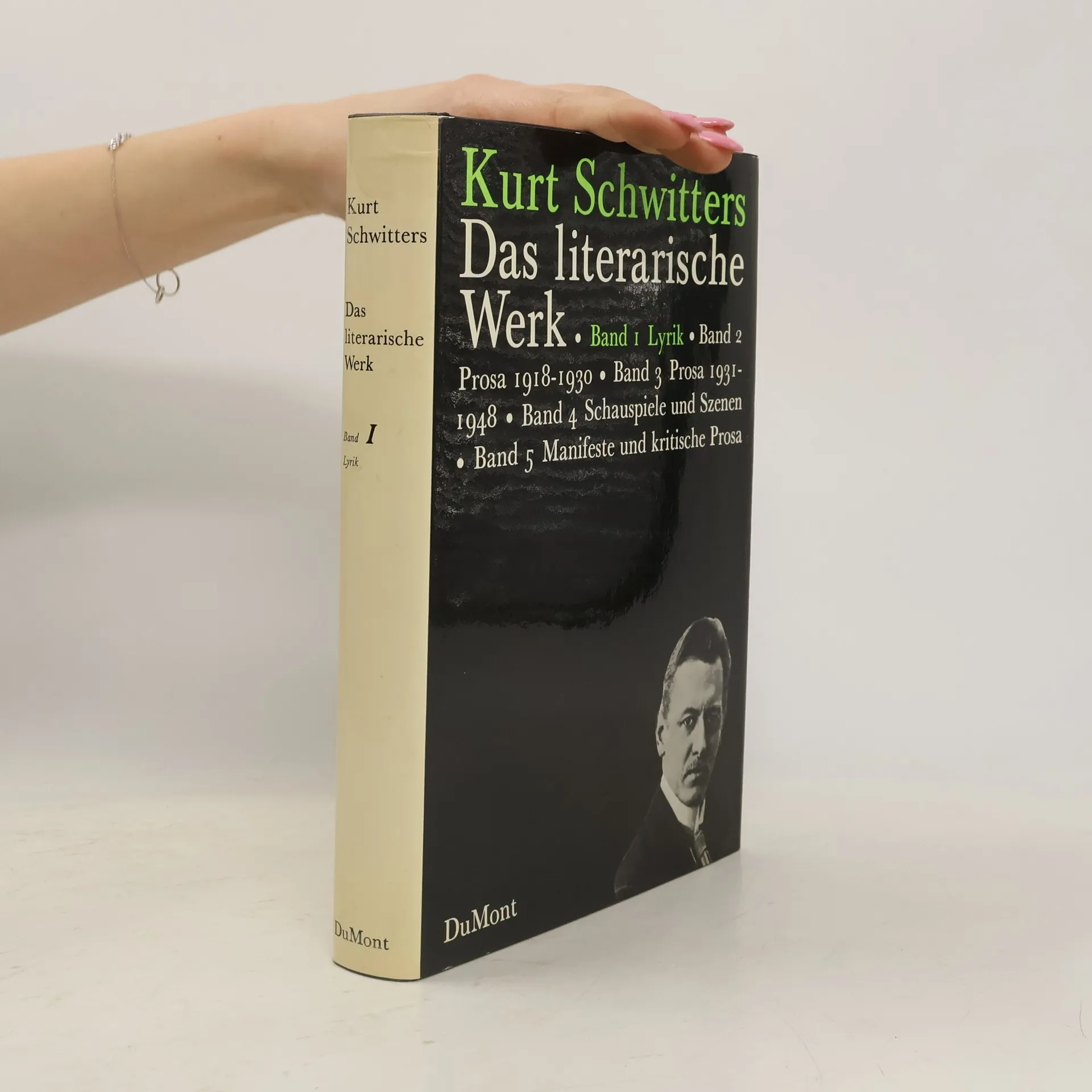
Das literarische Werk. 5 Bände. Band 1
Lyrik. Hrsg. von Friedhelm Lach.
- 462 páginas
- 17 horas de lectura