




Compra 10 libros por 10 € aquí!
Bookbot

Nathaniel Branden

    9 de abril de 1930 – 3 de diciembre de 2014

    Nathaniel Branden fue conocido por sus trabajos en psicología y autoestima, a menudo derivados de un profundo compromiso con las ideas filosóficas. Su escritura buscaba conectar los principios psicológicos con las posturas morales y éticas. Branden exploró el impacto de los valores en la acción humana y el bienestar psicológico. Su enfoque de la psicología a menudo estuvo influenciado por un deseo de dilucidar la libertad y la responsabilidad individual.

    A Woman's Self-Esteem
    Self-Esteem at Work
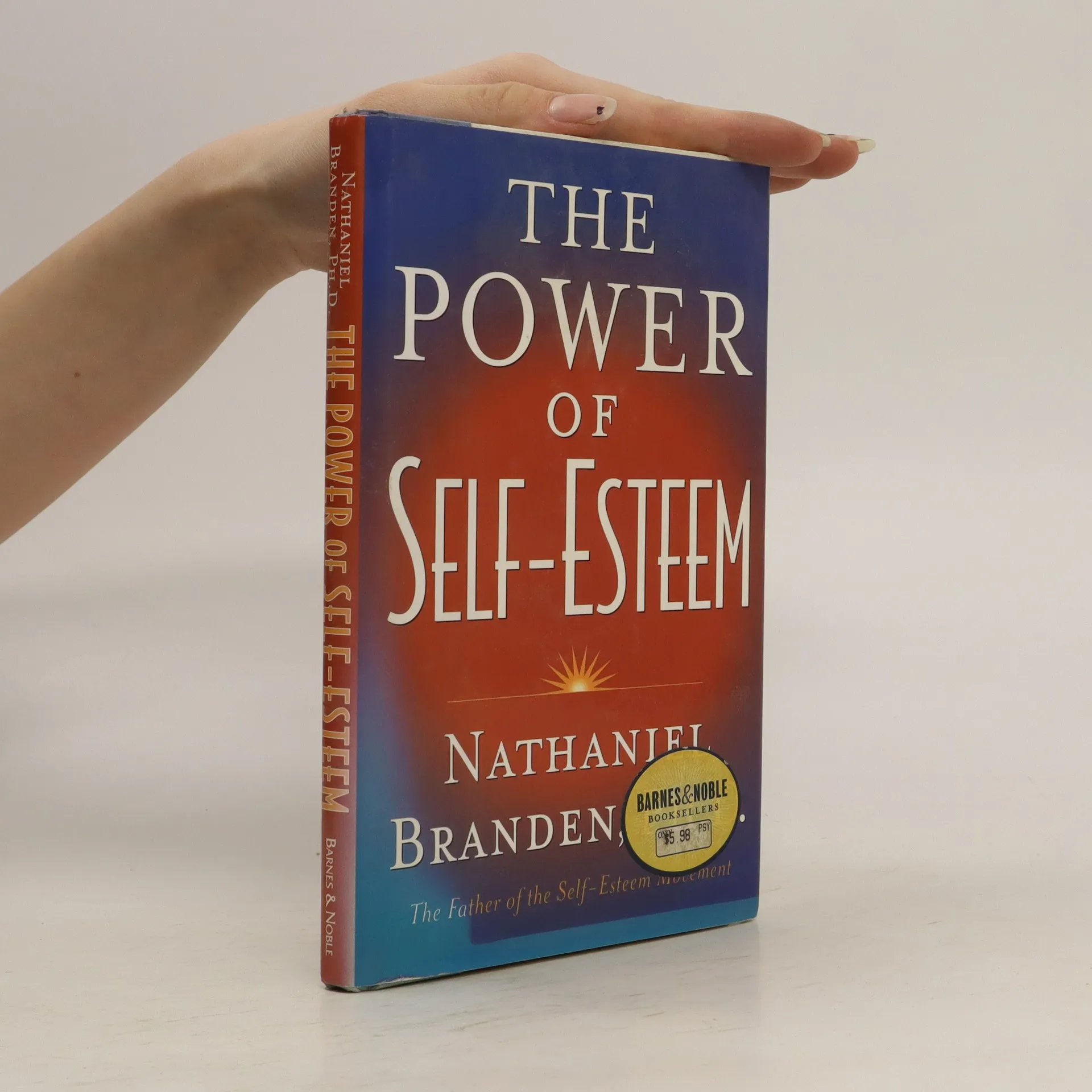
    The six pillars of self-esteem
    Honoring the Self
    Cómo mejorar su autoestima
    Los seis pilares de la autoestima
    • Este libro demuestra que casi todos los problemas psicológicos, desde la ansiedad hasta la depresión, pueden atribuirse a una baja autoestima. Nathaniel Branden, uno de los precursores del estudio de la autoestima, nos muestra las razones por las que una alta autoestima es esencial para mantener buena salud psicológica y lograr que nuestras relaciones sean satisfactorias. Además, nos enseña cómo adquirir progresivamente una mayor conciencia de nosotros mismos y de nuestra efectividad personal. Los seis pilares de la autoestima nos señala la importancia de la autoestima en el puesto de trabajo, la paternidad, la educación, la psicoterapia y la sociedad en general. La conclusión es que, en el mundo caótico y competitivo en que vivimos, tanto la felicidad personal se basa en nuestra forma de comprender y fomentar la autoestima.

      Los seis pilares de la autoestima
    • Cómo mejorar su autoestima

      • 160 páginas
      • 6 horas de lectura

      Cómo mejorar su autoestima, constituye una guía para lograr, paso a paso, fortalecer el sentimiento de la propia valía. Ofrece técnicas simples que podemos practicar hoy, esta semana, este mes, si queremos transformar de manera radical nuestro modo de pensar y sentir con respecto a nosotros mismos y, por lo tanto, nuestro modo de vivir. En una época de desafíos y presiones crecientes, es muy importante centrarse en sí mismo y afrontar la vida con confianza y optimismo. Si ésta es su meta, CÓMO MEJORAR SU AUTOESTIMA le enseñará a: - Liberarse de conceptos negativos sobre usted mismo y de sus conductas autodestructivas. - Reconocer qué no es la autoestima. - Liberarse de la culpa. - Vivir aceptándose. - Ser auténtico en sus relaciones. - Hacerse responsable de su propia felicidad y dejar de culpar a los otros y al mundo. - Derribar barreras internas para obtener éxito en el trabajo y en el amor. - Vivir activamente. - Fomentar la autoestima de los otros. - Hallar el coraje de amarse como persona y comprender que ése es su derecho.

      Cómo mejorar su autoestima
    • Honoring the Self

      • 270 páginas
      • 10 horas de lectura

      Self-concept is destiny What is the most important judgement you will ever make? The judgement you pass on yourself. Self-esteem is the key to success or failure. "Tell me how a person judges his or her self-esteem," says pioneering psychologist Nathaniel Branden, "and I will tell you how that person operates at work, in love, in sex, in parenting, in every important aspect of existence—and how high he or she is likely to rise. The reputation you have with yourself—your self-esteem—is the single most important factor for a fulfilling life." • How to grow in self-confidence and self-respect. • How to nurture self-esteem in children. • How to break free of guilt and fear of others' disapproval. • How to honor the self—the ethics of rational self-interest.

      Honoring the Self
    • Develop your self-esteem to increase psychological health, achievement, personal happiness, and positive relationship—from a leading psychotherapist “Brilliant, laser-focused and critically relevant, Dr. Nathaniel Branden’s ‘pillars’ give us a lifelong set of foundations upon which to build our families, our schools and our businesses.”—Dennis Waitley, Ph.D., author of The Psychology of Winning. Six Pillars of Self-Esteem is the culmination of a lifetime of clinical practice and study, already hailed as a classic and the most significant work on the topic. Immense in scope and vision and filled with insight into human motivation and behavior, it is essential reading for anyone with a personal or professional interest in self-esteem. Dr. Nathaniel Branden introduces the six pillars—six action-based practices for daily living that provide the foundation for self-esteem—and explores the central importance of self-esteem in five areas: the workplace, parenting, education, psychotherapy, and the culture at large. Six Pillars of Self-Esteem provides concrete guidelines for teachers, parents, managers, and therapists who are responsible for developing the self-esteem of others. And it shows why—in today’s chaotic and competitive world—self-esteem is fundamental to our personal and professional power.

      The six pillars of self-esteem
    • Drawing on more than thirty years of psychotherapy practice and study, the author of The Six Pillars of Self-Esteem gives women the precise tools and insights they need to transform themselves, build healthy relationships, and enhance or rejuvenate their careers. 25,000 first printing. Tour.

      A Woman's Self-Esteem
    • What love is, why love is born, why it sometimes grows, and why it sometimes dies. Have you ever wondered how romantic love evolves? What the difference is between mature and immature love? What role sex plays in romantic love, and whether love necessarily implies sexual exclusivity? And, most important, how can we make love last? Originally published in 1980, this updated edition of The Psychology of Romantic Love explores the nature of romantic love on many levels-the philosophical, the historical, the sociological, and the physiological. Nathaniel Branden explains why so many people say that romantic love is just not possible in today's world and-drawing on his experience with thousands of couples-finds that such love is still a possibility for anyone who understands its essence and is willing to accept its challenges. Branden sees it as a pathway not only to extraordinary joy but also to profound self-discovery. His vision of love is thoroughly appropriate to our time and grounded in our humanness.

      The psychology of romantic love : Romantic love in an anti-romantic age
    • Of all the judgments you make in life, none is as important as the one you make about yourself. The difference between low self-esteem and high self-esteem is the difference between passivity and action, between failure and success. Now, one of America's foremost psychologists and a pioneer in self-esteem development offers a step-by-step guide to strengthening your sense of self-worth. Here are simple, straightforward and effective techniques that will dramatically improve the way you think and feel about yourself. You'll learn: How to break free of negative self-concepts and self-defeating behavior. How to dissolve internal barriers to success in work and love. How to overcome anxiety, depression, guilt and anger. How to conquer the fear of intimacy and success. How to find -- and keep -- the courage to love yourself. And much more.

      How to Raise Your Self-Esteem
    • Capitalism : the unknown ideal

      • 352 páginas
      • 13 horas de lectura

      The foundations of capitalism are being battered by a flood of altruism, which is the cause of the modern world's collapse. This is the view of Ayn Rand, a view so radically opposed to prevailing attitudes that it constitutes a major philosophic revolution. In this series of essays, she presents her stand on the persecution of big business, the causes of war, the default of conservatism, and the evils of altruism. Here is a challenging new look at modern society by one of the most provocative intellectuals on the American scene.   This edition includes two articles by Ayn Rand that did not appear in the hardcover edition: “The Wreckage of the Consensus,” which presents the Objectivists’ views on Vietnam and the draft; and “Requiem for Man,” an answer to the Papal encyclical Progresso Populorum.

      Capitalism : the unknown ideal