Aún puedes pedir antes de Navidad 5 horas y 17 minutos
Bookbot

James Lovelock

    26 de julio de 1919 – 26 de julio de 2022
    James Lovelock
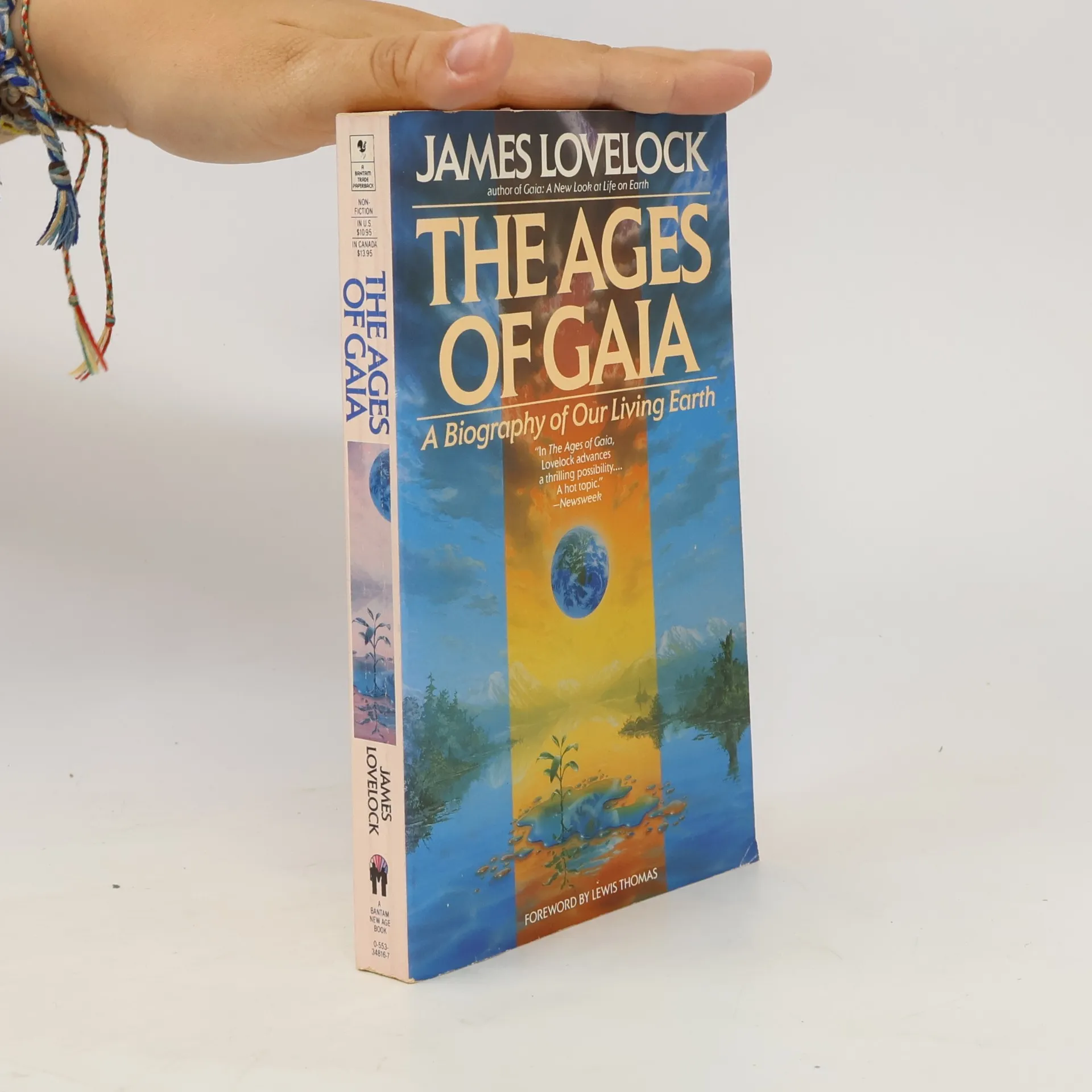
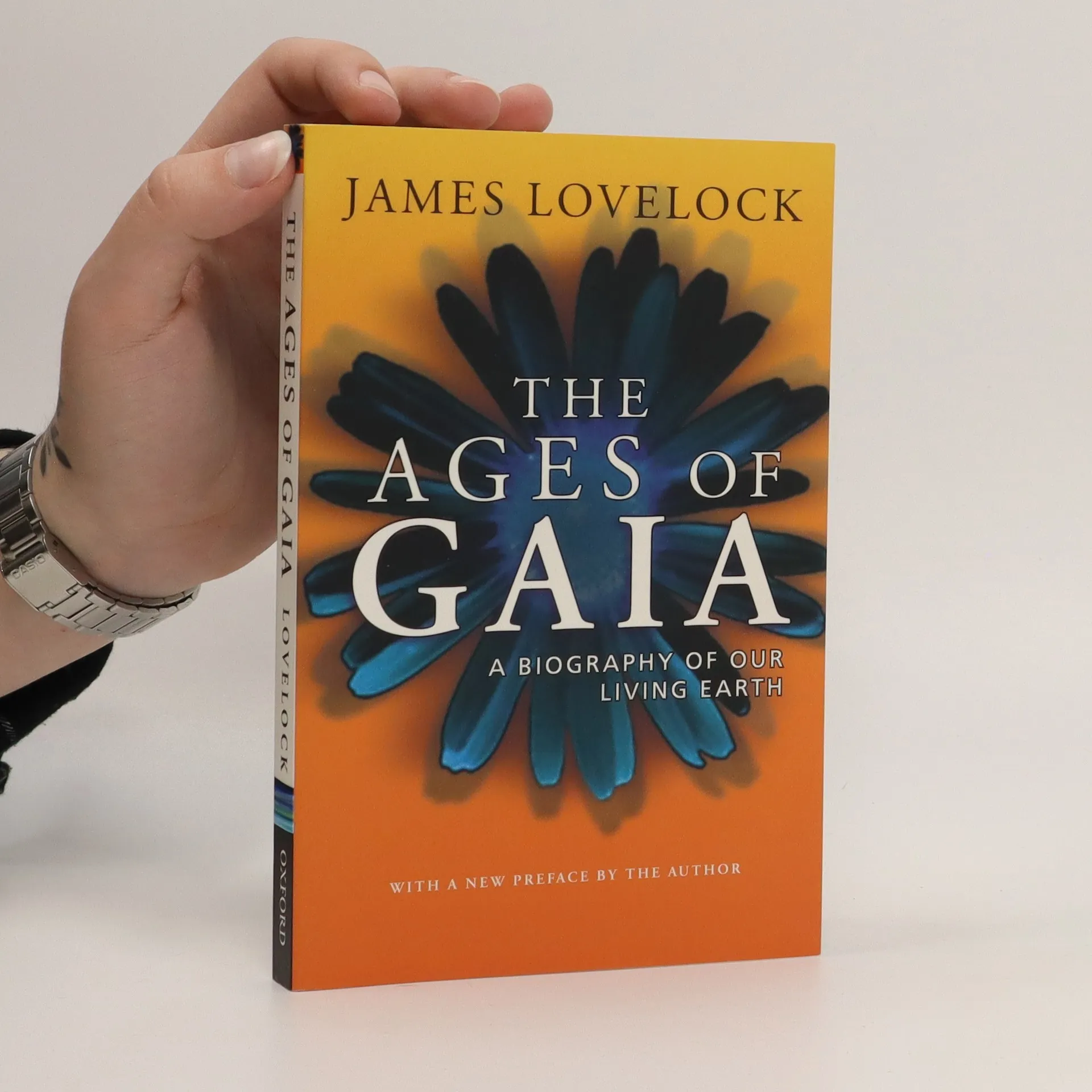
    The Ages of Gaia
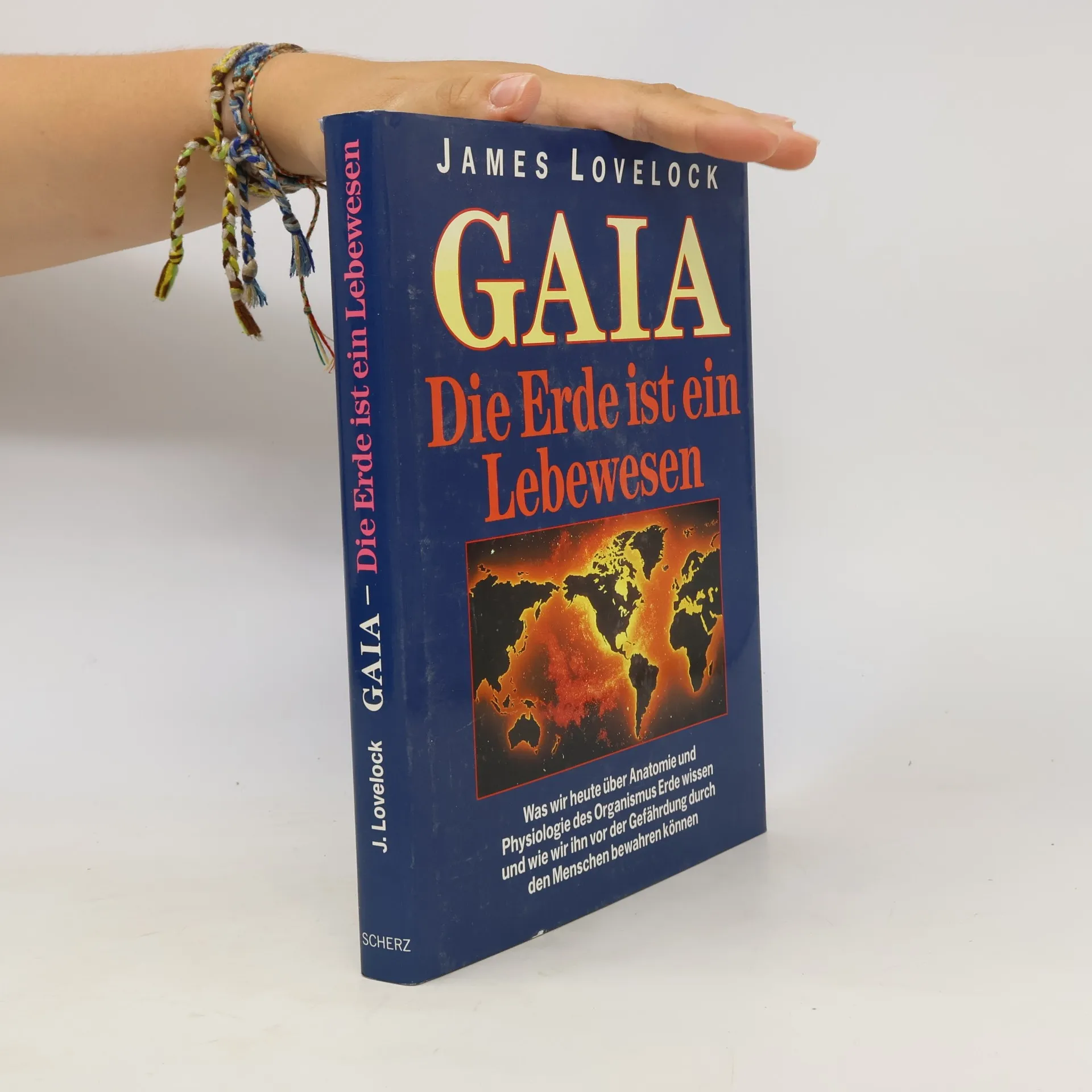
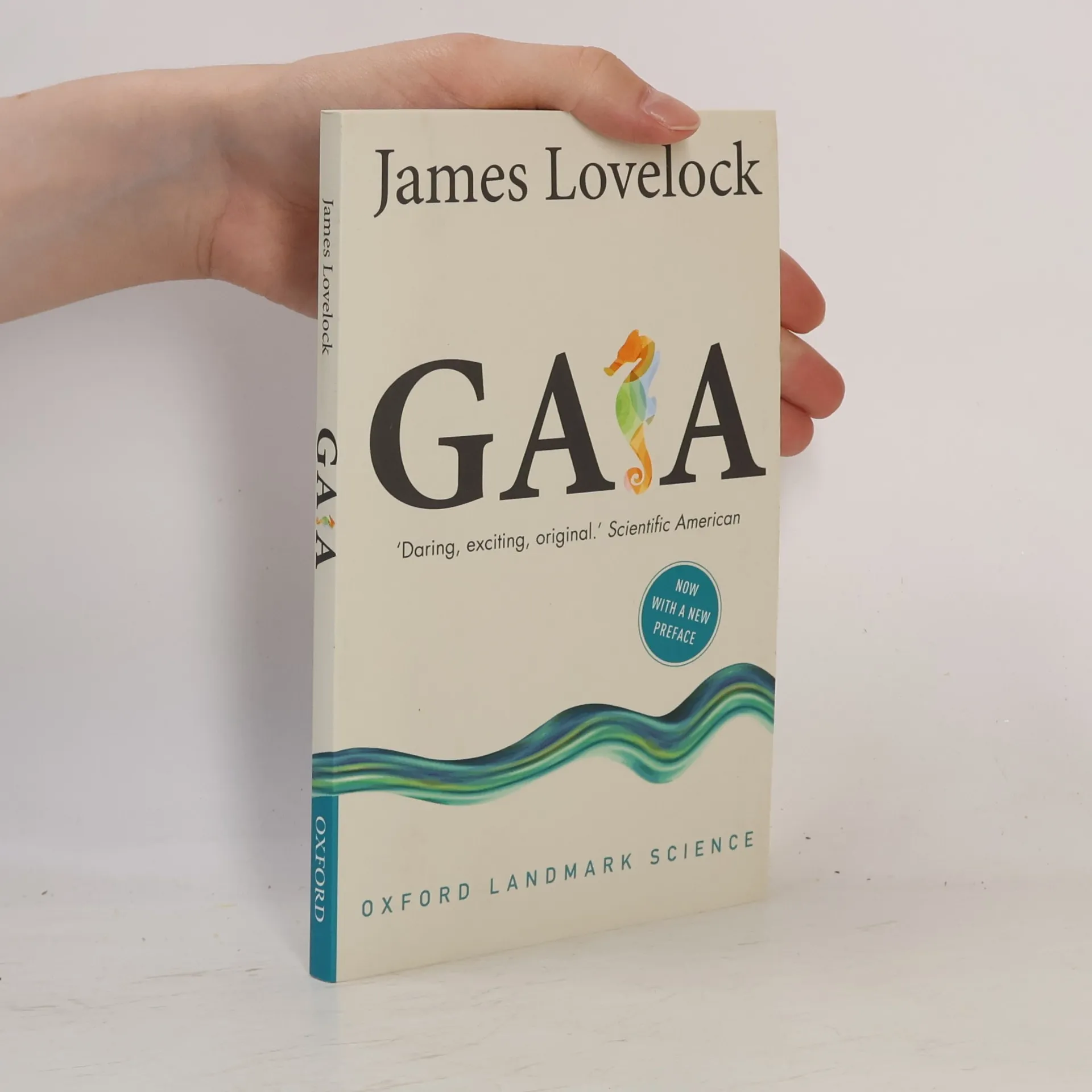
    Gaia
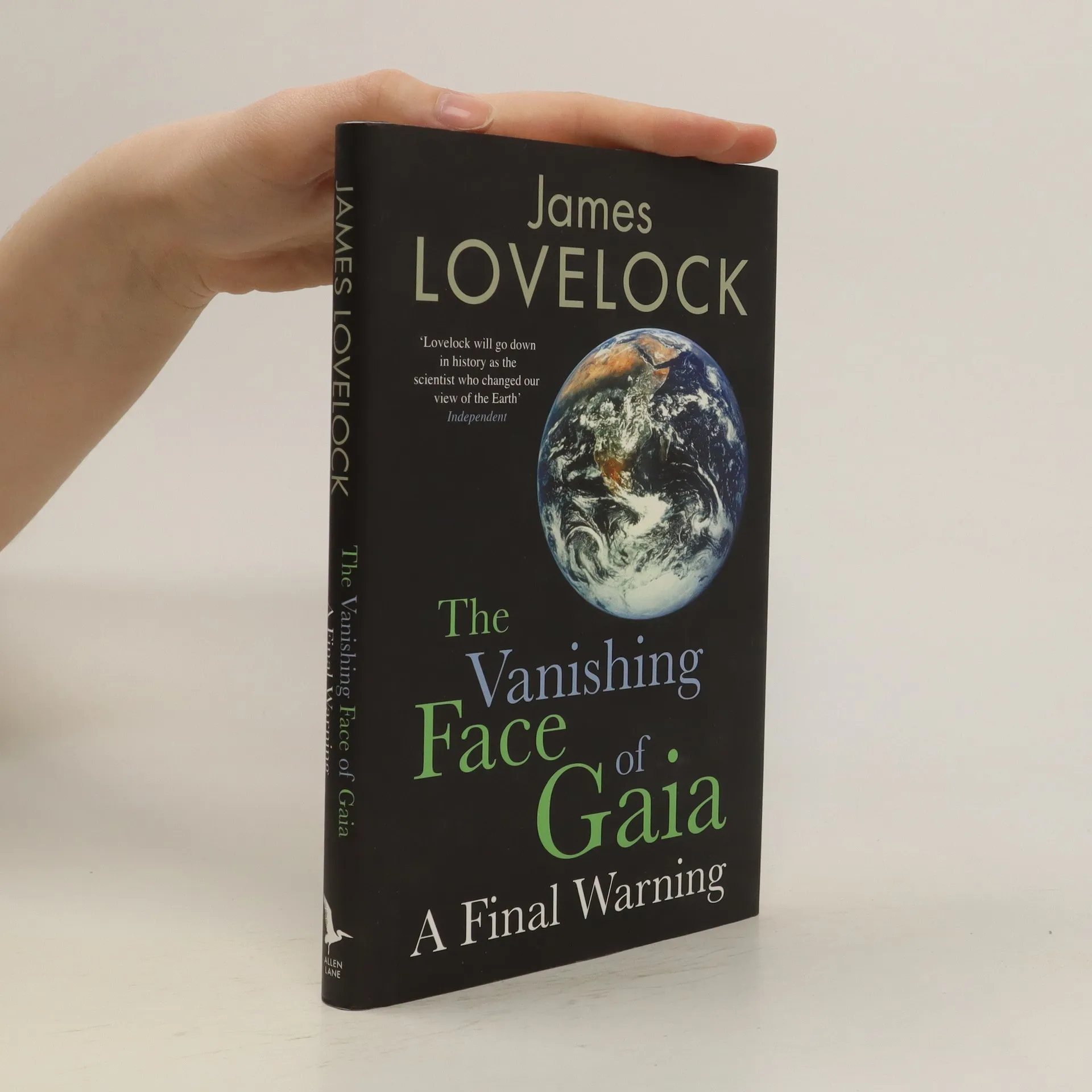
    The vanishing face of Gaia : a final warning
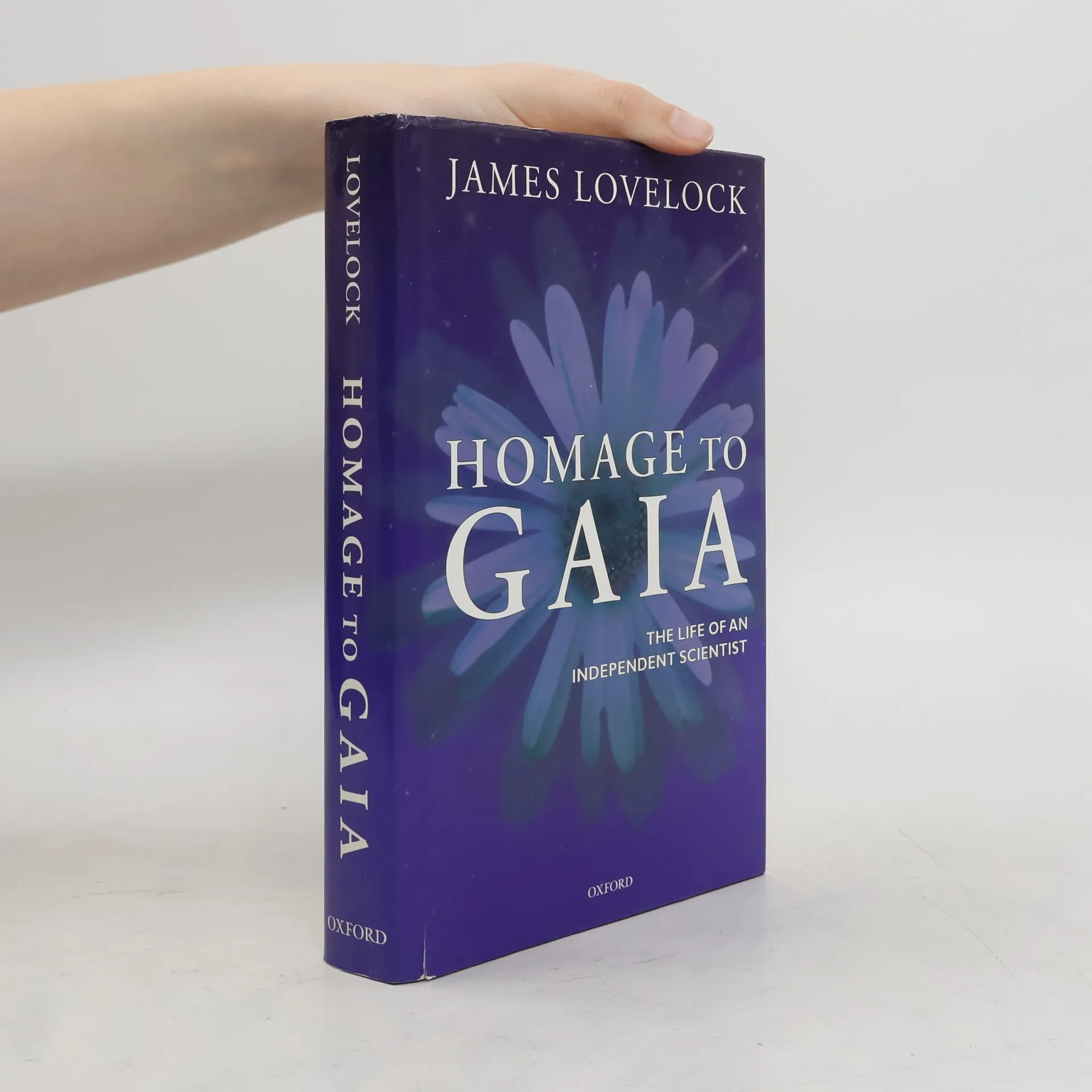
    Homage to Gaia
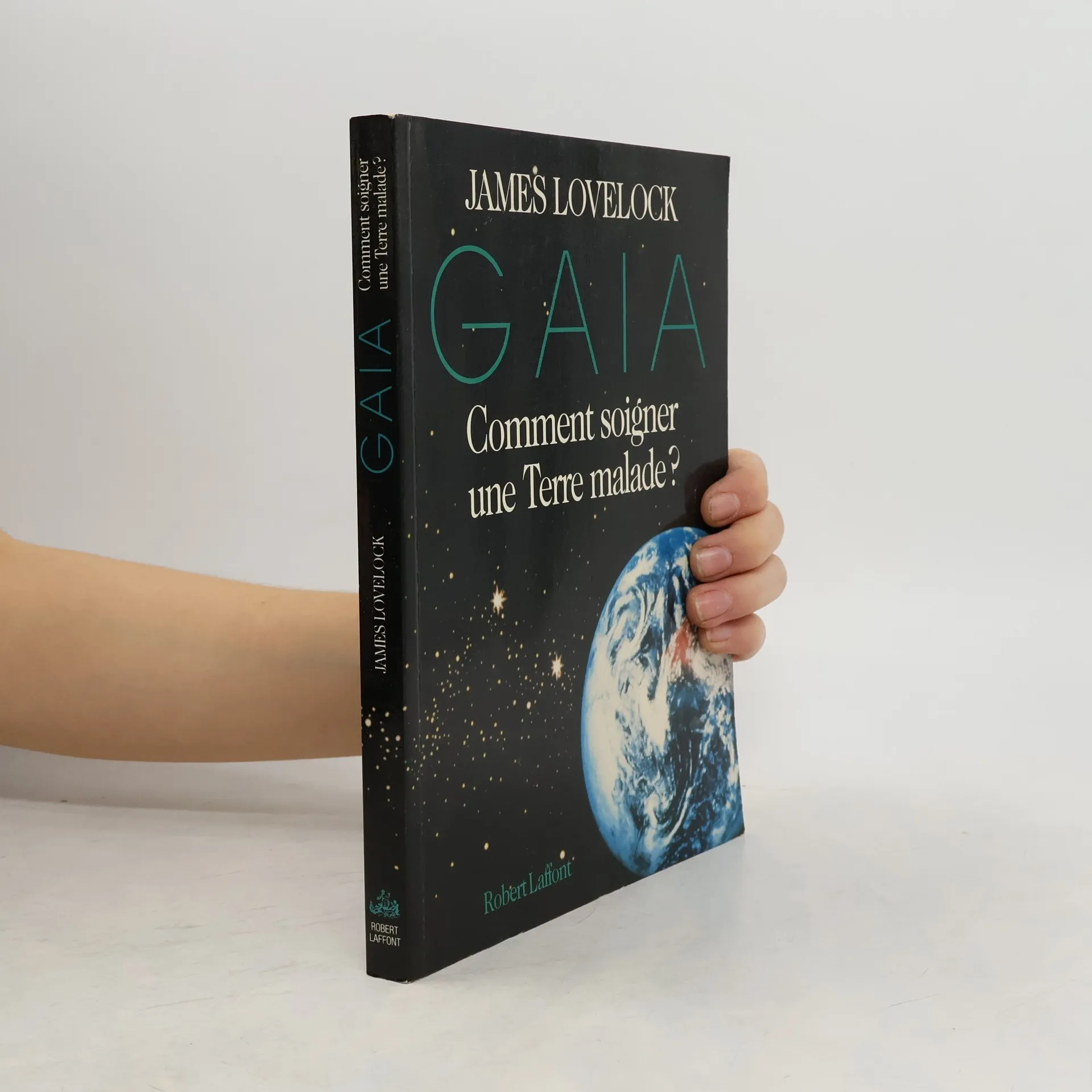
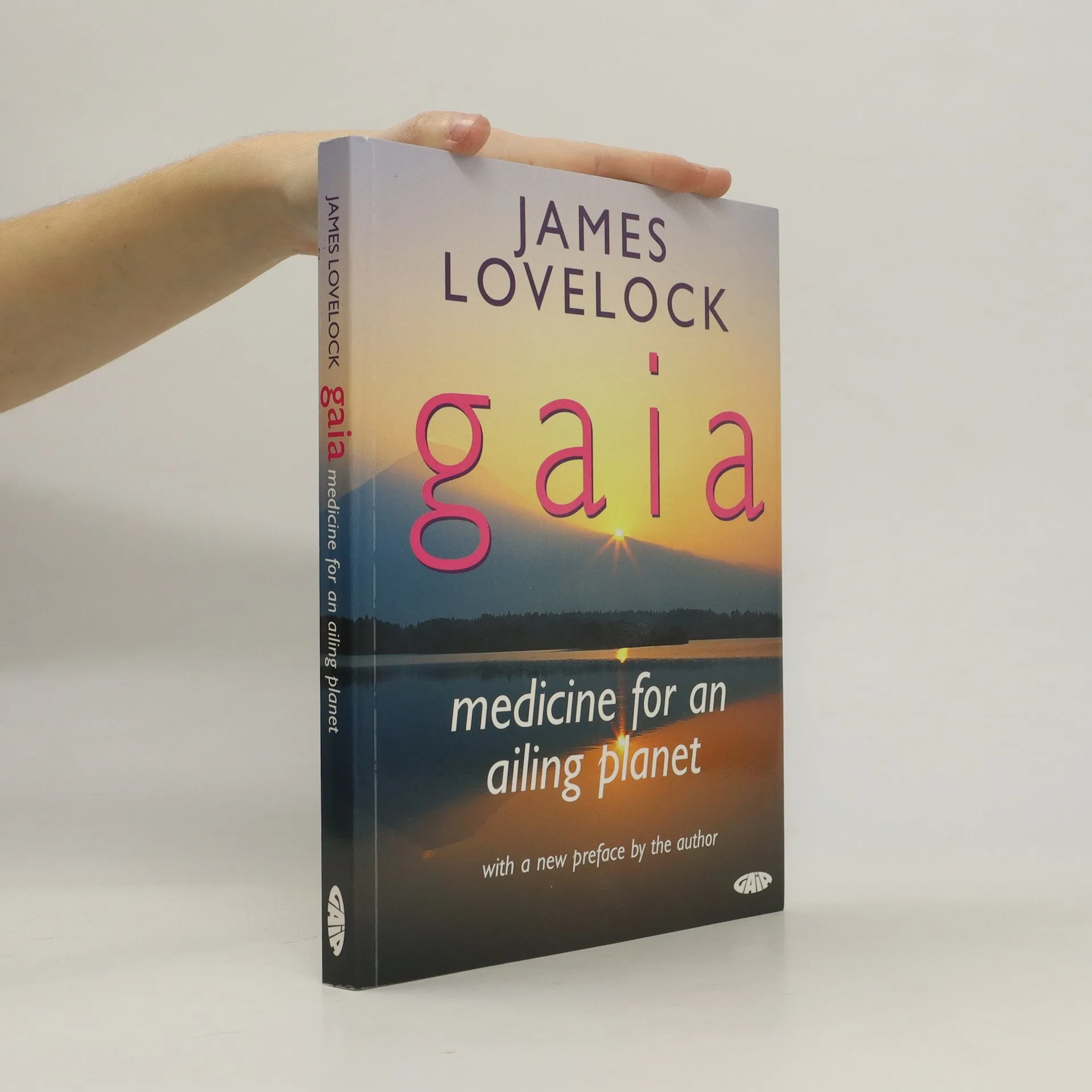
    Gaia : medicine for an ailing planet
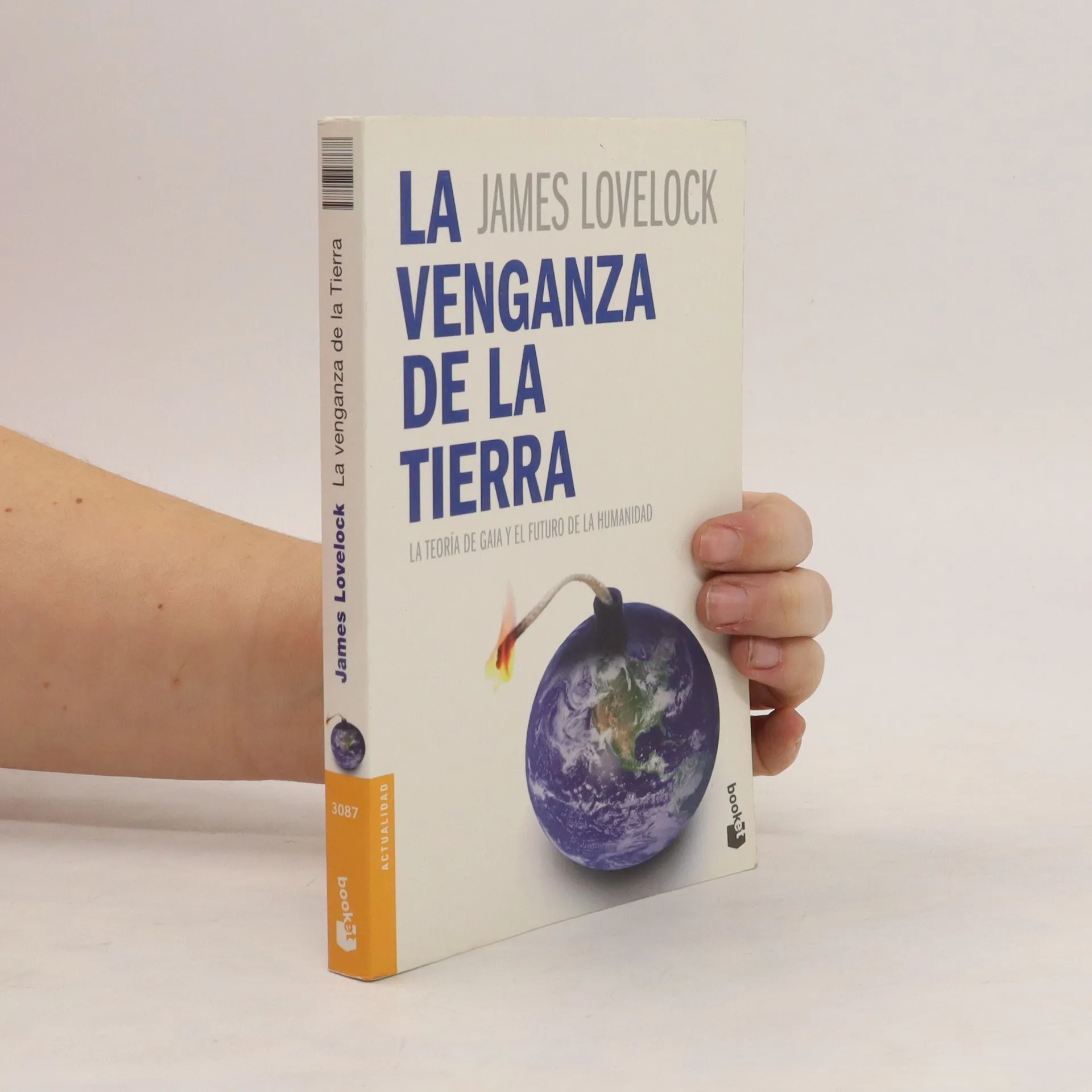
    La venganza de la Tierra
    • 2024

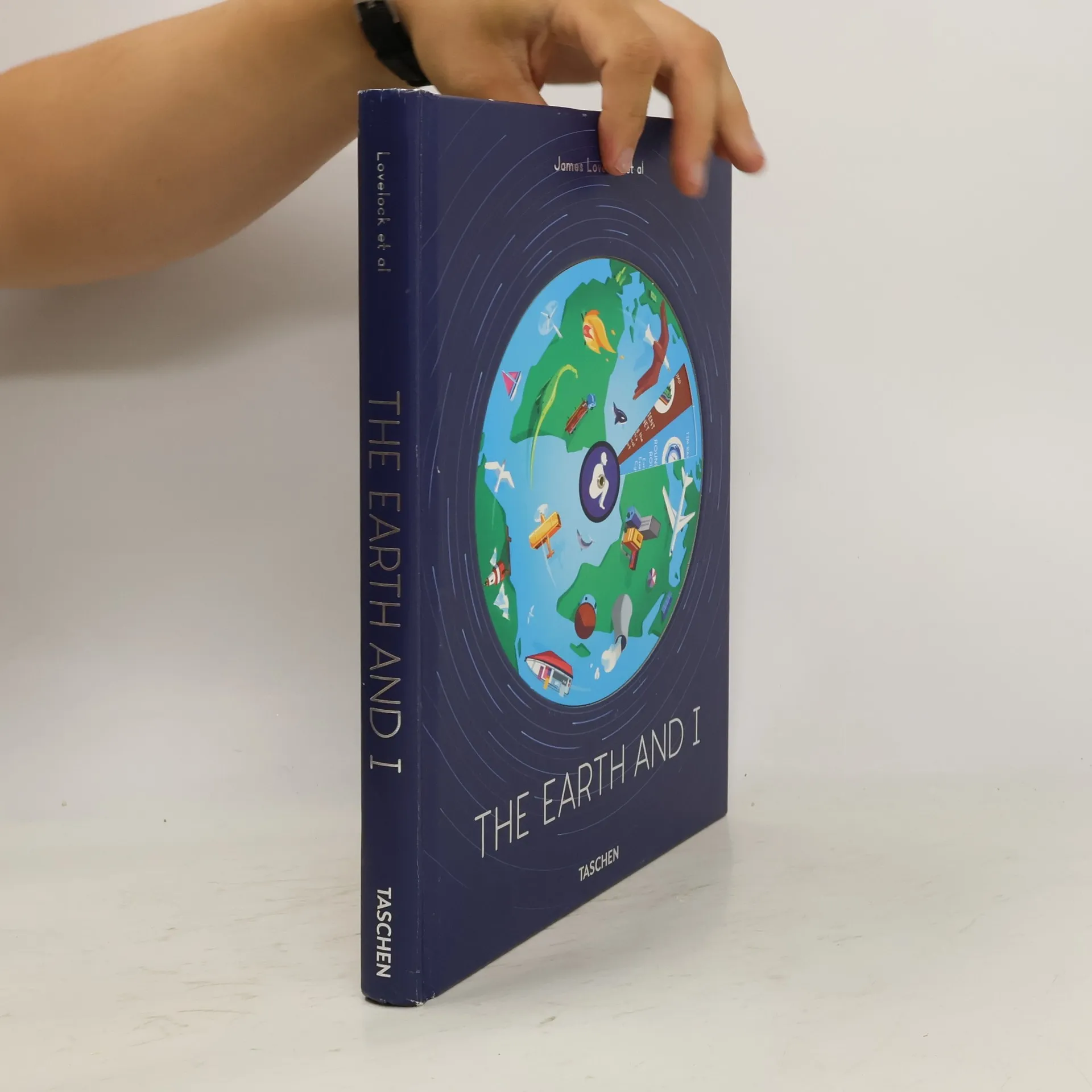
      A richly illustrated collection of essays on earth and human science from 12 of today's leading thinkers. From stars to cells, quantum theory to capitalism, ancient fossils to Artificial Intelligence, this book delivers a holistic understanding of our planet and is a trusted tool kit for an informed and enlightened future.

      James Lovelock et al. The Earth and I
    • 2021

      In twenty short books, Penguin brings you the classics of the environmental movement. James Lovelock's We Belong to Gaia draws on decades of wisdom to lay out the history of our remarkable planet, to show that it is not ours to be exploited - and warns us that it is fighting back. Over the past 75 years, a new canon has emerged. As life on Earth has become irrevocably altered by humans, visionary thinkers around the world have raised their voices to defend the planet, and affirm our place at the heart of its restoration. Their words have endured through the decades, becoming the classics of a movement. Together, these books show the richness of environmental thought, and point the way to a fairer, saner, greener world.
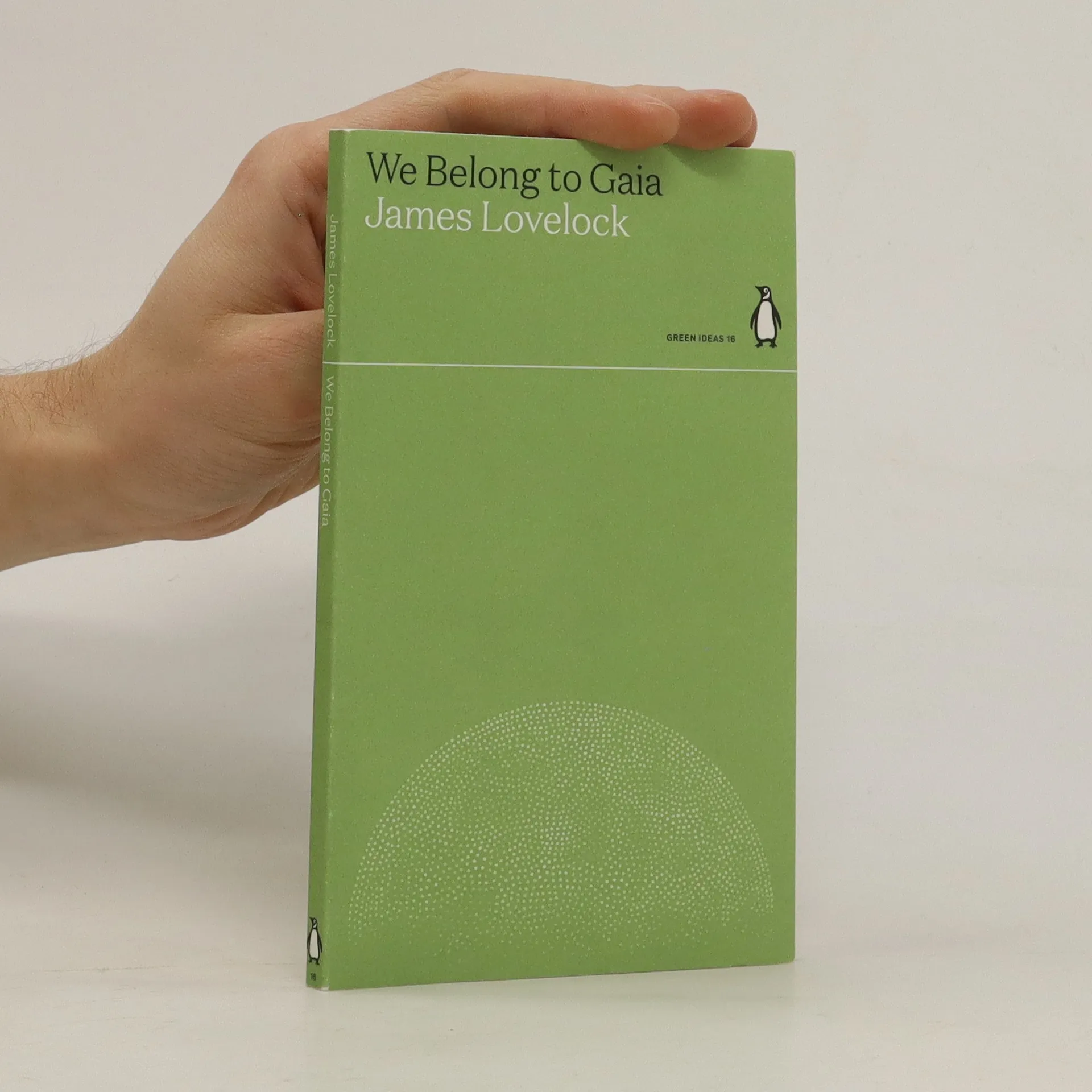
      We belong to Gaia
    • 2020

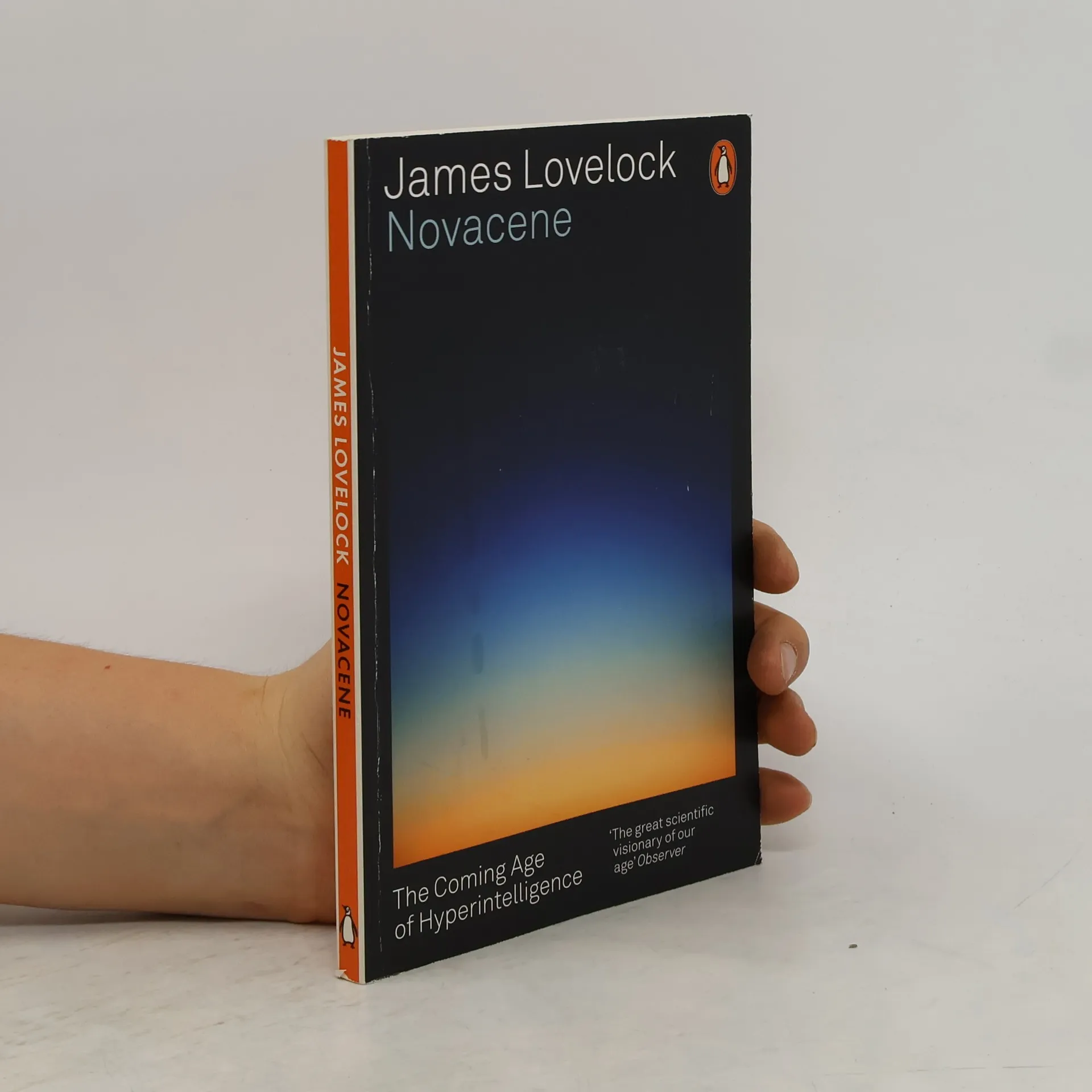
      James Lovelock, creator of the Gaia hypothesis and the greatest environmental thinker of our time, has produced an astounding new theory about future of life on Earth. He argues that the anthropocene - the age in which humans acquired planetary-scale technologies - is, after 300 years, coming to an end. A new age - the novacene - has already begun. New beings will emerge from existing artificial intelligence systems. They will think 10,000 times faster than we do and they will regard us as we now regard plants - as desperately slow acting and thinking creatures. But this will not be the cruel, violent machine takeover of the planet imagined by sci-fi writers and film-makers. These hyper-intelligent beings will be as dependent on the health of the planet as we are. They will need the planetary cooling system of Gaia to defend them from the increasing heat of the sun as much as we do. And Gaia depends on organic life. We will be partners in this project. It is crucial, Lovelock argues, that the intelligence of Earth survives and prospers. He does not think there are intelligent aliens, so we are the only beings capable of understanding the cosmos. Maybe, he speculates, the novacene could even be the beginning of a process that will finally lead to intelligence suffusing the entire cosmos. At the age 100, James Lovelock has produced the most important and compelling work of his life.

      Novacene
    • 2019
    • 2016
    • 2015

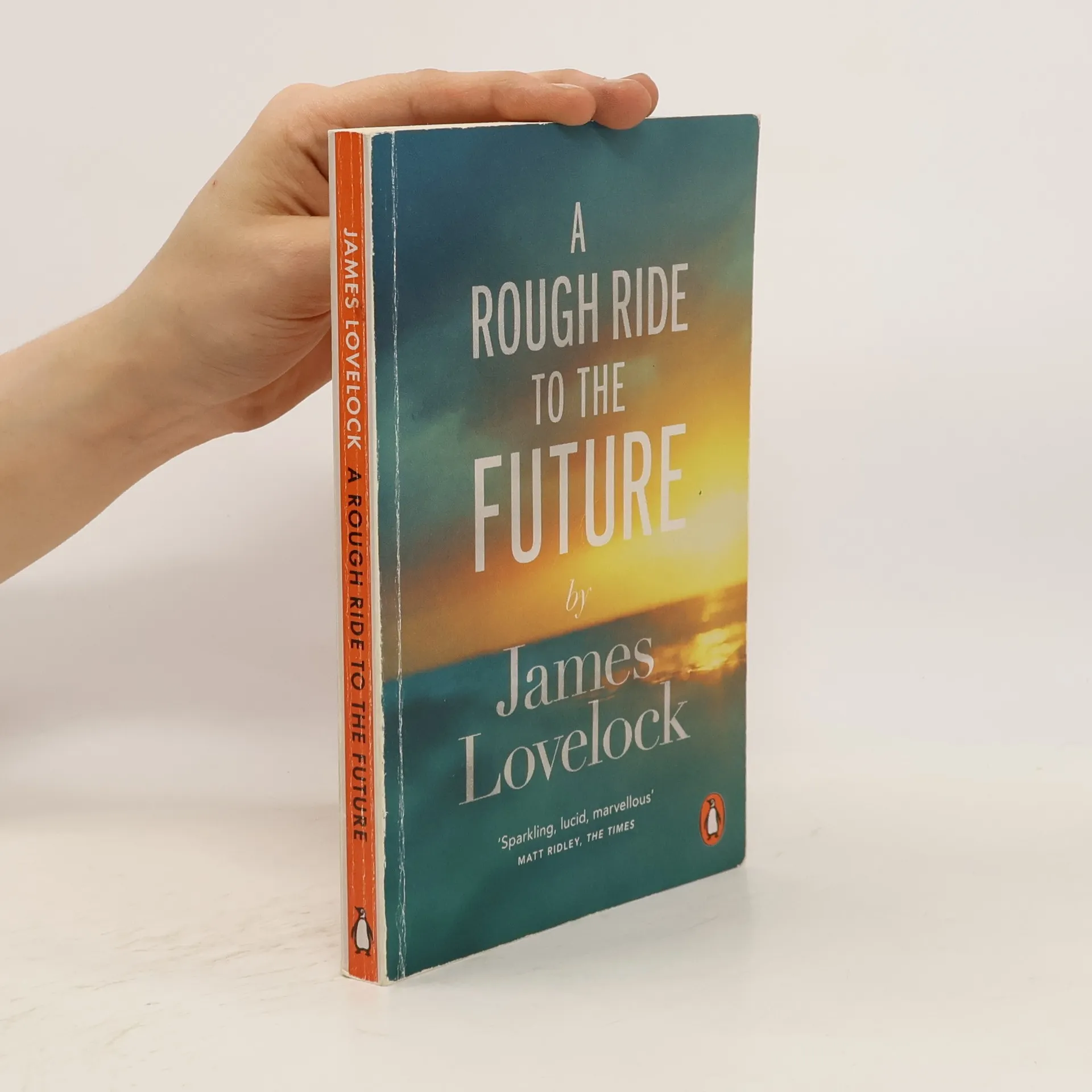
      A Rough Ride to the Future

      • 208 páginas
      • 8 horas de lectura

      In 'A Rough Ride to the Future', James Lovelock - the great scientific visionary of our age - presents a radical vision of humanity's future as the thinking brain of our Earth-system

      A Rough Ride to the Future
    • 2009

      Lovelock first began thinking that the planet resembles a living entity in the 1960s, while working for a NASA project on how to detect life on Mars. While other scientists suggested elaborate tests involving space probes to check for microbes in Martian soil, Lovelock said to save the rocket fuel, we didn't even need to bother going there. Life, he theorized, would leave its telltale signature in a planet's atmosphere. There would be chemicals or elements that shouldn't be there but for the existence of something unusual, like living things. Anyone looking at the Earth from afar could tell right away that it had to harbour life because its atmosphere is loaded with oxygen, a gas so chemically reactive it shouldn't exist at all in any quantity. -- from http://www.theglobeandmail.com (Dec. 17, 2015)

      The vanishing face of Gaia : a final warning
    • 2008

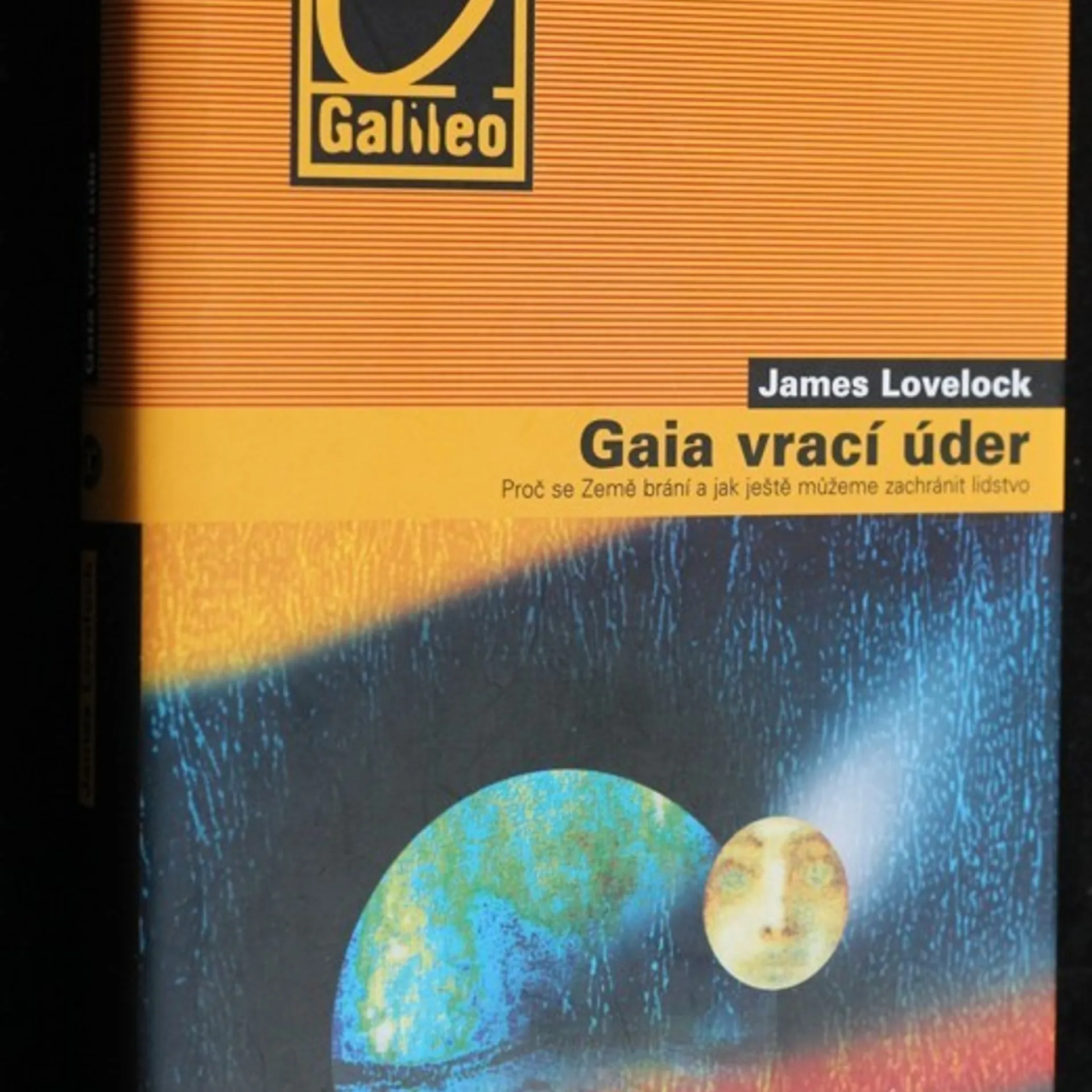
      Profesor James Lovelock se v 70. letech minulého století proslavil svou teorií, podle níž geosféra, atmosféra a biosféra na Zemi tvoří provázaný systém, na který můžeme pohlížet jako na jediný živý organismus. Tento organismus pojmenoval Gaia po řecké bohyni, stvořitelce Zemi. Kniha přináší propracovanou teorii obsahující mimo jiné i katastrofické vize dalšího možného vývoje planety.

      Gaia vrací úder : proč se Země brání a jak ještě můžeme zachránit lidstvo
    • 2007

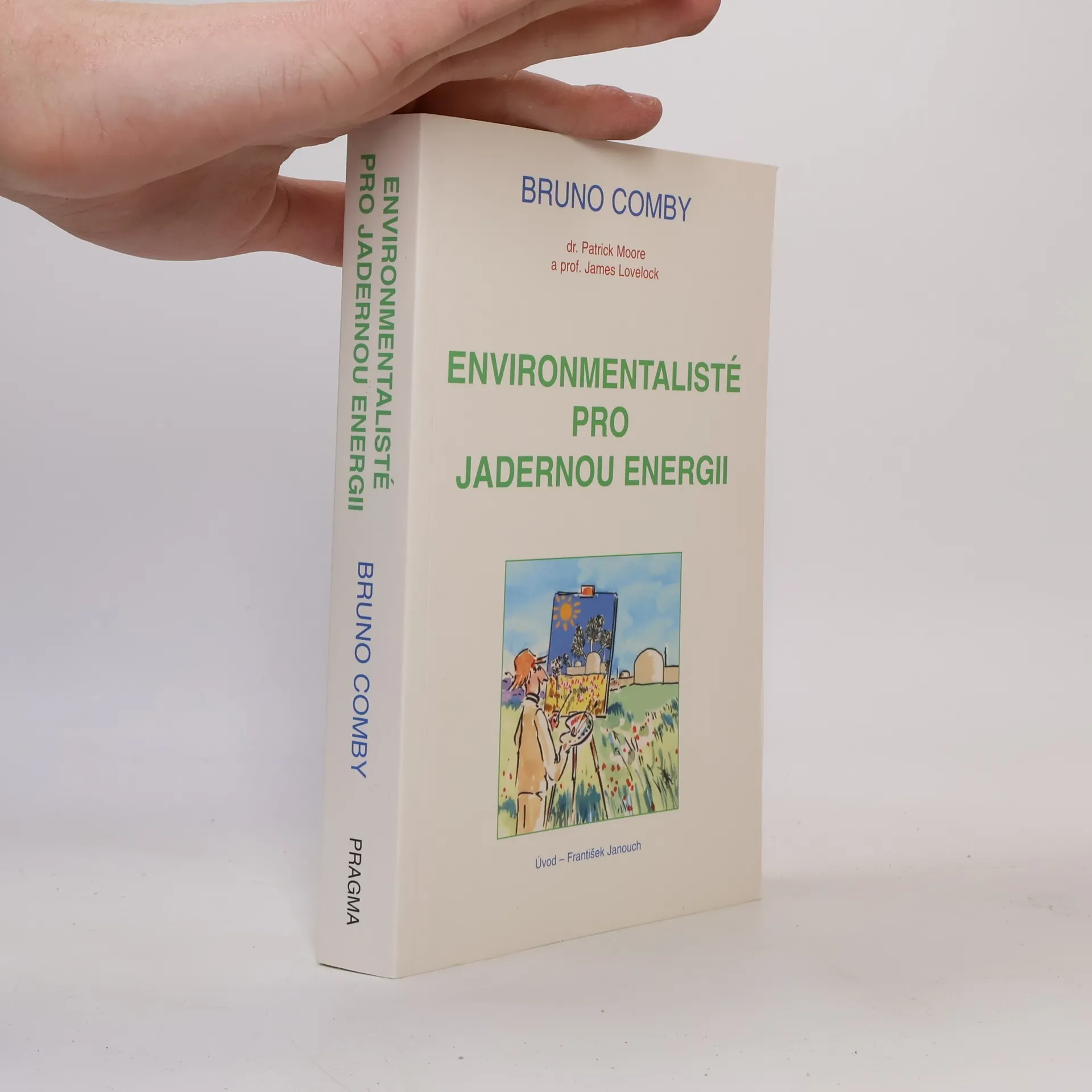
      Environmentalisté pro jadernou energii

      • 321 páginas
      • 12 horas de lectura

      Dobře zdokumentovaná kniha, jejímž autorem je zakladatel EFN (Environmentalists For Nuclear Energy Ekologové pro jadernou energii), představuje nový přístup k energetickým potřebám planety a předkládá jednoduchá fakta odpovídající na vaše otázky: o existenci radioaktivity v přírodě, o relativním významu přírodní radiace, použití radioaktivního záření v medicíně, vojenství a průmyslu a jeho účincích na zdraví, o devastujícím znečištění našeho životního prostředí při razantním spalování fosilních paliv (nafta, plyn, uhlí) a jiných.

      Environmentalisté pro jadernou energii