
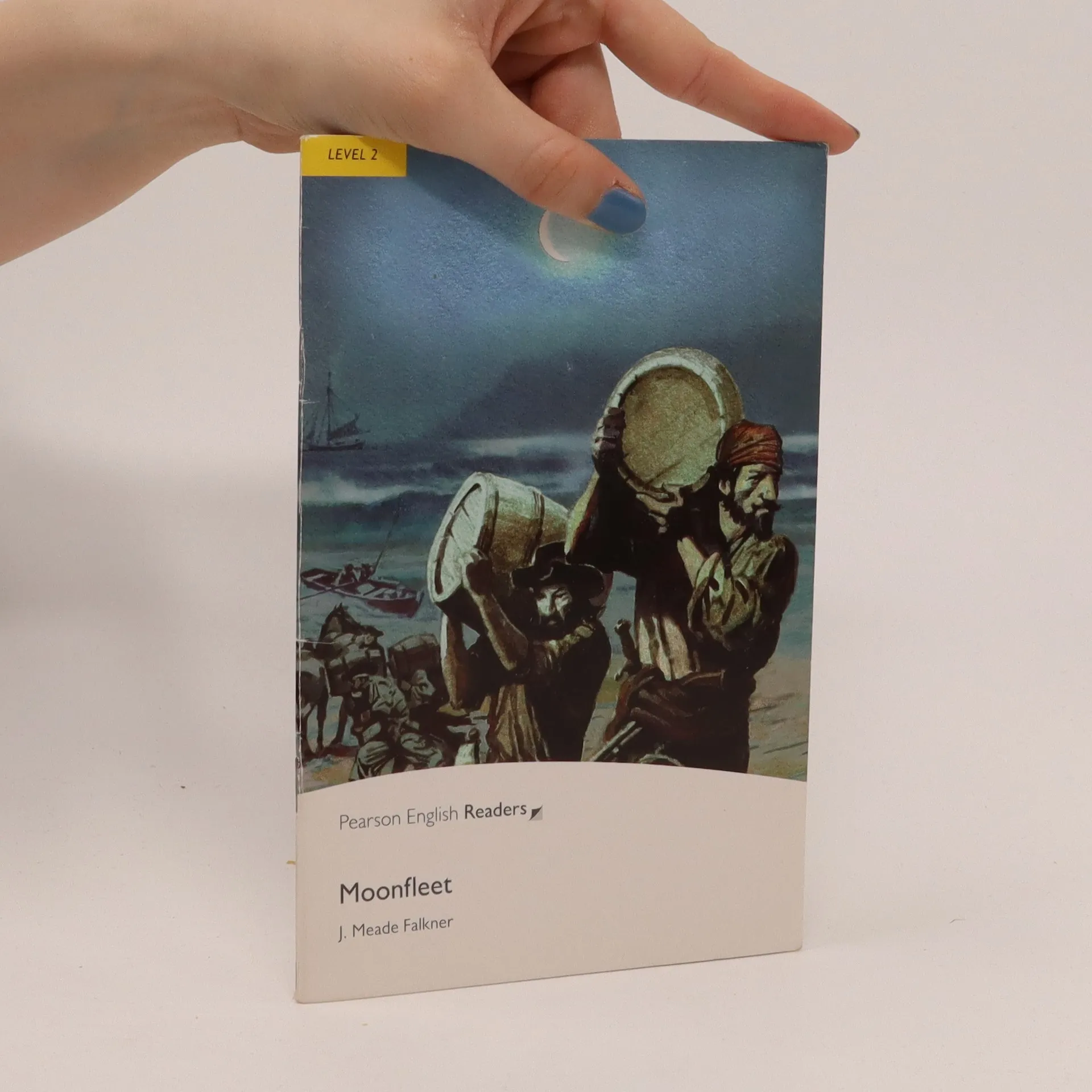

"it was evilly come by, and will bring a curse with it." Growing up the quiet coastal village of Moonfleet in Dorset, John Trenchard is fascinated by stories of the notorious Colonel John Mohune, whose restless ghost is said to stalk the churchyard at night, and his treasure: a great diamond stolen when he betrayed the King a hundred years before.…
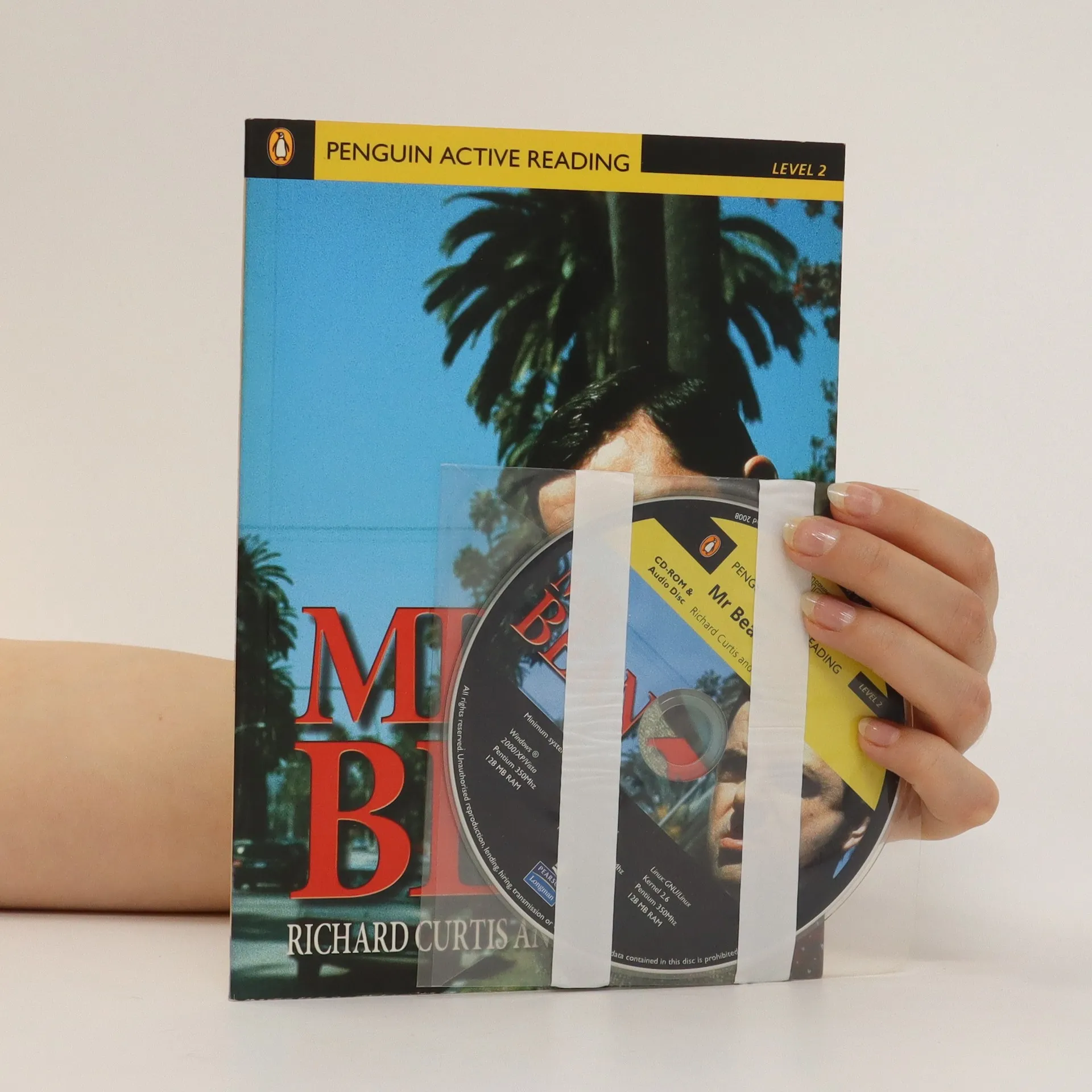
A famous painting is going to the Grierson Gallery in LA and they want a top man to come to the United States. He can talk about the artist. The National Gallery in London send Mr Bean. But something is very wrong with Mr Bean! He's very, very strange. And dangerous! After he arrives, accidents start to happen.
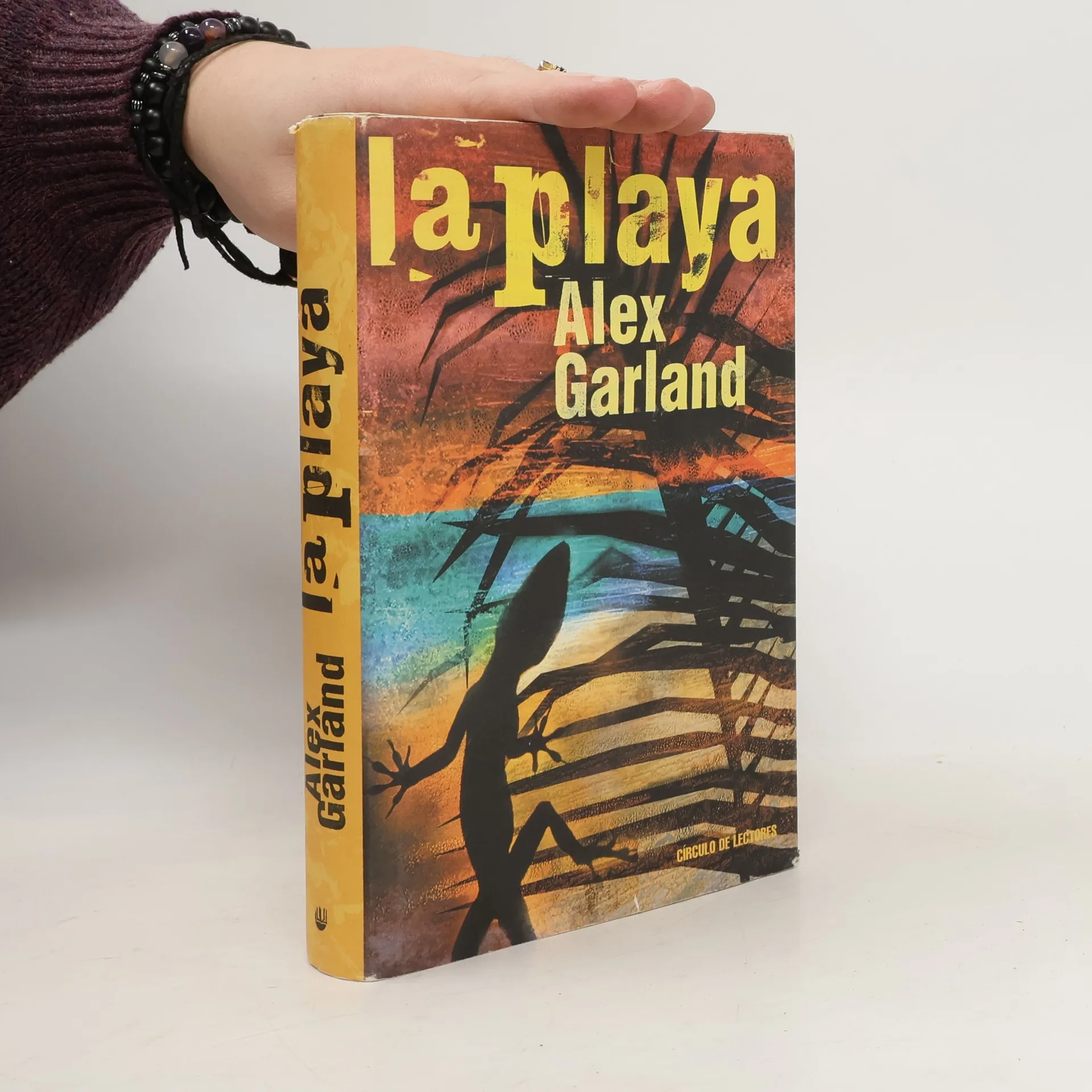
Barcelona. 22 cm. 436 p. Encuadernación en tapa dura de editorial con sobrecubierta ilustrada. Garland, Alex 1970-. Traducción de Eduardo Chamorro. Traducción de: The beach .. Este libro es de segunda mano y tiene o puede tener marcas y señales de su anterior propietario. ISBN: 8422681439
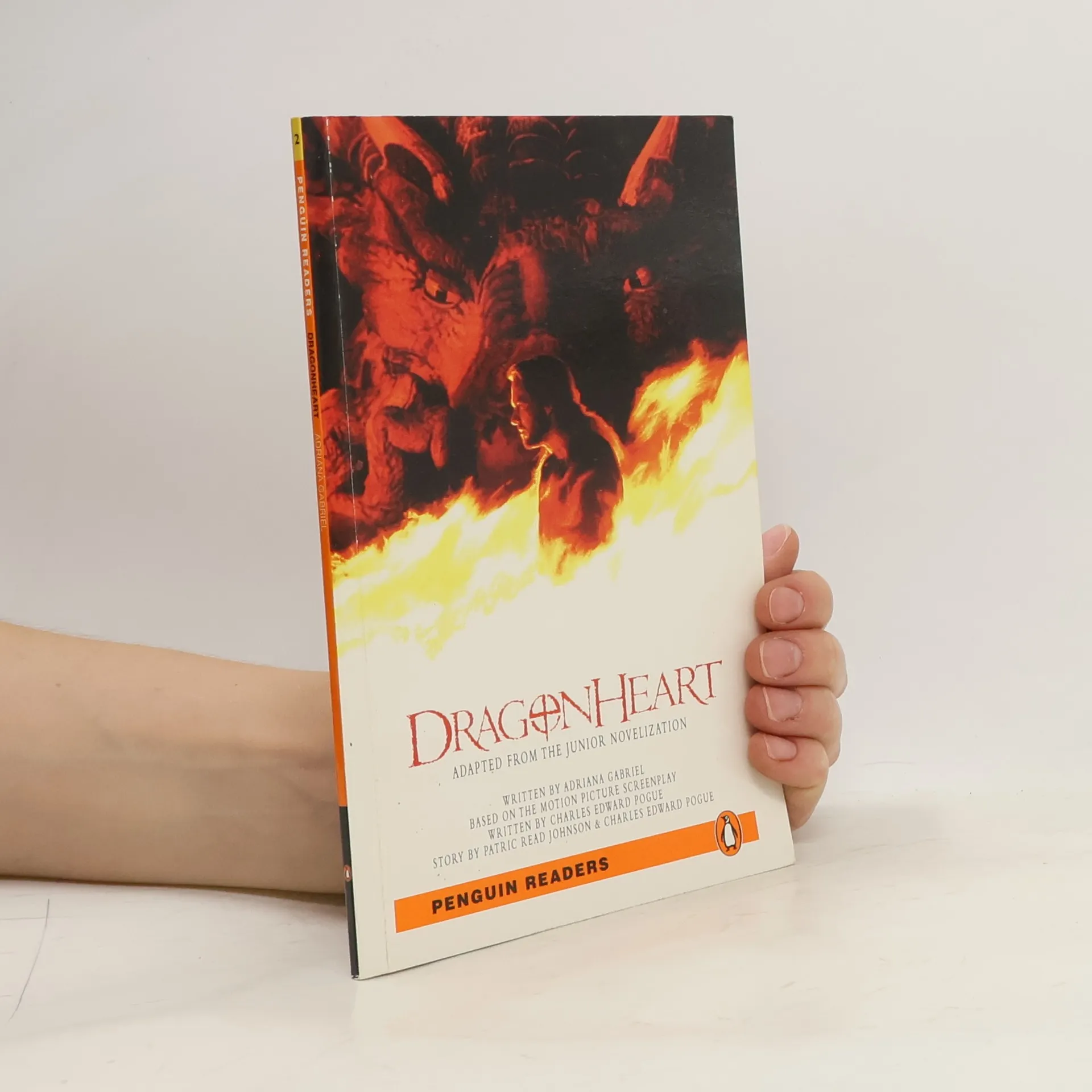
Contemporary / British English Young Prince Einon is dying. Only the Great Dragon can help him But first the boy has to say, 'I won't be a cruel king. I'll love my people and be kind to them.' But Einon is cruel, and everybody in the country is afraid. Now the Dragon, good Sir Bowen and the peasants have to fight in a great battle between Good and Bad.
A famous painting is going to the Grierson Gallery in LA and they want a top man to come to America. He can talk about the artist. The National Gallery in London sent Mr Bean. But something is very wrong with Mr Bean! He's very, very strange. And dangerous! After he arrives accidents start to happen.
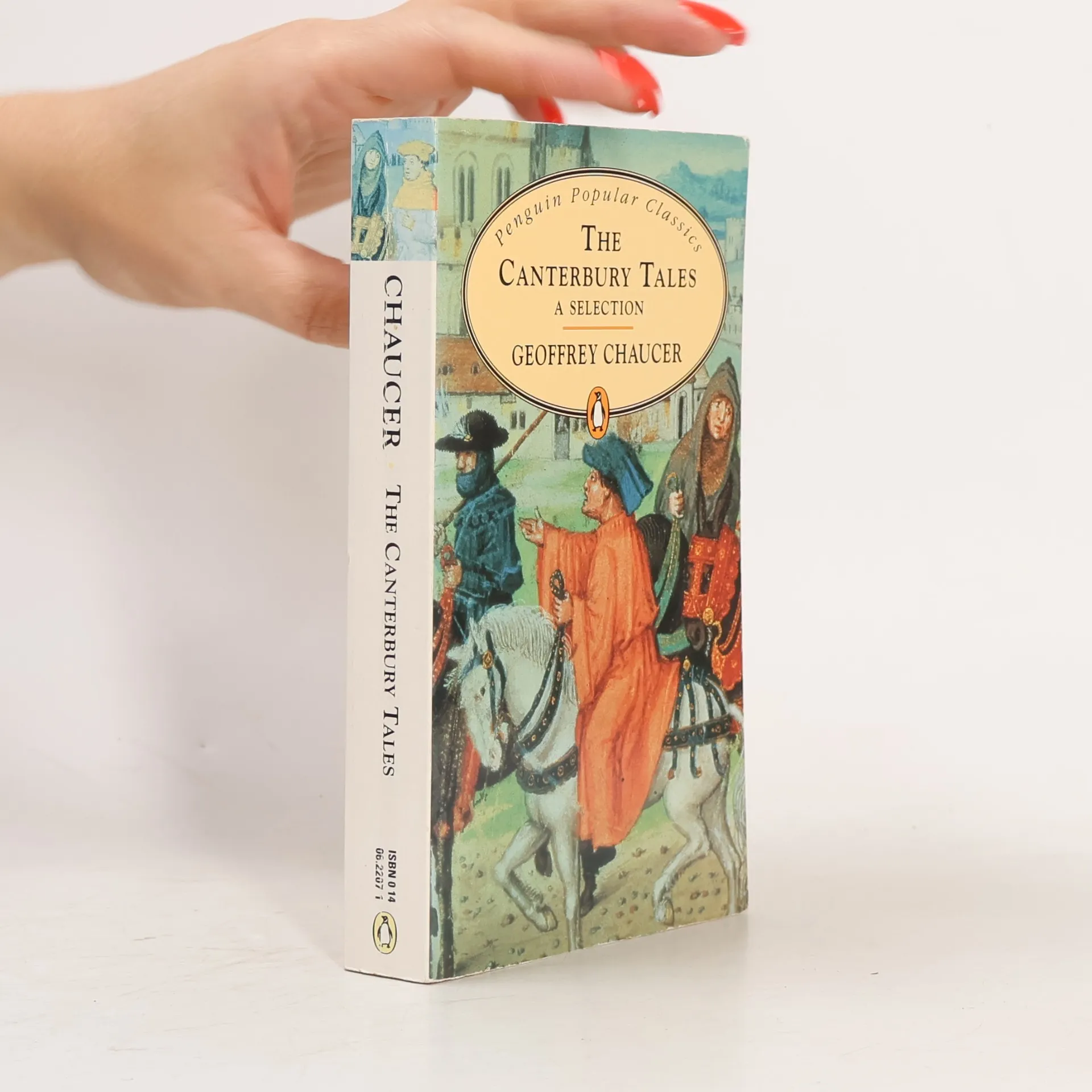
The procession that crosses Chaucer's pages is as full of life and as richly textured as a medieval tapestry. The Knight, the Miller, the Friar, the Squire, the Prioress, the Wife of Bath, and others who make up the cast of characters -- including Chaucer himself -- are real people, with human emotions and weaknesses. When it is remembered that Chaucer wrote in English at a time when Latin was the standard literary language across western Europe, the magnitude of his achievement is even more remarkable. But Chaucer's genius needs no historical introduction; it bursts forth from every page of The Canterbury Tales. If we trust the General Prologue, Chaucer intended that each pilgrim should tell two tales on the way to Canterbury and two tales on the way back. He never finished his enormous project and even the completed tales were not finally revised. Scholars are uncertain about the order of the tales. As the printing press had yet to be invented when Chaucer wrote his works, The Canterbury Tales has been passed down in several handwritten manuscripts.