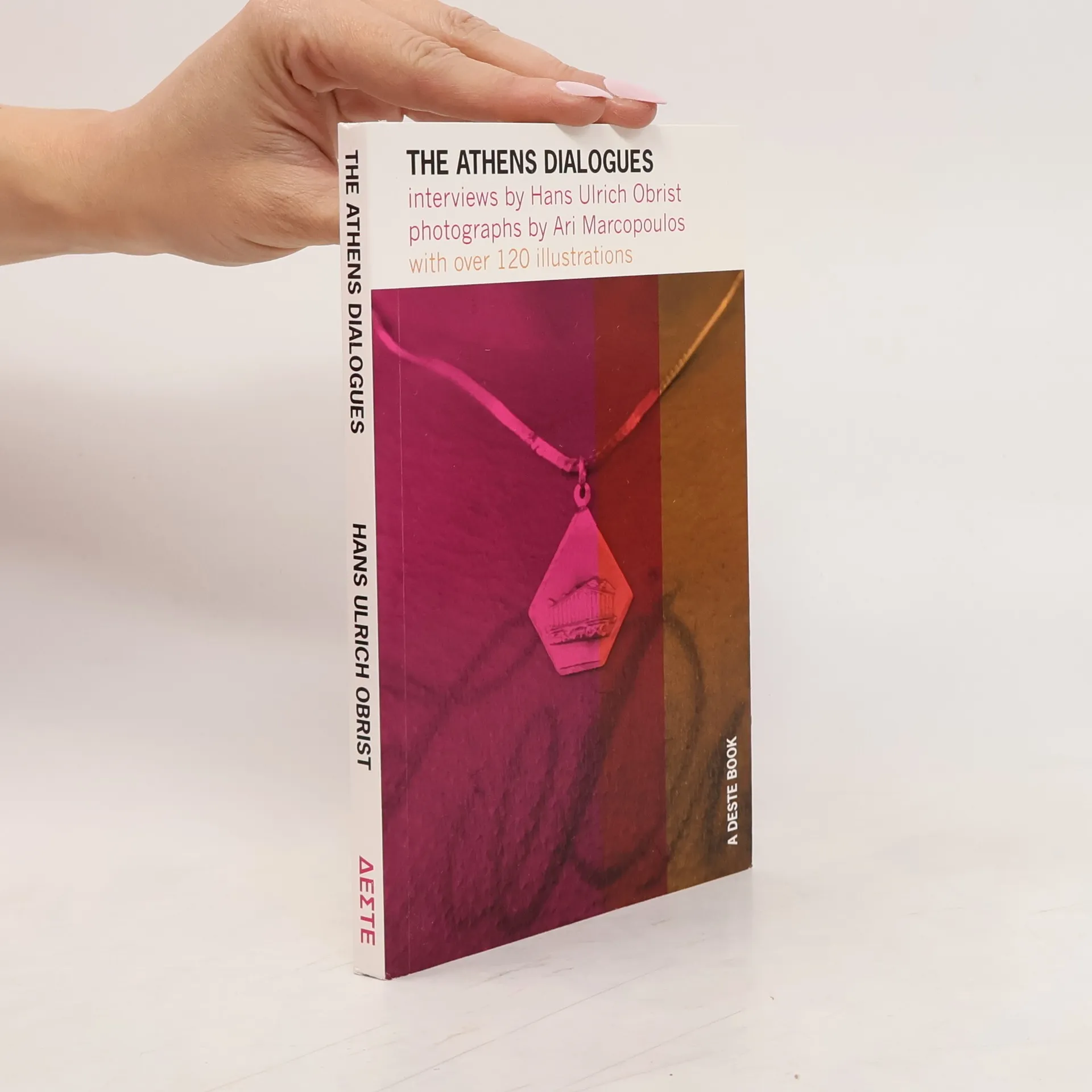
En Breve historia del comisariado, Hans Ulrich Obrist (Codirector de exposiciones y programación y director de proyectos internaciones de la Serpentine Gallery de Londres) realiza un apasionante recorrido por la historia del comisariado de exposiciones a partir de una serie de entrevistas a algunos de los pioneros de esta disciplina como Harald Szeemann, Pontus Hultén, Anne d’Harnoncourt, Werner Hofmann, Jean Leering, Franz Meyer, Seth Siegelaub, Walter Zanini, Johannes Cladders, Lucy Lippard o Walter Hopps.\nEn cada uno de estos diálogos, el lector descubrirá la intrahistoria de un trabajo que hoy en día se ha convertido en la aspiración de muchos jóvenes estudiantes de historia del arte. Breve historia del comisariado cuenta además con un prólogo de Christophe Cherix y un epílogo de Daniel Birnbaum, director de la última Bienal de Venecia (2009) y actual responsable del Moderna Museet de Estocolmo.
Hans Ulrich Obrist Libros
Hans Ulrich Obrist es un curador y teórico del arte de vanguardia, celebrado por su profunda conexión con el arte y su incansable exploración del proceso creativo. Su trabajo se caracteriza por un fuerte compromiso con el diálogo con los artistas y un impulso por conectar diversas disciplinas artísticas. Obrist es pionero en eventos públicos y exposiciones a gran escala que desafían los formatos convencionales, invitando al público a experiencias activas de arte. Su influencia se extiende mucho más allá de las paredes de las galerías, dando forma activamente al panorama artístico contemporáneo a través de sus publicaciones y proyectos interdisciplinarios.


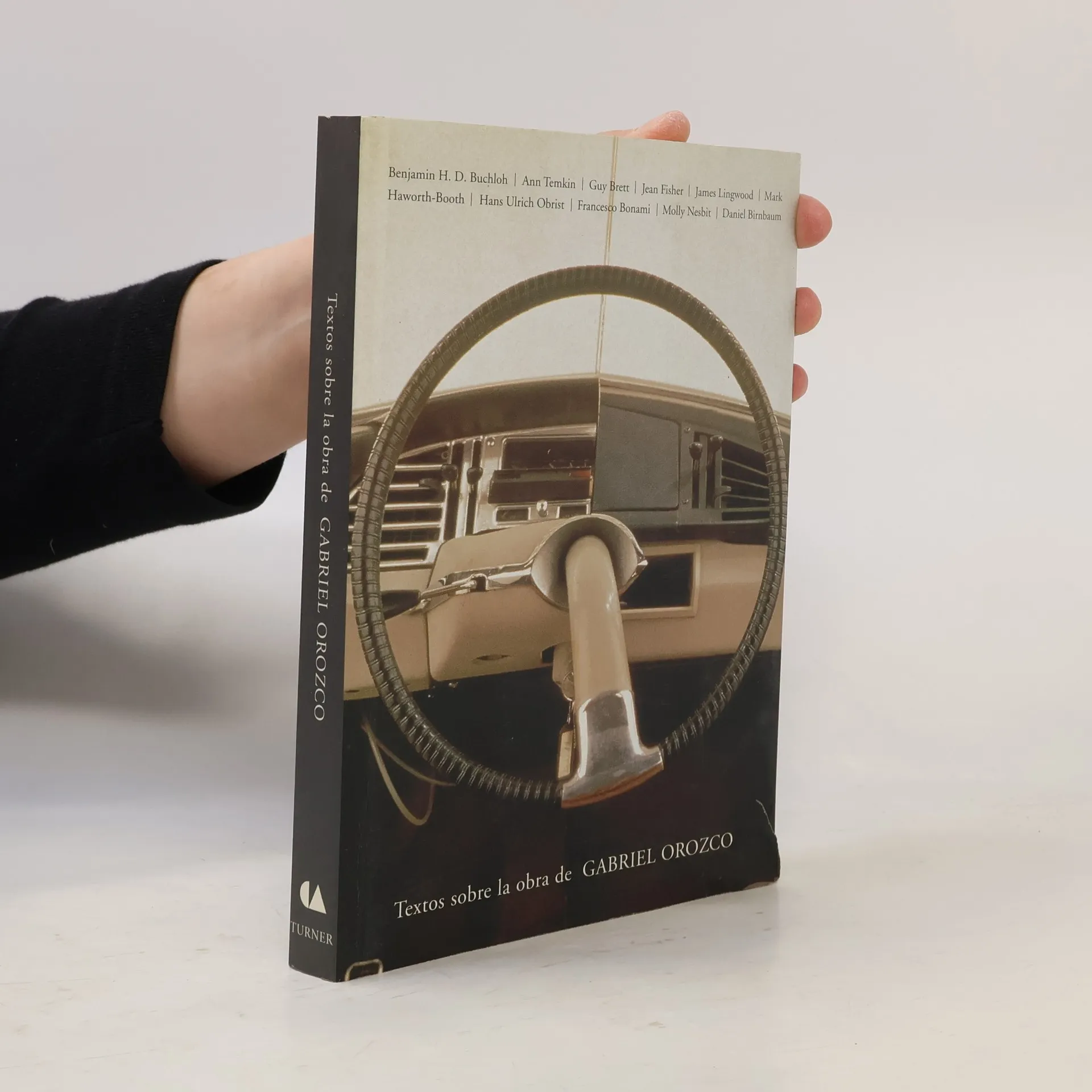

Arte y Fotografía: Textos sobre la obra de Gabriel Orozco
- 304 páginas
- 11 horas de lectura
En la decada de 1990 Orozco realizo obras que tuvieron especial repercusion en el mundo del arte. En sus dos primeras exhibiciones individuales en Nueva York coloco naranjas en las ventanas de los edificios frente al Museo de Arte Moderno (Moma) y colgo una tapa de yogurt en cada muro de la Galeria Marian Goodman.
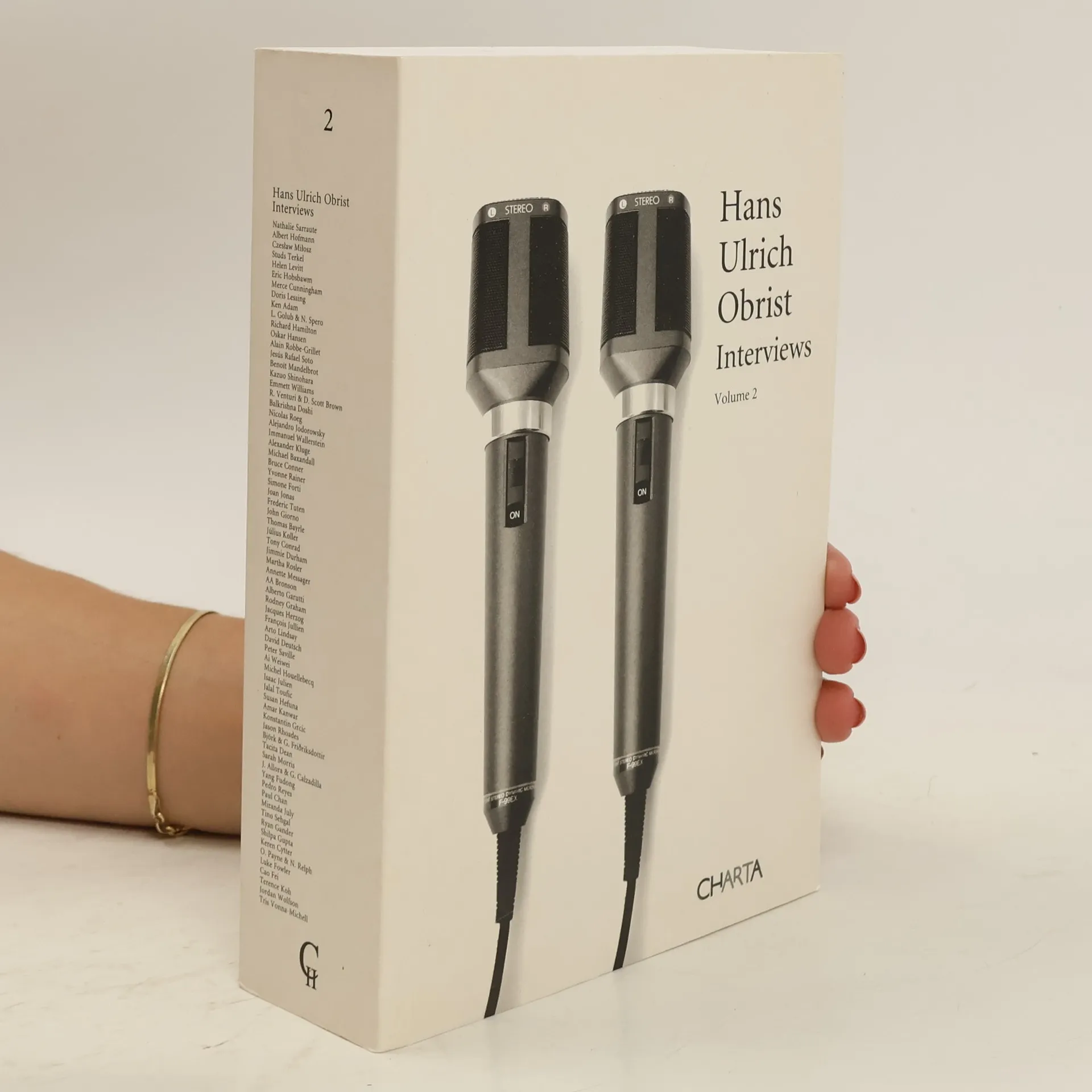
Since 1993, renowned curator, writer, cultural instigator, professional conversationalist ¿ and currently Co-director of Exhibitions and Programmes and Director of International Projects at the Serpentine Gallery in London ¿ Hans Ulrich Obrist has been conducting interviews with some of the most significant architects, artists, filmmakers, historians, musicians, philosophers, and writers of the 20th and 21st centuries. Interviews Volume 2 brings together 70 interviews, taken from an archive of nearly 2,000 hours of recordings that reveal an intellectual geology of the last 100 years. Encyclopaedic in scope and intimate in tone, these exchanges produce an array of biographical trajectories, cultural experiments, theoretical adventures, unrealized projects, and unknown epiphanies.
I Can Make You Feel Good
- 208 páginas
- 8 horas de lectura
Tyler Mitchell explores the concept of a black utopia through his work as a photographer and filmmaker. Gaining recognition after photographing Beyoncé for Vogue in 2018, he challenges the dominant perspectives of the white majority and aims to create an independent narrative for people of color.
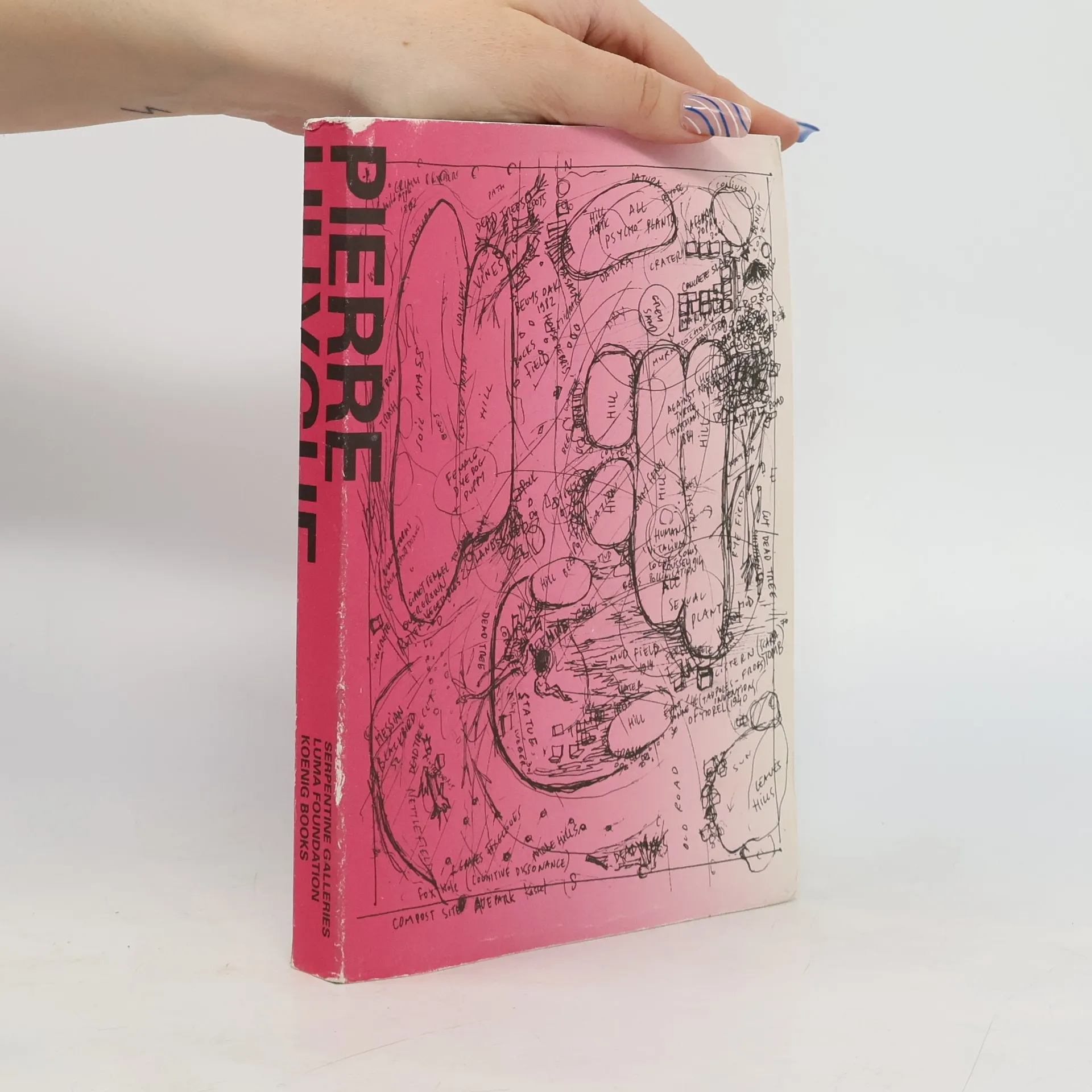
Pierre Huyghe at the Serpentine
- 448 páginas
- 16 horas de lectura
Pierre Huyghe’s works from the last decade, including his iconic Documenta 13 project Untilled This survey on renowned French artist Pierre Huyghe (born 1962) chronicles seminal works from the last decade. An interview between Huyghe and Hans Ulrich Obrist and an essay by Dorothea von Hantelmann accompany drawings, diagrams, photographs, film stills and more.
Annie Leibovitz
- 560 páginas
- 20 horas de lectura
The book features iconic photographs from Annie Leibovitz's 40-year career, showcasing her evolution as a photographer. It includes her early photojournalistic work for Rolling Stone in the 1970s and her later conceptual portraits for renowned magazines like Vanity Fair and Vogue. This unlimited XXL edition highlights the breadth of her artistic vision and impact on contemporary photography.
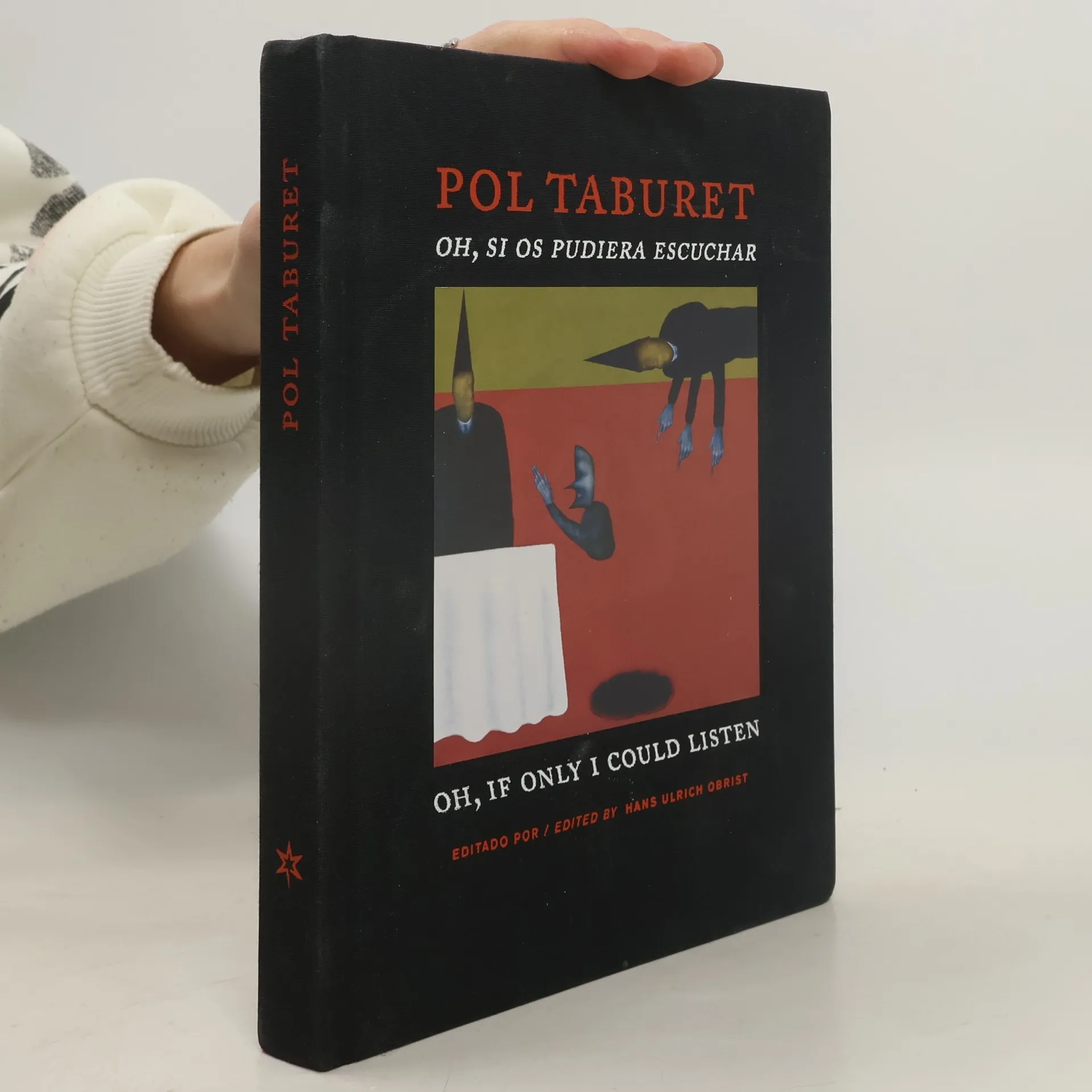
Pol Taburet
Oh, si os pudiera escuchar
At first glance, the artist and the scientist don't seem to have very much in common. One deals with aesthetics, emotions, and visual power, while the other works with facts, verifiable proof, and academic rigor. At another level, however, we find both artists and scientists work in the realms of imagination, of asking what is possible, of experimentation. One of the ways that these similarities find their expression is in the the artist's studio and the scientist's laboratory. Laboratorium explores the laboratory and the studio on the basis of their various concepts within different disciplines. Drawings from distinct yet interrelated domains, the book singles out complex scientific and artistic investigations into the limits and possibilities of the places where knowledge and culture are made. Published on the occasion of an exhibition in Antwerp, it presents, in a volume designed by Bruce Mau, the experiments, laboratories, and projects initiated by participants from various fields in the arts and sciences. In addition, there are several essays and interviews that trace the intellectual implications of the workplace and process of investigations.
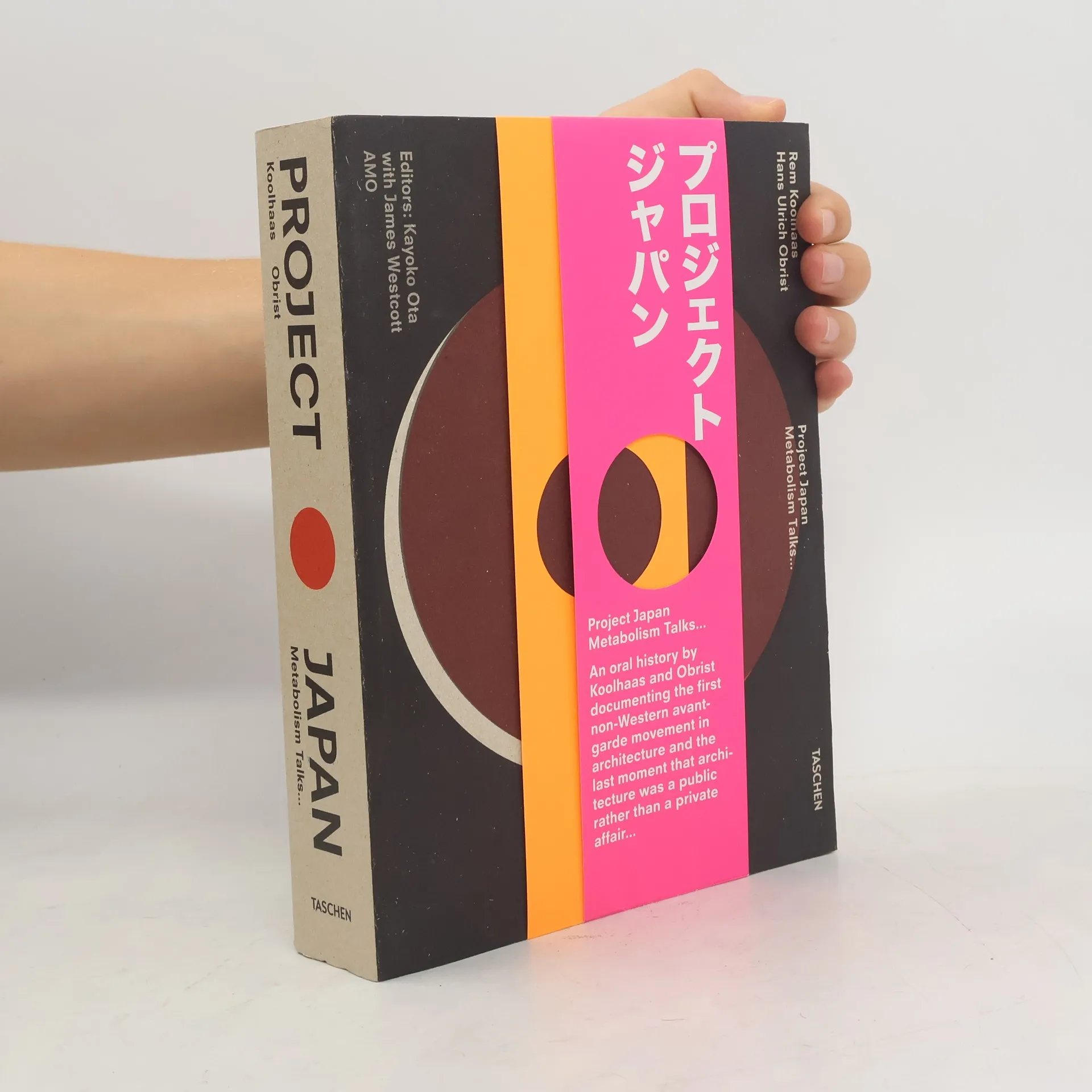
Project Japan: Metabolism Talks
- 684 páginas
- 24 horas de lectura
Eine Nation zog in den Krieg, eroberte einen Kontinent und wurde durch Atombomben zerstört. Die Sieger zwangen den Besiegten die Demokratie auf. Für eine Gruppe angehender Architekten, Künstler und Designer war diese schwere Zeit eine Inspirationsquelle. Unter der Leitung eines Visionärs arbeiteten sie zusammen, um ihren Traum zu verwirklichen, unterstützt von einer kreativen Bürokratie und einem aktivistischen Staat. Nach 15 Jahren der Inkubation überraschten sie die Welt mit einer neuen Architektur, dem Metabolismus, der eine radikale Umgestaltung des Landes zum Ziel hatte. Zeitungen und Medien machten die Architekten zu modernen Helden. Durch harte Arbeit und Disziplin wurde Japan zu einem leuchtenden Vorbild. Als die Ölkrise das Ende des Westens einläutete, verbreiteten sich die Architekten weltweit und definierten eine post-westliche Ästhetik. Interviews mit den überlebenden Mitgliedern der Metabolismus-Bewegung, die sich 1960 in Tokio formierte, bieten Einblicke in Japans Architekturgeschichte des 20. Jahrhunderts. Von der kolonialen Mandschurei bis zum zerstörten Japan nach dem Krieg zeigen sie die Gründung der Metabolisten, den Aufstieg Kisho Kurokawas und die Höhepunkte des Metabolismus. Das Ergebnis ist eine lebendige Dokumentation, die Architektur als öffentliche Angelegenheit darstellt.
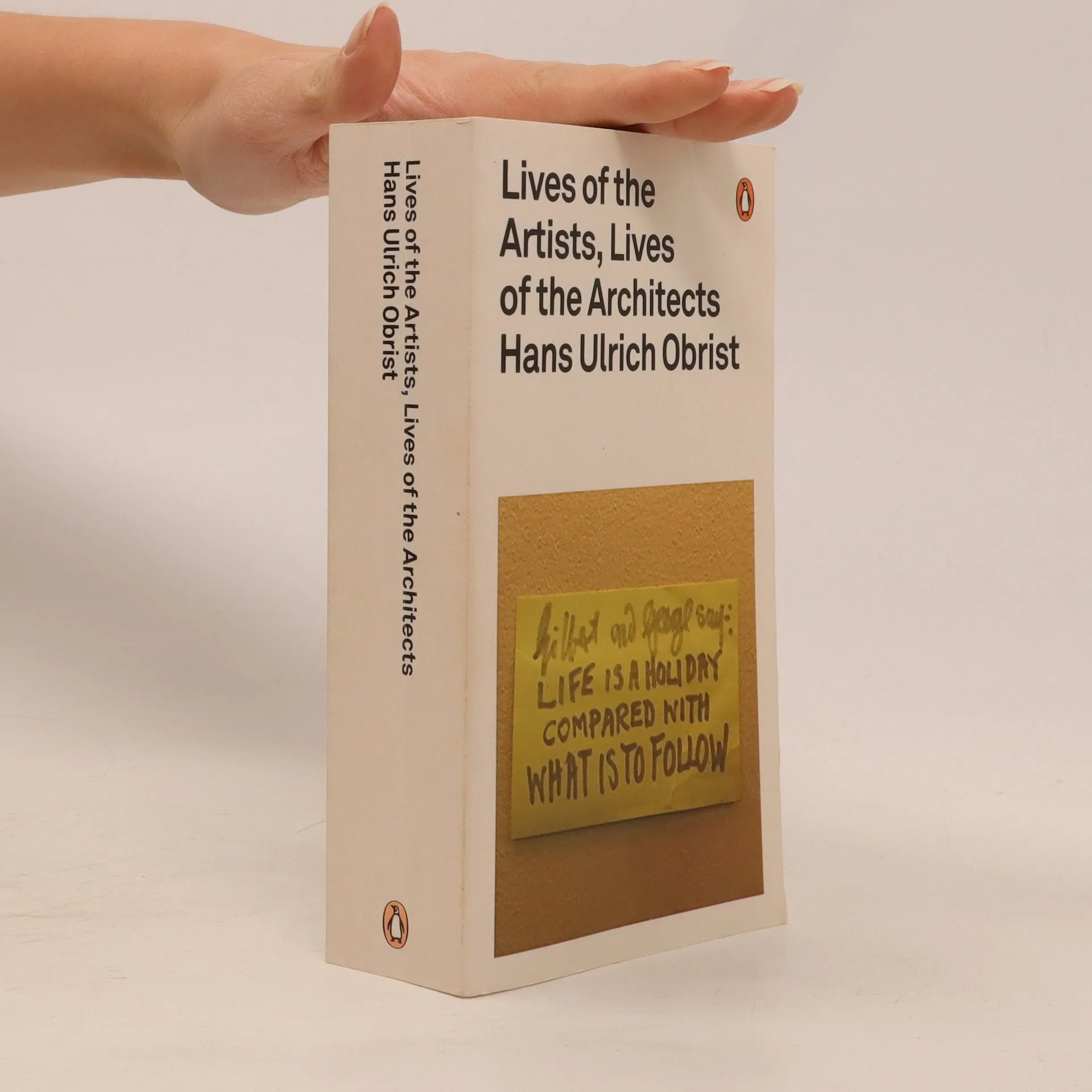
Lives of the Artists, Lives of the Architects
- 720 páginas
- 26 horas de lectura
A unique opportunity to read about the lives and creativity of the world's leading artistic figures, including David Hockney and Gerhard Richter. Hans Ulrich Obrist has been conducting ongoing conversations with the world's greatest living artists since he began in Switzerland, aged 19, with Fischli and Weiss. Here he chooses nineteen of the greatest figures and presents their conversations, offering the reader intimacy with the artists and insight into their creative processes. Inspired by the great Vasari, 'Lives of the Artists' explores the meaning of art and artists today, their varying approaches to creating, and a sense of how their thinking evolves over time. Including David Hockney, Gilbert and George, Gerhard Richter, Michelangelo Pistoletto, Marina Abramovic, Louise Bourgeois, Rem Koolhaas, Jeff Koons and Oscar Niemayer, this is a wonderful and unique book for those interested in modern art.
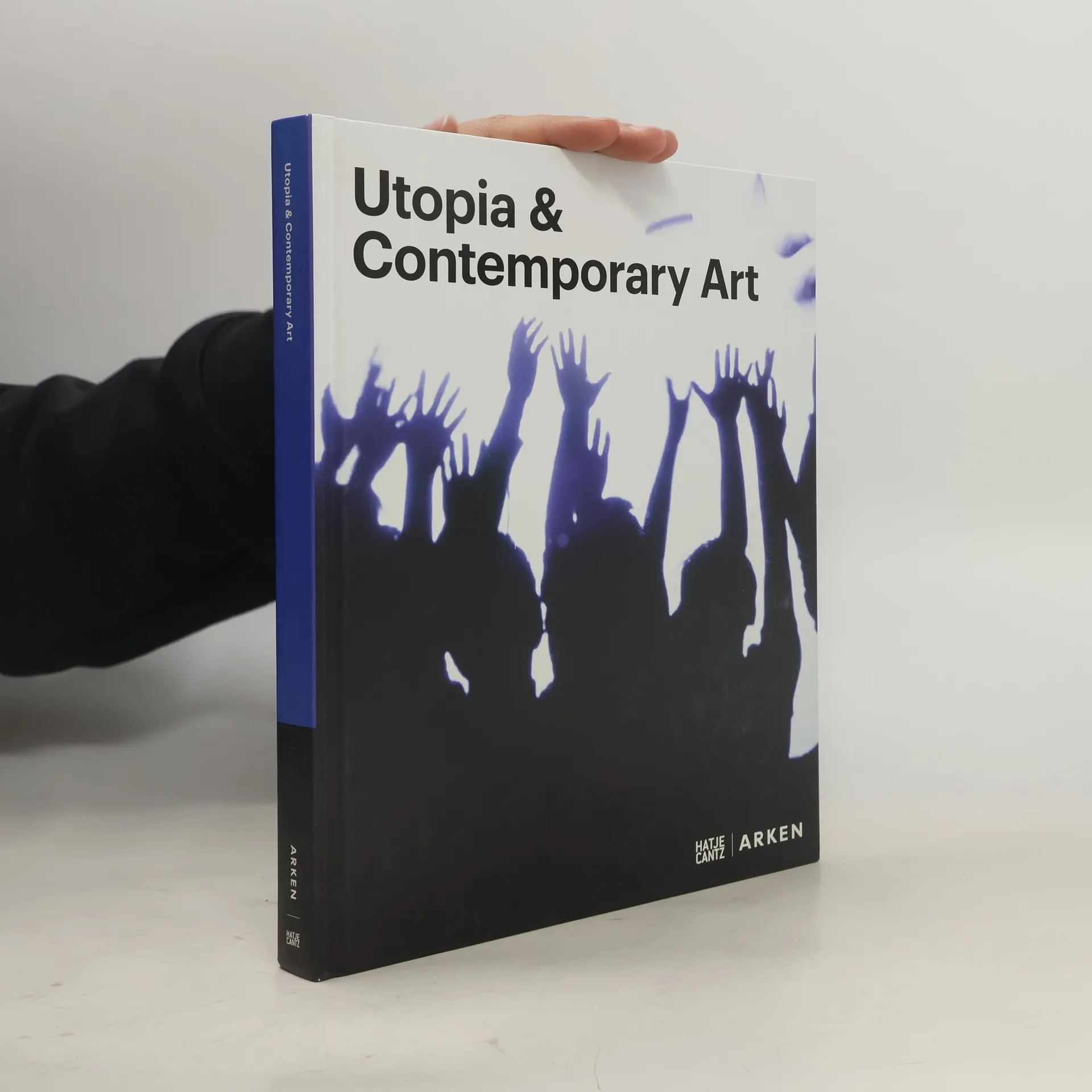
Utopia & Contemporary Art
- 176 páginas
- 7 horas de lectura
The last decade has witnessed a noticeable return to utopia and utopian thinking in contemporary art. This volume convenes artists, academics and curators to discuss different ways of thinking and performing utopia. Divided into two sections, "Utopia Revisited" and "Utopian Positions," it considers both artists exploring the theme as subject matter and artists actively aspiring towards utopian ideals.
Do it
- 370 páginas
- 13 horas de lectura
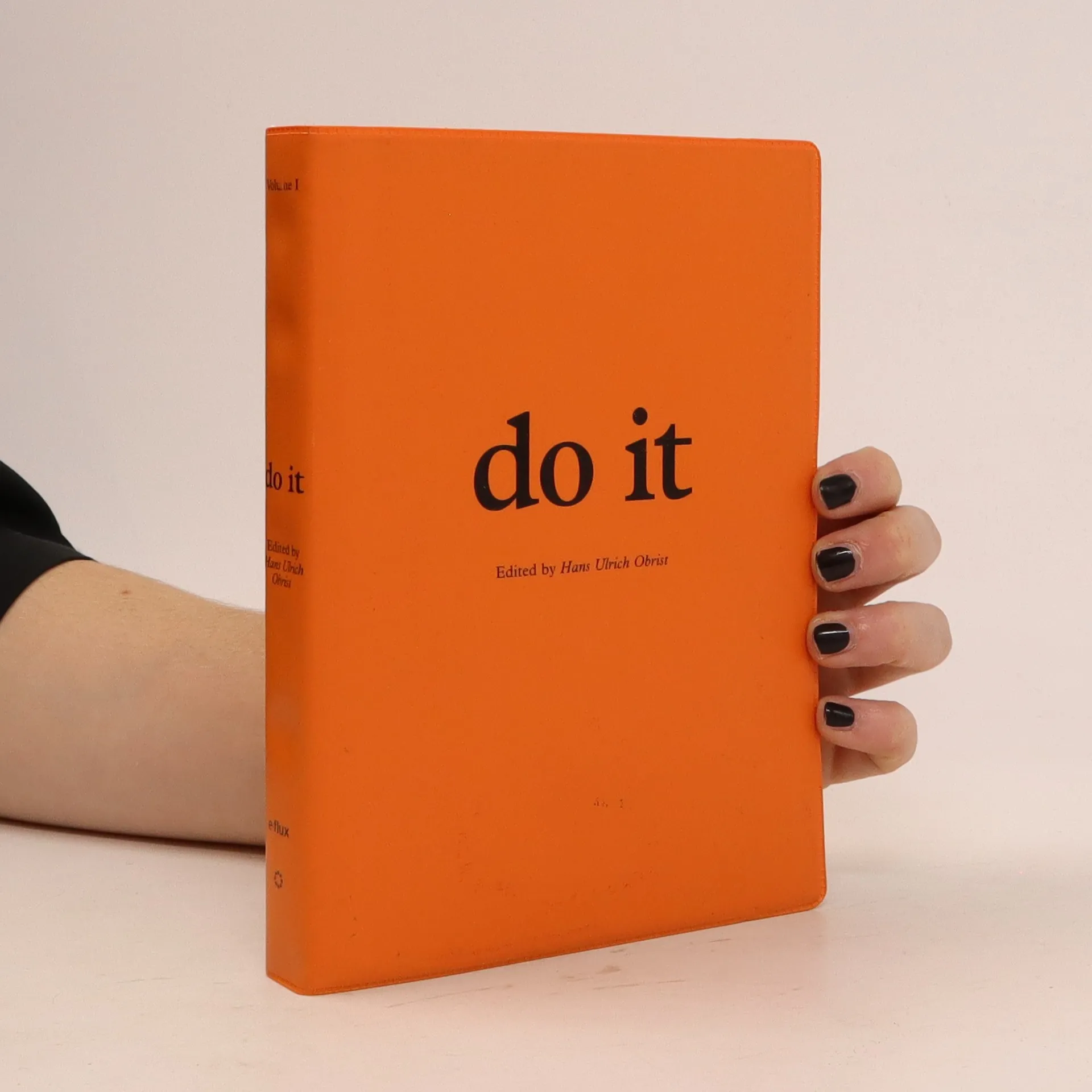
Die Publikation 'Do It' umfasst mehr als 150 Kunstwerke in Fom von 'Do-it-yourself'-Anleitungen. Bei dem von Hans Ulrich Obrist seit 1993 kuratierten Projekt geht es weniger um die Problematik von Kopie, Abbild oder Reproduktion eines Kunstwerks, als vielmehr um die individuelle Interpretation. Mit einfachen Handgriffen und Materialien können diese Kunstwerke an jedem Ort wieder erstellt werden. Berührt wird hier das Spannungsfeld zwischen Wiederholung und Differenz: keine zwei Ausführungen der gleichen Instruktion werden jemals identisch sein. Die Ausstellung, auf der die Publikation aufbaut, war in über 40 Museen in Europa und den USA zu sehen. Mit Beiträgen von mehr als 100 Künstlern, darunter Matthew Barney, John Bock, Carsten Höller, Martha Rosler, John Baldessari u. v. a.
Pipilotti Rist. Ediz. Inglese
- 160 páginas
- 6 horas de lectura
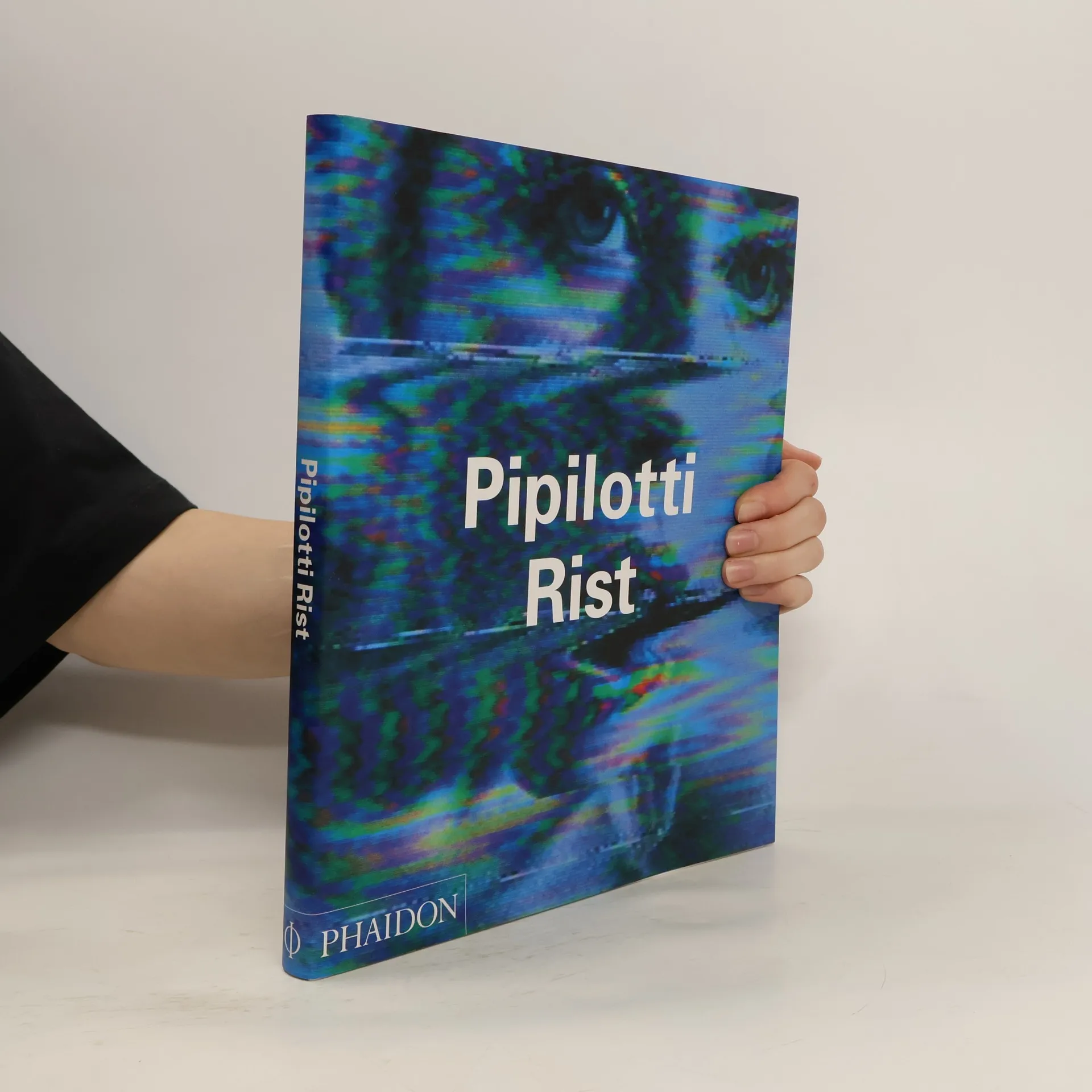
Pipilotti Rist is among the world's best-known artists working with video. Her multi-screen installations have a dream-like quality as, for example, a beautiful young woman (the artist herself) cavorts in fantastic seascapes or surreal jungles. This monograph explores the artist and her work. It features: a discussion of Rist's work in relation to notions of Utopia; an examination of Rist's innovation in video technology in the creation of a new female image; an exploration of the psychoanalytical implications of one video work, Absolutions (Pipilotti's Mistakes) (1988); Artist's Choice, for which the artist has selected two selections from the poet Anne Sexton and novelist Richard Brautigan; and Artist's Writings - Rist's descriptions of her dreams, highly influential in the realization of her imagery, are set alongside a homage to video pioneer Nam June Paik.
Hans Ulrich Obrist met the great visionary and architectural theorist Cedric Price several times between 1999 and shortly before his death in 2003 and spoke with him about his architectural concepts and most important projects. The result is a spirited and vivid description of Cedric Price’s life’s work. Hans Ulrich Obrist hat den großen Visionär und Architekturtheoretiker Cedric Price von 1999 bis kurz vor seinem Tod 2003 mehrfach getroffen und mit ihm über seine Architekturkonzepte und wichtigsten Projekte gesprochen. Dabei ist eine lebendige und anschauliche Beschreibung von Cedric Prices Lebenswerk entstanden. • Cedric Price, born 1934 in Stone, Staffordshire (GB). Lived and worked in London, where he died in 2003.
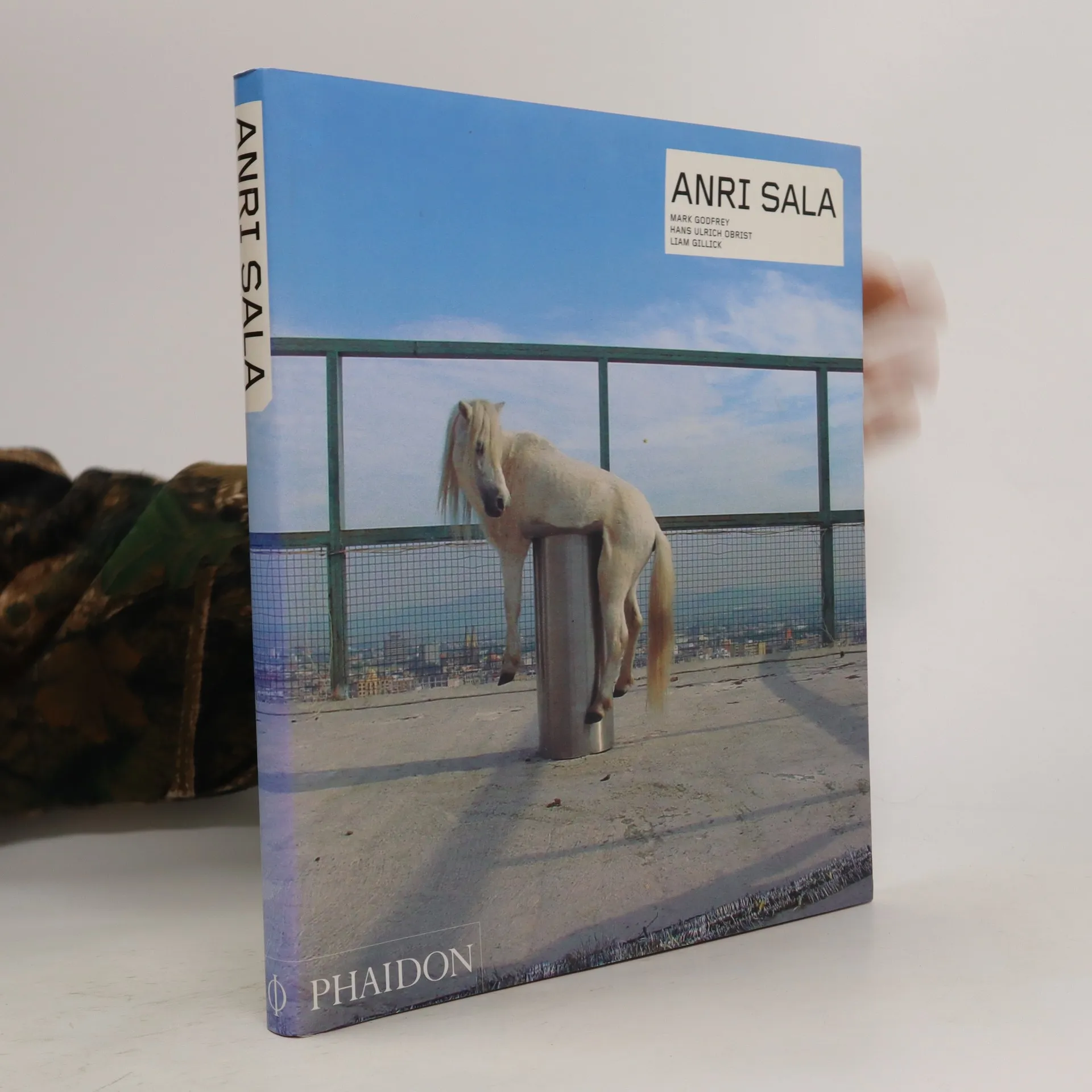
Anri Sala (b. 1974) creates hauntingly simple videos that explore the roles language and vision play in fractured contemporary society. Anri Sala is represented by Galerie Chantal Crousel (Paris), Hauser & Wirth (Zurich/London) and Marian Goodman Gallery (New York).
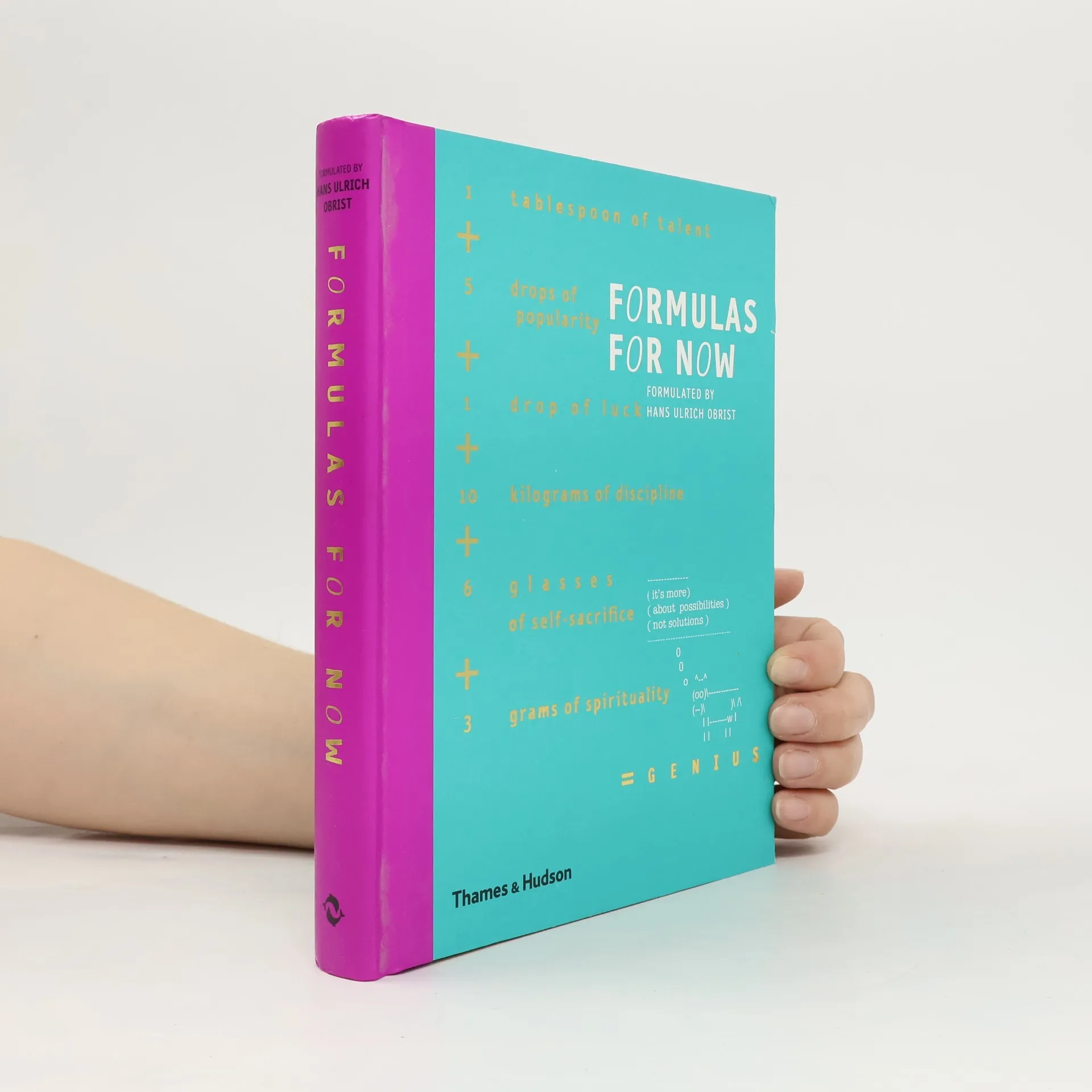
Formulas For Now
- 158 páginas
- 6 horas de lectura
"The Formulas for Now project began in Spring 2006, when I asked a number of artists, writers, architects, mathematicians and scientists each to contribute an equation for the 21st century ... this book is just one of its manifestations"--P. 8-10.
Jeff Koons
- 296 páginas
- 11 horas de lectura
Jeff Koons engages with distinguished art curator Sir Norman Rosenthal resulting in a revealing portrait of the life and art of the most foremost international working artist today Here is what happens when Jeff Koons, one of the most important and controversial artists of the twenty-first century, sits down with distinguished art curator Sir Norman Rosenthal. Published to coincide with his 2014–2015 retrospective, this new book provides the most revealing portrait that exists of Jeff Koons’ singular personality and artistic vision as he discusses works across his thirty-five -year career with his long-time friend and collaborator Rosenthal. Rosenthal’s masterful interviews, conducted over three years, give unparalleled access to the thoughts of one of the most influential minds in contemporary culture, disclosing the artist undistorted and in his own words. As well as examining all his major series in depth, from his first inflatables to his latest series on antiquities, the interviews shed new light on the artist’s interest in other artists’ works, reveal the significance of his youth and family life on his art, and explain the key concepts of his practice, such as his ideas on self-acceptance, ecstasy and sex. A book of historic importance, extensively and comprehensively illustrated throughout, it will become the reference point for all who want to understand Koons and creativity in the twenty-first century.
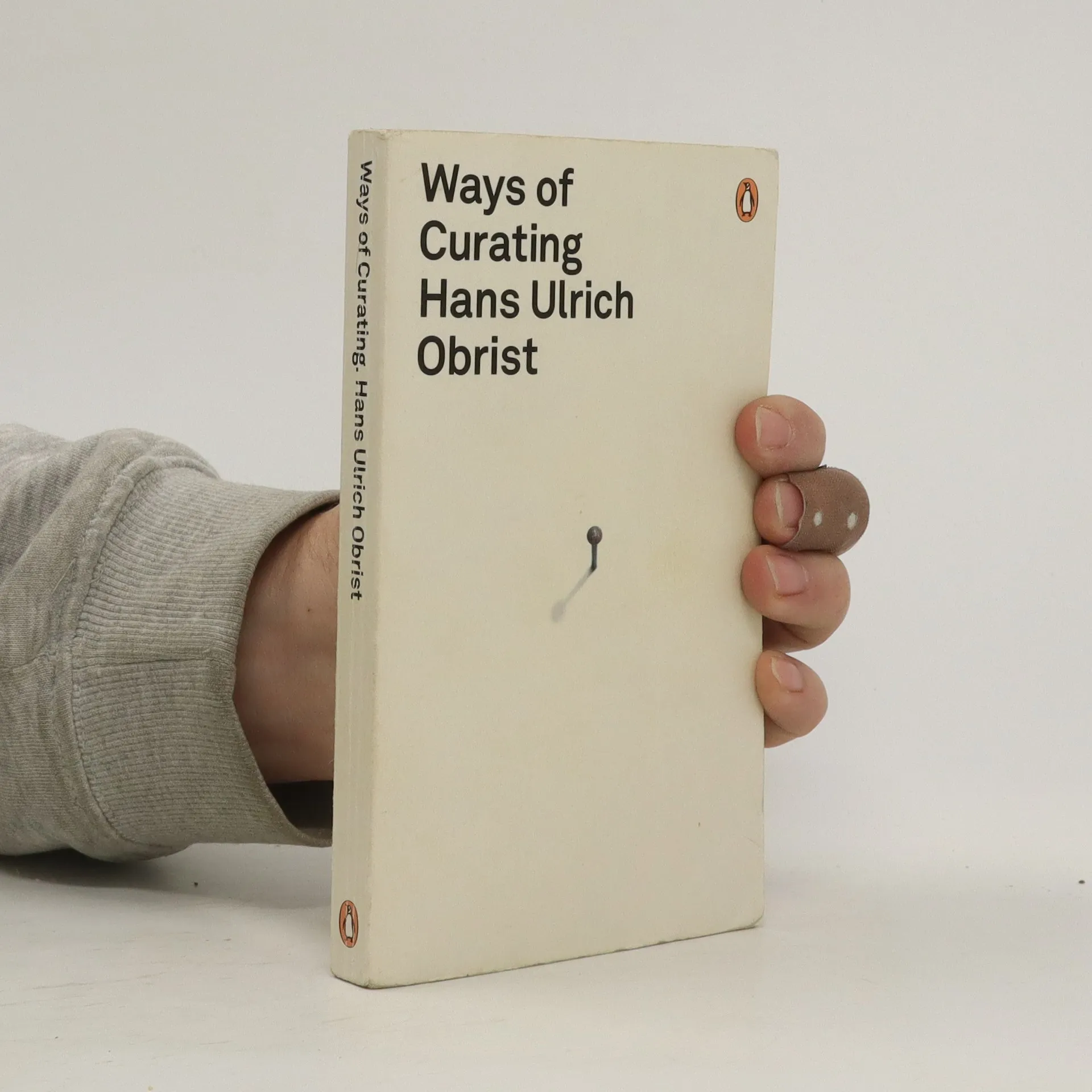
Ways of Curating
- 192 páginas
- 7 horas de lectura
Drawing on his own experiences and inspirations - from staging his first exhibition in his tiny Zurich kitchen in 1986 to encounters with artists, exhibition makers and thinkers - Hans Ulrich Obrist looks to inspire all those engaged in the creation of culture. Moving from meetings with artists to the creation of the first public museums in the 18th century, recounting the practice of inspirational figures such as Diaghilev, skipping between exhibitions, continents and centuries, Ways of Curating argues that curation is far from a static practice. Driven by curiosity, at its best it allows us to create the future.
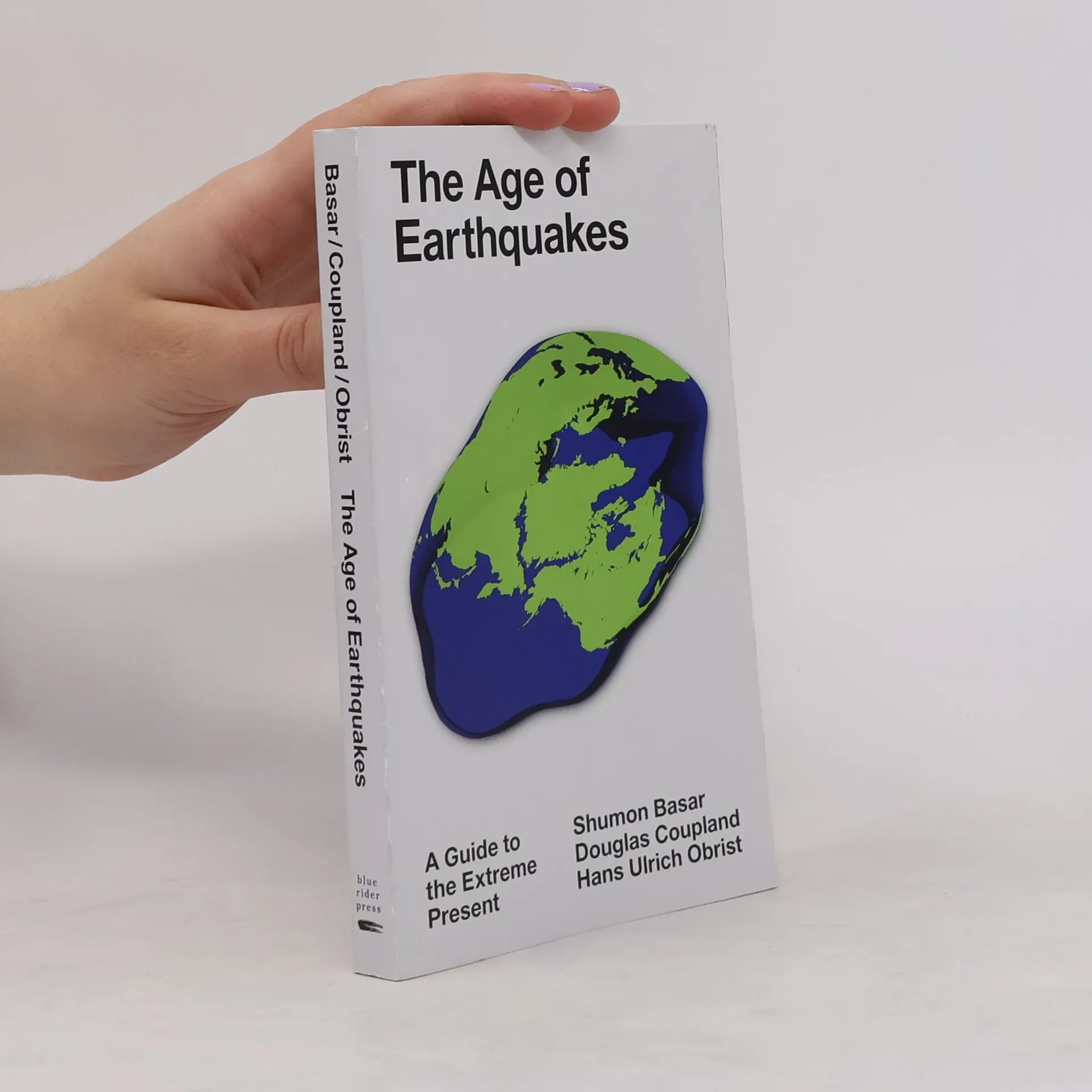
A highly provocative and visionary exploration of our rapidly evolving digital era, this work extends Marshall McLuhan's analysis of technology's influence on culture to the present day. The authors navigate a world redefined by the Internet, coining the term 'extreme present' to describe our current experience. This quick-fire paperback captures the essence of our digital lives through a blend of images, language, and perceptions. They outline five characteristics of the Extreme Present, create a glossary of new terms reflecting our feelings, and feature over 30 contemporary artists' illustrations. The striking graphic design by Wayne Daly mirrors the surreal, juxtaposed nature of digital culture, making it feel like an insightful email to the reader. This paper portrait of Now reveals how the Internet has not only altered our brains but also the planet itself, presenting a fresh history of the world that fits perfectly in your back pocket. Contributions from a diverse array of artists enhance the narrative, showcasing a rich tapestry of contemporary thought and creativity.
140 Artists' Ideas for Planet Earth
- 288 páginas
- 11 horas de lectura
Artists are uniquely situated to present new ideas about how we are living, the materials that make up our lives and how we can begin to work together to tackle the most urgent crisis of our time. Featuring Ed Ruscha's memorial plaques to trees that didn't make it, Judy Chicago's urge to make a mark and express a feeling, Jacob V Joyce and Rudy Loewe's activism flowchart, James Bridle's instructions to help plants along with their global velocity, Vivienne Westwood's plea for lockdown not to be lost, Olafur Eliasson's poetic wisdom to 'look up, look down', Marina Abramovic's performance art for the climate, and Rose Wylie's recipe for cooking for the environment, alongside many more.
Everything you always wanted to know about curating
- 208 páginas
- 8 horas de lectura
Everything you ever wanted to know about Hans Ulrich Obrist but were afraid to ask has been asked by the sixteen practitioners in this book. Spanning the beginning of his “career” as a young curator in his Zurich kitchen to his time most recently as the Co-Director of Exhibitions and Programs, and Director of International Projects at the Serpentine Gallery in London, the book is a “production of reality conversations.” It undertakes the impossible: pinning down this peripatetic curator, attempting to map his psychogeography so that silences may be transcribed. In a sense, it organizes a “protest against forgetting” and affirms the sagacity of an artist who told this dontstop curator “don't go” when he “contemplated leaving the art world” for other fields—“to go beyond the fear of pooling knowledge”—in lieu of bringing other fields into the (then) hermetic art world. Contributors Jean-Max Colard, Robert Fleck, Jefferson Hack, Nav Haq, Noah Horowitz, Sophia Krzys Acord, Brendan McGetrick, Markus Miessen, Ingo Niermann, Paul O'Neill, Philippe Parreno & Alex Poots, Juri Steiner, Gavin Wade, Enrique Walker
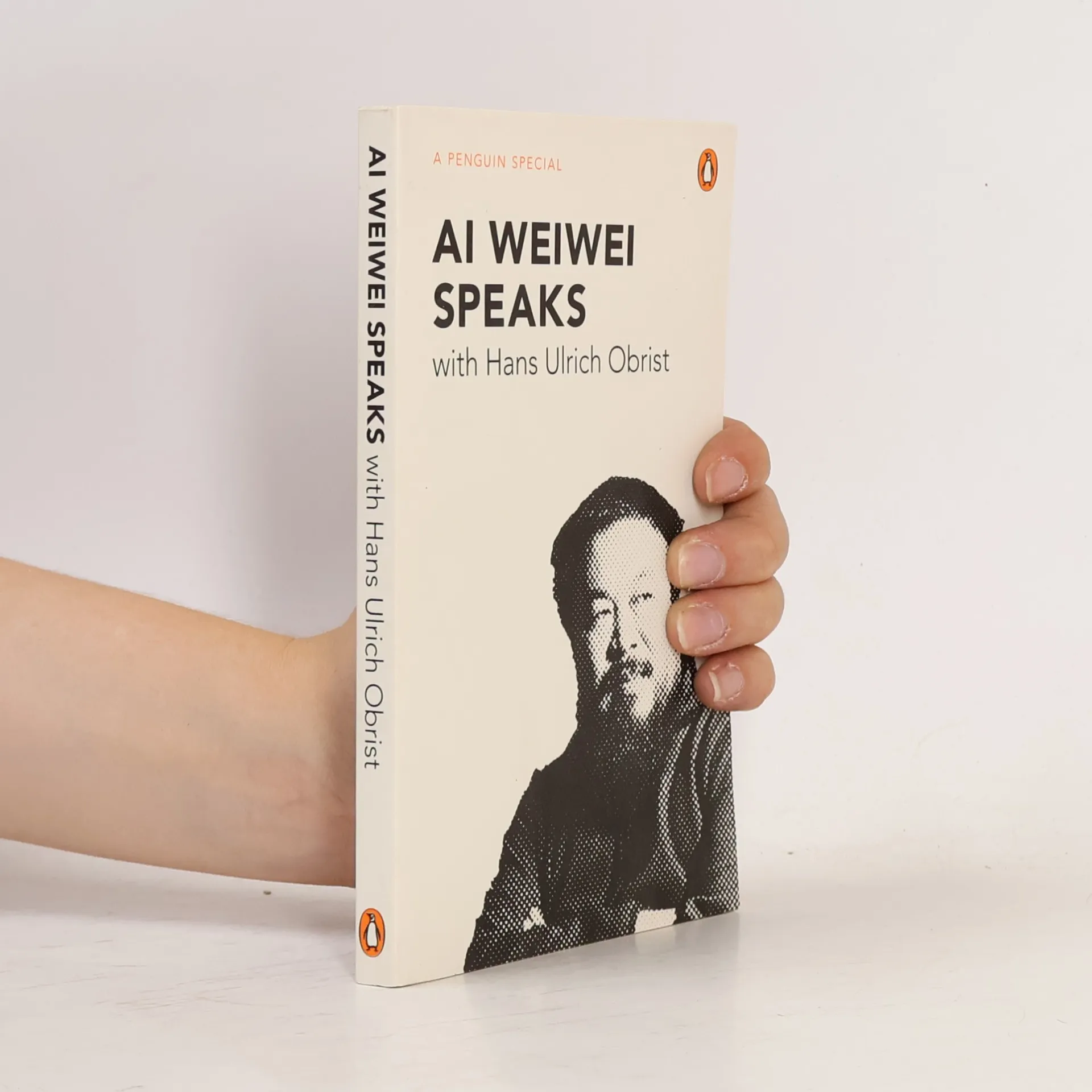
Ai Weiwei Speaks
- 176 páginas
- 7 horas de lectura
A new edition of conversations between the artist Ai Wei Wei and curator Hans Ulrich Obrist, coming up to the present day Ai Weiwei - artist, architect, curator, publisher, poet and urbanist - extended the notion of art and is one of the world's most significant creative and cultural figures. In this series of interviews, conducted over several years with the curator Hans Ulrich Obrist, he discusses the many dimensions of his artistic life, ranging over subjects including ceramics, blogging, nature, philosophy and the myriad influences that have fed into his work. He also talks candidly about his father, his childhood spent in exile and his criticism of the Chinese state. Together, these extraordinary discussions are an essential reminder of the need for personal, political and artistic freedom.
Ai Weiwei speaks with Hans Ulrich Obrist
- 128 páginas
- 5 horas de lectura
'If artists betray the social conscience and the basic principles of being human, where does art stand then?' Ai Weiwei - artist, architect, curator, publisher, poet and urbanist - extended the notion of art and is one of the world's most significant creative and cultural figures. In this series of interviews, conducted over several years with the curator Hans Ulrich Obrist, he discusses the many dimensions of his artistic life, ranging over subjects including ceramics, blogging, nature, philosophy and the myriad influences that have fed into his work. He also talks candidly about his father, his childhood spent in exile and his criticism of the Chinese state. Together, these extraordinary discussions give a unique insight into the outstanding complexity of Ai Weiwei's thought and work, and are an essential reminder of the need for personal, political and artistic freedom.
Cerith Wyn Evans
- 152 páginas
- 6 horas de lectura
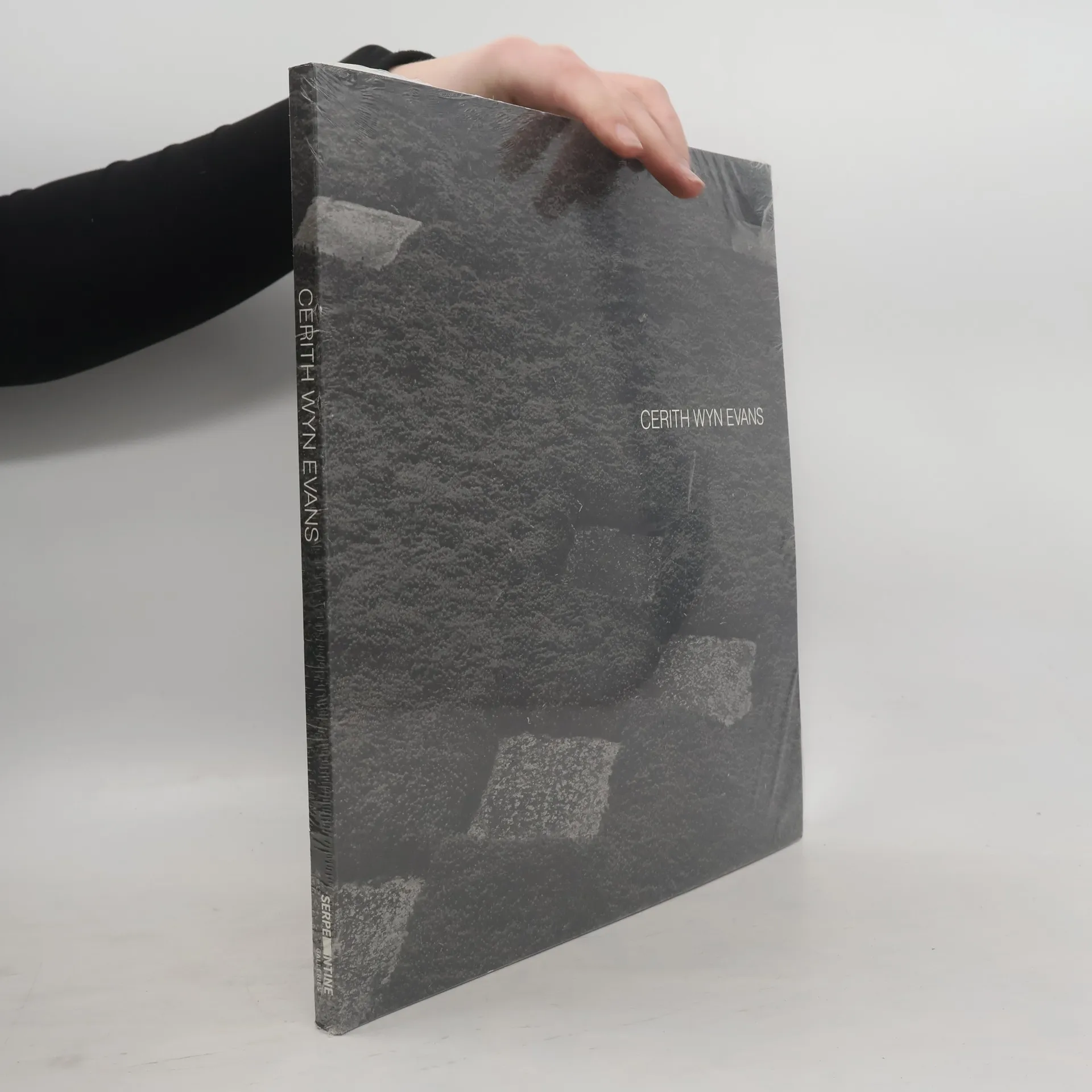
This publication is the first to focus solely on the photographic work of Welsh sculptor and filmmaker Cerith Wyn Evans (born 1958), revealing a selection of previously unpublished images. Accompanying this is two texts in a separate booklet: a poetic response to the photographs by philosopher Hélène Cixous, and an "abécédaire" cowritten by Wyn Evans and philosopher Alexander García Düttmann.
Bernar Venet 1961-2021. 60 Years of Sculptures, Paintings and Performances
- 336 páginas
- 12 horas de lectura
The Czech Files
- 125 páginas
- 5 horas de lectura
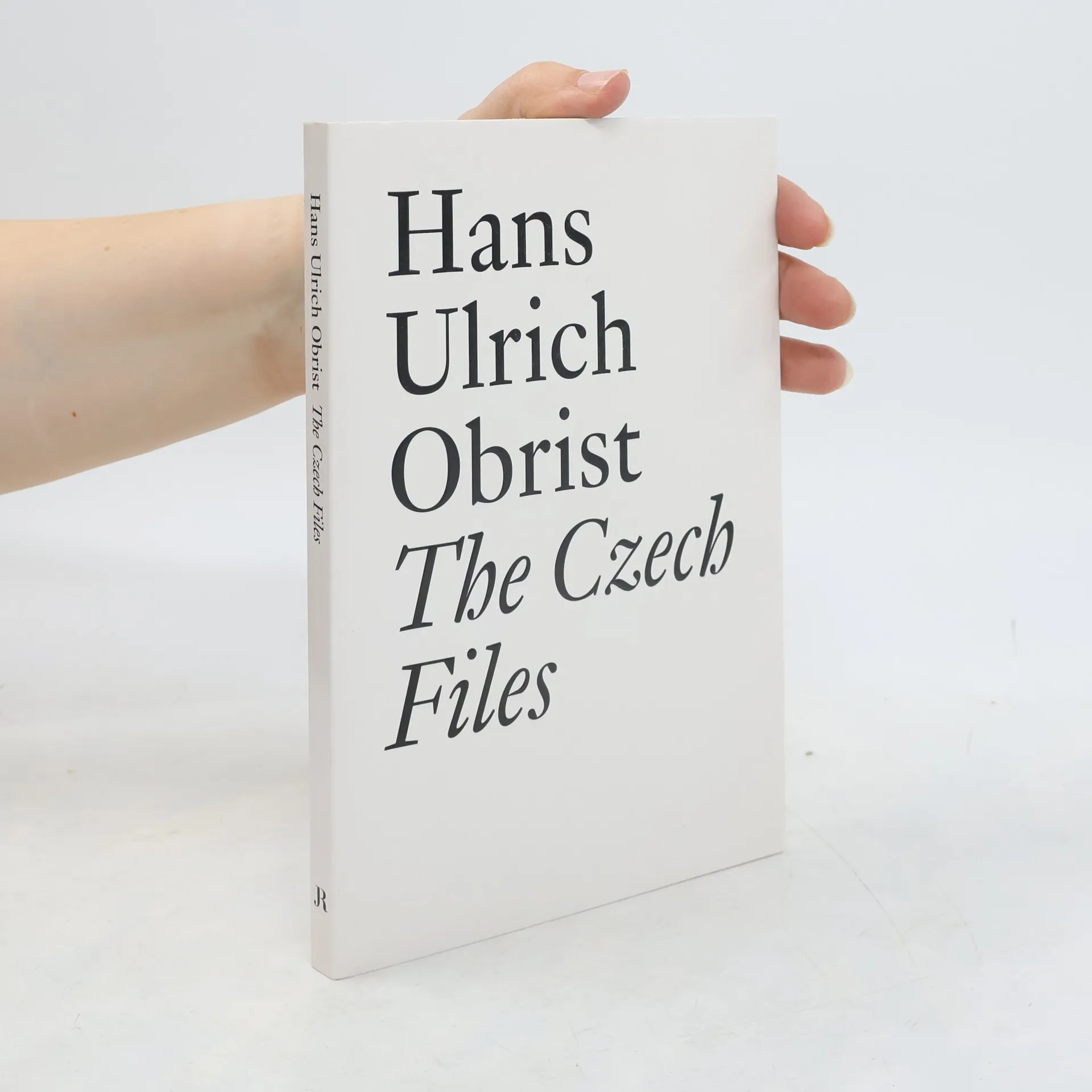
This publication is a result of visits and discussions carried out by Hans Ulrich Obrist in artists’ studios in Prague around 2001 and 2008. Interviews with Milan Grygar, Jiří Kovanda, Karel Malich, Zdeněk Sýkora, and many others, map the historical events as well as unknown stories of the actors of the Czech “second avant-garde” or “neo-modernism” of the former socialist block. The artists and intellectuals of this generation were born in between 1920–1945. They lived through the 1960s cultural upheaval known as the Prague Spring, becoming part of international cultural movements for a limited time, and witnessed the “normalization” of the 1970s when censorship was re-introduced. This series of interviews contextualize a generation of Czech artists within the historical events that marked their lives and careers, and draw attention to their urgency to resist historical events while keeping their artistic practices sustained, radical, and vital. * * Published with tranzit. cz, this publication is a unique encounter with key artistic figures and moments of history, which created a complex landscape of artistic practices under socialism, as well as after the changes. * * The book is part of the Documents series, co-published with Les presses du réel and dedicated to critical writings.
Uncertain States of America : American art in the 3rd millennium
- 204 páginas
- 8 horas de lectura
Uncertain States of America offers an expanded look at a series of major installations by an emerging generation of artists (most of them were born after 1970). Their source material derives not only from today’s media-saturated world, free-form use of new materials, techniques and procedures which permeate each other and are juxtaposed, but also a canny knowledge of new art-historical references and an ability to respond in a complex and sophisticated way with a various extent of personal commitment as well as a certain distance in an age of political and social dissonances. Uncertain States of America is the result of an extensive, two-year, research project by the curators, who conducted more than 500 studio visits throughout the United States, compiling over 2000 files on young American artists. Their selections reflect an astute, yet contentious, assessment of the current state of American art and culture. “The exhibition is not entirely American—influences come from everywhere,” state the curators. “In a period where the official political culture of the United States is viewed with great skepticism on the other side of the Atlantic, it seems important to remind ourselves of the complexity and at the same time the variety of the American artistic scene. The ‘Uncertain States of America’ are not only uncertain, they are many.”
Rebecca Warren
- 95 páginas
- 4 horas de lectura
With her classically formal clay and bronze sculptures, London-based Rebecca Warren positions herself within the predominantly male figurative tradition, which includes Degas and Rodin, while maintaining the contemporary stance of questioning her predecessors' authority. Here she presents new works alongside well-known pieces from throughout her career.
Yang Fudong
No Snow On The Broken Bridge / 断桥无雪: Film And Video Installations By Yang Fudong / 杨福东电影与录像装置
- 180 páginas
- 7 horas de lectura
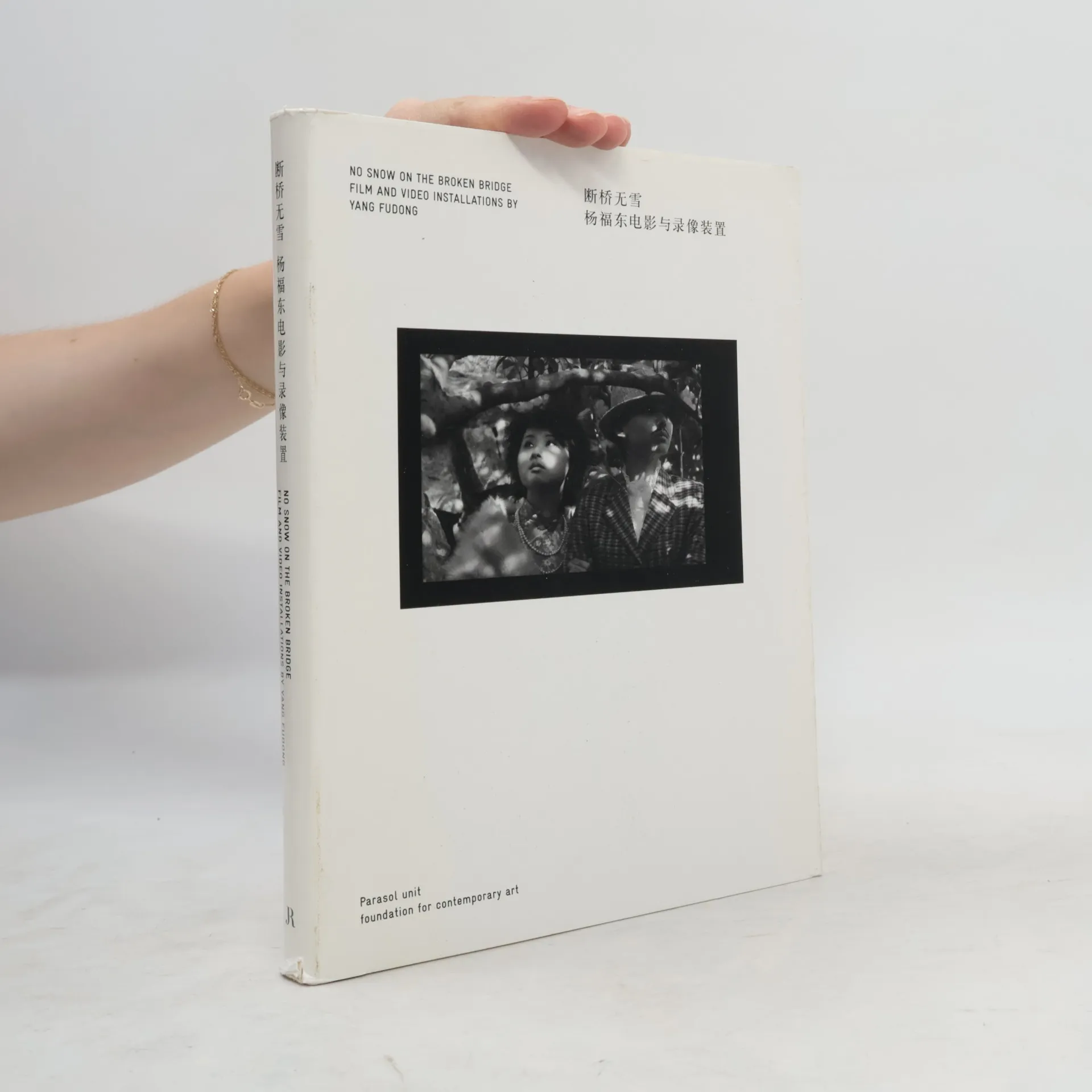
Though he trained as a painter at the China Academy of Fine Arts, Yang Fudong, one of the most interesting and influential young artists emerging from China today, has always preferred film. His videos and photographs combine and accumulate perspectives, investigating identity through ancient mythology, personal memory and lived experience. His subjects, often in their late 20s and early 30s, seem confused and appear to be hovering between the past and present, or perhaps China's past and present. That split gives them an expectant quality, as if something is going to happen that never quite does. Yang Fudong seeks, through vignettes, a poetics of place and people as an alternative to the politics of power. No Snow on the Broken Bridge includes in-depth coverage of the recent title piece and an overview of his oeuvre to date. Texts by Ziba de Weck and Hans Ulrich Obrist.
Secession Capc Musée D'Art Contemporain De Bordeaux: Cities On The Move
- 464 páginas
- 17 horas de lectura
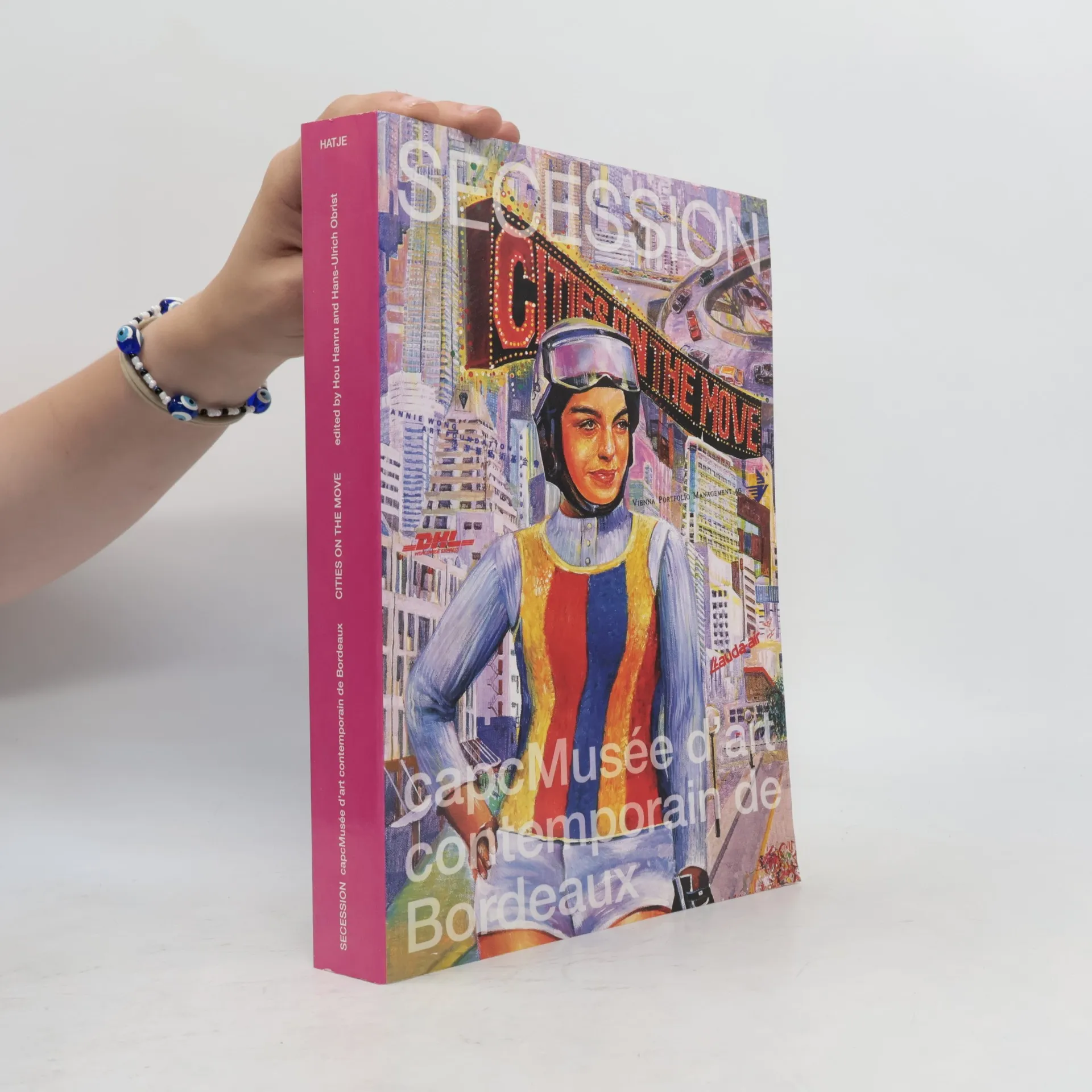
In today's world, the Asian megapolis is a reality that is reconfiguring both East and West, old world and new, and is as much a cultural phenomena as a demographic or architectural one. It is currently predicted that in the year 2000 there will be 15 cities in Asia with more than 15 million people each, and that more than 50 million will be living in the Tokyo-Osaka corridor. Cities on the Move is the first publication to confront this rapidly changing social, urban, and suburban landscape primarily from the point of view of those Asian artists, architects, and intellectuals who are currently already part of this emerging world. The result is a massive, kaleidoscopic volume which presents a multitude and variety of projects, plans, ideas, artworks, and observations which are not easily summarized. Like a documenta of the East, this book attempts nothing less than an expansive, inclusive forum and interchange -- an avant-garde symposium -- for those figures whose work by its very nature requires the contemplation of urban Asia
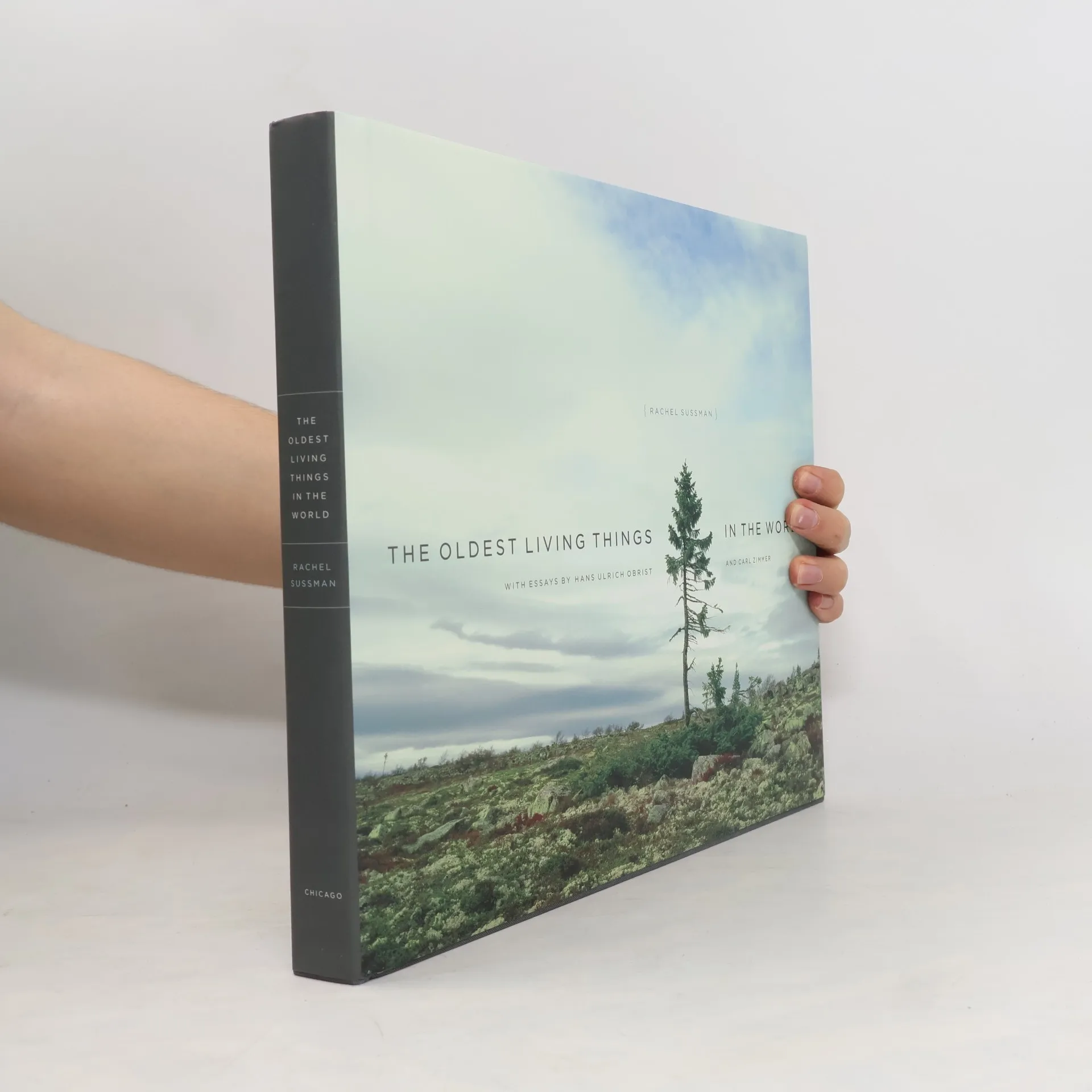
The Oldest Living Things in the World
With Essays by Hans Ulrich Obrist and Carl Zimmer
- 269 páginas
- 10 horas de lectura
An epic journey through time and space, this work showcases artist Rachel Sussman's decade-long quest to photograph continuously living organisms that are 2,000 years old and older. Spanning continents from Antarctica to Greenland and environments like the Mojave Desert and the Australian Outback, Sussman presents a stunning visual collection of ancient organisms, narrated insightfully and accessibly. Her work, driven by relentless curiosity and underscored by environmentalism, begins at “year zero,” capturing the past in the present. The ancient individuals she documents include Greenlandic lichens that grow just one centimeter a century, unique desert shrubs in Africa and South America, predatory fungi in Oregon, Caribbean brain coral, and an 80,000-year-old aspen colony in Utah. Sussman ventured to Antarctica for 5,500-year-old moss, Australia for stromatolites linked to Earth's oxygenation, and Tasmania for a 43,600-year-old self-propagating shrub. Her portraits reveal the living history of our planet and the threats posed by climate change and human encroachment, as two subjects have already perished due to human actions. Alongside the photographs, Sussman shares captivating tales of her global adventures and insights from scientists, creating a record and celebration of the past while serving as a call to action for the future.
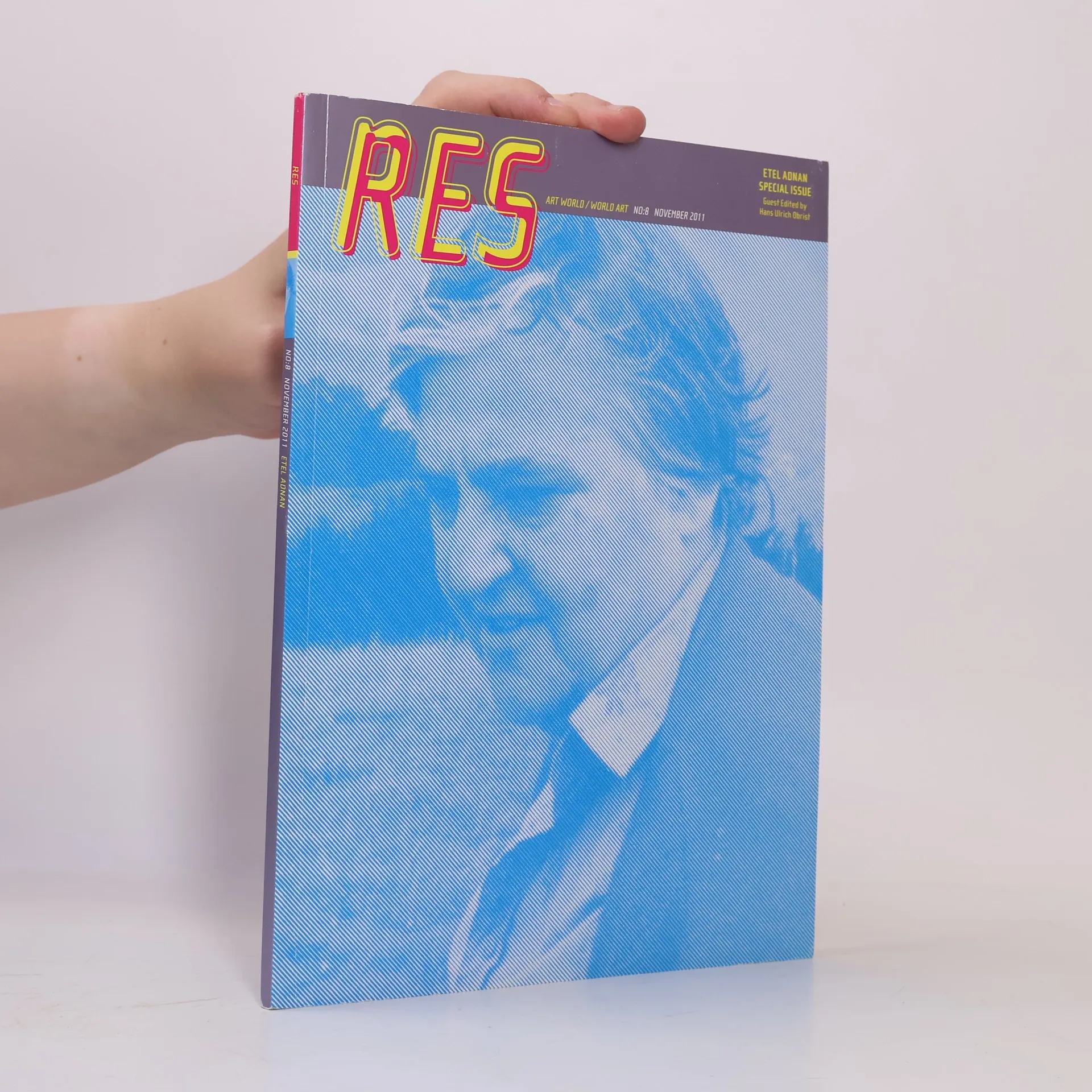
CONTENTS: CONVERSATION WITH ETEL ADNAN, PAINTINGS, IMAGES FROM POINT D'IRONIE, POEMS FROM 'FOG', CONVERSATIONS WITH MY SOUL.
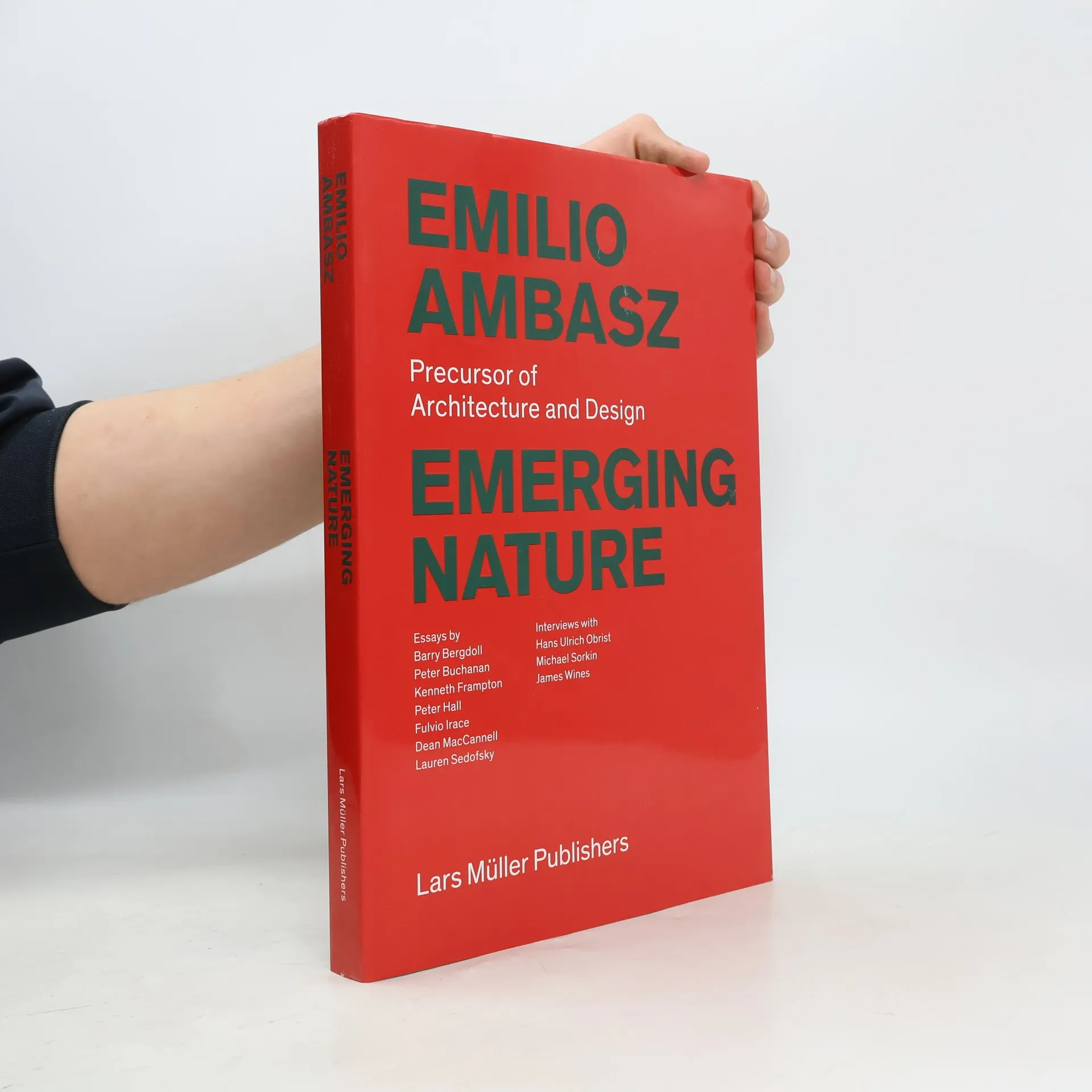
Emilio Ambasz - Emerging Nature
- 312 páginas
- 11 horas de lectura
This comprehensive volume documents the work of the Argentine architect, graphic designer, and industrial designer Emilio Ambasz. Ambasz's main concern is to integrate nature and construction into architectural design, which is why he is regarded as one of the most important pioneers of Green Architecture. In his work a combination of landscape and architecture emerges, in which his respect for the environment and ecological sustainability becomes clear. A prime example of this is the Fukuoka Prefectural International Hall in Japan: a building that houses more than 100,000 m2 of exhibition spaces, theaters, and offices is also an open green area in the form of a hanging garden. In addition to the documentation of Ambasz's architectural, graphic, industrial, and exhibition design, this publication contains essays by Barry Bergdoll, Kenneth Frampton, and Peter Buchanan, as well as three interviews with Emilio Ambasz, conducted by Michael Sorkin, James Wines, and Hans Ulrich Obrist.
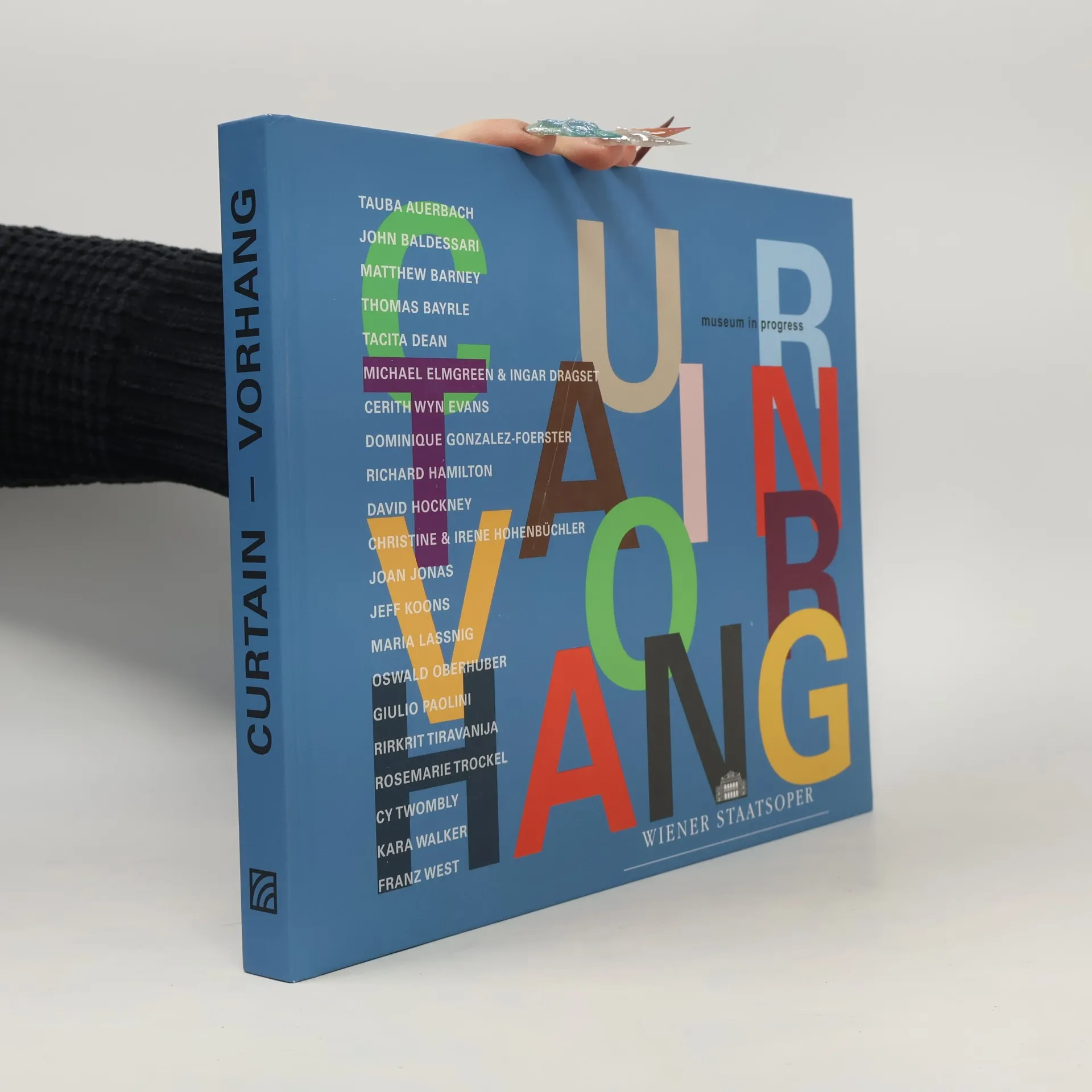
Curtain - Vorhang
A Living Museum Space - The Vienna State Opera Safety Curtain
- 206 páginas
- 8 horas de lectura
This volume documents the long-term initiative 'Safety Curtain' of Museum in progress, a project that is unique in the world. The exhibition series in the Vienna State Opera has represented a symbolic interface between performance and visual arts since 1998. It also creates a link between thorny historical questions and contemporary ways to address them. Beyond the actual curtain images that have originated over the years an associative and sensuous view to further related works of the participating artists in several different media forms is presented. The art project 'Safety Curtain', because of its exceptional quality, its year-long existence and its unusual dimension of 175 m² is singular and enables a distinctive perspective of art history of the past twenty years.
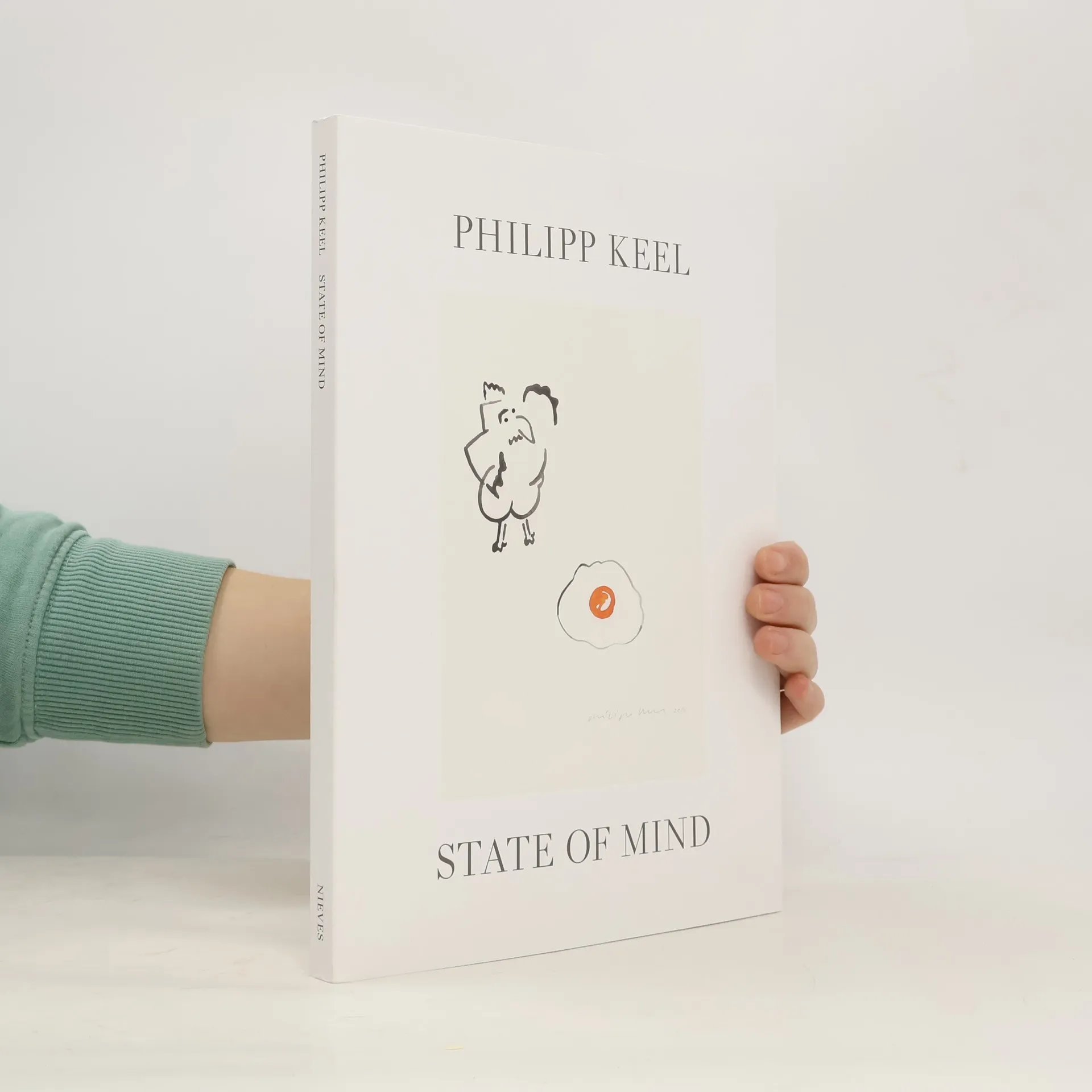
State of Mind: édition anglaise
- 120 páginas
- 5 horas de lectura
Auteur des best-sellers All about me et Keel's Simple Diary, Philipp Keel est par ailleurs un artiste suisse de renommée internationale. Ce luxueux livre d'artiste propose une collection de dessins en noir et blanc et en couleurs, des aquarelles, des collages et des photographies créés entre 2002 et 2014. Cette sélection représente les souvenirs d'expériences spécifiques de l'artiste ainsi que les endroits différents qu'il a parcourus. Comme des souvenirs rendus visuels, ces dessins engendrent une prise de conscience du temps. Ils sont une protestation contre l'oubli.
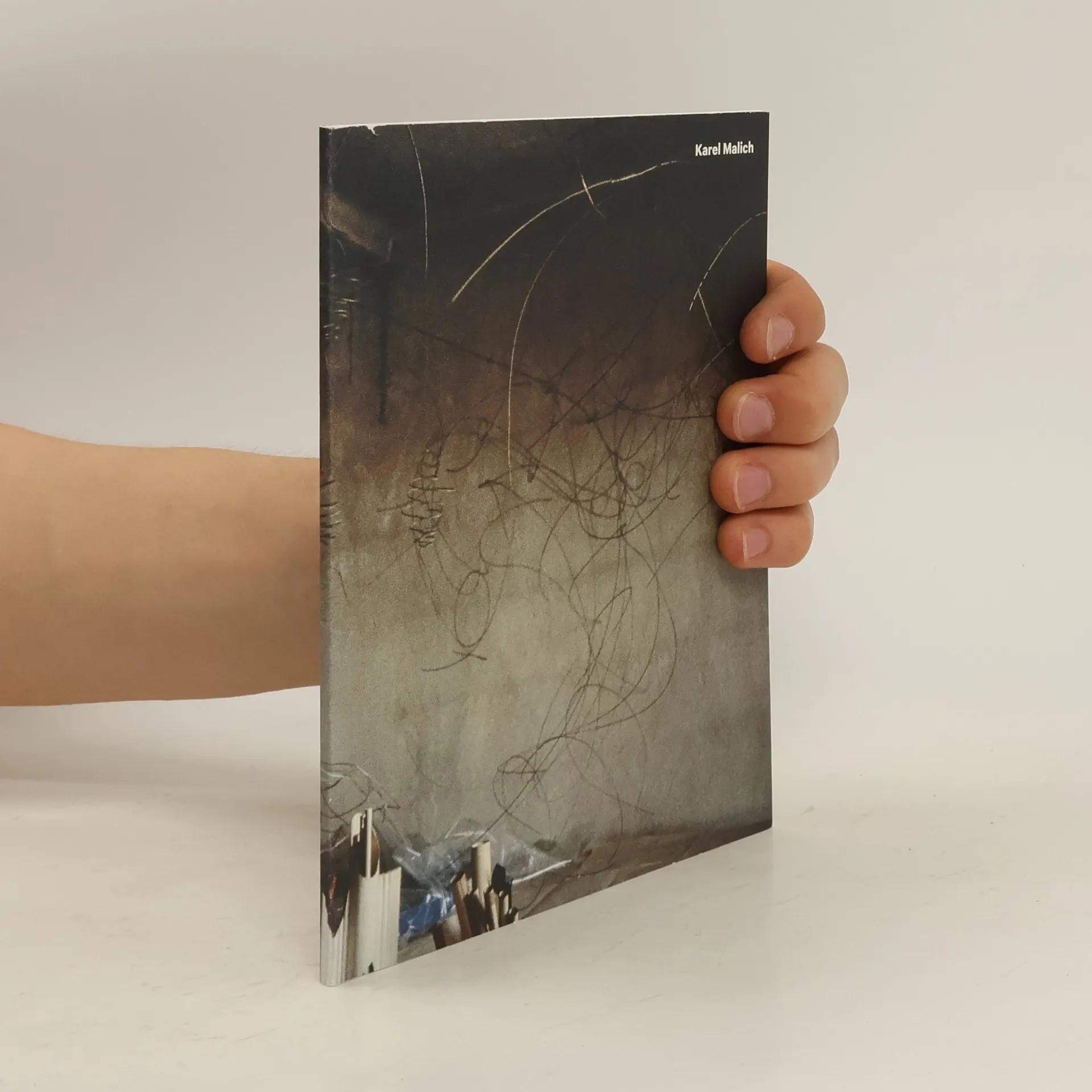
Texty ke Karlu Malichovi. Rozhovory s Karlem Malichem
- 46 páginas
- 2 horas de lectura
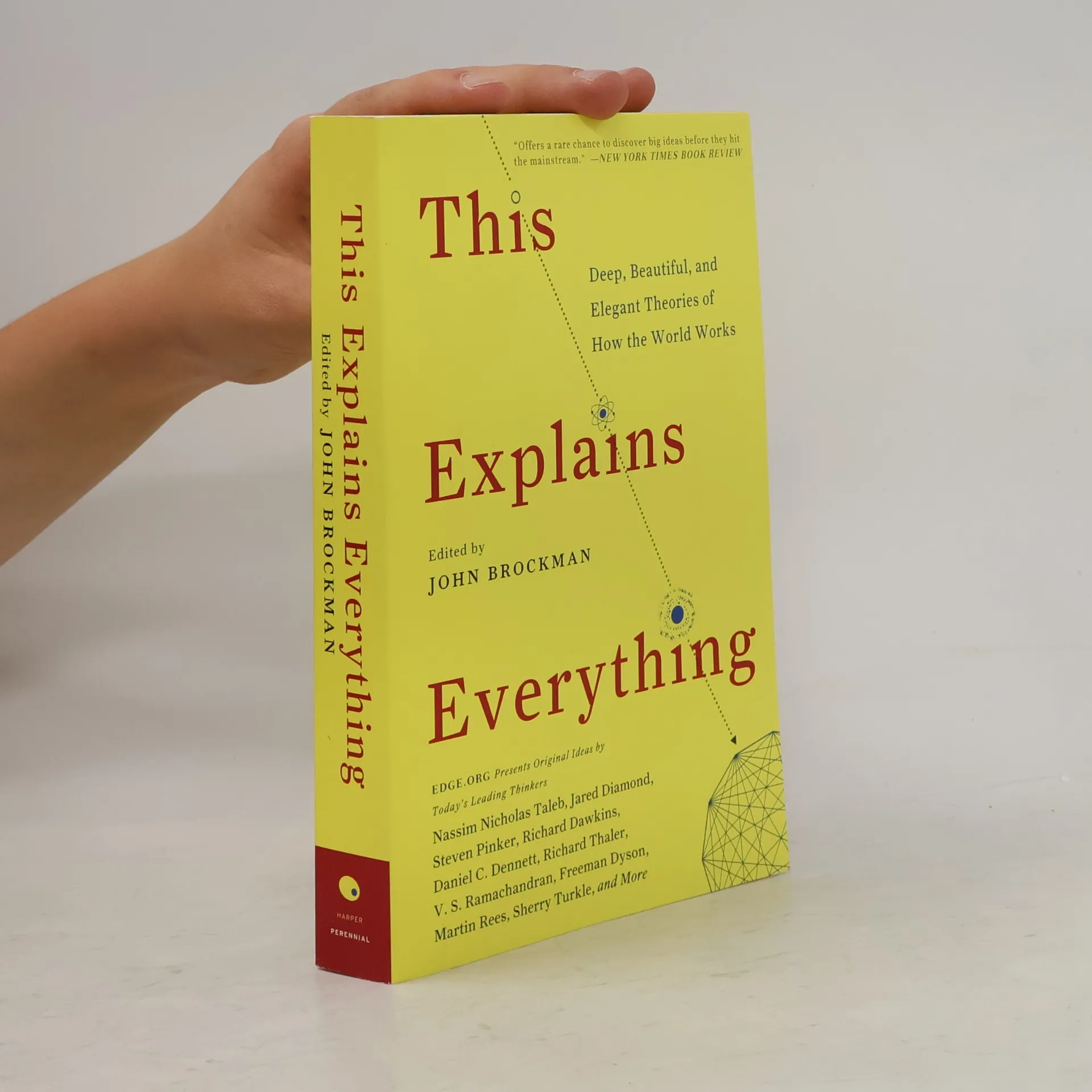
This explains everything : deep, beautiful, and elegant theories of how the world woks
- 432 páginas
- 16 horas de lectura
In This Explains Everything, John Brockman, founder and publisher of Edge.org, asked experts in numerous fields and disciplines to come up with their favorite explanations for everyday occurrences. Why do we recognize patterns? Is there such a thing as positive stress? Are we genetically programmed to be in conflict with each other? Those are just some of the 150 questions that the world's best scientific minds answer with elegant simplicity. With contributions from Jared Diamond, Richard Dawkins, Nassim Taleb, Brian Eno, Steven Pinker, and more, everything is explained in fun, uncomplicated terms that make the most complex concepts easy to comprehend.
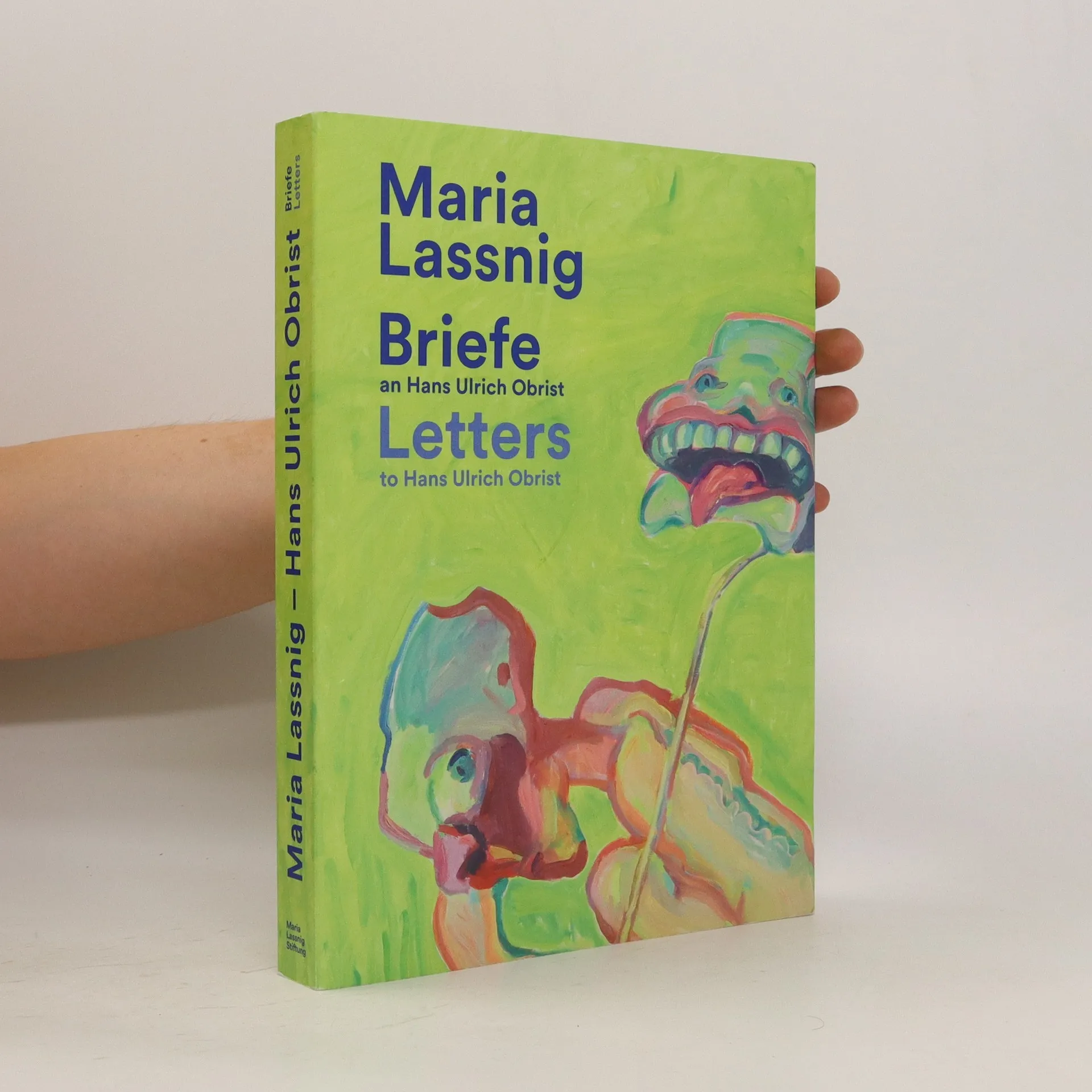
The artist Maria Lassnig and the curator Hans Ulrich Obrist had an amicable exchange lasting twenty years, where they discussed art, literature and their exhibition and book projects together. Published for the first time here, handwritten letters from Maria Lassnig provide an insight into her reflections on art and her existence as an artist, into their heights, depths and intricacies. Maria Lassnig allowed her addressee not only to partake in her thoughts on painting or polemics on photography, but also in her everyday life between the urban art world and her remote studio in the countryside. Including numerous images of the works of Maria Lassnig, letters and postcards.
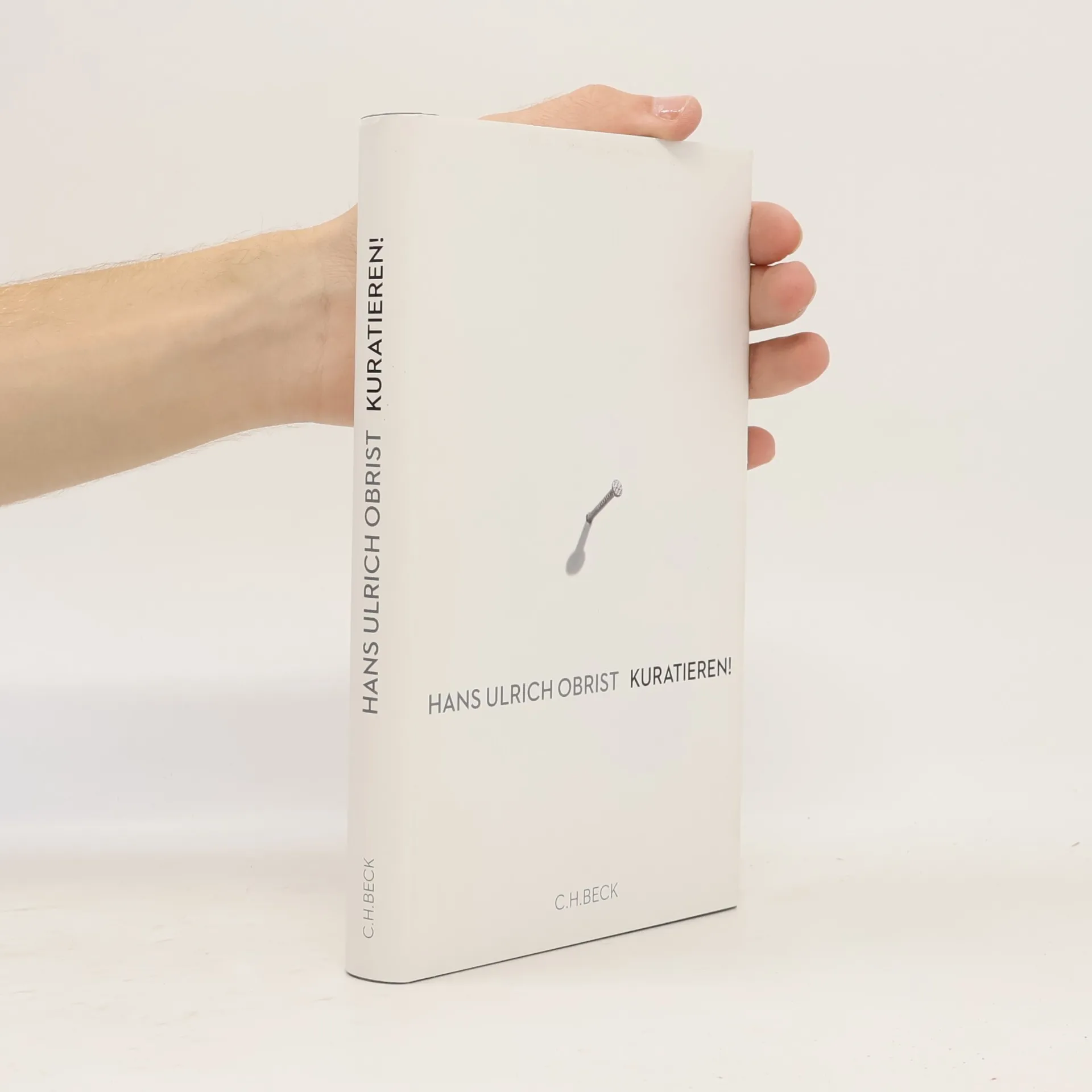
Kuratieren!
- 206 páginas
- 8 horas de lectura
„Kuratieren“ ist zu einer coolen Parole geworden - der Begriff expandiert vom Metier der Museumsleute in alle Lebensbereiche und erfasst ein Lebensgefühl, in dem nahezu alles zur Kunstform wird. Mit unwiderstehlichem Elan schildert Hans Ulrich Obrist, Guru der Kunstszene und einer der einflussreichsten Kuratoren der Welt, worum es bei seiner Arbeit geht. Hans Ulrich Obrist scheint überall zu sein - er ist auf allen Kontinenten aktiv, arbeitet stets an mehreren Ausstellungen gleichzeitig und kennt vermutlich mehr Künstler als jeder andere lebende Zeitgenosse. Doch worum geht es überhaupt, wenn eine Ausstellung gemacht wird? Welche Bedeutung hat dieser gewaltige Energiestrom der Kunstszene für das Verständnis unserer Gegenwart? Und was ist die Philosophie hinter dem „Kuratieren“? Obrist, der mit 24 Jahren seine erste Ausstellung in seiner Küche kuratiert hat, erzählt von seinem Weg, von befreundeten Künstlern wie Gerhard Richter, Peter Fischli und David Weiss oder Alighiero Boetti und vom obsessiven Leben mit der Kunst und für die Kunst.
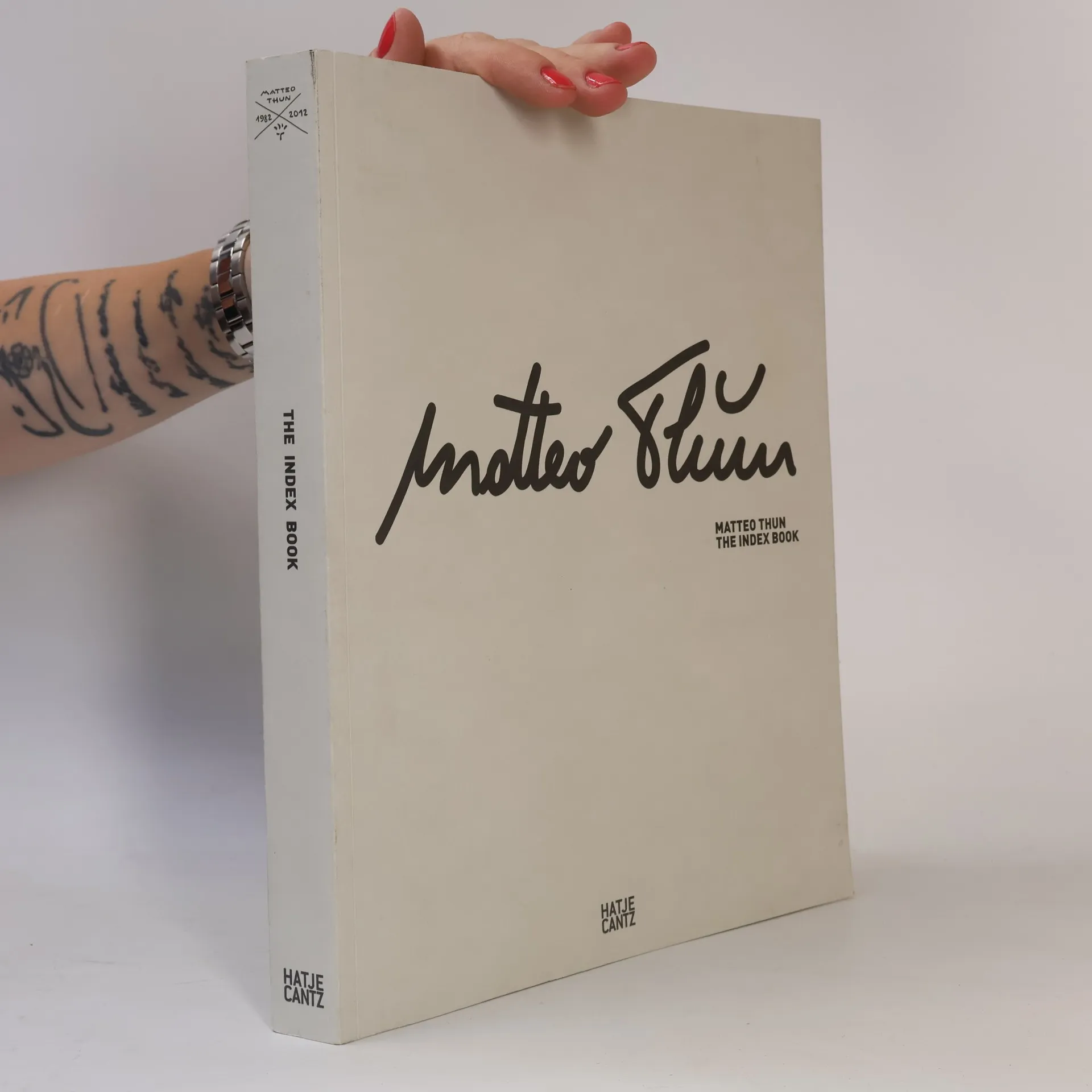
As a co-founder of the Memphis design group, Italian designer and architect Matteo Thun is responsible for some of the most distinctive product styles of recent times. The colorful postmodern furniture of the Memphis group, with its quirky mix of kitsch and futurism, helped define product design in the early to mid-1980s. In the early 1990s, Thun brought his cheerful aesthetic to Swatch, where he served as creative director until 1993. Brands such as Campari, Illy Coffee, Philips Electronics, and Porsche have been enlivened by Thun's distinctive style. His architectural work includes the Side Hotel in Hamburg, awarded Hotel of the Year in 2001, and the Vigilius Mountain Resort, which won the Wallpaper Design Award in 2004. Matteo The Index Book provides a comprehensive overview of his career from 1980 to the present in an A-Z format. It examines all aspects of his work, from architecture to product design – from coffee cups to restaurants, from mountain resorts to wristwatches, from cooking pots to villas. The book reproduces plans, watercolors, photographs, and sketches, approaching Thun's work through themes such as sustainability and the environment, economy and aesthetics, energy conservation, and contemporary luxury.
WORLDBUILDING: Videospiele und Kunst im digitalen Zeitalter untersucht die Beziehung zwischen Gaming und zeitbasierter Medienkunst. Diese umfassende Ausstellung bietet einen Überblick, wie zeitgenössische Künstler*innen weltweit Ästhetiken und Technologien aus dem Videospielbereich in ihre Praxis integrieren. Über 50 Künstler*innen, darunter Rebecca Allen, Cory Arcangel, LaTurbo Avedon, Meriem Bennani, Ian Cheng und viele andere, präsentieren ihre Arbeiten. Der Katalog zur Ausstellung ist als zukünftiges Standardwerk konzipiert und enthält Beiträge renommierter Theoretiker*innen, Kurator*innen und Kritiker*innen, die verschiedene Perspektiven auf das Verhältnis zwischen Gaming und Medienkunst bieten. Der Band ist spielerisch gestaltet, mit abgerundeten Ecken, einem PVC-Schutzumschlag mit Siebdruck und Aufklebern von digitalen Avataren. Das Inhaltsverzeichnis umfasst Vorwort, Einleitung, Essays, Installationen, Ansichten, Werke, Künstler*innen, Floorplan, Autor*innen, Abbildungsverzeichnis, Leihgabenverzeichnis und Impressum.
Interviews mit Gerhard Richter
- 240 páginas
- 9 horas de lectura
Mit einer eigens für dieses Cover angefertigten Zeichnung von Gerhard Richter. 1986, im Alter von siebzehn Jahren, besuchte Hans Ulrich Obrist erstmals eine Gerhard-Richter-Ausstellung, im selben Jahr begegnete er auch dem Künstler selbst zum ersten Mal, in dessen Studio in Köln. Seither stehen die beiden in regem Austausch miteinander, mehrmals jährlich ist Obrist in Richters Studio zu Gast gewesen. Die in diesem Band versammelten Gespräche aus 26 Jahren kreisen um die Kernthemen in Richters Leben und Schaffen: die Quellen seiner Inspiration, seine Vorbilder und Mentoren, vollendete und unvollendete Projekte, die Frage, ob es absolute Malerei überhaupt geben könne, Richters Haltung zum Glauben, die auch Ausdruck findet in einem seiner bekanntesten Werke, dem viel gepriesenen Fenster im Kölner Dom, aber ebenso um das Verhältnis zwischen Kunst und Architektur und natürlich um Richters breit gefächertes Œuvre - seine Gemälde und (übermalten) Fotografien, seine Aquarelle und Bücher. Abbildungen der besprochenen Kunstwerke machen diesen Gesprächsband zu einem unverzichtbaren Leitfaden durch die Welt eines der meistbewunderten Künstler der Welt.
zusammen zeichnen
- 224 páginas
- 8 horas de lectura
«Ein denkender Blumentopf, eine Casio-Echse oder eine Augapfel-Hängematte: ‹Cadavre exquis› heisst das lustvolle Spiel mit gefaltetem Papier, das einst die Surrealist*innen spielten. Mehrere Personen konstruieren zusammen eine Zeichnung, ohne dass die Mitspieler*innen den jeweils vorhergehenden Teil der Arbeit sehen. Wir falten das Papier auf und amüsieren uns über den kollektiven Nonsens. Kurator Hans Ulrich Obrist hat dieses Spiel in den letzten Jahren immer wieder gespielt — mit Dan Graham, Katharina Grosse, Pippilotti Rist, Gerhard Richter und vielen mehr. So sind an die 200 solcher Scribbles entstanden. Das Buch zelebriert die Handzeichnung in Zeiten von Voice Messages. Und vor allem ist es ein Aufruf, nicht nur die Zeichnungen anzuschauen, sondern es selbst zu tun. Zeichnen, falten, zeichnen, falten, zeichnen, falten!» — David Glanzmann, Museum im Bellpark, Kriens
Ein Leben in progress
- 256 páginas
- 9 horas de lectura
Abstrakt
- 164 páginas
- 6 horas de lectura
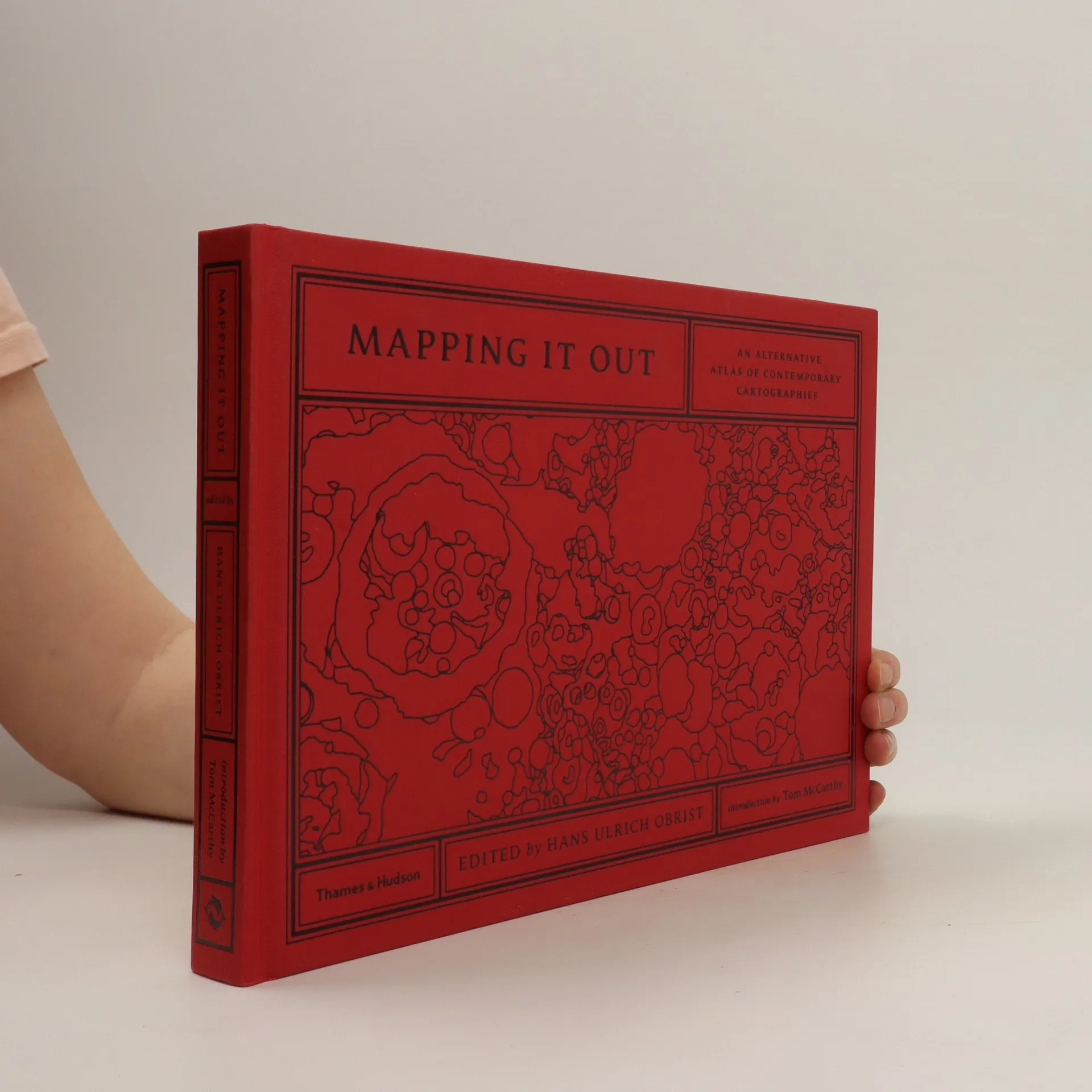
Mapping it out : an alternative atlas of contemporary cartographies
- 240 páginas
- 9 horas de lectura
Pohľad na naše vonkajšie a vnútorné svety prostredníctvom zaujímavých a imaginatívnych máp od viac ako 130 prispievateľov z oblastí umenia, vedy, filmu a ďalších. Mapa vždy bola v srdci ľudského poznania. Či už mapujú novozistenú krajinu alebo zobrazujú zložitý proces, mapy slúžia na zlepšenie nášho porozumenia tomu, čo nás obklopuje. Mapa robí zložitosti jednoduchými a odhaľuje komplexnosť za zdanlivo jednoduchým. Mapping It Out pozýva umelcov, architektov, spisovateľov a dizajnérov, geografov, matematikov, počítačových priekopníkov, vedcov a ďalších z rôznych oblastí, aby vytvorili osobnú mapu podľa vlastného výberu, v akejkoľvek forme a zobrazujúc akýkoľvek terén, či už reálny alebo imaginárny. Nápady viac ako 130 prispievateľov sú zastúpené, vrátane Yoko Ono, Louise Bourgeois, Damien Hirst, David Adjaye, Ed Ruscha, Alexander Kluge a mnohých ďalších. Niektorí prispievatelia preložili vedecké údaje do zjednodušeného vizuálneho jazyka, zatiaľ čo iní skondenzovali rozsiahle sociálne, politické alebo prírodné formy do stručných diagramov. Sú tu prepracované existujúce mapy, alternatívne pohľady na realitu, zmapované imaginárne lety fantázie a občasné odmietnutie tradičnej mapy úplne. 140 ilustrácií, 120 v farbe.
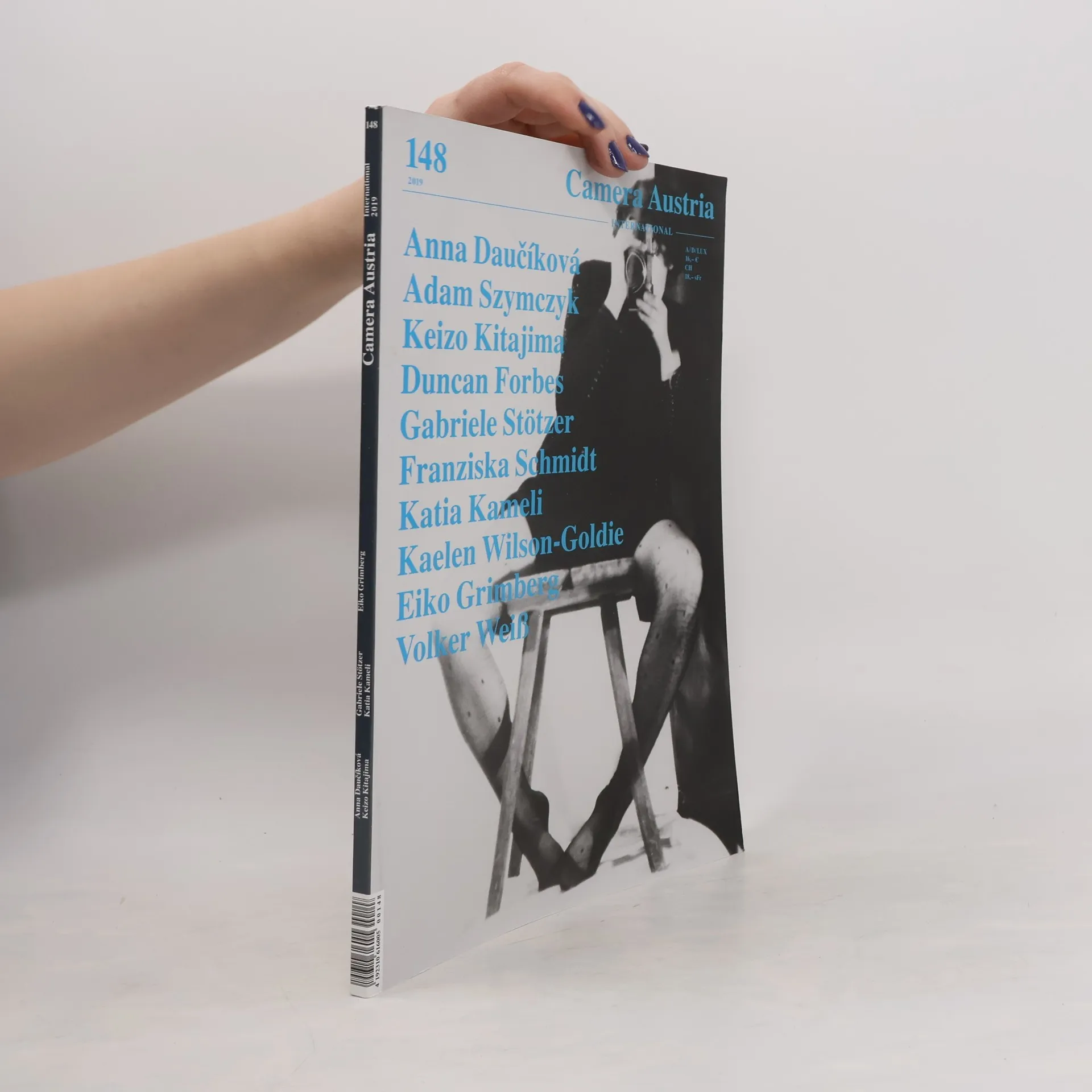
Camera Austria International 148/2019
- 96 páginas
- 4 horas de lectura
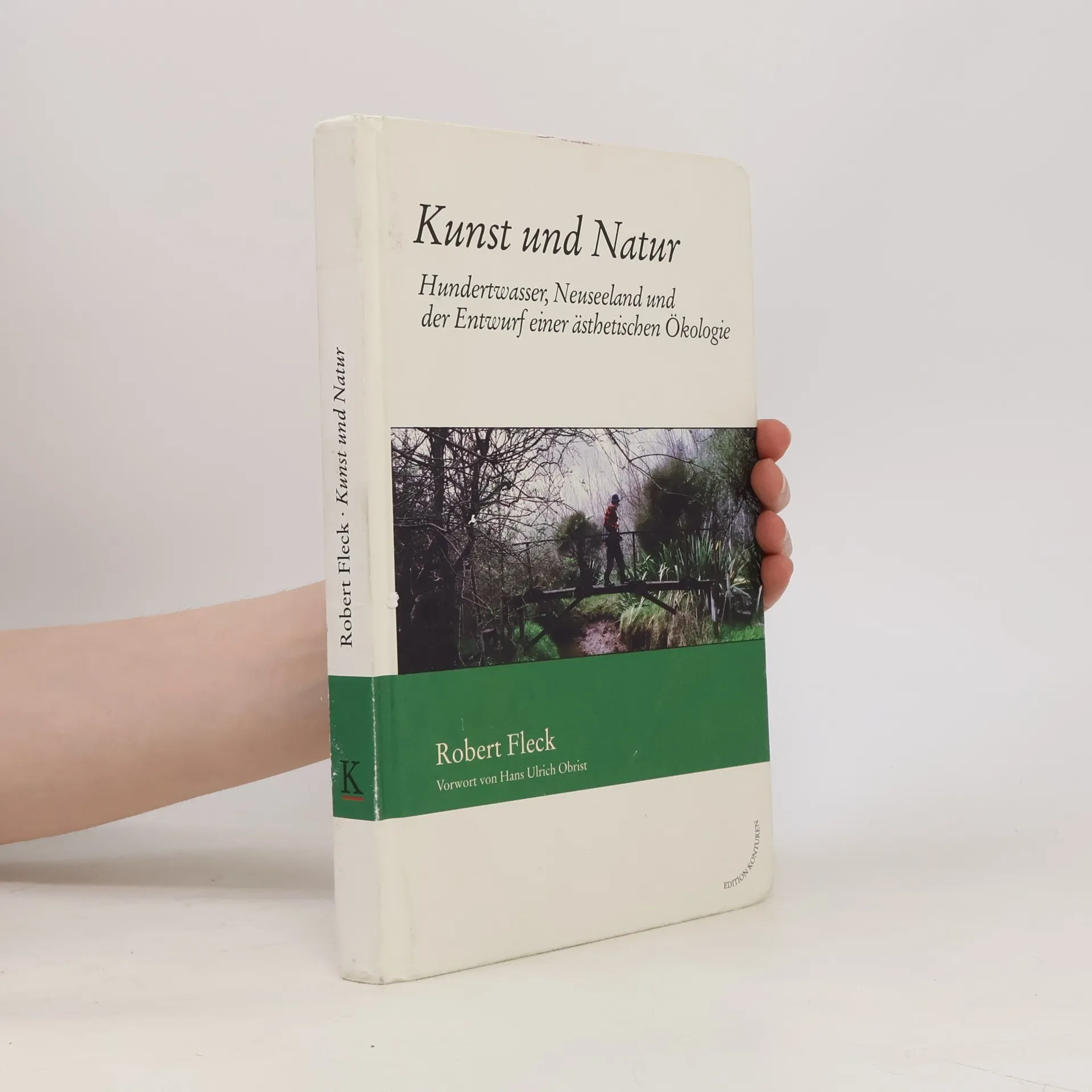
Kunst und Natur
Hundertwasser, Neuseeland und der Enwurf einer ästhetischen Ökologie
- 176 páginas
- 7 horas de lectura
Friedensreich Hundertwasser verwandelte ab 1975 ein Tal in Neuseeland am Übergang zum Pazifischen Ozean in einen Neo-Urwald. Bis zu seinem Tod im Februar 2000 entfaltete er seine künstlerische, ökologische und architektonische Vision. Aus der beschreibenden Beobachtung in den unberührt verbliebenen Arbeitsstätten des Künstlers und der langjährigen Kenntnis des Werks rekonstruiert Robert Fleck erstmals Hundertwassers Praxis einer vorgeschichtlichen Lebensweise. Sie schließt einen „Friedensvertrag“ mit der Natur und bringt eine vegetative Malerei als Kunst des 21. Jahrhunderts hervor. In Hundertwassers Vision einer ästhetischen Ökologie wird die Regel, dass die Nachahmung natürlicher Prozesse das zeitgenössische Schöne produziert, zu einem Weltentwurf für unser neues Jahrhundert ausgebildet. In seinem Vorwort thematisiert Hans Ulrich Obrist, künstlerischer Leiter der Serpentine Galleries in London, Friedensreich Hundertwassers Bedeutung für die Kunst der kommenden Generationen.
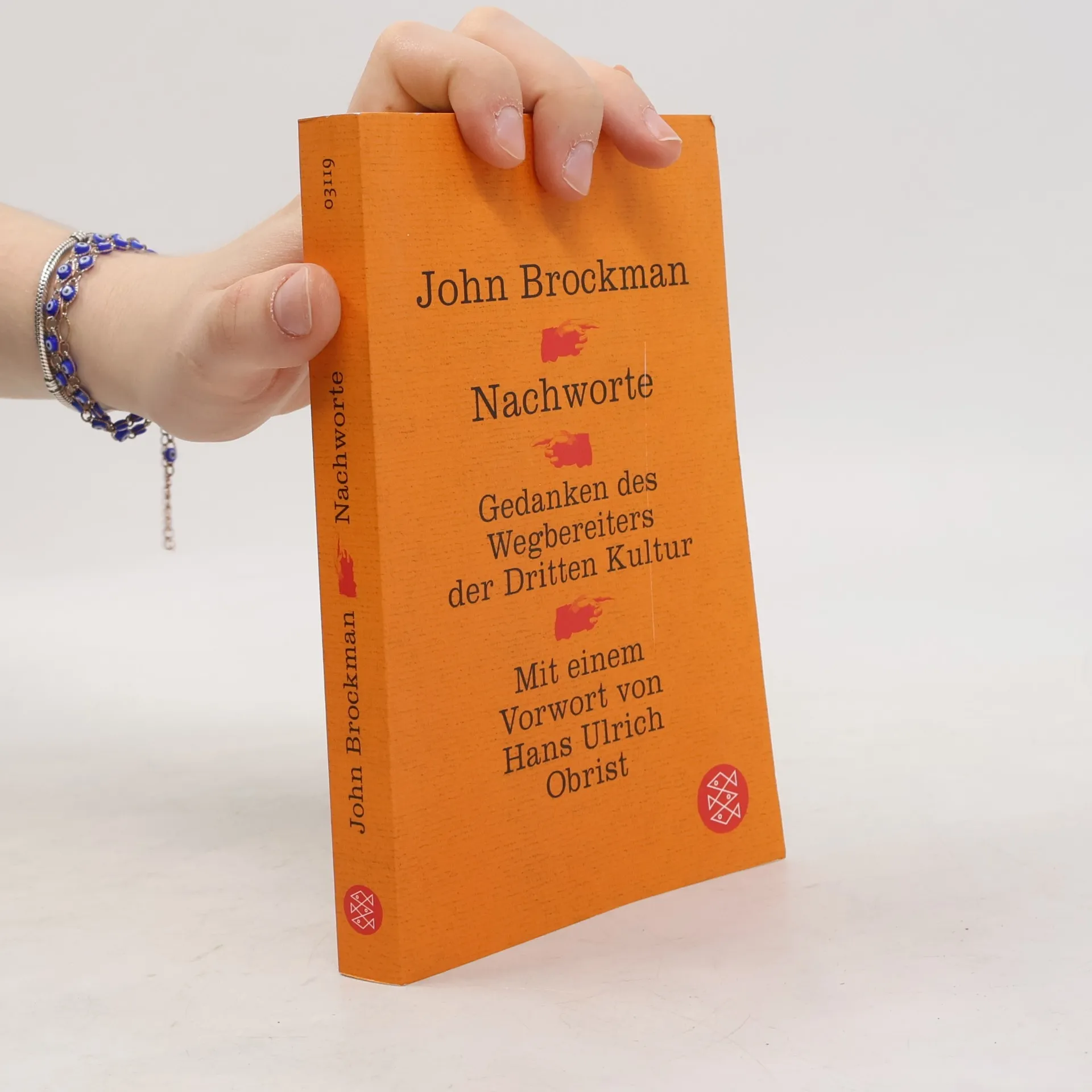
Nachworte
Gedanken des Wegbereiters der Dritten Kultur. Mit einem Vorwort von Hans Ulrich Obrist
- 330 páginas
- 12 horas de lectura