

The one emotion that matters most to many people is the one about which social thinkers rarely speak - love. For many people, love is the thing that matters most in their lives: they are searching for love, hoping to find in love a kind of happiness that they cannot find in their work or by surrounding themselves with material goods. But where does this peculiar and powerful blending together of love and happiness come from, and why do we find it such a compelling idea today? In this short book Jean-Claude Kaufmann offers a fresh account of the history of a feeling unlike any other. The modern idea of love as passion was born in the 12th century but it was marginalized by the rise of a kind of instrumental, calculating reason that became increasingly central to modern societies. As calculating reason began to encroach on the personal domain, many individuals sought to escape from it, searching for happiness elsewhere. As our societies become dominated by calculating reason and selfish individualism, we search elsewhere for the kind of happy love that will heal all our wounds. This is why we experience so many changes of heart in our personal lives: at times we are coldly calculating and then, a few moments later, we sacrifice ourselves to love without a second thought. Written by one of France’s leading sociologists, this highly readable book sheds new light on love and happiness and will resonate with many readers.
David Macey Orden de los libros (cronológico)
Este autor es un escritor y traductor muy estimado, cuyo trabajo se centra en la filosofía y el pensamiento político franceses contemporáneos. Sus análisis profundizan en las complejidades de las corrientes intelectuales, explorando su impacto en la sociedad moderna. Sus influyentes publicaciones y extensas traducciones hacen que temas desafiantes sean accesibles a un público más amplio. Con un estilo distintivo, enriquece el panorama literario e inspira a los lectores a contemplar cuestiones sociales y filosóficas clave.


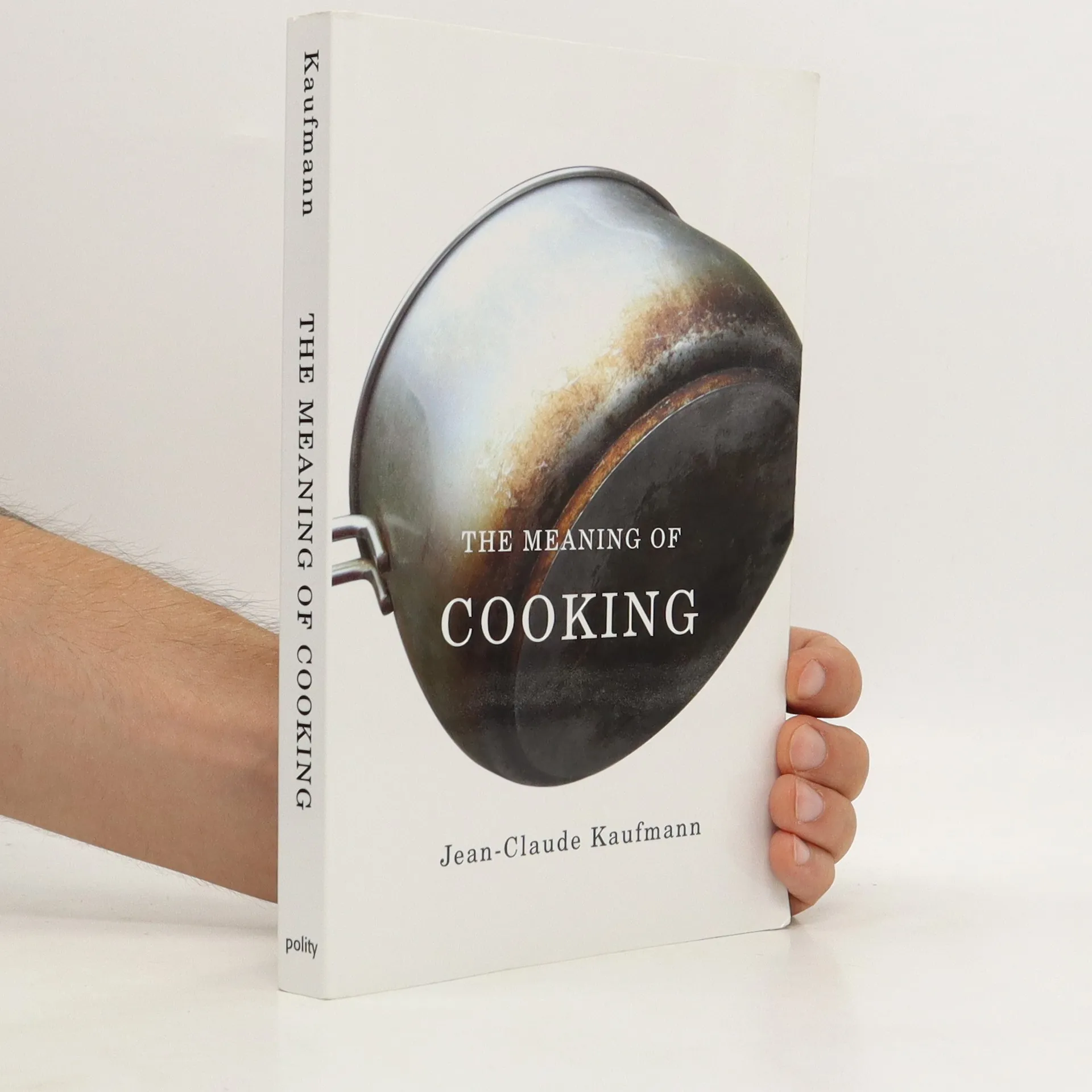

"First published in French as Casseroles, amour et crises"--T.p. verso.
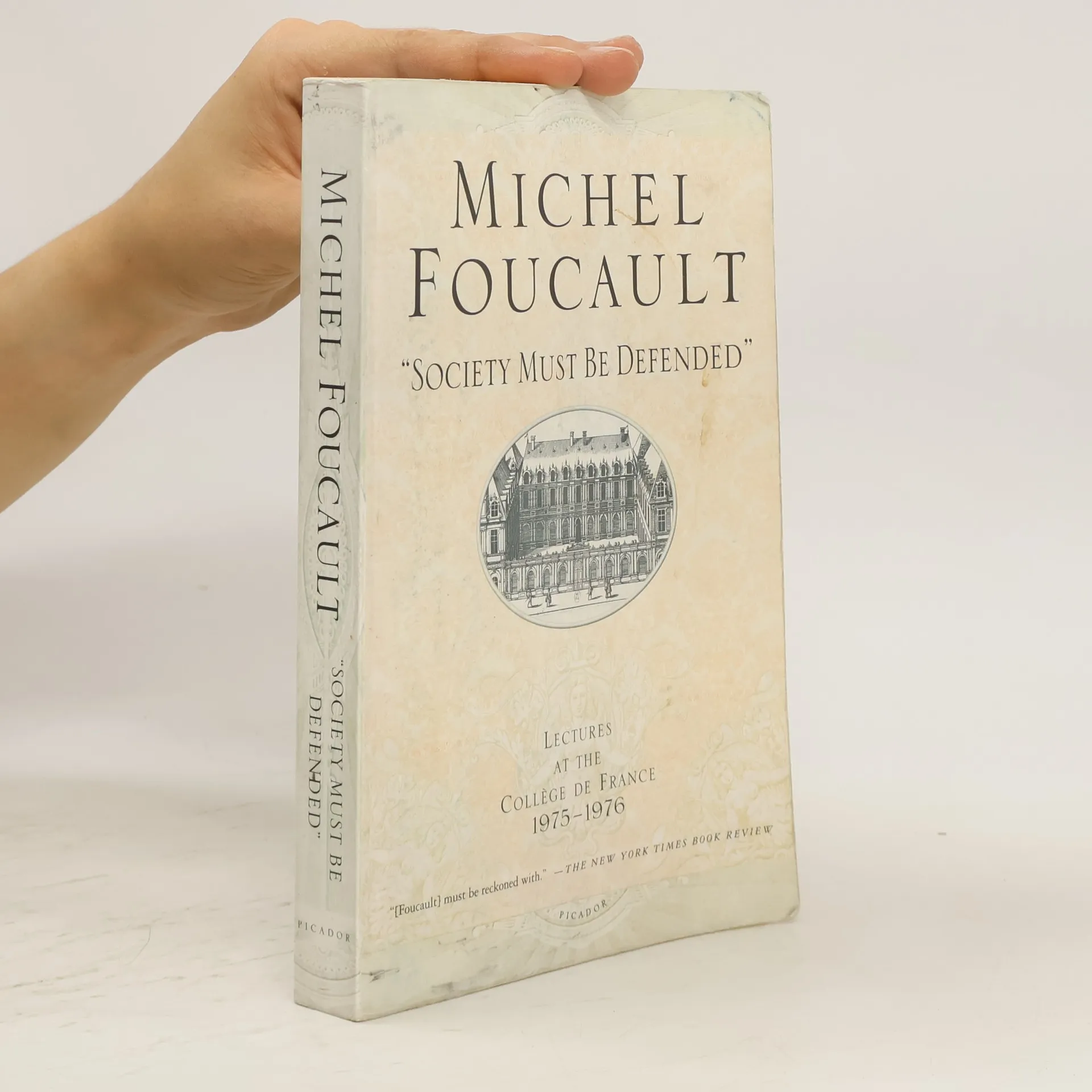
An examination of the relation between war and politics, by one of the twentieth century's most influential thinkers From 1971 until 1984 at the Collège de France, Michel Foucault gave a series of lectures ranging freely and conversationally over the range of his research. In Society Must Be Defended, Foucault deals with the emergence in the early seventeenth century of a new understanding of war as the permanent basis of all institutions of power, a hidden presence within society that could be deciphered by an historical analysis. Tracing this development, Foucault outlines the genealogy of power and knowledge that had become his dominant concern.
Born in Martinique, Frantz Fanon (1925-61) trained as a psychiatrist in Lyons before working in colonial Algeria. He faced racism as a soldier in the Free French Army during France's liberation. In Algeria, he engaged with the Front de Liberation National (FLN), whose fight for independence was met with brutal repression by the French Army. Identifying with the FLN, he became a target and was forced to flee after resigning his position. He later worked with the FLN as a propagandist and ambassador. This biography, based on extensive research, presents the most comprehensive and objective account of Fanon, dispelling myths that have surrounded him. It reveals him as a complex individual, shaped by the French Caribbean's history of slavery and racism, and traces his intellectual journey as a political thinker and psychiatrist within the context of post-war French culture. The author honors Fanon’s extraordinary life, portraying him as a flawed yet fundamentally humanist figure dedicated to ending colonialism. His passionate and articulate writings continue to resonate today.
Sociología: ¿Qué es la democracia?
- 312 páginas
- 11 horas de lectura
Este libro aborda la pregunta fundamental sobre el contenido positivo de una idea democrática que va más allá de ser solo un conjunto de garantías contra el autoritarismo. Esta cuestión es crucial tanto para la filosofía política como para la acción concreta, especialmente en contextos donde se busca equilibrar la ley de la mayoría con el respeto a las minorías, integrar a los inmigrantes, facilitar el acceso de las mujeres a la política y prevenir la división entre el Norte y el Sur. El autor sostiene que la democracia no se limita a la eliminación de dictaduras militares; los valores morales deben guiar la organización social. Es esencial reencontrar el papel de los ciudadanos como creadores y productores, más allá de ser meros consumidores. En América Latina, el mercado por sí solo no garantiza desarrollo ni democracia; el objetivo de la democracia debe ser asegurar igualdad en derechos y oportunidades. El contenido del libro se organiza en cuatro partes: las dimensiones de la democracia, la historia del espíritu democrático moderno, la cultura democrática y la relación entre democracia y desarrollo. Cada sección explora conceptos clave que enriquecen la comprensión de la democracia en un contexto contemporáneo.
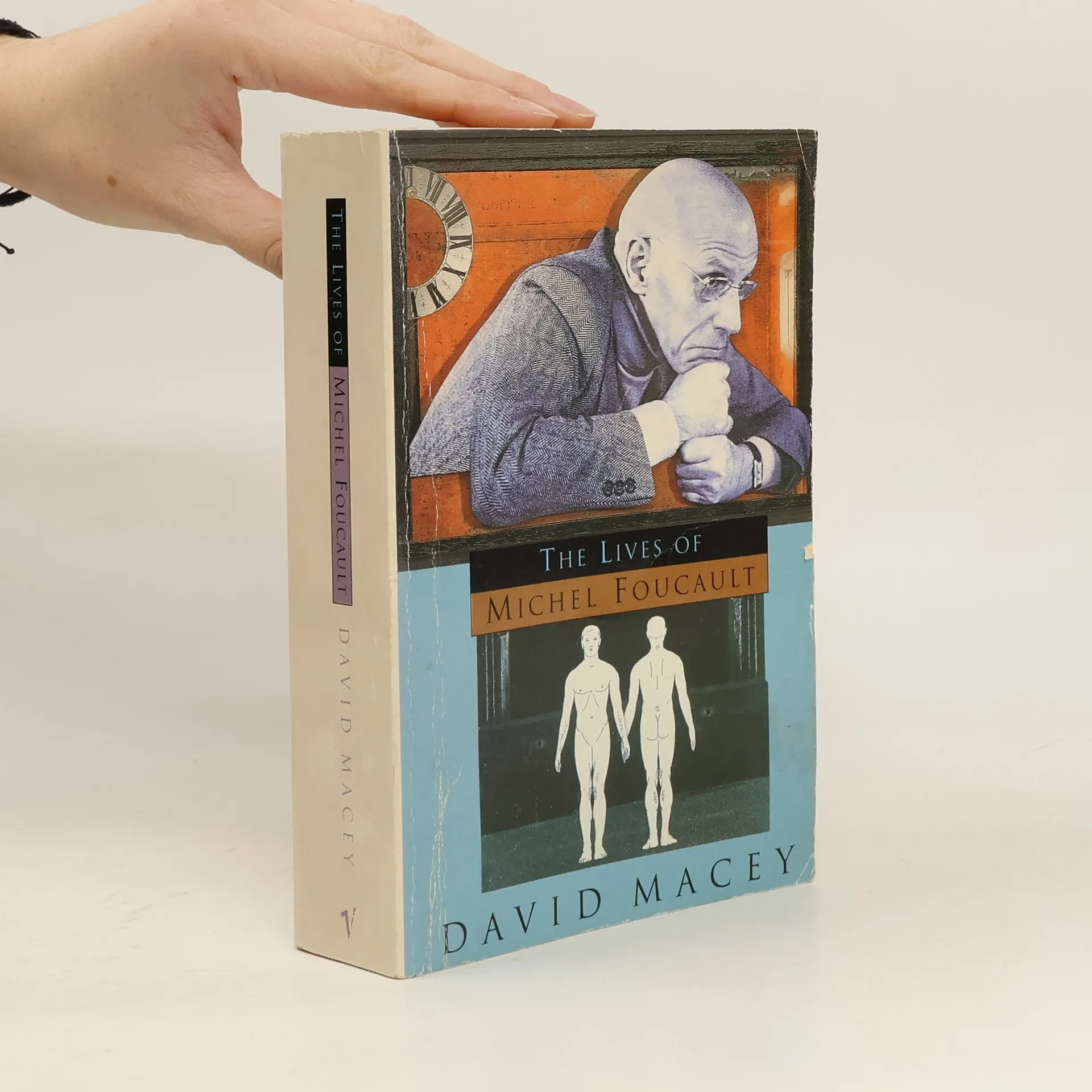
The Lives of Michel Foucault
- 598 páginas
- 21 horas de lectura
Foucault's work reached beyond the normal boundaries of philosophy; he wrote about madness, prisons, medicine, sex and language. He was many things - academic, political activist, child, lover of men. Opening with an account of Foucault's death in 1985 from AIDS, this biography then returns to the provincial France of his childhood, and follows the transformation of a conservative doctor's son into the foremost radical philosopher of his generation, the force of his work enhanced by his actively homosexual lifestyle. A brief fling with communism left him with an abiding hatred of the Soviet Union. After working on the history of psychiatry through the 1950s and '60s in Sweden, Poland and Tunisia, Foucault returned to France after the violence of May 1968 with a disturbing vision of modern society policed by mechanisms of power and control. He also lived his ideas, agitating for prison reform, homosexual liberation and the rights of mental patients. David Macey's other works include Lacan in Contexts , a study of the French psychoanalyst.