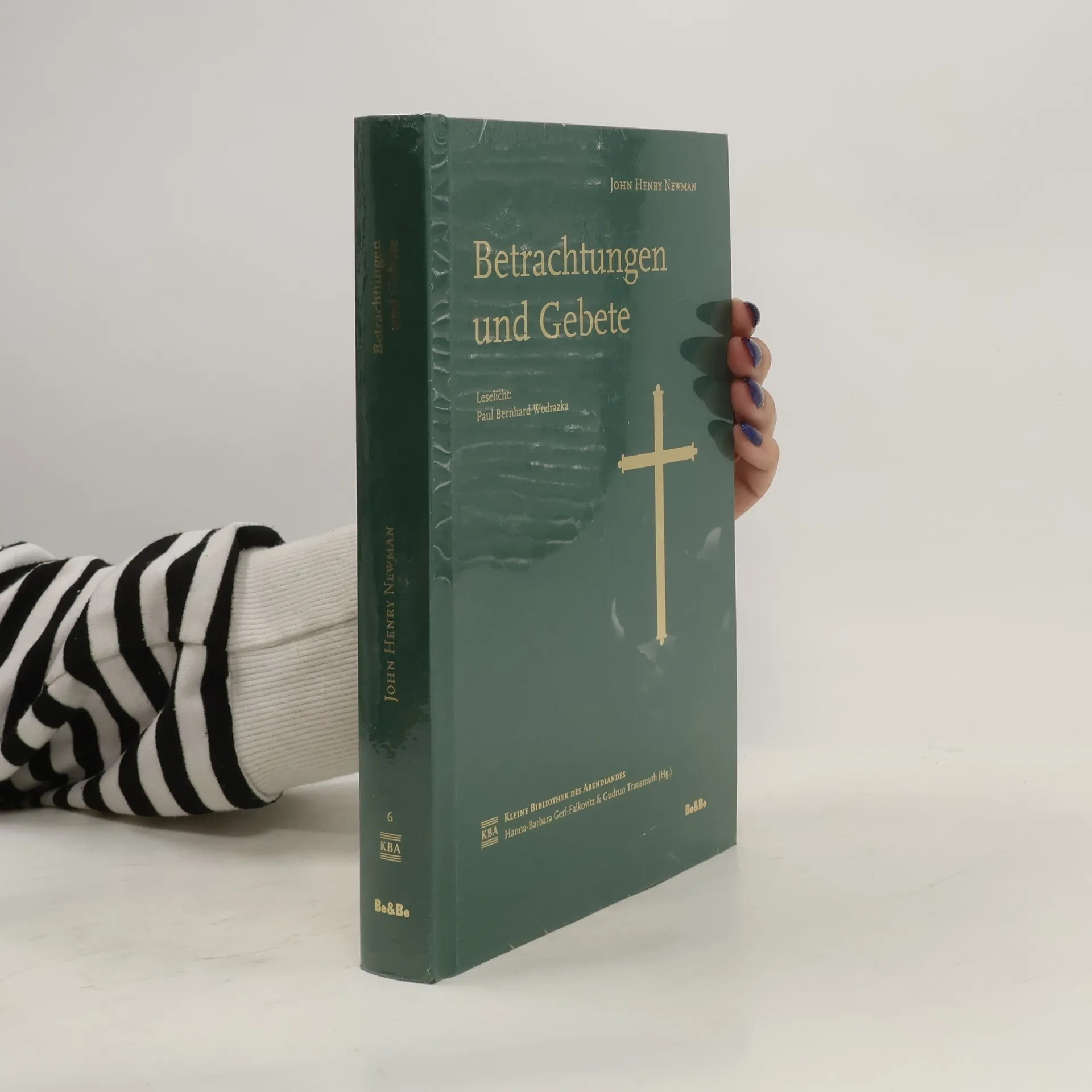
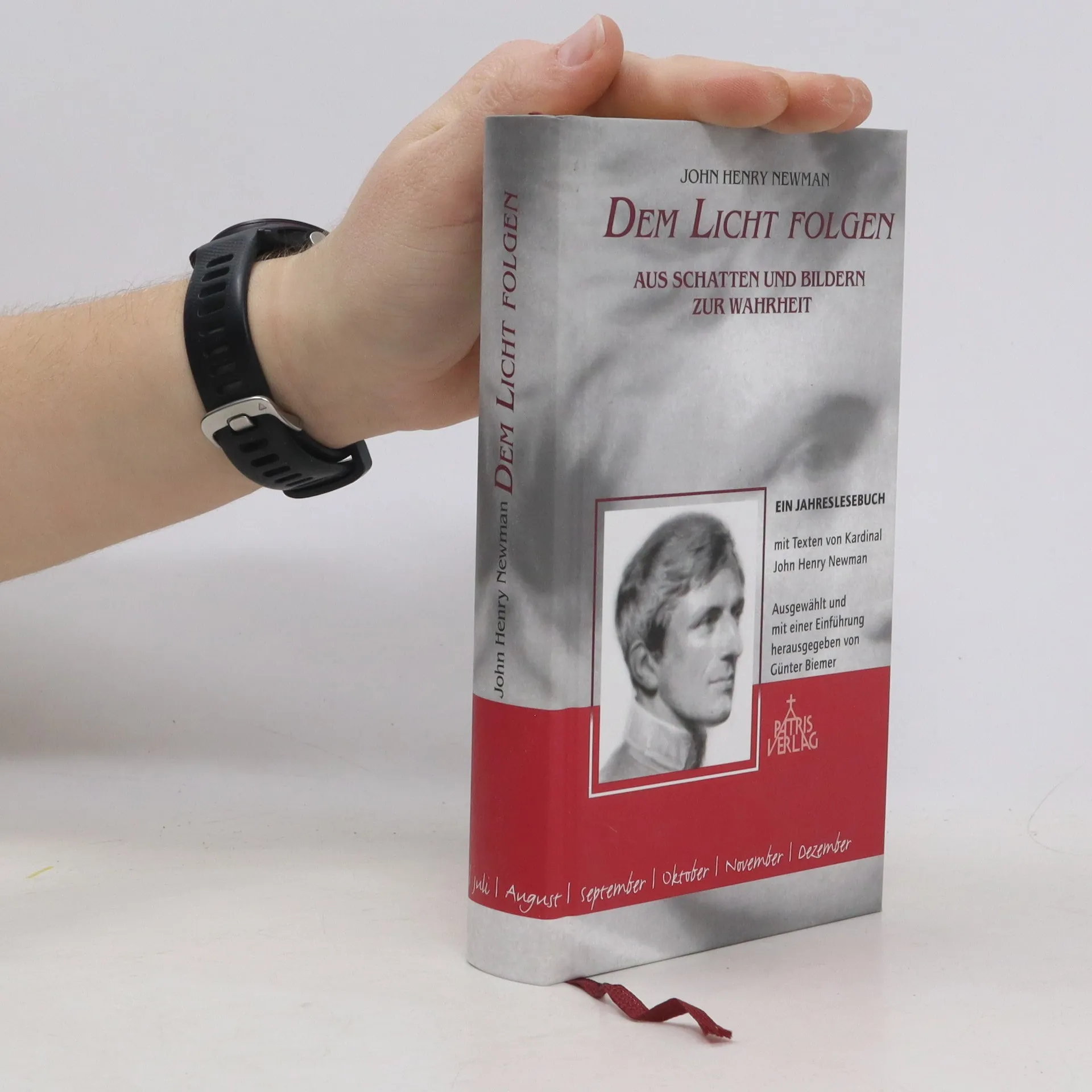
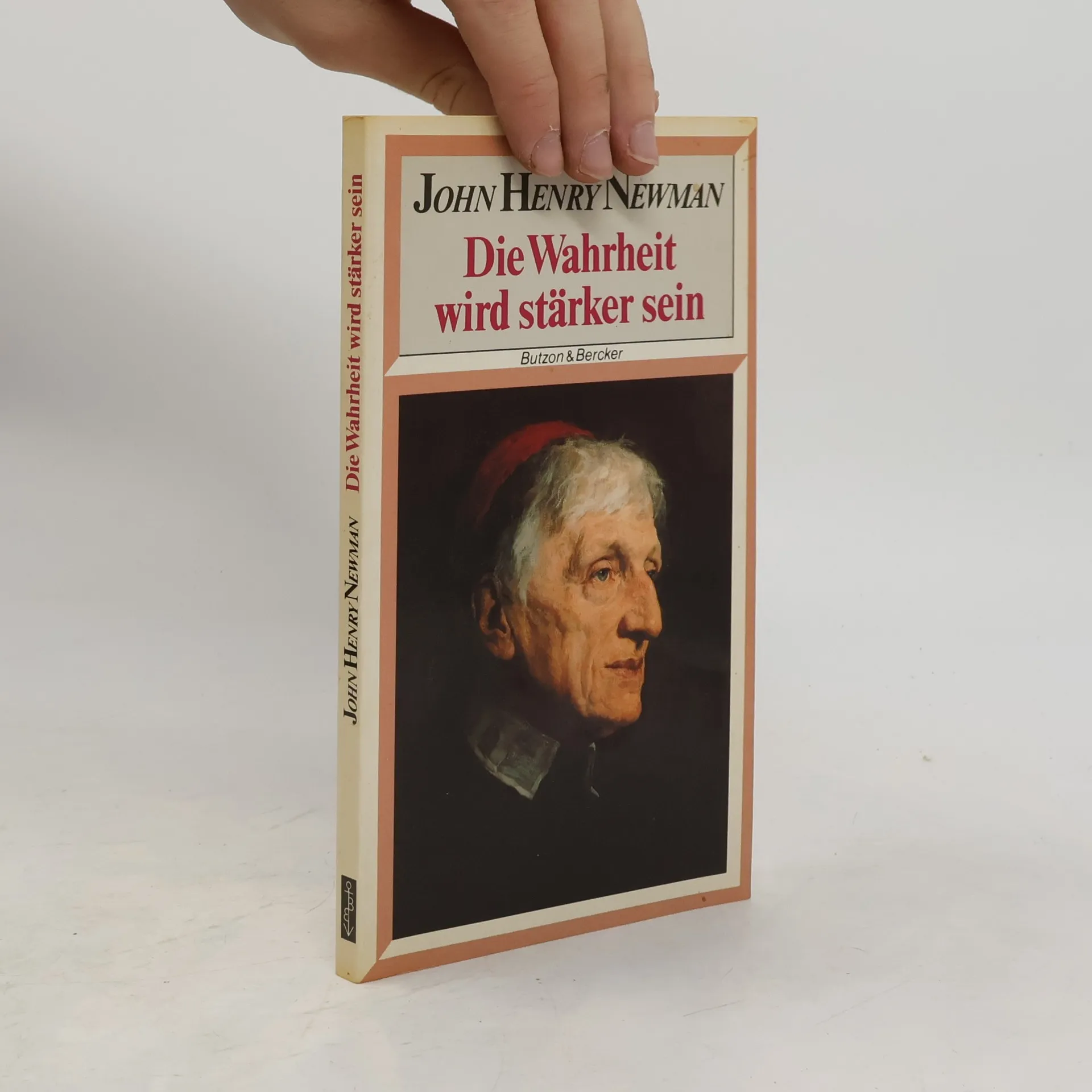
John Henry Newman: Heart Speaks to Heart
- 136 páginas
- 5 horas de lectura
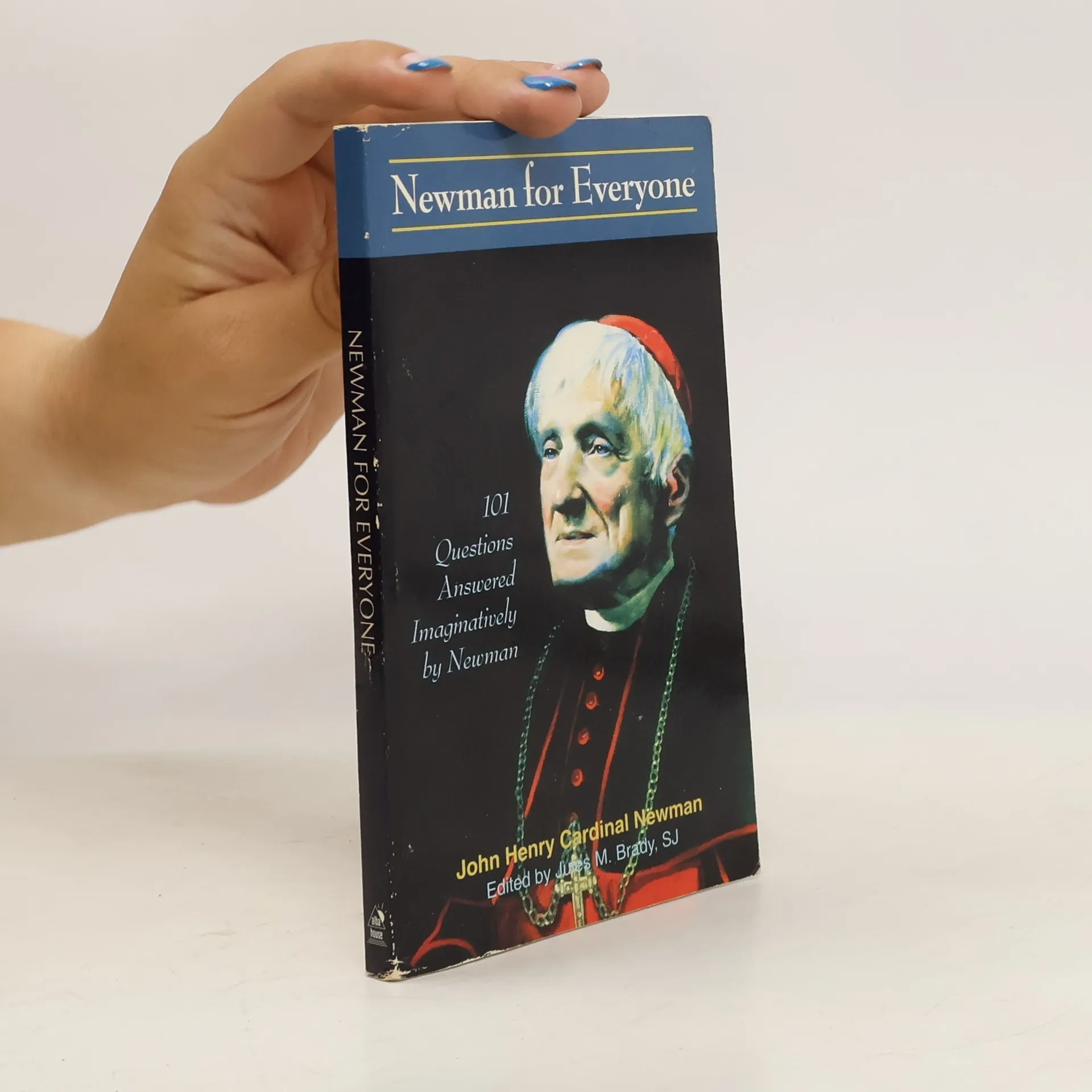
Geared to the reflective devotional reader, the short selections are derived from Newman the priest, preacher and spiritual writer.


John Henry Newman fue una figura clave en la historia religiosa inglesa del siglo XIX, reconocido a nivel nacional a mediados de la década de 1830. Inicialmente un académico y sacerdote dentro de la Iglesia de Inglaterra, se convirtió en una voz líder del Movimiento de Oxford, abogando por la reincorporación de tradiciones católicas. Su viaje intelectual culminó en su conversión al catolicismo, donde continuó ejerciendo una influencia significativa. Los escritos de Newman, marcados por un intelecto riguroso y una profunda perspicacia espiritual, exploran la intrincada relación entre fe, razón y la Iglesia, ofreciendo reflexiones duraderas para los lectores contemporáneos.


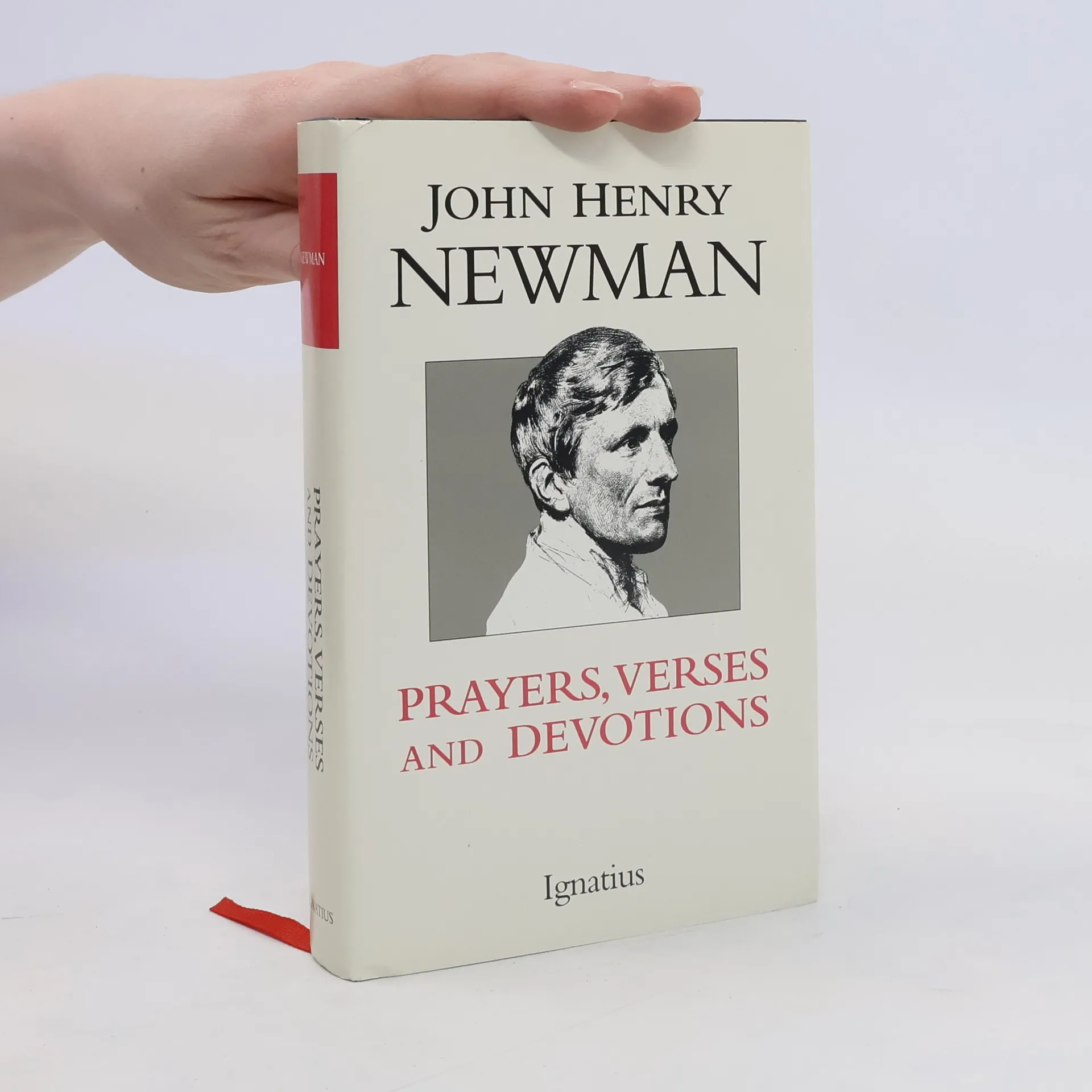

Geared to the reflective devotional reader, the short selections are derived from Newman the priest, preacher and spiritual writer.
A vivid portrait of John Henry Newman, concentrating on his involvement with the Tractarians and the impact of his conversion to Roman Catholicism leading up to his 'Second Spring' sermon of 1852.
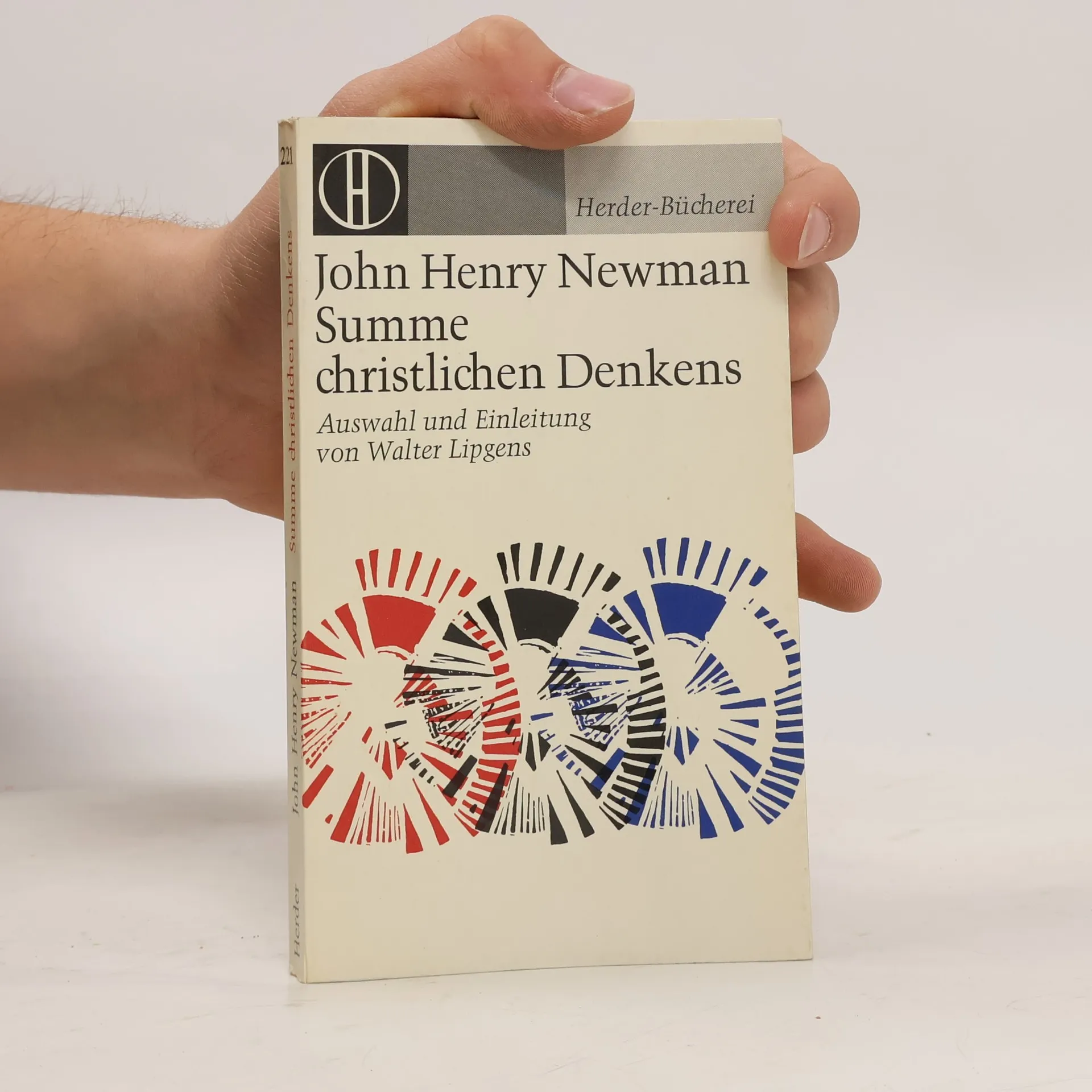
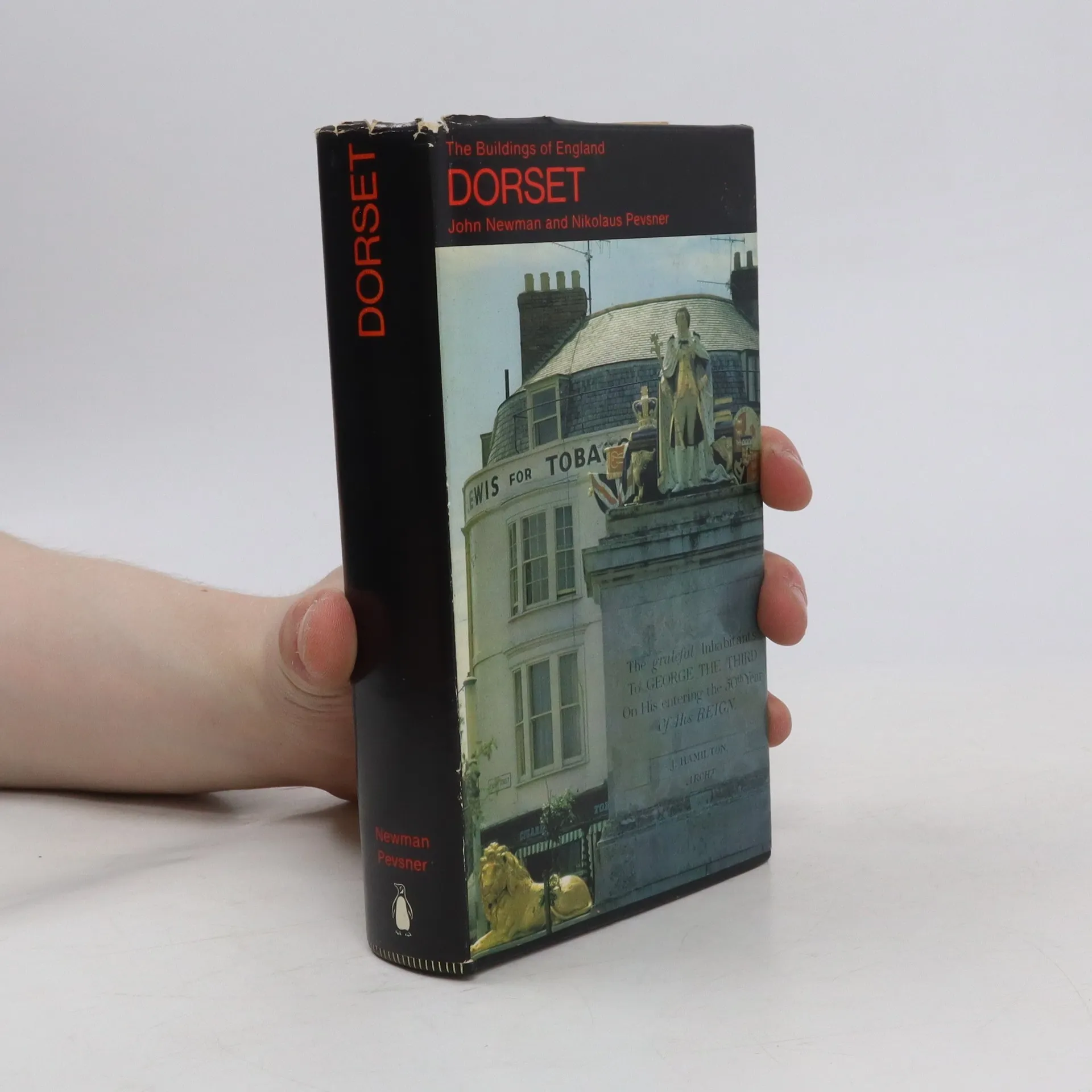
Erich Przywara presents a comprehensive collection of John Henry Newman's writings, meticulously organized to clarify his complex thoughts. The book is structured into three stages, reflecting the journey from fallen man to the beatific vision, mirroring Newman's own intellectual progression. This synthesis not only highlights Newman's conversion from Anglicanism to Catholicism but also aims to provide modern readers with a clearer understanding of his influential ideas and theological insights.
Exploring the nature of prejudice against the Catholic Religion, the text delves into philosophical and societal misconceptions, asserting that such biases do not equate to truth. It challenges the notion that miracles disrupt natural order and critiques the belief that the Catholic Church hinders societal progress and freedom. The author argues for the concept of indefectibility in religious certitude, suggesting that genuine certitude can be discerned despite the absence of a definitive internal test. The discussion emphasizes the complexity of certitude and its implications for faith.
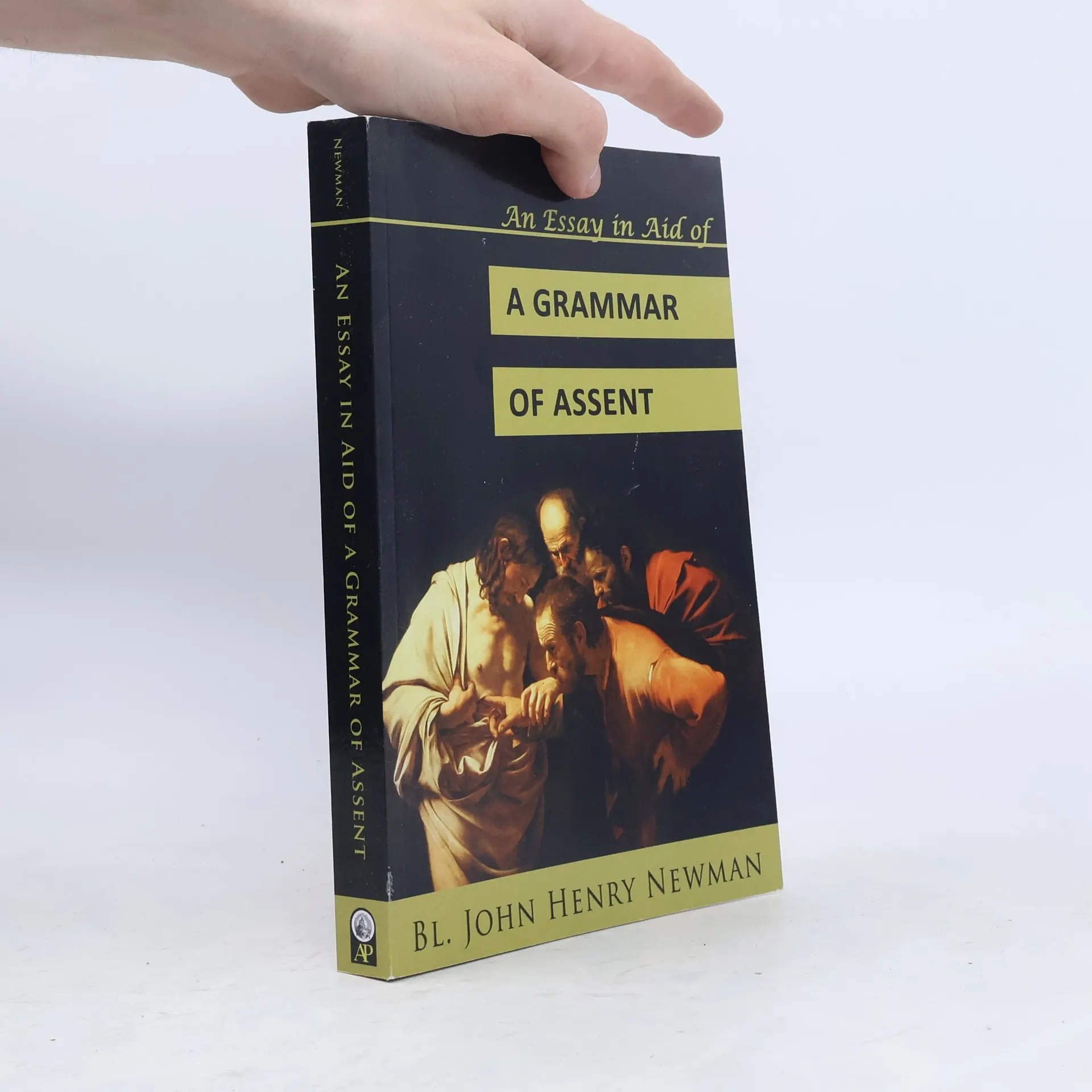
John Henry Newman and other leaders of the movement sought a renewal of 'Catholic', or Roman Catholic, thought and practice within the Church of England. They published their ideas on the theological, pastoral and devotional problems that they perceived within the church in ninety 'Tracts for the Times' (1833-1841). Here, the majority of John Henry Newman's contributions to the series 'Tracts for the Times' have been collected in one volume.
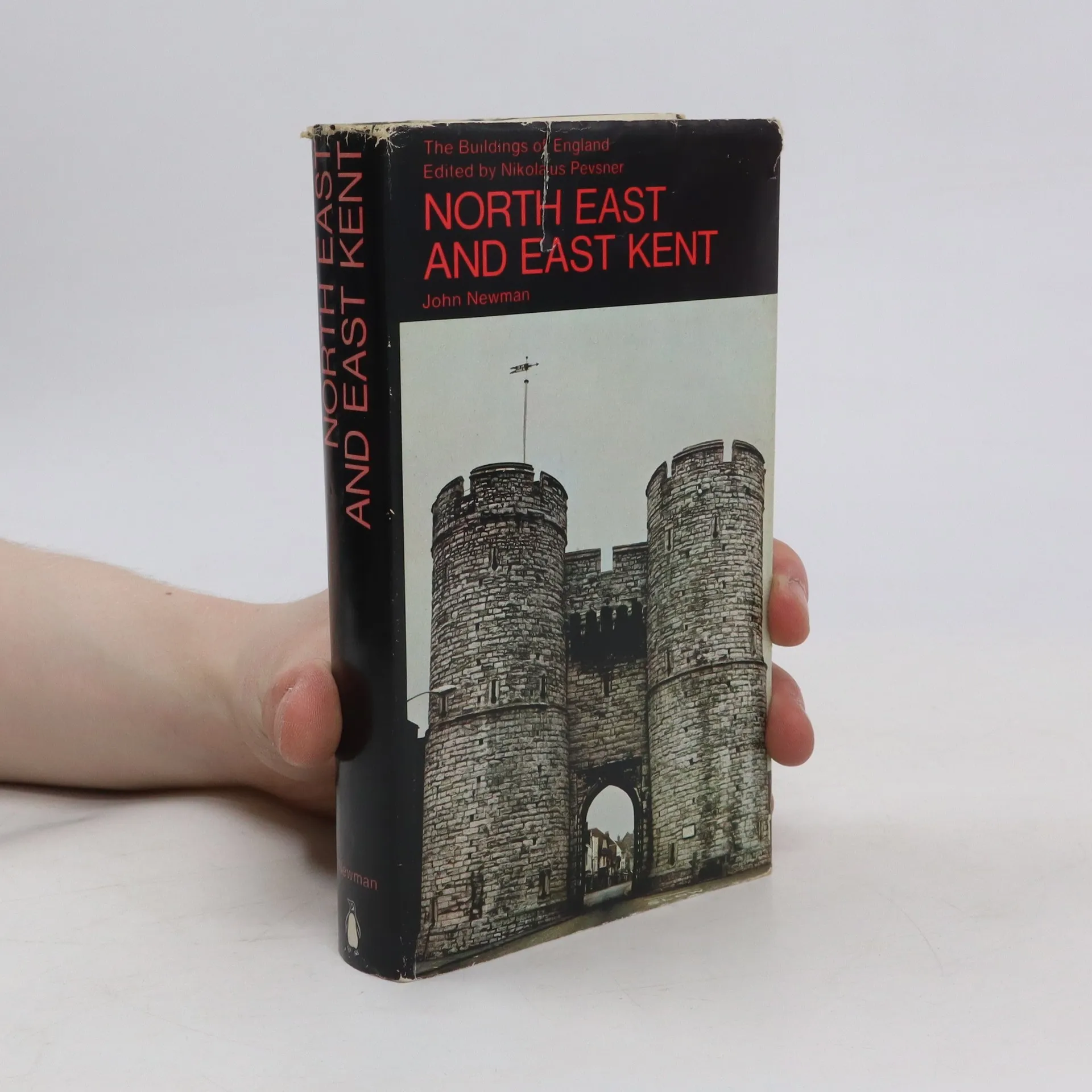
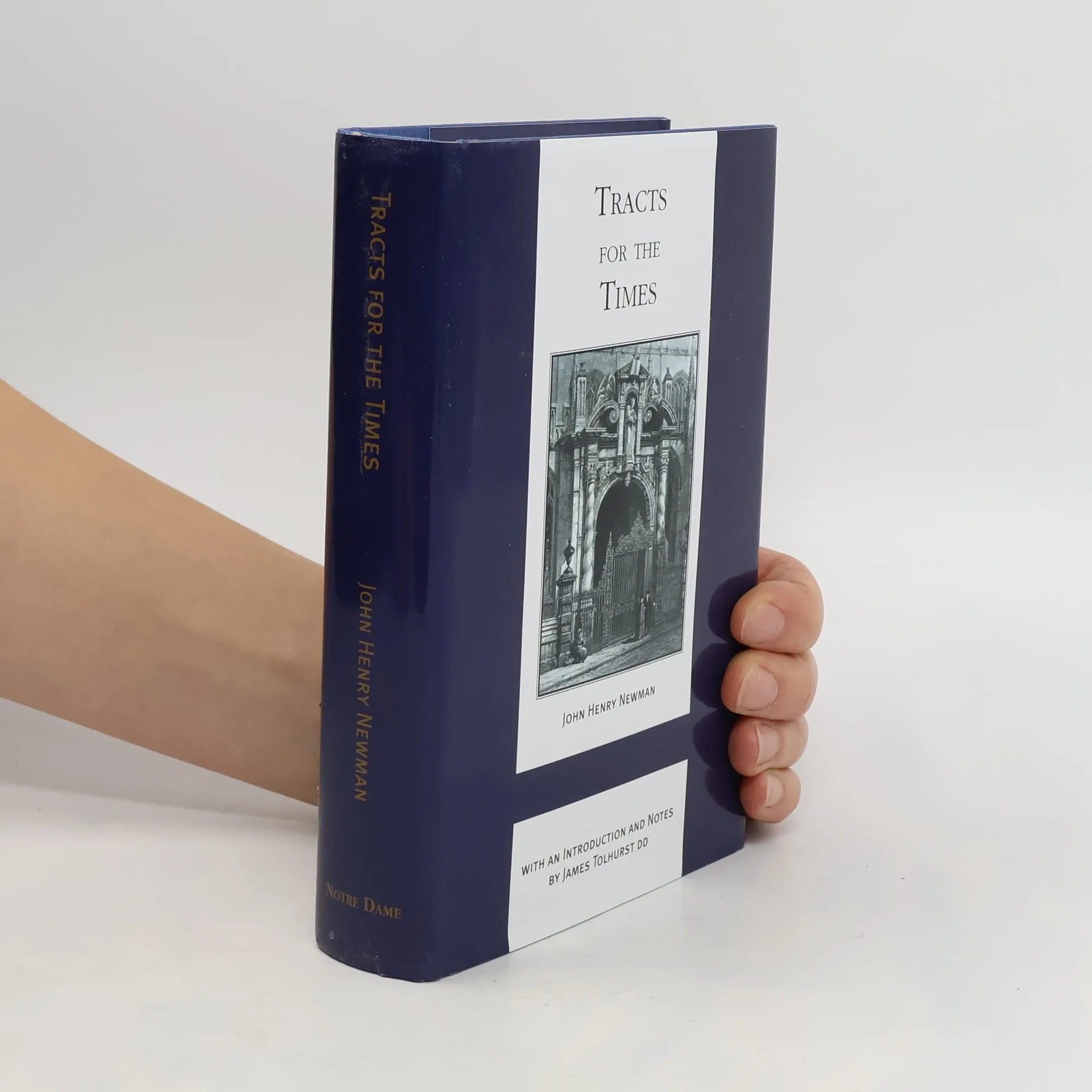
"Everybody tells you Dorset is a house or mansion county, not a church county...Yet when one sets down all one has seen of Dorset churches,..one suddenly realizes how much one has enjoyed", wrote Pevsner at the conclusion of his journey. The county provides many unexpected pleasures in ecclesiastical buildings, from the Norman arches of Wimborne Minster, the Early English solemnity of Milton Abbey, to the splendour of Sherborne and the monuments and furnishings of numerous smaller buildings. Of castles, mansions and houses, Dorset boasts the evocative ruins of Corfe; the splendid Kingston Lacy; mighty Milton Abbey House and a wealth of more modest homes. But the county also possesses fine towns and villages, from the Georgian elegance of Weymouth and Lyme Regis, to the the model estate village of Milton Abbas.
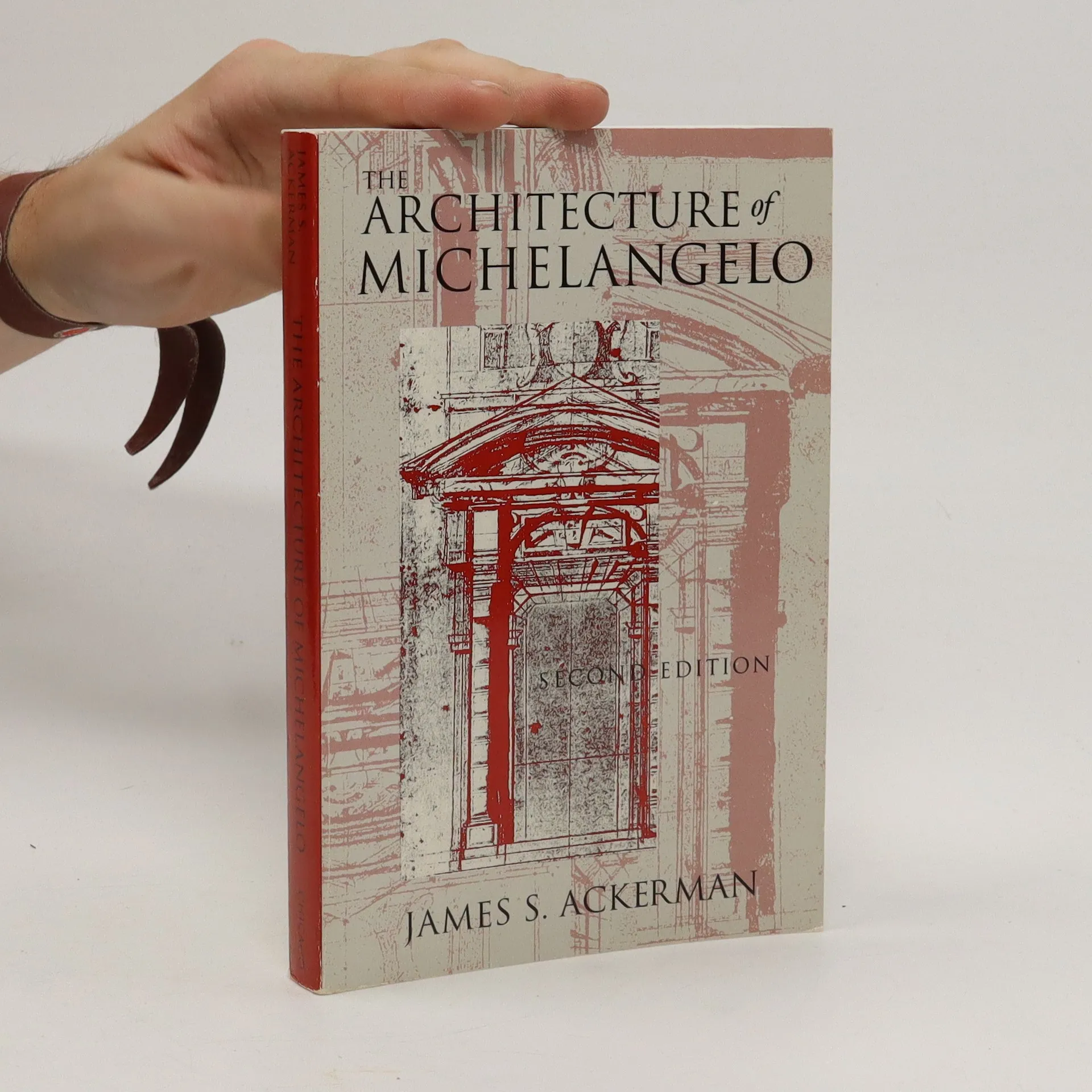
In this widely acclaimed work, James Ackerman considers in detail the buildings designed by Michelangelo in Florence and Rome—including the Medici Chapel, the Farnese Palace, the Basilica of St. Peter, and the Capitoline Hill. He then turns to an examination of the artist's architectural drawings, theory, and practice. As Ackerman points out, Michelangelo worked on many projects started or completed by other architects. Consequently this study provides insights into the achievements of the whole profession during the sixteenth century. The text is supplemented with 140 black-and-white illustrations and is followed by a scholarly catalog of Michelangelo's buildings that discusses chronology, authorship, and condition. For this second edition, Ackerman has made extensive revisions in the catalog to encompass new material that has been published on the subject since 1970.
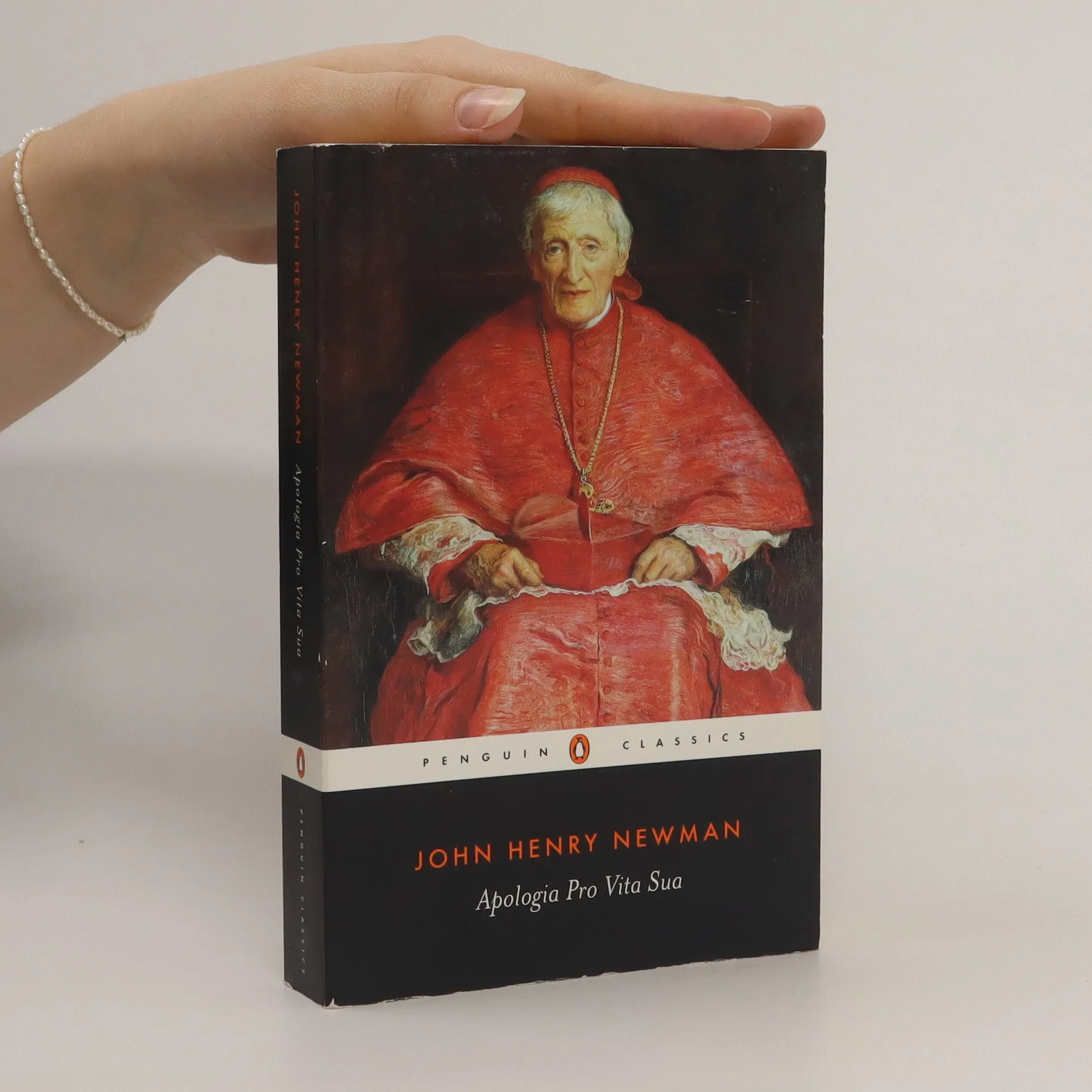
Once a well-known Anglican clergyman, Newman left his living in the 1840's, recanted his former criticism of the Roman Catholic Church and entered the priesthood. Framing his Apologia in reply to a grave and gratuitous slander made by Charles Kingsley, Newman produced one of the masterpieces of spiritual writing: honest, passionate, scrupulous and moving, this work is also a highly accomplished prose paradigm.
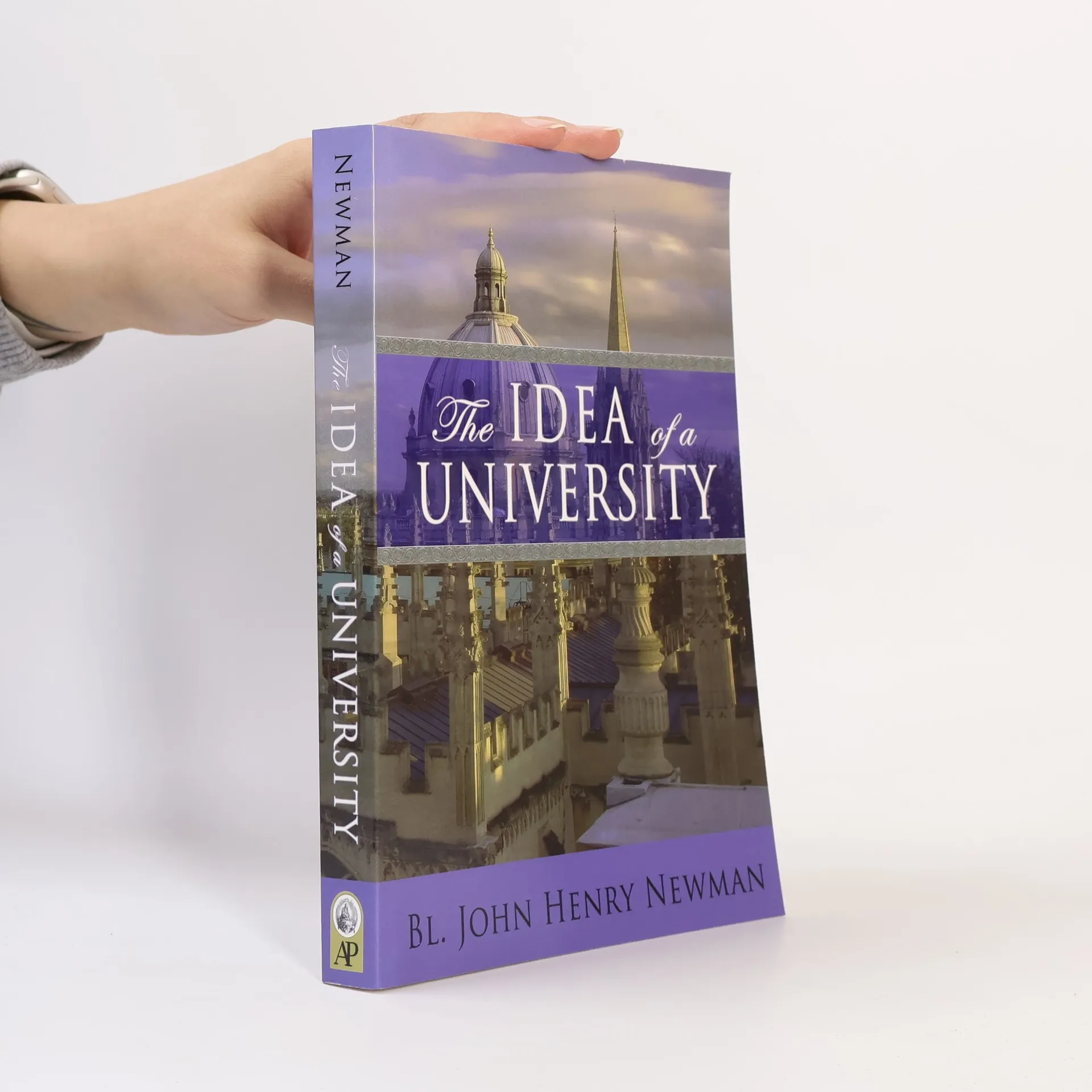
One of Newman's best and most accessible books, "The Idea of a University" stands among the central texts of the Oxford Movement and remains a crucial reference point for the modern revival of Catholic education. Newman assembles a series of his key discourses and lectures exploring the purpose and mission of Catholic liberal education, the primacy of theology and its relation to other disciplines, classical studies, modern science, and intellectual rigor. The result is a profound and energetic exploration of the centrality of wisdom in academic culture and Christian life.
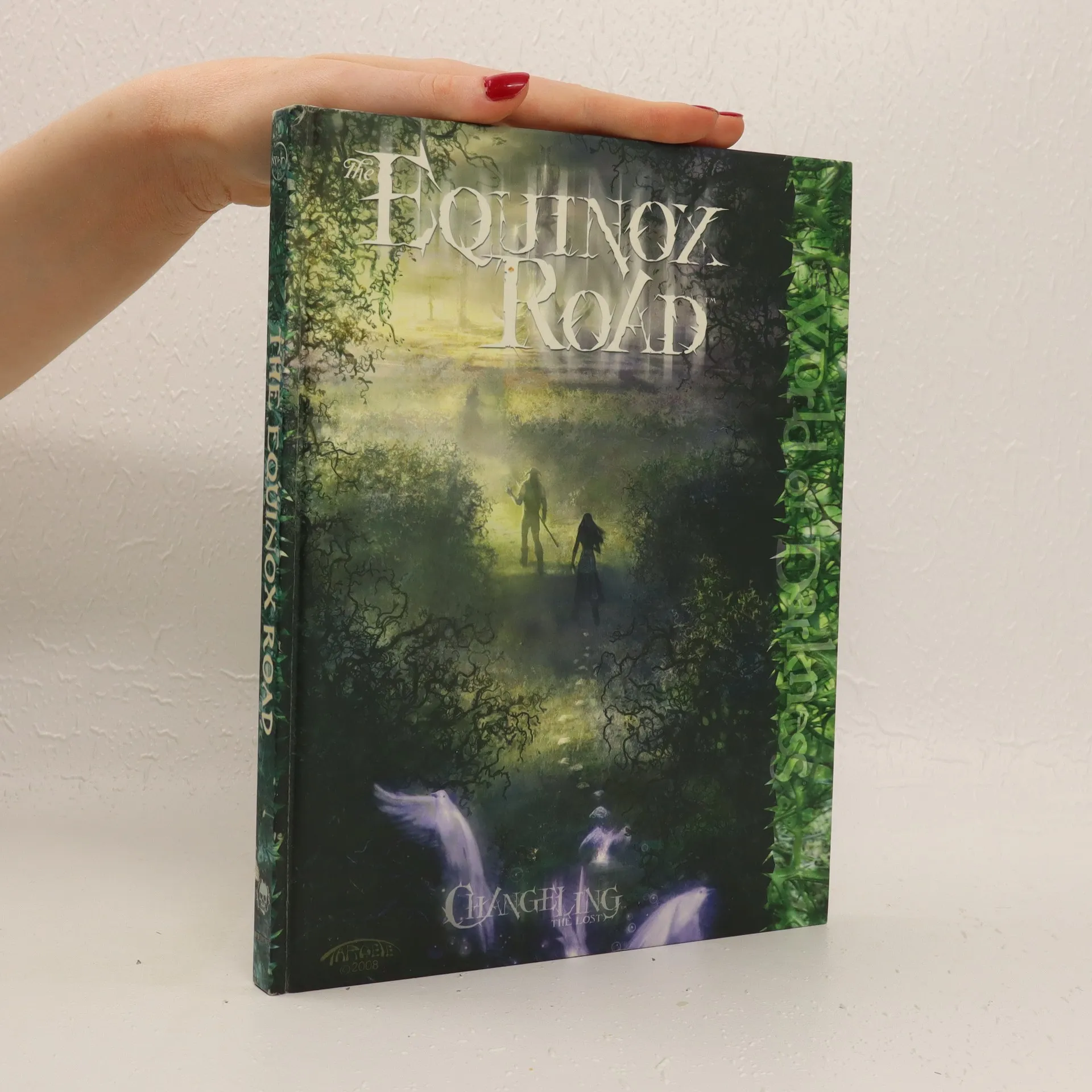
"A chronicle book for The Lost, with rules for exploring Arcadia - the homeland of the Fae."
This book displays Cardinal Newman's skill in harmonizing the theoretical with the actual, the abstract with the concrete. These readings will whet the reader's appetite for more of Newman's works and may suggest subjects for private meditation.
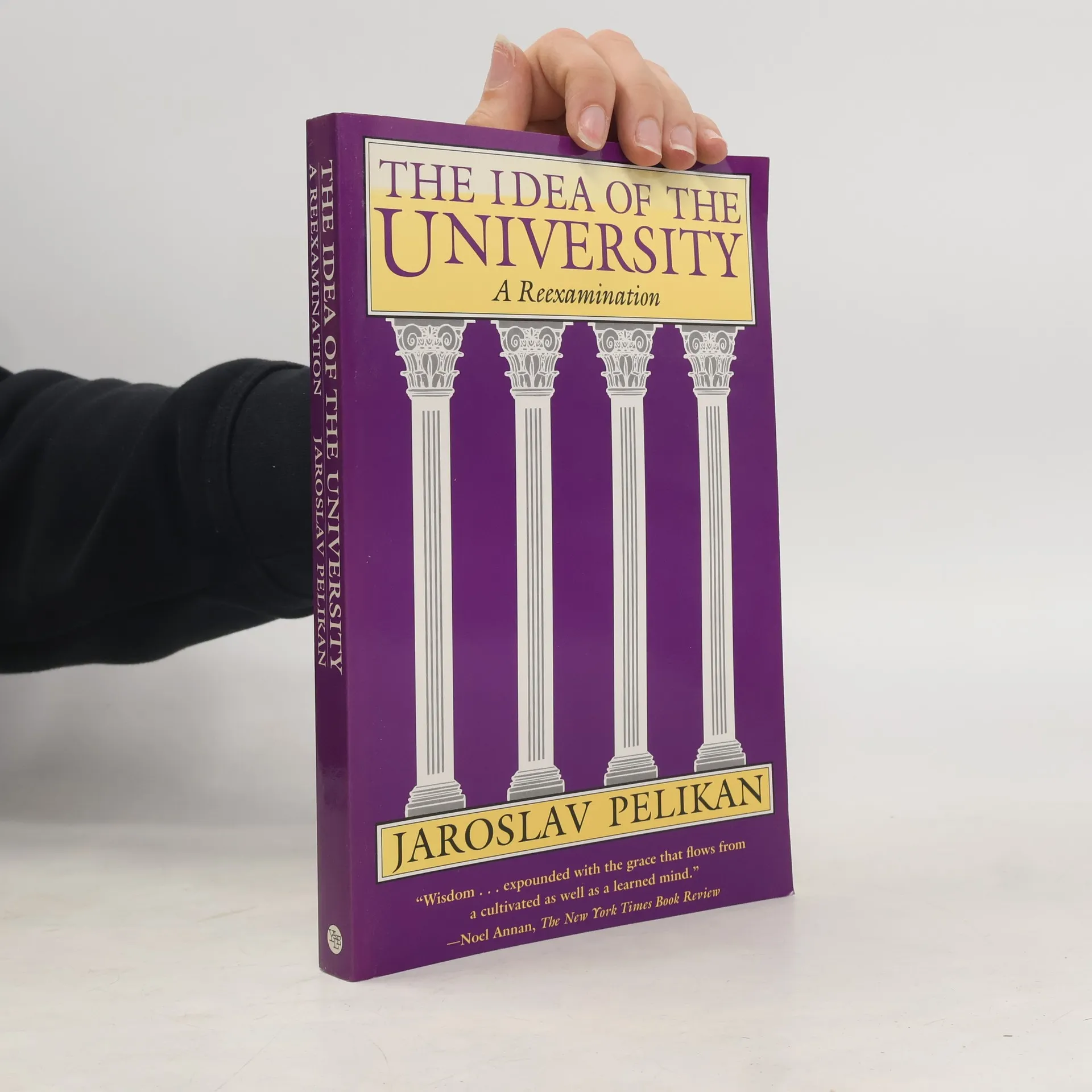
The crisis in university education has sparked vigorous debate recently. In this eloquent and personal book, a distinguished scholar reflects on the university's character and aims, assessing its guiding principles, practical functions, and societal role. By reexamining the university through the lens of John Henry Cardinal Newman’s classic work, the author highlights how Newman’s ideas illuminate and contrast with current challenges in higher education. The author affirms Newman’s assertion that knowledge must be an end in itself and argues for the inseparability of research and teaching on both intellectual and practical grounds. He emphasizes the virtues of free inquiry, scholarly honesty, civility in discourse, toleration of diverse beliefs, and trust in rationality and public verifiability that universities must uphold and teach. The discussion includes the university's mission: advancing knowledge through research, interpreting it through teaching, preserving it in libraries and museums, and disseminating it through scholarly publishing. By fulfilling these roles, fostering closer ties with other educational institutions, and engaging the community in lifelong learning, the university can make its most significant contribution to society.
British Medical Association Guide to Medicines and Drugs - Henry, John - Dorling Kindersley
The collection features poems crafted by John Henry Newman during a transformative period of his life, spanning from his ordination as an Anglican priest to his conversion to Roman Catholicism and the establishment of the Birmingham Oratory. It reflects his spiritual journey and the significant events of the High Church Oxford Movement, showcasing the evolution of his faith and thoughts through verse.
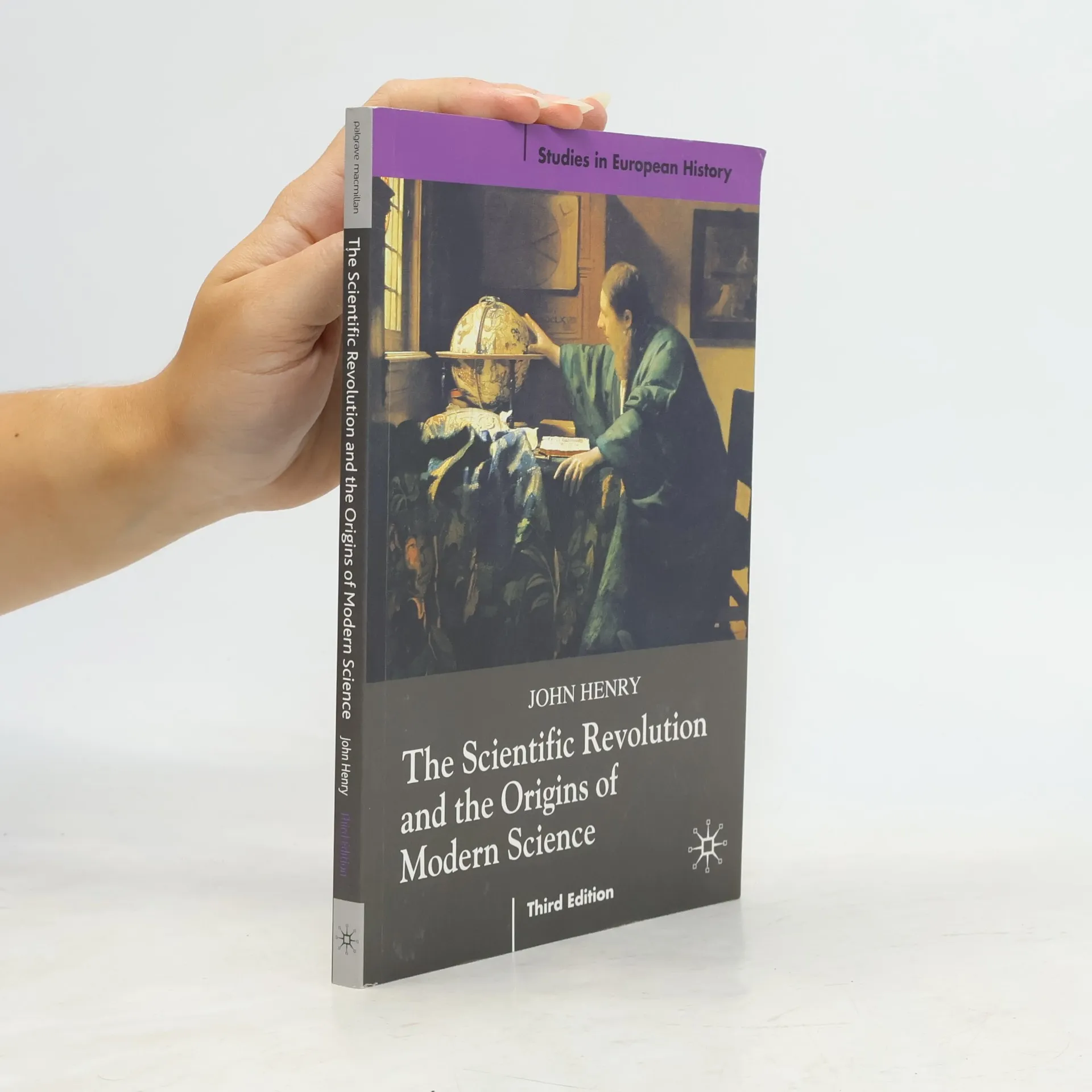
This is a concise but wide-ranging account of all aspects of the Scientific Revolution from astronomy to zoology. The third edition has been thoroughly updated, and some sections revised and extended, to take into account the latest scholarship and research and new developments in historiography.
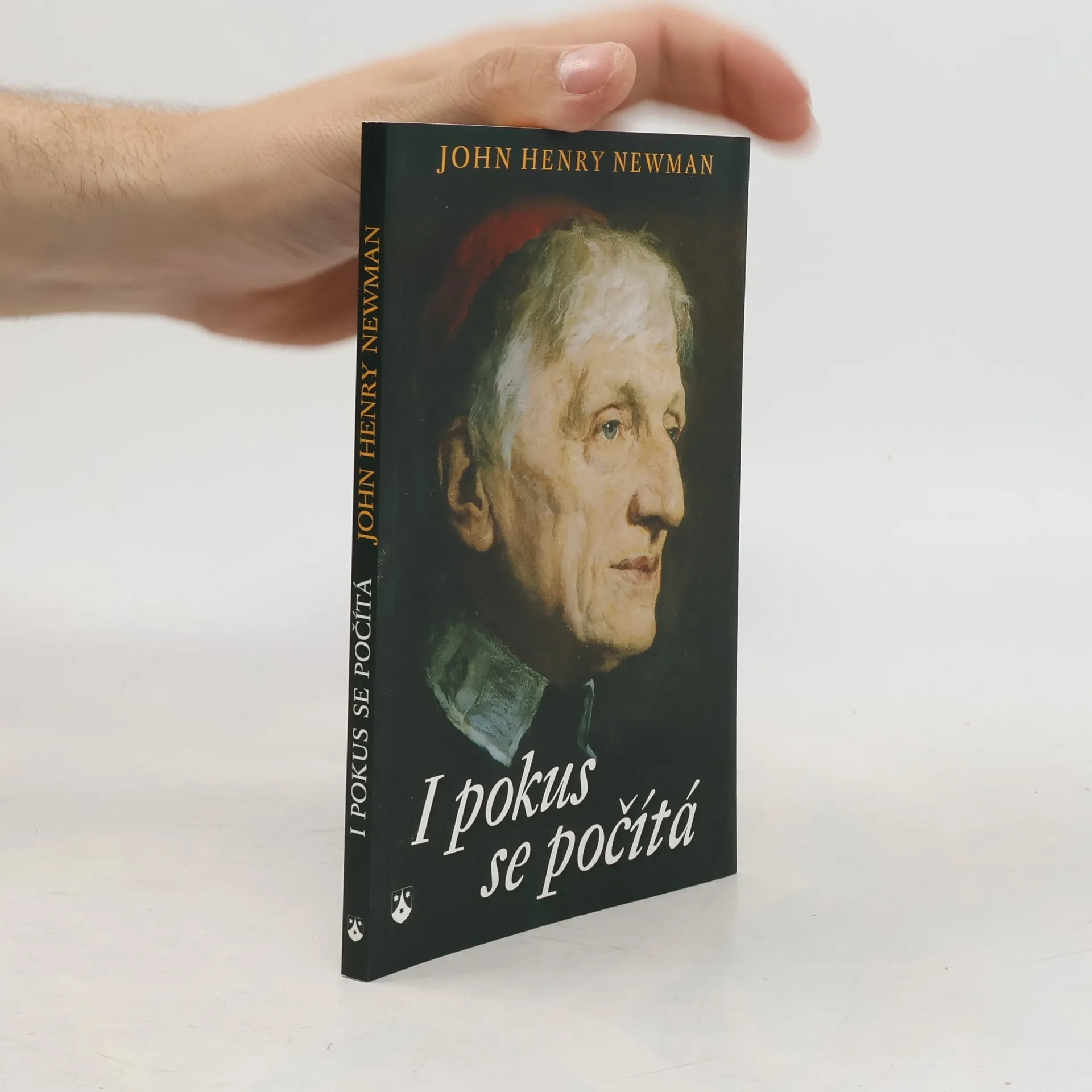
Sbírka zamyšlení nad životem sv. Filipa Neriho a modliteb k němu od bl. Johna Henryho kardinála Newmana, doplněná o životopisy obou světců od P. Štěpána M. Filipa OP.
So viele Tage ohne dich … Seit Annis Mutter bei einem Unfall ums Leben gekommen ist, ist nichts mehr, wie es einmal war. Ihre Schwester Sally schweigt sich aus, ihr Bruder Collin schlägt auf sein Schlagzeug ein und der Vater sitzt den ganzen Tag vor dem Fernseher. Aber zum Glück sind da die liebevollen Großeltern und Tanten, die verständnisvolle Lehrerin und ihre allerbeste Freundin Orla, die immer zu Anni hält und sie mit einem Witz zum Lachen bringt. John Newman hat einen anrührenden, lebensbejahenden und humorvollen Roman geschrieben, der zu Tränen rührt und gleichzeitig Hoffnung und Zuversicht vermittelt.
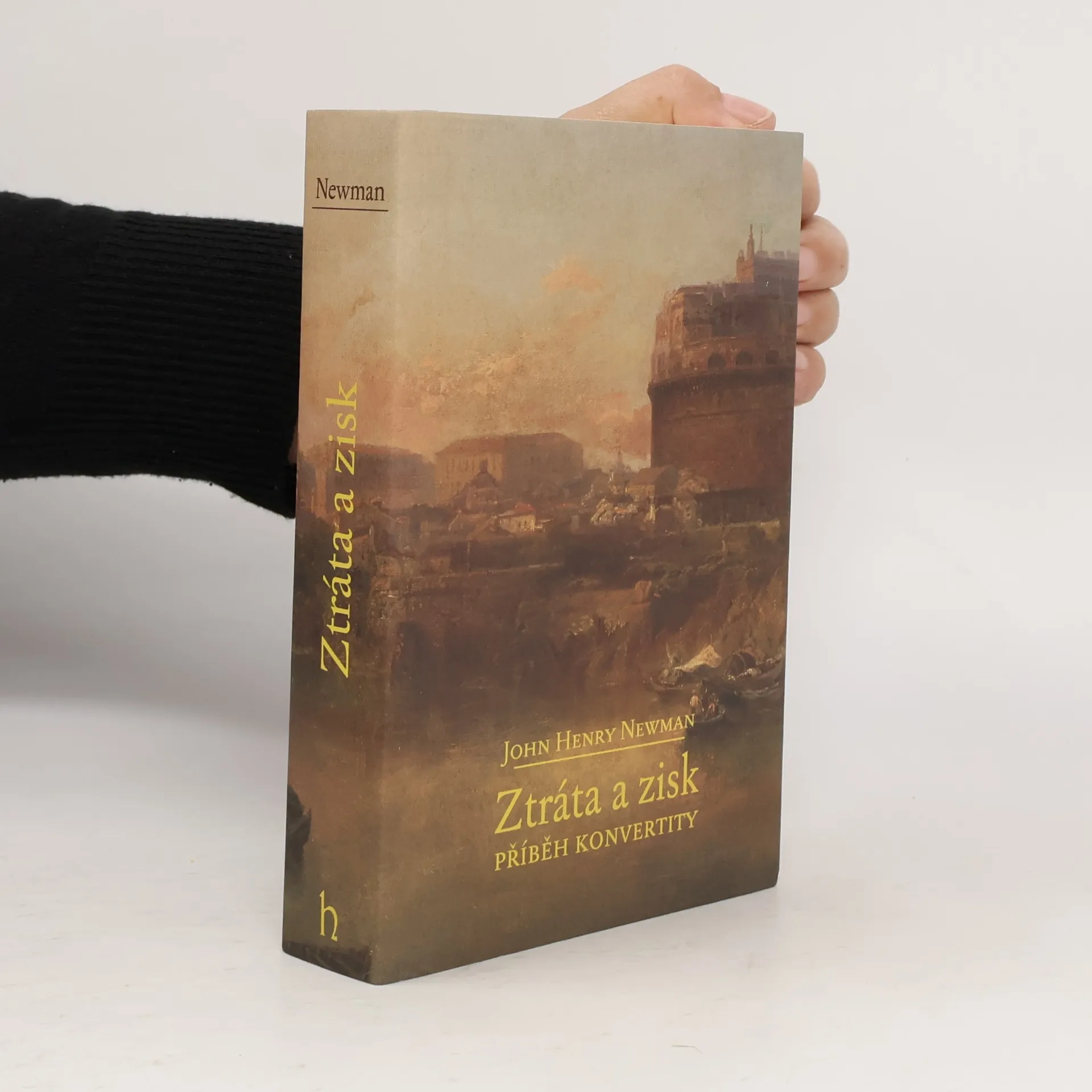
Ztráta a zisk je první knihou, již Newman publikoval po svém obrácení ke katolicismu. Jen za autorova života se román dočkal devíti vydání. Na pozadí studentského života Oxfordu 40. let 19. století se zde odehrává intelektuální a duchovní dobrodružství v životě Charlese Redinga, mladého muže, který se chtěl vyhnout sporům, nedokázal však nejít za poznanou pravdou. Co všechno musí být člověk připraven ztratit, pokud nechce ztratit svou duši?
John Henry Newman (1801–1890) se proslavil nejprve jako představitel reformního hnutí v anglikánské církvi, intenzivní studium dějin křesťanství jej však přivedlo až ke vstupu do katolické církve (1845). Příklad kardinála Newmana jako poctivého myslitele, teologa, pastýře a muže hlubokého duchovního života vyzdvihl papež Benedikt XVI. v září 2010, když jej během své návštěvy Velké Británie prohlásil za blahoslaveného. Z bohatého díla autora, který byl dosud v češtině nedostupný, předkládáme výběr zamyšlení, úryvků z kázání a meditací, které mohou inspirovat i křesťany 21. století.
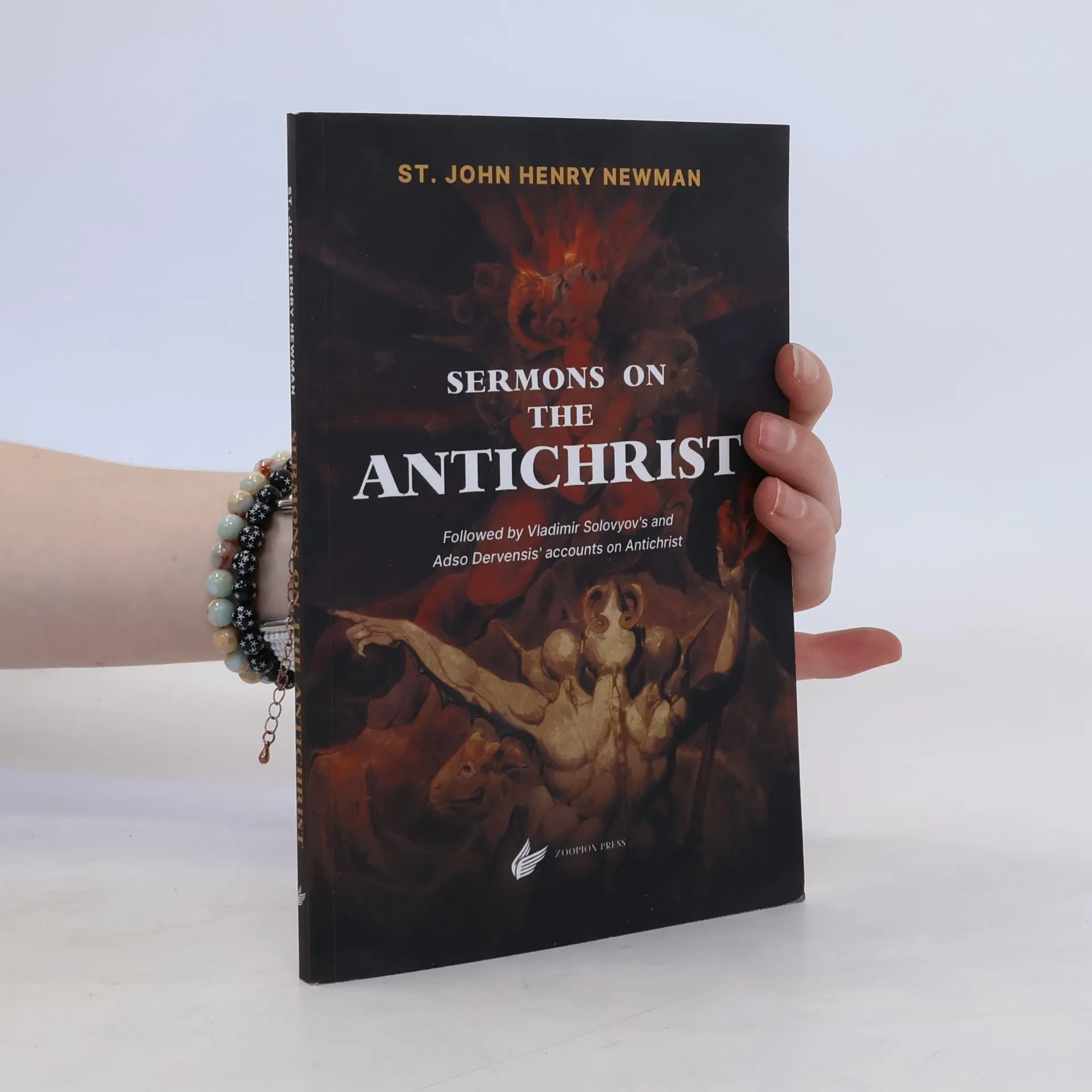
Soubor tématických kázání k Antikristovi, jenž usedne v Božím chrámu a bude se vydávat za Boha, se dotýká závažných momentů světových dějin v souvislosti s radikálními biblickými otázkami. Světec Newman tady člověka těší a přivádí k opravdové radosti.
Kardinál John Henry Newman (1801 — 1890) Jako duchovní anglikánské církve a univerzitní kazatel v Oxfordu se stal vedoucí osobností volného sdružení, jehož cílem byla mravní a náboženská obnova anglikanismu. Jeho záměrem bylo ukázat, že anglikánská církev je nejen anglickým národním dědictvím, ale pravou církví Kristovou. Poctivost a hloubka bádání v dějinách starověké církve jej nakonec dovedly k tušení, že skutečnou nástupkyní prvotní církve je římská církev. Po sedmi letech postupné konverze dospěl do plného společenství katolické církve, v níž přijal kněžské svěcení a později od papeže Lva XIII. dokonce kardinálskou hodnost. Protože do církve přišel po cestě vytříbených argumentů, byl předurčen stát se jejím významným apologetou. Jeho působení znamenalo pro katolickou církev v Anglii dobu renesance. V roce 2010 byl papežem Benediktem XVI. prohlášen za blahoslaveného.
Gebete und Betrachtungen von John Henry Kardinal Newman
Úvod do filosofie náboženského myslitele-konvertity a výbor z jeho spisů.
Podnetom na napísanie Listu vojvodovi z Norfolku bola knižka publikovaná v roku 1874, v ktorej Gladstone kritizuje dogmu o pápežskej neomylnosti a vyzýva katolíkov, aby ju odmietli. A Newman odpovedá ‒ elegantne, inteligentne a presvedčivo ‒ podobne ako jeho Majster, ktorému takisto položili otázku o vzťahu cisára a Boha.
(Grammar of Assent) mit einem Nachwort von Theodor Haecker
Text: Reproduktion auf Grundlage der Ausgabe Verlag Hermann A. Wiechmann; M�nchen 1921. - Ich sage, "zugegeben, dass diese verschiedenen Sitze im offenbarten Wort virtuell enthalten sind", da dies die einzige noch �brige Frage ist; und dass sie im bejahenden Sinn beantwortet werden muss, ist zugleich f�r den Katholiken klar aus der Tatsache, dass die Kirche erkl�rt, dass sie zu ihm geh�ren. Ihr ist die Pflege und die Interpretation der Offenbarung anvertraut. Das Wort der Kirche ist das Wort der Offenbarung. Dass die Kirche das unfehlbare Orakel der Wahrheit ist, ist das Fundamentaldogma der katholischen Religion [Auszug aus dem Buch]
Vortragsreihe der Katholischen Universität Eichstätt