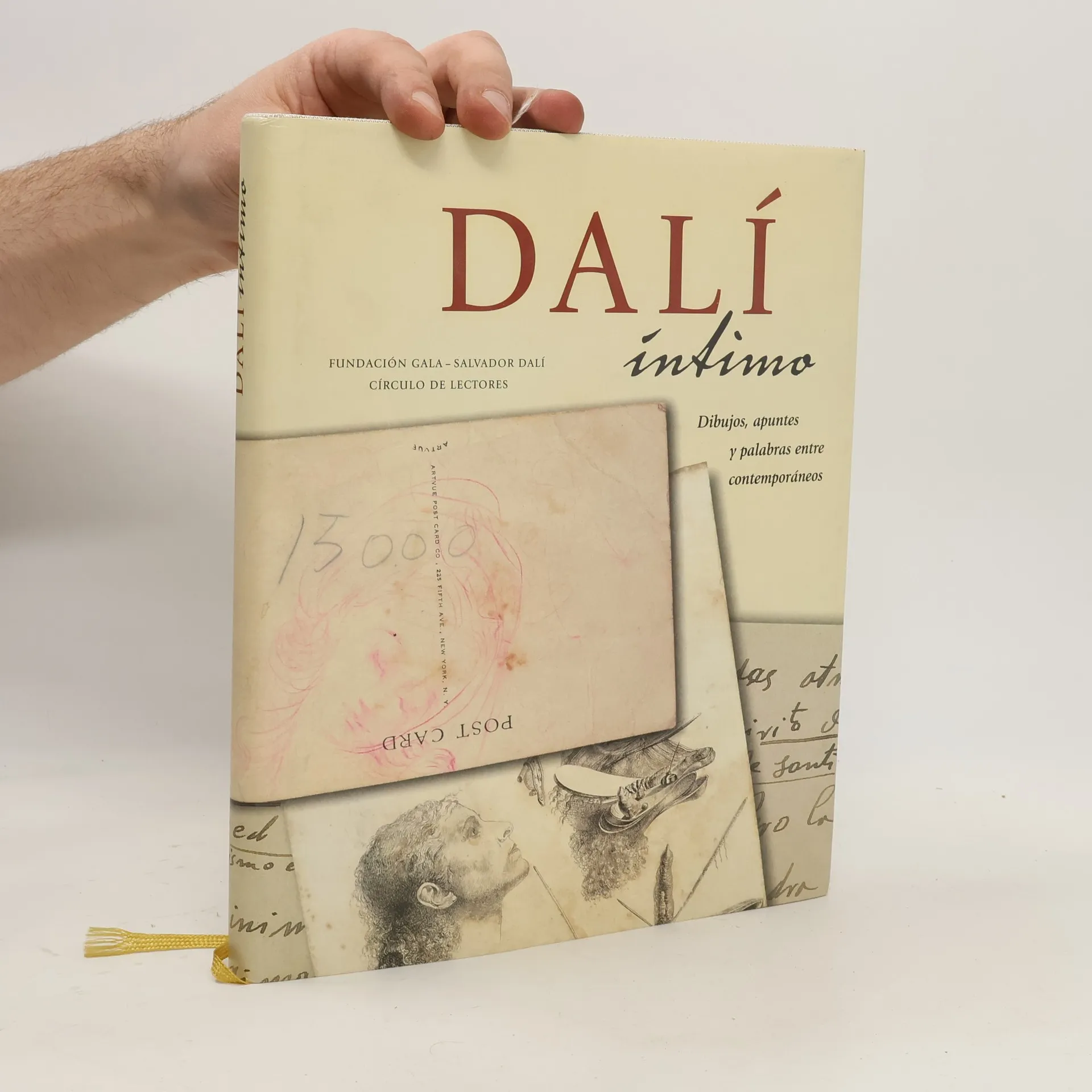
Prólogo de Montse Aguer, comisaria del Año Dalí. Una aproximación diferente a Salvador Dalí; una visita a la trastienda del genio a través de materiales en gran parte iné apuntes, dibujos, bocetos... acompañados por cartas, poemas y dedicatorias.Los consejos claros y sin tapujos de Joan Miró al joven Dalí sobre cómo imponerse en París; las cartas de Breton y otros artífices del surrealismo y de sus amigos Federico García Lorca y Luis Buñuel; las encendidas misivas a Gala de Paul Eluard, su anterior compañero; los tributos de admiración y afecto por parte de figuras como Stefan Zweig, Luchino Visconti, Man Ray...
André Breton Libros
19 de febrero de 1896 – 28 de septiembre de 1966
André Breton fue un escritor, poeta y teórico surrealista francés, conocido principalmente como el fundador principal del Surrealismo. Su obra define el surrealismo como "automatismo psíquico puro", adentrándose en las profundidades del inconsciente y el mundo de los sueños. A través de la escritura automática y técnicas literarias innovadoras, Breton buscó liberar la mente humana de las restricciones racionales y sociales. Su influencia en el arte y la literatura de vanguardia del siglo XX es innegable.



Visor Literario - 6: Manifiestos del surrealismo
- 280 páginas
- 10 horas de lectura
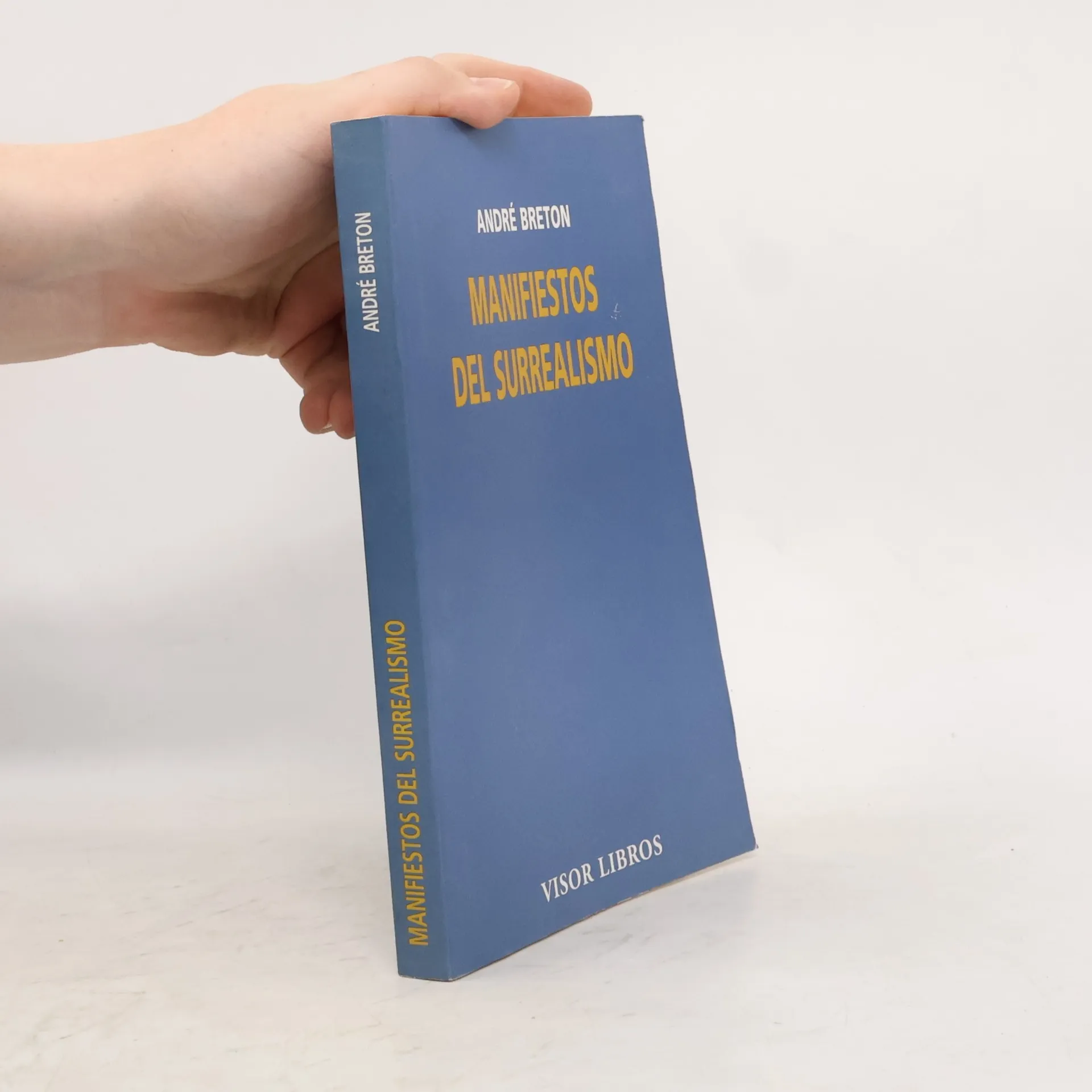
SURREALISMO: sustantivo, masculino. Automatismo psíquico puro por cuyo medio se intenta expresar, verbalmente, por escrito o de cualquier otro modo, el funcionamiento real del pensamiento. Es un dictado del pensamiento, sin la intervención reguladora de la razón ajeno a toda preocupación estética o moral. En 1924 Breton firmaba el primer manifiesto del surrealismo, donde se precisaba el intento de los surrealistas para salir de los rígidos esquemas de la razón y de la observación realista de los hechos para buscar significados ulteriores y vínculos más auténticos con las profundidades del yo. Apoyándose en los descubrimientos freudianos, se tendió a examinar el mundo de los sueños y del inconsciente, con interés por estados como el automatismo psíquico, la locura, la hipnosis, para registrar sus datos e intentar la unificación de los contrarios en el proyecto de una reconstrucción integral de la personaliad.
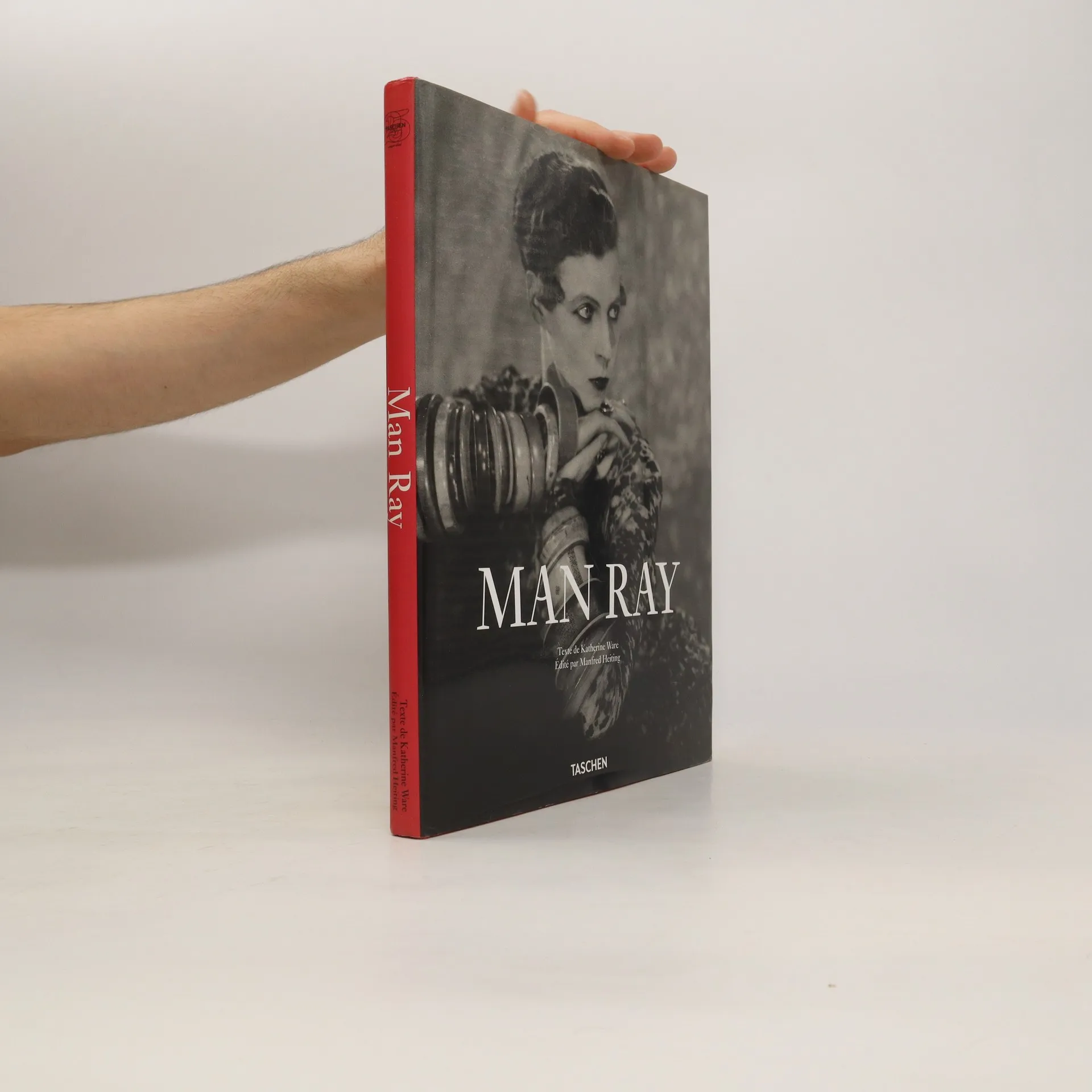
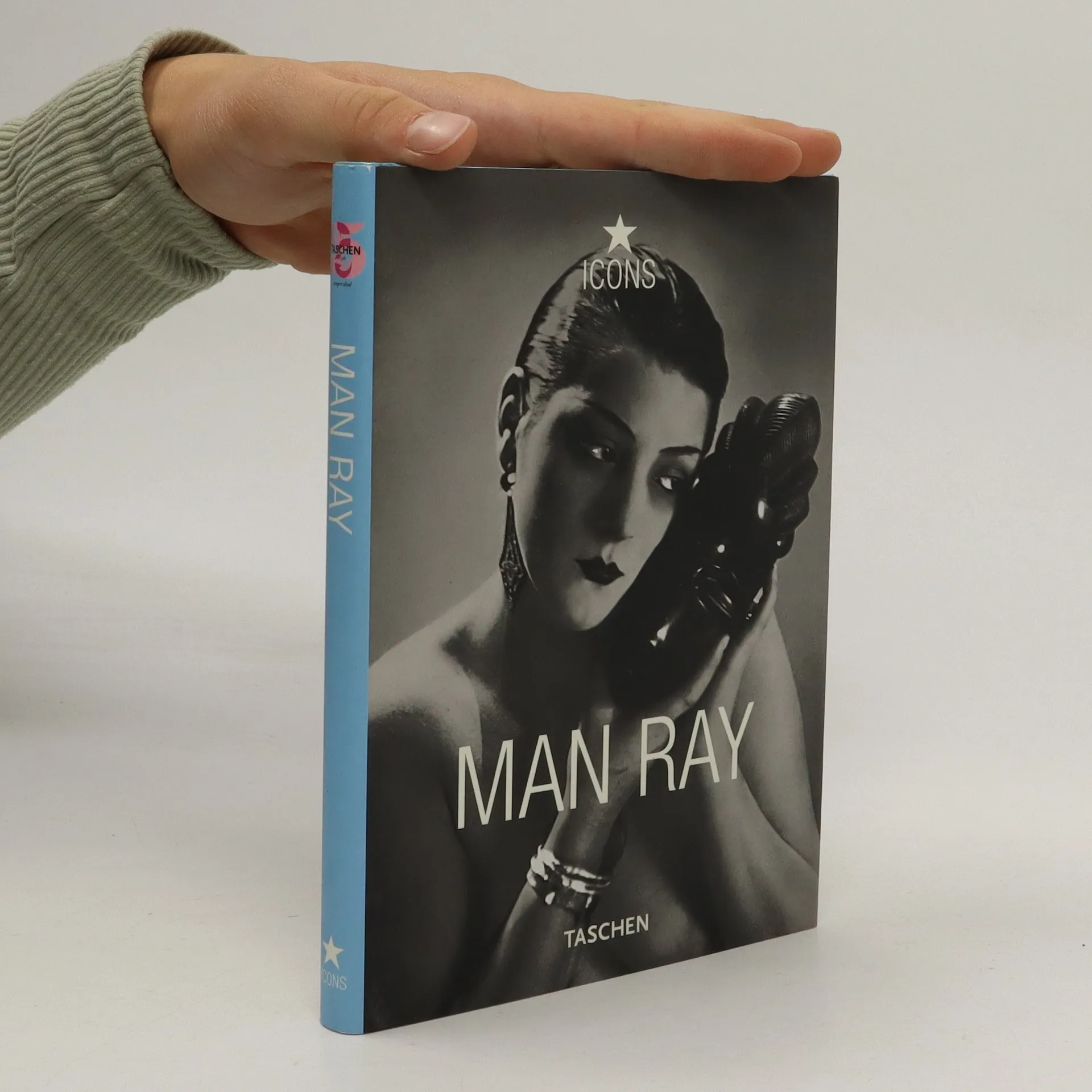
Presents an overview of the life and work of the groundbreaking artist Man Ray (1890-1976) who broke down the boundaries between photography and graphic design with his innovative techniques. This collection of famous, lesser known, and unknown works illustrates Man Ray's singular visionary power.
The Message
- 184 páginas
- 7 horas de lectura
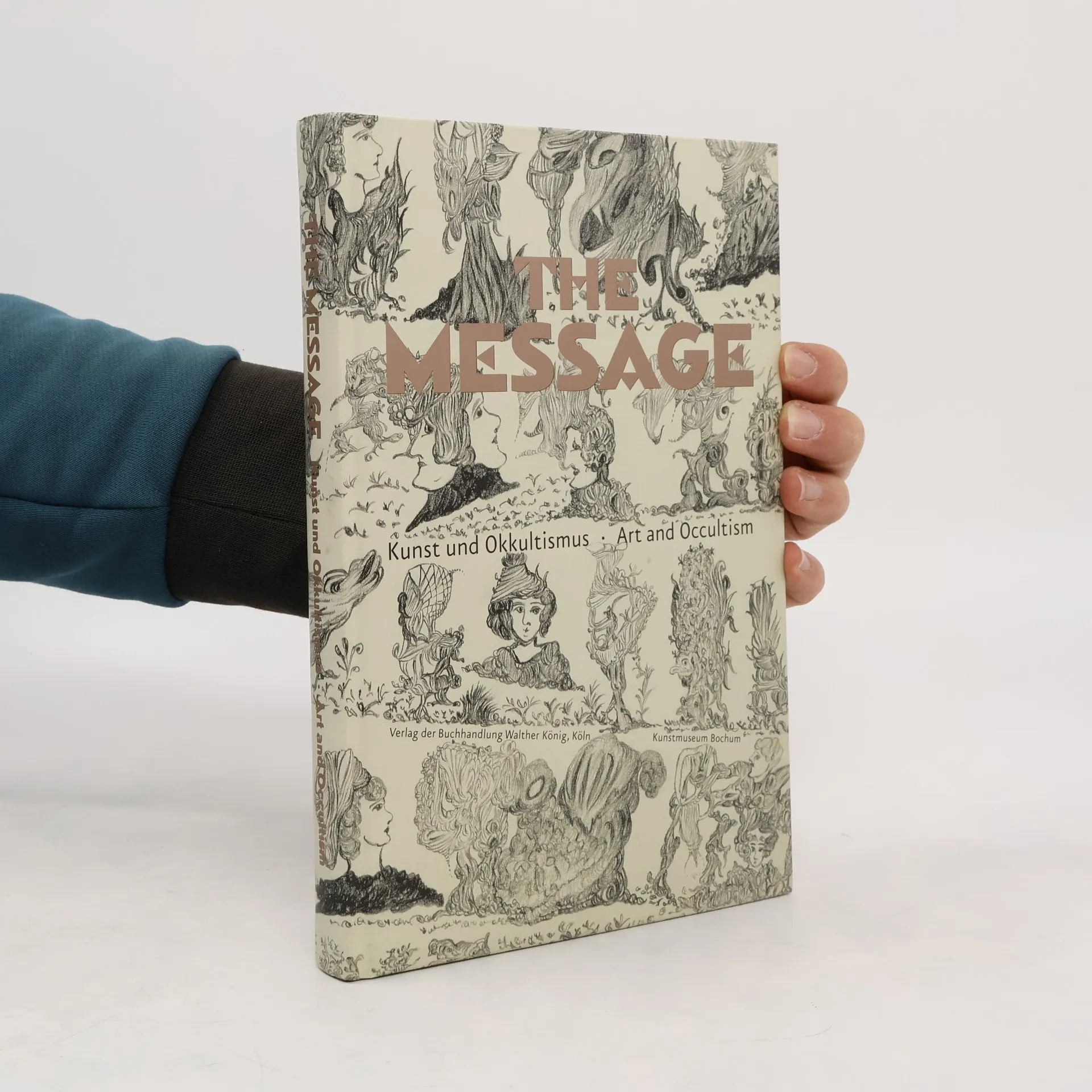
In die Kunst des späten 19. und des 20. Jahrhunderts sind zahlreiche Phänomene des Übersinnlichen und Okkulten eingegangen. Das Buch widmet mit mehr als 20 ausführlichen Künstlerbiografien und zahlreichen farbigen Illustrationen der Kunst von Menschen, die sich als „Medien“ sehen, durch die sich übersinnliche Kräfte äußern. Peter Gorsen berichtet über die historische Entwicklung dieses Genres vom 19. Jahrhundert über die Faszination der Surrealisten, der Art Brut bis zu aktuellen Beispielen der überaus aktiven Szene, die bis heute eine unglaubliche Faszination auf den Betrachter ausübt. Die Bandbreite reicht dabei von Zeichnungen und Gemälden über die berühmten Geisterfotografien (Albert Schrenck-Notzing) bis hin zu akustischen Phänomenen.
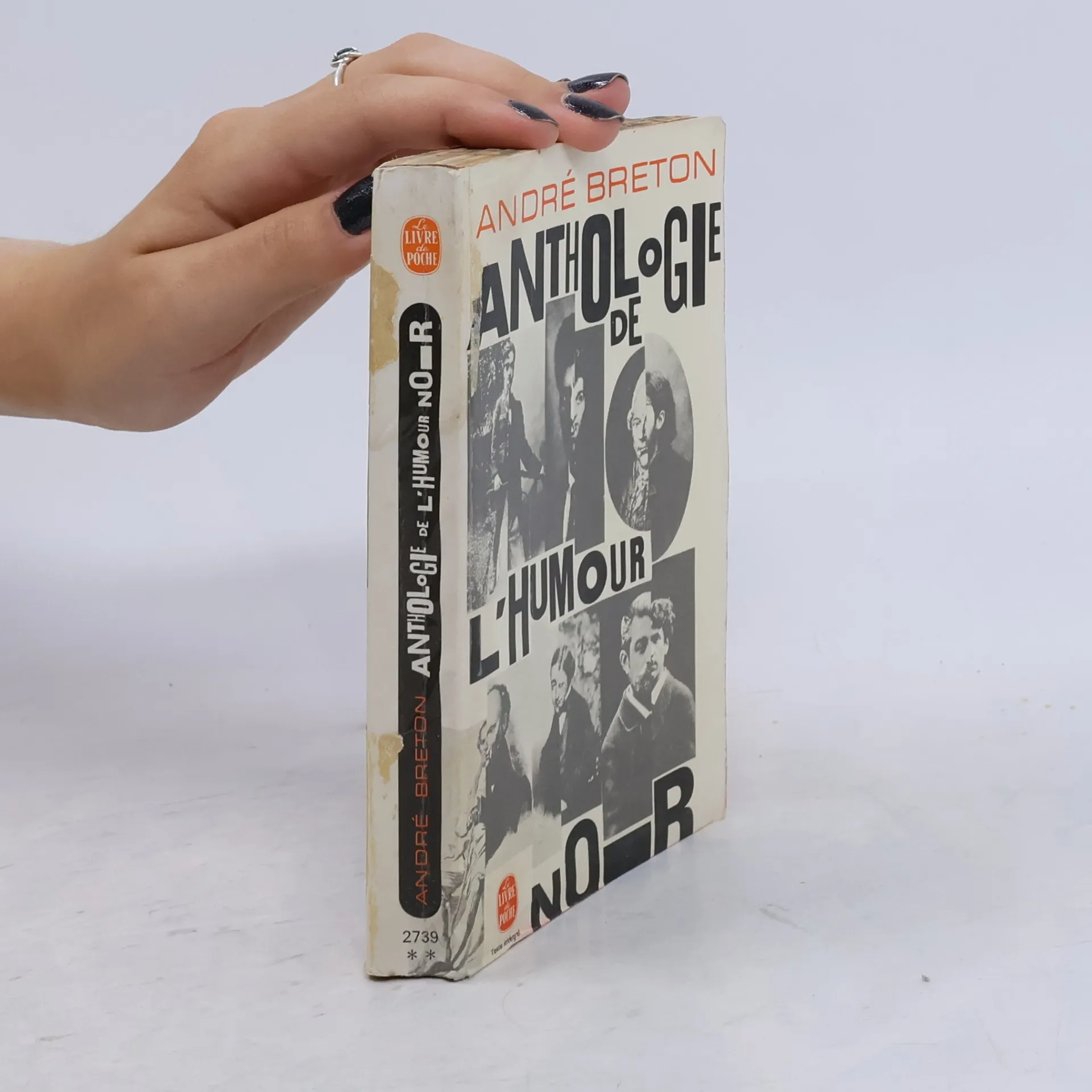
Anthology of Black Humour
- 356 páginas
- 13 horas de lectura
Presents a definitive statement on l'humour noir, one of the seminal concepts of Surrealism. This title offers an anthology of the writers the author most admires. It discusses the acerbic aphorisms of Swift, Lichtenberg and Duchamp, the theatrical slapstick of Christian Dietrich Grabbe, the wry missives of Rimbaud, and the manic paranoia of Dali.
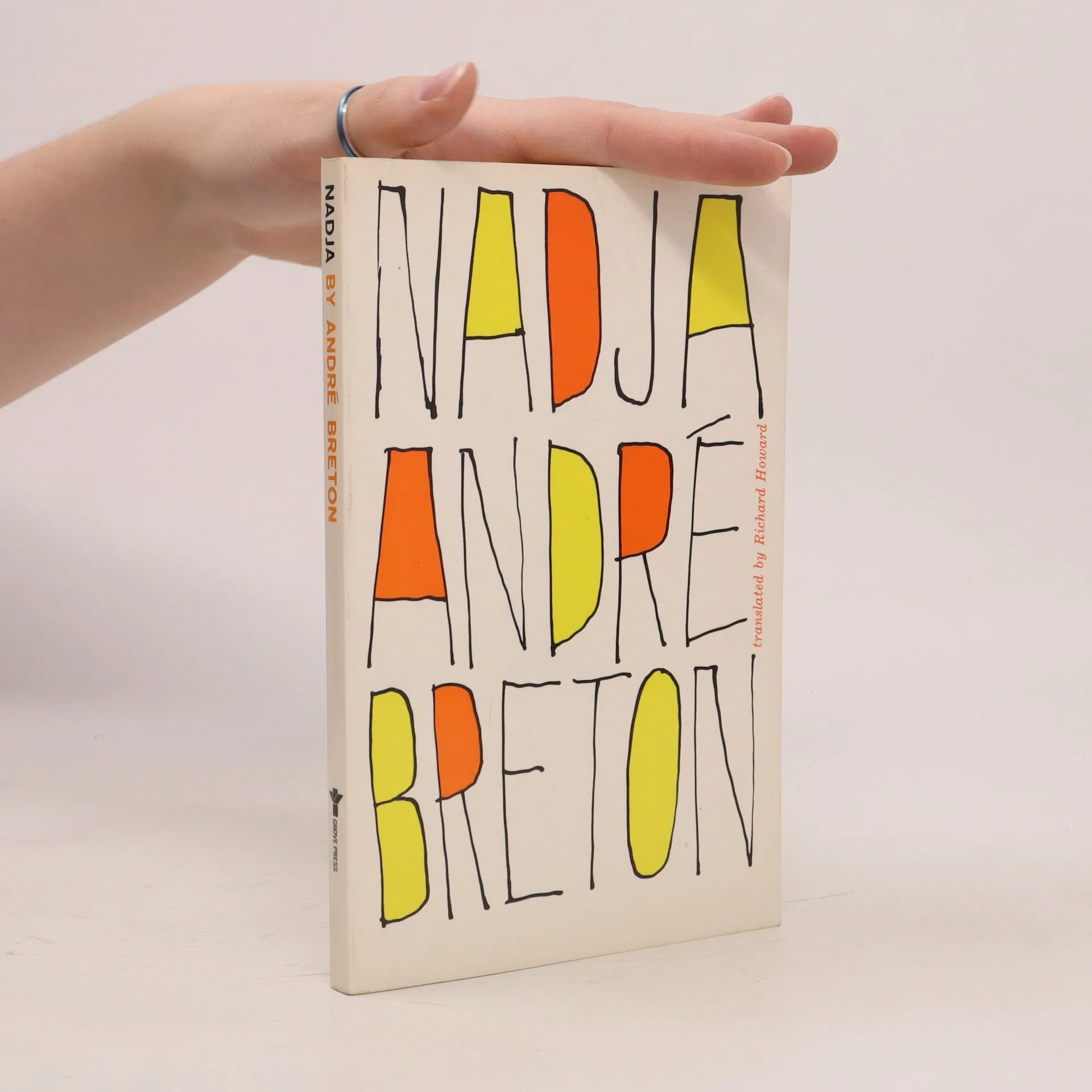
Nadja
- 160 páginas
- 6 horas de lectura
"Nadja, " originally published in France in 1928, is the first and perhaps best Surrealist romance ever written, a book which defined that movement's attitude toward everyday life. The principal narrative is an account of the author's relationship with a girl in teh city of Paris, the story of an obsessional presence haunting his life. The first-person narrative is supplemented by forty-four photographs which form an integral part of the work -- pictures of various "surreal" people, places, and objects which the author visits or is haunted by in naja's presence and which inspire him to mediate on their reality or lack of it. "The Nadja of the book is a girl, but, like Bertrand Russell's definition of electricity as "not so much a thing as a way things happen, " Nadja is not so much a person as the way she makes people behave. She has been described as a state of mind, a feeling about reality, k a kind of vision, and the reader sometimes wonders whether she exists at all. yet it is Nadja who gives form and structure to the novel.
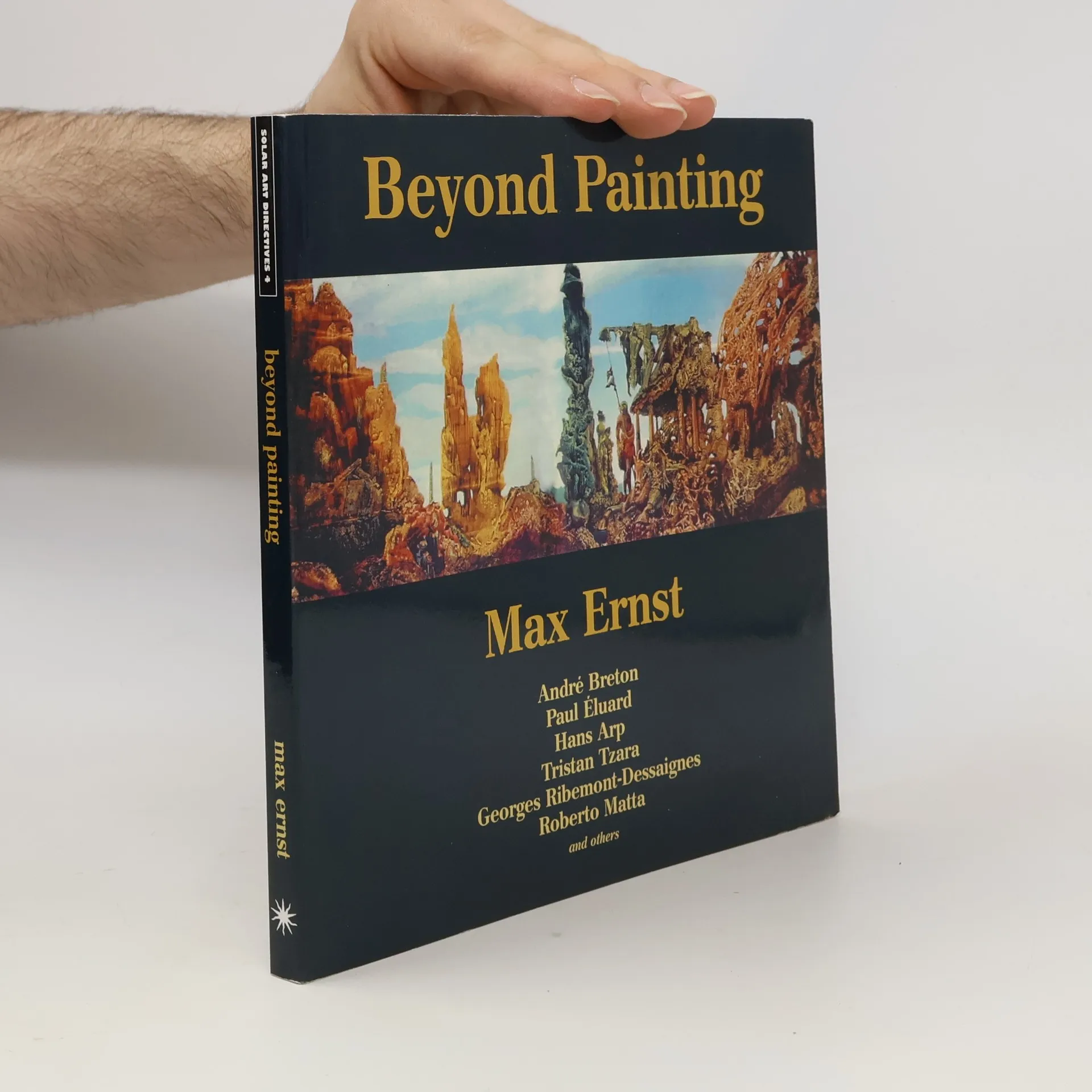
Solar Art Directives - 4: Beyond Painting
- 100 páginas
- 4 horas de lectura
Alongside Salvador Dali and Andre Breton, Max Ernst remains one of the most famous names to be associated with Surrealism, and must now be regarded as one of the most original, prolific and best-known artists of the 20th century. Assembled in 1947, when Ernst had attained the height of his artistic powers, BEYOND PAINTING is a definitive autobiographical document of the painter and the creative processes behind his work, enhanced by testaments by many of his friends including fellow Surrealists Andr Breton, Paul luard, Roberto Matta and Hans Arp, as well as others such as New York art dealer Julien Levy. BEYOND PAINTING also contains over 150 illustrations dating from 1917-1947, including complete versions of Ernst's revolutionary experiments in frottage and collage, Natural History and The Lion of Belfort. Also included is a preface by New York artist Robert Motherwell and a chronology of Ernst's life written by the painter himself. Solar Art Directives features the most innovative artists of the 20th century.
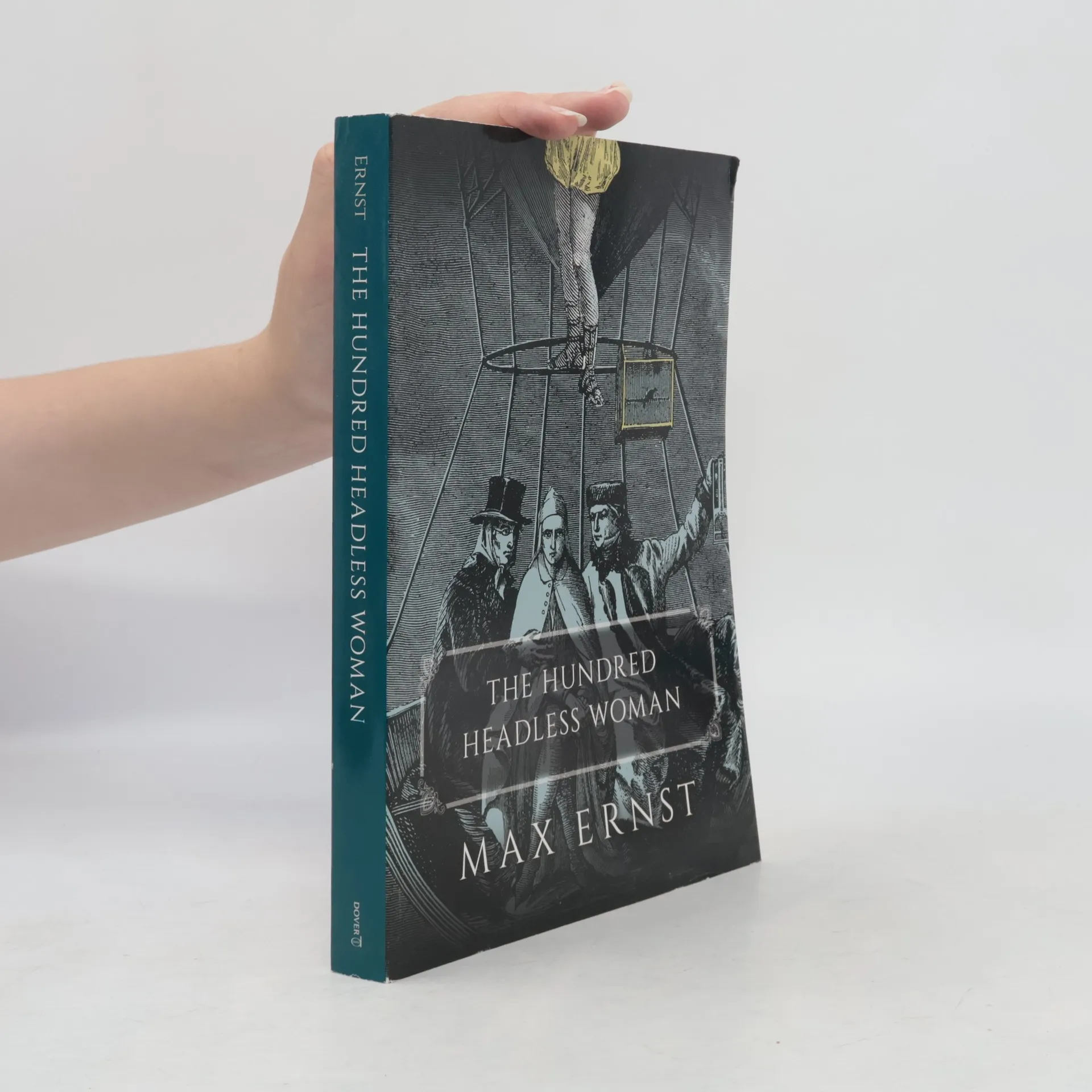
The Hundred Headless Woman
- 320 páginas
- 12 horas de lectura
Originally published in Paris in 1929, this collage novel by avant-gardist Max Ernst constitutes a seminal 20th-century work of art. The artist's striking combinations of engravings from Victorian-era books and magazines, accompanied by enigmatic captions, offer a universe of mystery replete with all the possibilities of the bizarre dream world of the surreal. Images speak, language illustrates, and the reader's imagination provides the glue. "Irrational, violent, tender, ironic, Max Ernst has invoked the whole kaleidoscope of human phenomena in these collages ... [turning them] into stunning proposals for adventure," noted this volume's translator, Dorothea Tanning. The Hundred Headless Woman was the first of Ernst's collage novels, and its classic status ensures a place in modern art history classes. Every visit and re-visit to its pages tells a different story, an endlessly fascinating tale that runs an emotional gamut from keen humor to outright horror.
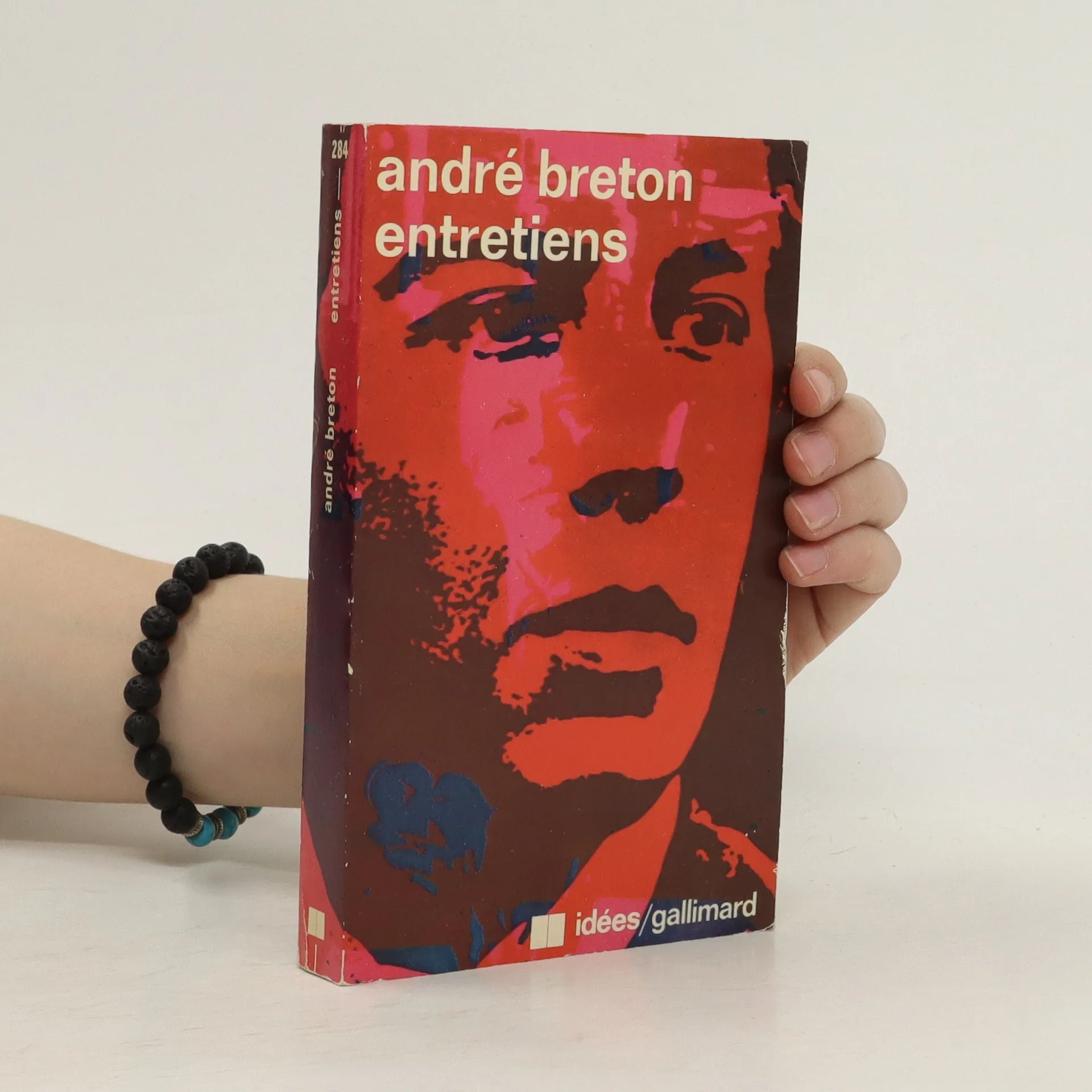
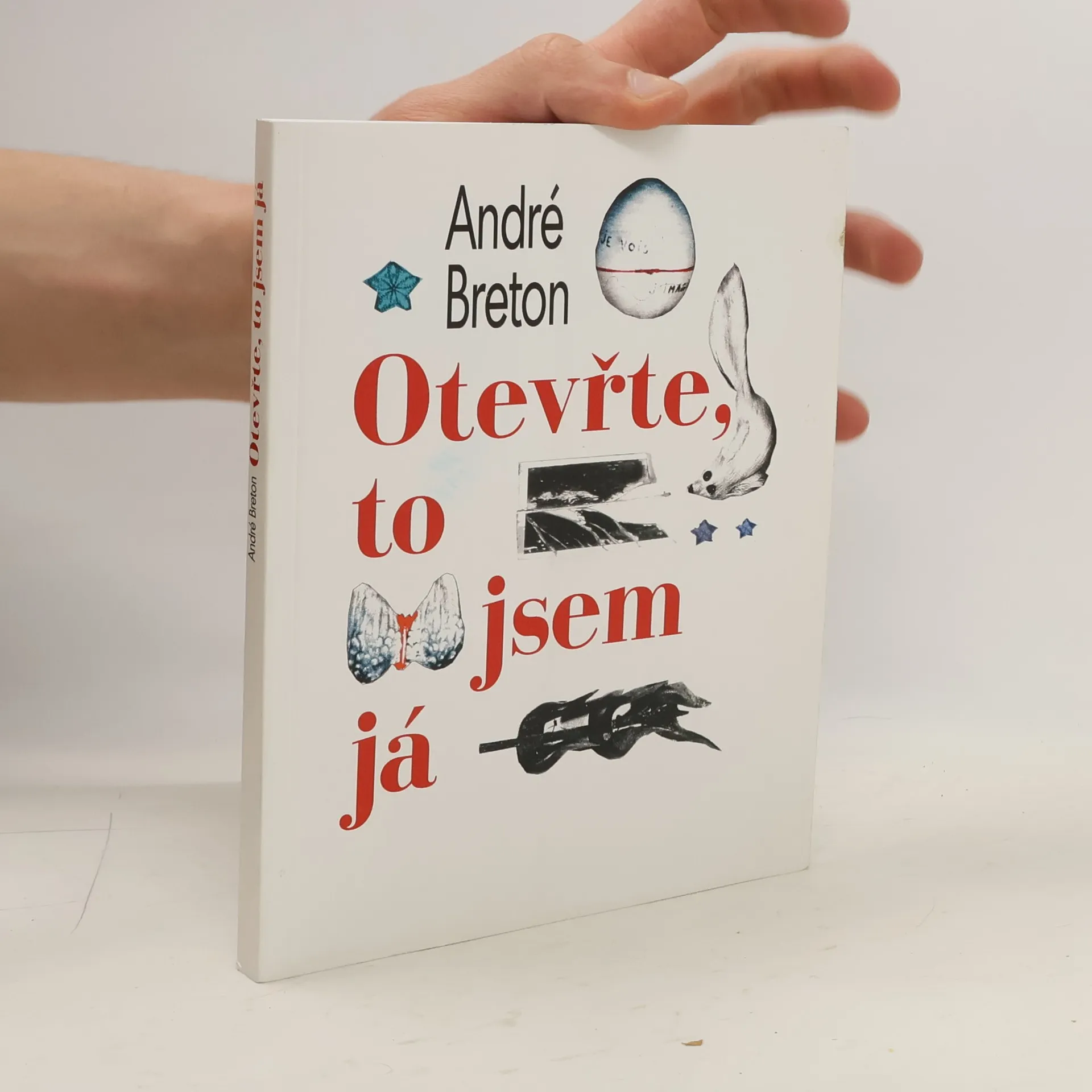
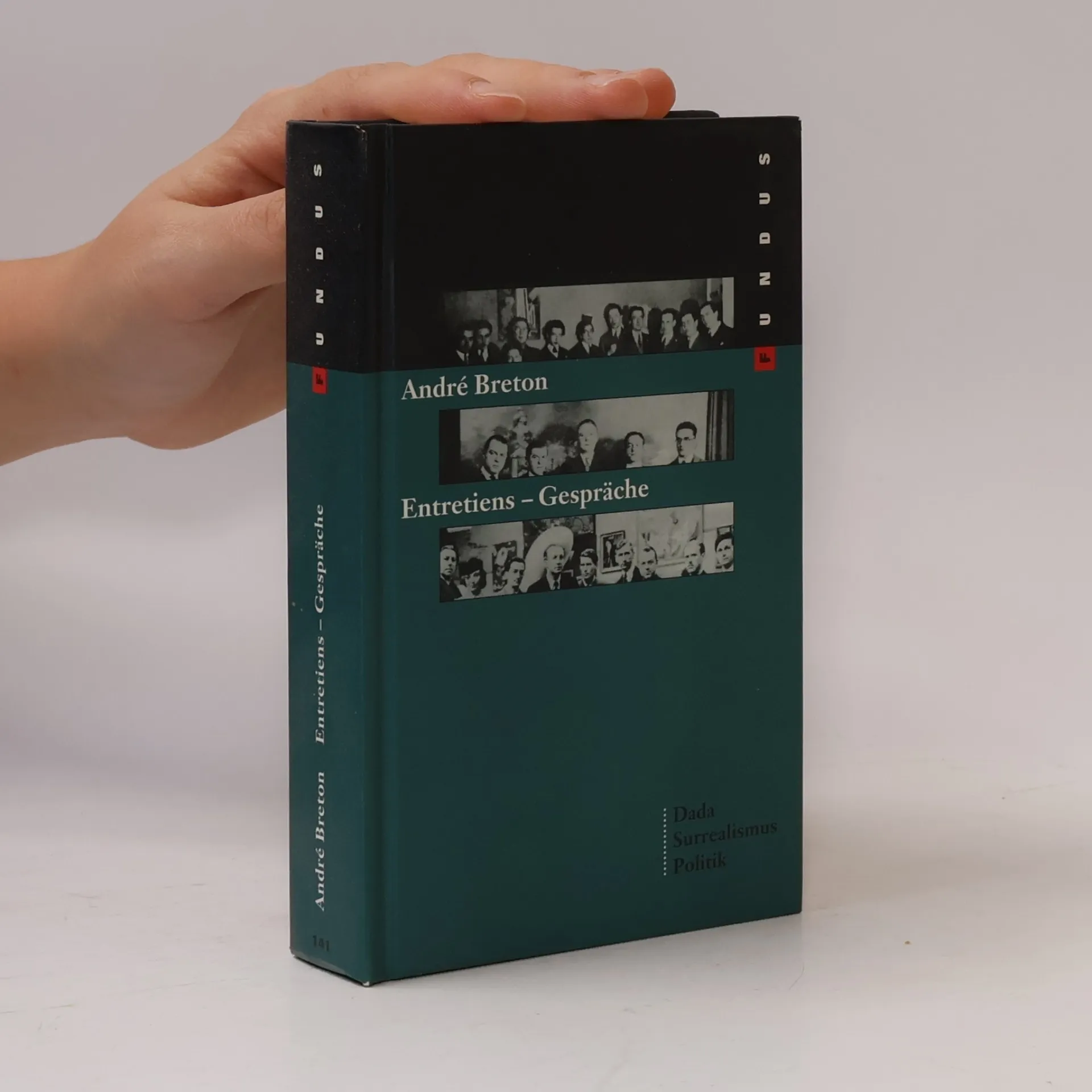
Entretiens entre le poète surréaliste André Breton et André Parinaud, enrichis de plusieurs autres entretiens.
Výbor z Bretonových básní je vůbec první knižní prezentací Bretona-básníka v češtině. Tento obsáhlý výbor zahrnuje básně ze slavných sbírek dvacátých a třicátých let Zemský svit, Revolver s bílými vlasy a Vzduch země, básnická pásma z let čtyřicátých, texty vydané až po autorově smrti a odhalující dosud opomíjené aspekty básníkova psaní a vidění, ale rovněž i texty juvenilní – mallarméovské, rimbaudovské nebo dadaistické. Knihu doprovází rozsáhlý poznámkový aparát a studie o autorovi, vše z pera překladatele Petra Krále.
Man Ray, 1890-1976
- 191 páginas
- 7 horas de lectura
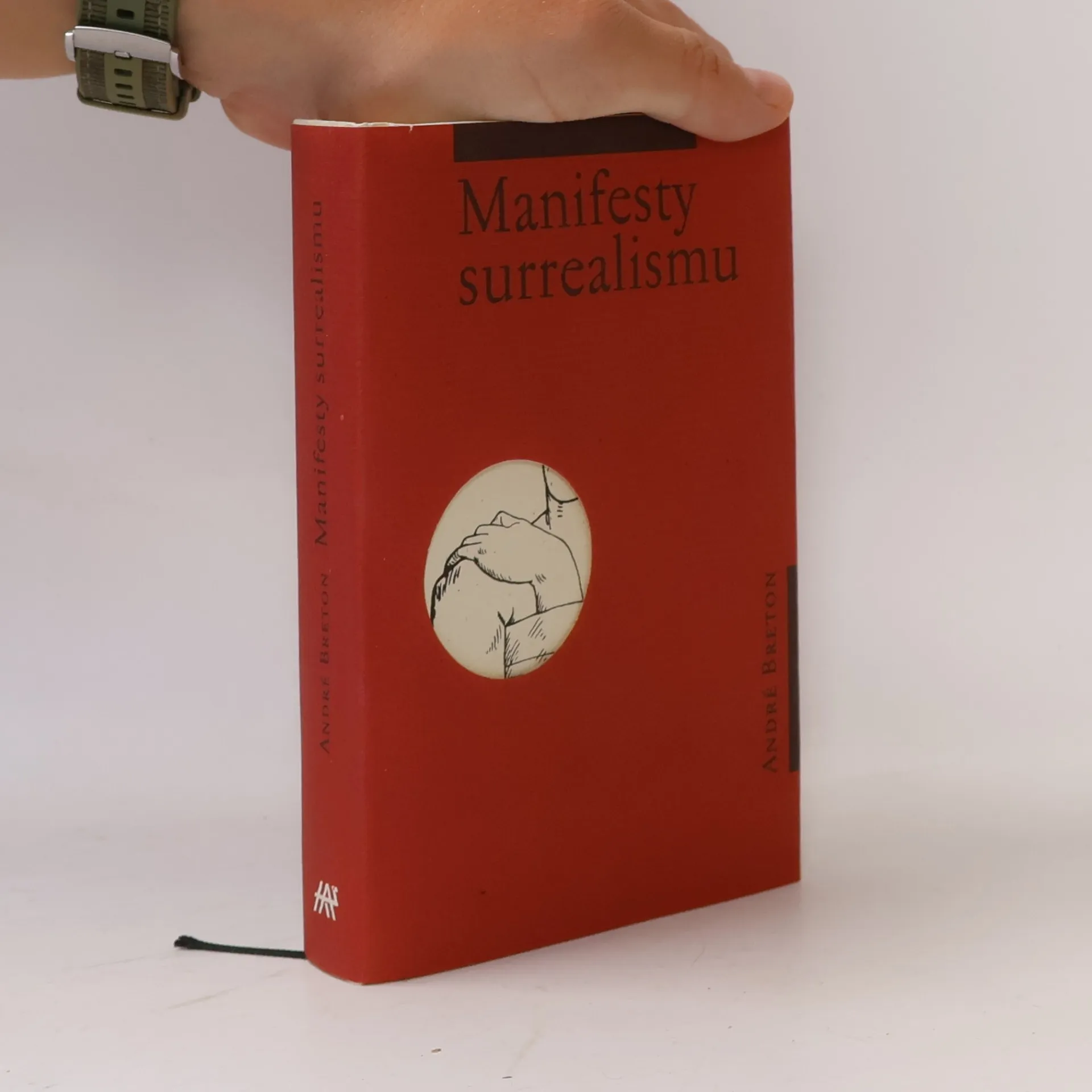
Manifesty surrealismu: kompletní vydání
- 336 páginas
- 12 horas de lectura
Přítomný svazek přináší českému čtenáři překlad bretonovské antologie Jeana-Jacquese Pauverta z roku 1962, zahrnující manifesty, eseje a přednášky Politická pozice surrealismu, které ilustrují Bretonův kritický postoj k sovětskému režimu. Obsahuje také referáty, jež byly prosloveny v Praze v roce 1935 na pozvání Vítězslava Nezvala. Součástí vydání je automatický text Rozpustná ryba, ukázka Bretonova novátorského konceptu. André Breton (1896–1966), básník a esejista, je znám jako zakladatel a teoretik surrealistického hnutí, které přineslo nové paradigma v umění. Jeho začátky jsou ovlivněny francouzským symbolismem a po roce 1918 se podílí na pařížském dada, které později odmítá. V roce 1924 zakládá surrealistické hnutí, jež si zachovává podvratný postoj k socio-kulturnímu statu quo, avšak na základě pozitivního programu, který formuloval v Manifestu surrealismu. V něm definuje umělecký surrealismus jako psychický automatismus, jenž zachycuje myšlení mimo racionální logiku. Kolem roku 1925 se Breton ideově sbližuje s komunismem a v roce 1927 vstupuje do komunistické strany, z níž je vyloučen pro antistalinistické názory. V tomto období se surrealistické postoje diferencují, což jej vede k napsání Druhého manifestu surrealismu v roce 1930. Během druhé světové války prchá do Ameriky, kde v roce 1942 píše Prolegomena k Třetímu manifestu surrealismu.
Ein poetisches Manifest beschreibt einen Traum von einer alten Zigeunerin auf der Insel Bonaventure, einem bedeutenden Wallfahrtsort für Meeresvögel. Der Traum wird von der Anordnung bunter Fässer und deren kabbalistischen Zeichen inspiriert, die auf einem Fischerboot entdeckt wurden.
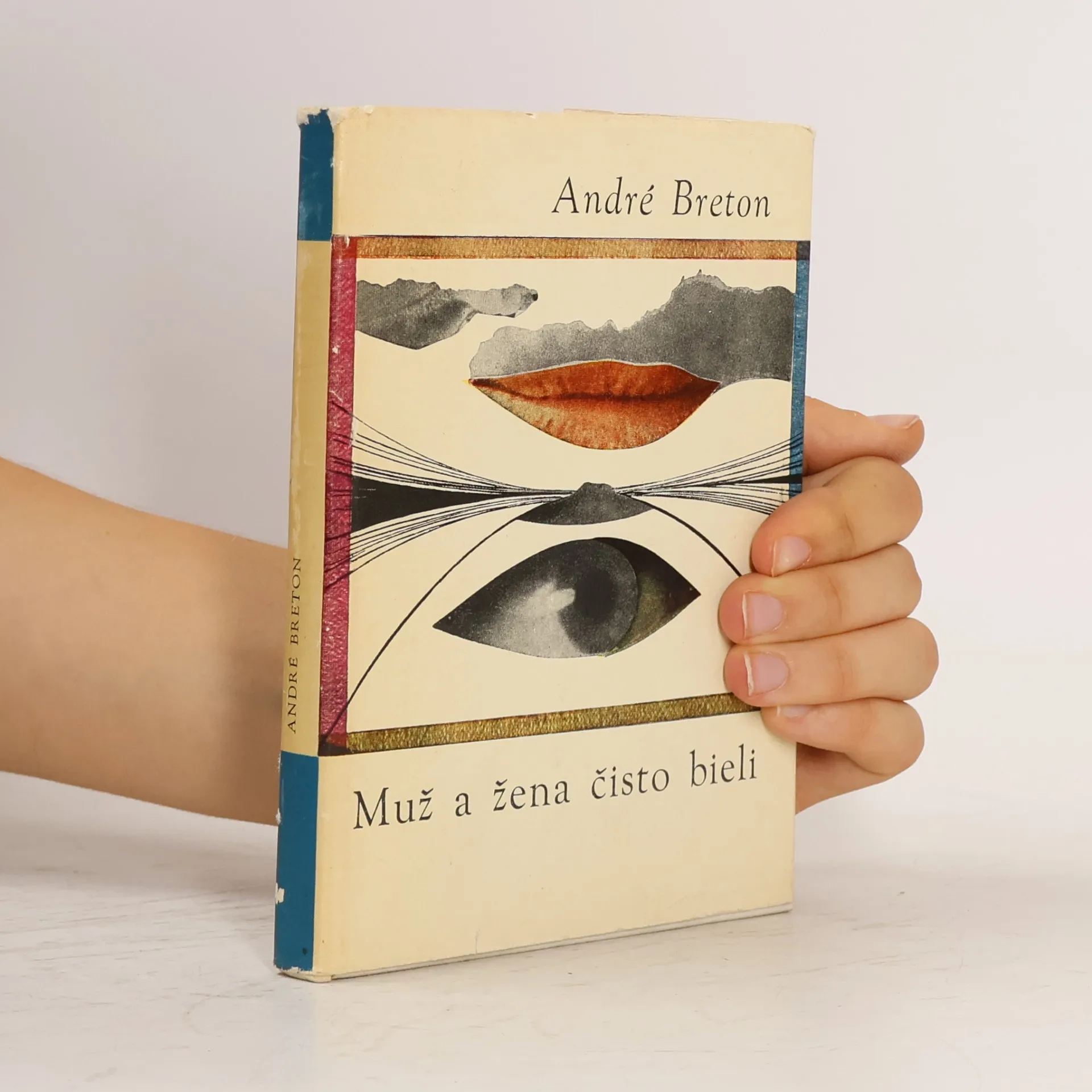
Zbierka básní legendárneho básnika, prozaika a teoretika surrealizmu. Preložil Vladimír Reisel.
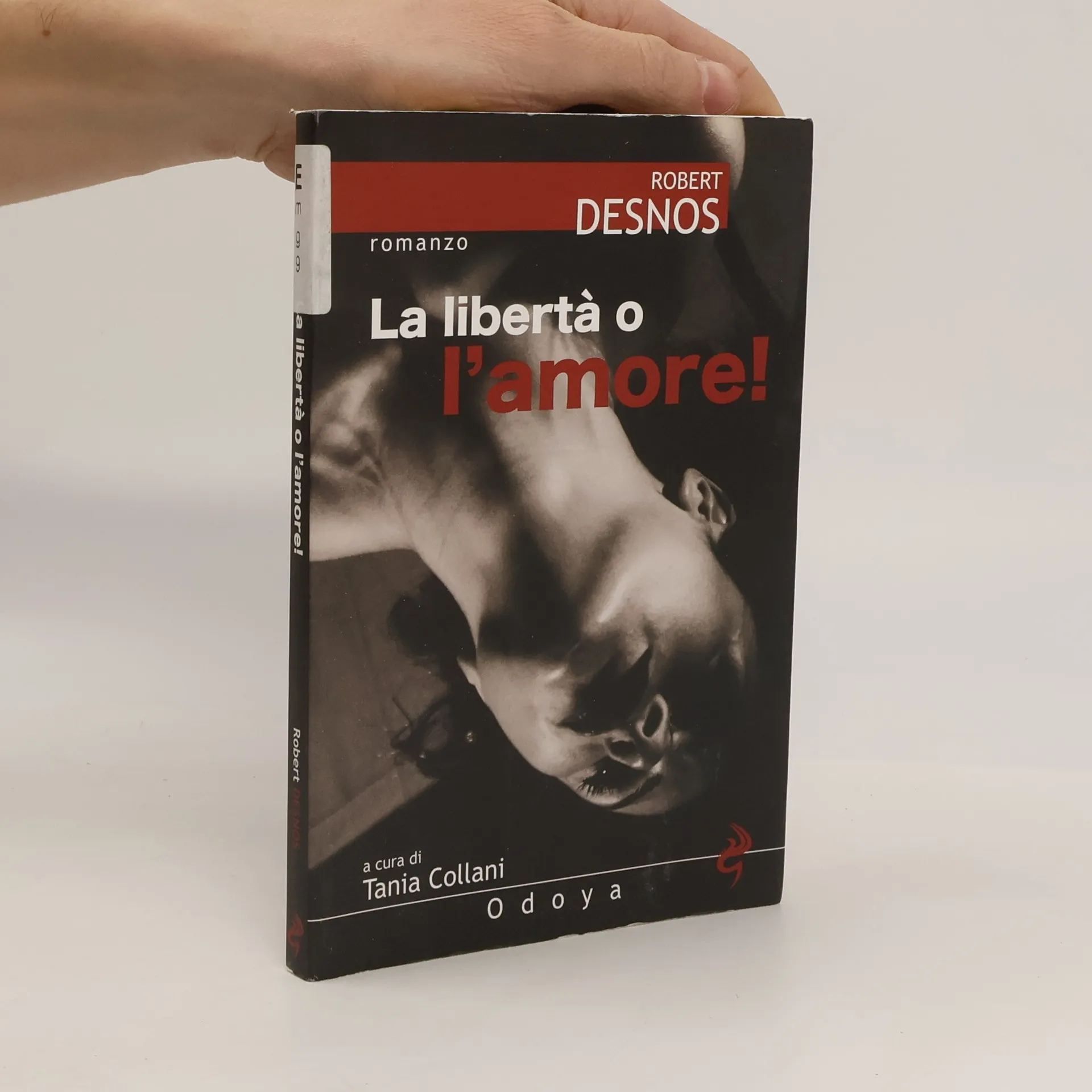
La libertà o l'amore!
- 160 páginas
- 6 horas de lectura
Al grido di rivolta «La libertà o l’amore!», che fa eco ai toni febbricitanti e all’urlo rivoluzionario «La libertà o la morte!», si apre il romanzo surrealista di Robert Desnos. Un’esclamazione che si traduce in una fuga verso i limiti dell’eticamente accettabile, attraverso sequenze da film: il mare, una stella, una donna che ossessiona il protagonista Corsaire Sanglot, girovago nella Parigi notturna. In ogni parola, in ogni immagine traspare il tormento continuo per l’indagine della profonda natura degli uomini, esseri fragili, in balìa di pulsioni, pensieri sopiti che si risvegliano al contatto di eventi che, prepotenti, sconvolgono l’esistenza dei comuni mortali. Allora che importa se dalla camera d’albergo dove Jack lo Squartatore ha compiuto uno dei suoi efferati delitti, il protagonista scorge una lotta all’ultimo sangue tra le sue pretendenti, una sirena e l’irraggiungibile Louise Lame? Come in un film di Buñuel, le singole sequenze acquistano un vigore tale da rendere superfluo il ricorso alla banale linearità. L’unica linea da seguire resta quella delle passioni e delle emozioni, che si susseguono come in un incubo da cui a malincuore ci si vorrebbe risvegliare. E il naufragare diventa dolce, quando ci si dibatte tra due utopie ugualmente scintillanti, la libertà o l’amore.
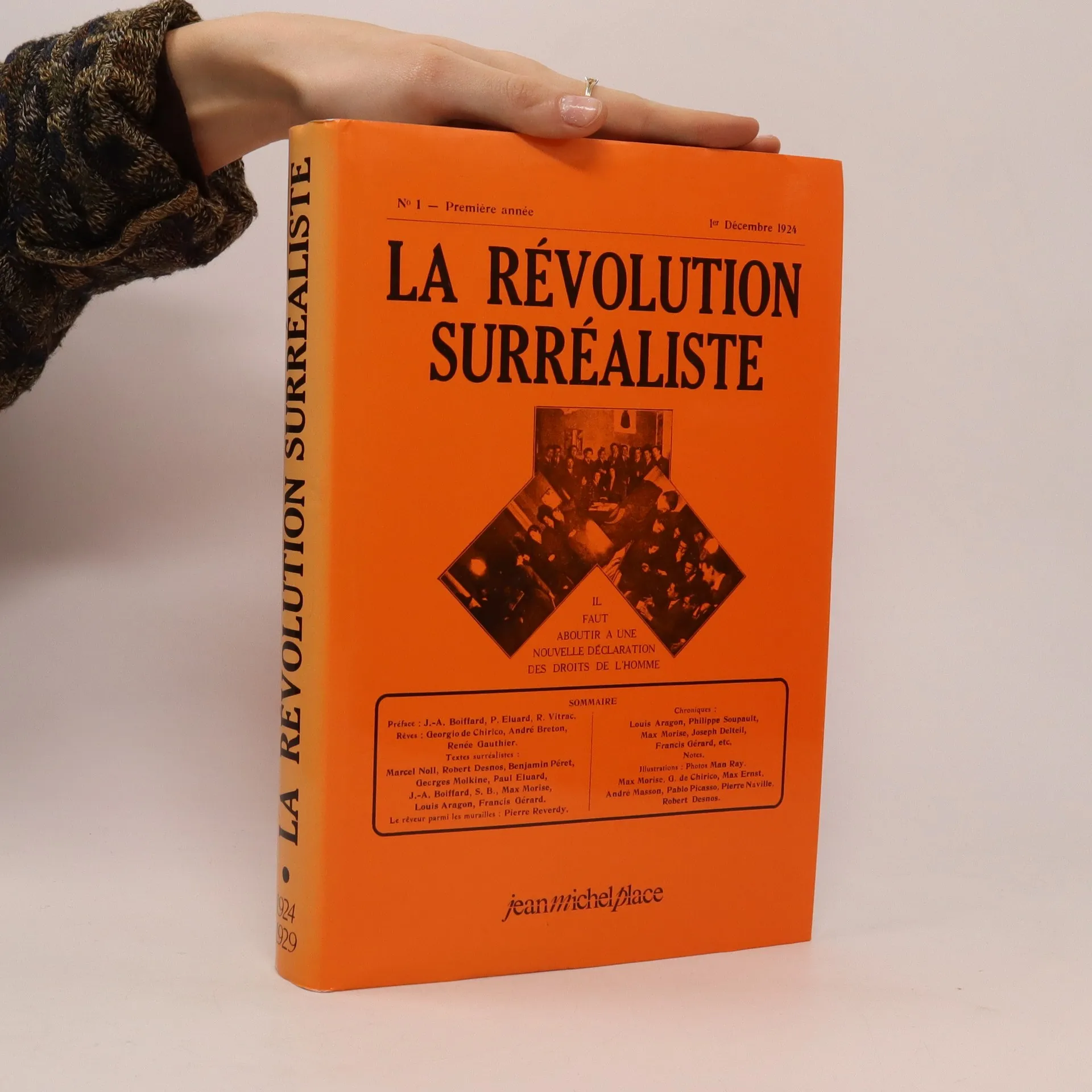
La révolution surréaliste (1924-1929)
- 350 páginas
- 13 horas de lectura
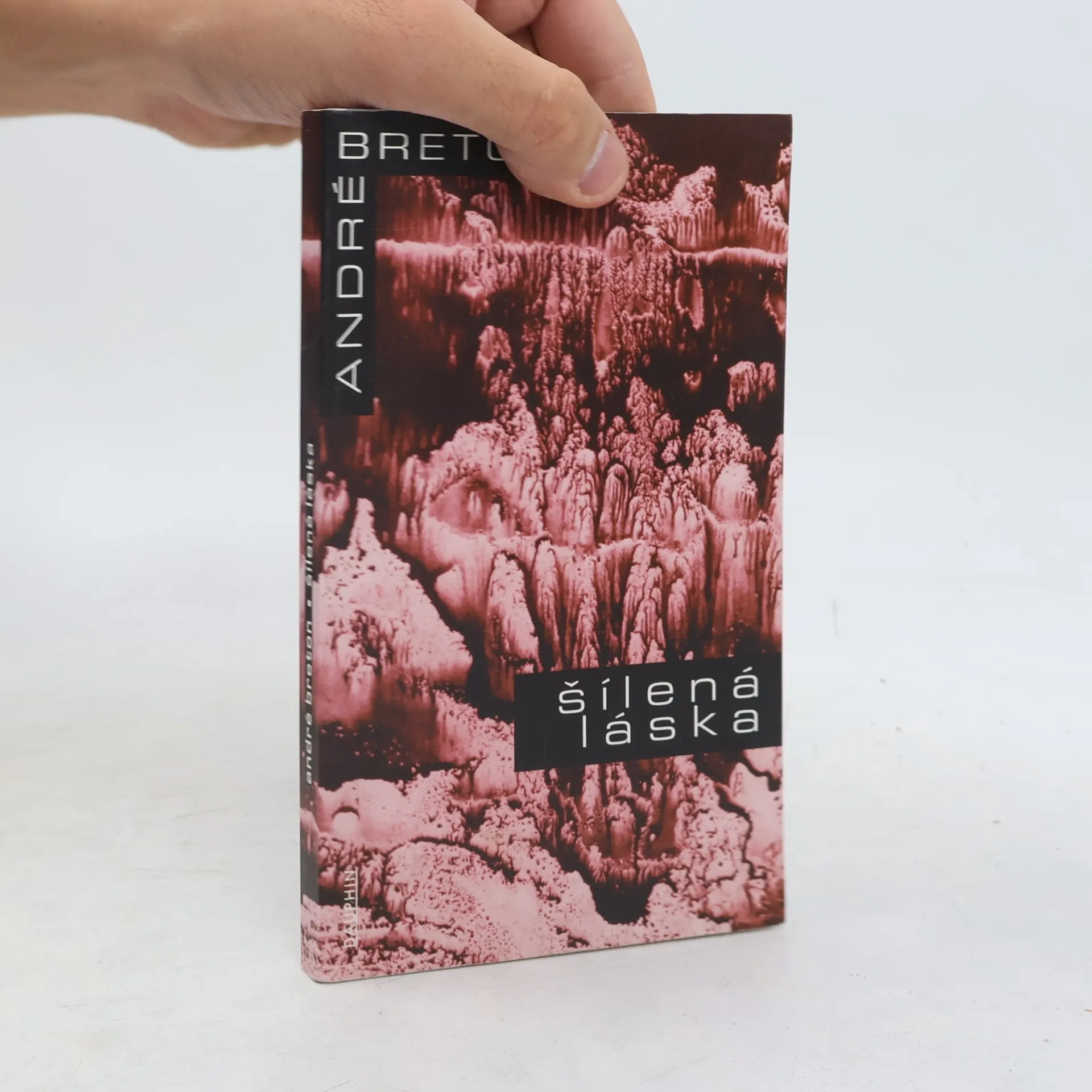
Šílená láska
- 156 páginas
- 6 horas de lectura
Román s autobiografickými prvky autorova vztahu k Jacquelině Lambové. Kniha vychází u příležitosti 100. výročí autorova narození.
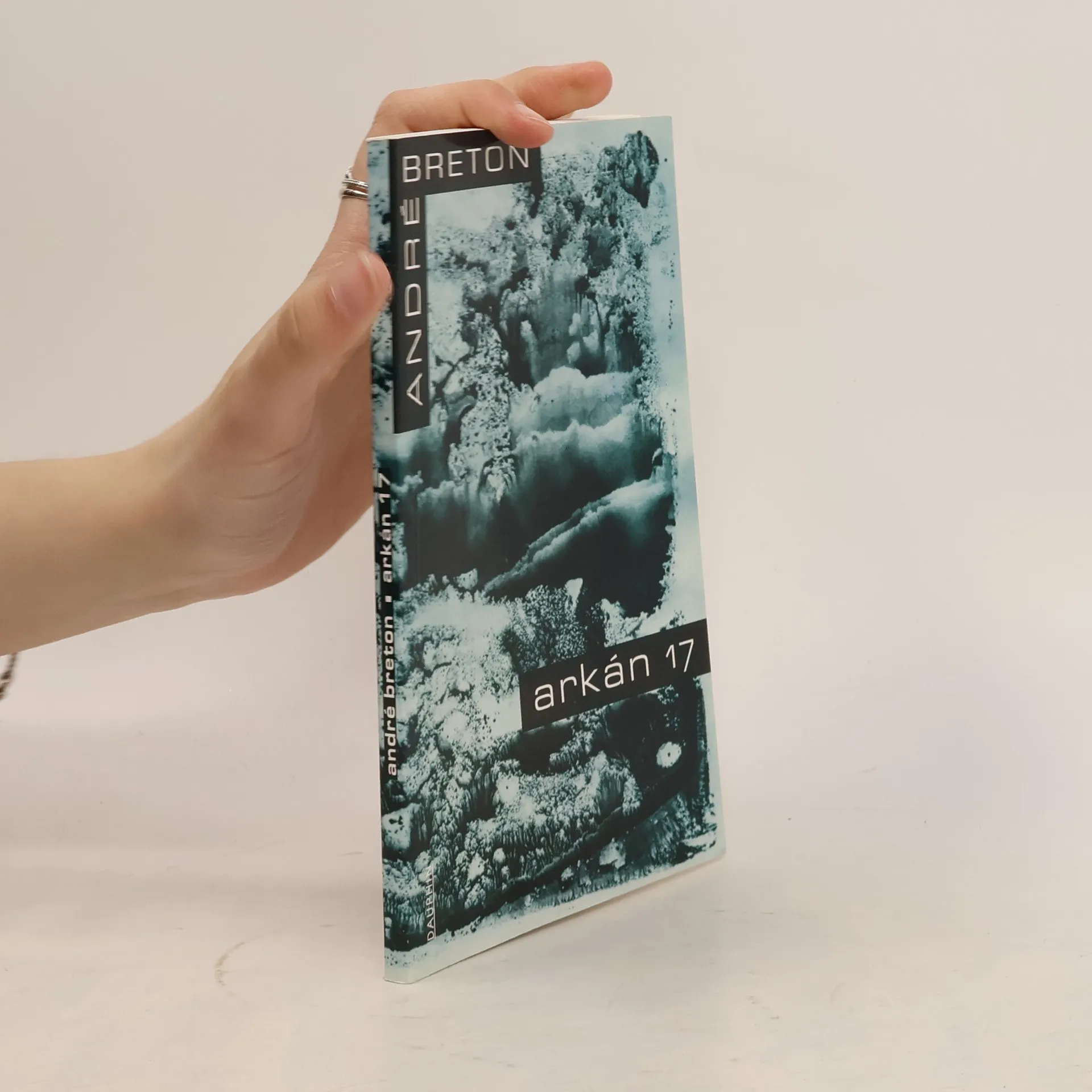
Text knihy je složený ze dvou částí, Arkán 17 a Průhledy – básnická transpozice, v níž ústředním předmětem jsou mytické a okultní motivy, souboj mužského a ženského principu v příběhu lidských dějin. Kniha vychází u příležitosti 100. výročí autorova narození.
Dalí důvěrně
- 137 páginas
- 5 horas de lectura
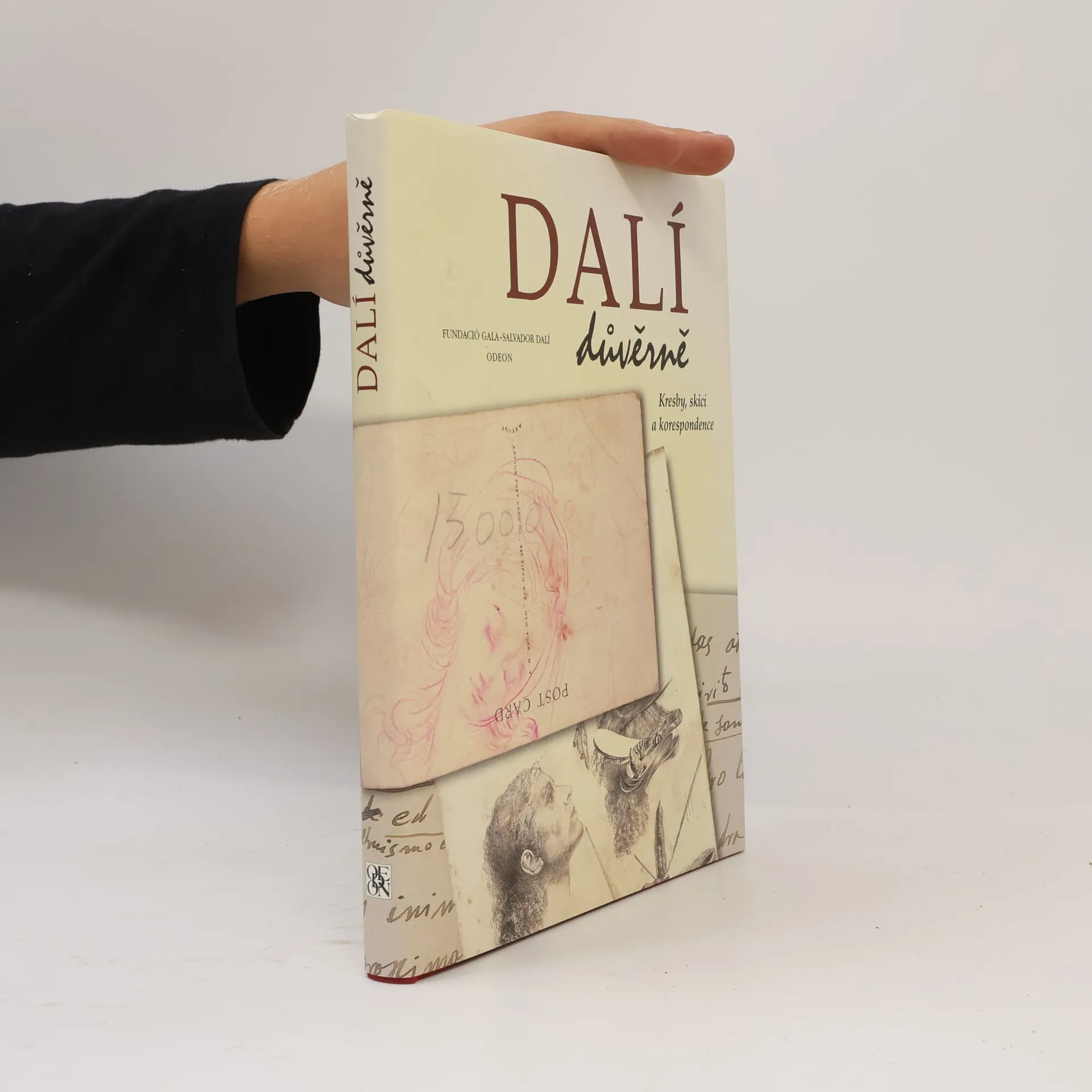
Při příležitosti 100. výročí narození Salvadora Dalího (11. května 1904 - 23. ledna 1989) vychází výpravná publikace obsahující jak pozoruhodné texty-dopisy, tak dosud většinou nepublikované kresby a skici. Osobnost S. Dalího snad ani není třeba představovat, dopisy však pootvírají neznámou, intimní sféru - důvěrná korespondence ukazuje pisatele i adresáta jakoby v novém světle. Objevují se tu se surrealismem pevně spjatá jména, jako André Breton, Paul Éluard, René Magritte, Benjamin Péret, Luis Buňuel, ale také např. Jean Cocteau, Federico García Lorca, Man Ray, Joan Miró, Luchino Visconti, Franco Zeffirelli nebo Stefan Zweig. Obrazová část obsahuje na 70 vyobrazení - kresby, skici ilustrací ke knihám a filmům, návrhy inzerátů, portréty Publikace představuje Dalího a jeho současníky jinak, než jsme byli dosud zvyklí, a zprostředkovává nám důvěrný pohled na jeho život i fascinující dílo.
Co by byl surrealismus bez Andrého Bretona? Co by byl Breton bez Nadji (1. vydání 1928, přepracované a doplněné vydání 1963), Spojitých nádob (1932), Šílené lásky (1937) a Arkánu 17 (1944)? Právě v tomto básnicko-esejistickém kvartetu, psaném v čase krizí, válek a totalit, nabízí Breton klíčová témata pro budoucnost – jak surrealismu, tak člověka i světa. Počínaje vírou v lásku a obrodnou moc ženy, přes nezbytnost snů a snění, po sílu poezie jako základního nástroje pro plnohodnotné čtení skutečnosti, pro kompletní život.
André Breton je pokládán za jednu z nejvýraznějších, nejinspirativnějších osobností 20. století. Toto souborné vydání obsahuje základní teoretické texty surrealismu. Obsah: Předmluva k novému vydání manifestu (1929); Manifest surrealismu (1924); Několik slov k novému vydání druhého manifestu (1946); Druhý manifest surrealismu (1930); Předtím, poté; Prolegomena ke třetímu manifestu surrealismu anebo ne (1942); O surrealismu v jeho živých dílech (1953).
Das Weite suchen
- 130 páginas
- 5 horas de lectura
Man Ray
- 32 páginas
- 2 horas de lectura
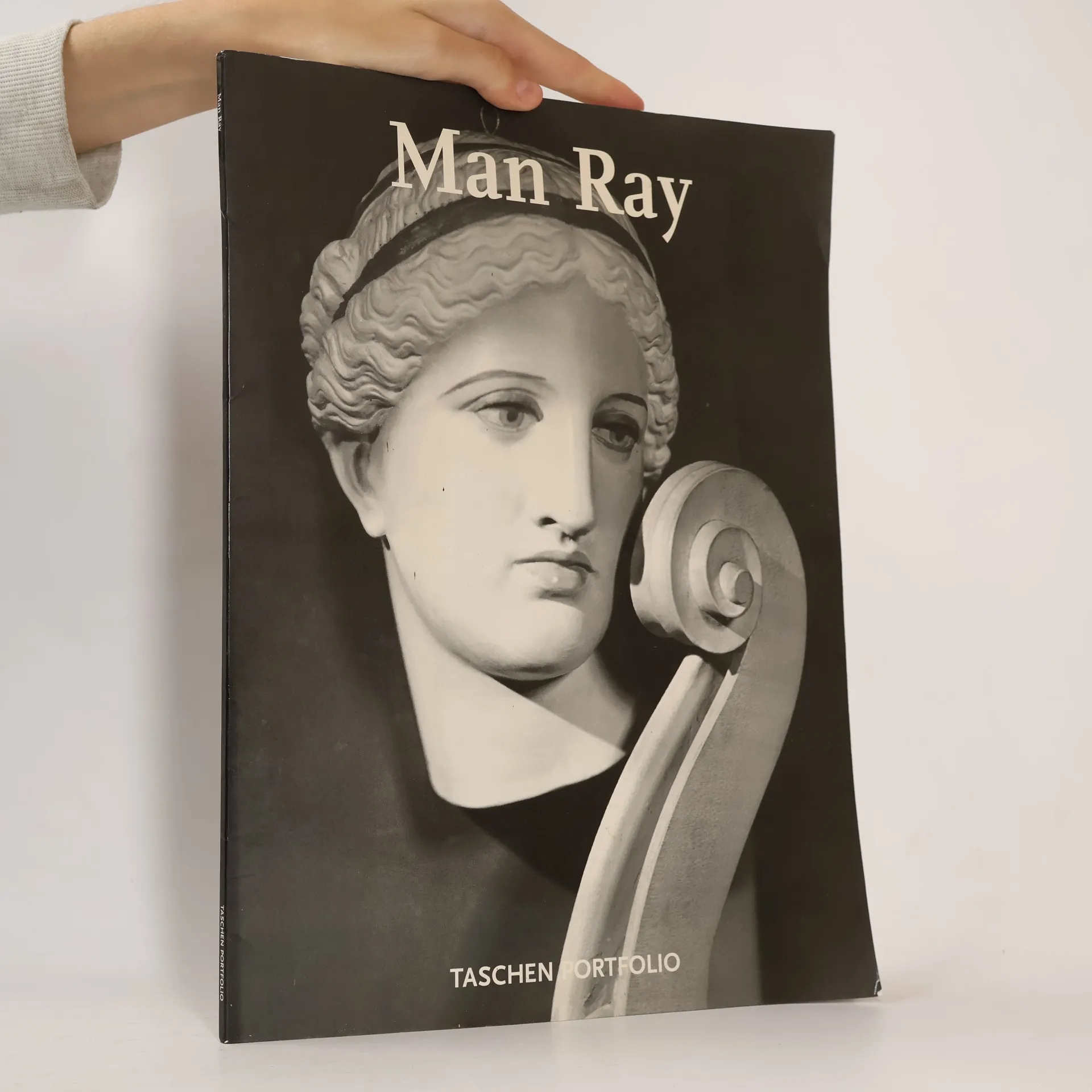
Man Ray is indisputably one of the most original artists of the 20th century. His innovative nude studies, fashion work and portraits opened a new chapter in the history of photography. Born Emmanuel Radnitzky in Philadelphia, he began his artistic career in New York. In 1921 he moved to Paris, where he was enthusiastically welcomed into Dadaist and Surrealist circles. Man Ray - together with Marcel Duchamps, André Breton, Paul Eluard, Louis Aragon and Philippe Soupault - revolutionized the traditional understanding of art. A multi-faceted genius, he not only did photographic portraits of James Joyce, Gertrude Stein and Pablo Picasso, but he also engaged himself as a fashion photographer for Vogue and Harpers Bazaar. Man Ray experimented tirelessly with new photographic techniques - multiple exposure, rayography and solarization were some of his most famous creations. 'The Man Ray' portfolio features high quality prints that beg to be framed. Tucked in the portfolio are 14 large-format reproductions, each with a brief description.
Die kommunizierenden Röhren
- 136 páginas
- 5 horas de lectura
Stěžejní surrealistisches essayistisches Werk des Autors, das Freuds Theorie weiterentwickelt, insbesondere den Gedanken des "Träumens als einer Art zweitem Leben". Teil einer lockeren Trilogie.
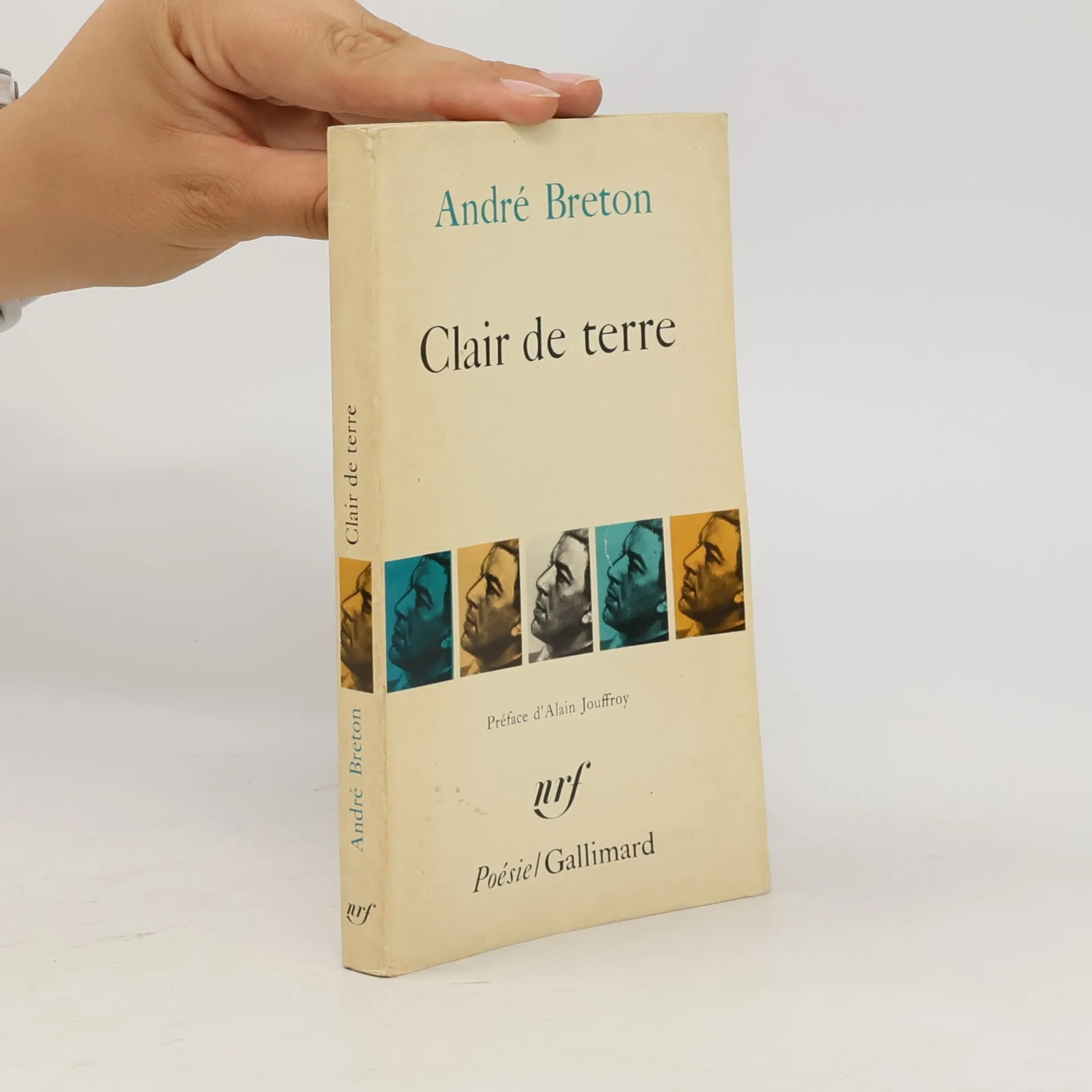
D'André Breton, le public a surtout retenu les slogans, les théories définitives et les outrances provocatrices. On en oublierait presque le poète. Et Clair de terre, justement, nous rappelle combien cette poésie demeure vivante et indispensable. Avec l'écriture automatique, les collages, les récits de rêves et autres principes d'écriture révolutionnaires, on ressent aujourd'hui encore quel choc, quel vent de tempête a pu déchaîner ce langage nouveau (ou presque...). Une liberté sans complexes, sans barrières, investit chaque ligne, vers ou prose : comme un volcan travaillé de constantes éruptions, le verbe de Breton s'épanche en fusées, roues de feu, d'étoiles, panaches efflorescents. Et, au travers de cette invention permanente, éclate une joie de créer où le sang de la poésie indissolublement se mêle à l'encre fluide des songes. --Scarbo
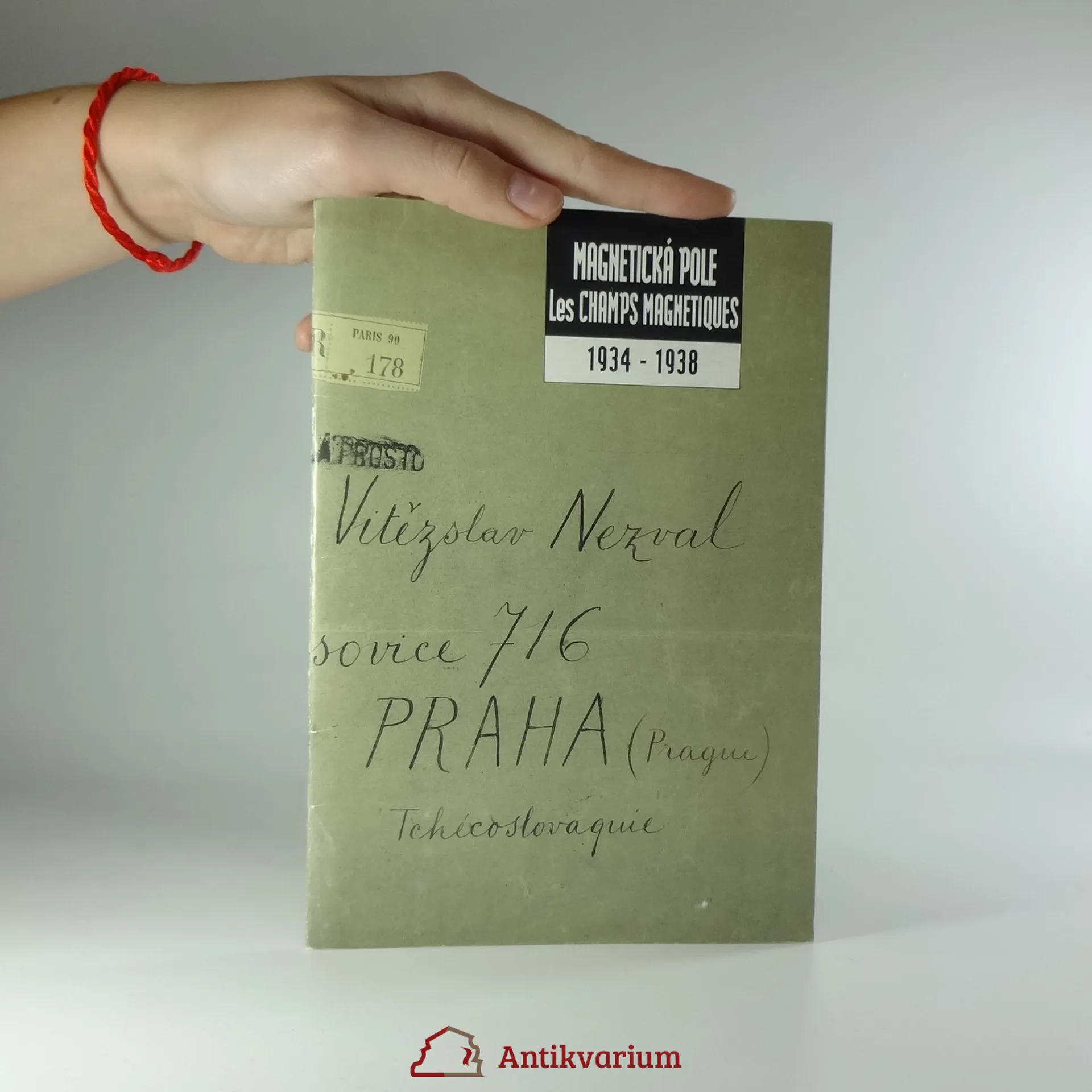
Les Champs magnétiques
- 182 páginas
- 7 horas de lectura
suivi de S'Il Vous Plaît et de Vous M'Oublierez
In L'Amour fou nun mischen und ergänzen sich Reminiszenzen an die surrealistische Bewegung, Räsonnements über Filme, Plastiken, Lektüreerlebnisse, Exkurse und Aperçus. Scharfsinnige Analysen und sublime Beobachtungen finden sich in diesem Text, der essayartig das Thema der romantischabsoluten Liebe umspielt und einkreist.
Die magnetischen Felder
- 192 páginas
- 7 horas de lectura
1924 veröffentlichte André Breton das erste »Manifest des Surrealismus«. Doch bereits 1919 experimentierten Breton und Philippe Soupault mit automatischer Schreibweise, inspiriert von Freud und Janet. Ihr Werk »Les Champs magnétiques« entstand aus dem Streben nach geistiger Freiheit. Diese neue Auflage beleuchtet eine vernachlässigte Phase der surrealistischen Bewegung.
Baya
- 77 páginas
- 3 horas de lectura
Magische Kunst
- 304 páginas
- 11 horas de lectura
Bretons Geschichte der Kunst »L’ Art magique« erschien in Frankreich ursprünglich 1957 in einer kleinen Auflage als Privatdruck für die Mitglieder eines Lesezirkels und wurde darüber hinaus nicht wahrgenommen. Wiederentdeckt wurde der Text erst 1991, als im Umfeld der großen Breton-Retrospektive im Centre Pompidou der Nachlass neu gesichtet wurde. In Frankreich und Italien erschien der Text daraufhin als großformatiger Bildband, eine deutsche Übersetzung erfuhr Bretons Buch damals aber nicht. Dabei kann dieses Buch, das Breton bereits in den 1930ern während seiner Arbeit für Minotaurus zu projektieren begann, als Synthese seiner Kunstauffassung gelesen werden. In »Magische Kunst« präsentiert er uns im Rückblick auf die Werke fantastischer Kunst aus verschiedenen Epochen der Menschheit – von den Höhlenmalereien in Lascaux und die Kunst der alten Ägypter, über die außereuropäische »Primitive Kunst«, die (Höllen)-Visionen der Maler des Mittelalters, die Protagonisten der Schwarzen Romantik und Maler wie Blake, Goya, Böcklin und Moreau – und stellt diese zugleich als Vorläufer des Surrealismus vor.
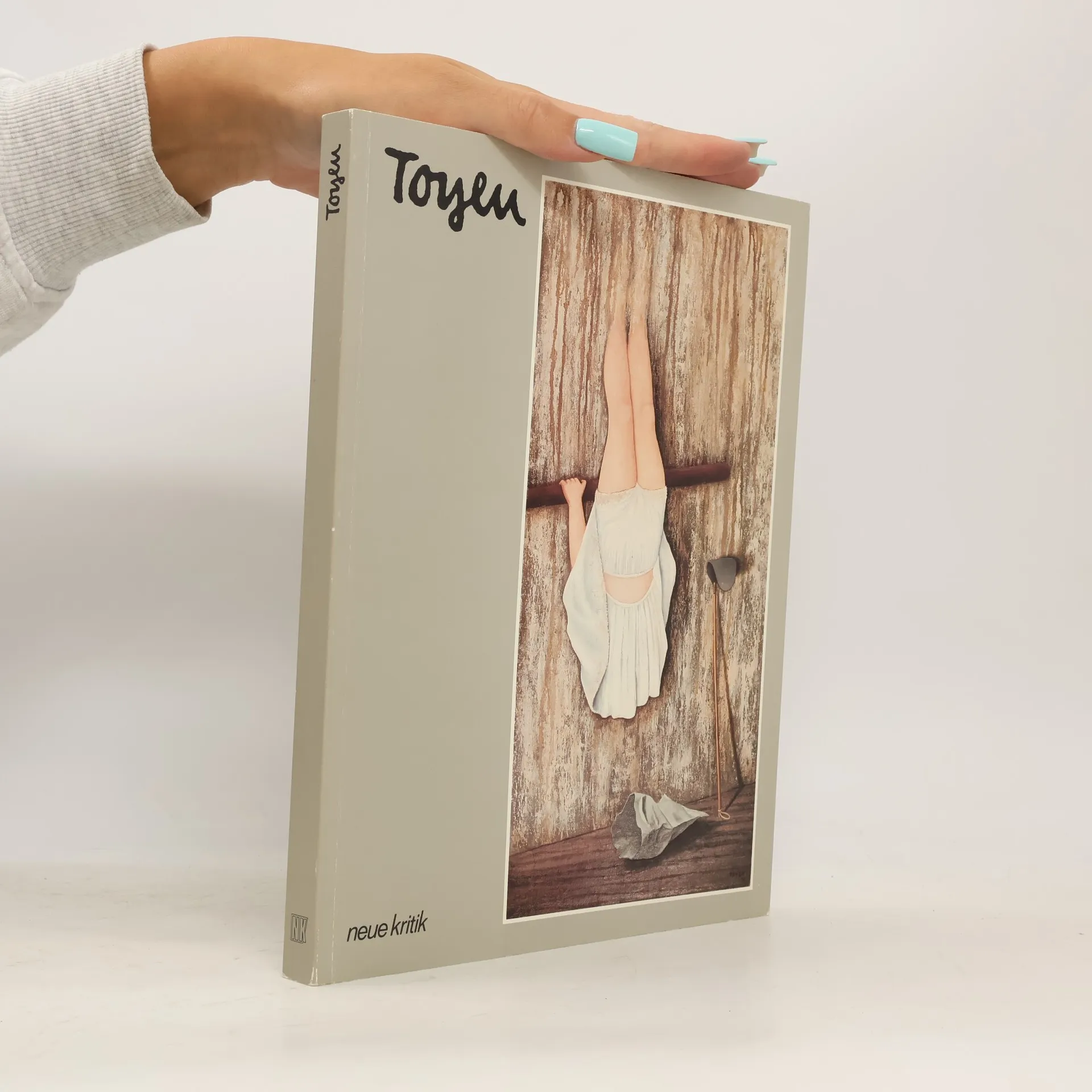
Toyen
Das malerische Werk
Zwischen tschechischer Avantgarde und französischem Surrealismus ist Leben und Werk der hierzulande kaum bekannten Malerin Toyen (1902-1980) anzusiedeln. 1927 proklamiert sie zusammen mit Jindrich Styrsky den Artifizialismus, eine Verschmelzung von Poesie und Malerei. 1934 gehört sie zu den Gründungsmitgliedern der Prager Surrealisten. Nach jahrelangem Publikationsverbot während der Okkupation siedelte sie 1947 nach Paris über. Mit einem ausführlichen Essay von Rita Bischof und Texten von Andre Breton, Jindrich Heisler, Vitezslav Nezval, Benjamin Peret, Frantisek Smejkal, Philippe Soupault, Jindrich Styrsky und Karel Teige.
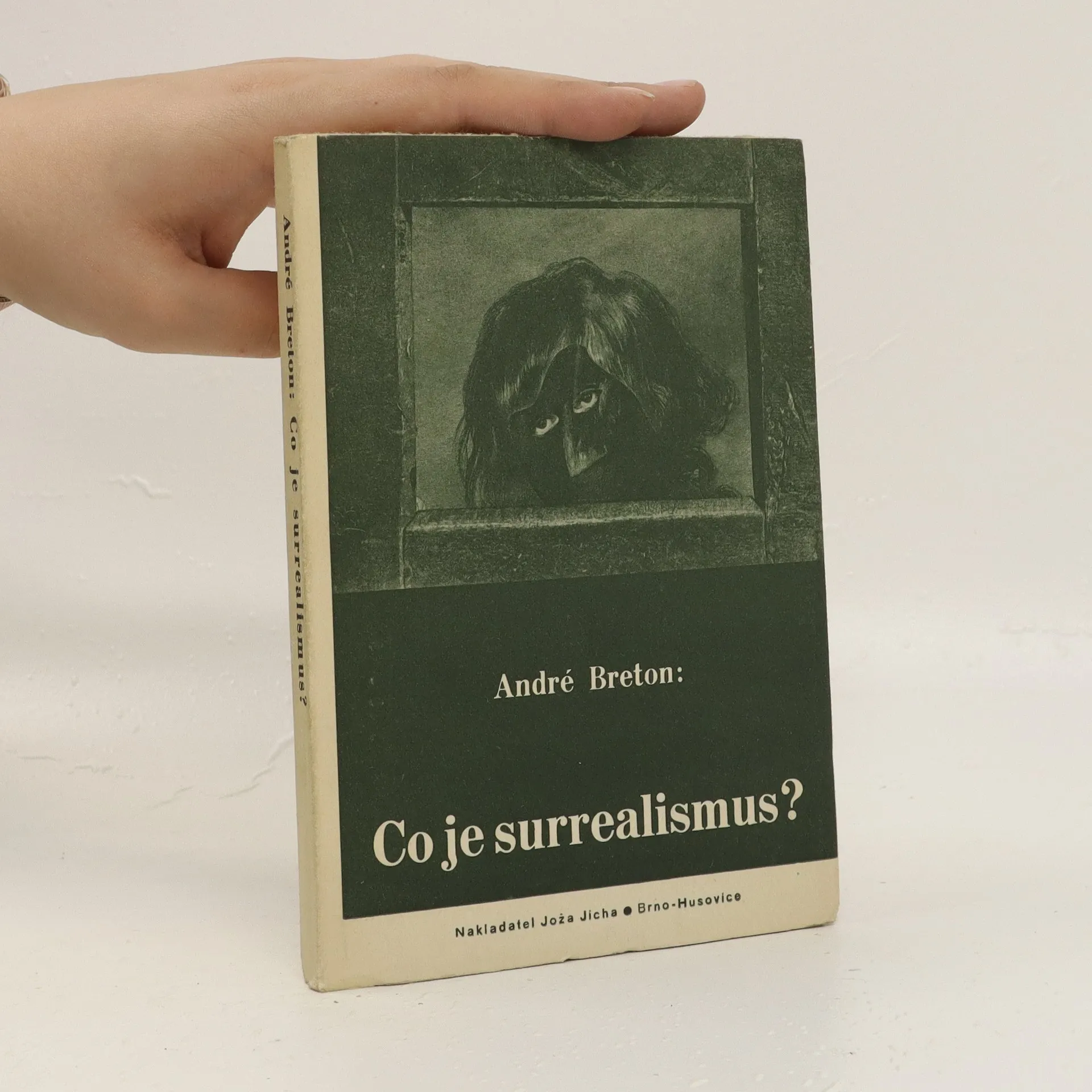
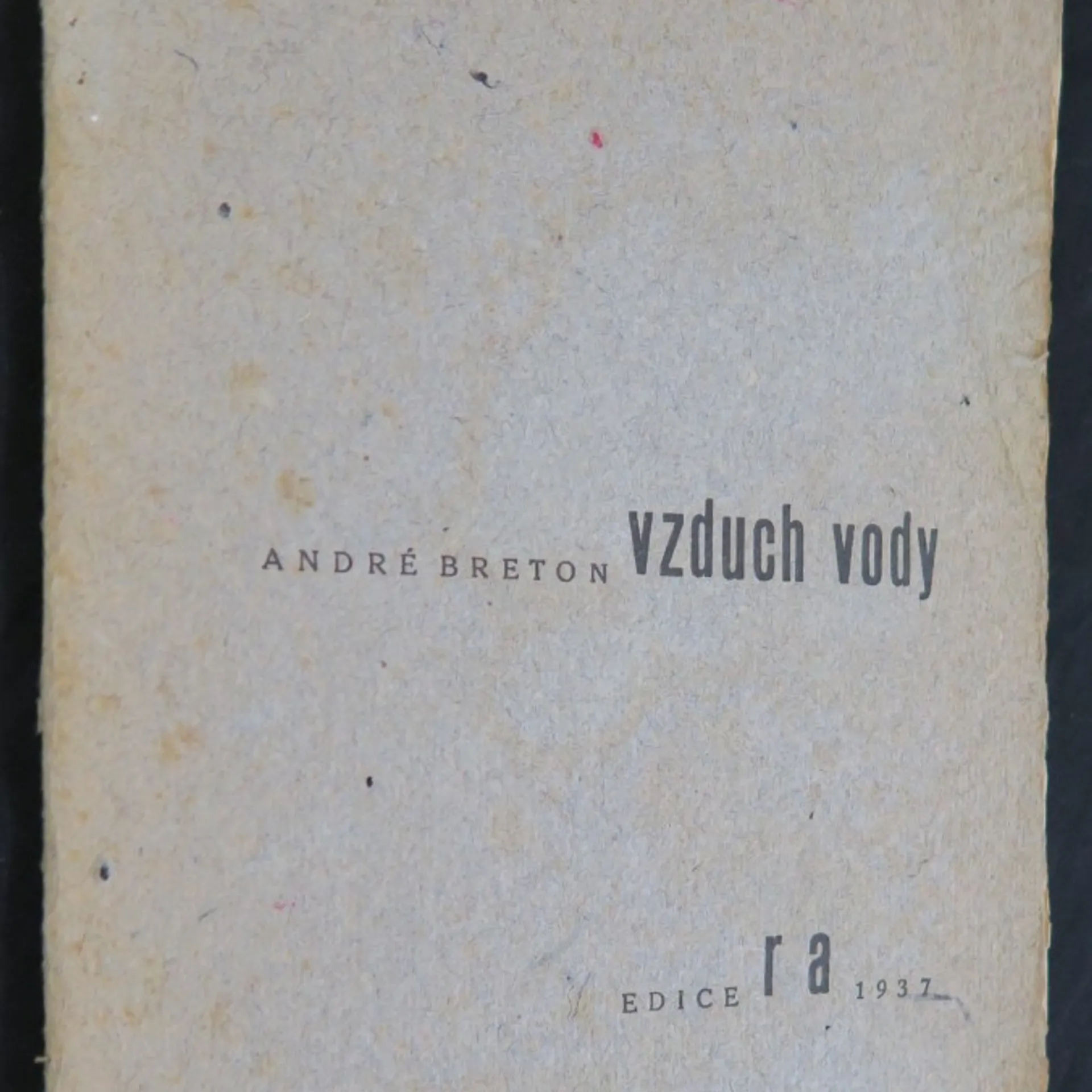
Co je surrealismus?
Tři přednášky o vývoji surrealismu, o surrealistické situaci objektu a politické posici dnešního umění
„Tři přednášky o vývoji surrealismu, o surrealistické situaci objektu a politické posici dnešního umění“.
Edice Ra ; Sv. 1. Překlad významného surrealistického díla.
Entretiens - Gespräche
- 400 páginas
- 14 horas de lectura
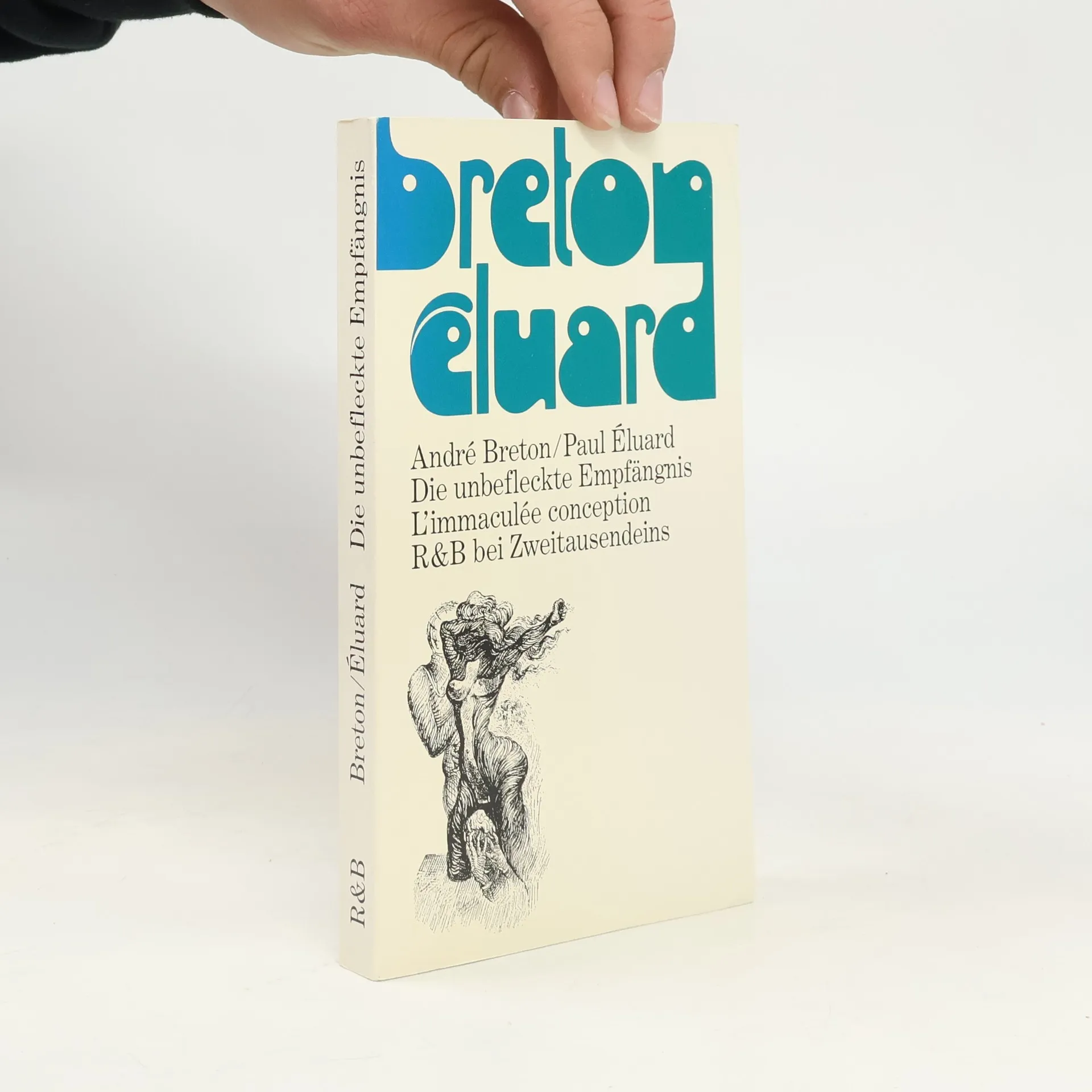
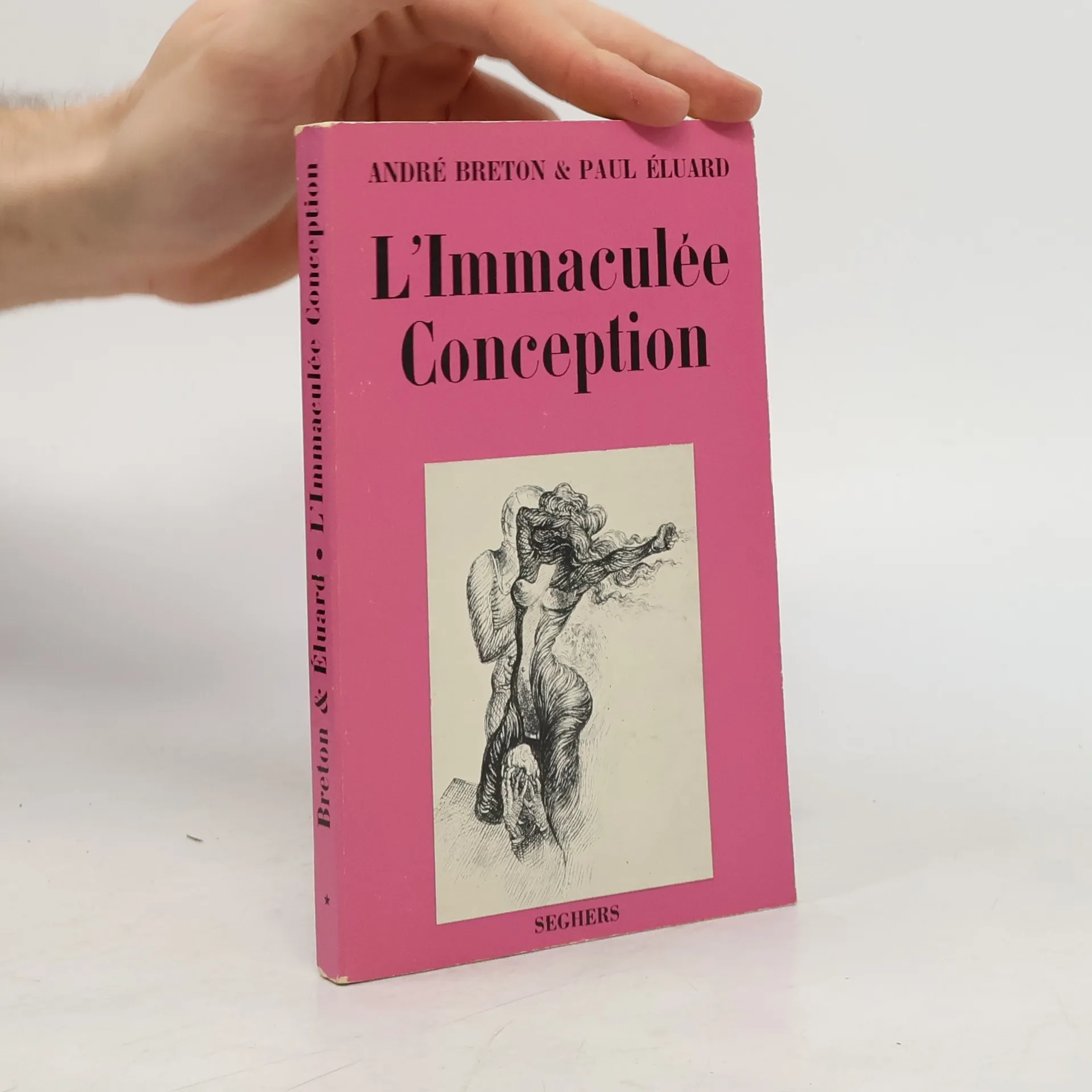
Die unbefleckte Empängnis. L'Immaculée Conception
- 224 páginas
- 8 horas de lectura
Das Vorhaben, hier erstmals Wahnzustände zu simulieren, ob diese nun wissenschaftlich systematisiert sind oder nicht, soll nicht bloß unvorhergesehene und völlig neue Formen der Poesie zum Vorschein bringen; es soll darüber hinaus beispielgebend Verständnis für die freien Möglichkeiten des Denkens erwirken, wie sie in der Geisteskrankheit ihren Höhepunkt finden. Die unbefleckte Empfängnis wird die Wurzel aller solchen Experimente bleiben. Man wird auf sie zurückkommen müssen, sobald man das dem Denken innewohnende Vermögen begreifen will, sich einen nach dem anderen alle Züge des Wahnsinns anzueignen. Dieses Vermögen erkennen, bedeutet aber auch, die Wirklichkeit des Wahnsinns akzeptieren und sein latentes Vorhandensein im menschlichen Geist bestätigen. Die unbefleckte Empfängnis ist ein Buch, welches ohne Bezugnahme seiner geistigen Ahnen Zugang zu einer 'lebendigen Erkenntnis' bahnt und nachvollziehen lässt, wie sich die Erkenntnis Wünschen fügt - dank der Vielfalt von Obsessionen und Vermittlungen, die vom gesellschaftlichen Standpunkt widersprüchlich erscheinen, jedoch dialektisch zu vereinen sind. Die unbefleckte Empfängnis ist das Ergebnis einer Zusammenarbeit von André Breton und Paul Éluard. Es liegt in einer zweisprachigen Version mit Illustrationen von Salvador Dalí samt Studie von Gisela Steinwachs vor.
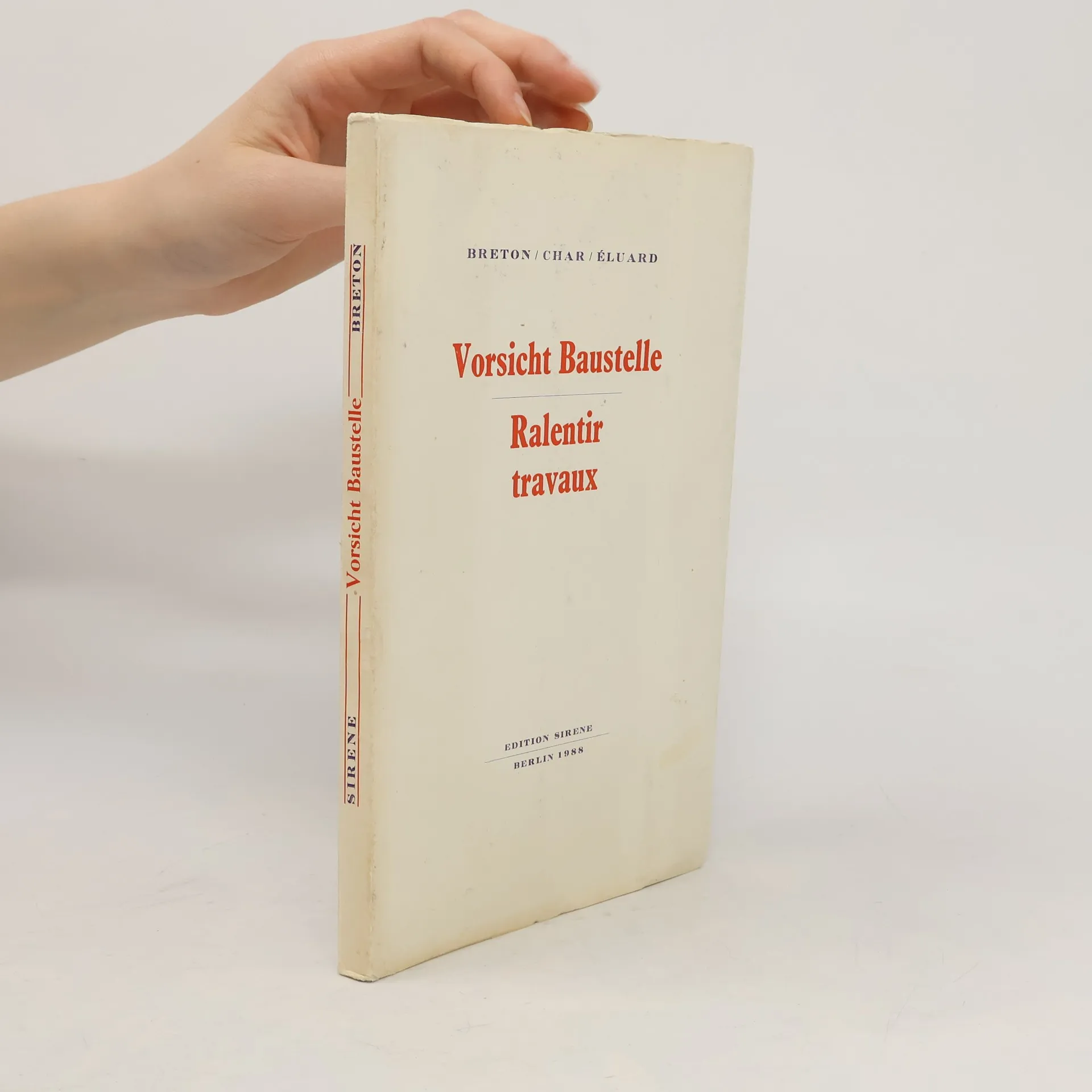
Ralentir travaux
- 93 páginas
- 4 horas de lectura
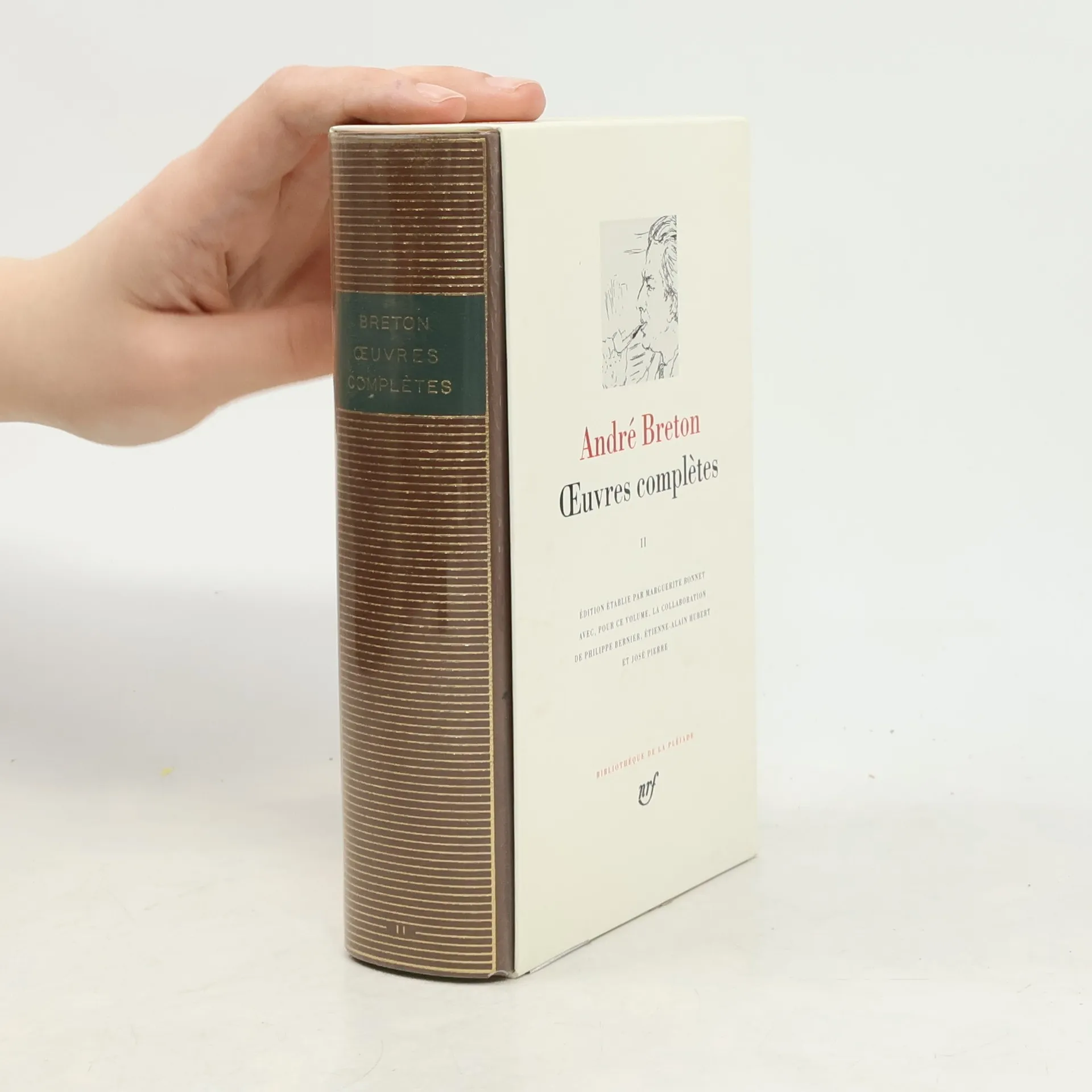
Œuvres complètes
Édition établie par Marguerite Bonnet avec, pour ce volume, la collaboration de Philippe Bernier, Étienne Alain Hubert et José Pierre
- 1857 páginas
- 65 horas de lectura
L'ordonnance des oeuvres est chronologique. Aux livres, poèmes et autres textes publiés par Breton s'ajoute une moisson d'écrits épars ou inédits. Le tome 2 restreint la place accordée aux variantes et à la réception de l'oeuvre. Les textes collectifs signés par Breton sont exclus; ils sont rassemblés dans ##Tracts surréalistes et déclarations collectives## (Editions Losfeld, 1980, 1982). Le tome 3 contient ##Martinique charmeuse de serptents##, ##Arcane 17##, ##La clé des champs##, plus de 200 pages d'entretiens (1913-1952), etc. Comme le signale l'avertissement, il s'agit de la première édition critique. [SDM].
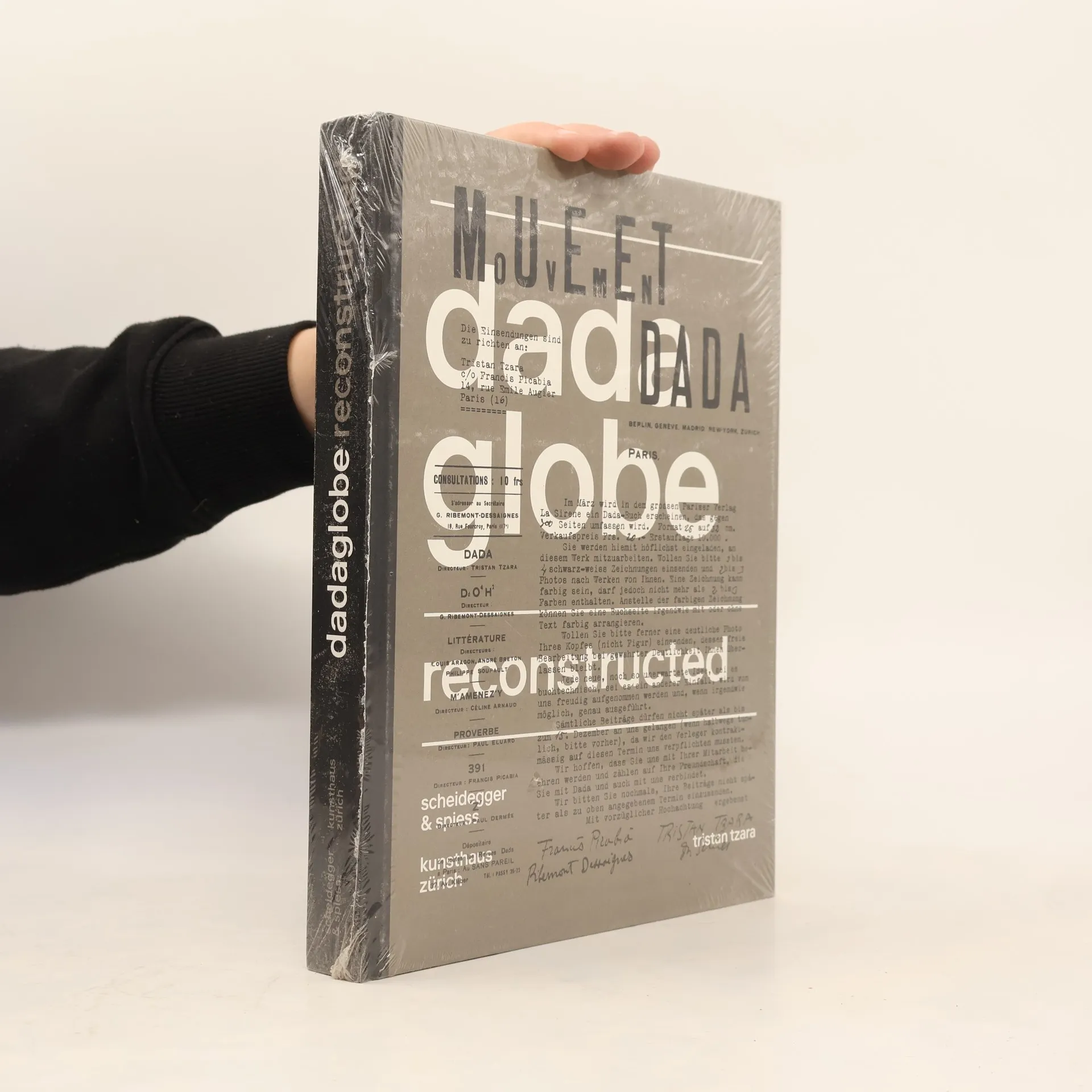
Dadaglobe Reconstructed
- 160 páginas
- 6 horas de lectura
«Dadaglobe» war vom Initiator Tristan Tzara (1896–1963) als die Dada-Anthologie schlechthin gedacht. Geldmangel und organisatorische Schwierigkeiten liessen das Vorhaben jedoch scheitern. Wäre Dadaglobe 1921 tatsächlich veröffentlicht worden, hätten die mehr als 100 Kunstwerke und zahlreichen Texte von über 30 Künstlern aus sieben Ländern schon damals gezeigt, dass sich die zu Beginn eher nur regional bekannte Dada-Bewegung innert weniger Jahre zu einer weltweiten Kunstströmung entwickelt hatte. Mit «Dadaglobe Reconstructed» liegt das faszinierende Gesamtkunstwerk aus Bild und Text nun erstmals vor. Es beinhaltet Kunstwerke, die von den zur Mitwirkung eingeladenen Künstlern in den von Tzara aufgestellten Kategorien «Zeichnung», «Fotografie eines Kunstwerks», «Fotografisches Selbstporträt» und «Buchseitenentwurf» eingereicht wurden. Dazu kommen Gedichte und Prosa, die zahlreiche Künstler darüber hinaus an ihn schickten. Die nun vorliegende, auf jahrelanger umfassender Forschungsarbeit der amerikanischen Kunsthistorikerin Adrian Sudhalter basierende Zusammenführung dieser Werke wird begleitet von fachkundigen Essays, die Tzaras Konzept sowie die Geschichte von Dada und «Dadaglobe» auf dem neusten Stand der Forschung mit bahnbrechenden Erkenntnissen darstellen.
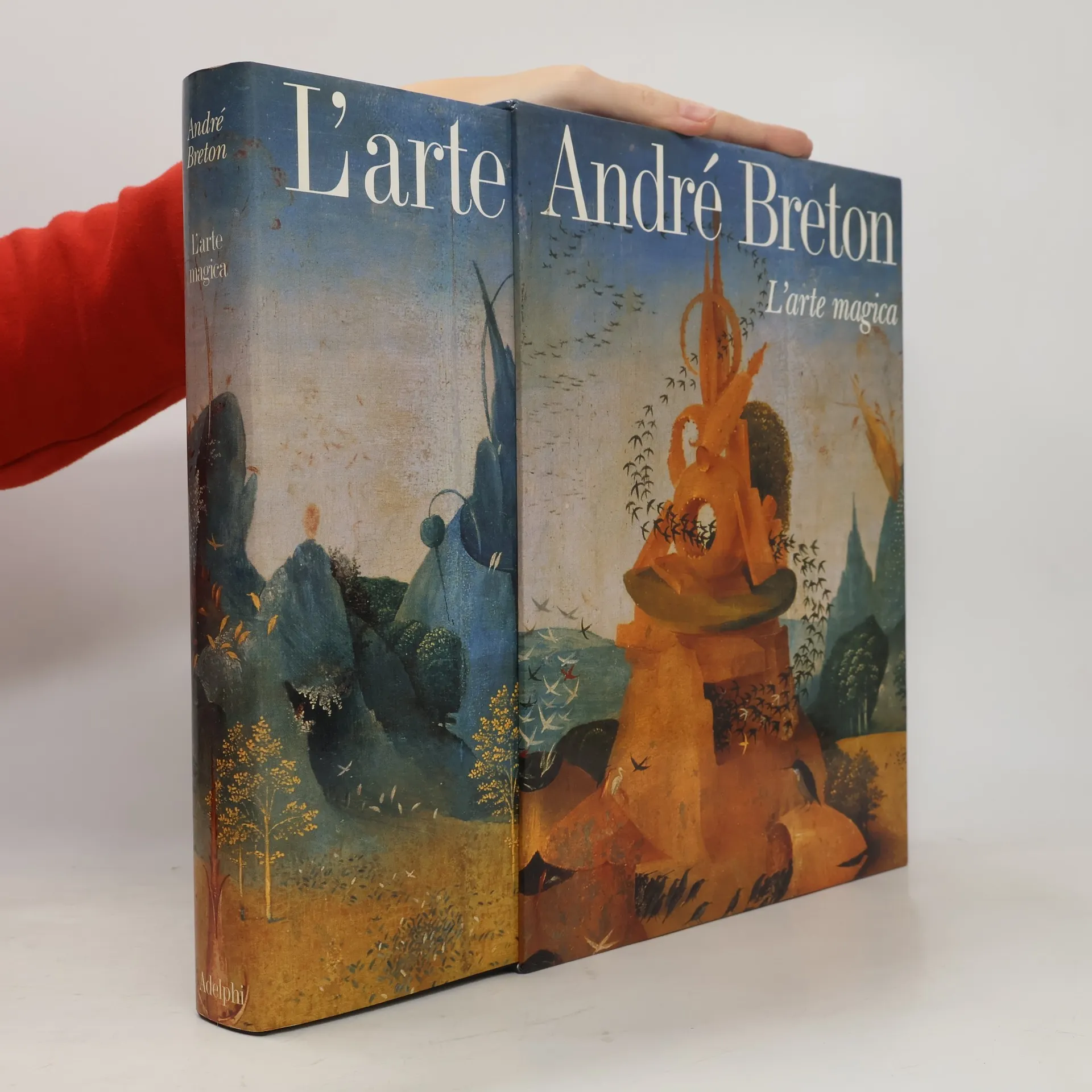
L'arte magica
- 359 páginas
- 13 horas de lectura
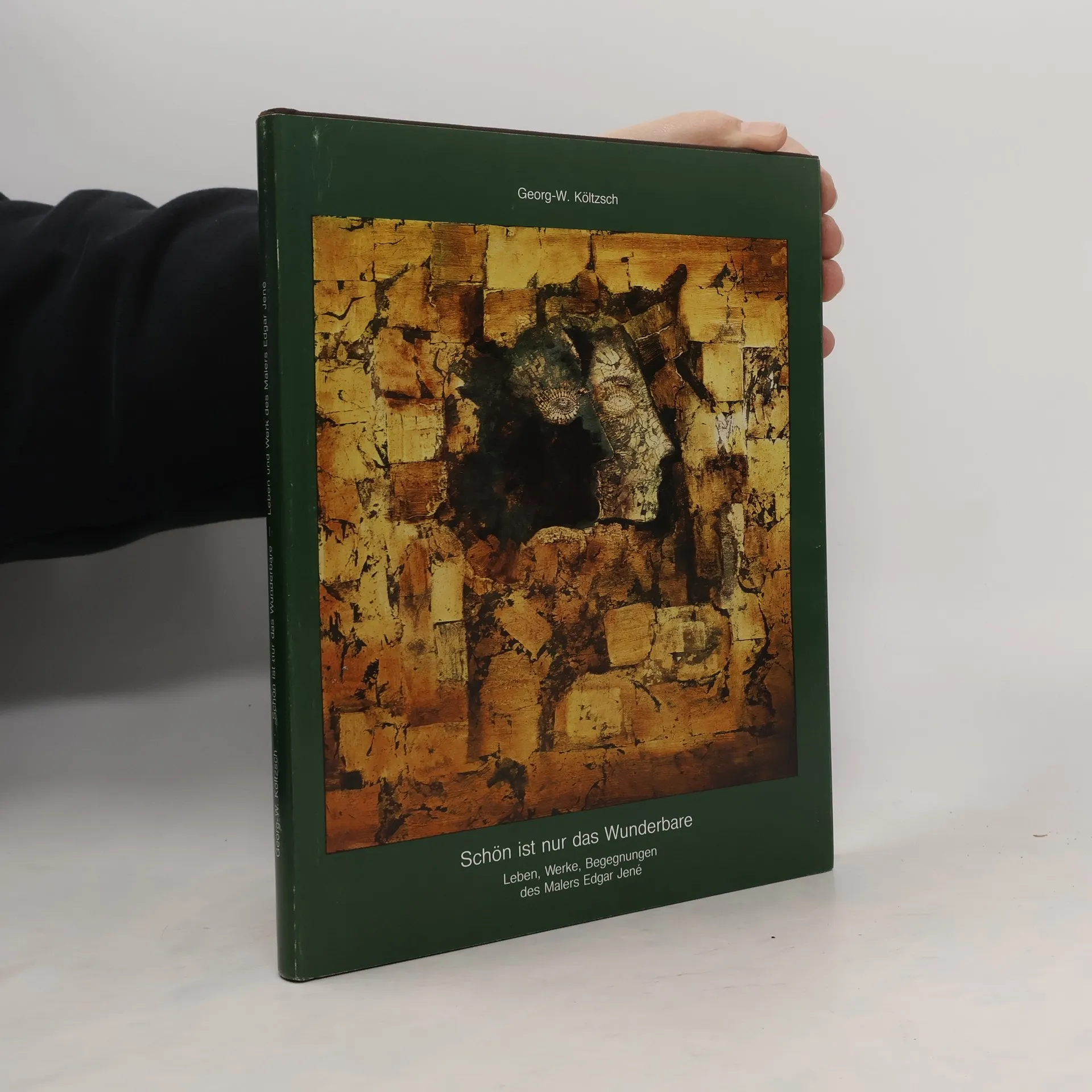
Schön ist nur das Wunderbare
Leben, Werke, Begegnungen des Malers Edgar Jené
- 171 páginas
- 6 horas de lectura
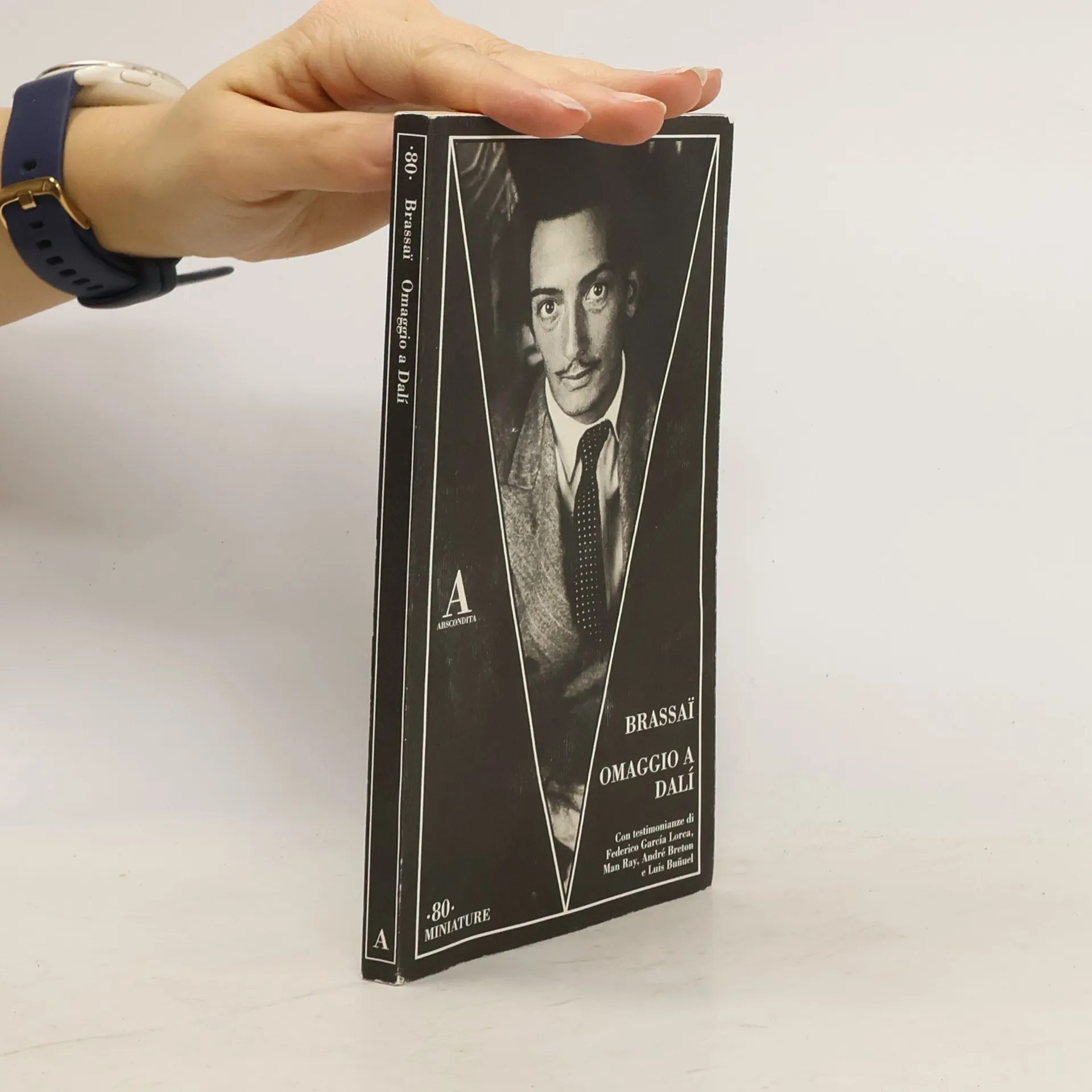
Miniature - 80: Omaggio a Dalì
- 118 páginas
- 5 horas de lectura
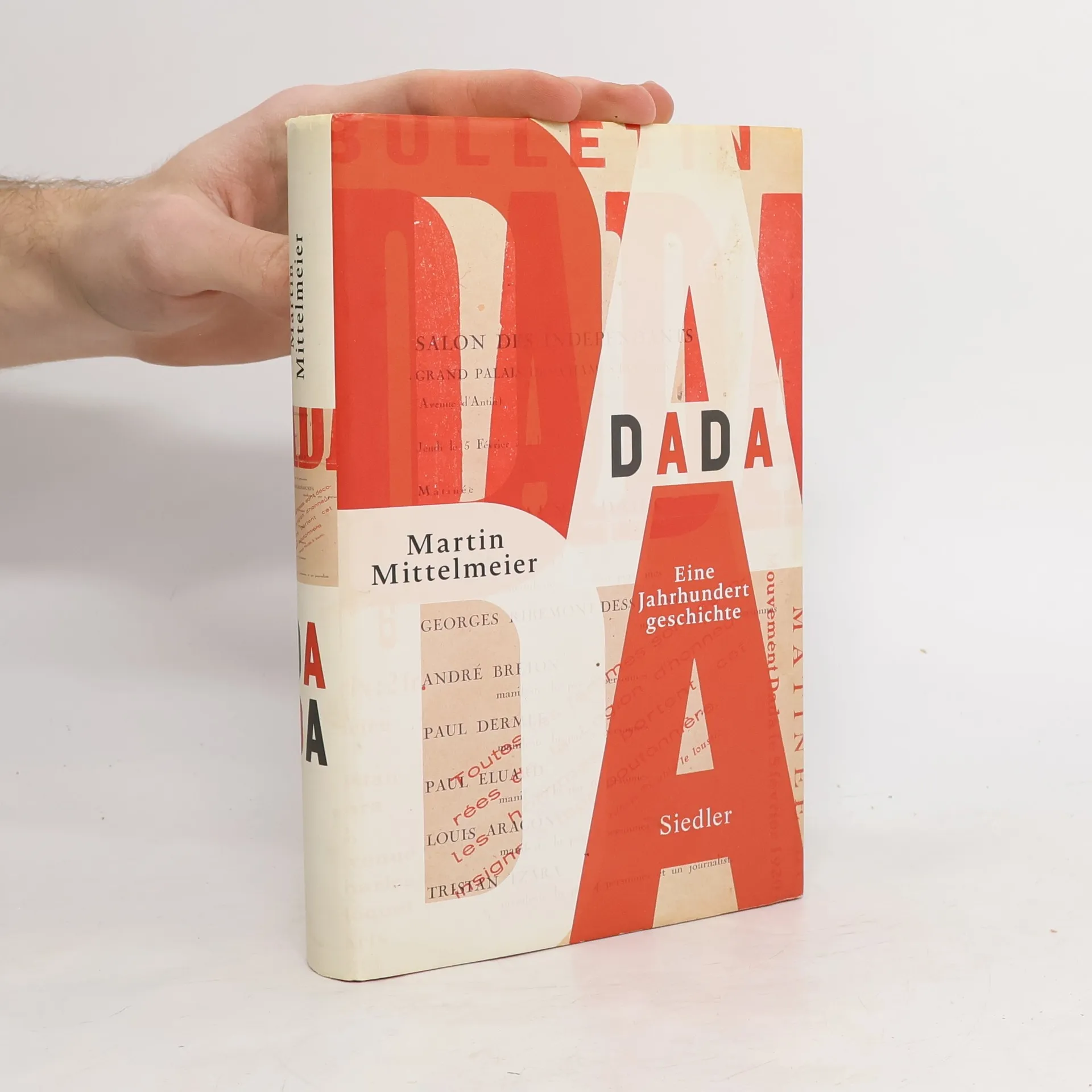
Nerven am Rande des Weltzusammenbruchs. 100 Jahre DADA. DADA wird oft als schräge Verkleidung, provokanter Nonsens und viel Lärm gegen eine Kultur verstanden, die den Ersten Weltkrieg ermöglicht hat. Doch es ist mehr: eine Bewegung von Künstlern und Lebensstrategen, die kämpferisch auf eine unübersichtliche Welt reagierten. Martin Mittelmeier zeigt, wie aktuell diese Antworten sind und wie DADA die gegenwärtige Kultur weiterhin beeinflusst. Im Februar 1916 gründete eine Gruppe von Künstlern und Literaten im neutralen Zürich das Cabaret Voltaire, wo Unerhörtes geschah. Hugo Ball trat in einem obeliskenartigen Kostüm auf und sang sinnlose Lautverse, während Richard Huelsenbeck erfundene „Negerlieder“ trommelte und Tristan Tzara eine Kakophonie aus simultanem Geschrei dirigierte. DADA entstand und verbreitete sich schnell weltweit. Der Charakter von DADA variierte an jedem Ort, da die Dadaisten kein neues Programm schaffen wollten. So erlebte DADA, nach den Ready-mades von Duchamp und den Montagen von Grosz und Heartfield, rasch ein Ende, wirkt jedoch bis heute nach. Mittelmeier führt uns durch das DADA-Universum und zeigt die Vielzahl der DADA-Subversionen sowie die verzweifelte und irrwitzige Reaktion der Dadaisten auf die Probleme einer komplexen Welt, die der heutigen zum Verwechseln ähnlich ist. Ausstattung: mit Abbildungen.