
Compra 10 libros por 10 € aquí!
Bookbot

Jacques Ranciere

    10 de junio de 1940

    Jacques Rancière es un filósofo francés cuyo trabajo explora conceptos fundamentales del discurso político, cuestionando la ideología y la relación entre las masas y el conocimiento. Famosamente rompió con su mentor para investigar cómo percibimos a los desfavorecidos y cómo los pensadores interactúan con aquellos ajenos a los círculos intelectuales. Sus escritos posteriores examinan los derechos humanos, particularmente la autoridad de los organismos internacionales para determinar intervenciones y conflictos, y sus teorías estéticas han influido significativamente en las artes visuales.

    Jacques Ranciere
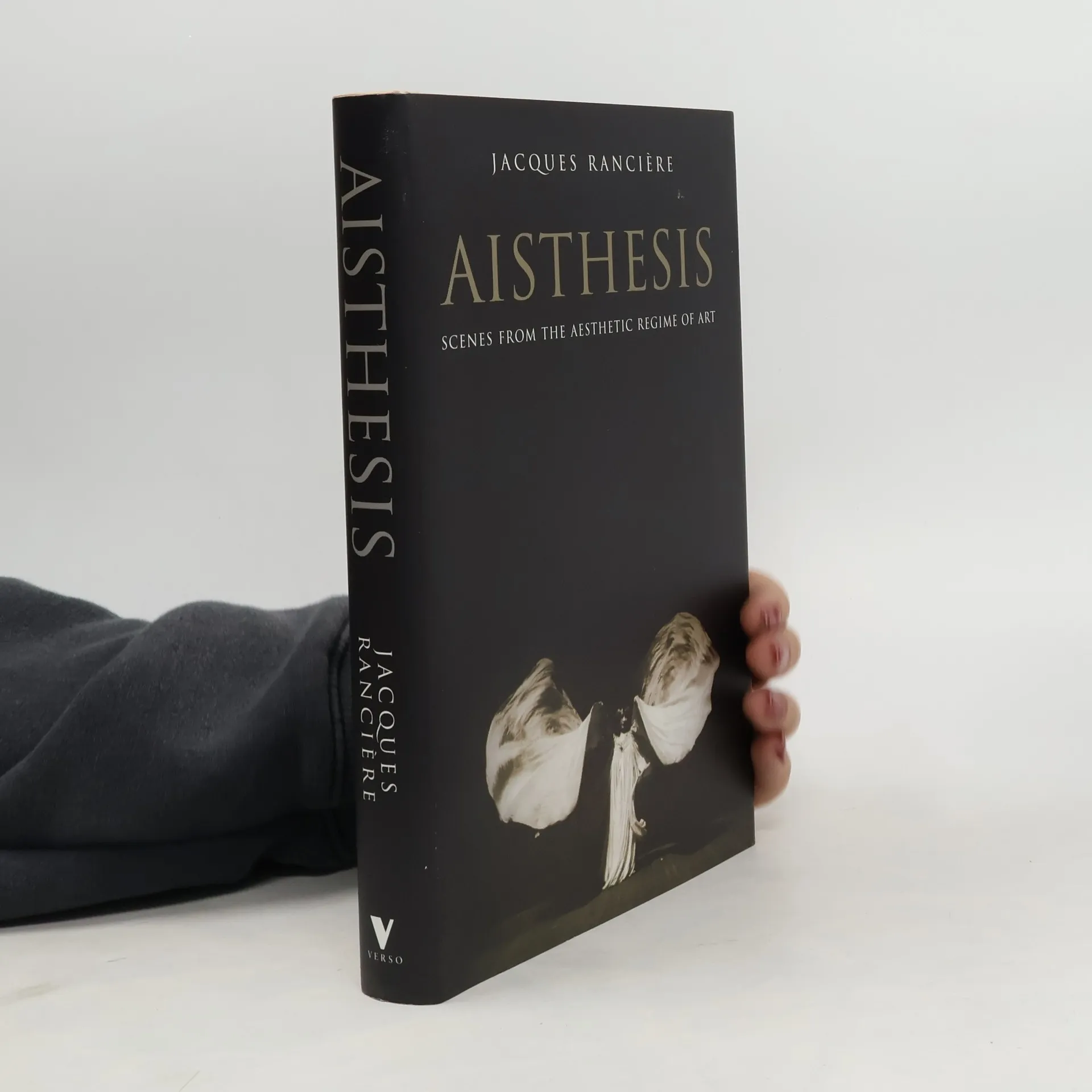
    Aisthesis
    Bela Tarr, the Time After
    On the Shores of Politics
    The Emancipated Spectator
    The Intellectual and His People
    What Times Are We Living In?
    • From Almanac of Fall (1984) to The Turin Horse (2011), renowned Hungarian filmmaker B la Tarr has followed the collapse of the communist promise. The time after is the time when we are less interested in histories and their successes or failures than we are in the delicate fabric of time from which they are carved.

      Bela Tarr, the Time After
    • Aisthesis

      • 304 páginas
      • 11 horas de lectura

      Composed in a series of scenes, Aisthesis–Rancière’s definitive statement on the aesthetic–takes its reader from Dresden in 1764 to New York in 1941. Along the way, we view the Belvedere Torso with Winckelmann, accompany Hegel to the museum and Mallarmé to the Folies-Bergère, attend a lecture by Emerson, visit exhibitions in Paris and New York, factories in Berlin, and film sets in Moscow and Hollywood. Rancière uses these sites and events—some famous, others forgotten—to ask what becomes art and what comes of it. He shows how a regime of artistic perception and interpretation was constituted and transformed by erasing the specificities of the different arts, as well as the borders that separated them from ordinary experience. This incisive study provides a history of artistic modernity far removed from the conventional postures of modernism.

      Aisthesis
    • Althusser's Lesson

      • 199 páginas
      • 7 horas de lectura

      The first English translation of Jacques Ranciere's first book, in which he explores and begins to move beyond the thought of his mentor, Louis Althusser.

      Althusser's Lesson
    • Aiming to rethink the relation between art and politics, this title seeks to reclaim aesthetics from its contemporary narrow confines to reveal its significance for contemporary experience. It ranges across art and politics, the uses and abuses of modernity, the role of visual technologies, and the relationship between history and fiction.

      The politics of aesthetics : the distribution of the sensible
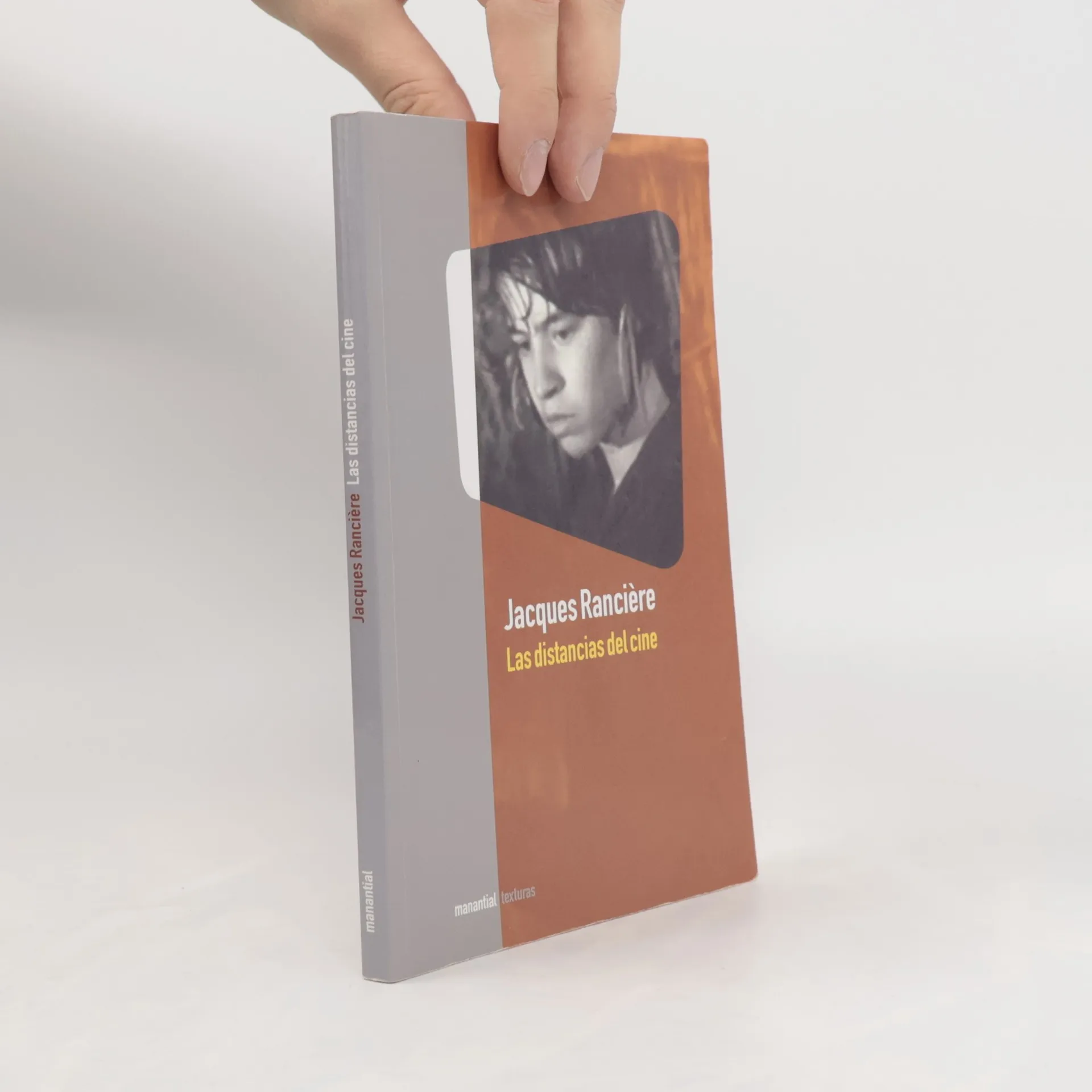
    • Cinema, like language, can be said to exist as a system of differences. In his latest book, acclaimed philosopher Jacques Rancière looks at cinematic art in comparison to its corollary forms in literature and theatre. From literature, he argues, cinema takes its narrative conventions, while at the same time effacing literature's images and philosophy; and film rejects theatre, while also fulfilling theatre's dream. Built on these contradictions, the cinema is the real, material space in which one is moved by the spectacle of shadows. Thus, for Rancière, film is the perpetually disappointed dream of a language of images.

      The Intervals of Cinema