
Bookbot

Michael Glenny

    FSG Classics: Stories and Prose Poems
    The heart of a dog
    August 1914
    La guardia blanca
    Faithful Ruslan
    El maestro y Margarita
    • El maestro y Margarita

      • 480 páginas
      • 17 horas de lectura

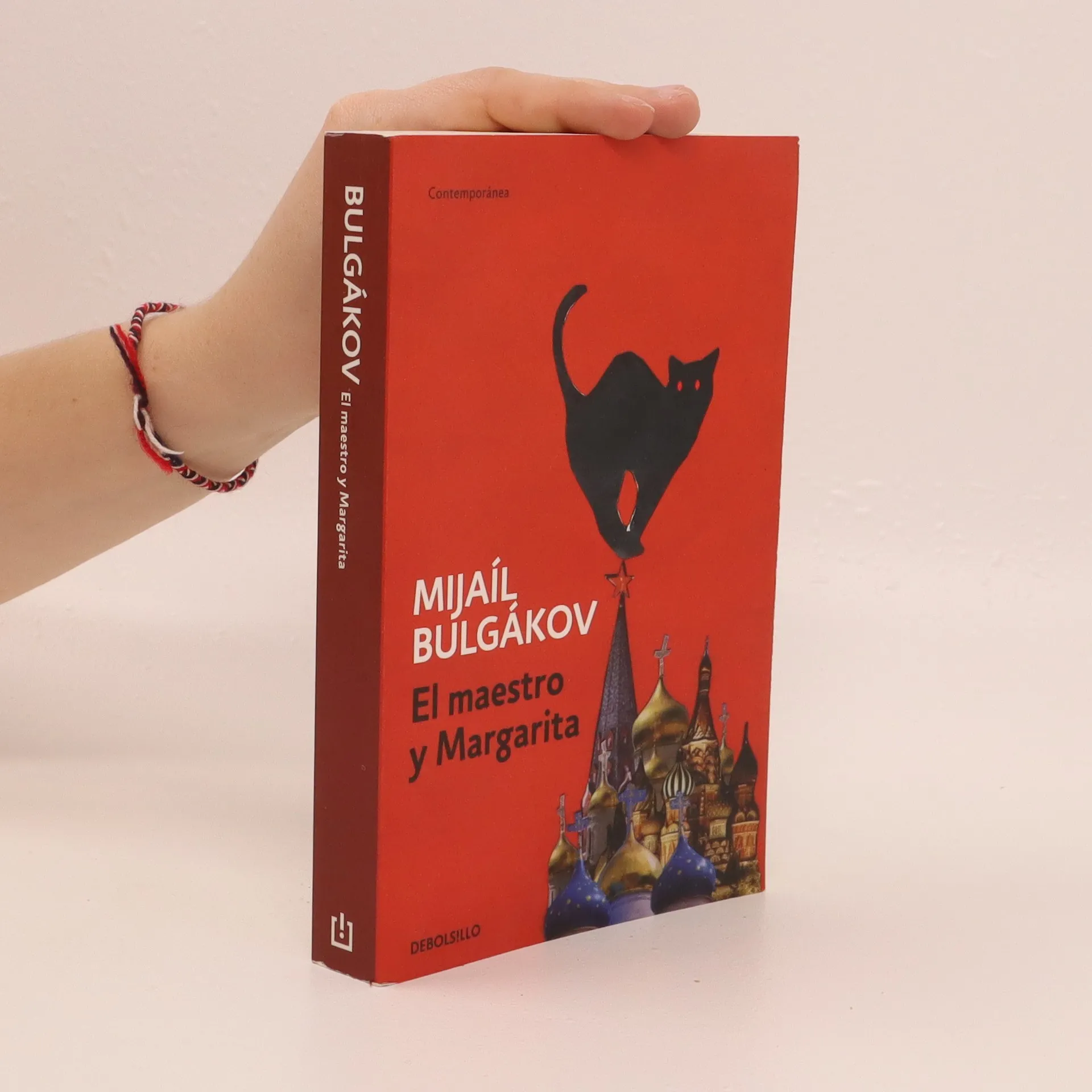
      El maestro y Margarita, que no vio la luz hasta 1966, es sin duda una de las obras maestras de la literatura del siglo XX . Moscú, 1930. Sobre la ciudad desciende Satán bajo la forma de un profesor de ciencias ocultas, y suceden prodigios que trastornan la vida de los moscovitas. Entre los afectados está Margarita, a la que Satán ofrece, a cambio de su compañía en una fiesta, la liberación de su amante, el maestro, que se encuentra en un psiquiátrico después de la mala acogida de su obra sobre Poncio Pilato (que esconde a la figura de Stalin) y Yehosua. Reseña: «Una de las grandes novelas del siglo. Un texto libérrimo, que escapa por todas sus costuras, una rebelión de la imaginación frente al corsé estalinista, un desafío.» Marcos Ordóñez, Babelia ENGLISH DESCRIPTIONNothing in the whole of literature compares with The Master and Margarita. One spring afternoon, the Devil, trailing fire and chaos in his wake, weaves himself out of the shadows and into Moscow. Mikhail Bulgakov's fantastical, funny, and devastating satire of Soviet life combines two distinct yet interwoven parts, one set in contemporary Moscow, the other in ancient Jerusalem, each brimming with historical, imaginary, frightful, and wonderful characters. Written during the darkest days of Stalin's reign, and finally published in 1966 and 1967, The Master and Margarita became a literary phenomenon, signaling artistic and spiritual freedom for Russians everywhere.

      El maestro y Margarita
      4,3
    • Faithful Ruslan

      • 224 páginas
      • 8 horas de lectura

      Unavailable for twenty years, this harrowing allegory of obedience to authority is esteemed as “one of the defining literary texts of the post-Stalin period.” (The Guardian) Set in a remote Siberian depot immediately following the demolition of one of the gulag’s notorious camps and the emancipation of its prisoners, Faithful Ruslan is an embittered cri de coeur from a writer whose circumstances obliged him to resist the violence of arbitrary power. “Every writer who writes anything in this country is made to feel he has committed a crime,” Georgi Vladimov said. Dissident, he said, is a word that “they force on you.” His mother, a victim of Stalin’s anti-Semitic policy, had been interred for two years in one of the camps from which Vladimov derived the wrenching detail of Faithful Ruslan. The novel circulated in samizdat for more than a decade, often attributed to Solzhenitsyn, before its publication in the West led to Vladimov’s harassment and exile. A starving stray, tortured and abandoned by the godlike “Master” whom he has unconditionally loved, Ruslan and his cadre of fellow guard dogs dutifully wait for the arrival of new prisoners—but the unexpected arrival of a work party provokes a climactic bloodletting. Fashioned from the perceptions of an uncomprehending animal, Vladimov’s insistently ironic indictment of the gulag spirals to encompass all of Man’s inexplicable cruelty.

      Faithful Ruslan
      4,2
    • Trochu v tieni jeho slávneho románu Majster a Margaréta ostáva fascinujúca románová freska Biela garda. Toto veľkolepé dielo písal Bulgakov v čase, keď ľudský život nemal veľkú cenu – v čase občianskej vojny v Rusku po boľševickej revolúcii. V období, keď to zdanlivo nové a dobré vznikalo v močiaroch presýtených krvou tisícov nevinných obetí. Spisovateľova umelecká pamäť hľadala obrazy a postavy, ktoré by sa stali opornými bodmi vo všadeprítomnom chaose a smrti. Našiel ich v trochu nostalgických spomienkach na otcovu zelenú lampu v pracovni a kachlicovú pec – symboloch rodinného kozuba Turbinovcov. No spisovateľ postupne opúšťa múry domu, jeho pohľad sa stáva panoramatickým, výpoveď drsnejšou, ale o to úprimnejšou. Vtedy ešte mladý prozaik majstrovsky zachytil revolučné vrenie na Ukrajine a podal jeho neobyčajne plastický a autentický obraz. Udalosti vníma očitý svedok, kronikár a analyzátor, ale najmä citlivý umelec, ktorý cíti zodpovednosť za každé svoje slovo i svoju myšlienku.

      La guardia blanca
      4,1
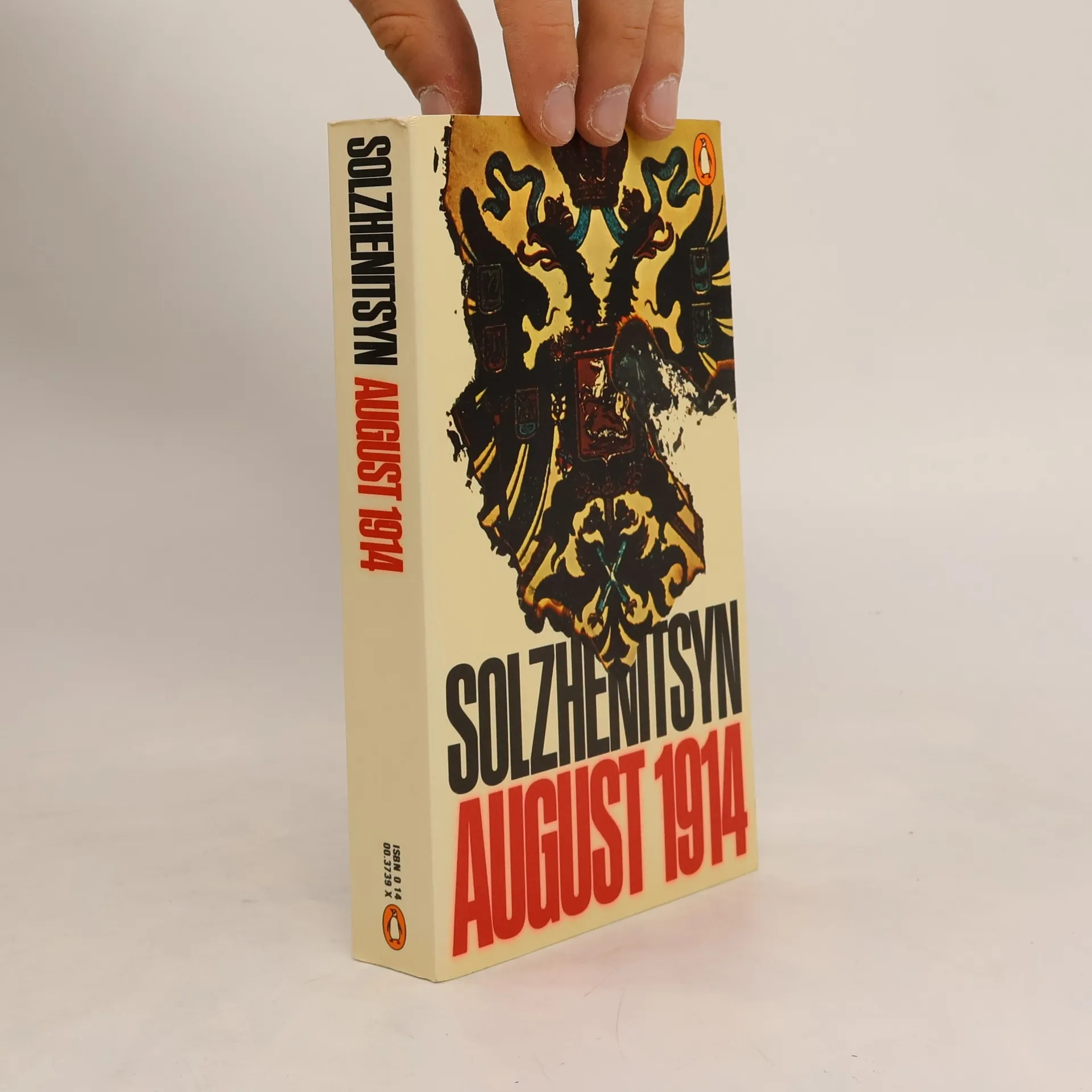
    • A historical novel about the defeat of the Imperial Russian Army at the Battle of Tannenberg in East Prussia.

      August 1914
      3,9
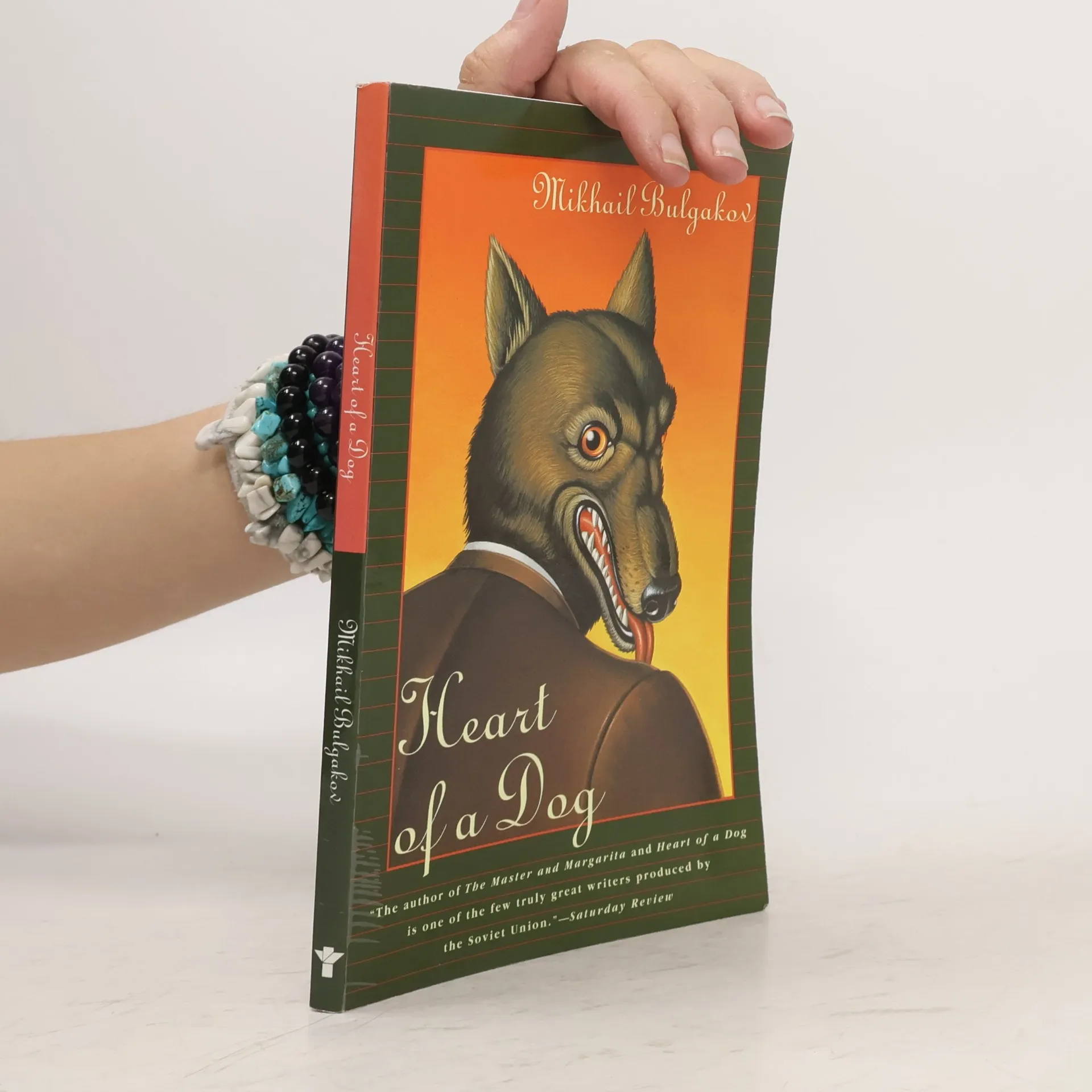
    • The heart of a dog

      • 144 páginas
      • 6 horas de lectura

      WITH A NEW INTRODUCTION BY ANDREY KURKOV A rich, successful Moscow professor befriends a stray dog and attempts a scientific first by transplanting into it the testicles and pituitary gland of a recently deceased man. A distinctly worryingly human animal is now on the loose, and the professor's hitherto respectable life becomes a nightmare beyond endurance. An absurd and superbly comic story, this classic novel can also be read as a fierce parable of the Russian Revolution.

      The heart of a dog
      4,0
    • FSG Classics: Stories and Prose Poems

      • 288 páginas
      • 11 horas de lectura

      <b>A new edition of the Russian Nobelist's collection of novellas, short stories, and prose poems</b> <i>Stories and Prose Poems </i>collects twenty-two works of wide-ranging style and character from the Nobel Prize–winner Aleksandr Solzhenitsyn, whose shorter pieces showcase the extraordinary mastery of language that places him among the greatest Russian prose writers of the twentieth century. When the two superb stories "Matryona's House" and "An Incident at Krechetovka Station" were first published in Russia in 1963, the Moscow Literary Gazette, the mouthpiece of the Soviet literary establishment, wrote: "His talent is so individual and so striking that from now on nothing that comes from his pen can fail to excite the liveliest interest." The novella For the Good of the Cause and the short story "Zakhar-the-Pouch" in particular—both published in the Soviet Union before Solzhenitsyn's exile—fearlessly address the deadening stranglehold of Soviet bureaucracy and the scandalous neglect of Russia's cultural heritage. But readers who best know Solzhenitsyn through his novels will be delighted to discover the astonishing group of sixteen "prose poems." In these works of varying lengths—some as short as an aphorism—Solzhenitsyn distills the joy and bitterness of Russia's fate into language of unrivaled lyrical purity.

      FSG Classics: Stories and Prose Poems