Theroux The Keyhole
- 384 páginas
- 14 horas de lectura
A funny, revealing and insightful take on the madness of living and working during a pandemic from the always entertaining Louis Theroux.


Louis Theroux es aclamado por su distintivo enfoque en la realización de documentales, sumergiéndose con curiosidad genuina en subculturas y comunidades marginales. Su estilo se caracteriza por la empatía, junto con la voluntad de exponer absurdos y controversias sin juzgar ni condescender. Theroux posee una habilidad única para conectar con personas de diversos orígenes, utilizando su interés sincero y su ocasional desconcierto autocrítico para acceder a narrativas auténticas. Su trabajo incita a los espectadores a reflexionar sobre las complejidades de la naturaleza humana y las variadas experiencias de vivir en un mundo diverso.
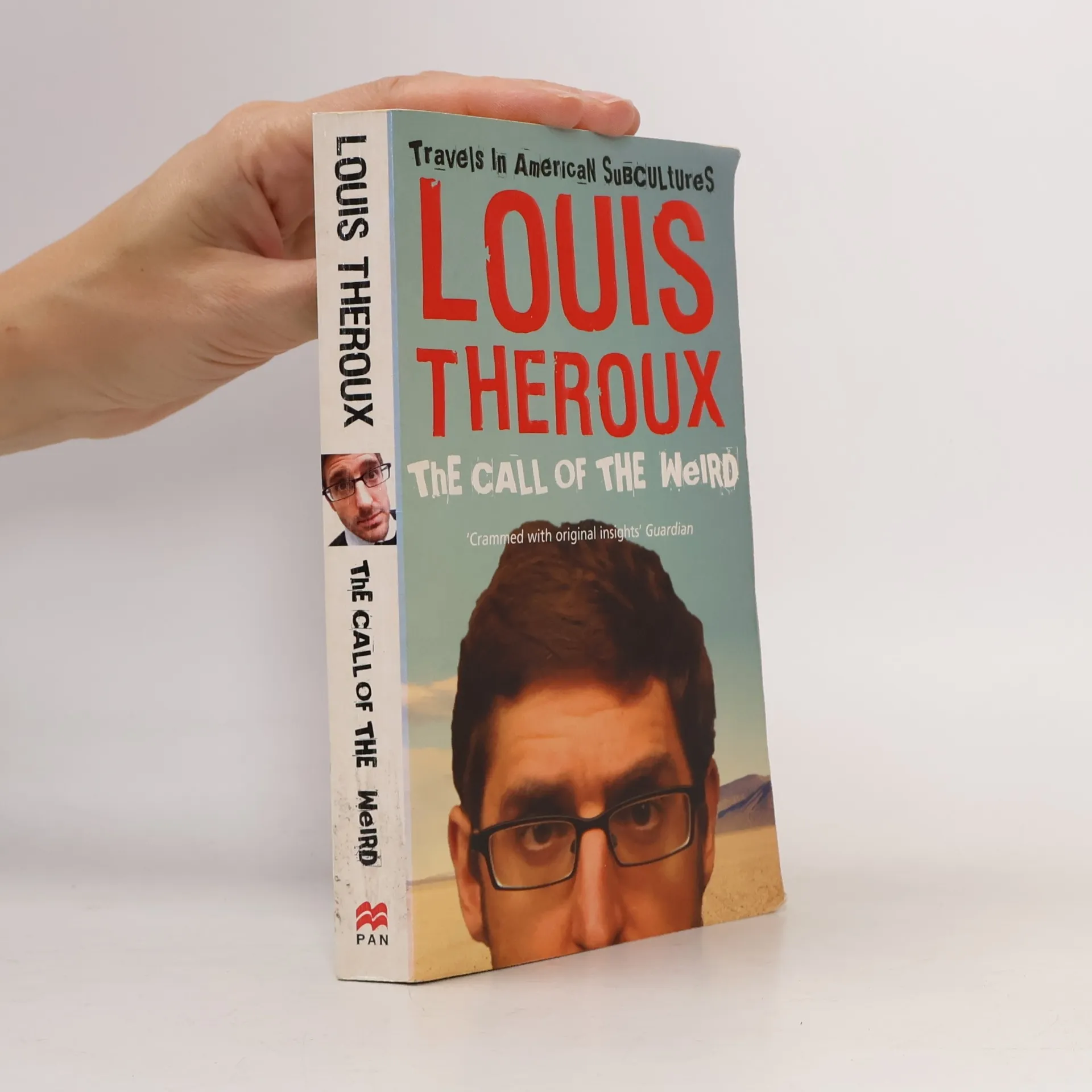
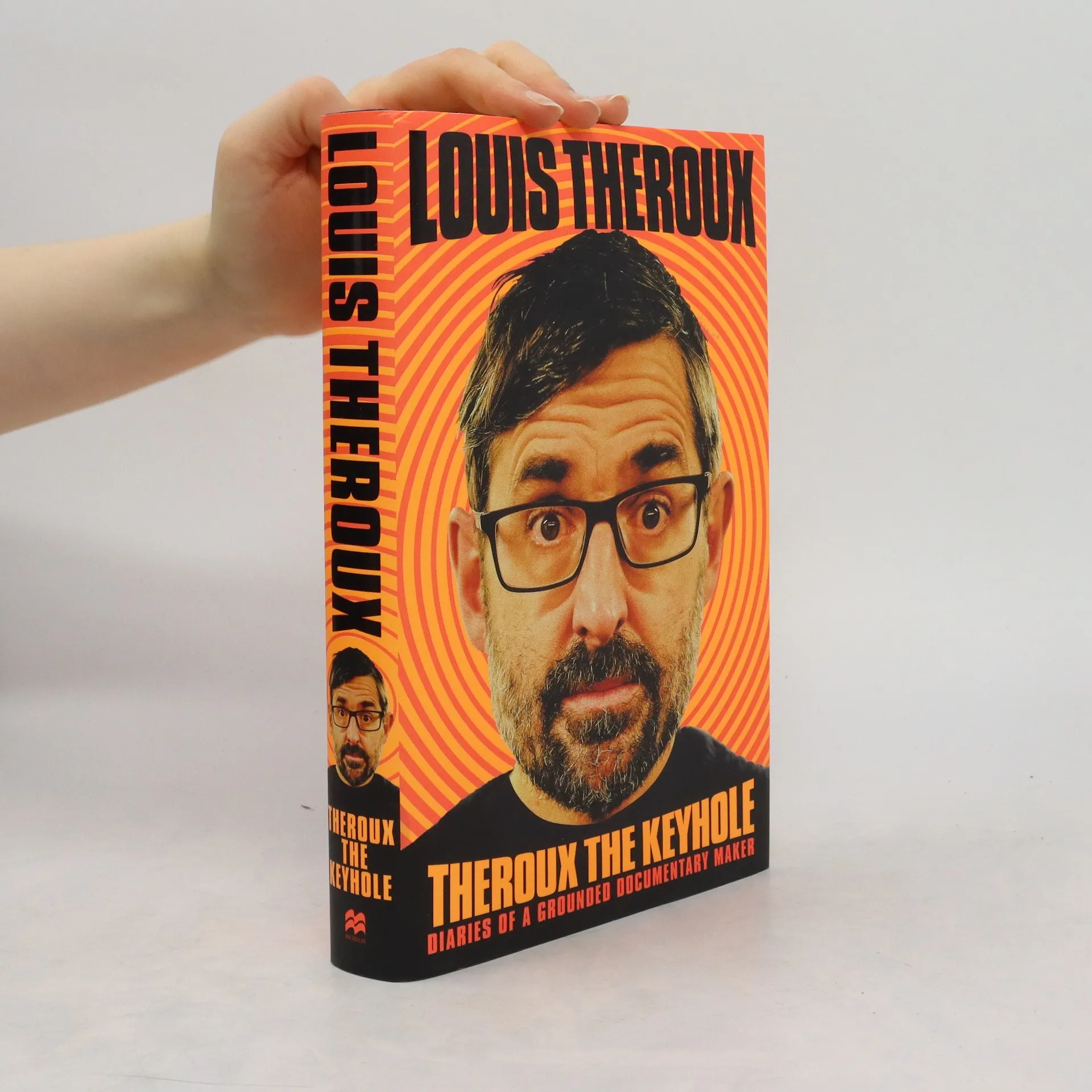
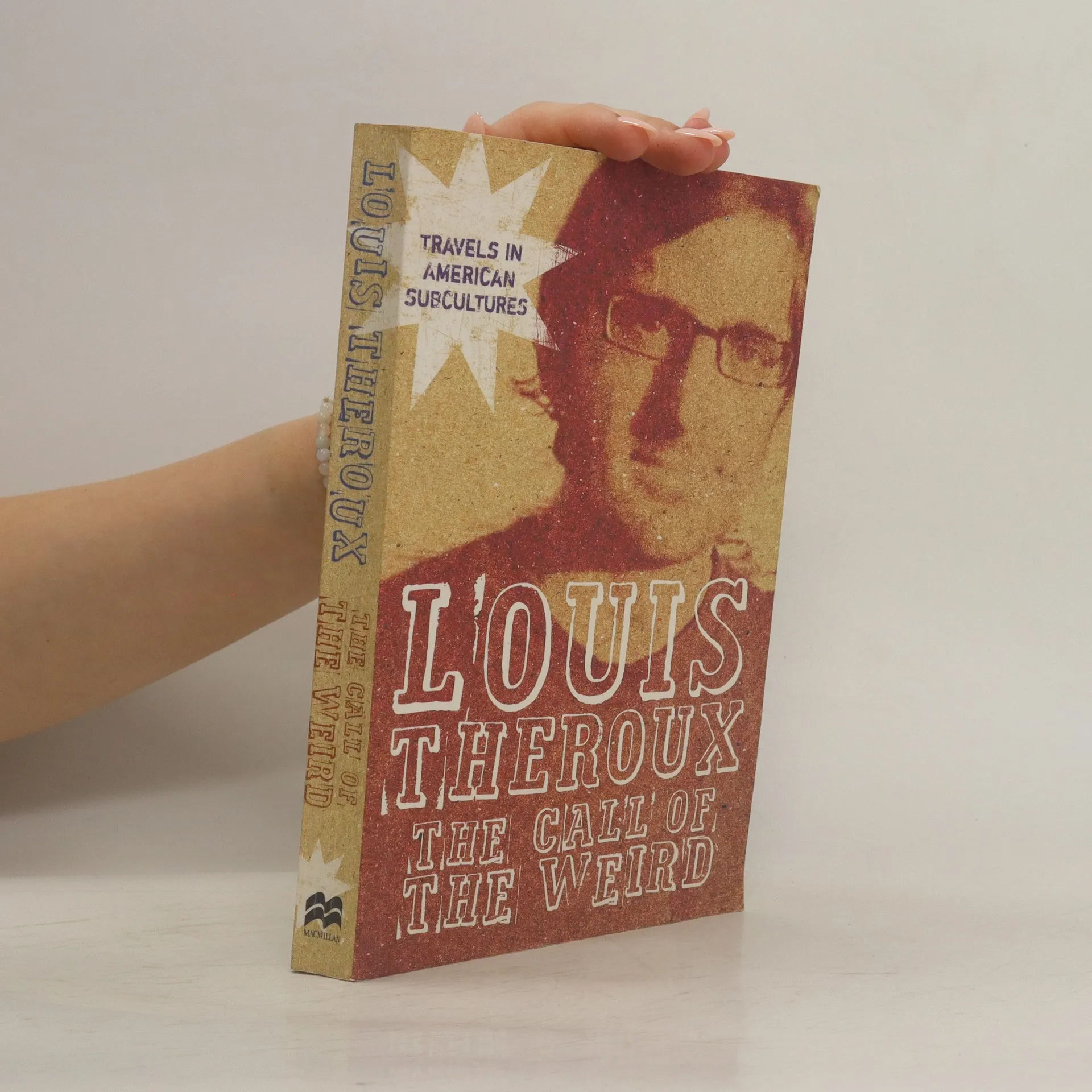

A funny, revealing and insightful take on the madness of living and working during a pandemic from the always entertaining Louis Theroux.
A funny, insightful memoir by much-loved documentary maker Louis Theroux, who takes us on a weird and wonderful journey through his life and two decades of groundbreaking television.
For ten years Louis Theroux has been making programmes about off-beat characters on the fringes of US society. Now he revisits America and the people who have most fascinated him to try to discover what motivates them, why they believe the things they believe, and to find out what has happened to them since he last saw them.Along the way Louis thinks about what drives him to spend so much time among weird people, and considers whether he's learned anything about himself in the course of ten years working with them. Has he manipulated the people he's interviewed, or have they manipulated him? From his Las Vegas base, Louis revisits the assorted dreamers and outlaws who have been his TV feeding ground.Attempting to understand a little about himself and the workings of his own mind, Louis considers questions such as: What is the difference between pathological and "normal" weirdness? Is there something particularly weird about Americans? What does it mean to be weird, or "to be yourself"? And do we choose our beliefs or do our beliefs choose us?
Louis Theroux's hilarious and thought-provoking journey through weird AmericaFor ten years Louis Theroux has been making programmes about off-beat characters on the fringes of US society. Now he revisits America and the people who have most fascinated him to try to discover what motivates them, why they believe the things they believe, and to find out what has happened to them since he last saw them. Along the way Louis thinks about what drives him to spend so much time among weird people, and considers whether he's learned anything about himself in the course of ten years working with them. Has he manipulated the people he's interviewed, or have they manipulated him? From his Las Vegas base, Louis revisits the assorted dreamers and outlaws who have been his TV feeding ground. Attempting to understand a little about himself and the workings of his own mind, Louis considers questions such as: What is the difference between pathology and 'normal' weirdness? Is there something particularly weird about Americans? What does it mean to be weird, or 'to be yourself'? And do we choose our beliefs or do our beliefs choose us?