The long and the short of it : a global guide to finance and investment for those not in the industry
- 256 páginas
- 9 horas de lectura
A clear and practical guide to investment by internationally renowned economist John Kay


Este autor emplea un análisis riguroso y lógico para comprender mejor la sociedad, centrándose en la aplicación de conceptos económicos. Su trabajo enfatiza la popularización y la explicación clara de ideas complejas para una audiencia más amplia. A través de sus escritos, explora las finanzas públicas y la organización industrial, extendiendo su interés a la política empresarial y a cuestiones sociales más amplias. El autor se esfuerza por conectar el rigor académico con el impacto práctico, ofreciendo a los lectores una perspectiva atractiva y accesible sobre los principios económicos y sus aplicaciones en el mundo real.

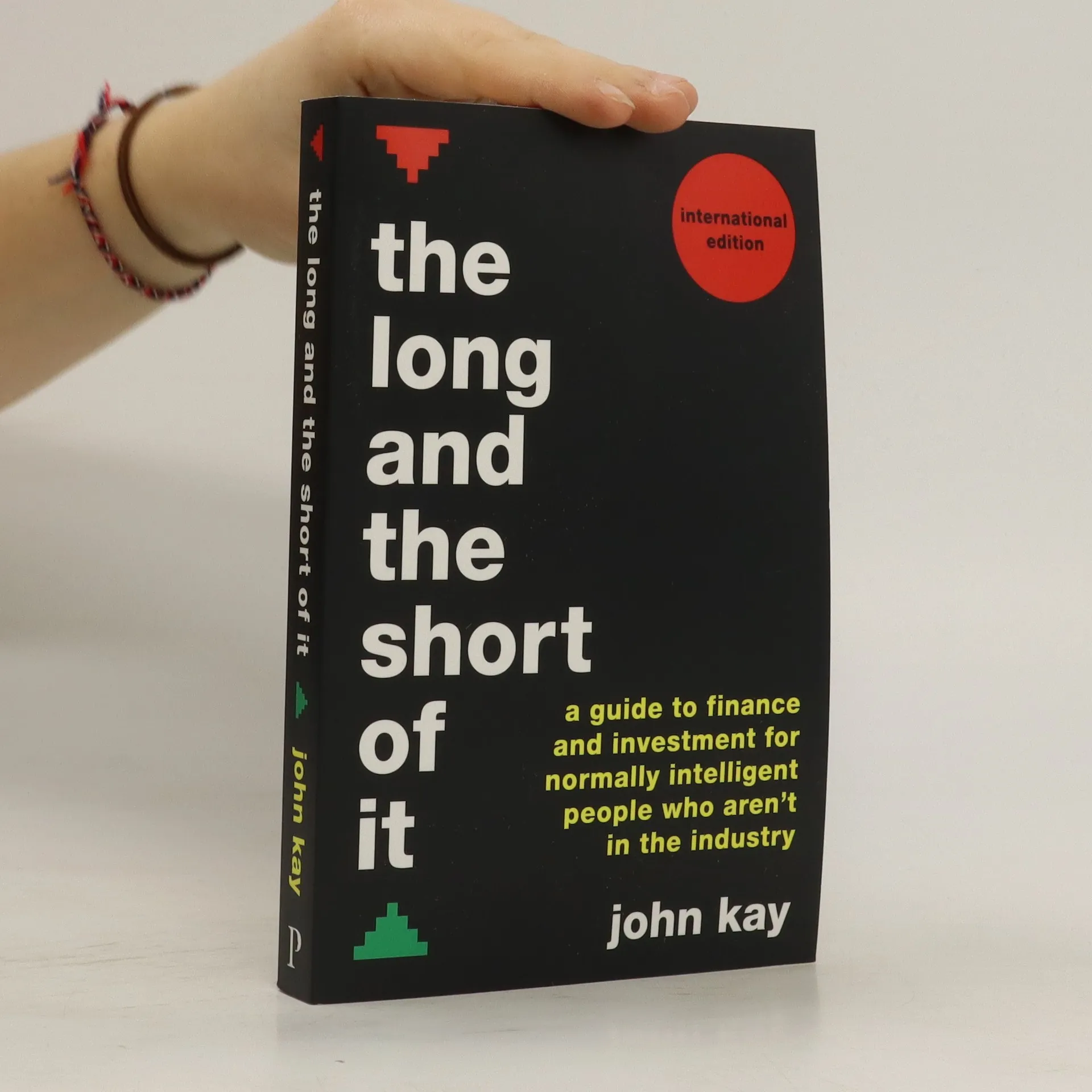
A clear and practical guide to investment by internationally renowned economist John Kay
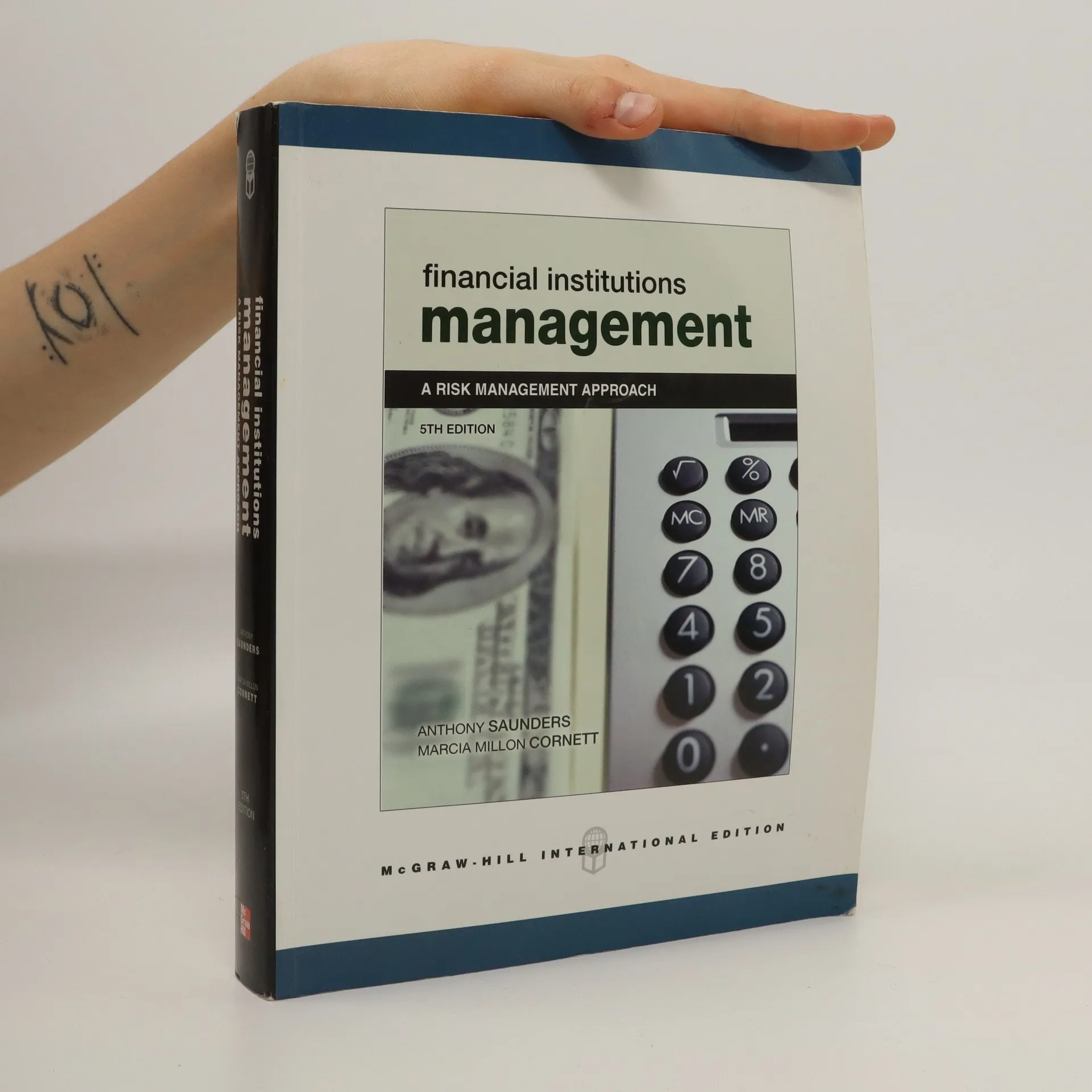
Focuses on managing return and risk in financial institutions. The text argues that risks faced by financial institutions managers, and the methods and markets through which these risks are managed are becoming similar whether an institution is chartered as a commercial bank, a savings bank, an investment bank, or an insurance company.
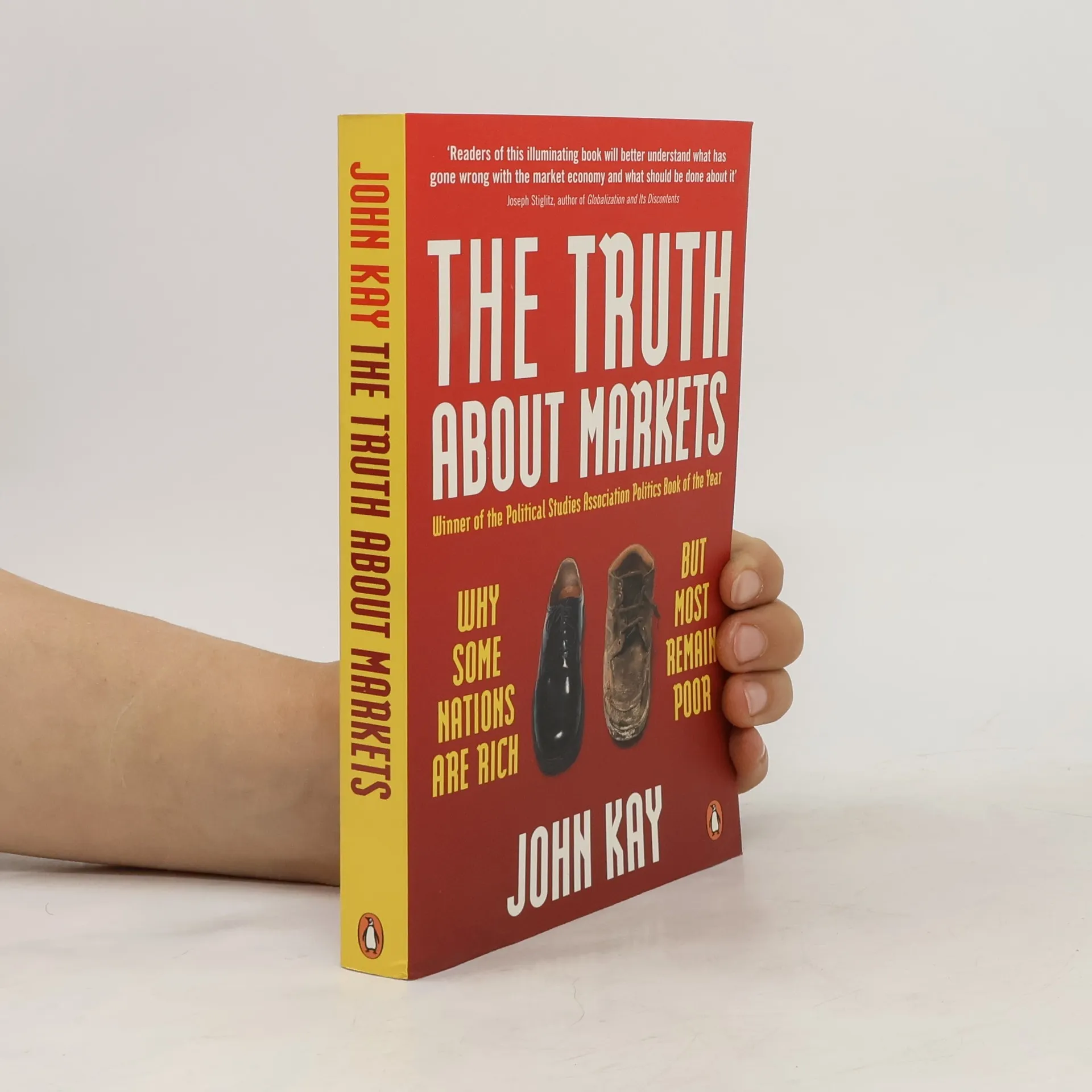
Capitalism faltered at the end of the 1990s as corporations were rocked by fraud, the stock-market bubble burst and the American business model � unfettered self-interest, privatization and low tax � faced a storm of protest. But what are the alternatives to the mantras of market fundamentalism? Leading economist John Kay unravels the truth about markets, from Wall Street to Switzerland, from Russia to Mumbai, examining why some nations are rich and some poor, why �one-size-fits-all� globalization hurts developing countries and why markets can work � but only in a humane social and cultural context. His answers offer a radical new blueprint for the future.
This collection of short essays features articles based on economic topics and opinions.
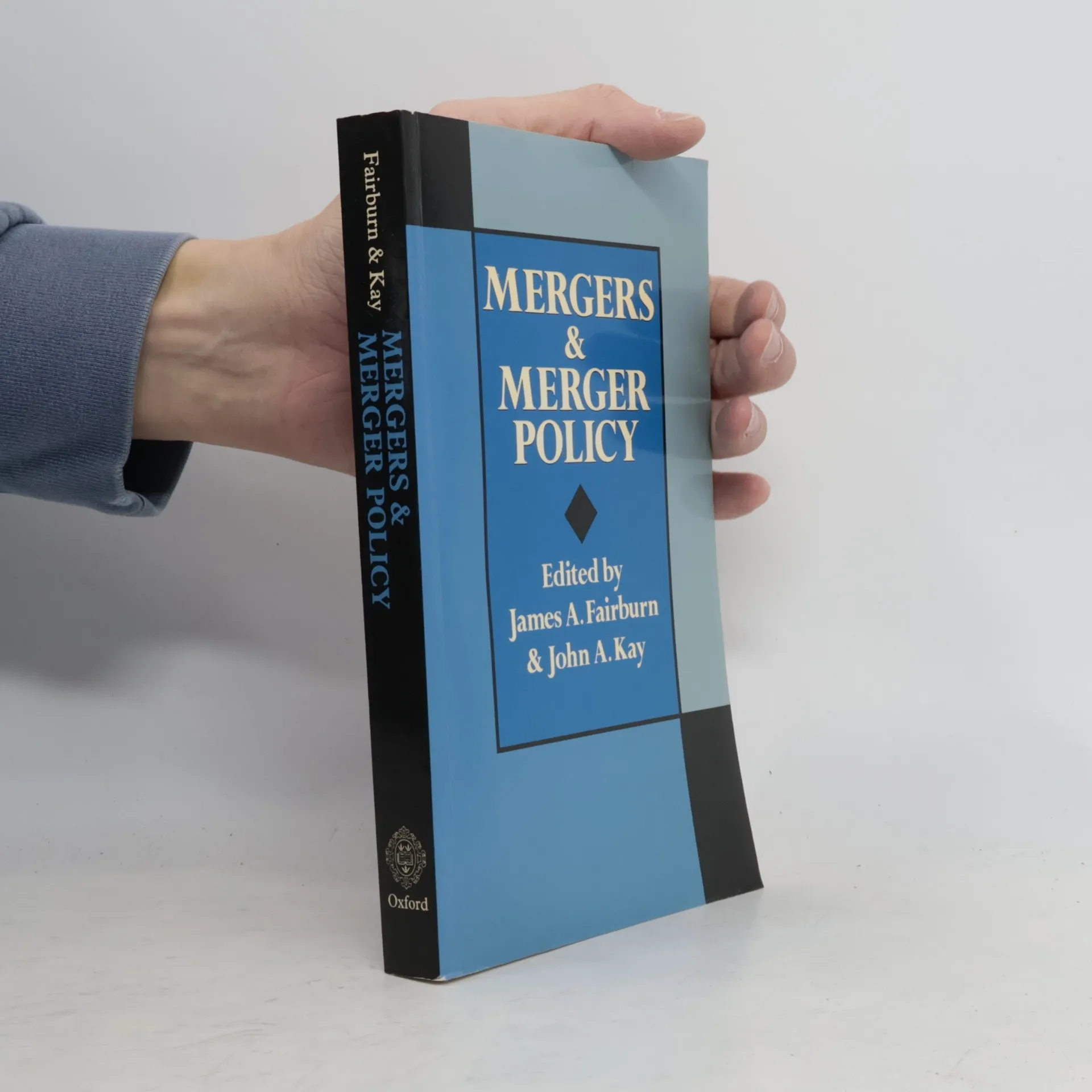
British merger policy, which has long lacked clarity and effectiveness, has been the subject of government review. This collection of essays by leading policymakers and academics confronts several crucial questions about the merger process: Does it serve as a check on management efficiency, or is it the result of too little control or too much management discretion? Do shareholders and consumers gain or lose from mergers? Is the effect of mergers on competition the only public concern, and how anyway is competition to be assessed in an economy increasingly dominated by imports? Can policymakers learn from abroad, or are the current institutions and procedures the best available?