Graham Greene fue un novelista inglés cuyas obras exploraron las ambiguas cuestiones morales y políticas del mundo moderno, combinando un serio reconocimiento literario con una amplia popularidad. Aunque Greene se oponía firmemente a ser descrito como un "novelista católico", los temas religiosos católicos se encuentran en la raíz de gran parte de su escritura. Sus obras también muestran un ávido interés en el funcionamiento de la política internacional y el espionaje.
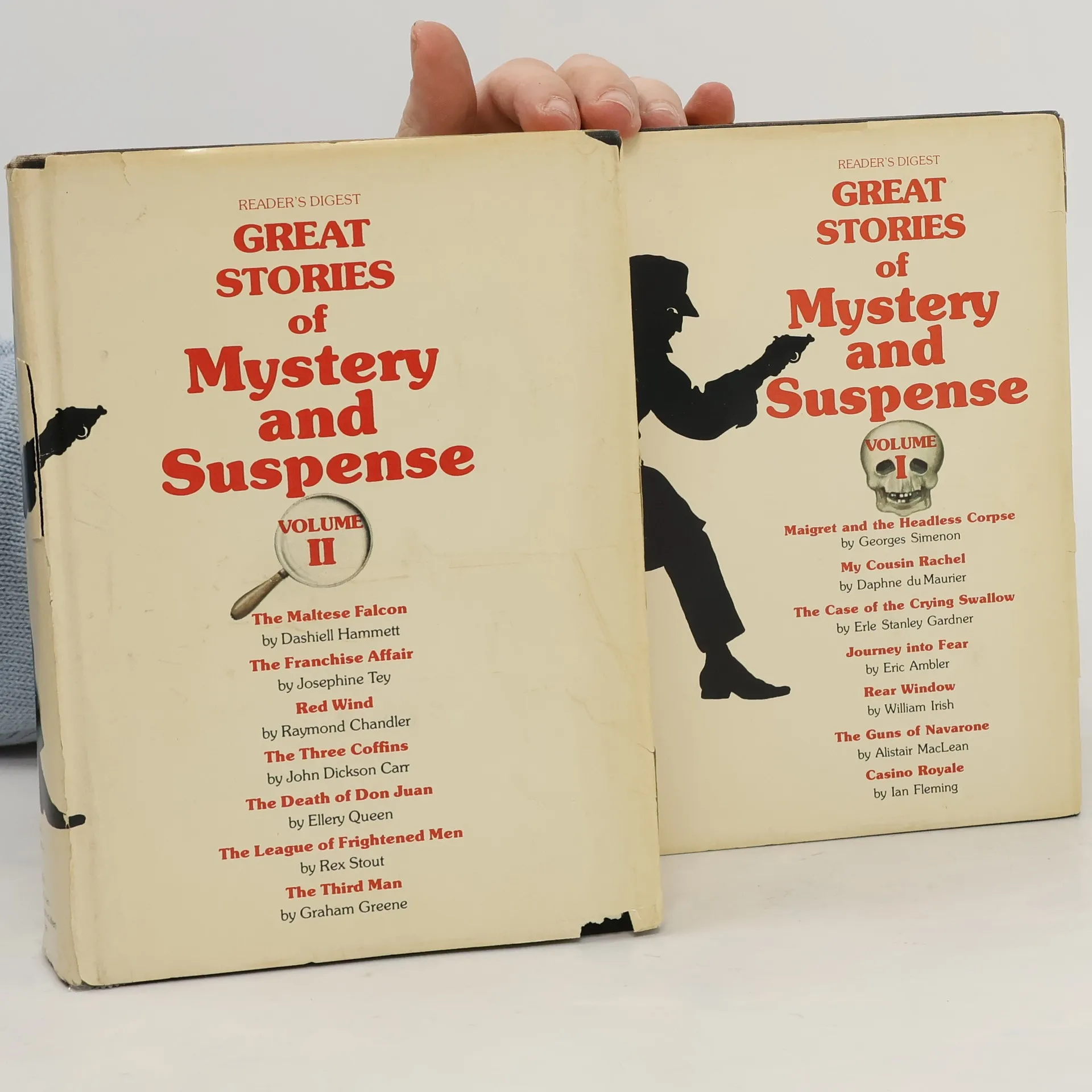
Graham Greene(1904-1991) es uno de los grandes creadores del thriller y en su obra está el germen de todos las derivaciones que posteriormente ha tomado el género. Entre sus obras más exitosas se cuentan Nuestro hombre en La Habana, El factor humano, El americano impasible, El poder y la gloria, El tercer hombre o El cónsul honorario.
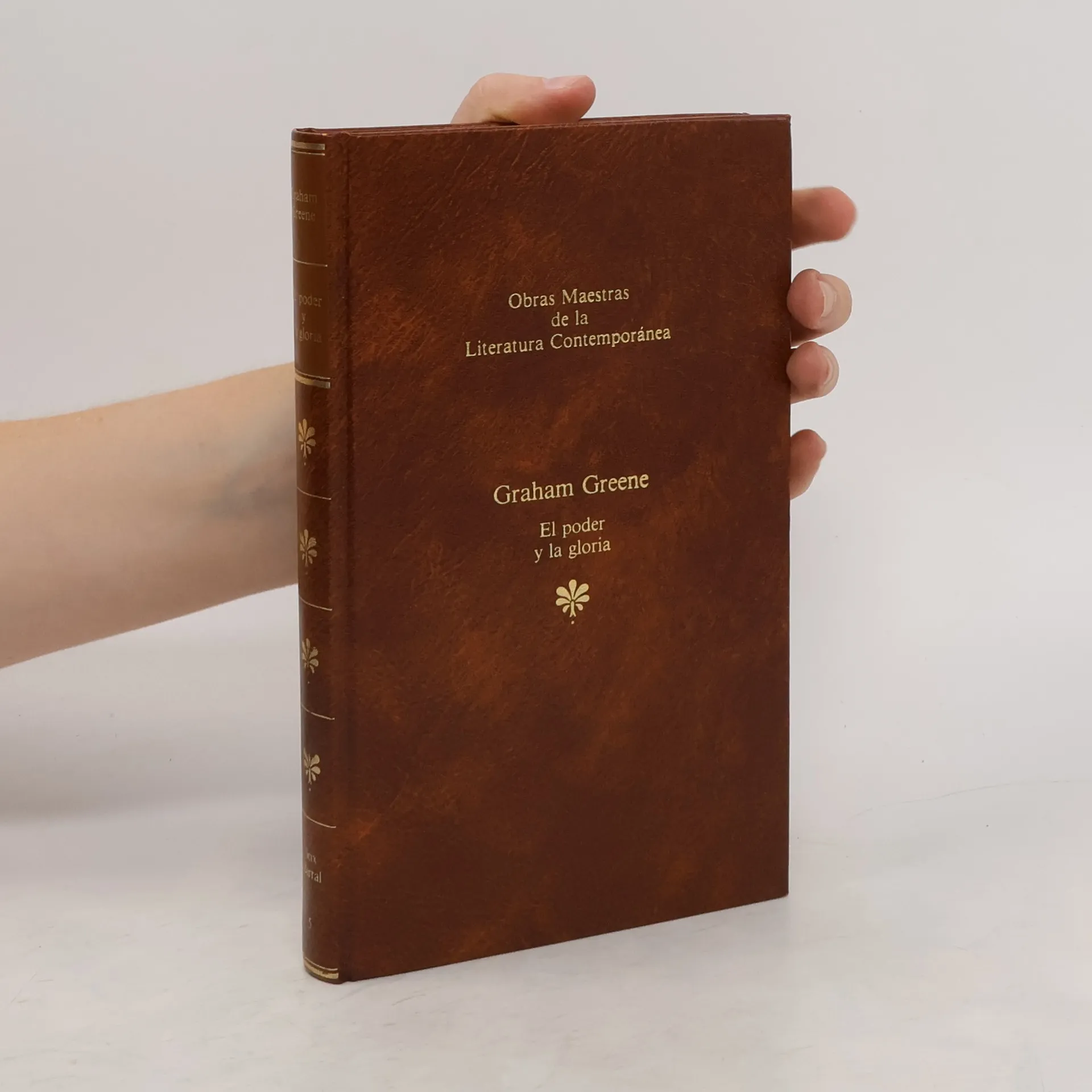
Barcelona. 20 cm. 247 p. Encuadernación en tapa dura de editorial. 12x20 cm. 288 p. Encuadernación en símil piel de editorial. Colección 'Obras maestras de la literatura contemporánea' .. Este libro es de segunda mano y tiene o puede tener marcas y señales de su anterior propietario. ISBN: 978-84-322-2165-1; 84-322-2165-1
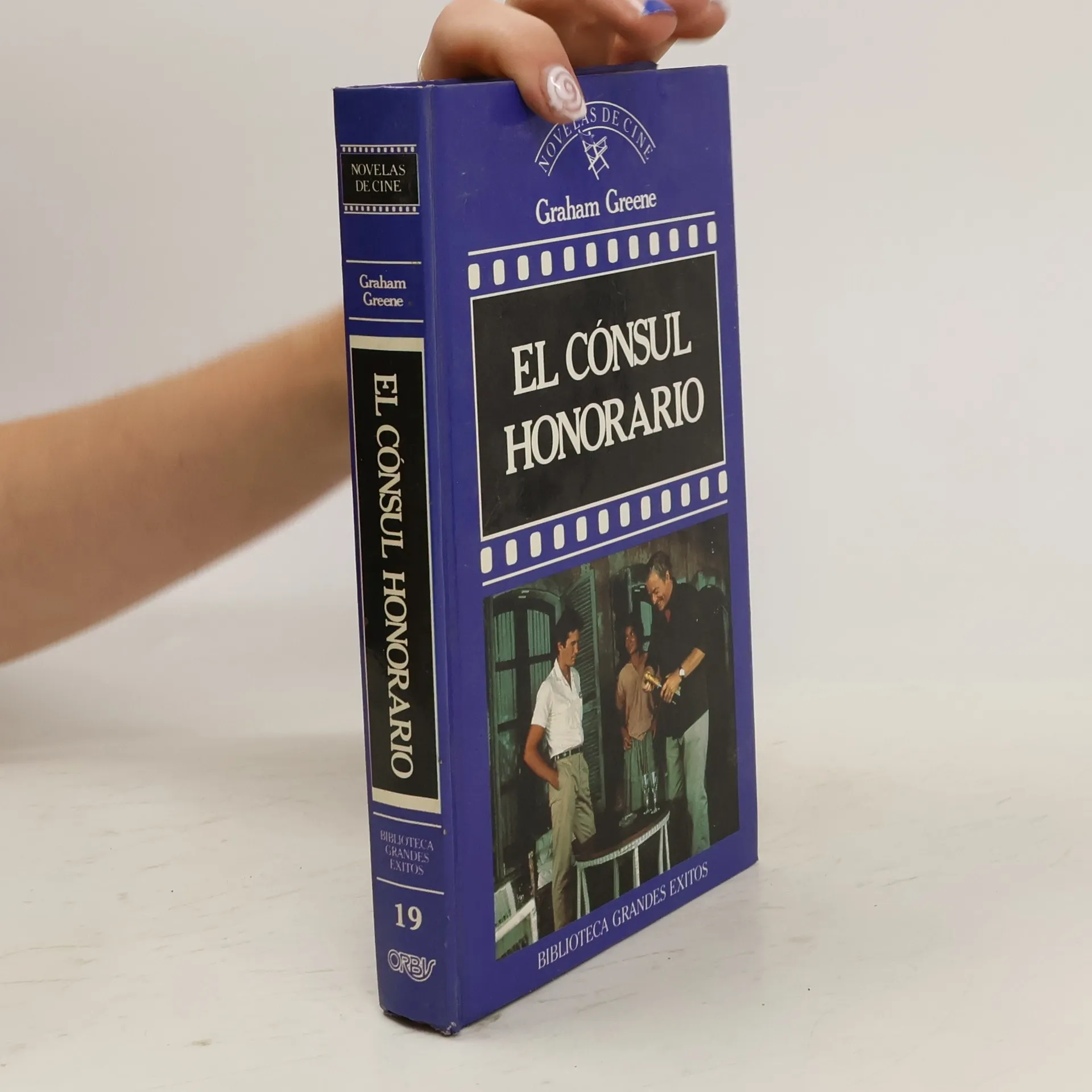
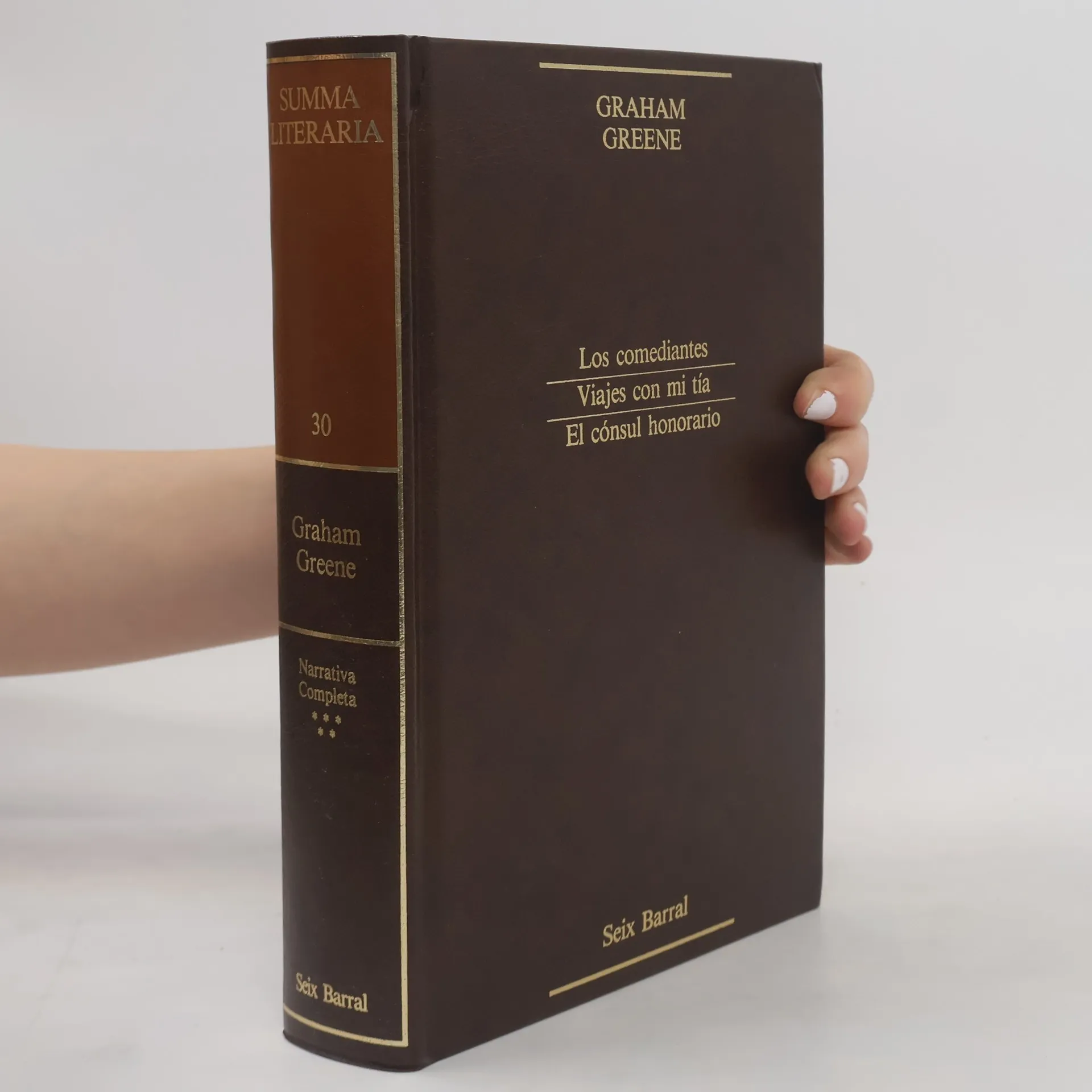
Un grupo de revolucionarios planea y lleva a cabo un secuestro con la intención de conseguir la libertad de sus correligionarios encarcelados; pero se equivocan de hombre. La víctima es Charles Fortnum, un hombre sin ningún interés para el gobierno británico: se trata sólo de un cónsul honorario que vive principalmente del whisky y de su condición de diplomático inglés. Así pues, el azar confierte a Fortnum en preso de un grupo de guerrilleros encabezados por un sacerdote con el que antaño le unió la amistad
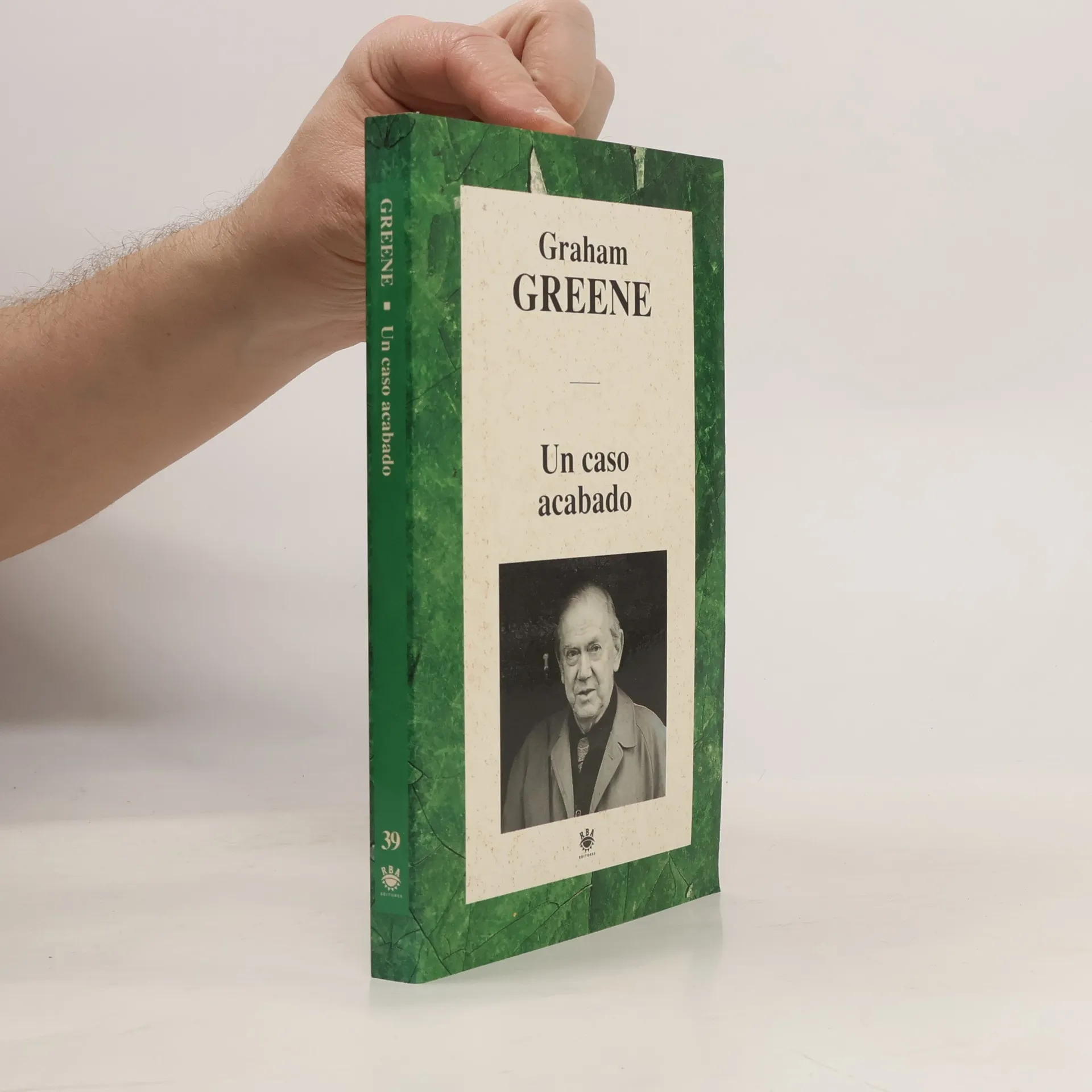
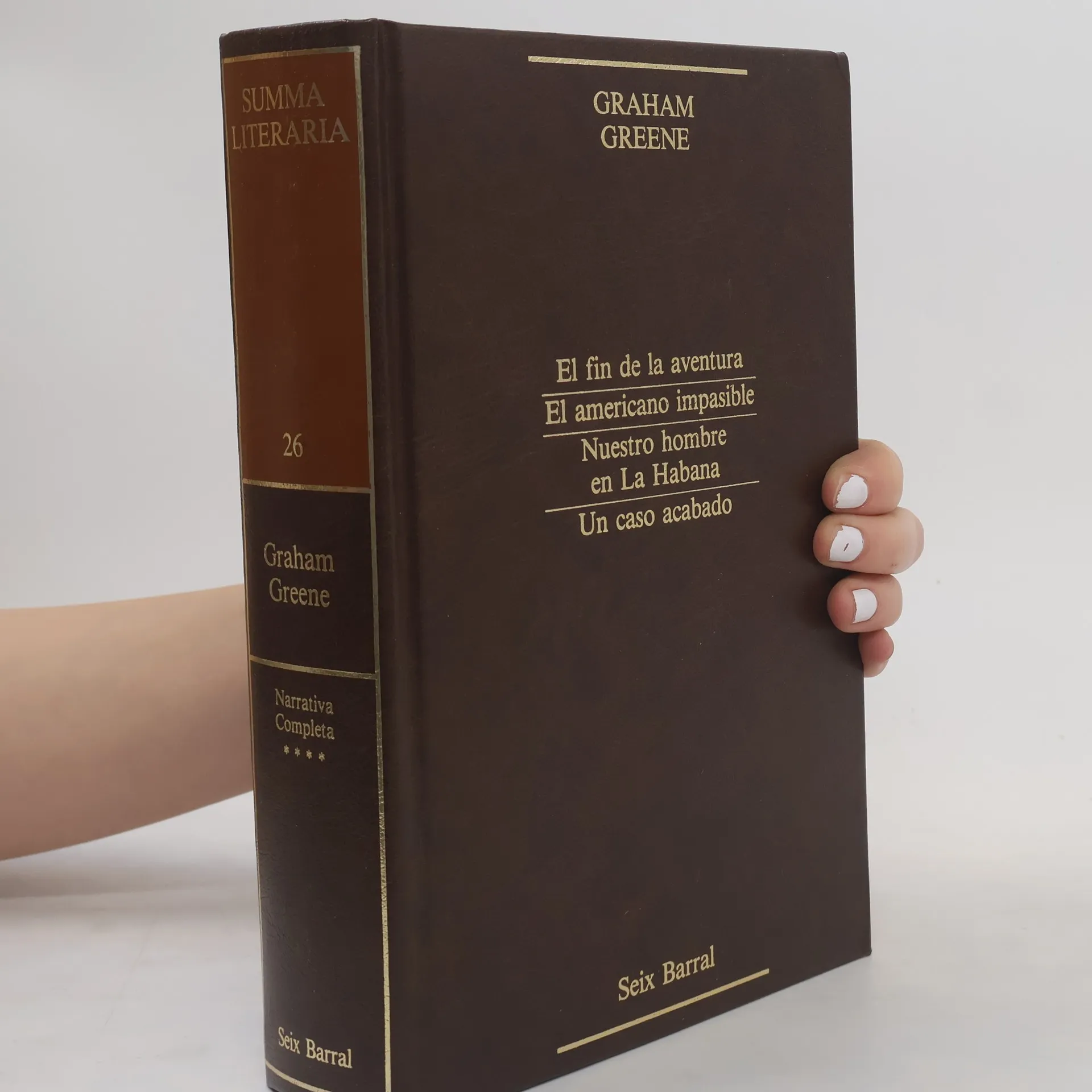
Más de una novela de Graham Greene se considera una obra maestra de la literatura del último medio siglo. "Un caso acabado" forma parte de la extensa lista de libros de Greene que nos entretienen, con personajes que "salen" literalmente de las páginas, mientras nos obligan a reflexionar. En esta obra, Greene, a través de Querry, un arquitecto que decide dejarlo todo para ir al corazón de la selva congoleña, plantea la cuestión de la fe: ¿renuncia o adhesión? El debate que Greene, reconocido escritor católico desde la publicación de "La potencia y la gloria", inicia, ha suscitado muchas discusiones. El libro tuvo un gran eco y sigue resonando en el lector actual. Es una inmersión "en el corazón de las tinieblas" a la que Greene nos invita, continuando el legado de Conrad.
La obra inédita del novelista y ensayista británico Graham Greene es una novela cautivadora que se desarrolla en Francia durante y poco después de la Segunda Guerra Mundial.
En una abarrotada celda de una prisión alemana, en algún lugar de la Francia ocupada por Alemania, un oficial de la Wehrmacht entra en la celda para anunciar a los treinta prisioneros un cruel veredicto: cada décimo interno será fusilado a la mañana siguiente. El sorteo que eligen los prisioneros despliega un juego cruel que revela la absurdidad y la fatalidad de la acción humana en situaciones desesperadas.
La historia aborda con ironía el comportamiento paradójico del ser humano en situaciones límite, el fracaso fatídico y el posterior camino a través del enrevesado laberinto de la conciencia humana, que culmina en un final trágico.
Alianza Editorial. Madrid. 1986. 18 cm. 111 p. Encuadernación en tapa blanda de editorial ilustrada. Colección 'El Libro de bolsillo', 1175. Sección Literatura. Greene, Graham 1904-1991. Traductores, Barbara McShane y Javier Alfaya. Traducción de: The third man. Alfaya, Javier. 1939-. El libro de bolsillo (Alianza Editorial). 1175. Sección Literatura .. Este libro es de segunda mano y tiene o puede tener marcas y señales de su anterior propietario. Cubierta deslucida. ISBN: 84-206-0175-6
De todas las ciudades del mundo, Monte Carlo es sin duda una de las más glamurosas. Que Bertrand y Cary hayan decidido casarse allí, en lugar de en un tranquilo pueblo inglés, se debe a la misteriosa influencia del jefe de Bertrand. "El Gam" del octavo piso le hace una oferta que no puede rechazar. Pero luego, en el puerto de Monte Carlo, no aparece su yate como se había acordado, la pareja no puede pagar la cuenta del hotel, la cena de bodas se reduce a bollos y café, y solo les queda una salida: jugar. Jugar con sistema. Bertrand, un matemático, reflexiona, pierde con moderación, gana en exceso y casi pierde a su recién esposa. Pero solo casi. Con un tono ligero y un final feliz, el viajado Graham Greene muestra aquí su lado romántico y hace que el lector crea en la moral de este cuento, porque a pesar de todas las advertencias, el perdedor lo gana todo...
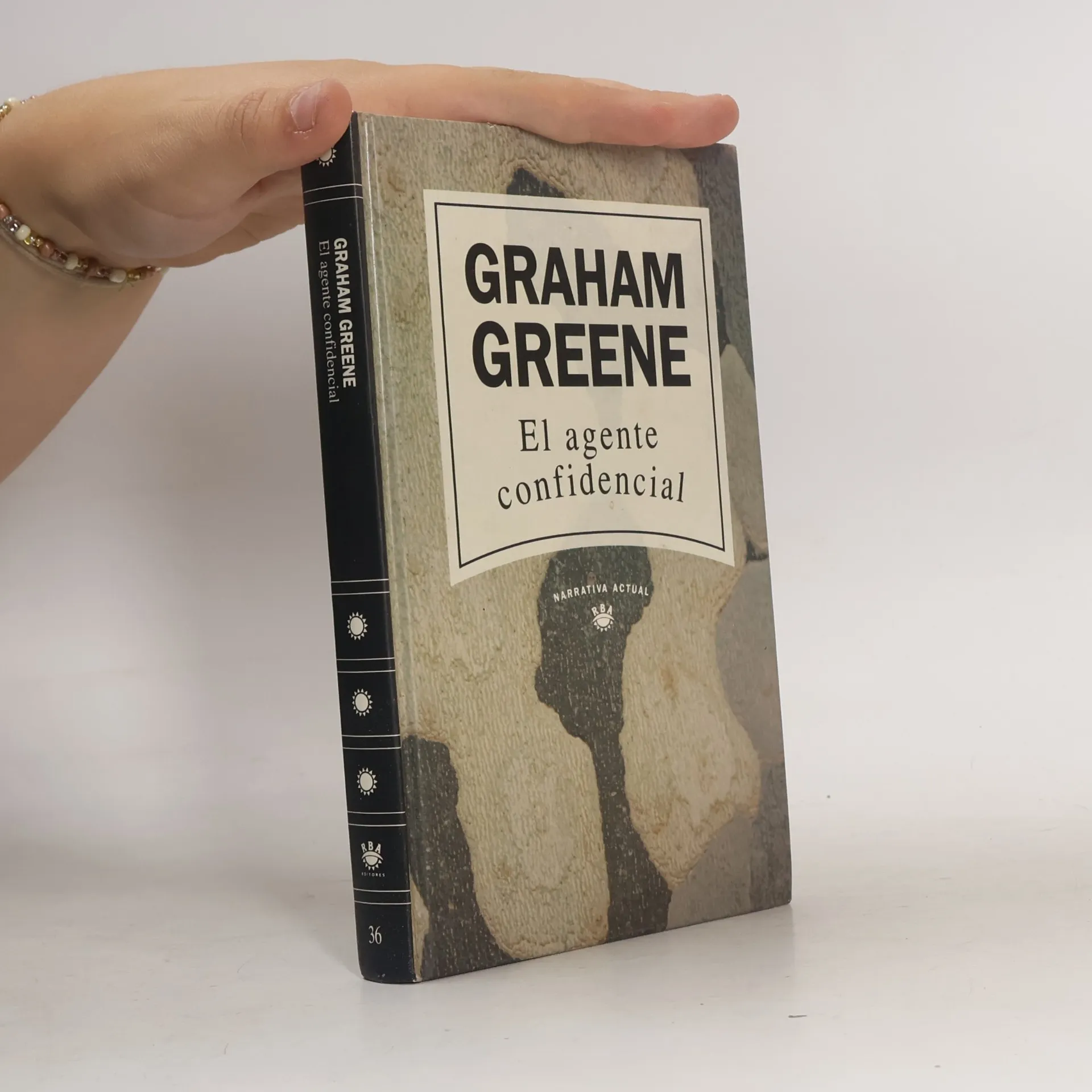
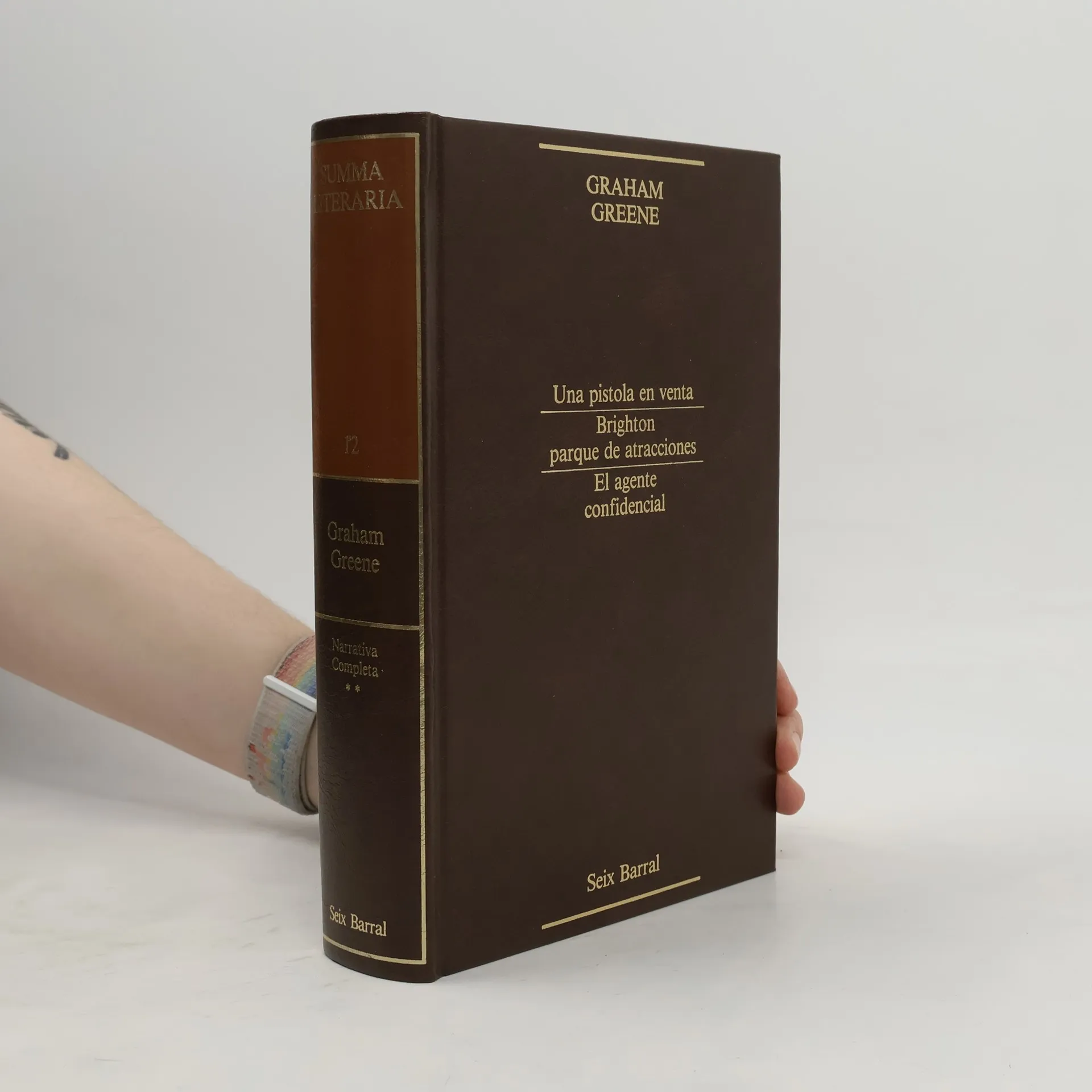
Inspirada por la guerra civil española y escrita en 1938, El agente confidencial reúne algunas de las escenas mejor resueltas de la novelística de Graham Greene y uno de los protagonistas que mejores resultados le ha dado siempre: el pacifista obligado a tomar partido, el hombre acorralado e indefenso que debe enfrentarse a la injusticia en la más absoluta soledad. Sin ningún apoyo oficial, y con el enemigo pisándole los talones, el profesor de literatura que protagoniza esta novela deberá conseguir carbón para el gobierno republicano en un Londres a las puertas de la segunda guerra mundial.
Madrid. 19 cm. 252 p. Encuadernación en tapa dura de editorial ilustrada. Grandes genios de la literatura universal. Greene, Graham 1904-1991. Traducción Stamboul train .. Este libro es de segunda mano y tiene o puede tener marcas y señales de su anterior propietario. 8474614228
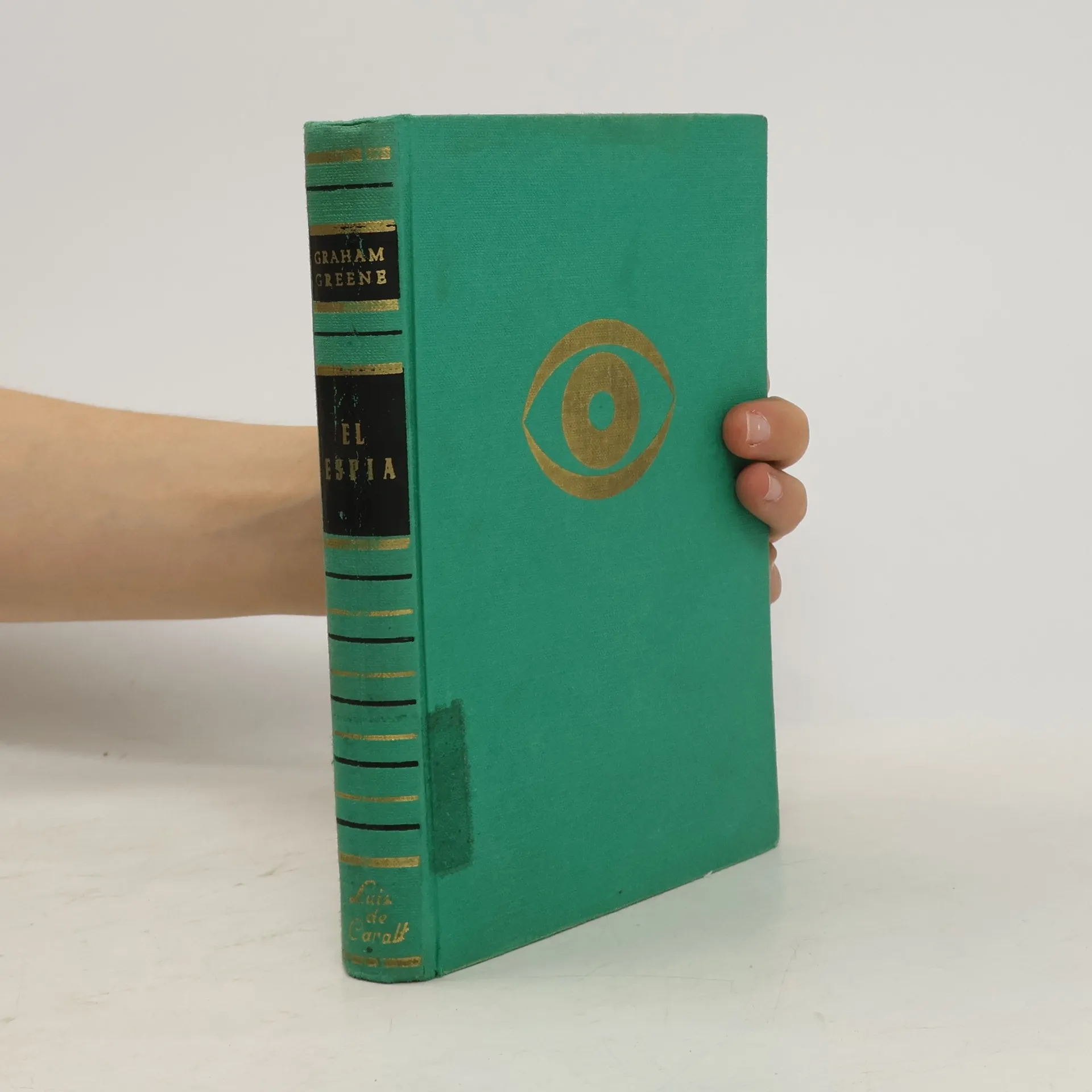
Graham Greene publicó sucesivamente varios volúmenes de cuentos, que se autocontienen, aunque agregan algunos y dejan afuera otros. Las traducciones al castellano no siempre han conseguido respetar los contenidos de tales volúmenes. Así por ejemplo, el libro traducido con el título de El espía corresponde a lo que Greene publicó como Nineteen Stories en 1947. A través del puente y otros cuentos contiene sus relatos escritos entre 1935 y 1954, bajo el título de Twenty One Stories, pero que excluye dos de la edición anterior y agrega cuatro. Como sea, ciertos cuentos clásicos suyos, hay que buscarlos en esta maraña.
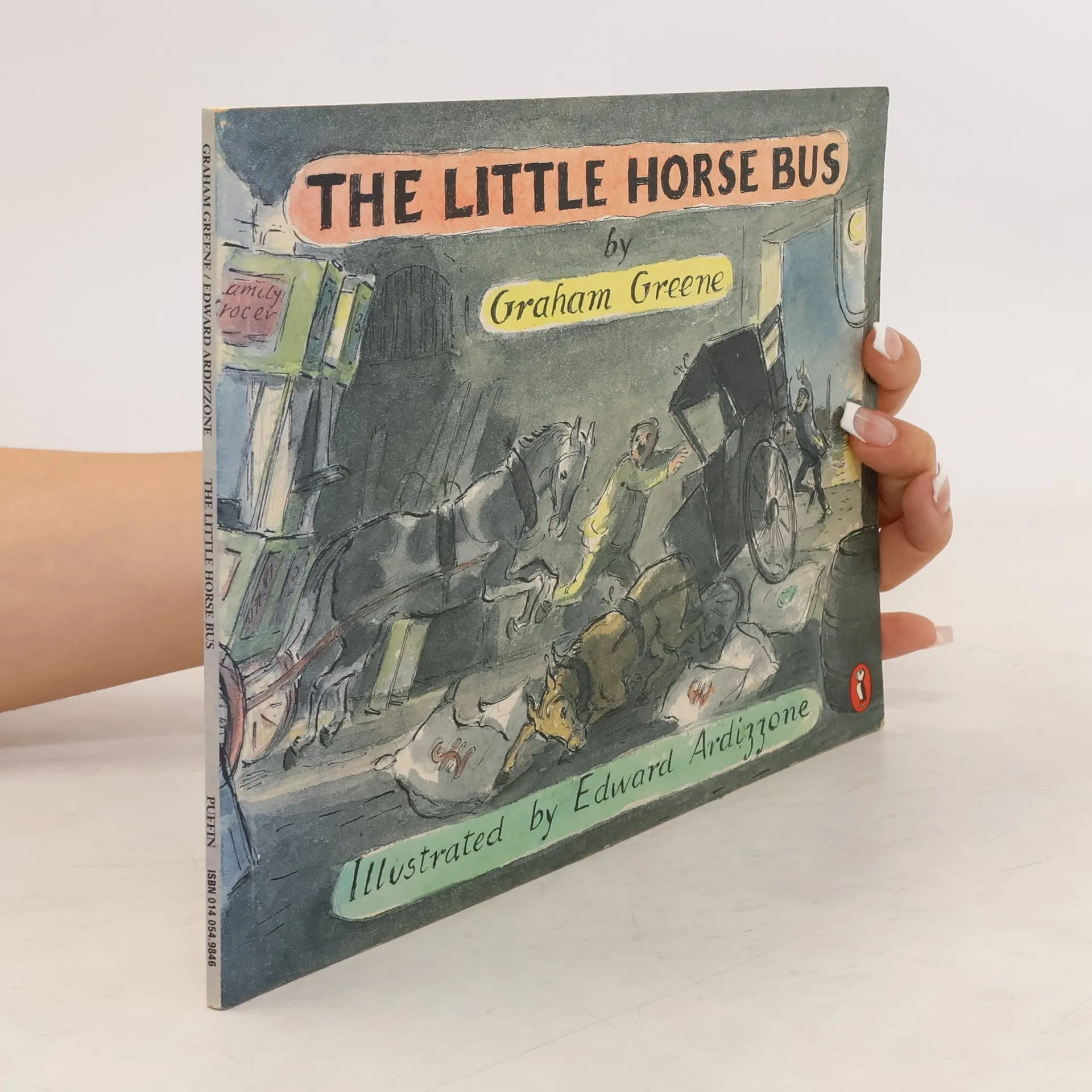
Mr Potter is a proud shopkeeper with a busy shop, until one day a big superstore opens across the street. The new store has a delivery service so Mr Potter employs an old little horse bus to deliver his wares. But when the superstore's delivery cart is stolen there is only one little horse bus to save the day!
FRAUD, MURDER, POLITICAL INTRIGUE AND HORROR IN FOUR STORIES OF VICTORIAN VILLAINY. The Great Tontine, considered to be Hawley Smart's best book, concerns the unforeseen dangers of trying to make money in a lottery. Arthur Griffiths made a special study of the French police, and his sardonic amusement over their methods is evident in the classic train thriller The Rome Express. In the Fog, Richard Harding Davis's ingeniously plotted novel, is one of the very best accounts of foggy Victorian London. Haunted by figures of strange horror, Richard Marsh's The Beetle shed fascinating sidelights on forgotten aspects of the Victorian age. All in all, a splendid selection of works rescued from dusty oblivion - a rare treat!
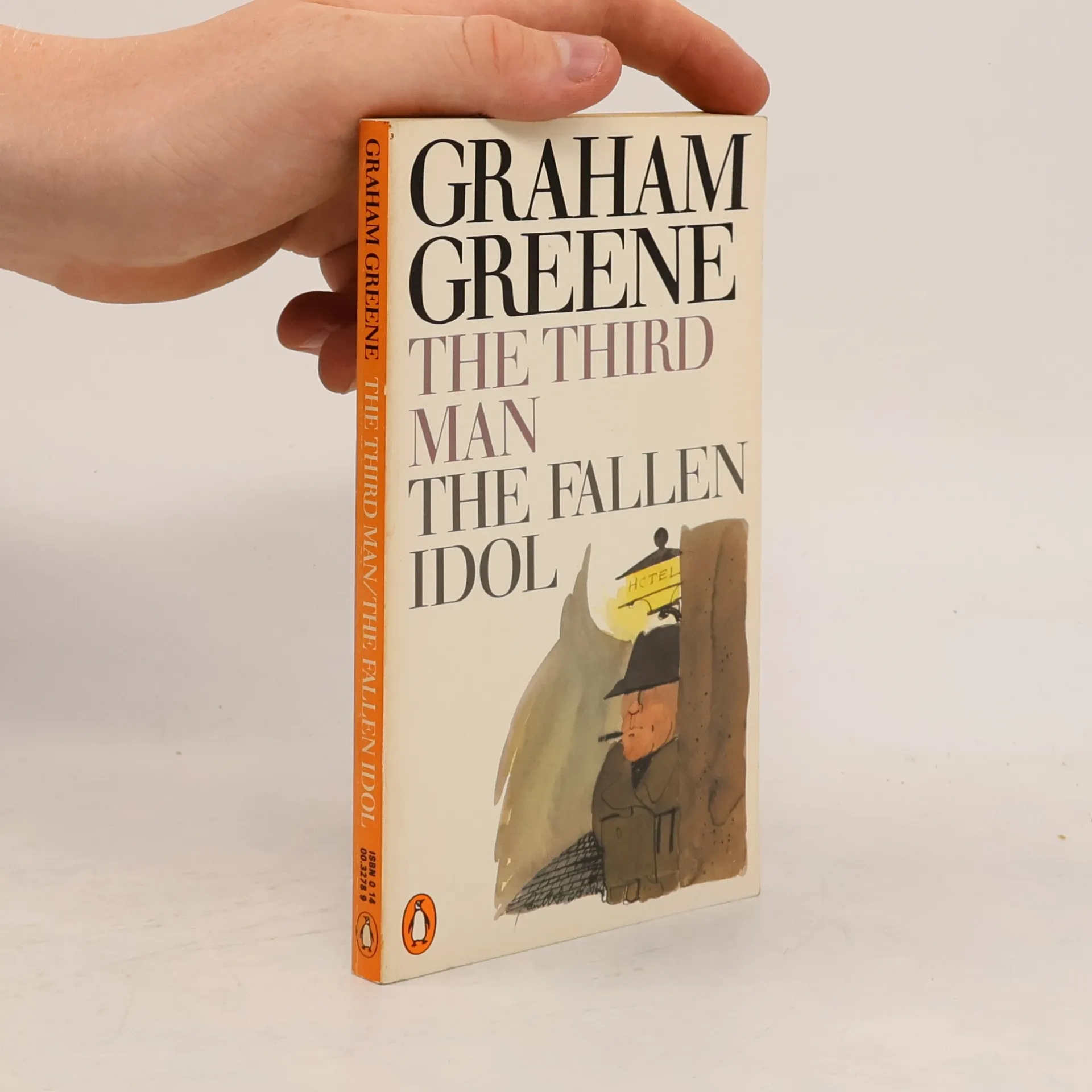
Rollo Martins, arrives penniless to visit his friend and hero, Harry Lime. But Harry has died in suspicious circumstances, and the police are closing in on his associates. This is the story of a small boy caught up in the games that adults play.
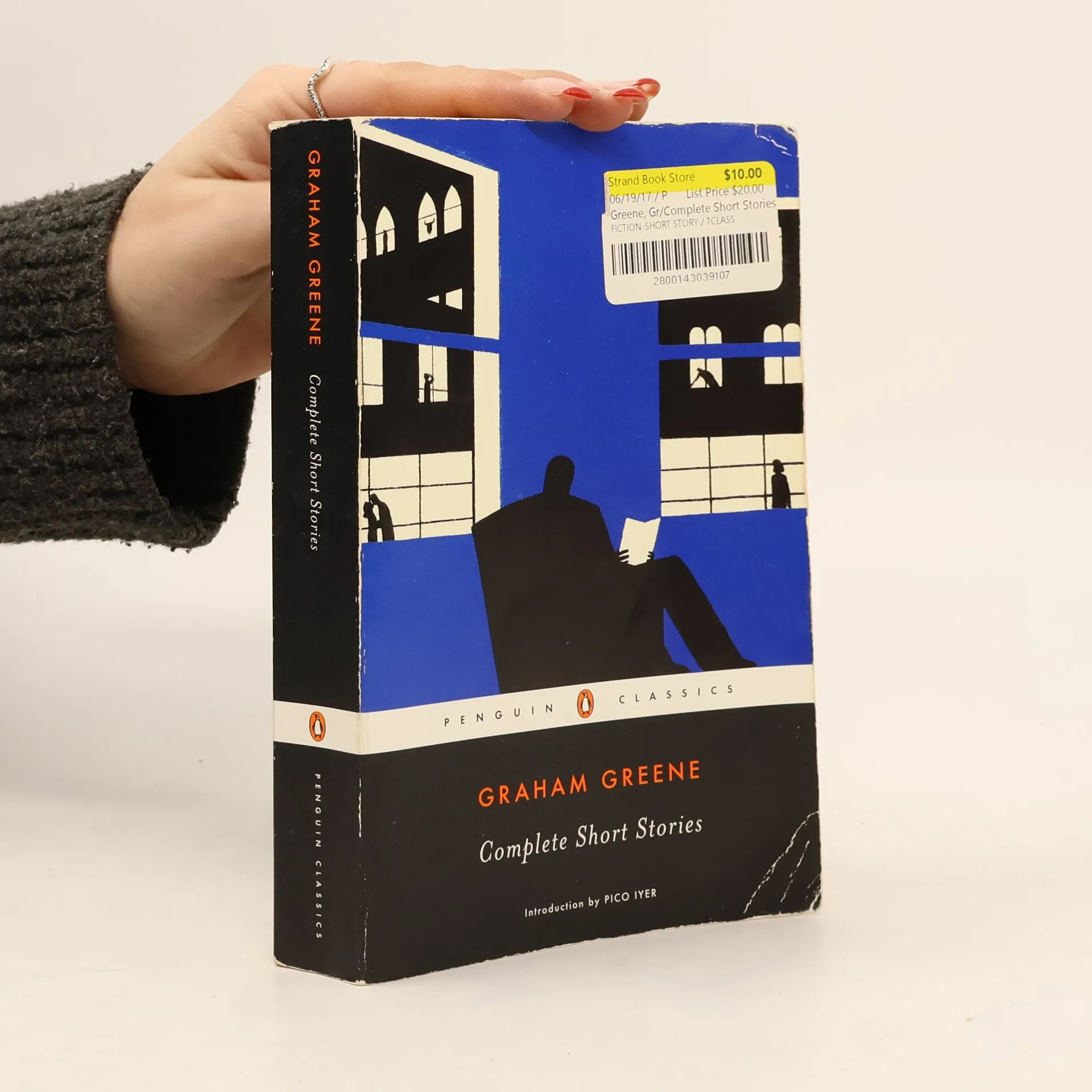
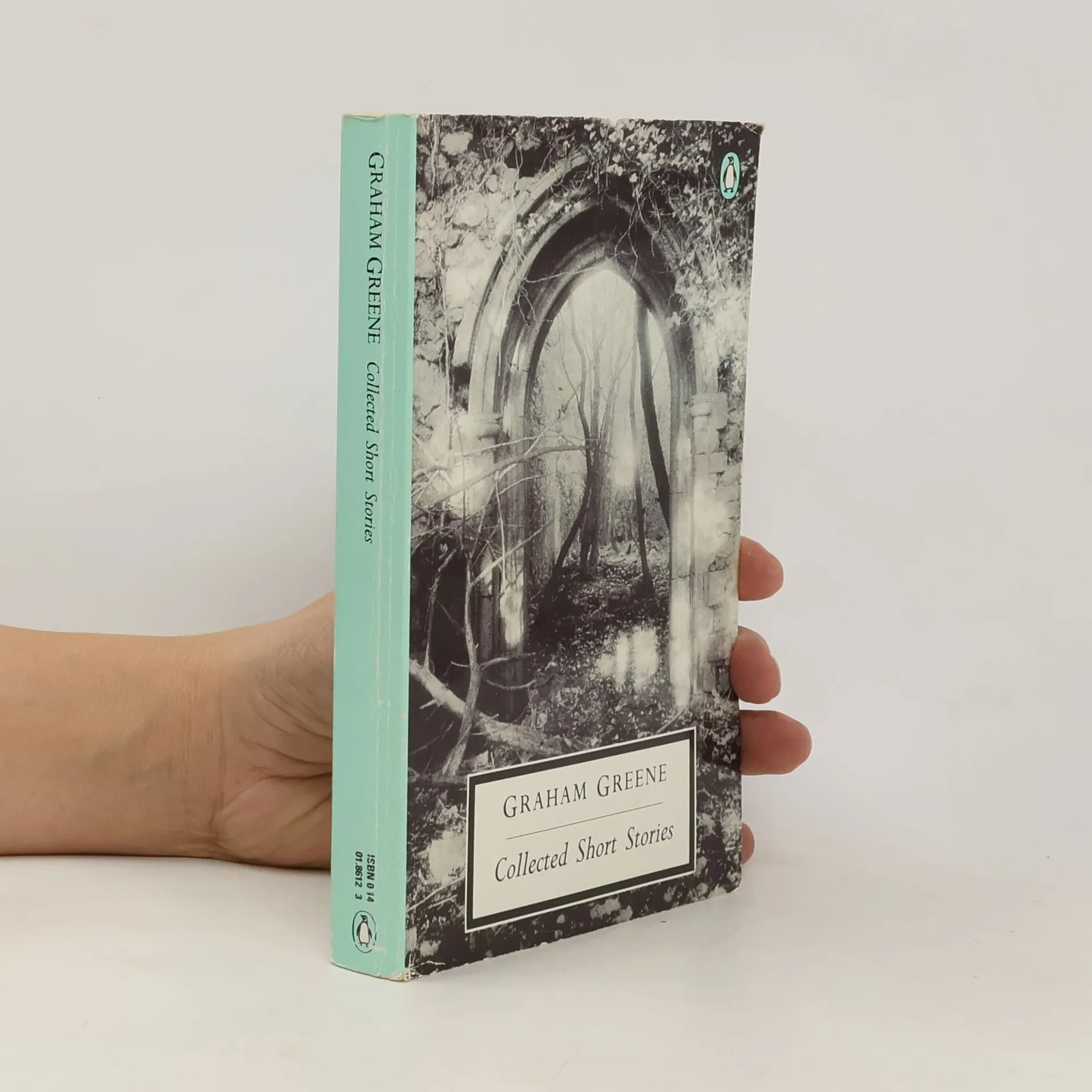
Affairs, obsessions, ardors, fantasy, myth, legends, dreams, fear, pity, and violence—this magnificent collection of stories illuminates all corners of the human experience. Including four previously uncollected stories, this new complete edition reveals Graham Greene in a range of contrasting moods, sometimes cynical and witty, sometimes searching and philosophical. Each of these forty-nine stories confirms V. S. Pritchett’s declaration that Greene is “a master of storytelling.”This Penguin Classics edition features an introduction by Pico Iyer.
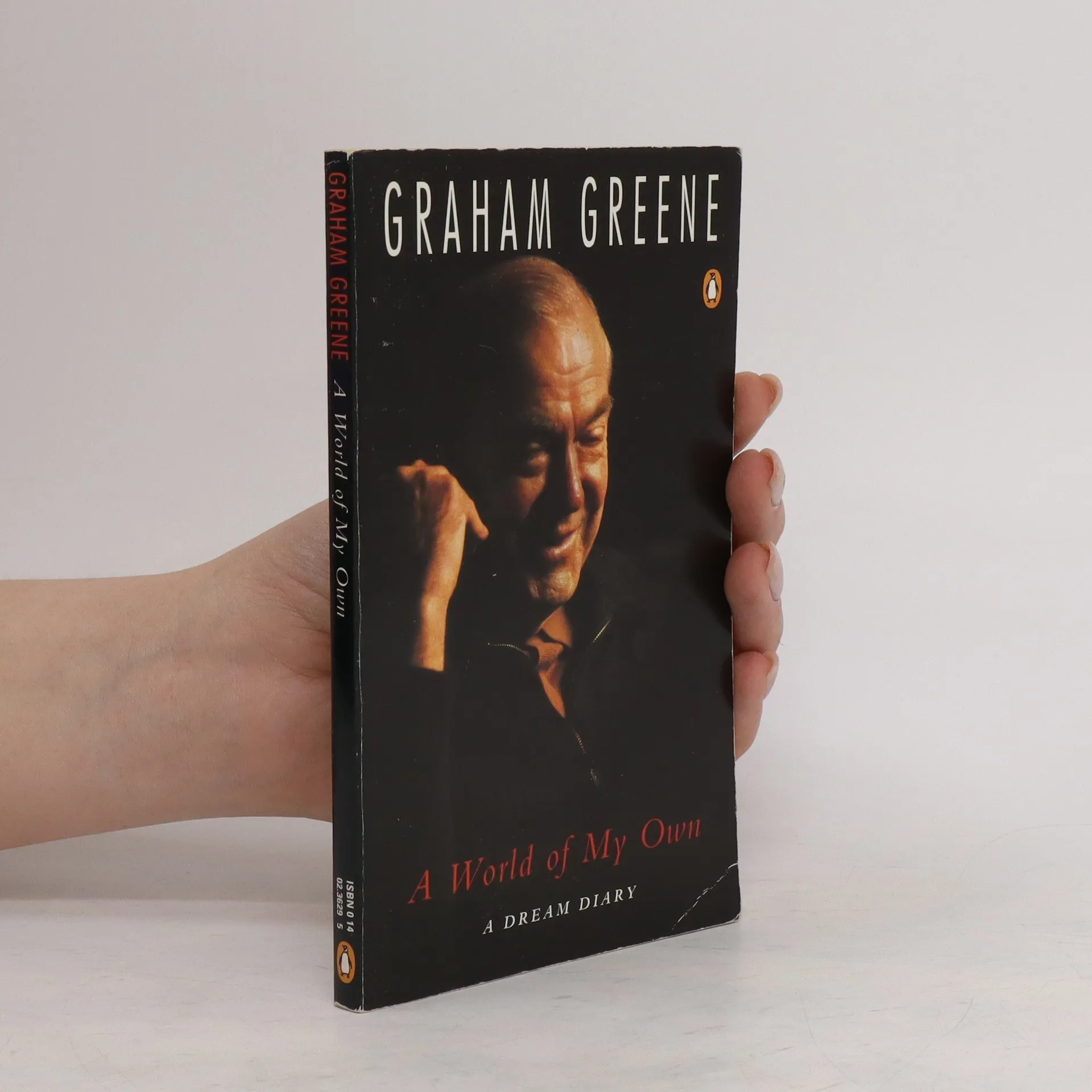
Graham Greene trained himself to wake four or five times during a night to record his dreams in a diary over a 25 year period. Before his death in 1991, he prepared this diary which provides readers with an insight into the world of Graham Greene.
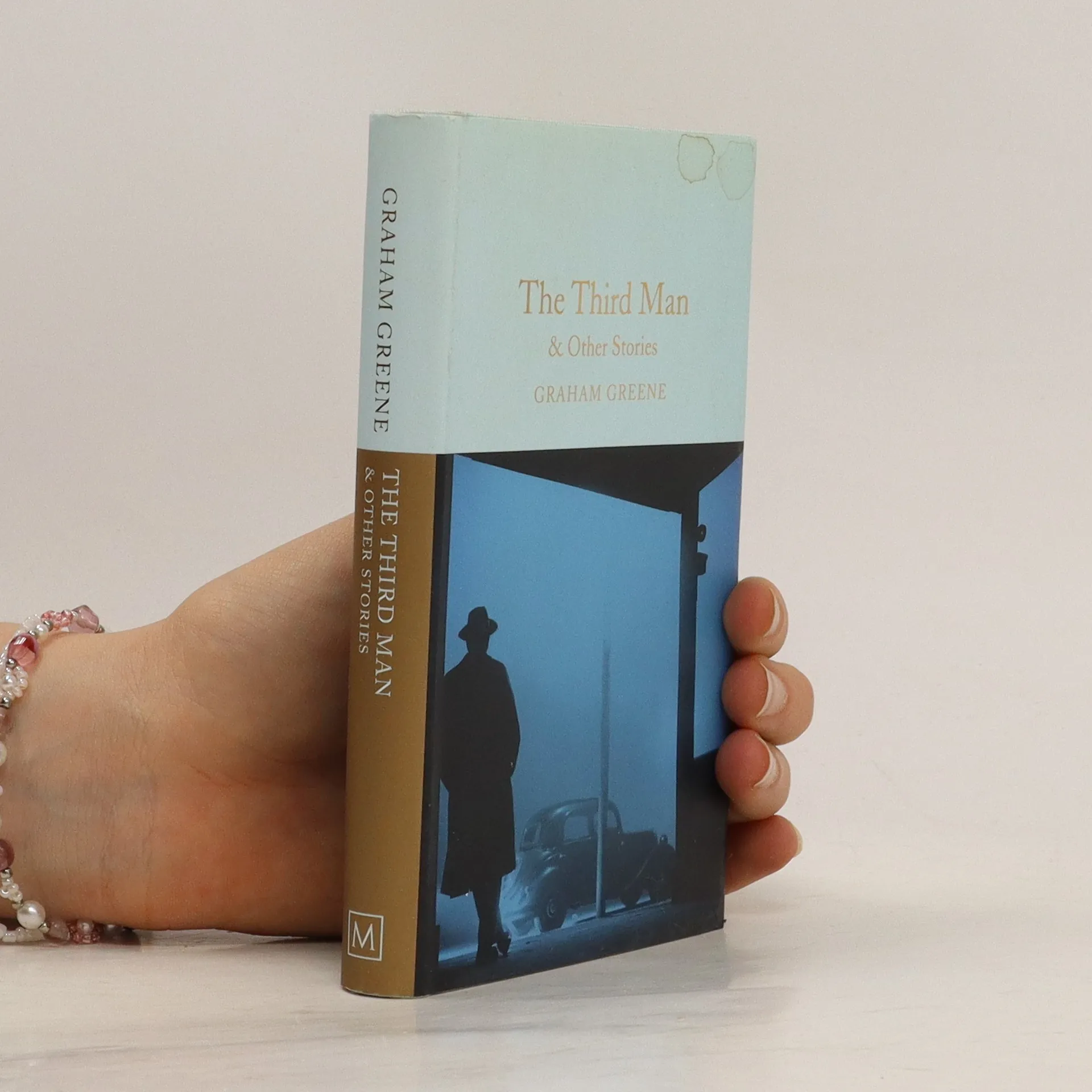
A broad selection of Graham Greene's masterful short stories, including Cold War classic novella, The Third Man. Rollo Martins, a failing novelist, is invited to Vienna by his best friend, Harry Lime. The city he arrives in is unrecognisable -- torn apart by the Second World War and shared between the occupying Allies. What's more, Harry is dead, and the circumstances look suspicious... Determined to uncover the truth, Martins must pick through the rubble of this broken city in search of answers.
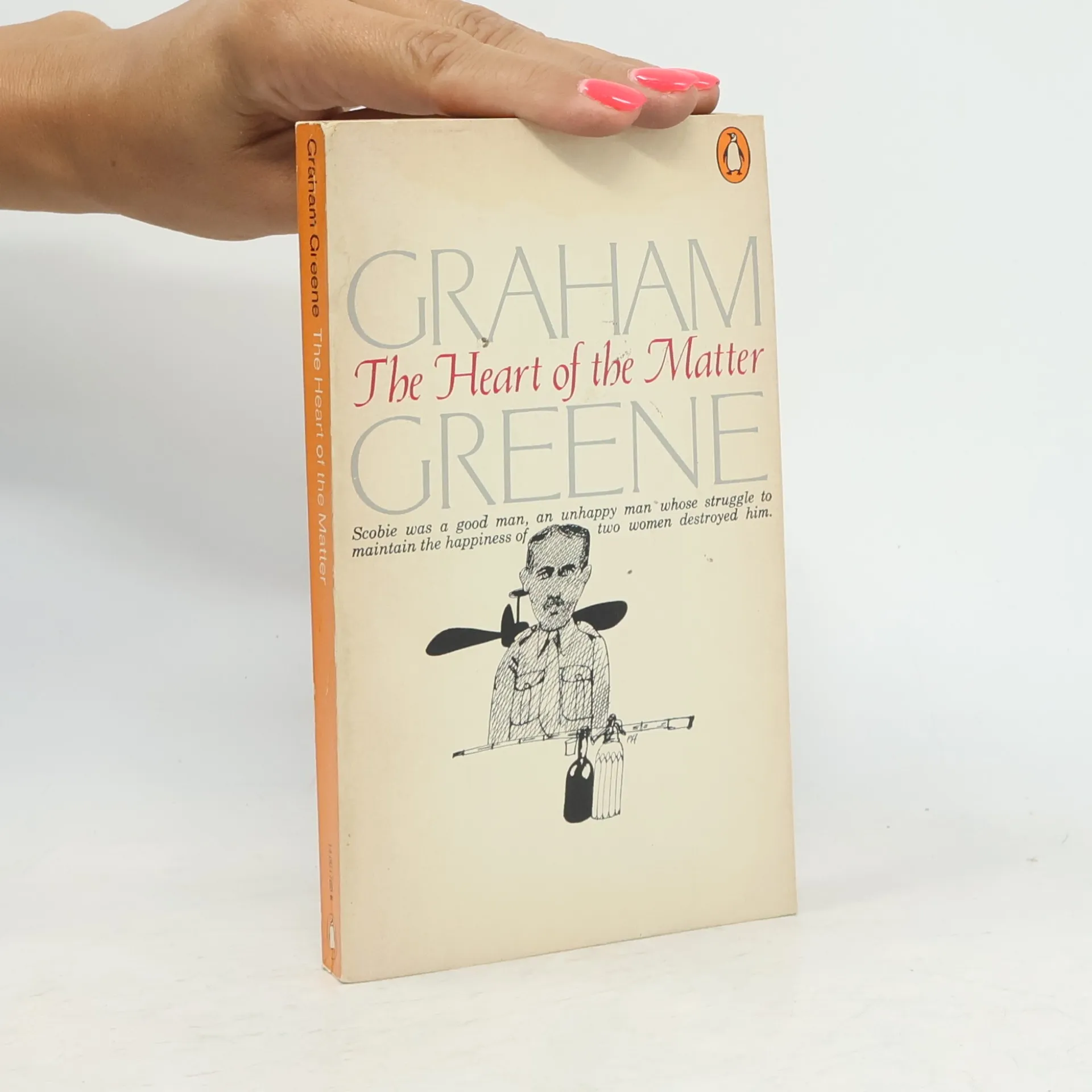
'The ultimate chronicler of twentieth-century man's consciousness and anxiety' William Golding, Independent People are wary of Scobie, disturbed by his scrupulous honesty. A police officer serving in a war-torn West African state, he is immune to bribery. But when he falls in love, Scobie is forced into a betrayal of everything that he has ever believed in, with shattering results. Greene's anguished story of personal and spiritual confusion was made into a film, with Trevor Howard in perhaps his finest performance, playing the tormented Scobie. 'A superb storyteller with a gift for provoking controversy' The New York Times
Affairs, obsessions, ardours, fantasy, myth, legend and dream, fear, pity and violence — this magnificent collection of stories illuminates all corners of the human experience.Previously published in three volumes — May We Borrow Your Husband?, A Sense of Reality and Twenty-One Stories — these thirty-seven stories reveal Graham Greene in a range of contrasting moods, sometimes cynical and witty, sometimes searching and philosophical. Each one confirms V.S. Pritchett's statement that Greene is 'a master of storytelling'.
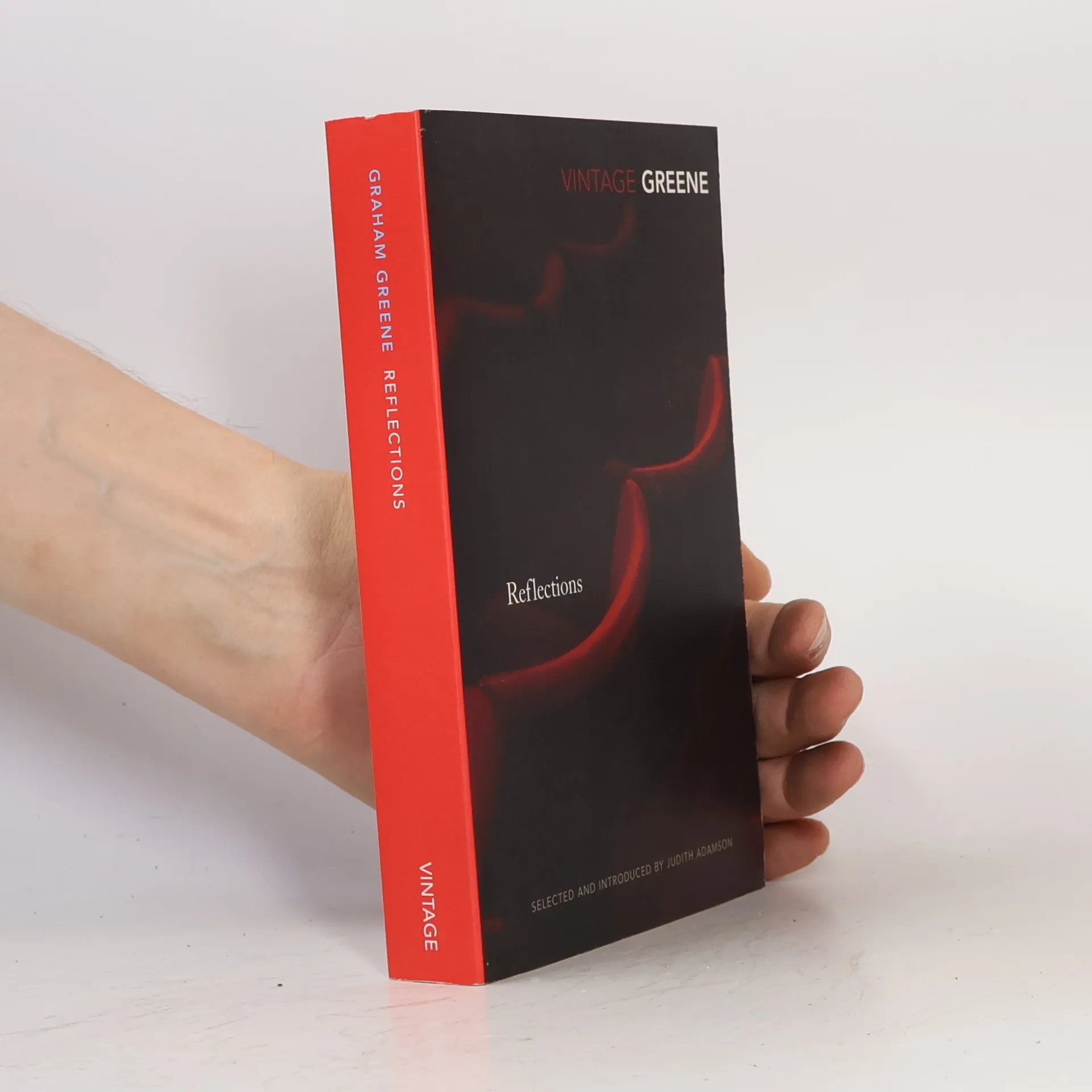
UPDATED AND EDITED WITH A NEW INTRODUCTION BY JUDITH ADAMSONWhether reporting from the London cinema, Cotswolds villages, second-hand bookshops, war zones or political trouble spots, Graham Greene's novelistic gifts for detail, drama and compassionate curiosity provide unique and resonant insights into his life and times.
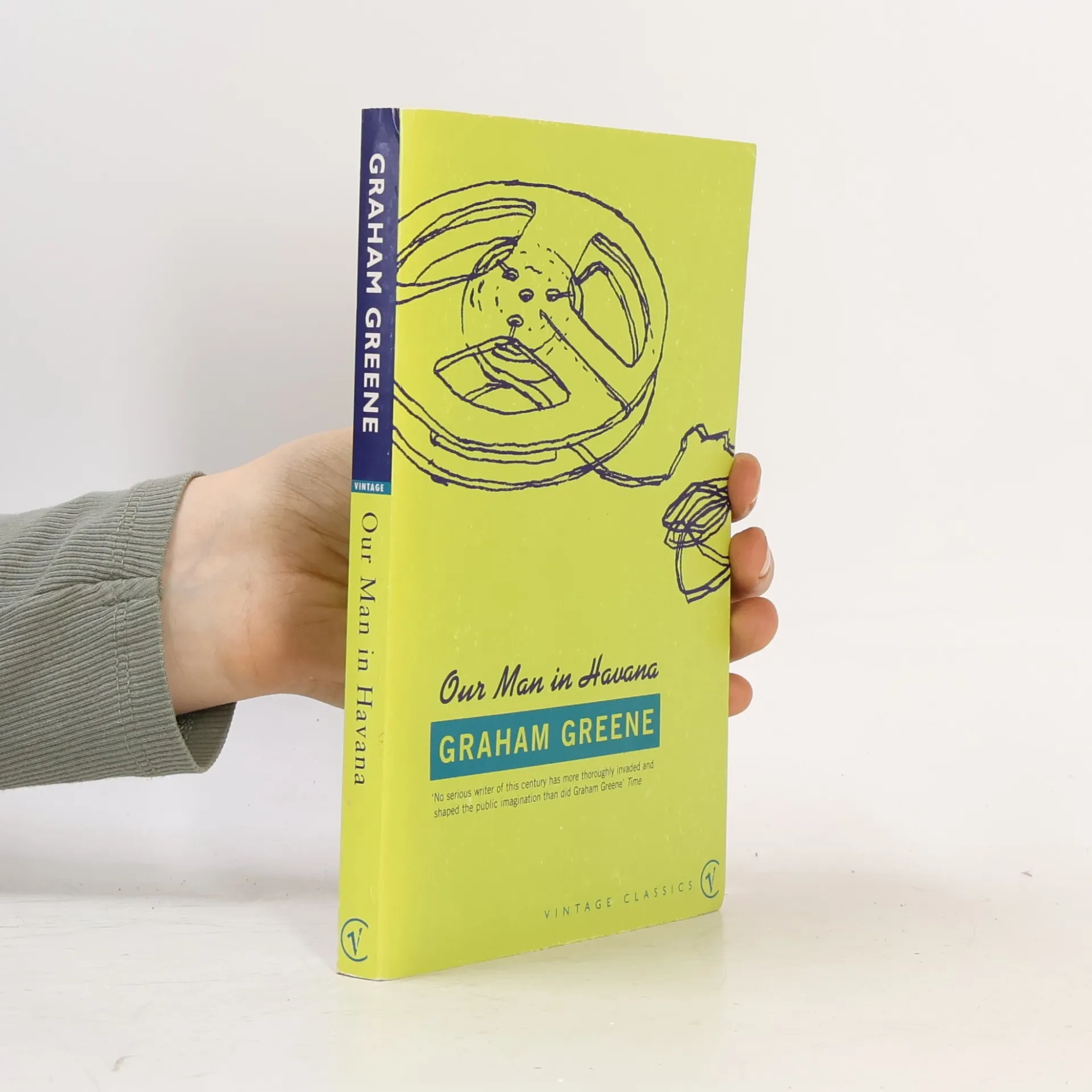
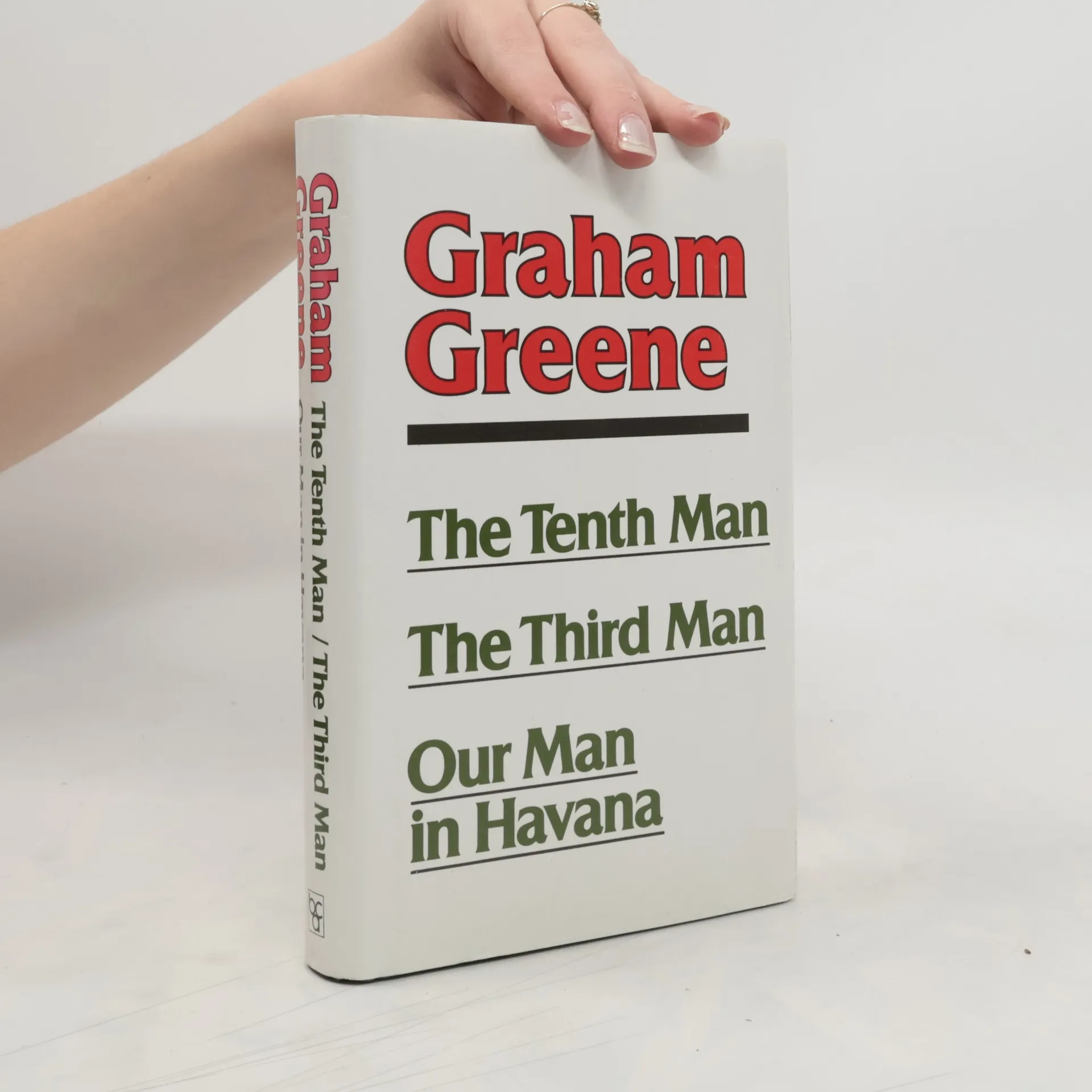
Wormold is a vacuum cleaner salesman in a city of powercuts.His adolescent daughter spends his money with a skill that amazes him so when a mysterious Englishman offers him an extra income he s tempted. In return all he has to do is file a few reports. Bu
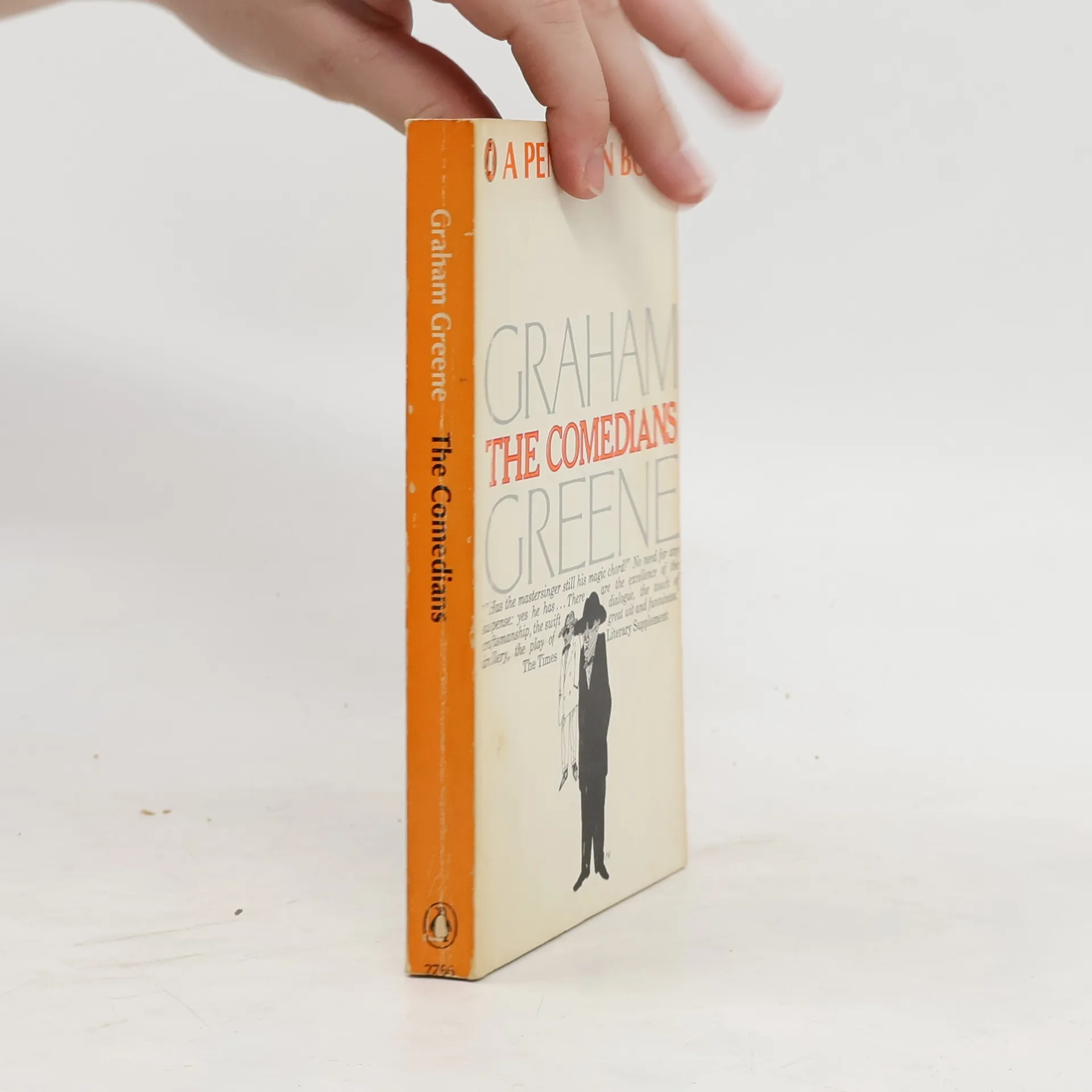
Three men meet on a ship bound for Haiti, a world in the grip of the corrupt Papa Doc and the Tontons Macoute, his sinister secret police. Brown the hotelier, Smith the innocent American and Jones the confidence man are the Comedians of Graham Greene's title.
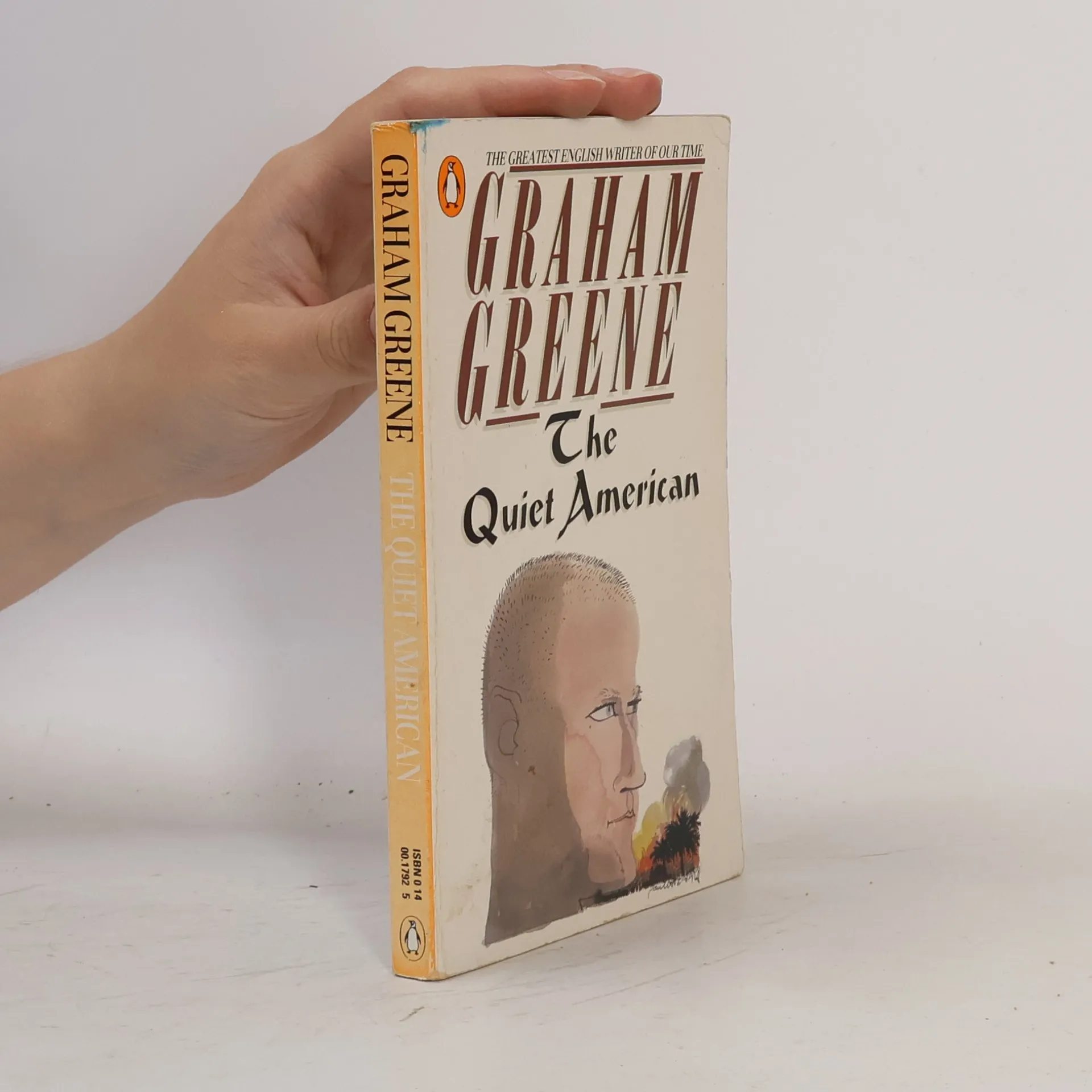
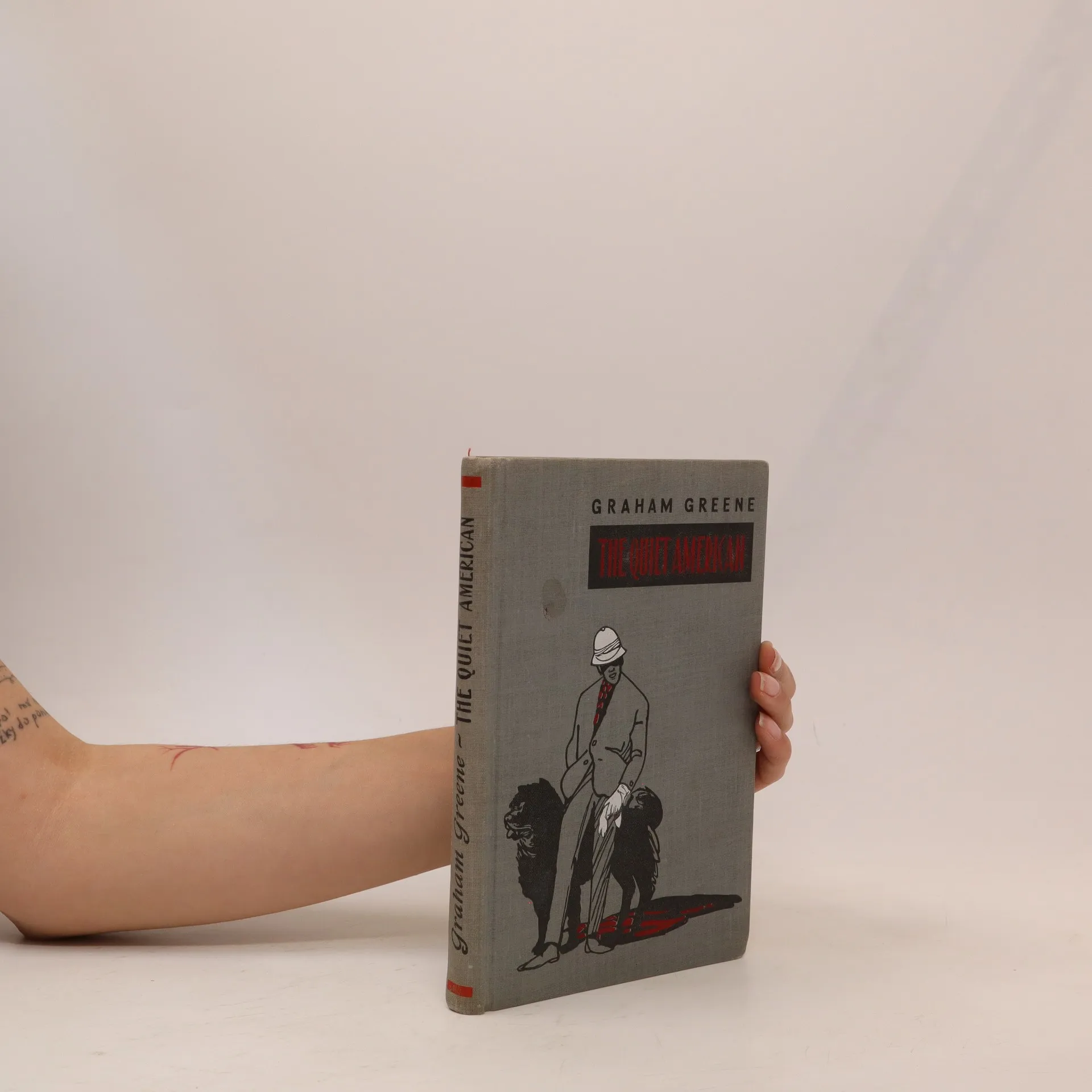
Graham Greene's classic exploration of love, innocence, and morality in Vietnam "I never knew a man who had better motives for all the trouble he caused," Graham Greene's narrator Fowler remarks of Alden Pyle, the eponymous "Quiet American" of what is perhaps the most controversial novel of his career. Pyle is the brash young idealist sent out by Washington on a mysterious mission to Saigon, where the French Army struggles against the Vietminh guerrillas.As young Pyle's well-intentioned policies blunder into bloodshed, Fowler, a seasoned and cynical British reporter, finds it impossible to stand safely aside as an observer. But Fowler's motives for intervening are suspect, both to the police and himself, for Pyle has stolen Fowler's beautiful Vietnamese mistress. Originally published in 1956 and twice adapted to film, The Quiet American remains a terrifying and prescient portrait of innocence at large.
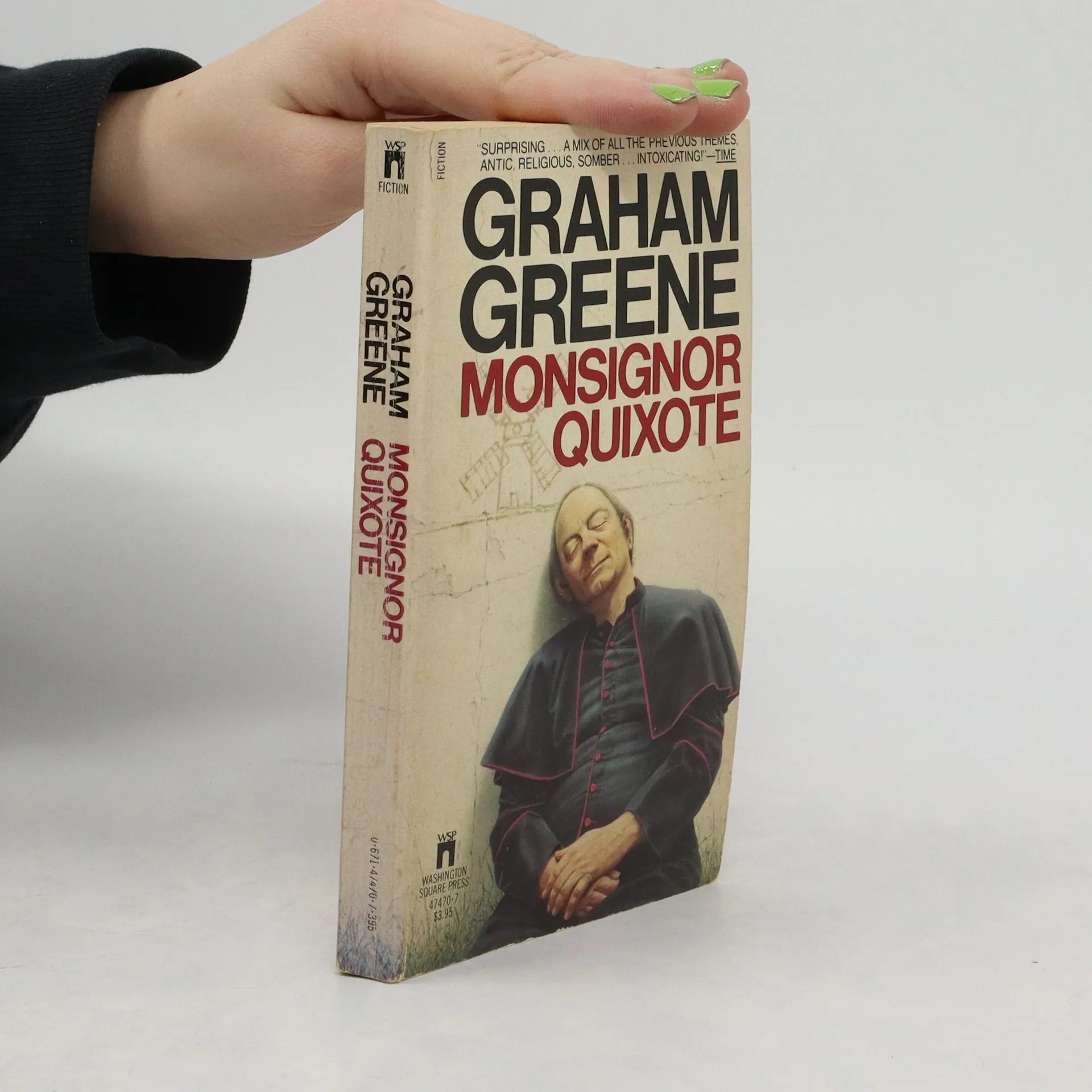
"A direct descendant of his famous namesake, Father Quixote is a humble parish priest. By chance he is advanced to Monsignor, resulting in furor in the bishopric. Quixote and his friend Sancho Zancas, the Communist ex-mayor of the village, leave for a pilgrimage across Spain."--Container.
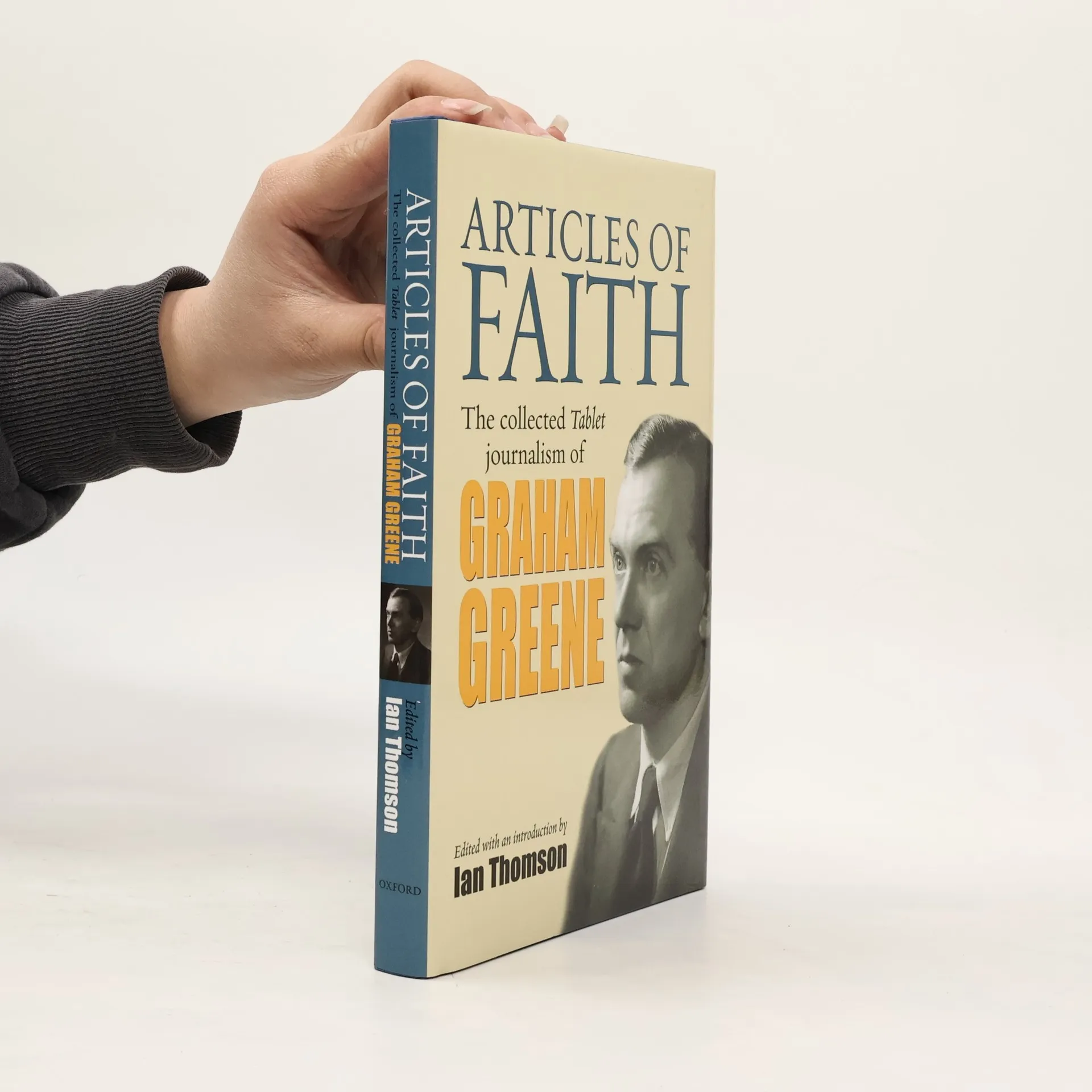
When Graham Greene passed away in 1991 at 86, he was recognized as a significant Catholic writer, known for his exploration of sin and challenging themes. His work in the British Catholic journal The Tablet allowed him to share both his literary endeavors and unconventional religious perspectives. Greene was particularly fascinated by martyrdom, and his experiences in 1930s Mexico, where Roman Catholicism faced severe oppression, inspired impactful journalism first published in The Tablet. This collection features four of his Mexico despatches: "Mexican Sunday," "A Catholic Adventurer and his Mexican Journal," "In Search of a Miracle," and "The Dark Virgin." Additionally, it includes a long essay on the Assumption, "Our Lady and Her The Only Figure of Perfect Love," from 1951, along with 26 book reviews for The Tablet's "Fiction Chronicle." Greene's reviews highlight his broad-mindedness, praising works by authors such as Ignazio Silone and Karel Čapek. This volume gathers Greene's contributions to The Tablet, much of which has not been published in fifty years. It also features "Two Friends," an essay detailing Greene's friendship with diplomat Peter Leslie, alongside previously unseen correspondence between them.
Affairs, obsessions, grand passions and tiny ardours are illuminated in this collection of 12 wryly humorous tales of love. Whether depicting the innocence and corruption of a honeymoon couple or the frustration of missed sexual opportunities, the stories expose a range of human frailties.
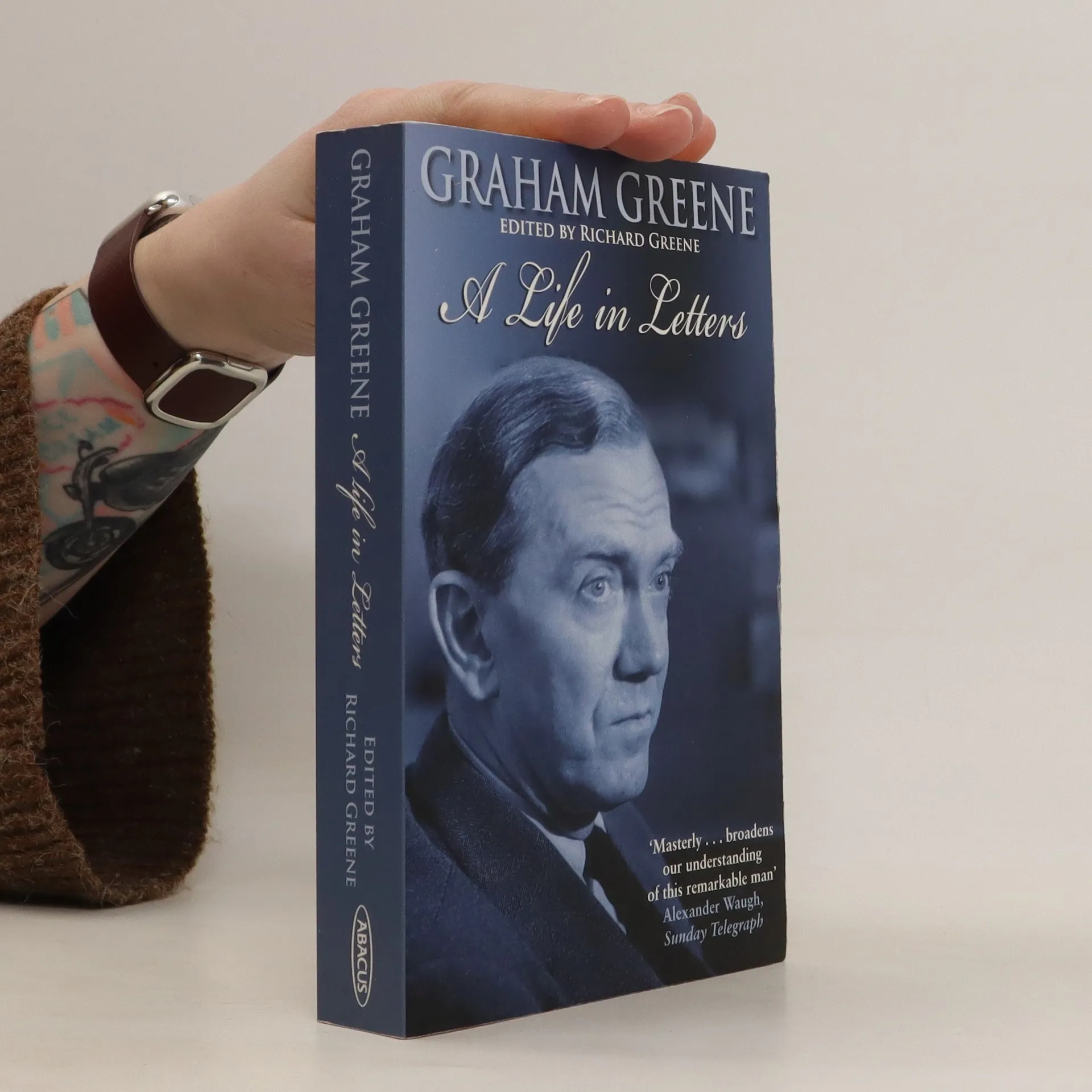
This collection of Graham Greene's letters to the press, begins in 1945 with a body of letters to "The Times". The letters dating from 1945 are supplemented by later ones to "The Independent", "The New Statesman", "Spectator" and "Le Monde".
At age 82, Clifton Fadiman continues his prolific publishing career, here presenting 62 of the world's best short stories from 16 countries. His criteria? "Each story had to be both interesting and of high literary merit." Fadiman fulfills both requirements and much more, offering a cornucopia of superior 20th-century writers that includes Franz Kafka, D. H. Lawrence, Isaac Babel, F. Scott Fitzgerald, William Faulkner, Ernest Hemingway, John Cheever, Sean O'Faolain, Graham Greene, Robert Penn Warren, Colette, John Updike, Donald Barthelme, and James Thurber. (Regrettably, J. D. Salinger is not included due to lack of permission.) Here is a truly remarkable collection of this century's short stories that readers from all over the world will read with delight.
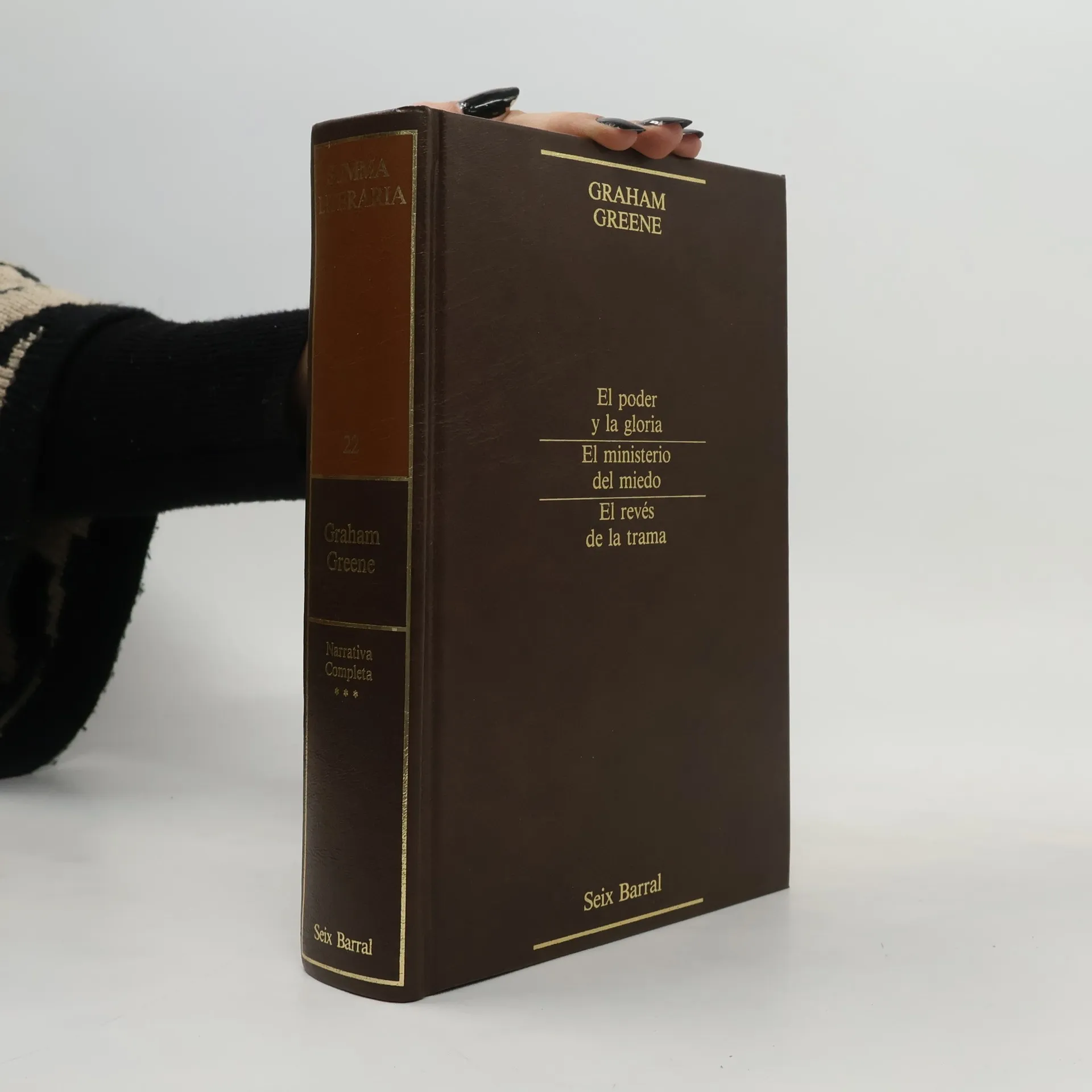
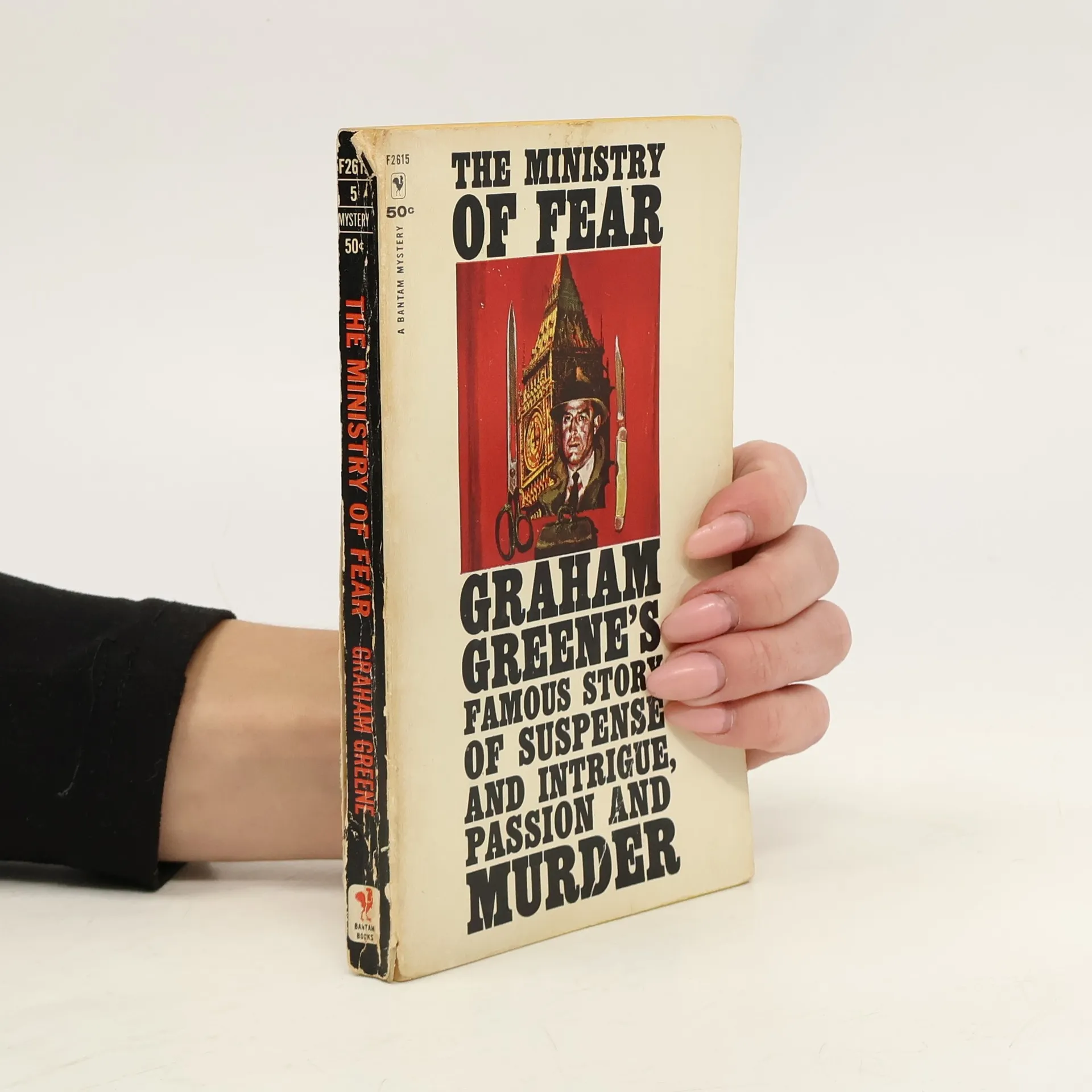
This Gun for Hire; Ministry of Fear; Confidential Agent
624 páginas
22 horas de lectura
Here in one volume are three of the best thrillers - or "entertainments" as the author calls them - that Graham Greene has written. These earlier full-length novels are no less the work of a distinguished artist and master storyteller.
For Arthur Rowe the trip to the charity fete was a joyful step back into adolescence, a chance to forget the nightmare of the Blitz and the guilt of having mercifully murdered his sick wife. He was surviving alone, aside from the War, until he happened to win a cake at the fete. From that moment, he finds himself ruthlessly hunted, the quarry of malign and shadowy forces, from which he endeavors to escape ...
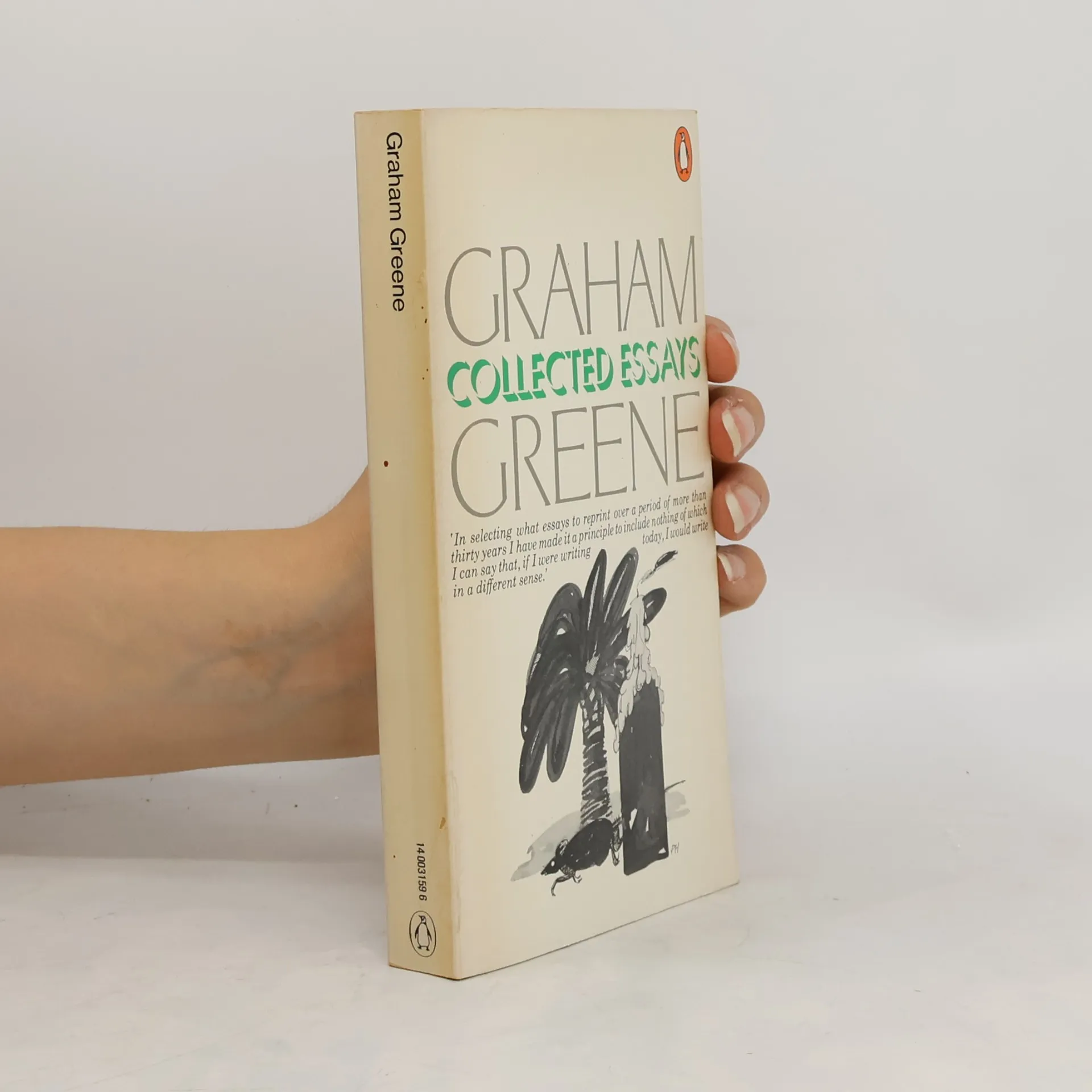
Collected Essays contains nearly eighty essays, reviews and occasional pieces
composed between novels, plays and travel books over four prolific decades.
From Henry James and Somerset Maugham to Ho Chi Minh and Kim Philby, the range
of subjects is eclectic and stimulating;
A collection of four stories comprising Under The Garden' (A short novel); A Visit to the Morin'; Dream of a Strange Land' and A Discovery in the Woods'. In these four stories Graham Greene, one of the master of modern English fiction, has allowed himself the liberty of fantasy, myth, legend and dream. The results are, quite simply, superb.
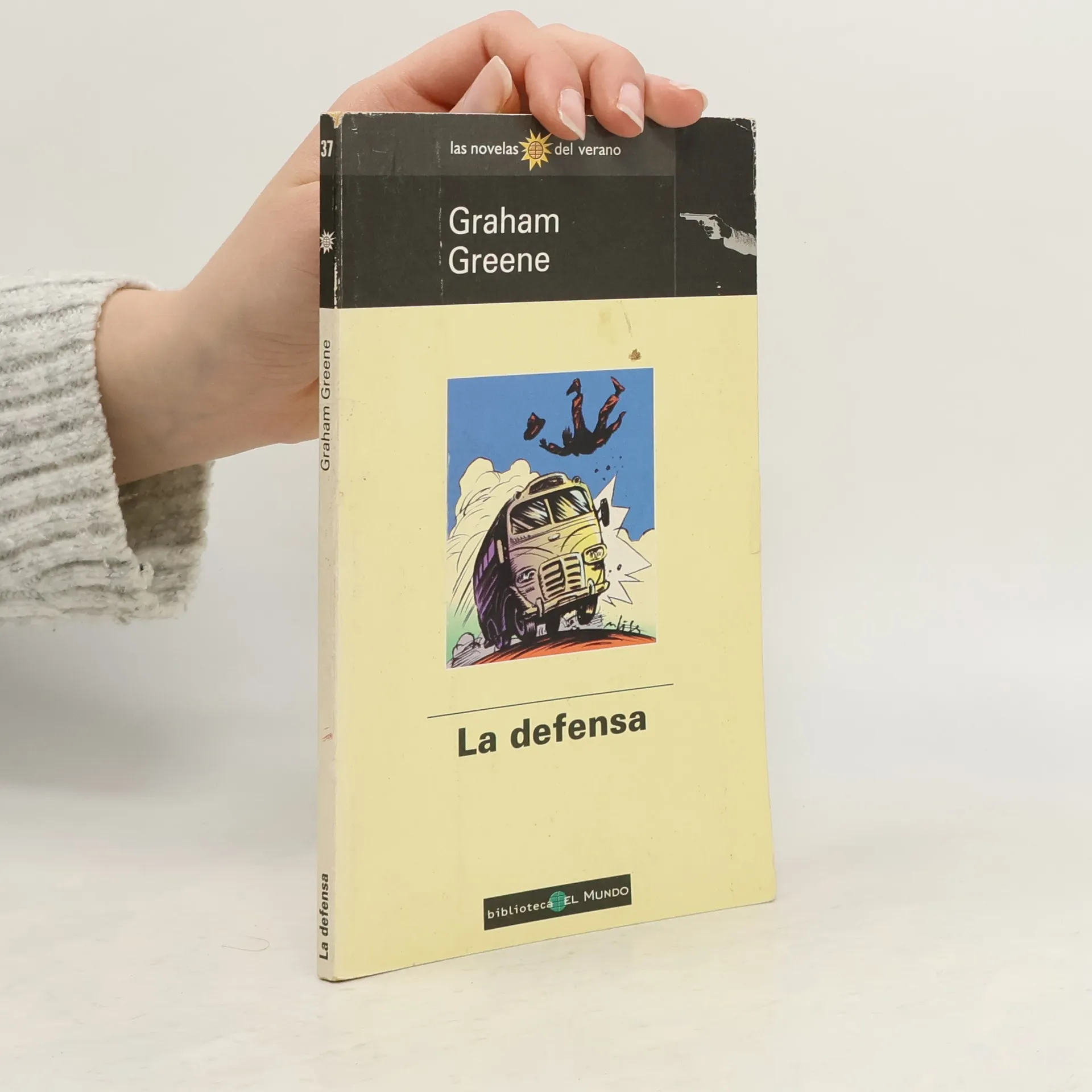
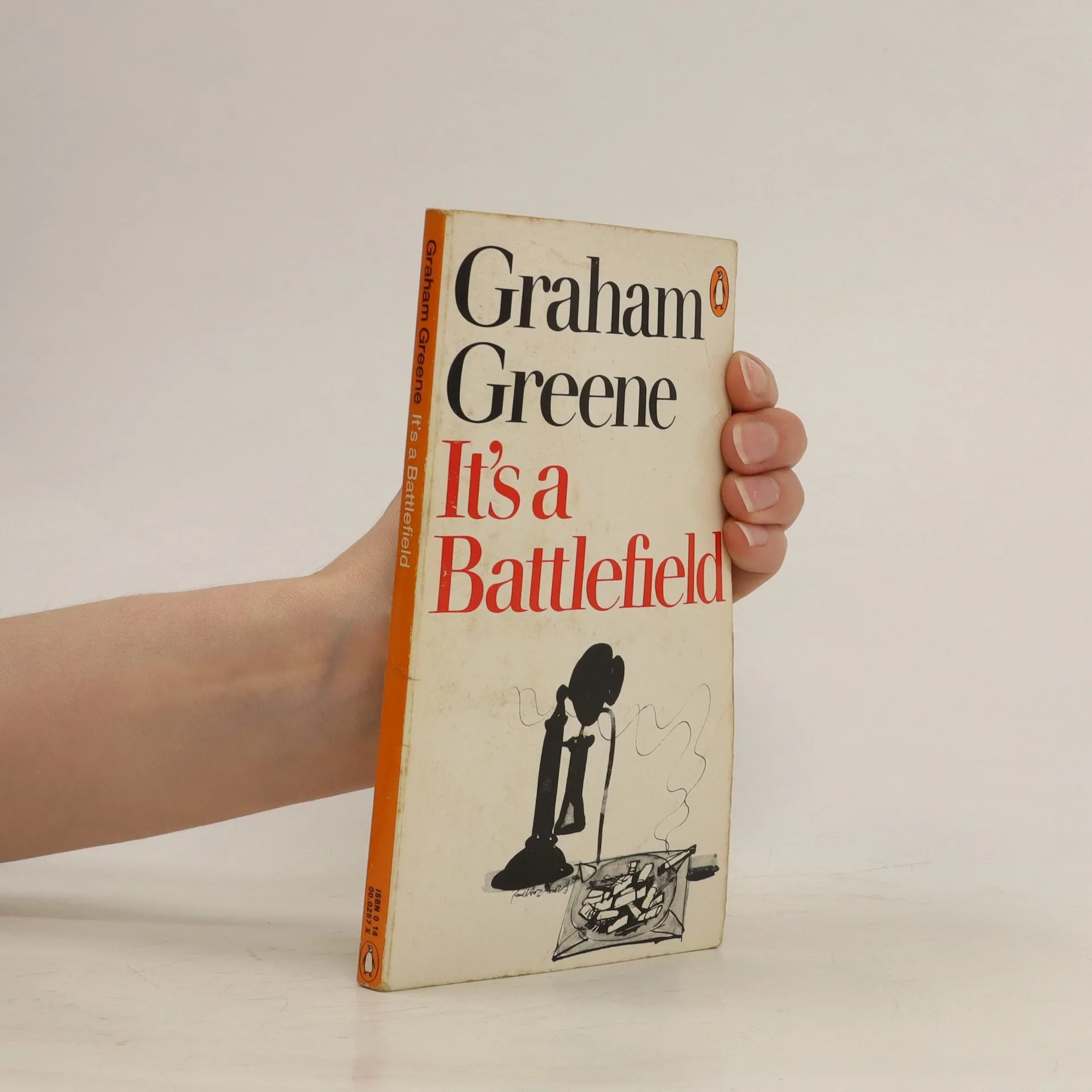
Drover, a Communist bus driver, is in prison appealing his death sentence for killing a policeman during a riot at Hyde Park Corner, a policeman he thought was about to club his wife. A battle rages to save Drover's life from the noose. The Assistant Commissioner, high-principled and over-worked; Conrad, a paranoid clerk; Mr. Surrogate, a rich Fabian; Condor, a pathetic journalist feeding on fantasies; and Kay, pretty and promiscuous — all have a part to play in Drover's fate.
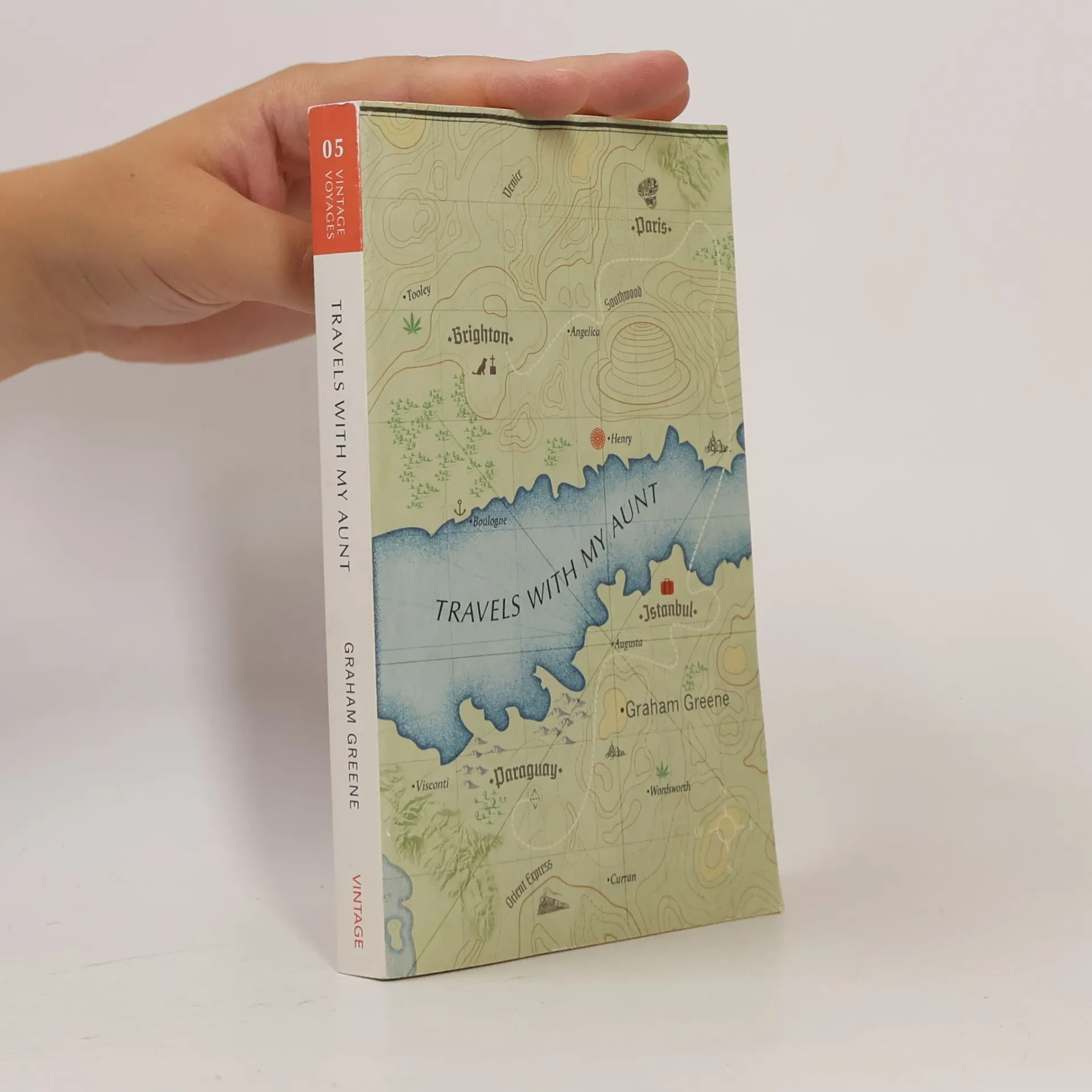
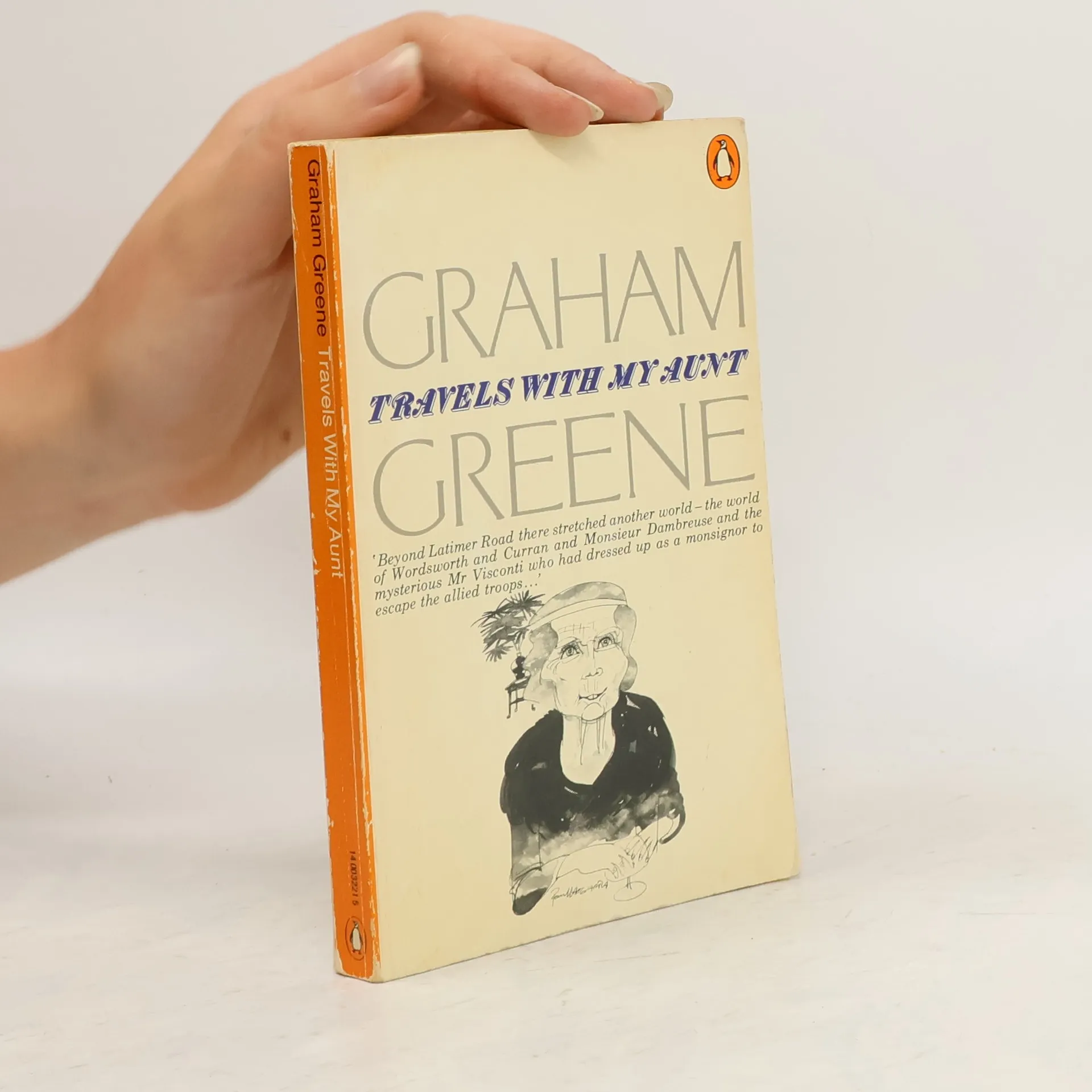
Greene takes us on a wild, unconventional and enlightening voyage with an ordinary, retired bank manager and his eccentric, daring aunt. Henry Pulling, a retired bank manager, meets his septuagenarian Aunt Augusta for the first time in over fifty years at what he supposes to be his mother's funeral. Soon after, she persuades Henry to abandon Southwood, to travel to Brighton, Paris, Istanbul, Paraguay, and a shiftless, twilight society of hippies, war criminals, CIA men that will help Henry come alive after a dull suburban life. VINTAGE VOYAGES: A world of journeys, from the tallest mountains to the depths of the mind
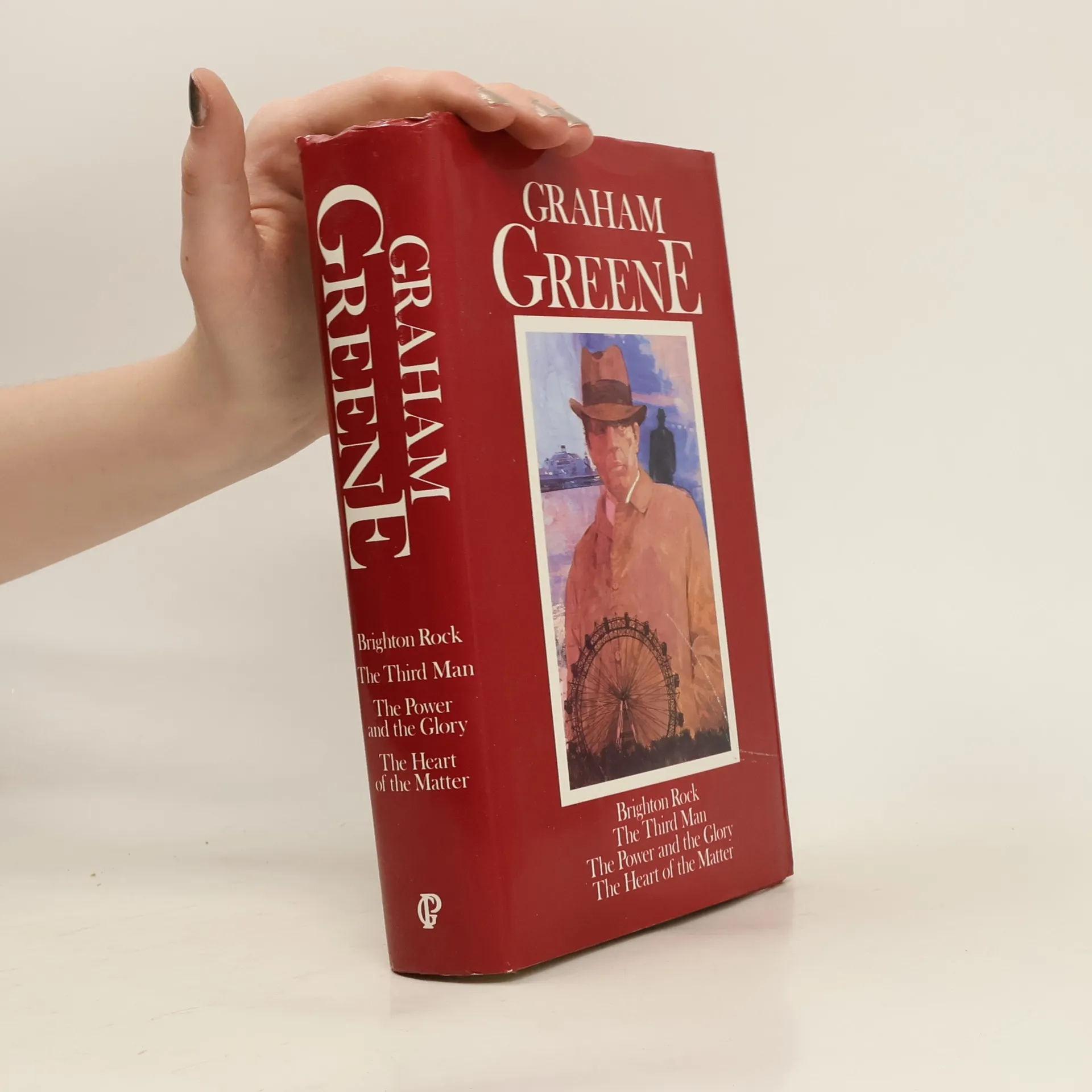
A gang war is raging through the dark underworld of Brighton. Seventeen-year-old Pinkie, malign and ruthless, has killed a man. Believing he can escape retribution, he is unprepared for the courageous, life-embracing Ida Arnold. Greene's gripping thriller exposes a world of loneliness and fear, of life lived on the 'dangerous edge of things.' In this gripping, terrifying, and unputdownable read, discover Greene's iconic tale of the razor-wielding Pinkie. 'Brighton Rock when I was about thirteen. One of the first lessons I took from it was that a serious novel could be an exciting novel - that the novel of adventure could also be the novel of ideas' Ian McEwan WITH AN INTRODUCTION BY J.M. COETZEE
Greene's account of a five year personal involvement with Omar Torrijos, ruler of Panama from 1968-81 and Sergeant Chuchu, one of the few men in the National Guard whom the General trusted completely. It is a fascinating tribute to an inspirational politician in the vital period of his country's history, and to an unusual and enduring friendship
Strange characters and mysterious threats will keep readers enraptured in this tale of a man who revisits his childhood home and recalls a youthful adventure "under the garden".
Graham Greene's autobiographical account of schooldays and Oxford; encounters with adolescence, psychoanalysis and Russian roulette, his marriage and conversion to Catholicism and how he rashly resigned from the Times when his first novel was published.
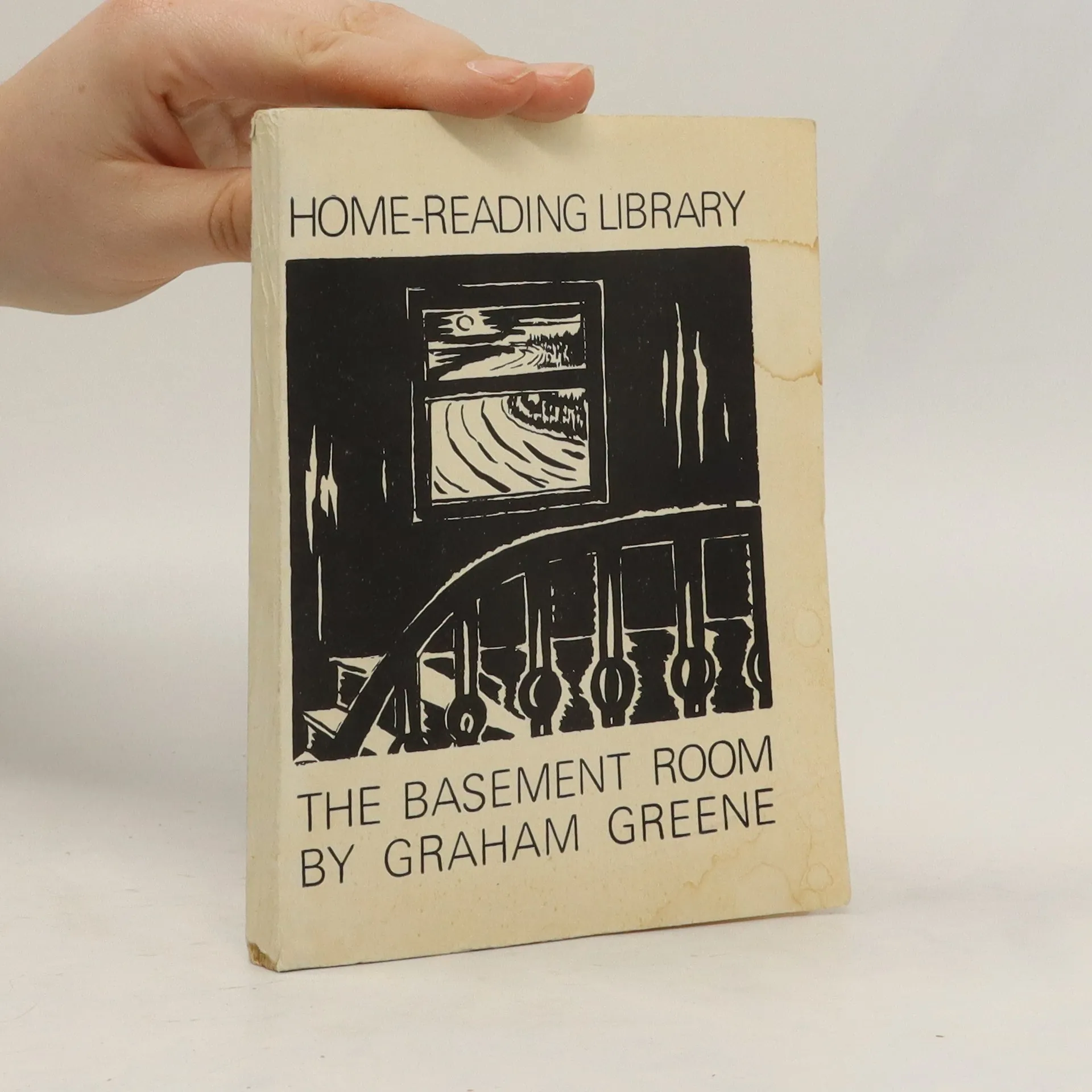
In 'The Basement Room' a small boy witnesses an event that blights his whole life. Like the other stories in this book (written between 1929 and 1954), it hinges on the themes that dominate Graham Greene's novels - fear, pity and violence, pursuit, betrayal and man's restless search for salvation. Some of the stories are comic - poor Mr. Maling's stomach mysteriously broadcasts all sorts of sounds; others are wryly sad - a youthful indiscretion catches up with Mr. Carter in 'The Blue Film.' They can be deeply shocking: in 'The Destructors' a gang of children systematically destroys a man's house. Yet others are hauntingly tragic - a strange relationship between twins that reaches its climax at a children's party. Whatever the mood, each one is a compelling entertainment and unmistakably the work of one of the finest storytellers of the century. Contents - The Destructors - Special Duties - The Blue Film - The Hint of an Explanation - When Greek Meets Greek - Men at Work - Alas, Poor Maling - The Case for the Defence - A Little Place off the Edgware Road - Across the Bridge - A Drive in the Country - The Innocent - The Basement Room - A Chance for Mr Lever - Brother - Jubilee - A Day Saved - I Spy - Proof Positive - The Second Death - The End of the Party
Part of the Writers' Britain series, first published in the 1940s. This work offers Graham Greene's evaluation of British drama, from its roots in the Mystery and Miracle plays of the market carnival through Shakespeare and the Restoration to the 20th century.
Raven is an ugly man dedicated to ugly deeds. His cold-blooded killing of a European Minister of War is an act of violence with chilling repercussions, not just for Raven himself but for the nation as a whole. The money he receives in payment for the murder is made up of stolen notes and when the first of these is traced, Raven becomes a man on the run. As he tracks down the agent who has been double-crossing him and attempts to elude the police, he becomes both hunter and hunted: an unwitting weapon of a strange kind of social justice. In doing so, he sets the stage for Greene’s next novel, Brighton Rock. This Penguin Classics edition features an introduction by Samuel Hynes.
WITH A FOREWORD BY TIM BUTCHER AND AN INTRODUCTION BY PAUL THEROUX In 1935 Graham Greene set off to discover Liberia, a remote and unfamiliar West African republic founded for released slaves. Crossing the red-clay terrain from Sierra Leone to the coast at Grand Bassa with a chain of porters, he came to know one of the few areas of Africa untouched by Western colonisation.
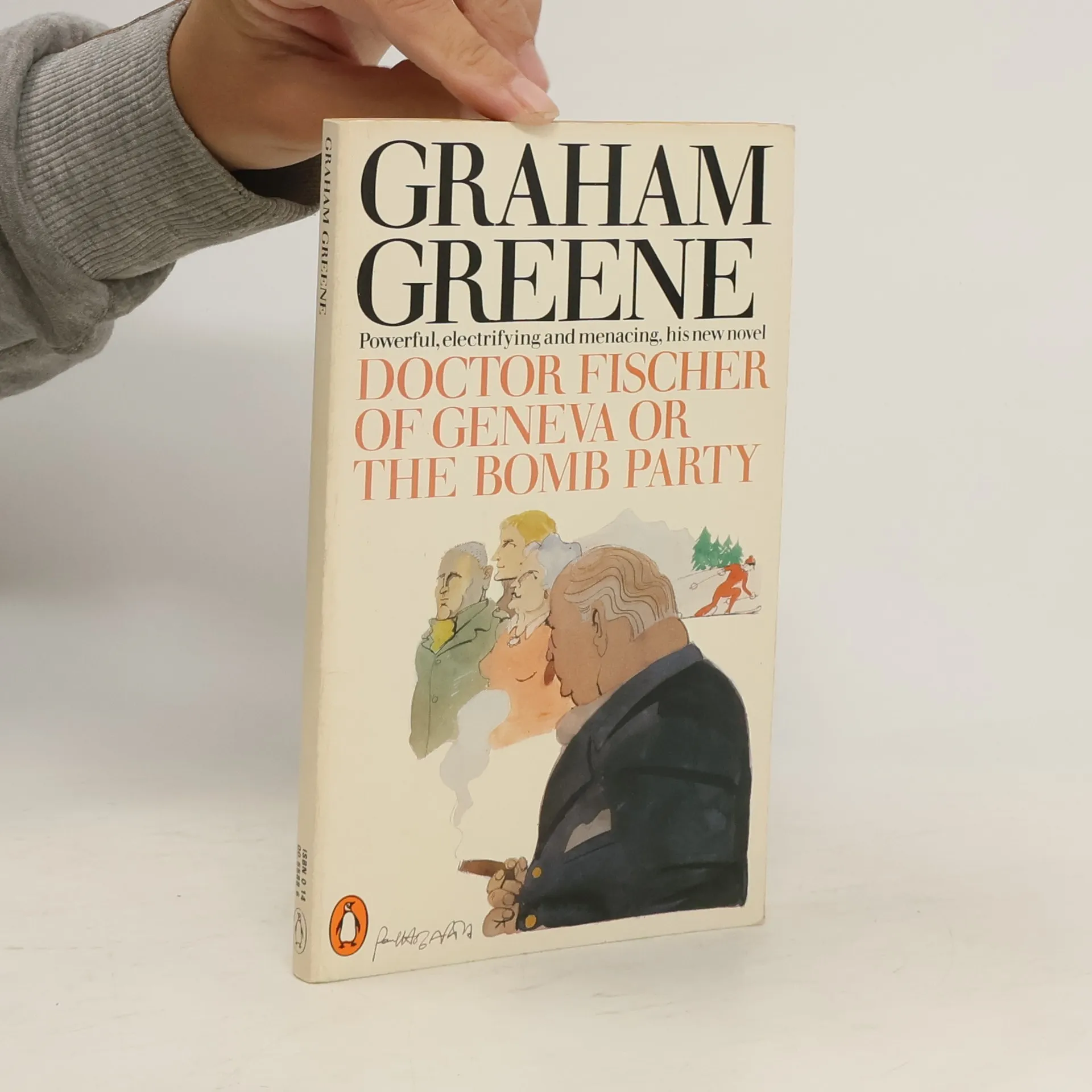
Doctor Fischer despises the human race. When the notorious toothpaste millionaire decides to hold his own deadly version of the Book of Revelations, Greene opens up a powerful vision of the limitless greed of the rich; black comedy and painful satire combine in a totally compelling novel. (Source: back cover)
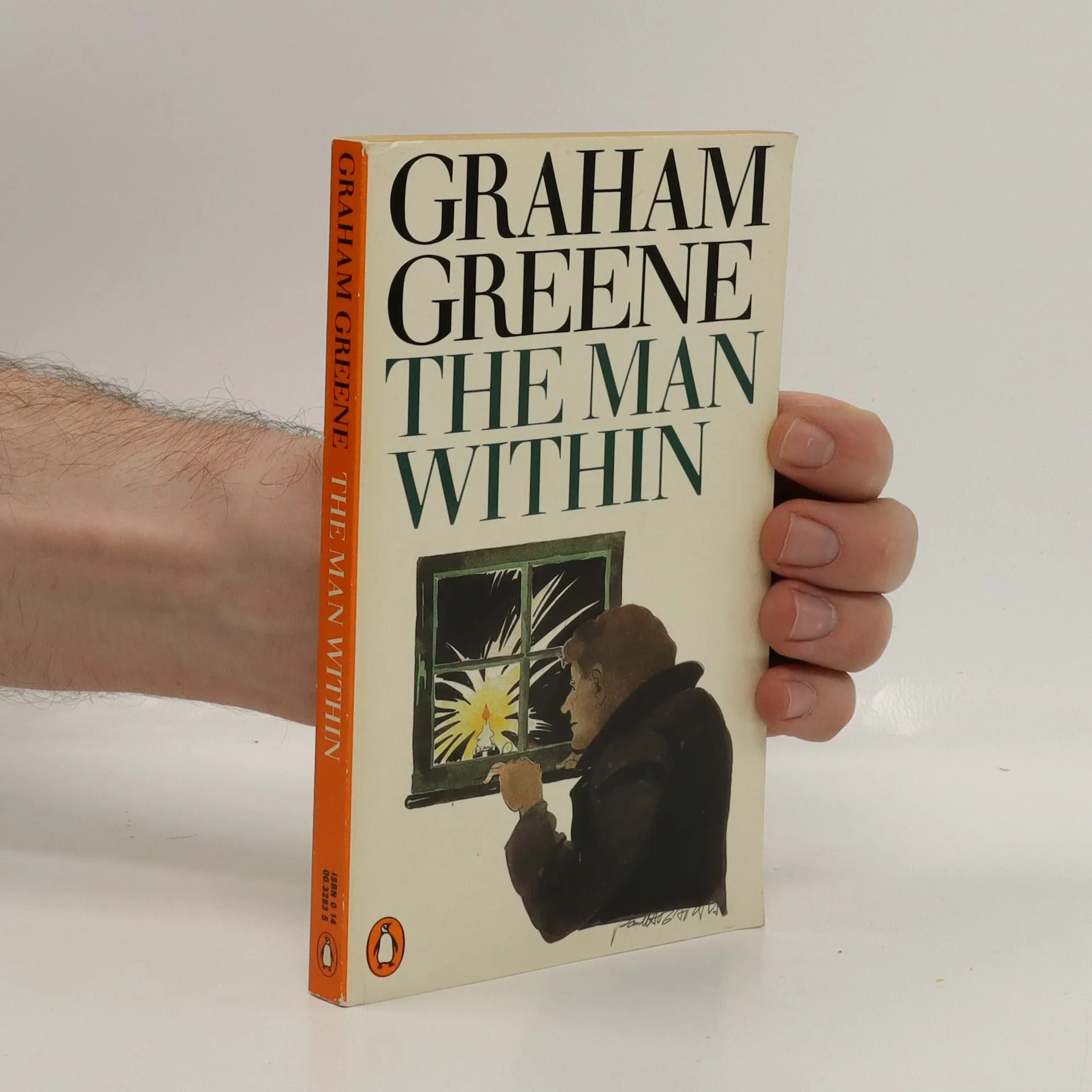
Graham Greene'S First Novel To Be Published Represented For The Author 'One Sentimental Gesture Towards His Won Past, The Period Of Ambition And Hope'. It Tells The Story Of Andrews, A Young Man Who Has Betrayed His Fellow Smugglers And Fears Their Vengeance. Fleeing From Them, With No Hope Of Pity Or Salvation, He Takes Refuge In The House Of A Young Woman, Also Alone In The World. She Persuades Him To Give Evidence Against His Accomplices In Court, But Neither She Nor Andrews Is Aware That To Both Criminals And Authority Treachery Is As Great A Crime As Smuggling.Greene Began Writing The Man Within At The Age Of Twenty-One. A Remarkable Achievement, It Is Also A Foretaste Of The More Mature Novels Where Religion Struggles Against Cynicism And The Individual Battles Against The Indifferent Forces Of A Hostile World.
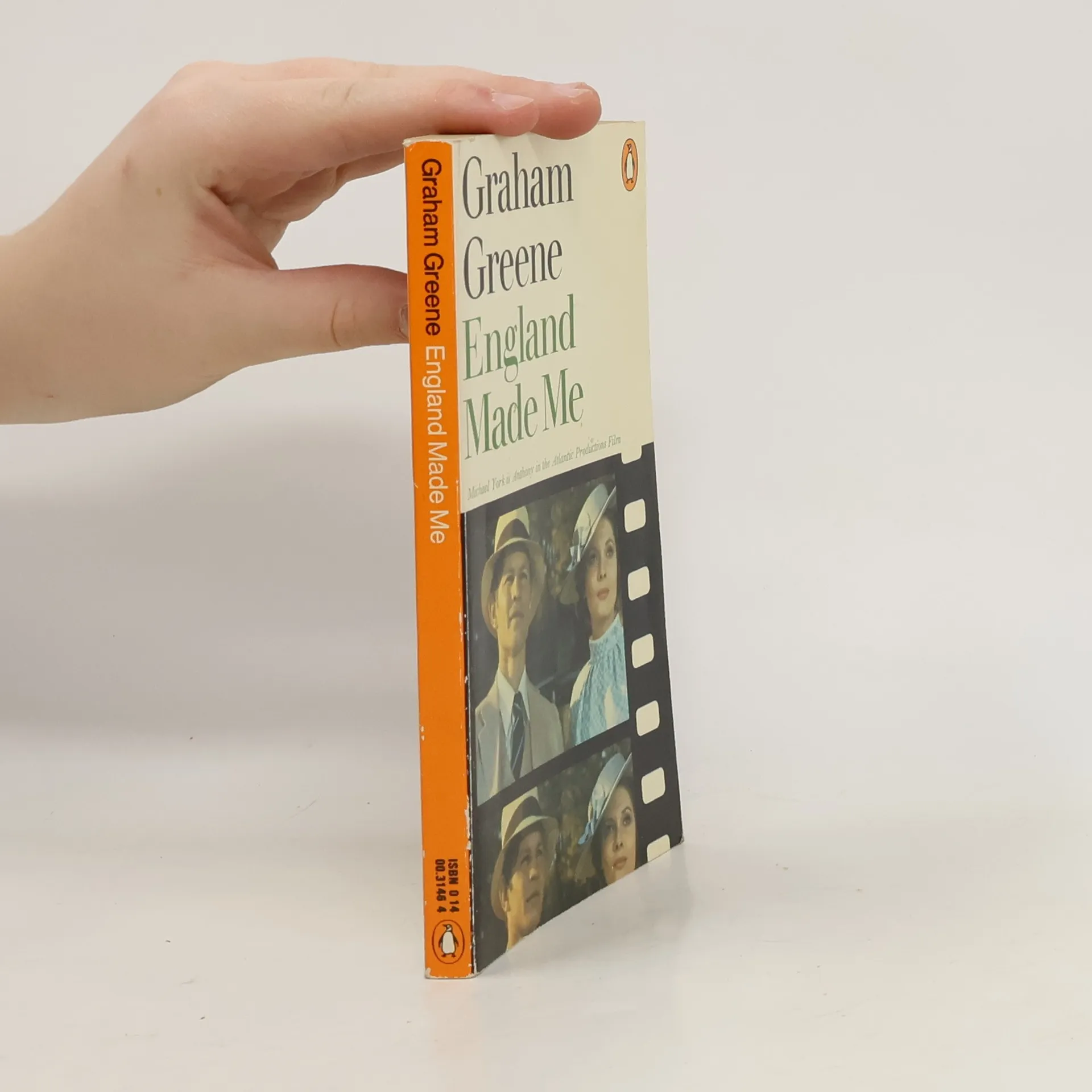
Anthony Farrant has always found his way, lying to get jobs and borrowing money to get by when he leaves them in a hurry. His twin suster Kate persuades him to move and sets him up with a job as a bodyguard to Krogh, which has drastic results.
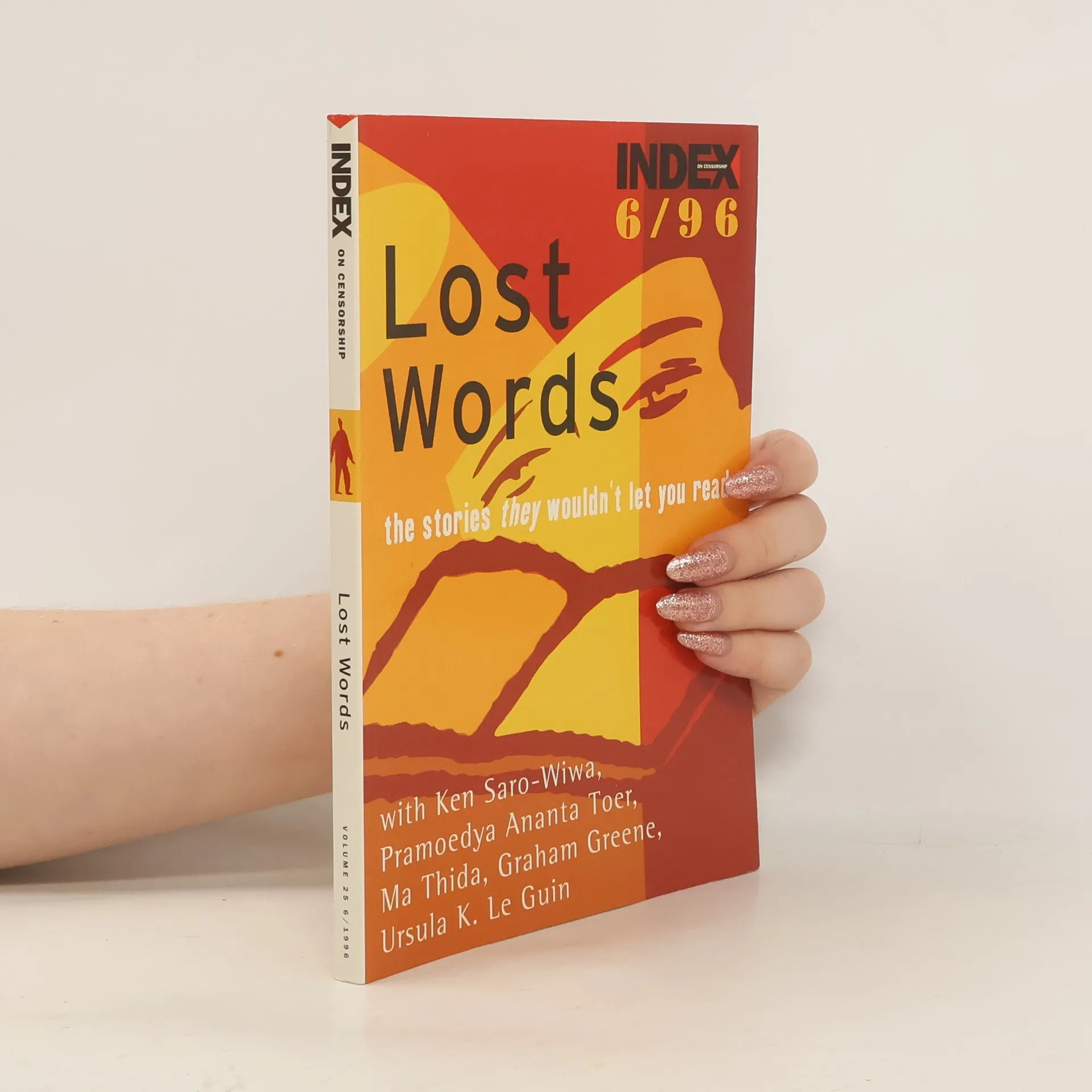
This collection of fiction from around the world is concerned with censorship taboos and includes work from writers who remain censored, exiled or imprisoned. It includes writing by Willaim Trevor, Ken Saro-Wiwa, Aicha Lemsing and Breyten Breytenbach.
В книге предлагается произведение Г.Грина "Третий человек", адаптированное (без упрощения текста оригинала) по методу Ильи Франка. Уникальность метода заключается в том, что запоминание слов и выражений происходит за счет их повторяемости, без заучивания и необходимости использовать словарь.Пособие способствует эффективному освоению языка, может служить дополнением к учебникам по грамматике или к основным занятиям. Предназначено для студентов, для изучающих английский язык самостоятельно, а также для всех интересующихся английской культурой.
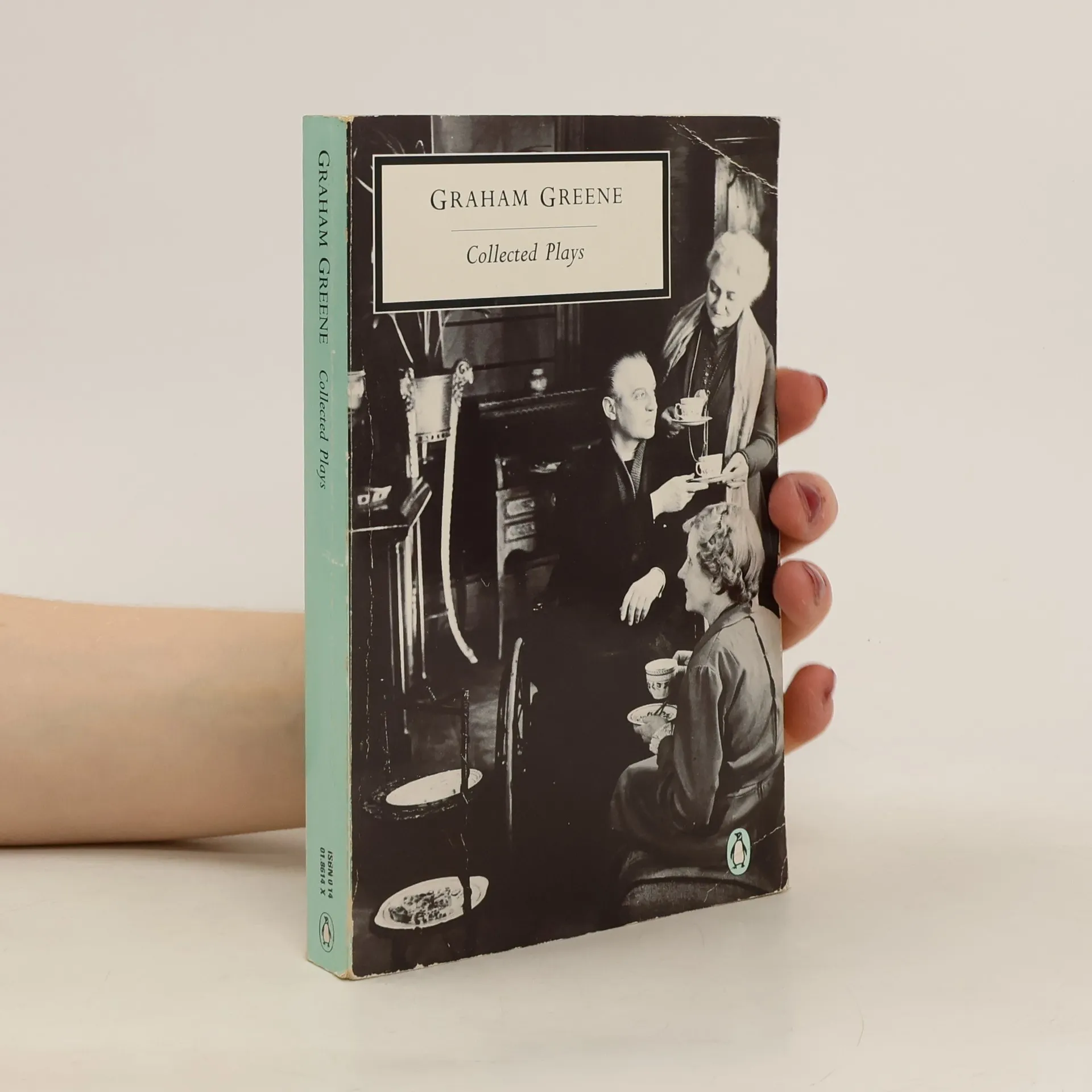
The Living Room ; The Potting Shed ; The Complaisant Lover ; Carving a Statue ; The Return of A.J. Raffles ; The Great Jowett ; Yes and No ; For Whom the Bell Chimes .In these eight plays Graham Greene demonstrates his skill as a dramatist. The Living Room portrays a love triangle, and Carving a Statue , his most innovative play, portrays an artist in pursuit of his masterpiece, a depiction of God the Father. The other plays The Return of AJ Raffles , a glorious Edwardian comedy; The Great Jowett , Greene's only radio play; The Potting Shed ; The Complaisant Lover ; Yes and No ; and For Whom the Bell Chimes .