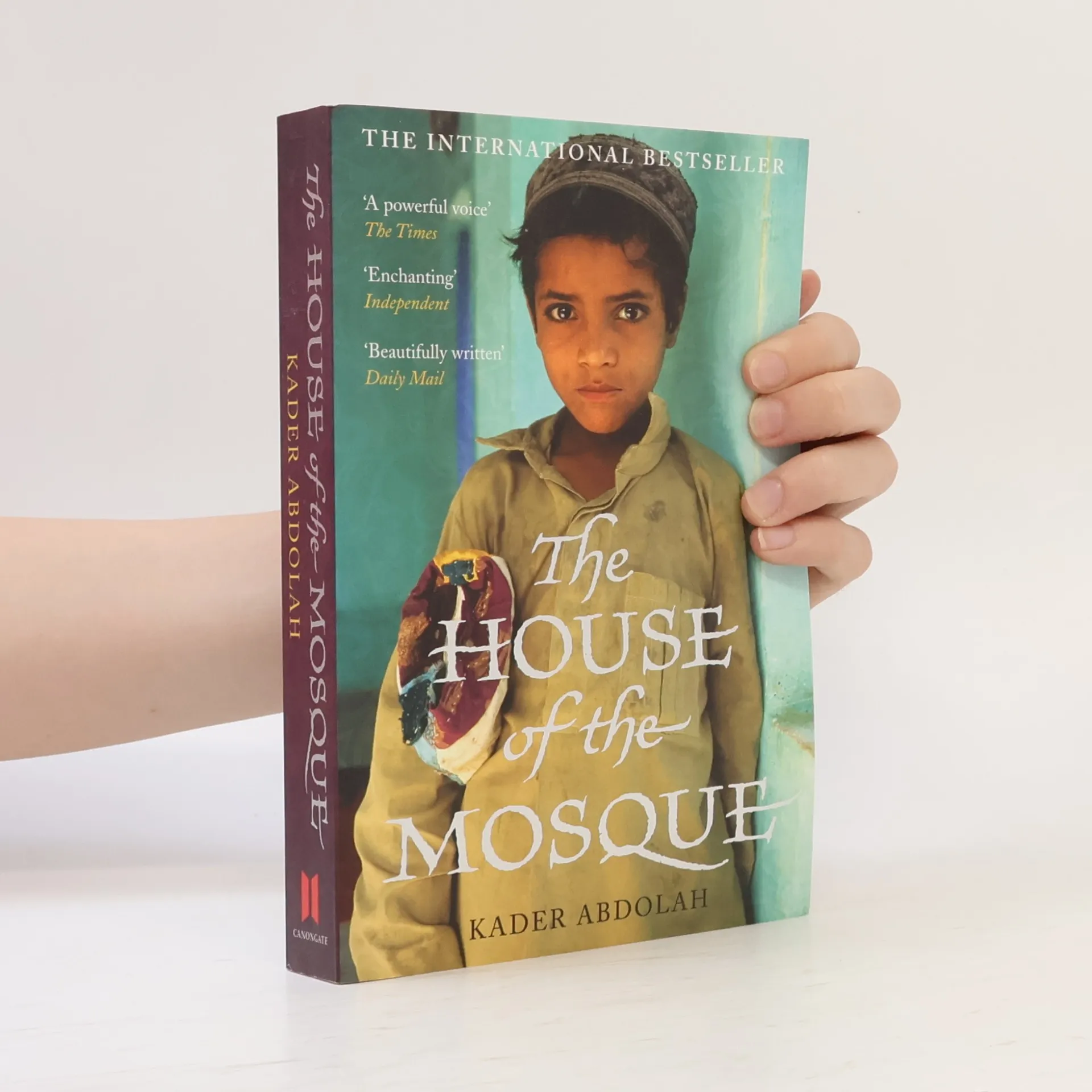
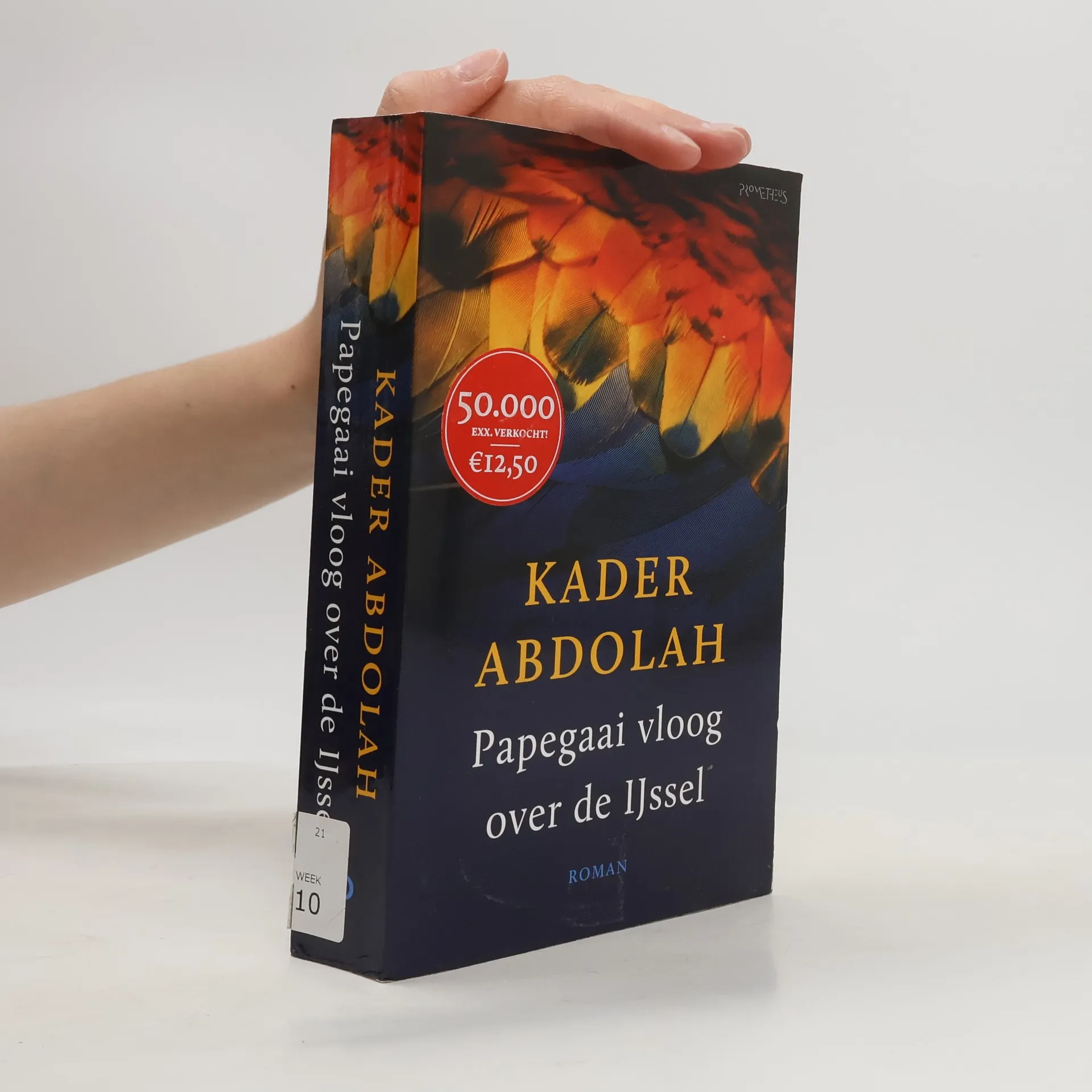
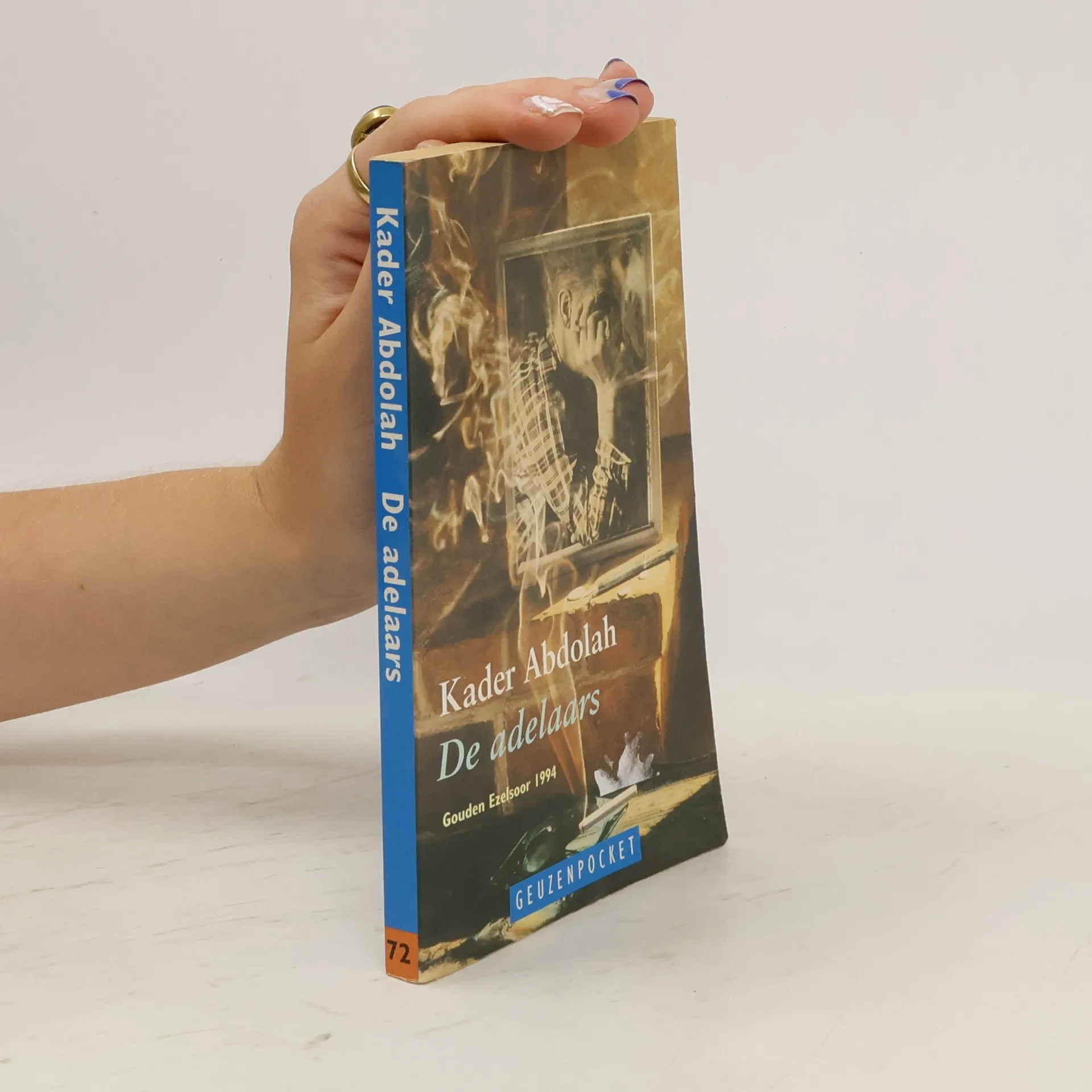
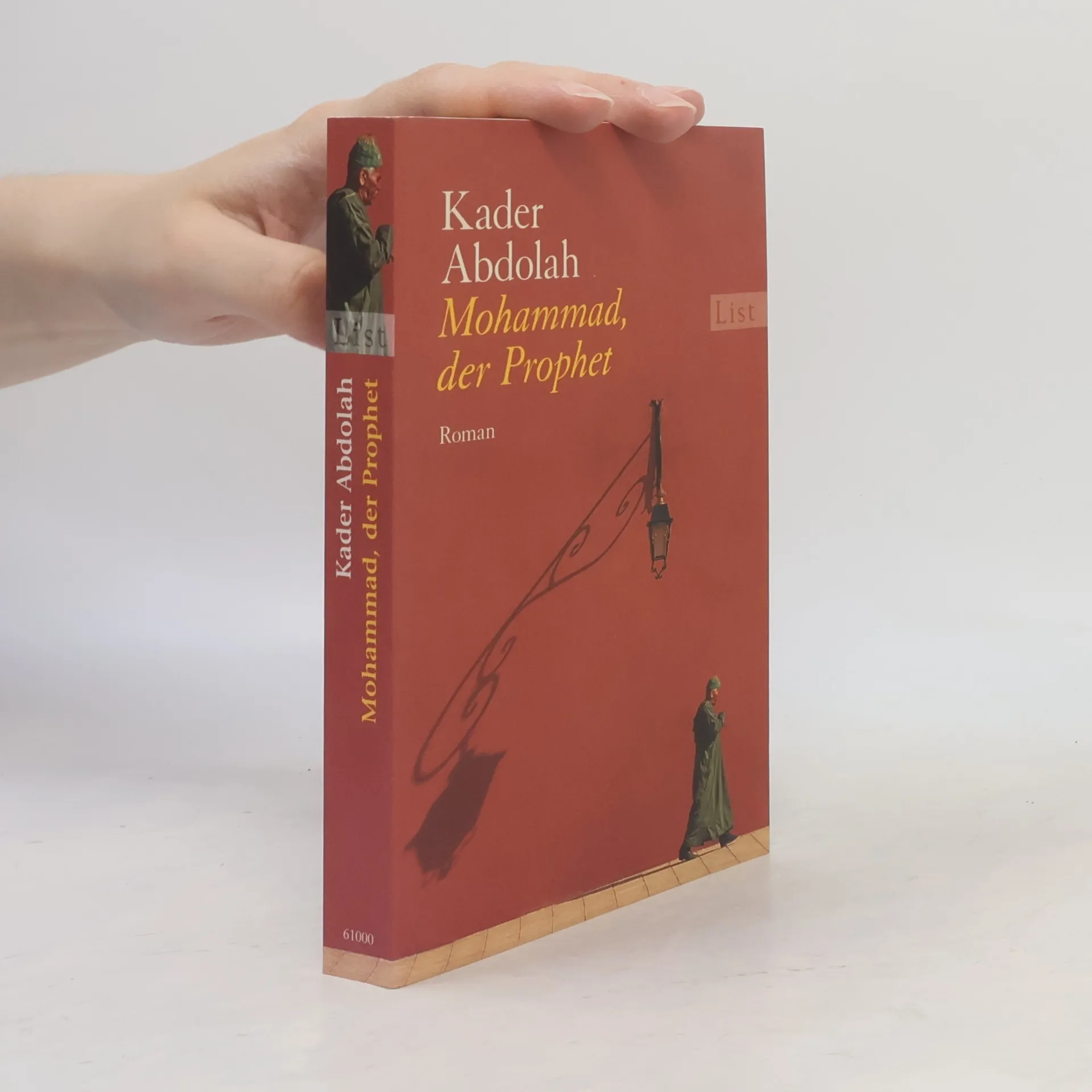
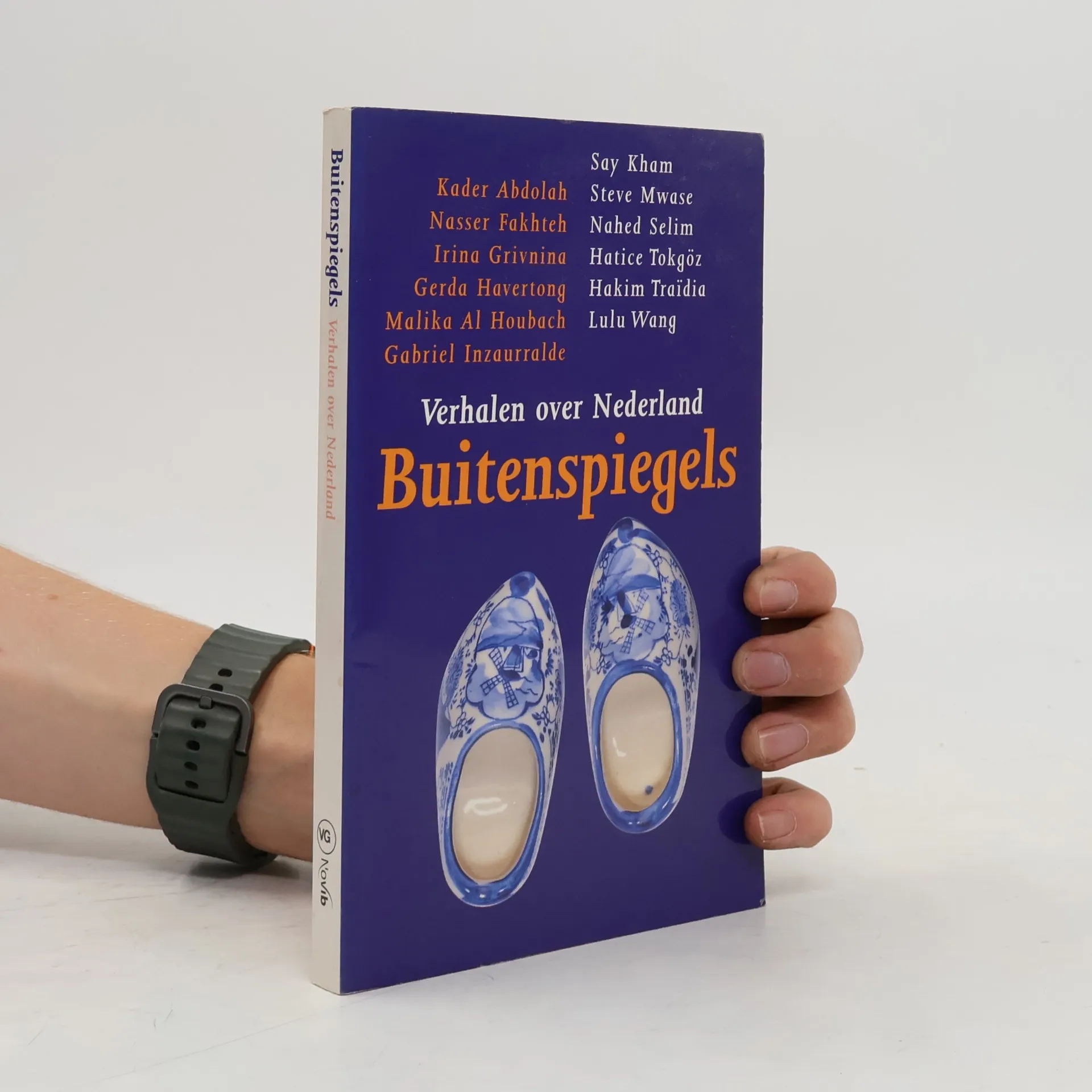
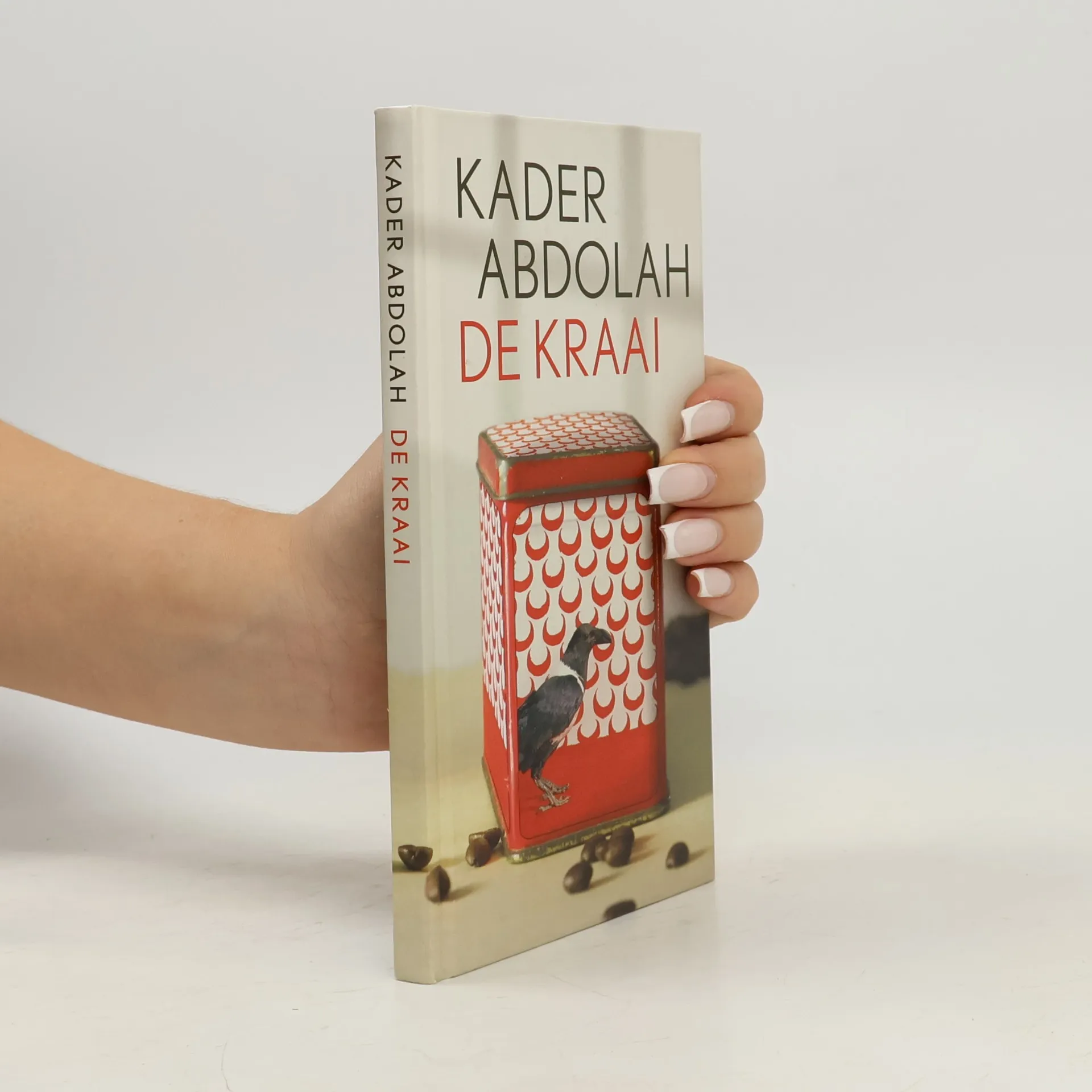
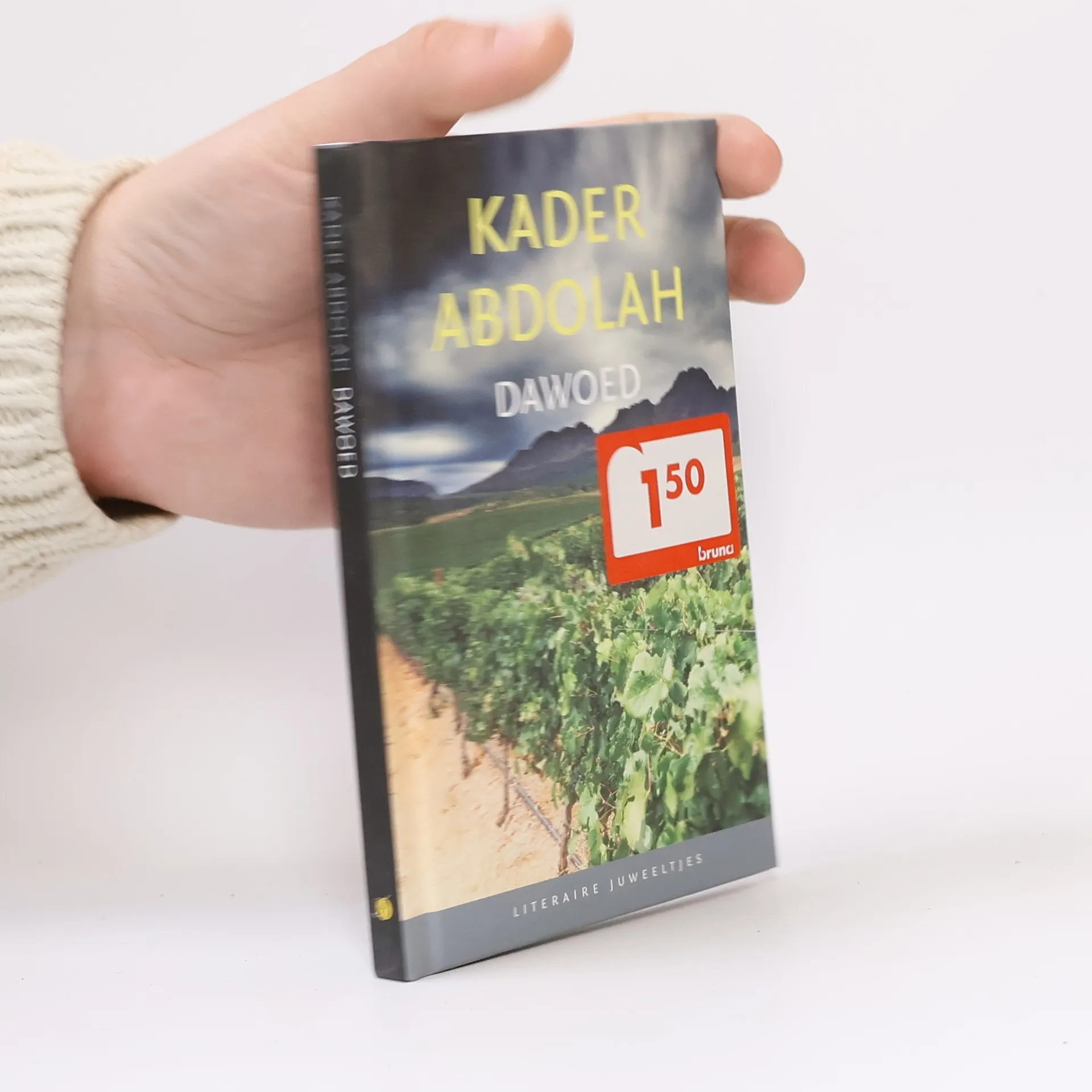
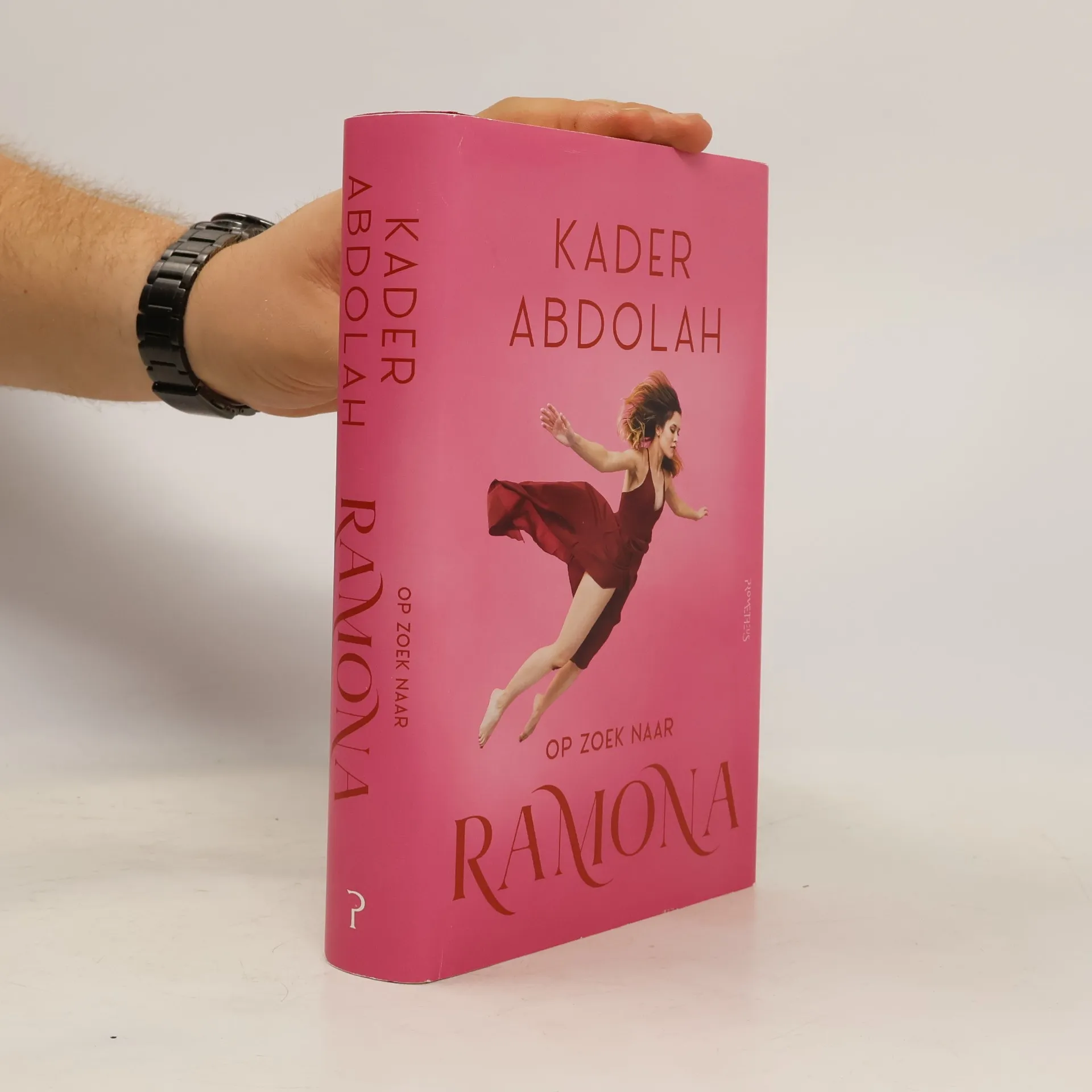
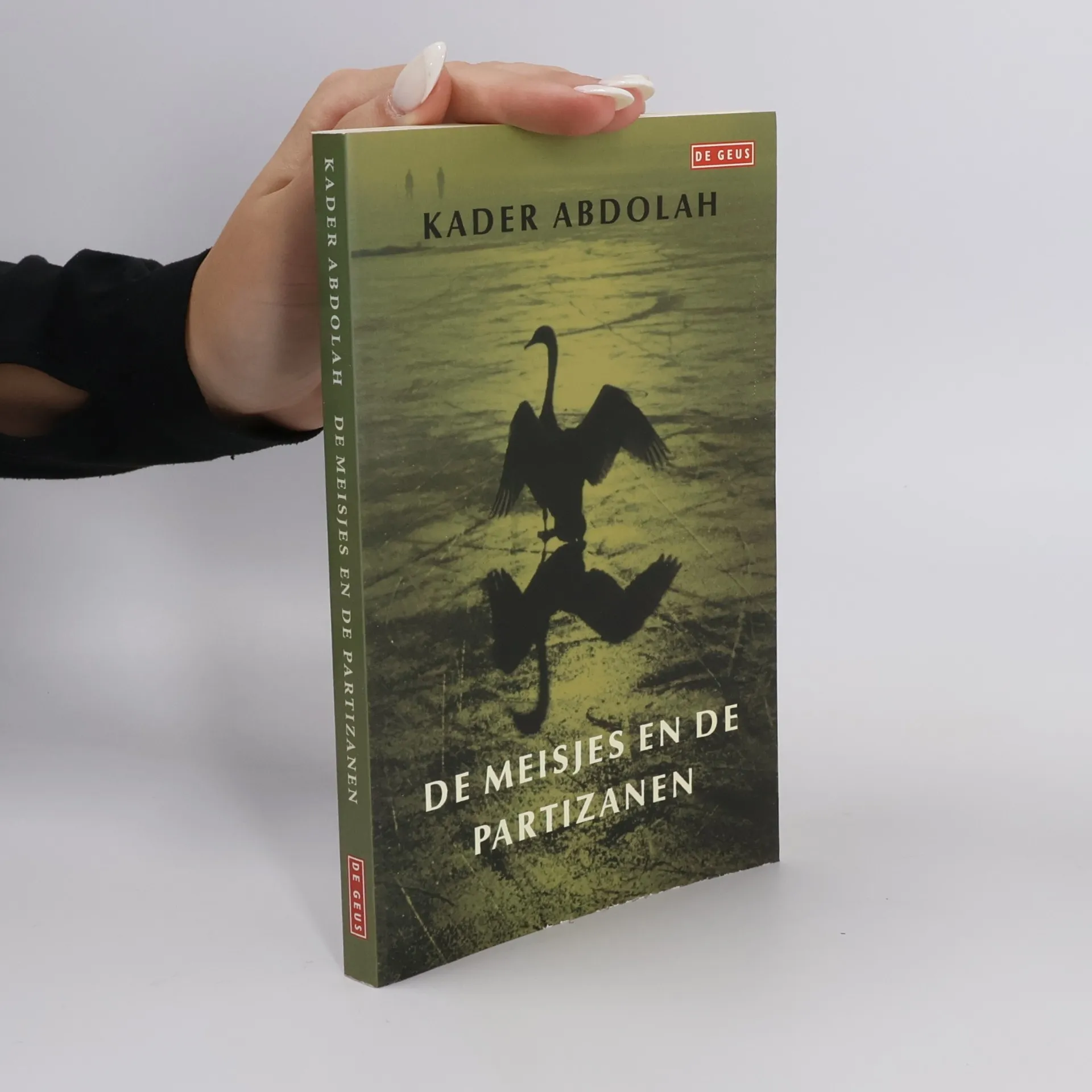
Kader Abdolah es un autor de origen iraní, célebre por sus obras escritas en neerlandés. Su escritura explora con frecuencia temas de identidad, memoria y el choque de culturas, a menudo inspirada por sus experiencias personales de exilio y transición cultural. Emplea un estilo rico y poético para crear vívidas imágenes y personajes profundamente humanos. Sus novelas, que fusionan su herencia persa con su vida en los Países Bajos, ofrecen una perspectiva única sobre las complejidades de la condición humana.
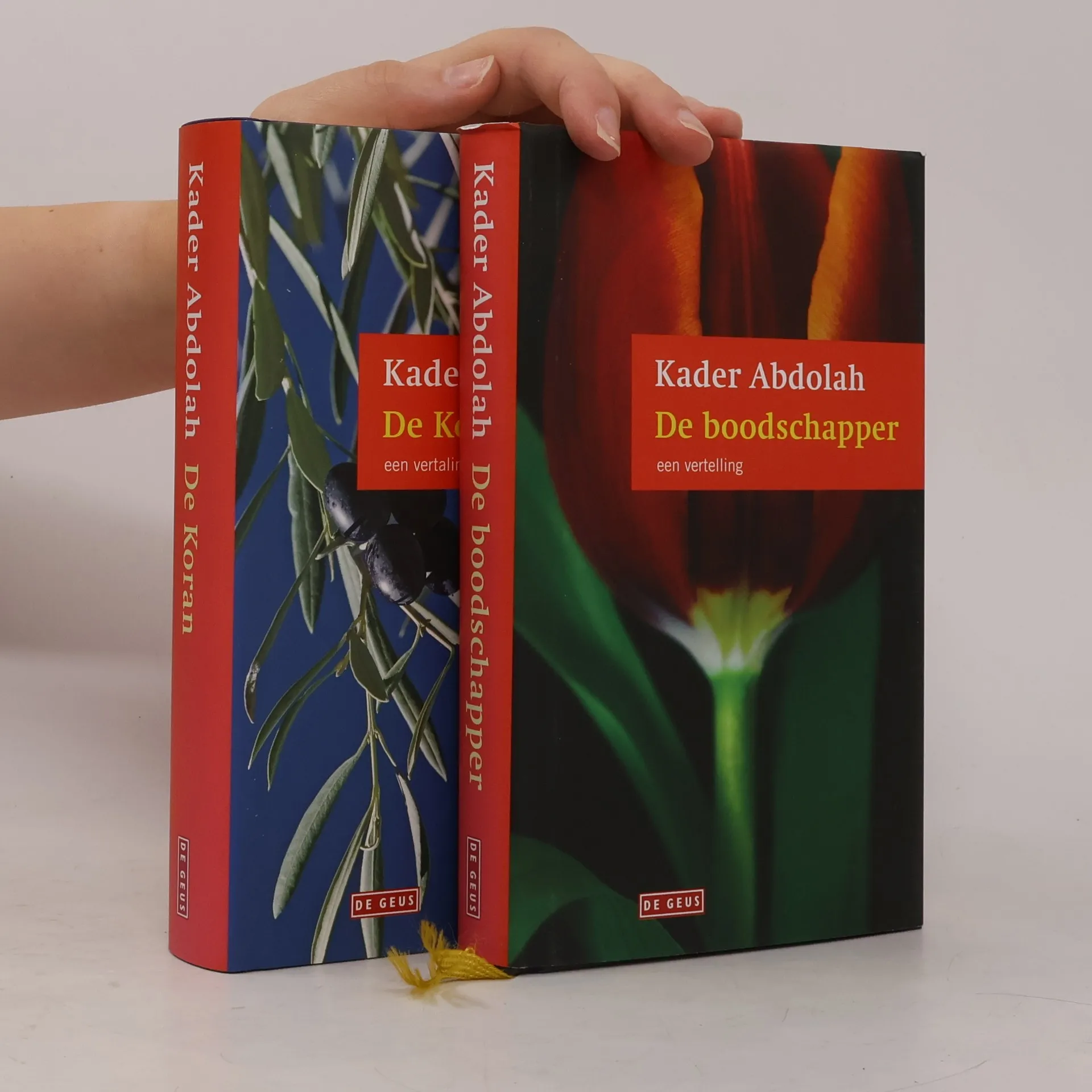
With his translation of The Qur'an, Kader Abdolah makes the Islamic Holy Book accessible to non-Arabic readers. His source material was his father's old Arabic Qur'an. The Qur'an does not have a strictly logical structure; the 114 suras branch out like trees and with his unique translation, Abdolah guides his reader through the gardens of the Qur'an.
Iran, 1969. In the house of the mosque, the family of Aqa Jaan has lived for eight centuries. The house teems with life, played out under the watchful eyes of the storks that nest on the minarets above. But this family will experience upheaval unknown to previous generations. For in Iran, political unrest is brewing. The shah is losing his hold on power; the ayatollah incites rebellion from his exile in France; and one day the ayatollah returns. The consequences will be felt in every corner of Aqa Jaan's family.
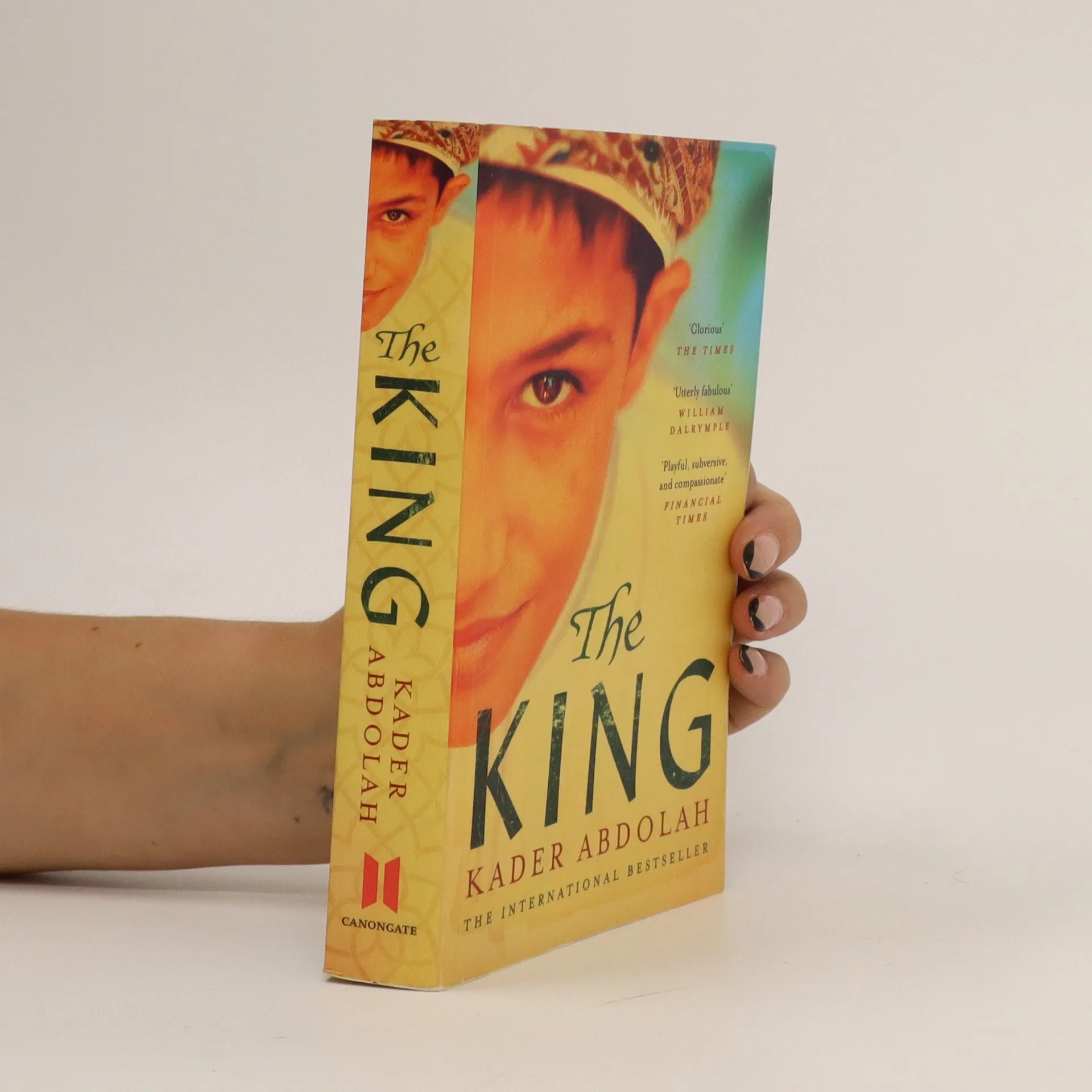
An extraordinary novel about the making of modern Iran, already a bestseller in Europe It is the 19th century and the kingdom of Persia is at a turning point. When a young King, Shah Naser, takes to the throne he inherits a medieval, enchanted world. But beyond the court, the greater forces of colonization and industrialisation close in. The Shah's grand vizier sees only one solution--to open up to the outside world, and to bring Persia into modernity. But the Shah's mother fiercely opposes the vizier's reforms and sets about poisoning her son's mind against his advisor. With bloody battles, intrigue, and extraordinary characters, The King brings a historical moment brilliantly to life. Reading as fairy tale and shedding light on a pivotal period in history, The King confirms Kader Abdolah as one of the world's most engaging storytellers.
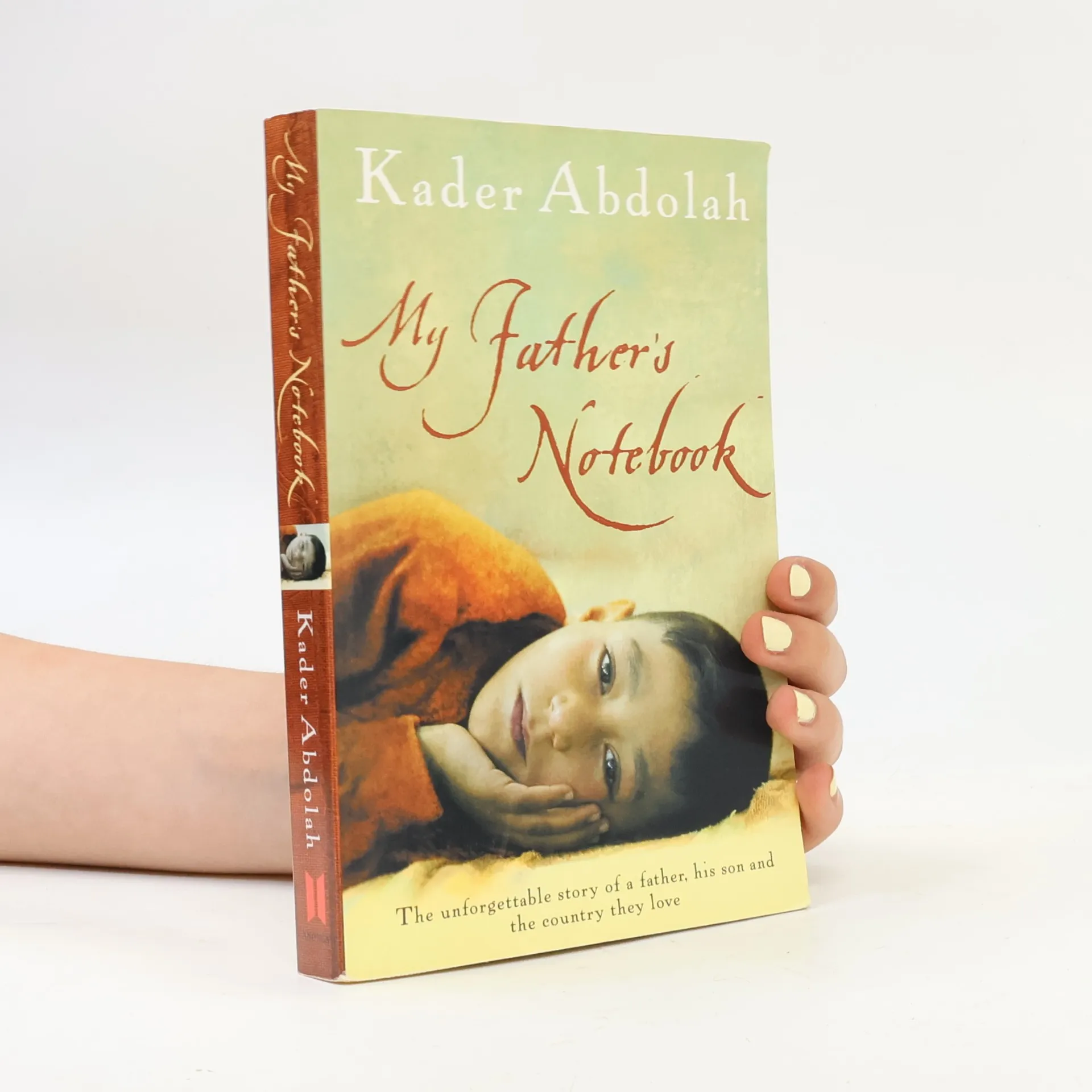
Exiled in Europe, and separated from all he loves most, rebel Ishmael confronts his family's biggest mystery - who was the man who was his father? The only clue is the strange notebook his father, Aga Akbar, left behind - a book written in his own private script.
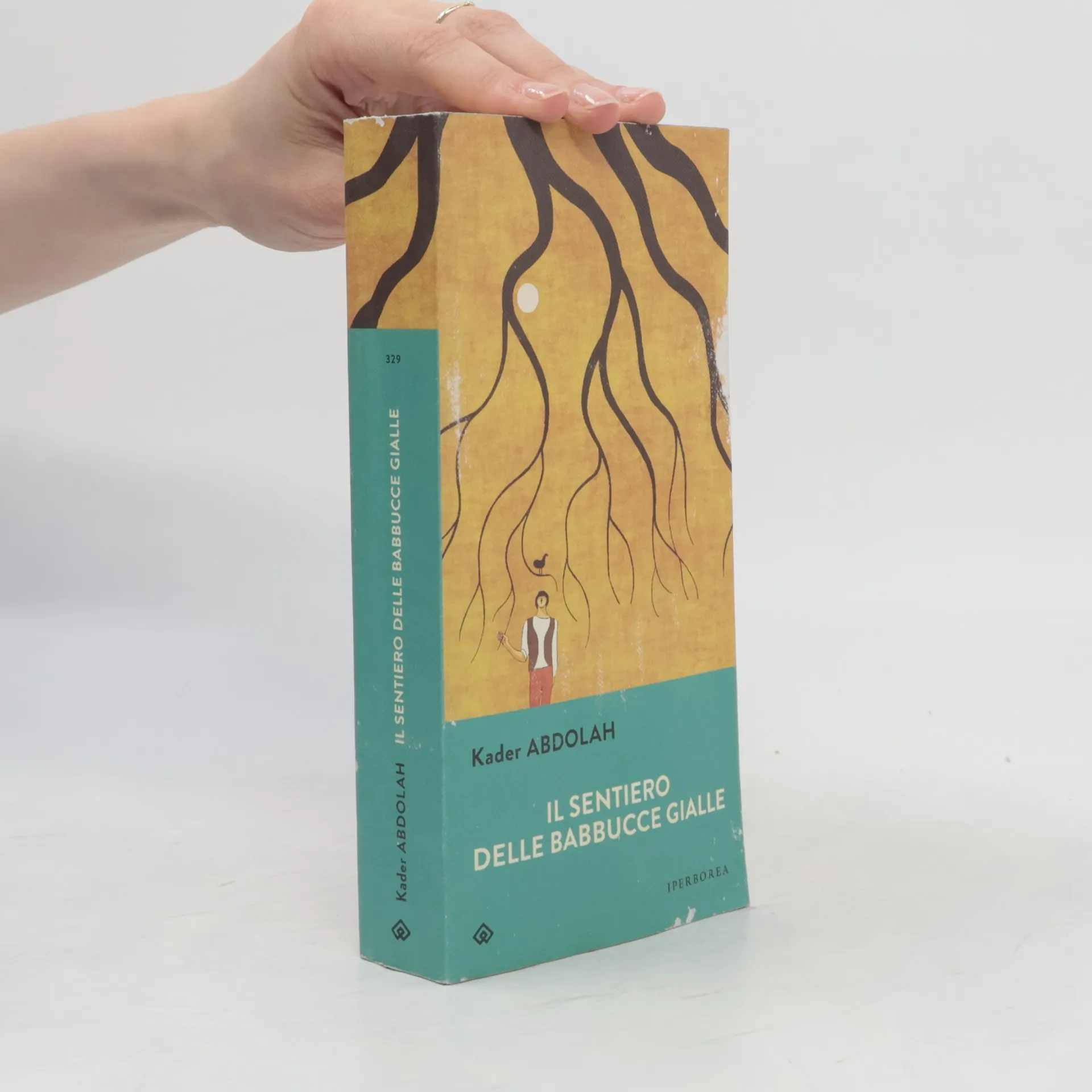
Sultan, proveniente da una nobile famiglia persiana di commercianti di zafferano, trascorre la sua giovinezza nel castello di famiglia ad Arak, vicino a Teheran. Nella torre di avvistamento, trova un cannocchiale che diventa cruciale per il suo futuro, permettendogli di osservare il mondo esterno. Da ragazzo silenzioso e isolato, Sultan supera la sua timidezza e si immerge nella vita, partecipando al movimento di occidentalizzazione della Persia e diventando un regista di documentari. Coinvolto nella lotta di liberazione, si unisce ai comunisti, viene imprigionato e graziato con l’arrivo di Khomeini. Tuttavia, il suo coinvolgimento con i comunisti lo costringe a fuggire in Olanda, dove vive in clandestinità, cercando di affrontare il suo passato. La narrazione principale è incorniciata dal racconto di un alter ego di Abdolah, che riceve un manoscritto di Sultan con la richiesta di riscriverlo in olandese. Fondendo realtà storica, esperienza autobiografica e fiaba orientale, Abdolah trasforma il manoscritto in un romanzo che esplora la vita di un uomo costretto alla fuga, sullo sfondo dei tumultuosi eventi politici e religiosi dell'Iran del Novecento. Tra finzione e realtà, il narratore affronta temi ricorrenti nella sua opera: l'importanza di seguire il proprio cammino, il sacrificio per una causa, la nostalgia per la terra d'origine e il dovere etico della memoria.
Wat betekent het om politiek vluchteling te zijn in een wereld met een andere cultuur ? Toen Kader Abdolah zijn land moest ontvluchten, kwam hij naar Nederland. De verhalen in deze bekroonde bundel schreef hij rechtstreeks in het Nederlands. Abdolah vertelt over het menselijke leed in Nederlandse grenshospitia en opvangcentra, maar ook over de terreur van het regime in Iran. Zijn verhalen brengen de weemoedige poëzie van de grote Perzische dichters in herinnering.
Das Leben des Propheten Mohammad wird in einem lebendigen Bilderbogen dargestellt, der die Epoche beleuchtet, in der eine neue Weltreligion entstand. Kader Abdolahs mutiger Roman bietet tiefen Einblick in die Welt des Islam und plädiert für Verständnis und Toleranz. Zayd, der Adoptivsohn des Propheten, erhält nach dessen Tod von den Islamführern die ehrenvolle Aufgabe, Allahs Offenbarungen an Mohammad zu sammeln, indem er alle befragt, die sie gehört haben. Ein Jahr lang reist er, bis der Koran fertig ist, doch das Buch wird abgelehnt, da starke Gegner unter den Muslimen eine andere Lehre wünschen. Zayd erkennt, dass er der Einzige ist, der das Leben Mohammads aufzeichnen kann, ohne dass die Erinnerung an den Propheten verfälscht wird. Er begibt sich erneut auf die Reise und spricht mit denjenigen, die Mohammad kannten: seiner Familie, Dienern, Wissenschaftlern, Dichtern, Freunden und Feinden. Aus diesen Erzählungen entsteht ein bunter Reigen, der das Leben des Propheten von der Geburt bis zum Tod schildert. Dieses Leben erweist sich als Schlüssel zum Koran: Als Zayd den Koran im Licht seiner Erfahrungen neu ordnet, wird das Buch als die wahre Lehre akzeptiert.
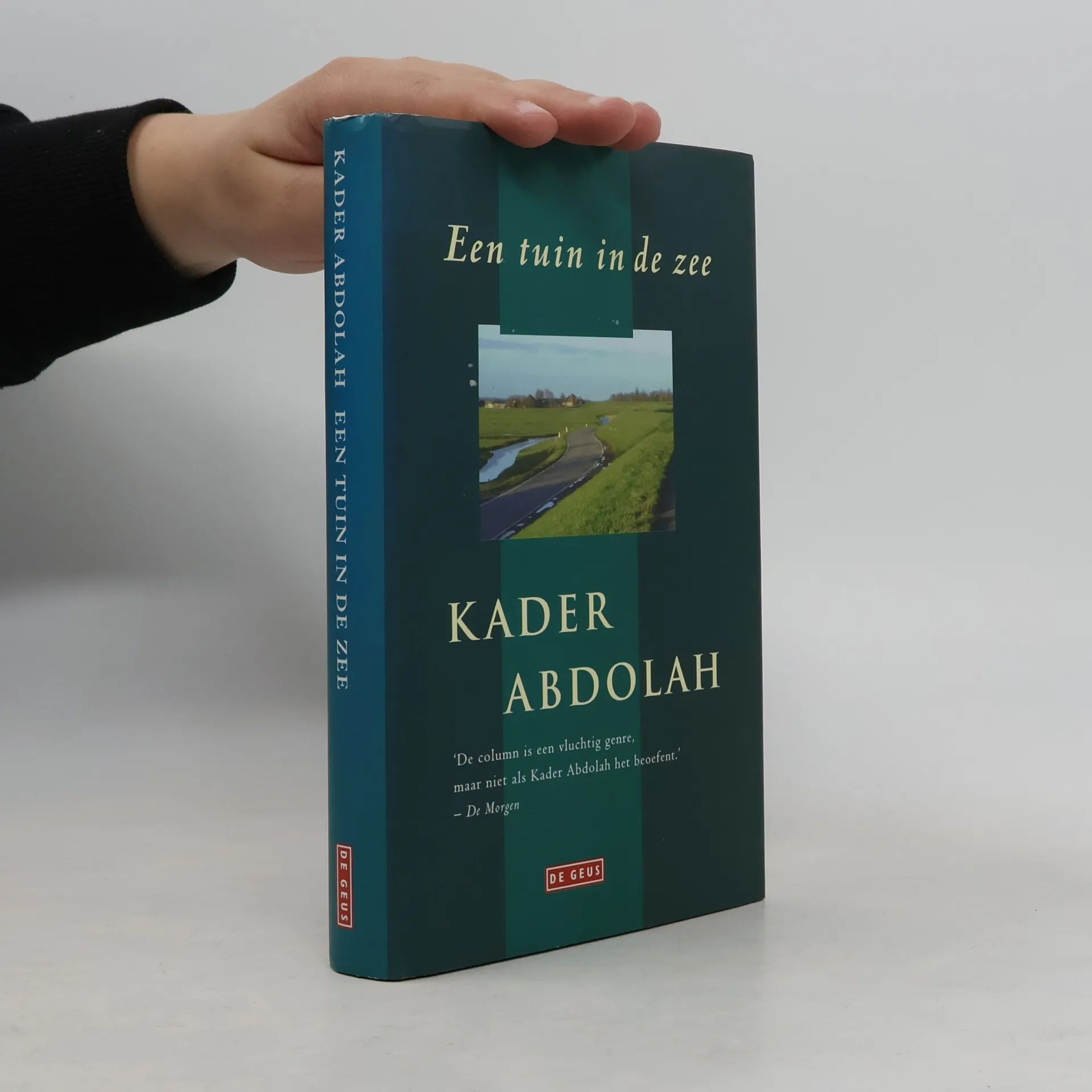
Sinds 1995 heeft Kader Abdolah een column in de Volkskrant, waarin hij op eigen wijze over het leven in Nederland vertelt. Voor Een tuin in de zee maakte hij een selectie van de beste verhalen van de afgelopen drie jaar.
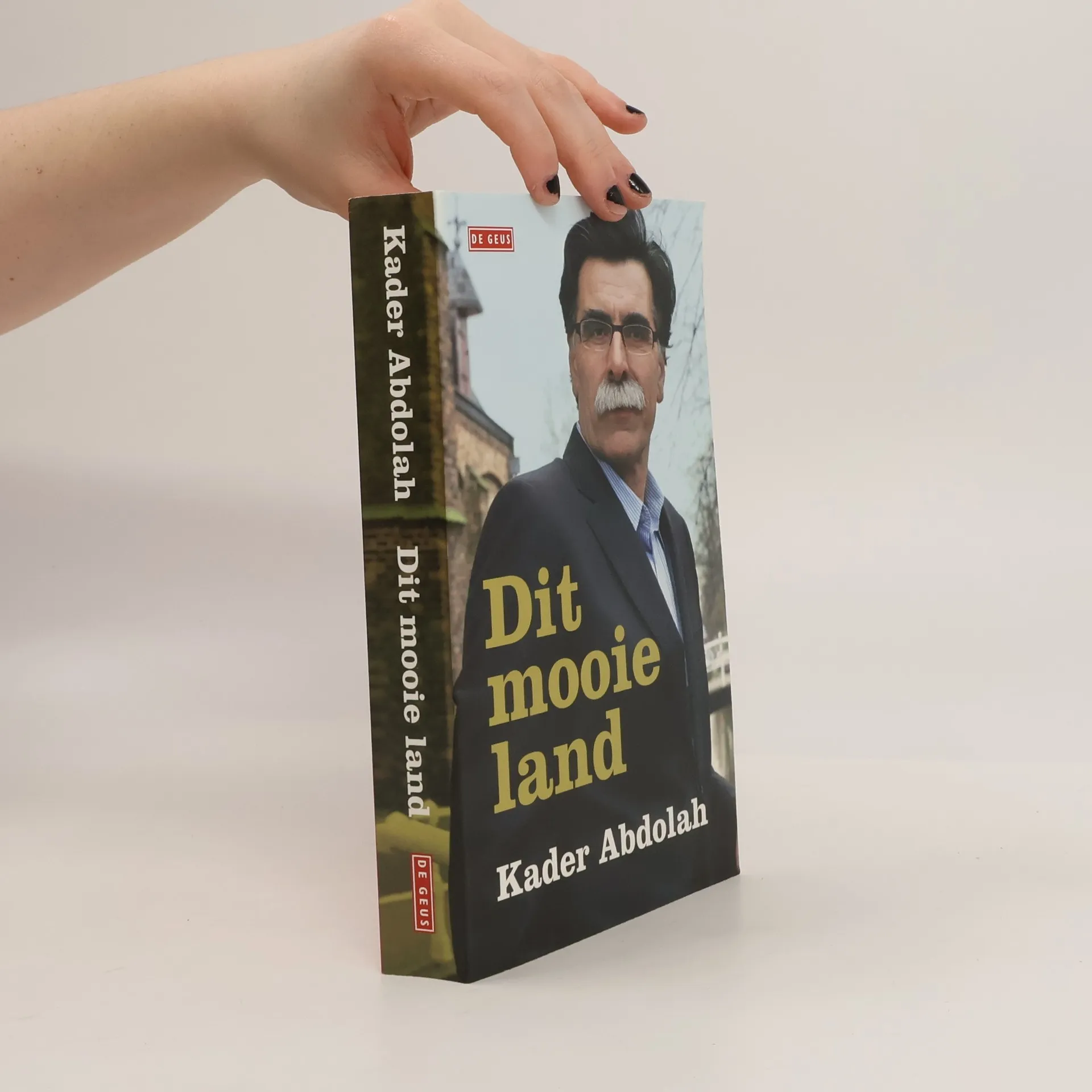
Sinds 1996 is Kader Abdolah een vaste waarde in de maandageditie van de Volkskrant. In zijn columns, met de naam Mirza (kroniekschrijver), bespreekt hij op eigenzinnige wijze de actualiteit. Steeds persoonlijk, steeds vanuit het perspectief van de verbaasde, soms geïrriteerde of juist milde buitenstaander, port hij met een stokje in de Nederlandse mierenhoop. Ook de ontwikkelingen op wereldniveau ontsnappen niet aan zijn aandacht. Kader Abdolah heeft het vermogen de waan van de dag in een breed perspectief te plaatsen of juist te relativeren. Niet zelden verbindt hij elementen uit de schatkamer van de Perzische literatuur of het dagelijks leven in zijn vaderland met de thema’s in zijn columns. Dit mooie land is een verzameling van de columns van 1 september 2003 tot 1 september 2008, een belangrijke periode in de loopbaan van Abdolah: het zijn de jaren van Het huis van de moskee en De boodschapper en De Koran.
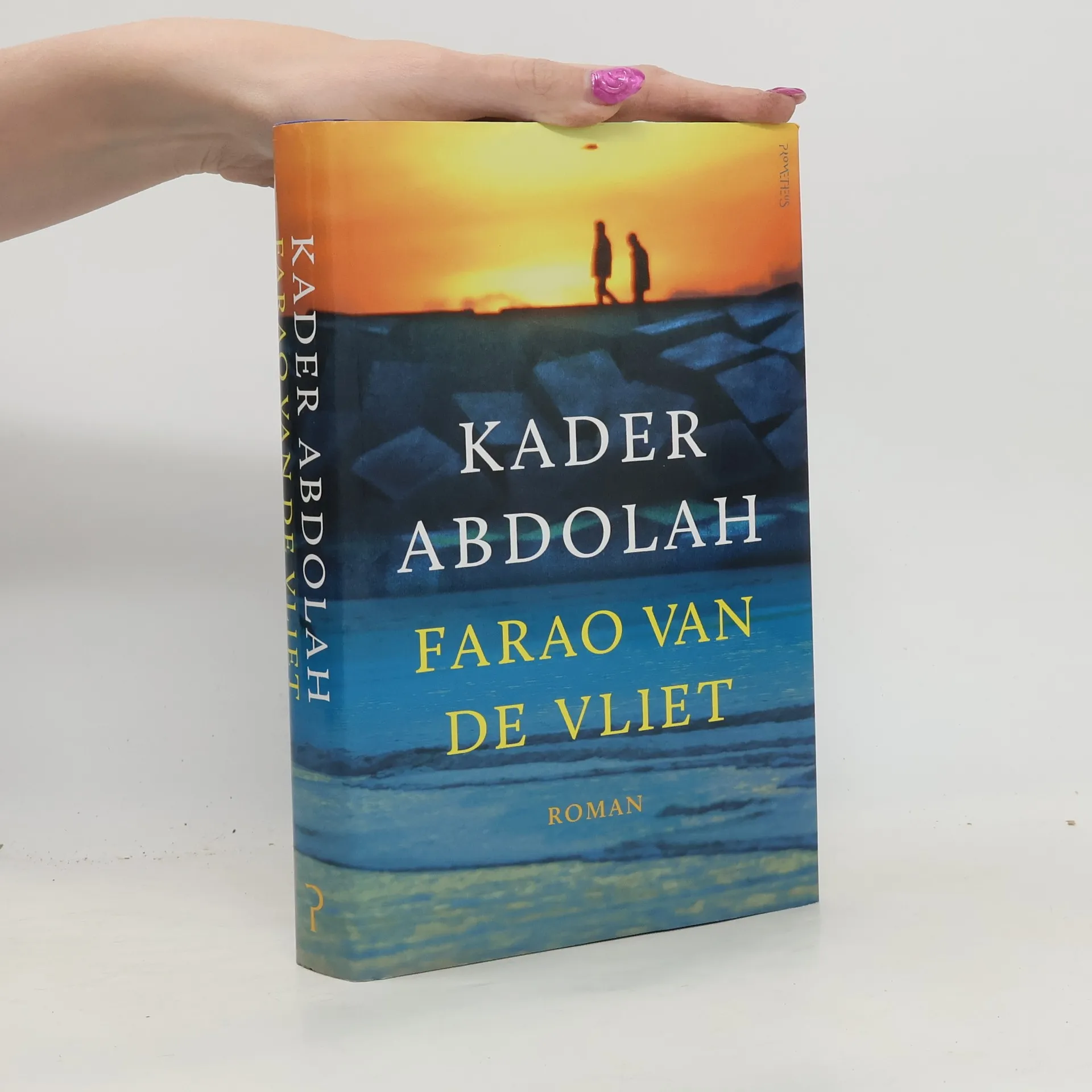
De beroemde Egyptoloog Herman Raven is zijn herinneringen kwijt. Van zijn grootse carrière weet hij niets meer. Om zijn nek hangt een pasje met zijn naam en telefoonnummer, zodat hij veilig kan thuiskomen. Gelukkig heeft hij een oude kameraad die als zijn geheugen functioneert: Abdolkarim Ghasem. De twee vrienden houden elkaar scherp en maken wandelingen langs hun geliefde Haagse Vliet. Herman heeft een geheim dat hij al geruime tijd met zich meedraagt en in zijn kelder verborgen houdt. Tot nu toe was Abdolkarim de enige die hiervan op de hoogte was, maar nu de twee in de slotfase van hun leven zijn aangekomen, besluiten ze om Hermans geheim naar buiten te brengen. Maar dat blijkt onverwachte gevolgen te hebben. De laatste, intense akte van hun levens stelt de onbaatzuchtige vriendschap tussen Herman en Abdolkarim danig op de proef. Misschien zelfs met een terugkeer naar huis? Farao van de Vliet is een schitterende roman over de Egyptische Oudheid, vriendschap en nijlkrokodillen. Met dit ontroerende verhaal slaat Kader Abdolah een nieuwe weg in, een weg die we nog niet van hem kenden. 'Tot nu toe schreef ik over geschiedenis, religie en cultuur, maar nu wilde ik iets anders. Op een nacht kwam een oude Haagse Egyptoloog in mijn gedachten tevoorschijn, en ik volgde hem. Het resultaat is dit boek. Salam.' Kader Abdolah
Het leven van Kader Abdolah is in twee periodes te verdelen. De eerste helft van zijn leven woonde hij in Iran; de tweede helft begon met een vlucht uit zijn land die hem naar Nederland zou voeren. In Nederland begon hij met een nieuw leven en schiep hij zijn literaire oeuvre. Zijn boeken werden vertaald en hij reisde de wereld over, naar lezers in alle landen. Maar naar één land kon hij nooit meer terug: zijn vaderland. En dat terwijl zijn moeder intussen in de winter van haar leven belandde. Recentelijk reisde Kader Abdolah naar Dubai, het land van zand en olie, om daar zijn moeder en zus te ontmoeten, wat voor haar gemakkelijker was en voor hem veiliger. Hij wilde zijn moeder zien, misschien wel voor het laatst, en vooral omdat ze geleidelijk in de wereld van de dementie aan het verdwijnen was. Maar eenmaal in Dubai aangekomen werd hij geconfronteerd met een geheimzinnige wereld van de ouderdom waarin zijn moeder hem steeds dieper meenam. het Gordijn is het hoogstpersoonlijke, soms hilarische en soms ronduit pijnlijke verslag van Kaders ontmoeting met zijn moeder. Met het Gordijn neemt de schrijver ons mee op een ongewone reis.
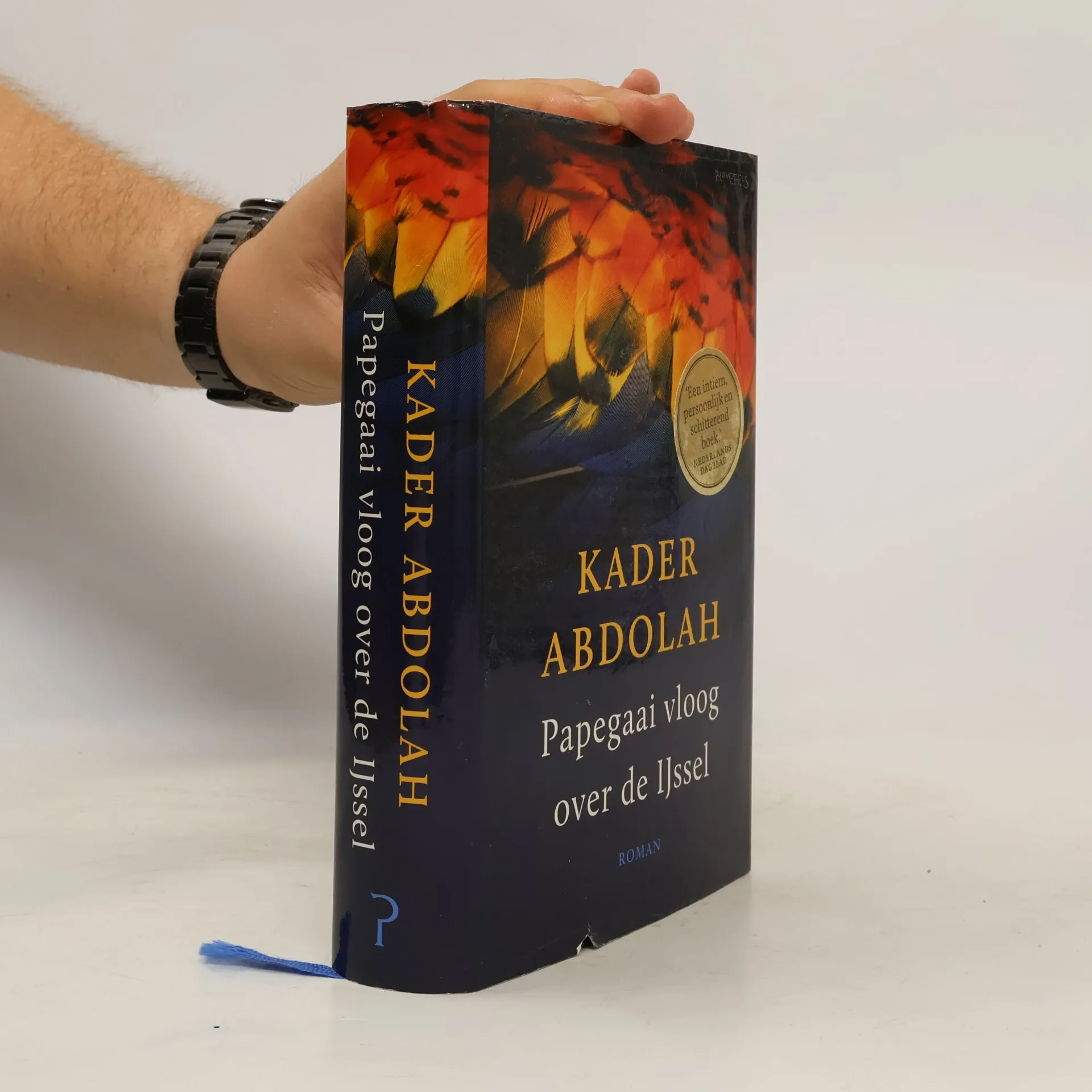
Vier buitenlandse gezinnen krijgen elk een huis in een dorp langs de rivier de IJssel aangeboden. Zo beginnen ze aan een nieuw bestaan in een nieuw land: Nederland. Het duurt niet lang totdat de rivier, de IJsselbrug en de pont deel uitmaken van hun identiteit. Papegaai vloog over de IJssel, de nieuwe roman van Kader Abdolah, vindt plaats in en rond de stad Zwolle en vooral in vier oer-Hollandse dorpen langs de IJssel: Zalk, Wilsum, ’s Heerenbroek en Veecaten, in een landschap dat honderden jaren hetzelfde is gebleven. De kou is niet uitnodigend, de fabuleuze luchten zijn dat wel. De vier gezinnen, even vreemd voor elkaar als voor het land waar ze nu wonen, beseffen dat ze hun reis moeten voortzetten, langs het water, naar de IJsselbrug, naar de stad. Zullen ze daar een thuis vinden? Nederland is in de afgelopen 25 jaar onmiskenbaar veranderd. Kranten schreven erover, televisiecamera’s liepen, discussies erover verhuisden van de redacties naar de huiskamers en terug. Het is hoog tijd voor een meerstemmige roman, die de essentie van deze veranderingen verbeeldt. Kader Abdolah kwam een kwarteeuw geleden binnen als vreemdeling, maar wist zich al gauw omhelsd door zijn nieuwe landgenoten. Het kan niet anders dan dat hij in deze roman al zijn persoonlijke ervaringen gebruikt heeft. Zo vloog de papegaai over de IJssel.
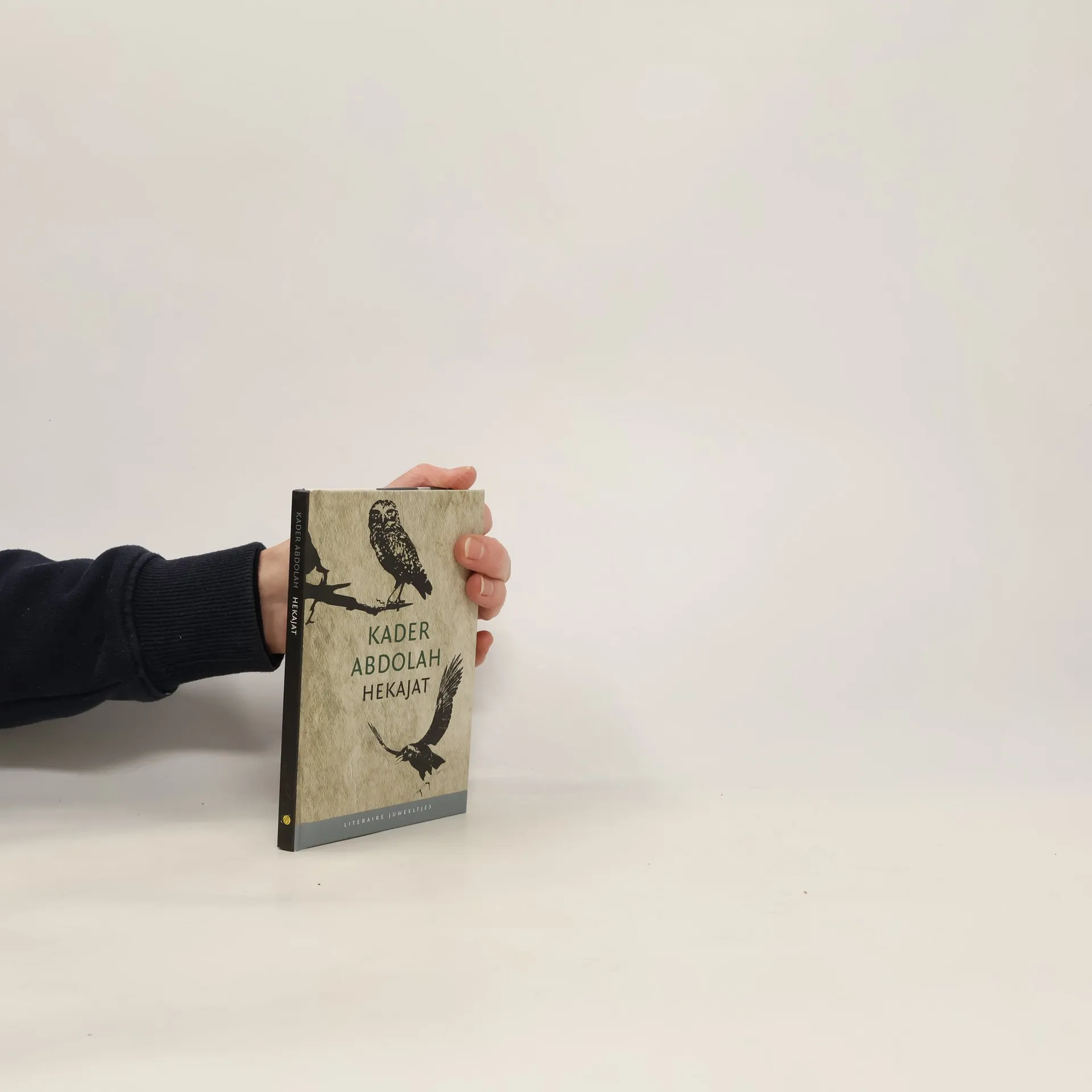
Literaire Juweeltjes Reeks:De selectie dierenfabels in "Hekajat" zijn eeuwenoude wijsheden die worden verteld door Bidpa, een wijze Brahmaan die een tirannieke sjah op een wel zeer elegante manier het rechte pad wijst. (Uit het voorwoord van deze bundel).
De vluchteling Bolfazl probeert in Nederland een nieuw bestaan op te bouwen. Zijn enige contact met de buitenwereld is zijn buurman Renë, die ook een buitenstaander blijkt te zijn. Door de werkelijkheid met herinneringen uit Iran te verbinden, houdt Bolfazl greep op het leven.
Pieter Rademaker is een succesvolle Amsterdamse schilder die zijn dochter Ramona in liefde en vrijheid heeft opgevoed. Dat weerhoudt Ramona er echter niet van om ervandoor te gaan met een Marokkaanse man van dubieuze komaf. Als zij op een dag van de aardbodem verdwenen lijkt, weet Pieter dat hij maar één ding kan doen: op zoek gaan naar Ramona. Zijn zoektocht brengt hem in contact met een ander Amsterdam, een ander Nederland dan dat hij kende. Hij komt terecht in soennitische moskeeën, in doorrookte kamertjes van drugshandelaren en op de Wallen. Tijdens zijn zoektocht ontmoet hij een Afrikaanse illegaal die hem de andere kanten van het leven laat zien, en een jonge Turkse vrouw die andere deuren van de liefde voor hem opent. Pieter Rademaker zit nog half in de wereld van Van Gogh en Rembrandt als hij erachter komt dat de huidige realiteit van zijn stad zijn verbeelding overstijgt. Door zijn zoektocht naar Ramona wordt Pieter geconfronteerd met zichzelf, en tot zijn eigen schrik realiseert hij zich dat hij eigenlijk niet naar Ramona zoekt, maar naar nieuwe ideeën voor zijn schilderijen.
In de bundel De meisjes en de partizanen gaat het om ‘de vlucht en het verlies van alles wat je dierbaar is’. Diverse verhalen belichten de bijzondere rol van vrouwen in het dictatoriaal geregeerde Iran en in het vrije Westen. In ‘Marcia’ doet een Nederlandse meisje de hoofdpersoon denken aan zijn zus, die na een verzetsactie spoorloos verdween. De blinde echtgenoot in ‘Hasan Garibi’ is voor zijn vervoer naar het ziekenhuis aangewezen op de Duitse taxichauffeur Rudolf Hillerbrand, die hij associeert met een nazi. Een wurgende angst verandert de zachtaardige Garibi bijna in een moordenaar. In het titelverhaal raakt een jongen in de ban van de radio. Zingende meisjesstemmen van achter de zeeën bereiken zijn oor, maar ook de stem van de machthebbers en die van het verzet.
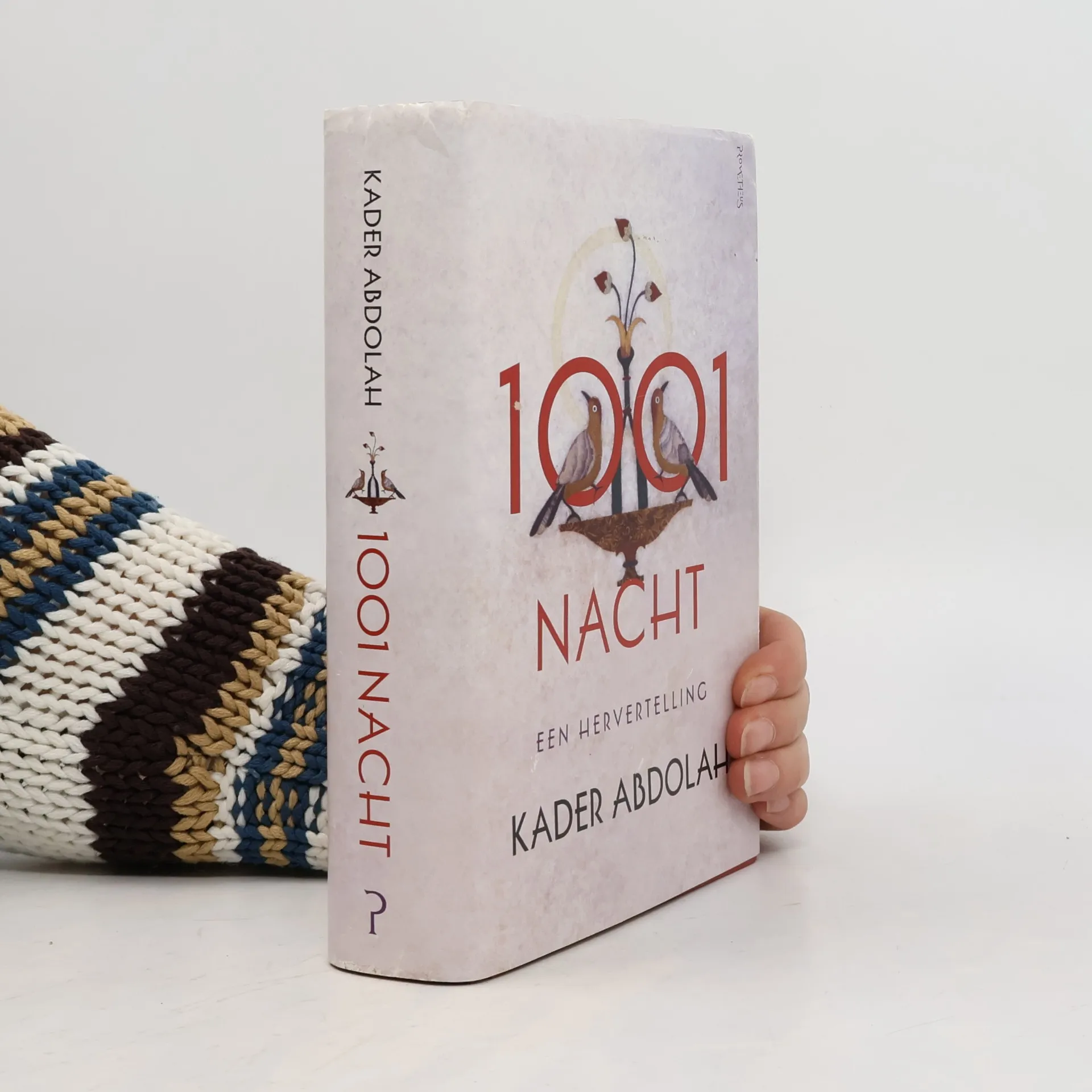
Misschien is het wel de beroemdste vertelling ter wereld: de door zijn vrouw bedrogen koning Sjahriar slaapt elke avond met een nieuwe maagd en laat haar de volgende ochtend doden, totdat de slimme Sheherazade hem een verhaal vertelt dat zo spannend is dat hij wil weten hoe het verdergaat. Zo blijft zij hem verhalen vertellen, 1001 nachten lang. 1001 nacht speelt al vanaf zijn jeugd een belangrijke rol in het leven van Kader Abdolah. De vertellingen zijn verhalen van de betovering van het woord. Een betovering die Kader Abdolah, wiens boeken in meer dan twintig talen vertaald zijn, als geen ander kent. Speciaal voor de lezers van de Lage Landen vertaalde en bewerkte hij 1001 nacht. Hij heeft het boek bovendien voorzien van uitgebreide inleidingen en commentaar, zodat het ook te lezen is als zijn eigen literaire poëtica.
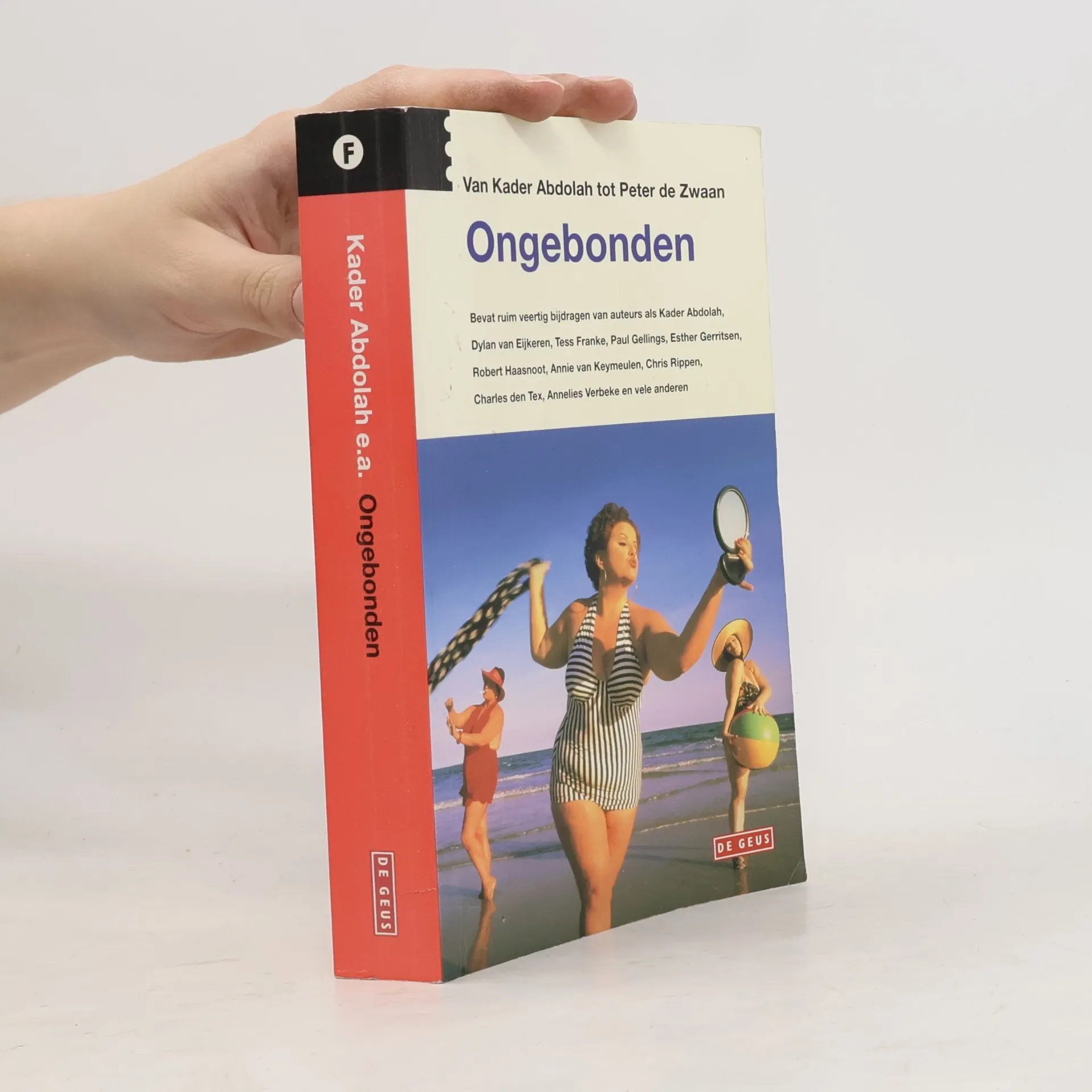
Ongebonden bevat ruim veertig speciaal voor deze bundel geschreven (dus niet eerder gepubliceerde) verhalen. Van Kader Abdolah tot Peter de Zwaan gingen bijna alle Nederlandstalige auteurs van De Geus achter een blanco vel papier zitten. Met als opdracht: schrijf een verrassend, ontroerend, spannend, bizar verhaal, met onverwachte wendingen, onvergetelijke personages. Laat zien dat de verhaalkunst nog bestaat. Met als resultaat een bundel spiksplinternieuwe verhalen.
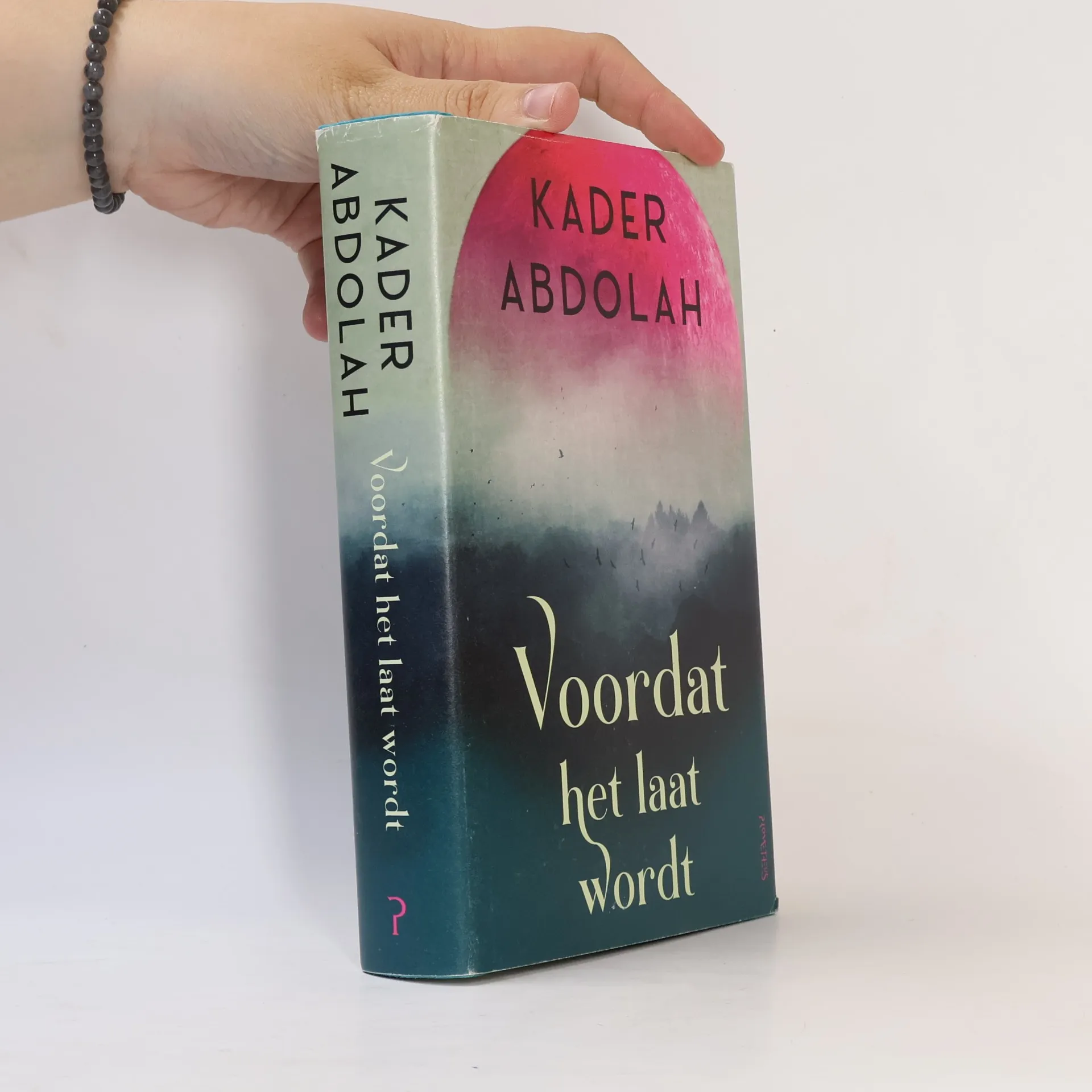
"Kader Abdolah wil terug naar huis, het is genoeg geweest. Maar terugkeren is onmogelijk: in Iran zal hij worden gearresteerd. Met een vals paspoort en onder een andere naam weet hij op sluwe wijze via Iraaks Koerdistan zijn vaderland binnen te komen en hij bereikt zijn ouderlijk huis, hoog in de bergen; maar zijn moeder, die alles is vergeten, herkent hem niet. Kader Abdolah is terug, maar nu hij daar eenmaal is, komt hij erachter dat hij zich heeft vergist. Zijn ouderlijk huis was niet de plaats waarnaar hij verlangde: die plaats was nog onbereikbaarder dan hij dacht.Wandelend door de bergen en langs ravijnen komt hij terecht in het oude observatorium van de familie. Daar hebben zijn voorvaderen met zelfgemaakte telescopen de hemelen door de eeuwen heen geobserveerd. De schrijver neemt ons met die telescopen mee naar ons oorspronkelijke thuis, naar de plek waar we allemaal vandaan komen. Ook richt hij zijn kijker op de steden van het vaderland, waar vrouwen in opstand zijn gekomen tegen de geestelijke macht.Met Voordat het laat wordt snijdt Kader Abdolah een belangrijk thema van deze tijd aan. Het is een boek dat alleen hij kon schrijven. Dit werk is opnieuw het bewijs van zijn enorme literaire verbeeldingskracht."--
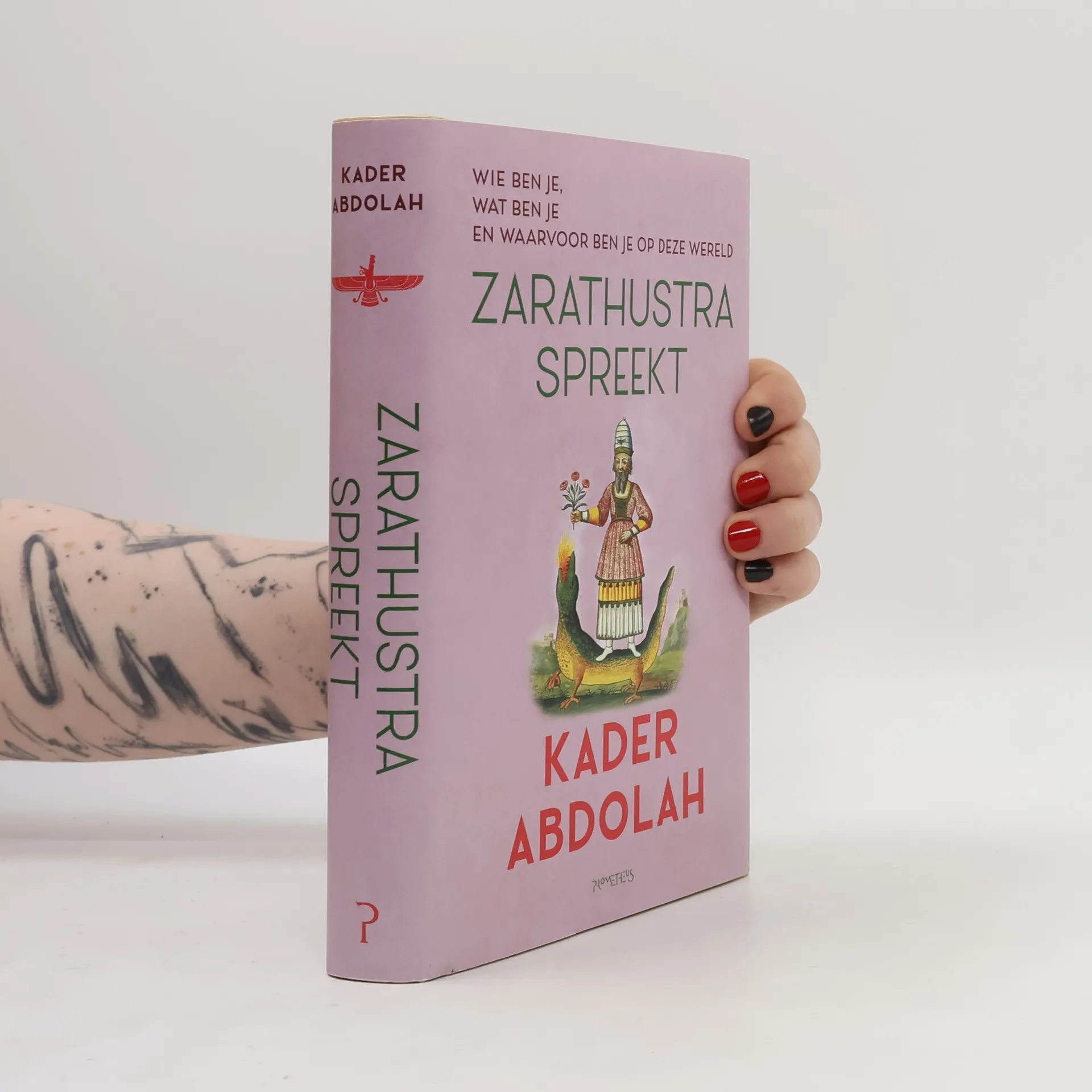
Wie ben je, wat ben je en waarvoor ben je op deze wereld
"Duizenden jaren geleden woonden diep in de Euraziatische steppe een aantal stammen, onze voorvaderen. Hun levens waren zwaar: de toekomst was duister en hun religieuze leiders, met hun vele, altoos ruziemakende goden, waren onbetrouwbaar en bedrogen hen met valse rituelen. Eén man kwam in opstand tegen die willekeur van de goden en hun die - naren: Zarathustra. Hij was het die de mensen hoop gaf door hen ervan te overtuigen dat er maar één God bestaat, de bestierder van de wereld. Deze God gaf Zarathustra de opdracht om de mensheid naar het juiste pad te leiden. En Zarathustra begon met zijn missie volgens het adagium: goede gedachten, goede spraak, goede daden. Zarathustra was de uitvinder van het monotheïsme en zou grote invloed hebben op het jodendom, het christendom en de islam. Duizenden jaren later pakt Kader Abdolah de draad van Zarathustra op en vertelt hij ons de oerverhalen die tot ons diepste wezen behoren. Het resultaat is de schitterende vertelling Zarathustra. Wie dit boek heeft gelezen en beleefd, zal voorgoed met een andere blik naar de wereld kijken."--