Boris Groys Orden de los libros (cronológico)
19 de marzo de 1947
Boris Groys es un distinguido crítico de arte, teórico de medios y filósofo cuyo trabajo investiga la intrincada relación entre arte, filosofía y tecnología. A lo largo de su extensa carrera académica, marcada por profesorados en instituciones de prestigio a nivel mundial, Groys profundiza en temas de modernidad, vanguardia artística y la influencia omnipresente de los medios en el pensamiento contemporáneo. Sus marcos teóricos ofrecen profundas perspectivas sobre las complejidades del discurso artístico y su evolución en la era digital. Su contribución a la literatura reside en su persistente exploración de los límites entre el arte y la filosofía.

Zum Kunstwerk werden
- 200 páginas
- 7 horas de lectura
Die Auseinandersetzung mit der menschlichen Sehnsucht, durch ästhetische Praktiken Unsterblichkeit zu erlangen, steht im Mittelpunkt des Buches. Es beleuchtet die Herausforderungen, Täuschungen und Abgründe, die mit diesem Streben verbunden sind. Historische und strukturelle Analysen führen zu einer fundierten Beantwortung der Frage, wie Sterbliche in zeitlose Kunstwerke verwandelt werden können. Leser erwartet eine tiefgründige Reflexion, die zum Staunen anregt und neue Perspektiven auf das Verhältnis von Kunst und Tod eröffnet.
steirischer herbst '23
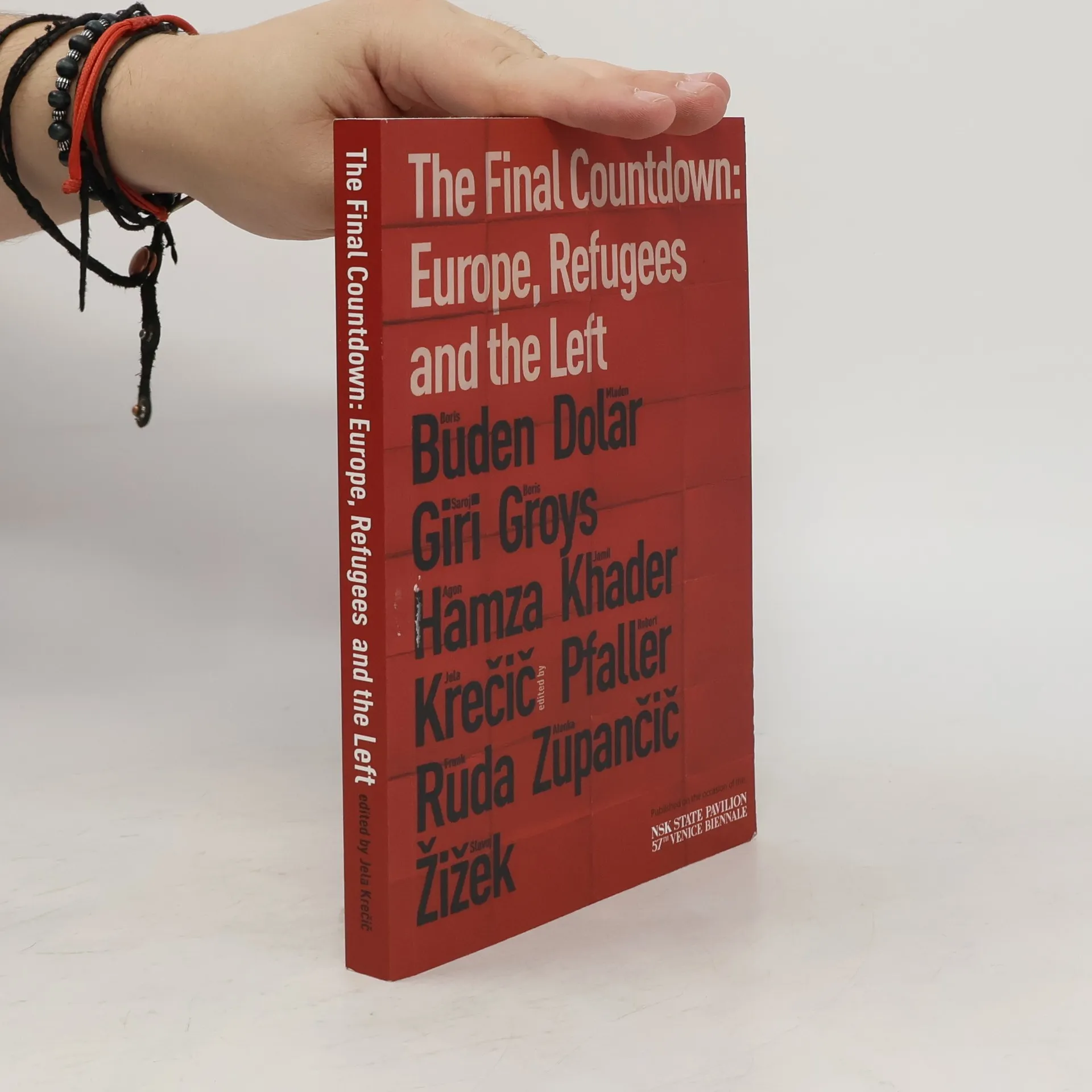
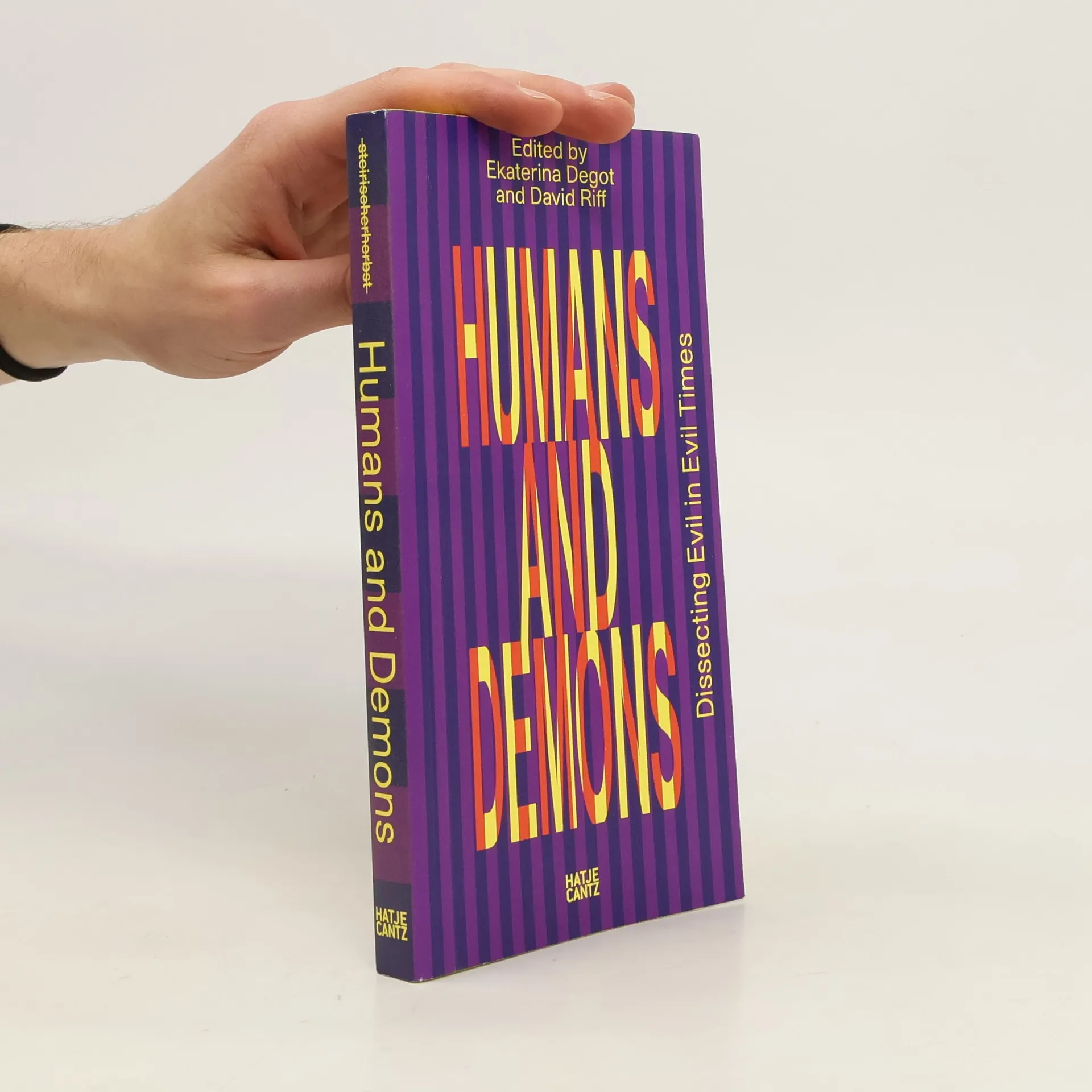
Humans and Demons (Catalogue)
Humans and Demons: Dissecting Evil in Evil Times
steirischer herbst '23 (Reader)
- 192 páginas
- 7 horas de lectura
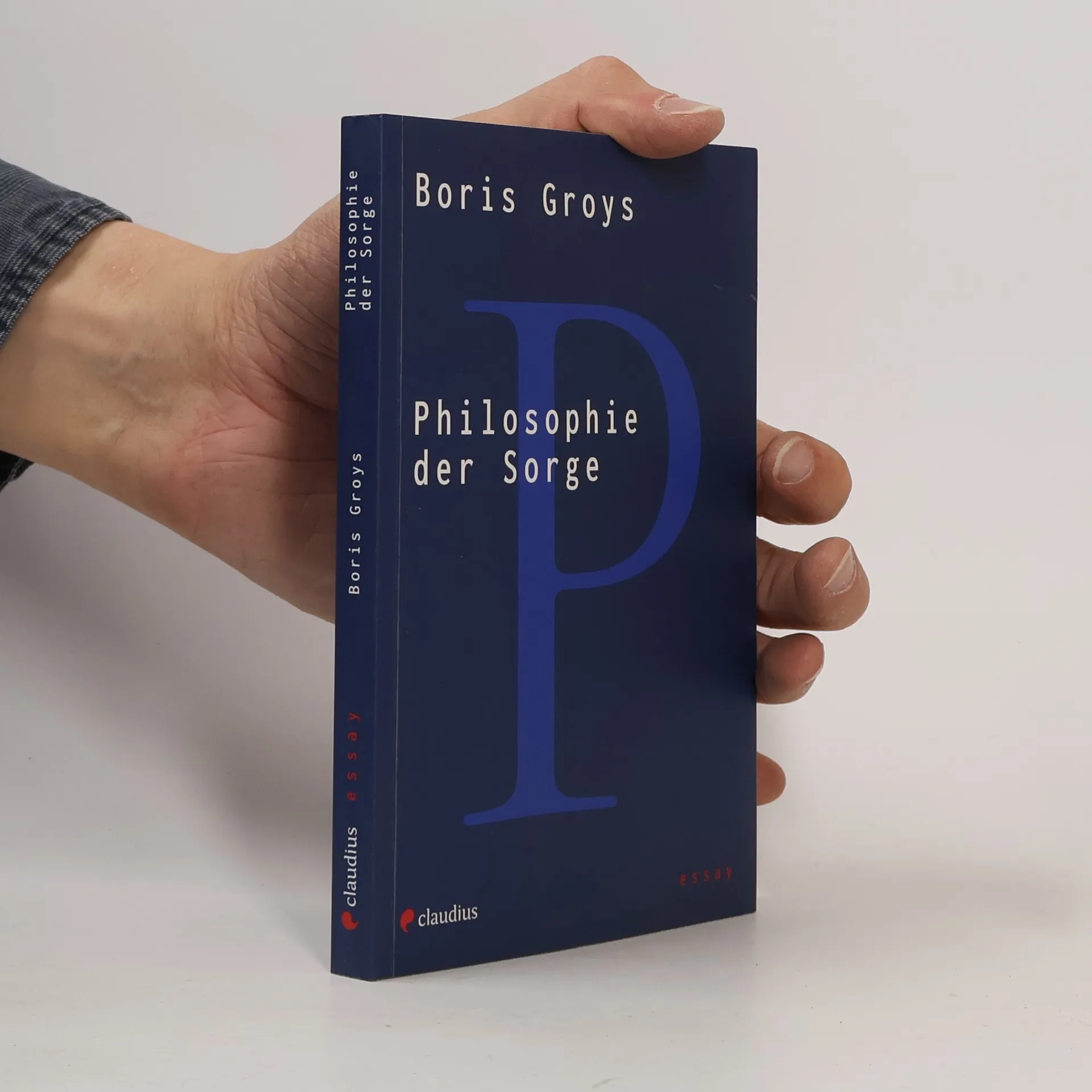
Zur menschlichen Existenz gehört elementar die Sorge. Sie besitzt vielerlei Formen: Fürsorge, Selbstsorge, Pflege oder medizinische Vorsorge. Spätestens mit der Pandemie wurde klar, dass der Körper nicht mehr Privatbesitz des Subjekts ist. Stattdessen wurde das leibliche Wohl beinahe vollständig sozialisiert, bürokratisiert und politisiert. Das Ich scheint die Selbstbestimmung an ein Gesundheits-System abgetreten zu haben. Der Philosoph Boris Groys lotet in seinem neuen Buch aus, ob und wie diese Autonomie wieder zurückgewonnen werden kann.
Retracing the philosophical discussions around care
Contemporary art, as well as our society in general, is?according to the diagnosis of the interdisciplinary art festival steirischer herbst '21?in a dead end. The Way Out of ... features texts by international contributors to the festival's discussion program that outlines ways out of the White Cube, failed political art and an unrestrained digital capitalism, and shows new paths for climate justice, a more critical race theory and new activists. Accessible and pointily written, this reader offers rich food for thought on the multiple crises of our times.00Every year for a month, STEIRISCHER HERBST, the oldest interdisciplinary festival of contemporary art in Europe, turns the city of Graz and the province of Styria in Austria into a parcours of installative and performative works. Since 1968, the festival has offered a platform for public debates, critical positions, and dialogues between the arts.
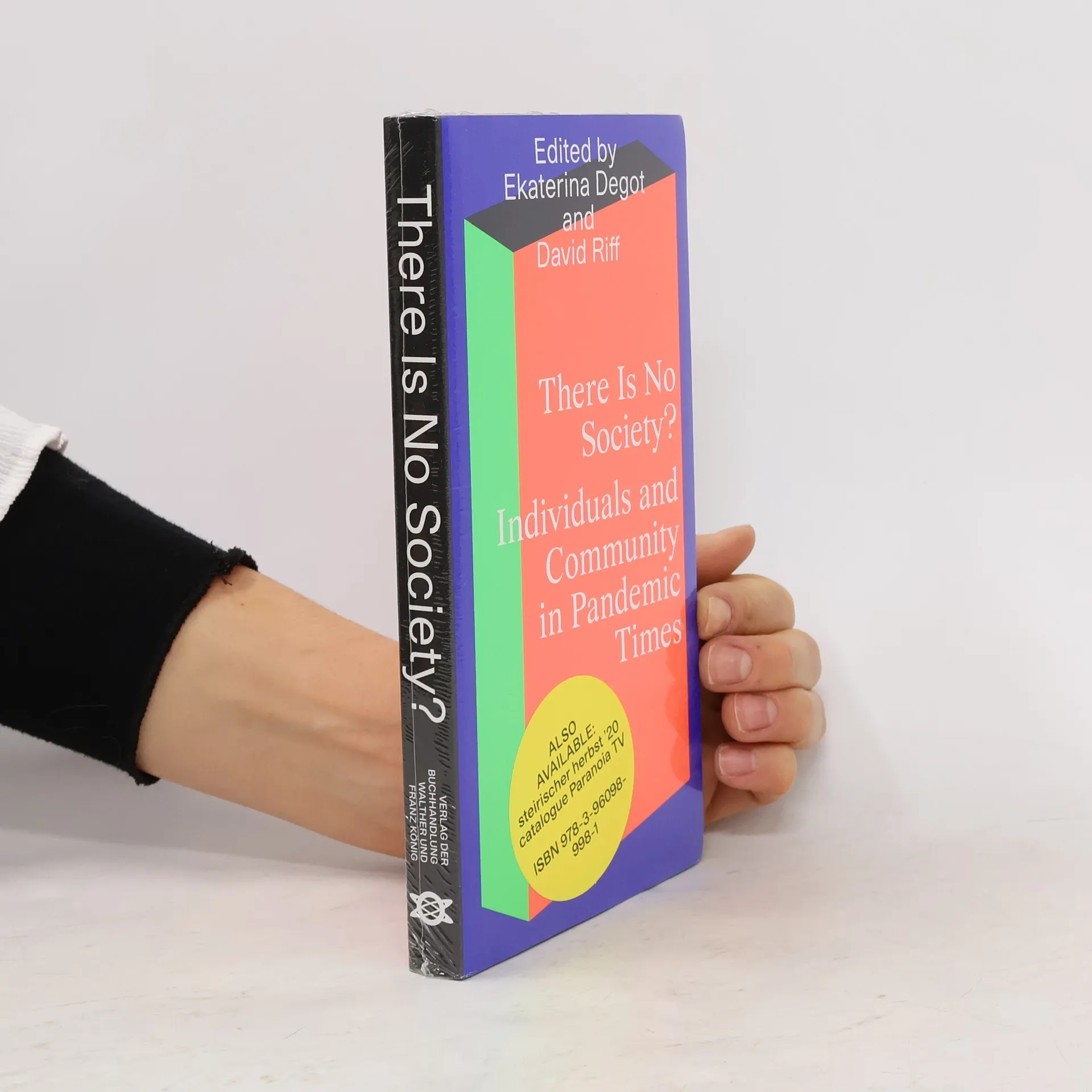
There Is No Society? Individuals and Community in Pandemic Times
- 216 páginas
- 8 horas de lectura
The success of ?social distancing? as a cure-all to the COVID-19 pandemic proves that neoliberalism has created an insurmountable distance to the very notion of society itself. This rejection is best embodied in Margaret Thatcher?s infamous dictum ?There is no society,? which supplies the title of this anthology, with a crucial question mark added. How can we deal with the paradoxical mix of solitude and imposed togetherness that the pandemic entails? How can culture and critical discourse even continue when public0space has been shut down upon the advice of epidemiologists? How do we grasp the new political constellations arising today? Such are the questions tackled by the authors of this anthology, based on the discussion program of the Paranoia TV edition of the steirischer herbst festival.00Exhibition: steirischer herbst ?20?Paranoia TV, Graz, Austria (2020).
steirischer herbst '19
- 173 páginas
- 7 horas de lectura
A grand hotel on the edge of the abyss? The phrase that provided the title and the agenda for steirischer herbst '19-Grand Hotel Abyss came from the pen of the philosopher Georg Lukacs. In the early 1930's he used this striking metaphor to describe the attitude of the European intellectual and cultural scene who continued to party in an uninhibited, hedonistic manner, despite the looming rise of fascism. Doomsday scenarios viewed from a snug sofa, along with the culinary and cultural comfort zones known as "Genusshauptstadte" (pleasure capitals), demonstrate that the apocalypse can be shaped in a thoroughly pleasant and exciting manner today. This reader, accompanying the 52nd edition of the steirischer herbst, tracks these observations and explores the actual relevance of this historical context, as well as the significance of critical artistic attitudes, in essays, artists' texts, and numerous illustrations.0 Every year for a month, steirischer herbst, the oldest interdisciplinary festival of contemporary art in Europe, turns the city of Graz and the province of Styria in Austria into a parcours of installative and performative works. Since 1968, the festival has offered a platform for public debates, critical positions, and dialogues between the arts.00Exhibition: City of Graz, Austria (19.09.-13.10.2019)
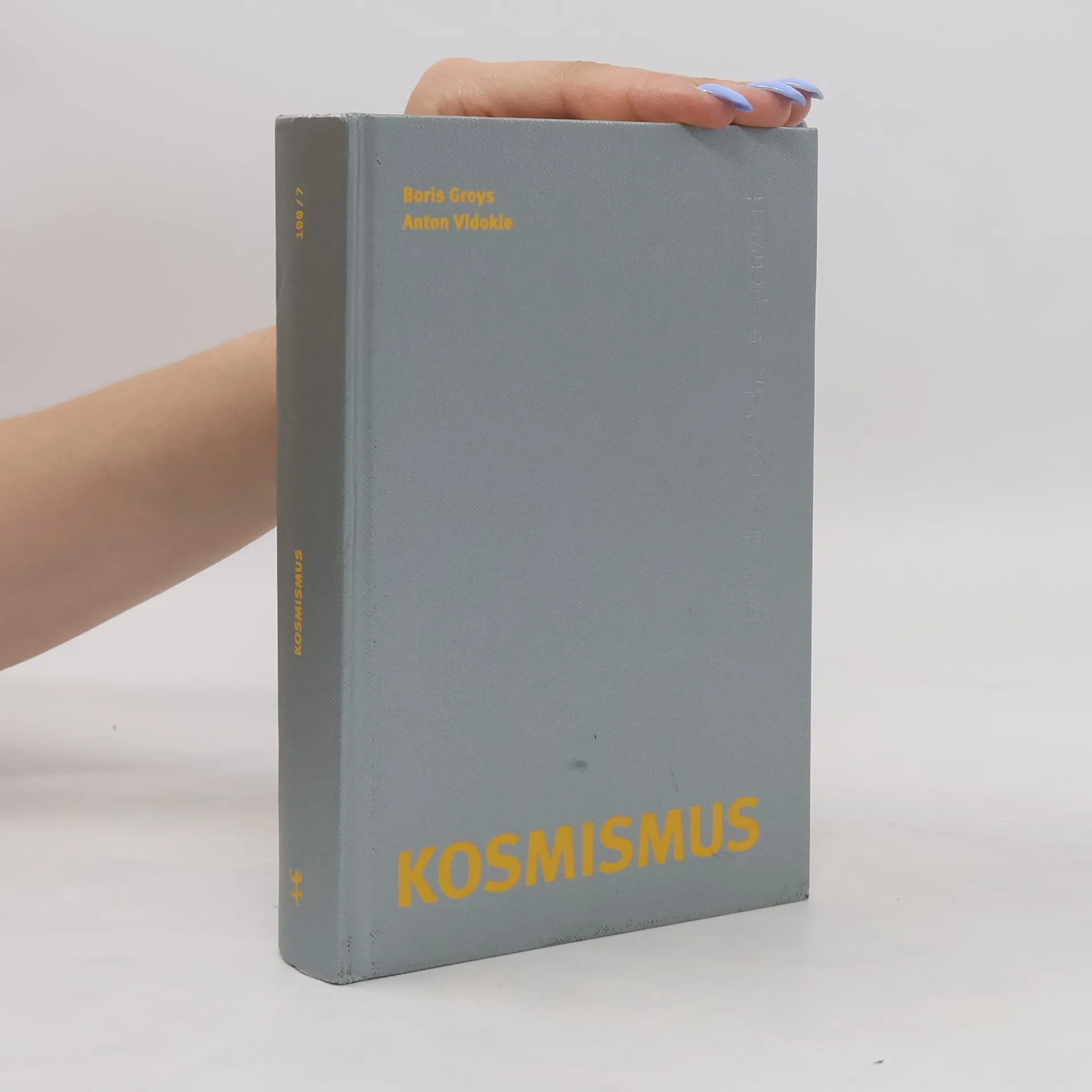
Im späten 19. und frühen 20. Jahrhundert verfolgten die russischen Denker und Denkerinnen des Kosmismus das Ziel, die Menschen durch Technologie unsterblich zu machen. Auf diese Weise sollte das christliche Versprechen der Wiederauferstehung im Hier und Jetzt eingelöst werden. Eine zentrale Rolle spielten bei diesem Unterfangen die Künste, die aufgrund ihrer Fähigkeit Dinge zu verewigen, als den Naturwissenschaften und der Medizin ebenbürtig angesehen wurden. Ausgehend vom historischen Kosmismus nimmt der Band angesichts neuer philosophischer Strömungen wie Spekulativer Realismus, Neuer Materialismus sowie Transhumanismus den Materialismus als zentralen Denkmodus des 20. Jahrhunderts in den Blick. Auf den Spuren aufeinanderfolgender Generationen von Künstler*innen, die seit der historischen Avantgarde vom Kosmismus geprägt wurden, wird dessen utopisches Potenzial erkundet.
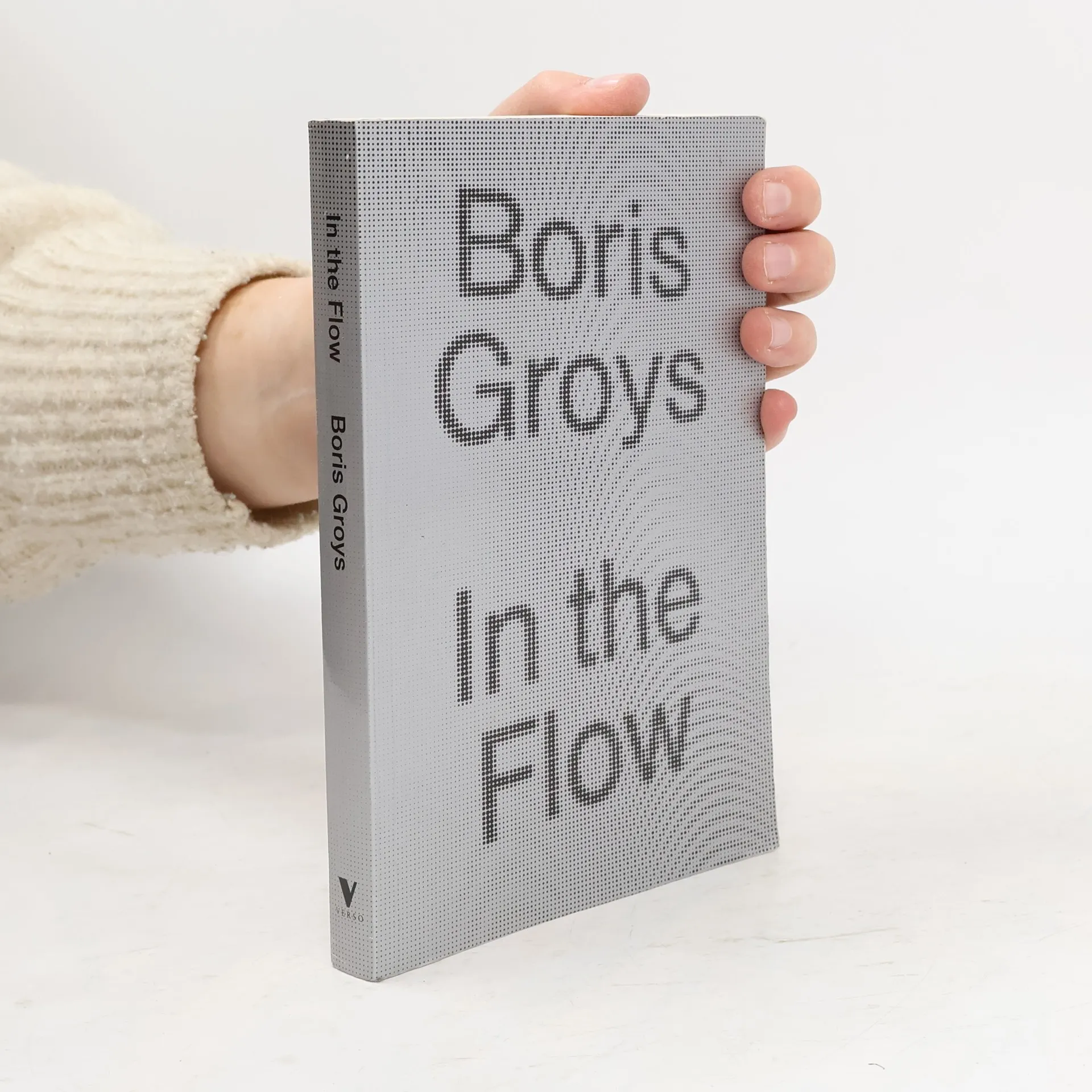
In the Flow
- 208 páginas
- 8 horas de lectura
The leading art theorist takes on art in the age of the Internet In the early twentieth century, art and its institutions came under critique from a new democratic and egalitarian spirit. The notion of works of art as sacred objects was decried and subsequently they would be understood merely as things. This meant an attack on realism, as well as on the traditional preservative mission of the museum. Acclaimed art theorist Boris Groys argues this led to the development of -direct realism- an art that would not produce objects, but practices (from performance art to relational aesthetics) that would not survive. But for more than a century now, every advance in this direction has been quickly followed by new means of preserving art's distinction. In this major new work, Groys charts the paradoxes produced by this tension, and explores art in the age of the thingless medium, the Internet. Groys claims that if the techniques of mechanical reproduction gave us objects without aura, digital production generates aura without objects, transforming all its materials into vanishing markers of the transitory present.
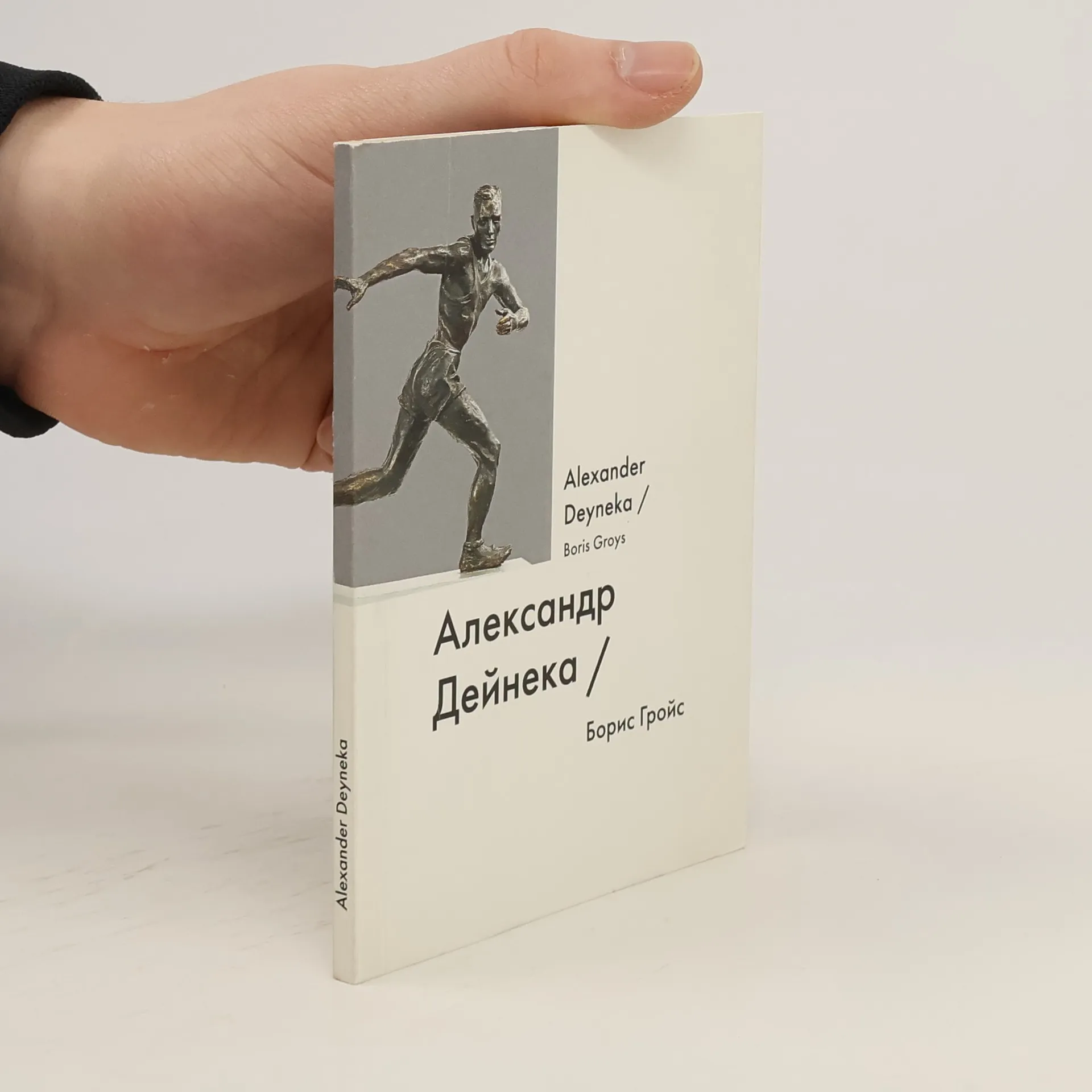
Александр Дейнека
- 62 páginas
- 3 horas de lectura
This book-album includes the article by Boris Grois "Alexander Deyneka" and features 10 color illustrations.
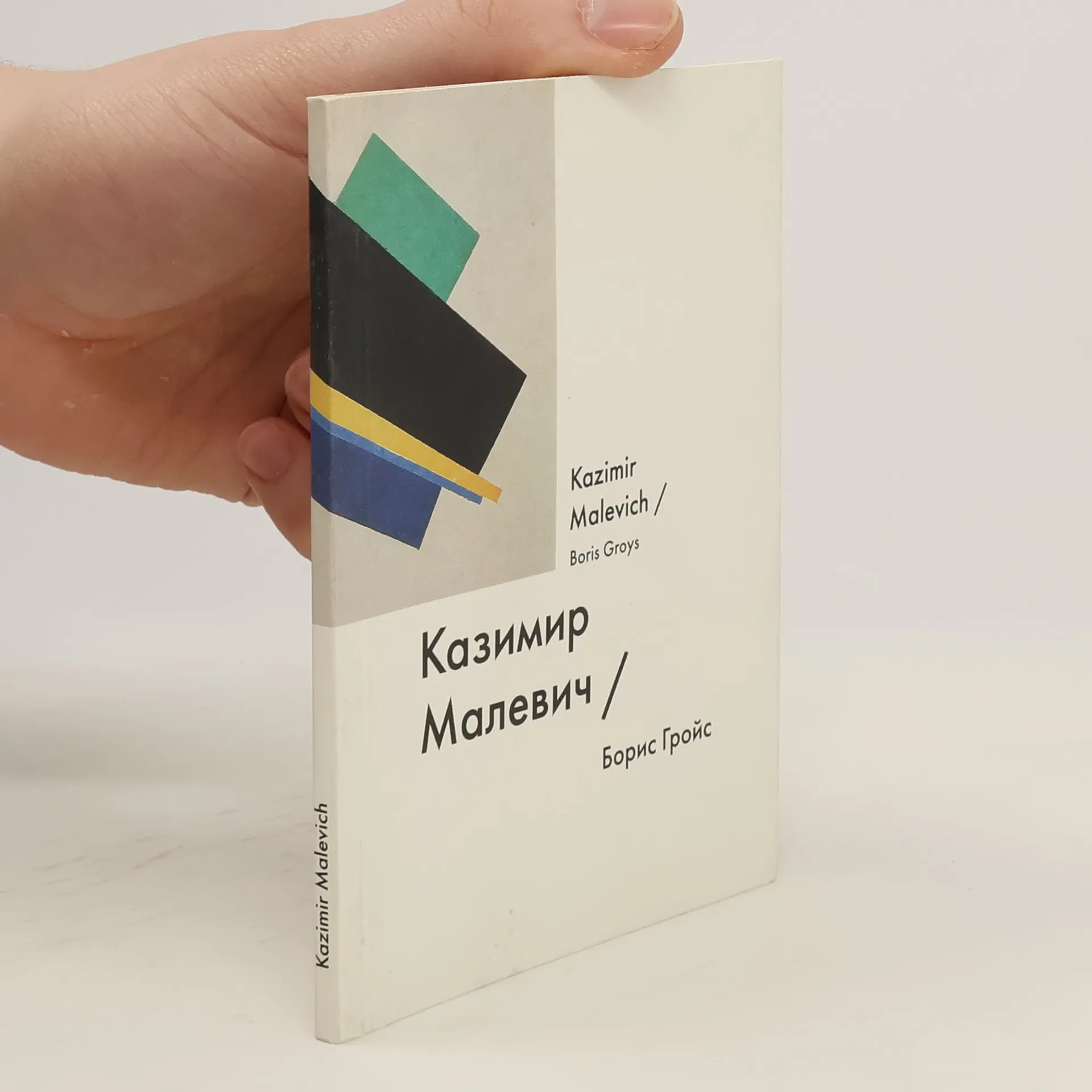
Kazimir Malevič
- 46 páginas
- 2 horas de lectura
The book series "Names" aims to form a canon of perception of contemporary Russian art in the context of 20th-century art. The authors of the series will include leading Russian and Western specialists in Russian art. The series will publish portrait-essays of contemporary Russian artists, artists of the Russian avant-garde, representatives of "unofficial" art from the Soviet period, and artists of official Soviet art (focusing on their lesser-known works), as well as books dedicated to artistic projects (graphics, photography, installations) by Russian architects, designers, and film and theater directors of the 20th century. The series is also expected to include books dedicated to artistic groups and associations and important artistic events.
Introduction to antiphilosophy
- 272 páginas
- 10 horas de lectura
Philosophy is traditionally understood as the search for universal truths, and philosophers are supposed to transmit those truths beyond the limits of their own culture. But, today, we have become sceptical about the ability of an individual philosopher to engage in ‘universal thinking’, so philosophy seems to capitulate in the face of cultural relativism. In Introduction to Antiphilosophy, Boris Groys argues that modern ‘antiphilosophy’ does not pursue the universality of thought as its goal but proposes in its place the universality of life, material forces, social practices, passions, and experiences – angst, vitality, ecstasy, the gift, revolution, laughter or ‘profane illumination’ – and he analyses this shift from thought to life and action in the work of thinkers from Kierkegaard to Derrida, from Nietzsche to Benjamin. Ranging across the history of modern thought, Introduction to Antiphilosophy endeavours to liberate philosophy from the stereotypes that hinder its development.
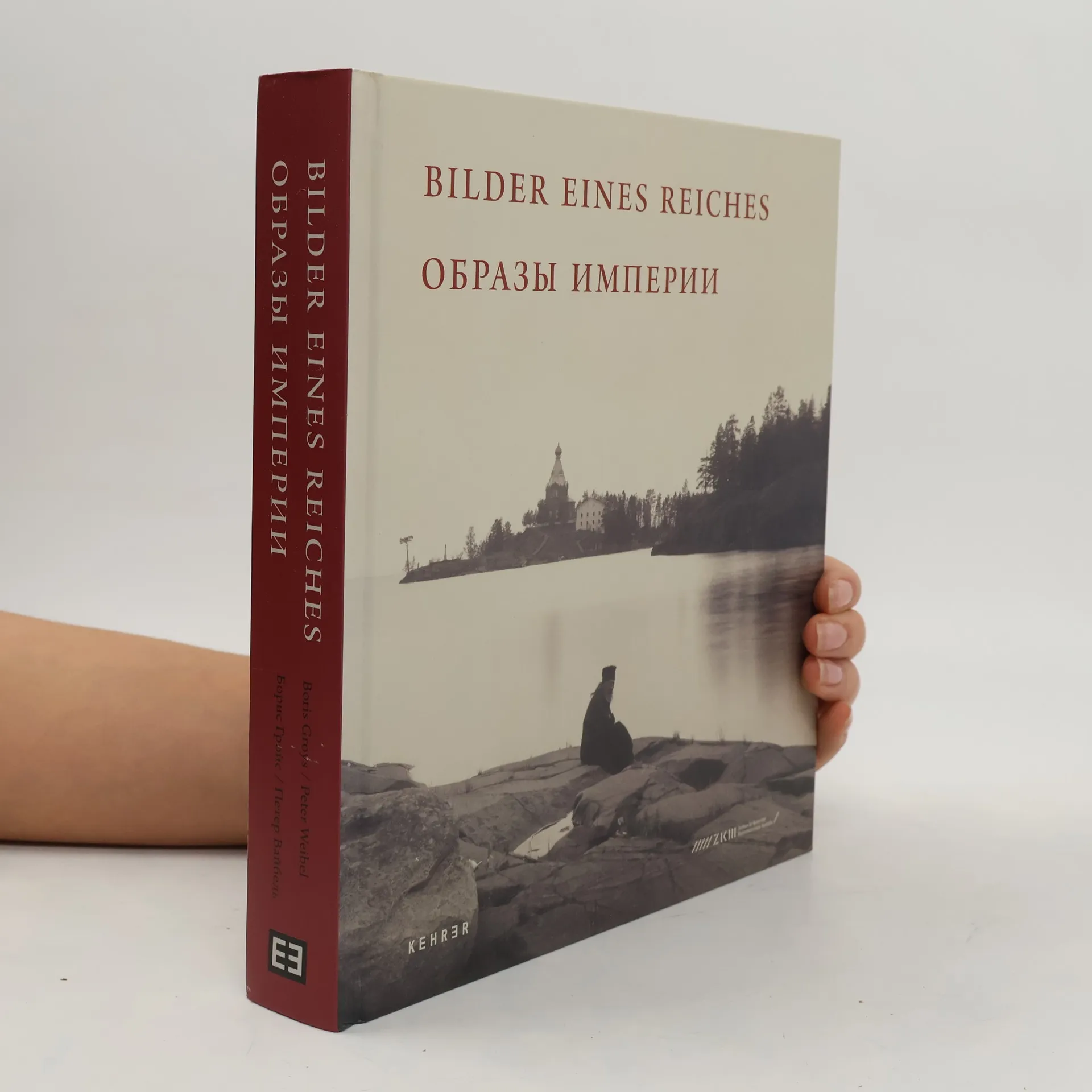
Bilder eines Reiches
- 397 páginas
- 14 horas de lectura
Der vorliegende Band präsentiert bislang unveröffentlichtes Bildmaterial, das auf eindrückliche Weise das Leben im russischen Reich im 19. Jahrhundert dokumentiert. Im Auftrag des Zaren versuchten Fotografen in den 1860er- und 1870er-Jahren, das für die damalige Zeit neue Medium Fotografie zur systematischen Dokumentation unterschiedlicher Facetten des Lebens im gesamten russischen Reich zu nutzen: verschiedene Bevölke rungsschichten, Völker, Landschaften, Städte, industrielle Projekte, traditionelle Bräuche, Kriegsereignisse und Gefängnisse.?? Da Fotografie meist im privaten oder kommerziellen Rahmen verwendet wurde, stellen diese Bilder einen interessanten sozialgeschichtlichen Sonderfall dar, und in gewisser Weise fungieren sie auch als visuelle Fortschreibungen der russischen realistischen Literatur der damaligen Zeit. Obwohl die Doku mentationsprojekte von offiziellen Stellen unterstützt wurden, werfen die Bilder einen realistischen, illusionslosen Blick auf das vorrevolutionäre Russland. Das Buch versammelt erstmals mehr als 300 Fotos von fünf russischen Museen und zwei privaten Leihgebern und erschließt dadurch eine immer noch wenig bekannte Epoche in der Entwicklung des Mediums Fotografie.
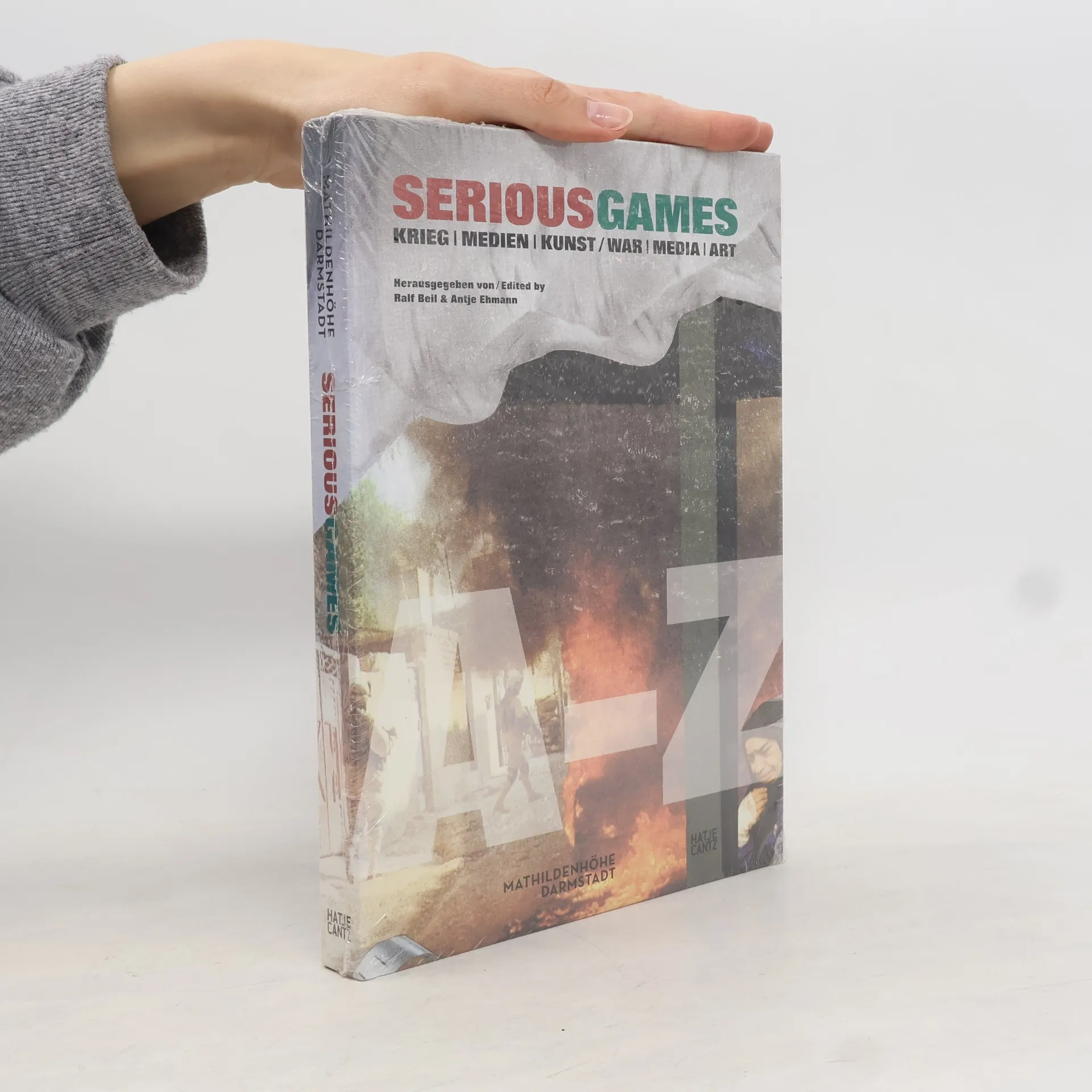
Serious Games - Zur Ausstellung in der Mathildenhöhe Darmstadt, 2011. Dtsch.-Engl.
- 207 páginas
- 8 horas de lectura
Im Irak-Krieg 1992 fiel die Kriegsführung mit der Berichterstattung zusammen: Das zivile Fernsehen zeigte Bilder, die kurz zuvor noch auf militärischen Kontroll-Monitoren zu sehen waren. Mittlerweile liefern Dienststellen der US-Armee komplette Datensätze für Computerspiele. Virtuelle Wüstenlandschaften mit Betonpisten und Strommasten prägen heute die Fantasie von Kindern und Jugendlichen wie früher einmal die Tunnel und Bergdörfer von Spielzeugeisenbahnen. Das lexikalisch aufgebaute Kompendium untersucht die permanente Umwandlung von Kriegsbildern zu Unterhaltungsbildern und damit die Militarisierung der Imagination. Es geht darum, welche Bilder Kriege erzeugen und wie diese in der Kunst der Gegenwart aufgegriffen und gespiegelt werden. Beleuchtet wird diese Frage anhand von Fotografien, Videos, Computerspielen, Gemälden und Rauminstallationen, unter anderem von Peggy Ahwesh, Oliver van den Berg, Kota Ezawa, Harun Farocki, Jean-Luc Godard, Richard Hamilton, Walid Raad, Martha Rosler, Allan Sekula und Hito Steyerl. Ausstellung: Mathildenhöhe Darmstadt 27.3.–24.7.2011
Die Vernunft an die Macht
- 109 páginas
- 4 horas de lectura
Mit dem Kommunismus ist ein politisches Modell gescheitert, das konsequent auf die vernünftige Planung von Wirtschaft und Gesellschaft setzte. Die Jahrzehnte währenden Erfahrungen mit dieser 'Vernunft an der Macht' haben das Vertrauen in die Macht der Vernunft ein weiteres Mal erschüttert. Allerdings ist mittlerweile deutlich geworden, dass der Rückzug staatlichen Einflusses und der Verzicht auf rationale Planung einem destruktiven Spiel der Marktkräfte und postdemokratischen Tendenzen die Bühne überlassen. Mit Boris Groys und Vittorio Hösle trafen in der HfG Karlsruhe zwei Philosophen aufeinander, die in ihrer Gegensätzlichkeit und gleichzeitigen Nähe ideale Protagonisten der vom ICI Berlin organisierten Reihe 'Spannungsübungen' waren. Ausgehend von der politischen Situation der Gegenwart entwickelte sich eine grundsätzliche Debatte über Macht und Ohnmacht der Vernunft in der Moderne. Das in zauberbergartiger Eleganz ausgetragene Streitgespräch verliert auch in der gedruckten Form nichts von seiner Faszination.
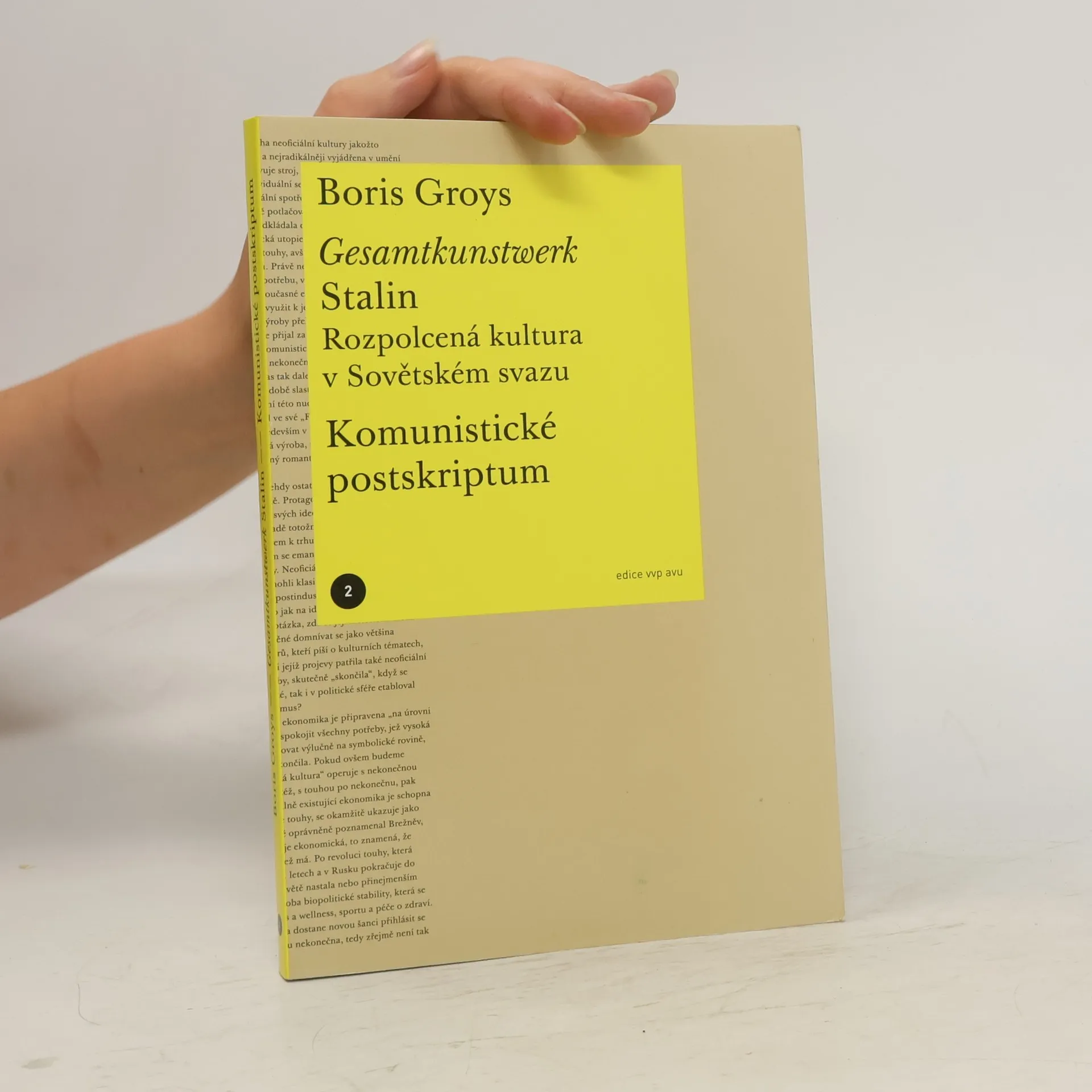
Gesamtkunstwerk Stalin / Komunistické postskriptum
- 189 páginas
- 7 horas de lectura
Druhý svazek Edice VVP AVU seznamuje českého čtenáře v knižní podobě poprvé s myšlením významného filosofa a teoretika umění ruského původu Borise Groyse (*1947). Publikace zahrnuje překlady dvou studií (Gesamtkunstwerk Stalin, 1988; Komunistické postskriptum, 2005), které z různých perspektiv filosoficky interpretují historický fenomén sovětského komunismu.
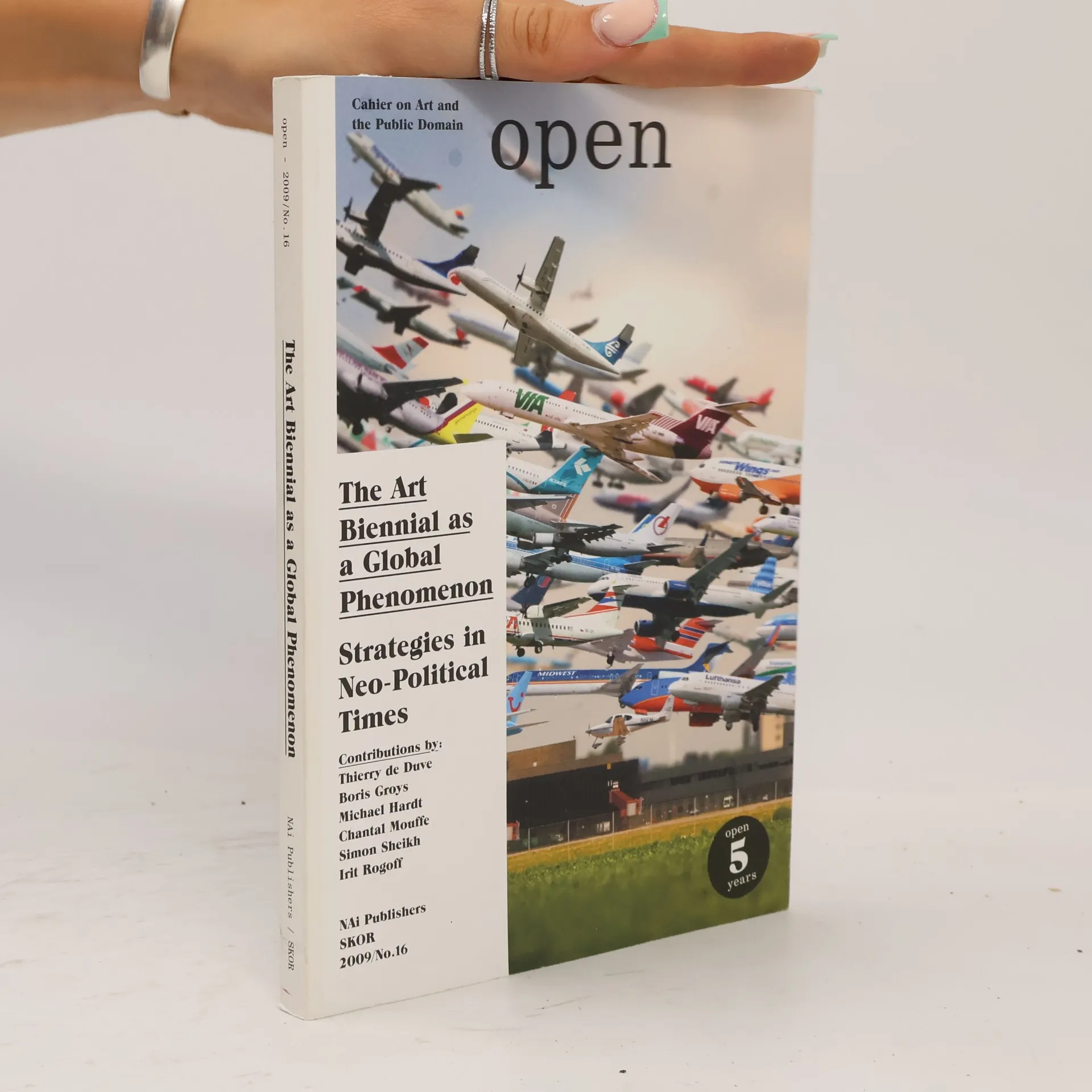
This year, Open celebrates its fifth anniversary with this extra edition, which addresses the role of the art biennial in city marketing. Open 16 is published concurrently with the first Brussels Biennial.
Mind the Park
- 144 páginas
- 6 horas de lectura
MIND THE PARK Planungsräume /// Nutzersichten /// Kunstvorfälle MIND THE PARK thematisiert die Zusammenhänge von Planung, Verwaltung, Kreativität und öffentlichen Grünflächen. Die Künstlerinnen Anna Grunemann, Andrea V. Lüdinghausen, Christiane Oppermann, Margit Schild und an Seebach stellten dabei als Ausgangspunkt ihrer künstlerischen Forschung Fragen nach den Menschen, die als Mitarbeiter einer Verwaltung städtische Gartenanlagen konzipieren und umsetzen, nach deren alltäglichen Arbeitsstrukturen, professionellen Routinen und persönlichen Möglichkeiten, urbanen Raum und Stadtgesellschaft zu prägen.
Nina Fischer & Maroan El Sani, Blind Spots
- 200 páginas
- 7 horas de lectura
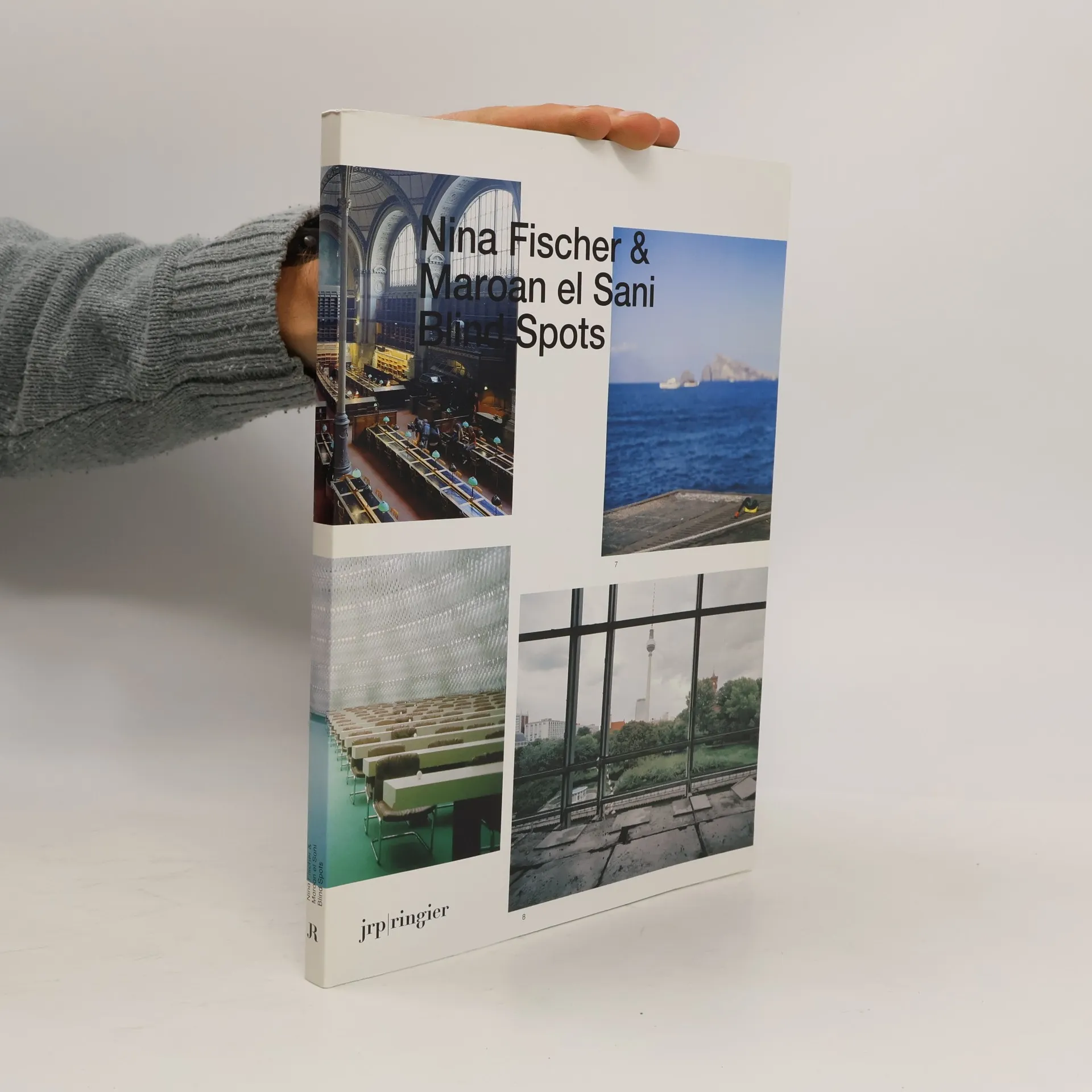
This publication presents the first comprehensive overview of the work of the German artist duo Fischer/el Sani, who since 1999 have regularly exhibited in biennials, museums, and art venues all over the world. The book features nine of their most ambitious projects so far: films, installations, and photographic works that focus on the dismantling, re-allocation, or re-appropriation of once highly idealistic modernist architecture, and the implications of such changes. These buildings include the former German Palace of the Republic of East Berlin, the former National Library in Paris, and a brand new office tower in Amsterdam. All the included works are lavishly illustrated and discussed in depth by various renowned writers, curators, and experts (Gabriele Knapstein, Jelle Bouwhuis, Jeroen Boomgaard, Hou Hanru, Nicolas Trembley, Marc Glöde, Boris Groys, Krystian Woznicki, Jennifer Allen, Nada Beros, Anthony Bond, Janneke de Vries). Designed by Mevis & Van Deursen. * * Published with the Stedelijk Museum Bureau Amsterdam (SMBA), Yamaguchi Center for Arts and Media (YCAM), and Galerie Eigen+Art.
Art Power
- 224 páginas
- 8 horas de lectura
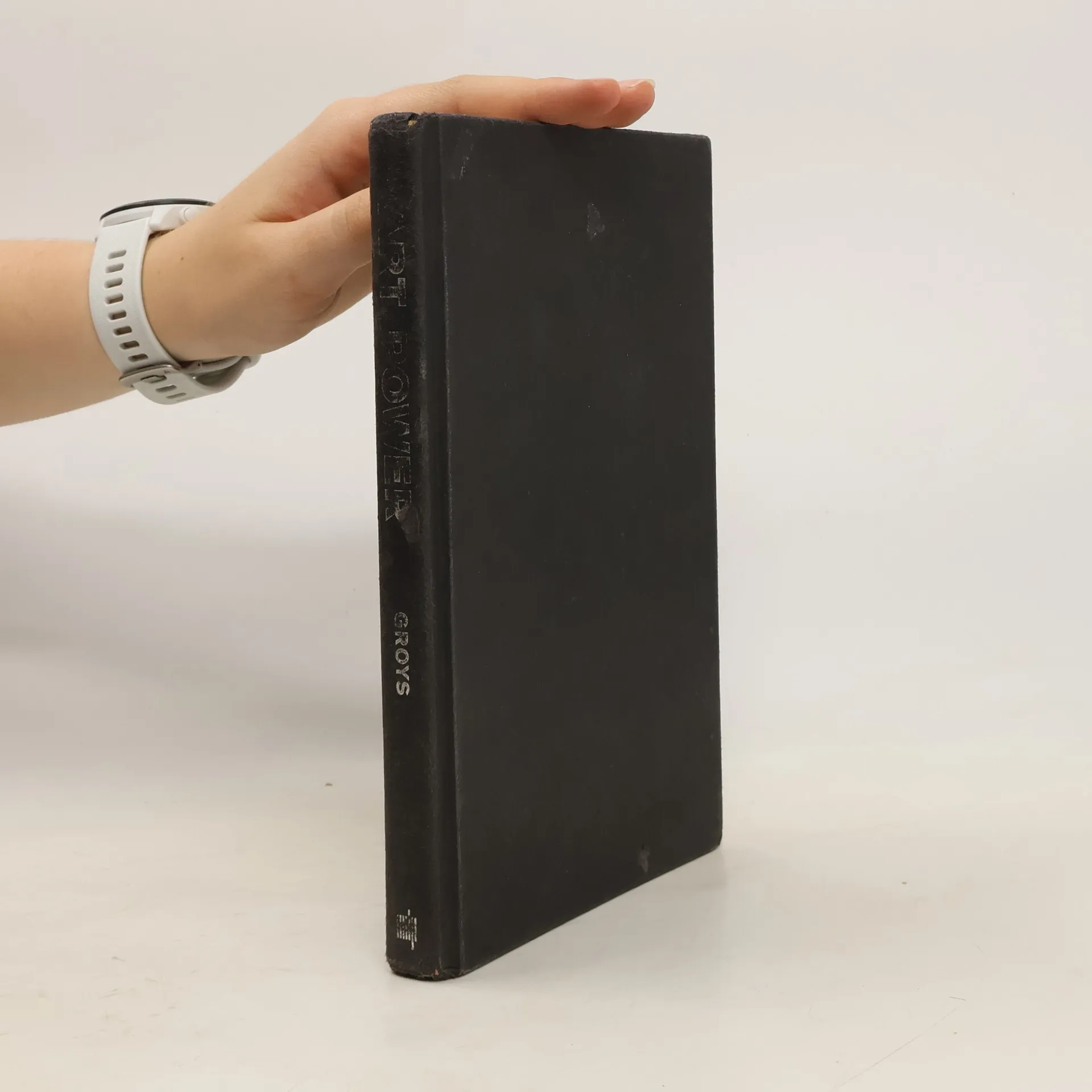
Art has its own power in the world, and is as much a force in the power play of global politics today as it once was in the arena of cold war politics. Art, argues the distinguished theoretician Boris Groys, is hardly a powerless commodity subject to the art market's fiats of inclusion and exclusion. In Art Power , Groys examines modern and contemporary art according to its ideological function. Art, Groys writes, is produced and brought before the public in two ways -- as a commodity and as a tool of political propaganda. In the contemporary art scene, very little attention is paid to the latter function. Arguing for the inclusion of politically motivated art in contemporary art discourse, Groys considers art produced under totalitarianism, Socialism, and post-Communism. He also considers today's mainstream Western art -- which he finds behaving more and more according the norms of ideological produced and exhibited for the masses at international exhibitions, biennials, and festivals. Contemporary art, Groys argues, demonstrates its power by appropriating the iconoclastic gestures directed against itself -- by positioning itself simultaneously as an image and as a critique of the image. In Art Power , Groys examines this fundamental appropriation that produces the paradoxical object of the modern artwork.
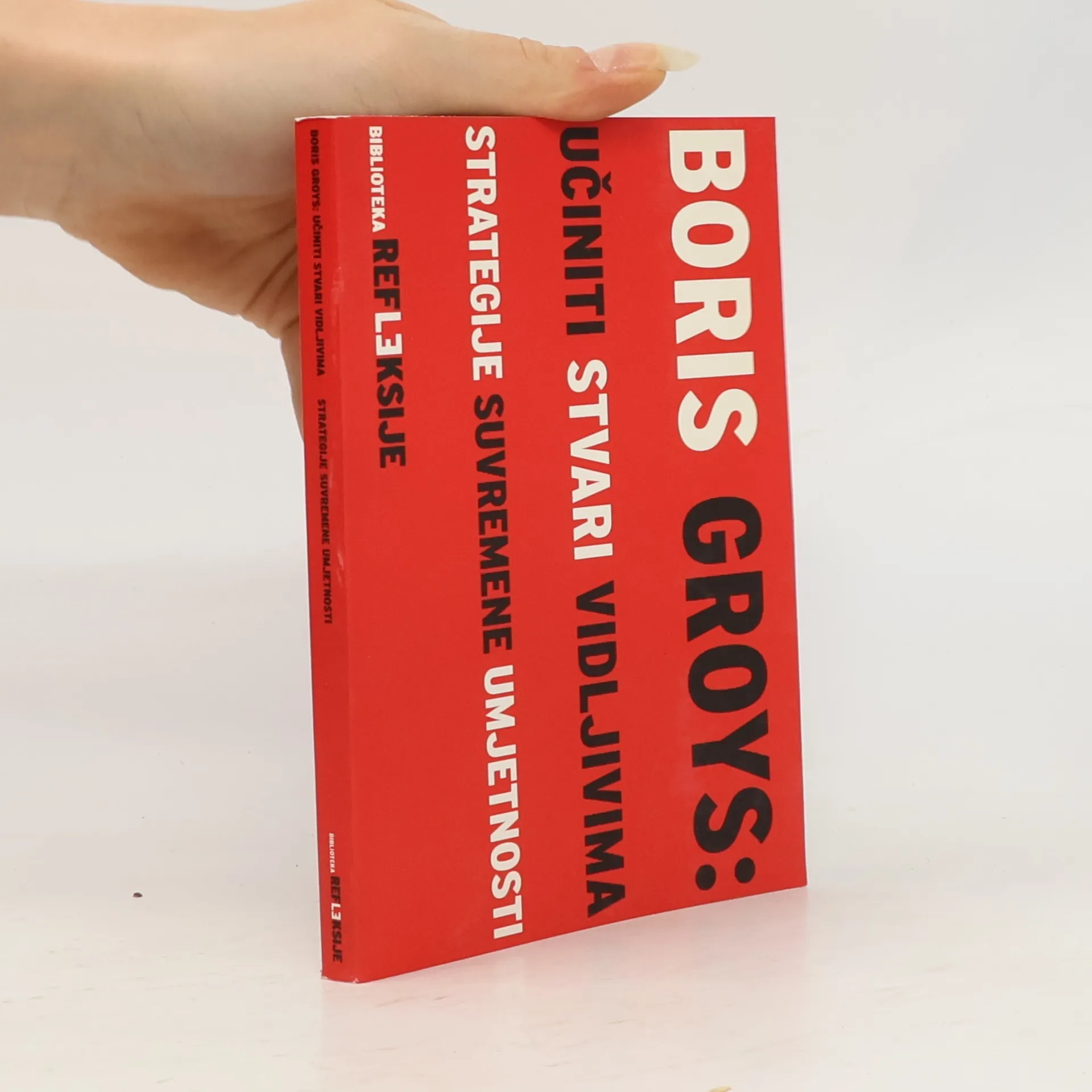
Biblioteka refleksije: Učiniti stvari vidljivima
Strategije suvremene umjetnosti
- 142 páginas
- 5 horas de lectura
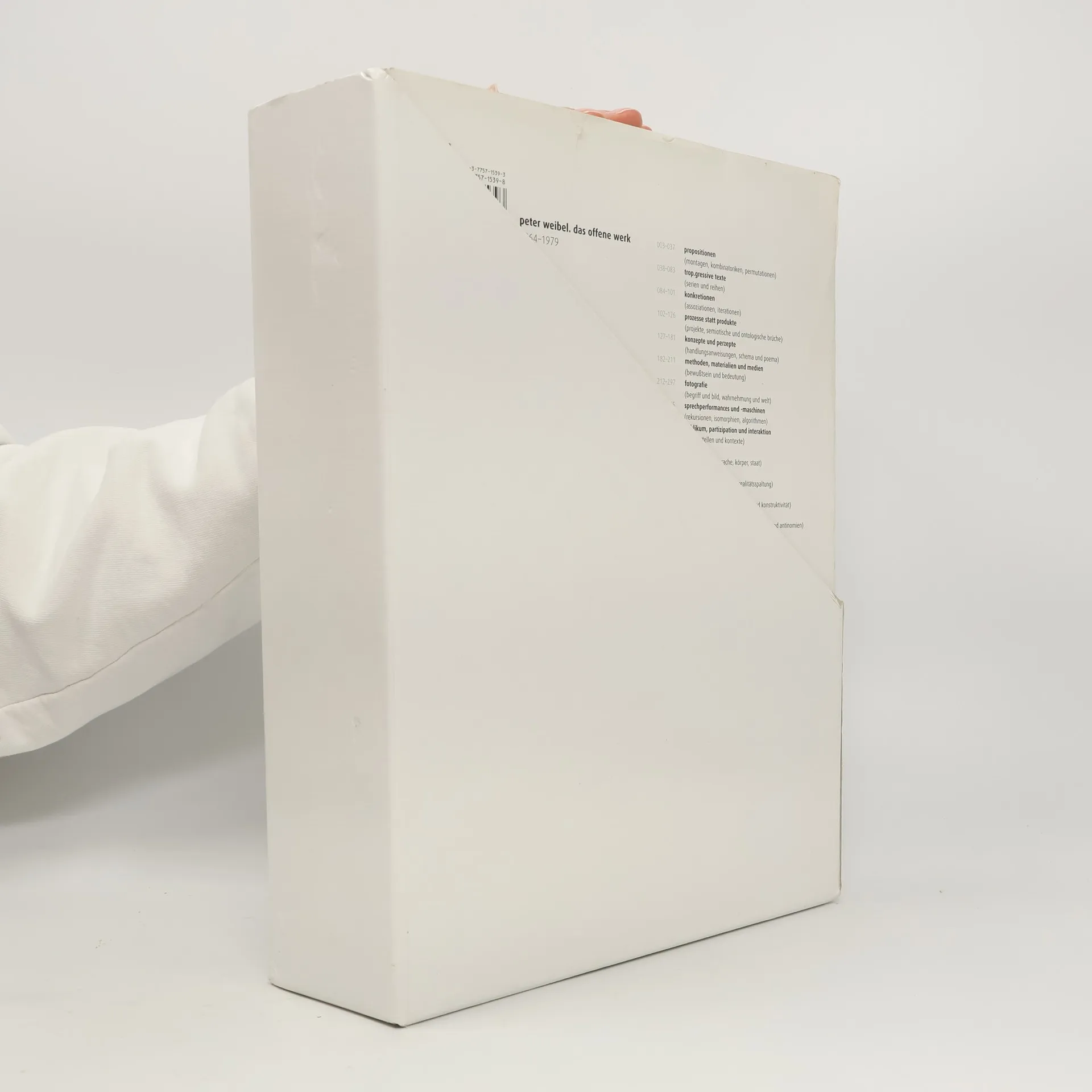
Peter Weibel, das offene Werk
- 912 páginas
- 32 horas de lectura
Die Publikation widmet sich dem Frühwerk des international anerkannten Medien- und Konzeptkünstlers Peter Weibel von 1964 bis 1979. Weibel begann 1964 als visueller Poet und übertrug bald die Strukturen der visuellen Kultur von der Seite auf den Bildschirm, während er das Modell der Sprache als Wahrnehmungsmodell im Sinne strukturalistischer und post-strukturalistischer Methoden beibehielt. Diese Entwicklung antizipierte zahlreiche Tendenzen, die später als Konzeptkunst, Kontextkunst und institutionelle Kritik bezeichnet wurden. Ab 1966 wandte Weibel partizipatorische und interaktive Praktiken an, die in Closed-Circuit-Videoinstallationen der frühen 1970er Jahre und den ersten interaktiven Computerinstallationen 1980 mündeten. Mit Beiträgen renommierter Autoren sowie Kurztexten, Manifesten und Flugblättern von Weibel selbst bietet die Publikation einen instruktiven und umfassenden Einblick in sein einflussreiches Schaffen. Peter Weibel, 1944 in Odessa geboren, ist Künstler, Ausstellungskurator und Kunst- sowie Medientheoretiker. Er studierte Literatur, Film, Mathematik, Medizin und Philosophie in Wien und Paris und hatte Lehraufträge im In- und Ausland. Von 1986 bis 1995 war er künstlerischer Berater der Ars Electronica in Linz. Seit 1993 ist er Chefkurator an der Neuen Galerie Graz und Vorstand des Zentrums für Kunst und Medientechnologie in Karlsruhe.
A provocative essay on the relationship between communism, philosophy and language. Since Plato, philosophers have dreamed of establishing a rational state ruled through the power of language. In this radical and disturbing account of Soviet philosophy, Boris Groys argues that communism shares that dream and is best understood as an attempt to replace financial with linguistic bonds as the cement uniting society. The transformative power of language, the medium of equality, is the key to any new communist revolution.
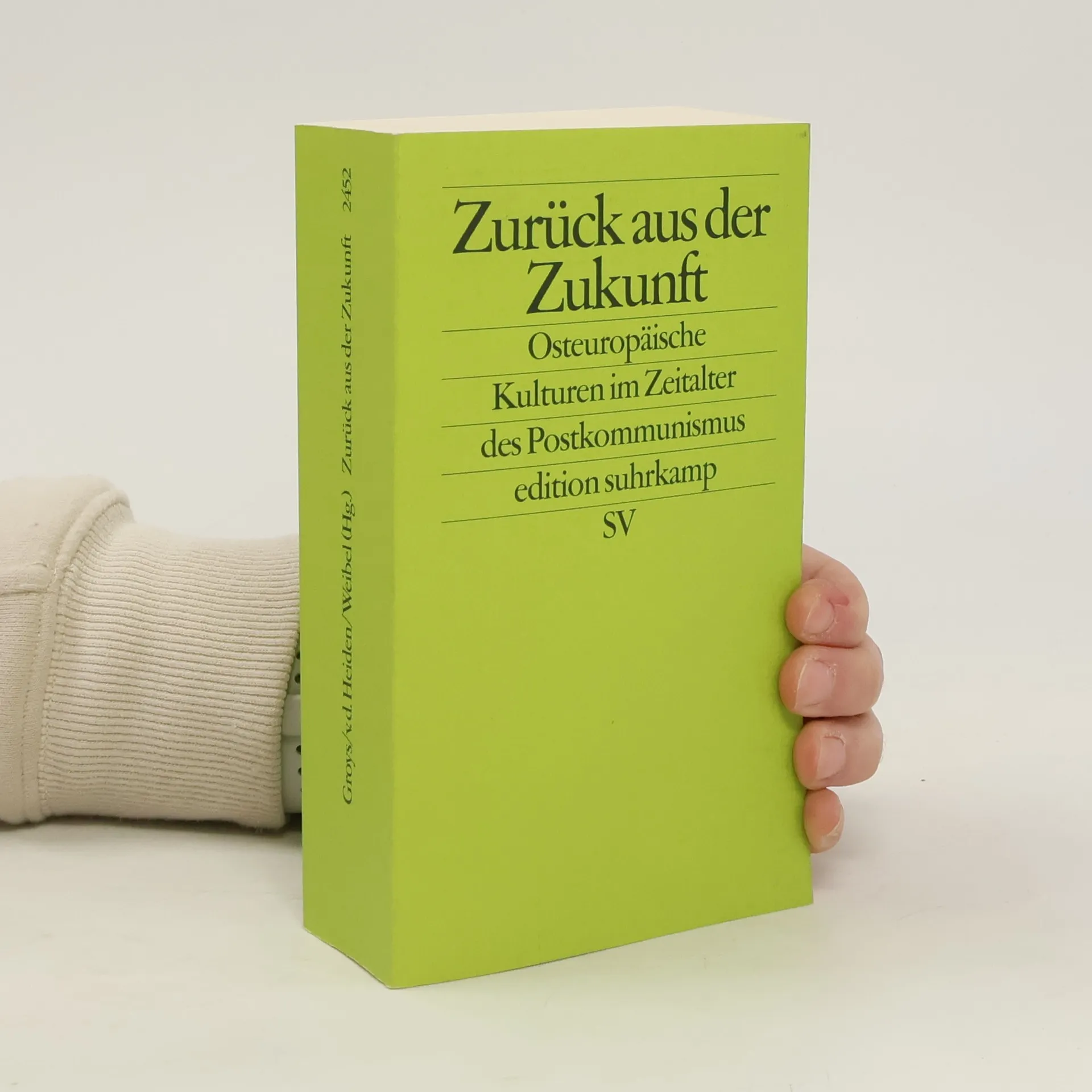
Zurück aus der Zukunft
- 892 páginas
- 32 horas de lectura
Im vorliegenden Band untersuchen Wissenschaftler Formen und Wirkungen des Postkommunismus in fünf Bereichen: in der Theorie der Linken, im neuen Paradigma des "fun", in Berichten aus den nichtrussischen Teilen Osteuropas und in der Kunstszene Russlands. Der fünfte und letzte Bereich zeigt literarische Verarbeitungen des Themas in Erzählungen u.a. von Ingo Schulze, Pavel Pepper tejn und Eduard Limonov.
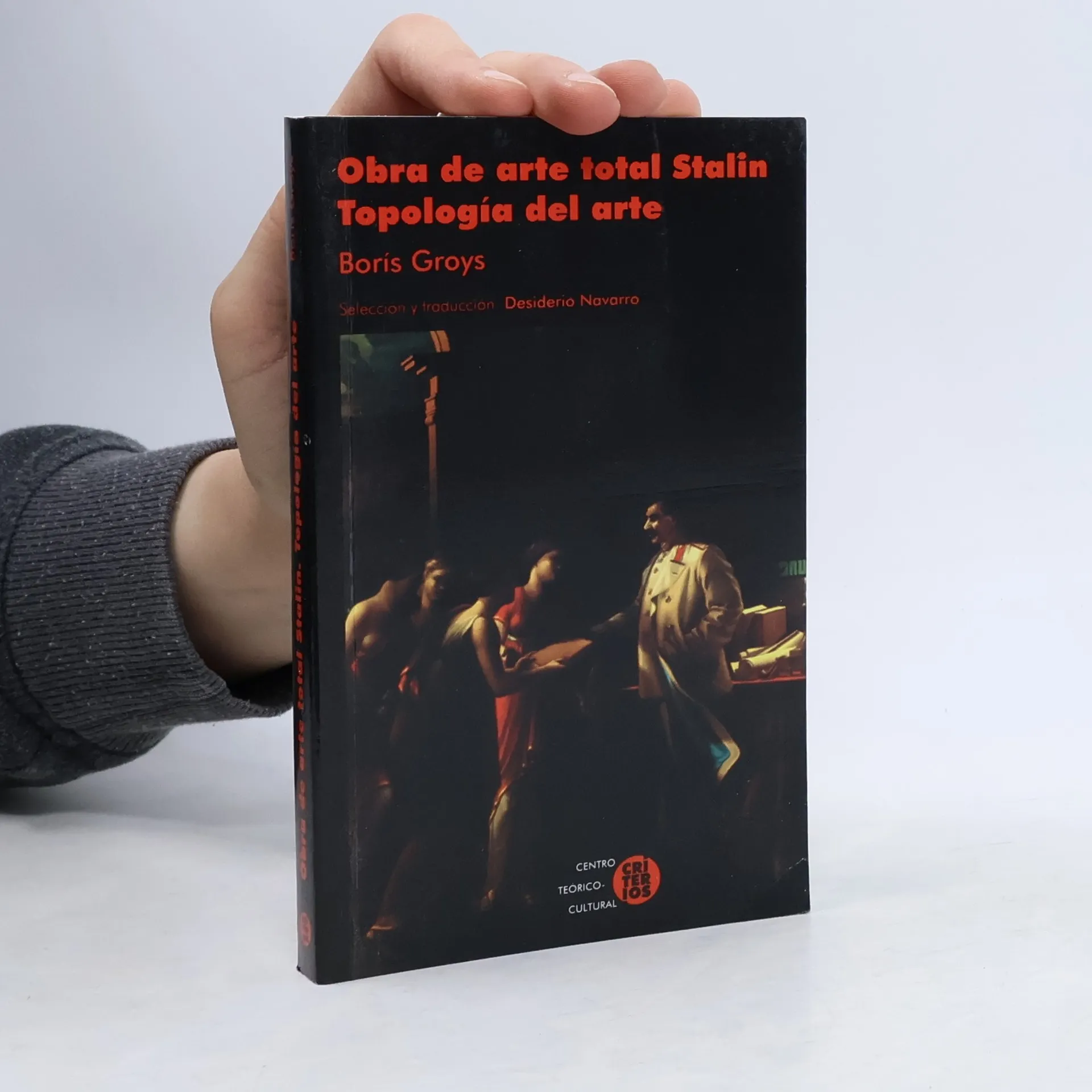
Die technische Reproduzierbarkeit hat eine Verfügbarkeit und Perfektion erreicht, die zu einer neuen Bestimmung des Verhältnisses zwischen dem Raum des Museums und seiner profanen Umgebung zwingt. Daher schlägt Boris Groys eine Topologie der Kunst vor: eine Theorie, nach der das räumliche Verhältnis zwischen Kunstwerk und Betrachter zur zentralen Unterscheidung zwischen der ästhetischen und alltäglichen Wahrnehmung von Bildern wird.
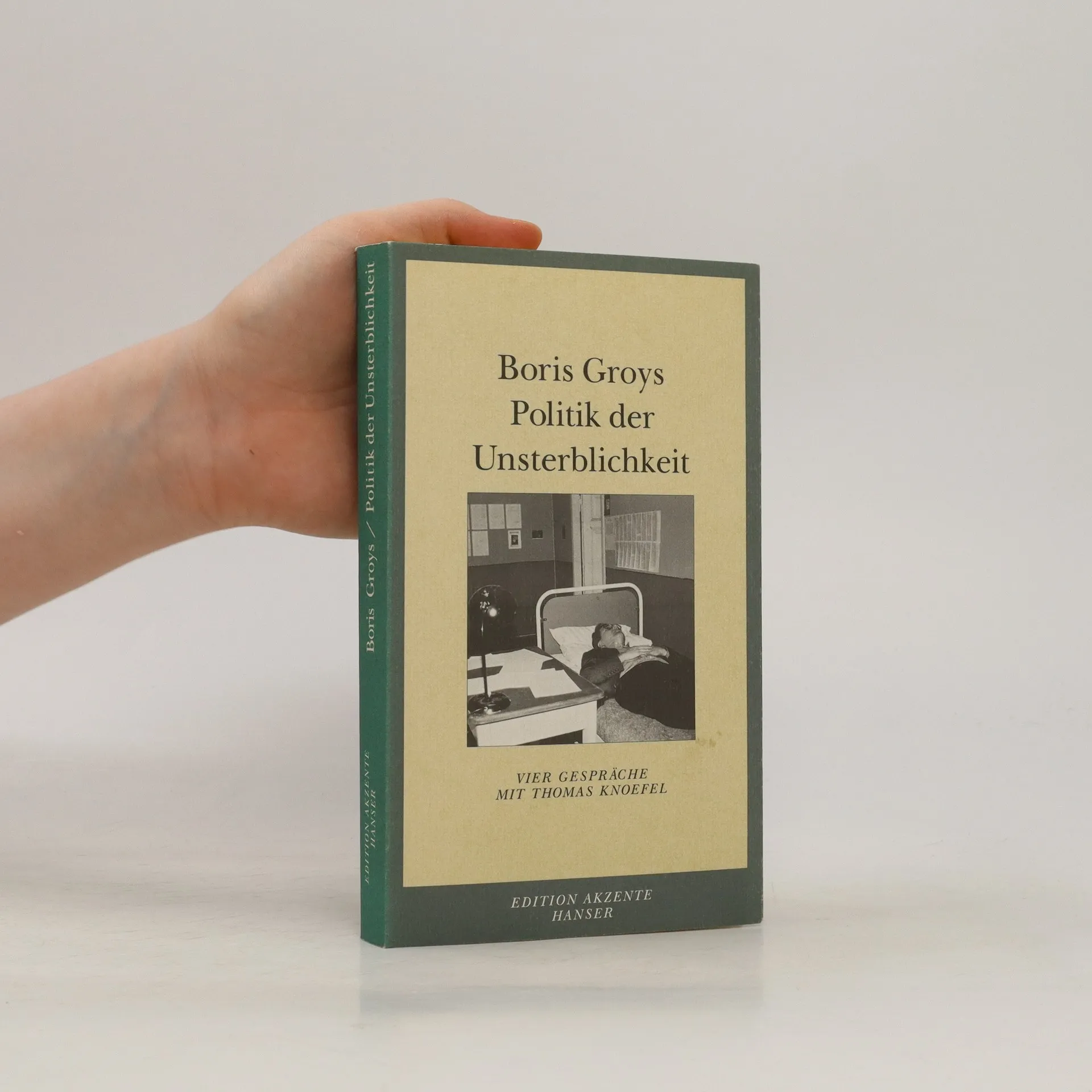
Politik der Unsterblichkeit
- 207 páginas
- 8 horas de lectura
Spätestens seit seinem Erfolg Über das Neue zählt Boris Groys zu den meistdiskutierten Autoren der zeitgenössischen Kunst und Philosophie. Seine Bücher handeln von Fragen der Medientheorie genauso wie von Problemen des Totalitarismus und der Religion. Ganz unmittelbar lässt sich dieser Denkstil in vier ausführlichen Gesprächen mit Thomas Knoefel nachvollziehen. Sie verknüpfen zentrale Begriffe von Groys` Denken: das Begehren, der Verdacht, der Tod und die Macht.
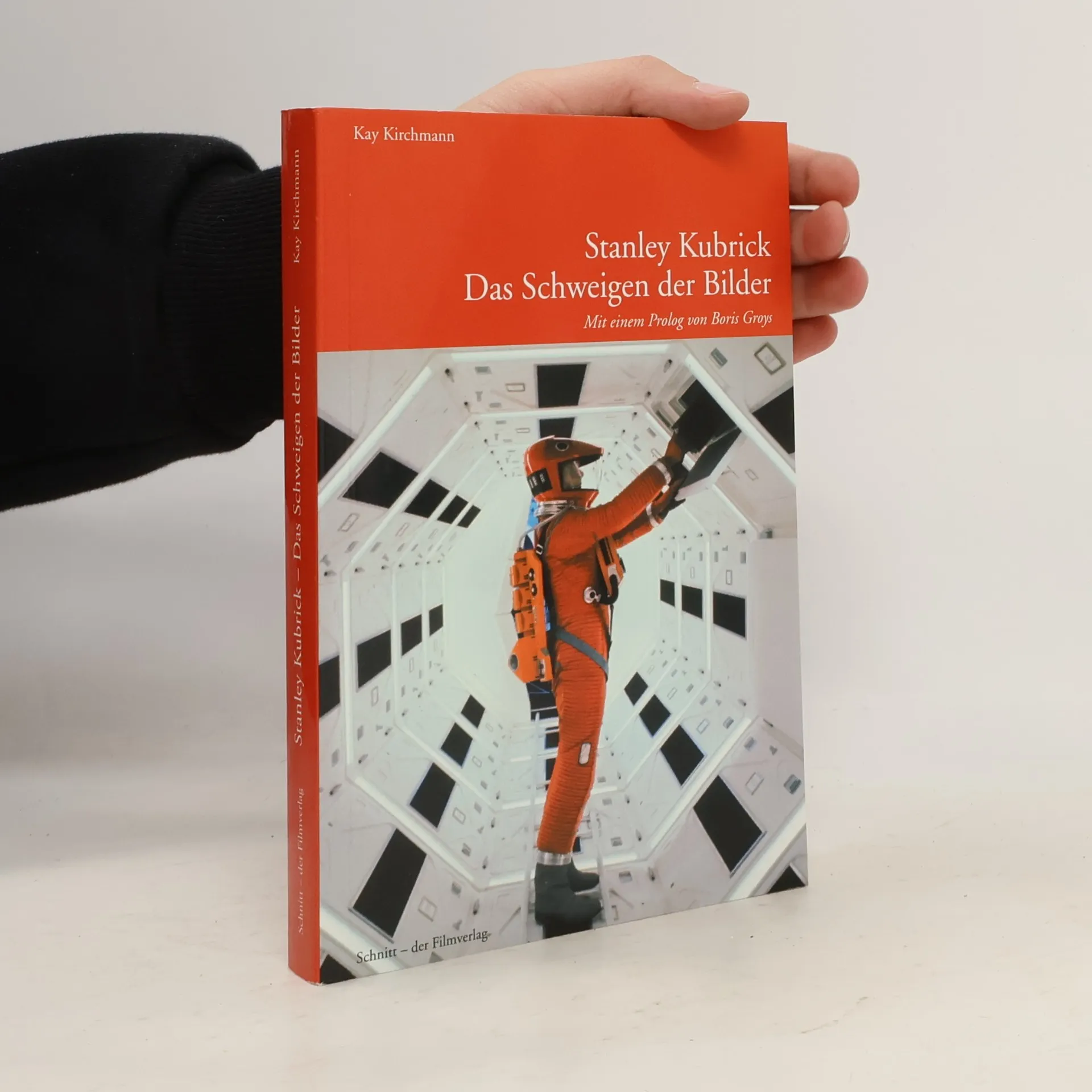
Stanley Kubrick
- 305 páginas
- 11 horas de lectura
German
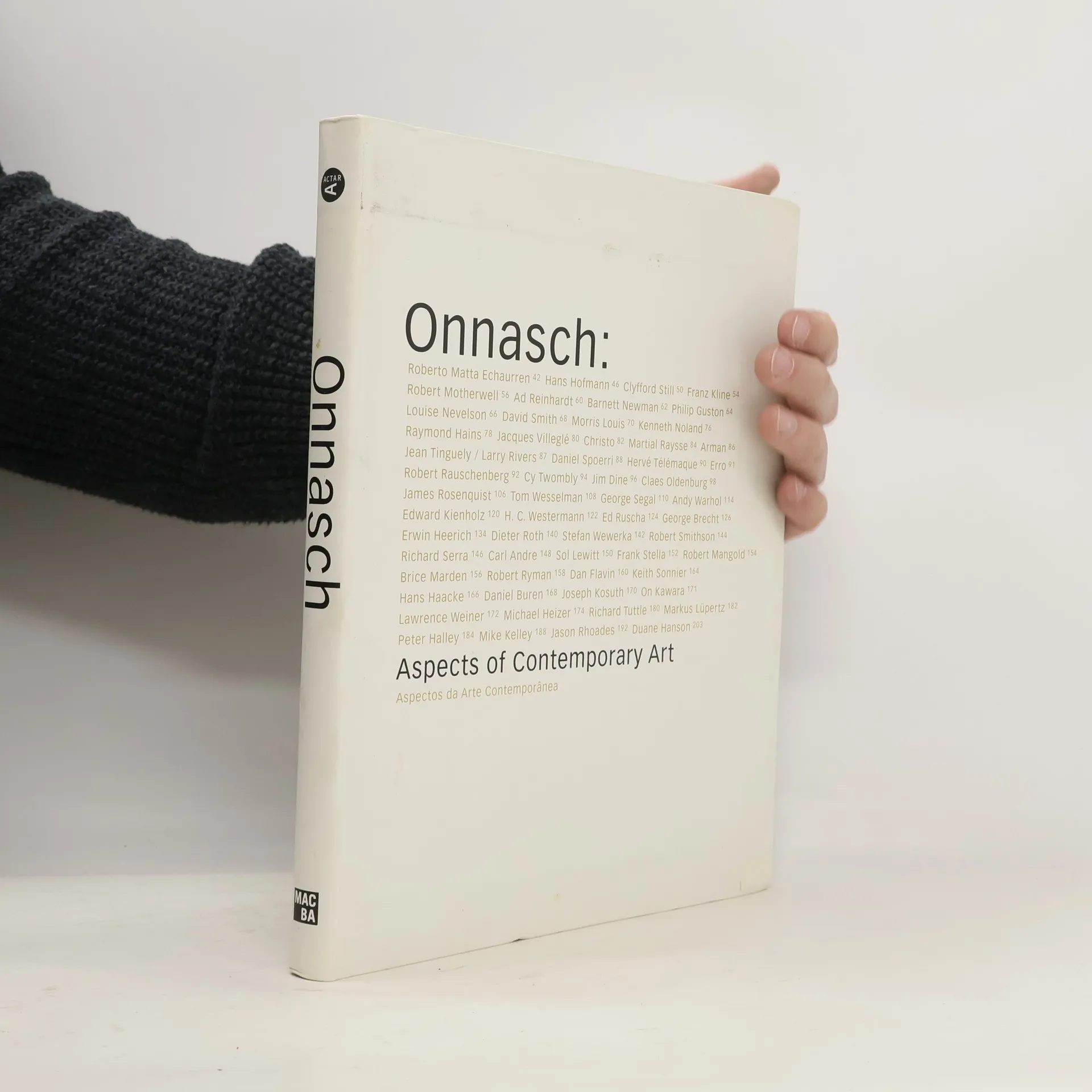
Onnasch Collection
- 208 páginas
- 8 horas de lectura
Some of the most representative tendencies of the second half of the 20th century are represented in the private collection of German Reinhard Onnasch, which features work by Hans Hofmann, Robert Motherwell, Morris Louis, Barnett Newman, Cy Twombly, Robert Rauschenberg, Claes Oldenburg, Andy Warhol, Edward Kienholz, Dan Flavin, Hans Haacke, Robert Smithson, Mike Kelley, Dan Graham, Lawrence Weiner, Jason Rhoades, and others.Essays by Boris Groys, Petra Kipphoff. Artworks by Dan Flavin, Dan Graham, Hans Haacke, Hans Hofmann, Mike Kelley, Edward Kienholz, Morris Louis, Robert Motherwell, Barnett Newman, Claes Oldenburg, Robert Rauschenberg, Robert Smithson, Cy Twombly, Andy Warhol, Lawrence Weiner. 8.75 x 10.5 in.110 color illustrationsEnglish/Portuguese
Mäzene, Stifter und Sponsoren. 50 Jahre Kulturkreis der deutschen Wirtschaft im BDI.
- 227 páginas
- 8 horas de lectura
Konzert für Buchenwald
- 102 páginas
- 4 horas de lectura
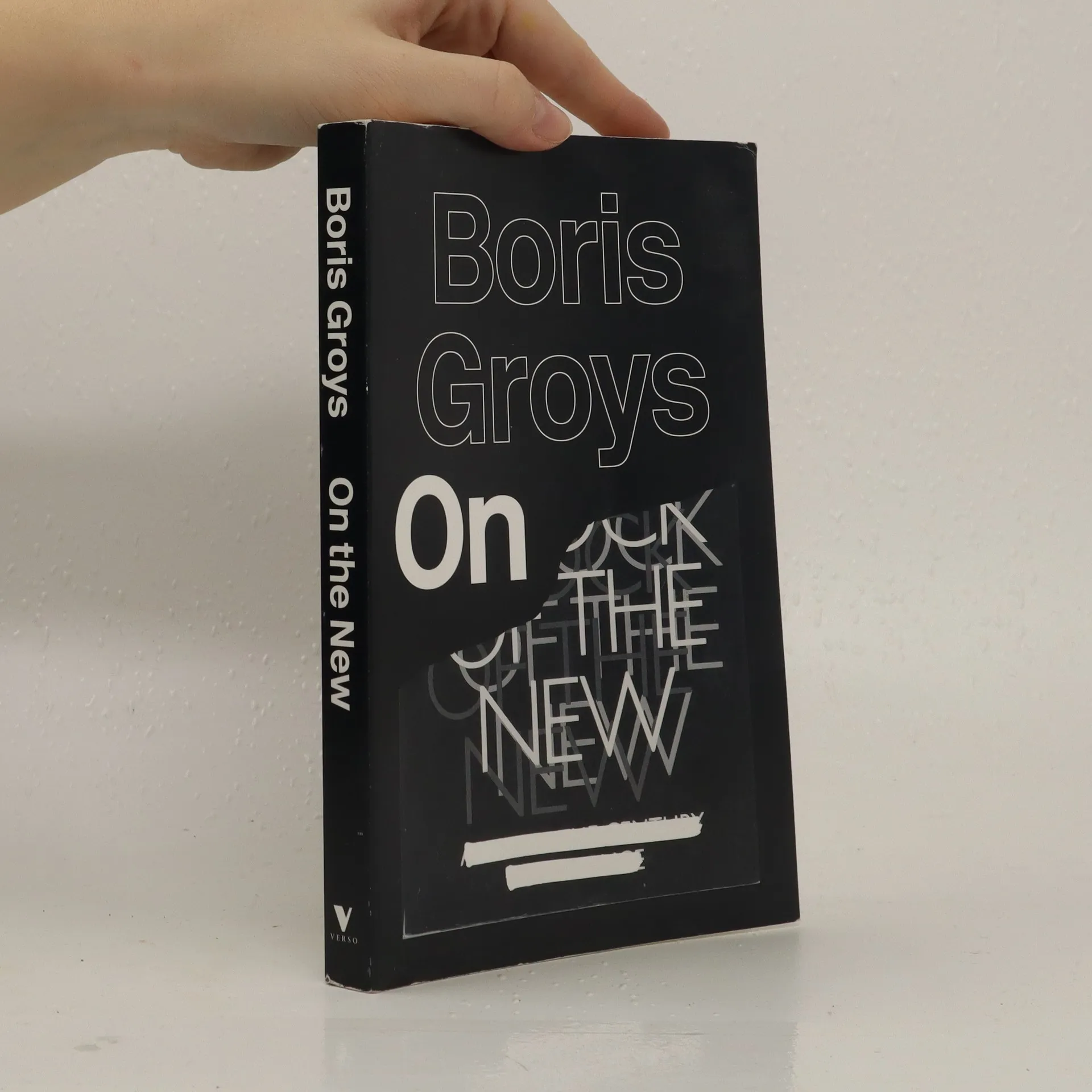
On the new
- 208 páginas
- 8 horas de lectura
On the New looks at the economies of exchange and valuation that drive modern culture's key sites: the intellectual marketplace and the archive. As ideas move from one context to another, newness is created. This continuous shifting of the line that separates the valuable from the worthless, culture from profanity, is at the center of Boris Groys's investigation which aims to map the uncharted territory of what constitutes artistic innovation and what processes underpin its recognition and appropriation.
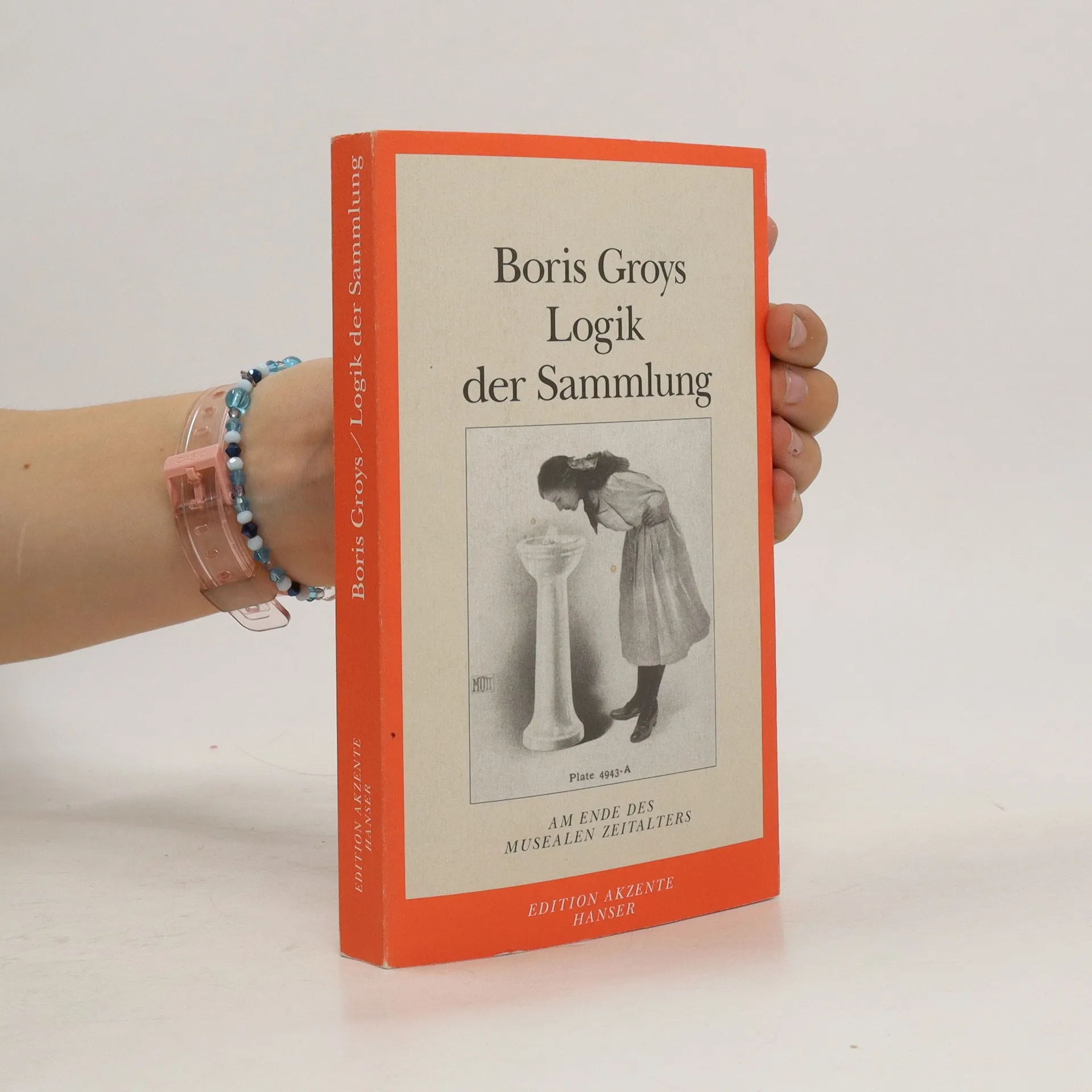
Logik Der Sammlung
- 226 páginas
- 8 horas de lectura
Die Kunst dieses Jahrhunderts war eine Kunst des Museums. Doch in unserem Zeitalter der Medien und der totalen Verfügbarkeit von Bildern verliert das Museum als Raum jenseits der Wirklichkeit seine Ausstrahlungskraft. Boris Groys zeigt an Beispielen, wie die Kunst durch die Herrschaft der Medien explodiert und wie wir mit all unserer angesammelten Kunst im nächsten Jahrtausend umgehen müssen.
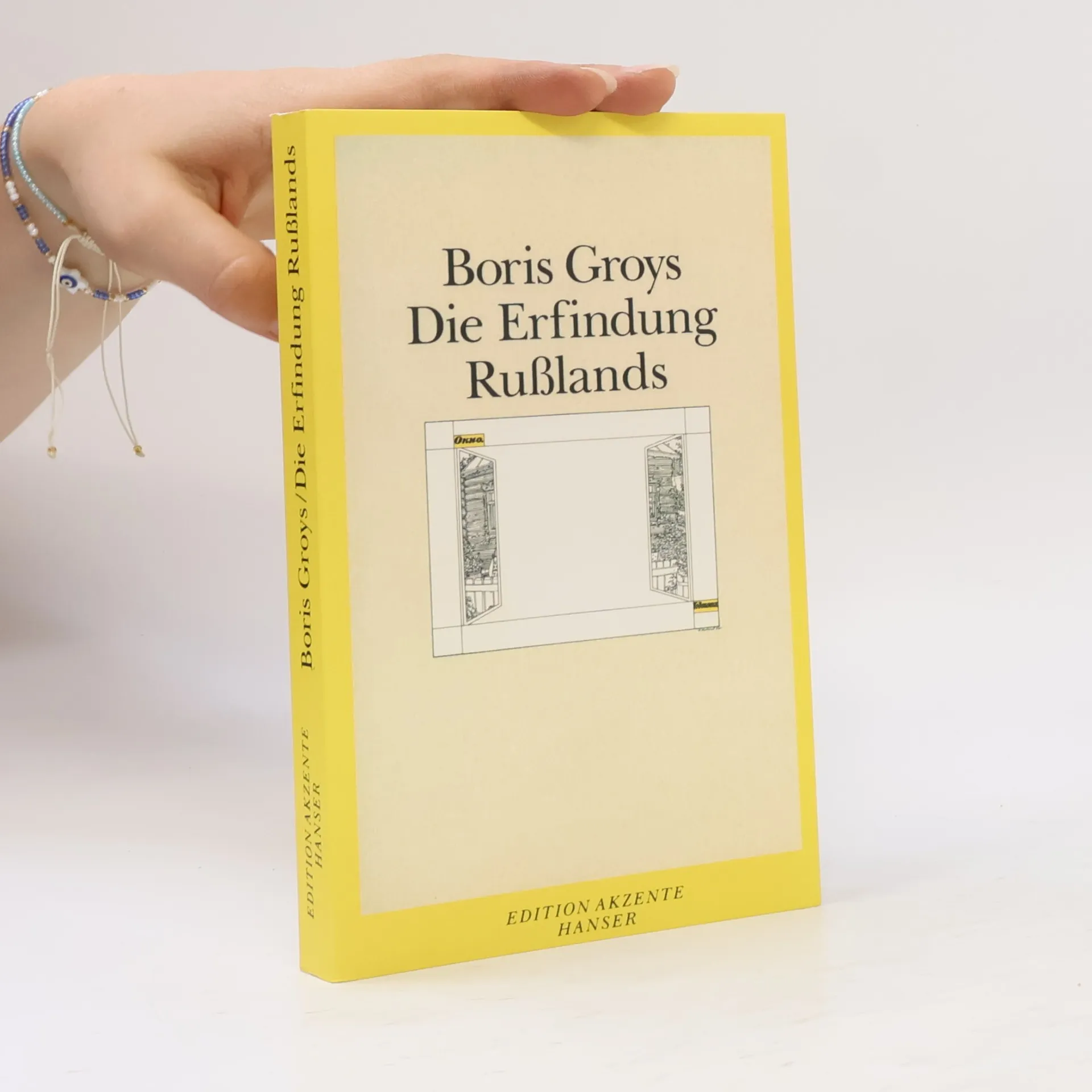
Die Erfindung Rußlands
- 256 páginas
- 9 horas de lectura
Boris Groys analysiert in seinen Essays die Dynamik der russischen Kultur, die westliche Ideen aufnimmt, sie radikalisiert und sie in universellen Visionen gegen den Westen richtet. Durch die Betrachtung kultureller Bewegungen, Künstler und Schauplätze bietet er einen tiefen Einblick in die komplexen Wechselwirkungen zwischen Russland und dem Westen, wodurch ein besseres Verständnis für die russische Identität und deren kulturelle Entwicklungen entsteht.
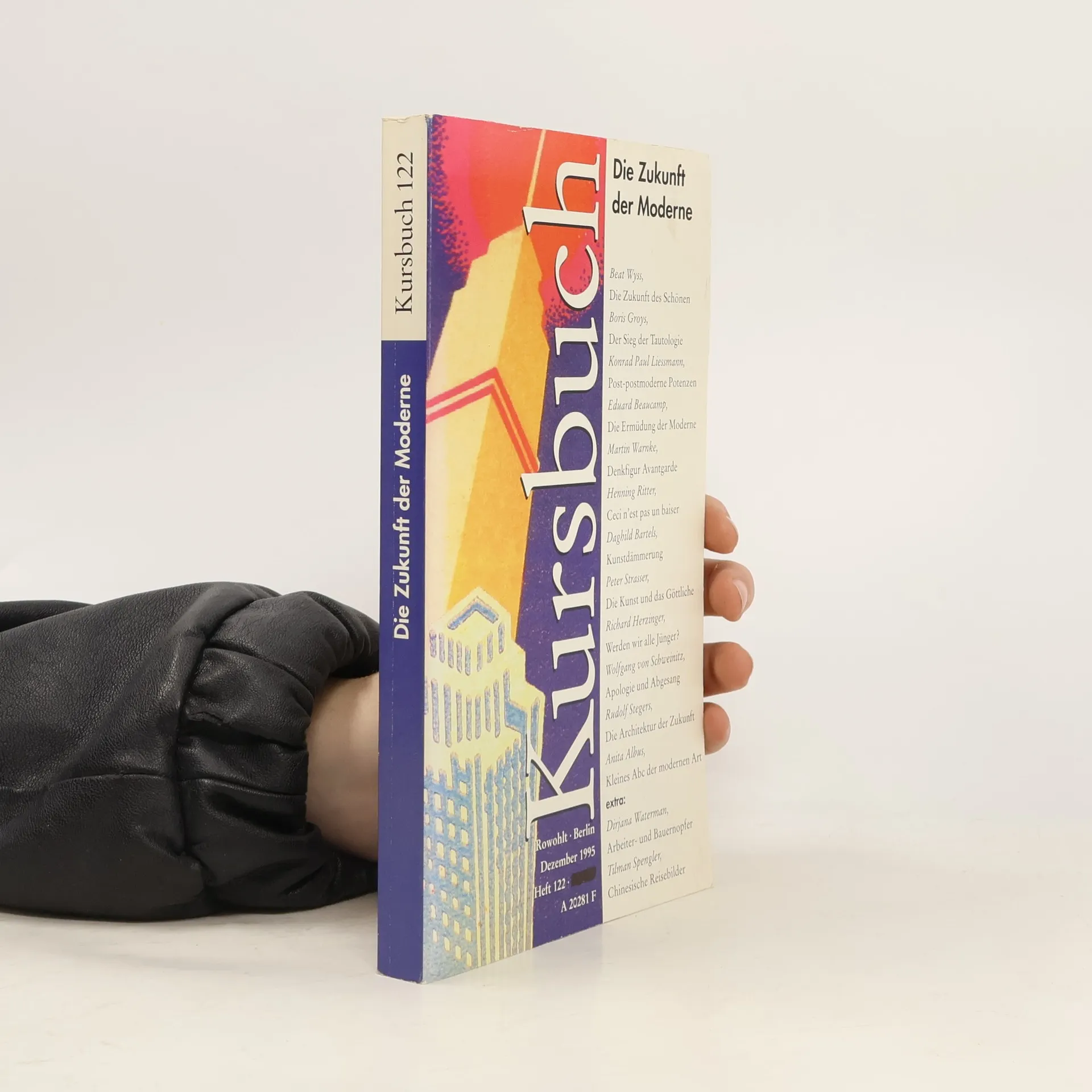
Kursbuch Heft 122: Die Zukunft der Moderne
- 186 páginas
- 7 horas de lectura
Professor Riehl hat festgestellt, dass Nietzsche nicht als Lehrer geeignet ist, da er ständig mit sich selbst experimentiert. Die Philosophie sollte jedoch nicht nur für Schüler gedacht sein. Die Jugend benötigt zwar Anleitung und Antworten auf die Frage: Was soll man tun? Dennoch gibt es keinen Grund, sich an Nietzsche, Dostojewski oder Tolstoi zu wenden, da diese aus dem gewohnten Lebensweg herausgerissen wurden. Ihre wechselnden Überzeugungen sprechen gegen sie als Lehrmeister. Wie kann man ihnen eine junge Seele anvertrauen, wenn sie selbst nicht für die Zukunft garantieren können? Graf Tolstoi, der Lewins Familienleben in „Anna Karenina“ feierte, schrieb Jahre später Werke wie „Der Tod des Iwan Iljitsch“ und die „Kreuzersonate“, die eine andere Sichtweise präsentieren. Während Lewins Leben als vorbildlich gilt, beschreibt Posdnyschow es als „wir haben wie die Schweine gelebt“. Für Nietzsche war die zentrale Frage: „Mein Gott, warum hast du mich verlassen?“ Diese Worte sind einfach, doch sie sind von tiefem Leid und Bitterkeit geprägt. Auf diese Frage gibt es nur eine Antwort: Die menschliche Wissenschaft und Moral, die sich dem durchschnittlichen Leben anpassen und das Mittelmaß als Grundlage heiligen, sind erlogen.
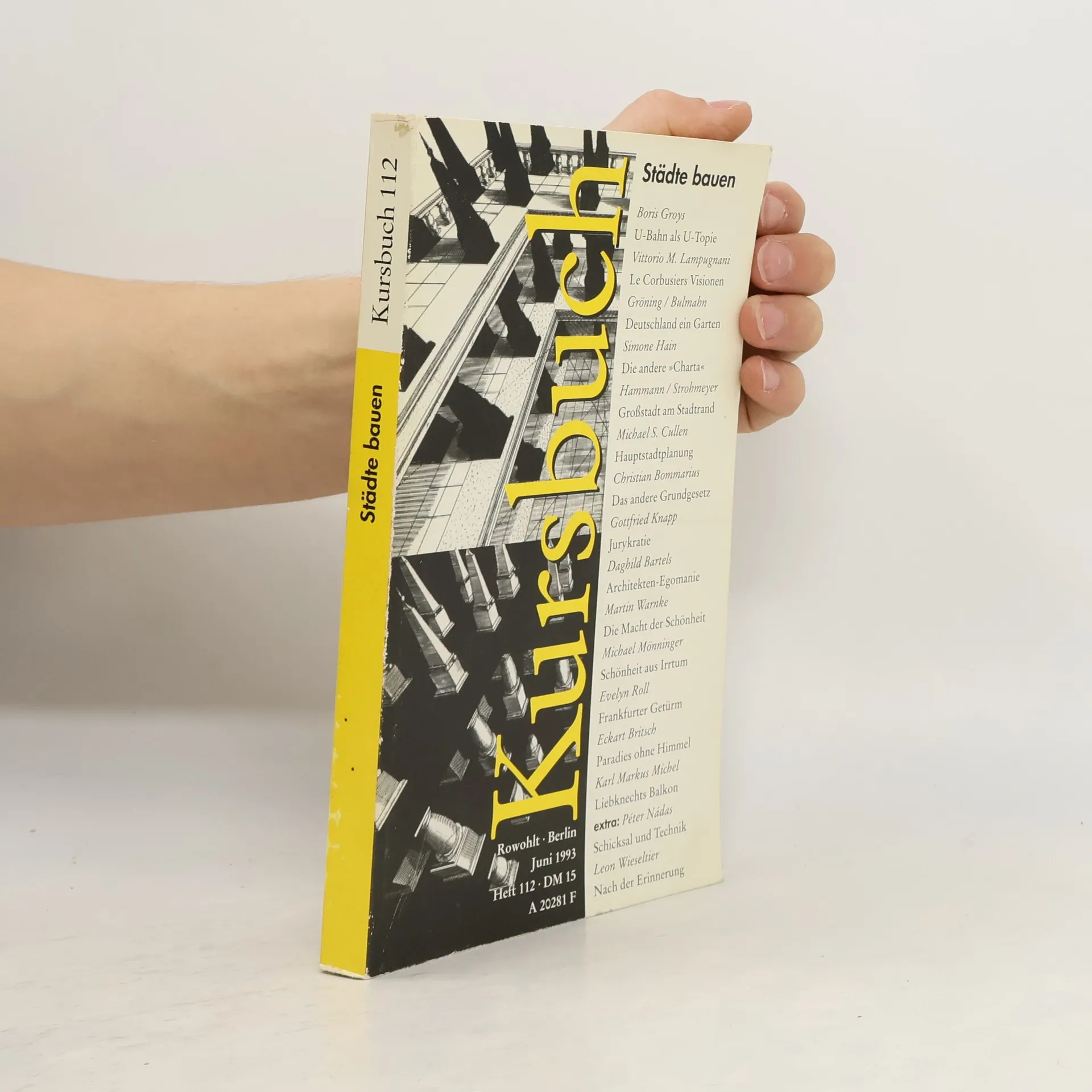
Kursbuch Heft 112: Städte bauen
- 203 páginas
- 8 horas de lectura
Christian Bommarius wurde 1958 in Frankfurt am Main geboren. Nach dem Studium der Rechtswissenschaften und der Germanistik war er Korrespondent der Deutschen Presseagentur unter anderem beim Bundesverfassungsgericht in Karlsruhe. Seit 1997 ist er leitender Redakteur der «Berliner Zeitung». 2004 erschien «Wir kriminellen Deutschen». Die Politologin und Theodor-Wolff-Preisträgerin Evelyn Roll ist Autorin und leitende Redakteurin der „Süddeutschen Zeitung“. Péter Nádas, 1942 in Budapest geboren, ist Fotograf und Schriftsteller. Bis 1977 verhinderte die ungarische Zensur das Erscheinen seines ersten Romans «Ende eines Familienromans» (dt. 1979). Sein «Buch der Erinnerung» (dt. 1991) erhielt zahlreiche internationale Literaturpreise. Zuletzt erschienen der große Roman «Parallelgeschichten» und seine Memoiren eines Erzählers: «Aufleuchtende Details». Unter anderem wurde Nádas mit dem Österreichischen Staatspreis für Europäische Literatur (1991), dem Kossuth-Preis (1992), dem Leipziger Buchpreis für Europäische Verständigung (1995) und dem Franz-Kafka-Literaturpreis (2003) ausgezeichnet. 2014 wurde ihm der Würth-Preis für Europäische Literatur verliehen. Péter Nádas lebt in Gombosszeg.
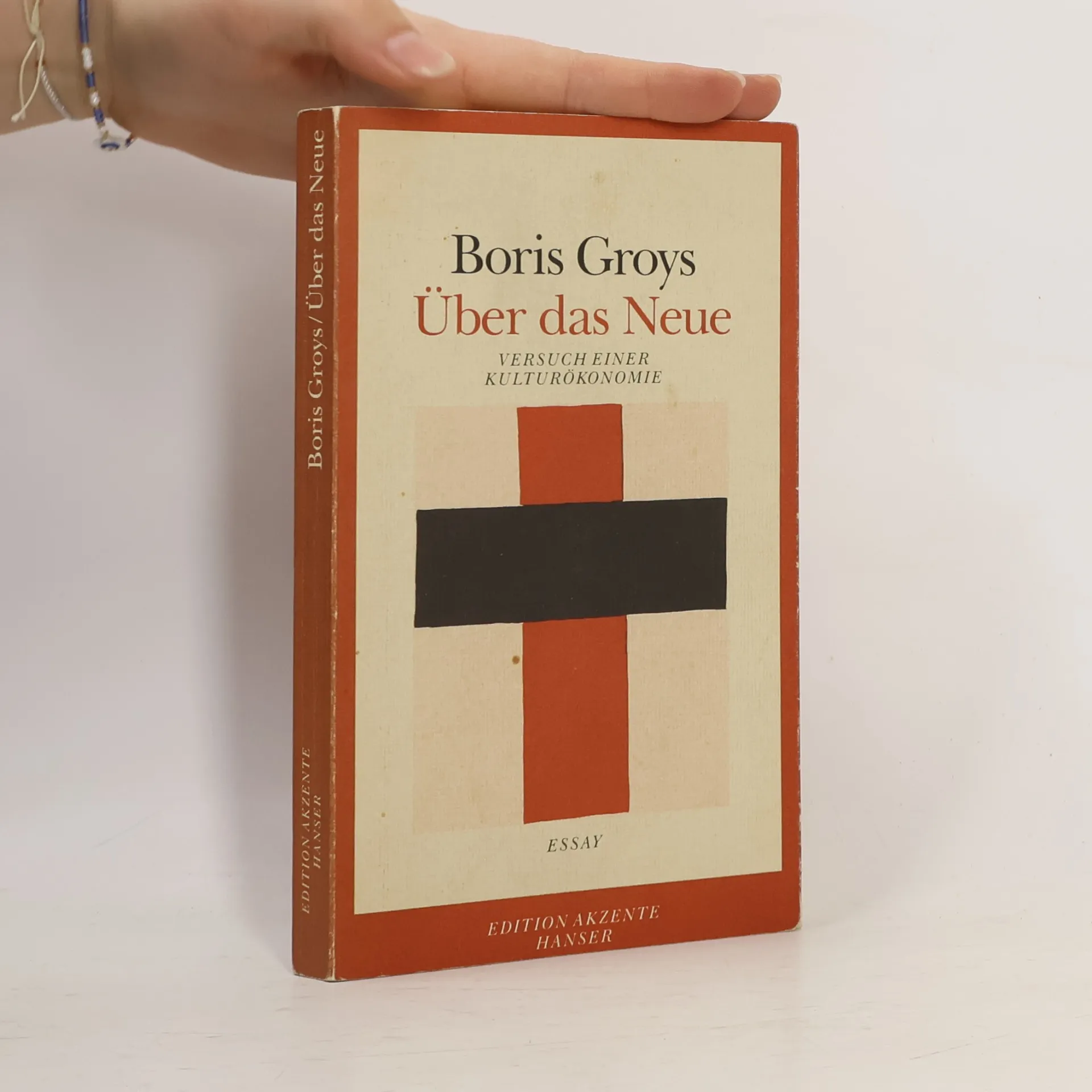
Edition Akzente: Über das Neue
- 194 páginas
- 7 horas de lectura
Boris Groys untersucht den kulturellen Prozeß als ökonomische Operation, angetrieben von Gesetzen des Tausches, der Bewertung, der Dynamik, des intellektuellen Marktes, der Nutzung des kulturellen Archivs. Kulturökonomie: eine ärgerliche Paradoxie? Nein, die Neubestimmung von Kultur jenseits der Dichotomie von Neu und Alt und ohne die Idee weitertreibender, schöpferischer Innovation aufzugeben.
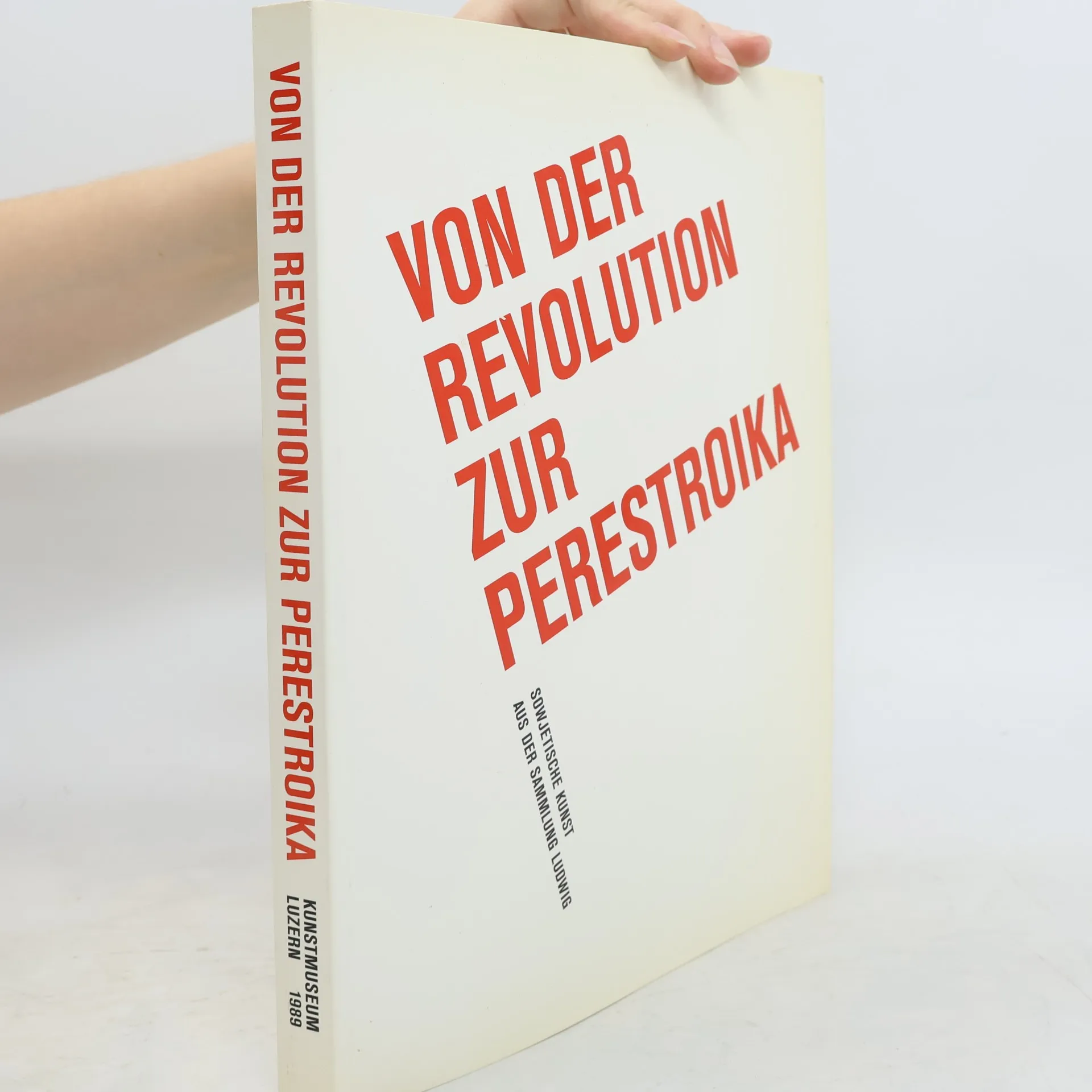
Von der Revolution zur Perestroika
Sowjetische Kunst aus der Sammlung Ludwig
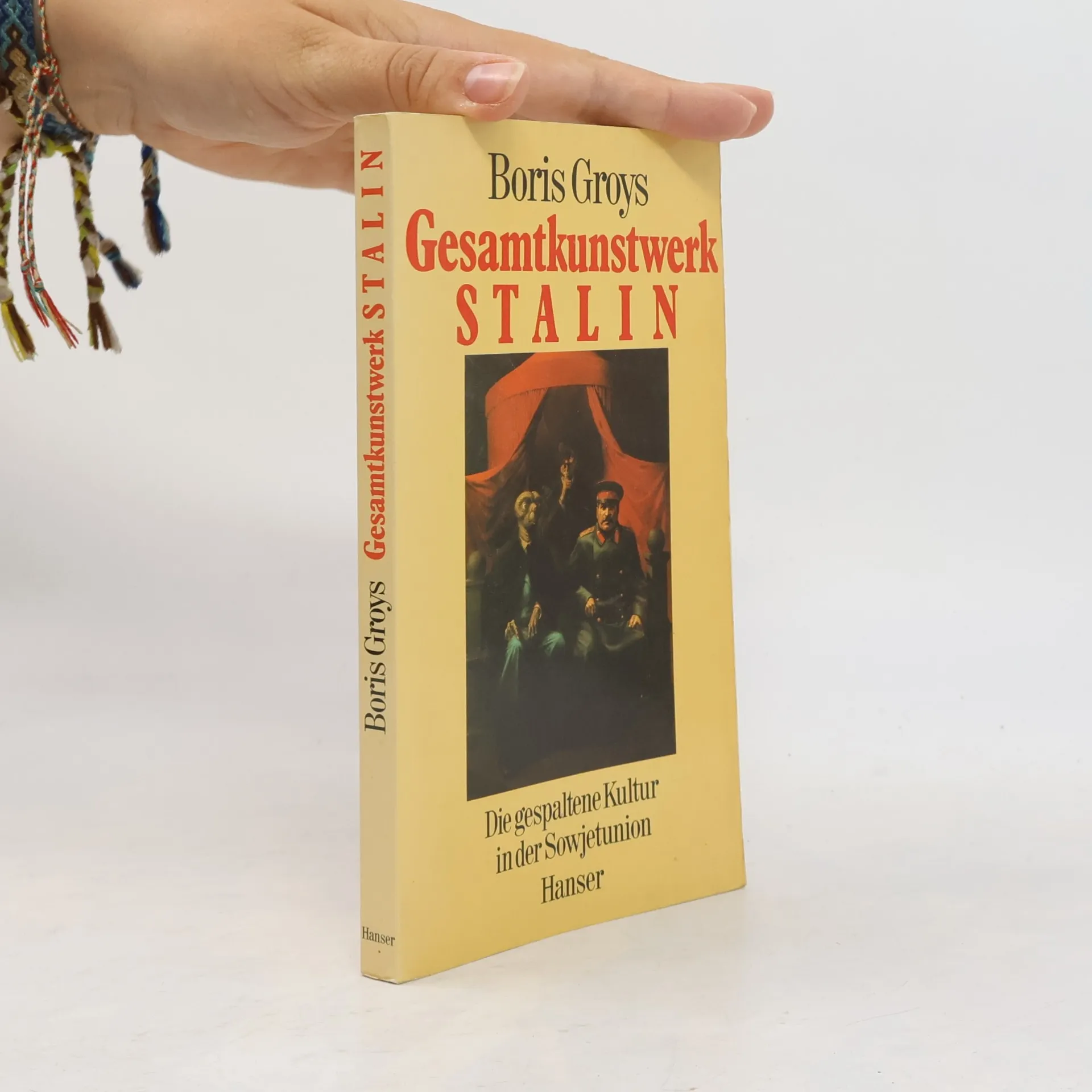
Gesamtkunstwerk Stalin
- 135 páginas
- 5 horas de lectura
A well known historian of culture Boris Grois offers an original view on the artistic avant-garde of the 20th century, particularly "totalitarian esthetics". According to Grois "Stalin" serves as a metaphor not only of the overcoming but also of the completion of the avant-garde project, as a triumph of the avant-garde - revolutionary transformation of not only artistic form but also and primarily of the viewer as such.