Bookbot

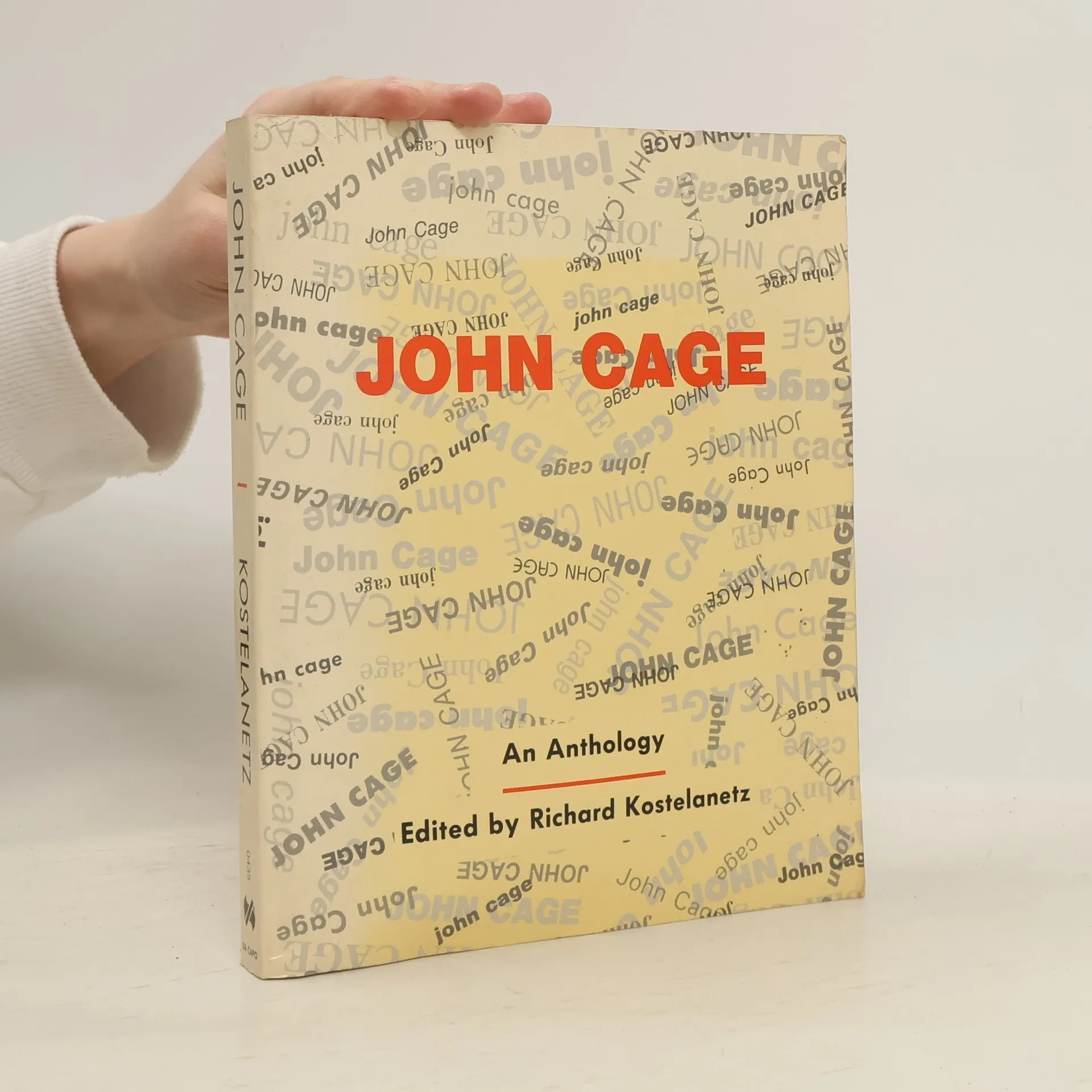
John Cage

    September 5, 1912 – August 12, 1992

    John Cage fue un compositor y filósofo estadounidense, reconocido como pionero de la música aleatoria y la música electrónica. Su enfoque innovador hacia la música y el uso de fuentes sonoras poco convencionales lo establecieron como una de las figuras más influyentes de la vanguardia de posguerra. Cage exploró la experimentación en la música, incorporando principios de filosofías orientales y el azar, desafiando así las percepciones musicales tradicionales. Su obra '4′33″' y el concepto de 'piano preparado' dejaron una marca imborrable en la música clásica moderna, influyendo en la propia percepción del sonido y el silencio.

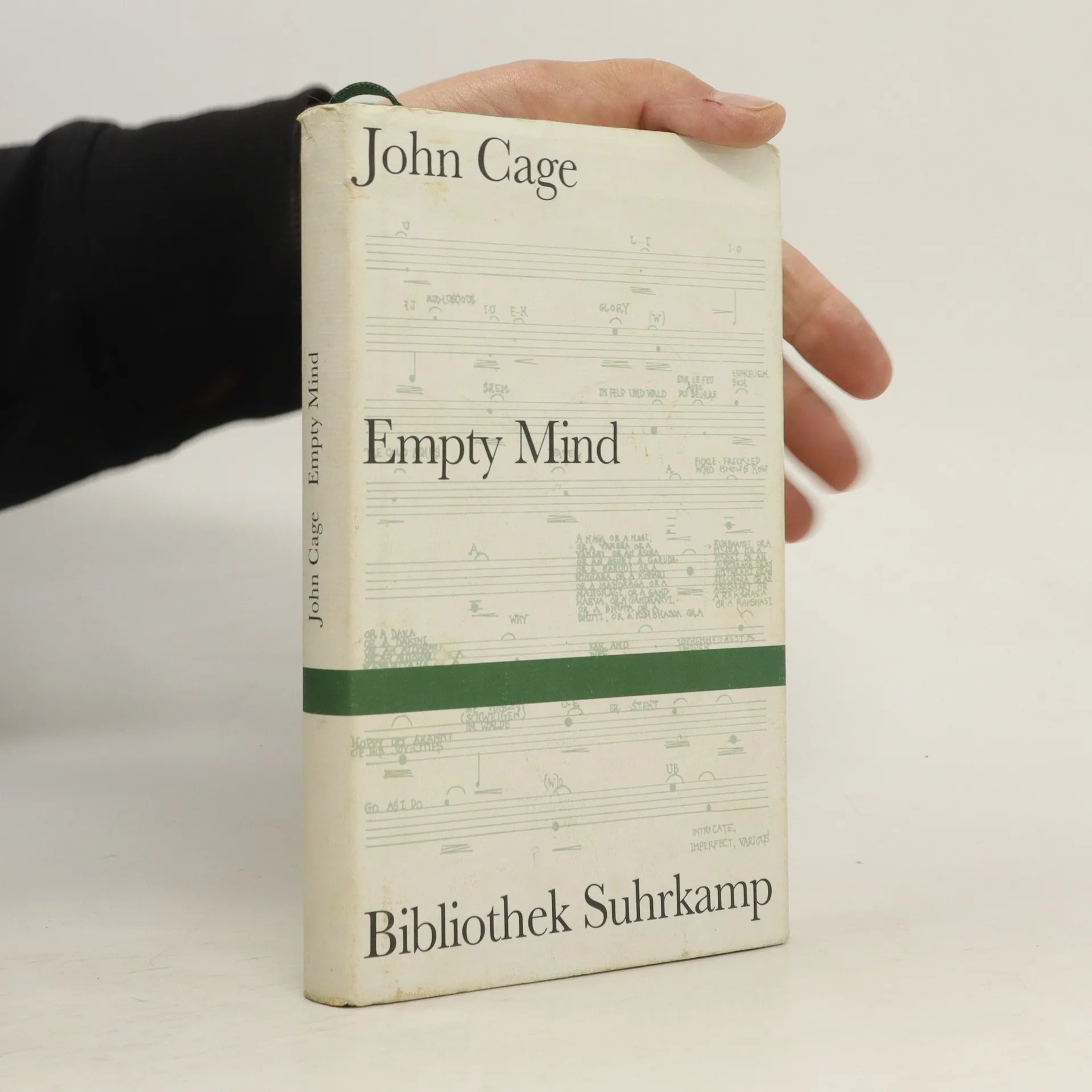
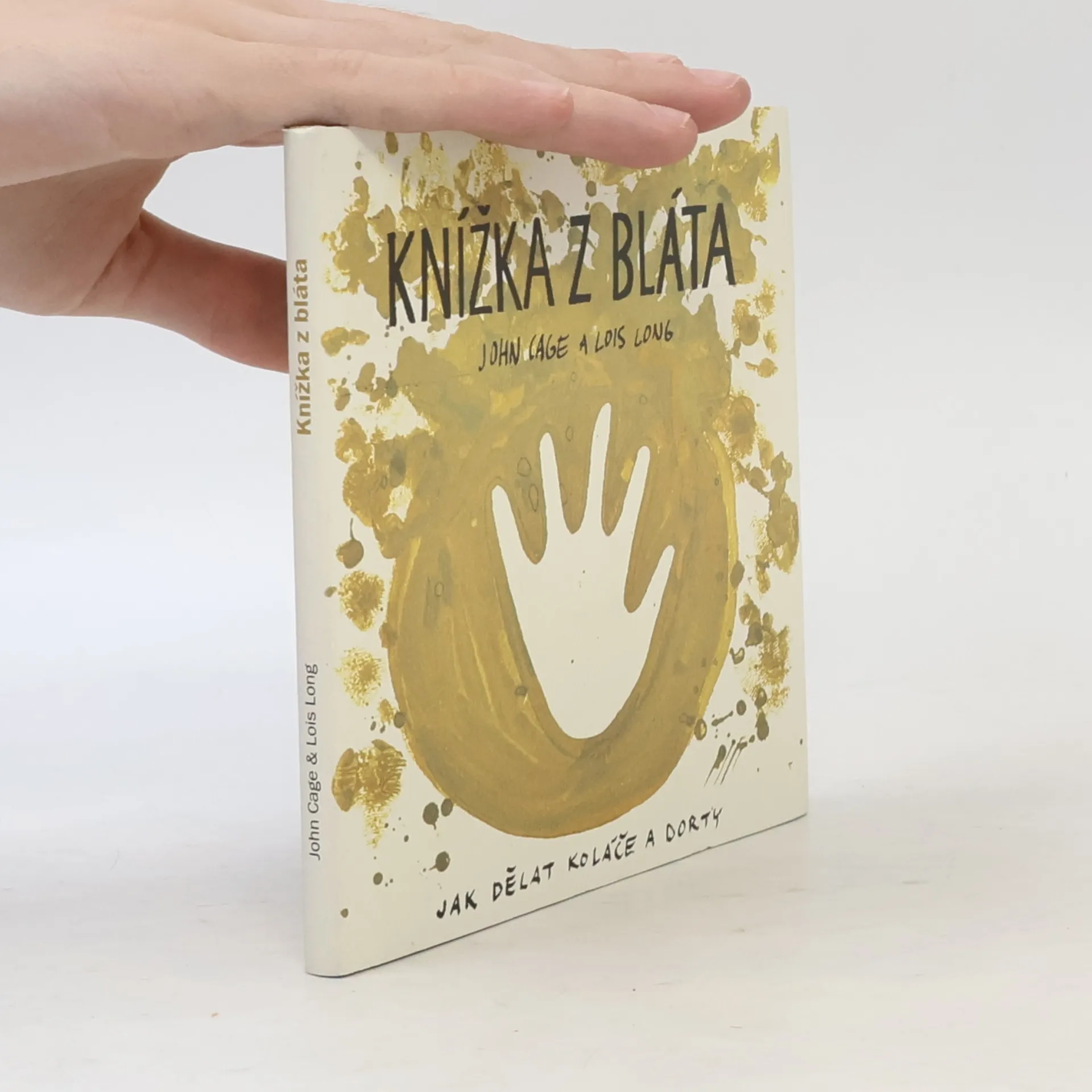
    John Cage
    Composition In Retrospect
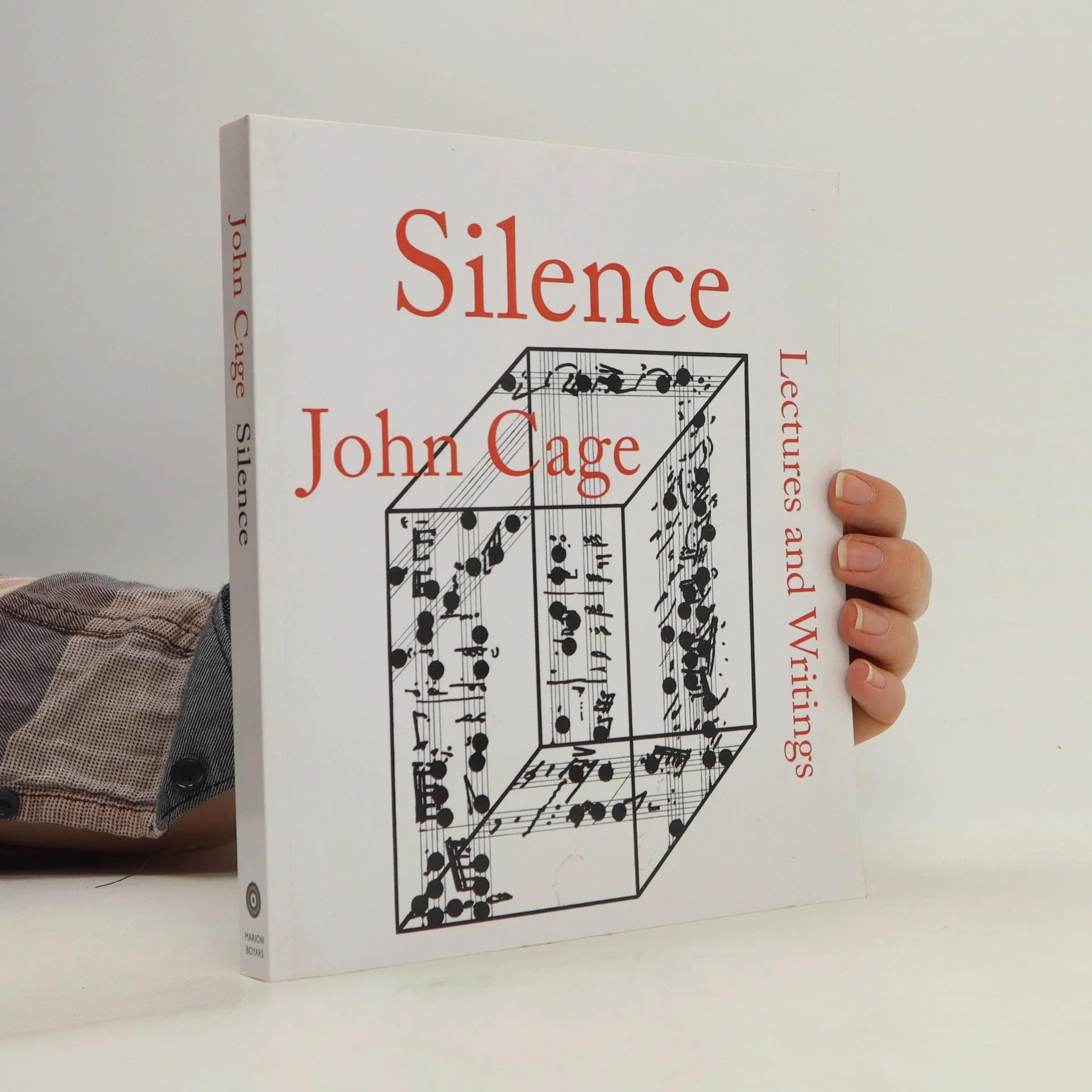
    Silence
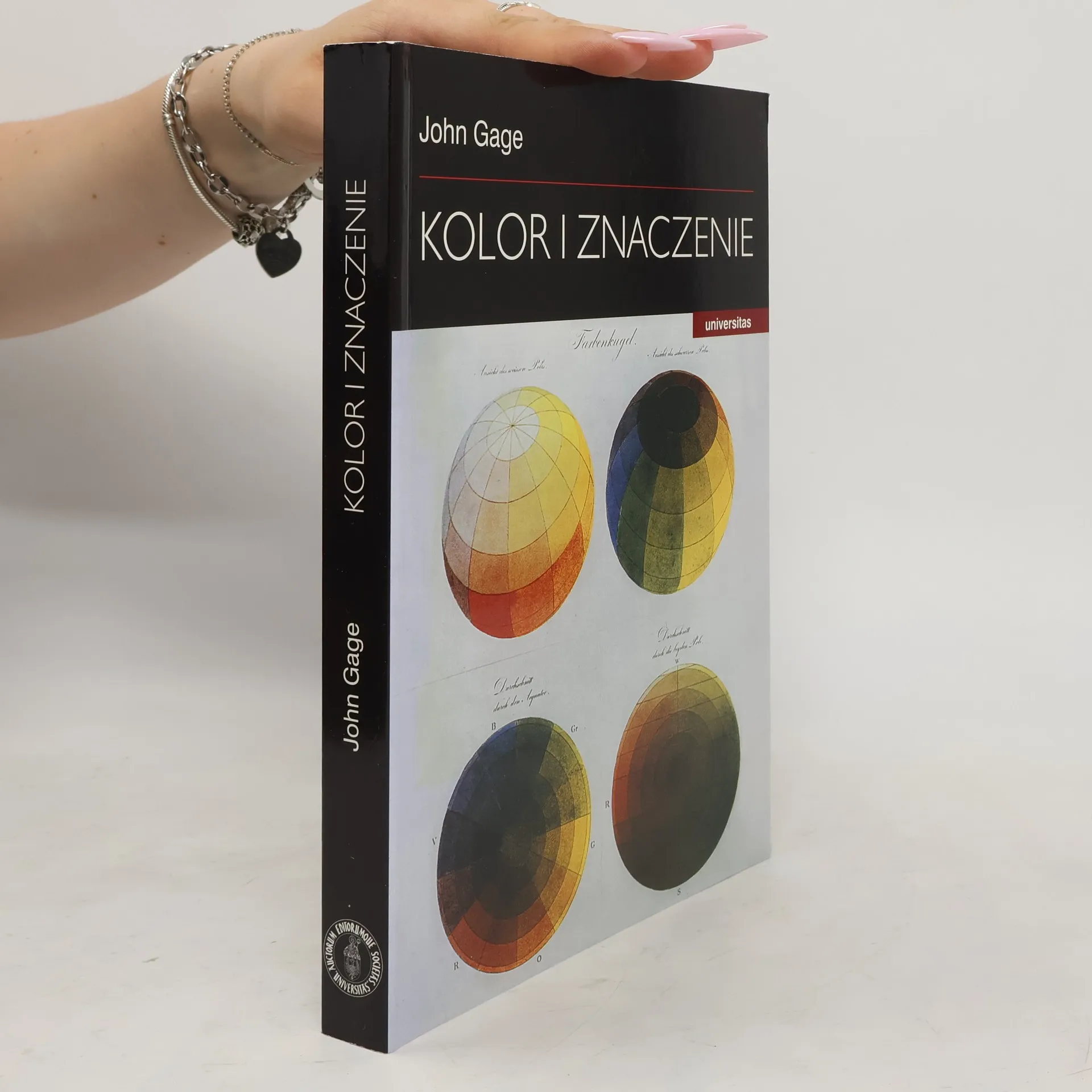
    Colour in Art
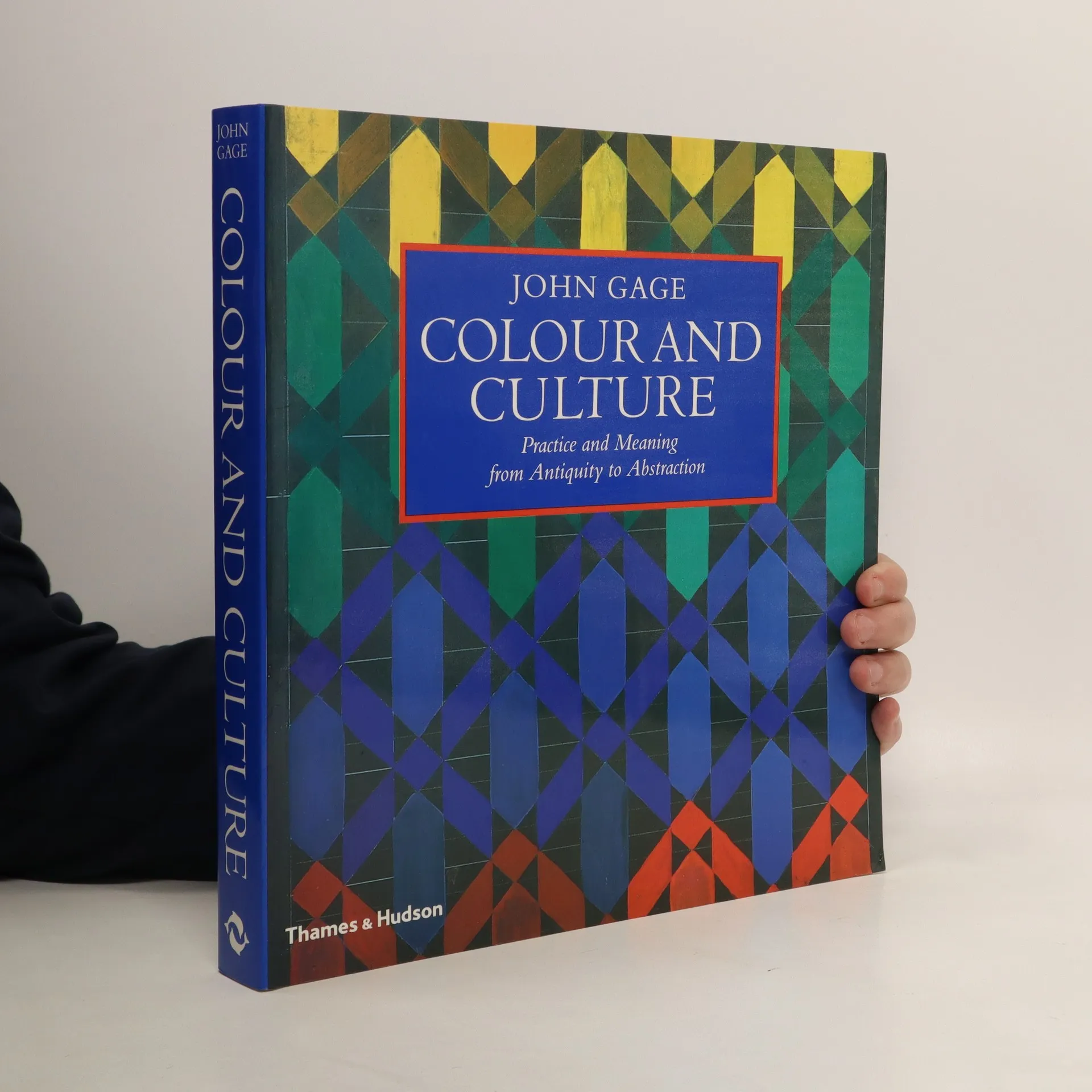
    Colour and culture : practice and Meaning from Antiquity to Abstraction
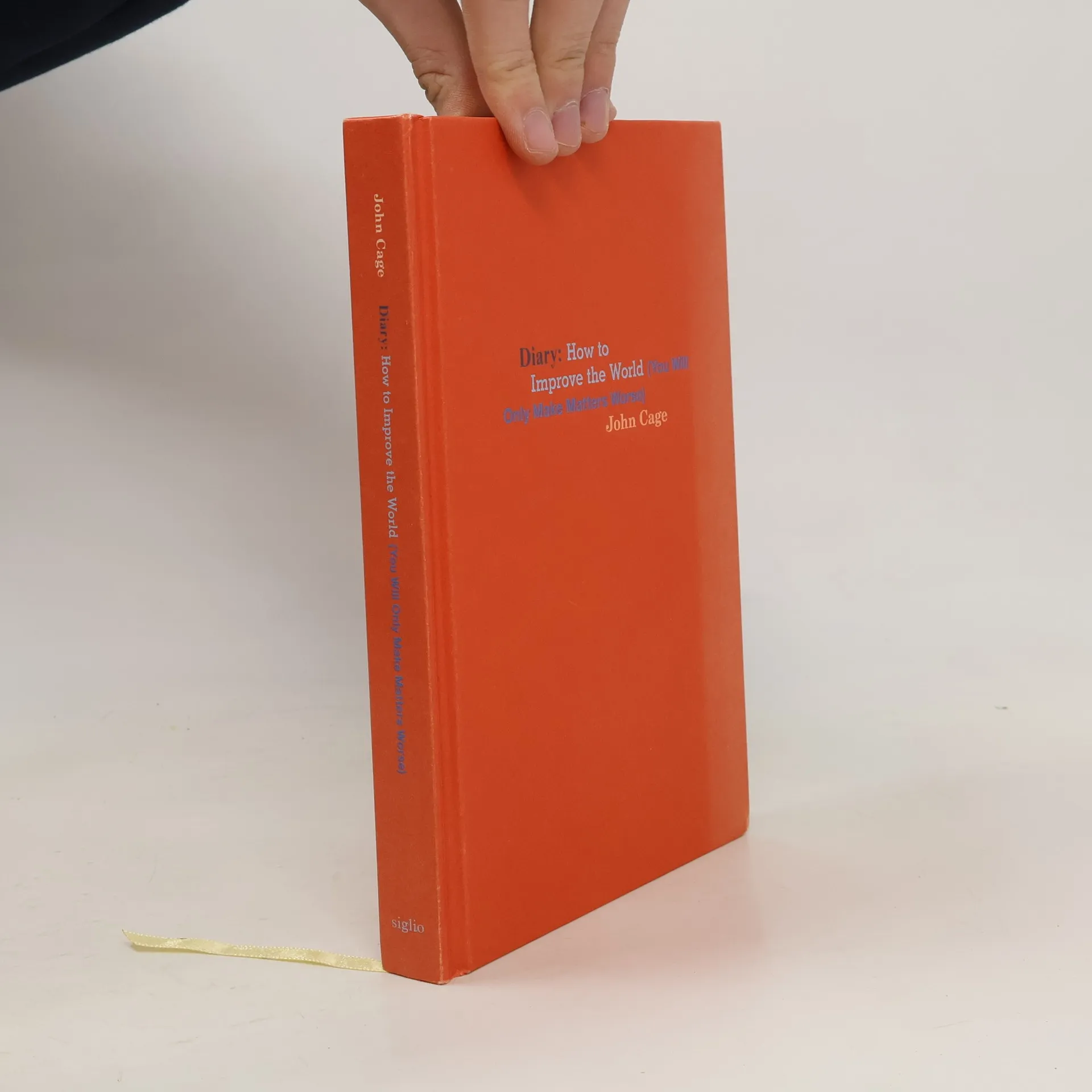
    Diary: How to Improve the World
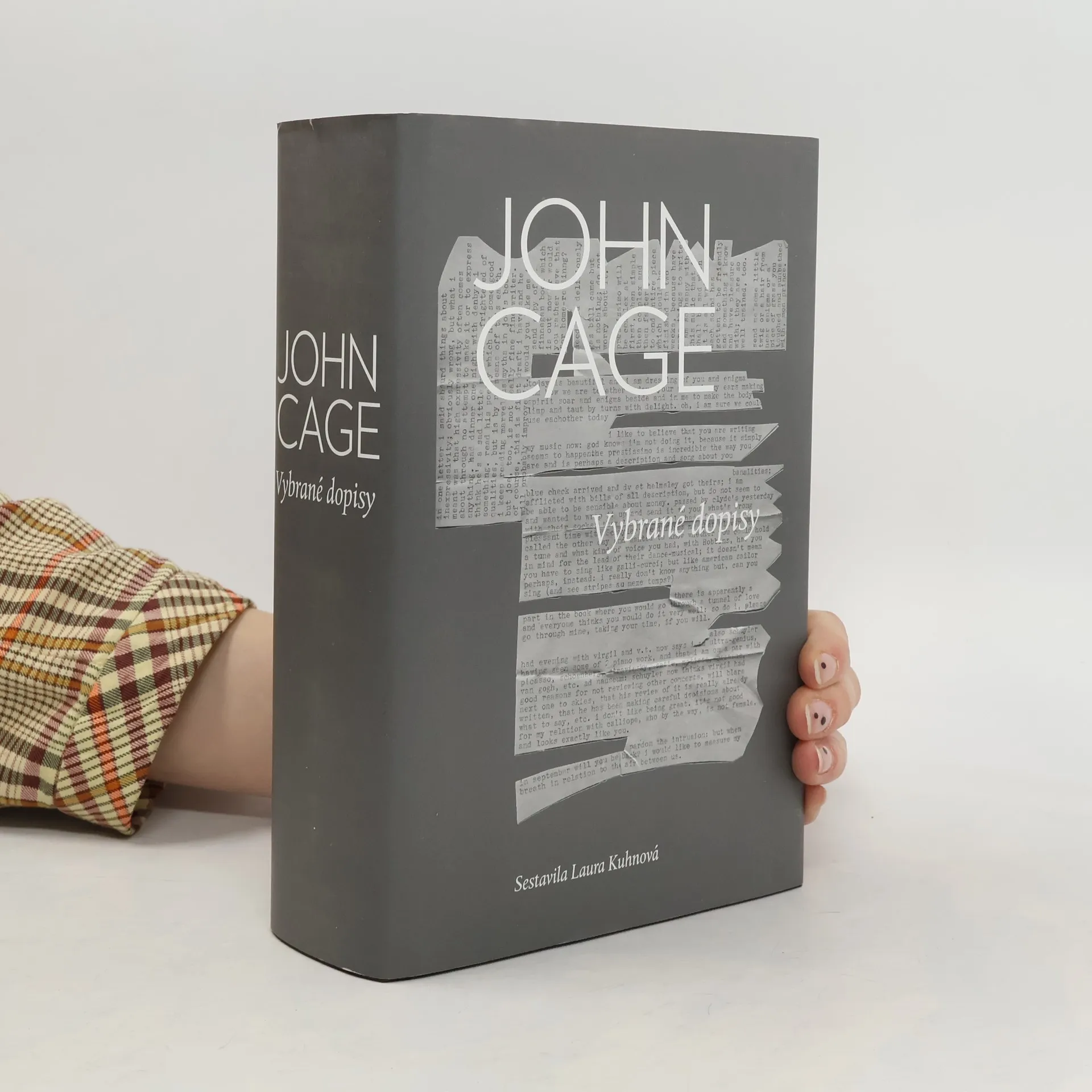
    The Selected Letters of John Cage
    • The Selected Letters of John Cage

      • 674 páginas
      • 24 horas de lectura

      Letters of an avant-garde icon This selection of over five hundred letters gives us the life of John Cage with all the intelligence, wit, and inventiveness that made him such an important and groundbreaking composer and performer. The missives range from lengthy reports of his early trips to Europe in the 1930s through his years with the dancer Merce Cunningham, and shed new light on his growing eminence as an iconic performance artist of the American avant-garde. Cage's joie de vivre resounds in these letters—fully annotated throughout—in every phase of his career, and includes correspondence with Peter Yates, David Tudor, and Pierre Boulez, among others. Above all, they reveal his passionate interest in people, ideas, and the arts. The voice is one we recognize from his writings: singular, profound, irreverent, and funny. Not only will readers take pleasure in Cage's correspondence with and commentary about the people and events of a momentous and transformative time in the arts, they will also share in his meditations on the very nature of art. A deep pleasure to read, this volume presents an extraordinary portrait of a complex, brilliant man who challenged and changed the artistic currents of the twentieth century. Publication of this book is funded by the Beatrice Fox Auerbach Foundation Fund at the Hartford Foundation for Public Giving.

      The Selected Letters of John Cage
      4,5
    • Diary: How to Improve the World

      • 173 páginas
      • 7 horas de lectura

      Composed over 16 years, this diary is one of Cage's most personal works, filled with observations, anecdotes, and koan-like stories that reflect his views on the world and predictions about contemporary life. With a playful yet purposeful approach, Cage explores a wide range of topics, from postwar music to Watergate and ideas on global nourishment. Using an IBM Selectric, he employed chance operations to dictate not just the word count and typefaces but also the number of letters per line and indentation patterns. In Part Three, published as a Great Bear pamphlet, color was also determined through chance, creating visual variances that echo musicality and enhance the physicality of the language. This complete hardcover edition gathers all eight parts originally published in A Year from Monday, M, and X. Coeditors Kraft and Biel consulted these publications and Cage's original manuscripts, using chance operations to present the text in various combinations of red and blue and applying 18 different typefaces throughout. John Cage (1912-92), a composer, philosopher, writer, and artist, remains one of the 20th century's most influential figures, pioneering new boundaries in music and significantly impacting dance, poetry, performance, and visual art.

      Diary: How to Improve the World
      4,3
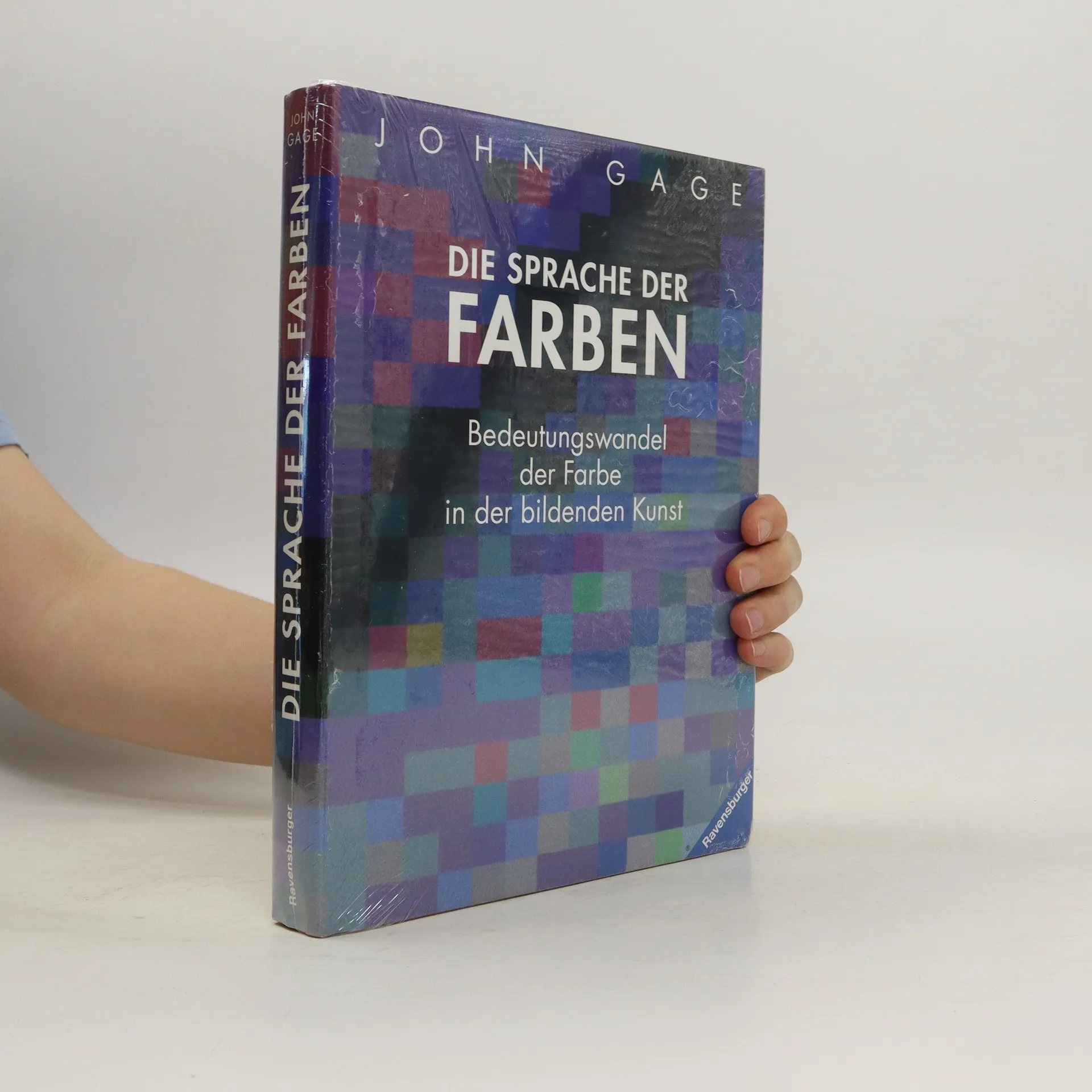
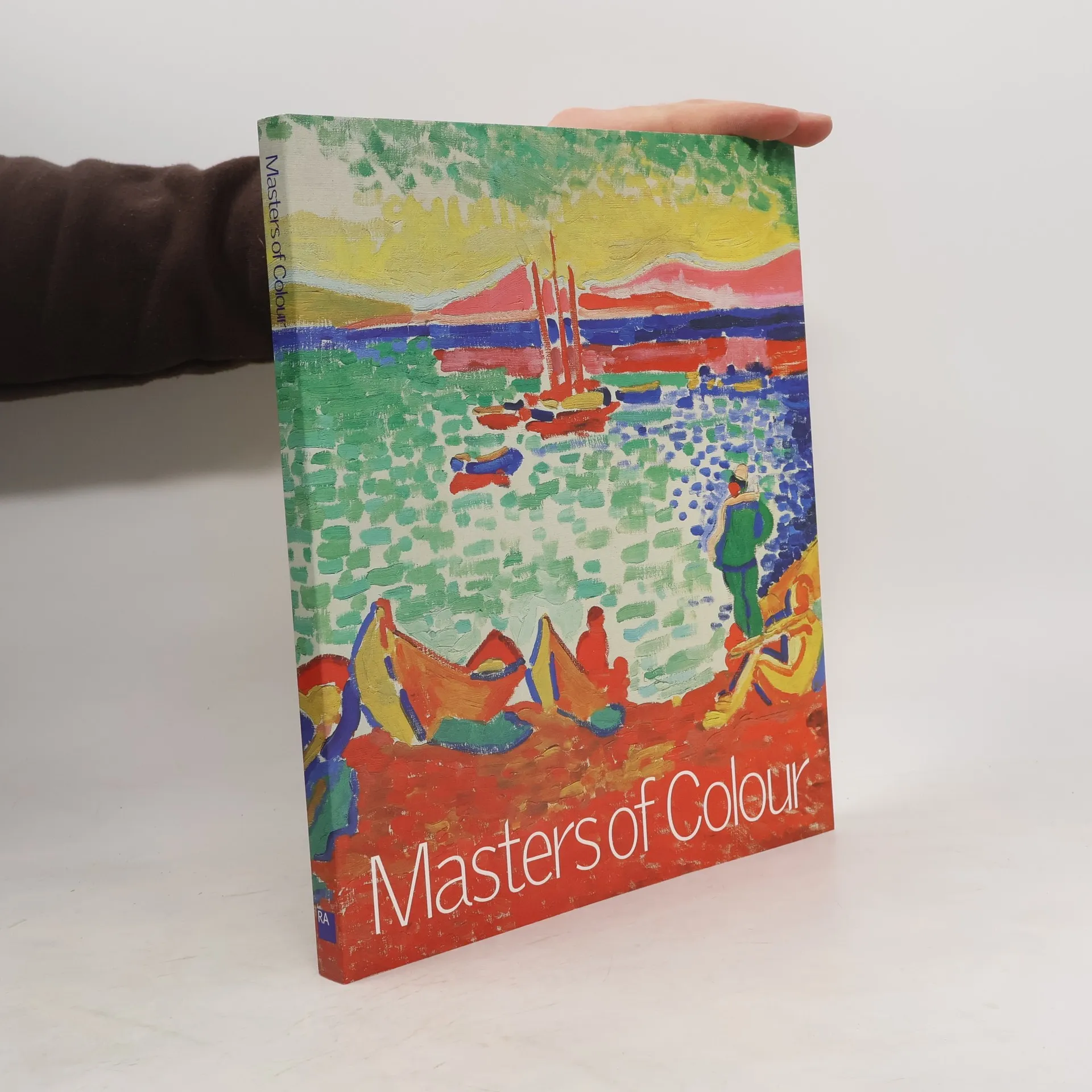
    • Colour is fundamental to life and art: yet so diverse is it that it has hardly ever been studied in a comprehensive way. Is it above all a visual stimulus? A function of light, or a material substance to be moulded and arrayed? What does the language of colour tell us? Where does one colour begin and another end?

      Colour and culture : practice and Meaning from Antiquity to Abstraction
      4,3
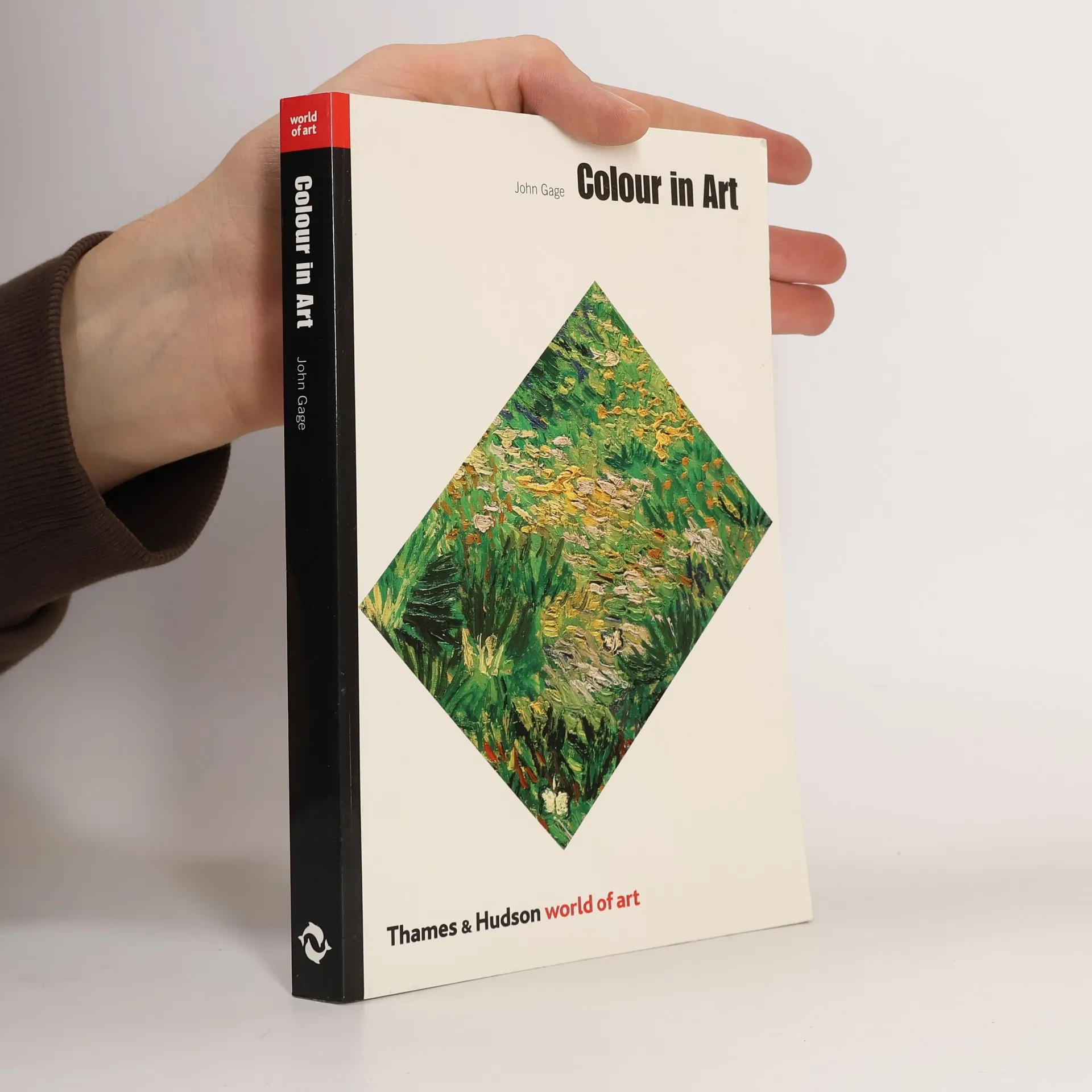
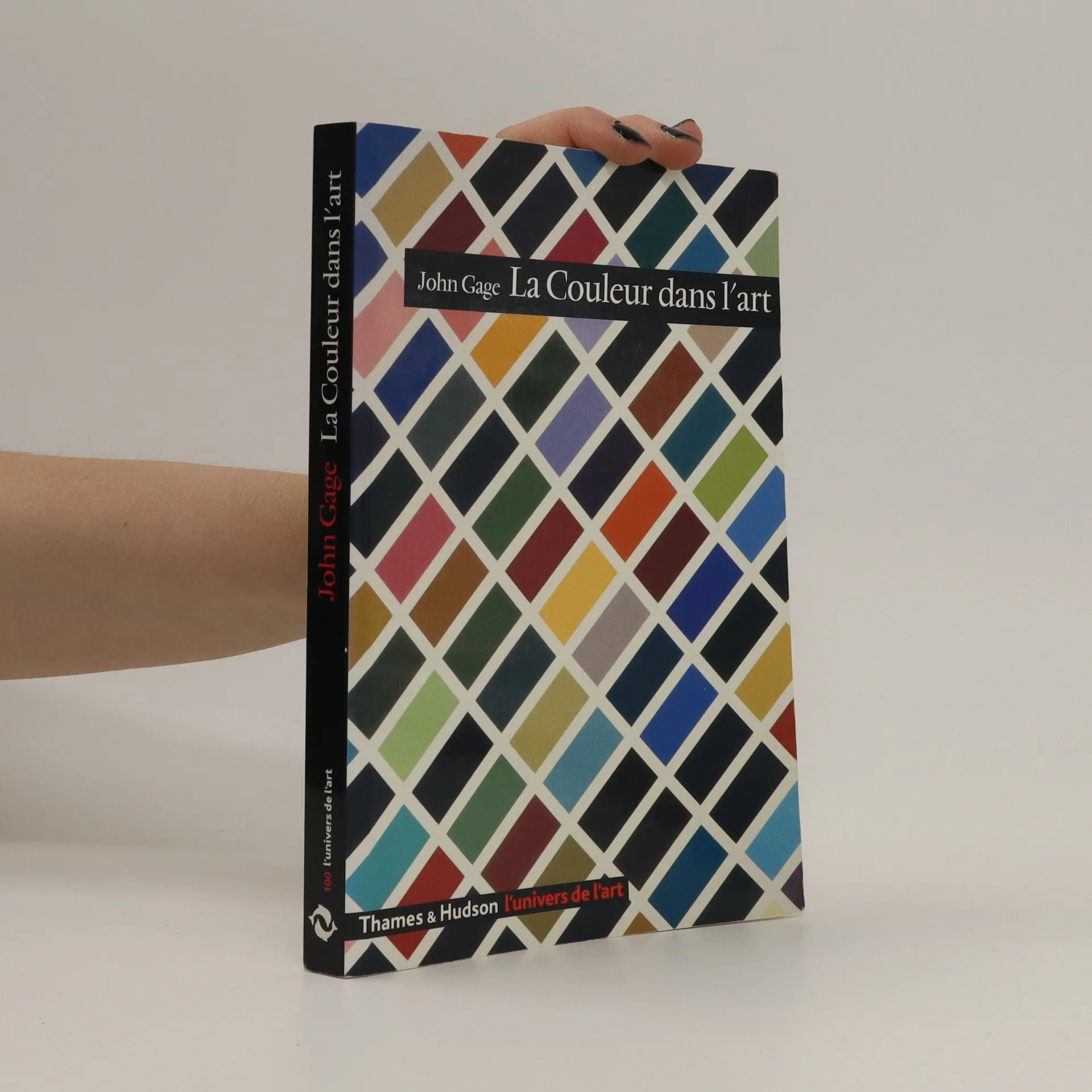
    • A wide-ranging and engaging introduction to the place and power of color in life and art by John Gage, author of the award-winning Color and Culture.

      Colour in Art
      4,0
    • Silence

      • 276 páginas
      • 10 horas de lectura

      Silence, A Year from Monday, M, Empty Words and X (in this order) form the five parts of a series of books in which Cage tries, as he says, "to find a way of writing which comes from ideas, is not about them, but which produces them." Often these writings include mesostics and essays created by subjecting the work of other writers to chance procedures using the I Ching (what Cage called "writing through").

      Silence
      4,2
    • Composition In Retrospect

      • 184 páginas
      • 7 horas de lectura

      "Written in his characteristic "mesostics" (lines of prose poetry linked by a central vertical acrostic), Composition in Retrospect is a statement of methodology in which composer John Cage examines the central issues of his work: indeterminacy, imitation, variable structure and contingency. Finished only shortly before his death in 1992, Composition in Retrospect completes the documentation of Cage's thought that began with his classic book Silence (1961), but it is an introduction and invitation to his work as much as a summary or conclusion. Also included in this volume (at Cage's request) is "Themes and Variations, " a piece written in 1982 about friends and heroes such as Jasper Johns, Buckminster Fuller, Marcel Duchamp and Erik Satie. Together these pieces form a book that is both a testament to the artists Cage admired and a clear statement of his own ars poetica."--Résumé de l'éditeur

      Composition In Retrospect
      3,9
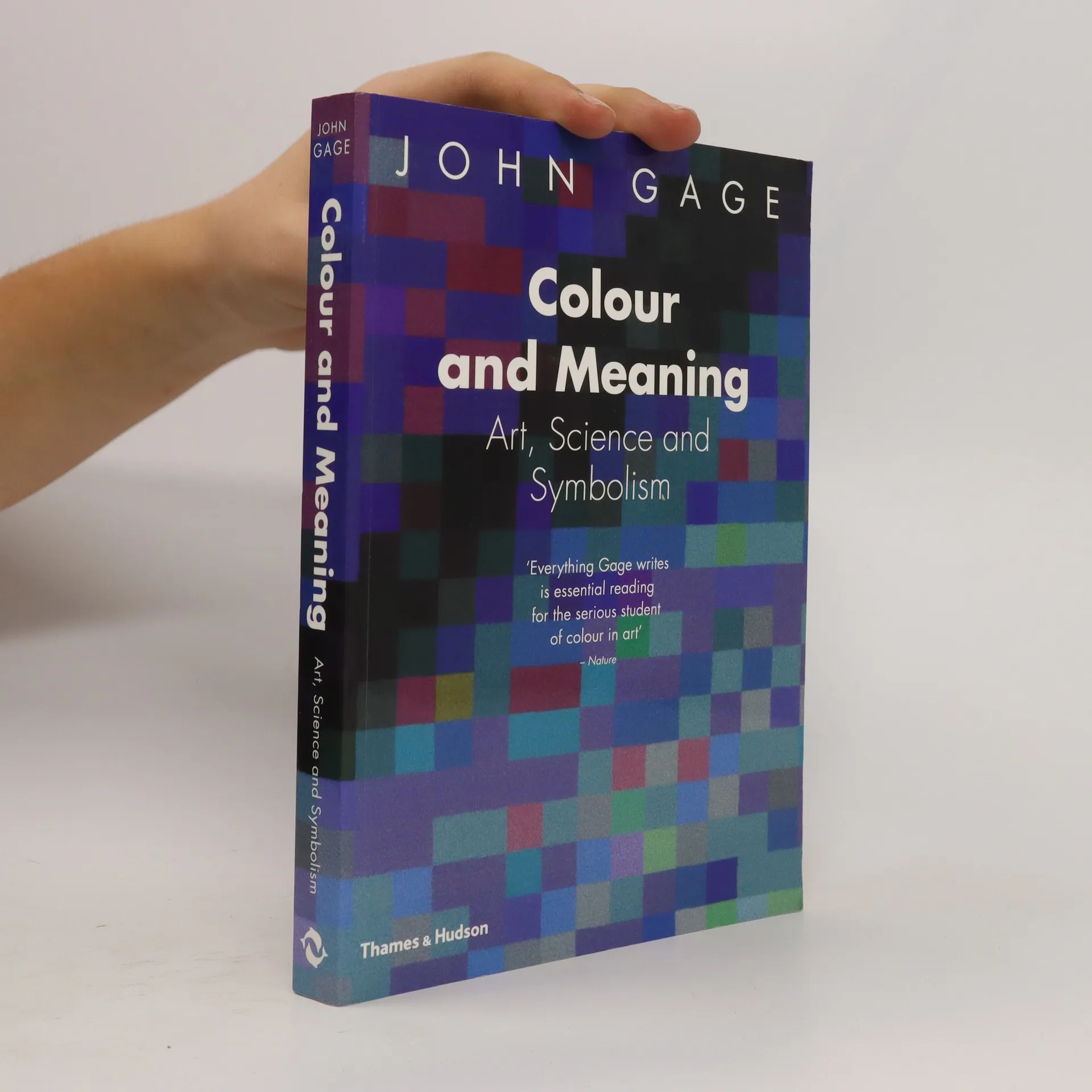
    • "Is colour just a physiological phenomenon? Does colour have an effect on feelings? This study argues that the meaning of colour, like language, lies in the particular historical contexts in which it is experienced. Three essays introduce the subject, and the remaining chapters follow themes of colour chronologically, from the early Middle Ages to the 20th century. Topics covered include medieval colour-symbolism, the earliest history of the prism, Newton's optical discoveries, 19th-century psychologists and colour, and 20th-century literature on colour in art." - product description.

      Colour and meaning : art, science and symbolism
      3,6
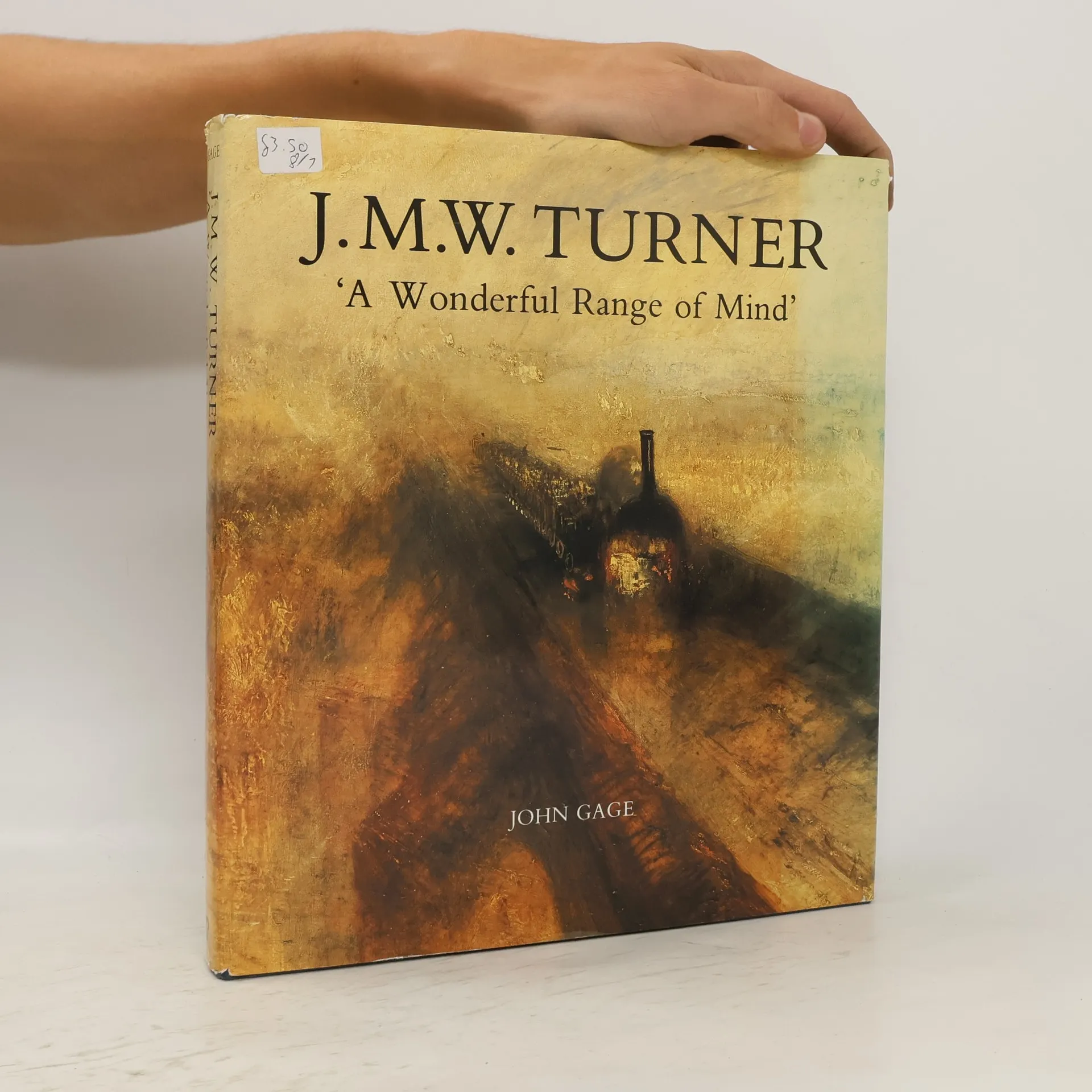
    • J.M.W. Turner

      A Wonderful Range of Mind

      Examines the life and work of the noted landscape painter and discusses his background and technique, including his training and working methods

      J.M.W. Turner