
Bookbot

William Ryan

    Blaming the Victim
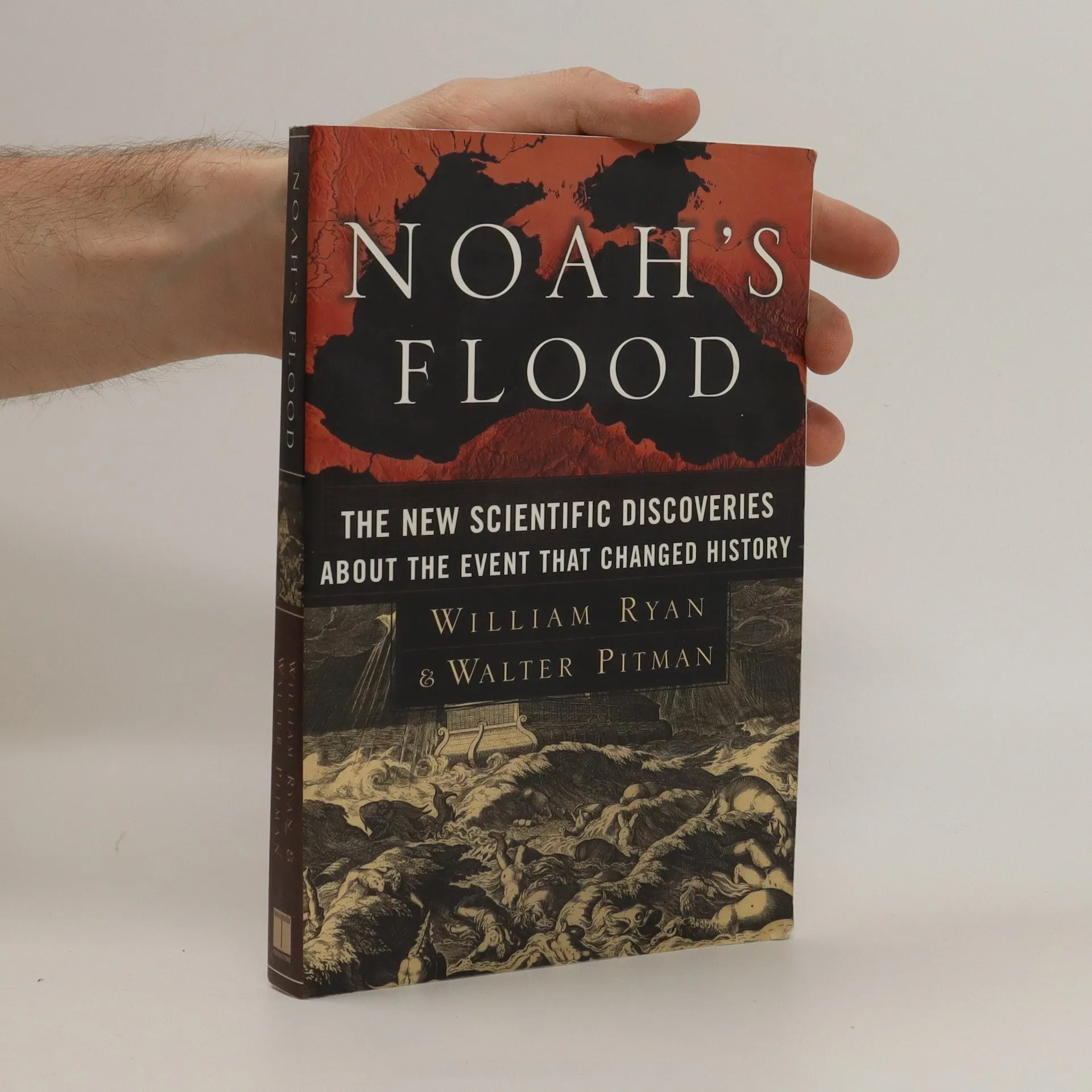
    Noah's Flood
    The Holy Thief
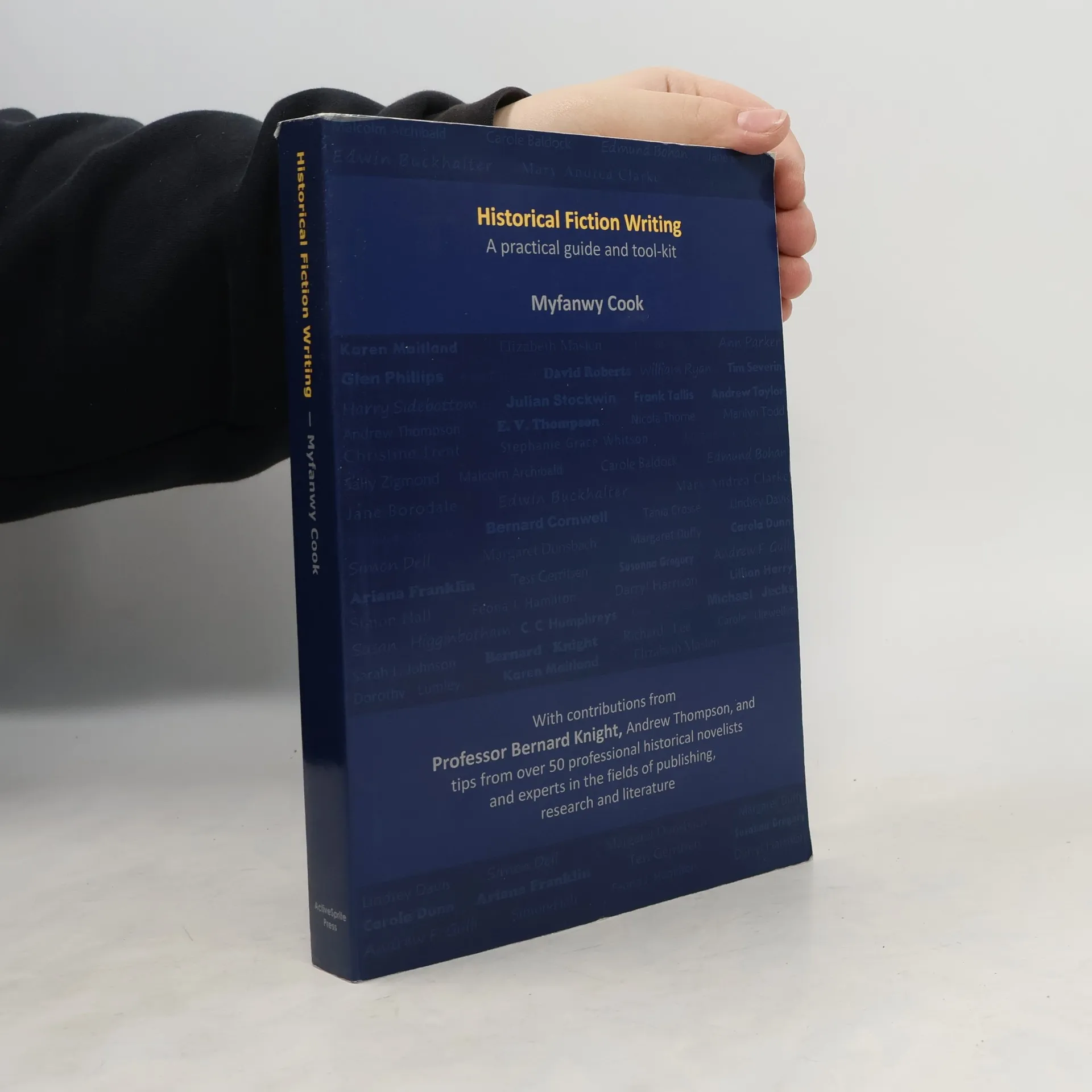
    Historical Fiction Writing
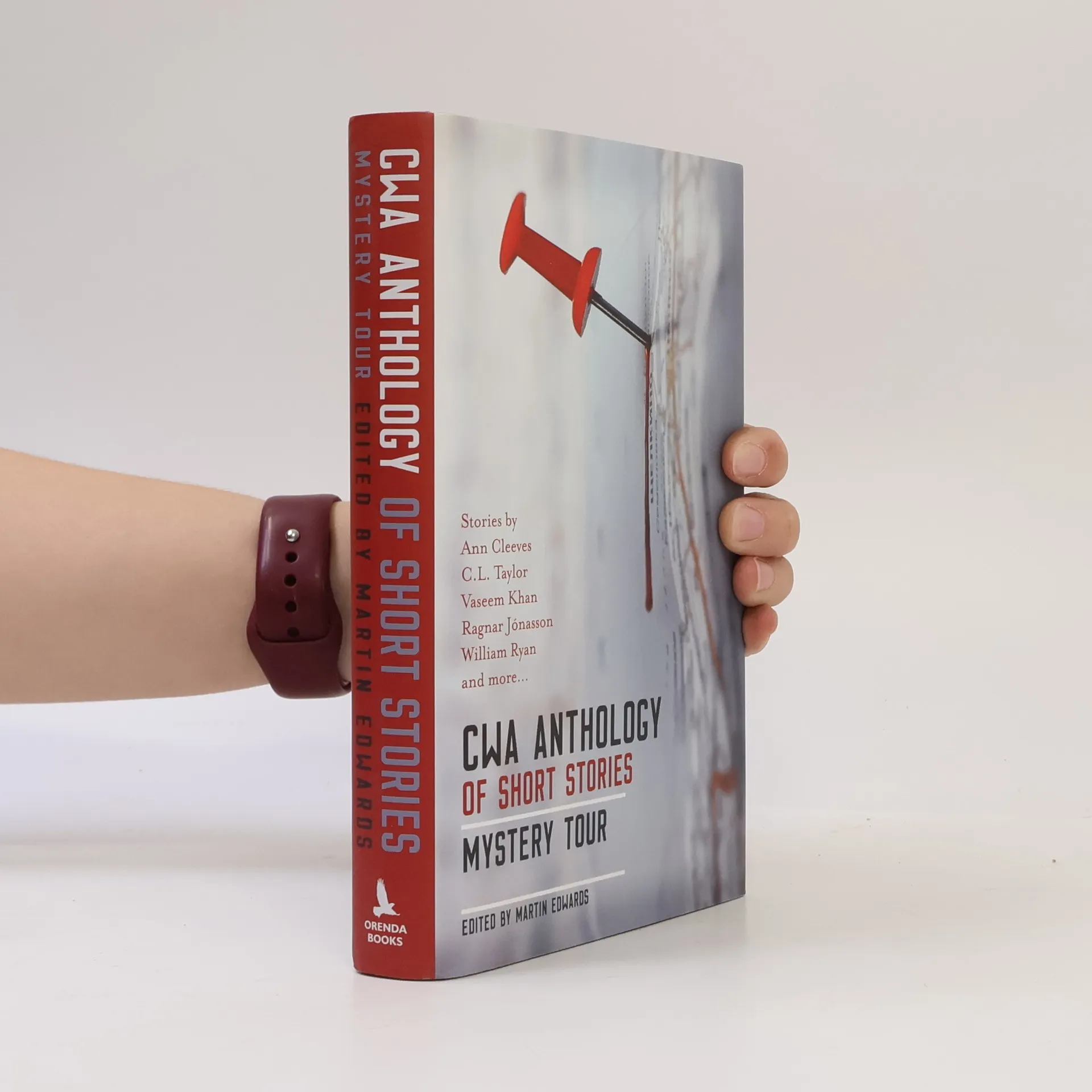
    The CWA Short Story Anthology
    Pradera roja
    • Pradera roja

      • 320 páginas
      • 12 horas de lectura

      El capitán Alexei Korolev regresa. Después de su investigación en Réquiem ruso que involucró a las más altas esferas de las autoridades de la Rusia soviética, Korolev es condecorado y convertido en ejemplo para todos los trabajadores soviéticos. Sin embargo, toda la información que tiene en su poder le sitúa en una posición delicada y si se llegara a descubrir su verdadera actuación durante la investigación, se arriesgaría a que le deportasen a los campos helados del norte del Estado. En medio de la noche, alguien llama a su puerta, pero en lugar del viaje de ida a Siberia que tanto le asusta, se encuentra con que el Coronel Rodinov de la temida agencia de seguridad NKVD le pide que se haga cargo de investigar el sospechoso suicidio de una joven: Maria Alexandovna Lenskaya, una ciudadana modelo. Korolev se indigna al descubrir que Lenskaya había sido objeto del interés de Ezhov, el terrible Comisario de Seguridad del Estado. El propio Ezhov quiere que se investiguen los hechos y cuando el detective llega a la llanura sangrienta, en lo más profundo de Ucrania, pronto se da cuenta

      Pradera roja
      3,8
    • The CWA Short Story Anthology

      • 276 páginas
      • 10 horas de lectura

      A fabulous collection of short stories from some of the biggest and most exciting names in crime fiction, as the CWA takes you on an unforgettable mystery tour...

      The CWA Short Story Anthology
      5,0
    • Historical Fiction Writing

      A Practical Guide and Tool-Kit

      • 363 páginas
      • 13 horas de lectura

      Revised edition featuring an interactive table of contents, cross-referencing, links to external websites, downloadable resources, and optimized content for Kindle e-readers. This historical writers’ guide aims to equip aspiring writers with the essential skills for crafting historical novels and short stories. It also serves experienced writers looking to refine their craft or transition to historical fiction. The step-by-step format includes practical activities that encourage experimentation with techniques necessary for creating authentic and engaging historical narratives. Organized into seven main headings, each chapter focuses on a specific writing skill or tool, allowing for independent use to address particular challenges or reinforce concepts introduced. The guide aims to provide the necessary tools for writing in various historical subgenres, including historical crime fiction. Contributions from notable historical fiction writers offer insights that both complement and challenge the activities, providing a diverse perspective on the craft. The activities stem from innovative workshops led by Myfanwy Cook, a published author with numerous accolades. She emphasizes that mastering writing is akin to an apprenticeship, requiring practical skills, imagination, and a commitment to the craft. This guide seeks to fill gaps in knowledge and inspire aspiring writers by enhancing their confidence and skills in historical fi

      Historical Fiction Writing
      3,4
    • Introducing Captain Alexei Dimitrevich Korolev, and an outstanding new voice in historical crime fiction... Moscow, 1936 and Stalin's Great Terror is beginning. In a deconsecrated Church, a young woman is tortured to death, her mutilated body displayed on the altar for all to see. Captain Alexei Dimitrevich Korolev, finally beginning to enjoy the benefits of his success with the Criminal Investigation Division of the Moscow Militia, is asked to investigate. But when he discovers that the victim is an American citizen, the NKVD - the most feared organisation in Russia-becomes involved. Soon, Korolev's every move is under close scrutiny and the Zone - the place where not only Russia's criminals are despatched, but anyone deemed to be an Enemy of the State - doesn't seem quite so distant. Committed to uncovering the truth behind this gruesome murder, Korolev, assisted by his friend, the poet Isaac Babel, enters the realm of the Thieves, who run Moscow's underworld; and discovers that the American woman's murder is tied up with the theft of a precious religious icon. But as more bodies are discovered and the pressure from above builds, Korolev begins to question who he can trust; and who, in this Russia where fear, uncertainty and hunger pervades, are the real criminals. Soon, Korolev will find not only his moral and political ideals threatened, but also his life...

      The Holy Thief
      3,8
    • Noah's Flood

      The new scientific discoveries about the event that changed history

      • 320 páginas
      • 12 horas de lectura

      Over the millennia, the legend of a great deluge has endured in the biblical story of Noah and in such Middle Eastern myths as the epic of Gilgamesh. Now two distinguished geophysicists have discovered a catastrophic event that changed history, a gigantic flood 7,600 years ago in what is today the Black Sea.Using sound waves and coring devices to probe the sea floor, William Ryan and Walter Pitman revealed clear evidence that this inland body of water had once been a vast freshwater lake lying hundreds of feet below the level of the world's rising oceans. Sophisticated dating techniques confirmed that 7,600 years ago the mounting seas had burst through the narrow Bosporus valley, and the salt water of the Mediterranean had poured into the lake with unimaginable force, racing over beaches and up rivers, destroying or chasing all life before it. The rim of the lake, which had served as an oasis, a Garden of Eden for farms and villages in a vast region of semi-desert, became a sea of death. The people fled, dispersing their languages, genes, and memories.

      Noah's Flood
      3,8
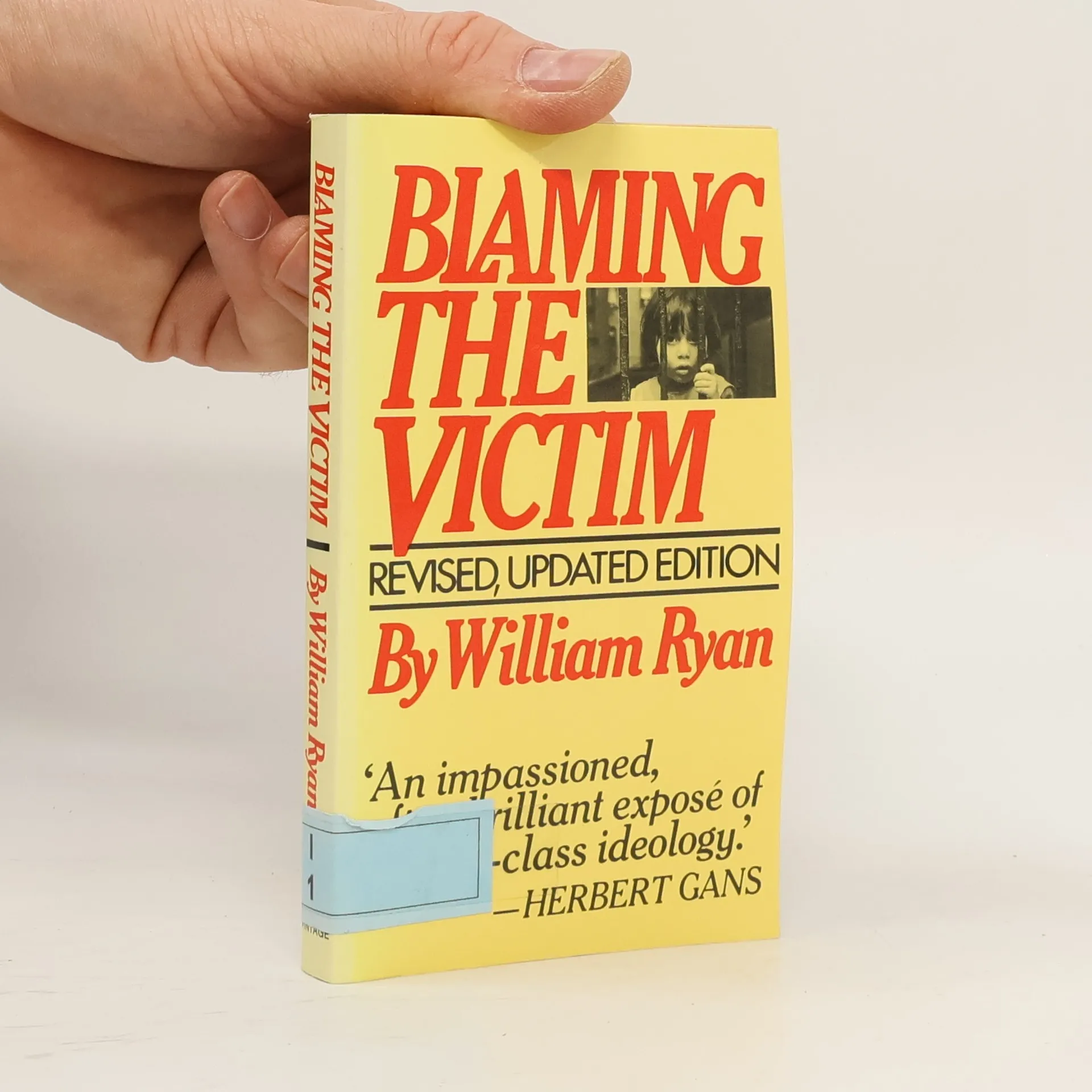
    • Blaming the Victim

      Revised, Updated Edition

      • 368 páginas
      • 13 horas de lectura

      The classic work that refutes the lies we tell ourselves about race, poverty and the poor.Here are three myths about poverty in America: – Minority children perform poorly in school because they are “culturally deprived.”– African-Americans are handicapped by a family structure that is typically unstable and matriarchal.– Poor people suffer from bad health because of ignorance and lack of interest in proper health care. Blaming the Victim was the first book to identify these truisms as part of the system of denial that even the best-intentioned Americans have constructed around the unpalatable realities of race and class. Originally published in 1970, William Ryan's groundbreaking and exhaustively researched work challenges both liberal and conservative assumptions, serving up a devastating critique of the mindset that causes us to blame the poor for their poverty and the powerless for their powerlessness. More than twenty years later, it is even more meaningful for its diagnosis of the psychic underpinnings of racial and social injustice.

      Blaming the Victim