


Compra 10 libros por 10 € aquí!
Bookbot

Bill Nichols

    1 de enero de 1942

    Bill Nichols es una figura fundamental en el estudio contemporáneo del cine documental. Su trabajo fue pionero en la aplicación de la teoría cinematográfica moderna al análisis documental, ayudando a establecer los estudios cinematográficos como una disciplina académica sólida. A través de libros y ensayos influyentes, Nichols ha moldeado la comprensión crítica de la forma documental y su lugar en el cine. Su legado reside en su profunda capacidad para diseccionar y definir la esencia de la realización de documentales.

    Introduction to Documentary, Fourth Edition
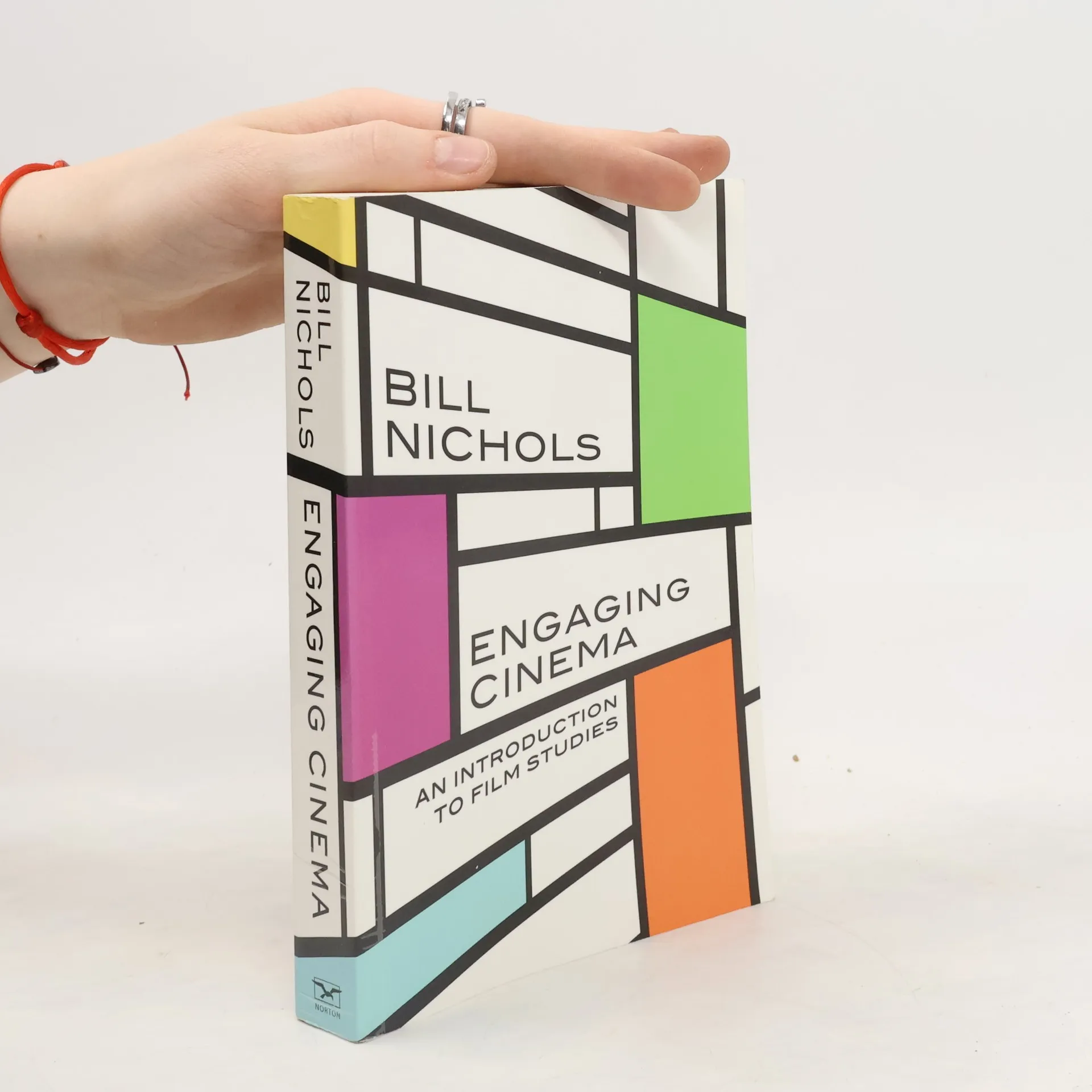
    Engaging Cinema
    Introduction to documentary
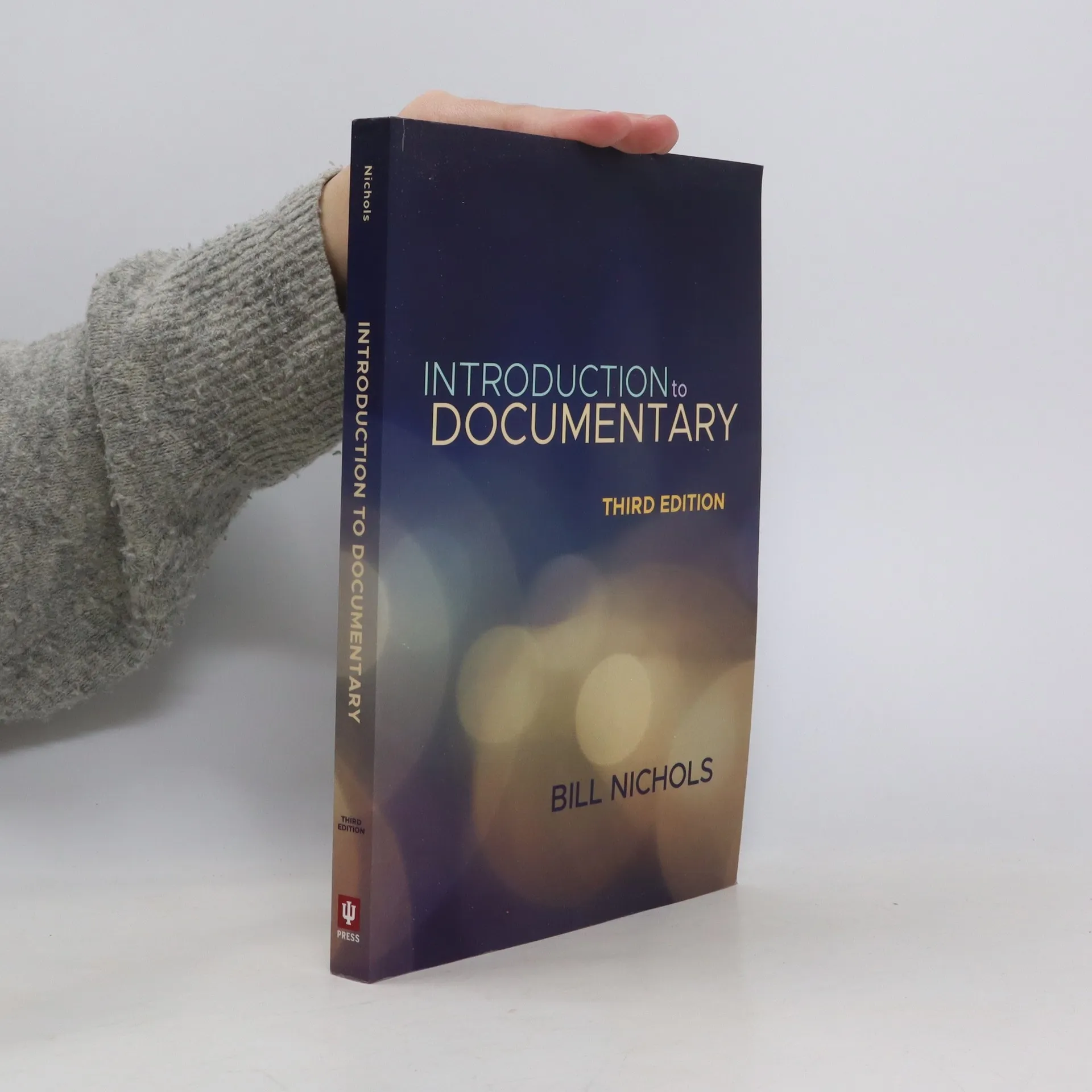
    Introduction to Documentary, Third Edition
    • Introduction to Documentary, Third Edition

      • 280 páginas
      • 10 horas de lectura

      The third edition of Bill Nichols's best-selling text provides an up-to-date introduction to the most important issues in documentary history and criticism. A new chapter, "I Want to Make a Documentary: Where Do I Start?" guides readers through the steps of planning and preproduction and includes an example of a project proposal for a film that went on to win awards at major festivals. Designed for students in any field that makes use of visual evidence and persuasive strategies, Introduction to Documentary identifies the genre's distinguishing qualities and teaches the viewer how to read documentary film. Each chapter takes up a discrete question, from "How did documentary filmmaking get started?" to "Why are ethical issues central to documentary filmmaking?" Here Nichols has fully rewritten each chapter for greater clarity and ease of use, including revised discussions of earlier films and new commentary on dozens of recent films from The Cove to The Act of Killing and from Gasland to Restrepo.

      Introduction to Documentary, Third Edition
    • Engaging Cinema

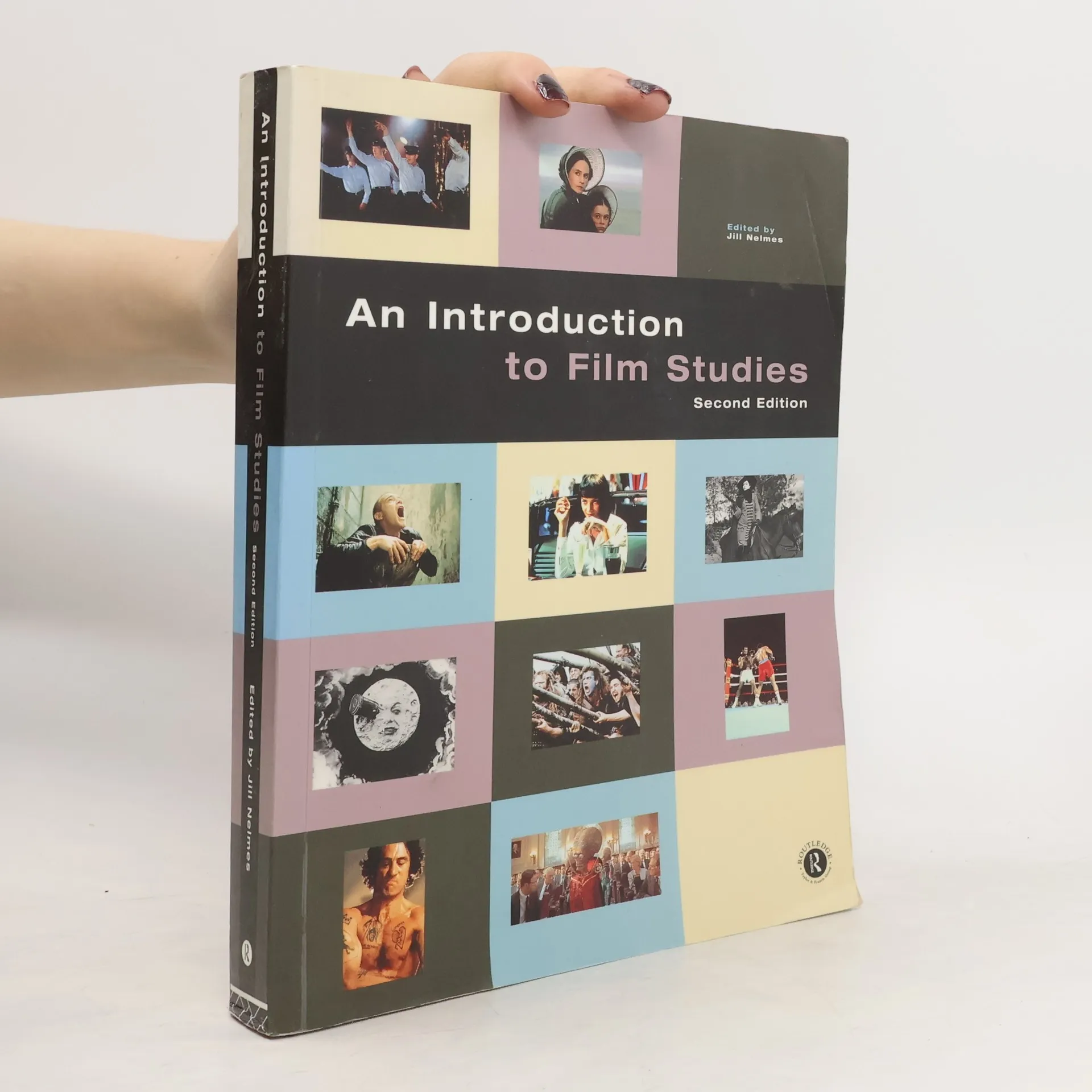
      An Introduction to Film Studies

      • 11 páginas
      • 1 hora de lectura

      In what ways do films influence and interact with society? What social forces determine the kinds of movies that get made? How do movies reinforce—and sometimes overturn—social norms? As societies evolve, do the films that were once considered ‘great’ slip into obscurity? Which ones? Why? These questions, and many others like them, represent the mainstream of scholarly film studies today. In Engaging Cinema, Bill Nichols offers the first book for introductory film students that tackles these topics head-on. Published in a handy 'trade paperback' format, Engaging Cinema is inexpensive and utterly unique in the field—a perfect complement to or replacement for standard film texts.

      Engaging Cinema