Compra 10 libros por 10 € aquí!
Bookbot

Allan Kardec

    3 de octubre de 1804 – 31 de marzo de 1869

    Bajo el seudónimo se encontraba el profesor, traductor y autor Hippolyte Léon Denizard Rivail, el padre del espiritismo. Fue miembro de varias sociedades eruditas y durante décadas impulsó la pedagogía de Pestalozzi en Francia. Organizó y enseñó cursos gratuitos para los menos privilegiados, trabajando como maestro, escritor educativo y traductor.

    Allan Kardec
    The Gospel According to Spiritism
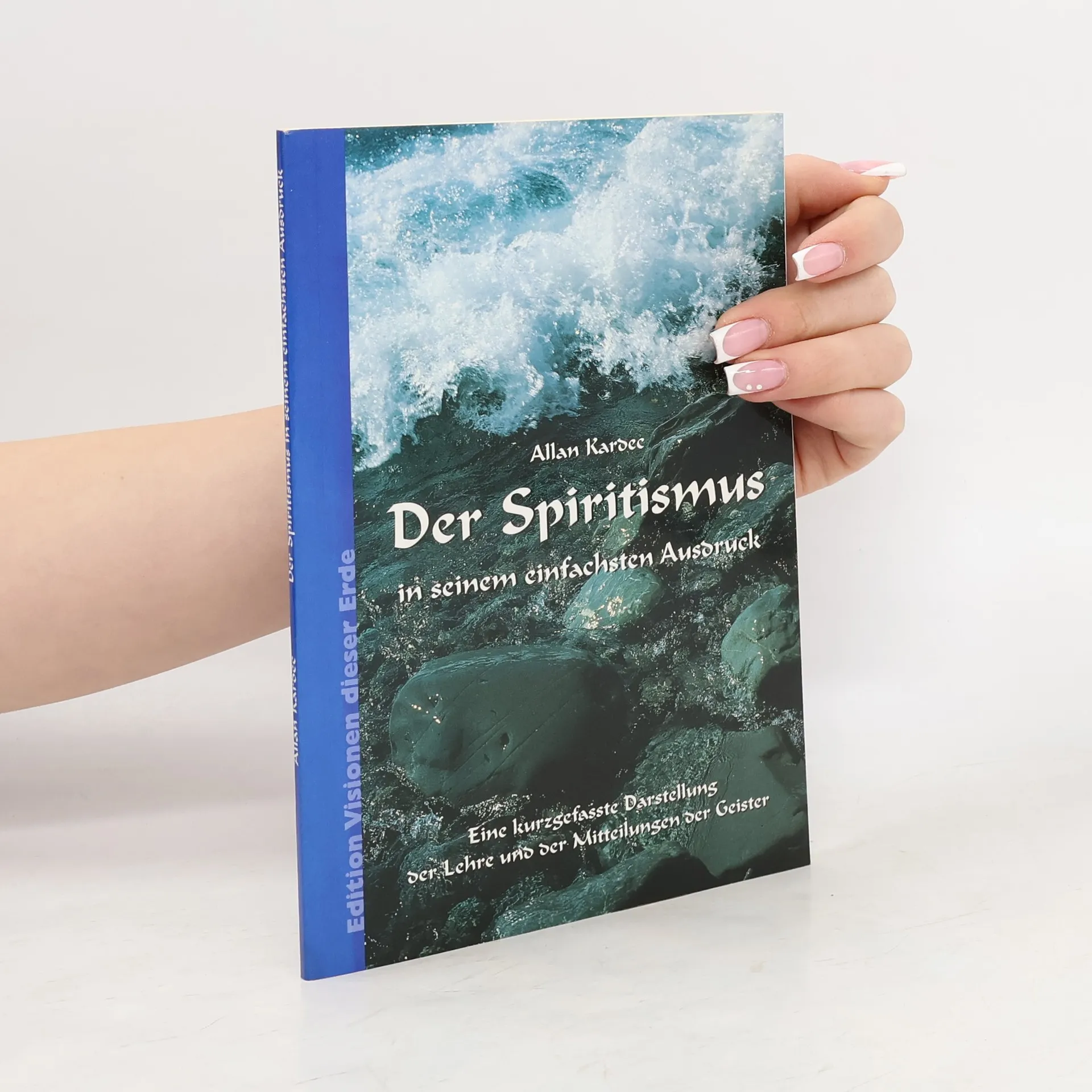
    El Espiritismo En Su Más Simple Expresión
    ¿qué Es El Espiritismo?
    El Cielo Y El Infierno: O La Justicia Divina Según El Espiritismo
    Revista Espírita 1868: Periódico de Estudios Psicológicos
    El Libro de Los Espíritus
    • Contiene el relato de las manifestaciones materiales e inteligentes de los Espíritus, apariciones, evocaciones, etc., así como las noticias relativas al espiritismo.- La enseñanza de los Espíritus sobre las cuestiones del mundo visible y del mundo invisible; sobre las ciencias, la moral, la inmortalidad del alma, la naturaleza del hombre y su porvenir.- La historia del espiritismo en la antigüedad; sus relaciones con el magnetismo y con el sonambulismo; la explicación de las leyendas y las creencias populares, de la mitología de todos los pueblos, etc. El resumen de los trabajos de la Sociedad Parisiense de Estudios Espíritas, fundada el 1.° de abril de 1858. ALLAN KARDEC

      Revista Espírita 1868: Periódico de Estudios Psicológicos
    • ¿QUÉ ES EL ESPIRITISMO? Las personas que sólo conocen el espiritismo de un modo superficial están naturalmente inclinadas a formular ciertas preguntas cuya solución encontrarían si lo estudiasen con mayor profundidad. Antes de emprender esa tarea, muchos desean saber por lo menos de qué se trata y si vale la pena ocuparse de ella. Por consiguiente, nos ha parecido útil presentar de manera resumida la respuesta a algunas de las preguntas fundamentales que se nos dirigen a diario. El espiritismo es al mismo tiempo una ciencia de observación y una doctrina filosófica. Como ciencia práctica, consiste en las relaciones que se pueden establecer con los Espíritus; como filosofía, comprende todas las consecuencias morales que se desprenden de esas relaciones. ALLAN KARDEC

      ¿qué Es El Espiritismo?
    • EL ESPIRITISMO EN SU MÁS SIMPLE EXPRESIÓNExposición sumaria de la enseñanza de los Espíritus y de sus manifestacionesLas instrucciones impartidas por los Espíritus de un orden elevado, acerca de los temas que interesan a la humanidad, así como las respuestas que dieron a las preguntas que les formulamos y que han sido recopiladas y coordinadas cuidadosamente, constituyen toda una ciencia, una doctrina moral y filosófica que lleva el nombre de espiritismo. Por consiguiente, el espiritismo es la doctrina basada en la existencia, las manifestaciones y la enseñanza de los Espíritus. ALLAN KARDEC

      El Espiritismo En Su Más Simple Expresión
    • The Gospel According to Spiritism

      • 384 páginas
      • 14 horas de lectura

      Celebrating Allan Kardec's insights, this book explores the Christian message through the reflections and spiritual experiences of those who have passed on. Its elegant prose and poetic expressions invite readers to engage with profound themes of devotion and the afterlife, offering a unique perspective on spirituality and the intersection of faith and reason. The work serves as both a philosophical exploration and a source of inspiration for the speculative imagination.

      The Gospel According to Spiritism
    • The Book on Mediums, also known as The Mediums Book, was written by Allan Kardec and originally published in 1861. It is the widely respected follow up to The Spirits Book which was published in 1857 and is the second in a series of five books that Kardec wrote that are collectively known as the 'Spiritist Codification'.

      The Book on Mediums
    • Heaven and Hell

      Easy to read Layout

      • 600 páginas
      • 21 horas de lectura

      Exploring the concepts of divine justice and the afterlife, this work delves into the principles of Spiritism, offering insights into the moral implications of human actions. It contrasts the experiences of souls in heaven and hell, emphasizing the idea of personal responsibility and the potential for redemption. Through a collection of narratives and philosophical reflections, the book invites readers to reconsider their understanding of justice, morality, and the spiritual journey beyond physical existence.

      Heaven and Hell
    • The Spirits' Book (New English Edition)

      Enlarged Print

      • 526 páginas
      • 19 horas de lectura

      As the foundational text of Spiritism, this work explores profound questions about human existence and spirituality, established by Allan Kardec in the 19th century. The new translation is meticulously crafted, ensuring fidelity to the original French while enhancing readability. It features extensive notes and comparisons to Kardec's various editions, highlighting nuances in vocabulary and style. This philosophical guide serves as a valuable companion for anyone seeking to examine life deeply, echoing Socrates' belief in the importance of self-reflection.

      The Spirits' Book (New English Edition)
    • The first Chinese translation of "Le Livre des Médiums" by Allan Kardec offers readers access to this foundational text on Spiritism, originally published in 1861. The translation is based on the standard second edition from 1862, ensuring authenticity and fidelity to Kardec's original ideas. This work explores the principles of mediumship and communication with spirits, making it a significant resource for those interested in spiritual philosophy and the study of the afterlife.

      The Mediums' Book (Traditional Chinese Edition)