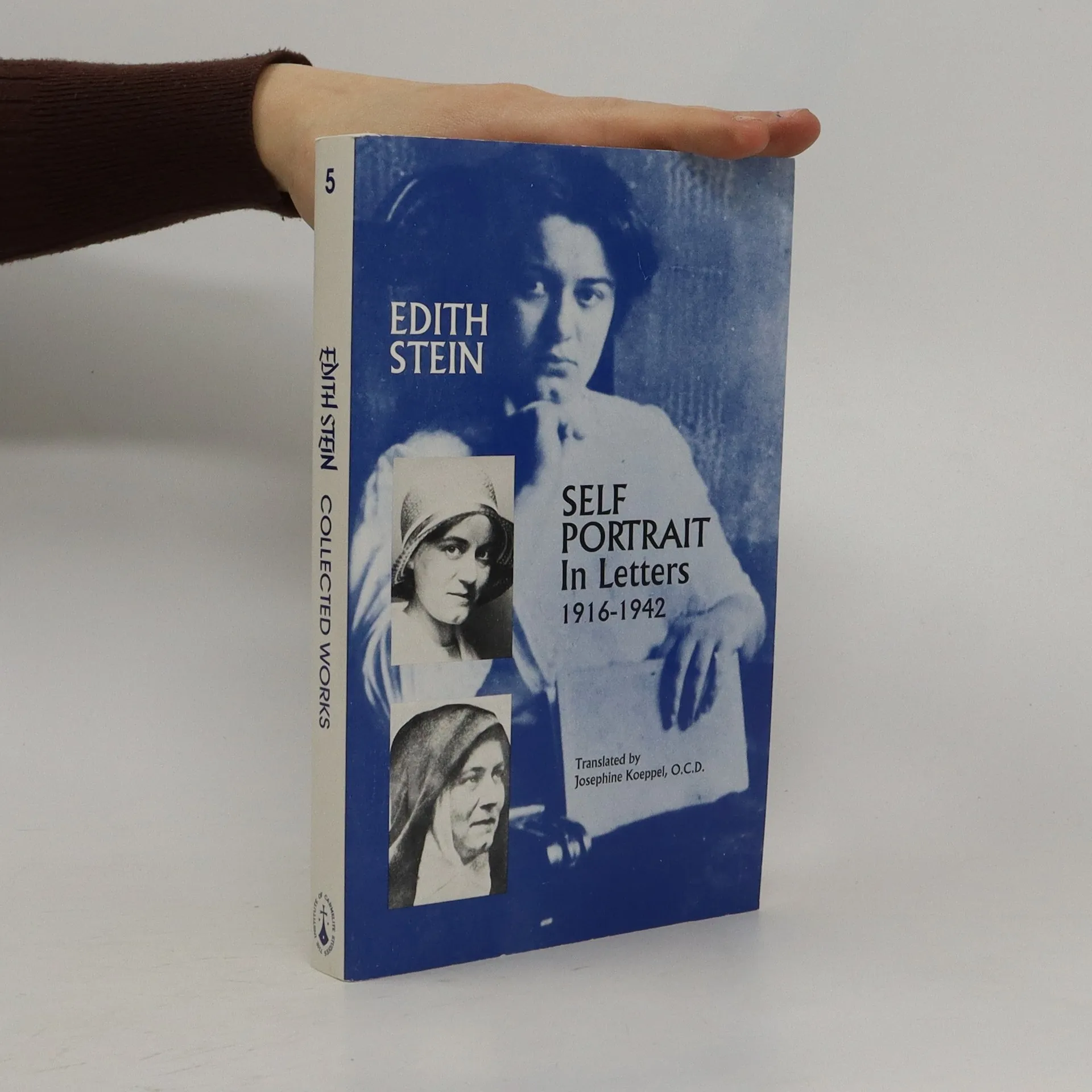
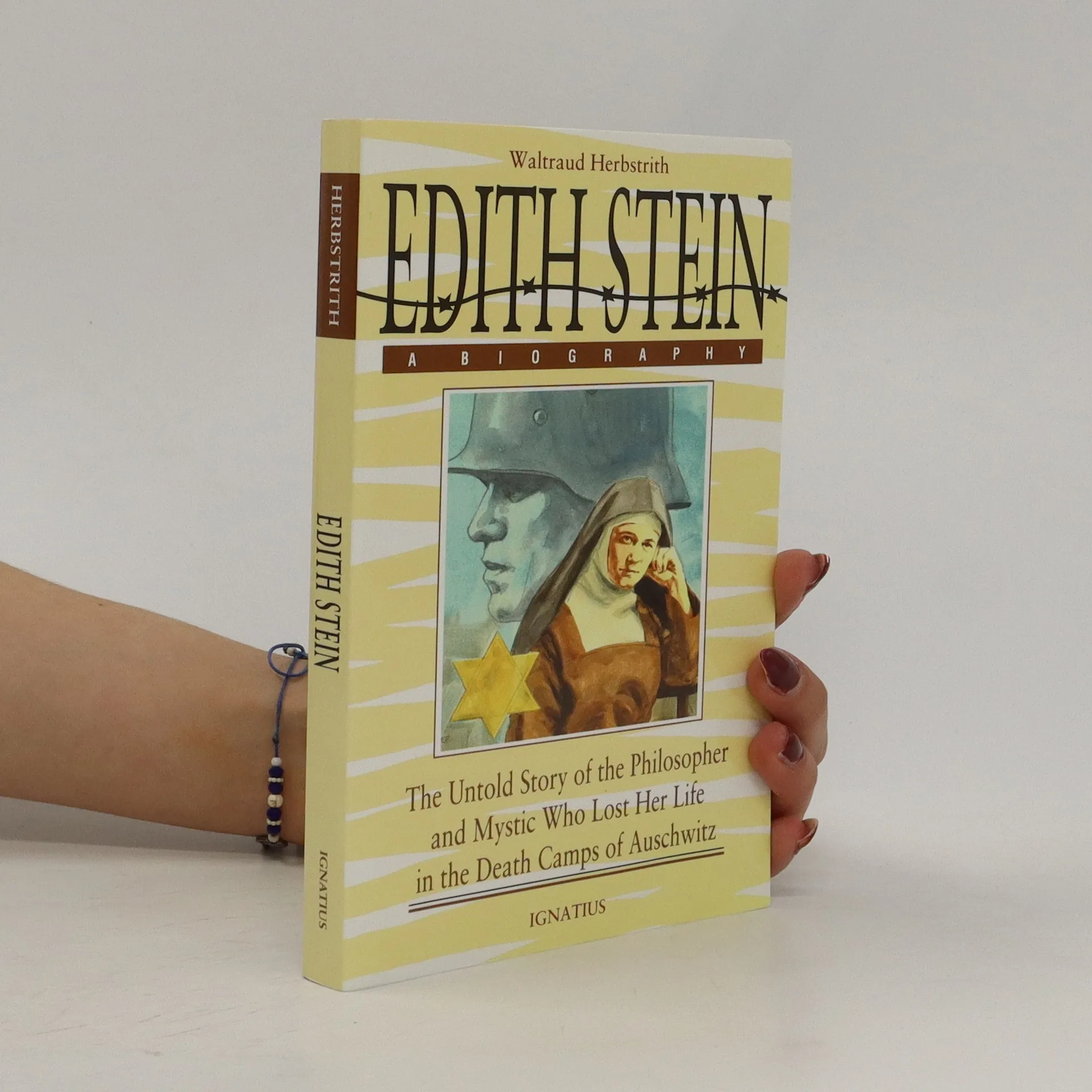
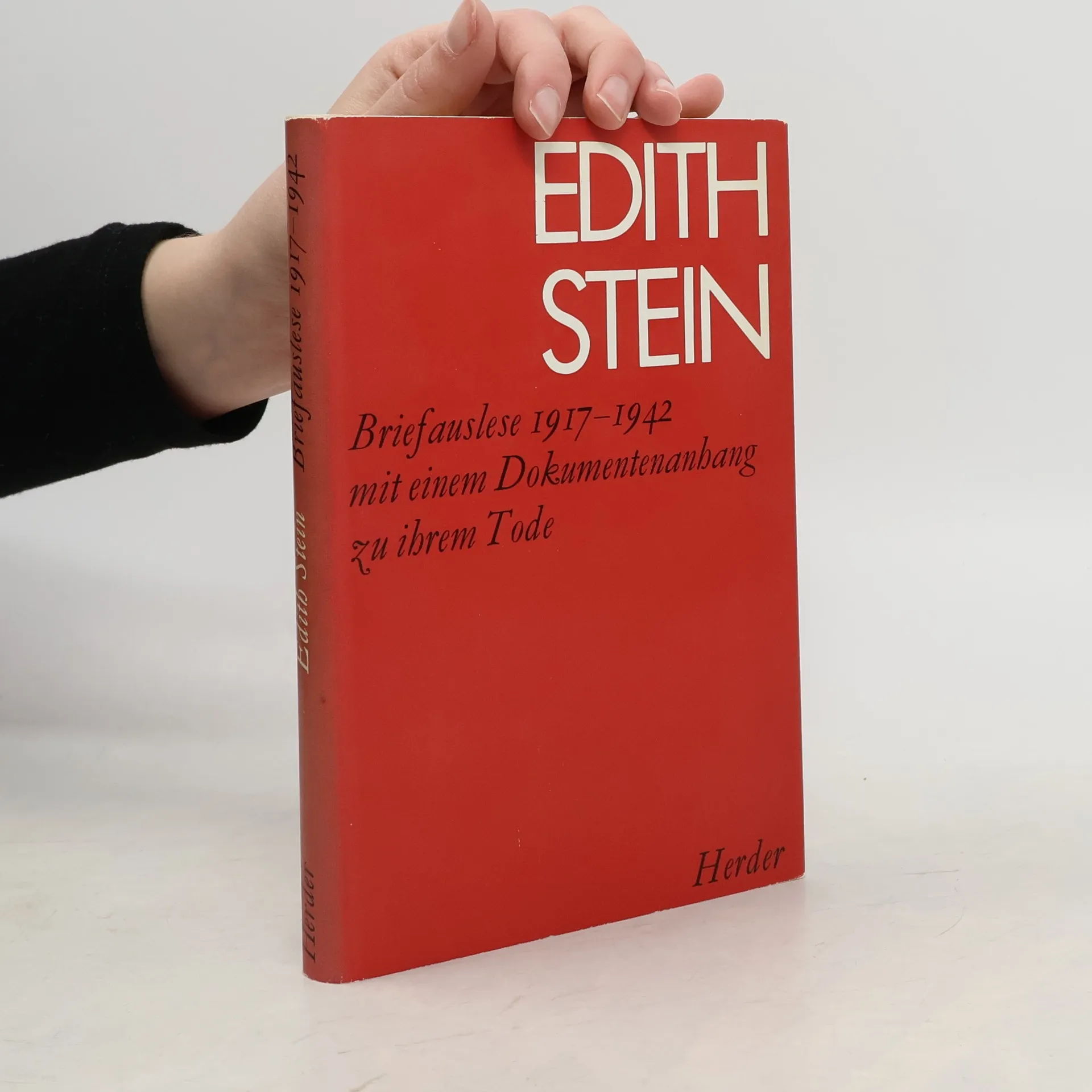
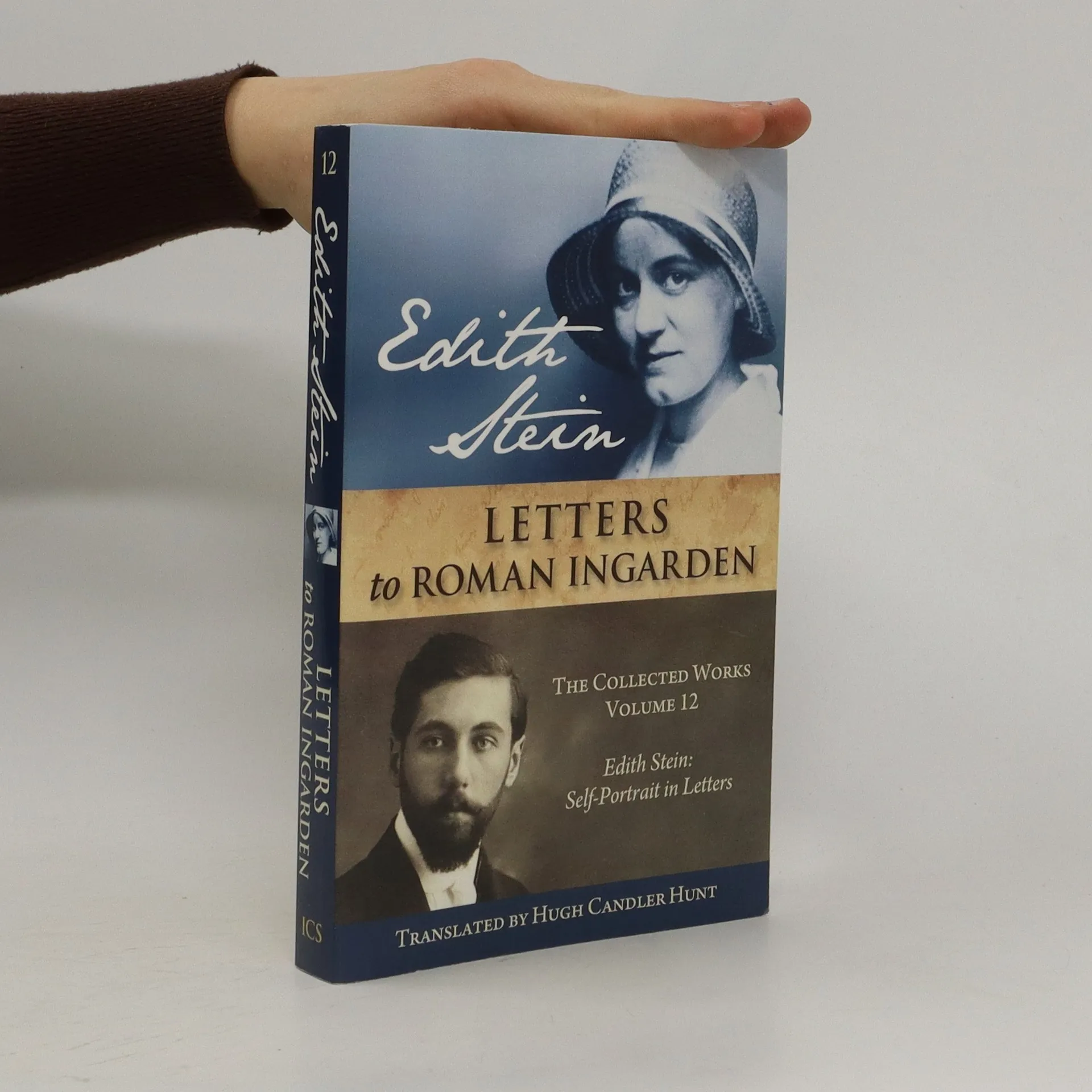
Edith Stein and Roman Ingarden, both students of Edmund Husserl, maintained an extensive correspondence from 1917 to 1938, comprising 162 letters, most published here for the first time. Their friendship, which spanned their adult lives, is illuminated through Stein's letters, chronicling her journey from student days to her conversion from Judaism to Catholicism, her professional life, and her choice to become a Carmelite nun in Cologne, adopting the name Teresa Benedicta of the Cross. The correspondence concludes in 1938, as the Nazi threat escalated in Eastern Europe, complicating communication across borders. Four years later, Stein was arrested by the Nazi SS in the Netherlands, transported to Auschwitz, and killed in the gas chambers, while Ingarden survived the war, continued his academic pursuits in Poland, and passed away in 1970. Although Ingarden's letters to Stein are lost, her letters provide insights into his life, intellectual development, and the editorial support she offered for his German publications. Translated by Dr. Hugh Candler Hunt, this premiere English edition offers a fascinating glimpse into Stein's life, showcasing her warmth, humor, and profound intellectual and spiritual depth. The volume includes 13 photos, a bibliography, and an index.
Edita Stein Libros
Edith Stein fue una filósofa judía alemana cuyo viaje intelectual la llevó desde la fe de sus antepasados a través del ateísmo hasta una profunda devoción a la Iglesia Católica Romana. Como monja carmelita, su vida se convirtió en la encarnación de la indagación filosófica sobre la verdad y la fe. Su obra profundiza en las preguntas existenciales y la búsqueda de sentido en medio del sufrimiento. Sirve de inspiración para quienes buscan conectar la razón y la espiritualidad.


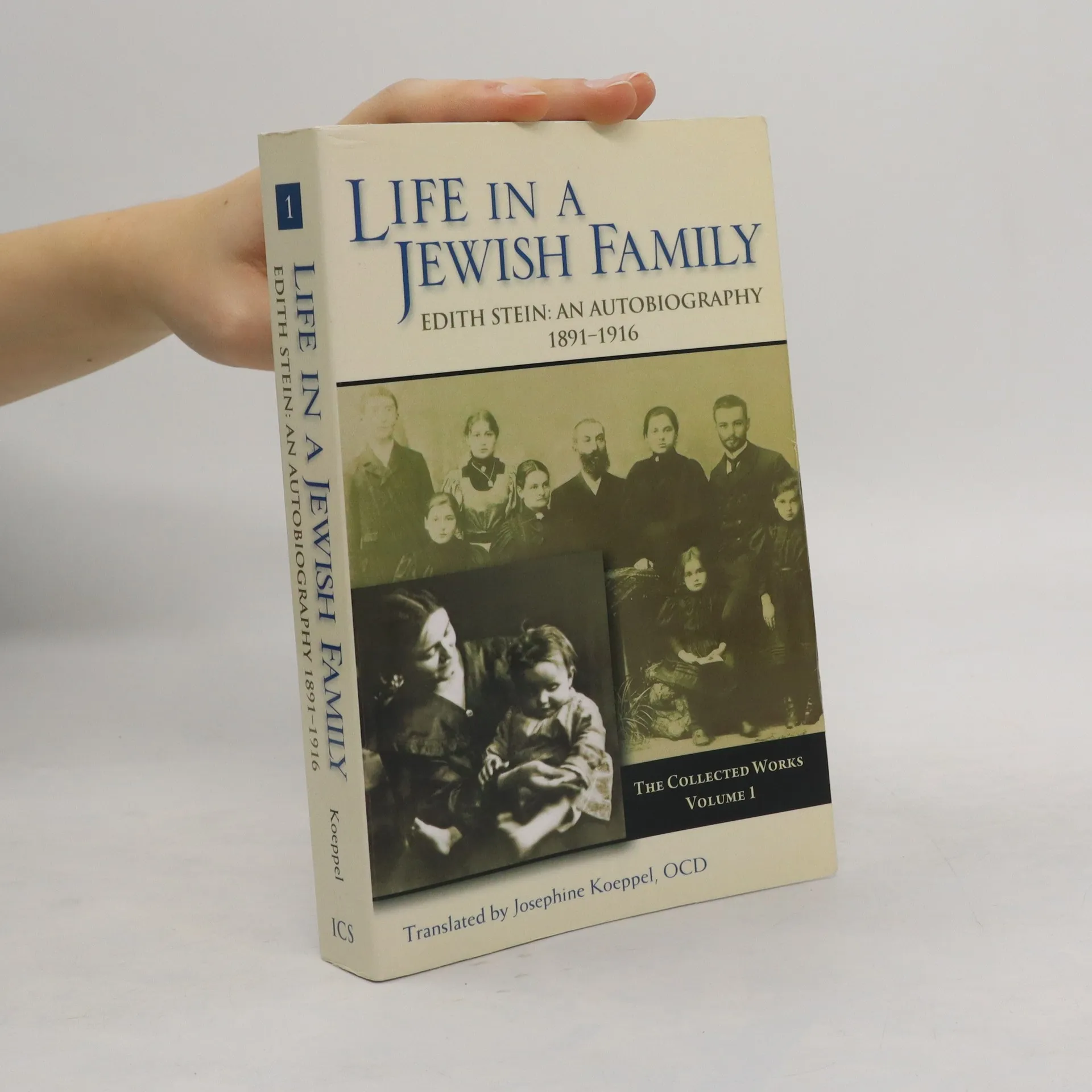
Life in a Jewish Family
- 548 páginas
- 20 horas de lectura
Edith Stein: Life in Jewish Family - The Collected Works of Edith Stein, Vol. One By Edith Stein, translated by Josephine Koeppel, OCD. Edith Stein's autobiography, with map and 11 pages of photos. This initial volume of the Collected Works offers, for the first time in English, Edith Stein's unabridged autobiography depicting herself as a child and a young adult. Her text breaks abruptly because the Gestapo arrested and deported her to Auschwitz in 1942. Edith Stein is one of the most significant German women of our century. At the age of twenty-five she became the first assistant to the founder of phenomenology, Edmund Husserl. She was much in demand as a writer-lecturer after her conversion from atheism to Catholicism. Later, as a Carmelite nun, she maintained her intellectual pursuits, until she died along with so many other Jewish people in the Holocaust. By making this story available in English, the Institute of Carmelite Studies provides an eye-witness account of persons and activities on the scene at the time when psychology and philosophy became separate disciplines. A preface, foreword, and afterword to Edith's text brings out many background details of the rich story she has left us. "A splendid translation, filled with a deep understanding of Edith Stein." - Cistercian Studies
The Science of the Cross
- 358 páginas
- 13 horas de lectura
To celebrate the fourth centenary of St. John of the Cross's birth in 1542, Edith Stein was tasked with preparing a study of his writings. Utilizing her philosophical skills, she reflects on the symbols of the cross and night, illustrating how entering the night equates to carrying the cross. Her analysis condenses John's thoughts on the active and passive nights from *The Ascent of Mount Carmel* and *The Dark Night*, ultimately leading to the glory of resurrection shared through unitive contemplation, primarily discussed in *The Living Flame of Love*. In the summer of 1942, the Nazis arrested Edith, and her profound manuscript was found open in her room. After fleeing to Holland for safety, she faced renewed danger with the Nazi invasion. Her superiors assigned her the study of St. John of the Cross to distract her from the looming threat. Given her circumstances, the theme of the cross became central to her work, allowing her to explore John's unity of being as reflected in his life and writings. Through her phenomenological training, she elucidates the symbolic differences between the cross and night, emphasizing that detachment is a necessary night for the soul's union with God. She describes the spiritual marriage as a surrender of the inmost regions of both God and the soul, where mortal existence is consumed by eternal love, guiding the spirit from the cross of Christ to the glory of resurrection.
Collected Works of Edith Stein - 2: Essays on Woman
- 290 páginas
- 11 horas de lectura
An Investigation Concerning the State
- 202 páginas
- 8 horas de lectura
"Any state exists only for the benefit of human beings. this basic tenet of Edith Stein's political thought rests on her conviction that humanity is fundamentally one community, precious beyond measure. Differences of race, culture, and language offer us means to grasp the values of life uniquely so that we may share them universally, reaching across all such social boundaries. ..... " [from back cover]
Potency and act
- 576 páginas
- 21 horas de lectura
Edith Stein comes alive through these warm, totally attentive letters. She joins a deeply sensitive heart with her keen intelligence, revealing herself to be a wise mentor and a caring friend available to anyone who approached her. Here we learn what was truly important to her: the total well-being of those who treasured her letters enough to preserve them even while suffering the havoc of war and oppression. This volume offers the first English translation of the majority of her surviving letters, with 4 photos and an index of recipients.
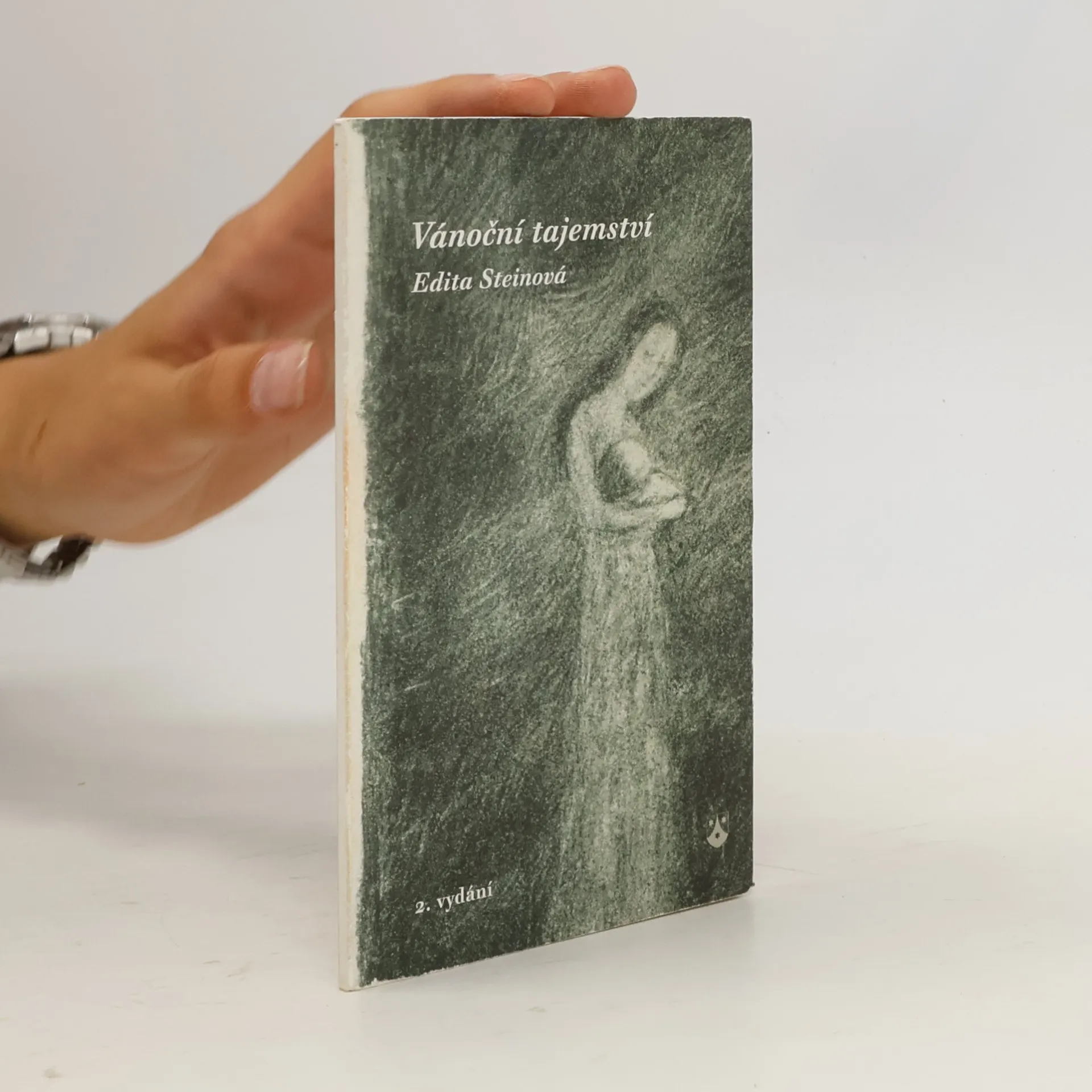
Vánoční tajemství
- 40 páginas
- 2 horas de lectura
Drobný, ale obsahem velice hutný spisek od Edith Stein v novém překladu, ve kterém autorka zdůrazňuje pokoj, který narozením Božího Dítěte přichází do lidských srdcí, je však vzdálena jakémukoli lacinému sentimentu, vždyť po svátku Narození Božího Syna následují svátky prvních mučedníků: „Tajemství Vtělení a tajemství zla spolu úzce souvisejí. (...) Před Dítětem v jesličkách se tříbí duchové.”
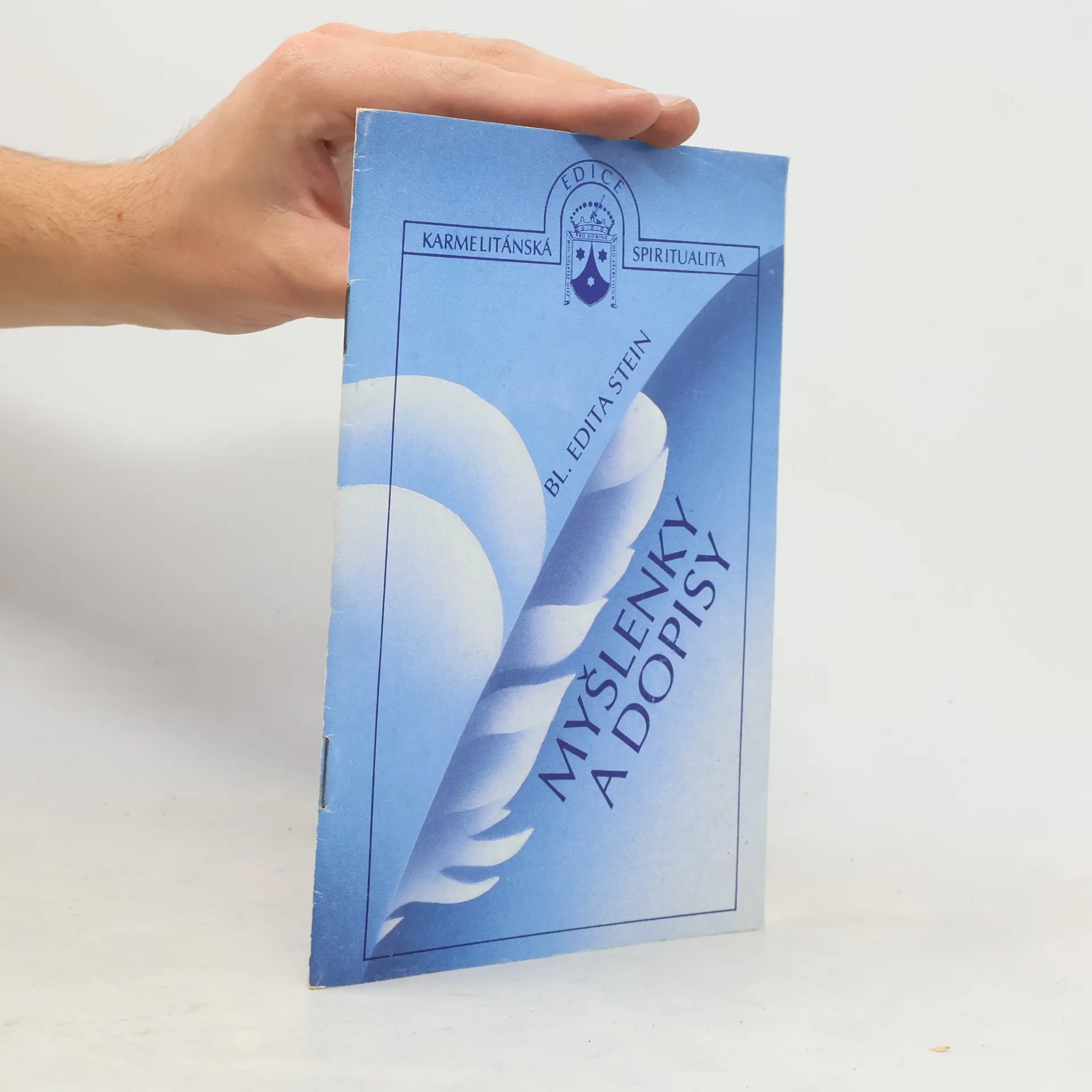
Myšlenky a dopisy
- 22 páginas
- 1 hora de lectura
Texty sest. Sr. Teresia a Matre Dei z Karmelu v Kolíně nad Rýnem. Krátké texty velké karmelitánské světice moderní doby.
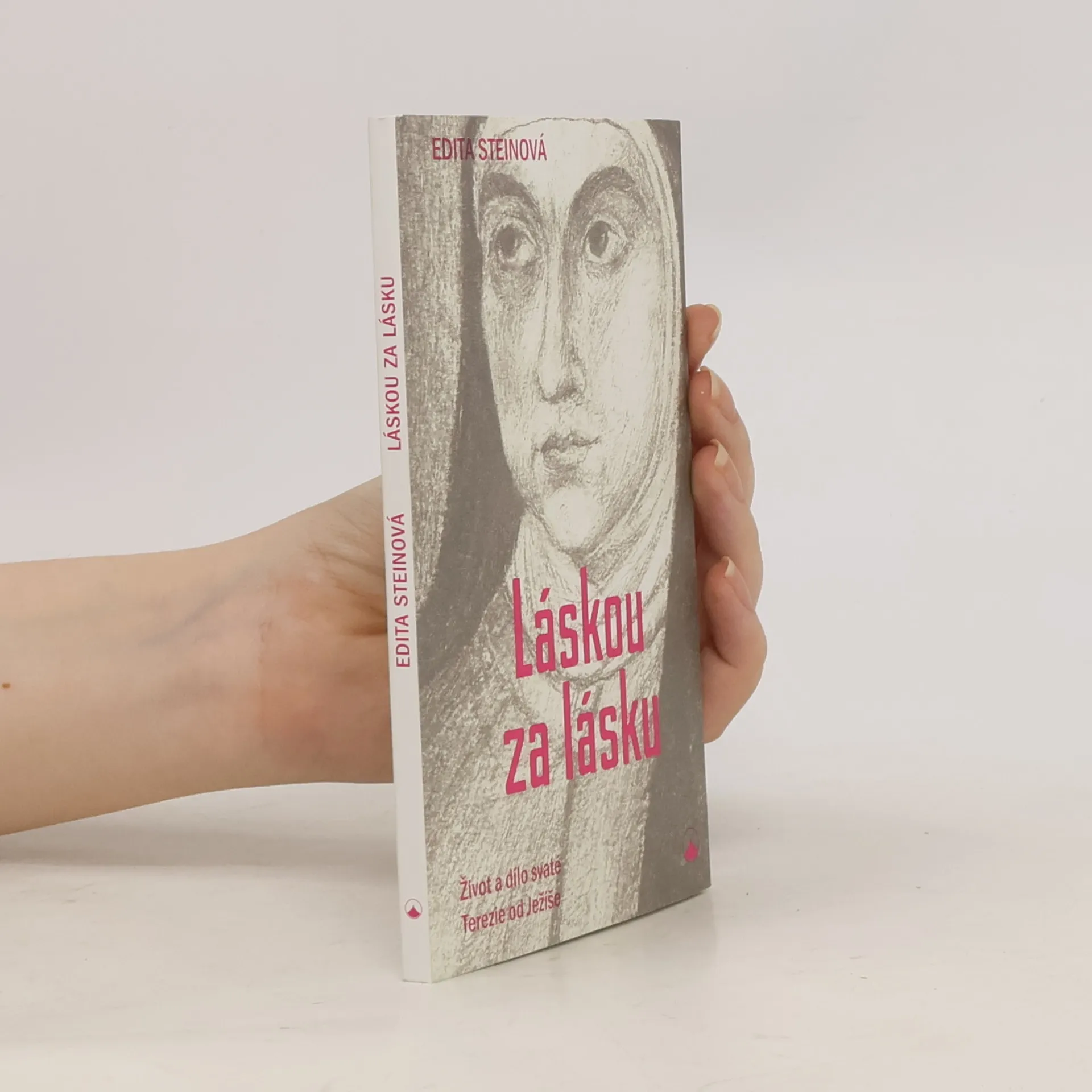
Brilantně a přitom vroucně napsaný životopis Terezie z Avily z pera Edity Steinové ukazuje niternou spřízněnost obou velkých žen církve. Edita Steinová se cítila být učednicí velké španělské světice. Jak říká v úvodu ke svému spisku, „rádi bychom si do dnešní doby odnesli něco z ducha této velké ženy, která ve století bitev a zmatků projevila neuvěřitelné zakladatelské úsilí. Ať nám ona sama dá požehnání, aby na tento malý portrét jejího života a působení dopadl alespoň některý z paprsků jejího ducha, jenž by se dotkl srdcí čtenářů“.
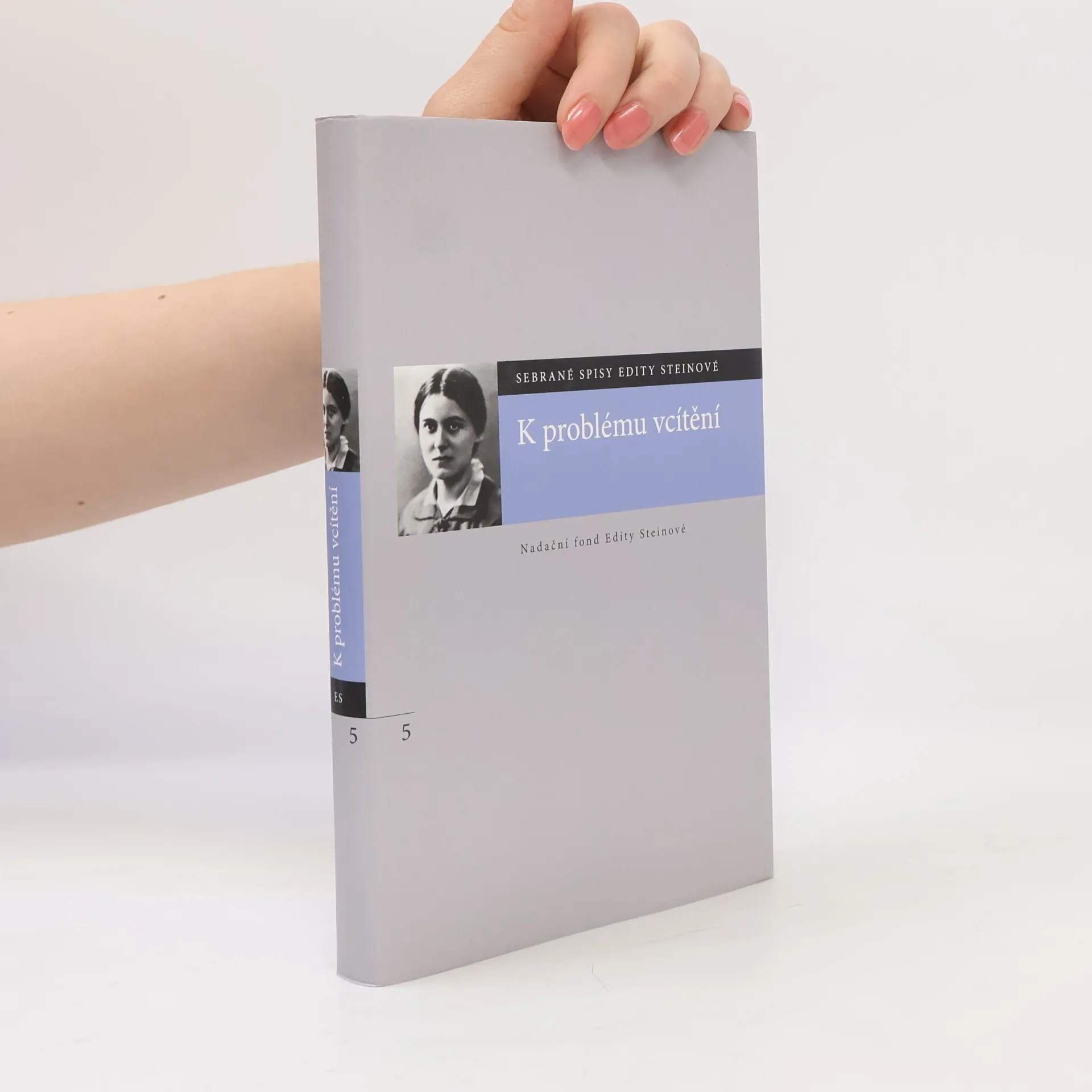
V srpnu roku 1916 obhájila Edita Steinová u Edmunda Husserla ve Frieiburgu im Breisgau svou disertační práci nazvanou K problému vcítění (Zum Problem der Einfuhlung), a to summa cum laude, a stala se poté soukromou asistentkou svého „mistra”. V této své prvotině se věnuje tématu, jež Husserl do té doby blíže nezkoumal, totiž tématu intersubjektivity. Východiskem Husslerovy fenomenologie byl subjekt a odpovídajícím metodickým postupem mu bylo „zření podstaty“, intuice. Přitom ovšem dosud nezkoumal, nakolik by se toto zření dalo zprostředkovat jinému subjektu - tedy i objektivně prověřit. Edita Steinová chtěla tuto tematiku zkoumat ve vztahu k problému vcítění do druhých subjektů. Její práce je ve 20. století jedním z prvních myšlenkových pokusů ukázat tělesnost druhého jako základ intersubjektivního rozumění.
Chemins vers le silence intérieur
- 77 páginas
- 3 horas de lectura
"La recherche de la vérité traverse la vie et l'oeuvre d'Edith Stein. Sa rencontre avec Dieu, puis son baptême, ont orienté résolument cette quête, et lui donnent tout son sens. De l'université de Gôttingen au Carmel d'Echt, sa vie et sa pensée s'enracinent dans une intériorité qui puise à la source de toute spiritualité, en Dieu lui-même. Ce recueil de pensées se veut une invitation à la méditation et au silence intérieur, conditions préalables à un retour au plus profond de l'être, là où Dieu parle en secret à l'âme. La mystique que nous propose Edith dans ces chemins vers le silence intérieur est un itinéraire spirituel praticable par tous." Vincent Aucante
Edith Steins Lebensweg, geprägt von jüdischen Wurzeln, führte sie über eine atheistische Studienzeit und philosophische Ausbildung zum christlichen Glauben und Ordensleben. Ihre Texte vereinen zeitgenössische Spiritualität, Kreuzesmystik und aktives Handeln, selbst in extremen Situationen. Sie verbindet einzigartig jüdischen und christlichen Glauben.
Edith Stein, Jüdin und Christin, verbindet in ihren Texten Spiritualität mit aktivem Handeln, selbst in schwierigen Zeiten. Ihr Werk wird hier kompakt präsentiert, mit einer Einführung in ihr Leben und Denken sowie einer Auswahl ihrer geistlichen Texte, die durch Erläuterungen ergänzt werden.
Die drei gewichtigen BeitrAge von Edith Stein fA1/4r Husserls JahrbA1/4cher werden hier in einem Band vereinigt und auf diese Weise gesondert zugAnglich gemacht. In der Abhandlung A1/4ber APsychische KausalitAtA verdient besonders Edith Steins Begriff der doppelten, AsinnlichenA und Ageistigen LebenskraftA Beachtung, denn hier zeigt sich das Individuum eingegliedert in den grAAeren natA1/4rlichen und geistigen Zusammenhang des sozialen Lebens, aus und in dem es lebt und seine KrAfte nimmt. Dieser Gedanke enthAlt schon den Ansatz der zweiten Abhandlung A1/4ber AIndividuum und GemeinschaftA. Die Gemeinschaft als reale Lebensgemeinschaft der Individuen hat AA1/4berindividuelle ErlebnisstrAmeA, AA1/4berindividuelle MotivationenA und ein Agemeinsames DenkenA und wird darin fA1/4r die Aichlichen GehalteA konstitutiv. Die AUntersuchung A1/4ber den StaatA zieht diese Linien weiter aus. Der Staat wird als ein soziales Gebilde begriffen, in dem das Zusammenleben sich in objektiven, von verschiedenen Individuen nacheinander A1/4bernehmbaren Formen organisiert. Zentral fA1/4r Edith Steins Interpretation ist die SouverAnitAt des Staates, der sich selber konstituiert und durch eine ihn reprAsentierende Staatsgewalt als Aletzter Urheber aller seiner Aktionen sowie alles in ihm geltenden RechtsA beweist.
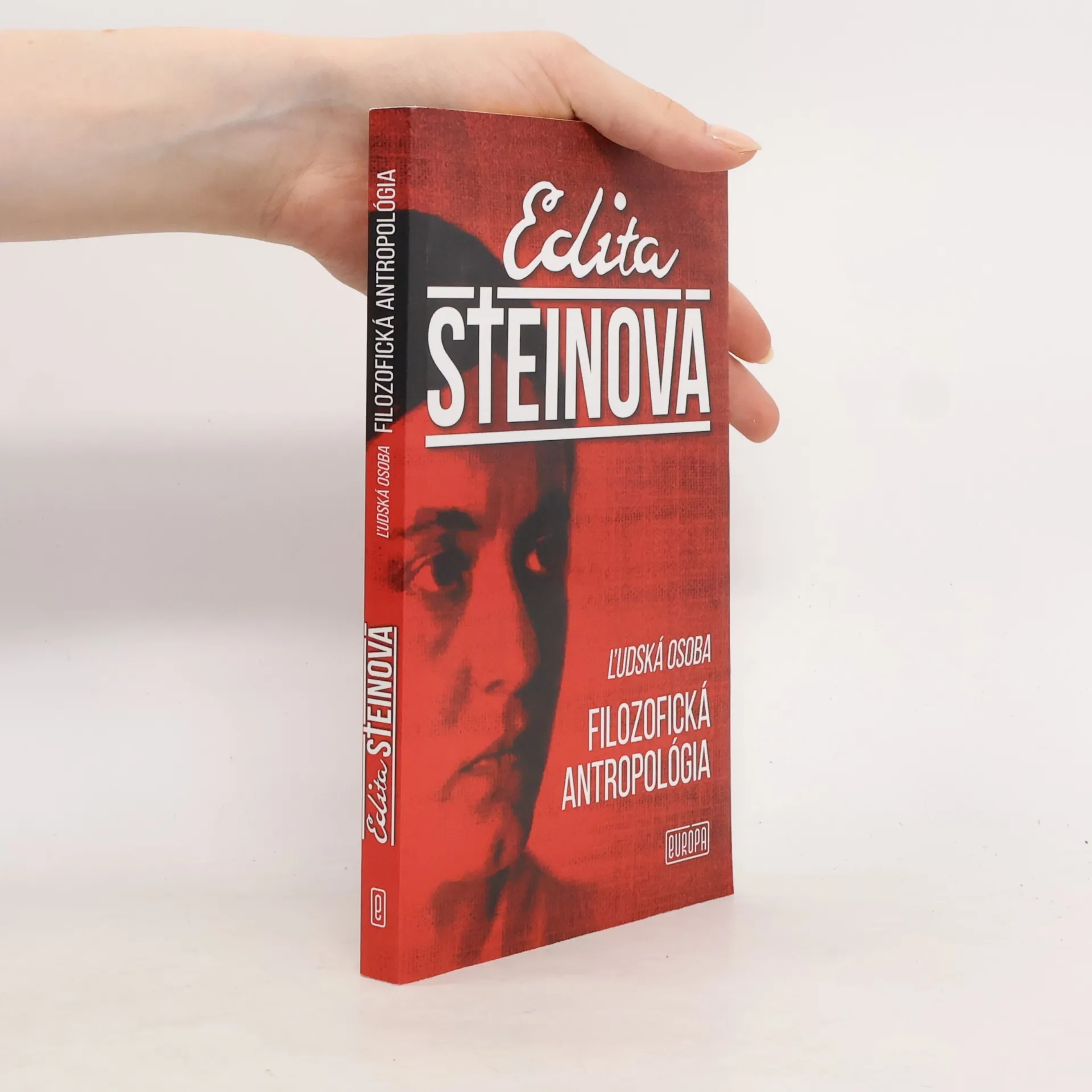
Ľudská osoba - Filozofická antropológia
- 168 páginas
- 6 horas de lectura
Čím je človek a aké sú štruktúry jeho bytia od biologických po duchovné? Ako poznať a pochopiť jeho individualitu a postavenie vo svete? Aký je jeho vzťah k transcendentnému bytiu? Na tieto otázky sa Edita Steinová snaží nájsť odpoveď v prednáškach na tému stavby ľudskej osoby z rokov 1932 a 1933. V tejto práci spája fenomenologické prístupy so scholasticko-tomistickou koncepciou človeka najmä u Tomáša Akvinského. Autorka skúma človeka na stupňoch jeho bytia ako fyzické telo, živú bytosť, bytosť s dušou a obdarenú duchom. Chápanie človeka ako slobodnej, duchovnej bytosti, mikrokozmu otvoreného dovnútra a navonok, schopnej zodpovedného života a hľadača Boha, rozvíja v hlbokých analýzach jeho vnútra, duševného života a formovania individuality ako sociálnej a kultúrnej bytosti. Svoje úvahy orientuje smerom k filozofii výchovy v duchu kresťanskej metafyziky.
Za hranice vedeckej pravdy
- 206 páginas
- 8 horas de lectura
Životopisno-filozofická črta svätej Edity Steinovej zachytáva život a myšlienky významnej osobnosti. Edita Steinová, narodená 12. októbra 1891 v židovskej rodine, sa už v detstve prejavila svojou výnimočnou pamäťou a túžbou po vzdelaní. Po štúdiu histórie, germanistiky a filozofie v Göttingene sa stala asistentkou Edmunda Husserla, kde sa zaoberala fenoménmi ľudskej existencie a obhájila dizertáciu o probléme vcítenia. V rokoch 1922–1931 učila na kláštornej škole dominikánok a pripravovala filozofickú prácu Konečné a nekonečné bytie. Publikovala preklady a svoje dielo o Husserlovej fenomenológii a filozofii sv. Tomáša Akvinského. Edita, skromná a jasná vo svojich prednáškach, chápala vedecký prístup ako službu Bohu. Jej odhodlanie preniknúť k podstate vecí ju priviedlo k objaveniu pravdy lásky ako osobného vzťahu medzi Bohom a človekom. Po prijatí krstu 1. januára 1922 vstúpila do katolíckej Cirkvi a neskôr do karmelitánskej rehole, kde prijala meno Terézia Benedikta od Kríža. Svoje kláštorné sľuby spečatila v roku 1938, dôverujúc Kristovej univerzálnej láske a milosrdnej spáse. Verila, že hľadanie pravdy je hľadaním Boha.
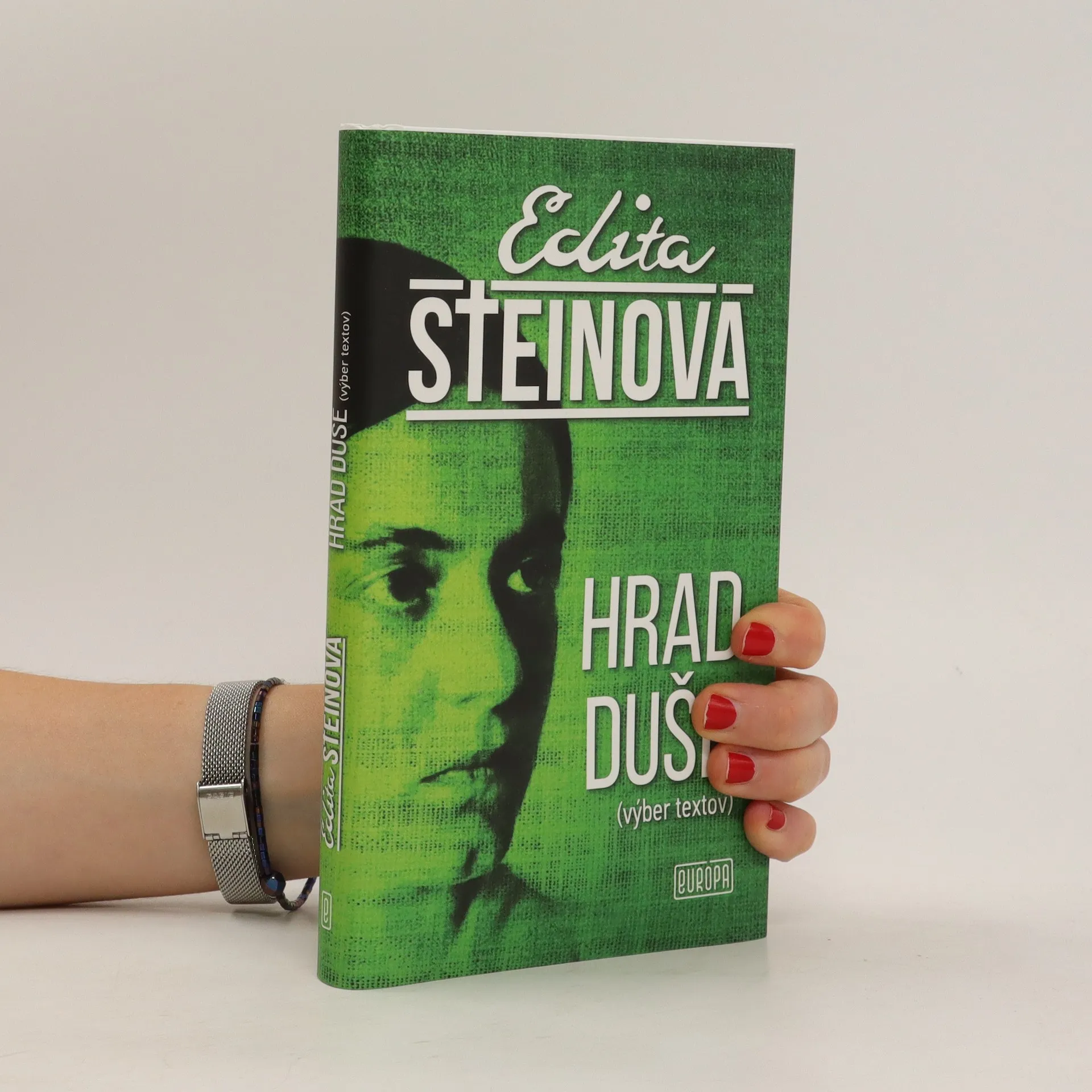
Hrad duše
- 184 páginas
- 7 horas de lectura
Edita Steinová (1891 – 1942) bola významná nemecko-židovská katolícka filozofka a rehoľníčka. Po pokrstení v roku 1922 vstúpila do karmelitánskeho kláštora a od roku 1932 prednášala na Pedagogickom inštitúte v Münsteri, no po nástupe nacistického režimu musela odísť. V auguste 1942 ju Gestapo odviedlo do koncentračného tábora Auschwitz-Birkenau, kde zahynula v plynovej komore. Jej filozofické dielo, ktoré sa snaží o syntézu fenomenologickej filozofie a tomizmu, patrí k základným pilierom európskeho poznania. Kniha sprístupňuje celoživotné úsilie Edity Steinovej o spojenie fenomenologickej filozofie s kresťanským myslením. Obsahuje porovnanie názorov Edmunda Husserla a Tomáša Akvinského, vymedzenie Husserlovej fenomenológie voči iným filozofickým smerom, fenomenologicko-historickú štúdiu o diele Terézie z Ávily a výklad Goetheho Fausta a Dionýza Areopagitu. V štúdii Ontická štruktúra osoby sa zaoberá problematikou ľudskej osoby a jej poznania metódami fenomenologickej filozofie. Výber uzatvára kontemplatívno-mystická štúdia o význame Vianoc. Texty, hoci venované rôznym témam, spája úsilie o hlbšie poznanie človeka, jeho miesta vo svete a vzťahu k bytiu, v ktorom existuje a presahuje ho.
Das Buch enthält eine Auswahl von Gedanken und Meditationen der bekannten Karmelitin und Philosophin Edith Stein, die aufgrund ihrer jüdischen Herkunft von den Nationalsozialisten in Auschwitz ermordet wurde und 1998 heiliggesprochen wurde. Diese Gedanken zeigen ihren spirituellen Entwicklungsweg, der in eine mystische Beziehung zu Christus mündet und zu dem Wunsch führt, ein versöhnendes Opfer für die Rettung Deutschlands zu bringen und zur Versöhnung zwischen Juden und Christen beizutragen. Die Publikation enthält zudem eine kurze Biografie von Edith Stein, die insbesondere versucht, einen Einblick in das Innere einer der bedeutendsten Persönlichkeiten des 20. Jahrhunderts zu gewähren.
Hard to Find book
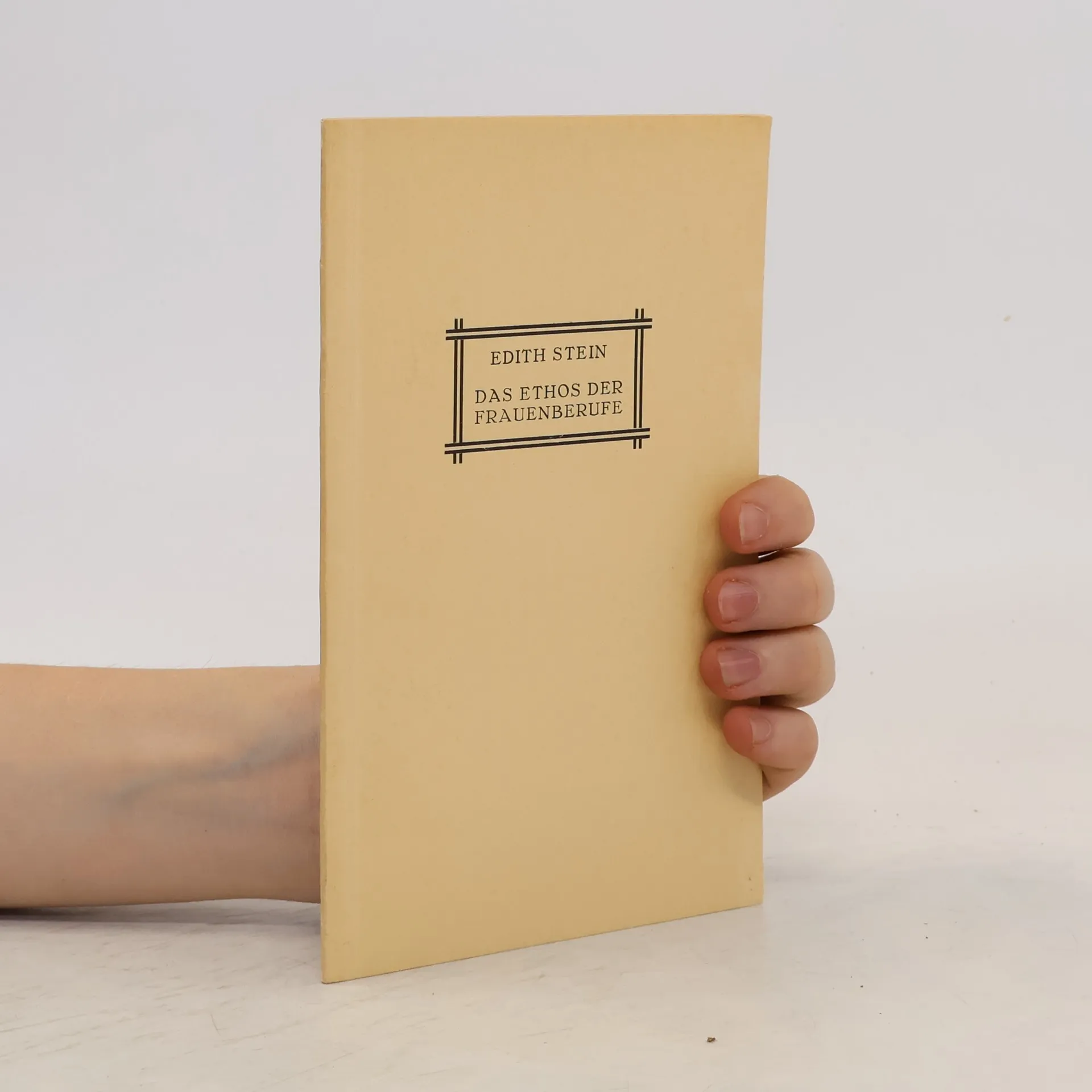
Edith Stein
- 207 páginas
- 8 horas de lectura
This is the powerful and moving story of the remarkable Jewish woman who converted to Catholicism, gained fame as a great philosopher in Germany, became a Carmelite nun, and was put to death in a Nazi concentration camp. Recently beatified by Pope John Paul II, Edith Stein was a courageous, intelligent and holy woman who speaks powerfully to us even today.
Potenz und Akt: Studien zu einer Philosophie des Seins
- 320 páginas
- 12 horas de lectura
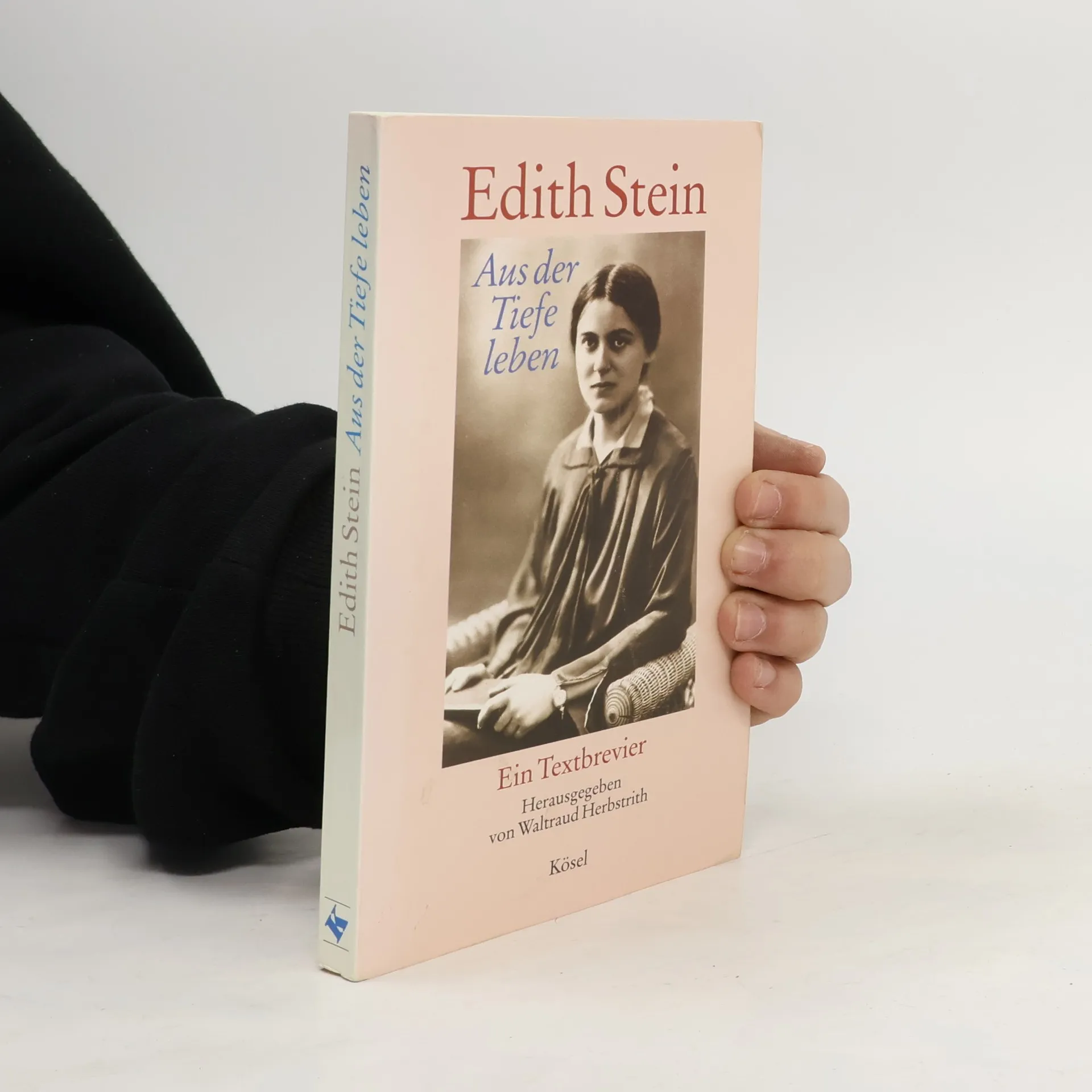
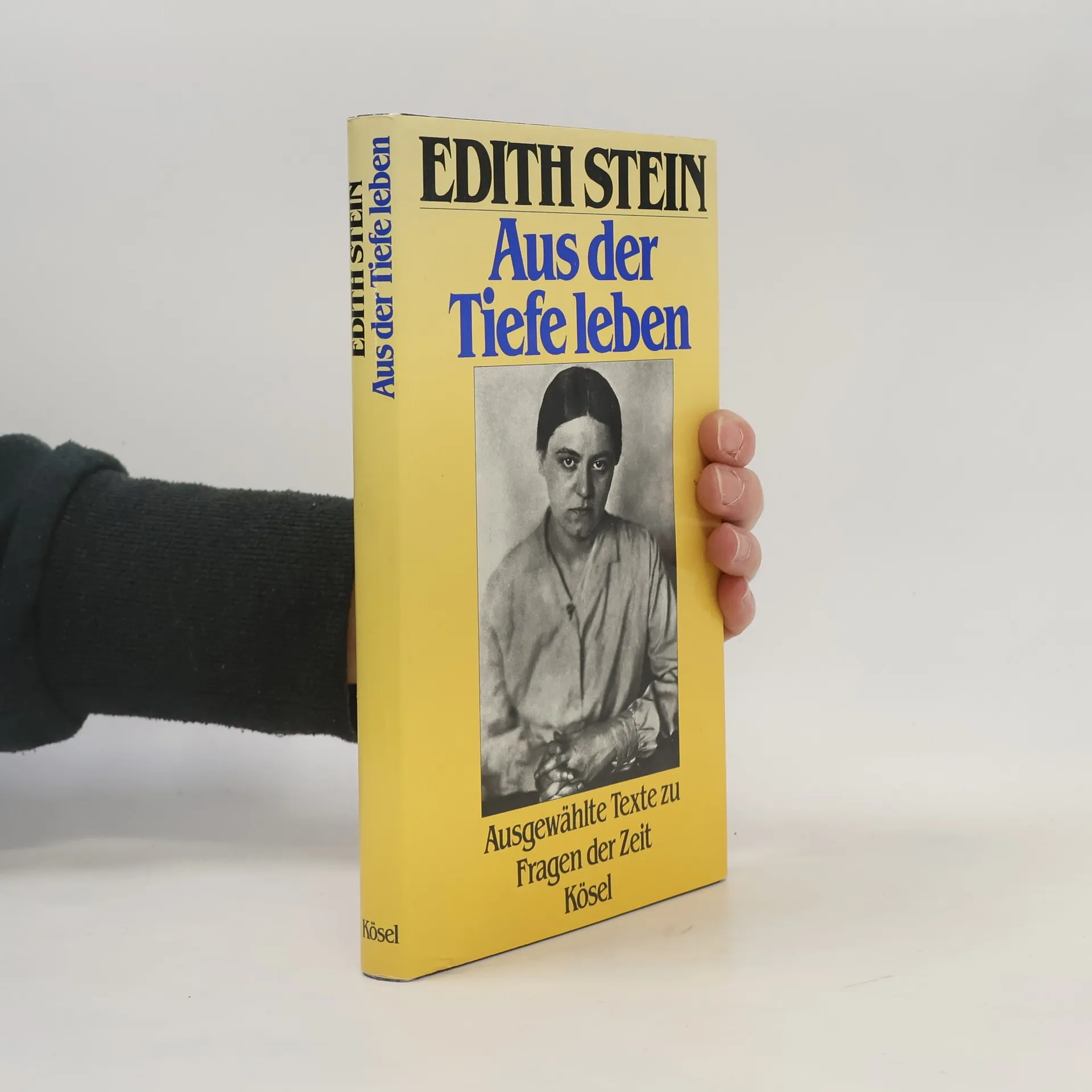
Aus der Tiefe leben
- 197 páginas
- 7 horas de lectura
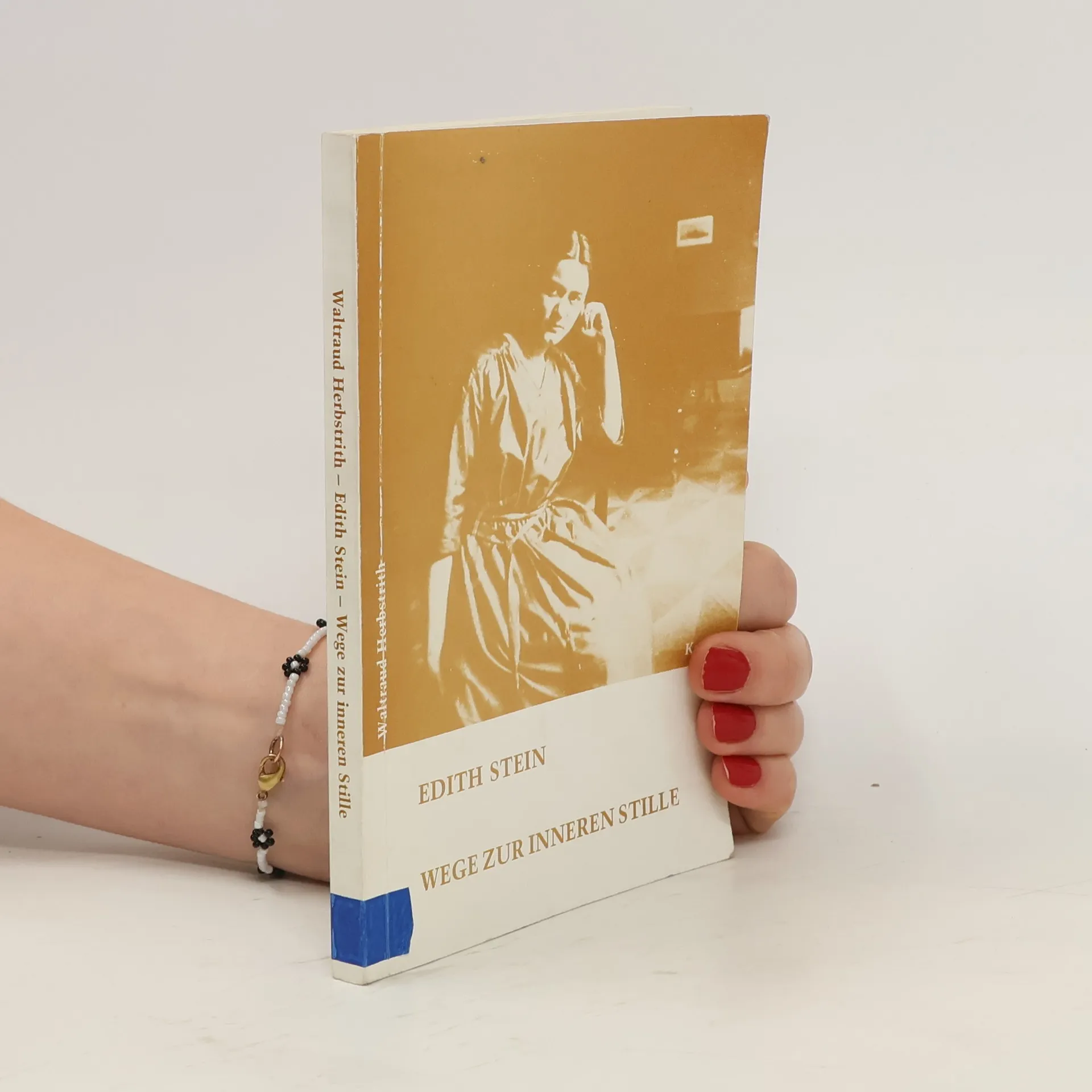
Wege zur inneren Stille
- 152 páginas
- 6 horas de lectura
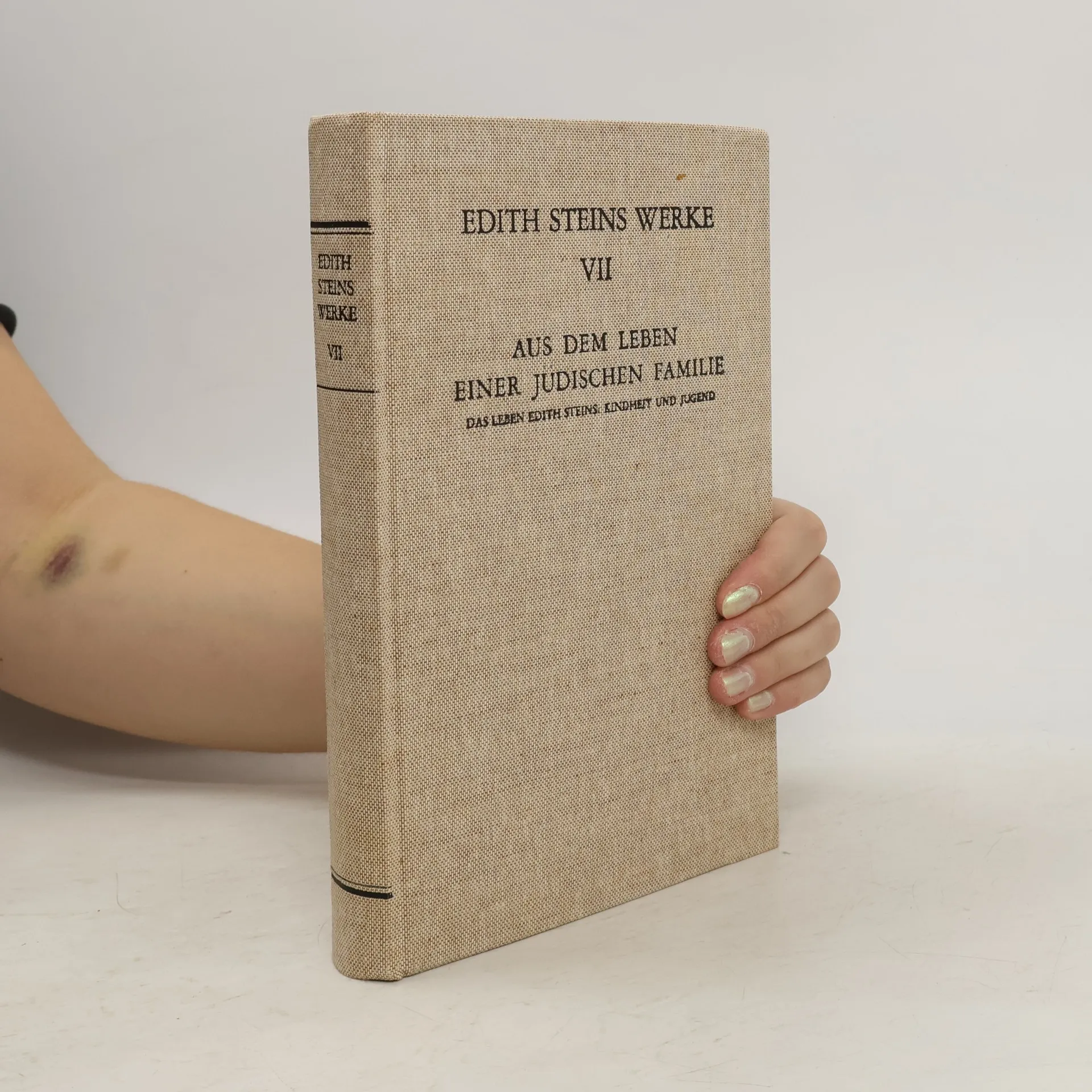
Edith Steins Werke VII: Aus dem Leben einer jüdischen Familie
Das Leben Edith Steins: Kindheit und Jugend
- 374 páginas
- 14 horas de lectura
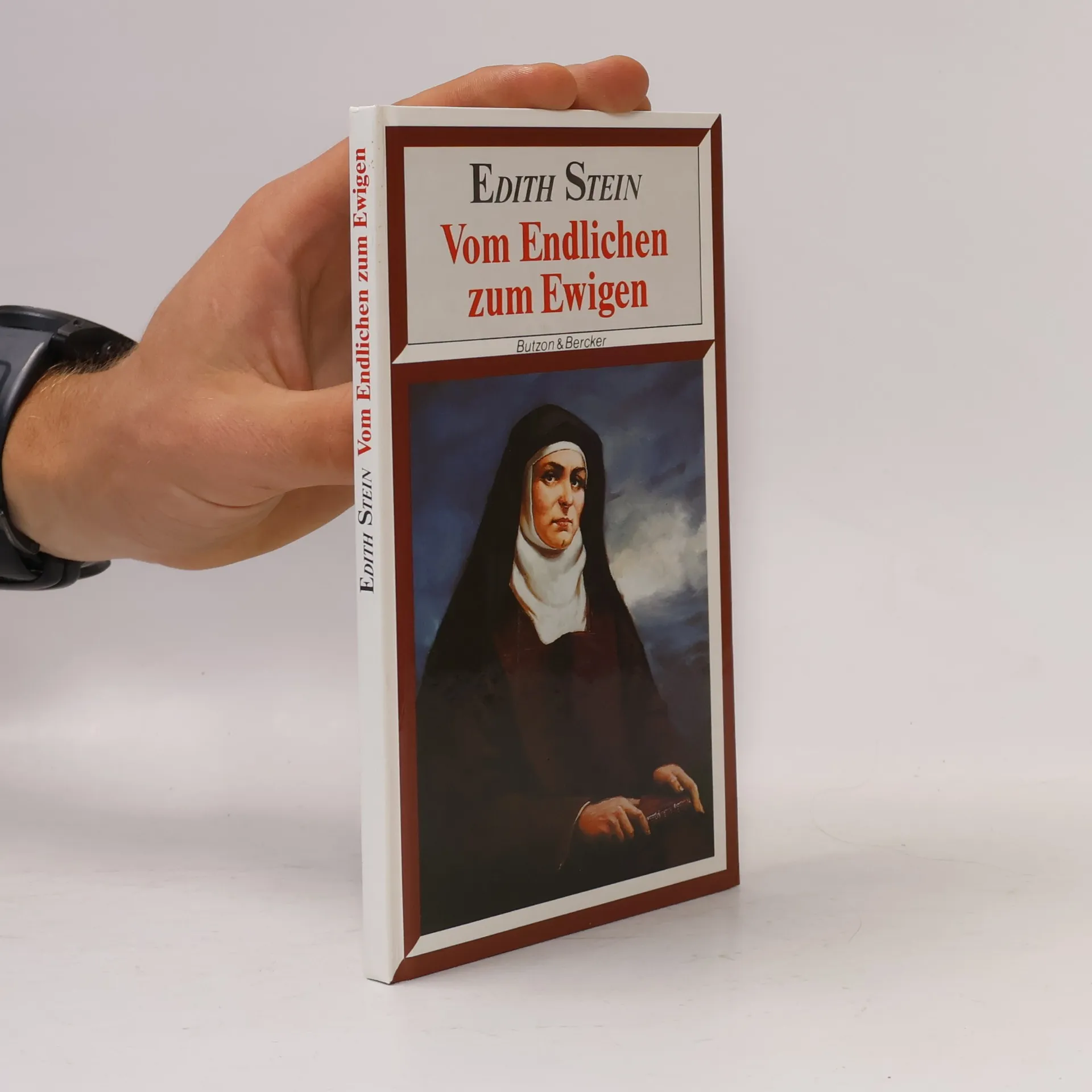
Vom Endlichen zum Ewigen
- 60 páginas
- 3 horas de lectura
Übersetzungen / Gesamtausgabe (ESGA) 28, Tl.7
- 636 páginas
- 23 horas de lectura
ESGA 28 enthält unveröffentlichte Übersetzungen Edith Steins sowie eine neu entdeckte Korrespondenz, darunter ein warnender Brief an Papst Pius XI. über die Gefahren des Schweigens gegenüber der Hitler-Regierung. Die Sammlung umfasst auch Postkarten, Briefe und Dokumente aus ihrem Leben bis zur Todesanzeige.
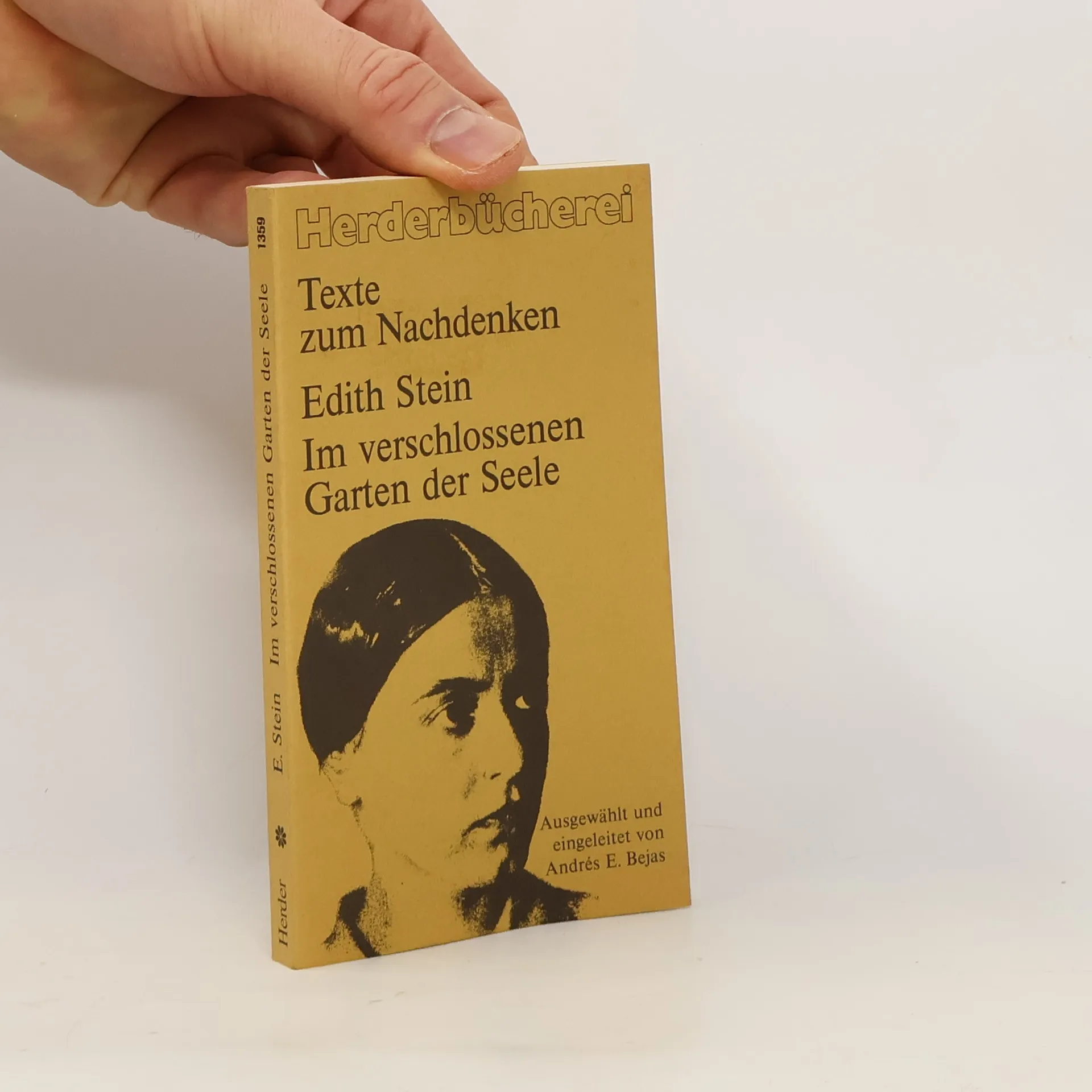
Im verschlossenen Garten der Seele
- 125 páginas
- 5 horas de lectura
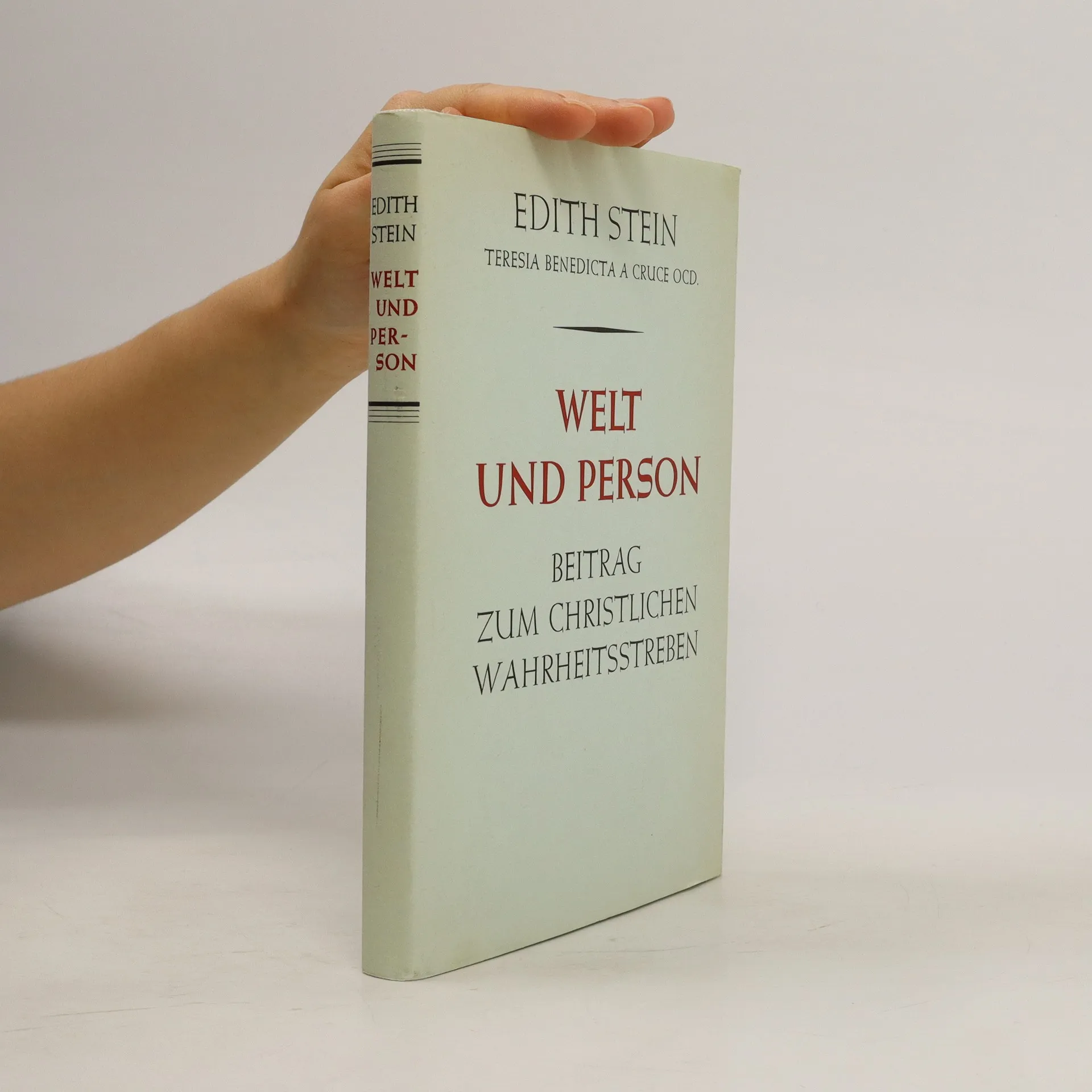
"'Texte zum Nachdenken" Herausgegeben von Gertrude und Thomas Sartory. Edith Stein: eine Philosophin voller Leidenschaft für klares und genaues Denken - eine Mystikerin, hingerissen von dem, was jenseits des Denkbaren ist. Geboren 1891 in Breslau aus jüdischer Familie, ermordet 1942 in Auschwitz. Sie nahm ihr Schicksal an in bewußter Solidarisierung mit ihrem Volk, dem sie glaubensmäßig nicht mehr angehörte. Eine Blutzeugin? Eine "Heilige"? Von Anfang an war ihr Leben auf einen Magneten gepolt, den sie "Wahrheit" nannte - jene "Wahrheit", die ihr im angestammten jüdischen Glauben nicht zugänglich wurde, der zuliebe sie sich für den Atheismus entschloß, die sie in der Philosophie zue finden hoffte, und die ihr eines Nachts unvermutet dort begegnete, wo sie nicht nach ihr gesucht hatte: in Christus. Edith Stein ließ sich taufen, wurde ein gutes Jahrzehnt später Karmelitin, bettete ihr Streben nach Wahrheit dem Geist intensiver Kontemplation ein. Die Tiefenerfahrungen des Glaubens verbanden sich bei ihr dem klarsichtigen, "einfühlsamen" Verstand der Phänomenologin. Die von Andrés E. Bejas ausgesuchten Texte zeigen sie als Führerin auf den Pfaden des inneren Lebens - bis hinein in den "verschlossenen Garten der Seele"."-- From the back cover
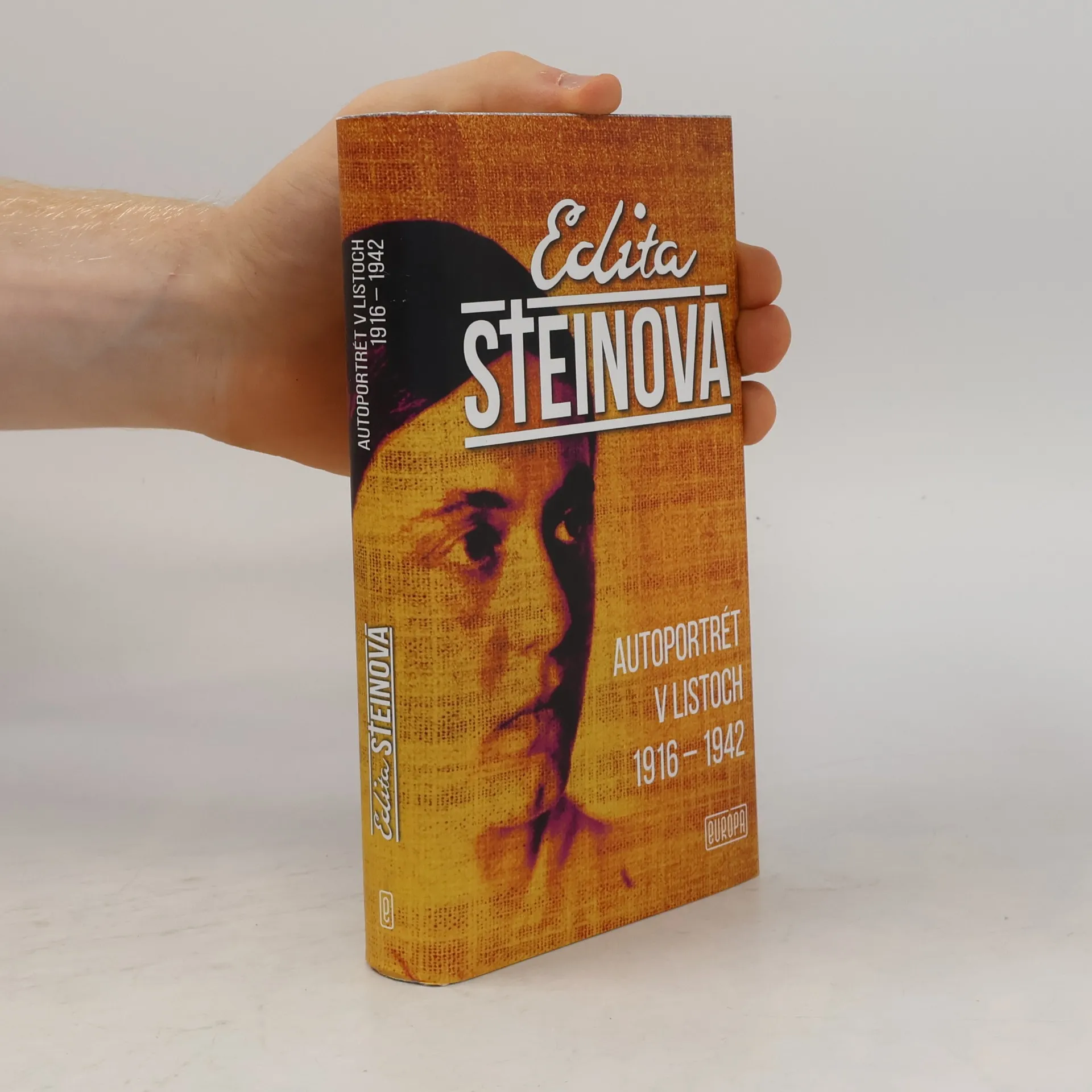
Autoportrét v listoch 1916 – 1942
- 336 páginas
- 12 horas de lectura
Listy nemecko-židovskej katolíckej filozofky, mystičky a obete holokaustu Edity Steinovej z rokov 1916 – 1942 tvoria prirodzený doplnok k jej autobiografii Príbeh jednej židovskej rodiny. Hovoria nielen o zásadných udalostiach z jej života, ale autorka v nich zároveň odhaľuje svoj najhlbší osobnostný rozmer. Vyžaruje z nich ľudskosť, snaha o pravdu, spravodlivosť a pomoc iným pri riešení ťaživých životných problémov, otvorenosť jednoduchosť, múdrosť i hlboká náboženská viera – dokonca aj v najťažších chvíľach jej života. Čitateľ tak dostáva intímny portrét veľkej ženy a mysliteľky v súkromí, pri filozofickej i pedagogickej práci, rodine, aj vo vlastnej tvorivosti a kontemplatívnom živote v kláštore. Zároveň získava obraz aj kultúrnom a politickom živote v Nemecku jej doby, ktorý tvorí širšie pozadie jej korešpondencie.
Wiedza Krzyża. Teresa Benedykta od Krzyża OCD
- 342 páginas
- 12 horas de lectura
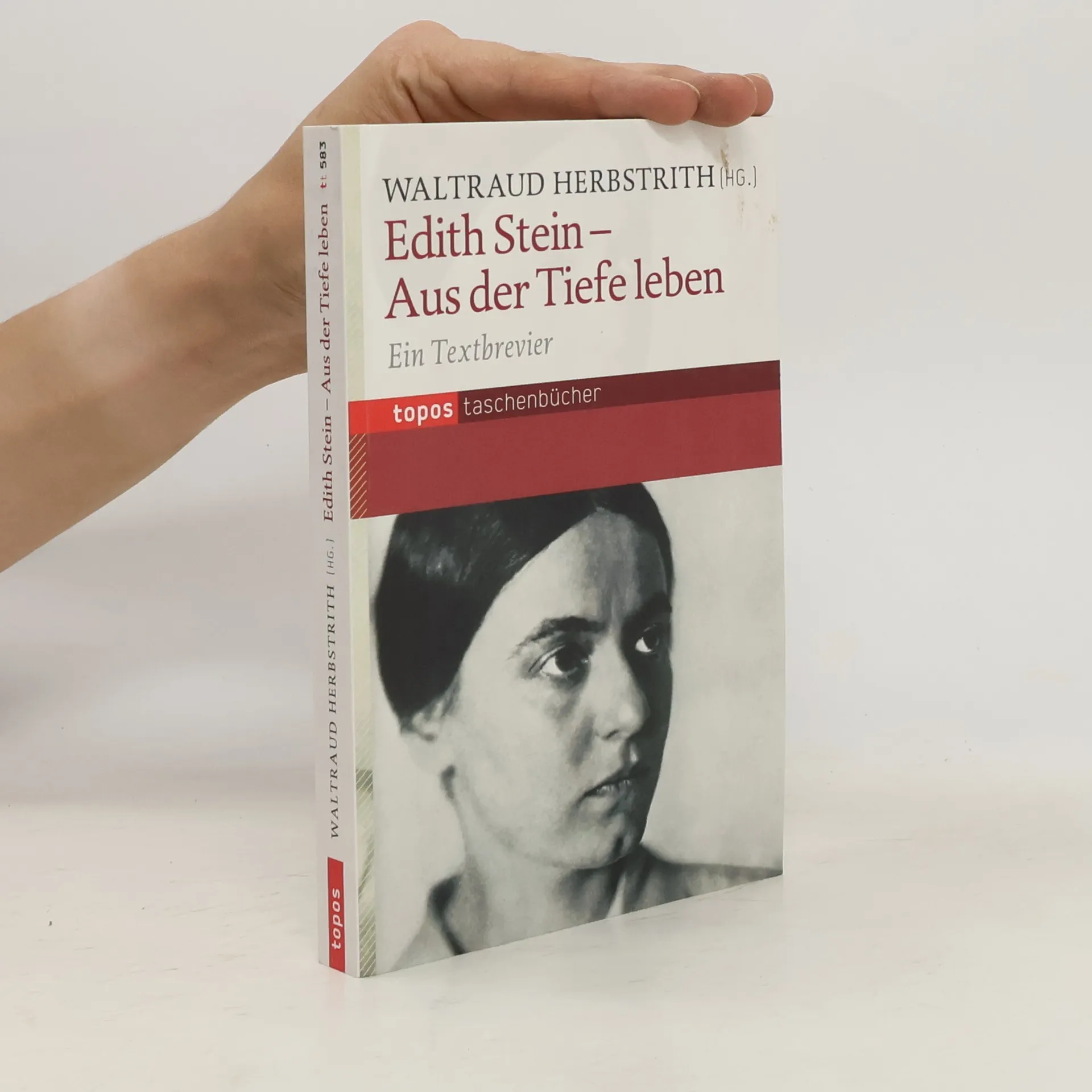
Edith Stein - Aus der Tiefe leben
- 207 páginas
- 8 horas de lectura
Anhand ausgewählter und prägnanter Texte von Edith Stein (1891–1942) wird das Verständnis für diese großartige Frau gefördert. Sie hat viele Entwicklungen unserer Zeit vorformuliert und vorgelebt. Die Texte in diesem Band machen das ganze Spektrum ihres Lebens und Denkens transparent. Dieses Edith-Stein-Brevier hilft, ihre Botschaft für die heutige Welt und Kirche weiterwirken zu lassen und so wie sie aus der Tiefe zu leben.
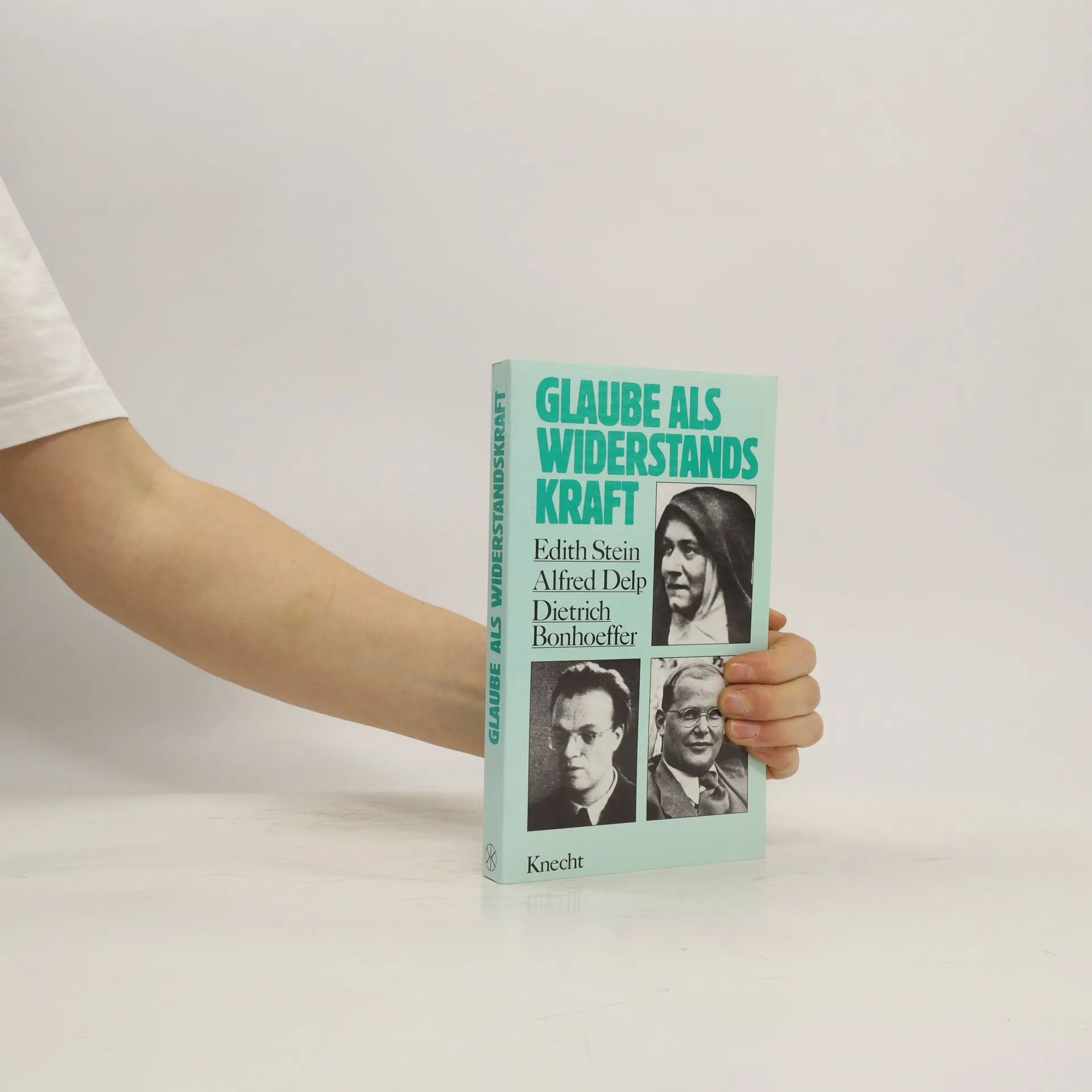
Glaube als Winderstandskraft
- 248 páginas
- 9 horas de lectura
Das Buch behandelt die Phänomenologie von Husserl und deren philosophische Bedeutung, den Gegensatz zu Scheler sowie den Einfluss auf Goethes Faust. Es beleuchtet die ontische Struktur der Person und die Herausforderungen der Weltanschauung, insbesondere für Katholiken und Nicht-Katholiken. Edith Stein, eine jüdische Philosophin und Heilige, wird ebenfalls thematisiert.
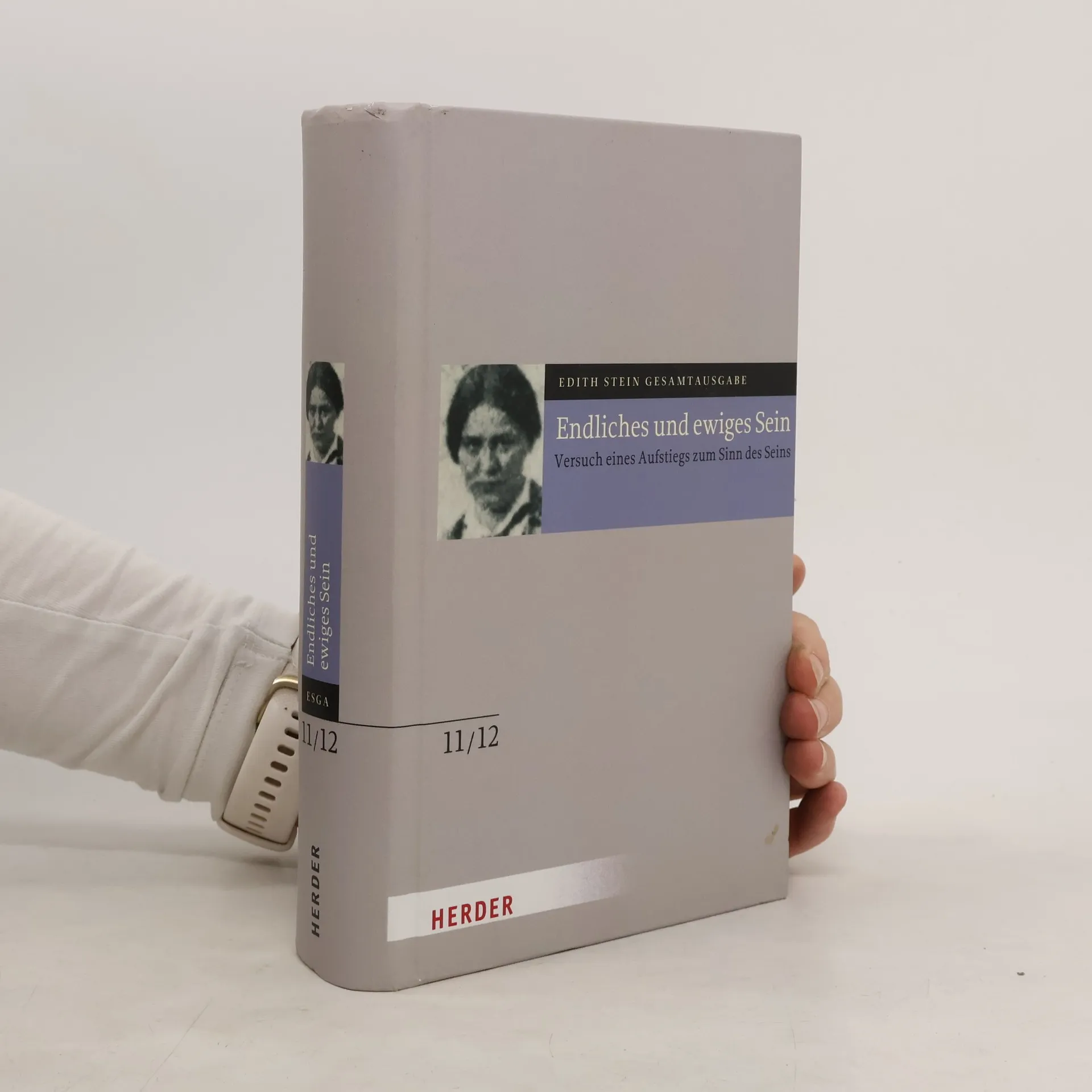
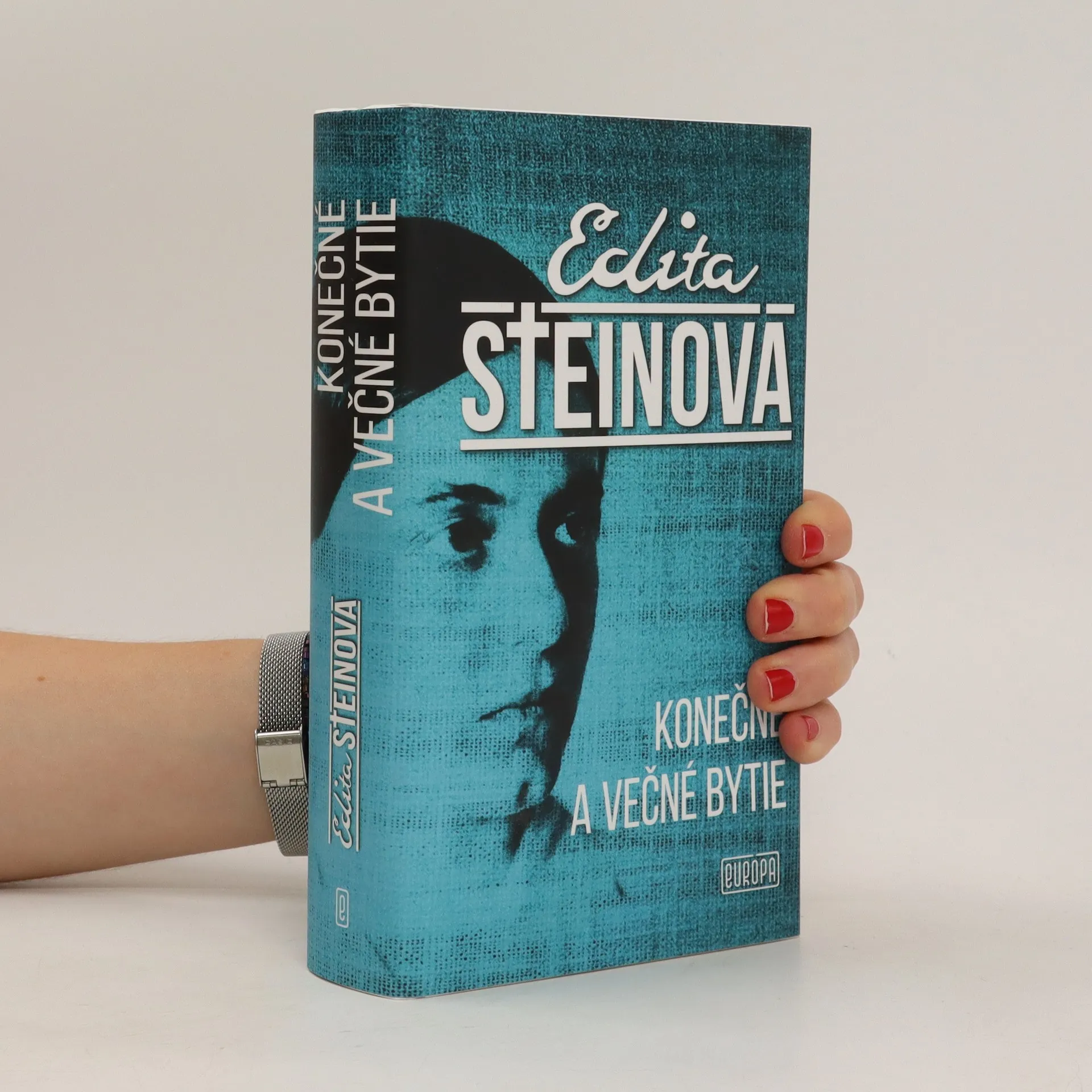
Konečné a večné bytie
- 464 páginas
- 17 horas de lectura
Edita Steinová (1891– 1942) bola významná nemecko-židovská katolícka filozofka a rehoľníčka. Od roku 1932 prednášala na Pedagogickom inštitúte v Münsteri, ale po nástupe nacistického režimu musela učiteľské miesto opustiť. Začiatkom augusta 1942 ju Gestapo odvlieklo z kláštora do koncentračného tábora Auschwitz-Birkenau, kde o niekoľko dní zahynula v plynovej komore. Vo svojom výnimočnom a zásadnom diele Konečné a večné bytie, ktoré napísala roku 1936, keď sa z verejného pôsobenia utiahla do kláštora (vyšlo až po druhej svetovej vojne), sa pokúsila o systematické skúmanie vzťahu aristotelovsko-tomistickej filozofie a fenomenologického skúmania k problematike bytia a jeho poznania. Analýzy bytia, vrátane osobného, personálneho bytia, i skúmanie ciest k nemu, ju priviedli k filozoficko-mystickému predpokladu základu a podstaty všetkého konečného bytia vo večnom, nevyčerpateľnom bytí (Boh). V hlbokých úvahách o človeku analyzuje podstatu jeho duchovného života a hľadanie zmyslu jeho existencie. Dielo možno považovať nielen za vrchol jej fenomenologického projektu, ale aj za jej duchovný testament.
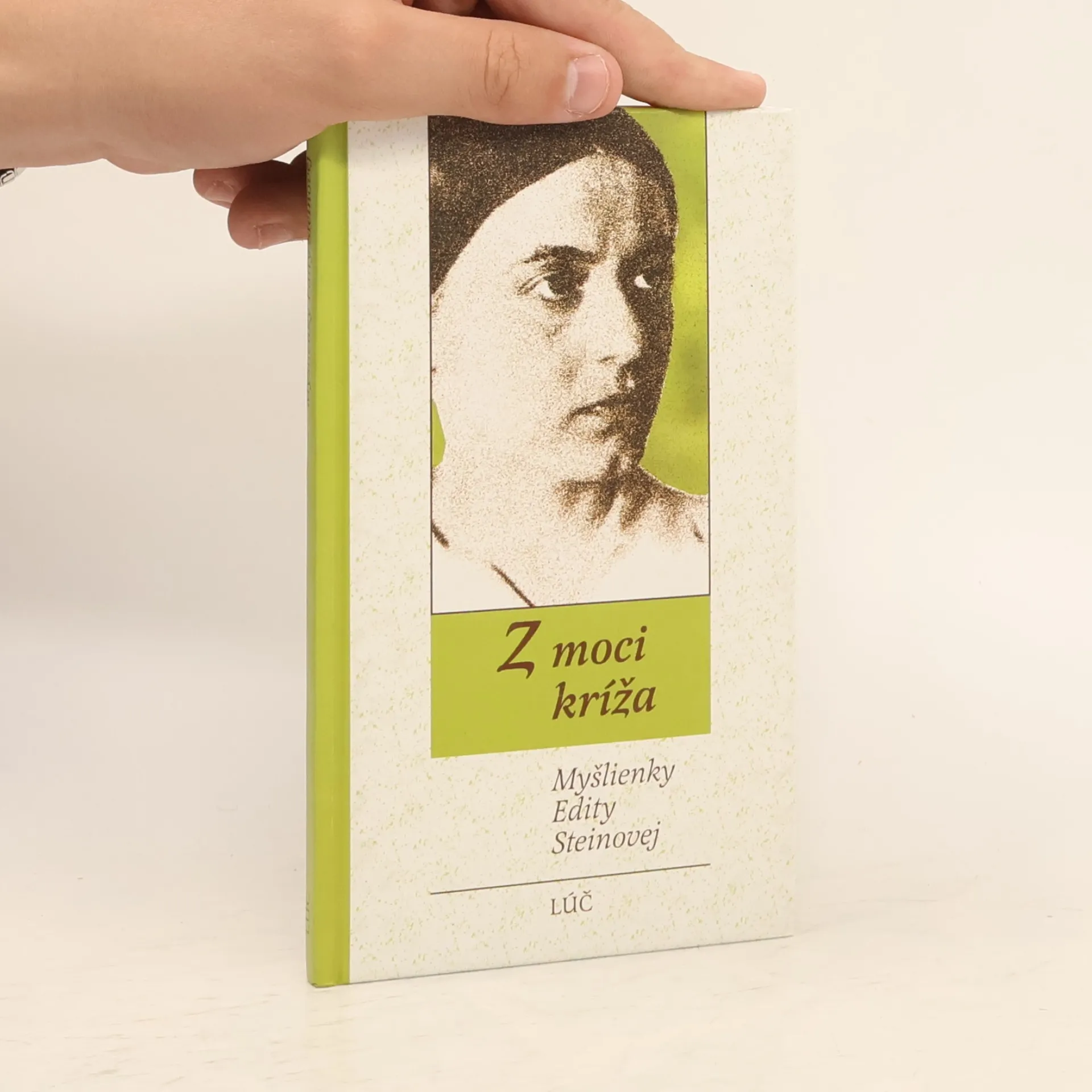
Z moci kríža: myšlienky Edity Steinovej
- 61 páginas
- 3 horas de lectura
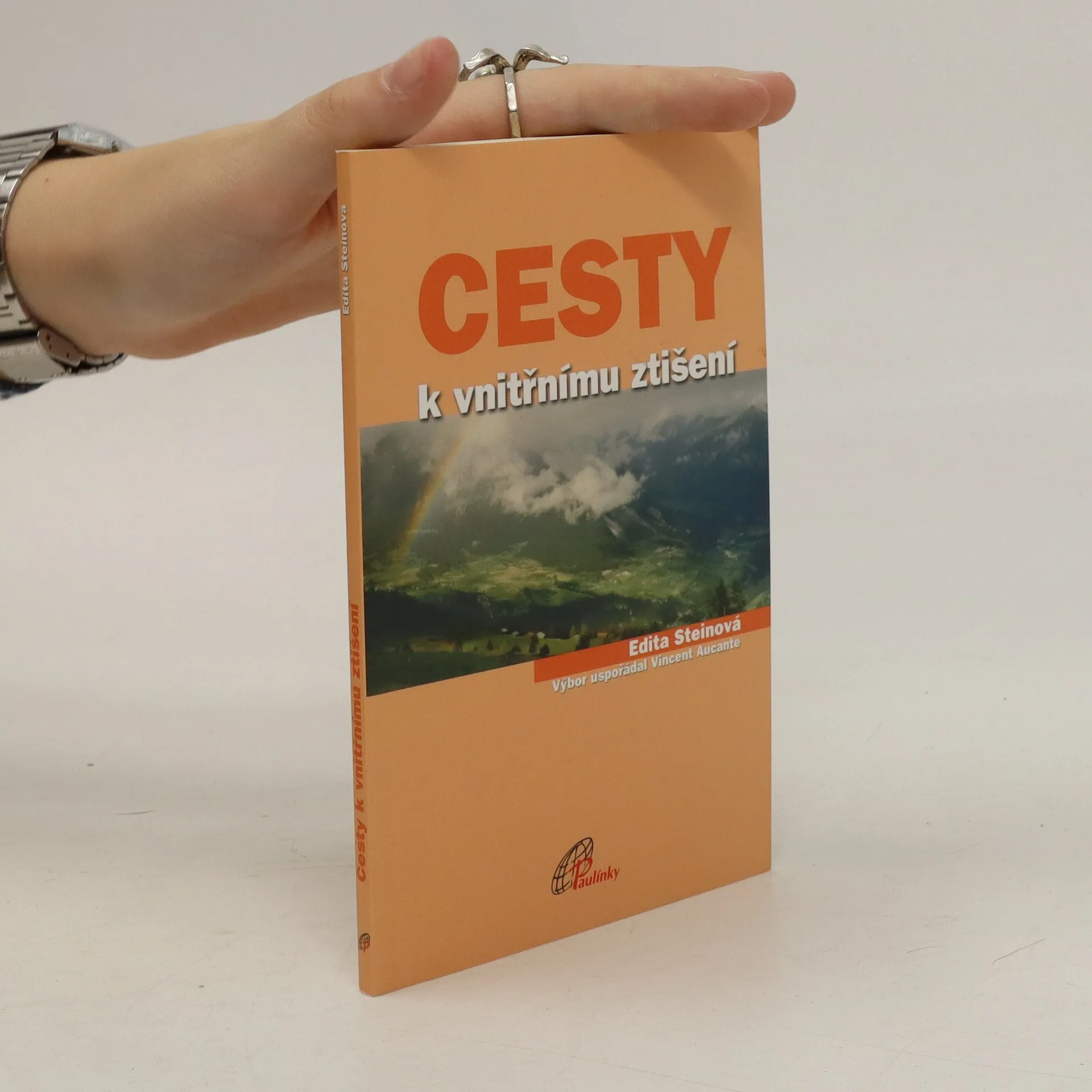
Cesty k vnitřnímu ztišení
- 70 páginas
- 3 horas de lectura
Výbor uspořádal Vincent Aucante. Celým životem a dílem Edity Steinové se jako červená niť táhne hledání pravdy. Toto hledání dostalo skrze křest a setkání s Bohem svou jednoznačnou orientaci a smysl. Od univerzity v Göttingen po karmel v holandském Echtu se život i myšlení Edity Steinové vyznačoval niterností, která čerpá přímo z pramene veškeré spirituality, z Boha samého. Mystika, kterou nám nabízí Edita na svých cestách k vnitřnímu ztišení, je duchovní cestou přístupnou každému.
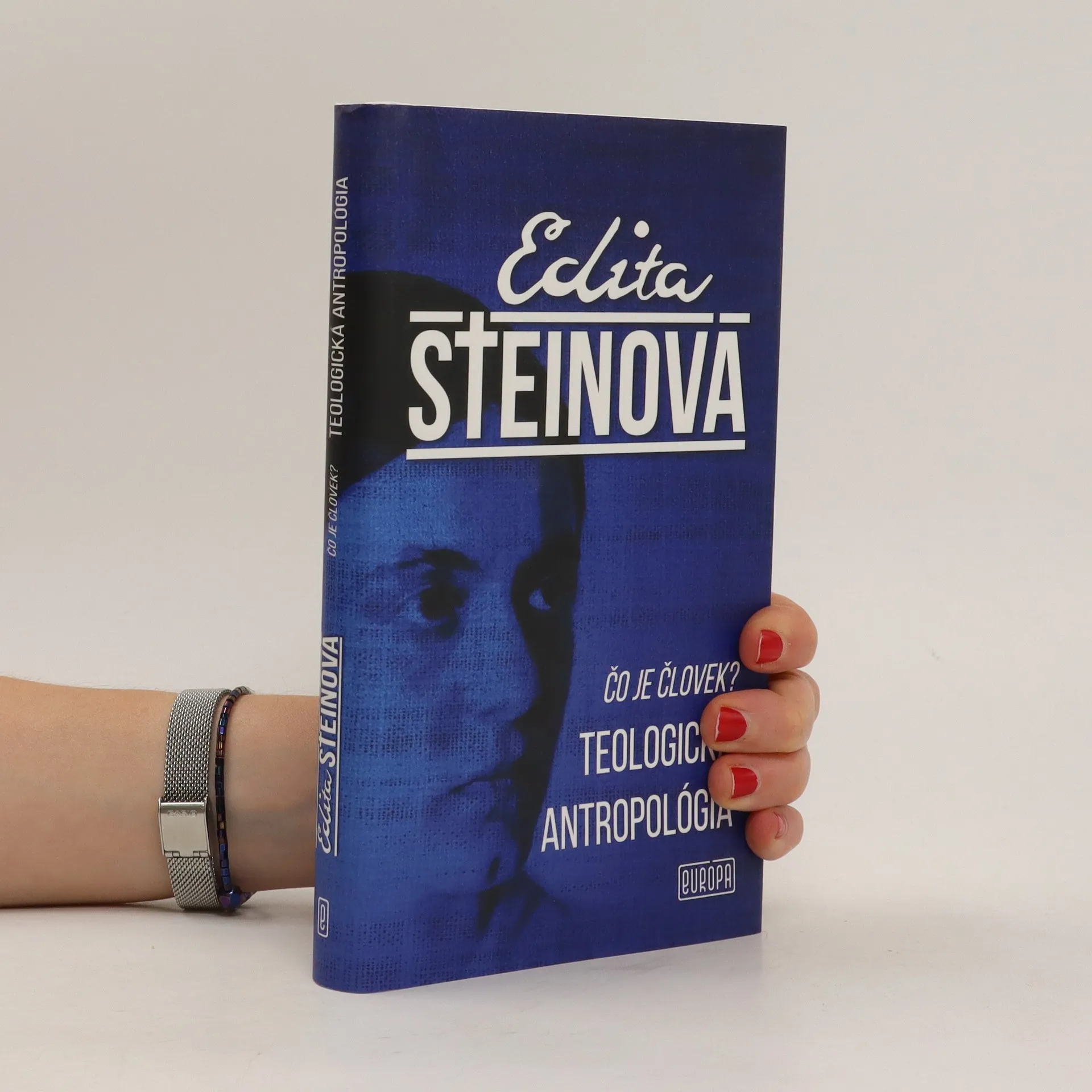
Čo je človek? Teologická antropológia
- 216 páginas
- 8 horas de lectura
Edita Steinová (1891 – 1942), filozofka a rehoľná sestra (karmelitánka) mala v úmysle svoje prednášky na Nemeckom inštitúte pre vedeckú pedagogiku v zimnom semestri 1932/33 na tému filozofickej antropológie doplniť v ďalšom semestri prednáškami z teologickej antropológie, bez ktorej je, podľa nej, chápanie človeka a jeho bytia vo svete neúplné. Na to však už v dôsledku politickej situácia nemala možnosť. Zostali preto v rukopise, ktorý vyšiel tlačou až po 2. sv. vojne, v neúplnej podobe. Spis Teologická antropológia predstavuje fundovanú prácu o obraze človeka ako je obsiahnutý v katolíckej dogmatike a učení o viere. Edita Steinová v ňom na základe dôkladného štúdia problematiky podáva obraz človeka ako jednoty duše, ducha a tela, bytosti obdarenej rozumom, slobodnou vôľou a milosťou, schopnej poznania pravdy a dobra. Popisuje človeka v štádiách stvorenia, pádu a Vykúpenia, rozoberá problematiku milosti a sviatostí ako základu duchovného života človeka a kriticky vystupuje proti tzv. modernistom. Načrtnuté myšlienky rozvíja neskôr ďalších prácach. Teologická antropológia umožňuje pohľad do hĺbky filozoficko-teologického myslenia Edity Steinovej a ukazuje ju ako významnú mysliteľku našej doby.Doslov: Doc. Dr. Theol. Alžbeta Dufferová, PhD.
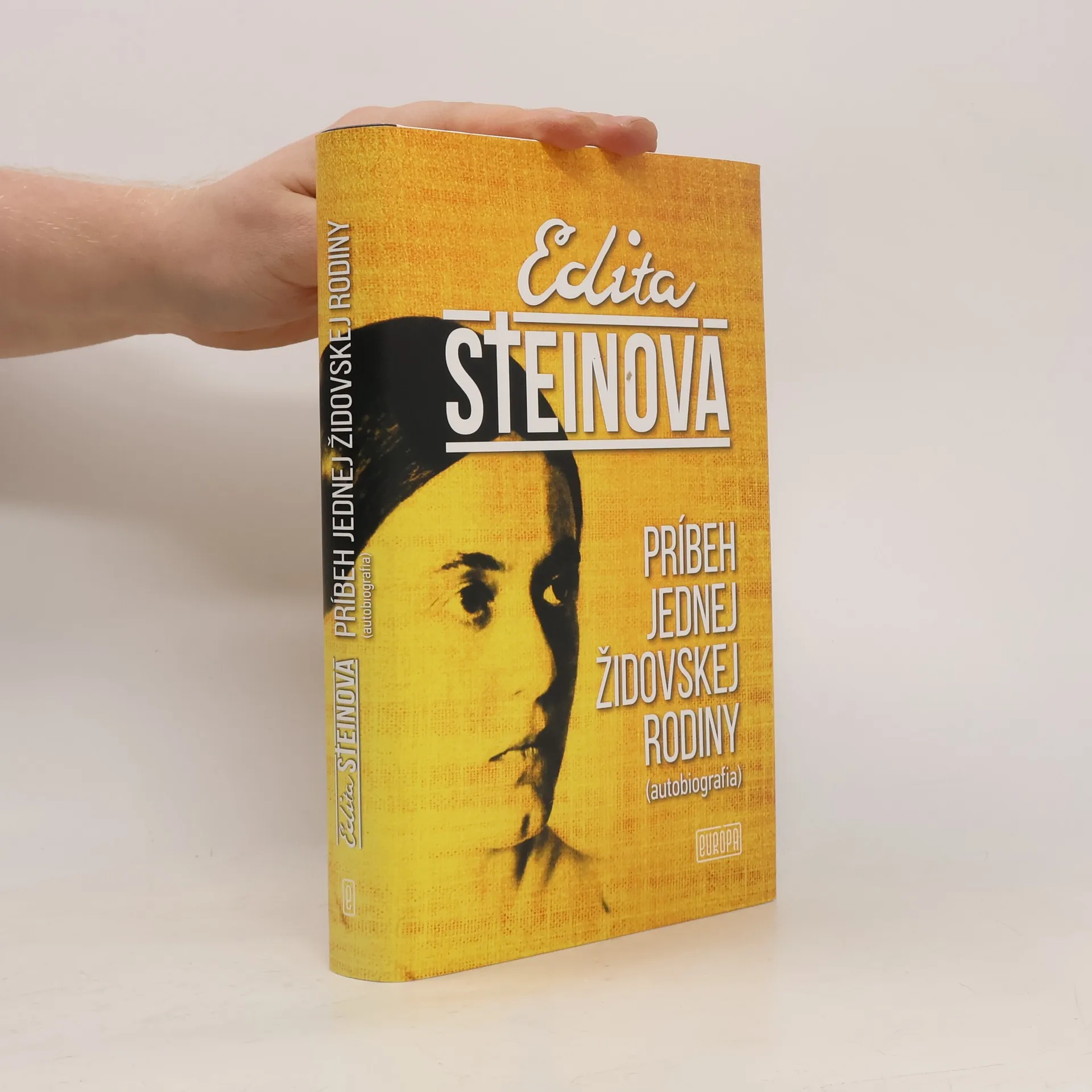
Príbeh jednej židovskej rodiny
- 272 páginas
- 10 horas de lectura
Edita Steinová (1891 – 1942) – filozofka, rehoľníčka a obeť holokaustu začala svoje autobiografické poznámky písať po nástupe nacizmu k moci a začiatku prenasledovania židovského obyvateľstva. Vo svojom nedokončenom diele sa vracia do rokov detstva a mladosti vykreslených na pozadí každodenného života jednej židovskej rodiny v cisárskom Nemecku na začiatku 20. storočia. Prináša spomienky na svoje študentské roky vo Vroclave (1911 – 1913), Göttingene (1913 – 1915), pôsobenie v sanitárnej službe v poľnej nemocnici v Hraniciach na Morave (apríl – september 1915), štúdium fenomenológie a filozofické prostredie okolo zakladateľa fenomenológie Edmunda Husserla, až po ukončenie štúdia (1915), zloženie doktorskej skúšky (1916) a nástup do funkcie Husserlovej asistentky vo Freiburgu. Pútavý text, v ktorom opisuje rodinné vzťahy, zážitky v školskom prostredí, skúsenosti, priateľstvá, nádeje aj sklamania a tiež vášnivú oddanosť štúdiu a hľadaniu pravdy, umožňuje hlbšie poznať jej osobný, rodinný i vedecký život a zároveň vystupuje ako svedectvo o ľudských a osobných kvalitách tejto neobyčajnej ženy ako aj epochy, v ktorej sa formovali jej budúce postoje a názory na človeka a jeho miesto vo svete.
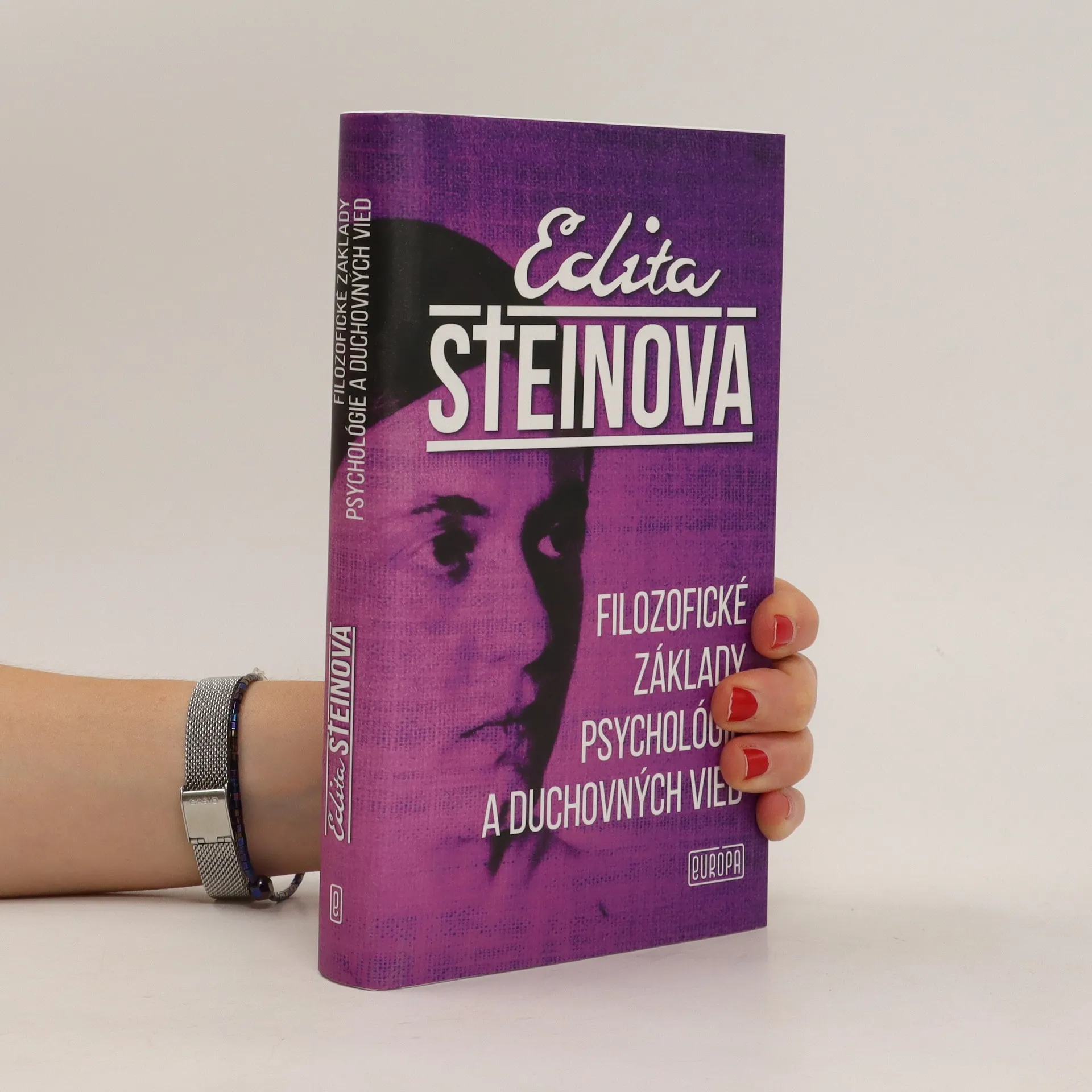
Filozofické základy psychológie a duchovných vied
- 277 páginas
- 10 horas de lectura
Bohabojnú komunitu pokojného katedrálneho mestečka Beomister mimoriadne rozruší zákerná vražda neznámeho tuláka. Všetci obyvatelia zápalisto diskutujú o brutálnom čine, ktorého motív nikto nechápe. Polícia bezradne tápe a vynárajú sa najrozličnejšie teórie o možnom páchateľovi. Zákerný kaplán Michael Calgrim dokonca podozrieva svojho nadriadeného, láskavého biskupa Gabriela Pendlea. Typickú malomestskú spoločnosť viktoriánskeho Anglicka zachvacuje čoraz dusivejšie poznanie, že zločin sa zrejme nikdy nepodarí vyriešiť. Čoskoro sa však v Beomisteri objaví súkromný vyšetrovateľ Ben Baltic, ktorý sám seba označuje za náboženského detektíva. Podarí sa tomuto bývalému kresťanskému misionárovi očistiť biskupovo meno a odhaliť skutočného vraha? Fergus Hume (1859 – 1932) bol nesmierne plodný anglický prozaik tajomných príbehov s kriminálnou zápletkou, ktorý nadviazal na tvorbu priekopníka detektívneho žánru, francúzskeho spisovateľa Émile Gaboriaua (1832 – 1873). Fergus Hume patril vo viktoriánskom Anglicku medzi najpredávanejších autorov a svojím dielom inšpiroval sira Arthura Conana Doyla (1859 – 1930) k vytvoreniu najslávnejšieho literárneho detektíva Sherlocka Holmesa.
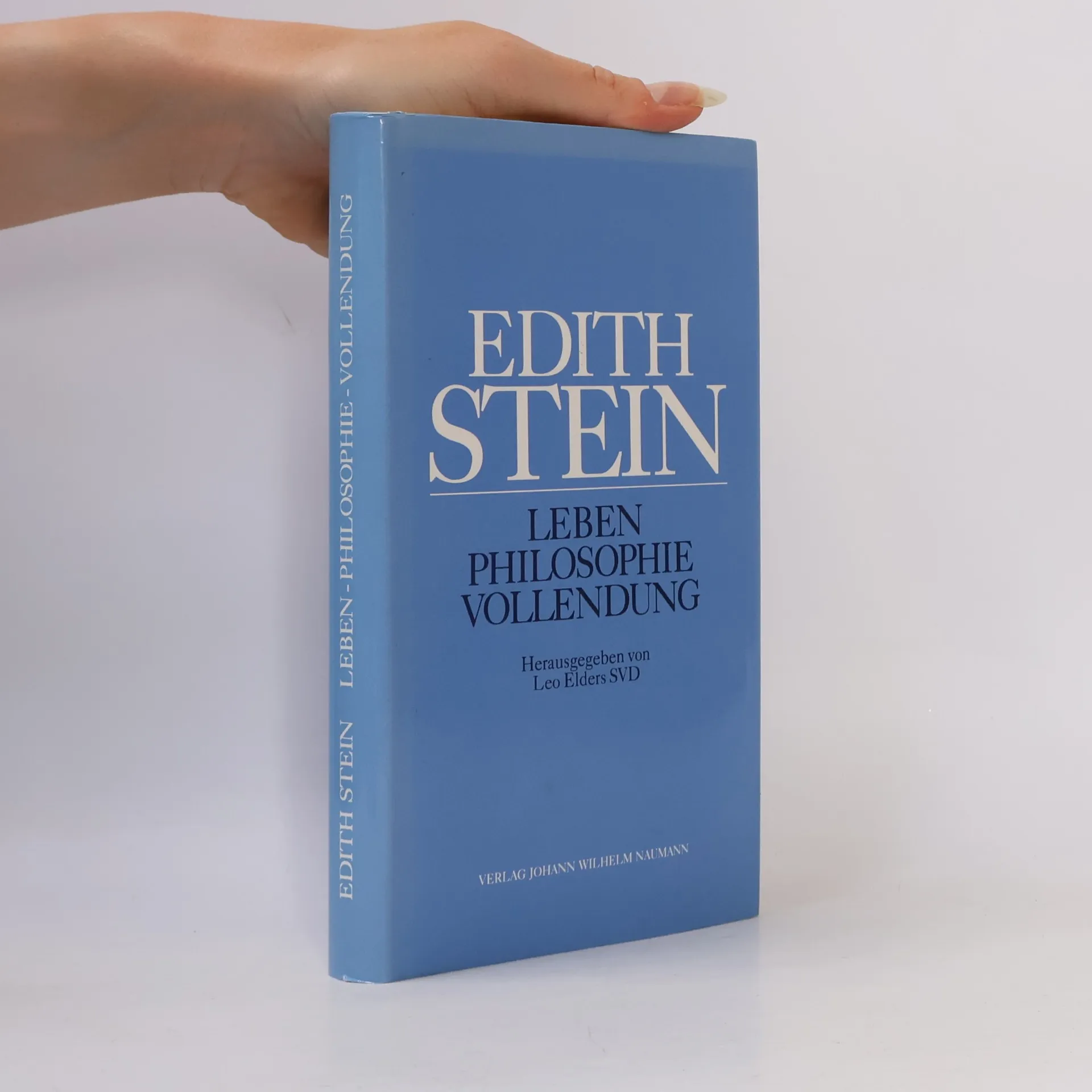
Edith Stein
Leben, Philosophie, Vollendung: Abhandlungen des internationalen Edith-Stein-Symposiums, Rolduc, 2.-4. November 1990
- 298 páginas
- 11 horas de lectura
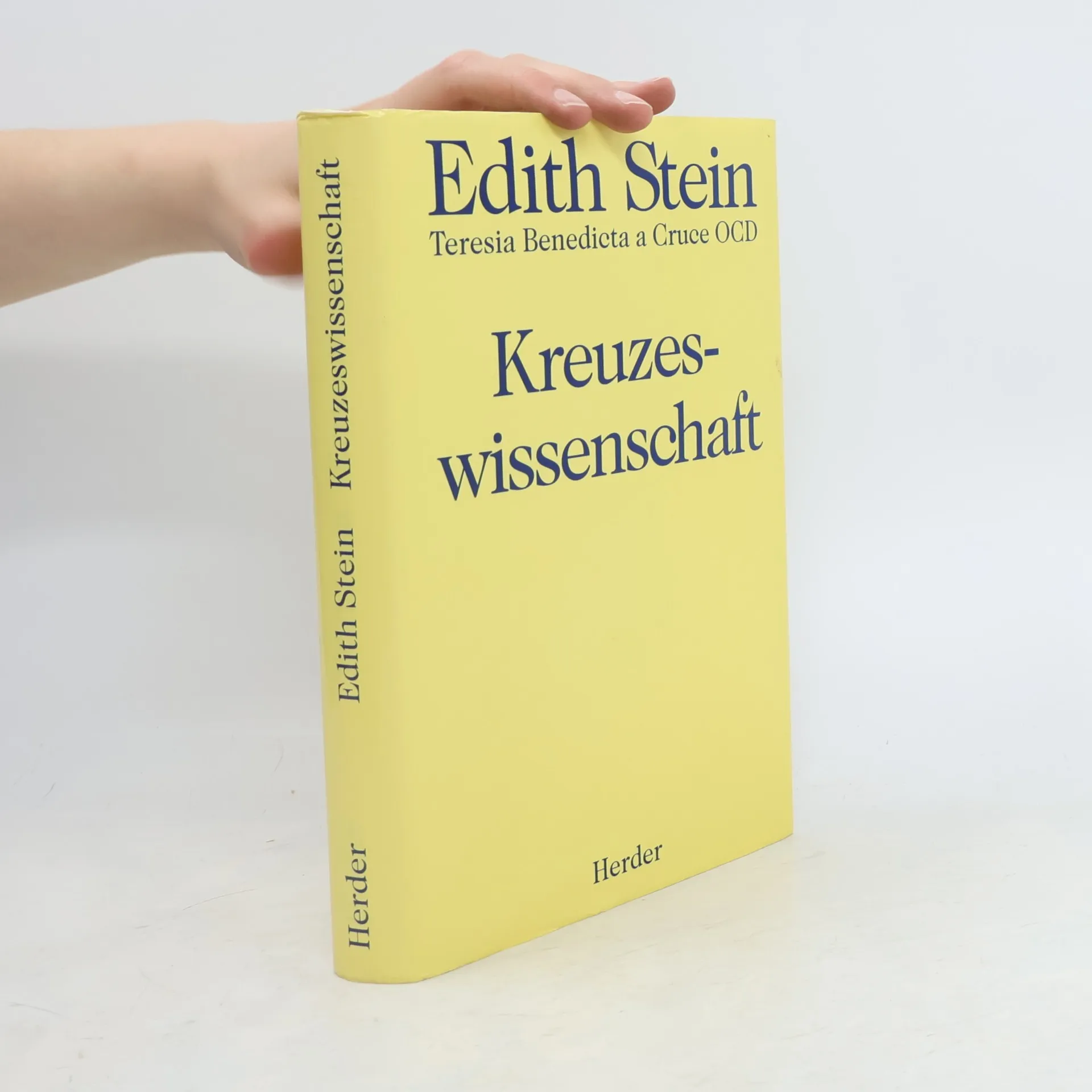
Kreuzeswissenschaft. Studie über Joannes a Cruce
- 300 páginas
- 11 horas de lectura
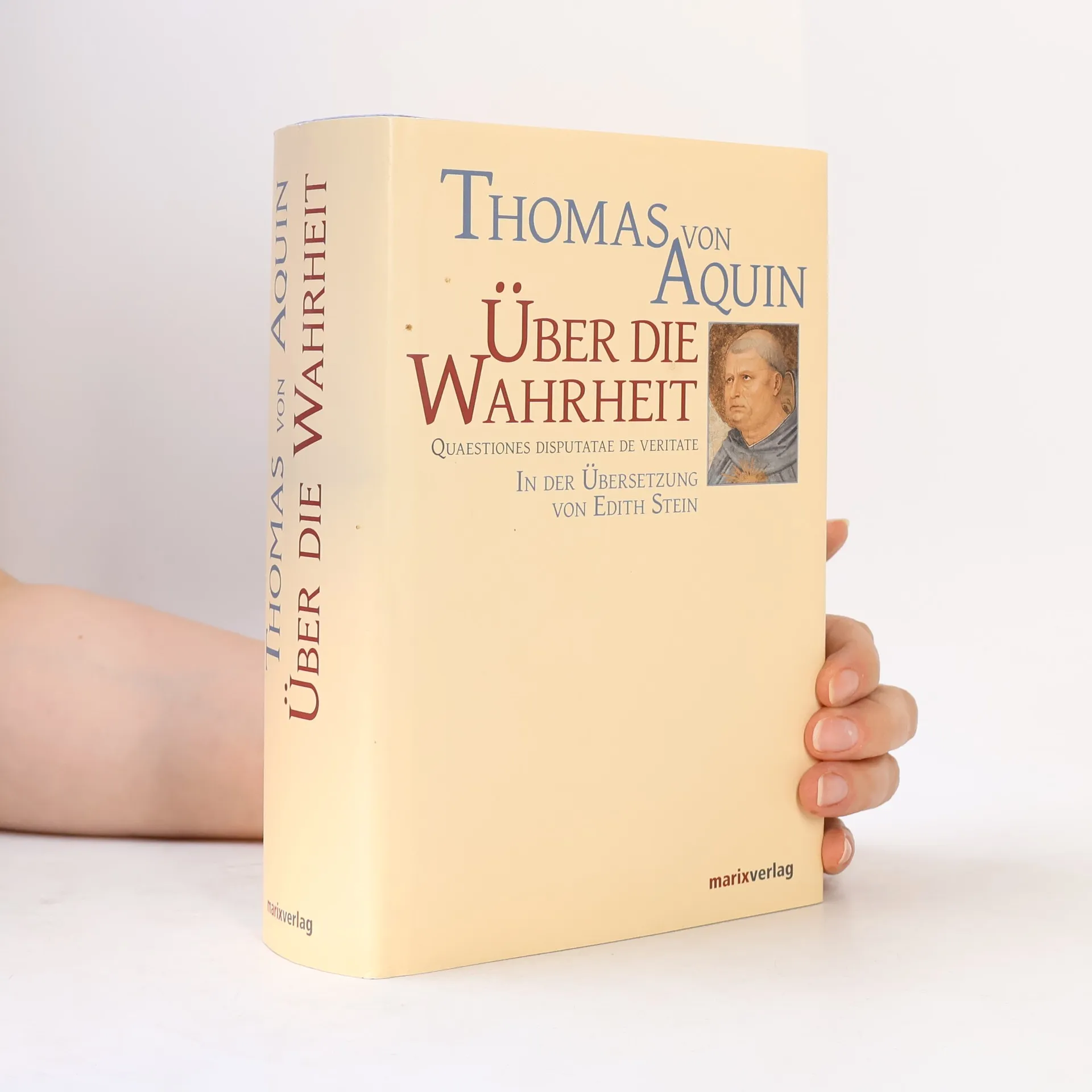
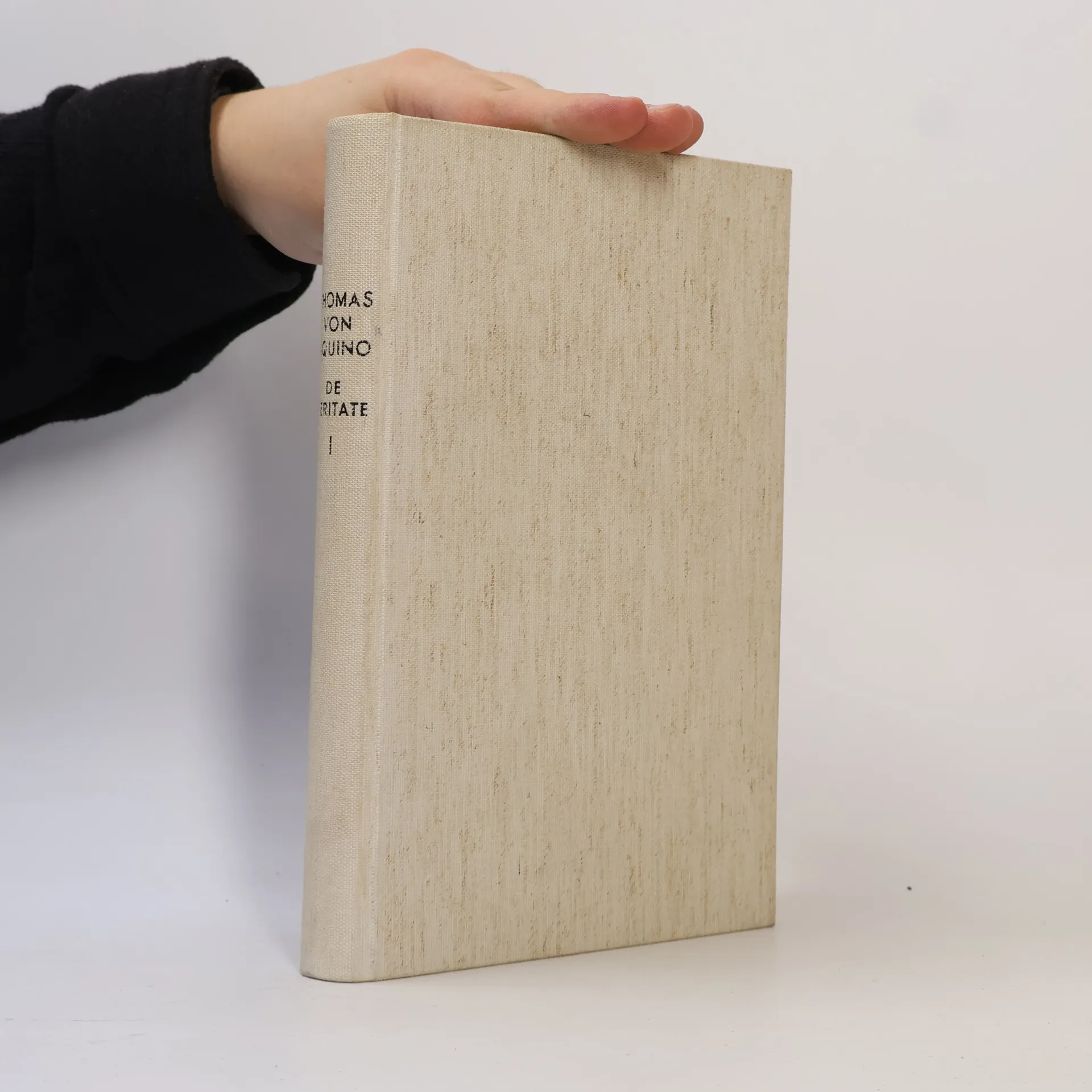
Über die Wahrheit
Quaestiones Disputatae de Veritate - In der Übersetzung von Edith Stein
- 1506 páginas
- 53 horas de lectura
Thomas von Aquin ist ohne Zweifel der alles überragende Theologe und Philosoph des Mittelalters. Im 13. Jahrhundert entwickelte sich mit dem Entstehen der ersten Universitäten die „Intelligenz “ als relativ autonome und revolutionäre gesellschaftliche Größe. Über den Umweg arabischer Philosophen wurde dem Abendland Aristoteles neu erschlossen. In diesem geistigen Klima schuf der Dominikanermönch Thomas ein umfassendes philosophisches und theologisches System, das jenseits des herrschenden Platonismus völlig neue Denkwege eröffnete. In 29 sogenannten „Quoestiones disputatae“ behandelt Thomas hier unter dem Begriff der Wahrheit alle großen Themen seiner Philosophie und Theologie: die Frage nach dem Sein, nach der Erkenntnisfähigkeit des Menschen, nach dem dreieinigen Gott, nach Gnade, Vorsehung, Rechtfertigung und Glaube ... Die Kunst der scholastischen Disputation, die an vorgebrachten Einwänden die eigenen Thesen schärft und verfeinert, ist hier besonders lebendig nachvollziehbar. Wer sich den „ganzen“ Thomas erschließen will, der tut es am besten mit dieser Schrift! Keine Geringere als die Märtyrerphilosophin Edith Stein hat den Text des Thomas unübertroffen ins Deutsche übersetzt.
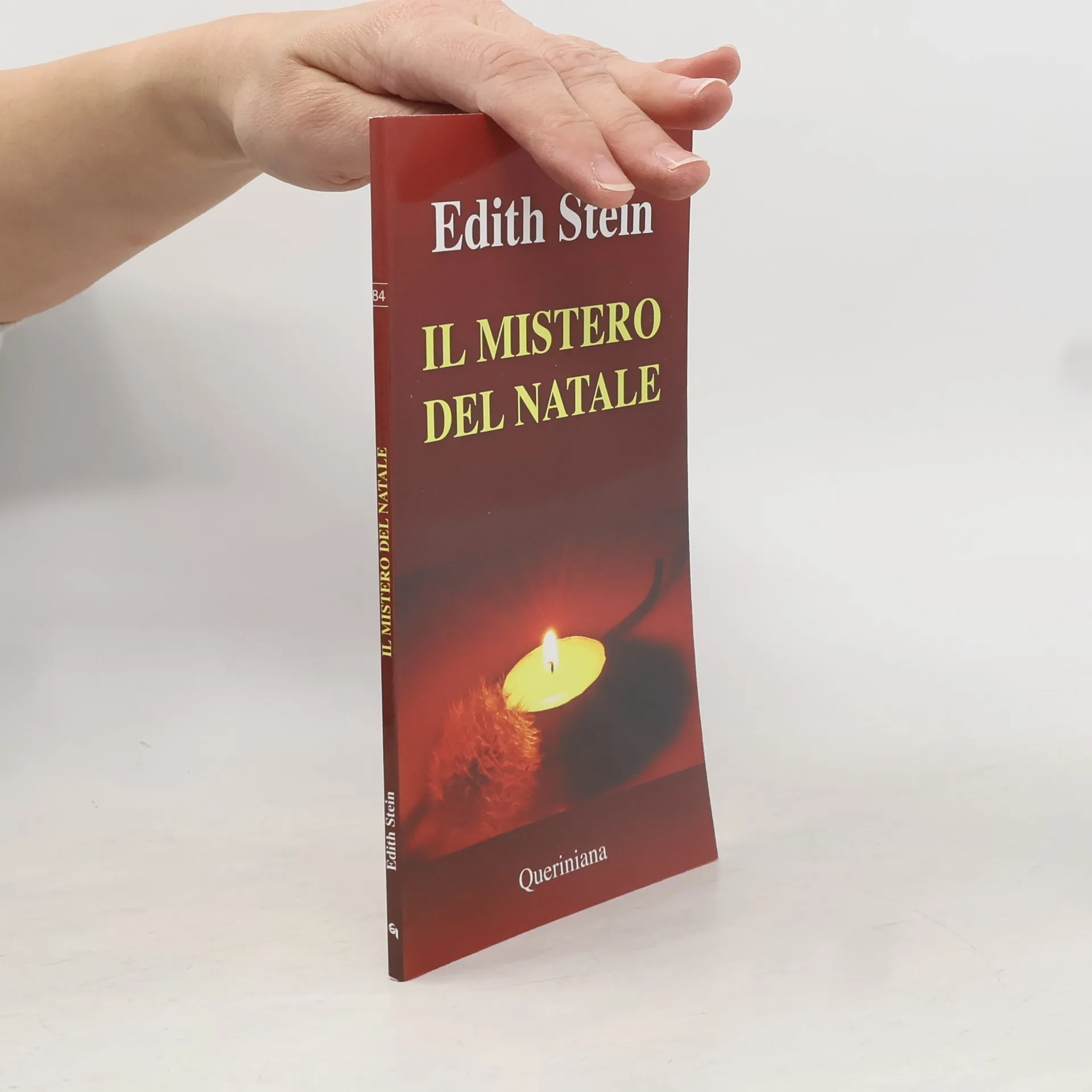
Il mistero del Natale. Incarnazione e umanità
- 44 páginas
- 2 horas de lectura
Este livrinho sobre o Mistério do Natal que Edith Stein escreveu provavelmente em 1930 faz-nos ouvir o que os pastores diziam uns aos outros na Noite "Vamos a Belém!"Conduzindo o leitor pela mão, a autora leva-o ao Presépio para contemplar o Mistério de o Verbo encarnado, que se fez homem para que o homem se tornasse filho de Deus.Seguidamente, vai-o conduzindo ao coração do mistério, pelo poder de um pensamento claro, rico e profundo.
Aus der Tiefe leben
Ausgew. Texte zu Fragen d. Zeit: Mit zahlr. erstveröff. Texten
- 197 páginas
- 7 horas de lectura