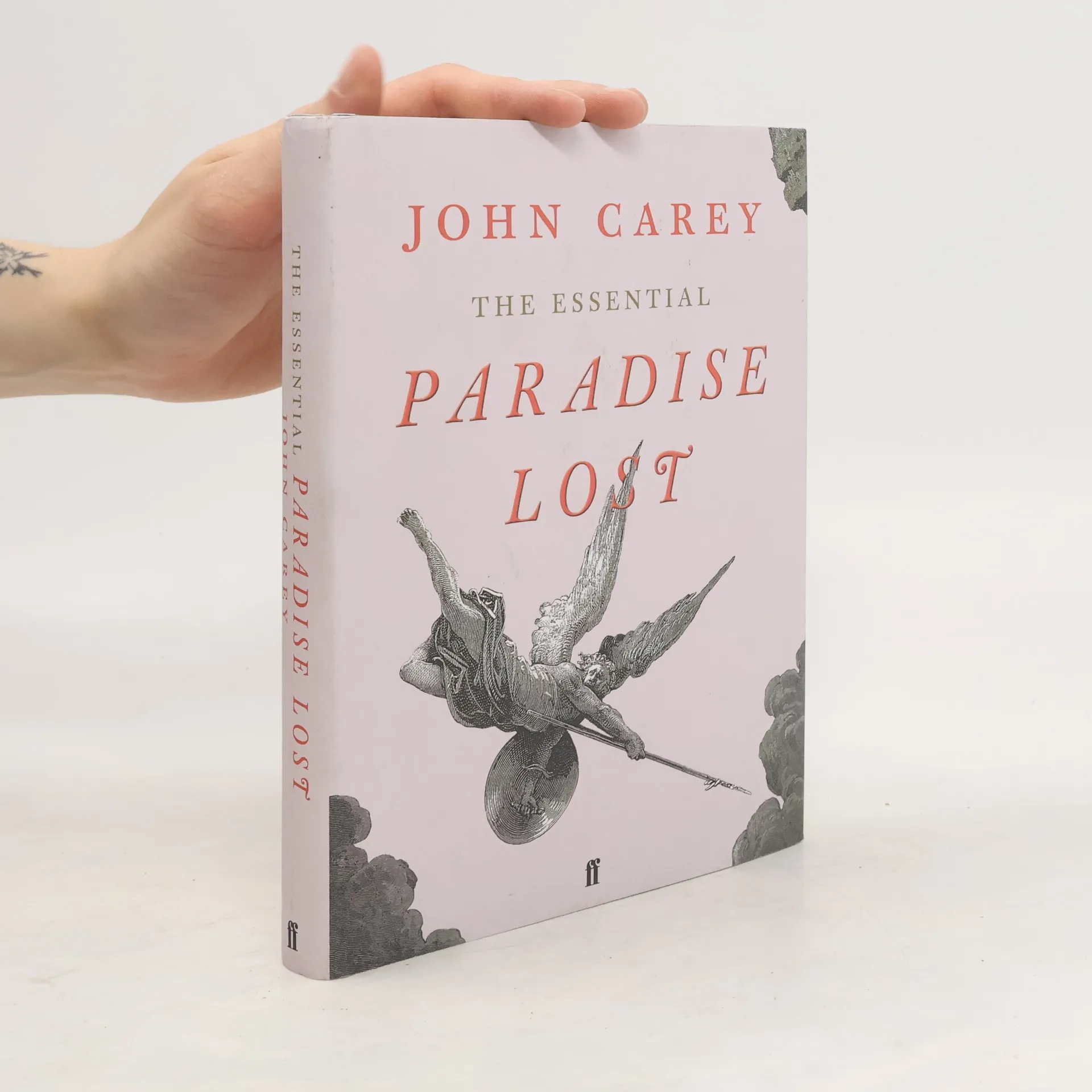
What was it like to be caught in the firestorm that destroyed Pompeii? To have dinner with Attila the Hun? To watch the charge of the Light Brigade? To see the Titanic slide beneath the waves? John Carey's best-selling "Faber Book of Reportage" draws its eyewitness account from memoirs, travel books and newspapers. This is history with the varnish removed. "A quite stunning collection. There are descriptions in this book so fresh that they sear themselves into the imagination". (Jeremy Paxman)
John Carey Libros


The Connell Guide to William Golding's Lord of the Flies
- 117 páginas
- 5 horas de lectura
In 1954 William Golding was 43 years old and a nobody. He had been demobbed from the navy at the end of World War Two and returned to his pre-war job teaching English at Bishop Wordsworth’s School in Salisbury. Always hard up, he lived in what he called a “lousy council flat” with his wife, Ann, and their two young children. In 1952 he finished the novel that was to become Lord of the Flies, and sent it to five publishers and a literary agency. They all rejected it. The sixth publisher he tried was Faber and Faber, and the professional reader wrote her opinion on the typescript: “Time the Future. Absurd & uninteresting fantasy about the explosion of an atom bomb on the Colonies. A group of children who land in jungle country near New Guinea. Rubbish & dull.” But the novel was rescued from the reject pile by a new recruit to Faber, and when it was finally published in September 1954 the poet Stevie Smith greeted it as “this beautiful and desperate book”. In the early 1960s cultural commentators noted that Lord of the Flies was replacing Salinger’s Catcher in the Rye as the bible of the American adolescent. Its anti-war tenor helped to ensure its profound impact on the young at a time when the Cold War was hotting up. Since then, his masterpiece has established itself as a modern classic. In this short, compelling guide, John Carey tells us how and why.
William Golding
- 192 páginas
- 7 horas de lectura
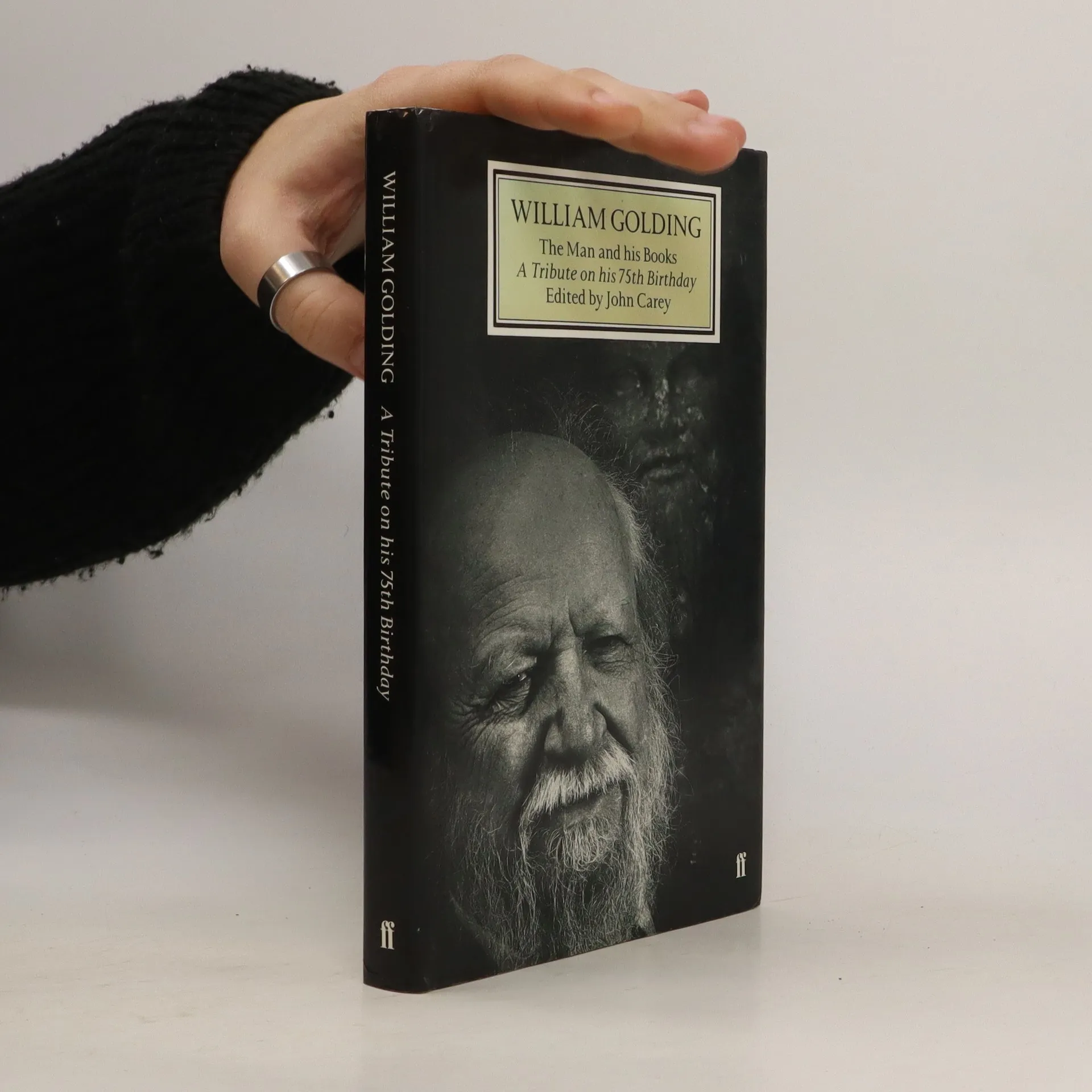
The first biography of Nobel Prize winning novelist William Golding by celebrated writer and critic, John Carey. Drawing almost entirely on materials that have never before been made public, John Carey sheds new light on Golding. Through hundreds of letters, unpublished works and Golding's intimate journals, Carey draws a revelatory and definitive portrait of an extraordinary man.
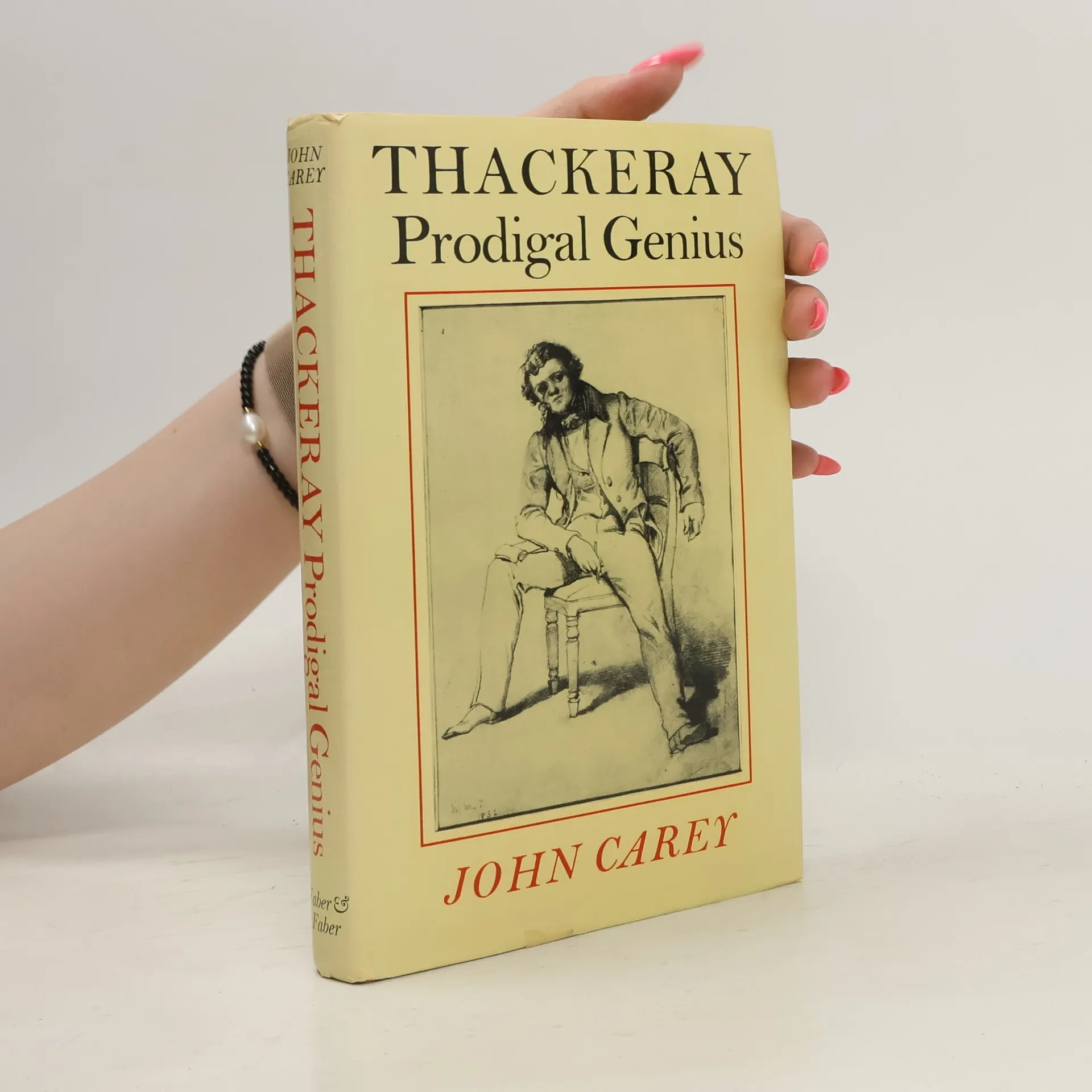
A new approach to Thackeray. Although this study embraces all his work, it switches attention from his late novels, and bases the case for his imaginative vitality on the multifarious material - reviews, travel books, burlesques, "Punch" articles - that he turned out, mostly under severe financial stress, at the start of his writing career. Here was the breeding ground of "Vanity Fair"; here we find the subversive Thackeray, foe of humbug and high art, waylaying snobbery and the cant of social reformers with bravura and buffoonery - the Thackeray who, in Trollope's words, 'laughed, and ate, and drank, and threw his pearls about with miraculous profusion.' In portraying the range and intensity of Thackeray's imagination, topics singled out include: light and painting; ballet dancers; pantomime; "haute cuisine"; time's ruins; and the rainbow realm of commerce. The picture of Thackeray, as man and artist, that emerges, is fresh and challenging.
A collection of John Carey's greatest, wisest, and wittiest reviews-amassed over a lifetime of writing
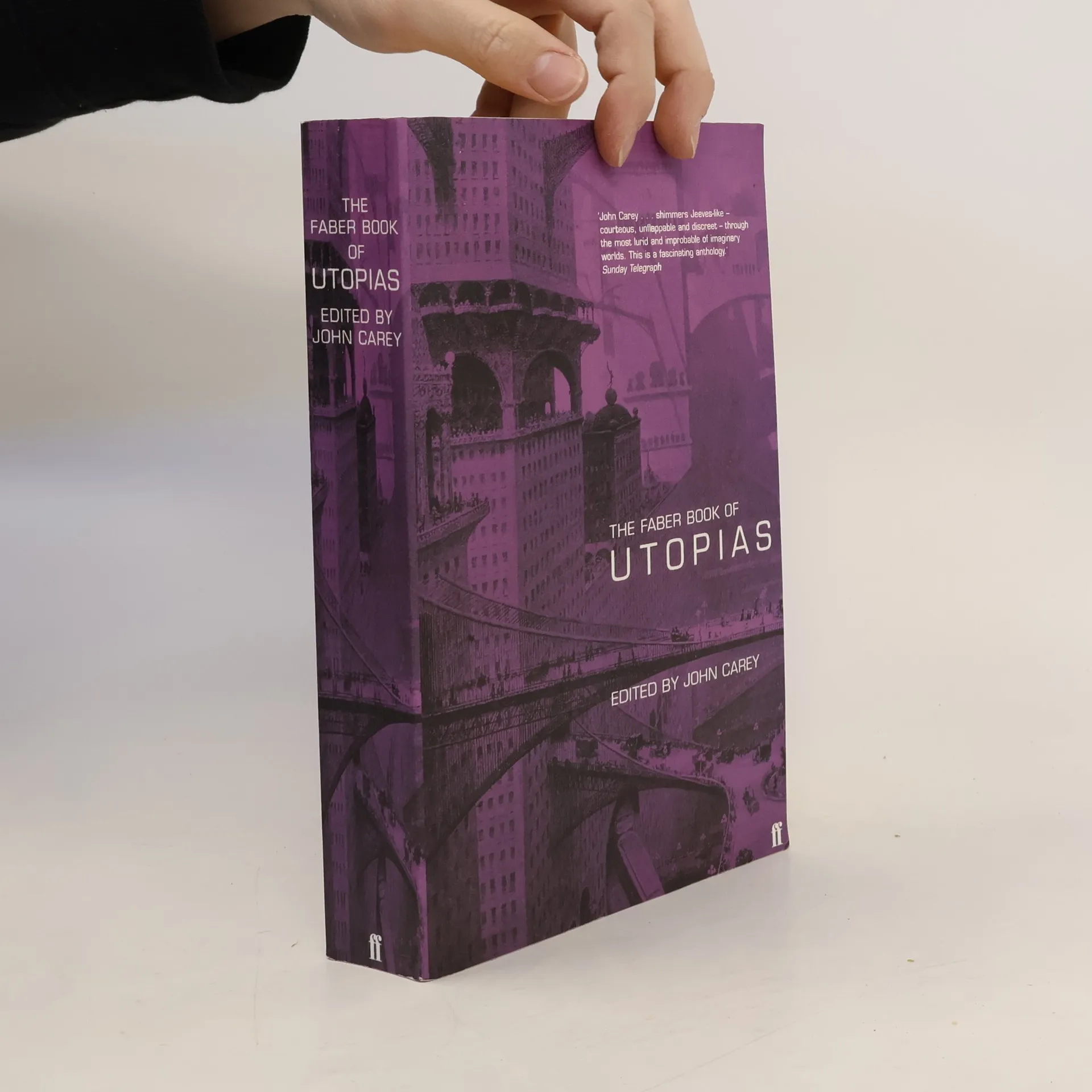
The Faber Book of Utopias
- 560 páginas
- 20 horas de lectura
Utopias come in every conceivable cultural and sexual shade: communist, fascist, anarchist, green, techno-fantastic, all male, all female. John Carey's anthology encompasses many noble schemes, as well as chilling attempts at social control.
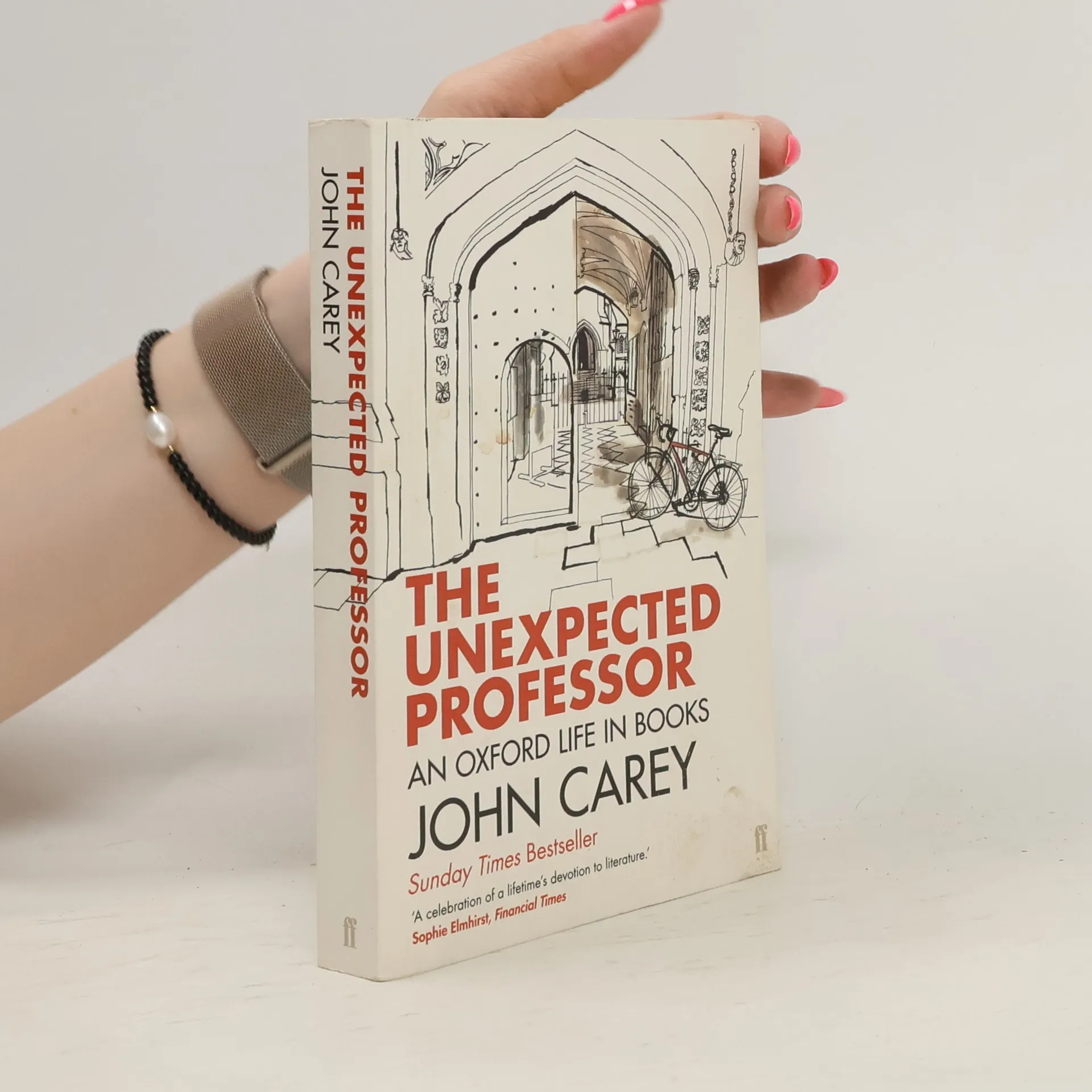
The unexpected professor : an Oxford life in books
- 384 páginas
- 14 horas de lectura
John Carey's hugely acclaimed memoir, in which he reflects on a life immersed in literature.
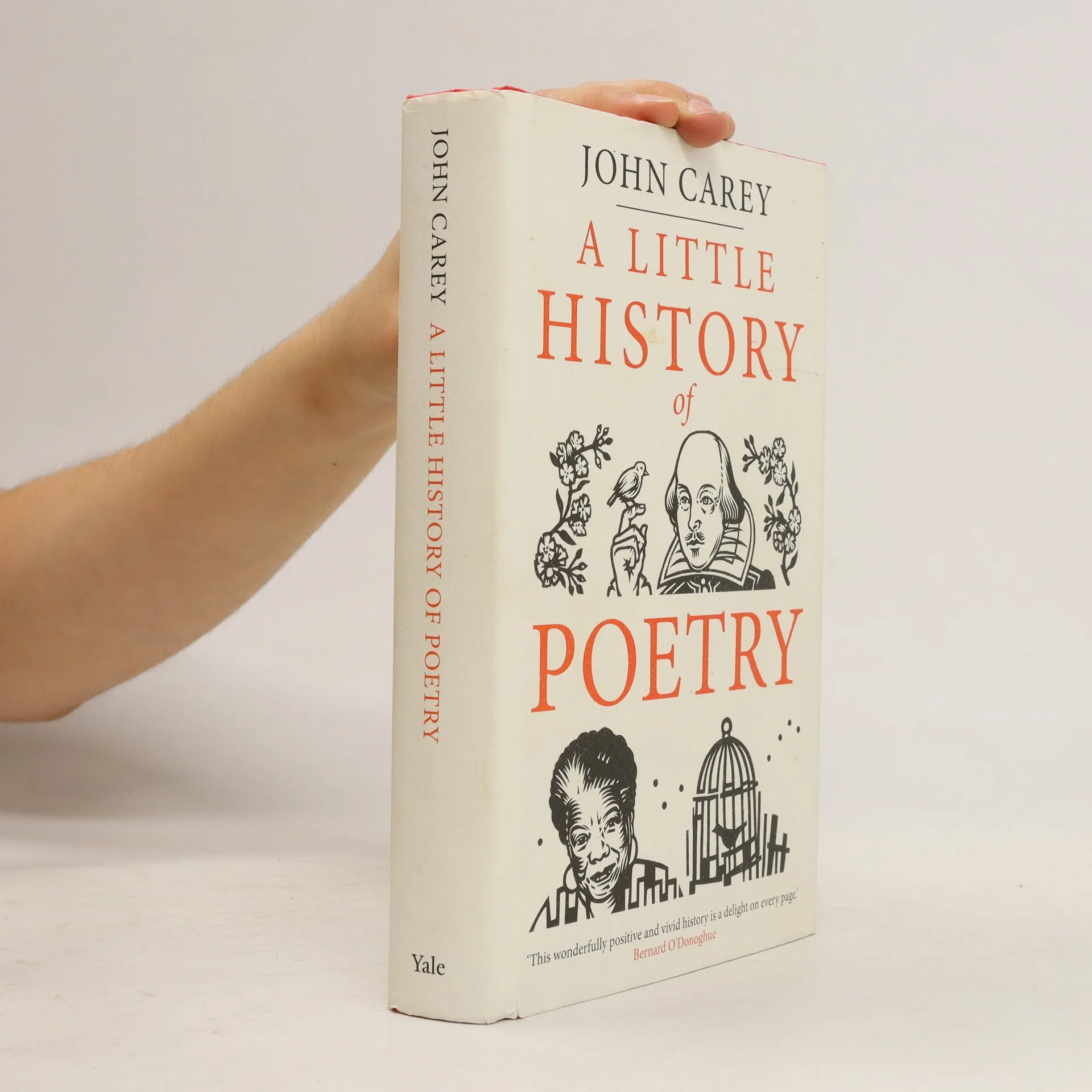
A vital, engaging, and hugely enjoyable guide to poetry, from ancient times to the present, by one of our greatest champions of literature--selected as the literature book of the year by the London Times “[A] fizzing, exhilarating book.”—Sebastian Faulks, Sunday Times, London“Delightful.’”— New York Times Book Review What is poetry? If music is sound organized in a particular way, poetry is a way of organizing language. It is language made special so that it will be remembered and valued. It does not always work—over the centuries countless thousands of poems have been forgotten. But this Little History is about some that have not. John Carey tells the stories behind the world’s greatest poems, from the oldest surviving one written nearly four thousand years ago to those being written today. Carey looks at poets whose works shape our views of the world, such as Dante, Chaucer, Shakespeare, Whitman, and Yeats. He also looks at more recent poets, like Derek Walcott, Marianne Moore, and Maya Angelou, who have started to question what makes a poem “great” in the first place. For readers both young and old, this little history shines a light for readers on the richness of the world’s poems—and the elusive quality that makes them all the more enticing.
A critique of the seventeenth-century British poet highlights his religious beliefs, writings, and major philosophical concerns
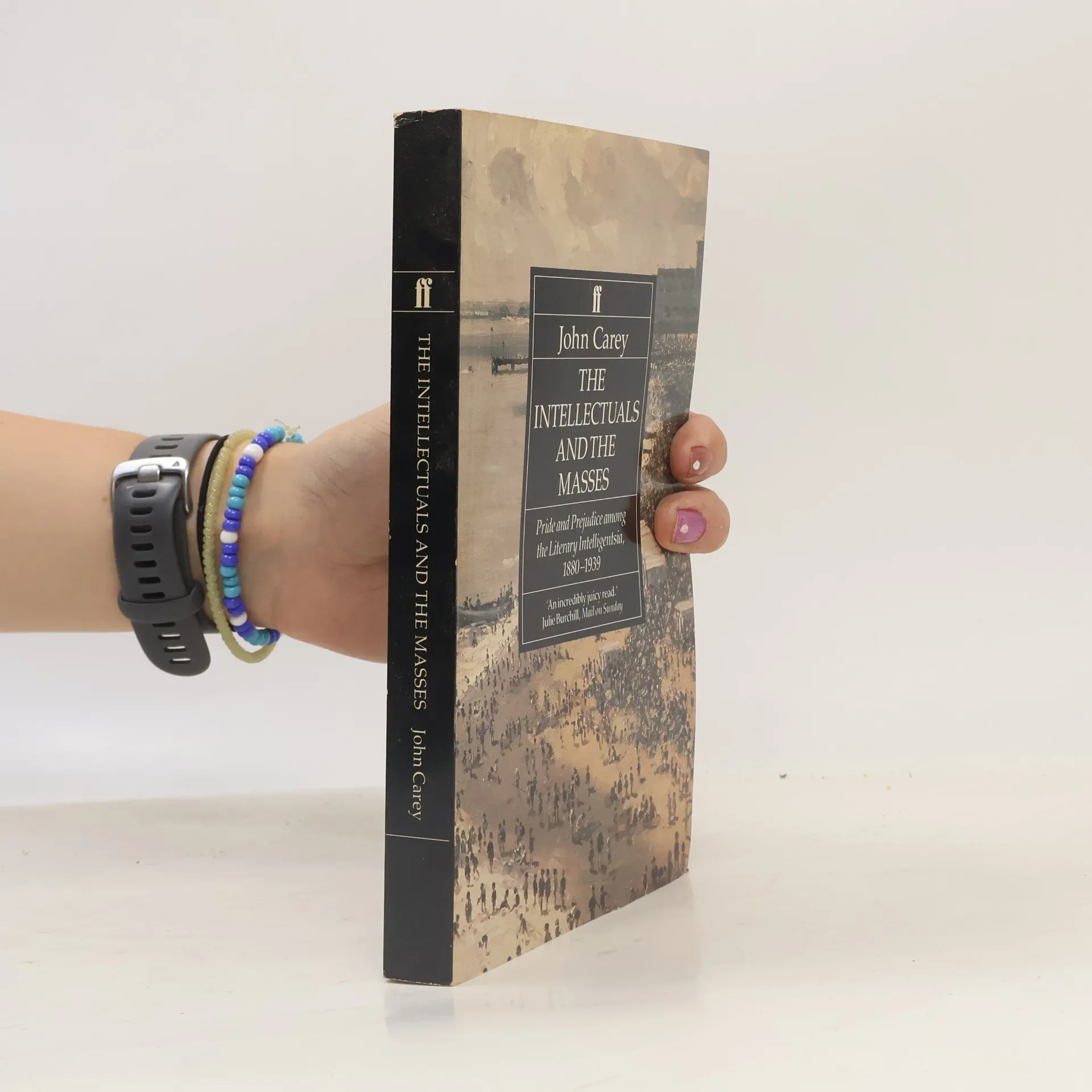
The Intellectuals and the Masses
- 256 páginas
- 9 horas de lectura
Yeats and other canonized writers, he relates this to the cult of the Nietzschean Superman, which found its ultimate exponent in Hitler. Carey's assault on the founders of modern culture caused consternation throughout the artistic and academic establishments when it was first published in 1992.