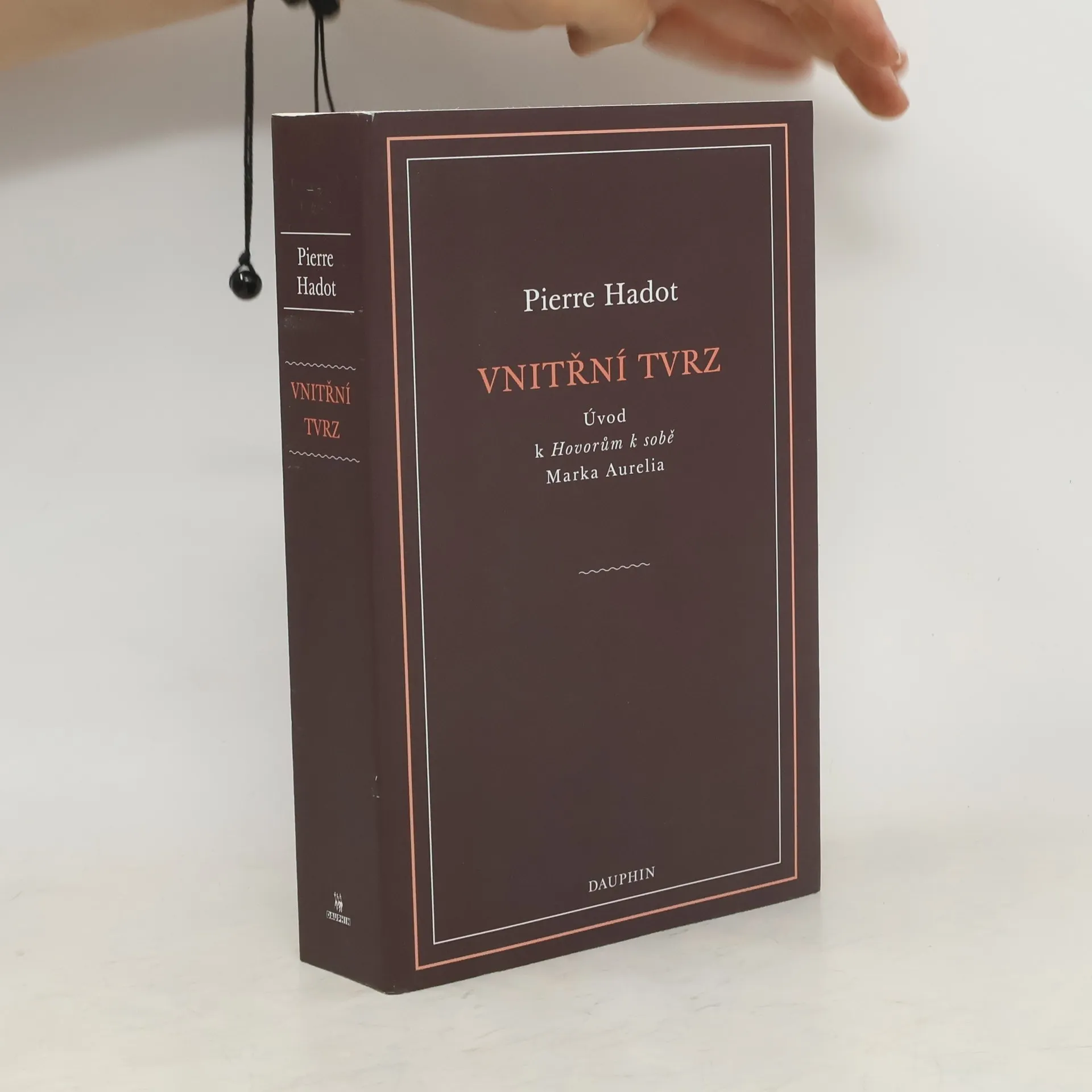
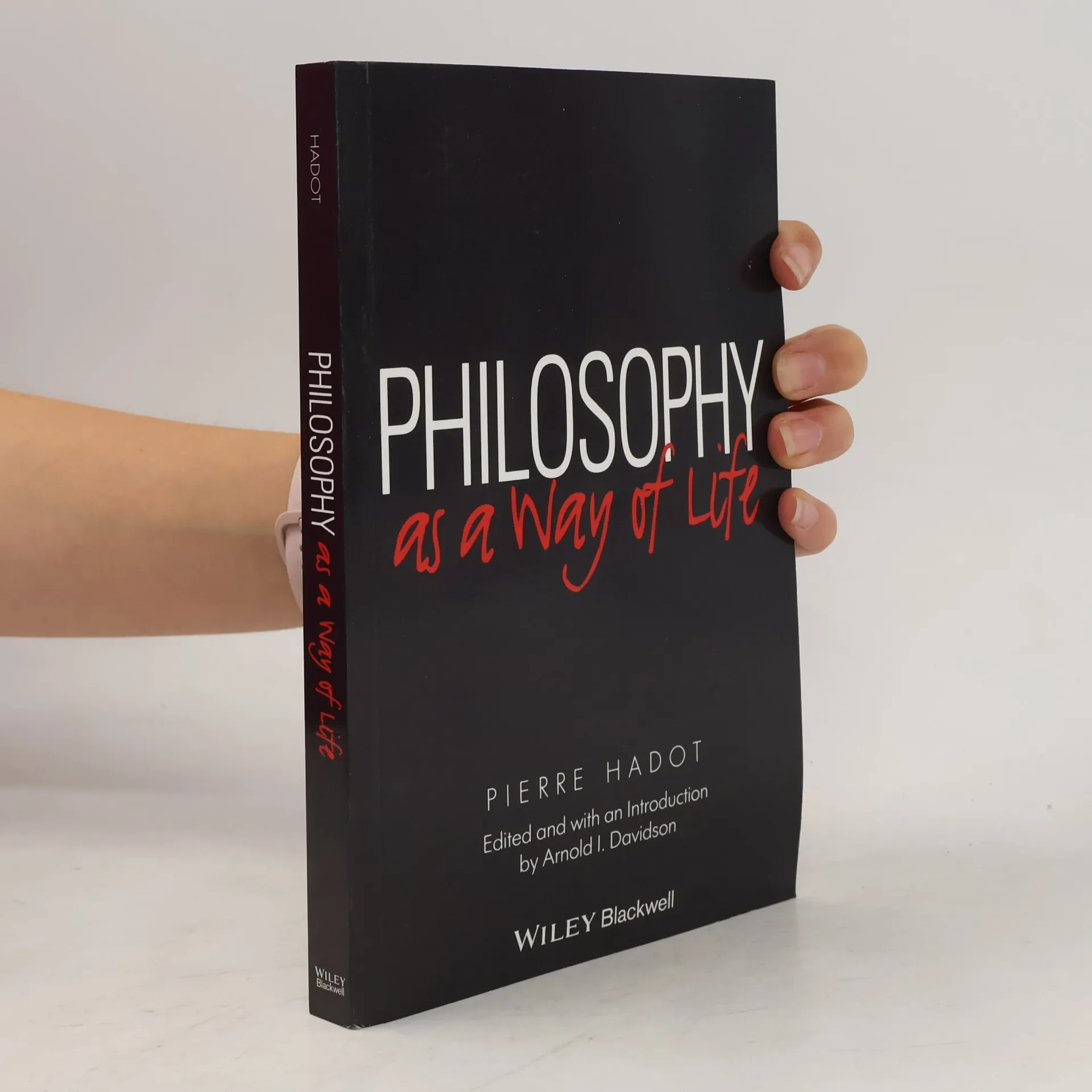
Hadotův úvod (Vnitřní tvrz) do Hovorů Marka Aurelia lze číst v jistém smyslu jako úvod do antického stoicismu. Neexistuje nakonec věčný stoicismus, který je napříč časem a prostorem jedním z možných postojů lidského vědomí? Jeho neustálá ozvěna ve filozofických koncepcích dvou tisíciletí tomu napovídá.
Pierre Hadot Orden de los libros (cronológico)
21 de febrero de 1922 – 24 de abril de 2010
Pierre Hadot fue un filósofo, historiador y filólogo francés cuya obra se centró en el concepto de ejercicios espirituales y la filosofía como modo de vida. Se especializó en el período antiguo, particularmente en el neoplatonismo y el estoicismo, enfatizando la filosofía antigua como un enfoque práctico para vivir. Sus escritos, conocidos por su legibilidad y profunda erudición, conectan constantemente ideas filosóficas con la experiencia personal, la literatura y la espiritualidad.




"In Don't Forget to Live, the final book penned before his death in 2010, renowned French philosopher Pierre Hadot focuses our attention on Goethe and the long tradition of spiritual exercises. As Hadot explains, the term "spiritual exercise" has nothing to do with religion as we might assume. Instead, spiritual exercises are acts of the intellect, imagination, or will that are characterized by their purpose. Thanks to these exercises, a person strives to transform how they see the world, the self, and the relationship between the two. The exercises do not work to inform, but to form. Hadot begins his remarkable study of Goethe with the spiritual exercise of concentrating on the present moment. This exercise was dear to Goethe and allows us to experience each moment intensely without being distracted by the weight of the past or the mirage of the future. Hadot then explores another exercise, the view from above, in which we actively take a distance from things so as to help us see them in perspective. He then turns our attention to Goethe's poem "Urworte" in which the focus is on hope, a figure who represents a fundamental attitude we should cultivate. Through Hadot's masterful treatment of these three exercises we clearly grasp Goethe's deep love for life despite its pains and fears, and this deep love serves as a powerful reminder for us to live as well"--
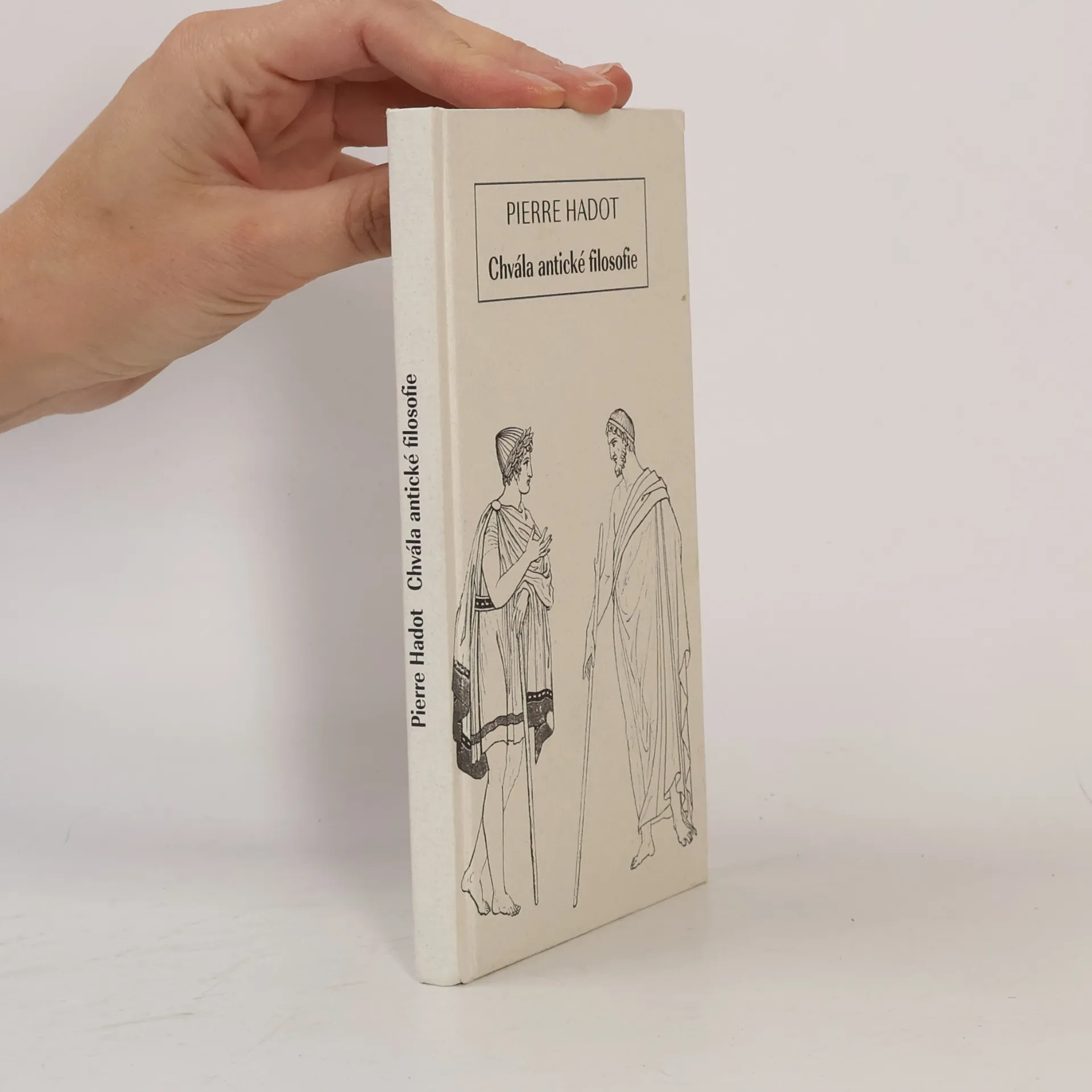
Chvála antické filosofie
- 56 páginas
- 2 horas de lectura
Francouzský filosof a přední znalec antického myšlení a filosofie Pierre Hadot ve své krátké, ale hutné přednášce postihuje podstatu antické filosofie. Hadot objasňuje, co v řecko-římském světě znamenalo být filosofem, a ukazuje, že "filosofovat" neznamenalo osvojovat si abstraktní, odtažité vědění bez reálného dopadu na život, nýbrž prostřednictvím cvičení rozumu usilovat o vnitřní proměnu sebe sama. Autor dále načrtává, jak a v jakých podobách se toto dědictví antického myšlení po staletí kontinuálně uchovávalo, jakých proměn nabývalo ve středoveku a novověku a jaký smysl a inspiraci v této tradici nalézáme dnes. Kniha přináší inaugurační řeč, kterou Pierre Hadot přednesl 18. února 1983 u příležitosti převzetí katedry dějin helénistického a římského myšlení při College de France.
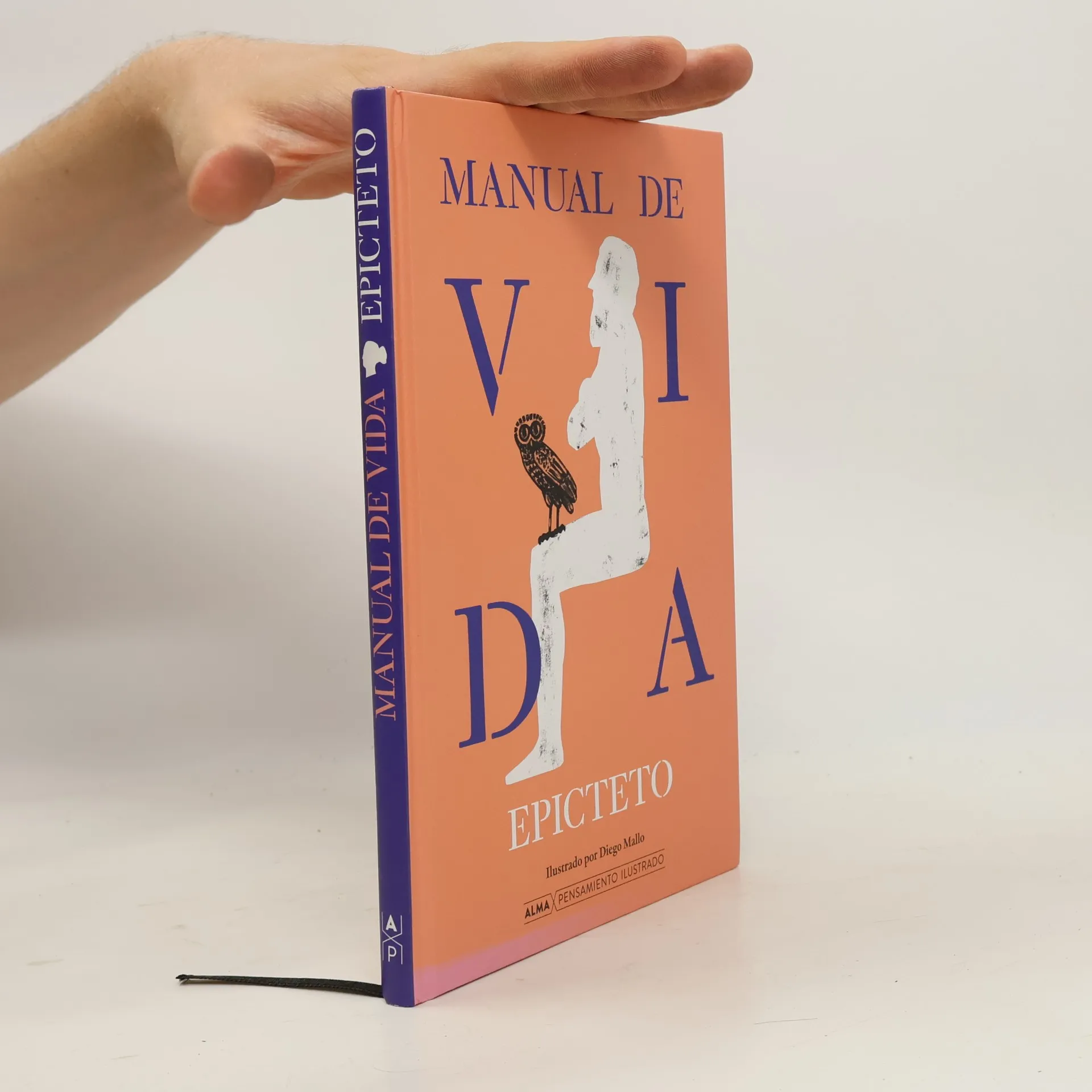
Manual de Vida
- 192 páginas
- 7 horas de lectura
Epicteto, un esclavo que tuvo que exiliarse de Roma precisamente por sus ideas filosóficas, nos ha legado sus consejos para hallar la tranquilidad de espíritu conociéndonos a nosotros mismos y a la naturaleza. Aquí se encuentra condensada la regla de oro de la filosofía estoica: el secreto de la felicidad y de nuestra plenitud depende solo de nosotros; se basa en nuestra capacidad para centrarnos en lo que podemos cambiar y aceptar lo que escapa a nuestro control. Una obra esencial de la sabiduría que enseña a vivir hablándonos clara y directamente de la amistad, del amor, de los placeres y de otros aspectos de la vida cotidiana. Epictetus, who was born a slave, took political asylum in Rome due to his philosophical ideologies. He left us his advice and guidance to find the spiritual peace that comes from understanding the natural world and ourselves. Here, you'll immerse yourself in his stoic philosophy, which encompasses the secret to happiness and how our bliss is solely dependent on ourselves. His wisdom is based on the ability to focus on what we can change and accepting the things that our beyond our control. This is a must-read classic that is full of wisdom. It acts as a guide toward friendship, love, and the joys of everyday life.
in-8, broché, 285 pp., index, bibligraphie. Léger choc en bordure de la couverture. Sinon très bon état.
The Veil of Isis
- 432 páginas
- 16 horas de lectura
Nearly twenty-five hundred years ago the Greek thinker Heraclitus supposedly uttered the cryptic words Phusis kruptesthai philei. How the aphorism, usually translated as Nature loves to hide, has haunted Western culture ever since is the subject of this engaging study by Pierre Hadot.
Wittgenstein et les limites du langage
- 126 páginas
- 5 horas de lectura
Les etudes reunies ici temoignent de la decouverte de la philosophie analytique par les philosophes francais de l' dans les annees 1950, Pierre Hadot fut en effet l'un des premiers a s'interesser aux rapports entre logique et langage dans la pensee de Wittgenstein. Ces etudes pionnieres sont suivies d'une lettre d'Elisabeth Anscombe a Pierre Hadot, et de la traduction d'un texte de Gottfried Gabriel sur la signification de la forme litteraire chez Wittgenstein.
Apprendre à philosopher dans l'Antiquité
l'enseignement du "Manuel d'Épictète" et son commentaire néoplatonicien
- 224 páginas
- 8 horas de lectura
Rare book
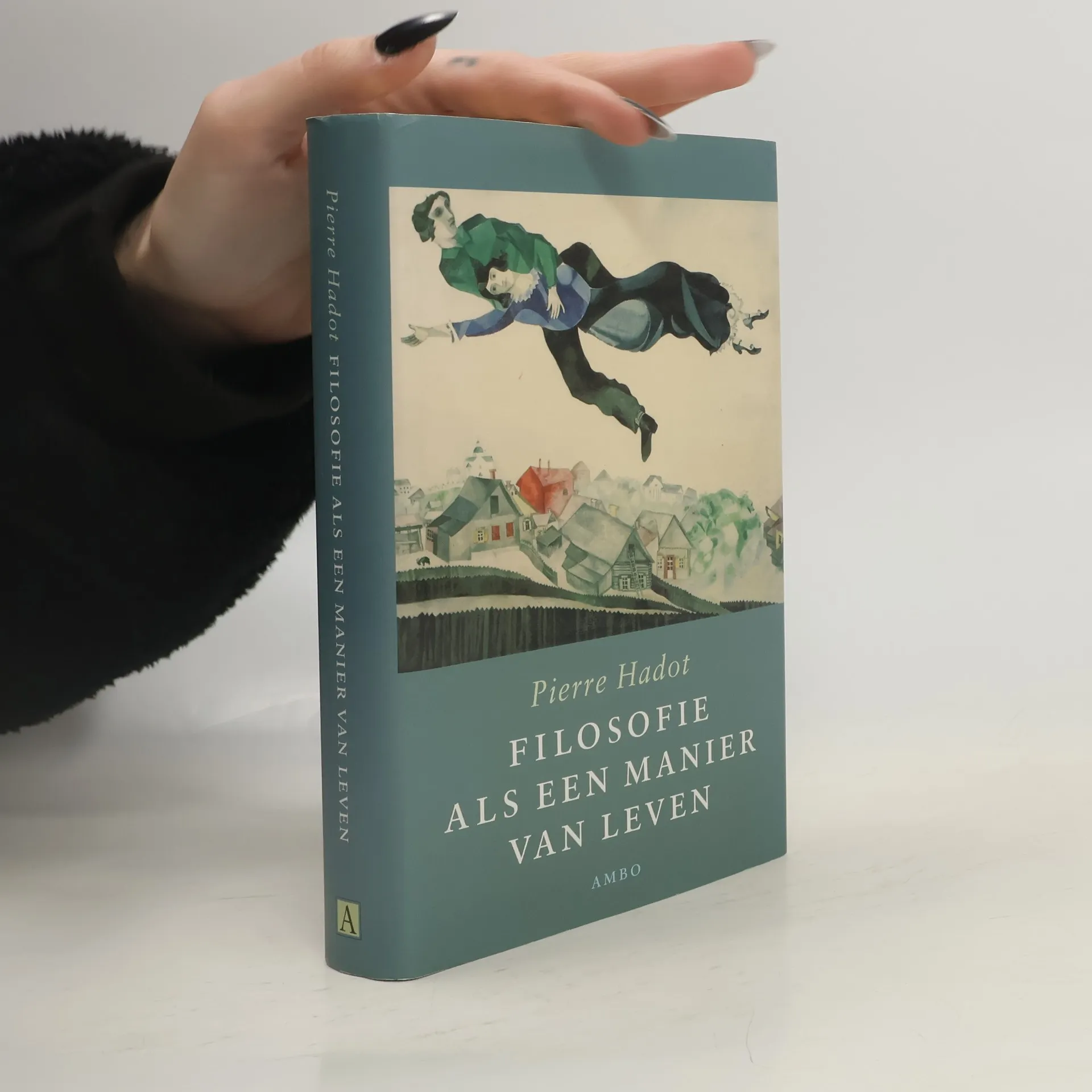
Filosofie als een manier van leven
- 328 páginas
- 12 horas de lectura
Overzicht van de antieke wijsbegeerte als liefde tot wijsheid.
The Present Alone is Our Happiness, Second Edition
- 238 páginas
- 9 horas de lectura
In this book of brilliantly erudite and precise discussions, which also serves as an introduction to Pierre Hadot's more scholarly works, Hadot explains that for the Ancients, philosophy was not reducible to the building of a theoretical system: it was above all a choice about how to live one's life.
What is Ancient Philosophy?
- 384 páginas
- 14 horas de lectura
A magisterial mappa mundi of the terrain that Pierre Hadot has so productively worked for decades, this ambitious book revises our view of ancient philosophy - and in doing so, proposes that we change the way we see philosophy itself.
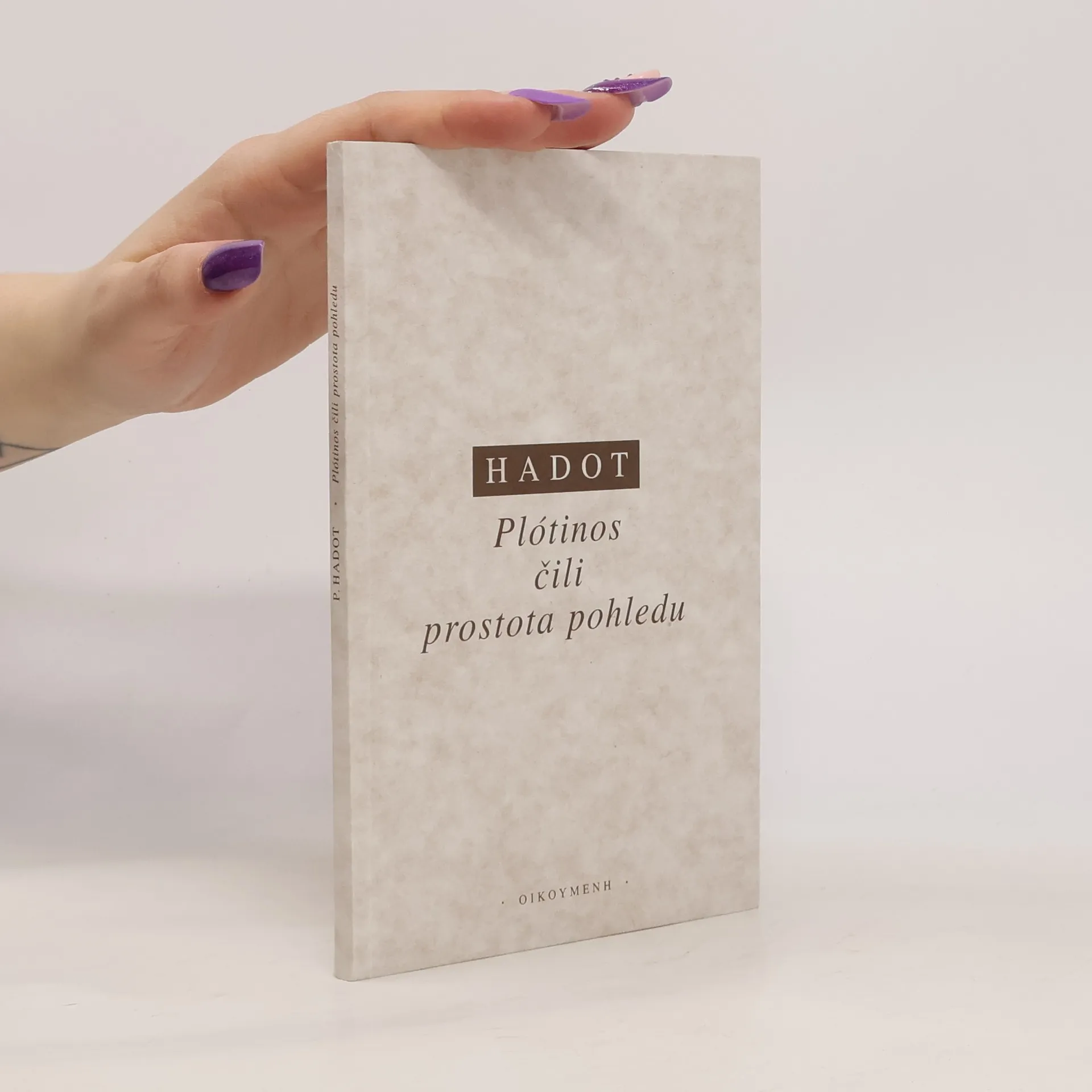
Plotino, o, la simplicidad de la mirada
- 231 páginas
- 9 horas de lectura
Pierre Hadot, emérito del Collège de France, defiende la tesis según la cual la filosofía no sería una forma de pensamiento abstracto sino una forma de vivir, una práctica del vivir. En este libro, de una gran belleza y sencillez y que es a la vez la mejor introducción al pensamiento de su autor y al pensamiento de Plotino creador del neoplatonismo y fundador de la estética en Occidente , Hadot desarrolla su tesis de una manera muy asequible. Inolvidables páginas sobre Plotino, de quien Pierre Hadot vertió al francés sus Enéadas con atención a sus dificultades y con gran precisión.
The Inner Citadel
- 368 páginas
- 13 horas de lectura
Written by the Roman emperor for his own private guidance and self-admonition, the Meditations set forth principles for living a good and just life. Hadot probes Marcus Aurelius's guidelines and convictions and discerns the hitherto unperceived conceptual system that grounds them. schovat popis
Filozofický esej věnovaný nejvýznamnějšímu novoplatonikovi rekonstruuje Plótinův filozofický systém.
This book presents a history of spiritual exercises from Socrates to early Christianity, an account of their decline in modern philosophy, and a discussion of the different conceptions of philosophy that have accompanied the trajectory and fate of the theory and practice of spiritual exercises.
Zur Idee der Naturgeheimnisse
Beim Betrachten des Widmungsblattes in den Humboldtschen "Ideen zu einer Geographie der Pflanzen"
- 33 páginas
- 2 horas de lectura