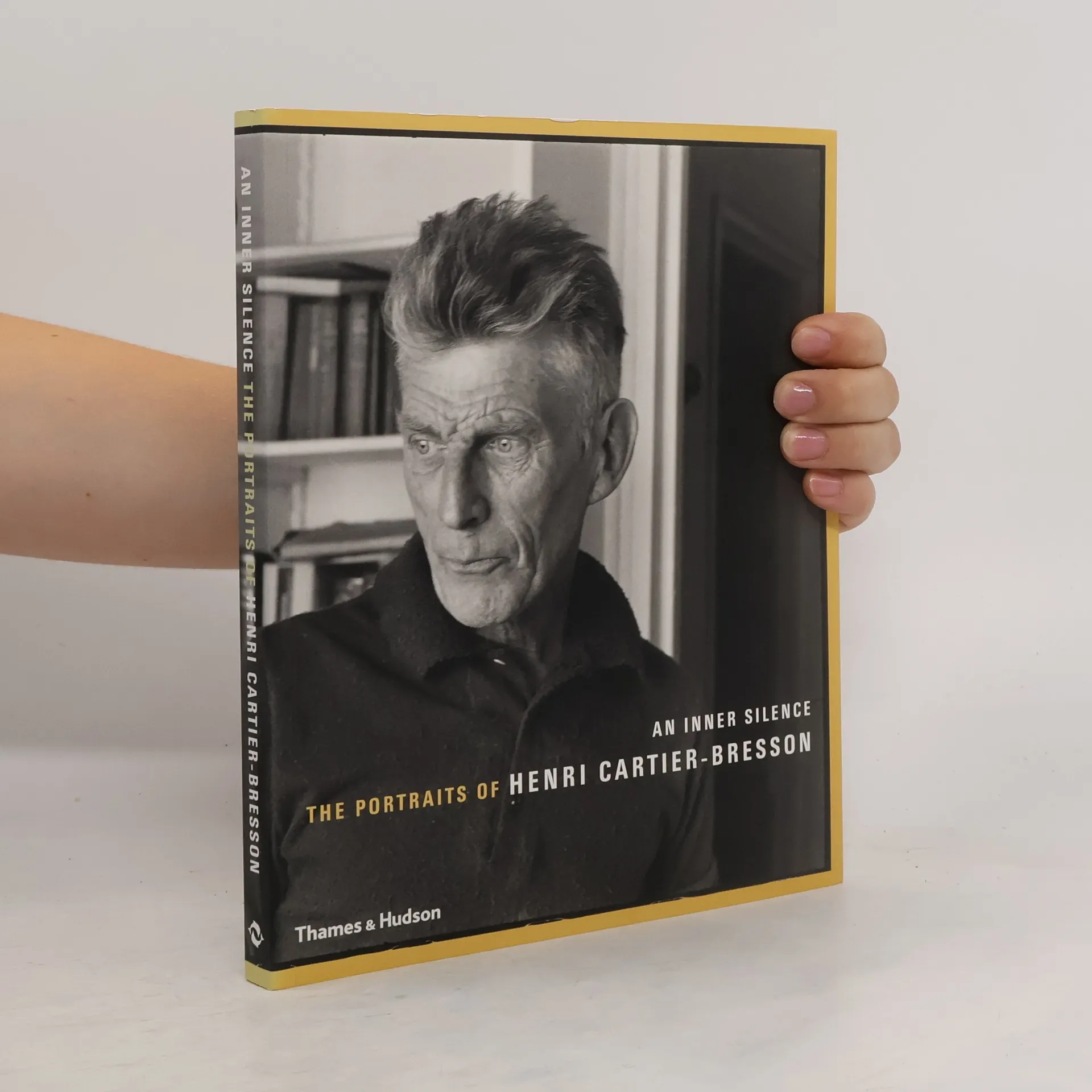
Henri Cartier-Bresson (1908 2004) was perhaps the finest and most influential image maker of the twentieth century, and his portraits are among his best-known work. Over a fifty-year period, he photographed some of the most eminent personalities of the era, as well as ordinary people, chosen as subjects because of their striking and unusual features. Originally published to coincide with an exhibition at the Fondation Henri Cartier-Bresson in Paris, this book features both well-known images and previously unpublished portraits: Ezra Pound, Andre Breton, Martin Luther King, Samuel Beckett, Truman Capote, Susan Sontag, Carl Jung, William Faulkner, Marilyn Monroe, Henri Matisse, and many more. Each photograph was chosen because it perfectly embodies Cartier-Bresson 's description of what he was attempting to communicate in his work: Above all I look for an inner silence. I seek to translate the personality and not an expression. The portraits reproduced here discreet, without artifice confirm once more the singular gift of Cartier-Bresson, who instinctively knew in which revealing fraction of a second to click the shutter.
Jean Luc Nancy Libros
Jean-Luc Nancy fue un Profesor Emérito de Filosofía cuya obra profundiza en las preguntas fundamentales de la existencia, el significado y la condición humana. Sus escritos exploran la naturaleza del ser y su relación con el mundo, centrándose en temas como la libertad, la presencia y la pluralidad. El enfoque de Nancy se caracteriza por su profundidad y su examen matizado de conceptos filosóficos complejos. Sus contribuciones invitan a los lectores a contemplar los aspectos esenciales de la experiencia humana y el sentido de la vida.



The Pleasure in Drawing
- 128 páginas
- 5 horas de lectura
Originally written for an exhibition Nancy curated at the Museum of Fine Arts in Lyon in 2007, the text addresses the medium of drawing in light of form in its formation, of form as a formative force, opening drawing to questions of pleasure and desire.
The Fragile Skin of the World
- 140 páginas
- 5 horas de lectura
"A leading philosopher reflects on how our experience of the world in changing in these crisis-ridden times"-- Provided by publisher
Is there a world anymore, let alone any sense of it? Acknowledging the lack of meaning in our own time, and the lack of a world at the centre of meanings we try to impose, Jean-Luc Nancy presents a critique of discourses that talk and write their way around these absences in our lives.
Coming
- 155 páginas
- 6 horas de lectura
Coming by Jean-Luc Nancy is a lyrical examination of the French notion of jouissance. How did jouissance evolve from referring to the pleasure of ownership to the pleasure of orgasm? The philosophers Adèle van Reeth and Jean-Luc Nancy engage in a lively dialogue touching on authors as varied as Spinoza, the Marquis de Sade, and Henry Miller, and on subjects ranging from consumerism to mysticism.
How have we thought 'the body'? How can we think it anew? This title incorporates the body of mortal creatures, the body politic, the body of letters and of laws, and the 'mystical body of Christ'. It offers us an encyclopedia and a polemical program - reviewing classical takes on the corpus from Plato, Aristotle, and Saint Paul to Descartes.
The Intruder
- 96 páginas
- 4 horas de lectura
Complete in English for the first time, a major philosopher’s most personal work and the source of an acclaimed film.
Dies Irae
- 106 páginas
- 4 horas de lectura
Exploring the complexities of judgment, this book delves into the absence of universal norms for defining right and wrong. It questions the necessity of laws and whether they can exist without a general framework. Through philosophical inquiry, it challenges readers to reconsider the foundations of morality and legality, prompting a deeper understanding of justice in a world where absolute standards may not exist.
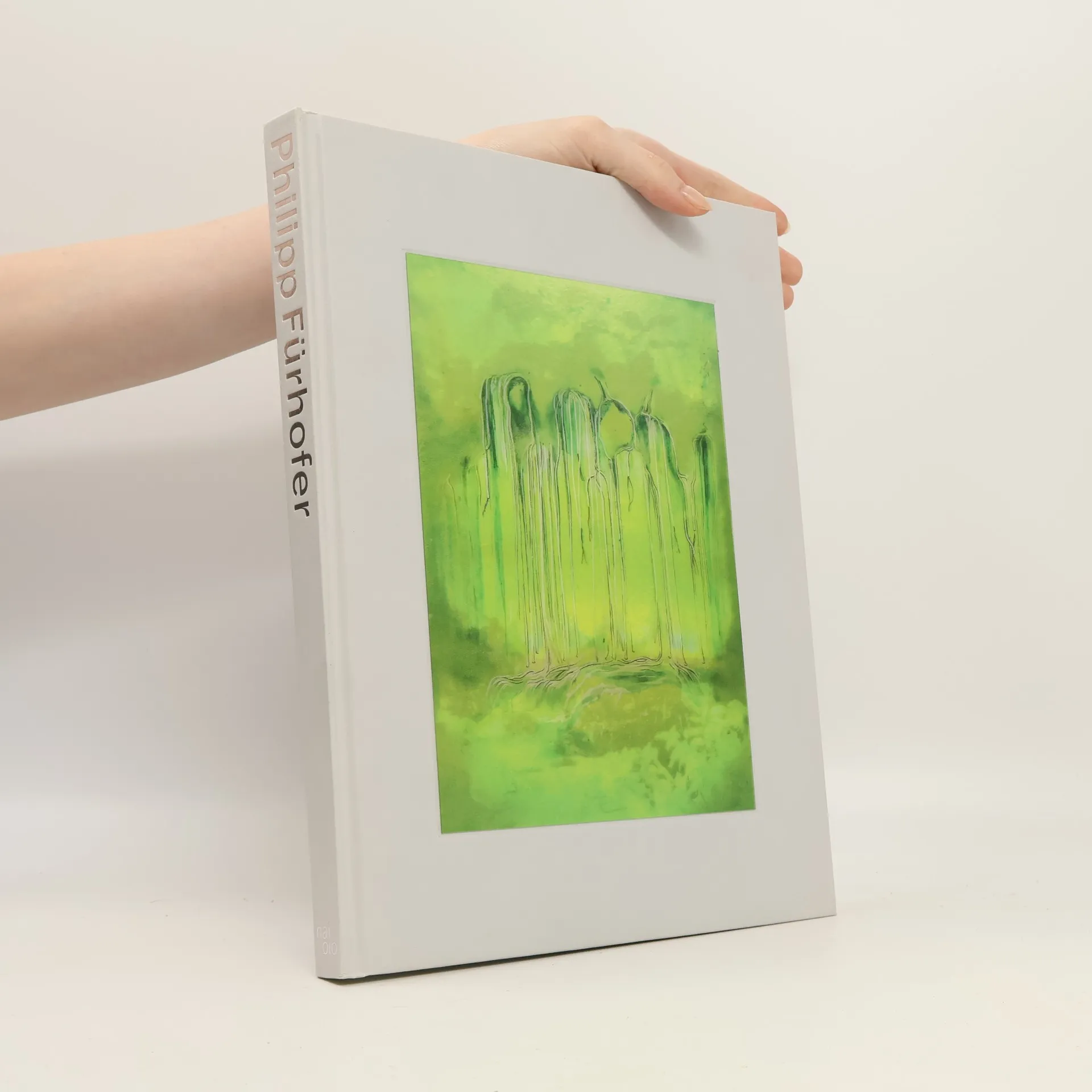
Philipp Fürhofer
- 175 páginas
- 7 horas de lectura
Fantastical luminescent box works by Philipp Fürhofer, Royal Opera House set and costume designer Combining painting, sculpture, installation and set design, Berlin-based artist Philipp Fürhofer (born 1982) juxtaposes different layers with mirror foil inside of painted acrylic boxes lit with incandescent lights or LED tubes. The resulting works―documented here―appear as small sets from mysterious and dream-like worlds.
Zum Gehör
- 72 páginas
- 3 horas de lectura
Wie unterscheidet sich Lauschen vom bloßen Hören? Was macht Zuhören aus? Was sind die spezifischen Register der akustischen Wahrnehmung und worin besteht der eminente Selbstbezug bei dieser Sinneswahrnehmung? Welcher Raum kann den Sinnen, kann Klang und Sinn gemein sein? In einem virtuosen Essay lotet Jean-Luc Nancy das Verhältnis zwischen Klang, menschlichem Körper und dessen Gespanntheit auf diesen Sinn und den Sinn überhaupt aus, ist der Körper – so Nancy – doch selbst eine Echo-Kammer, deren innere Schwingungen und äußere Gespanntheit sich ineinander verschränken. In Zeiten der rasanten Ausdifferenzierung der Musik und der klanglichen Künste und Techniken blieb die Philosophie bislang weitgehend durch visuelle Kategorien geprägt. Nancys Überlegungen zu Rhythmus und Timbre, Klang und Schall, Resonanz und Geräusch, Stimme und Instrument, Schrei, Ruf und Gesang entfalten einen bislang noch kaum ermessenen Denkraum, in den eine zukünftige Philosophie einzutreten hätte.
Ouvertüren
- 95 páginas
- 4 horas de lectura
Die Bedeutung, die Gilles Deleuze dem Motiv der Öffnung zugesprochen hat, bemisst sich an dem in Milles Plateaux formulierten Vorhaben, »aus der Erde einen Schweizer Käse zu machen«. Dabei galten ihm Öffnungen als Teil jeder Kreation, die er dadurch gekennzeichnet sah, dem Leben neue Möglichkeiten zu eröffnen. Auch sind sie Bedingung wie Resultat jeder Lektüre, die nicht einfache Kopie einer Doxa ist, insofern, als das Werden im Spiel von De- und Reterritorialisierungen eine doppelte und fortlaufende (Er)Öffnung mit sich bringt: Ouvertüre. Jean-Luc Nancy und René Schérer widmen sich dem Motiv der Ouvertüre in Form der Auflösung des Identischen, eines Gedankens, der von ihrer und auch Deleuzes philosophischer Zeitgenossenschaft im desaströsen 20. Jahrhundert herrührt. Während Schérer die Öffnung und Auflösung der Person als Leitmotiv Deleuzes analysiert, richtet sich Nancys Augenmerk auf die Differenz, die unauflösbare Differenz zwischen ihm selbst, Jacques Derrida und Gilles Deleuze, vor allem aber auf die Differenz im Selben und das Selbe der Differenz.
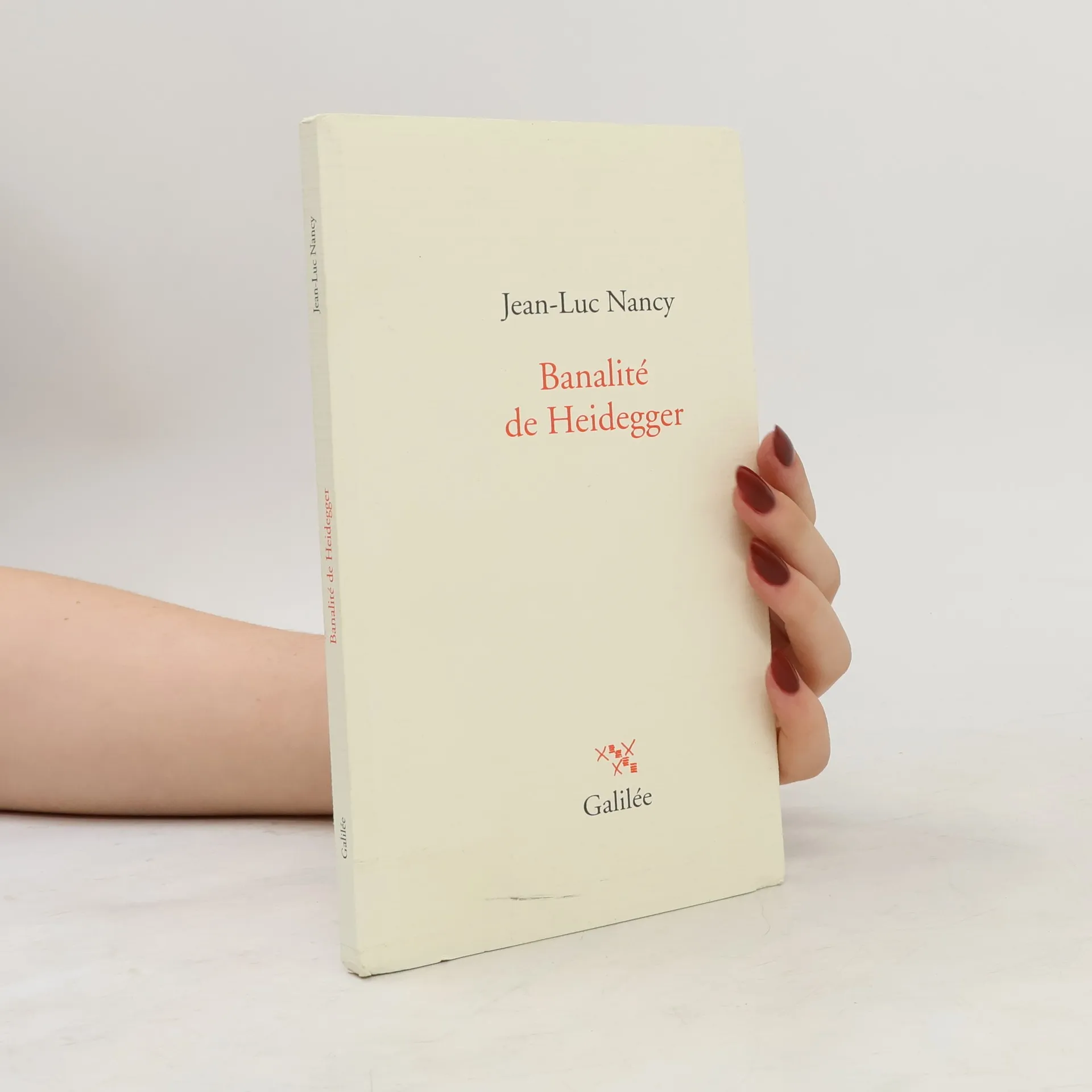
Banalité de Heidegger
- 96 páginas
- 4 horas de lectura
Banal, oui, lantismitisme ltait dans les annes 1930. Aussi ordinaire que la dtestation de la vermine. Eide dun complot mondial des juifs navait pas besoin dtre argumente : elle allait de soi. Cette banalit pour reprendre le mot de Hannah Arendt - soutenait une haine, une condamnation, bientt une extermination. Heidegger a repris les formules les plus violentes de cette doxa en les intgrant un systme de pense : les juifs accomplissaient leffondrement de lOccident. Ctait vident. On savait quil tait, comme tant dautres, antismite. On navait pas lu les notes de ces Cahiers noirs qui entranent dans linfamie tout un pan de sa pense. Non pas la pense de ltre, mais celle dune histoire-destin et du dsir farouche dun nouveau commencement. Inaugurer, fonder, tre dans linitial, vieux prurit mtaphysique... Il faut reprendre la lecture. Il faut affronter ce que recouvre cette banalit hideuse. Non seulement chez Heidegger mais partout.
Begegnung
- 111 páginas
- 4 horas de lectura
Vous désirez ?
- 60 páginas
- 3 horas de lectura
Desirer, qu'est-ce que c'est ? Quelle difference entre desirer, vouloir ou avoir besoin ? Jean-Luc Nancy, auteur fidele de la collection, s'attache a percevoir comment le desir travaille en nous, et comment nous vivons avec cette force toujours a l'oeuvre, quels que soient nos ages et nos situations.
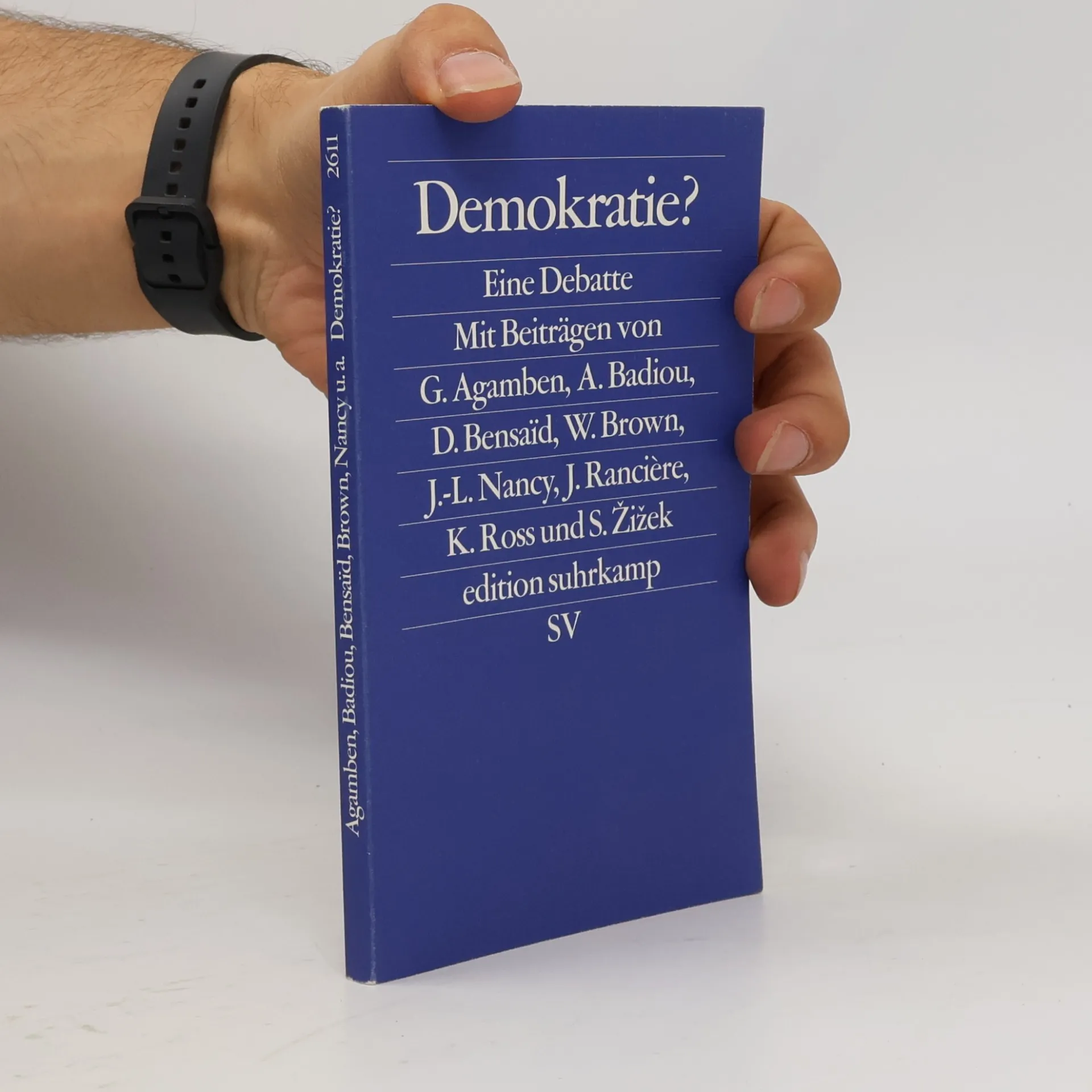
Zu Beginn des dritten Jahrtausends ist die Situation der Demokratie paradox: Einerseits sind mehr Staaten denn jemals zuvor demokratisch verfaßt, andererseits nehmen die Krisensymptome in den Staaten, die einstmals so etwas wie eine demokratische Avantgarde bildeten, zu: Die Wahlbeteiligung sinkt, schillernde Persönlichkeiten wie Silvio Berlusconi oder Nicolas Sarkozy gewinnen an Bedeutung, Wahlkämpfe geraten zu schalen Marketingkampagnen. Colin Crouch hat all diese Trends in dem Band „Postdemokratie“ präzise auf den Punkt gebracht. In diesem Band setzen sich nun acht herausragende politische Denkerinnen und Denker mit dem Zustand und den Perspektiven der am wenigsten schlechten aller Regierungsformen (Winston Churchill) auseinander, die tageszeitung sprach von einem »Who's who der internationalen linken Theorie«. Der Diskussionsband enthält Beiträge von Giorgio Agamben, Alain Badiou, Daniel Bensaïd, Wendy Brown, Jean-Luc Nancy, Jacques Rancière, Kristin Ross und Slavoj Žižek.
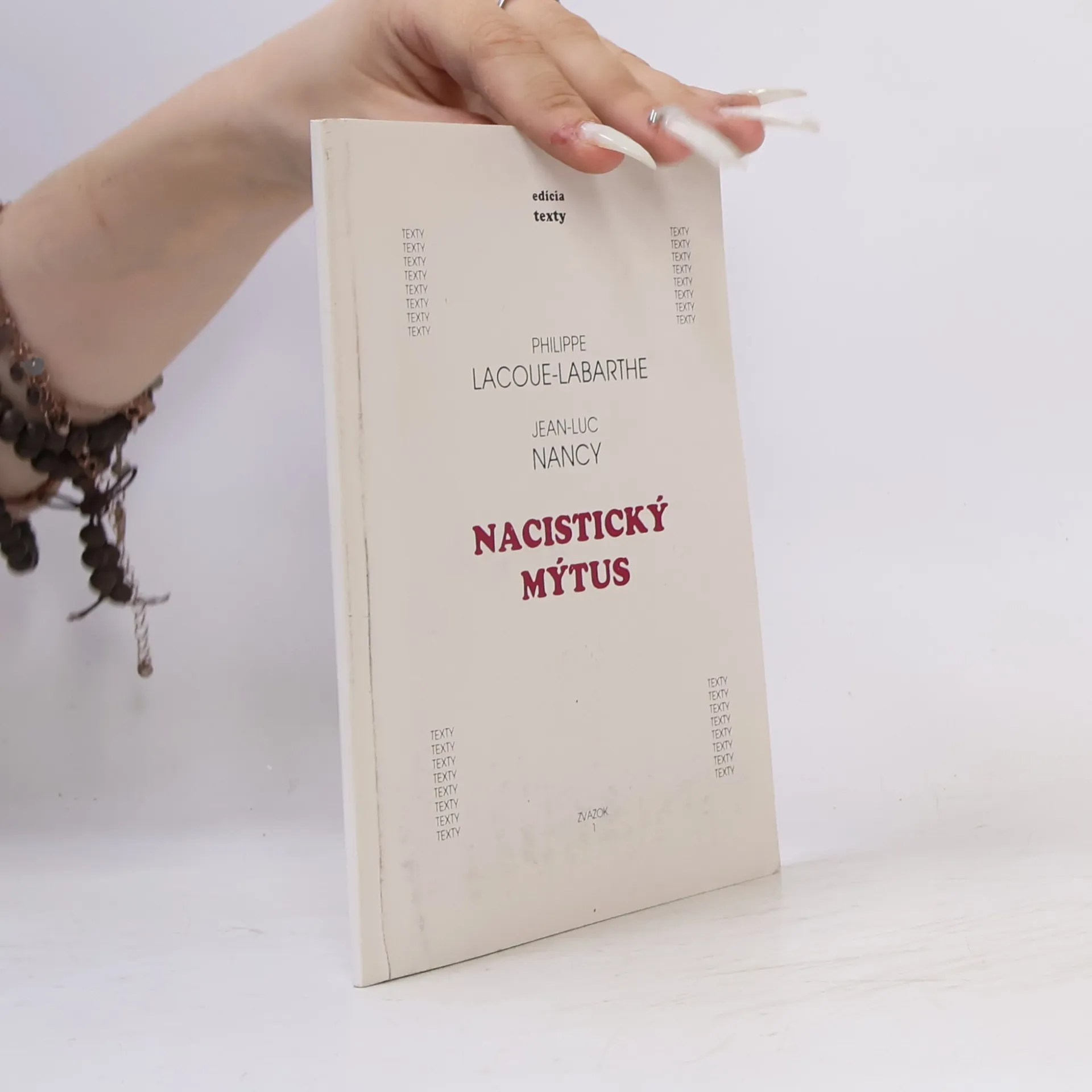
Nacistický mýtus
- 55 páginas
- 2 horas de lectura
Analýza nacizmu ako súčast všeobecnej dekonstrukce dejín.
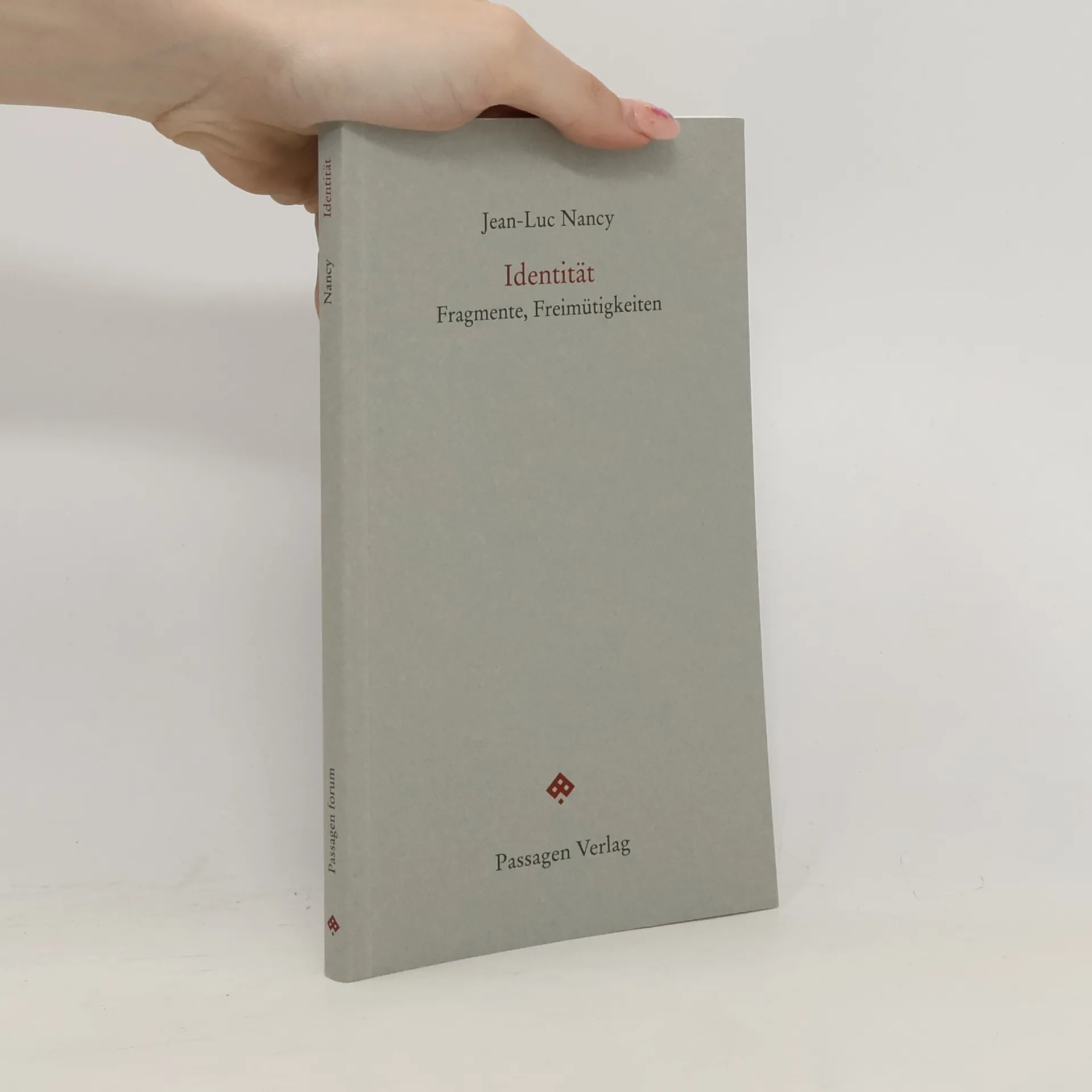
Identität
Fragmente, Freimütigkeiten
2009 eröffnete die französische Regierung eine öffentliche Debatte über die „nationale Identität“. Der Philosoph Jean-Luc Nancy entlarvte sie sofort als Wahlkampf- und Ablenkungsmanöver. Der vorliegende Band ist ein Versuch, die philosophische Tragweite dieser Frage nach nationaler Identität zu untersuchen.„Diese Fragmente sind dem sprachlosen Erstaunen abgerungen: Der Staat, dessen Bürger ich bin, bringt eine nationale Debatte über die nationale Identität in Gang. Ist sie denn verloren gegangen? Ist sie etwa entschieden zu unentschieden geworden? Ist sie vielleicht in Gefahr? Der Staat ist doch immer nur das Instrument der Nation: Es obliegt nicht ihm, ihre Identität zu definieren, noch weniger, sie zu konstituieren. Weiß man denn überhaupt, wovon man spricht? Mein anfängliches Staunen kommt daher, dass belastete Begriffe wie , Identität‘ und , Nation‘, die seit – mindestens – einem halben Jahrhundert mit philosophischen, psychoanalytischen, ethnologischen, soziologischen und politischen Fragen überfrachtet sind, so frisch-fröhlich in eine , Debatte‘ hineingetrieben werden.“ (Jean-Luc Nancy)
"Die Nacht ist die Wildnis der Ängste." Umfallen vor Müdigkeit, sich erschöpft aufs Bett fallen lassen oder gar todmüde in tiefen, ewig währenden Schlaf fallen, so dass die Bettstatt zugleich zur Stätte des Todes wird: "Vom Schlaf" ist eine essayistische Annäherung an den Zustand des Schlafens, des Träumens, des Wachens, der Selbstvergessenheit.Jean-Luc Nancy enthüllt in diesem Buch eine weitere Facette seiner Überlegungen über die Sinnlichkeit, der zentrale Schauplatz eines neuen philosophischen Denkens, welches die Körper-Geist-Dualität weit übersteigt. Aus diesem poetischen Text spricht nicht nur der Philosoph, sondern auch der Schriftsteller Jean-Luc Nancy, der virtuos mit den phonetischen und metaphorischen Qualitäten der Sprache spielt.
Die undarstellbare Gemeinschaft
- 183 páginas
- 7 horas de lectura
aus dem Französischen von Gisela Febel und Jutta Legueil
»Mein Gott!«: Ohne besonders aufzufallen, findet sich dieser Ausruf im gängigen Wortschatz von Gläubigen, ebenso wie von Agnostikern und Atheisten. Doch was bringt dieses gewohnheitsmäßige Adressieren einer höchsten Macht, der sich im Alltag die wenigsten unterwerfen, mit sich? An wen wendet man sich, wenn man »Mein Gott!« ausruft? Denken wir dabei überhaupt an Gott? Denken wir überhaupt an irgendjemanden? In seiner feinen, von Meister Eckhart inspirierten Meditation umkreist Jean-Luc Nancy das Adressaten und Anrufungsverhältnis von Mensch und höchstem Wesen, in dem sich der Mensch stets zur Möglichkeit Gottes macht und sich so gleichermaßen von ihm löst. So verliert »Mein Gott« all seine Charakteristika eines Wesens, Konzepts oder Seins und wird zu etwas Unnennbarem, das im Erstaunen oder im Schaudern, bei einer Bewunderung oder einer Bedrückung doch immer wieder angepeilt wird. Gott mag tot sein, doch in dieser Anrufung bleibt eine Denkunterbrechung aufbewahrt, in der unsere intimste und ärmste Wahrheit noch einen Platz findet.
Ikonografie des Autors
- 100 páginas
- 4 horas de lectura
Die Betrachtung der Autorschaft wird hier als dynamisches Verhältnis zwischen Werk und Autor dargestellt, wobei das Werk den Autor prägt und formt. Der Autor wird als Ikone und einzigartiges Emblem des Werkes beschrieben, dessen individuelle Eigenschaften und Charakterzüge sich in der "Graphie" des Werkes manifestieren. Federico Ferrari und Jean-Luc Nancy erweitern diese Diskussion um neue Perspektiven, indem sie die komplexe Beziehung zwischen Schaffenden und ihren Werken beleuchten und die Herausforderungen der Darstellung und Erfassung dieser Beziehung thematisieren.
Ikonografia autora
- 88 páginas
- 4 horas de lectura
Pojęcie autora od kilku wieków jest traktowane co najmniej podejrzliwie – już Montaigne wiedział, że jego księga tworzy go w tym samym stopniu, w jakim on tworzy swoją księgę. Ikonografia autora to nie tylko próba odróżnienia dwóch „autorów” – tego znajdującego się poza dziełem i tego obecnego w dziele. To przede wszystkim próba odpowiedzi na paradoksalne pytanie, czym w świetle dwudziestowiecznej „śmierci autora” jest jego portret, dokonana na podstawie analizy wizerunków takich pisarzy, jak Homer, Flaubert, Proust, Woolf, de Beauvoir, Borges czy Bernhard.
Ein allzumenschliches Virus
- 104 páginas
- 4 horas de lectura
Seit 1945 exportiert Europa seine Kriege. Heute importiert es eine Pandemie, die das gewöhnliche Leben aus den Angeln hebt. Als Folge der Globalisierung entfesselt das Coronavirus einen Automatismus technischer, ökonomischer und politischer Kräfte und markiert dabei die Grenzen der Wachstumsökonomie. Es besteht kein Zweifel: Die Ursachen dieser Gesundheitskrise liegen in unserer Lebensweise, unserem Umgang mit der Natur. Was einst "göttlich" war, ist menschlich geworden - allzumenschlich, wie Nietzsche sagte. Die Widersprüche und Grenzen unserer Gesellschaft treten unter dem viralen Vergrößerungsglas überdeutlich hervor. Der Tod, den wir gemeinsam mit unseren Kriegen exportierten und bloß noch in Gestalt einiger Krankheiten fürchteten, hat wieder Einzug in unseren Alltag gehalten. Auch diejenigen, die vom Transhumanismus träumen, müssen nun einsehen, dass wir keineswegs übermenschlich, sondern vielmehr allzumenschlich sind. (Quelle Website Passagen Verlag, 13.01.22)
Die Wahrheit der Lüge
Für Kinder und Erwachsene
Die Wahrheit der Lüge beruht auf einem Vortrag für Kinder und geht von einer grundlegenden Differenz aus: nämlich dass die Lüge für Kinder etwas ganz anderes ist als für Erwachsene, weil sie in verschiedenen Welten leben. In keiner der beiden indes ist die Lüge einfach zu denken. Nancy wandert in seiner Rede für Kinder zwischen den Welten hin und her und entfaltet in klarer Sprache die komplexe Frage der Lüge. Warum soll man nicht lügen? Darf man keine Geheimnisse haben? Ist es immer gut, die Wahrheit zu sagen? Gibt es überhaupt eine einzige Wahrheit? Ist es richtig, für einen guten Zweck zu lügen? Was ist, wenn man sich selbst belügt? Und worin unterscheidet sich die Wahrheit der Dichtung von der Lüge der Ideologie? Es ist nicht einfach, die Wahrheit über die Lüge zu sagen. Die Lüge zu denken, heißt auch, nach dem Vertrauen zu fragen. Denn sie ist wesentlich an den Bezug zwischen Menschen gebunden.
Sexistenz
- 160 páginas
- 6 horas de lectura
Das Buch untersucht die komplexen Facetten von Sex und Begehren, indem es Fragen der Befreiung und Unterdrückung aufwirft. Es beleuchtet die duale Natur von Sexualität, die sowohl als Quelle der Lebensfreude als auch als potenzielle Quelle der Enttäuschung fungiert. Durch eine philosophische Linse wird das Spannungsfeld zwischen pornografischen Darstellungen und tiefgreifenden menschlichen Erfahrungen erforscht, wobei die Ambivalenz des Verlangens im Mittelpunkt steht.
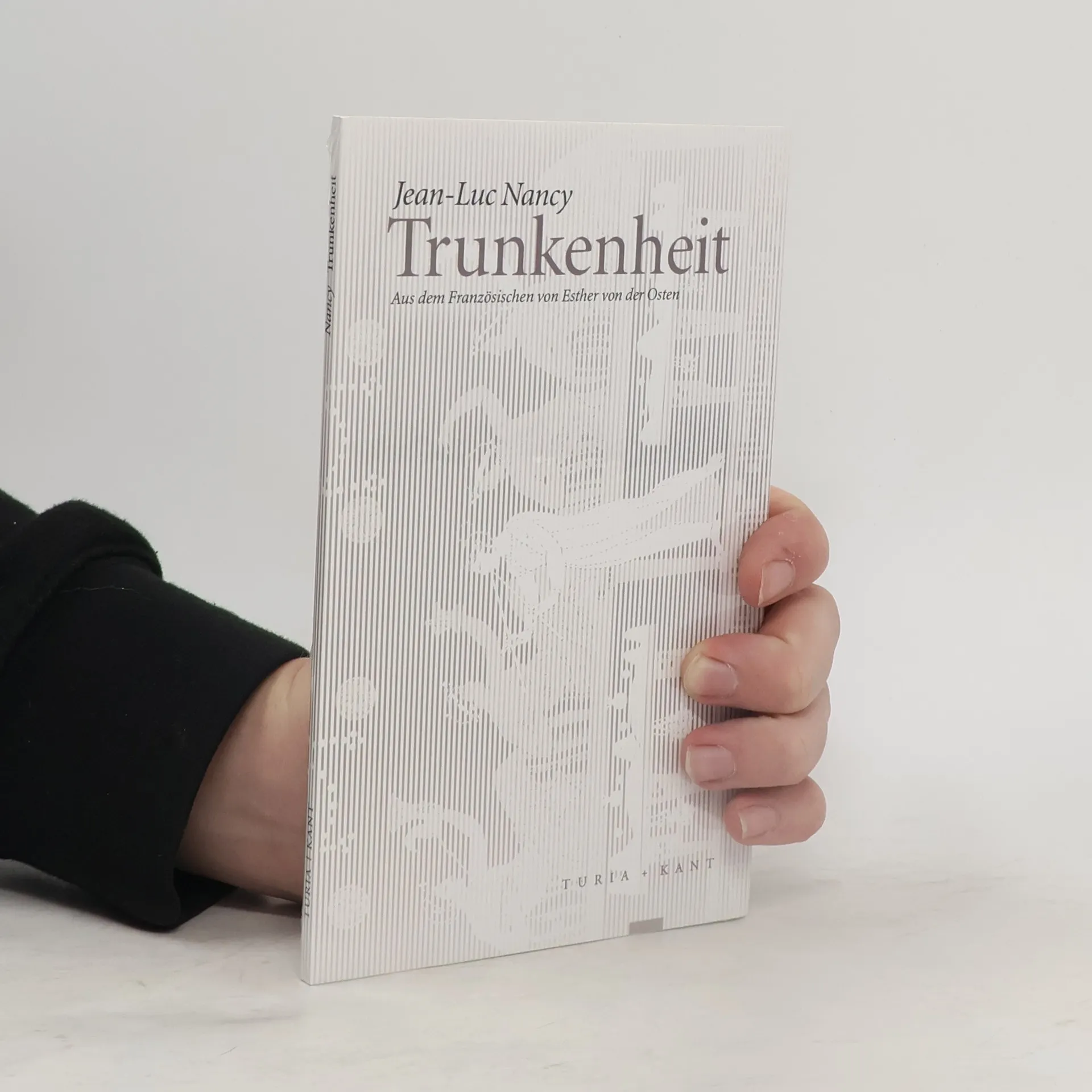
Trunkenheit
- 60 páginas
- 3 horas de lectura
»Das Wahre ist der bacchantische Taumel« – nicht erst seit dieser Bestimmung Hegels, sondern schon von Anbeginn des Denkens an haben die Philosophen davon geträumt, allen Rausch zu zügeln und zugleich sich am Absoluten zu berauschen. Dieser Zerrissenheit widmet Jean-Luc Nancy eine Analyse, die beileibe nicht nüchtern ist. Sie führt zu einer mehr und mehr schwankenden Rede, in der er mit Hegel, Dionysos, Apollinaire, Dostojewski, Malcolm Lowry, Jesus, Rabelais und vielen anderen auf die Trunkenheit anstößt. Die klirrenden Kelche und randvollen Gefäße, und auch Homers »weinrotes Meer« – es sind diese Geräusche des Rauschs, die Nancys Rede über die Trunkenheit und mit ihr die Texte der Tradition begleiten.
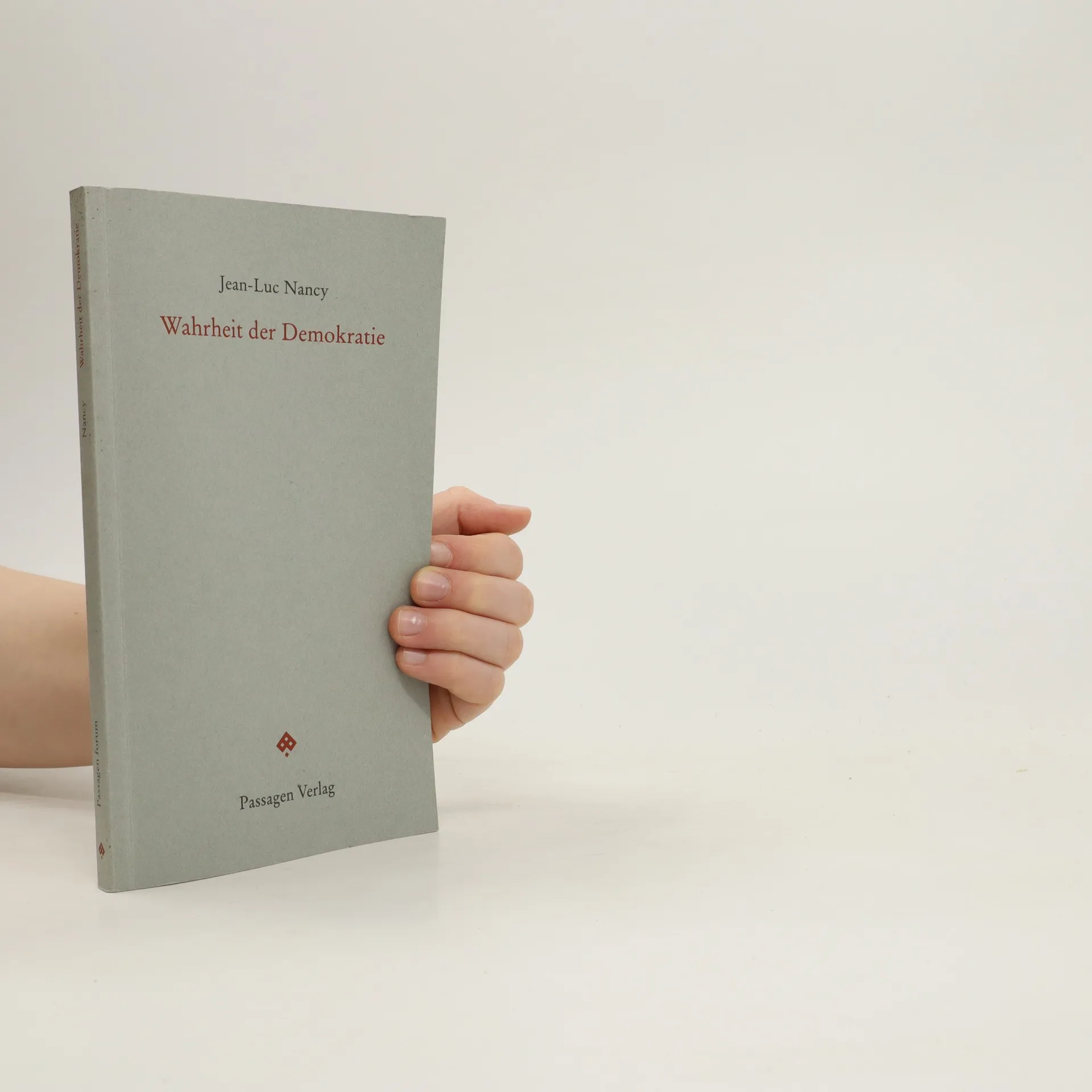
Wahrheit der Demokratie
- 102 páginas
- 4 horas de lectura
Die Wahrheit der Demokratie ist diese: Sie ist – im Gegensatz zu dem, was sie für die Alten war – keine politische Form unter anderen. Sie ist gar keine politische Form, oder aber und zumindest ist sie nicht vor allem eine politische Form.
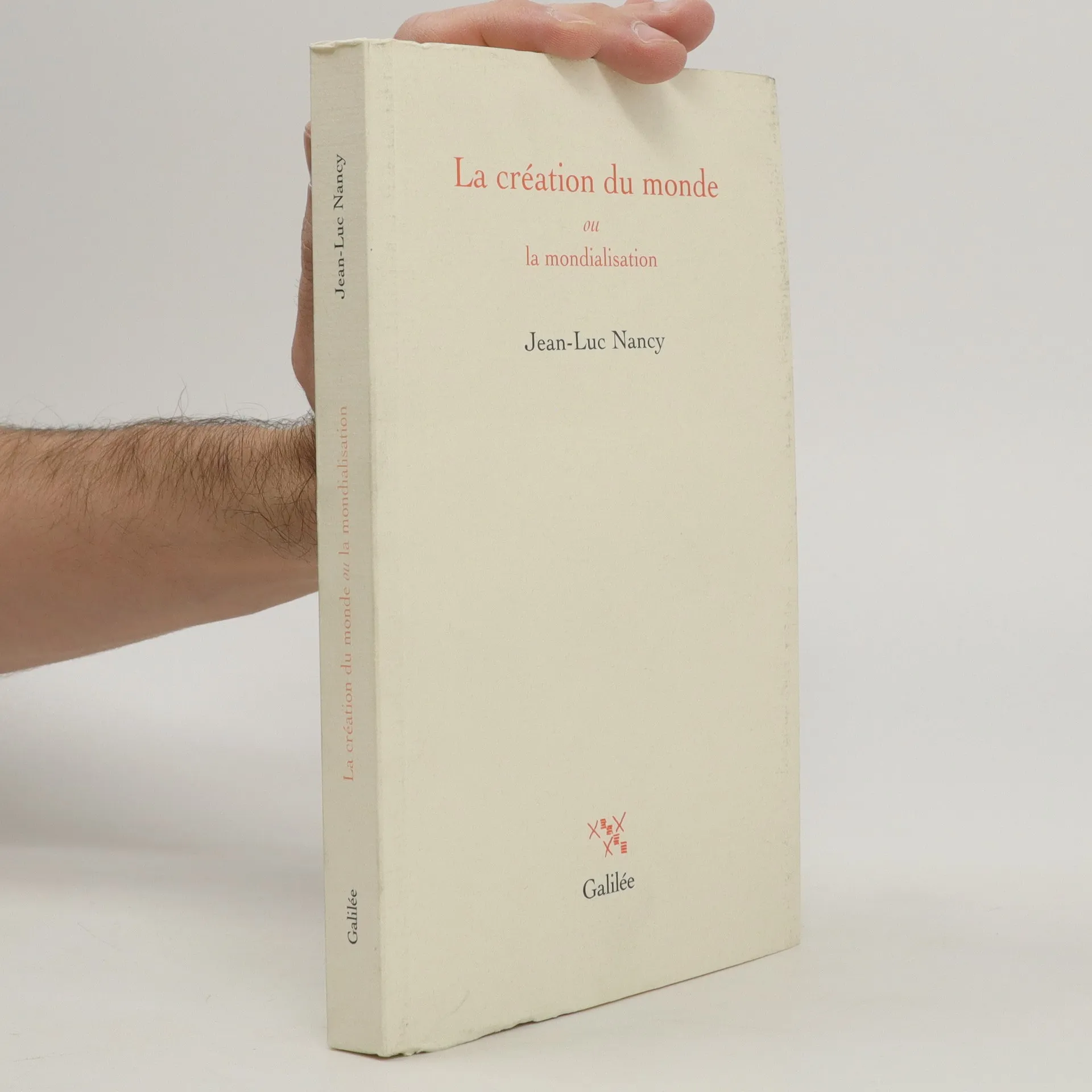
La création du monde ou la mondialisation
- 178 páginas
- 7 horas de lectura
< > : la conjonction doit être comprise simultanément et alternativement dans ses valeurs disjonctive, substitutive ou conjonctive
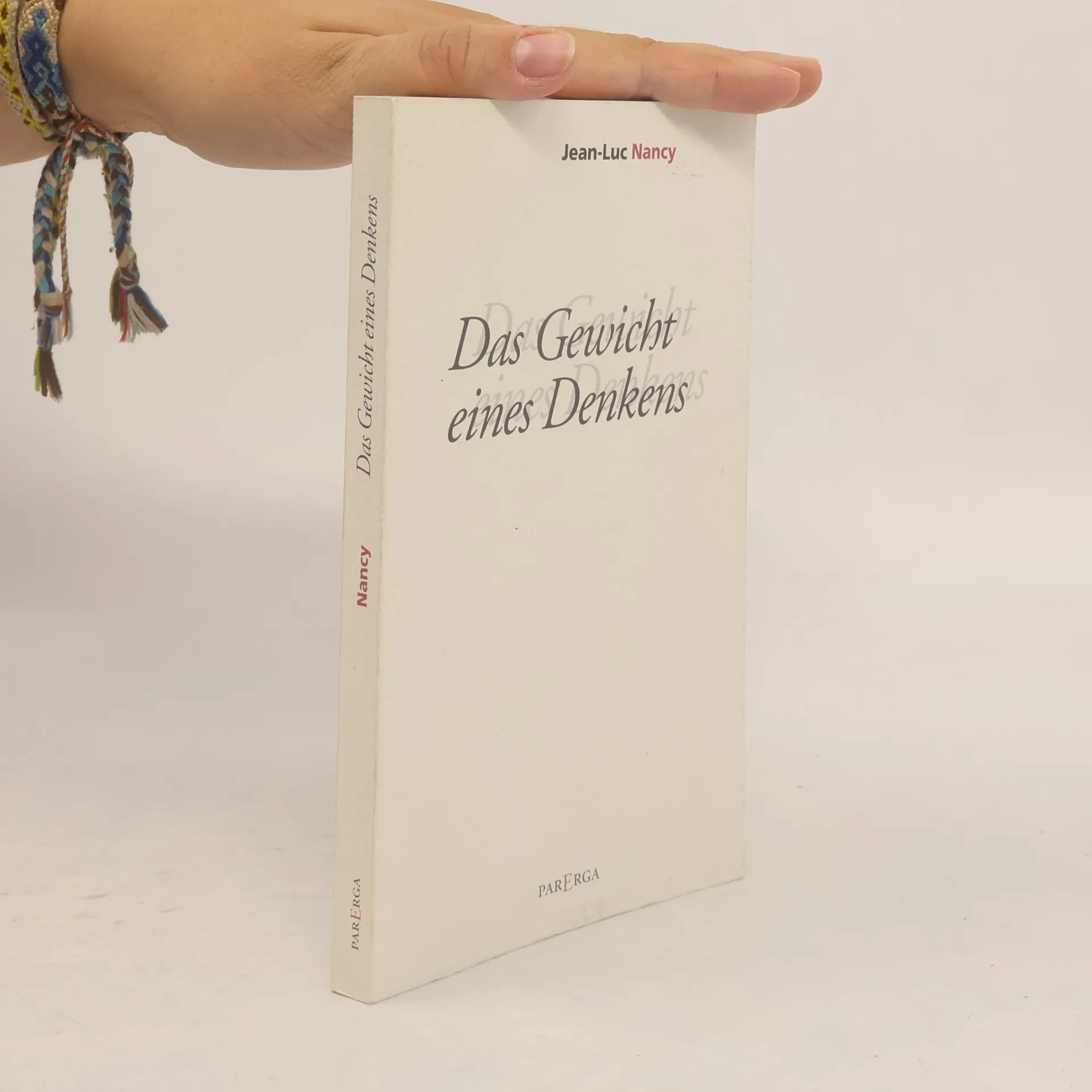
Das Gewicht eines Denkens
- 176 páginas
- 7 horas de lectura
Mit Phot. 176 S.
Der Nazi-Mythos
- 68 páginas
- 3 horas de lectura
Die Erfahrung der Freiheit
- 224 páginas
- 8 horas de lectura
"Wir sind es gewohnt, Freiheit als eine 'Idee' zu betrachten, sie zu verteidigen aber nur verwirklichen zu können auf die Gefahr ihres Umschlagens in Terror. Gibt es einen Ausweg aus diesem Denken? Dass Freiheit keine abstrakte Vorstellung ist, sondern existentielle Erfahrung, hat die Philosophie stets gewusst von Kant, der ihre Tatsache 'unbegreiflich' nennt, bis hin zu Heidegger, der den metaphysischen Freiheitsbegriff destruiert, aber sein Denken vor dieser Erfahrung verstummen lässt. Wie lässt sie sich formulieren? Dieses 'kraftvolle, unzeitgemäße, verkannte Buch' (Jacques Derrida), das Jean-Luc Nancy 1988 als Dissertation verfasste und das seither nichts an Radikalität und Aktualität eingebüßt hat, widmet sich 'der Erkenntnis einer notwendigen Befreiung des Denkens, das versucht, Denken der Freiheit zu sein'."
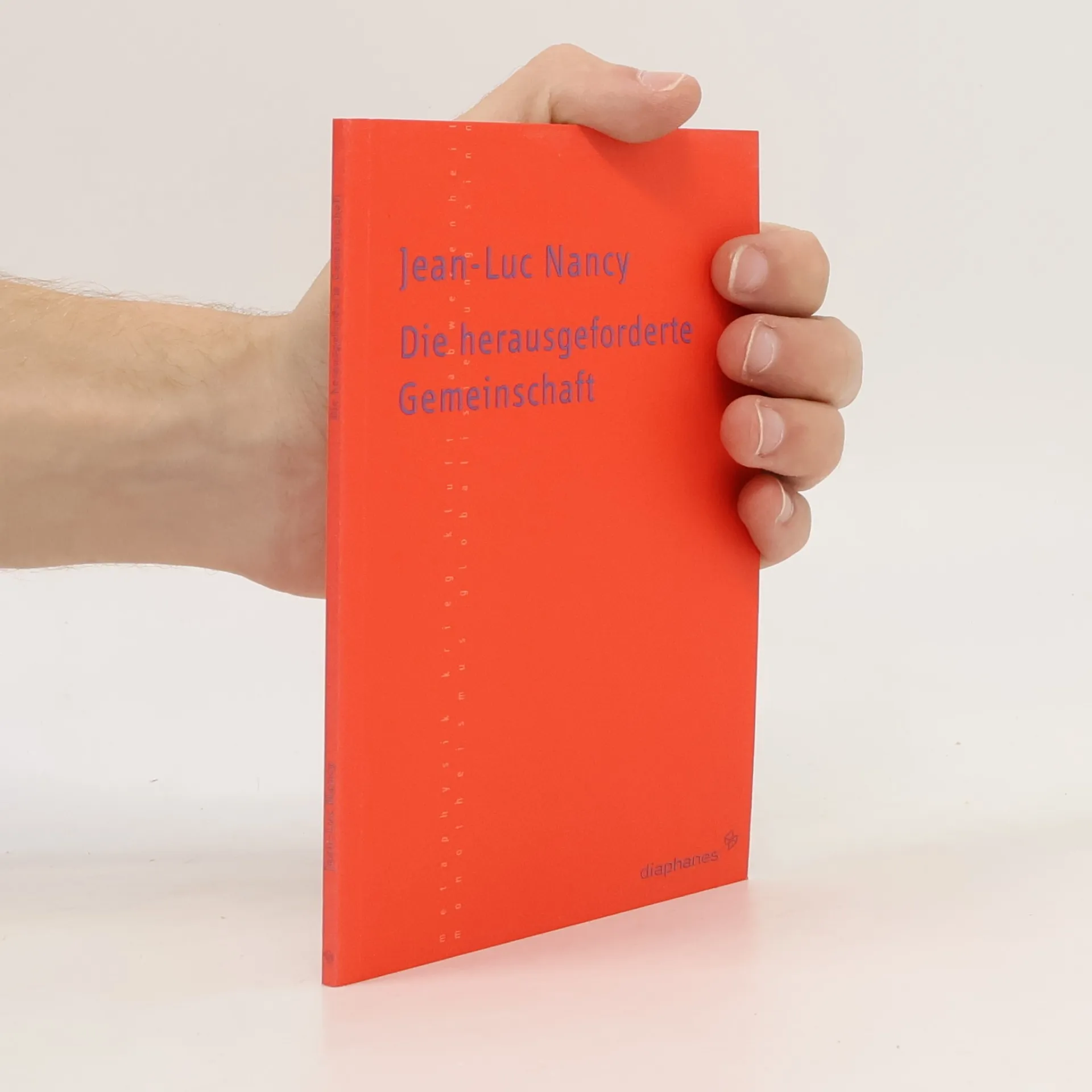
Die herausgeforderte Gemeinschaft
- 45 páginas
- 2 horas de lectura
In Fortschreibung seines 1986 erschienenen Textes »Die undarstellbare Gemeinschaft« und in engem Bezug zu Maurice Blanchot reflektiert Jean-Luc Nancy erneut die Frage nach dem Begriff der »Gemeinschaft«, stellt sich doch die nach dem Zusammenbruch des Kommunismus eröffnete Fragestellung mit ungebrochener Drastik. Angesichts der Konflikte innerhalb des einen Monotheismus, sei er christlich-jüdisch oder islamisch, angesichts der von Kommunikation und Kommerz dominierten einförmigen Globalisierung ist es falsch, so Nancy, von einem »Kampf der Kulturen«, einem »Krieg der Religionen« zu sprechen. Vielmehr muss das fortschreitende Auseinanderbrechen der Welt als ein Bürgerkrieg innerhalb einer »Weltgemeinschaft« verstanden werden. Da von diesem Ereignis all unsere Metaphysiken, Ontologien und Theologien, all unsere Ethiken, Politiken und Ästhetiken betroffen sind und erschüttert werden, kann ihm nicht allein auf der Ebene der »Geopolitik«, der »Ökonomie« oder der »Religion« begegnet werden. Es muss vielmehr eine zentrale Aufgabe der Philosophie sein, den Monotheismus – und damit seine Kehrseite, den Atheismus – im Projekt einer »Dekonstruktion des Christentums« neu zu denken.
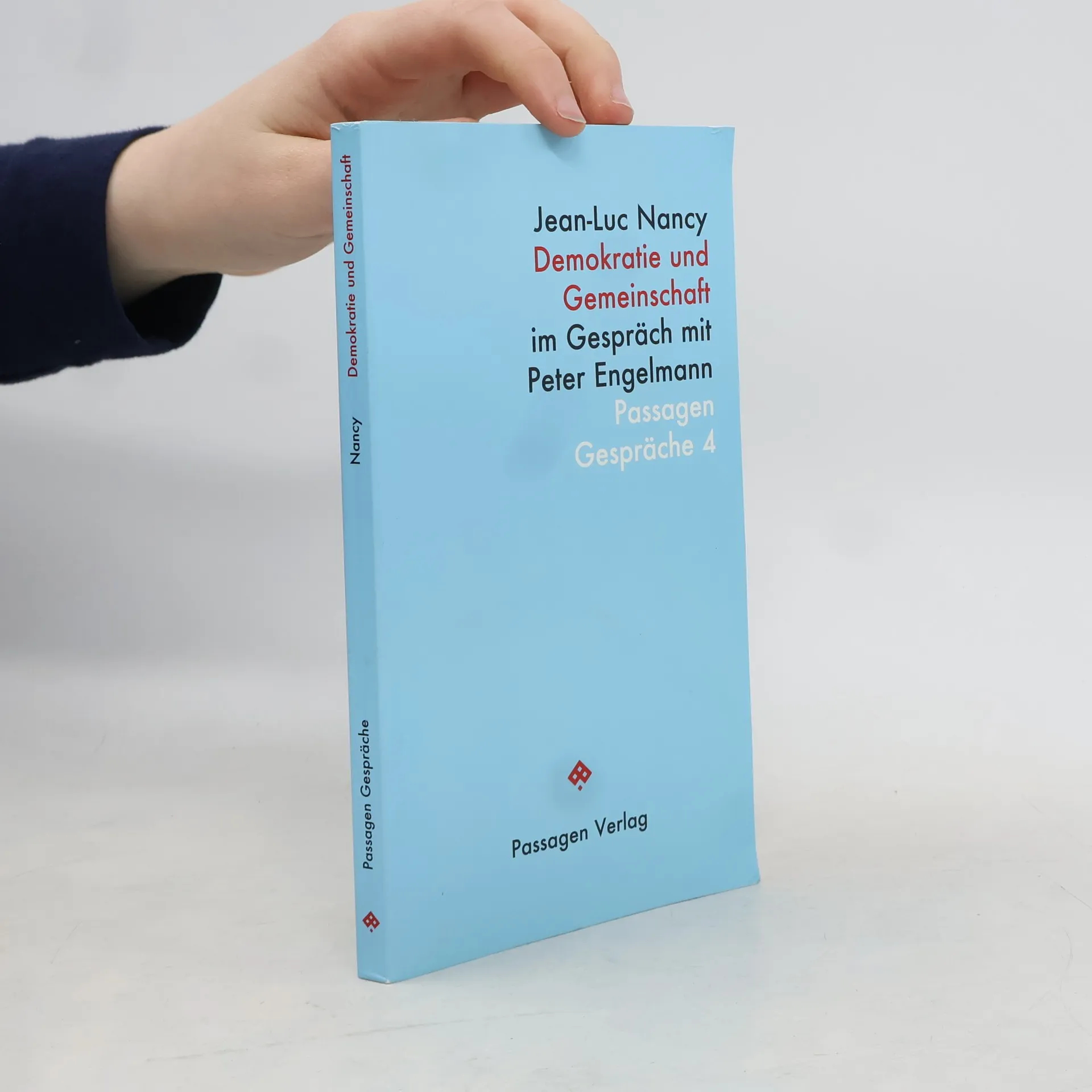
Passagen Gespräche - 4: Demokratie und Gemeinschaft
Im Gespräch mit Peter Engelmann
- 110 páginas
- 4 horas de lectura
Wie muss eine Demokratie beschaffen sein, wenn sie die Individuen nicht in einem bloßen Nebeneinander organisieren, sondern den Horizont ihres gemeinsamen Sinnerlebens und den Schauplatz ihres Mit-Seins eröffnen will? Peter Engelmann und Jean-Luc Nancy diskutieren im vierten Band der Reihe Passagen Gespräche die Bedingungen der Möglichkeit einer radikalen Demokratie. Im Gespräch mit Peter Engelmann erläutert Jean-Luc Nancy sein Konzept einer radikalen Demokratie. Im Mittelpunkt seiner Überlegungen steht die Kategorie der Gemeinschaft. Hierbei geht es Nancy vor allem darum, diesen vorbelasteten Begriff ohne Inanspruchnahme metaphysischer Erklärungsmuster ins Spiel zu bringen. Das so erarbeitete Konzept der Gemeinschaft als Garant einer Zirkulation des Sinns erlaubt neben einer theoretisch aufschlussreichen wie konkret-fasslichen Einschätzung historischer Totalitarismen auch eine Abgrenzung gegenüber den scheindemokratischen Verwaltungsregimen des Kapitalismus. Die Diskussion schlägt dergestalt immer wieder einen Bogen zwischen historisch-politischer Analyse und theoretischer Reflexion. Nicht zuletzt wird dabei deutlich, wie sehr die zahlreichen und vielfältigen Ansätze Nancys ineinandergreifen und einen engen Zusammenhang bilden, der schlussendlich im Konzept der Demokratie kulminiert.