Léon Bloy Libros
Léon Bloy fue un escritor francés cuya obra está profundamente arraigada en la fe católica y un anhelo por lo Absoluto. Tras una juventud tumultuosa marcada por el odio a la Iglesia Católica Romana, experimentó una dramática conversión religiosa que dio forma a su camino literario. Su escritura refleja una profunda devoción, a menudo caracterizada por su dependencia de la caridad, lo que le valió el apodo de "el mendigo ingrato". A pesar de las controversias y las rupturas con la comunidad literaria de su tiempo debido a sus puntos de vista radicales y feroces ataques al racionalismo, Bloy dejó un legado significativo a través de su diario y su extensa correspondencia.


Constantinople and Byzantium
- 200 páginas
- 7 horas de lectura
Focusing on the Macedonian dynasty, this work explores the rise and fall of notable warrior emperors like Nicephorus Phocas and Basil II, who led the Eastern Roman Empire through a Renaissance period marked by conflicts with various peoples. The narrative spans the middle of the tenth to the eleventh century, detailing the empire's military endeavors and cultural revival before the Crusades. The final chapter highlights the last of the Macedonian rulers, the Porphyrogenita empresses Zoe and Theodora, symbolizing the end of an era.
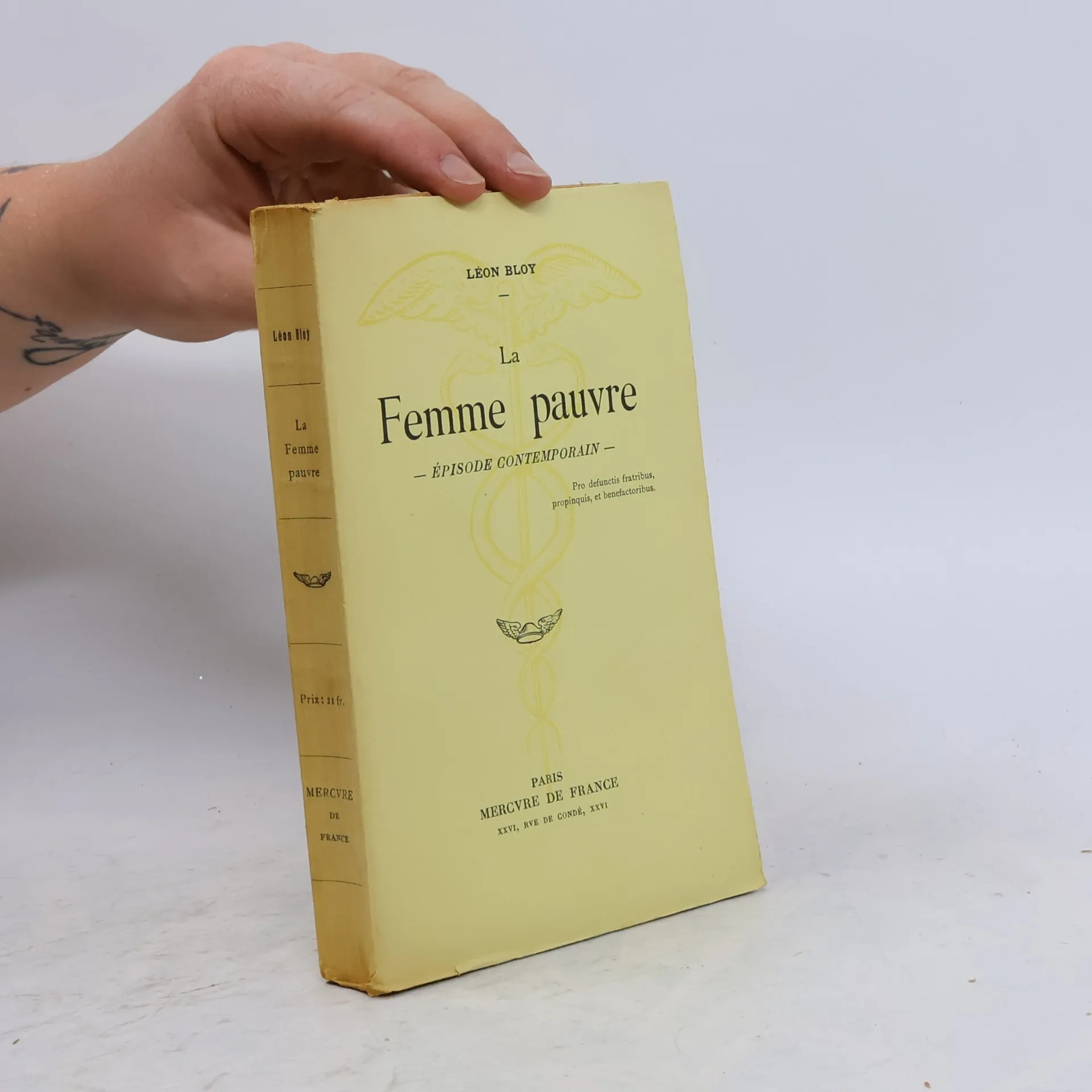
The Desperate Man
- 540 páginas
- 19 horas de lectura
Set in the backdrop of 19th-century France, this seminal work by Léon Bloy explores themes of decadence and poverty, reflecting the struggles of a talented writer. The narrative delves into the complexities of life, portraying it as a blend of artistic aspiration and existential hardship. As Bloy’s first novel, it lays the groundwork for the themes he would continue to explore throughout his career, showcasing the profound impact of his own experiences with poverty on his literary voice.
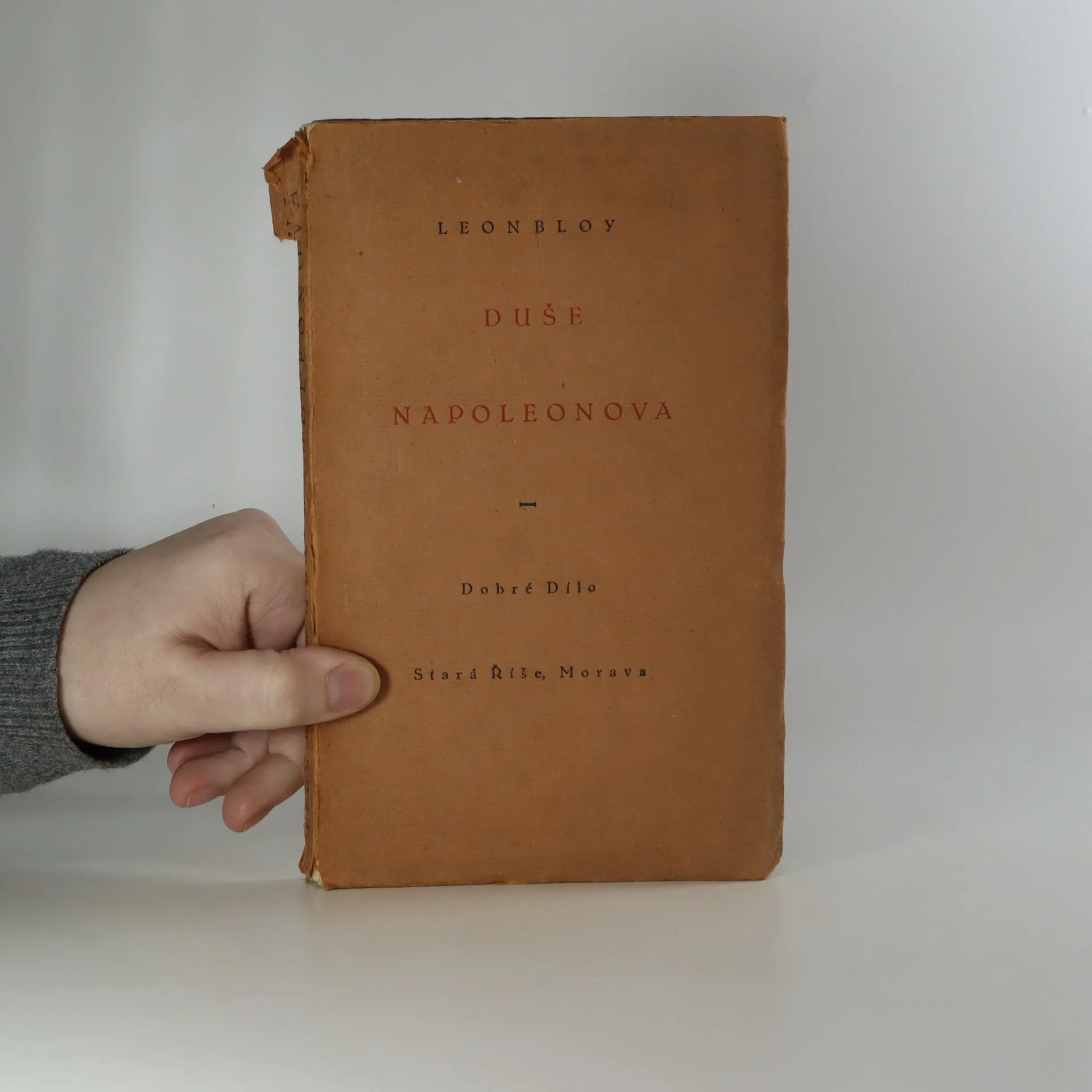
The Soul of Napoleon
- 132 páginas
- 5 horas de lectura
Exploring Napoleon's achievements, this prose poem offers a unique reassessment of his significance through a Catholic lens, highlighting eschatological themes. Written in 1912, it captures Léon Bloy's distinctive style and prophetic insights, hinting at the impending turmoil of World War I and its aftermath. The work delves deep into the complexities of Napoleon's legacy, intertwining historical reflection with spiritual contemplation, showcasing Bloy's profound understanding of both the man and the broader implications of his era.
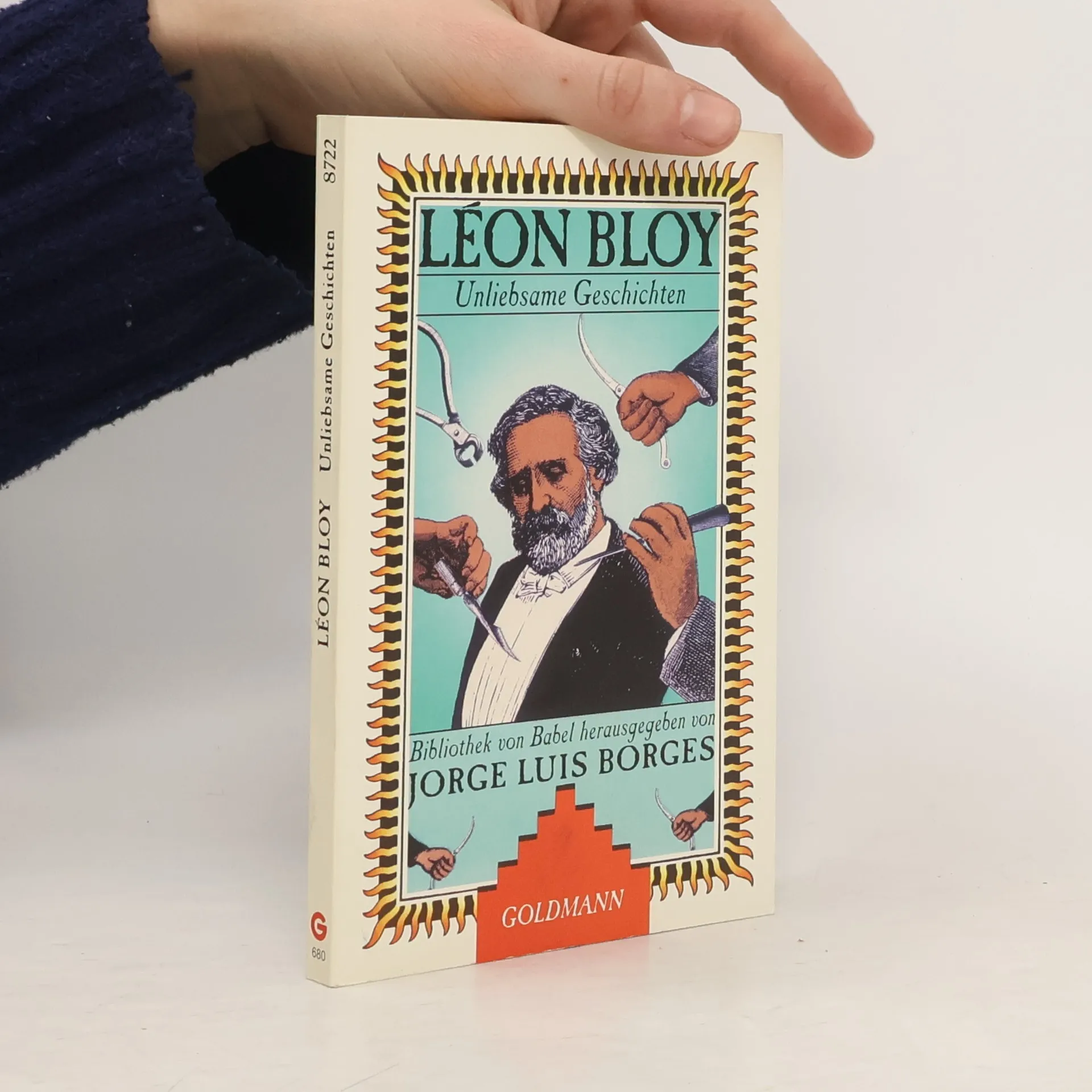
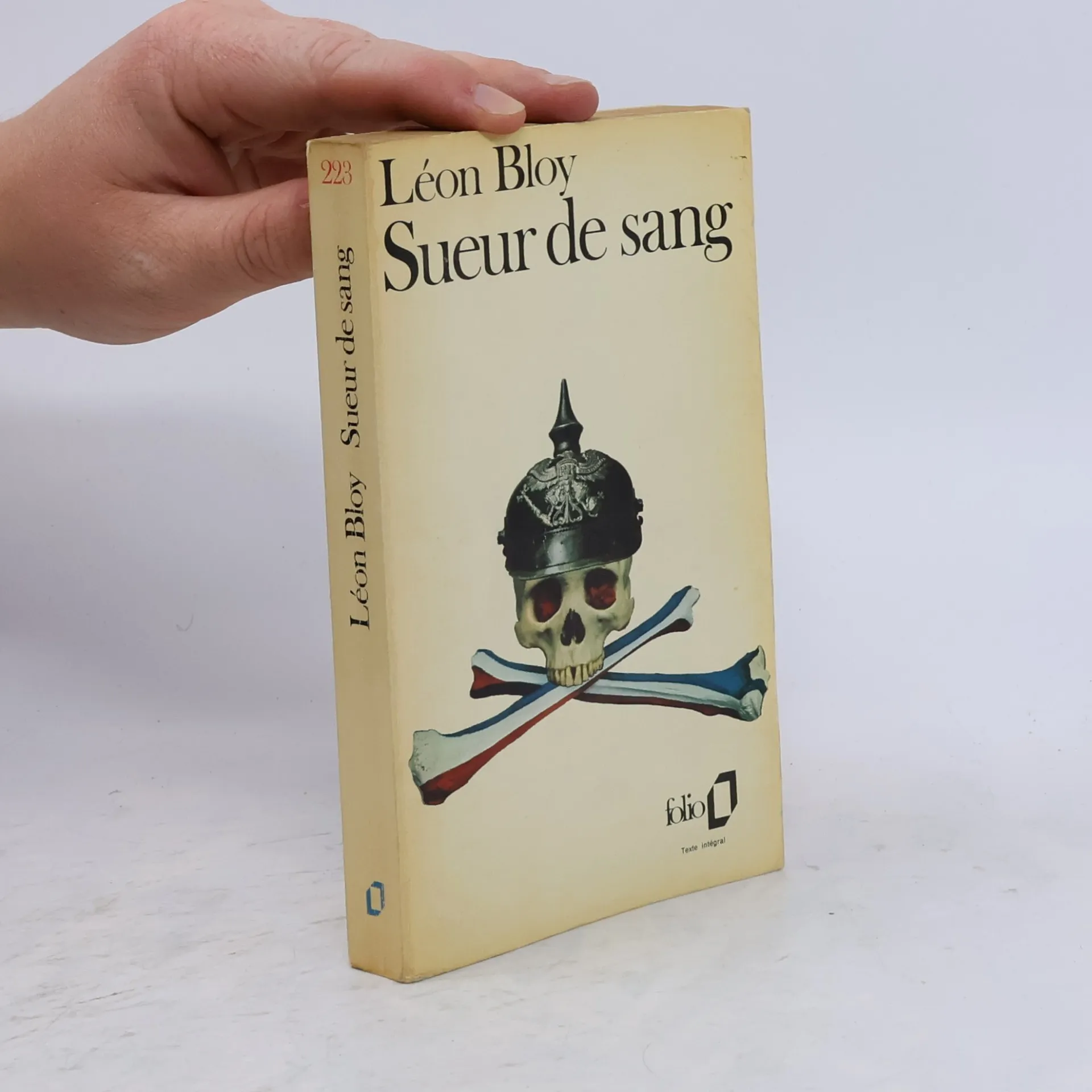
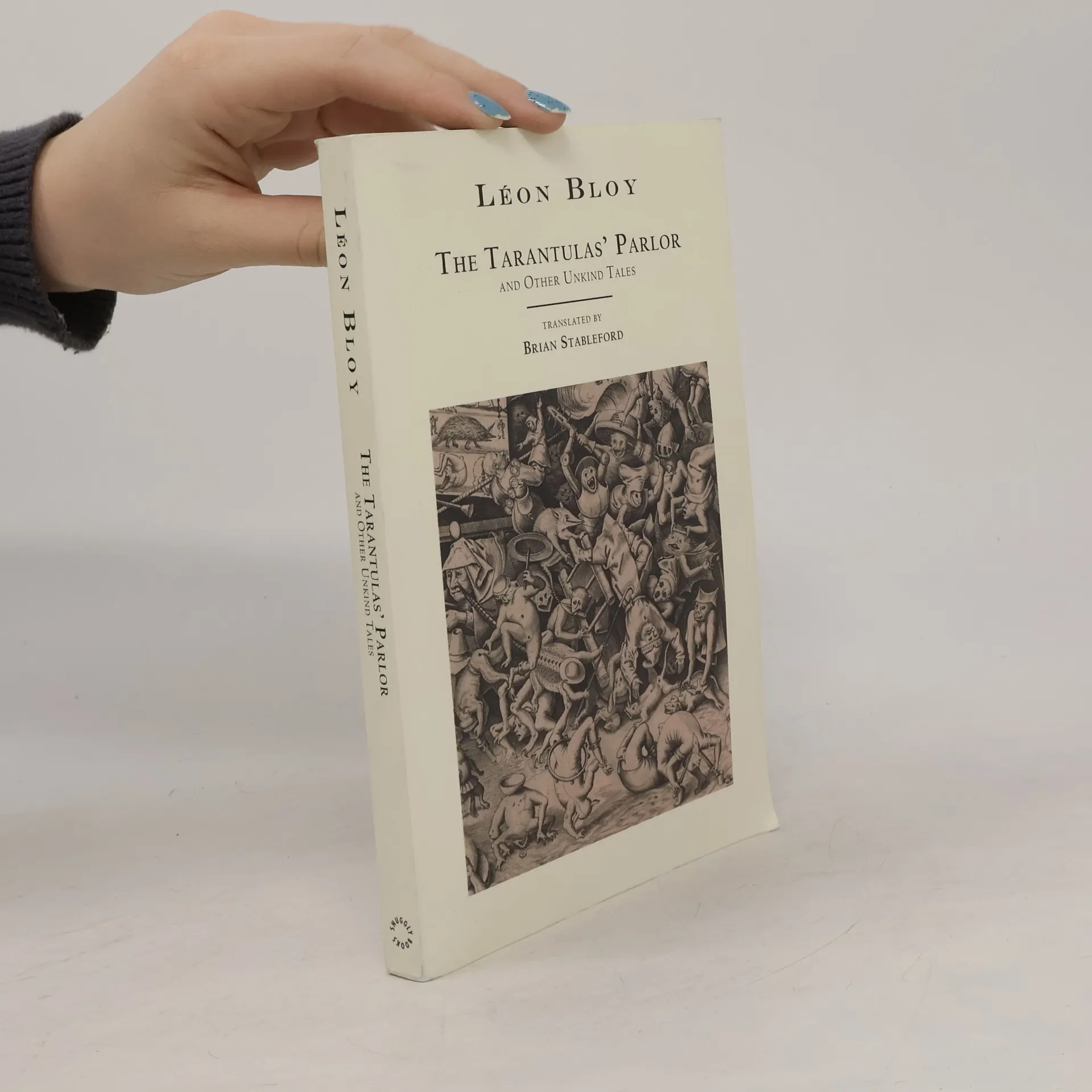
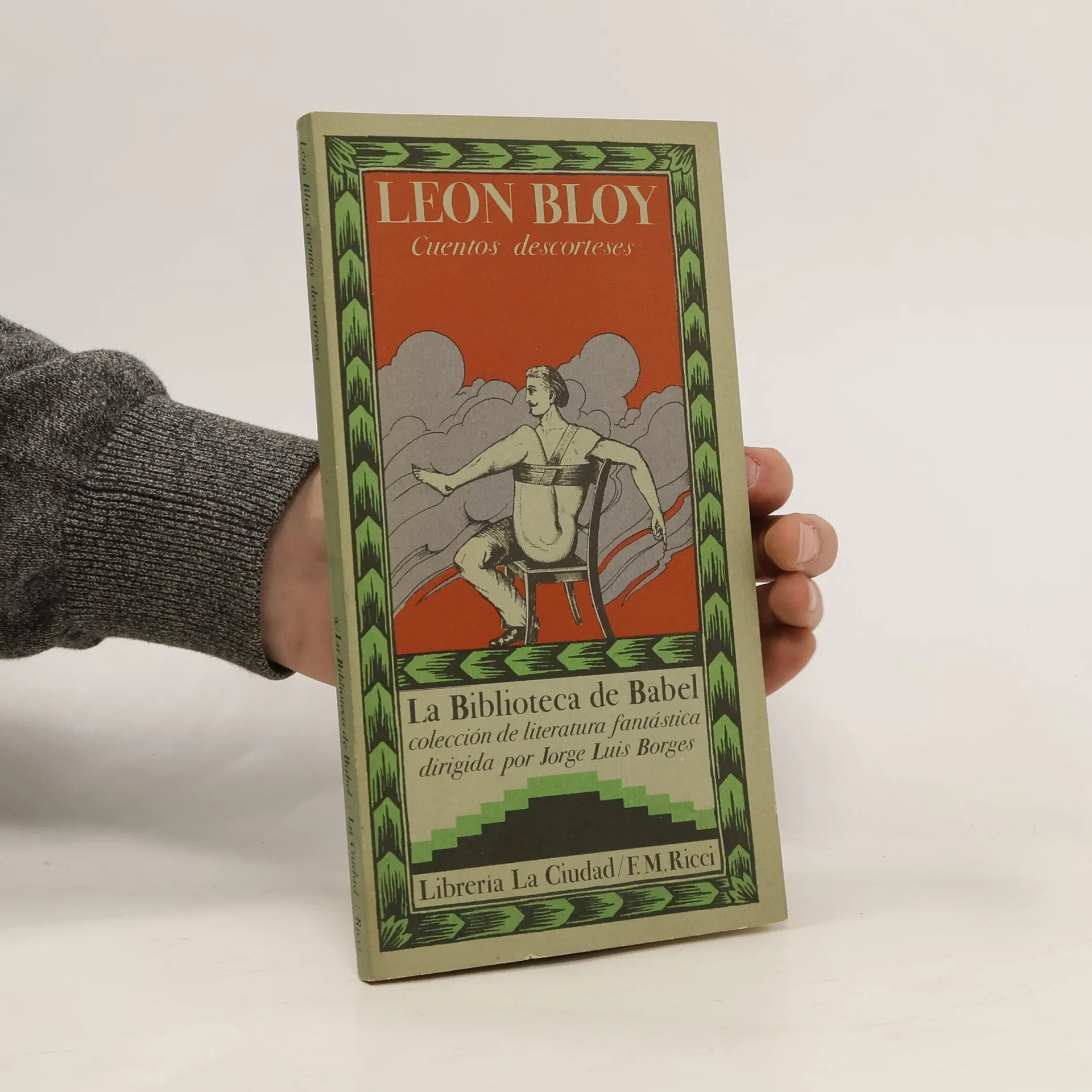
Exploring the boundaries of Decadence, Naturalism, and Symbolism, these stories delve into the lives of the damned and foolish, showcasing their terrible fates and ludicrous situations. The Unkind Tales of Léon Bloy are recognized for their exploratory and experimental nature, contributing significantly to the genre of conte cruel. Praised by Borges, this collection stands out as one of the author's most notable works, capturing the essence of human folly and suffering in a compelling narrative style.
Salvation Through the Jews
- 108 páginas
- 4 horas de lectura
Exploring themes of prophecy and salvation, this work delves into the complex relationship between Jews and Christians, particularly in the context of Léon Bloy's earlier writings. It serves as a sequel to The Desperate Man, reflecting on apocalyptic and eschatological ideas while challenging readers to engage with its profound artistry and arguments. The narrative transcends its religious context, suggesting that its insights can resonate universally, making it essential reading for anyone interested in deeper societal and existential questions.
V temnotách
- 140 páginas
- 5 horas de lectura
Autor ve svém posledním díle, v meditacích, které přestal psát pár dnů před smrtí, kryptograficky charakterizuje zrod moderního odbožštělého světa. Je nelítostným kritikem tohoto nového uspořádání, z jehož kapitálu teče krev chudého a které postrádá krásu, bolest, za níž existuje věčnost.
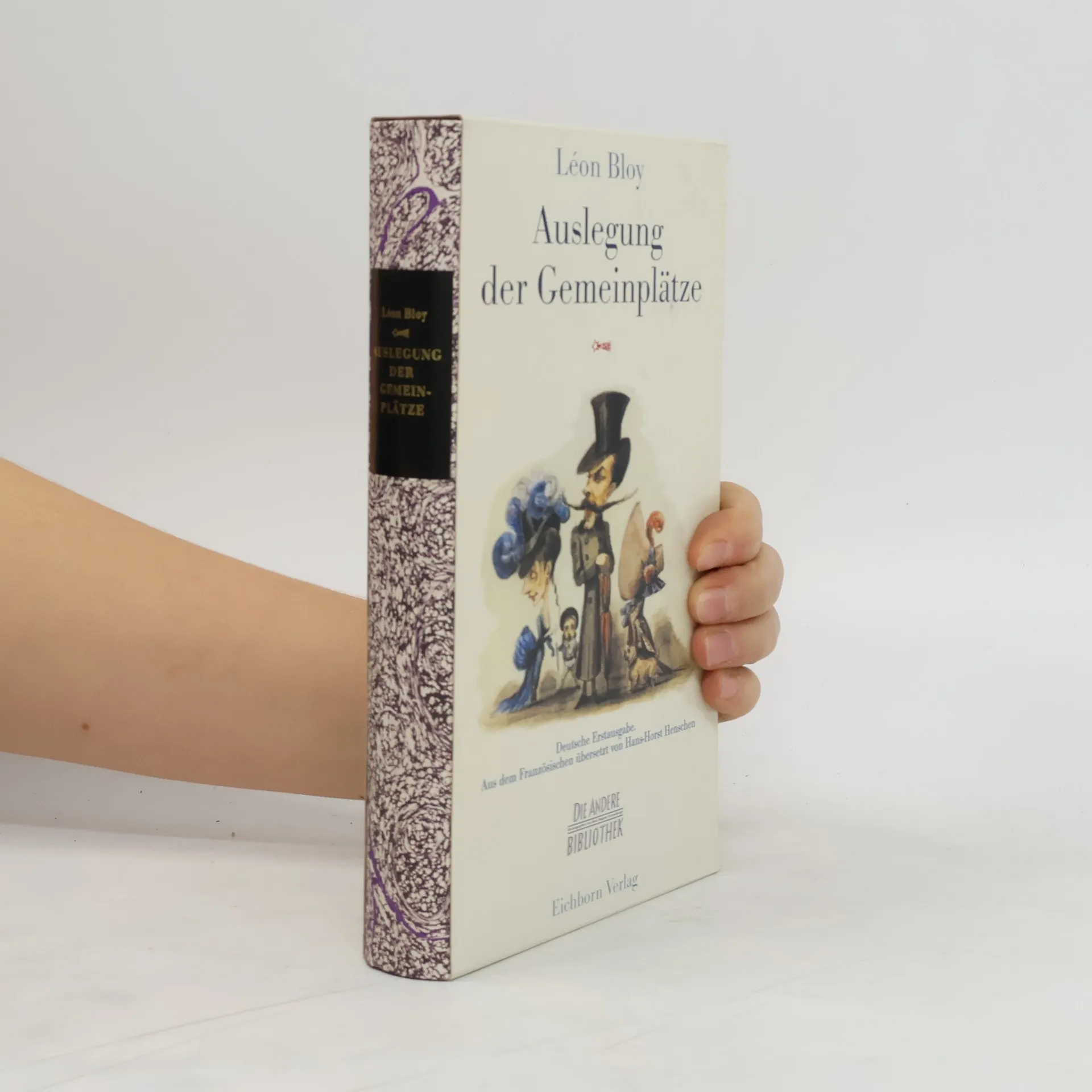
Die erste Auflage der deutschen Erstausgabe eines der Hauptwerke Bloys wurde bereinigt und verbessert, um ein instruktives Nachwort des Herausgebers und Übersetzers sowie um einen Text und Übersetzungen von Walter Benjamin vermehrt. „Den Bürger definiert Bloy entsprechend als den Menschen, der keinerlei Gebrauch von seiner Denkfähigkeit macht, sein eigenes Projekt umreißt er als Versuch, den Schwachköpfen, den schrecklichen und entschiedenen Idioten dieses Jahrhunderts die Sprache zu entreißen. Dabei hüten sich seine, im übrigen von Hans-Horst Henschen gekonnt übertragenen Bloßstellungen davor, angesichts der formelhaften Wendungen selbst analytische Schematisierungen vorzunehmen…. Das erste Verfahren zielt auf Aufdeckung dessen, was Bloy an kollektiver Verlogenheit in äußerlich untadeligen Begriffshülsen ausmacht…. Eine zweite, ausgesprochen unterhaltsame Demaskierungsvariante besteht darin, amoralische Geschichten zu erzählen und eine Maxime des täglichen Umgangs auf diese Weise so lange mit Lasterhaftem aufzupumpen, bis sie platzt…. Drittens schließlich kommt auch die heute daniederliegende, aber wohl wirkungsvollste sprachliche Reanimationstechnik in der Auslegung der Gemeinplätze zu ihrem Recht, die Kunst des Schmähens. Mit ihrer Hilfe gelingt es Bloy, den honigsüßen Phrasen der Selbstgerechtigkeit jene bittere Wahrheit beizumischen, die die Plappermäuler zusammenzieht….“ Ulrich Horstmann in Süddeutsche Zeitung
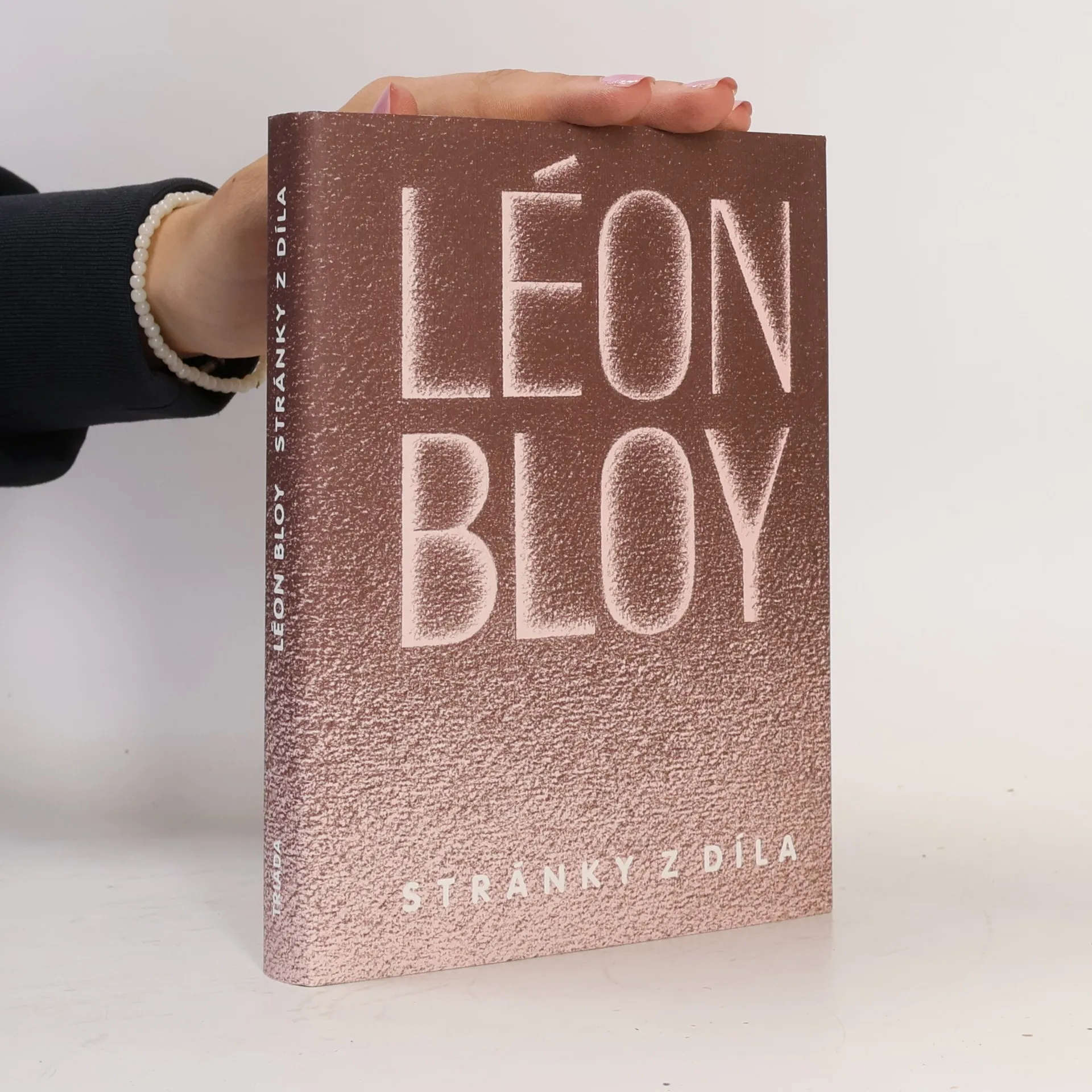
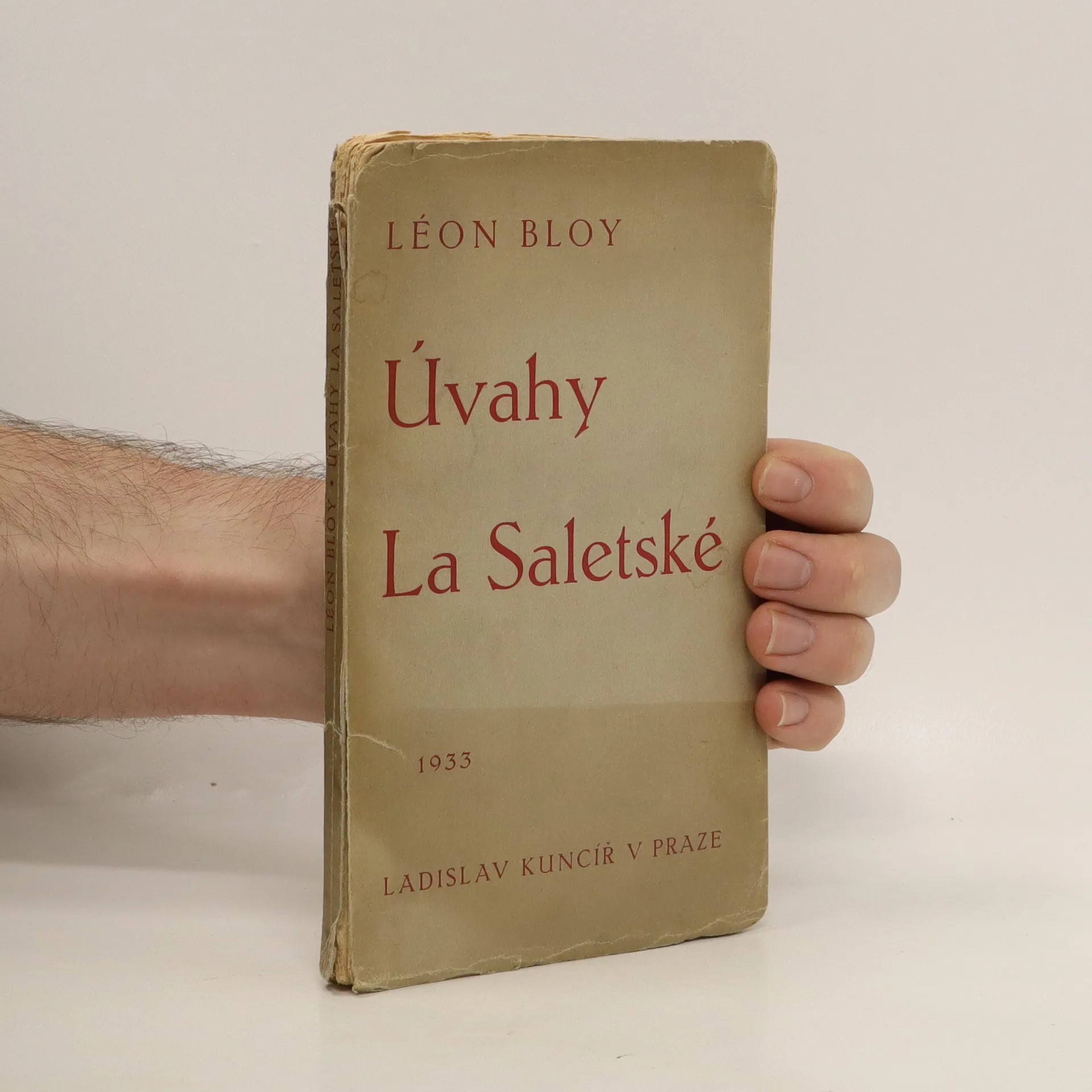
Léon Bloy - stránky z díla / vybrala Raïssa Maritainová; předmluva Jacques Maritain. Rozsáhlý výbor z díla francouzského prozaika (1846-1917), které významně ovlivnilo jak autory počátku 20. století, tak nastupující meziválečnou generaci ve Francii, stejně jako v českých zemích (Florian, Deml, Čep aj.), a jehož kvality ocenili i spisovatelé pozdější, například Jorge Luis Borges. Antologie Raissy Maritainové představuje Léona Bloy ve dvanácti oddílech jako vynikajícího stylistu, břitkého myslitele a básníka "zázraku Stvoření". Předmluvu napsal filosof Jacques Maritain. Knihu přeložila Věra Dvořáková, obsahuje též bibliografii L. Bloy a soupis českých knižních překladů. Vychází u příležitosti 160. výročí narození a 90. výročí úmrtí L. B.
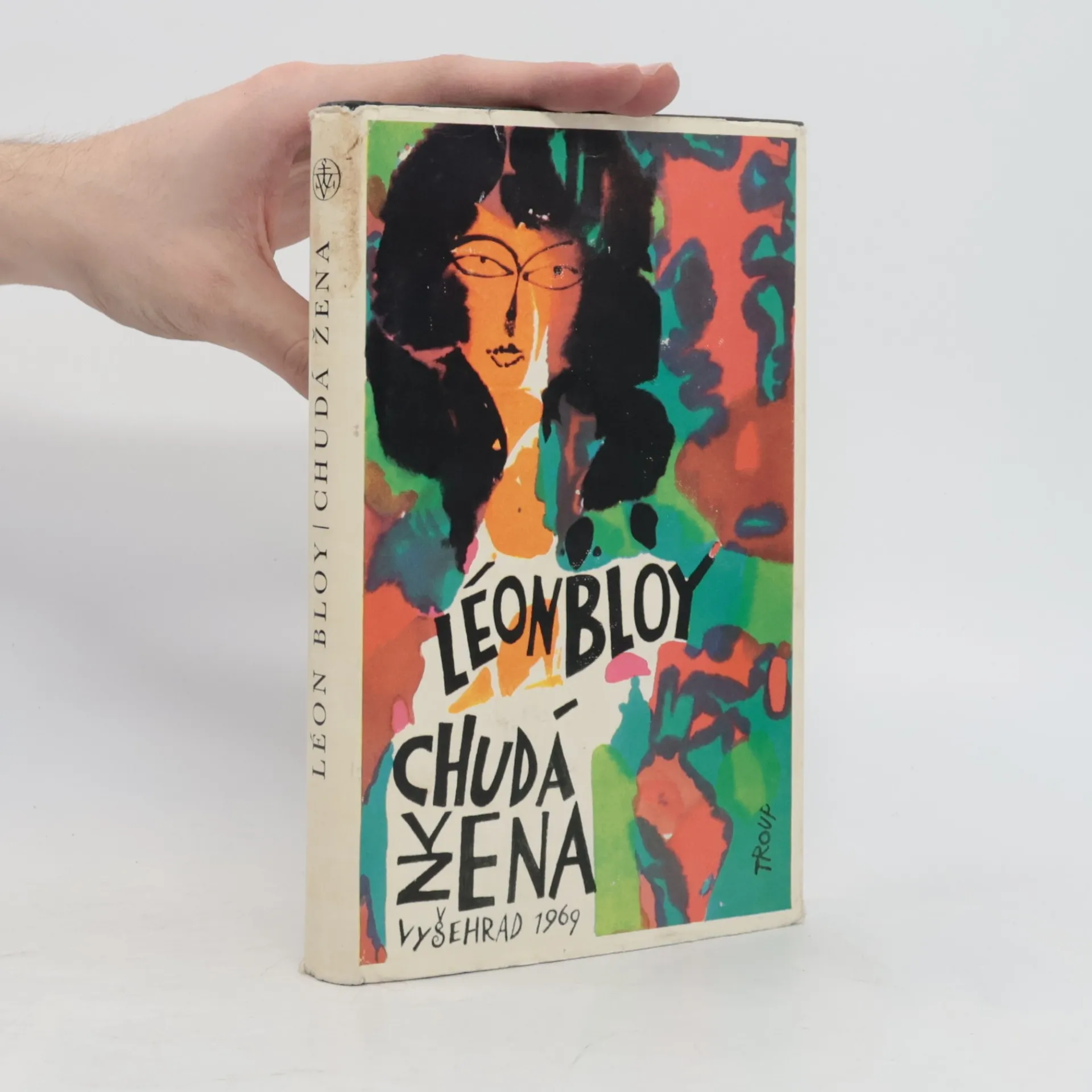
Román Chudá žena je podle mého názoru v první řadě knihou o křesťanském obrácení. Příběh prosté ženy Klotyldy je zpočátku smutné všední vyprávění o lidech v bídě kdesi na pařížském předměstí. Dokonale šedá beznaděj však není bez konce, do děje náhle zasáhne světlo Božího milosrdenství, naděje, jakési „prozření“, rozpoznání skutečných duchovních i mravních hodnot. A život hlavní postavy románu se rázem docela mění...
Unliebsame Geschichten
- 128 páginas
- 5 horas de lectura
Rozsáhlý výbor z díla francouzského prozaika (1846–1917), které významně ovlivnilo jak autory počátku 20. století, tak nastupující meziválečnou generaci ve Francii, stejně jako v českých zemích (J. Florian, J. Deml, J. Čep aj.), a jehož kvality ocenili i spisovatelé pozdější, například Jorge Luis Borges. Antologie Raissy Maritainové s předmluvou Jacquesa Maritaina představuje Léona Bloy ve dvanácti oddílech jako vynikajícího stylistu, břitkého myslitele a básníka „zázraku Stvoření“.
Schrei aus der Tiefe
- 230 páginas
- 9 horas de lectura
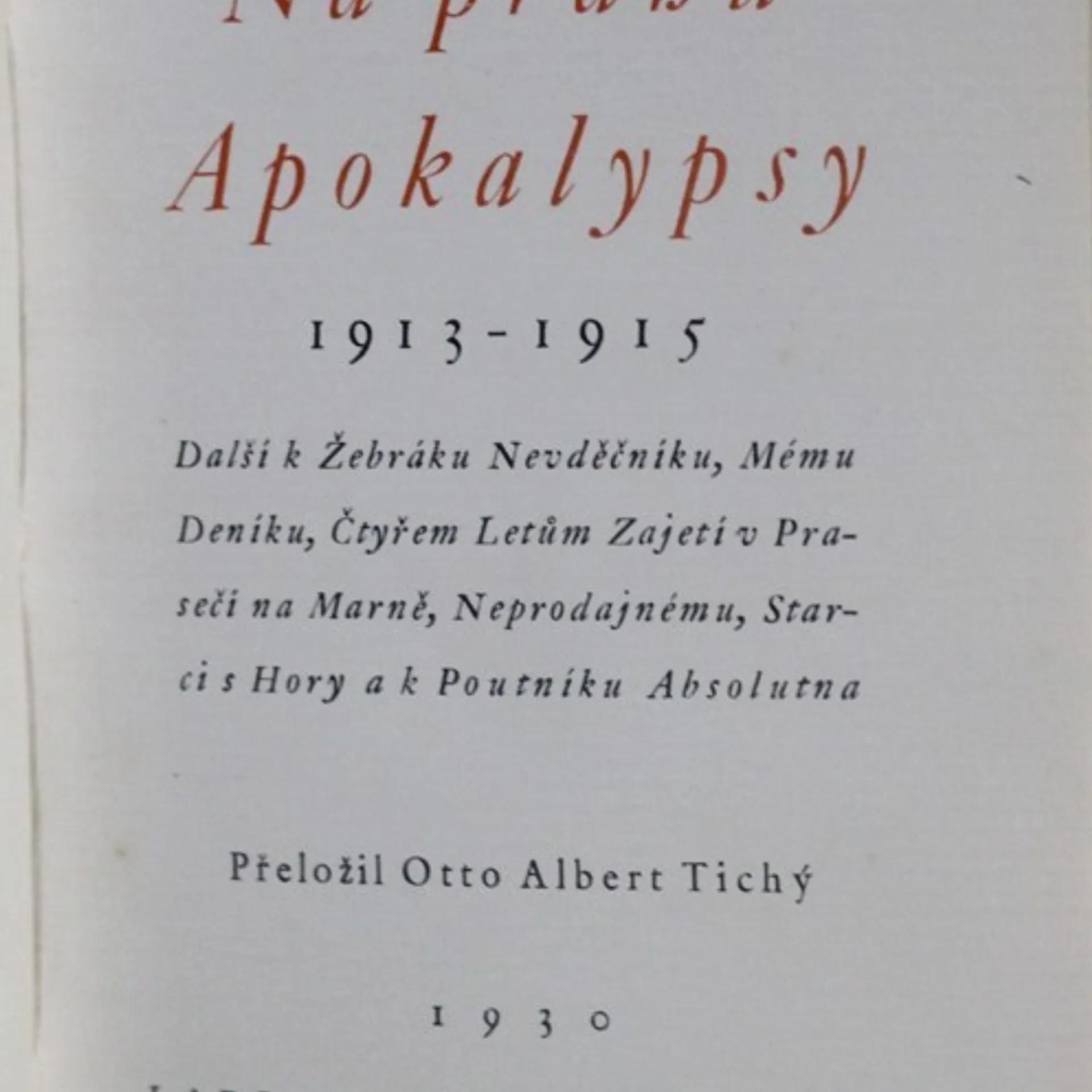
Na prahu Apokalypsy: 1913-1915 : Další k Žebráku Nevděčníku, Mému Deníku, Čtyřem Letům Zajetí v Prasečí na Marně, Neprodajnému, Starci s Hory a k Poutníku Absolutna