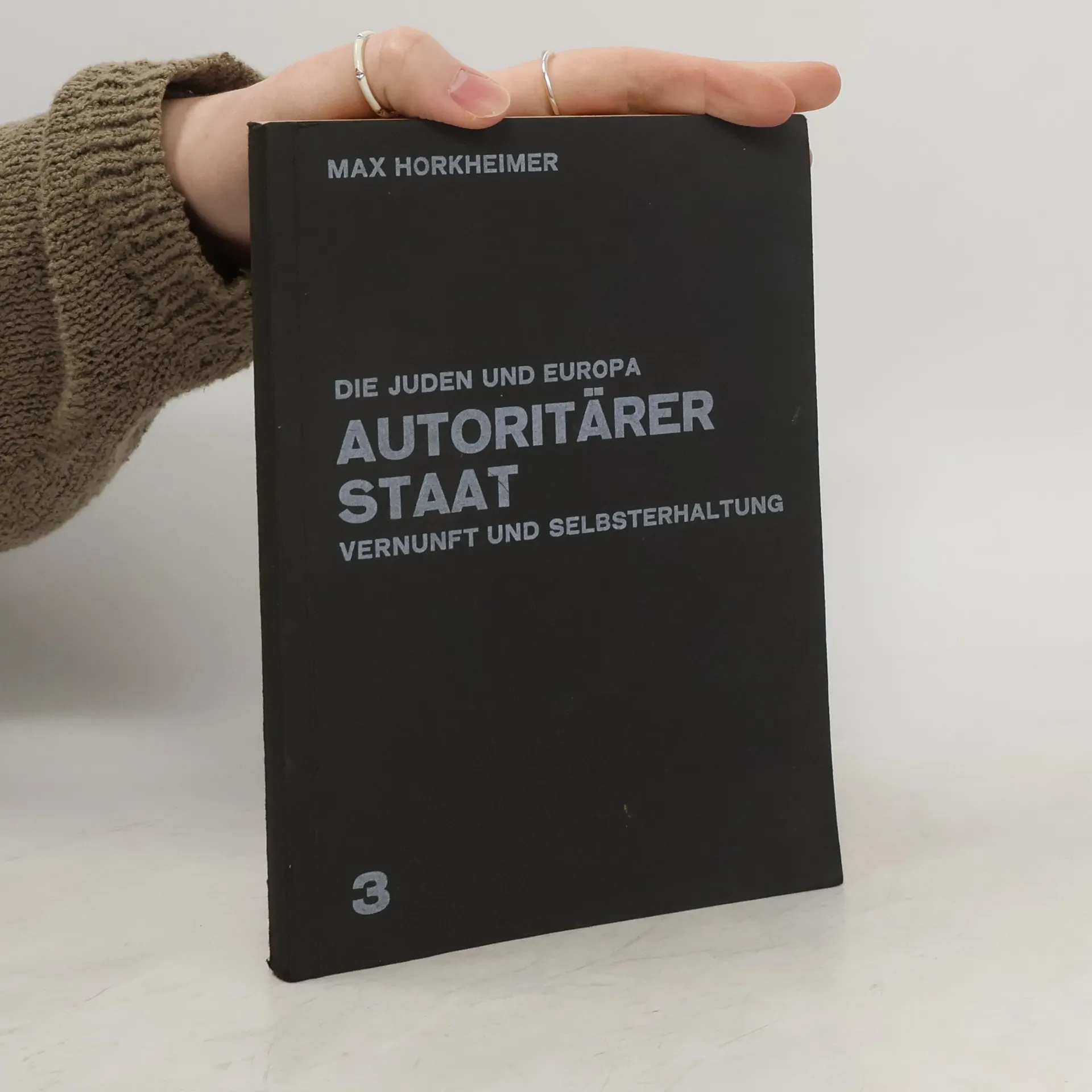
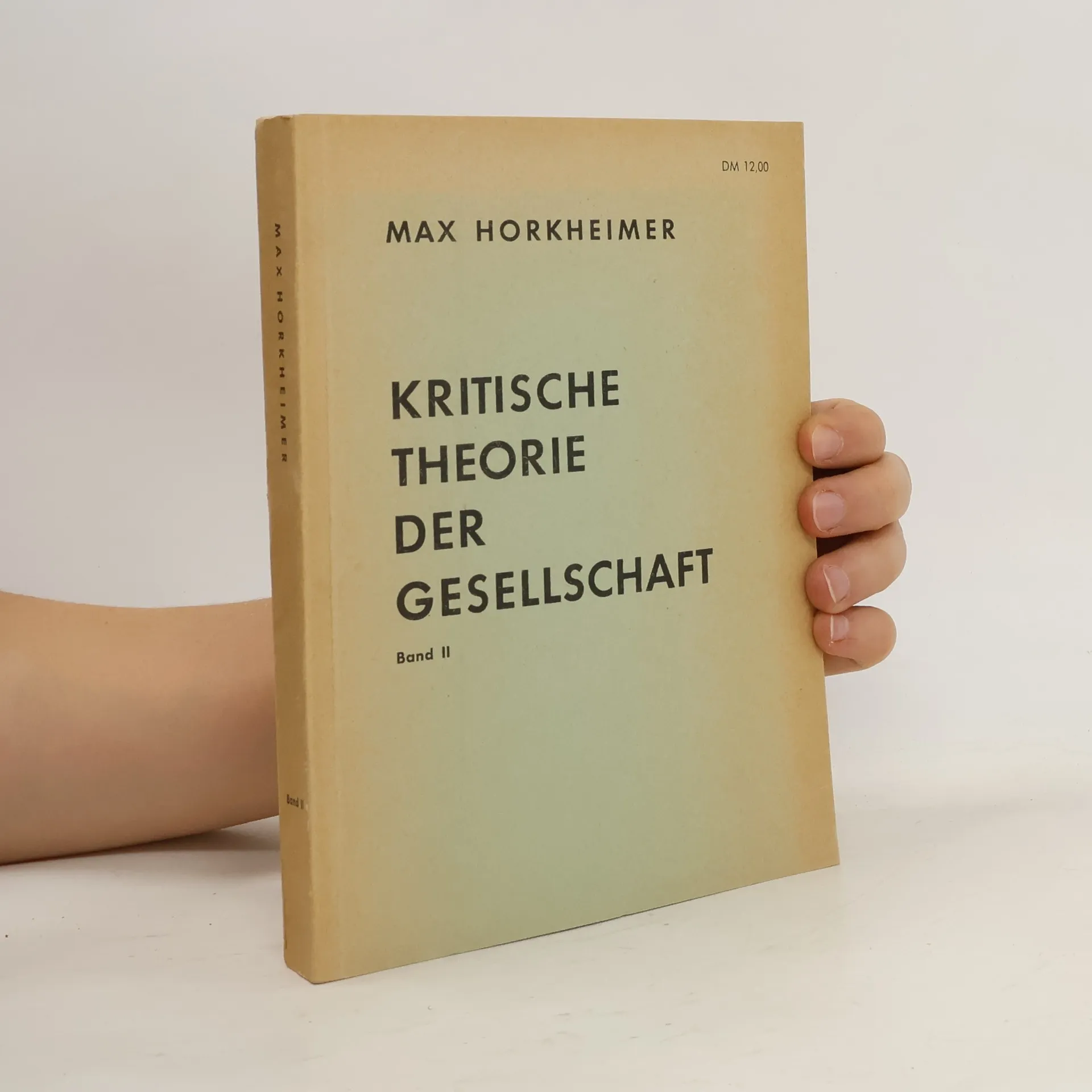
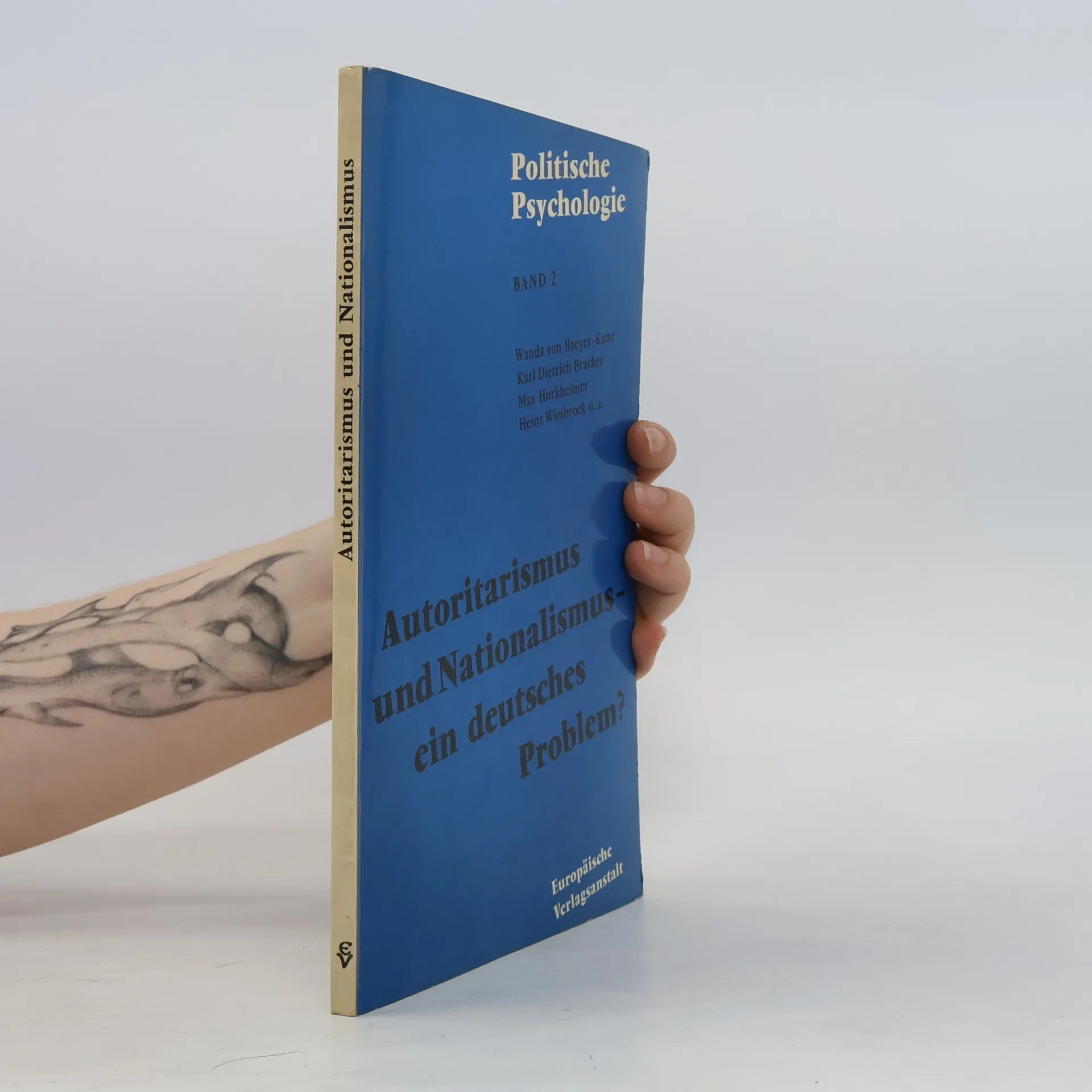
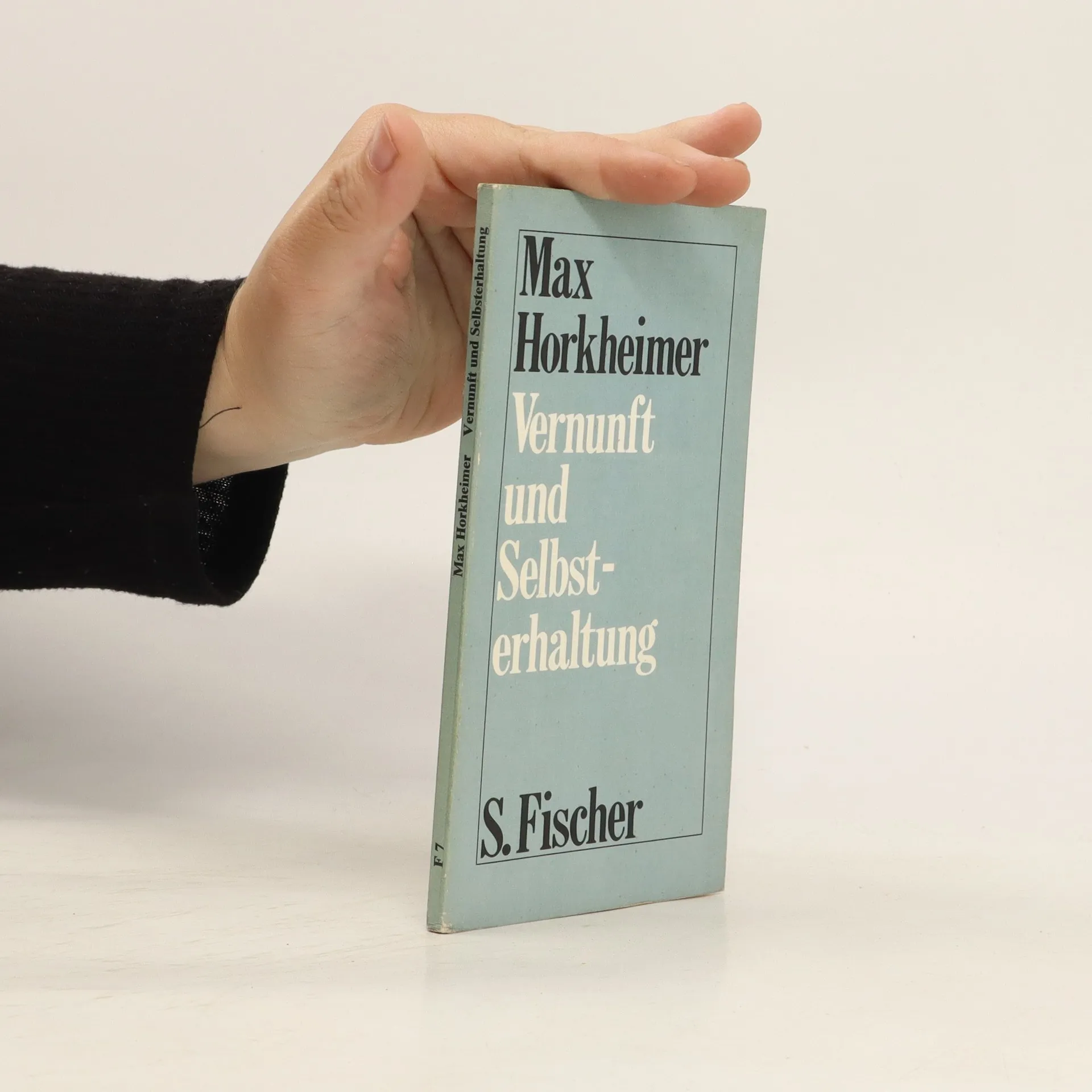
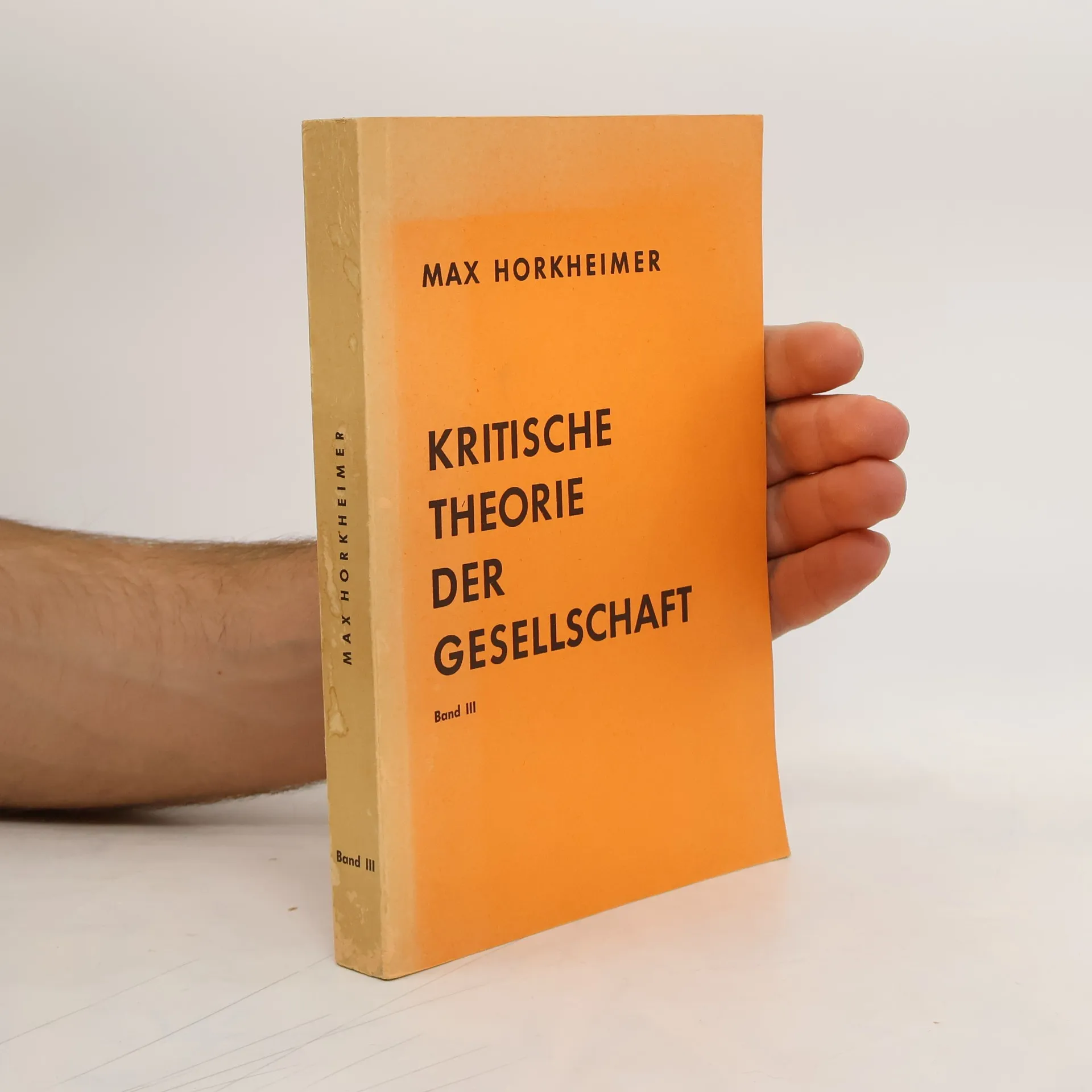
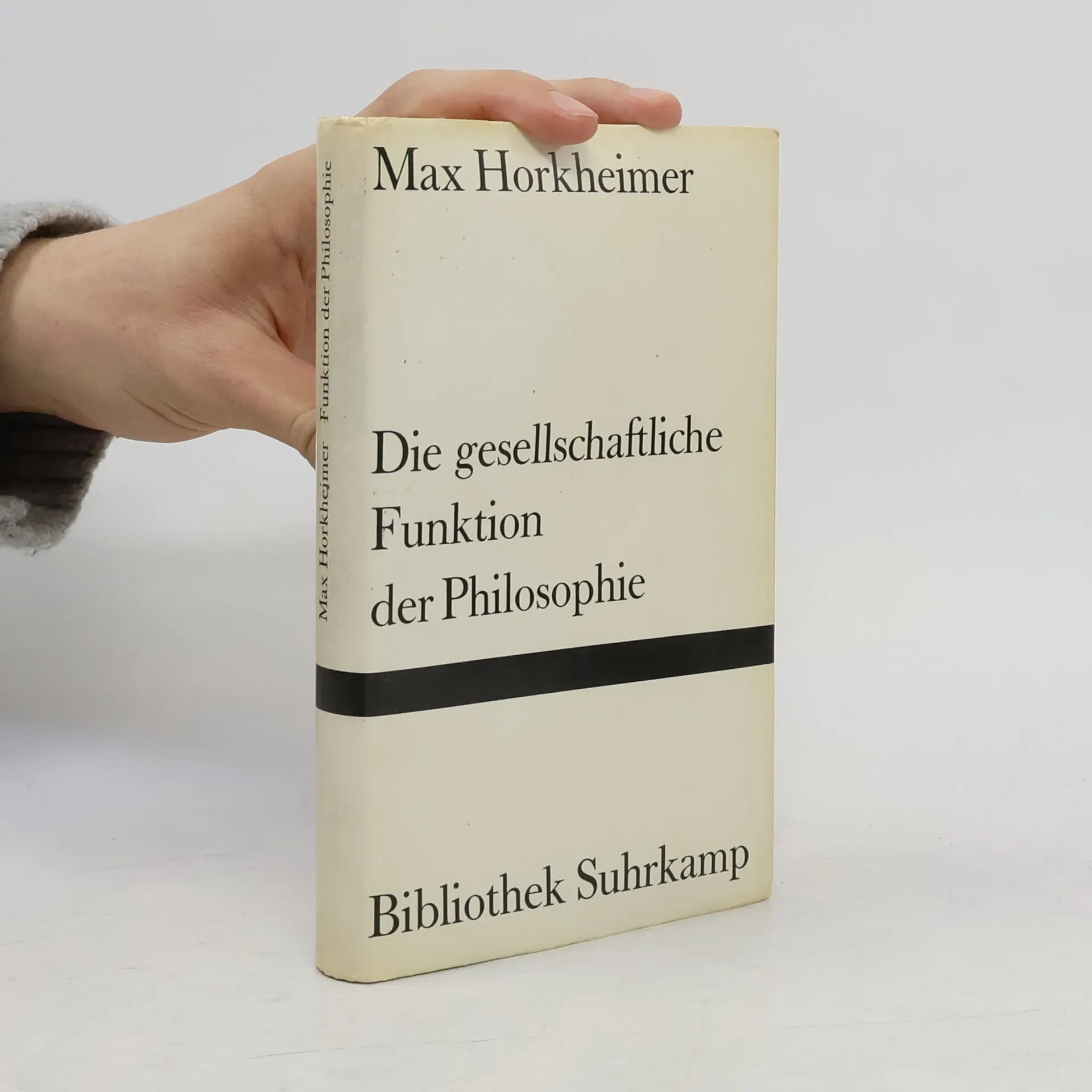
Max Horkheimer fue una figura central de la Escuela de Frankfurt, un grupo de pensadores dedicados a la crítica de la sociedad moderna. Su obra, especialmente en colaboración con Theodor Adorno, profundiza en los aspectos más oscuros de la ilustración y la razón. Horkheimer exploró cómo las herramientas de la modernidad pueden volverse contra la humanidad, dejando un legado perdurable en la teoría crítica. Su enfoque subraya la necesidad de cuestionar constantemente las estructuras de poder y las ideologías que dan forma a nuestro mundo.
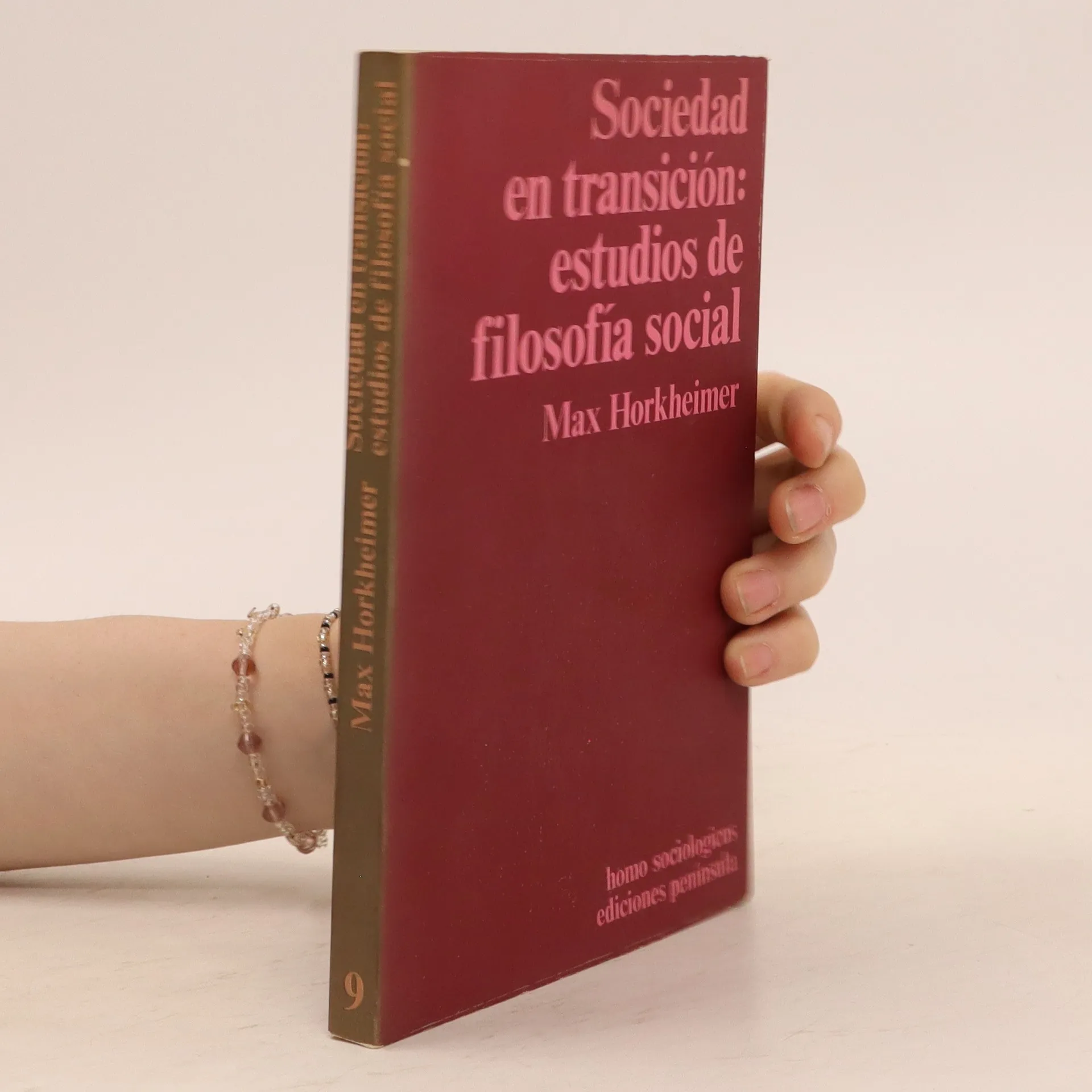
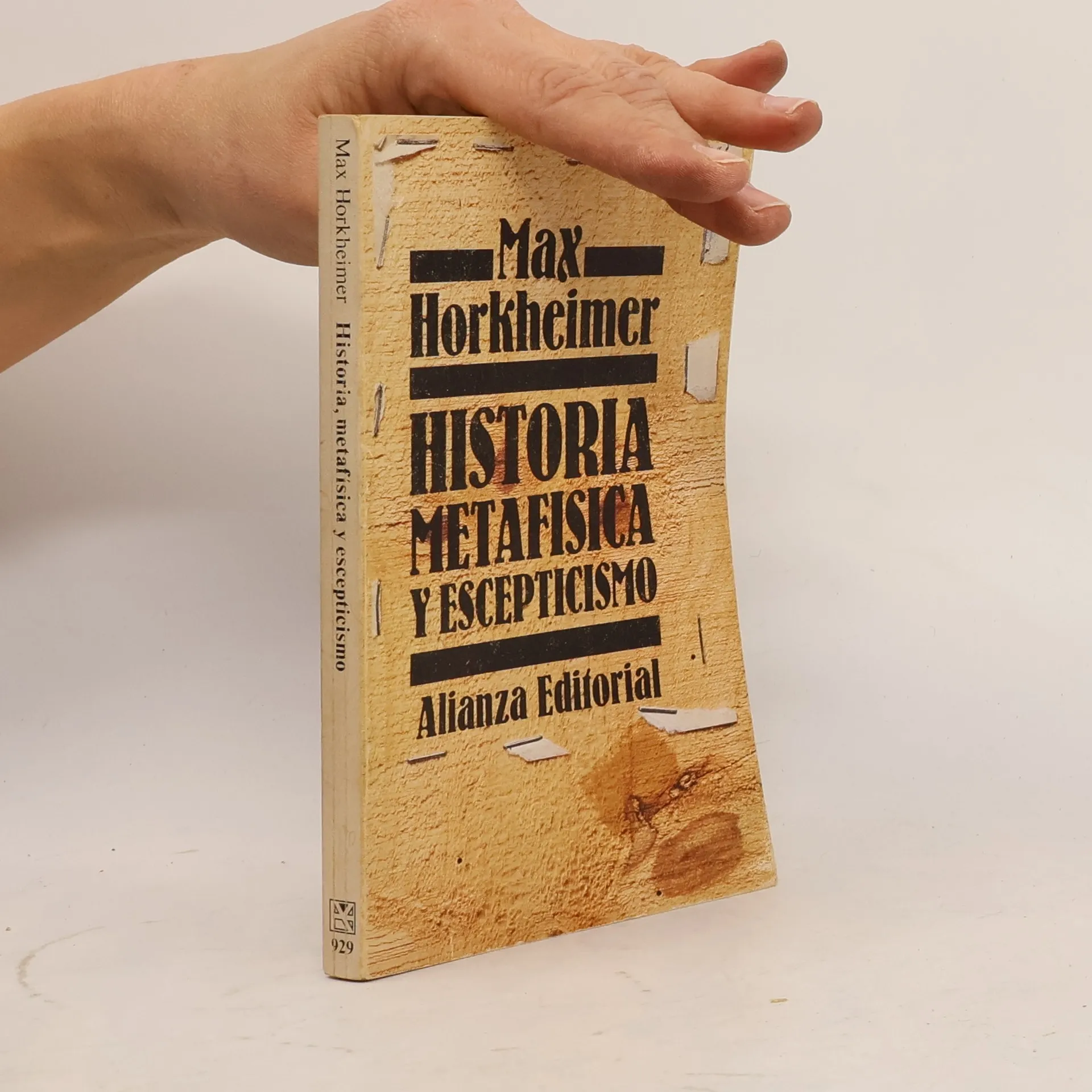
Madrid. 18 cm. 214 p., 1 h. Encuadernación en tapa blanda de editorial ilustrada. Colección 'El libro de bolsillo', numero coleccion(929 : Sección humanidades). Horkheimer, Max 1895-1973. Introducción de Alfred Schmidt ; traducción del alemán de Mª del Rosario Zurro. Schmidt, Alfred. 1931-. Zurro, María del Rosario .. Este libro es de segunda mano y tiene o puede tener marcas y señales de su anterior propietario. 8420619299
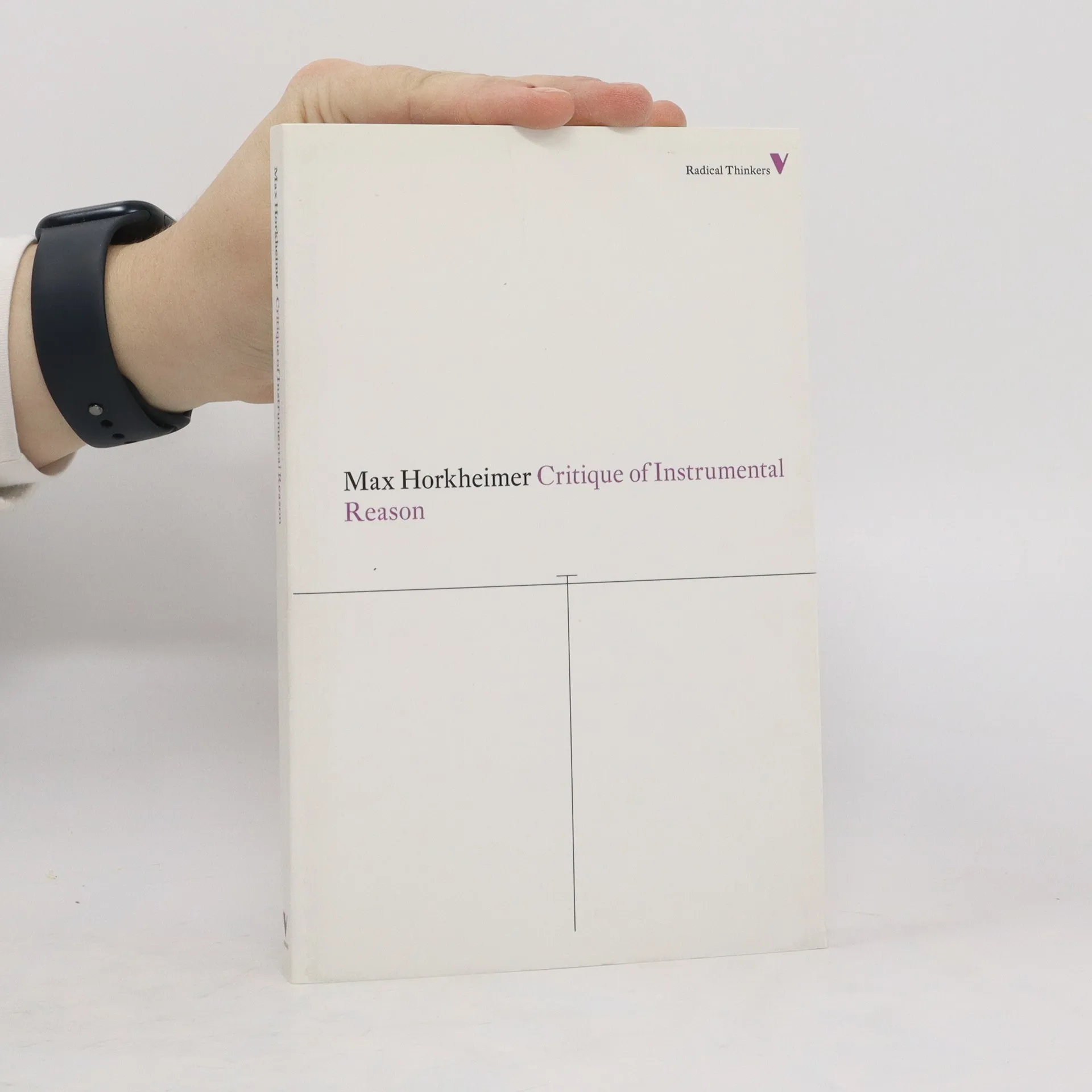
These essays, written between 1949 and 1967, focus on a single theme: the triumph in the twentieth century of the state-bureaucratic apparatus and ‘instrumental reason’ and the concomitant liquidation of the individual and the basic social institutions and relationships associated with the individual.
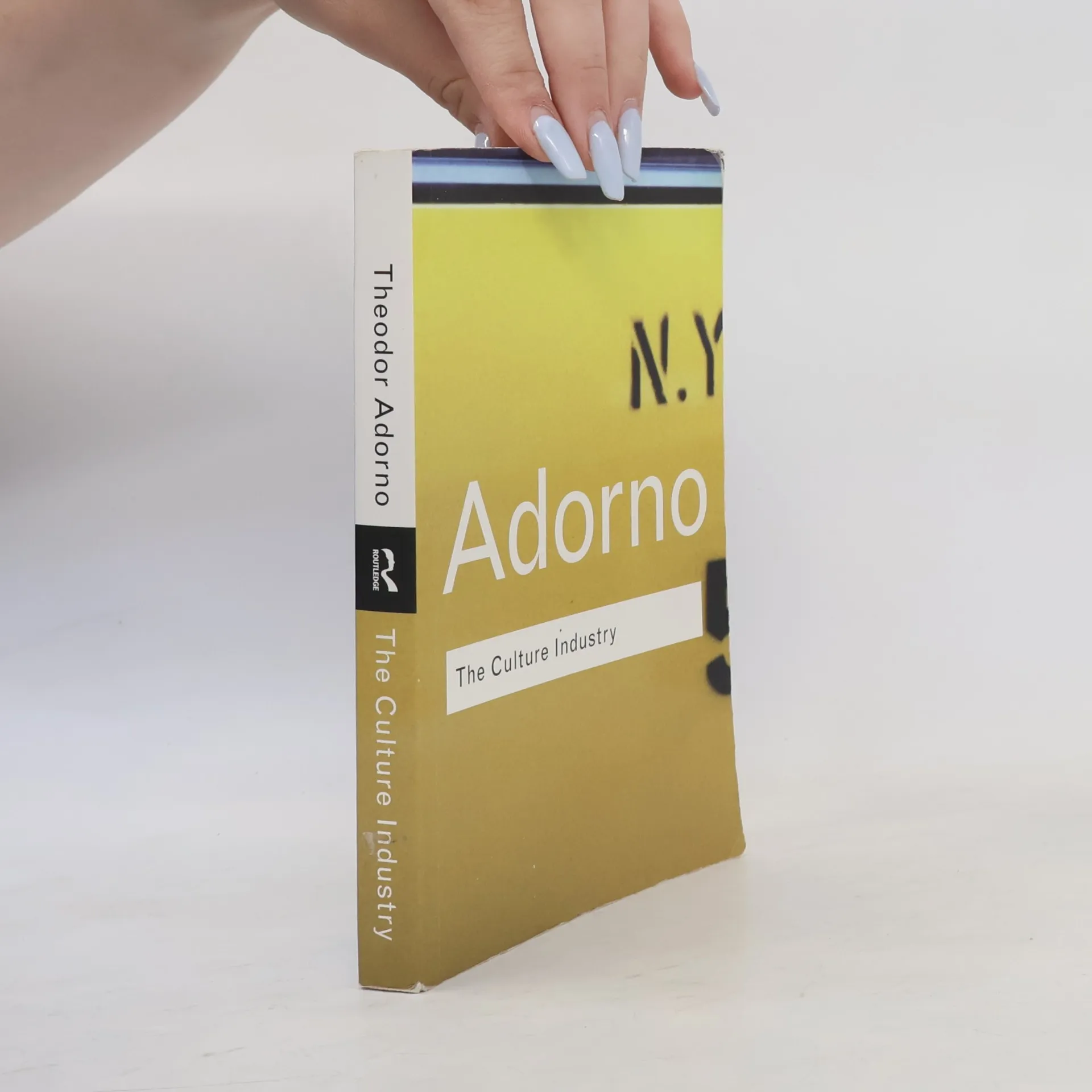
The creation of the Frankfurt School of critical theory in the 1920s saw the birth of some of the most exciting and challenging writings of the twentieth century. It is out of this background that the great critic Theodor Adorno emerged. His finest essays are collected here, offering the reader unparalleled insights into Adorno's thoughts on culture. He argued that the culture industry commodified and standardized all art. In turn this suffocated individuality and destroyed critical thinking. At the time, Adorno was accused of everything from overreaction to deranged hysteria by his many detractors. In today's world, where even the least cynical of consumers is aware of the influence of the media, Adorno's work takes on a more immediate significance. The Culture Industry is an unrivalled indictment of the banality of mass culture.
These essays reveal another side of Horkheimer, focusing on his remarkable contributions to critical theory in the 1930s. Max Horkheimer is well known as the director of the Frankfurt Institute for Social Research and as a sometime collaborator with Theodor Adorno, especially on their classic Dialectic of Enlightenment. These essays reveal another side of Horkheimer, focusing on his remarkable contributions to critical theory in the 1930s. Included are Horkheimer's inaugural address as director of the Institute, in which he outlines the interdisciplinary research program that would dominate the initial phase of the Frankfurt School, his first full monograph, and a number of other pieces published in the 1930s. The essays, most of which have not appeared in English before, are surprisingly relevant to current post-philosophy debates, notably "On the Problem of Truth," with its focus on pragmatism, and "The Rationalism Debate in Current Philosophy," a sustained critique of the post-Cartesian philosophy of consciousness. Horkheimer's 1933 critique of Kantian ethics, "Materialism and Morality," is of particular interest given the current reaction to the neo-Kantian aspect of Habermas's work. There are also essays relevant to the current foundations debate within Continental philosophy, and the rationality/relativism question is sustained throughout the volume.
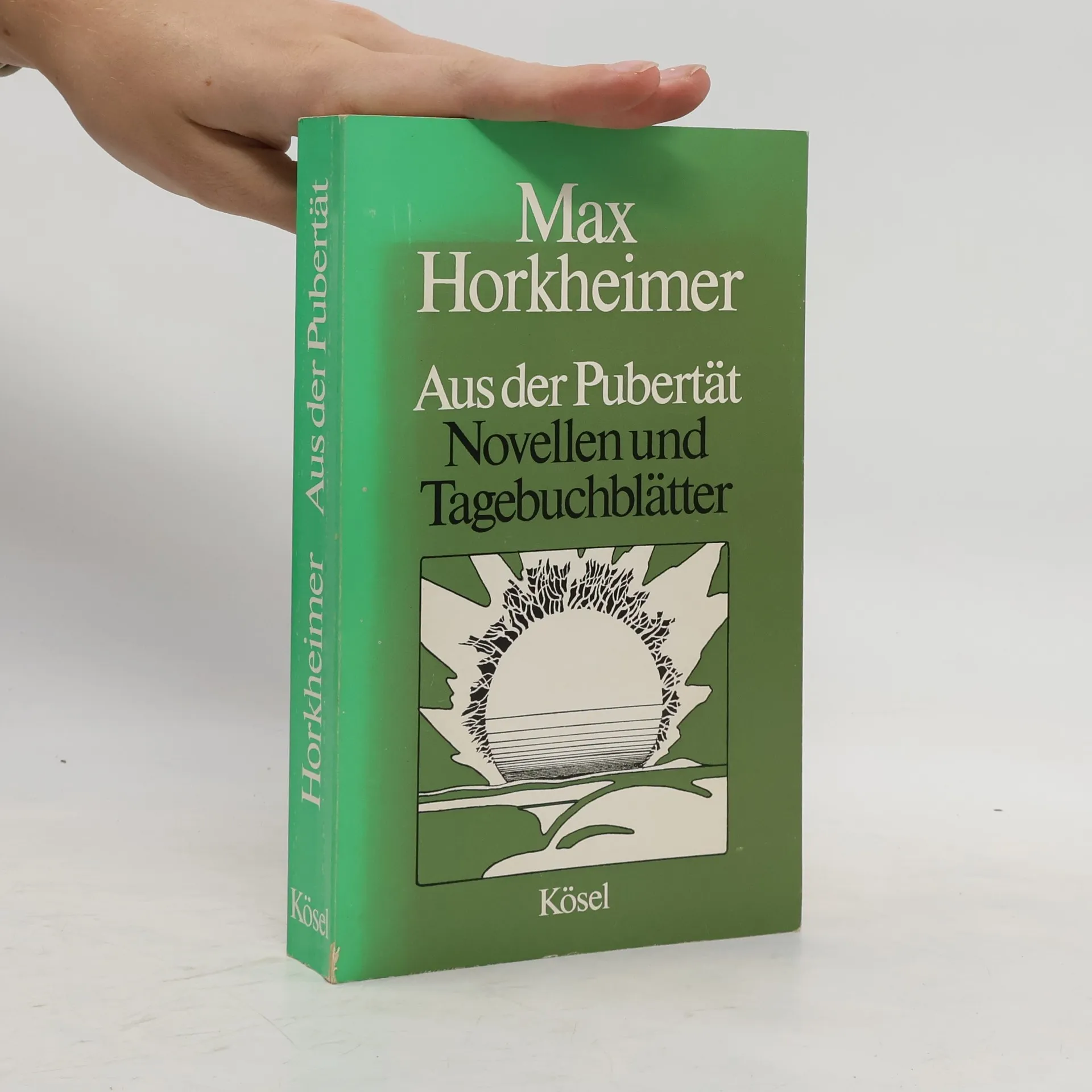
Band 1 der Gesammelten Schriften‹ enthält früheste Texte – überwiegend Novellen und tagebuchartige Aufzeichnungen – , die Horkheimer während des Ersten Weltkriegs verfaßte. Horkheimer selbst hat noch kurz vor seinem Tode die Wiederveröffentlichung dieser Schriften befürwortet und ihre Anordnung autorisiert.Literarisch sind die Novellen dem Jugendstil und dem Expressionismus verpflichtet, jedoch werden auch schon, trotz Sinnlichkeit und Fabulierlust, die didaktischen Züge des späteren Werks in ihnen kenntlich. Die Texte entstanden zu einer Zeit, da Horkheimer noch nicht an ein Studium geschweige an eine akademische Karriere dachte. Seine philosophische Bildung war höchst fragmentarisch, die Form der wissenschaftlichen Abhandlung stand ihm noch nicht zur Verfügung. Um so erstaunlicher ist, wie ausgeprägt sich bereits hier die für die Kritische Theorie kennzeichnende geistige Spannung radikale Kritik an den bestehenden sozialen Verhältnissen, aber Pessimismus und Trauer in bezug auf die Welt als Ganzes. Schon für den jungen Horkheimer löste sich diese Spannung jedoch nicht in einer bequemen, weil folgenlosen Skepsis, sondern in der von Schopenhauer übernommenen Forderung, wider das unbarmherzige Ewige dem Zeitlichen beizustehen .
In diesem Buch prüft Horkheimer seine theoretischen Thesen über die Beziehung zwischen Ideologie und Wissen, Ideologie und Utopie sowie über die funktionale Rolle von Ideologie und Utopie im sozialen Konflikt. Dies geschieht durch eine sorgfältige Lektüre der grundlegenden, impliziten und expliziten Ideen, die in den Werken großer europäischer Denker wie Machiavelli, Hobbes, Campanella, More, Vico und Hegel enthalten sind. Horkheimers Auseinandersetzung mit den Themen der bürgerlichen Geschichtsphilosophie geht jedoch über eine bloße Behandlung der Geschichte von Ideen und politischen Ideologien hinaus, da sie diese als Argument und Mittel nutzt, um die gegenwärtigen Probleme, mit denen der Mensch und die Wissenschaft konfrontiert sind, außerhalb der ideologischen Banalisierung zu thematisieren, die alle betrifft.
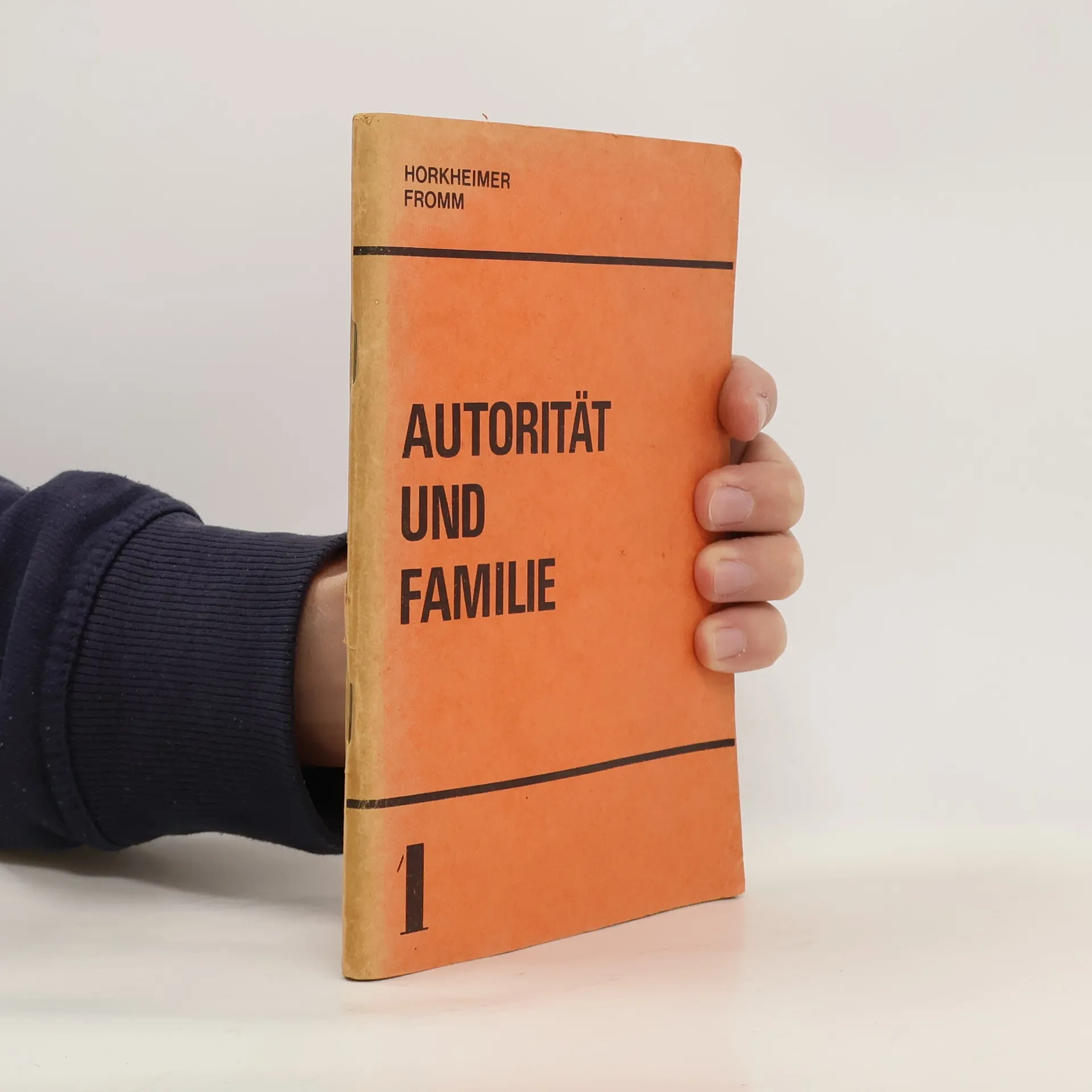
Die Studien über Autorität und Familie sind neben der Zeitschrift für Sozialforschung das wichtigste kollektive Werk des frühen Frankfurter Instituts für Sozialforschung. Sie wurden zum Grundlagenwerk der Familiensoziologie und begründeten die empirische Sozialforschung im deutschsprachigen Raum. Horkheimers Programm einer Durchdringung von Empirie mit materialistischer Theorie wird in ihnen paradigmatisch an der Familie als zentraler Instanz der Sozialisation durchgeführt. Die Studien umfassen drei Abteilungen. In der ersten Abteilung umreißen Horkheimer, Fromm und Marcuse in großen theoretischen Entwürfen die allgemeine kulturtheoretische, die sozialpsychologische und die ideengeschichtliche Dimension des Verhältnisses von Autorität und Familie. Die zweite Abteilung dokumentiert die empirischen Untersuchungen des Instituts. Dabei werden nicht nur die Ergebnisse der einzelnen Erhebungen etwa bei Arbeitern und Angestellten, bei Jugendlichen oder bei Arbeitslosen dargelegt, sondern immer auch die angewandten Methoden ausgewiesen und die verfolgten Ziele erläutert. Die dritte Abteilung enthält verschiedene Einzelstudien und Literaturberichte. 'Es ist ein Verdienst des zu Klampen Verlages, die 'Studien' nach über 50 Jahren erneut geschlossen (und somit ihren ursprünglichen Zusammenhang wiederherstellend) vorgelegt zu haben.' Deutsche Zeitschrift für Philosophie Das Buch ist 'ebenso solide wie ansprechend gestaltet'. Merkur
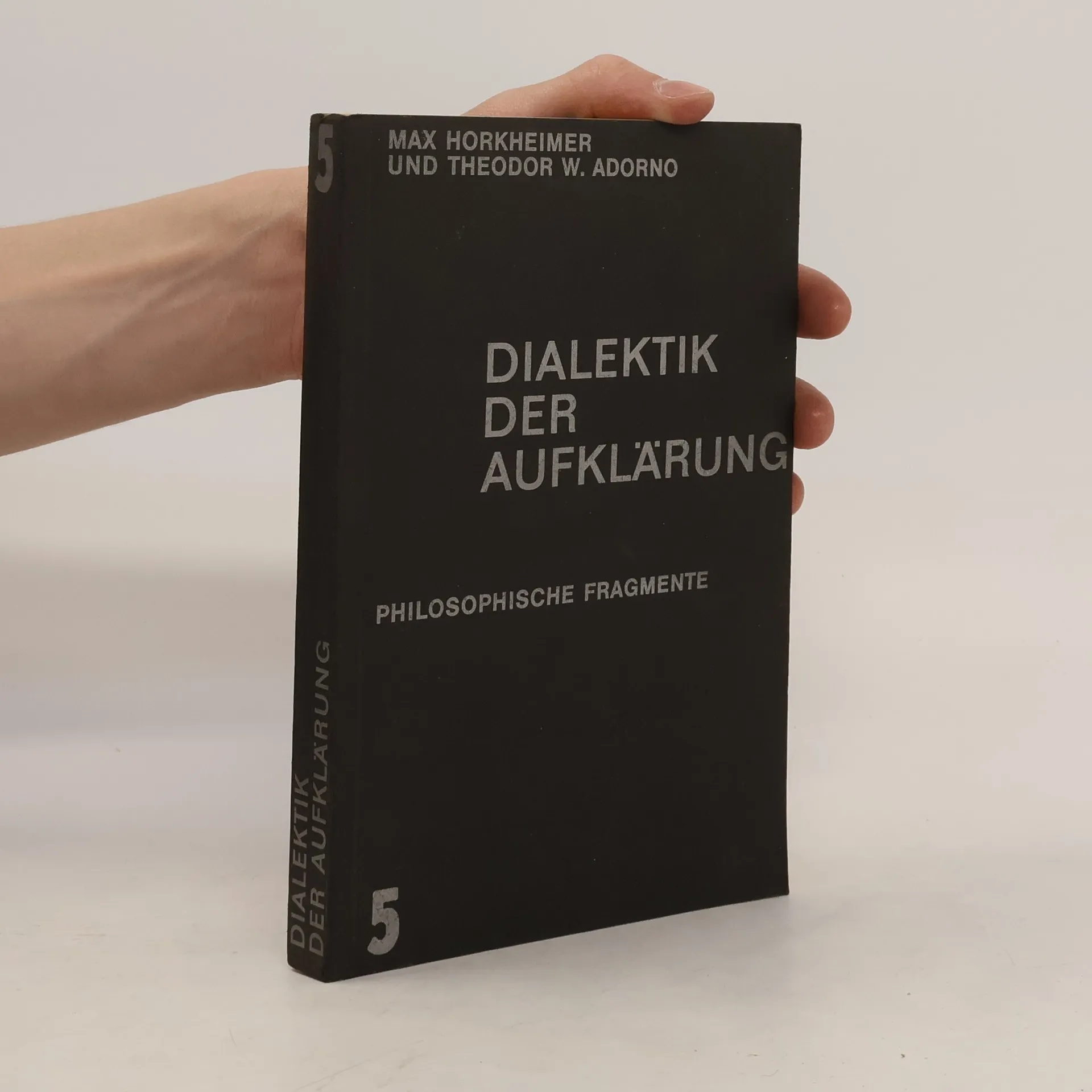
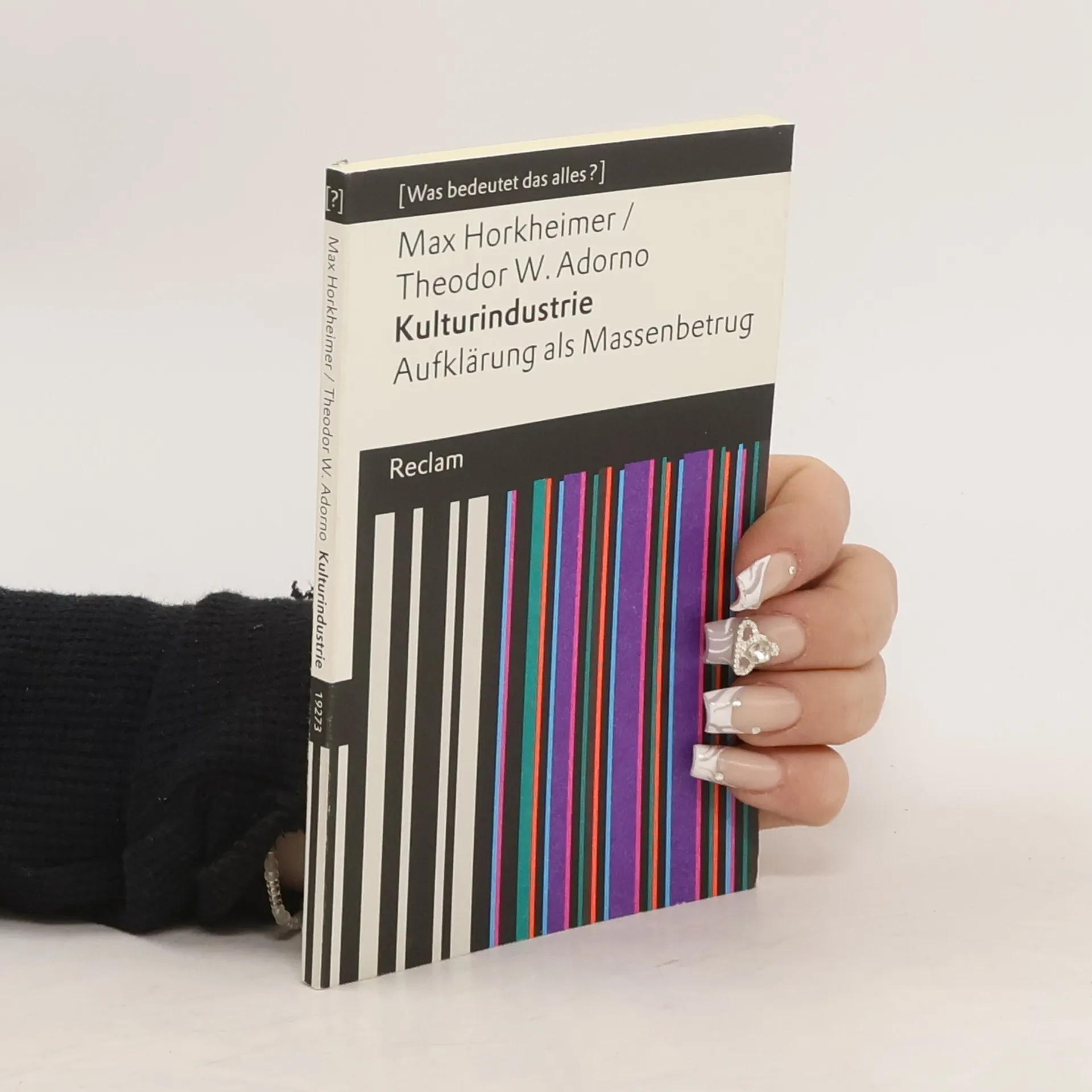
Im Zeitalter der Massenmedien und Konsumorientierung gewinnen philosophische Überlegungen zur Massenkultur neues Gewicht. Theodor W. Adorno und Max Horkheimer sprachen in ihrer »Dialektik der Aufklärung« bereits 1940 von einer ›Kulturindustrie‹. Diese deformiere Kultur zu einer weicheren Form totaler Unterdrückung. Es lohnt sich, »Kulturindustrie. Aufklärung als Massenbetrug«, ein zentrales Kapitel der »Dialektik der Aufklärung«, in diesem Licht neu zu lesen.
In diesen kleinen Texten, wahre Muster dialektischen Schreibens, legt Max Horkheimer auf eine mal klare, mal verschlüsselte, jedoch stets prägnante und sarkastische Weise dar, was man als Prozess der Zersetzung der westlichen Kultur bezeichnen könnte. Durch die fragmentarische Sprache des Philosophen wird dem Leser manchmal schmerzhaft bewusst, dass dieser Verfall nicht nur einen Teil der Realität betrifft, sondern jeden Bereich des öffentlichen und privaten Lebens: die Philosophie und die Theologie, die Psychoanalyse und die Kunst, die Politik und die Autonomie, die Arbeit und die Muße, das soziale und das individuelle Verhalten, die Gefühle und die Gedanken, die Bestrebungen und die Utopien.
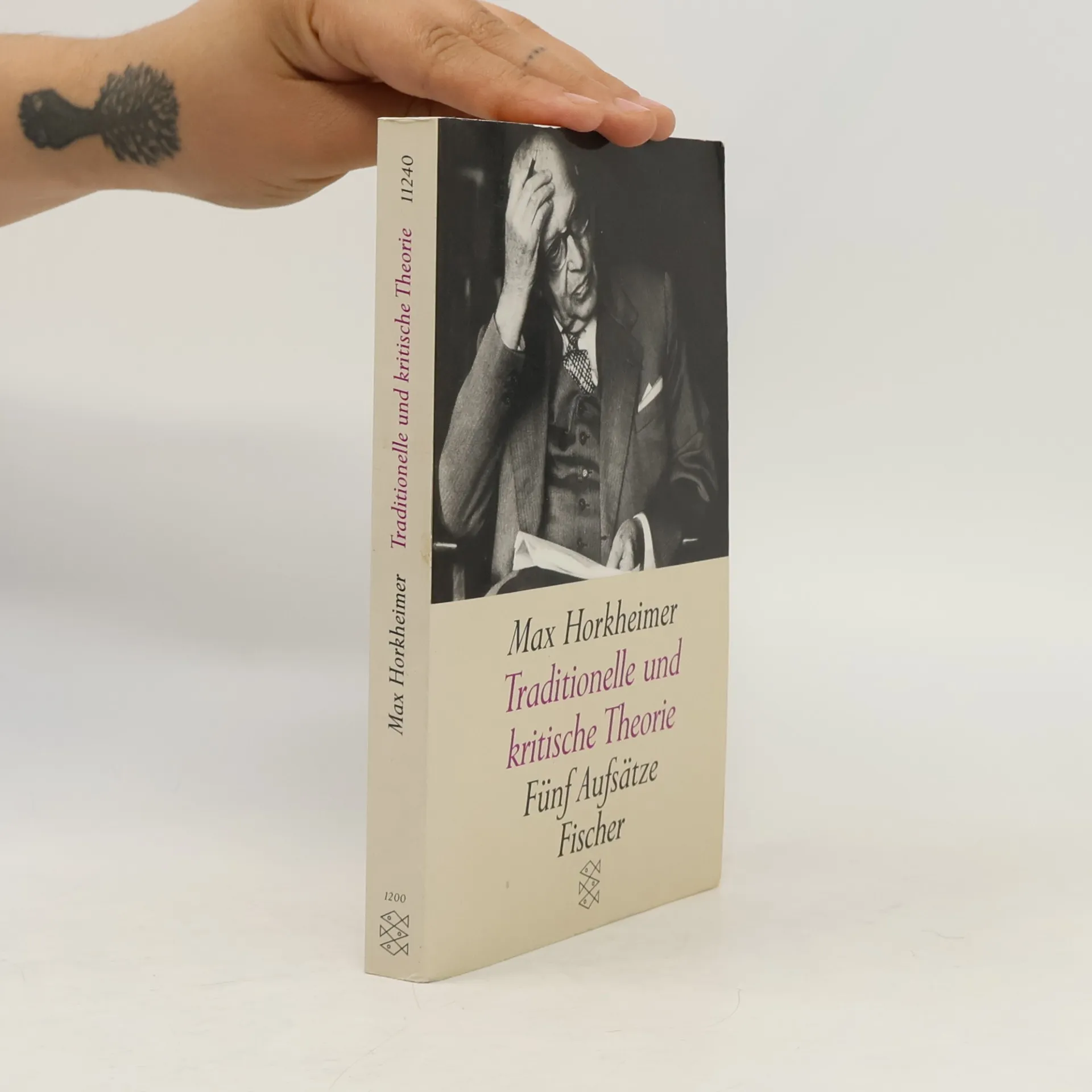
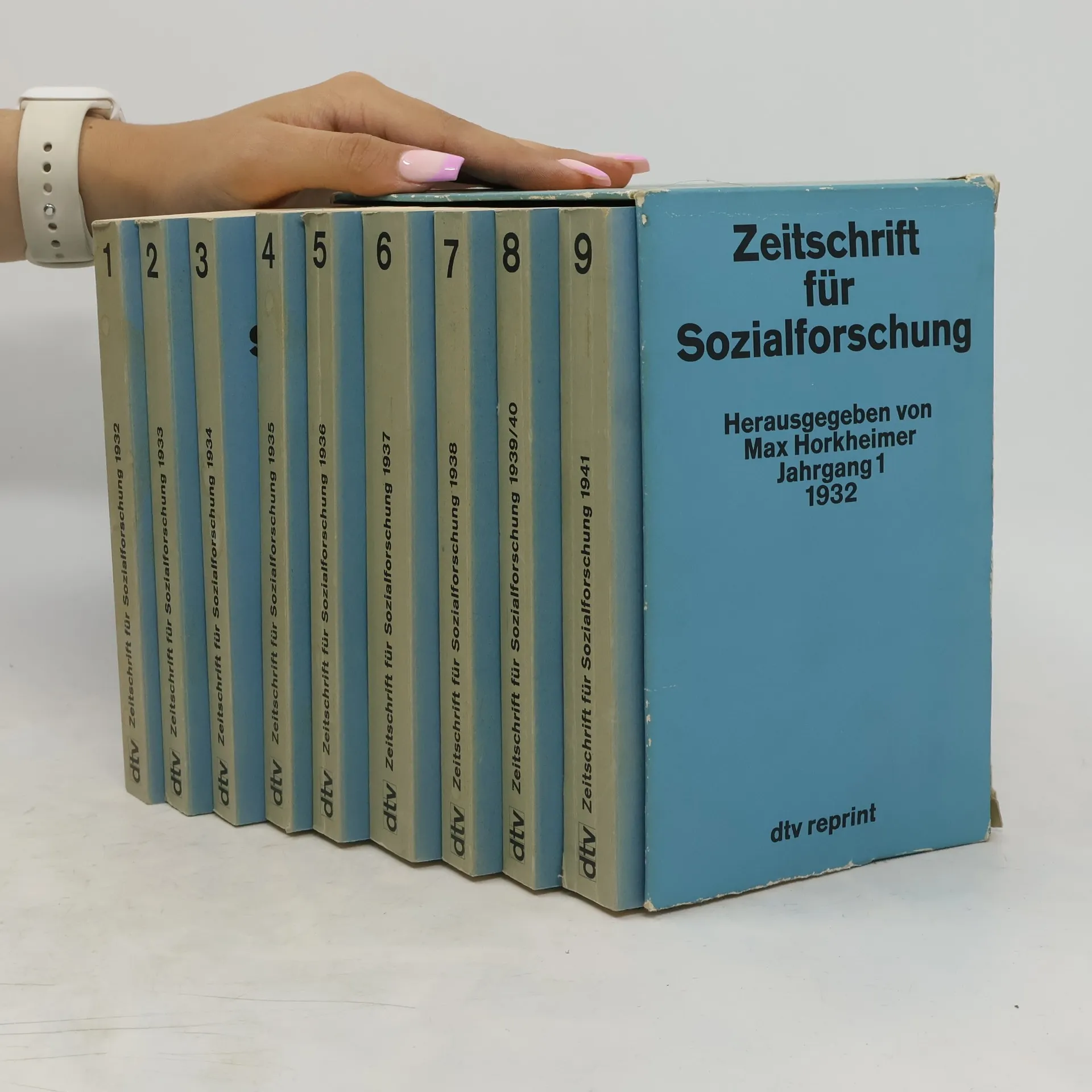
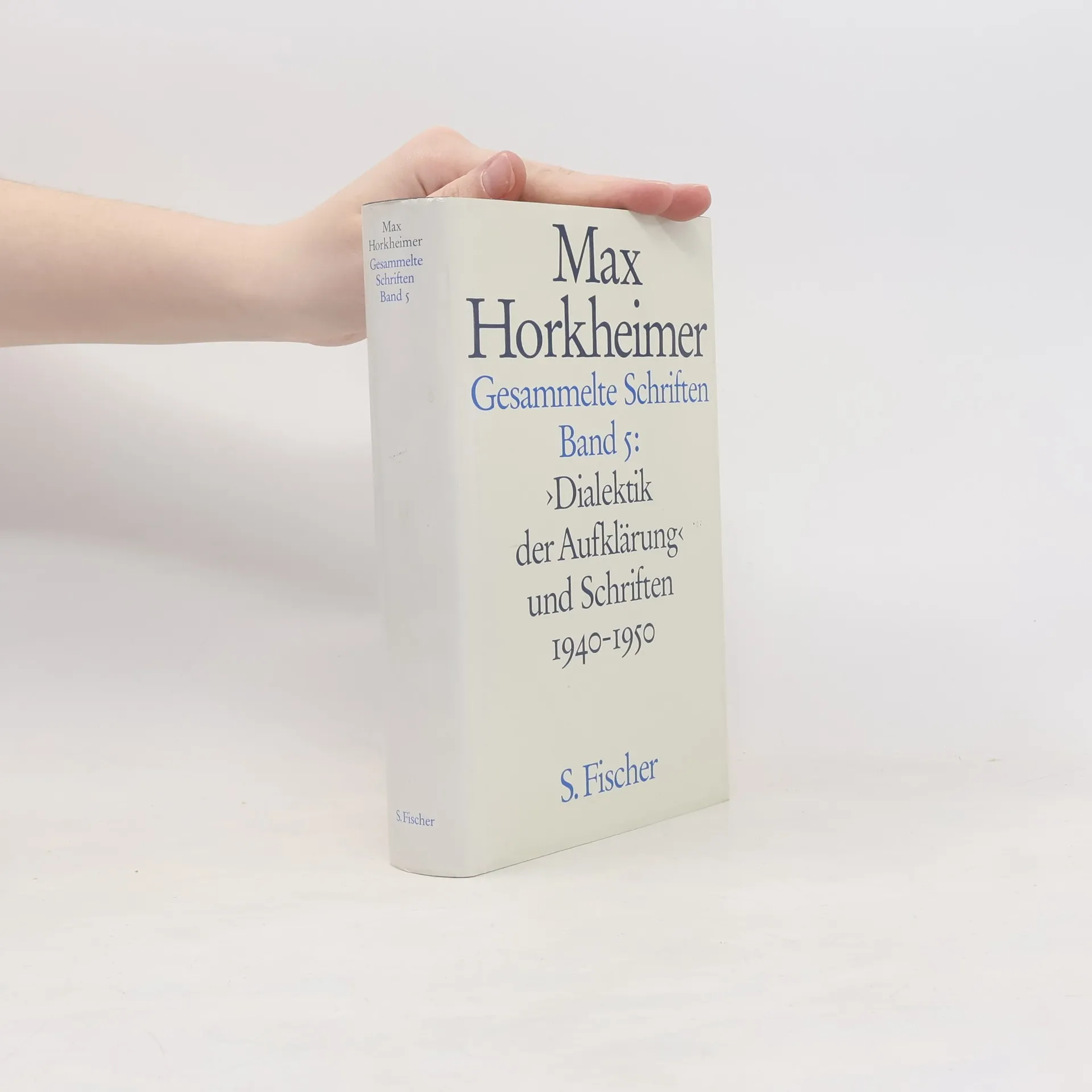
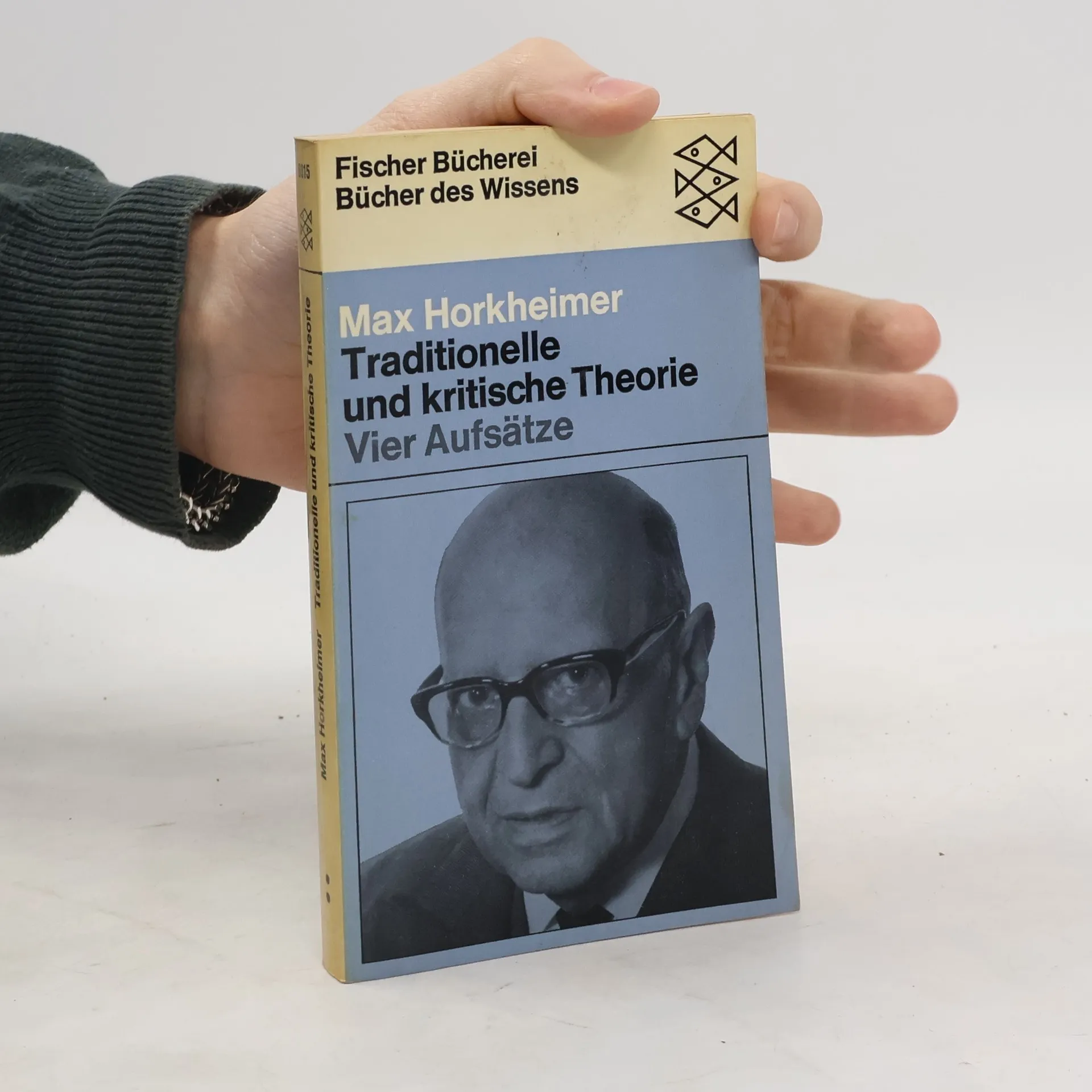
In den dreißiger und frühen vierziger Jahren erlebte Horkheimer eine Phase außergewöhnlicher Produktivität, in der er zentrale Texte der Kritischen Theorie verfasste. Der lebendige intellektuelle Austausch, gefördert durch die Zeitschrift für Sozialforschung und das aktive Institut für Sozialforschung, spielte eine entscheidende Rolle. Diese Umgebung ermöglichte ihm, sein Konzept einer „kritischen“ Theorie zu entwickeln, die über Fachgrenzen hinausging und sich an den realen Bedürfnissen der Menschen orientierte. Die fünf ausgewählten Aufsätze gehören zu den bedeutendsten Arbeiten dieser Zeit. Besonders der Titelessay Traditionelle und kritische Theorie gilt als zentraler Text der Kritischen Theorie und als deren Programm. Horkheimers Fähigkeit, materialistische Geschichtstheorie in konkrete historische und soziologische Analysen umzusetzen, wird im Aufsatz Egoismus und Freiheitsbewegung sowie in seinem Beitrag zu den Studien über Autorität und Familie deutlich. Der 1942 entstandene Essay Vernunft und Selbsterhaltung markiert den Übergang zu der in der Dialektik der Aufklärung vertretenen vernunftkritischen Position. Grundlage dieser Auswahl sind die von Alfred Schmidt und Gunzelin Schmid Noerr herausgegebenen Gesammelten Schriften, die auch inhaltlich bedeutsame Varianten enthalten.
In einer informellen Debatte, die das Lesen äußerst anregend macht, diskutiert dieses Buch im Sinne von Theorie und Praxis, indem es von einigen grundlegenden soziologischen Konzepten zu materiellen Forschungsbereichen und komplexen Inhalten übergeht. Es behandelt eine breite Palette von Themen, mit denen sich jeder Student der Sozialwissenschaften vertraut machen sollte: das Konzept der Soziologie, Gesellschaft, Individuum, Gruppe, Masse, Kultur und Zivilisation, Soziologie der Kunst und der Musik, Soziologie und empirische Sozialforschung, Familie, Gemeinschaftsstudien, Vorurteile und Ideologie.
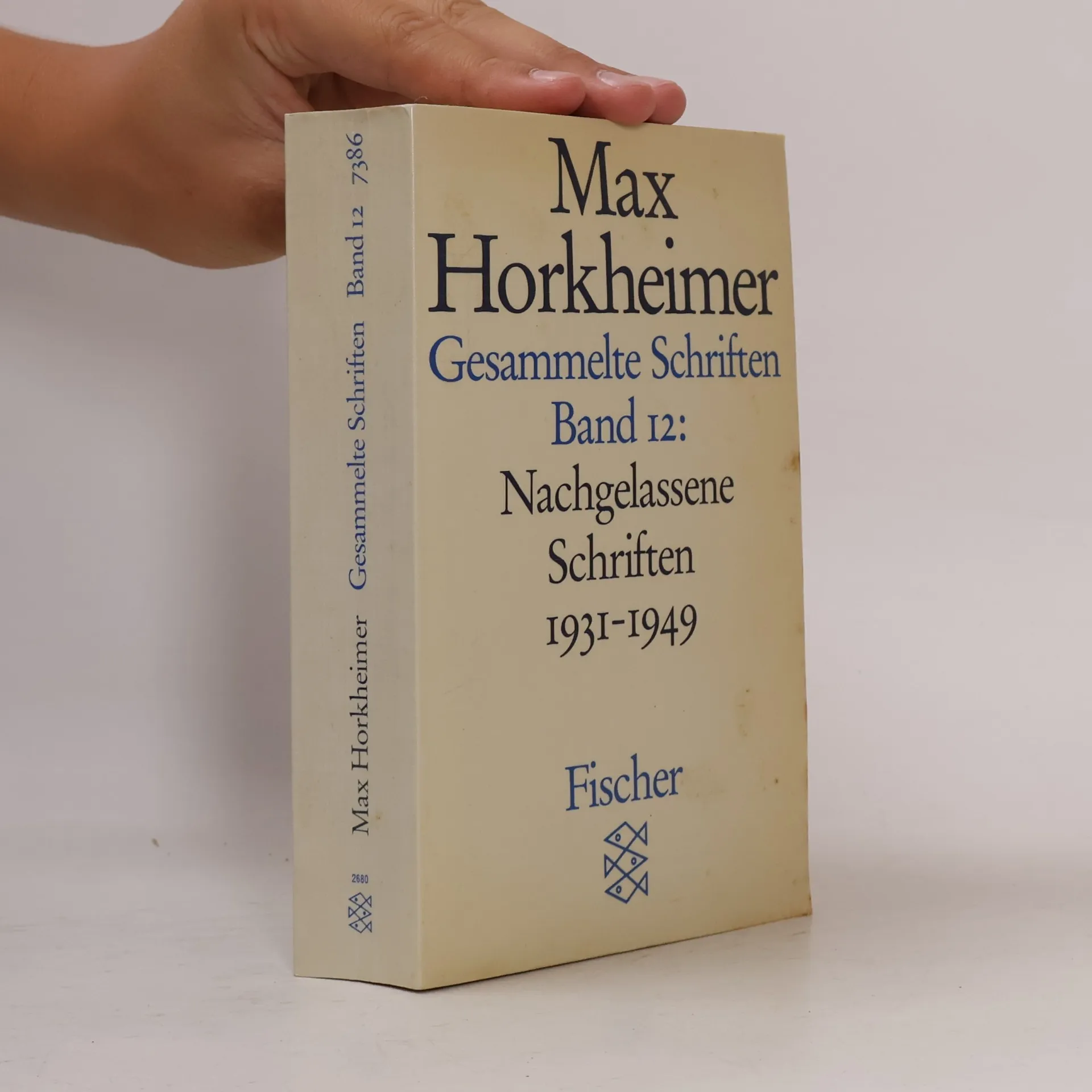
In diesem Band sind nachgelassene Schriften Max Horkheimers aus den Jahren 1931 bis 1949 versammelt, die seine Zeit als Direktor des Instituts für Sozialforschung bis zum Ende der Emigrationszeit in den USA umfassen. Diese Periode markiert die Entwicklung des Programms der Kritischen Theorie sowie das Konzept einer geschichtsphilosophisch begründeten Kritik der instrumentellen Vernunft. Die Texte zeugen eindringlich von Horkheimers Selbstverständigungsprozessen und dem interdisziplinären Arbeitsstil des Instituts. Die hier versammelten, bislang unveröffentlichten Dokumente zeigen die Entstehung der Kritischen Theorie im Kontext experimenteller Ideenentwicklung und freier Reflexion. Sie umfassen wichtige Forschungsvorhaben des Instituts, »Diskussionsprotokolle« sowie Notizen zur ›Dialektik der Aufklärung‹ und sprachphilosophische Aufzeichnungen. Jedes Dokument öffnet eine Tür zur Gedankenwerkstatt der »Frankfurter Schule« und erinnert an die Einsichten, mit denen Horkheimer und seine Mitarbeiter dem »Zeitgeist« widersprochen und dessen blutige Spur gedeutet haben. Dies ist ein beispielhafter Versuch, zu begreifen, was geschah und warum, der auch heute unter veränderten Bedingungen relevant bleibt.
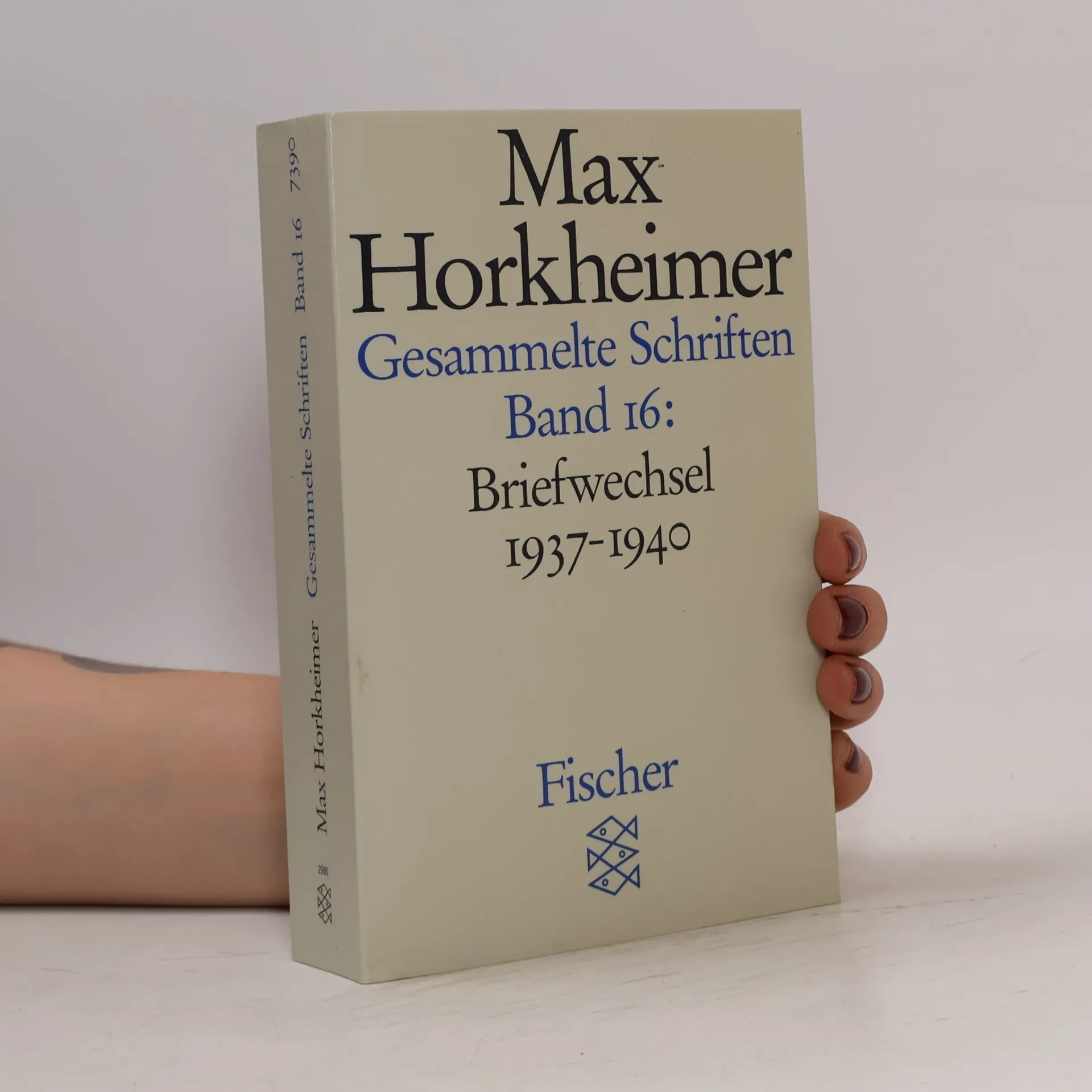
»Ich werde nicht müde, mich darüber zu wundern, daß der Intellektuelle, dem das Schicksal das Aussprechen der Wahrheit schwer oder unmöglich macht, nicht etwa bewußt zu lügen beginnt, sondern ungefähr das zu glauben lernt, was zu sagen ihm gut dünkt.« Max Horkheimer an Hans Mayer, 17. Dezember 1937
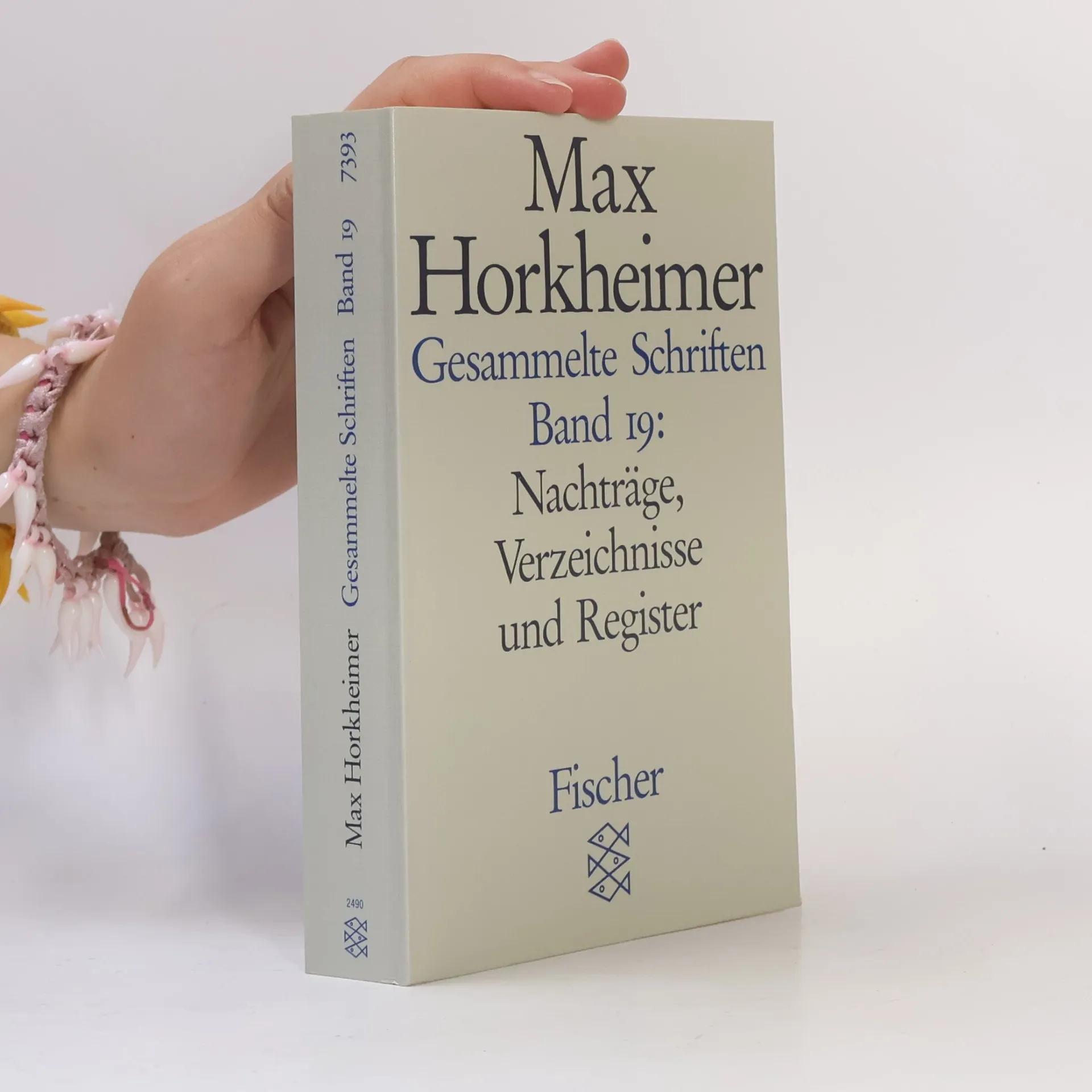
Mit Band 19 liegen die ›Gesammelten Schriften‹ Max Horkheimers abgeschlossen vor. Für diesen Band wurde ein Personen- und Sachregister erarbeitet, das die in den Bänden 2 – 14 abgedruckten Werke systematisch erschließt. Das Register enthält nicht nur Stichworte und Werktitel, sondern auch inhaltlich komprimierte Wiedergaben wichtiger Textstellen. Damit gewinnt der Benutzer einen Überblick über das gesamte Schaffen Horkheimers am Leitfaden der zentralen Probleme und Themen. Das ist insofern von Bedeutung, als ein Großteil von Horkheimers Werk aus Notizen und Fragmenten besteht, deren Vielzahl es schwierig macht, die großen thematischen Linien im Auge zu behalten. Das Register ist daher ein neues und wertvolles Instrument für jeden, der die Kritische Theorie auch in ihren Verästelungen und inneren Widersprüchen verstehen will. Band 19 enthält weiterhin Nachträge – u. a. das Protokoll einer mehrtägigen Diskussion zwischen Horkheimer und Adorno – , ein Gesamt-Inhaltsverzeichnis der Bände 1 – 18, ein chronologisches und ein alphabetische Verzeichnis der Schriften, Verzeichnisse der Hörfunk- und Fernsehaufnahmen sowie einen Überblick über die Bestände des Max-Horkheimer-Archivs.





![Notizen 1950 [neunzehnhundertfünfzig] bis 1969 [neunzehnhundertneunundsechzig] und Dämmerung](https://rezised-images.knhbt.cz/1920x1920/50848633.webp)