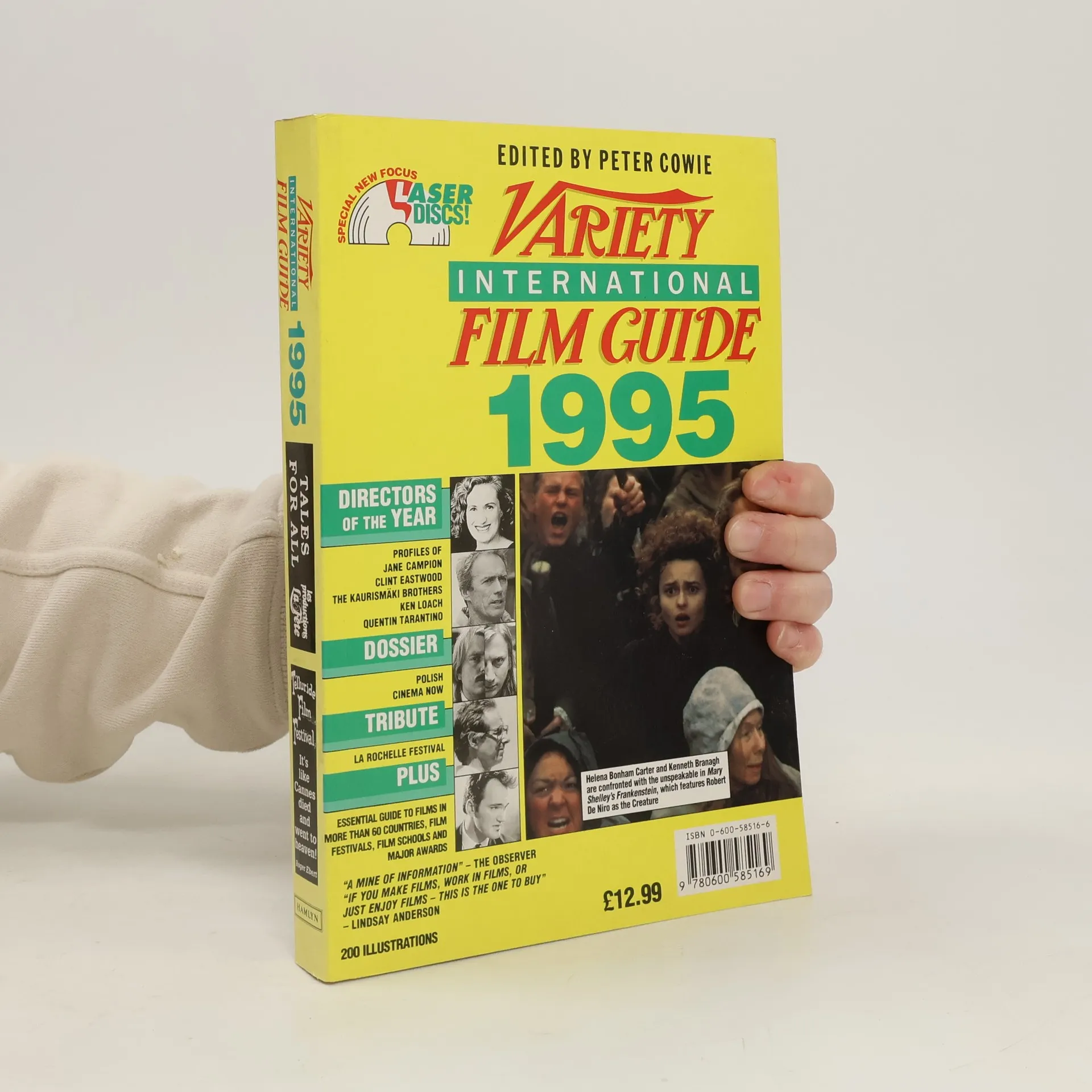
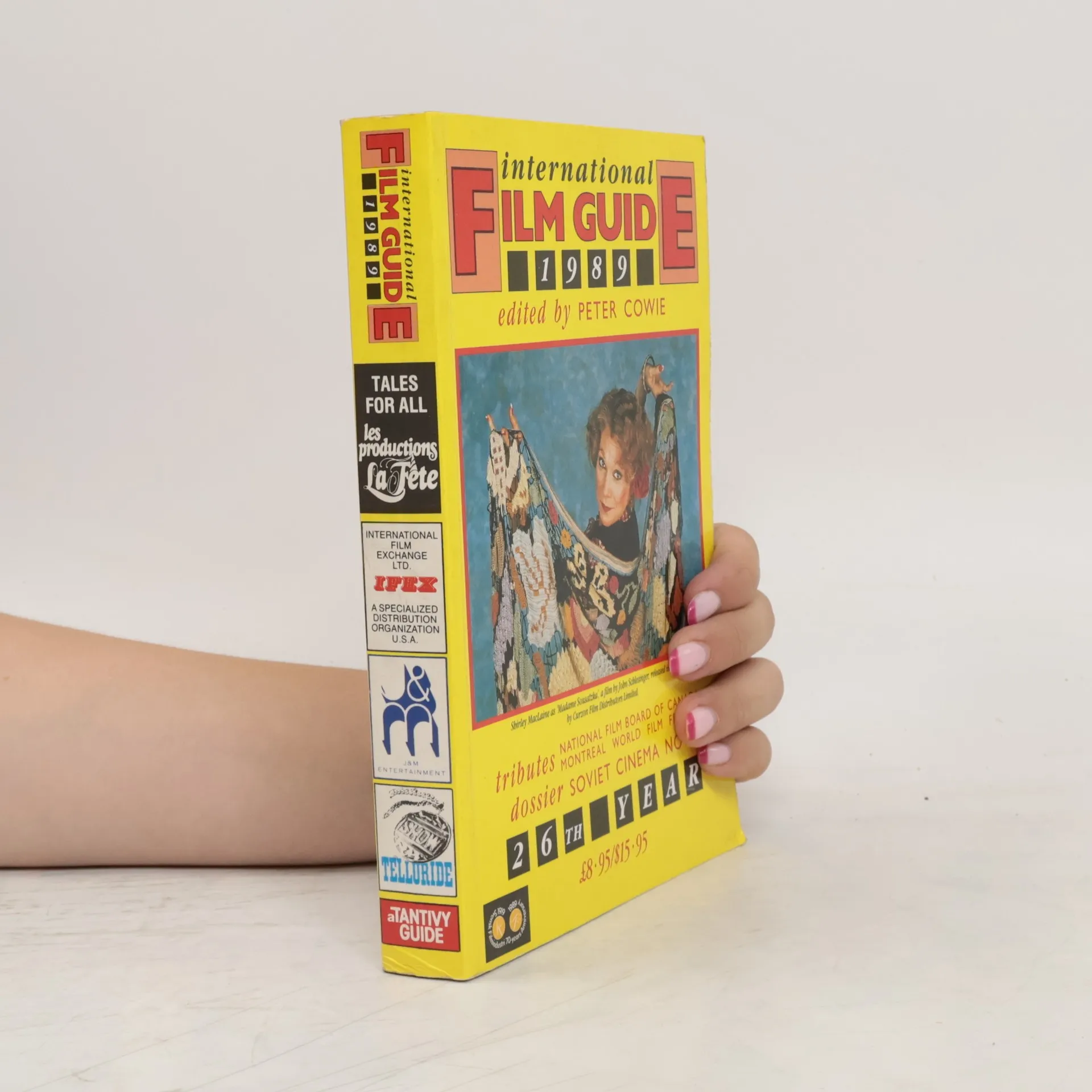
Peter Cowie es un distinguido historiador de cine con una extensa bibliografía de más de treinta libros dedicados al arte cinematográfico. Fundó y editó la influyente guía anual International Film Guide, un compendio exhaustivo de la producción cinematográfica mundial que se convirtió en un recurso importante para cinéfilos y académicos por igual.
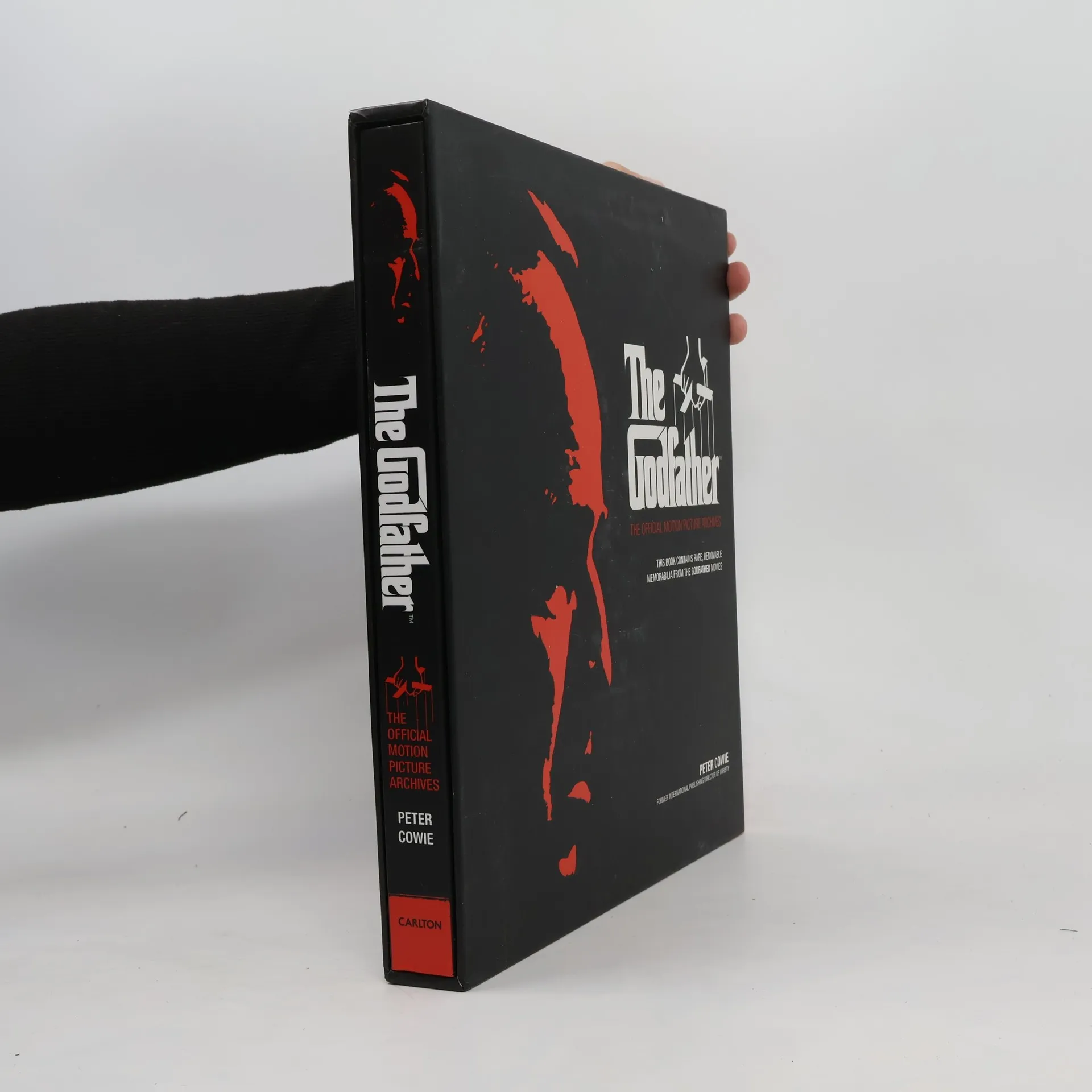
How to explain the enduring appeal of "The Godfather", and its two sequels? This book focuses on the elements that combined, against all odds, to make it successful when it appeared in 1972: the screenplay from Mario Puzo's novel; the vivid locations in New York and Sicily; and the inspired direction of Francis Ford Coppola.
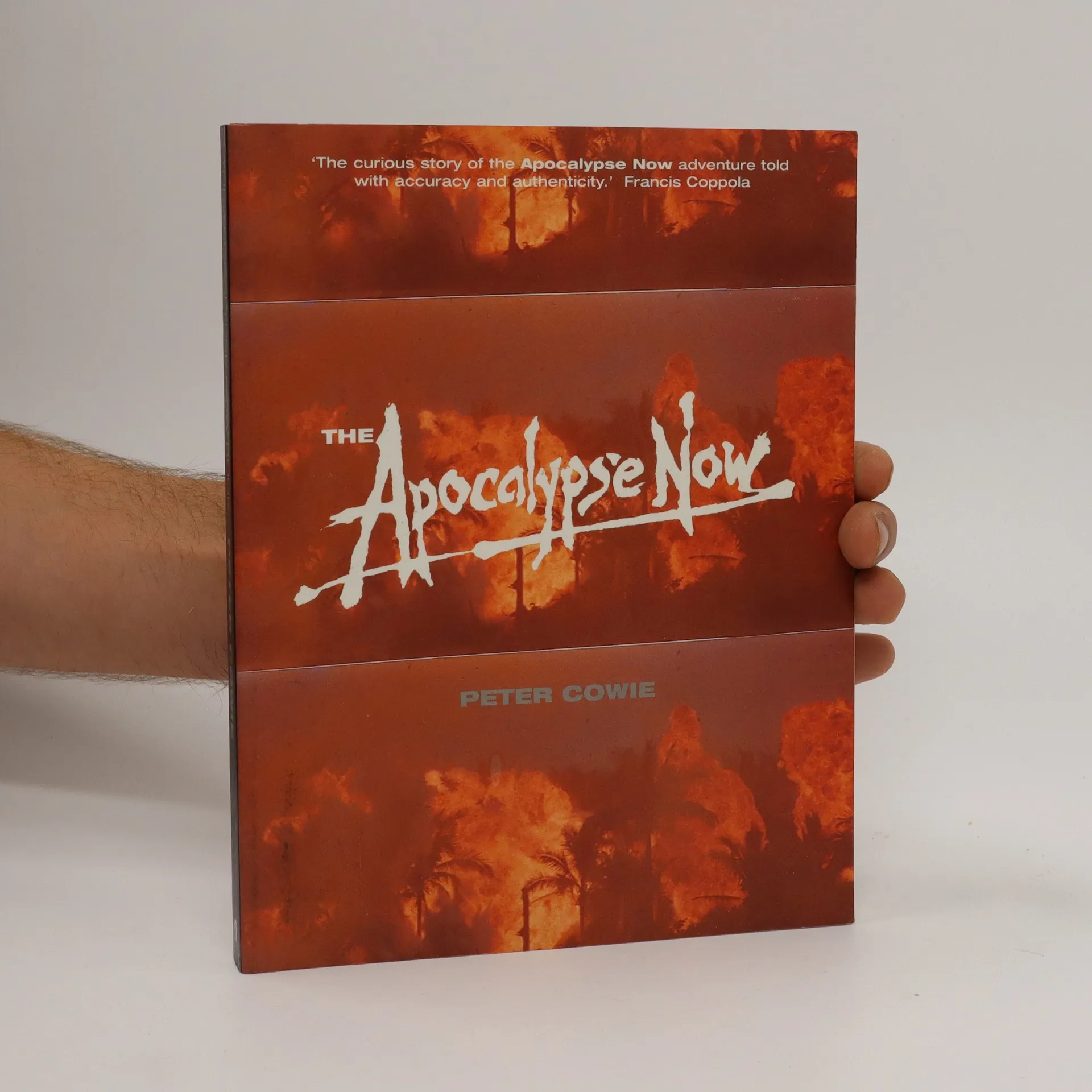
The production of Francis Coppola's Vietnam War epic Apocalypse Now was the stuff of legend. A multi-million dollar 'personal project' recasting America's heinous war in the mode of Conrad's Heart of Darkness, it was several years in the making, shot on location in the Philippines amid horrendous weather and with numerous changes of key personnel. Finally screened (as a 'work-in-progress') at Cannes in 1979, it won the Palme d'Or, giving Coppola the opportunity to rail against the world's press for their reportage of the film's stormy gestation. Peter Cowie was granted unprecedented access to Coppola's private archives of the film's production, and this book reconstructs the whole extraordinary story.
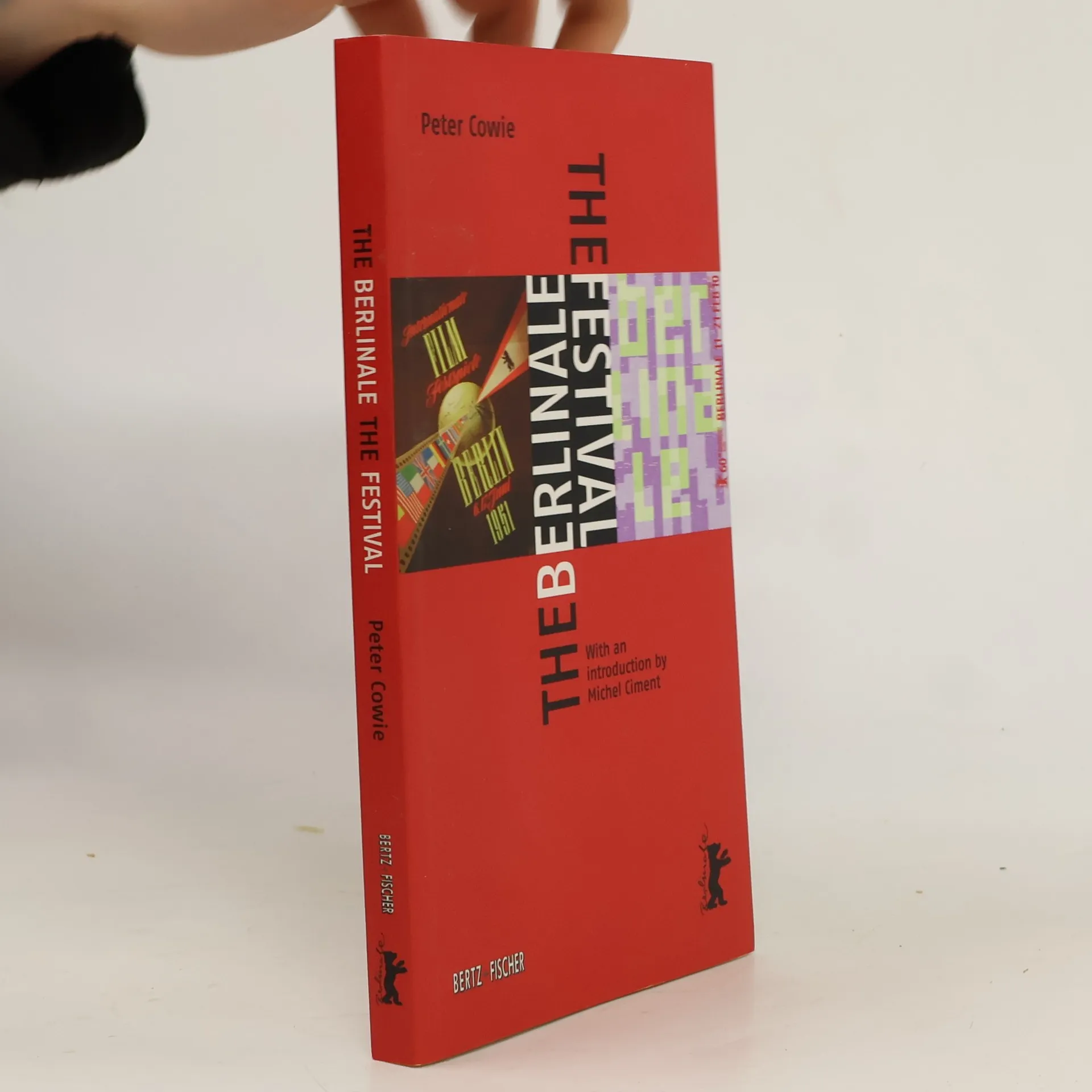
No international author knows the Berlinale quite like British journalist Peter Cowie. In this book, released on the occasion of the 60th Berlin International Film Festival in February 2010, he looks back to the past while shining a spotlight on the extraordinary present-day vitality of the festival. Starting with the first Berlinale in 1951 at the Titania Palast in Steglitz, which opened with Hitchcock’s REBECCA; through the first appointed international jury in 1956, the heated political discussions of the early 70s, the establishment of the International Forum of New Cinema and the Berlinale’s transfer from summer to February (1978); all the way to the festival’s relocation to Potsdamer Platz in 2000 and the innovations that came under the festival’s only four Directors. Peter Cowie also wonders what the film festival of the future will look like and he presents a thorough and entertaining look into the individual sections and initiatives of the Berlinale, a festival that is much more than just one of the world’s most important film competitions and the Red Carpet.
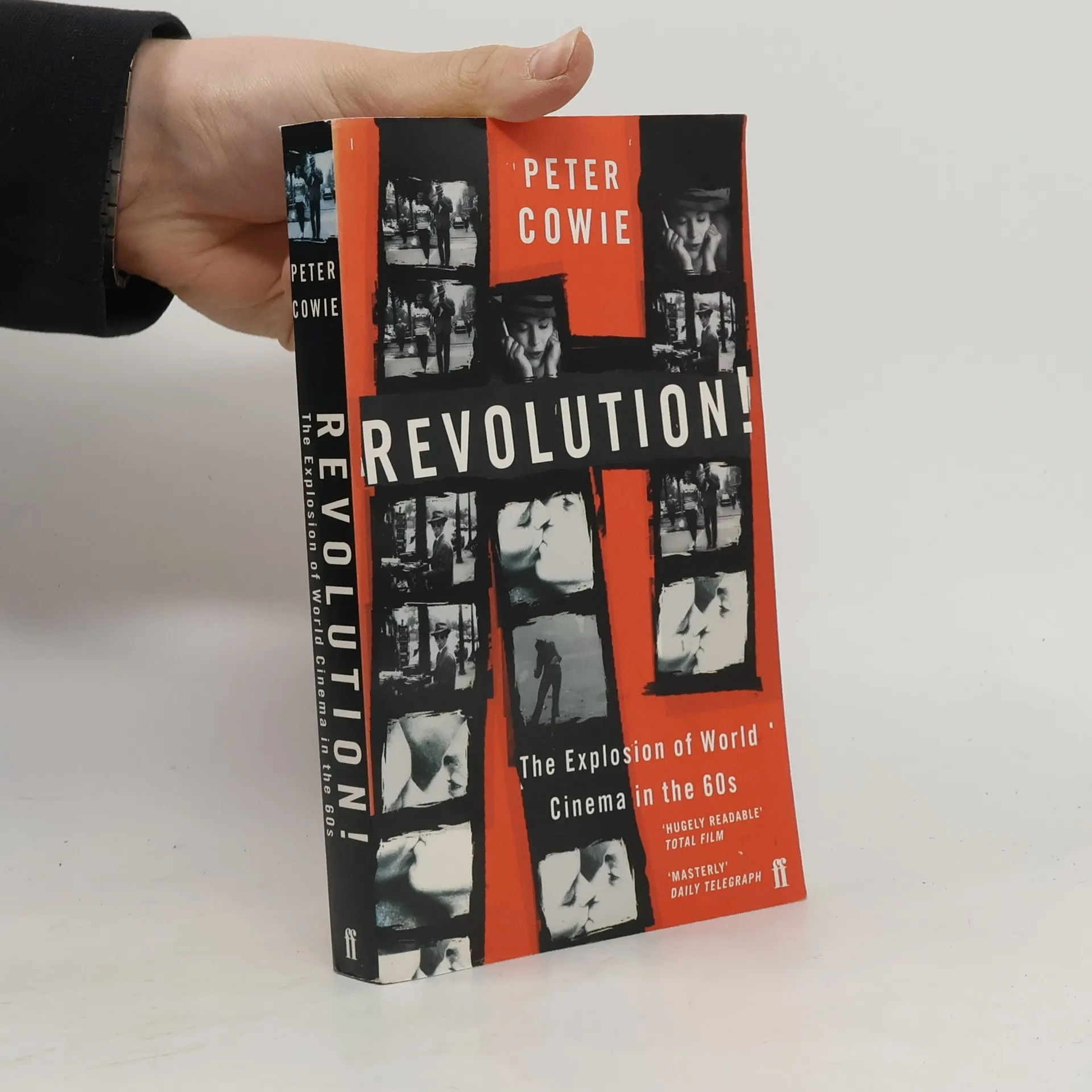
In the 1960s, film-makers including Godard, Truffaut, Pasolini and Bertolucci, Oshima and Forman, and Polanski and Cassavetes emerged to challenge the conformity and taboos of the 50s. This title recaptures the cultural mood of the period through interviews with key talents of the time.
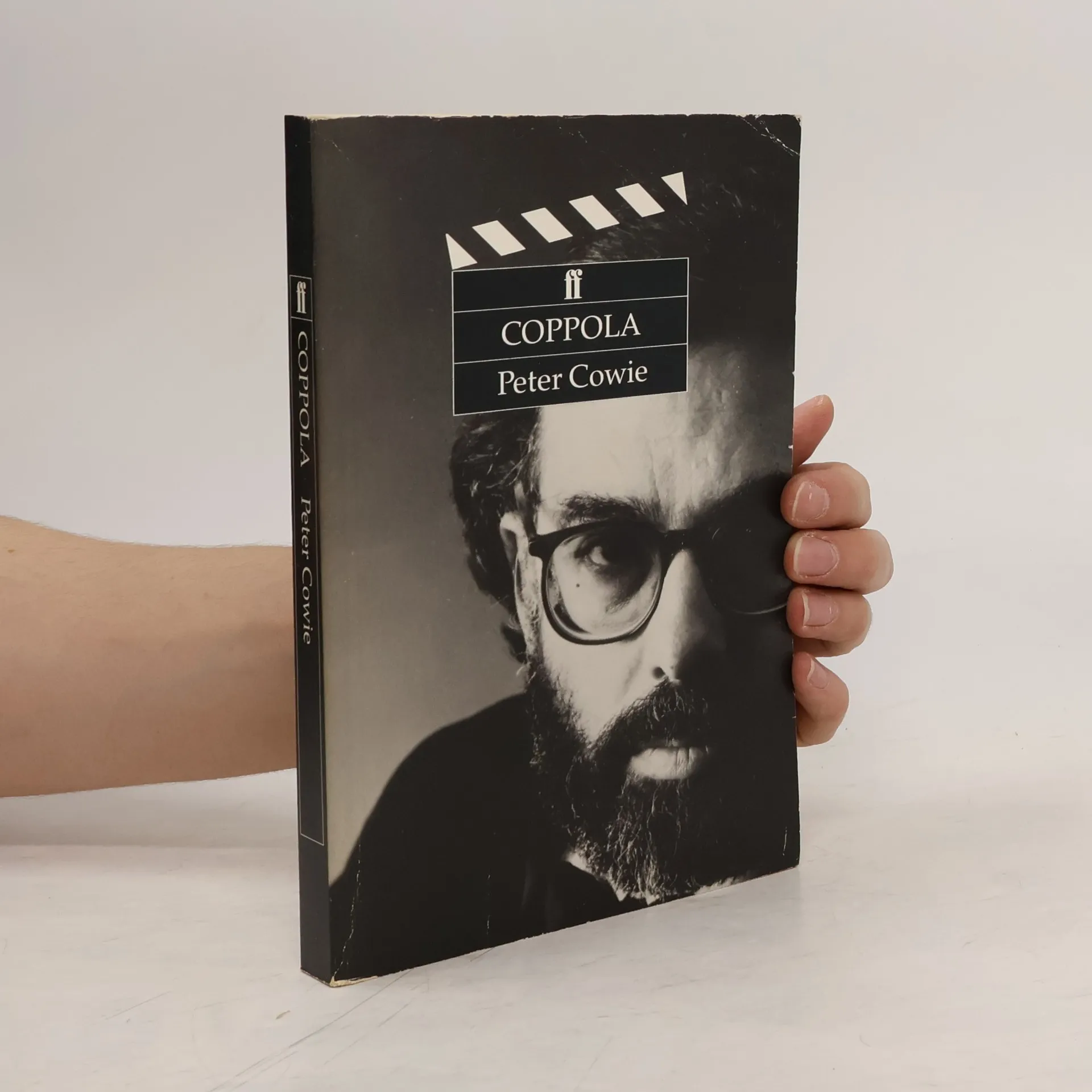
Fully revised and updated, this major portrait contains material from an exclusive interview with the most visionary and charismatic filmmaker of his generation who celebrates 50 years as a feature film director in 2013 Talking exclusively to Peter Cowie for this updated edition of the biography, Coppola looks back on the past 20 years, and reflects on his much-cherished independence, as well as on the state of modern cinema. More than any other director, Francis Coppola exemplifies the drive and invention of modern American cinema. Acclaimed since his first Godfather movie in 1972, he went on to win the Palme d'Or at Cannes for The Conversation and to make an unforgettable impact on audiences worldwide with the gripping Vietnam War epic Apocalypse Now . Along with major blockbusters, he has also launched such actors' careers as Nicolas Cage and Tom Cruise. Since the turn of the new millennium, Coppola has returned to his roots—to the low-budget, personal film, written and directed without the involvement of the major Hollywood studios. He has also encouraged the work of other talented filmmakers—from his daughter Sofia to the Brazilian director Walter Salles and Robert De Niro. In 2010 he was awarded his sixth Oscar. This is a vivid, penetrating portrait of the man whose films have a strange knack of mirroring his own dramatic life.
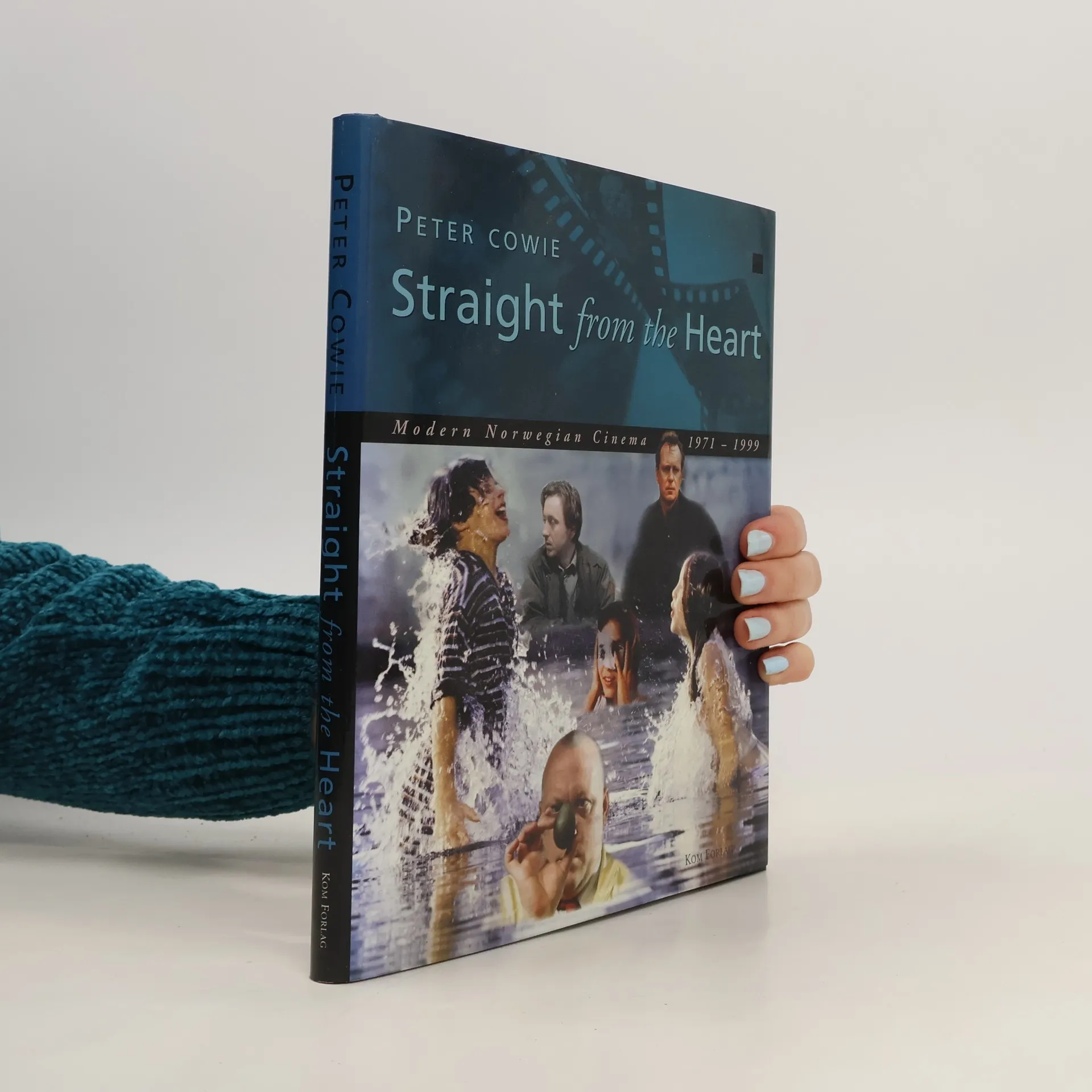
Long in the shadow of its Nordic neighbours where film is concerned, Norway has emerged into the bright sunlight of international acclaim for films like "Junk Mail", "Insomnia", "The Other Side of Sunday", "Eggs", and now "Only Clouds Move the Stars". Peter Cowie has followed the renaissance in Norwegian cinema since the early 1970s, and in this lavishly-illustrated volume he describes the themes and the personalities involved. From studies of youngsters to historical epics, from comedies to experimental works, the Norwegian feature film offers a rich palette of styles and subject-matter. For anyone interested in European cinema, this book will provide a fascinating companion to one of the continent's most adventurous and courageous film industries. Introduction; Blazing the Trail; Rites of Youthful Passage; Learning from History and Politics; The Lure of Literature; Dissecting Society - Often with a Smile; Held in Suspense; Pushing the Envelope; Norwegian Feature Films 1971-1999; Index to Films Cited in the Text; Directors Cited in the Text
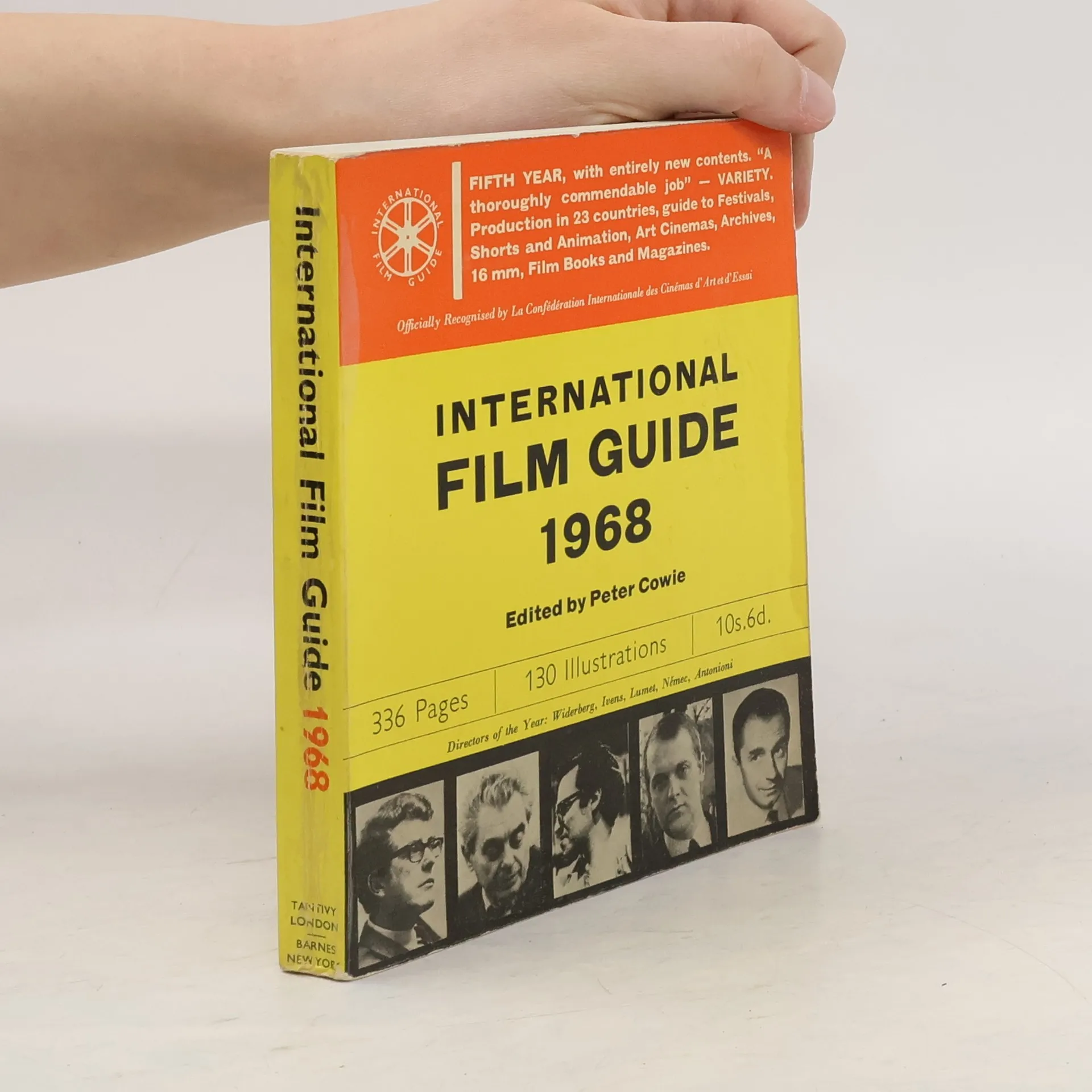
International FILM GUIDE 1964 The bi-lingual survey of serious films, & guide to specialist cinemas Filmographies, Animation, Index to film magazines, Boik Reviews, Many articles and illustrations Binding is a bit dirty with some rubbed edges, otherwise inside pages are in lovely condition with beautiful illustrations and fantastic full page adverts,
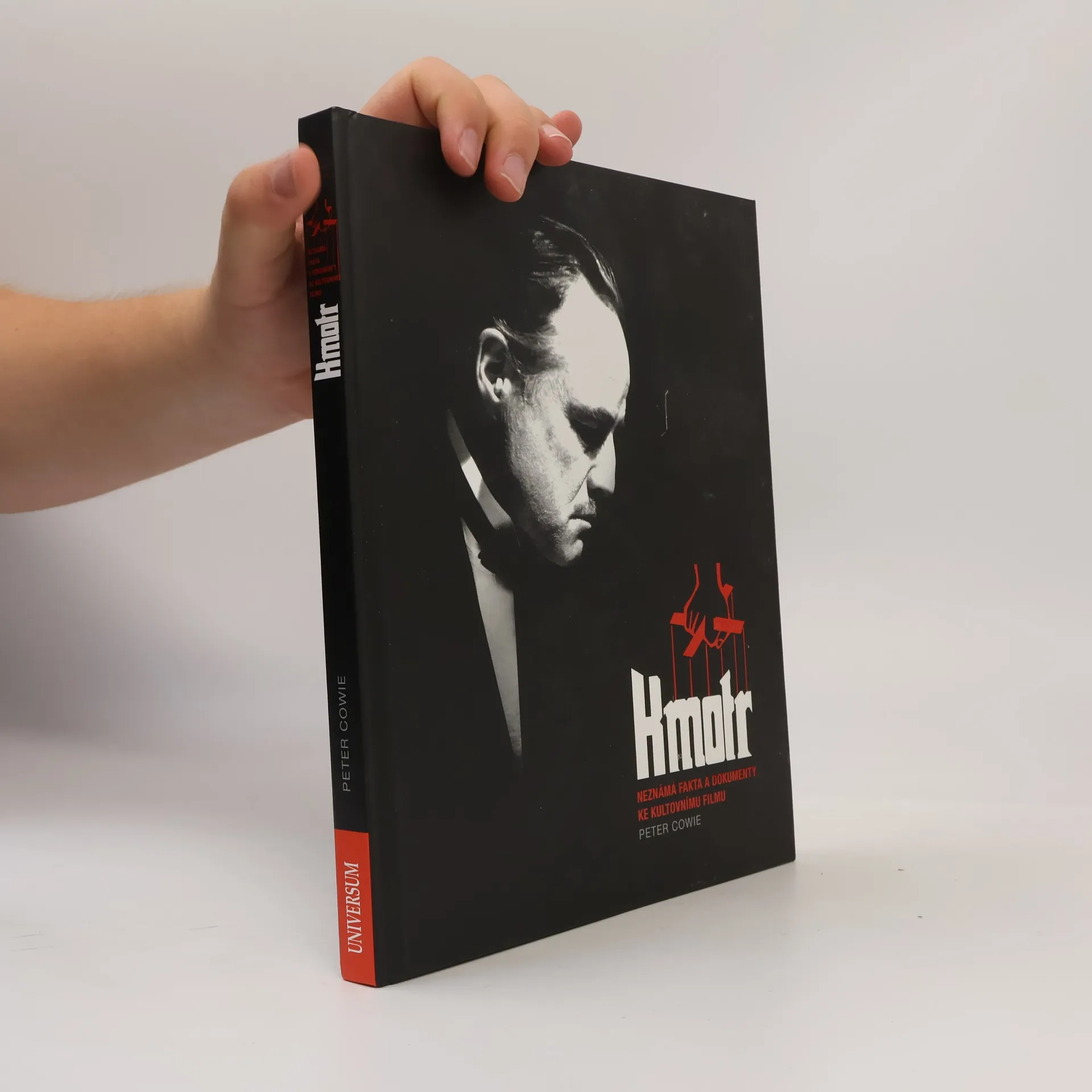
NEZNÁMÁ FAKTA A DOKUMENTY KE KULTOVNÍMU FILMU. Film Kmotr se řadí mezi ty absolutně nejúspěšnější. Jak si vysvětlit popularitu, která trvá již celá desetiletí? Renomovaný filmový historik Peter Cowie se věnuje všem možným aspektům, které se musely sladit, aby byl se Coppolův snímek prosadil do takové míry. V knize najdete mnoho fotografií z archivu Paramountu, které nebyly nikdy předtím publikovány. Dále také stránky originálního scénáře s poznámkami tvůrců, informace ze zákulisí či další osudy herců. Cowie zkoumá proces natáčení, stejně jako kritické přijetí filmu po vydání.
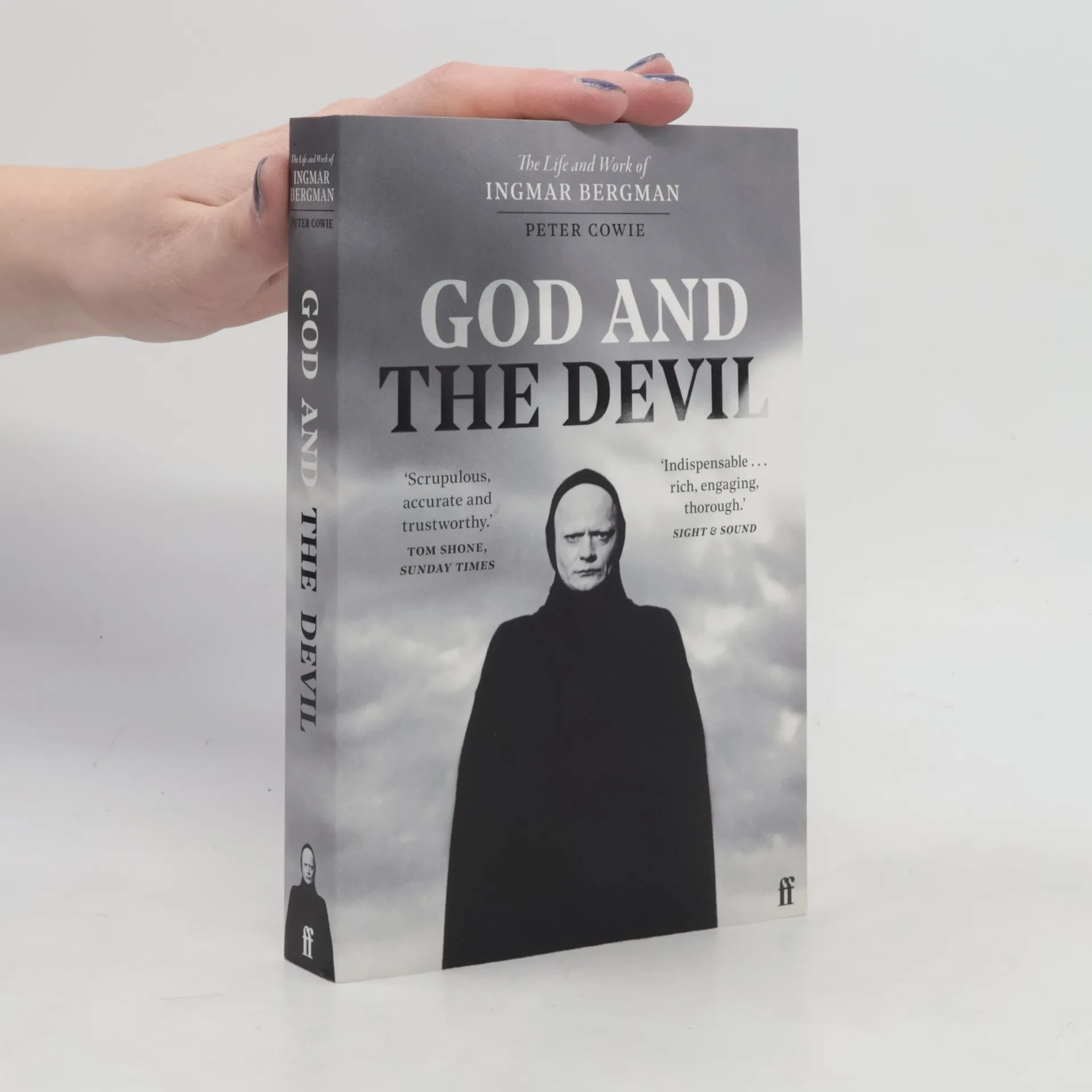
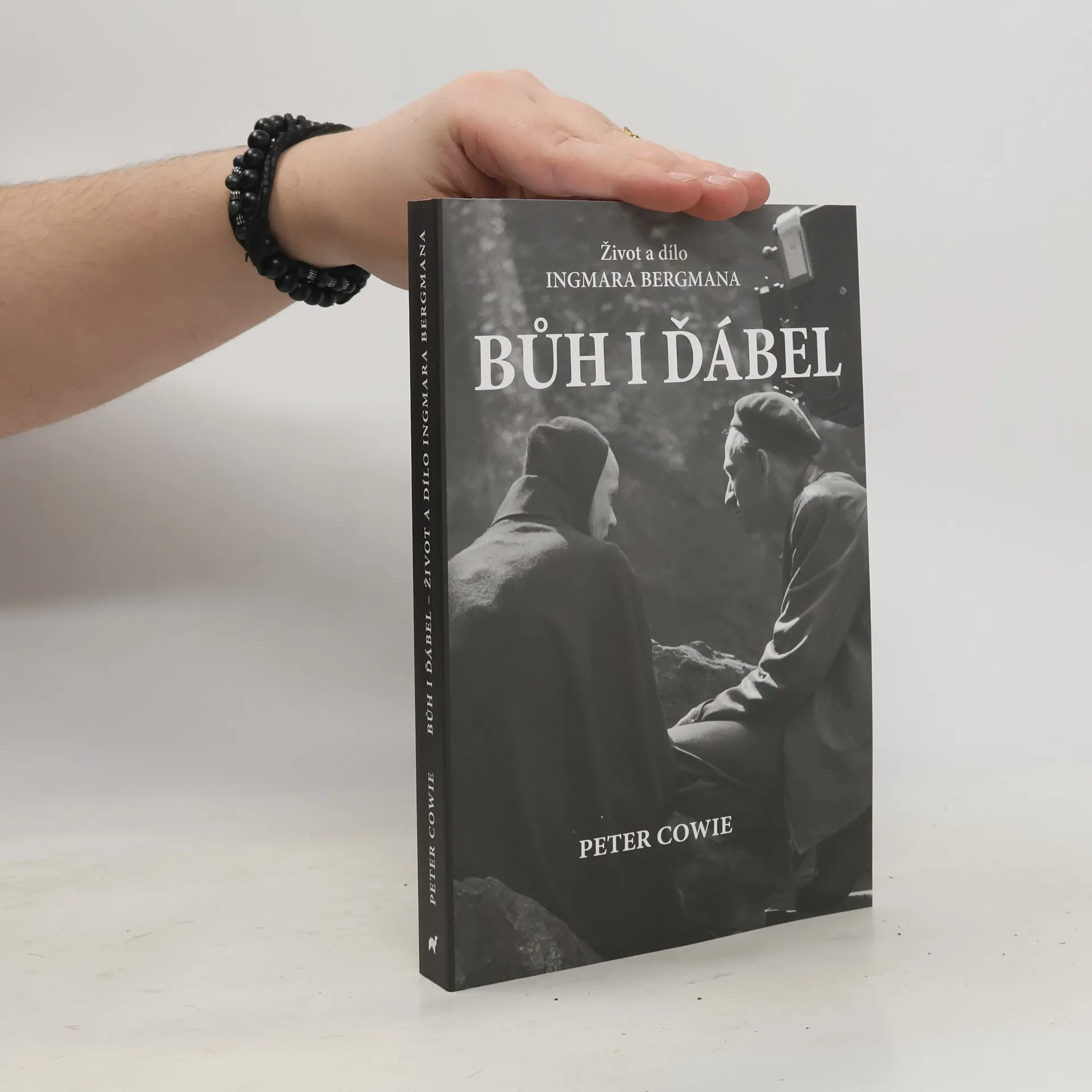
Kniha Bůh i ďábel. Život a dílo Ingmara Bergmana, jejímž autorem je britský filmový historik Peter Cowie, je po čtyřiceti letech prvním rozsáhlým životopisem švédského režiséra a spisovatele. Cowie čerpá pro svůj obraz nejen z Bergmanovy rozsáhlé filmografie, ale i z exkluzivních, dříve nedostupných materiálů. Bergmanovo dílo se čtenářům otevírá z perspektivy osobních motivací, konfrontujících témata lásky, sexu, zrady či smrti nebo i obecnější kategorie dobra a zla. Kniha spojuje události z režisérova života s analytickými výklady jednotlivých filmů a vypráví příběh umělce, jehož život byl neustálým zdrojem bouřlivých událostí a pokusů přetvořit osobní zkušenost do obrazů dramatu lidského života.