Extracto: ... cabrilleos, con la blancura de copos caídos. Una noche, tras un fenómeno desconocido, aquella zona de escarchas invernales se agitó sobre la ciudad dormida, y Blidah despertó transformada, empolvada de blanco. En el aire argelino, la nieve parecía polvo de nácar, con reflejos de plumas de pavo real. El bosque de naranjos era lo más hermoso; las hojas verdes conservaban la nieve intacta, y los frutos espolvoreados de escarcha ofrecían una irradiación discreta, como oro velado por telas blancas. Esto producía la impresión de una fiesta de iglesia, con sotanas rojas y dorados de altares rodeados de randas de hilo. Mis recuerdos más gratos de naranjas provienen de Barbicaglia, un gran jardín junto a Ajaccio, donde pasaba la siesta durante las horas de calor. Los naranjos, más altos y espaciados que en Blidah, llegaban hasta el camino, separado del huerto por un seto vivo y una zanja. El inmenso mar azul se extendía tras el huerto. ¡Qué buenas horas pasé allí! Los naranjos florecidos y frutales desprendían aromas intensos. De vez en cuando, una naranja madura caía junto a mí, como aletargada por el calor, con un ruido sordo en la tierra apelmazada. Para recogerla, solo necesitaba extender la mano. Eran frutas soberbias, de un rojo purpúreo, y el horizonte era igualmente hermoso, con el mar visible entre las hojas, en espacios azules deslumbrantes como trozos de vidrio roto.
Alphonse Daudet Libros
Alphonse Daudet fue un novelista francés cuyas obras a menudo profundizan en las complejidades de la naturaleza humana y las ilusiones sociales. Con un ojo magistral para el detalle y una distancia irónica, crea personajes que luchan con la ambición, el deseo y las dificultades cotidianas de la vida. Su estilo se caracteriza por su vitalidad, musicalidad y su habilidad para capturar la cadencia del idioma francés. La escritura de Daudet explora temas como la soledad, el ascenso y la caída social, y los sueños inalcanzables, revelando a menudo las verdades agridulces de la existencia.


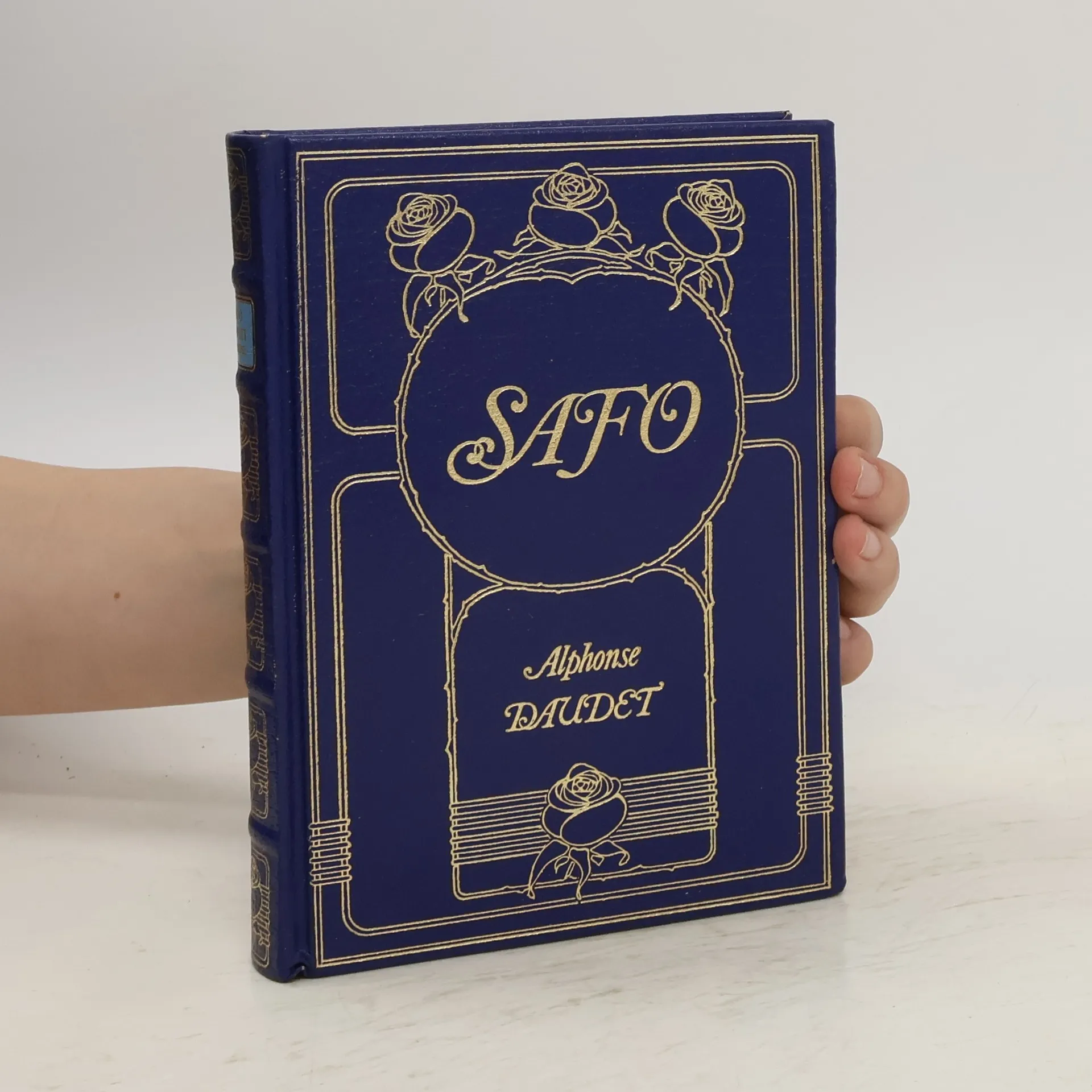
Safo es la historia de unos amores crueles. La vida de un joven diplomático deshecha por la maldad de un criatura de los bajos fondos parisienses. Historia eterna de aquel que ama y no es amado.
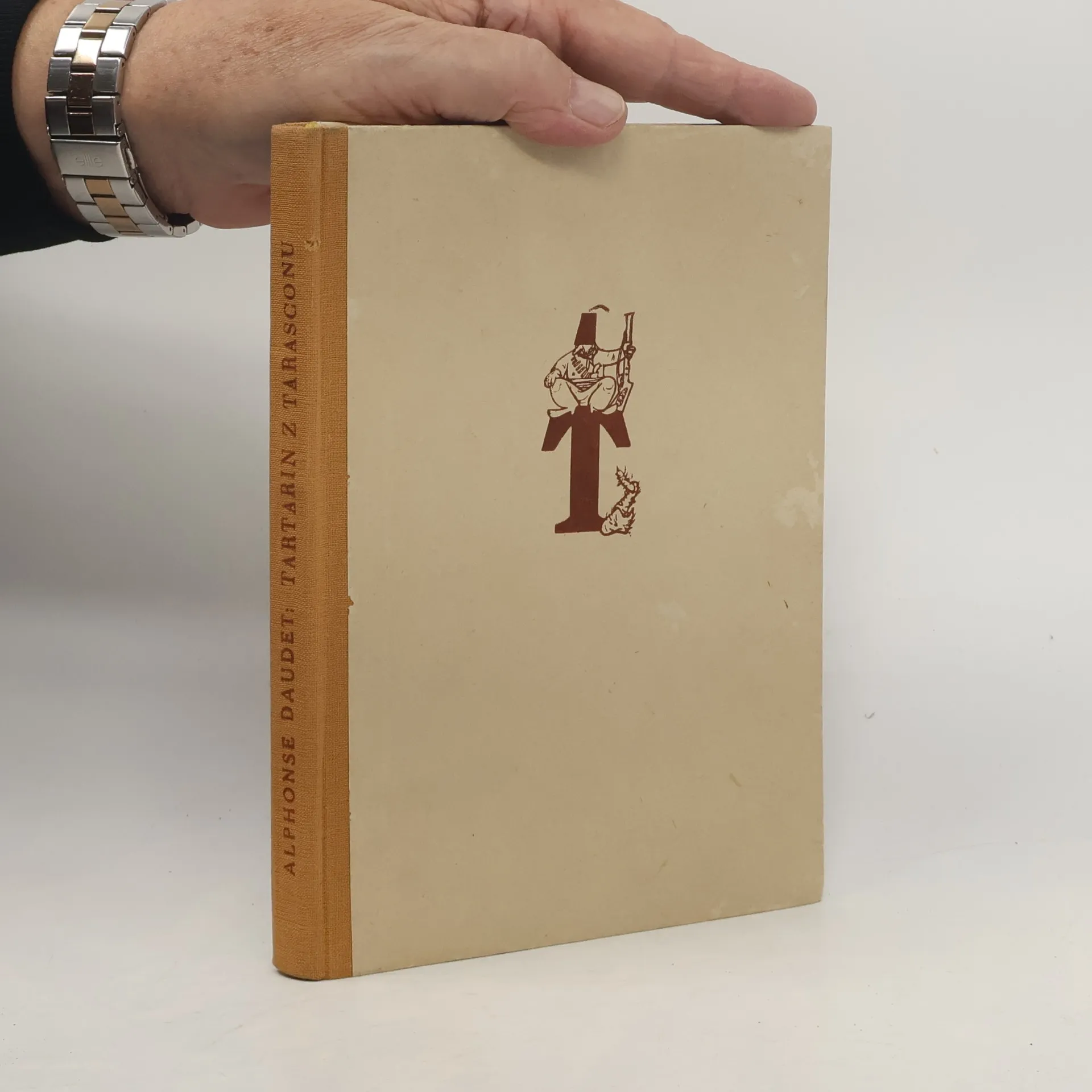
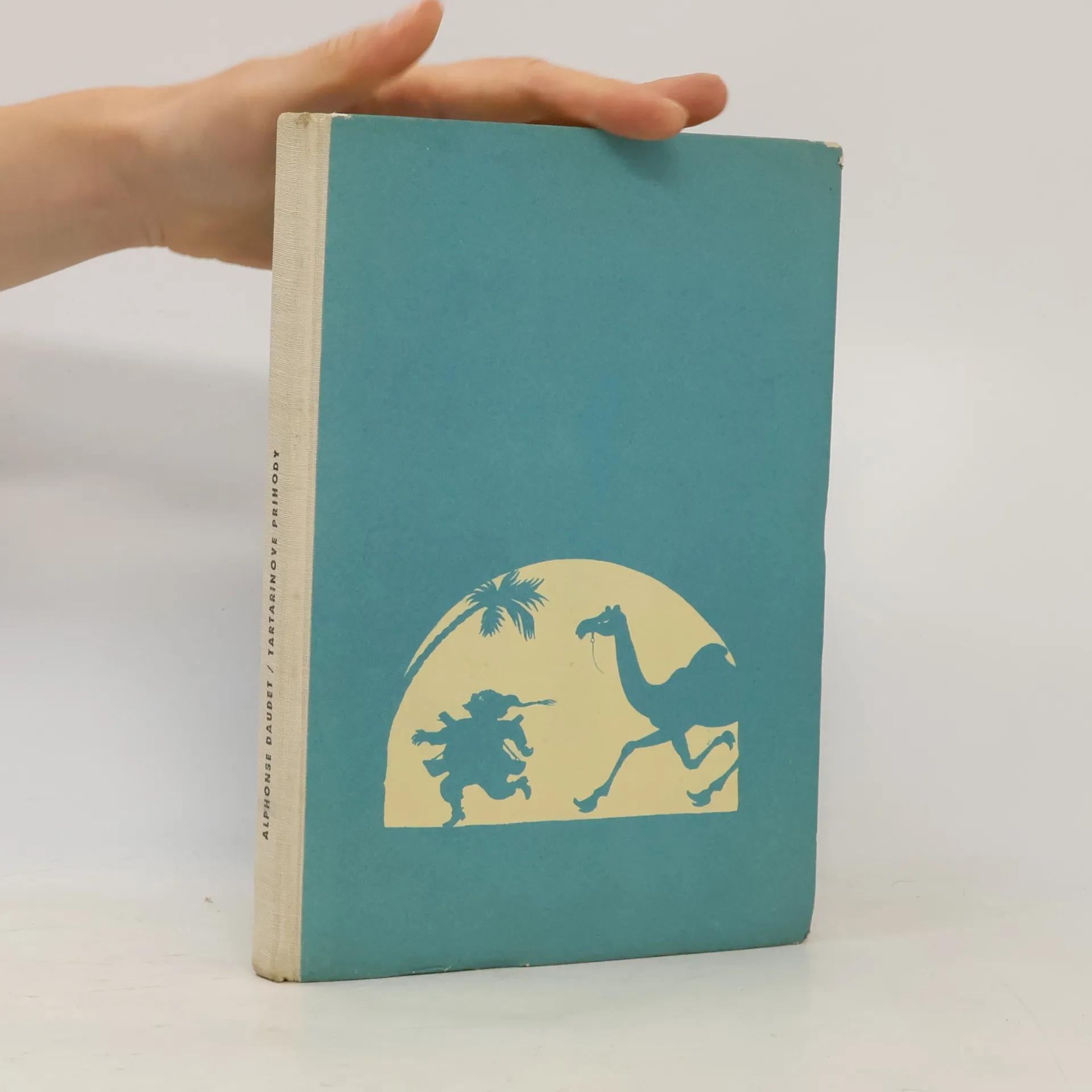
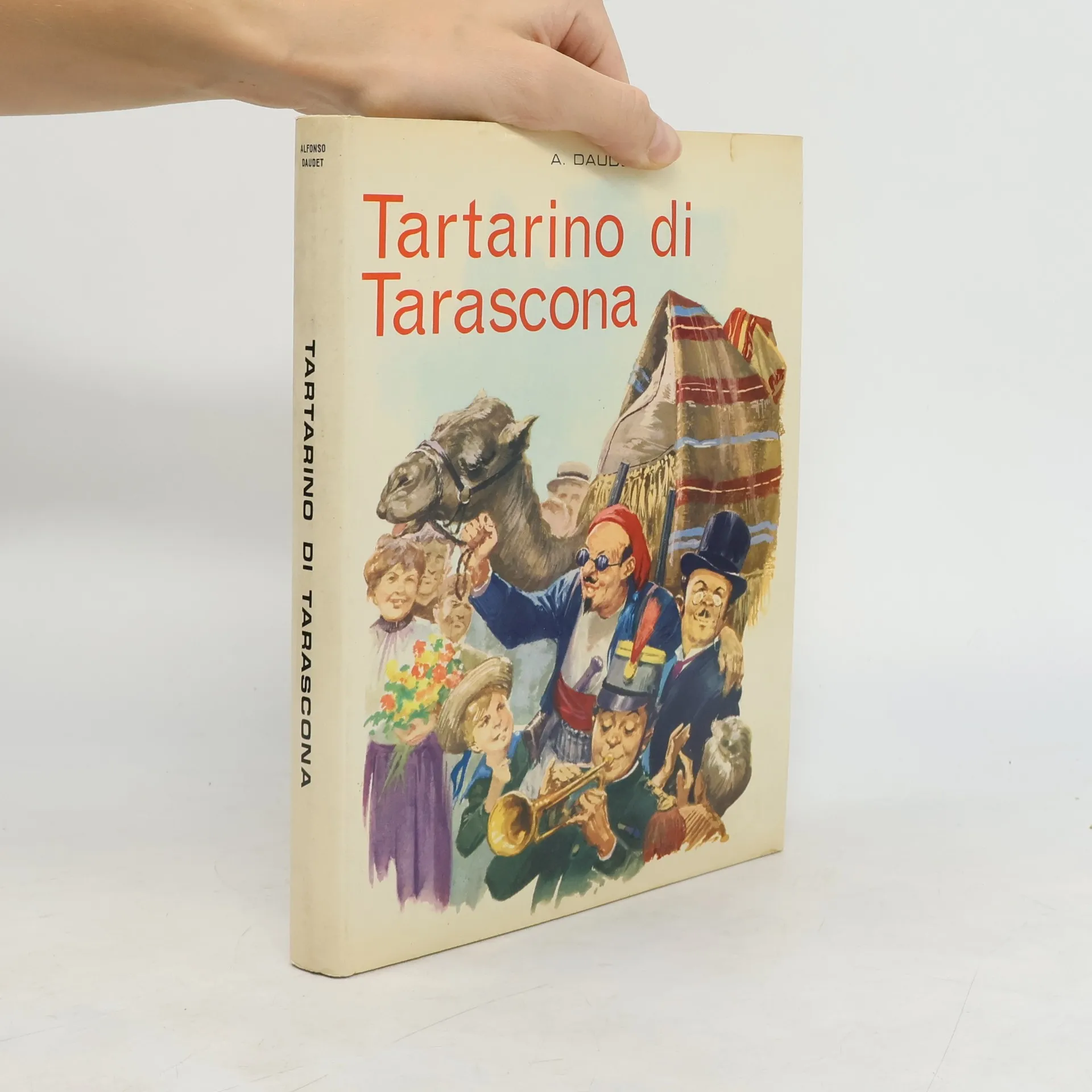
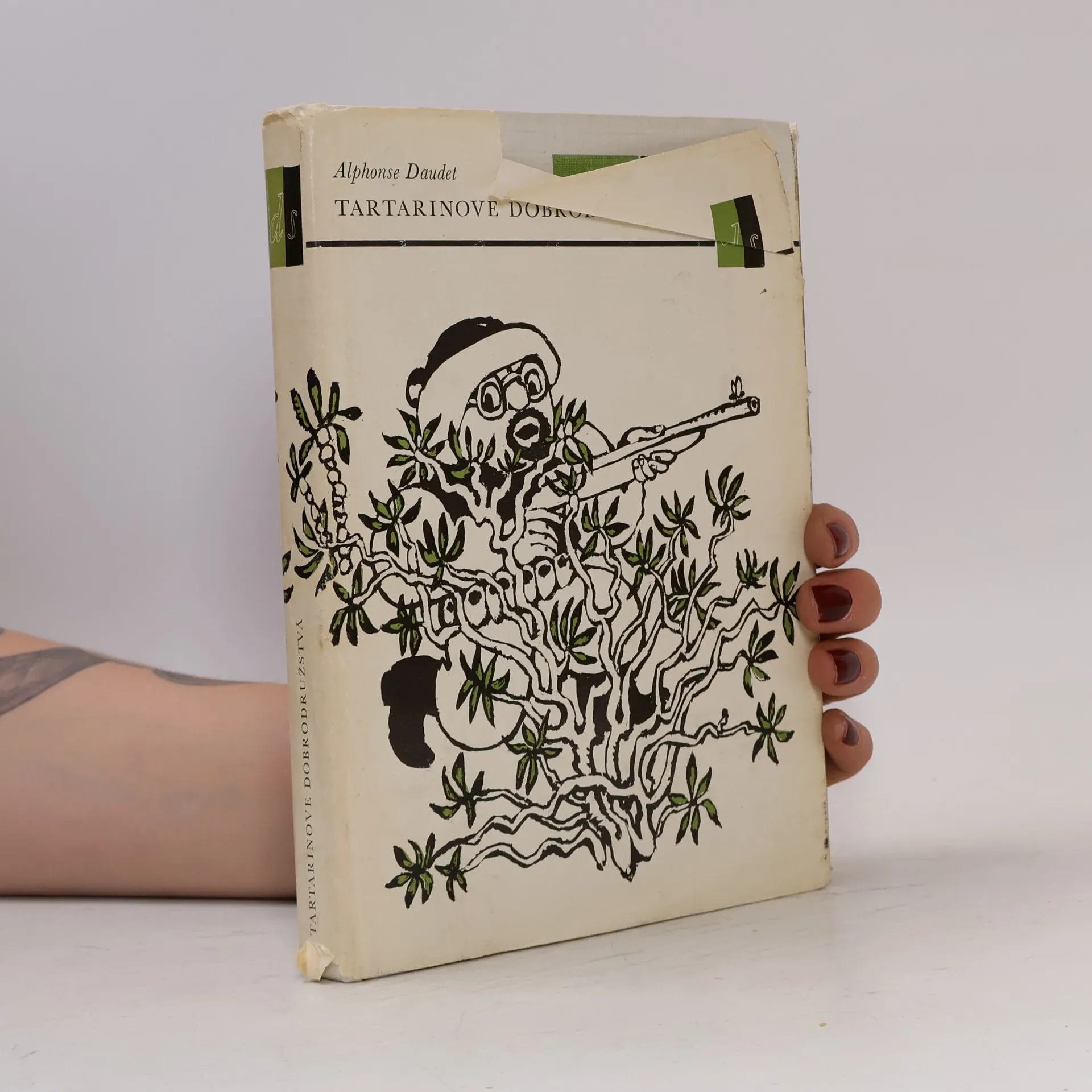
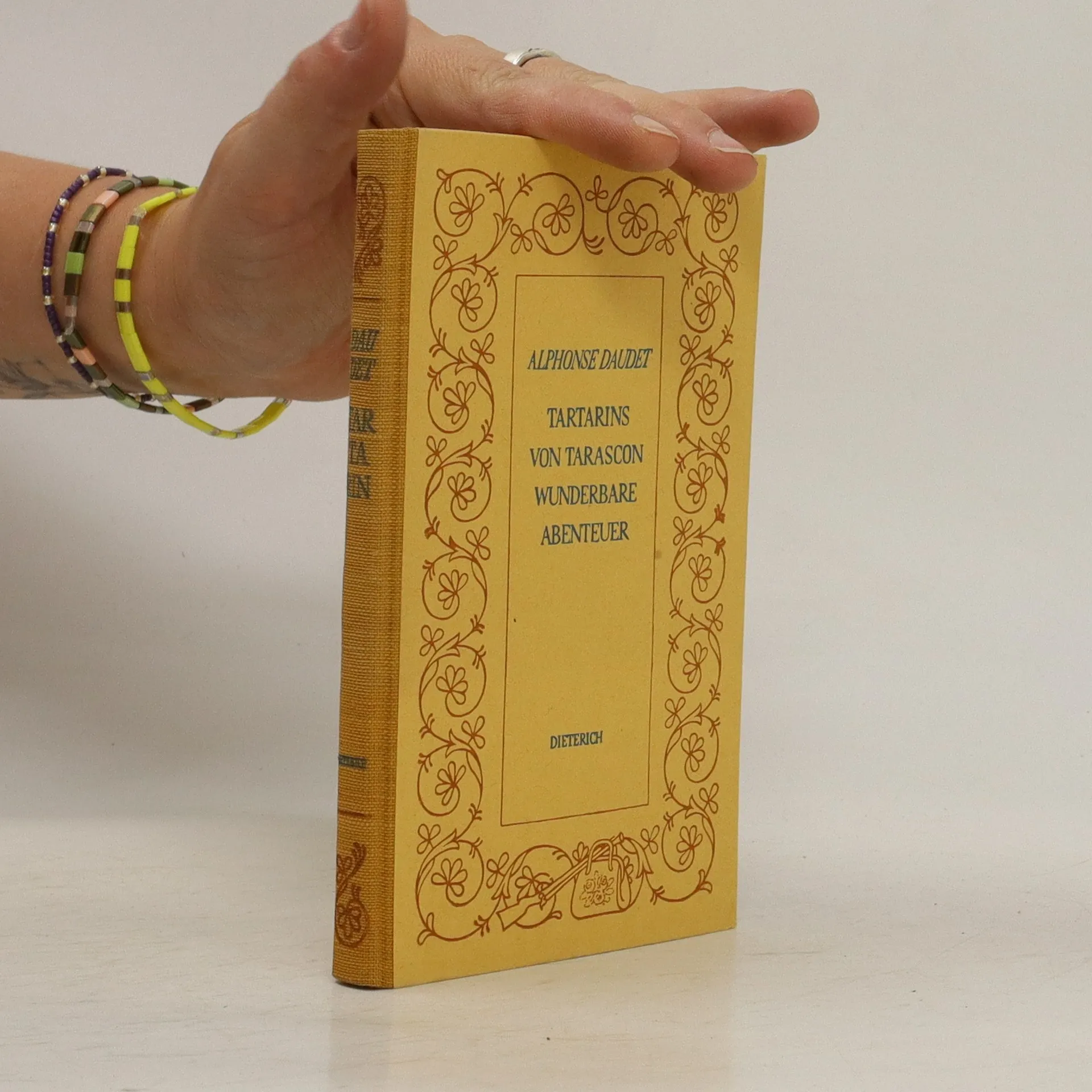
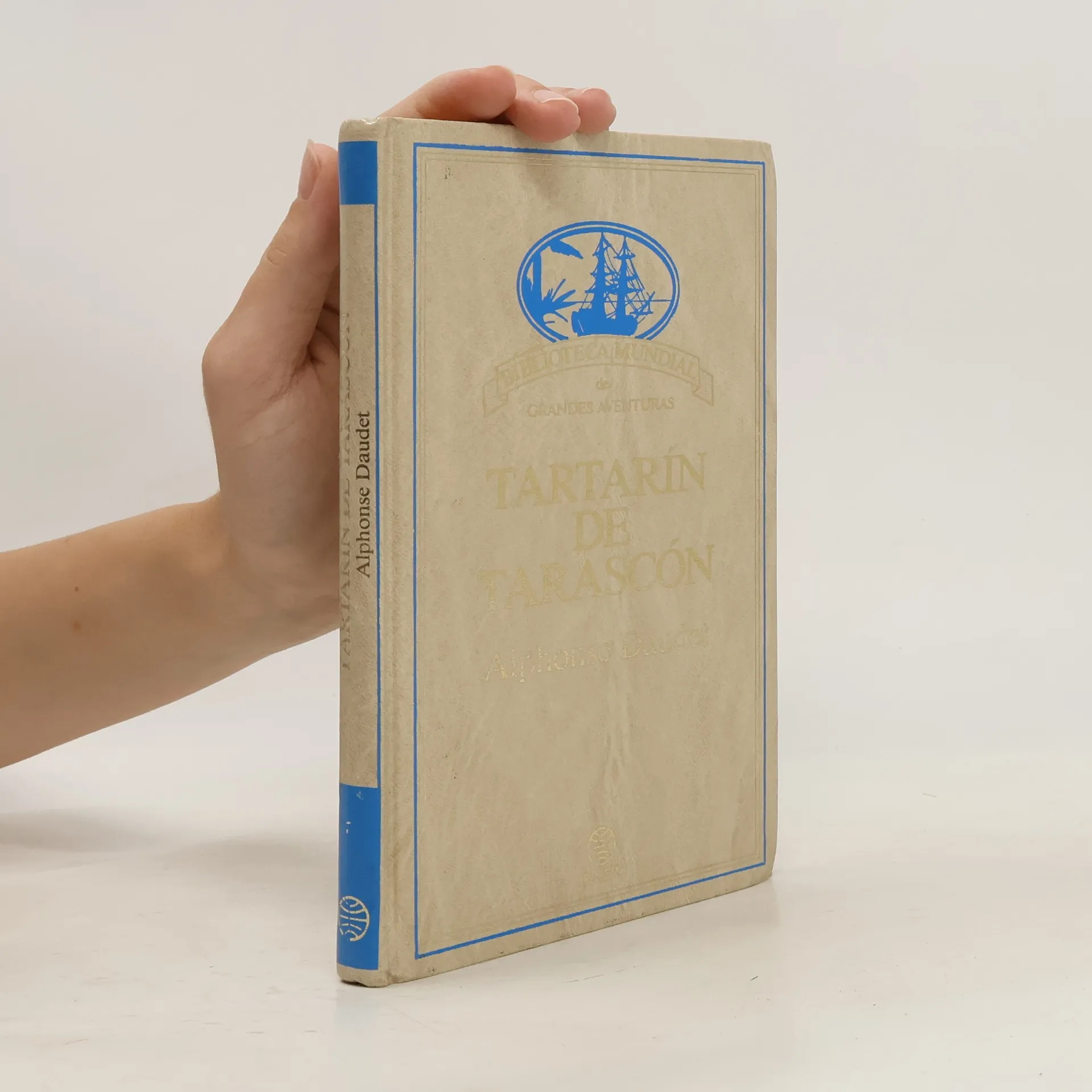
Tartarín de Tarascón
- 155 páginas
- 6 horas de lectura
Tartarín de Tarascón, el mitómano y fantasioso Tartarín, usando y aun abusando de los efectos que el espejismo produce en los calenturientos cerebros de los tarasconeses, se ha ganado fama de intrépido aventurero y hasta de audaz vapuleador de bandoleros chinos en Shangai. Pero un día el espejismo deja de funcionar y Tartarín se ve obligado a marchar a tierras argelinas a la caza de leones inexistentes. Las aventuras africanas de Tartarín, con su dosis de humor, ironía e incluso sátira del régimen colonial, mantienen el interés del lector en todo momento, que se encariña con este héroe en zapatillas, una estupenda aleación provenzal de don Quijote y Sancho.
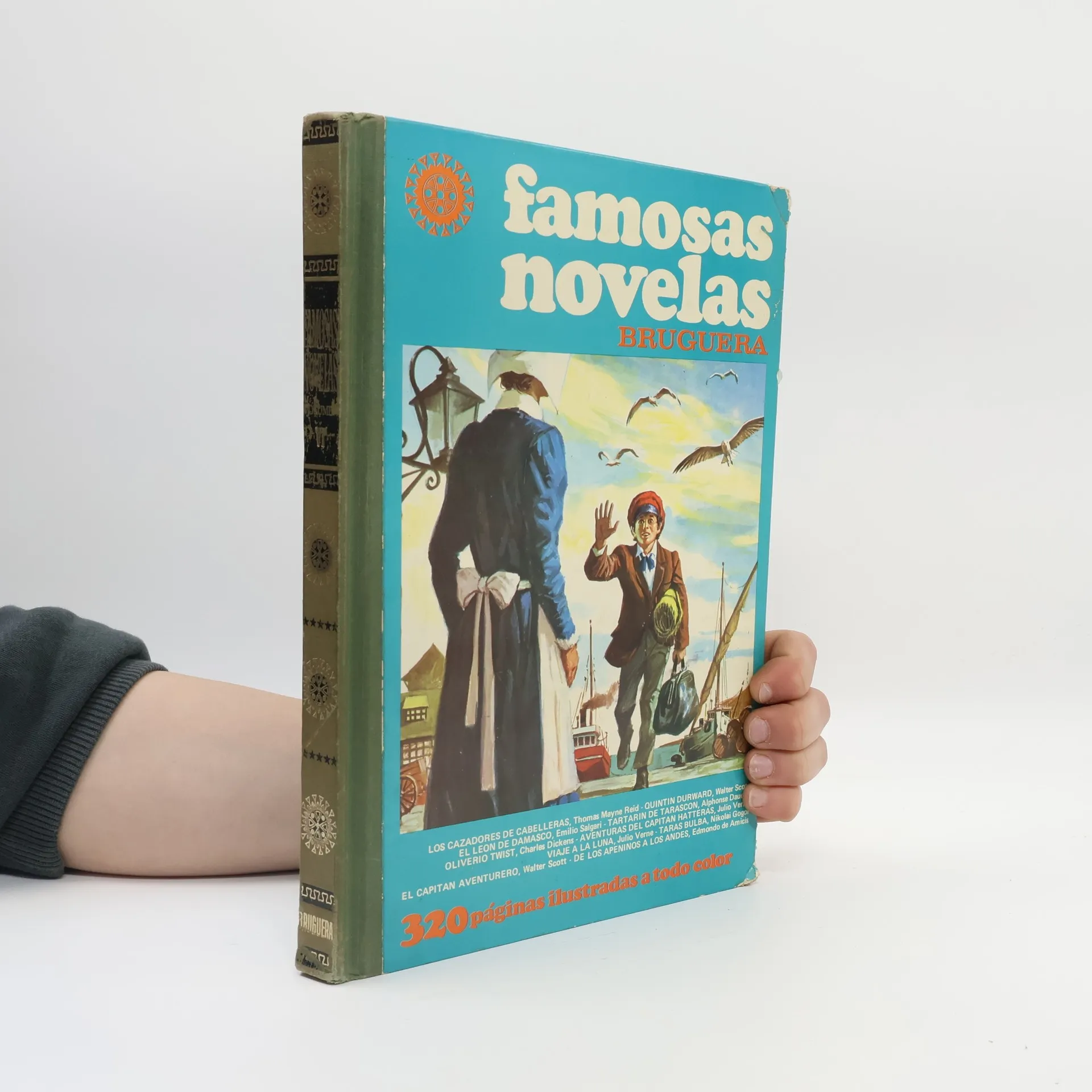
Famosas novelas
- 120 páginas
- 5 horas de lectura
Jack
- 236 páginas
- 9 horas de lectura
The novel follows Jack, a young orphan navigating the challenges of poverty and societal prejudice in 19th-century Paris. Through his coming-of-age journey, Jack encounters diverse characters, learning lessons about resilience, compassion, and friendship. Daudet vividly portrays the social injustices faced by the marginalized, exploring themes of class disparity and the human capacity for kindness. This poignant tale offers a gripping narrative that highlights the enduring strength of the human spirit in overcoming adversity, making it a timeless story for all readers.
In the Land of Pain
- 112 páginas
- 4 horas de lectura
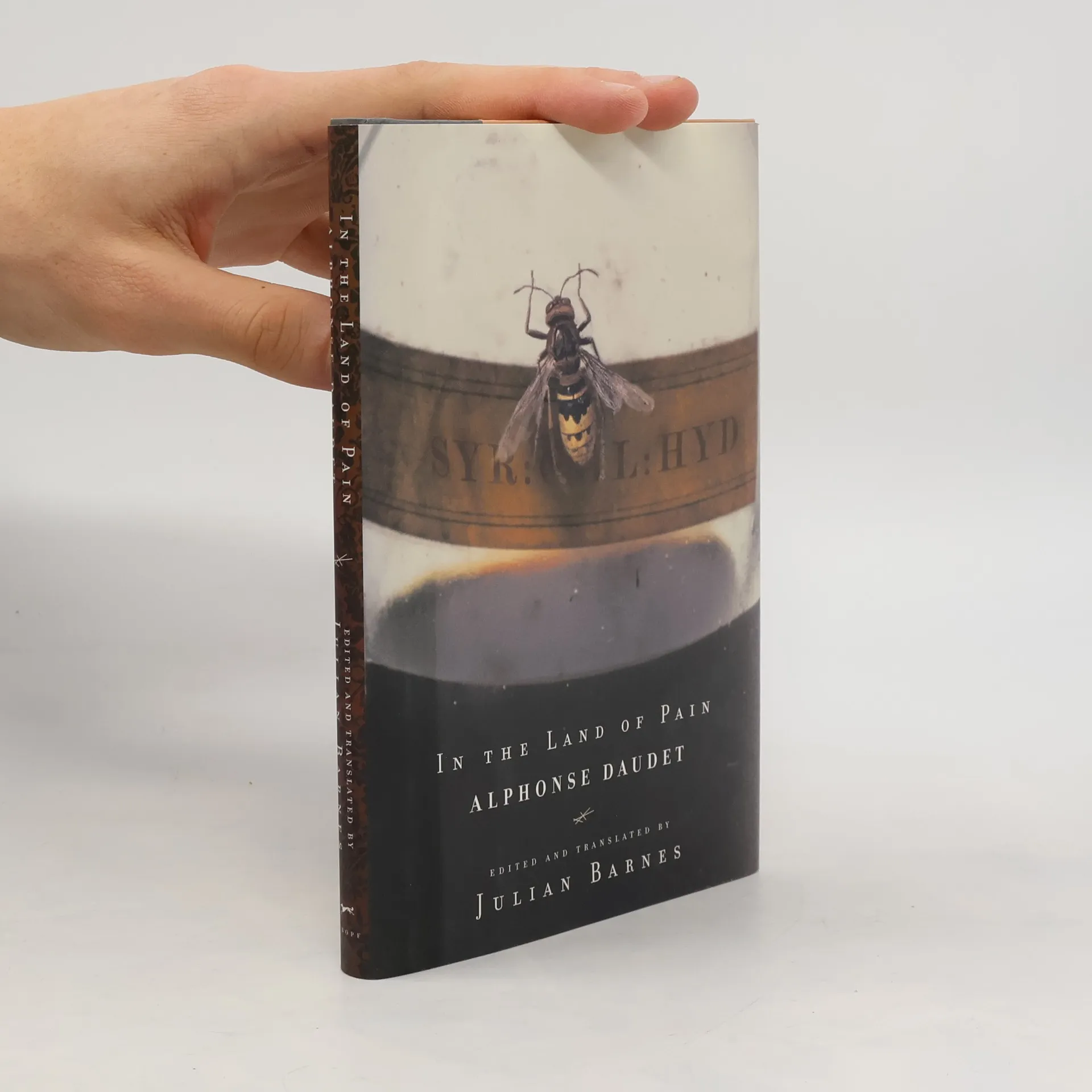
As Julian Barnes notes in his introduction to Alphonse Daudet’s La Doulou, the writer, who lived from 1840 to 1897, was once celebrated as a leading literary figure. Henry James referred to him as “the happiest novelist” and “the most charming story-teller” of his time. However, Daudet was also part of a tragic group of nineteenth-century French writers afflicted by syphilis. In the Land of Pain—notes toward an unwritten book—Daudet offers a poignant response to his illness. With quick, incisive strokes, he details his symptoms, describing pain as a “one-man-band” and his treatments as “morphine nights” filled with sleeplessness and existential void. He reflects on his fears, seeking meaning in pain and urging it to be his philosophy and science. Daudet shares observations of fellow patients at spas, noting the cultural contrasts in their experiences, and he contemplates the deceptive nature of death, which seems to merely thin out life. Barnes’s translation captures the essence of these notes, creating a record that is both shattering and lighthearted, haunting yet beguiling. This work reveals the dual nature of physical suffering—its banality and transformative power—while celebrating the complex resilience of the human spirit.
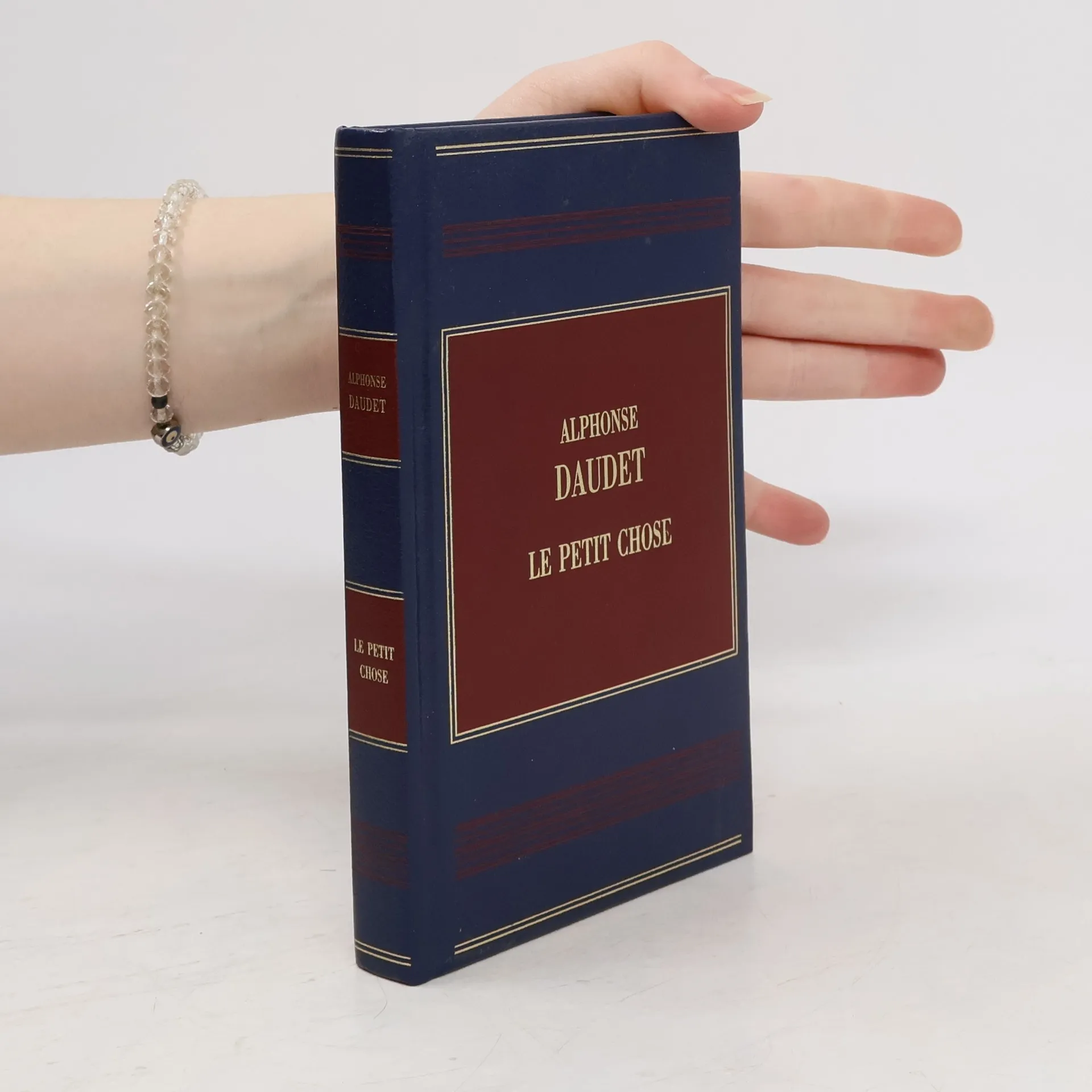
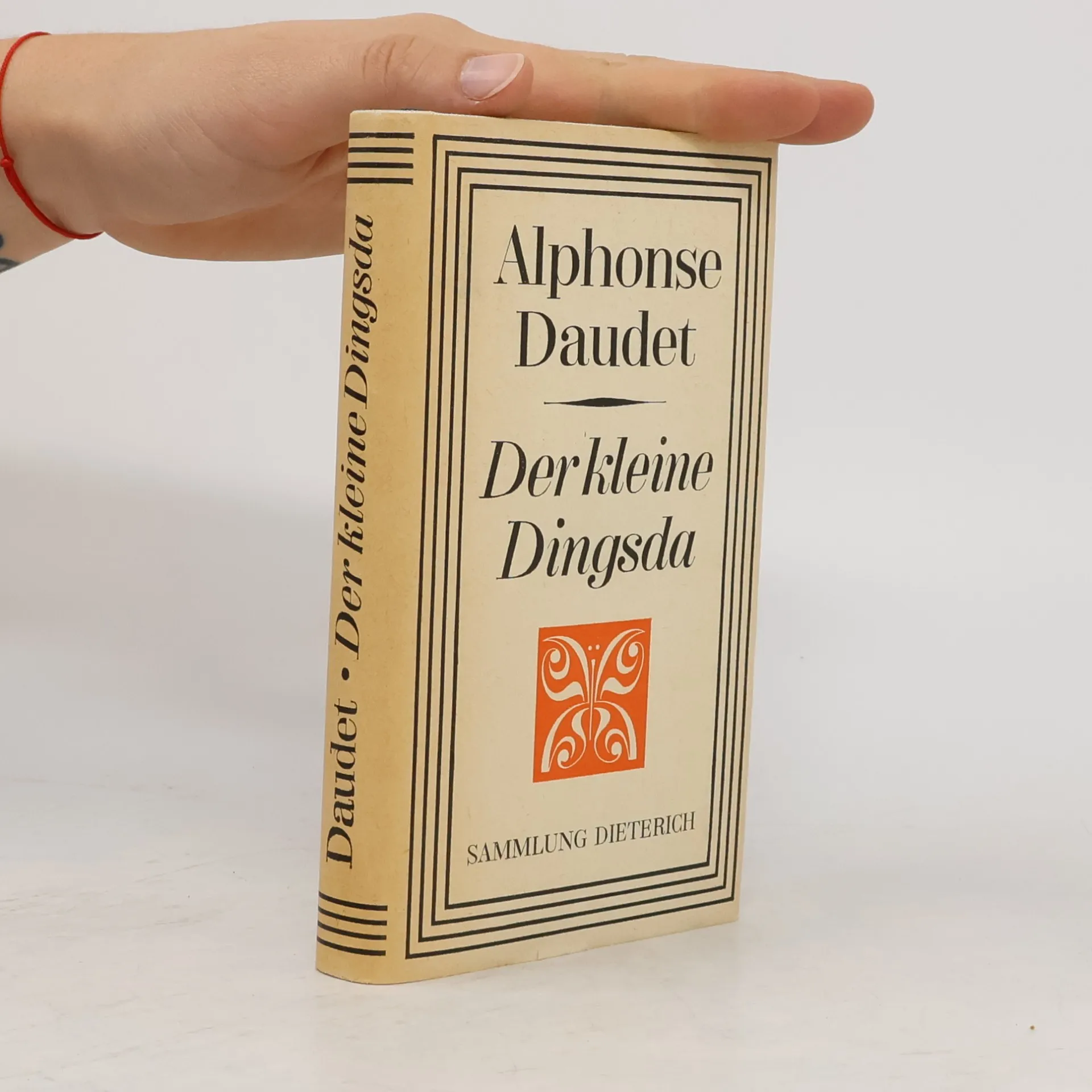
This first work by Alphonse Daudet draws heavily from the author's own biography. It follows Daniel Eyssette, a child from the South exiled in the fog of Lyon after his father's bankruptcy, who is derisively called "the little thing" by a professor. It also depicts his experiences as a terrified school monitor, a poor young man torn between dreams of glory and romantic temptations, wandering the streets of the capital. Characters such as the fearsome Mr. Viot, the unfortunate servant known as "the black-eyed one," the black woman Coucou-Blanc, and the tender older brother nicknamed "Mother Jacques" are vividly portrayed. While close in some respects to naturalism, Daudet's depiction of schools and literary bohemia is infused with the humor and poetry that made "Letters from My Mill" successful. A novel of a humiliated childhood, bearing a dark social vision and ambiguous morality that would resonate with Jules Vallès, "Le Petit Chose" remains a classic, straddling the worlds of Dickens and Zola.
The Works Of Alphonse Daudet
Tartarin Of Tarascon To Which Is Added Tartarin On The Alps
- 384 páginas
- 14 horas de lectura
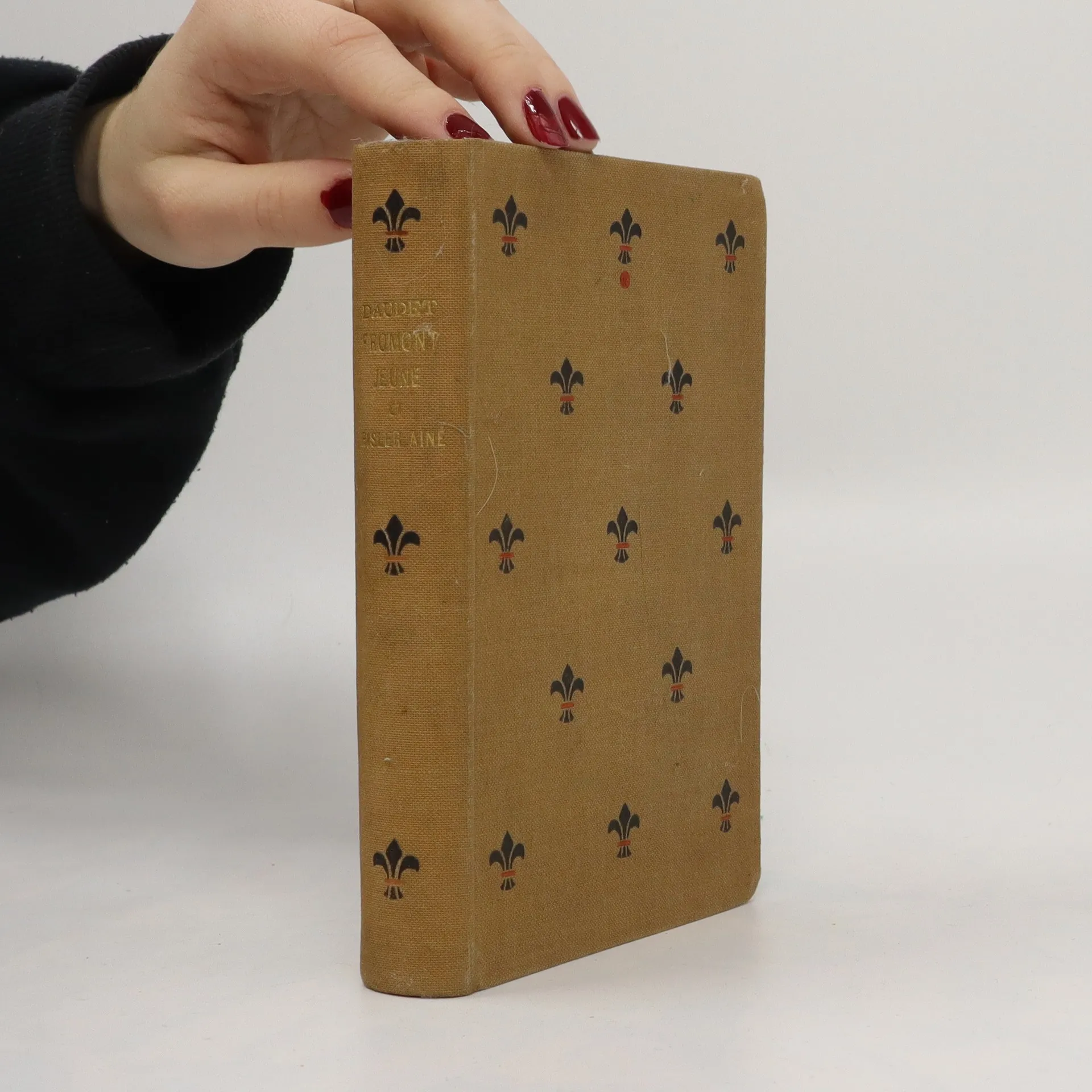
The book is a facsimile reprint of a scarce antiquarian work, reflecting its historical significance. It may exhibit imperfections typical of older texts, including marks and notations. The publisher emphasizes its cultural importance and commitment to preserving literature by offering this high-quality edition that remains faithful to the original.
Tartarin on the Alps
- 158 páginas
- 6 horas de lectura
The narrative explores Alphonse Daudet's literary journey, highlighting his early works and the gradual recognition he gained as a novelist. His collection of poems, "Les Amoureuses," marked his entry into writing, while "Lettres de Mon Moulin" showcased his talent and drew significant attention. "Le Petit Chose," although not an immediate success, reflects his formative years with a blend of grace and pathos, offering insight into his life experiences and emotional depth. Daudet's evolution as a writer is underscored by his contributions to literature during the 19th century.
This edition focuses on making historical works accessible to individuals with impaired vision through large print. The publishing house Megali is dedicated to preserving and reproducing these important texts, ensuring that they remain available to a broader audience.
Artists' Wives
Translated by Laura Ensor, Illustrated by De Bieler, Myrbach and Rossi
- 142 páginas
- 5 horas de lectura
The narrative explores Alphonse Daudet's journey as a French novelist, highlighting his early works and growing recognition in literature. His collection of poems, Les Amoureuses, and his contributions to Le Figaro mark the beginning of his literary career. Notably, Lettres de Mon Moulin captures the charm of Provence, while Le Petit Chose reflects his own youth with grace and emotion, showcasing his distinctive storytelling style. Daudet's life and writings reveal a blend of personal experience and literary ambition that resonates with readers.
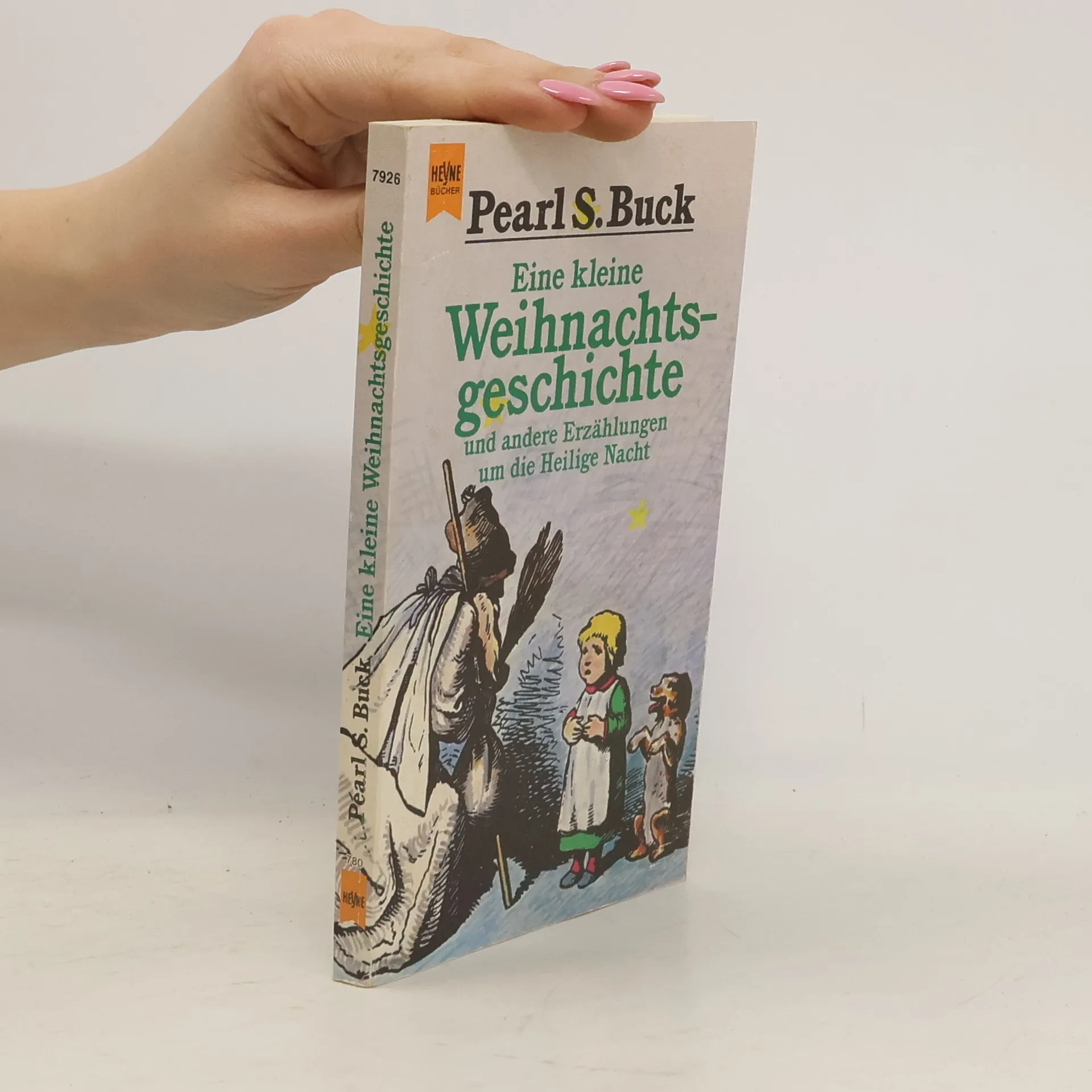
Eine kleine Weihnachtsgeschichte und andere Erzählungen um die Heilige Nacht
- 156 páginas
- 6 horas de lectura
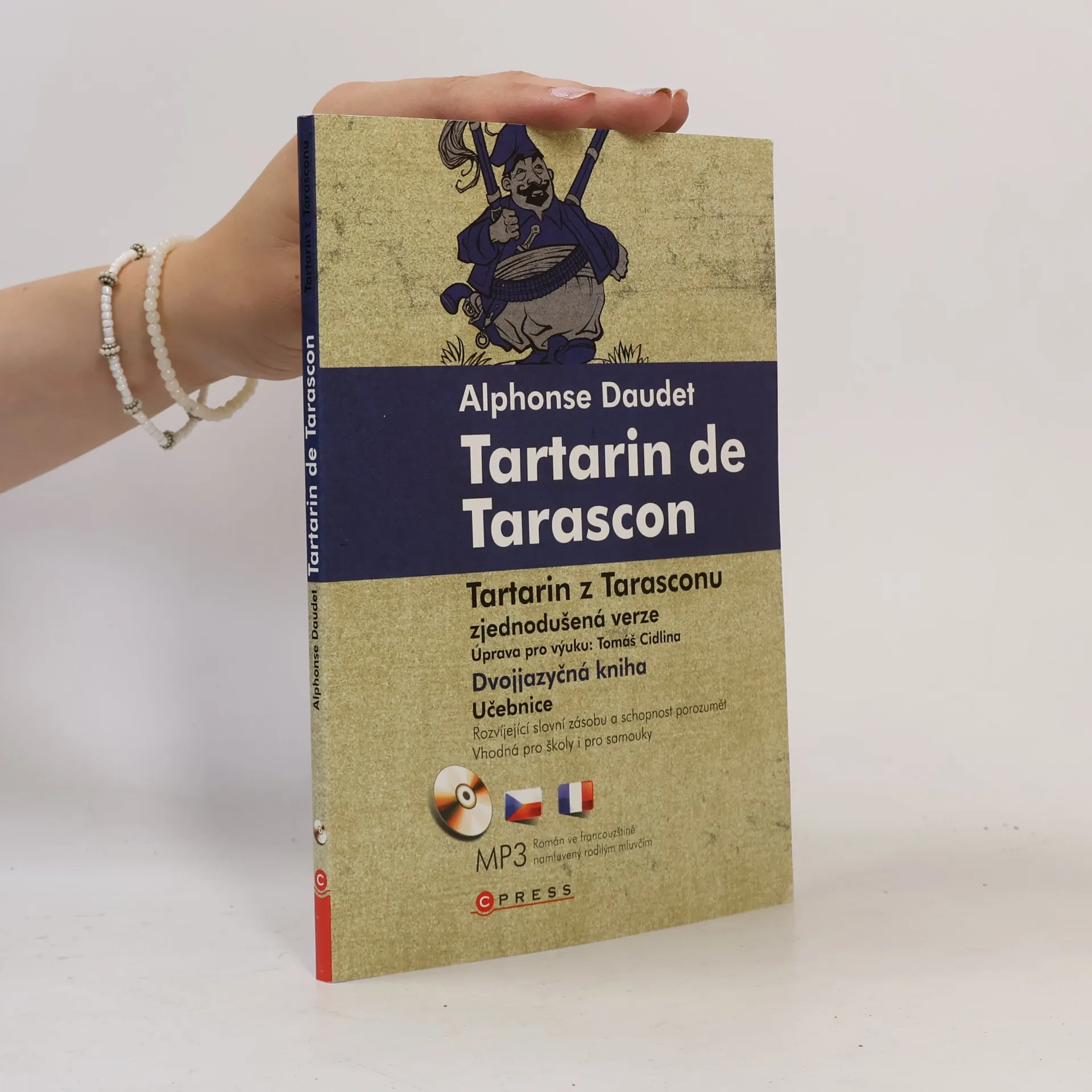
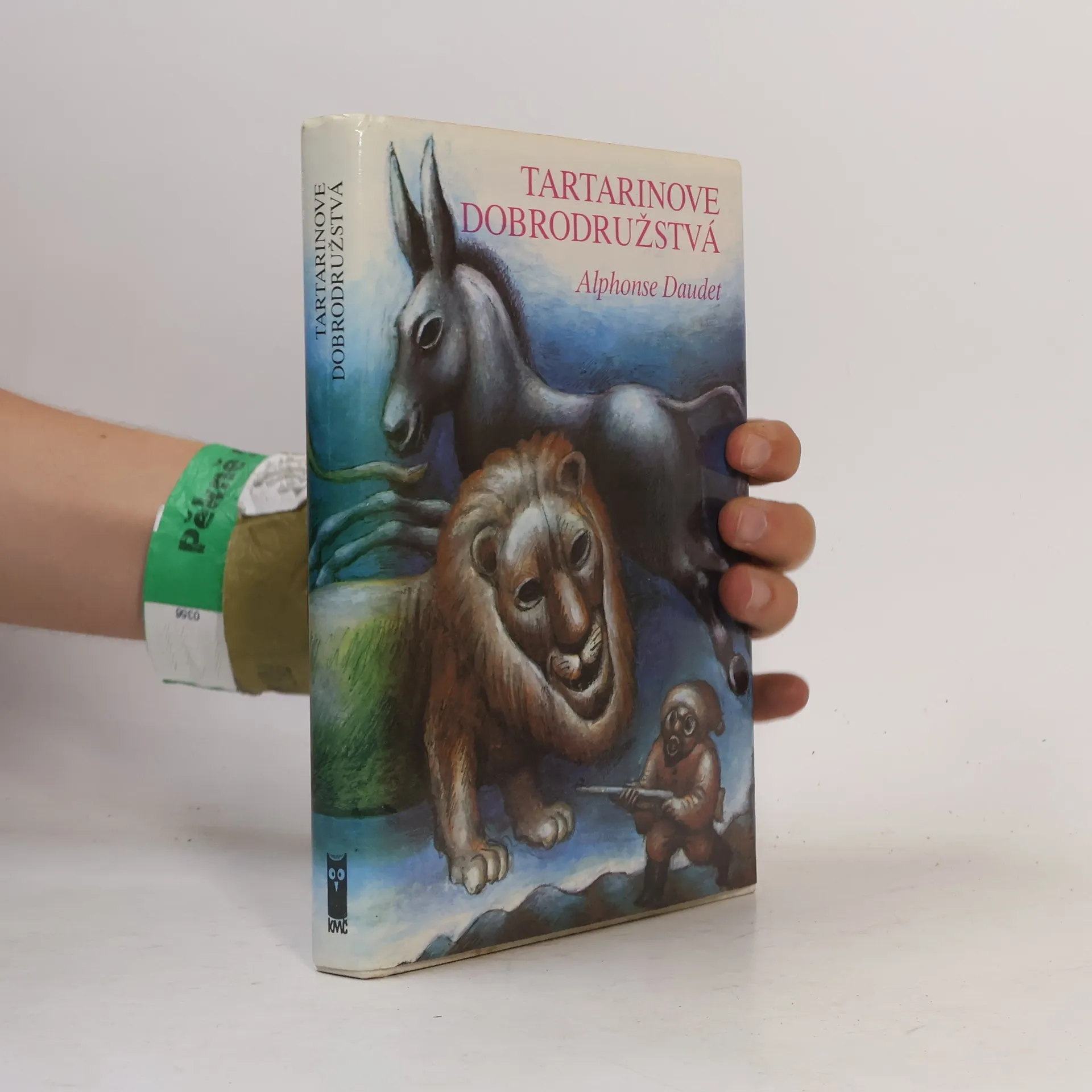
Tartarin de Tarascon. Tartarin z Tarasconu
- 120 páginas
- 5 horas de lectura
Zpracování slavného románu Alphonse Daudeta se snaží zpřístupnit studentům francouzštiny příběh lovce a bláhového snílka Tartarina z venkovského městečka Tarascon. Publikace pomůže zábavným způsobem obohatit slovní zásobu, rozvinout schopnost porozumění mluvenému slovu a zdokonalit se ve výslovnosti. Může být užitečnou pomůckou jak při samostudiu, tak i v hodinách s lektorem pro zpestření výuky.
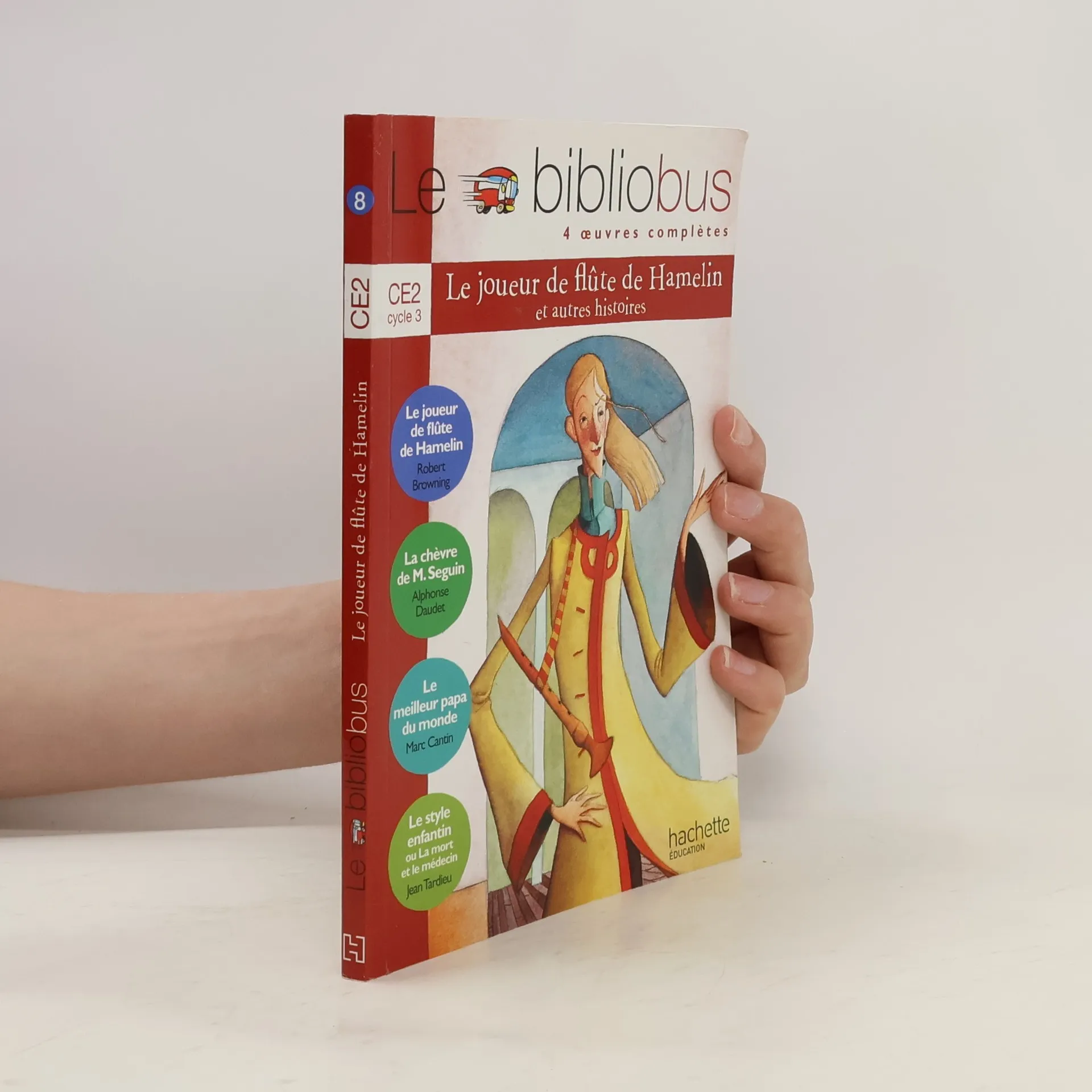
La chèvre de Monsieur Seguin
- 22 páginas
- 1 hora de lectura
" Ah ! Gringoire, qu'elle était jolie la petite chèvre de M. Seguin ! qu'elle était jolie avec ses yeux doux, sa barbiche de sous-officier, ses sabots noirs et luisants, ses cornes zébrées et ses longs poils blancs qui lui faisaient une houppelande !... Un amour de petite chèvre... "
Un recueil de quatre oeuvres intégrales de littérature de jeunesse illustrées, pour lire, comprendre et échanger au CE2. Ce recueil regroupe quatre oeuvres intégrales : Contes : - Le Joueur de flûte de Hamelin de Robert Browning - La Chèvre de Monsieur Seguin d'Alphonse Daudet Roman et Récit illustré : - Le Meilleur Papa du monde de Marc Cantin Théâtre : - Le Style enfantin ou La mort et le Médecin de Jean Tardieu Chacun des textes proposés est : - annoté pour les mots requérant une définition ; - illustré en couleur au fil du texte.
Meistererzählungen
- 324 páginas
- 12 horas de lectura
Nikolaj Gogol (1809-1852) gilt als eigentlicher Begründer des sozialkritischen Realismus der russischen Literatur. Für Gogols Werk kennzeichnend ist einerseits die auf seine russische Mutter zurückgehende abgründige, apokalyptische Mystik und andererseits die auf die ukrainische Herkunft des Vaters fußende skurrile Leichtigkeit und Sinnfreudigkeit. Dabei tritt bei Gogol alle sinnliche Problematik als buntes äußeres Geschehen hervor. Eine sehr lesenswerte und gleichzeitig amüsante wie zu Herzen gehende Sammlung von Erzählungen und Kurzgeschichten des großen russischen Klassikers der Abgründe der menschlichen Seele, Nikolaij Gogol. Der Jahrmarkt von Sorotschinzy, Die Johannisnacht, Der verlorene Brief, Die Mainacht, Die Nase.
Table :- Le Pape est mort- La dernière Classe- L'Enfant espion- La Défense de Tarascon- Les petits Pâtés- Le Turco de la Commune- Les trois Sommations
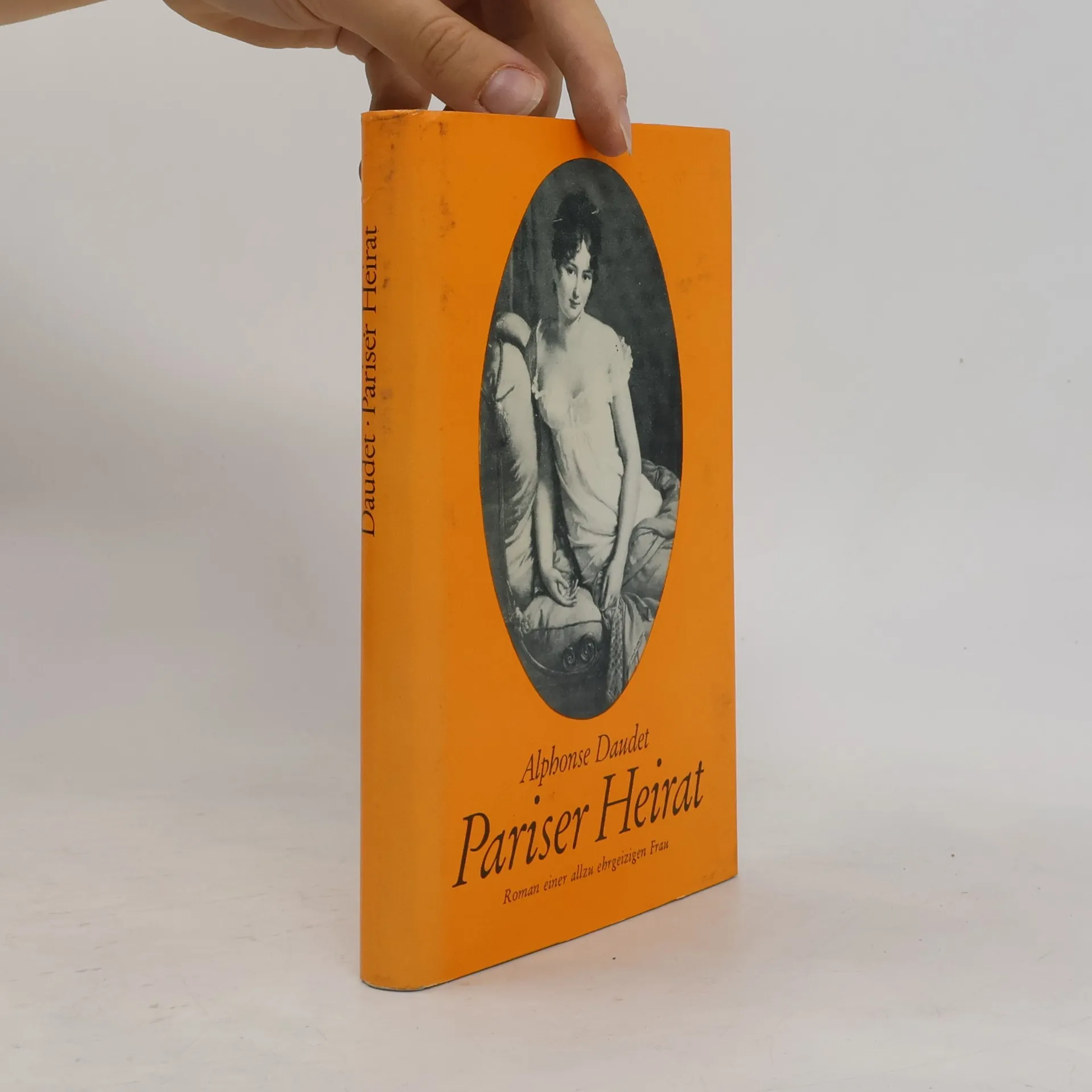
Málokedy sa umelcovi podarí ukázať s takým zdarom a plastičnosťou ako v Dokonalom manželstve,z akých povahových prvkov z ctižiadosti, z nádeje, z túžby po vyniknutí, inokedy z duševného útlaku a skrytej sily sa medzi párom ľudí rodí náklonnosť,ľúbosť, náruživosť,a niekedy,ako aj tu,sklamanie a zrada, no aj možnosť obrody vzájomného života. Daudet však nielen kreslí,ale aj strháva romantické ilúzie a učí posudzovať ľudí nie podľa vonkajších predností,ale podľa ich ľudskej hodnoty. Vysoké kompozičné umenie vytvára z tejto drámy žiarlivosti neobyčajne pútavú históriu. Daudet je však okrem toho veľký štylista,celý román je plný prenikavej,no neubijajúcej irónie a jemného humoru. Nadovšetko je tento spisovateľ veľký opisovateľom přírody,dokonalým zobrazením hmlou opradeného parížskeho kraja,nádherných tieňosvitov,hôr,partiami z rybačky po hladine Seiny,prekrásneho bretónskeho pobrežia a mora všetkého toho,čo v jeho čase objavovali francúzski maliari-plenéristi a čo v literárnom umení stavia Daudeta po bok veľkého Rusa,Ivana Sergejeviča Turgeneva. Ďalšie informácie ...
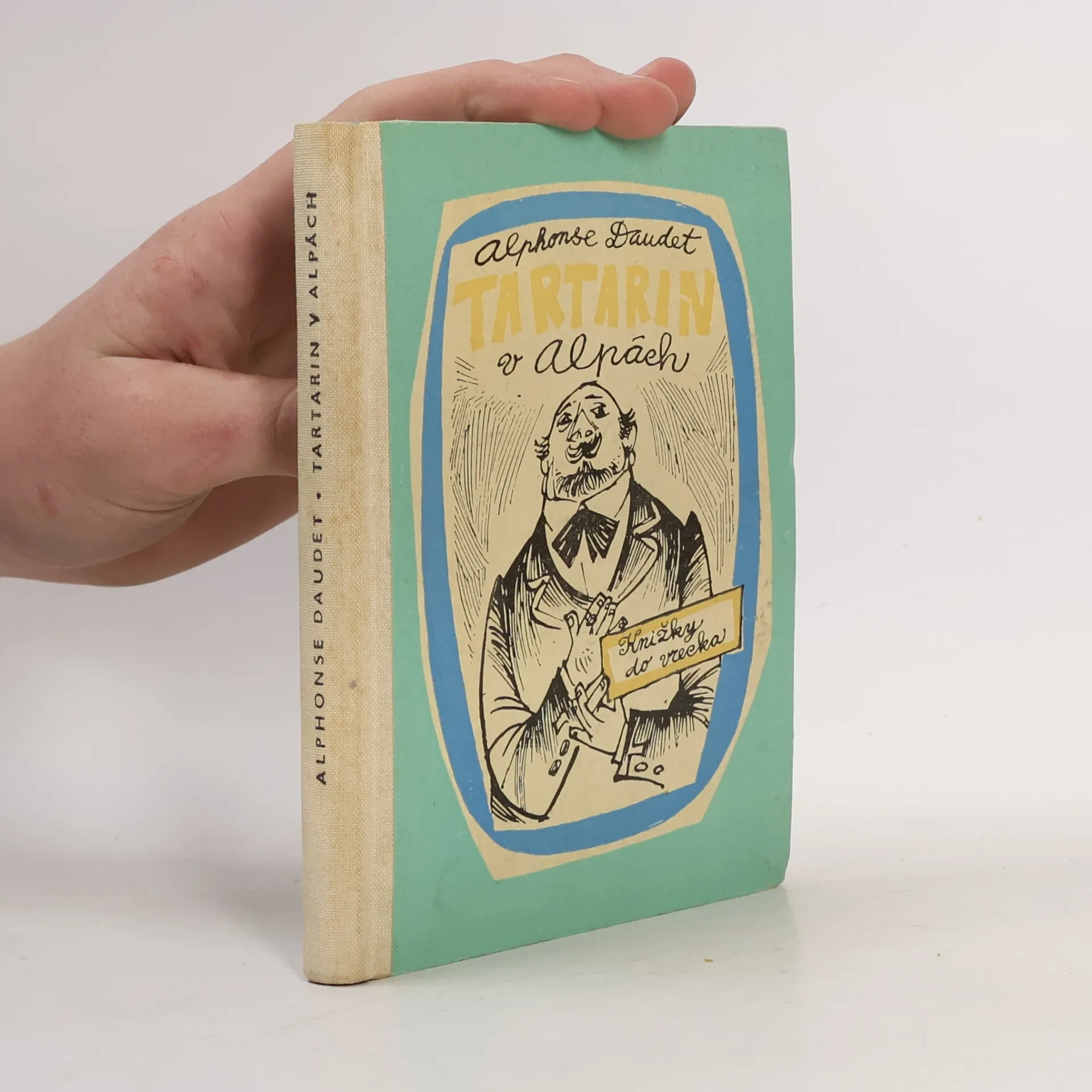
Tartarin je neúnavný fabulátor vlastného života. V našom príbehu však jeho chvastúnstvo začne narážať na neúprosnou a tvrdou realitu: prostredie Álp je omnoho menej prívetivé ako provensálske kopčeky okolem Tarasconu, kde sa miestni ´horolezci´ mohli beztrestne hrať na alpinistické dobrodružstvá. Ostáva podotknúť, že hora, ktorú rozprávanie uvádza pod názvom Panna, sa dnes nazýva Jungfrau a je vysoká 4158 metrov. Tartarin si k svojmu prvému výstupu nevybral skutočne žiadneho drobčeka! Rozprávanie je popredkávané satirou na dobovú módu - autor sa vysmieva smiešnym aspektom rozvíjajúceho sa alpinizmu, citlivo vníma skomercionalizovanie turizmu, ale do svojho zorného pola pojme i rodiace sa anarchistické hnutie.
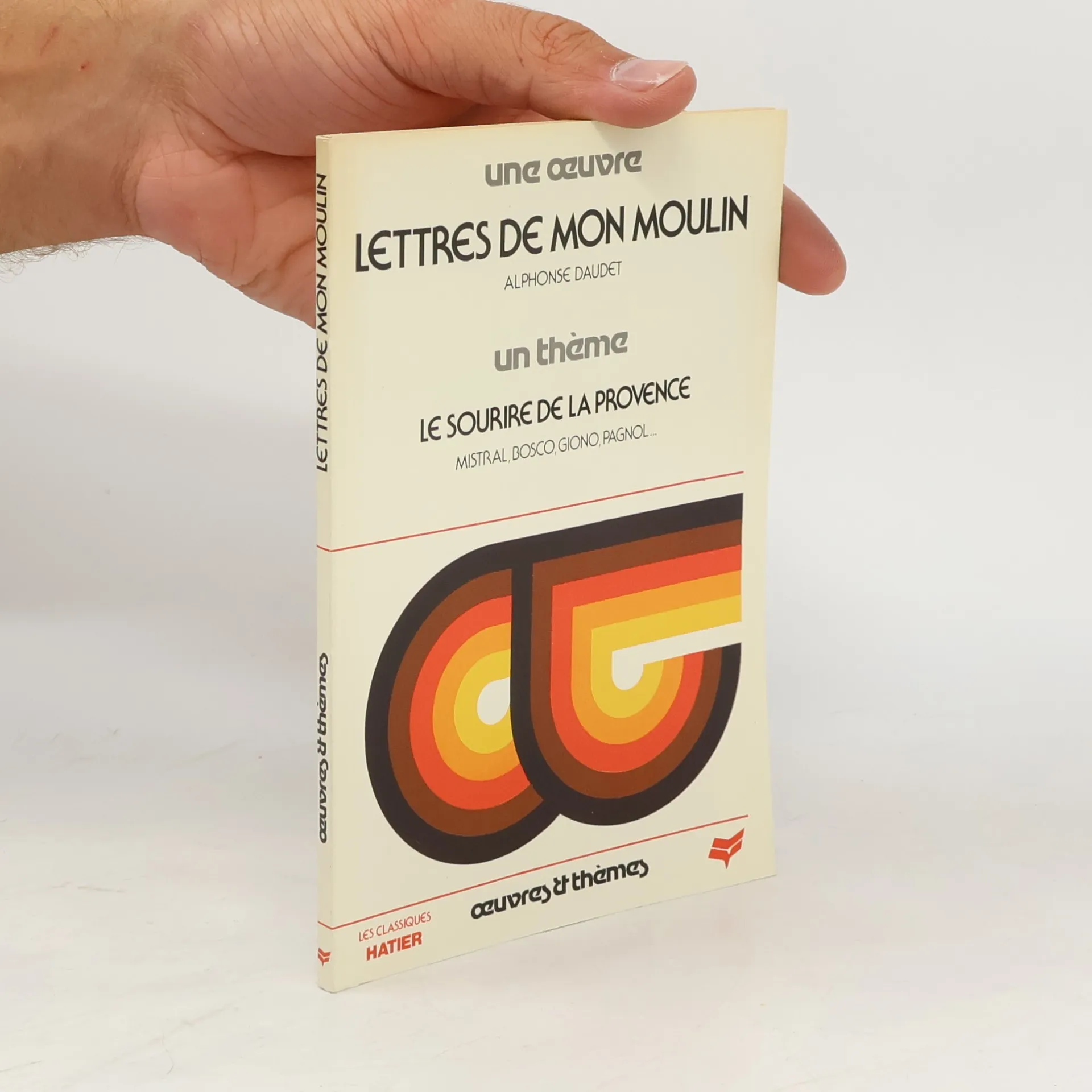
Classiques Hatier: Œuvres & Thèmes: Les lettres de mon moulin
Le sourire de la Provence
- 127 páginas
- 5 horas de lectura
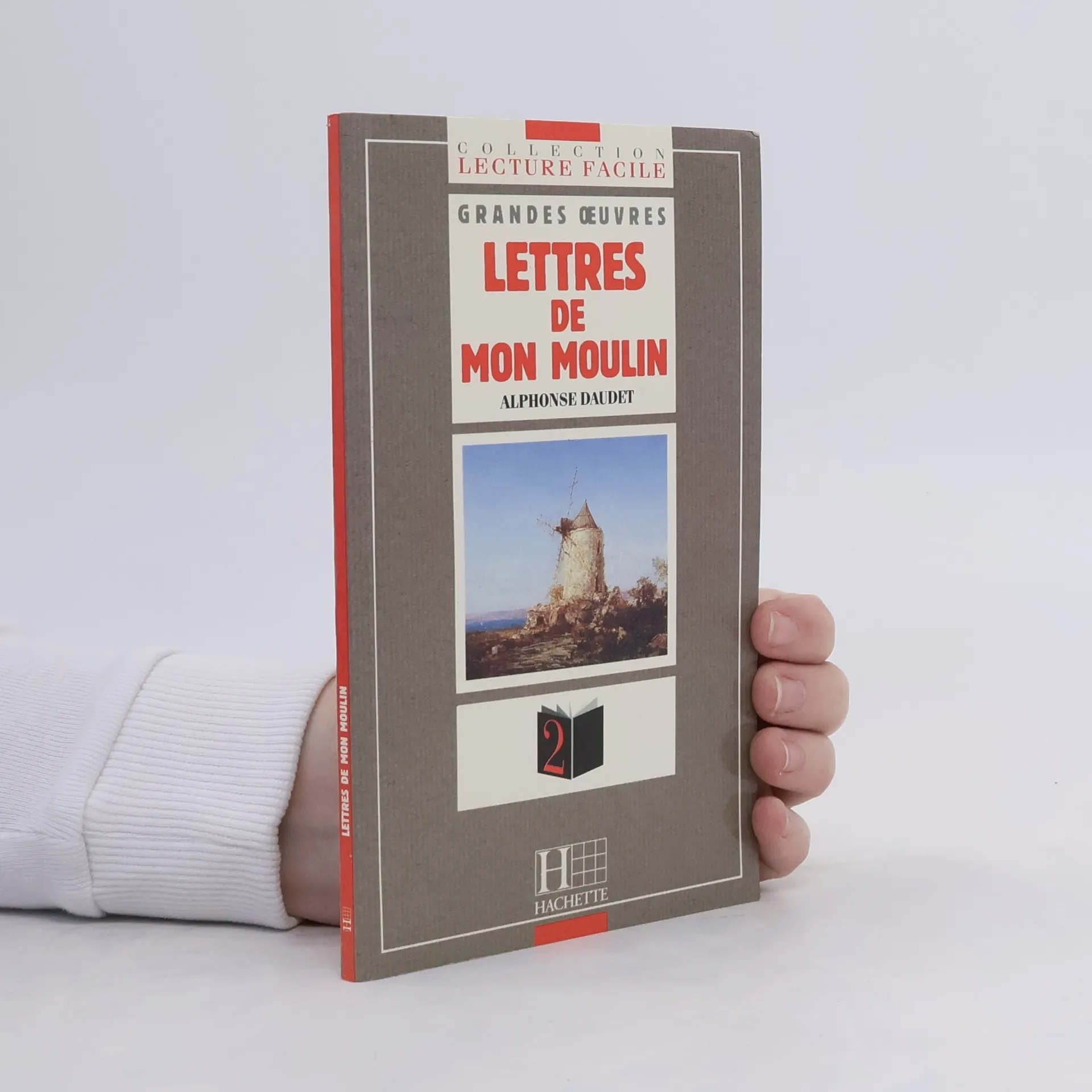
Collection Lecture Facile Grandes Oeuvres - 2: Lettres de mon moulin
- 63 páginas
- 3 horas de lectura
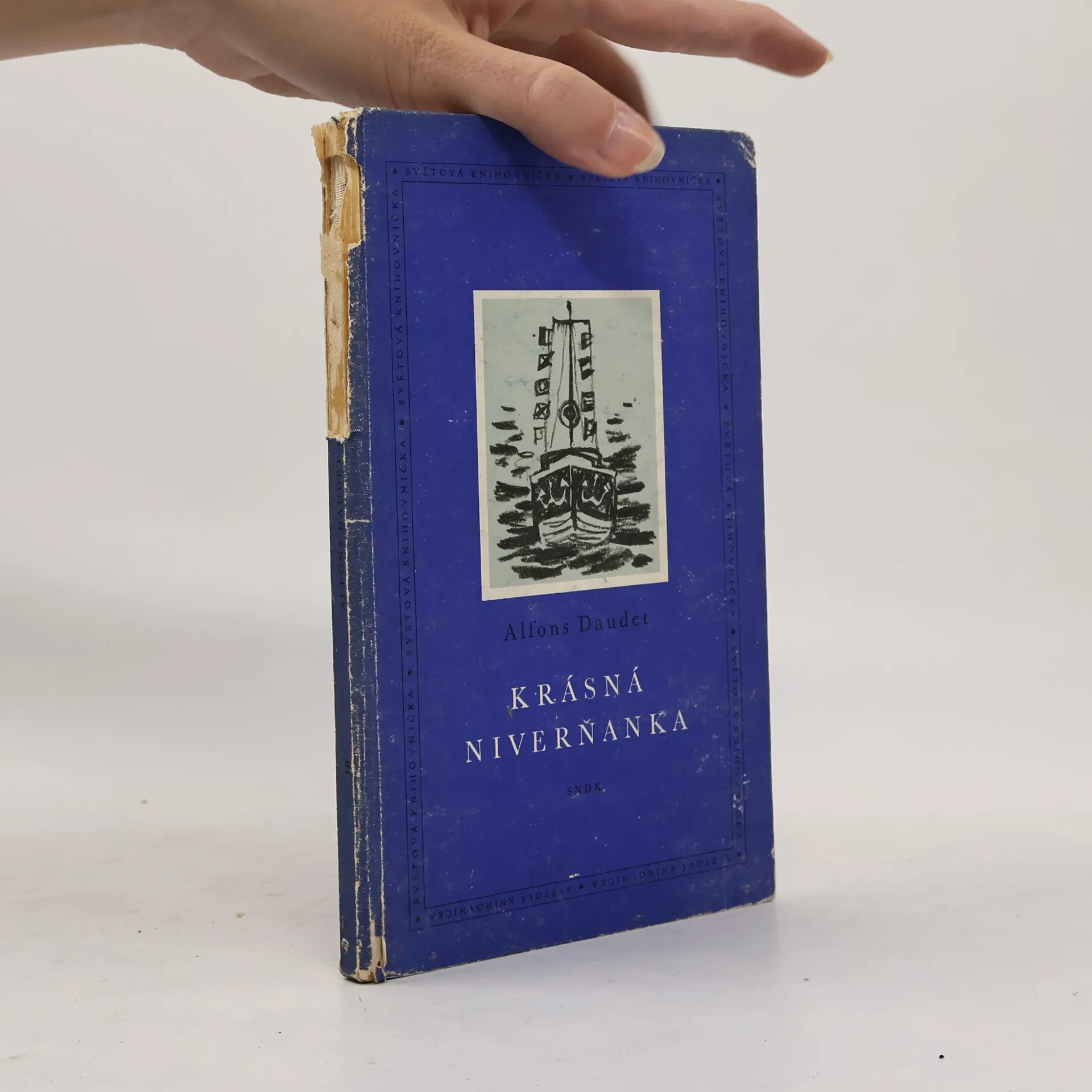
Výbor povídek z "Listů z mího mlýna" a z Pondělních povídek; přiřazena je delší povídka Krásná Niverňanka.
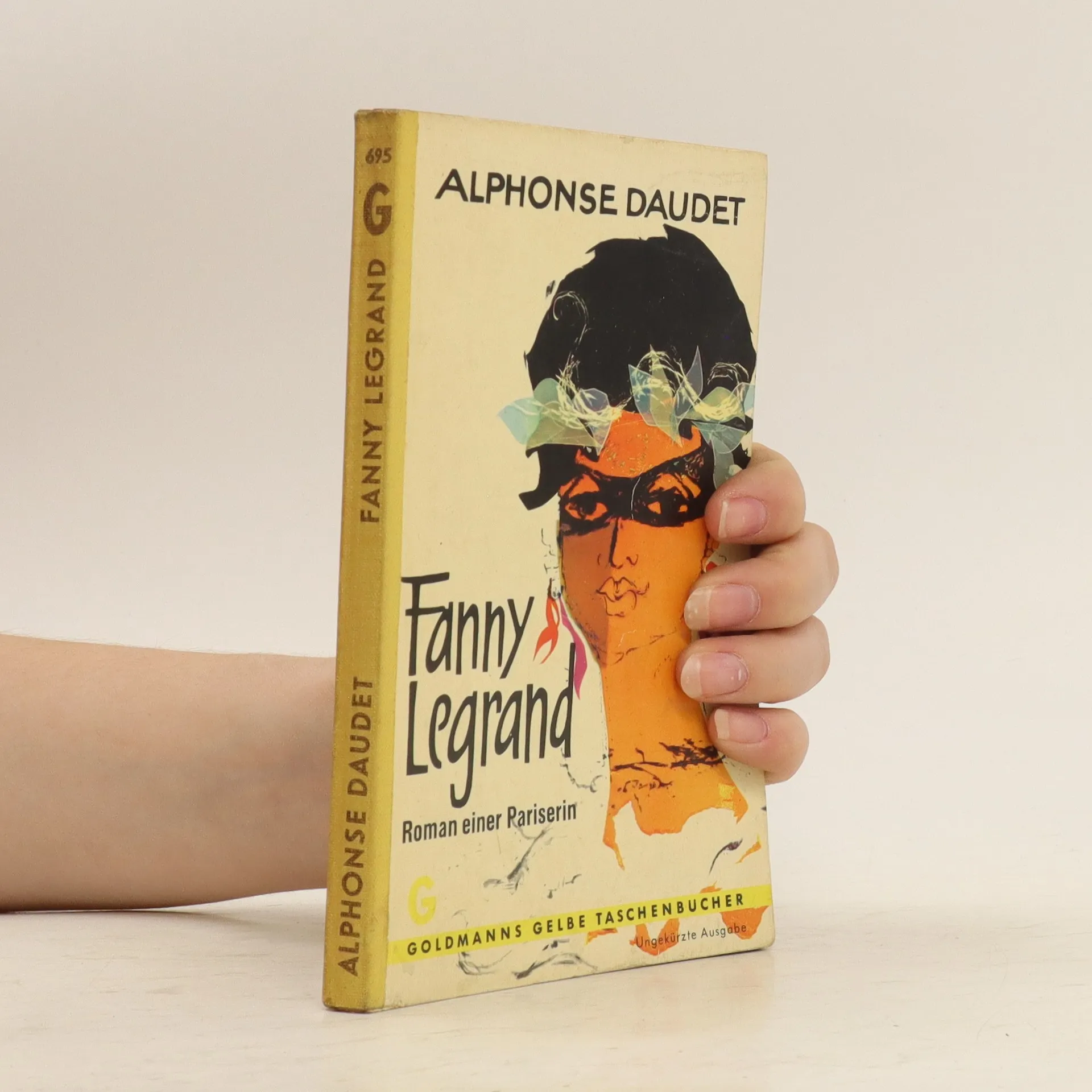
Román popisuje život v Paříži, zachycuje osud nevěstky. Autor popisuje mužnou lásku k lidskému utrpení, jíž je kniha prodchnuta, tak jemností a delikátním taktem, s nímž zpracovává tuto látku.
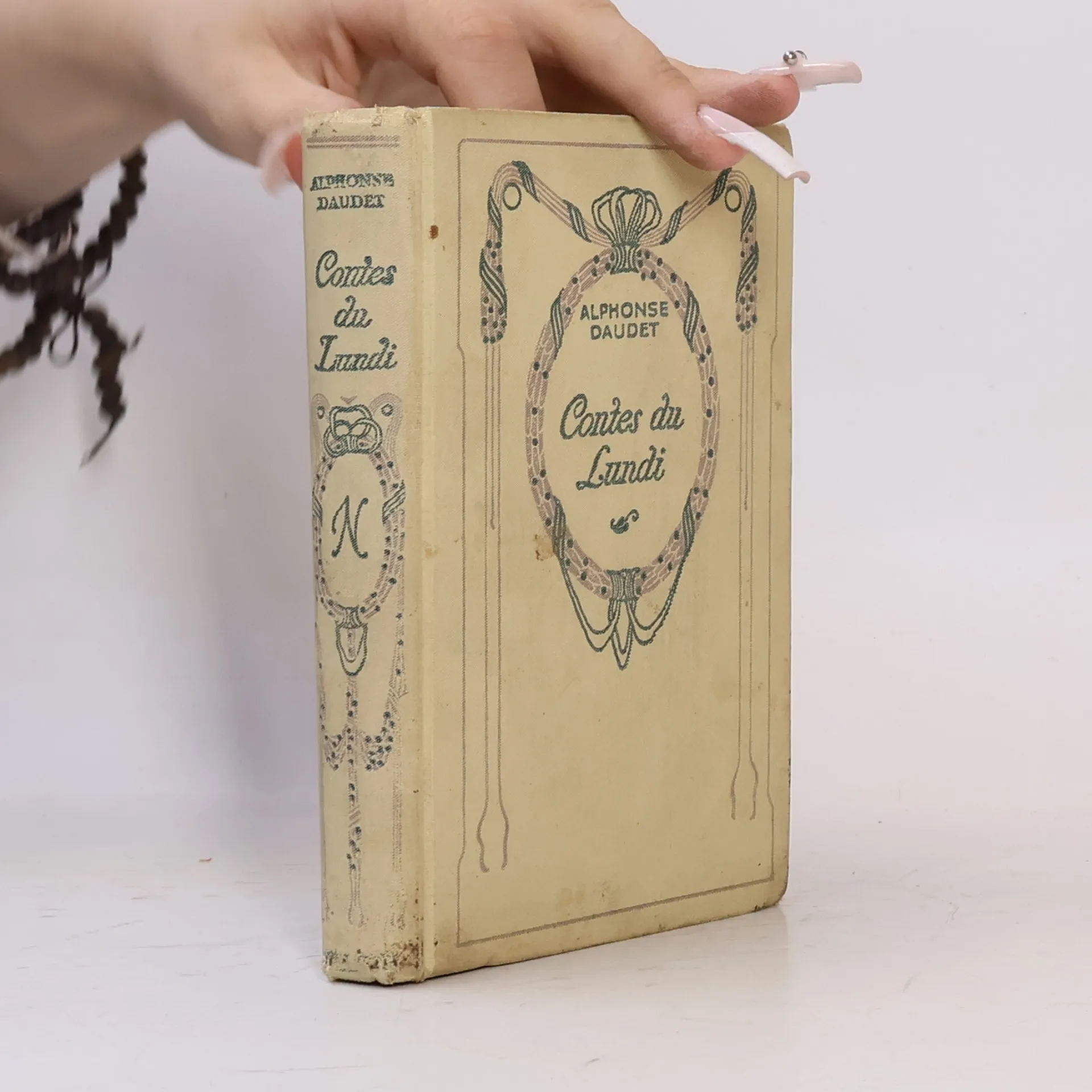
Les Contes du lundi" par Alphonse Daudet. Alphonse Daudet etait un ecrivain et auteur dramatique francais (1840-1897).
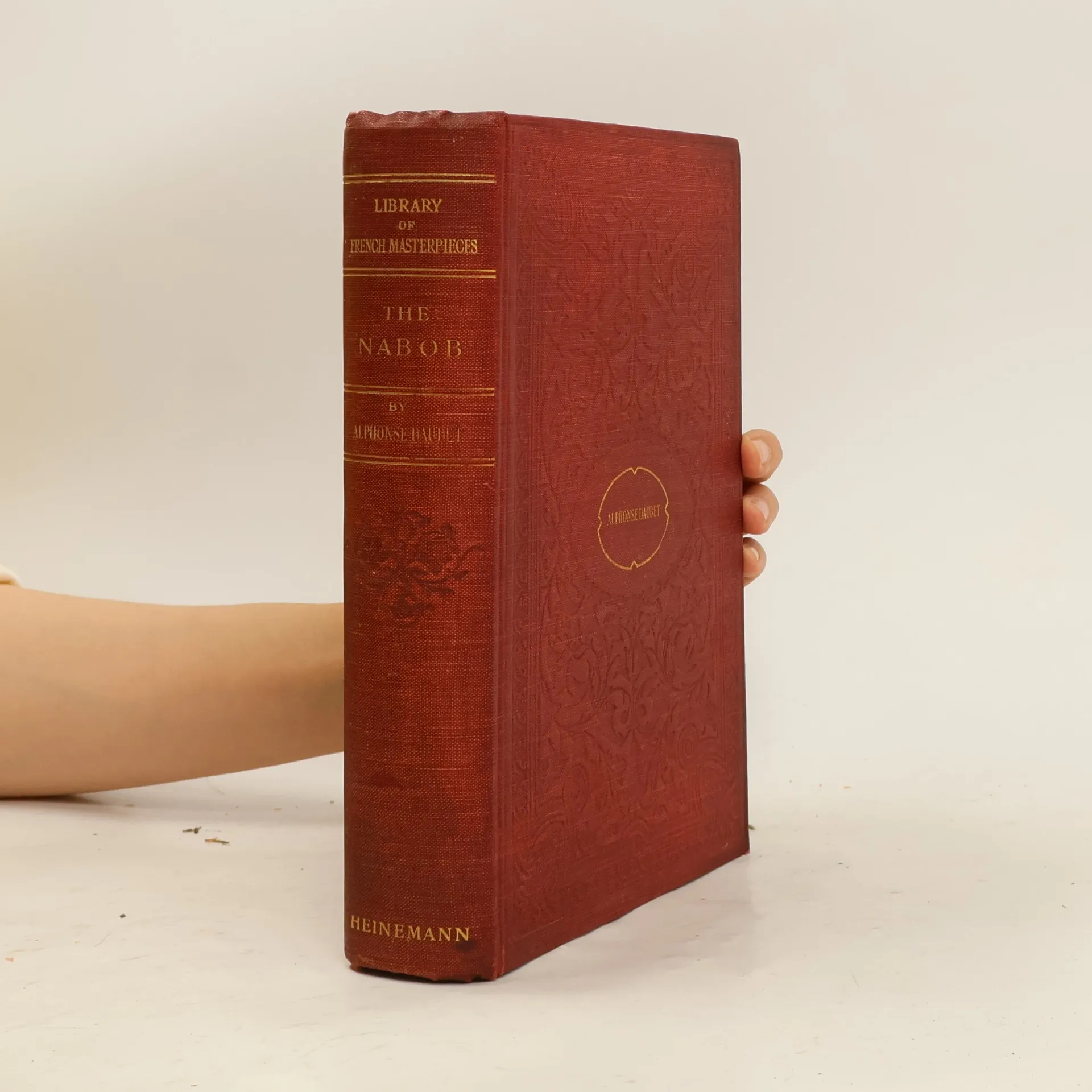
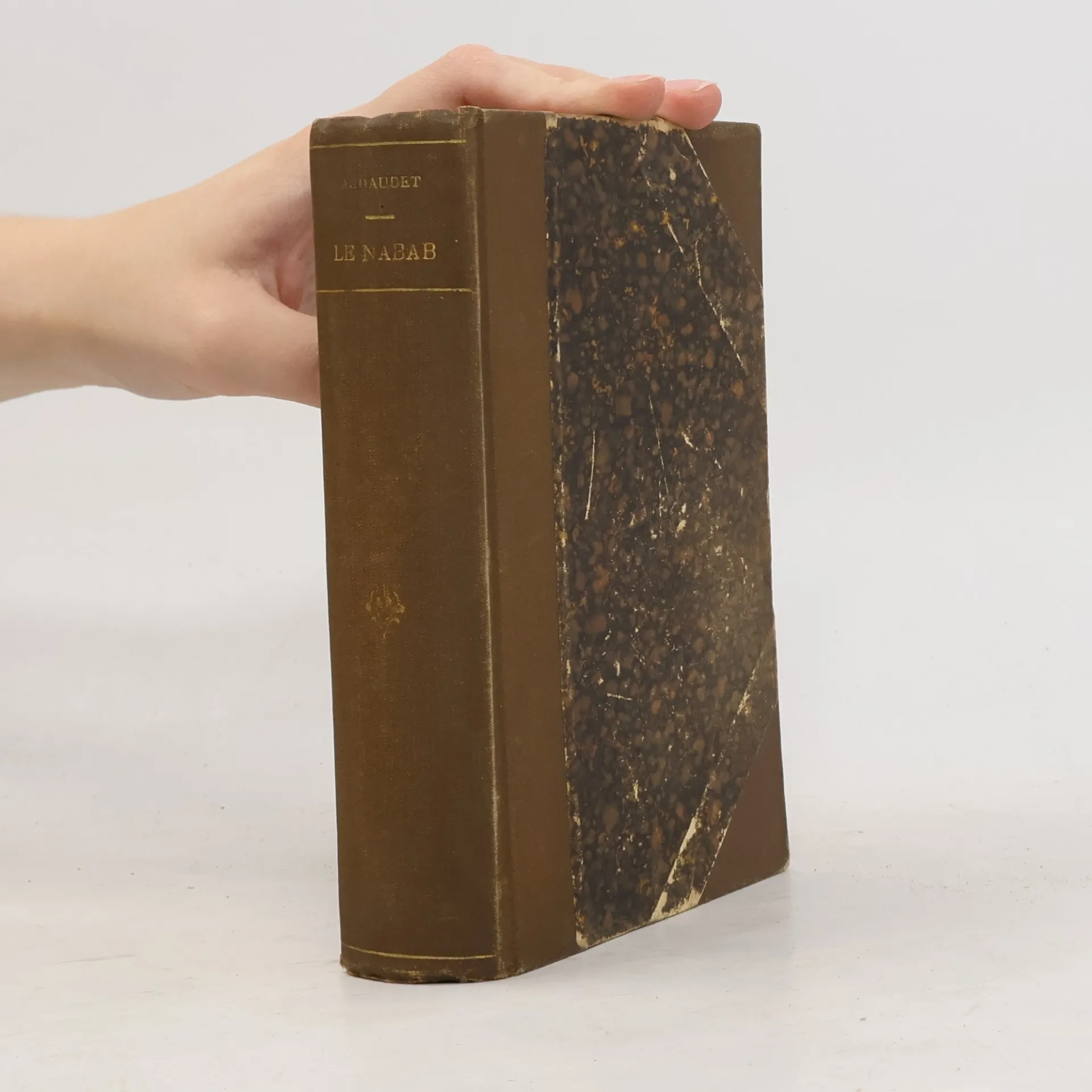
Le Nabab
Moeurs Parisiennes
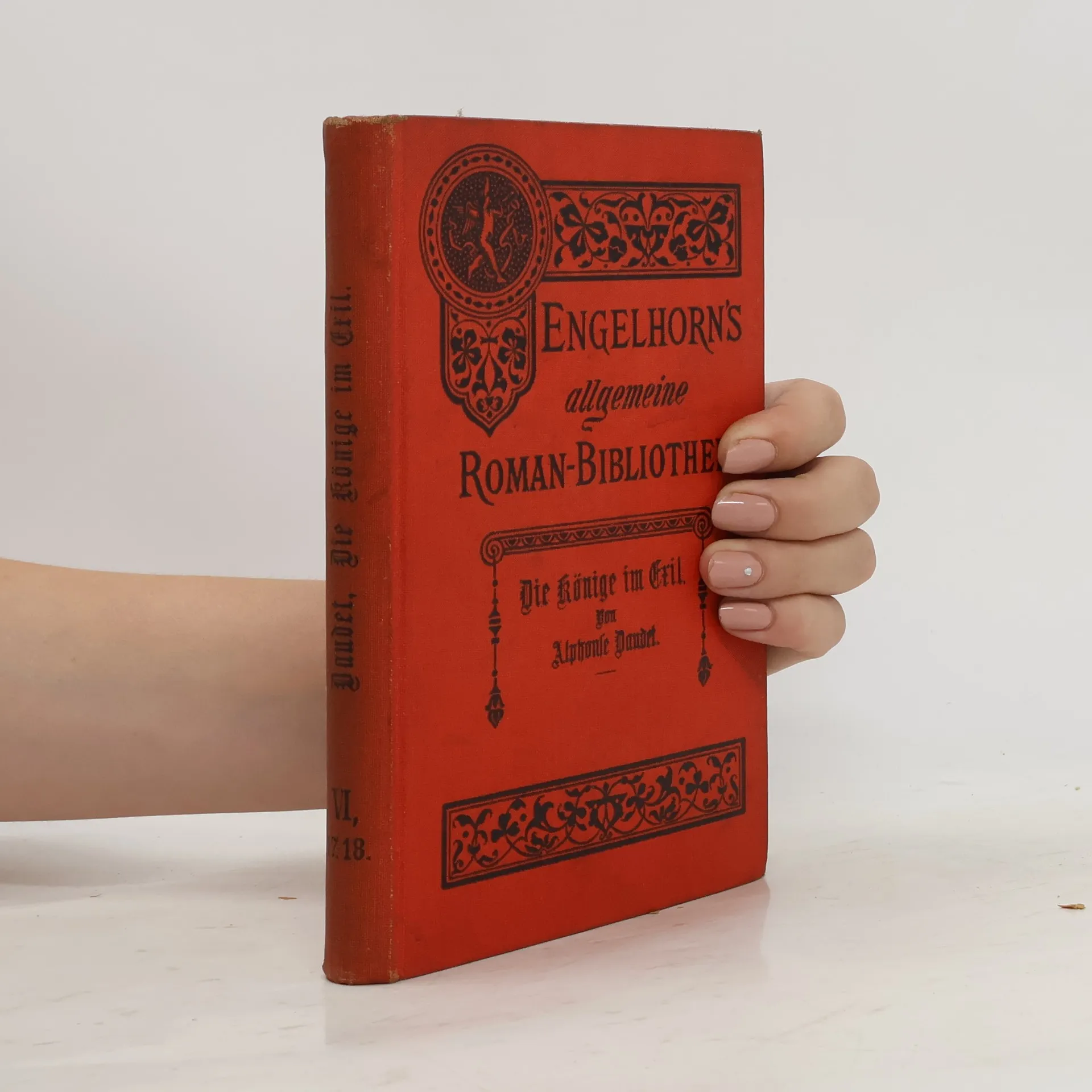
Engelhorns allgemeine Roman-Bibliothek VI. Band 17-18
Die Könige im Exil
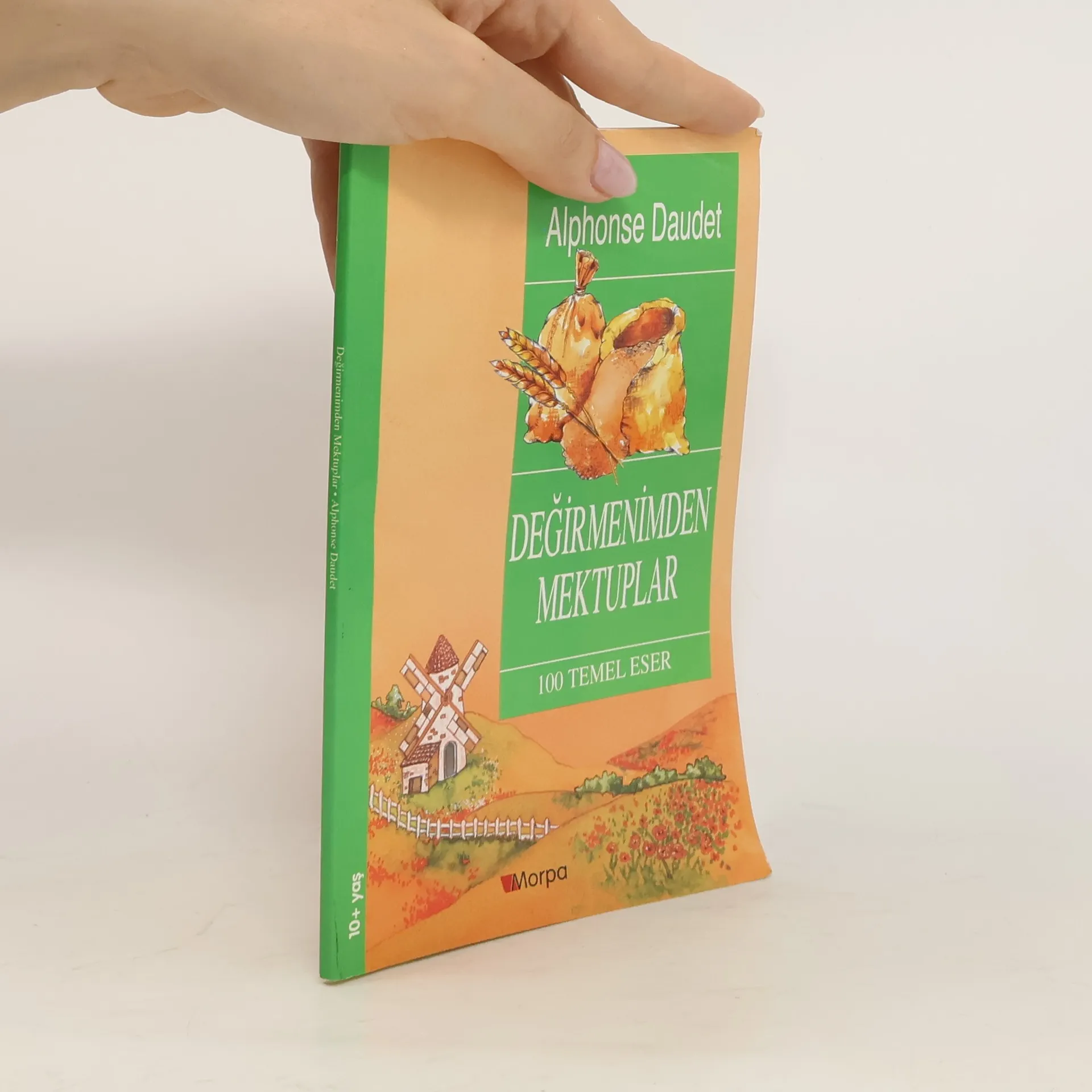
Değirmenimden Mektuplar
- 80 páginas
- 3 horas de lectura
Briefe aus meiner Mühle
Eindrücke und Erinnerungen
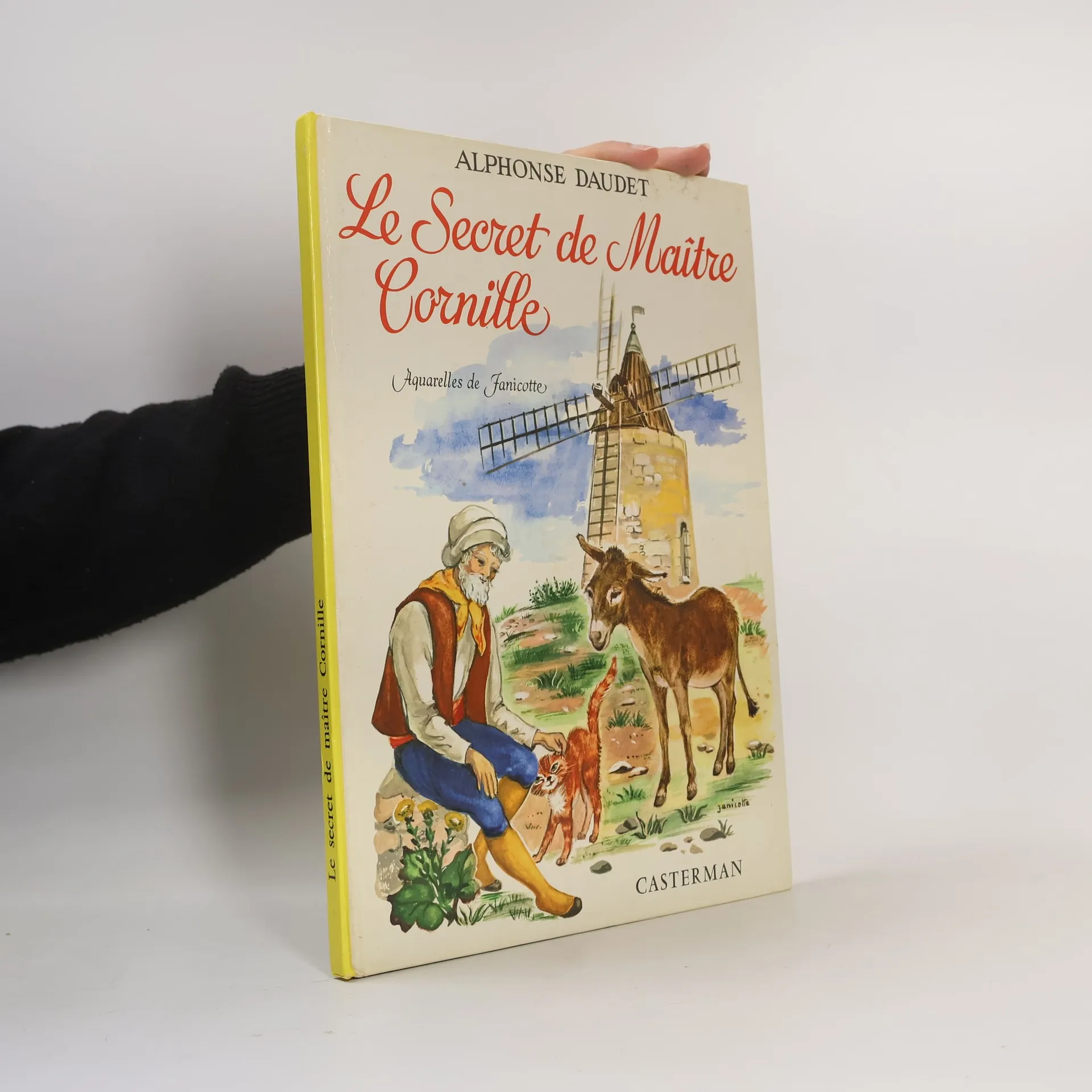
Le Secret De Maitre Cornille
- 32 páginas
- 2 horas de lectura
L'histoire est racontée à la première personne, s'adressant typiquement à un lecteur parisien. L'auteur, ayant quitté Paris, raconte de courtes histoires bucoliques sur sa nouvelle vie en Provence ainsi que ses voyages en Corse et en Algérie française. Considérées comme légères et souvent un peu sarcastiques, les histoires varient des événements quotidiens dans le sud de la France aux contes folkloriques provençaux, et présentent souvent des professions et des références faunales caractéristiques de la Provence.
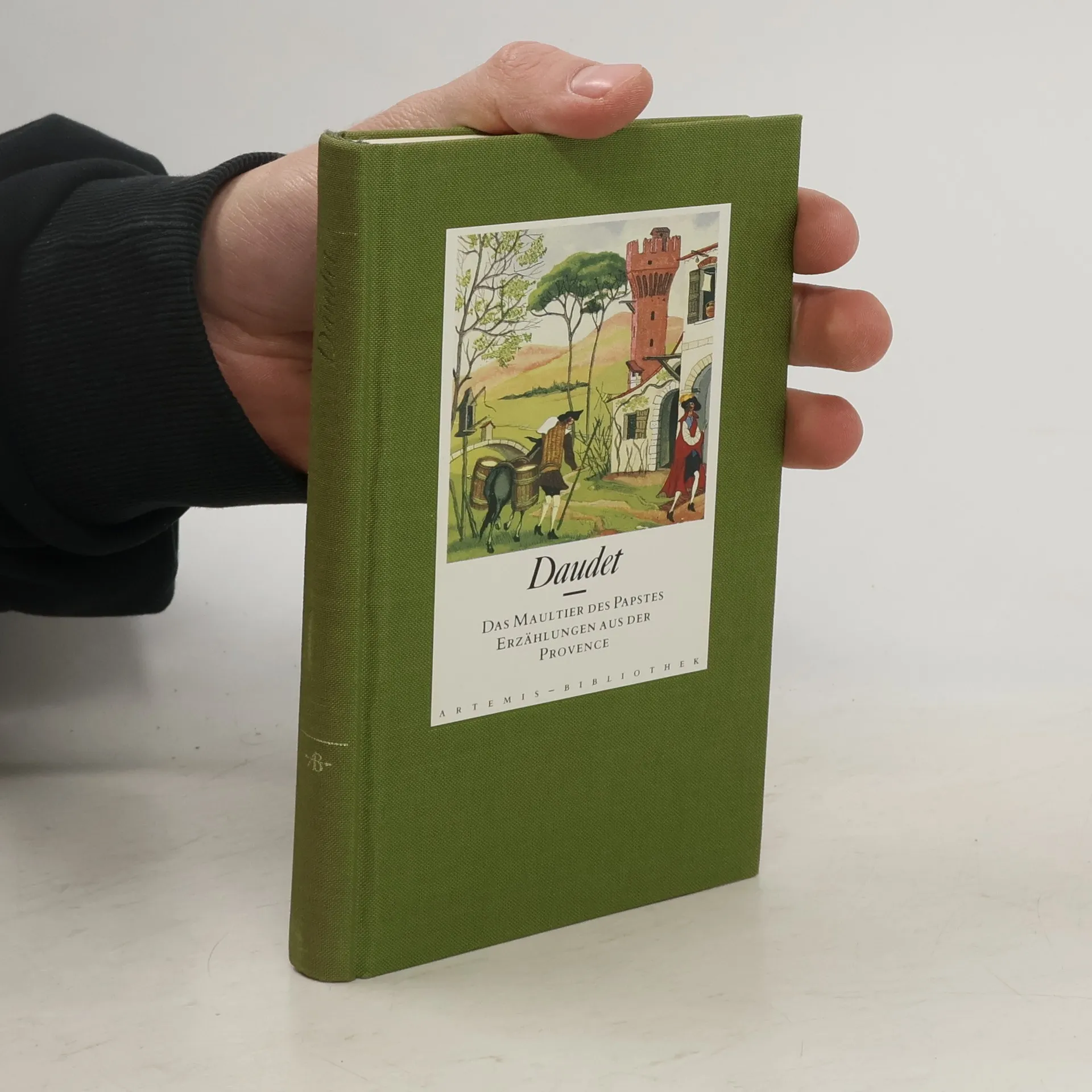
Das Maultier des Papstes und andere Erzählungen aus der Provence
- 143 páginas
- 6 horas de lectura
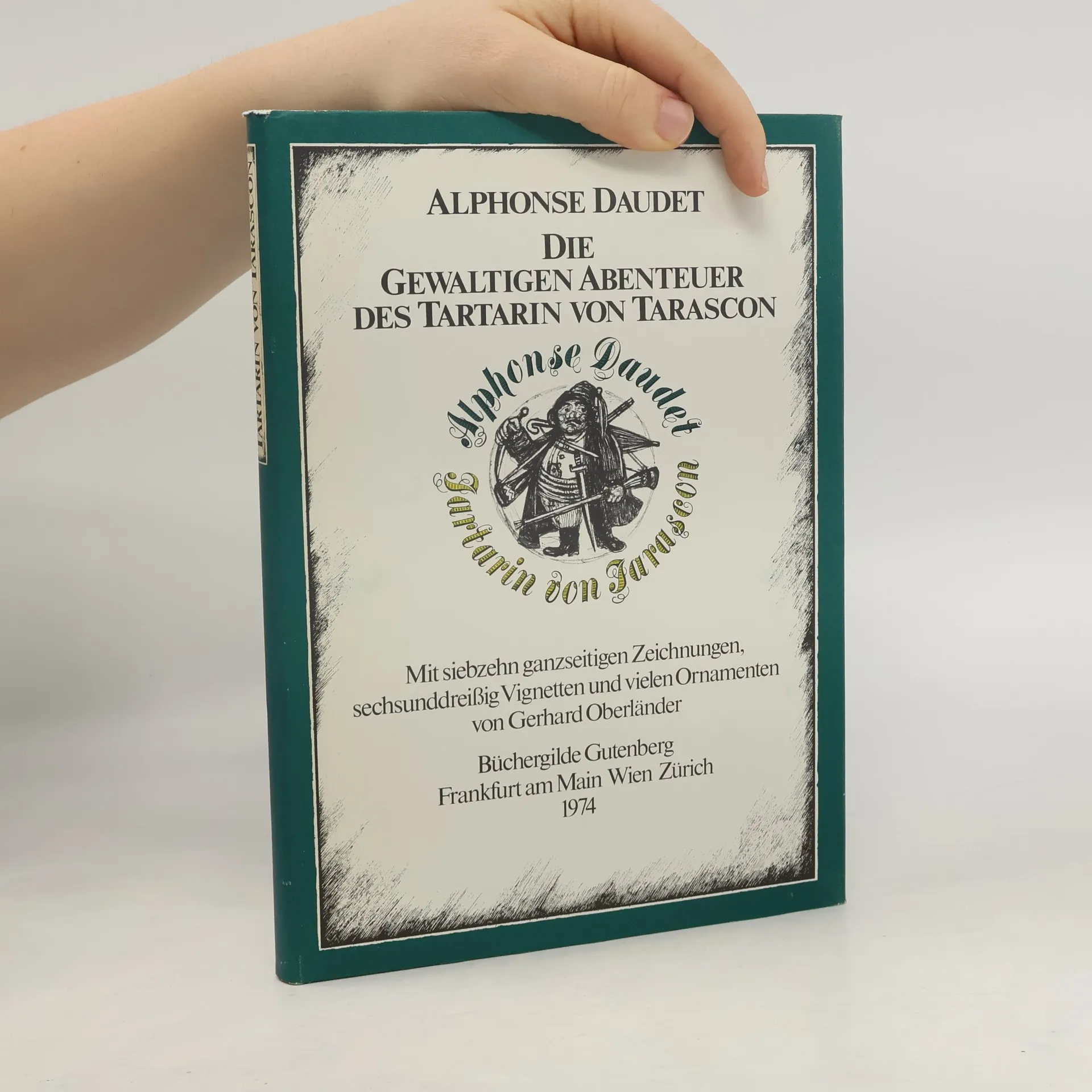
Die gewaltigen Abenteuer des Tartarin von Tarascon
- 173 páginas
- 7 horas de lectura
Die wunderbaren Abenteuer des Herrn Tartarin aus Tarascon
- 156 páginas
- 6 horas de lectura
Rosa und Ninette
- 132 páginas
- 5 horas de lectura
Die Erzählung beleuchtet die emotionalen und psychologischen Auswirkungen einer Ehescheidung auf den Protagonisten, Regis de Fagan, einen Komödienautor. Nachdem seine unglückliche Ehe beendet ist, verwandelt sich seine anfängliche Erleichterung schnell in eine tiefe Traurigkeit über die Trennung von seinen beiden kleinen Töchtern, die bei der Mutter bleiben. Alphonse Daudet thematisiert eindringlich die Themen Verlust und Entfremdung, während er die komplexen Gefühle eines Vaters in einer schwierigen Lebenssituation einfängt.
Lettres de mon moulin. Une selection
Briefe aus meiner Mühle. Eine Auswahl
Tartarin de Tarascon est le personnage principal, sous forme d'antiheros, d'une serie de romans d'Alphonse Daudet, dont le premier fut publie en 1872. Cependant, puisque de nombreuses reeditions du premier tome Aventures prodigieuses de Tartarin de Tarascon ont ete simplifiees en Tartarin de Tarascon, le titre est desormais indissociable de son personnage.
Přístav Tarascon
Poslední dobrodružství slovutného Tartarina
Port Tartarin
- 184 páginas
- 7 horas de lectura
Nach dem Erfolg der beiden ersten Romane um den kleinbürgerlichen Möchtegernhelden Tartarin aus dem südfranzösischen Tarascon ließ Alphonse Daudet (1840-1897) im Jahr 1890 noch einen dritten und abschließenden Band erscheinen: In »Port Tarascon« bricht Tartarin auf, um in der Südsee auf den abgelegenen polynesischen Inseln eine eigene Kolonie inklusive Hauptstadt zu gründen. Doch auch dieser groß angelegte Plan scheitert erneut auf groteske Weise.
Lettres de mon Moulin (mit Audio-Online) - Starter-Set
Lesemethode von Ilya Frank + Readable Classics
La diligence de Beaucaire / Die Postkutsche von Beaucaire (mit kostenlosem Audio-Download-Link)
- 52 páginas
- 2 horas de lectura
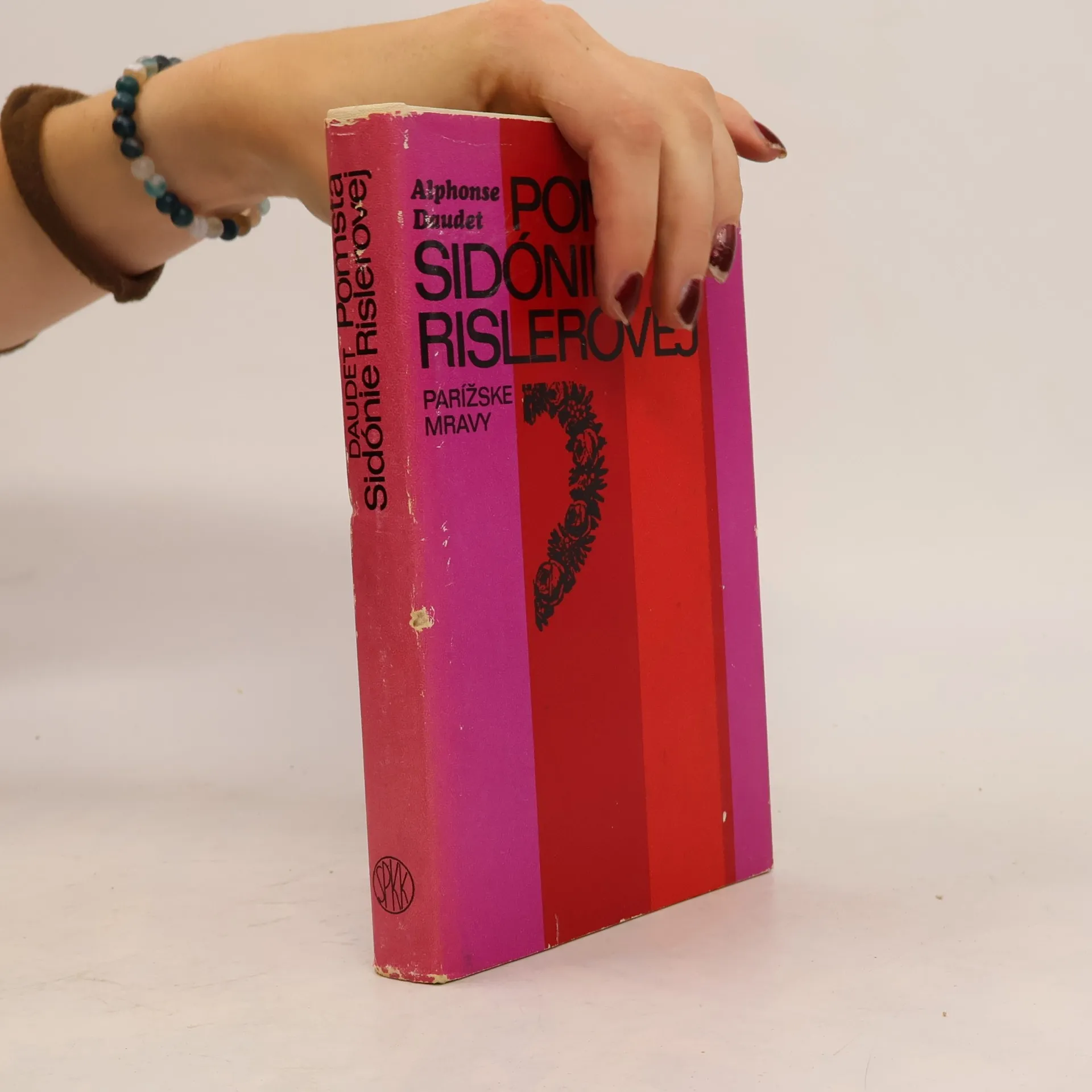
Vzrušujúca rodinná dráma, v ktorej pokoj i šťastie mnohých ľudí ruinuje krásna, rozmarná Sidónia. V pozadí príbehu žije pestrým životom Paríž, lebo osobná dráma dvoch rodín sa zväčša odohráva v salónoch. Autor v tomto diele rozvinul mimoriadnu schopnosť prenikať do jemných citových vzťahov mladých ľudí, opantaných sieťou lží a zmietaných vášňami a ukázal, ako nezriadená túžba po bohatstve plodí iba zlo a rozsieva okolo seba nešťastie. V máloktorej knihe francúzskeho realizmu je tak otrasne vyrozprávaný príbeh manželskej nevery. Kniha bola odmenená cenou Francúzskej akadémie. 2. prepracované vydanie.