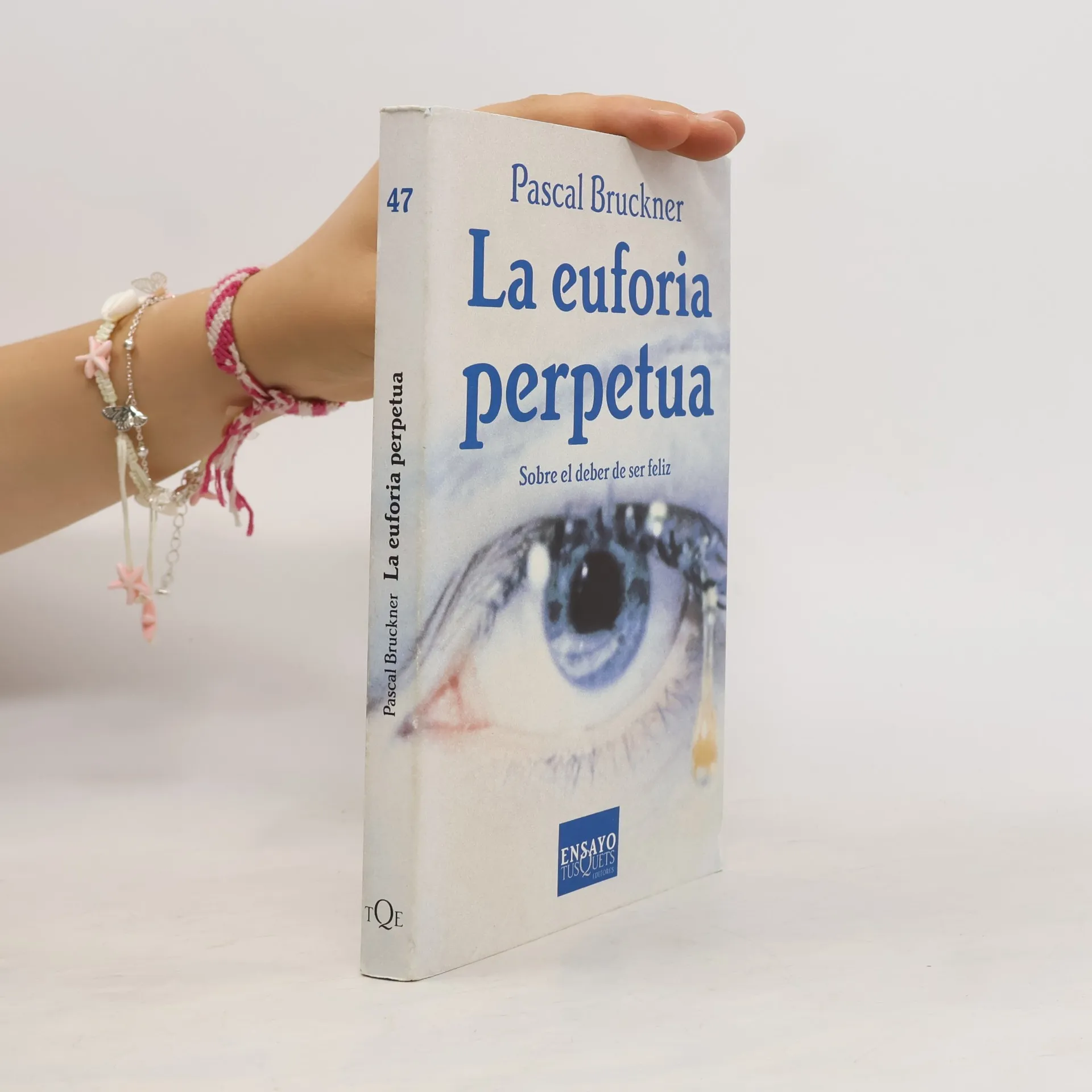
La euforia perpetua rastrea la extraña transformación que ha sufrido la idea de felicidad. Si en la antigua Grecia la «eudaimonia» tenía que ver ante todo con el trabajado dominio de uno mismo y la superación de las pasiones, y para el cristianismo fue siempre un asunto del más allá, Bruckner se pregunta cómo semejante concepción ha podido degenerar en la trivialidad contemporánea que nos presenta, pongamos por caso, la publicidad o ese budismo difuso de tan buena fama. En efecto, desde la Revolución francesa en adelante, y más aún desde el Mayo del 68, se ha difundido una suerte de compulsión casi enfermiza por la felicidad a cualquier precio, hasta el punto de que empieza a surgir una nueva clase de marginación: la de los que sufren, Bruckner repasa la reciente historia cultural europea, y desmenuza los lugares comunes del hombre moderno. Contra el «deber» de ser Feliz, he aquí una apología de la vieja idea de la «dicha» de saber vivir.
Pascal Bruckner Libros
Pascal Bruckner es un escritor francés, reconocido como uno de los "Nuevos Filósofos" que cobraron protagonismo en las últimas décadas del siglo XX. Una parte importante de su obra examina críticamente la sociedad y la cultura francesas, diseccionando sus tendencias predominantes y sus deficiencias percibidas. La escritura de Bruckner se distingue por su agudo intelecto y sus perspicaces provocaciones, desafiando a los lectores a reconsiderar sus perspectivas. Sus ensayos y novelas profundizan en las complejas cuestiones de la vida contemporánea, enfatizando las dimensiones filosóficas y éticas.


The Friendship of a Mountain
- 160 páginas
- 6 horas de lectura
The Tyranny of Guilt
- 256 páginas
- 9 horas de lectura
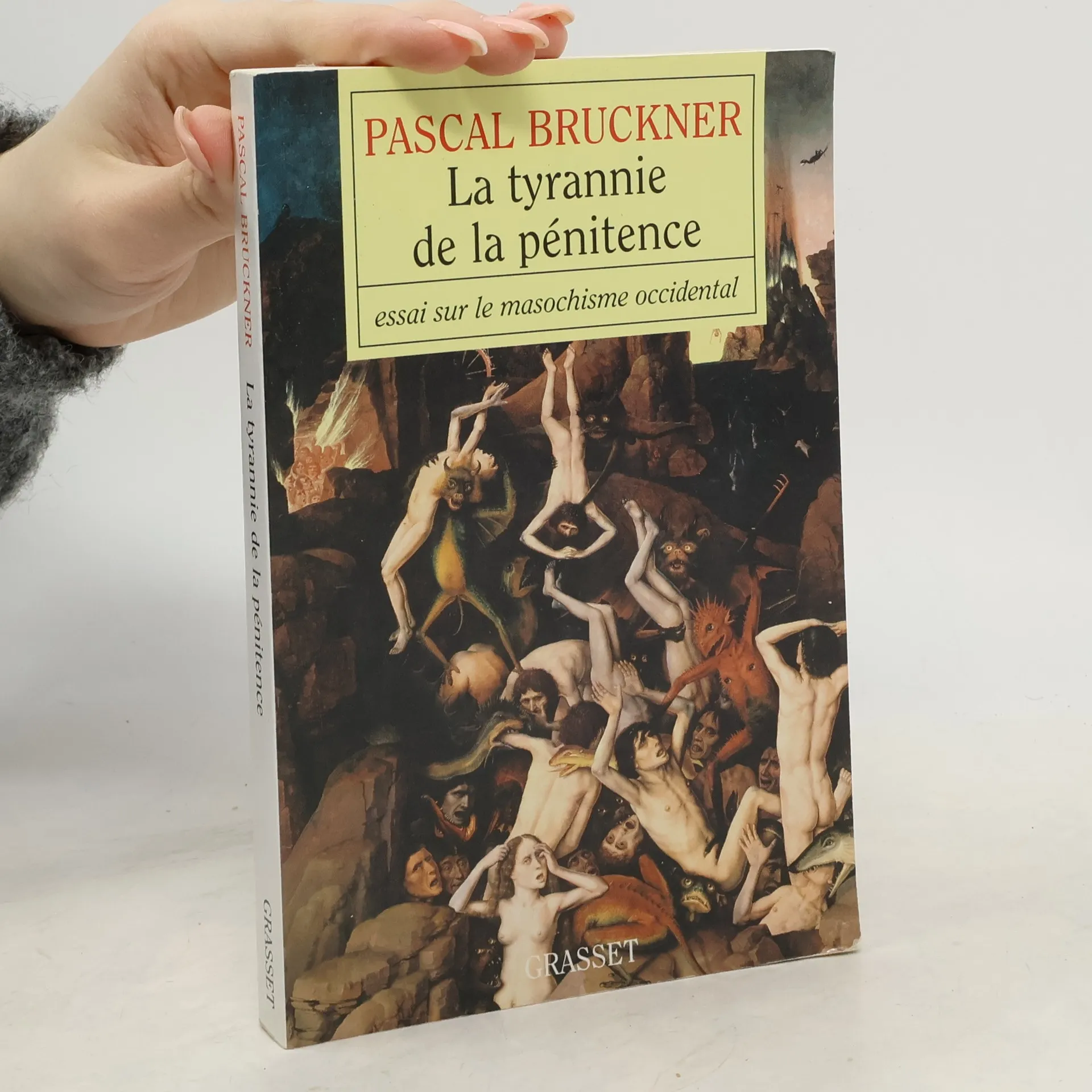
Fascism, communism, genocide, slavery, racism, and imperialism - the West has no shortage of reasons for guilt. And, indeed, since the Holocaust and the end of World War II, Europeans in particular have been consumed by remorse. This title argues that obsessive guilt has obscured important realities.
Perpetual Euphoria
- 256 páginas
- 9 horas de lectura
How happiness became mandatory—and why we should reject the demand to "be happy" Happiness today is not just a possibility or an option but a requirement and a duty. To fail to be happy is to fail utterly. Happiness has become a religion—one whose smiley-faced god looks down in rebuke upon everyone who hasn't yet attained the blessed state of perpetual euphoria. How has a liberating principle of the Enlightenment—the right to pursue happiness—become the unavoidable and burdensome responsibility to be happy? How did we become unhappy about not being happy—and what might we do to escape this predicament? In Perpetual Euphoria, Pascal Bruckner takes up these questions with all his unconventional wit, force, and brilliance, arguing that we might be happier if we simply abandoned our mad pursuit of happiness. Gripped by the twin illusions that we are responsible for being happy or unhappy and that happiness can be produced by effort, many of us are now martyring ourselves—sacrificing our time, fortunes, health, and peace of mind—in the hope of entering an earthly paradise. Much better, Bruckner argues, would be to accept that happiness is an unbidden and fragile gift that arrives only by grace and luck. A stimulating and entertaining meditation on the unhappiness at the heart of the modern cult of happiness, Perpetual Euphoria is a book for everyone who has ever bristled at the command to "be happy."
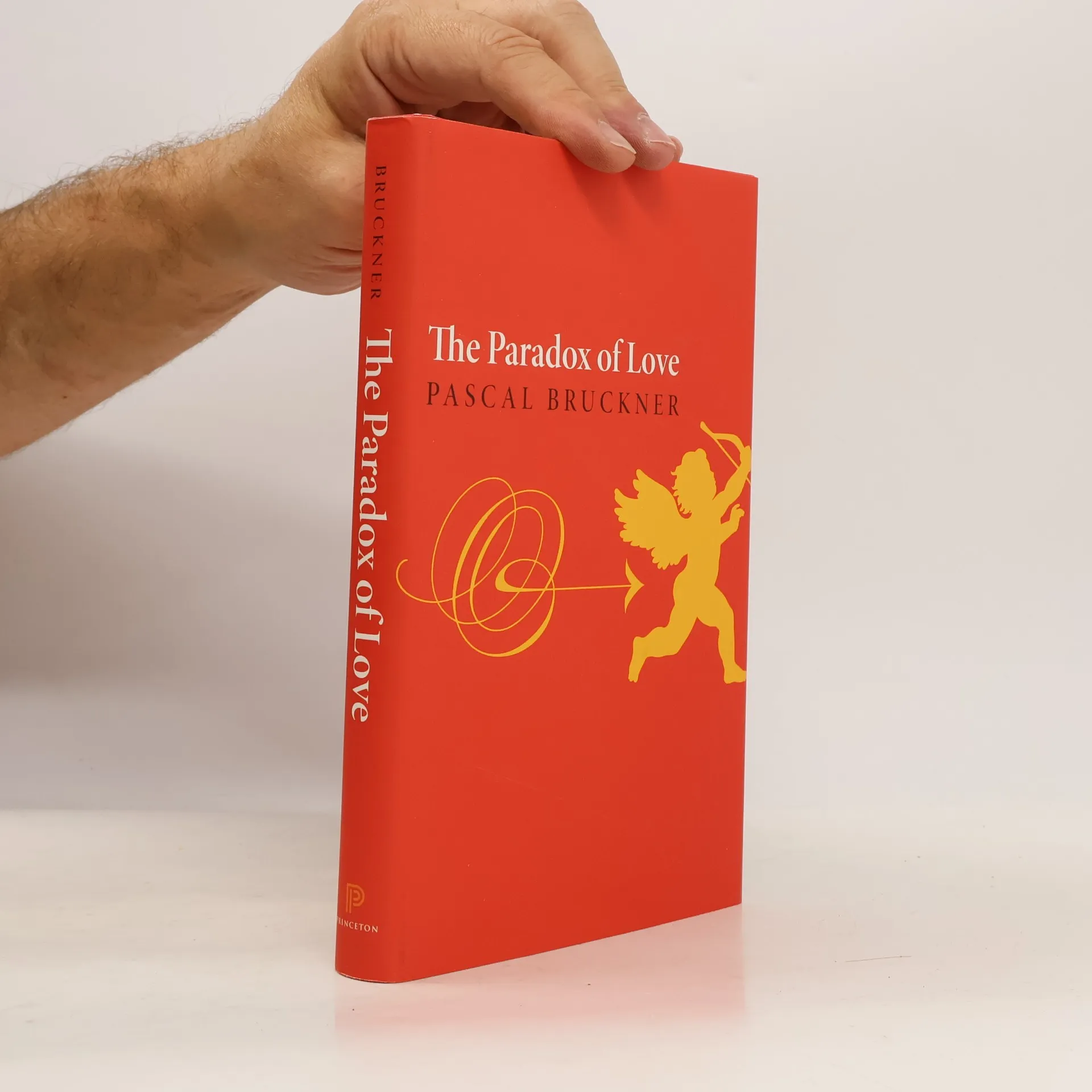
The Paradox of Love
- 272 páginas
- 10 horas de lectura
The sexual revolution is celebrated for its freedoms, including birth control, decriminalized abortion, and greater gender equality. However, Pascal Bruckner, a prominent French writer, argues that these new freedoms have introduced additional burdens and rules, without eliminating the old ones—such as marriage, jealousy, and fidelity. This complexity makes love, sex, and relationships today confusing and paradoxical. Drawing from history, politics, psychology, literature, and current events, Bruckner dissects these contradictions, tracing the roots of sexual liberation back to the Enlightenment. He highlights the paradox of "free love," which embodies the tension between freedom and attachment. As we grapple with the inadequacies of our sex lives compared to liberated ideals, we shift from neuroses of repression to those of inadequacy, leading to a culture of dishonesty about our desires. Bruckner mixes irony with optimism, suggesting that we should not align strictly with revolutionaries or reactionaries. Instead, he encourages embracing love as it is, recognizing that its messiness and surprises are sources of both pain and joy, ultimately revealing the enduring complexities of human relationships.
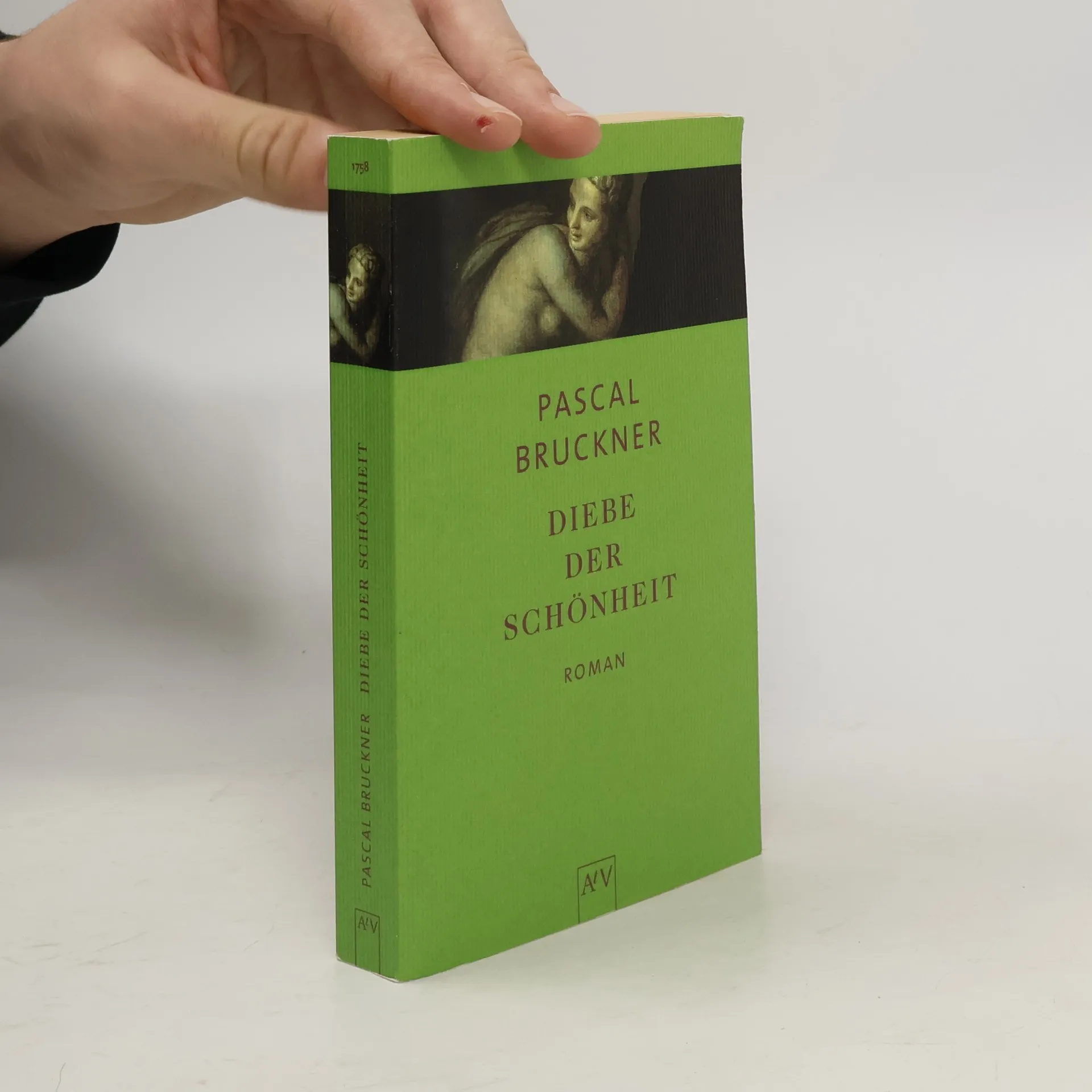
Diebe der Schönheit.
- 319 páginas
- 12 horas de lectura
Let’s be honest: who hasn’t harbored a mischievous thought of locking away leggy beauties during summer? French philosopher and writer Pascal Bruckner transforms this painful fantasy into a quirky novel. A young Parisian couple finds themselves stranded in the Alps with their luxury car and takes refuge in a chalet, home to an aging beau and his deformed servant. What begins as an enjoyable evening quickly turns into a nightmare for Benjamin and his girlfriend Hélène when they discover a secret cellar. Benjamin, an unsuccessful writer, has spent years working on a novel, while Hélène, a wealthy anthropologist, follows him into his depths. In a psychiatric emergency room, Benjamin recounts the story of Jérome Steiner, the chalet's owner, and his wife Francesca. Steiner, along with his servant, has a cruel objective: to destroy female beauty by abducting attractive women and holding them captive in the chalet's catacombs. As Benjamin becomes entangled in Steiner's plans, which also involve Hélène, he uncovers the devastating consequences of his choices. Bruckner's dark vision reflects the characters' obsessions and offers literary allusions to works by Wilde, Fowles, and Hartley while addressing the dangers of totalitarian ideologies.
The Triumph of the Slippers
- 118 páginas
- 5 horas de lectura
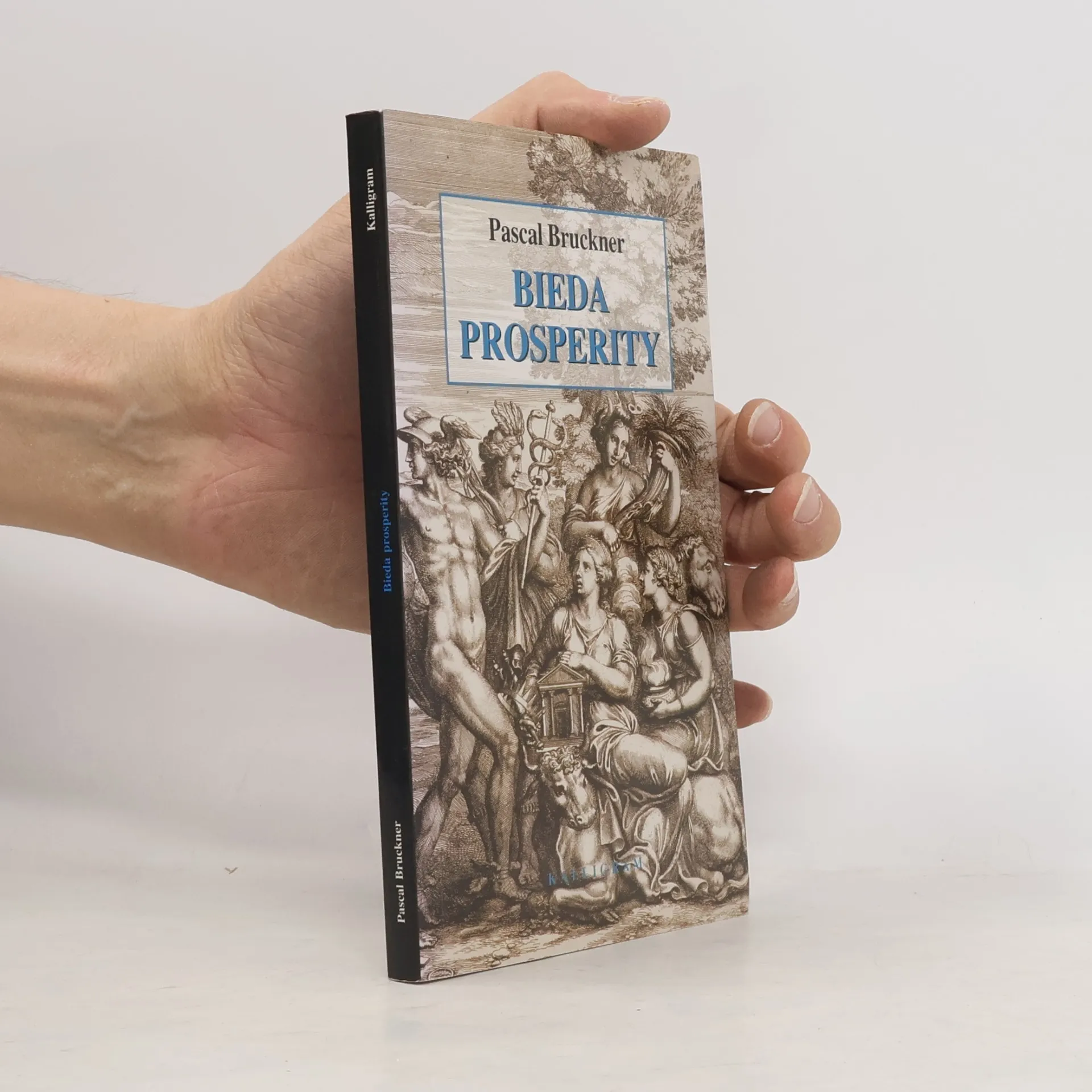
Bieda prosperity
- 202 páginas
- 8 horas de lectura
Filozof Pascal Bruckner (1948) sa preslávil ako autor kriticko-teoretických esejí o súčasnej spoločnosti, je však aj slávnym románopiscom. Esej Bieda prosperity sa koncentruje na súčasné podoby ekonomizmu a úchylky trhovej spoločnosti. Bruckner filozoficky hodnotí súčasné univerzum človeka ako jednotlivca i ako člena ľudskej spoločnosti. Podľa neho je ekonómia jediná sféra, ktorá odoláva v čase všeobecnej krízy náboženstiev a ideológií.
Die neue Liebesunordnung
- 321 páginas
- 12 horas de lectura
Points: Le Sanglot de l'homme blanc
Tiers-monde, culpabilité, haine de soi
- 309 páginas
- 11 horas de lectura
Pascal Bruckner s’attaque avec vigueur au malaise qui consume les sociétés occidentales : le « tiers-mondisme » qui repose surtout, derrière la solidarité affichée, sur la haine de soi. Cette idéologie oppose un Sud radieux, peuplé d’agneaux et de martyrs, à un Nord rapace, habité de loups et de nantis. Une vision trop simpliste et culpabilisante qui trouve ici un lumineux contrepoint. Né en 1948, Pascal Bruckner a écrit de nombreux romans et essais, dont La Tentation de l’innocence (prix Médicis de l’essai 1995) et Les Voleurs de beauté (prix Renaudot 1997). Il est également l’auteur de Lunes de fiel et co-auteur de La Plus Belle Histoire de l’amour, disponibles en Points.
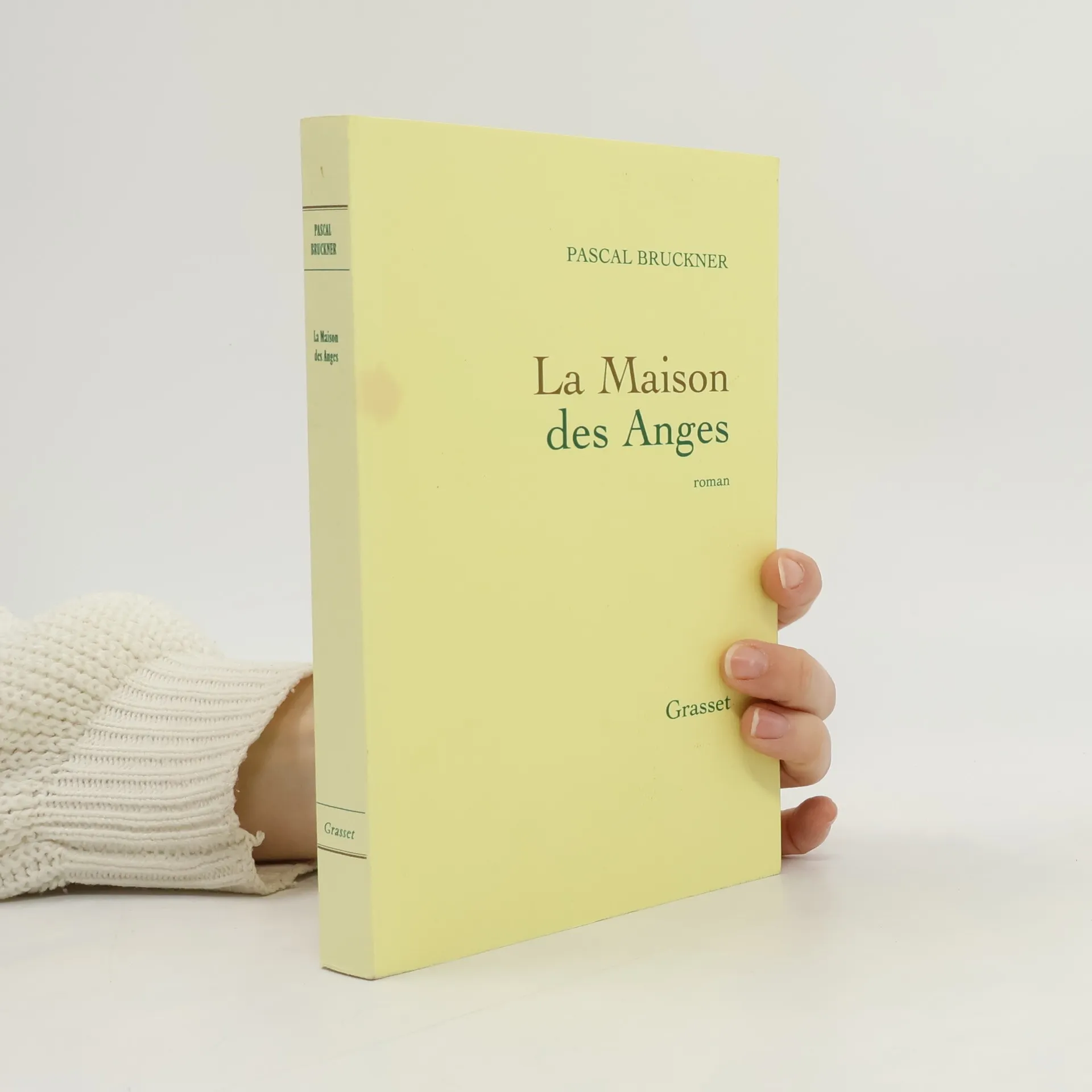
La maison des anges
- 320 páginas
- 12 horas de lectura
Antonin Dampierre, la trentaine soignee, est un garcon normal. Ou presque. Il travaille dans une agence immobiliere de luxe jusqu'au jour ou, ratant une vente a cause de deux ivrognes, il rosse l'un deux a mort. Illumination ! Notre purificateur commence alors sa quete hallucinee dans le Paris des nafrages ou il croise la route d'Isolde. Cette heroine de l'humanitaire parviendra-t-elle a le sauver de lui-meme ? La Maison des Anges est un polar du bitume qui nous emporte avec effroi et jubilation dans le grand ventre de Paris.
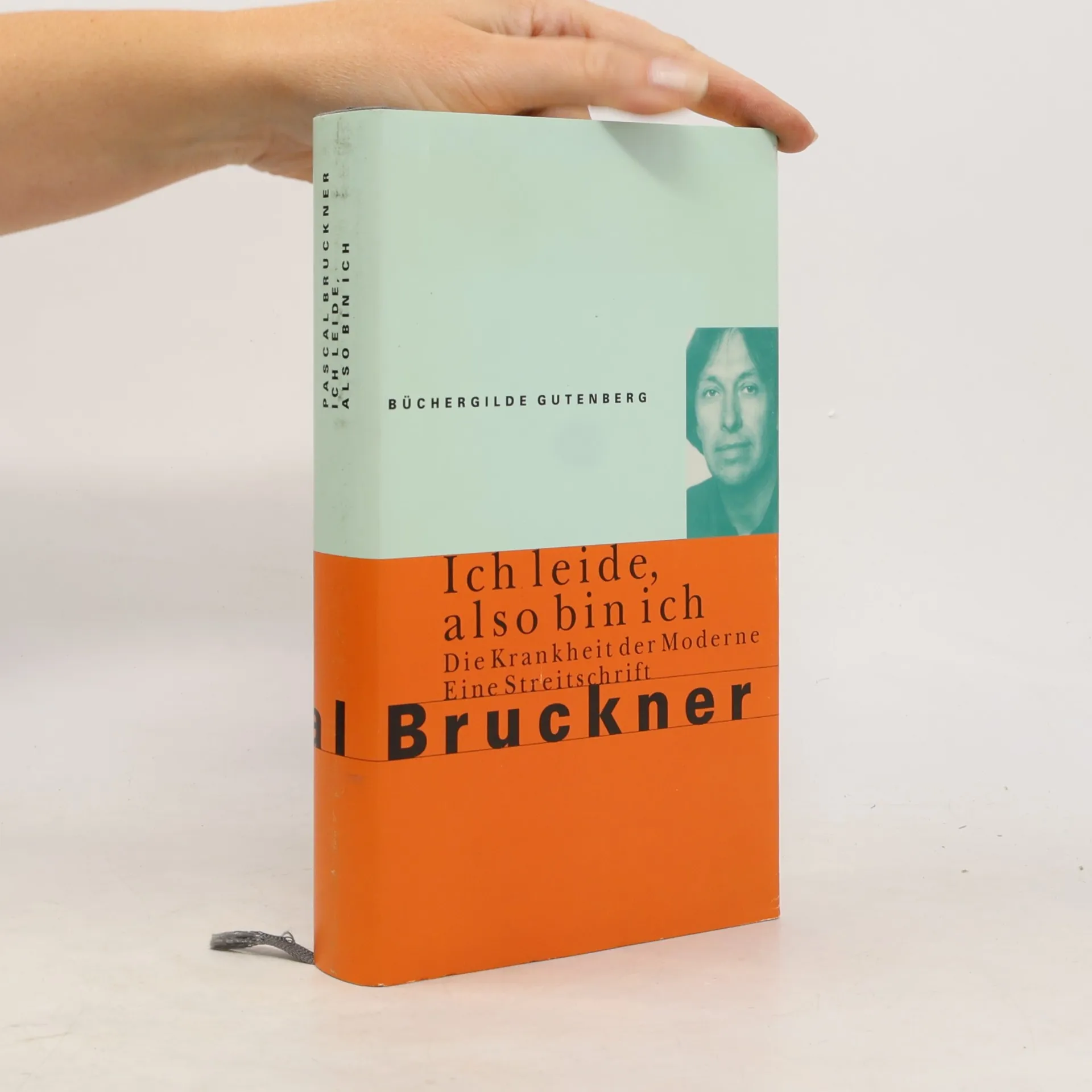
Ich leide, also bin ich
- 326 páginas
- 12 horas de lectura
Jeder ist heute mit sich allein, steht vor der Aufgabe, sein Schicksal selbst in die Hand zu nehmen, und seiner Existenz einen Sinn zu verleihen. Das moderne Individuum trägt die Last einer grenzenlosen Verantwortung auf seinen Schultern, denn mit der Auflösung archaischer Machtverhältnisse, der Tradition, der Kirche, der Familie, verlor es seine Sicherheit. Um diese Last abzuschütteln, gibt es zwei Fluchtwege, die zugleich die krankhaften Symptome der heutigen Gesellschaft sind: den Infantilismus und die Tendenz, sich als Opfer zu begreifen.§Wie ist es mit dem Fortbestand der Demokratie bestellt, wenn eine Mehrheit seiner Bürger den Status des ständigen Opfers anstrebt und damit riskiert, die Stimme der wirklich Benachteiligten zum Schweigen zu bringen? Pascal Bruckner schildert, wie sich diese Haltung auf sämtliche gesellschaftliche Bereiche auswirkt: auf die Politik, die Medien und die Beziehungen zwischen den Geschlechtern.
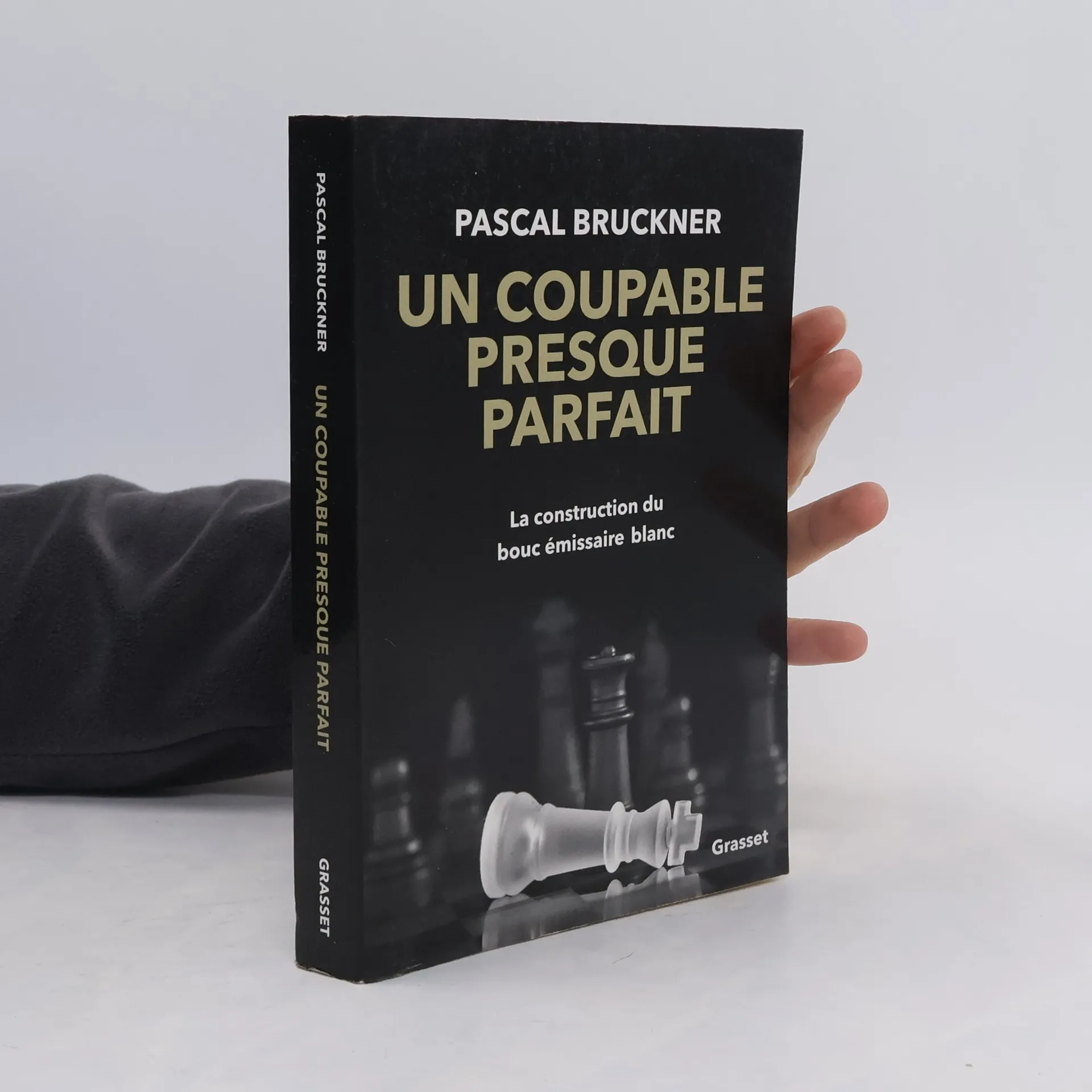
Ein nahezu perfekter Täter
Die Konstruktion des weißen Sündenbocks
Der Fall der Berliner Mauer hat die europäische Linke in Ratlosigkeit gestürzt. Auf dem Kampffeld der Ideen sind Fortschritt, Freiheit und Universalismus einer neuen, aus den USA importierten Triade gewichen: Geschlecht, Identität, »Rasse«. Progressive kämpften einst im Namen der Arbeiterklasse, der Dritten Welt und den Verdammten dieser Erde. Heute dominieren die Diskurse des Neofeminismus, Antirassismus und Postkolonialismus, die den weißen Mann als Feind auserkoren haben. Seine Anatomie macht ihn zum geborenen Raubtier, seine Hautfarbe zum Rassisten, seine Macht zum Ausbeuter aller »Unterdrückten«. Dieser Essay analysiert, wie die Konkurrenz der Geschlechter, der Rassen und der Communities den Klassenkampf ersetzt und die Idee einer gemeinsamen Menschheit zerstört. Wer aus dem weißen Mann den Sündenbock der »intersektionalen« Minderheiten macht, tauscht lediglich einen Rassismus durch einen anderen aus und bereitet den unheilvollen Weg in eine tribalisierte Gemeinschaft, in der sich am Horizont der Krieg aller gegen alle abzeichnet.
Člověk čelí v moderním světě mnoha nástrahám komercionalismu. Je ovlivňován a manipulován masovými médií a reklamou. Blahobyt je hlavním cílem a smyslem života, ale ve skutečnosti vede k apatii, pohodlnictví a otupělosti. Za své konání však každý z nás nese individuální odpovědnost. Ve své knize Pokušení nevinnosti se Pascal Bruckner snaží analyzovat všudypřítomnou a neustále sílící tendenci jedince svalovat ze sebe vinu na druhé, na rodinu, na vrozené dispozice nebo třeba na politický režim. Není schopen nést osobní odpovědnost. V mezích, které mu skýtá svobodná společnost, a skutky, s nimiž si ve vztahu ke své osobnosti neví rady, projektuje na jiné konkrétní bytosti nebo abstraktní témata či jevy. Jde tedy o jistý paradox. Útěk před svobodou, po níž jedinec přirozeně touží a dožaduje se jí, avšak když jí dosáhne, neví si s ní rady. Tedy téma v postkomunistických zemích výsostně aktuální. Protože je Brucknerův text psán srozumitelným jazykem, přístupným každému čtenáři, může sloužit i k orientaci člověka v současném světě politického populismu, bezohlednosti, msty a nadřazování ekonomických zájmů nad humánními hodnotami.
Ich kaufe, also bin ich
Mythos und Wirklichkeit der globalen Welt ; ein Essay
- 220 páginas
- 8 horas de lectura
Πώς ο «λευκός» άντρας έγινε ο αποδιοποµπαίος τράγος της εποχής μας; Ποιοι μετασχηματισμοί στις δυτικές κοινωνίες δημιούργησαν μηχανισμούς που του αποδίδουν την ευθύνη για όλες τις ανθρωπιστικές κρίσεις; Με αφετηρία την πτώση του Τείχους του Βερολίνου, ο διάσημος Γάλλος συγγραφέας εξετάζει την πτώση από τον προοδευτισμό της παραδοσιακής αριστεράς στον σκοταδισμό που προέρχεται από την αμερικανική εκδοχή του. Αναλύει την τρέχουσα επικαιρότητα και αντλεί στοιχεία από τη νεότερη και σύγχρονη ιστορία, διερωτώμενος αν η αποδοχή του στίγματος του λευκού άντρα οδηγεί σε μια νέα μορφή ρατσισμού και σε έναν πόλεμο όλων εναντίον όλων. Ο Μπρυκνέρ είναι επιφυλακτικός απέναντι στην ιδεολογική στράτευση που στηρίζεται στην απόλυτη παράδοση και όχι στον ορθό λόγο, απορρίπτοντας τις απόλυτες γενικεύσεις. Στο εµπεριστατωµένο αυτό έργο, φωτίζει την κατασκευή του «λευκού αποδιοποµπαίου τράγου», αναλύοντας τη γενεαλογία και την κλινική εικόνα της «καινούριας πανούκλας» που πλήττει τη Δύση. Η κριτική του απέναντι στη ριζοσπαστικοποίηση αποκαλύπτει αληθινό θάρρος σε μια κοινωνία που επηρεάζεται από την ιδεολογική ποικιλομορφία.
Croyez-vous qu'un seul bébé accepterait de naître si on lui représentait ce qui l'attend? Enceinte de jumeaux, la jeune Madeleine décide d'instruire ses petits et ce dès les premières semaines de sa grossesse. Par malheur, elle y parvient. Au bout de six mois, les deux fœtus, Louis et Céline, ont atteint le niveau de connaissance d'un étudiant modèle. Mais avec les mathématiques, la philosophie et les sciences naturelles, ils apprennent aussi et malgré aux l'existence de la souffrance, de la maladie et de la guerre. Si bien qu'au moment de venir au monde, alors que tous s'apprêtent à célébrer leur arrivée, Louis et Céline se demandent anxieusement : naître ou ne pas naître?
Der eingebildete Rassismus
Islamophobie und Schuld
Der Begriff "Islamophobie" wird seit über dreißig Jahren genutzt, um kritische Äußerungen über den Islam zu unterdrücken. Er schränkt die Meinungsfreiheit im Westen ein und diskreditiert reformerische Muslime.
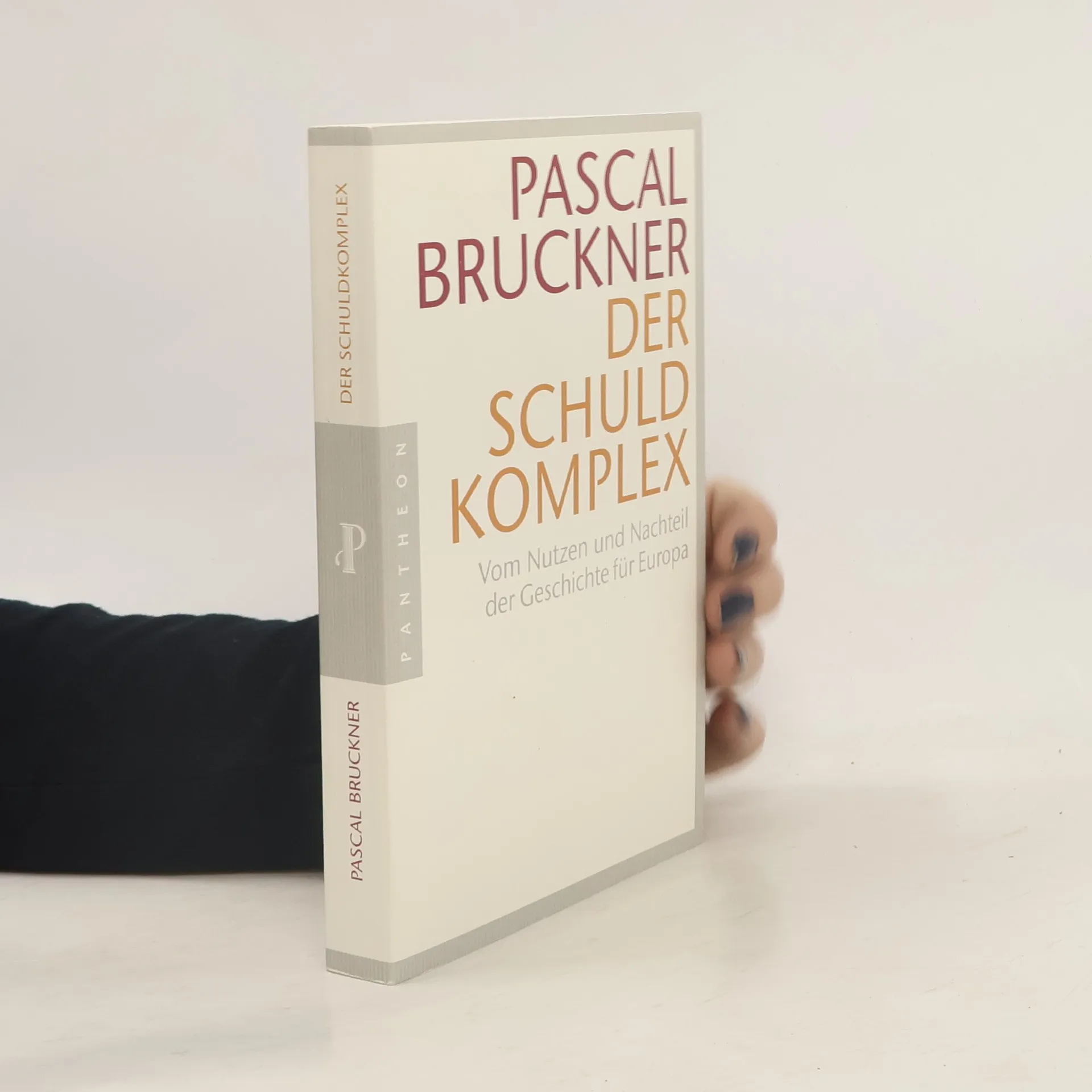
Mit seiner jüngsten Streitschrift hat der französische Philosoph und Publizist Pascal Bruckner eine lebhafte Debatte über unser Verhältnis zur eigenen Geschichte entfacht. In Europa ist das Sprechen über Schuld und Scham seit dem Zweiten Weltkrieg ein zentrales politisches und moralisches Gebot. Diese permanente Büßerhaltung jedoch verstellt den Blick darauf, wie wir verantwortungsvoll mit unserer Geschichte umgehen und aus ihr für die Zukunft lernen können. Viele Europäer scheinen zu glauben, dass die Welt uns hasst und wir es verdienen, gehasst zu werden. Seit 1945 sind wir in einer unreflektierten Büßerhaltung gefangen und erinnern uns beinahe lustvoll an vergangene Kriege, religiöse Verfolgung, Diktatur oder Sklaverei, oft jedoch nur als bloße Lippenbekenntnisse. In seinem mitreißenden Essay kritisiert Bruckner diesen 'westlichen Masochismus' und die verbreitete Haltung, sich historischer Schuld zu bezichtigen, anstatt Verantwortung zu übernehmen. Er setzt sich mit unserem Geschichtsverständnis auseinander, ohne einem neuen Revisionismus das Wort zu reden. Bruckner relativiert begangene Verbrechen nicht, sondern fordert eine Debatte, die uns zeigt, wie wir die Erinnerung an historisches Unrecht nutzen können, um die Zukunft zu gestalten.
Fascism, communism, genocide, slavery, racism, imperialismthe West has no shortage of reasons for guilt. And, indeed, since the Holocaust and the end of World War II, Europeans in particular have been consumed by remorse. But Pascal Bruckner argues that guilt has now gone too far. It has become a pathology, and even an obstacle to fighting today's atrocities. Bruckner, one of France's leading writers and public intellectuals, argues that obsessive guilt has obscured important realities. The West has no monopoly on evil, and has destroyed monsters as well as created themleading in the abolition of slavery, renouncing colonialism, building peaceful and prosperous communities, and establishing rules and institutions that are models for the world. The West should be proudand ready to defend itself and its values. In this, Europeans should learn from Americans, who still have sufficient self-esteem to act decisively in a world of chaos and violence. Lamenting the vice of anti-Americanism that grips so many European intellectuals, Bruckner urges a renewed transatlantic alliance, and advises Americans not to let recent foreign-policy misadventures sap their own confidence. This is a searing, provocative, and psychologically penetrating account of the crude thought and bad politics that arise from excessive bad conscience.
Il matrimonio d'amore ha fallito?
- 128 páginas
- 5 horas de lectura
In Occidente, il matrimonio è in crisi: aumentano i divorzi, cresce il numero di chi vive da solo e le famiglie monoparentali sono sempre più comuni. Pascal Bruckner offre una spiegazione provocatoria: l'amore, elevato a ideale assoluto e commercializzato come modello di realizzazione personale, potrebbe minare la stabilità della coppia. Dalla seconda metà del Novecento, il matrimonio ha subito una trasformazione radicale, passando da istituzione borghese che reprimeva le passioni a simbolo di emancipazione affettiva, dove l'amore è posto al di sopra di tutto. Non ci si sposa più per convenienza o imposizione familiare, ma per amore, con la libertà di scegliere il partner. Tuttavia, questa libertà, conquistata a caro prezzo, ha portato più discordia che armonia, poiché l'amore idealizzato rivela rapidamente i limiti individuali. Bruckner propone una rivalutazione del matrimonio d'interesse, suggerendo che un'unione in cui la razionalità prevale sui sentimenti possa offrire stabilità. La chiave potrebbe essere trovare un equilibrio tra gratificazione personale e rispetto reciproco, cercando di superare con la ragione i limiti dell'amore, per renderlo più resistente alle inevitabili difficoltà della vita di coppia.
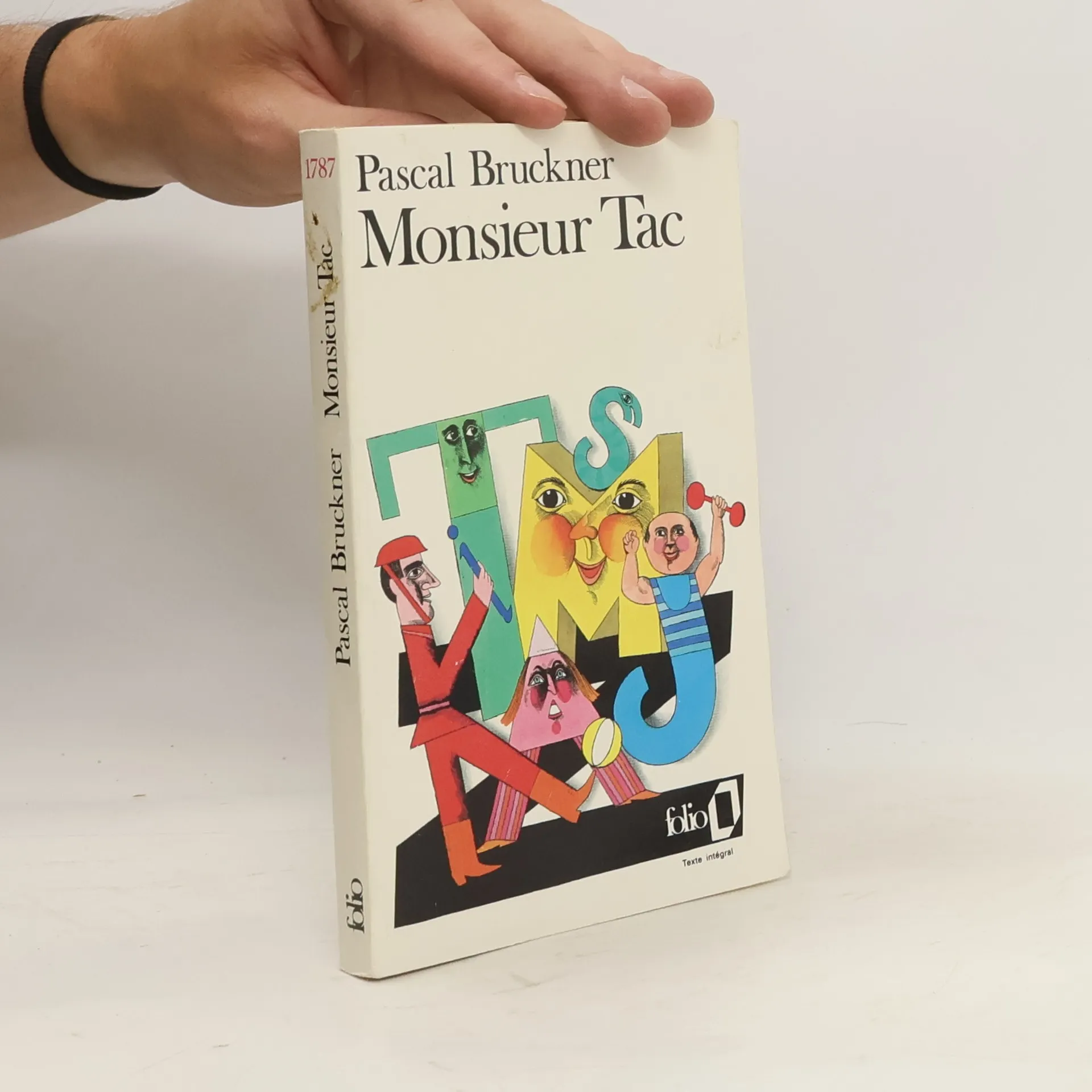
Monsieur Tac est le récit d'un voyage imaginaire, une plongée dans un univers magique, celui de l'alphabet. On y voit des lettres qui parlent et agissent comme des être humains, des corps qui grandissent et rapetissent à vue d'œil, des calembours baladeurs, des animaux savants, un détective qui meurt et ressuscite à volonté, tout cela raconté avec un mélange inimitable de sérieux et d'humour, en 26 chapitres, évidemment - de A à Z. En même temps, Monsieur Tac est une satire de notre culture, un démontage ironique de tout le bric-à-brac littéraire qui encombre nos cervelles, mieux : le déboulonnage de l'Homme de Lettres statufié par les Lagarde et Michard à la mode. Bref, un roman gai et brillant, sans message ni thèse.
Un bon fils
- 250 páginas
- 9 horas de lectura
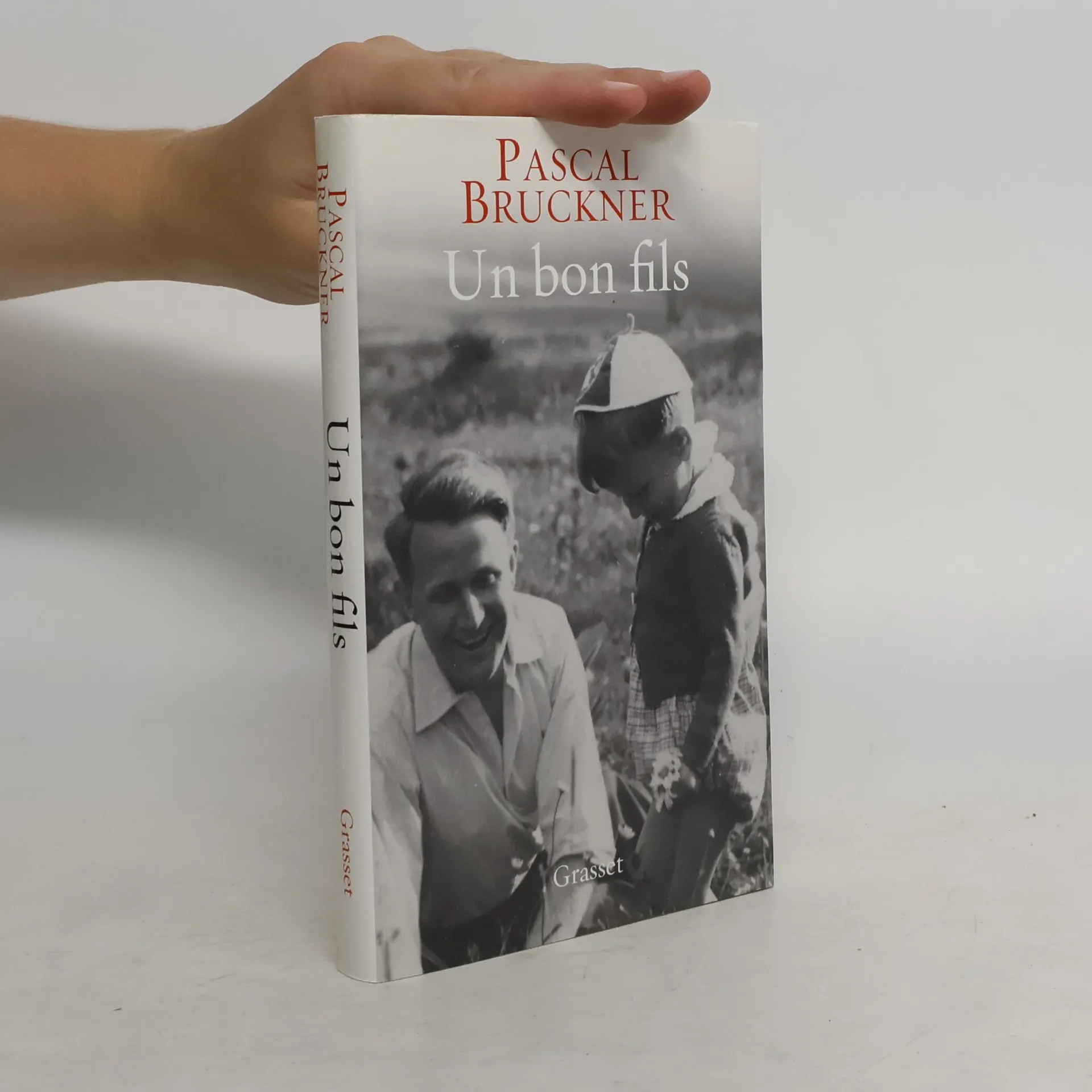
""Rien de plus difficile que d'être père : héros, il écrase de sa gloire ; salaud, de son infamie ; ordinaire, de sa médiocrité." Dans ce pudique roman de formation, Pascal Bruckner raconte sa filiation personnelle et intellectuelle. C'est l'histoire d'un enfant à la santé fragile. Né après guerre dans une famille d'origine et de culture allemandes, il est envoyé dans un village d'Autriche pour soigner ses poumons. Sous la neige, il chante la gloire de Dieu et prie chaque soir le Seigneur de provoquer la mort de son père. Ce dernier, antisémite et raciste, est un mari pervers qui bat sa femme et l'humilie. Son fils unique fera tout pour devenir son contre-modèle ("je suis sa défaite"). Il sera l'élève de Jankélévitch et de Barthes, le jumeau spirituel d'Alain Finkielkraut, puis un écrivain reconnu, classé parmi les "intellectuels juifs" auxquels il s'identifie sans en être. Jusqu'au dernier jour, il accompagnera néanmoins dans son calvaire cet étranger qui lui a donné la vie et n'en finit pas de mourir. Car au-delà du mépris et de la rage coupable, ce récit bouleversant est l'aveu d'un amour impossible à renier d'un fils pour son père auquel il doit paradoxalement toute son oeuvre où le théâtre de la cruauté se retourne en compassion. Il lui dédie ce Tombeau d'effroi et de pardon."--P. [4] of cover
Luni de fiere
- 266 páginas
- 10 horas de lectura
Roman koji se bavi problematikom izjalovljene i poražene ljubavi, na kraju prometnute u mržnju i okrutno mučenje. Radnja je kompozicijski podijeljena na pet poglavlja, koja odgovaraju petodnevnoj plovidbi. Tjekom tog putovanja ukrštaju se sudbine neobičnog para, bogalja Franza i iznakažene Rebecce, koji se međusobno uništavaju, te bezazlenog, gotovo banalnog ljubavnog para Didiera i Beatrice...
Histoires d'enfance
- 272 páginas
- 10 horas de lectura
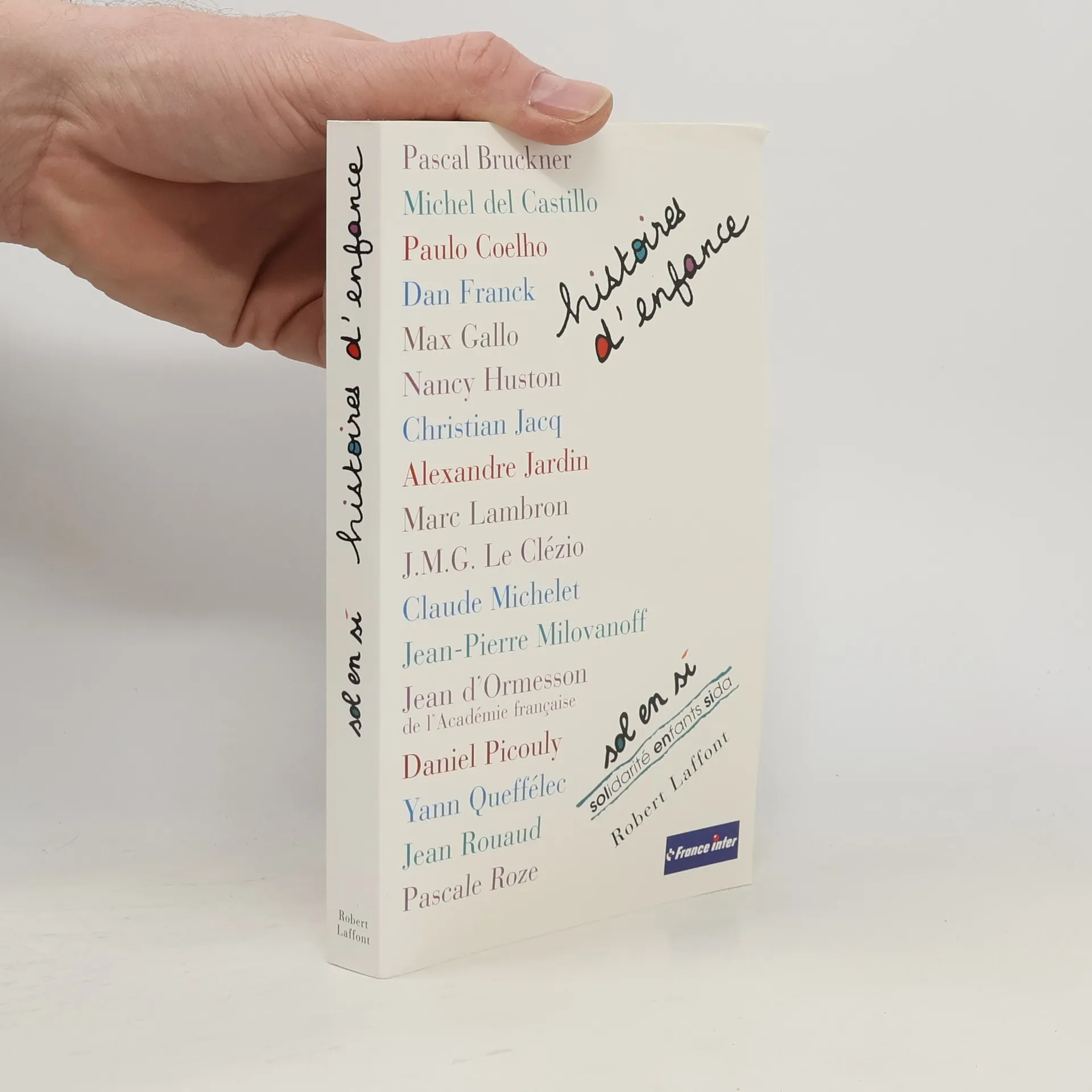
Çocukluğun şiirini, sevgisini, büyüsünü ve başkaldırısını taşıyan 17 muhteşem öykü... 17 büyük yazar... Yıllardır AIDS'li çocuklar yararına çalışan Sol en si'nin hazırladığı bu dev edebiyat buluşmasında kimler yok ki... Güncel Yayıncılık, Sol en si'nin dünyadaki AIDS'li çocuklar adına başlattığı bu dayanışmaya elinizdeki kitabı Türk okuruna sunarak destek veriyor...
Mon petit mari
- 213 páginas
- 8 horas de lectura
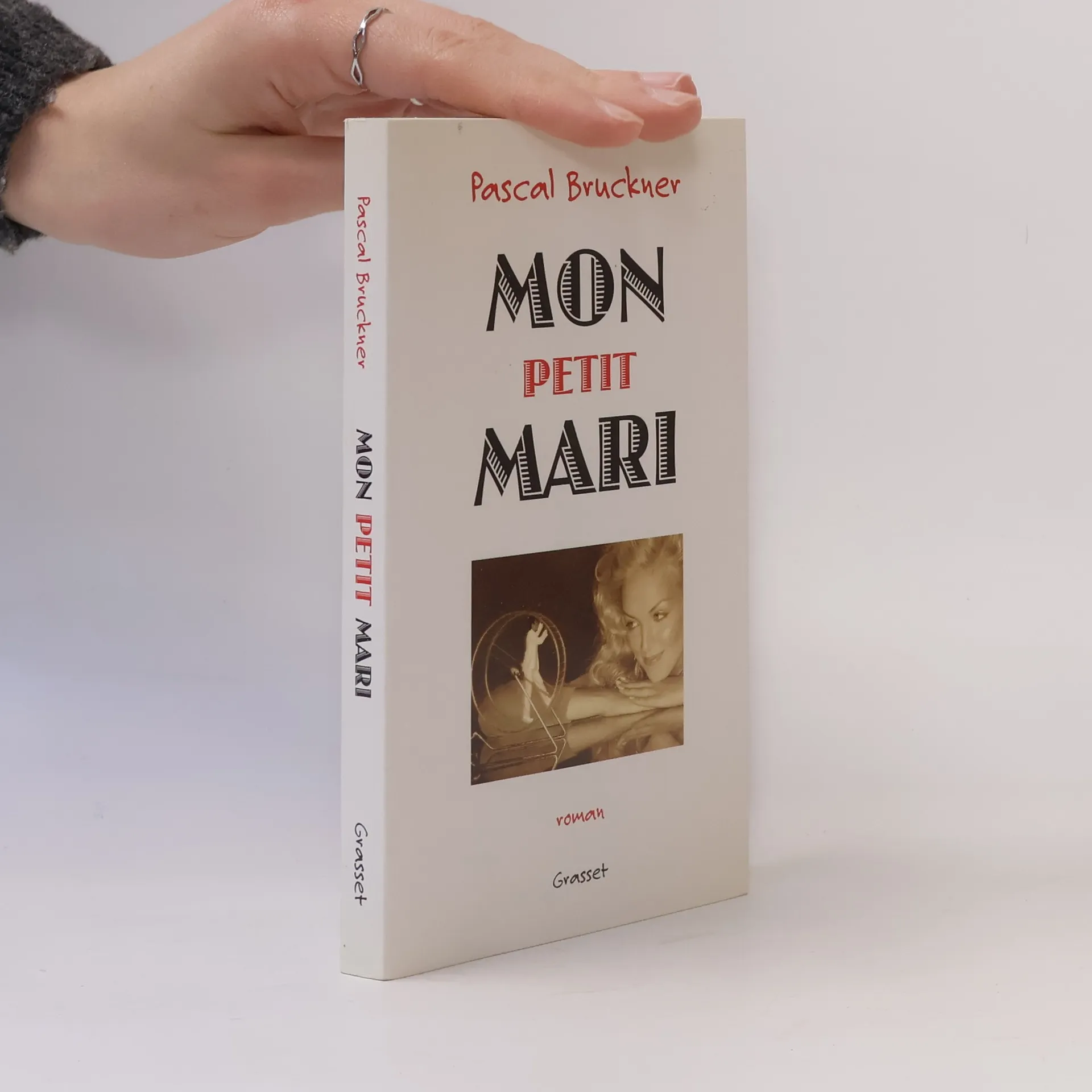
On connait la chanson populaire: - Mon pere m a donne un mari, Mon Dieu, quel homme, quel petit homme, qu il est petit -, mais sait-on que la plaisante ritournelle pourrait devenir realite; au moins chez Pascal Bruckner, amateur de conte cruel, ou l enfance perverse voisine avec l age adulte Le jour de son mariage, Leon doit se hisser sur les pieds pour embrasser son epouse, la plantureuse Solange. Quoique de gabarits differents, ce couple ideal donne naissance a de robustes enfants. Etrange ! A chaque naissance, Leon perd quelques centimetres: cet avorton de la toise rapetisse inexorablement, et il a beau consulter le corps medical, rien n y fait. Avec sa taille, ses responsabilites diminuent, son autorite s emousse. C est bientot Liliput, Leon le moucheron, un corpuscule, et de pere ideal il s inverse en victime des appetits familiaux... Le microbe survit en se cachant dans la bibliotheque, bivouaquant dans de la mie de pain: la description de son calvaire permet a l auteur des pages drolissimes, grincantes et cruelles a la fois ! On ne vous dira pas la fin. Tout conte a une morale."
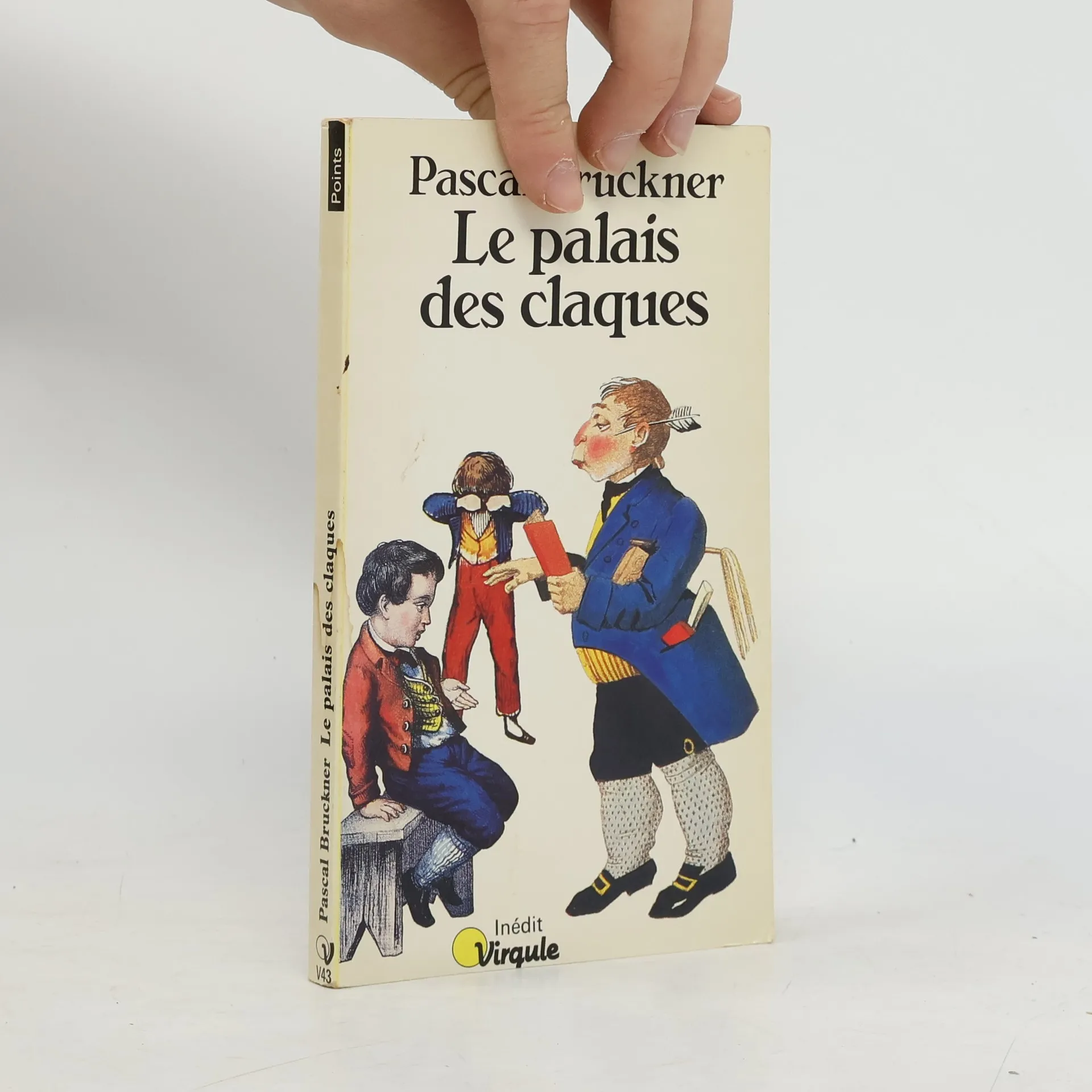
Le palais des claques
- 128 páginas
- 5 horas de lectura
French
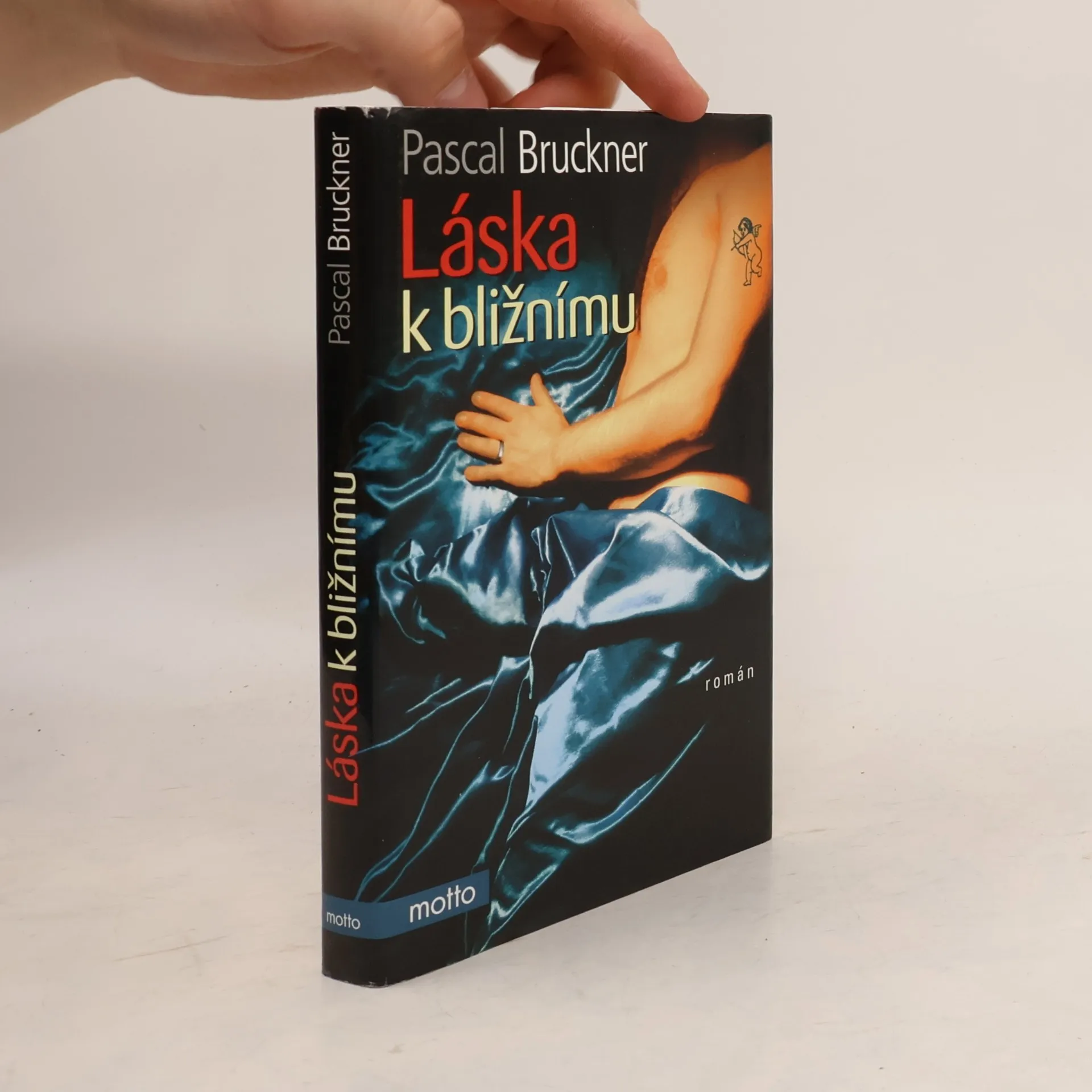
Láska k bližnímu
- 282 páginas
- 10 horas de lectura
Sébastien je vzorem spořádaného muže: pochází z dobré rodiny, má vynikající vzdělání a před sebou ve třiceti letech skvělou diplomatickou kariéru, doma krásnou a ctižádostivou ženu, tři skvělé děti, přátele, netíží ho existenční starosti. Jednoho dne však potká v kavárně starší ženu hledající dobrodružství a toto setkání zcela změní běh jeho života. Sébastien se rozhodne vystoupit z rutiny, překročit hranice ustálených pravidel a udělat něco naprosto neslýchaného - nabídne své tělo neuspokojeným, frustrovaným ženám, poskytne jim lásku a vnáší do jejich života štěstí. Své zákaznice si nevybírá, oblažuje se stejným zanícením ženy mladé i staré, hezké i ošklivé, protože je to pro něj nejvyšší projev lásky k bližnímu...
Zloději krásy
- 206 páginas
- 8 horas de lectura
Benjamin a jeho mladá přítelkyně Helène se vracejí z lyžování ve švýcarských Alpách a uvíznou ve sněhové bouři. Nedaleký statek, na kterém se rozhodnou bouři přečkat, vypadá opuštěně. Uvítá je tam však Jerome Steiner, starší muž, který se k nim chová navenek přátelsky a pozorně. Benjamin i Helène si ale brzo všimnou, že se Steinerem není něco v pořádku a že se v téhle pustině stali vlastně jeho zajatci. Večer, při temném mihotání svíček, objeví Benjamin kamenný vchod do sklepa. Sklepní katakomby se brzy stanou noční můrou obou mladých lidí. Steiner se svými dvěma spolupracovníky totiž sleduje krutý a zoufalý cíl: zničení lidské, především pak ženské krásy. Proto unáší sehrané trio mladé atraktivní dámy a vězní je v rozpadajících se katakombách sídla Chalet. Teď je v ohrožení Helène. A to tím spíš, že bestiální filozofii začne propadat i Benjamin. Ukáže se, že jeho vztah s Helène není vůbec tak idylický…
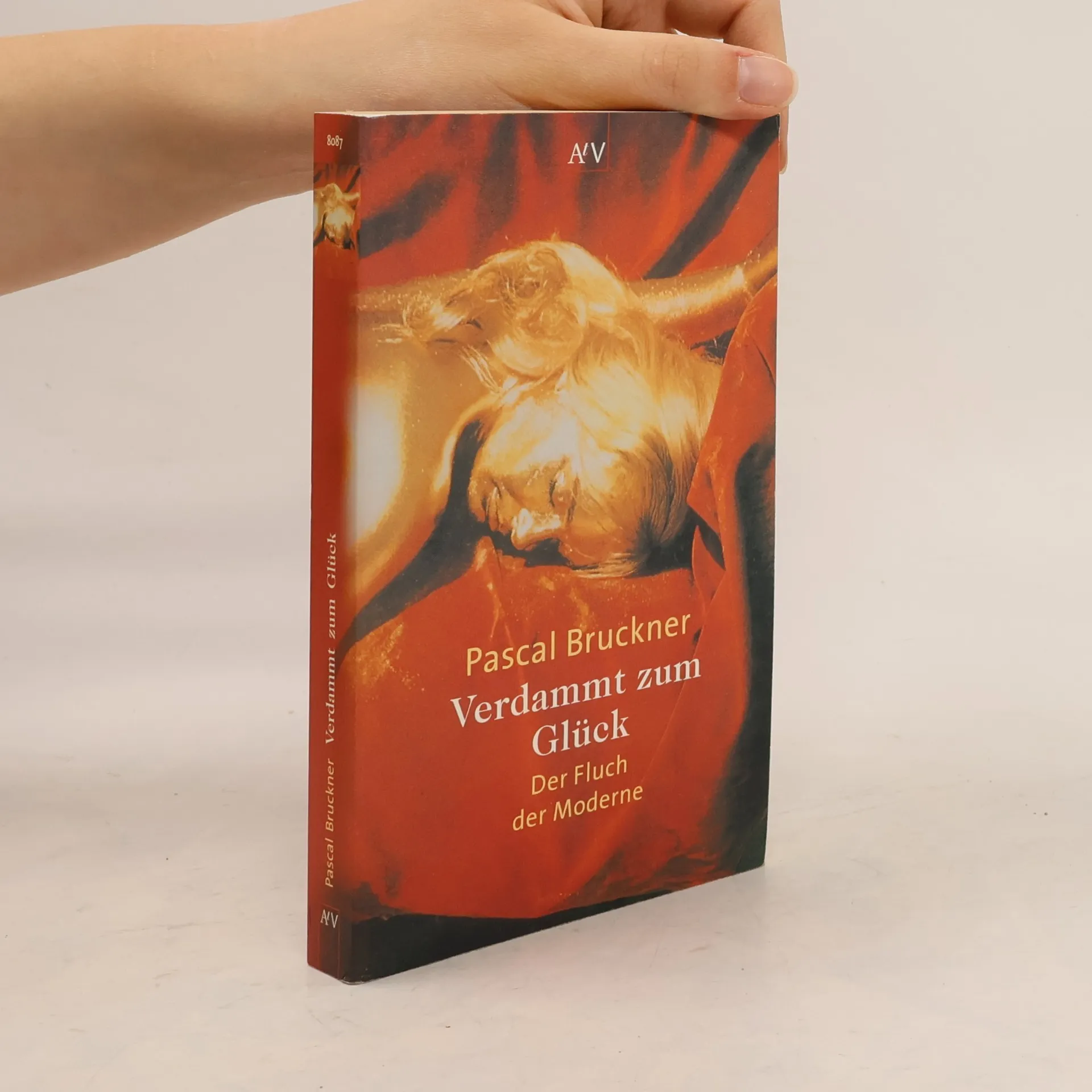
Verdammt zum Glück
- 266 páginas
- 10 horas de lectura
"Seid glücklich! Gibt es, so liebenswürdig dieser Satz klingt, einen paradoxeren, schrecklicheren Befehl? Wie soll man wissen, ob man glücklich ist? Wer legt die Norm fest? Warum muß man es sein, weshalb wird die Empfehlung zu einem Befehl? Und was soll man denen antworten, die kläglich eingestehen: Ich schaffe es nicht?"§Das Glück, unsere uralte Sehnsucht, ist zum Werbeslogan verkommen und das Glücklichsein zum gesellschaftlichen Pflichtprogramm geworden. Ein Leben lang jagt der moderne Mensch ihm nach, wohl wissend, daß seine Nichterfüllung einem persönlichen Scheitern gleichkommt. Wie aber konnte eine so große Idee der Aufklärung sich in ein Dogma, in einen für alle verbindlichen Katechismus verwandeln?§Pascal Bruckner schrieb mit dieser brillanten Beobachtung der Welt, in der wir leben, das Gegenstück zu seinem vielbeachteten Essay "Ich leide, also bin ich".
Die Gesellschaft der Opfer. Porträt des Erniedrigten als Held
- 304 páginas
- 11 horas de lectura
Die Anmerkung thematisiert den aktuellen Trend des Narzissmus und Opferwettbewerbs in der Gesellschaft. Sie hinterfragt, ob die jüngeren Generationen, geprägt von Angst und Empfindsamkeit, in der Lage sind, sich der chaotischen Zukunft zu stellen, während jeder seine Benachteiligung zur Schau stellt und ein Gefühl von Groll und Rache nährt.
Die neue Liebesunordnung
- 319 páginas
- 12 horas de lectura
Hainer Kober, geboren 1942, lebt in Soltau. Er hat u. a. Werke von Stephen Hawking, Steven Pinker, Jonathan Littell, Georges Simenon und Oliver Sacks übersetzt.
Das Abenteuer gleich um die Ecke
- 299 páginas
- 11 horas de lectura
Nous Tintin
- 96 páginas
- 4 horas de lectura
Nous avons tous une case en plus, et c'est une case de Tintin. De combien d'aventures vécues ou rêvées, lointaines ou intimes, le héros de Hergé a-t-il été le ferment pour ses jeunes lecteurs parfois devenus grands auteurs? Une trentaine d'entre eux laissent ici vagabonder leur plume ou leur conversation à partir d'une case, d'une bulle, d'un personnage, d'une relique, dans le sillage du jeune reporter du Petit XXème.Un livre d'or "à suivre" sans modération, en hommage affectueux à l'enchanteur inquiet, mais toujours intact de notre vaste monde, capitale Bruxelles. (Album adapté du numéro Télérama hors série "Tintin: l'aventure continue").
L'amour du prochain
- 347 páginas
- 13 horas de lectura
Le soir de ses trente ans, Sébastien réalise qu'il a mené une vie réussie, mais que cette réussite est une prison. Avec une femme séduisante, des enfants, une carrière au Quai d'Orsay et des amis fidèles, il se sent piégé dans un confort résigné. Pour échapper à cet esclavage quotidien, il se demande comment renaître. Lors d'une rencontre inattendue, une femme lui propose de l'argent pour passer du temps avec lui, ce qui le pousse à devenir prostitué. Sébastien s'installe dans le Marais, embrassant une vie parallèle où il se consacre avec méthode à son nouveau rôle. Il est bientôt rejoint par Dora, une femme complexe et fascinante, qui l'entraîne au-delà de ses limites. Leur relation, à la fois charnelle et spirituelle, transforme le libertinage de Sébastien en une quête de sens. À l'approche de ses quarante ans, il se retrouve dévasté, confronté à la tragédie de sa vie. Mais est-il vraiment son seul ennemi ? Ce roman, à la fois charnel et moral, explore les profondeurs de l'amour et du désir, tout en défiant les normes contemporaines du sexuellement correct.