
Compra 10 libros por 10 € aquí!
Bookbot

John Barth

    27 de mayo de 1930 – 2 de abril de 2024

    John Simmons Barth fue un novelista y cuentista estadounidense, reconocido por la calidad posmoderna y metaficcional de su obra. Sus narrativas a menudo exploran los límites de la narración, rompiendo lúdicamente con las convenciones e involucrando al lector en una compleja interacción de forma y contenido. Barth profundizó en temas como la autoconciencia autoral, la naturaleza de la ficción misma y el concepto de agotamiento literario. Su innovador enfoque de la escritura, que equilibra magistralmente el juego intelectual con una trama cautivadora, ha dejado una marca indeleble en la literatura contemporánea.

    John Barth
    Letters
    The Tidewater Tales
    Postscripts
    The Floating Opera and The End of the Road
    The Sot-Weed Factor
    The Last Voyage of Somebody the Sailor
    • The Last Voyage of Somebody the Sailor

      • 573 páginas
      • 21 horas de lectura

      A National Book Award winner offers his most inventive novel to date. Journalist Simon Behler finds himself in the house of Sinbad the Sailor after being washed ashore during a sea-going adventure. Over the course of six evenings, the two take turns recounting their voyages in a brilliantly entertaining weave of stories within stories. "Filled with white nights and golden days . . . lyrical, fresh and sprightly."--Washington Post.
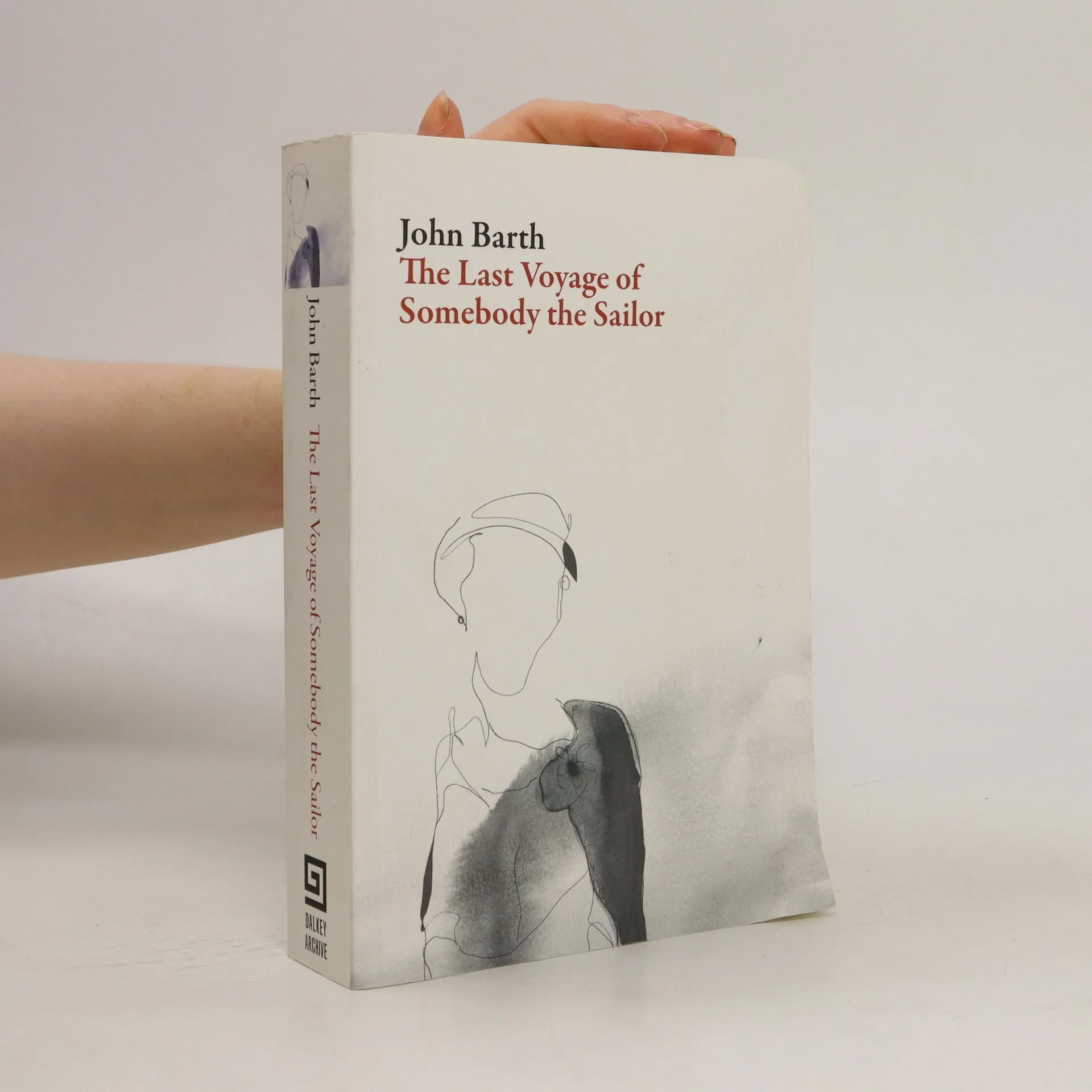
      The Last Voyage of Somebody the Sailor
    • Considered by critics to be Barth's masterpiece, The Sot-Weed Factor has acquired the status of a modern classic. Set in the late 1600s, it recounts the wildly chaotic odyssey of hapless, ungainly Ebenezer Cooke, sent to the New World to look after his father's tobacco business & to record the struggles of the Maryland colony in an epic poem. On his mission, Cooke experiences capture by pirates & Indians; the loss of his father's estate to roguish impostors; love for a farmer prostitute; stealthy efforts to rob him of his virginity, which he's almost determined to protect; & an extraordinary gallery of treacherous characters who continually switch identities. A hilarious, bawdy tribute to all the most insidious human vices, The Sot-Weed Factor has lasting relevance for all readers.

      The Sot-Weed Factor
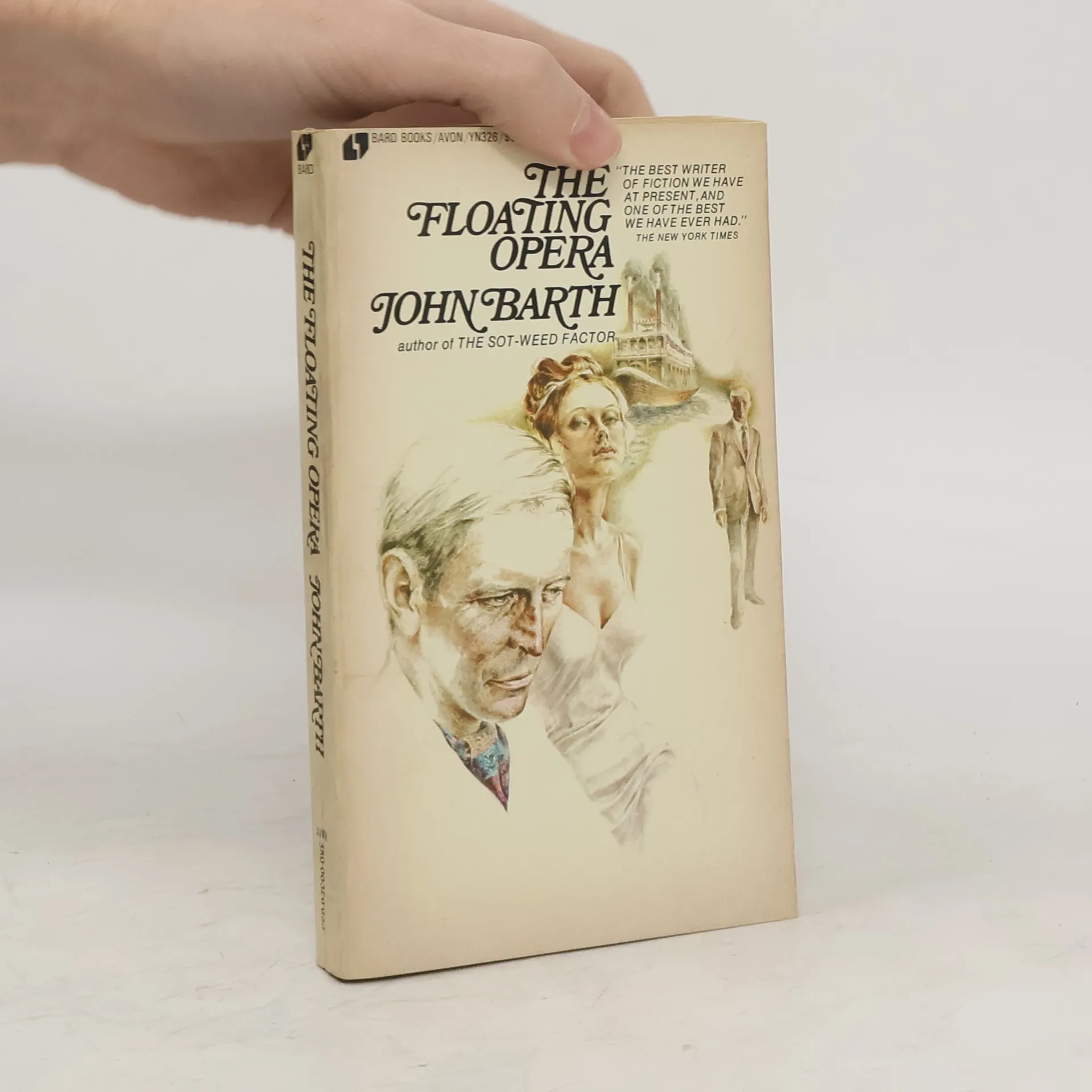
    • The Floating Opera and The End of the Road

      • 188 páginas
      • 7 horas de lectura

      The Floating Opera and The End Of The Road are John Barth's first two novels.  Their relationship to each other is evident not only in their ribald subject matter but in the eccentric characters and bitterly humorous tone of the narratives. Both concern strange, consuming love triangles and the destructive effect of an overactive intellect on the emotions. Separately they give two very different views of a universal human drama. Together they illustrate the beginnings of an illustrious career.

      The Floating Opera and The End of the Road
    • Proving himself yet again a master of every form, Barth conquers in his latest the ruminative short essay—“​​jeux d’esprits,” as Barth describes them. These mostly one-page tidbits pay homage to Barth’s literary influences while retaining his trademark self-consciousness and willingness to play. 

      Postscripts
    • The Tidewater Tales

      • 655 páginas
      • 23 horas de lectura

      As they cruise around Chesapeake Bay aboard their sailboat, Peter Sagamore and his very pregnant wife, Katherine, reveal the stories of their past and present.

      The Tidewater Tales
    • Letters

      • 772 páginas
      • 28 horas de lectura

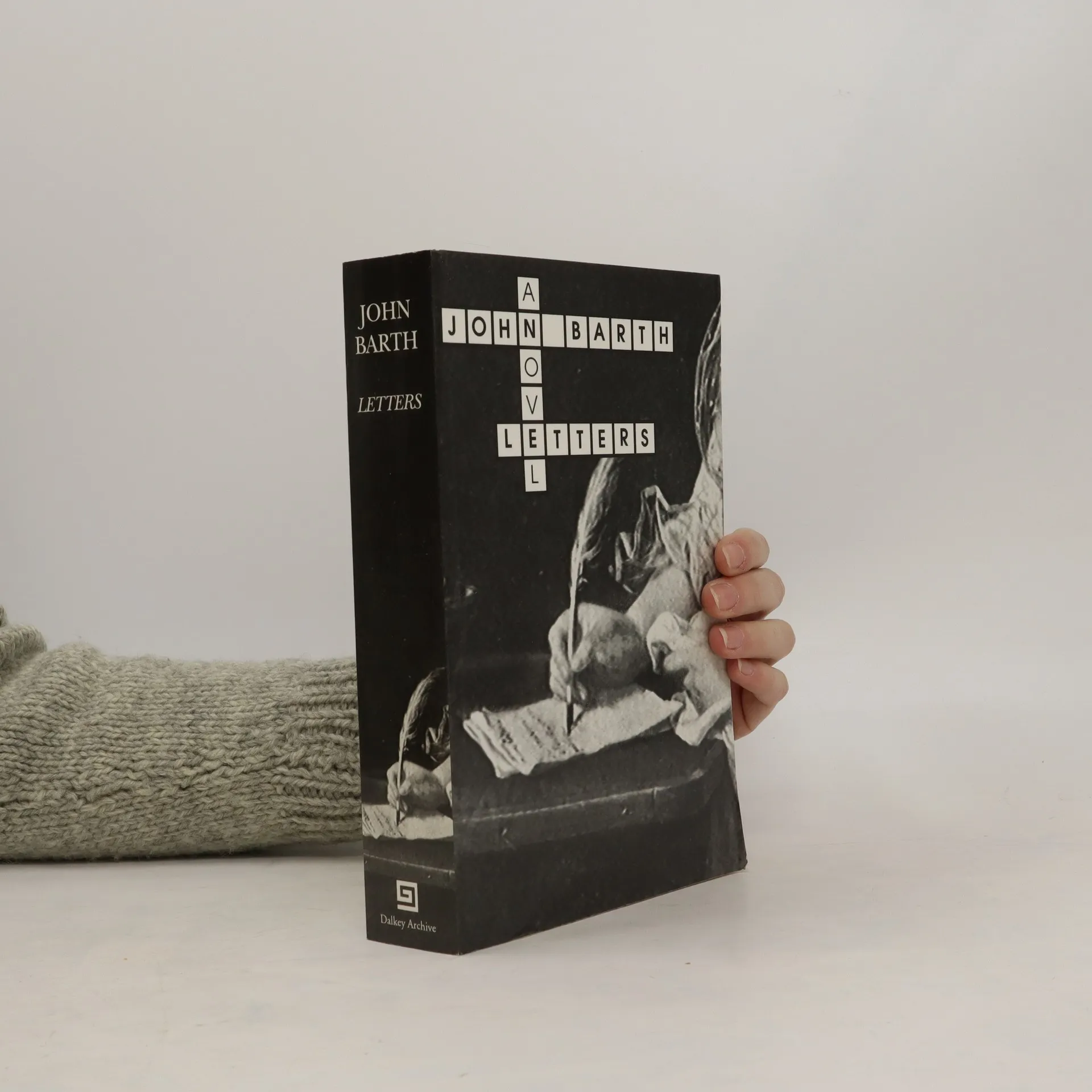
      A landmark of postmodern American fiction, Letters is (as the subtitle genially informs us) "an old time epistolary novel by seven fictitious drolls & dreamers each of which imagines himself factual." Seven characters (including the Author himself) exchange a novel's worth of letters during a 7-month period in 1969, a time of revolution that recalls the U.S.'s first revolution in the 18th century - the heyday of the epistolary novel. Recapitulating American history as well as the plots of his first six novels, Barth's seventh novel is a witty and profound exploration of the nature of revolution and renewal, rebellion and reenactment, at both the private and public levels. It is also an ingenious meditation on the genre of the novel itself, recycling an older form to explore new directions, new possibilities for the novel.

      Letters
    • In CHIMERAJohn Barth injects his signature wit into the tales of Scheherezade of the Thousand and One Nights, Perseus, the slayer of Medusa, and Bellerophon, who tamed the winged horse Pegasus. In a book that the Washington Post called "stylishly maned, tragically songful, and serpentinely elegant, " Barth retells these tales from varying perspectives, examining the myths' relationship to reality and their resonance with the contemporary world. A winner of the National Book Award, this feisty, witty, sometimes bawdy book provoked Playboy to comment, "There's every chance in the world that John Barth is a genius."

      Chimera
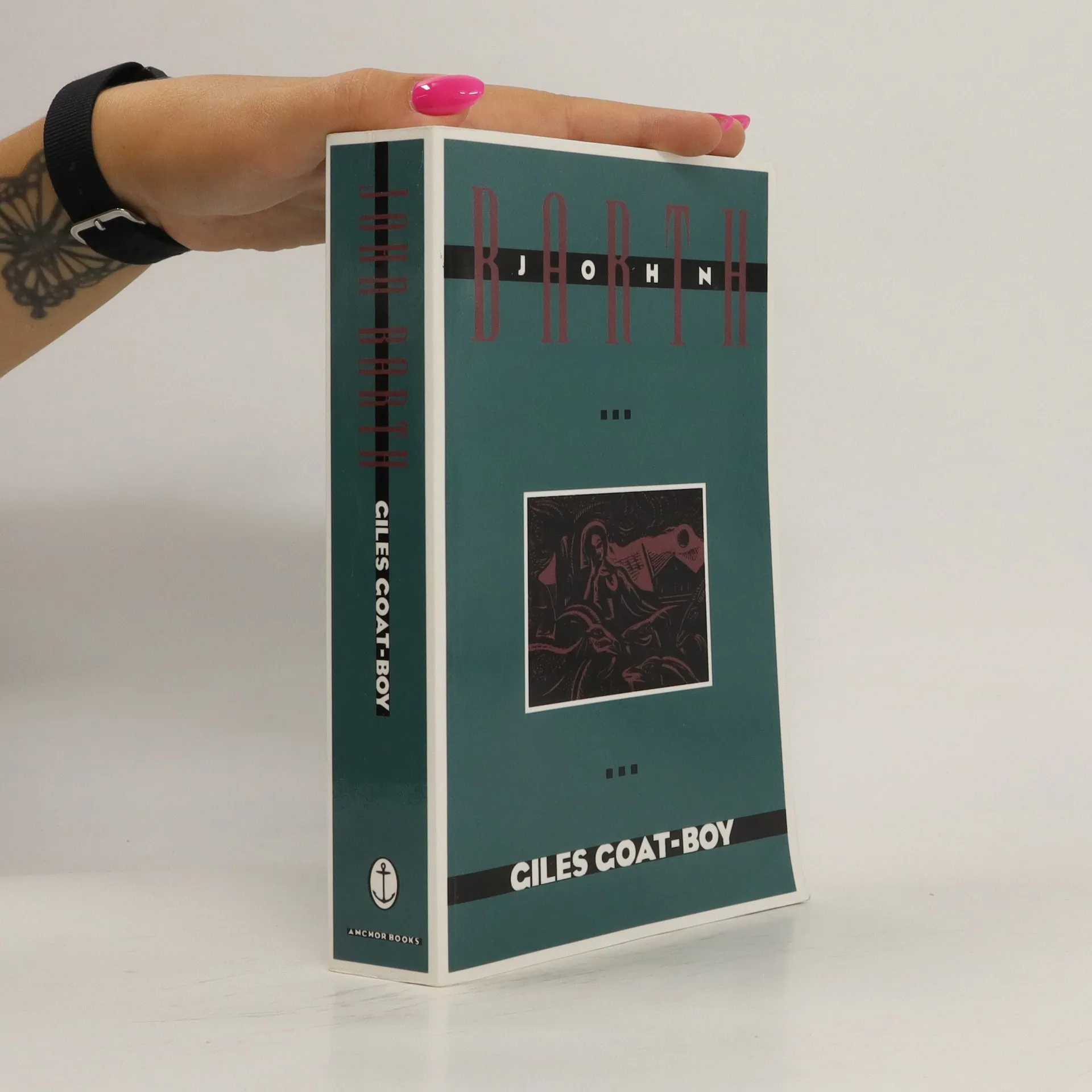
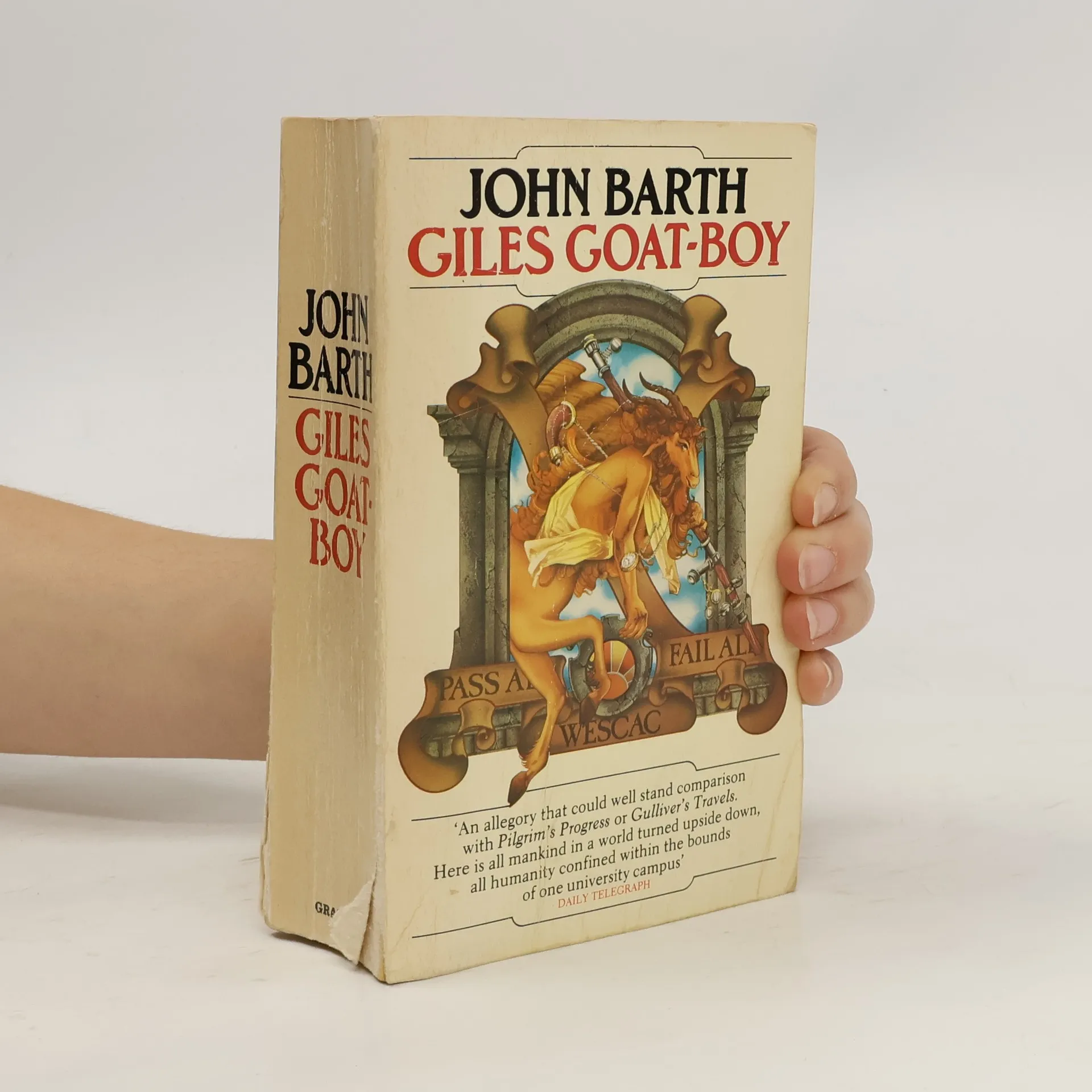
    • In this outrageously farcical adventure, hero  George Giles sets out to conquer the terrible Wescac computer system that threatens to destroy his community in this brilliant "fantasy of theology, sociology, and sex" (Time).

      Giles Goat-Boy
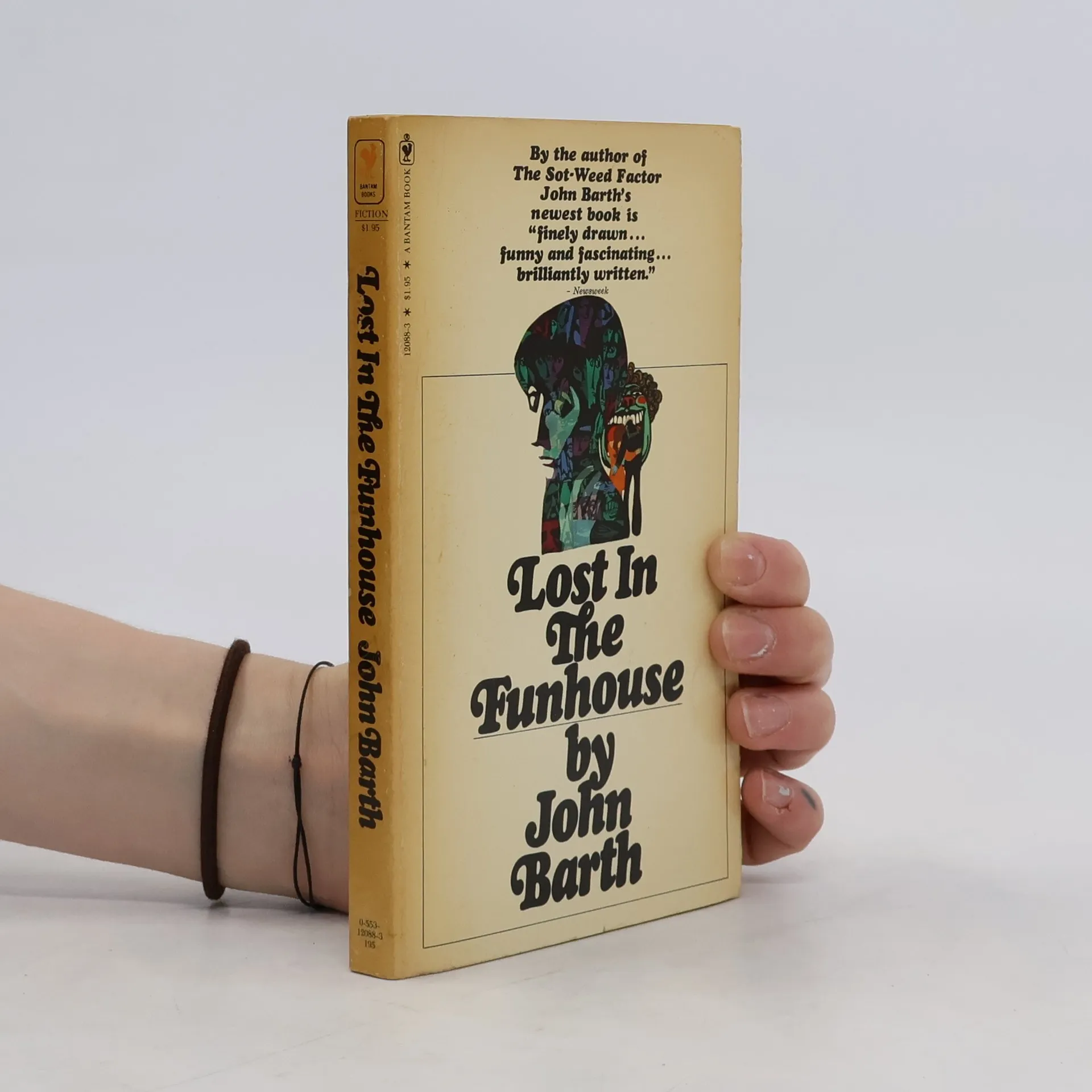
    • Barth's lively, highly original collection of short pieces is a major landmark of experimental fiction. Though many of the stories gathered here were published separately, there are several themes common to them all, giving them new meaning in the context of this collection.

      Lost in the Funhouse
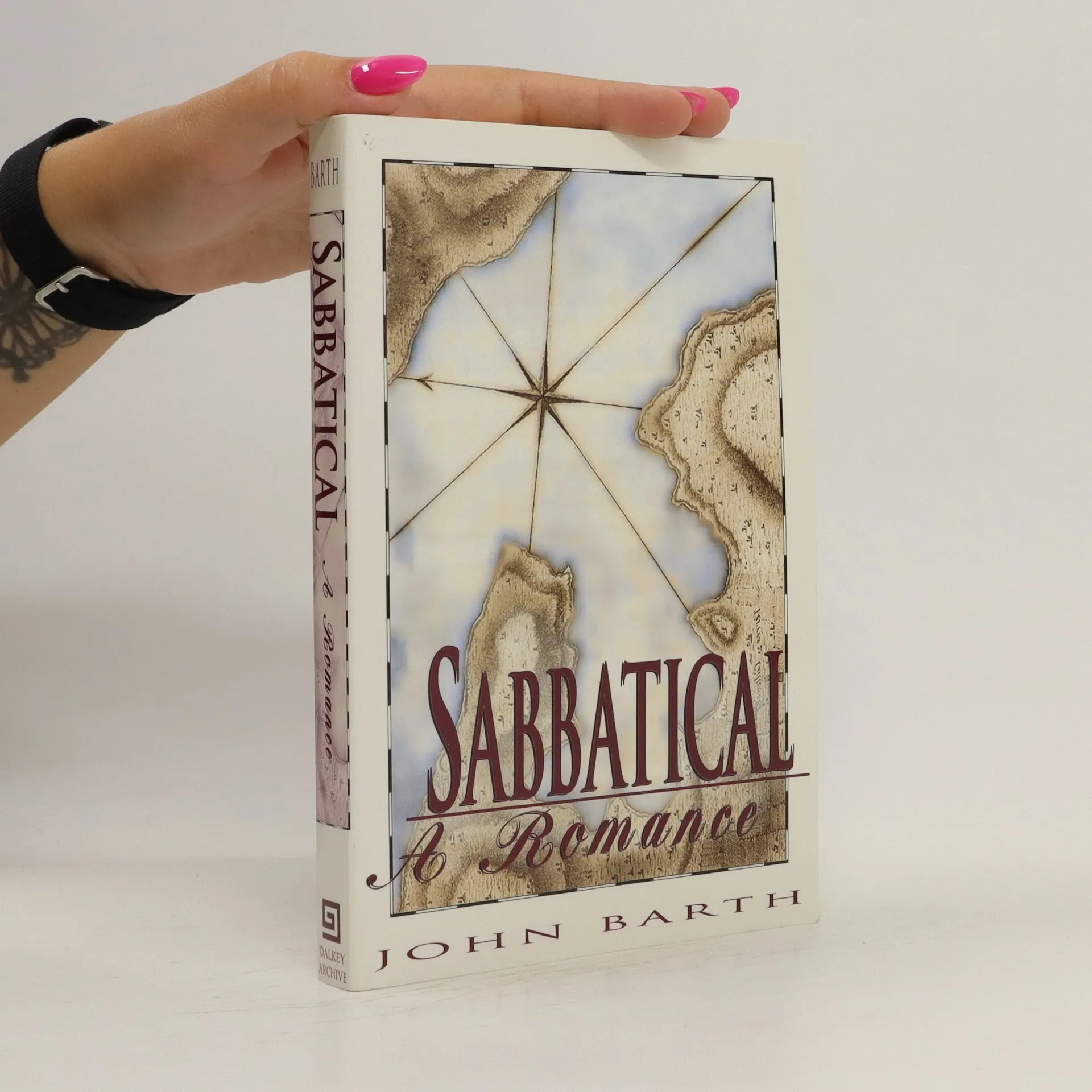
    • Subtitled "a romance", Sabbatical is the story of Susan Rachel Allan Seckler, a sharp young associate professor of early American literature - part Jewish, part Gypsy, and possibly descended from Edgar Allan Poe - and her husband Fenwick Scott Key Turner, a 50-year-old ex-CIA officer currently between careers, a direct descendant of the author of "The Star Spangled Banner" and himself the author of a troublemaking book about his former employer. Seven years into their marriage, they decide to take a sabbatical, a sailboat journey on which they sum up their years together and try to make important decisions about the years ahead.

      Sabbatical: A romance