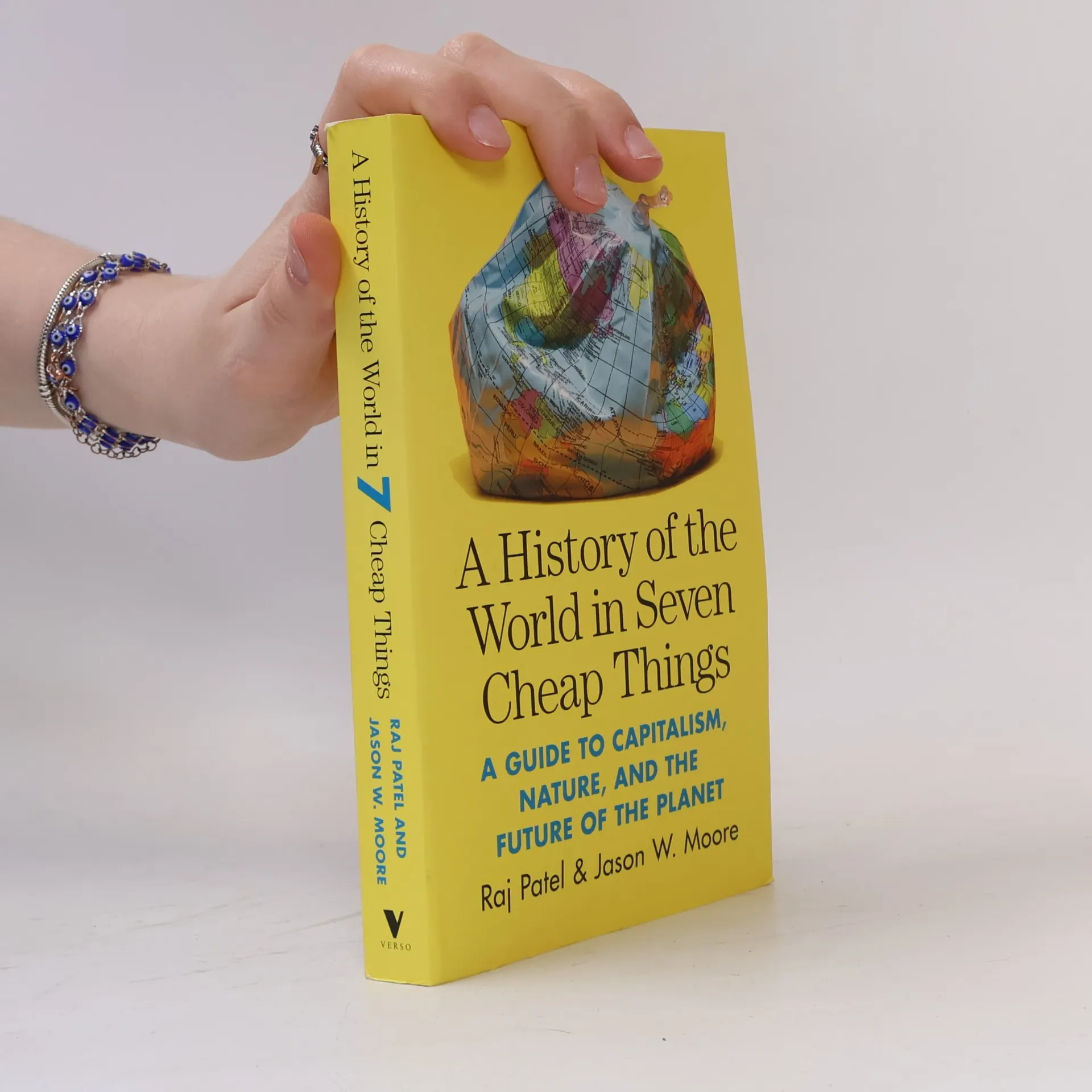
A History of the World in Seven Cheap Things
- 336 páginas
- 12 horas de lectura
A Guide to Capitalism, Nature, and the Future of the Planet


Jason W. Moore es un historiador ambiental y geógrafo histórico que investiga la intrincada relación entre el capitalismo y la naturaleza. Su trabajo se centra en cómo las formaciones históricas del capitalismo han moldeado el planeta, examinando cómo esta dinámica se manifiesta en la crisis ambiental actual. Moore analiza cómo los problemas ecológicos y sociales están intrínsecamente ligados a la lógica de la acumulación de capital. Sus análisis ofrecen perspectivas críticas sobre los orígenes profundos del cambio climático contemporáneo y las desigualdades socioeconómicas.


A Guide to Capitalism, Nature, and the Future of the Planet
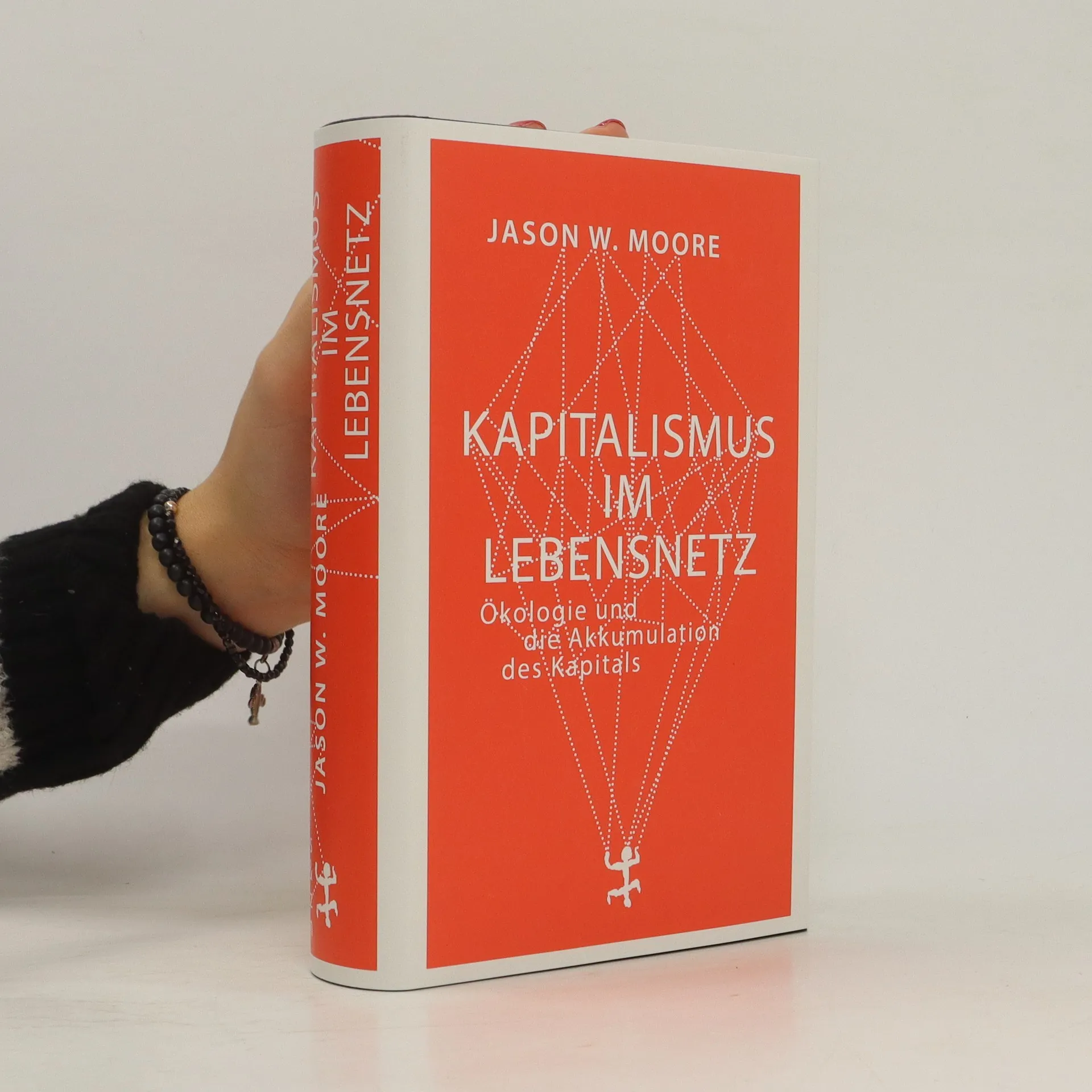
Erderwärmung, Naturkatastrophen, Finanzcrash und Hungersnöte prägen das 21. Jahrhundert mit globalen Krisen. Diese Herausforderungen sollten nicht isoliert betrachtet werden, sondern im Kontext des Kapitalismus, der als Naturereignis verstanden werden muss. Der Kapitalismus entsteht aus der Wechselwirkung von Natur und Gesellschaft, die es ihm ermöglicht, Ressourcen wie landwirtschaftliche Flächen und mineralische Schichten zu nutzen und auszubeuten. In dieser Perspektive wirkt der Kapitalismus nicht gegen die Natur, sondern innerhalb von ihr. Um die Dynamik des Kapitalismus zu begreifen, ist es entscheidend, die Natur historisch zu betrachten und das dialektische Zusammenspiel zwischen Kapitalakkumulation und der Schaffung billiger Ressourcen, Nahrung, Energie und Menschenreproduktion zu analysieren. Die aktuellen Krisen sind folglich Ausdruck vorprogrammierter Systemfehler, da die Umwelt eng mit Produktionsweisen, Klassenstrukturen und Zivilisationstechniken verbunden ist. Die historische Betrachtung von Natur und Kapitalismus ist somit von zentraler Bedeutung. Jason W. Moore formuliert die These, dass die Trennung von Natur und Gesellschaft direkt für die Gewalt, Ungleichheit und Unterdrückung in der modernen Welt verantwortlich ist und dass die Auffassung von Natur als etwas Äußeres eine grundlegende Bedingung der Kapitalakkumulation darstellt.