
Adolf Loos
- 96 páginas
- 4 horas de lectura


22 cm. 104 p. Encuadernación en tapa blanda de editorial ilustrada. Descubrir el arte .. Este libro es de segunda mano y tiene o puede tener marcas y señales de su anterior propietario.
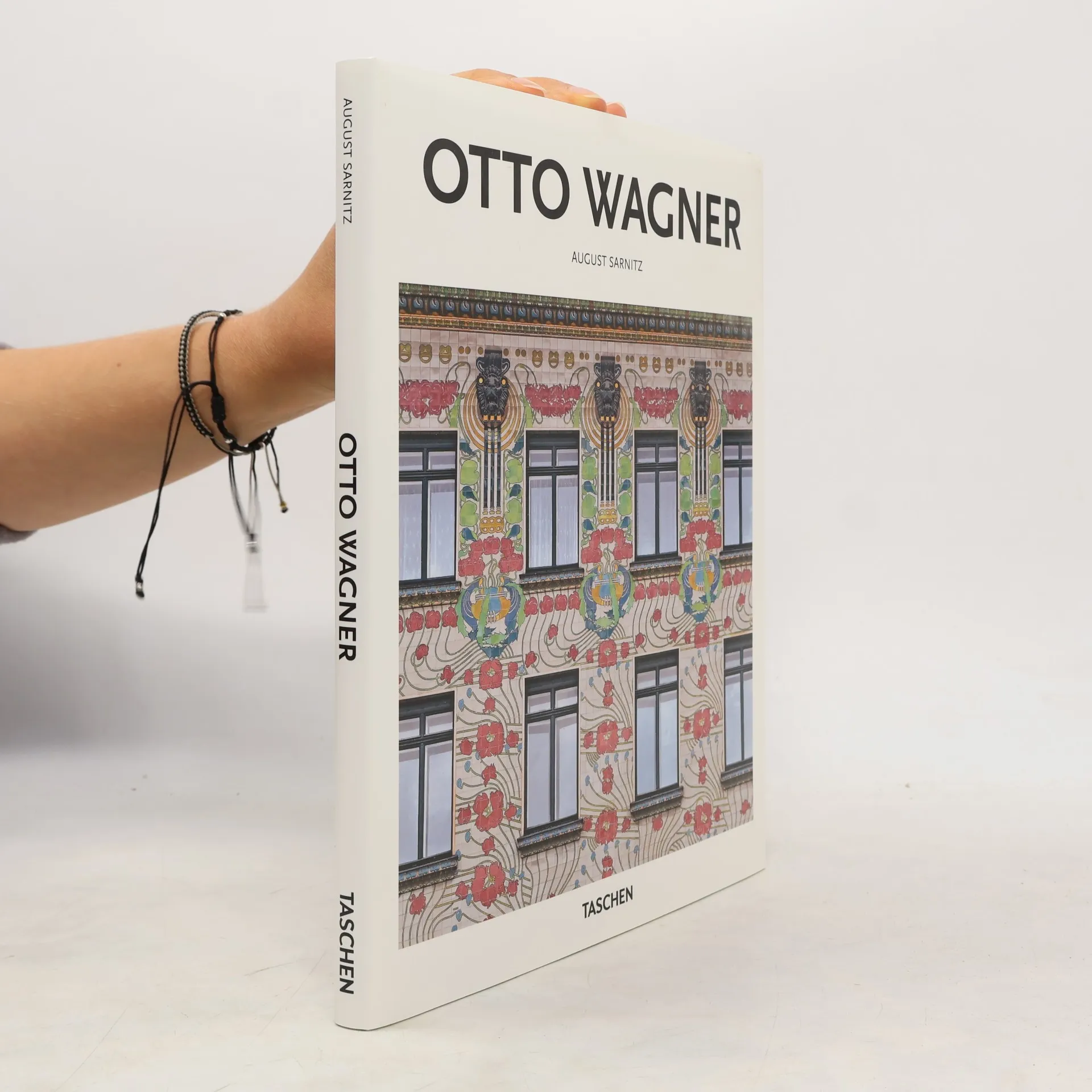
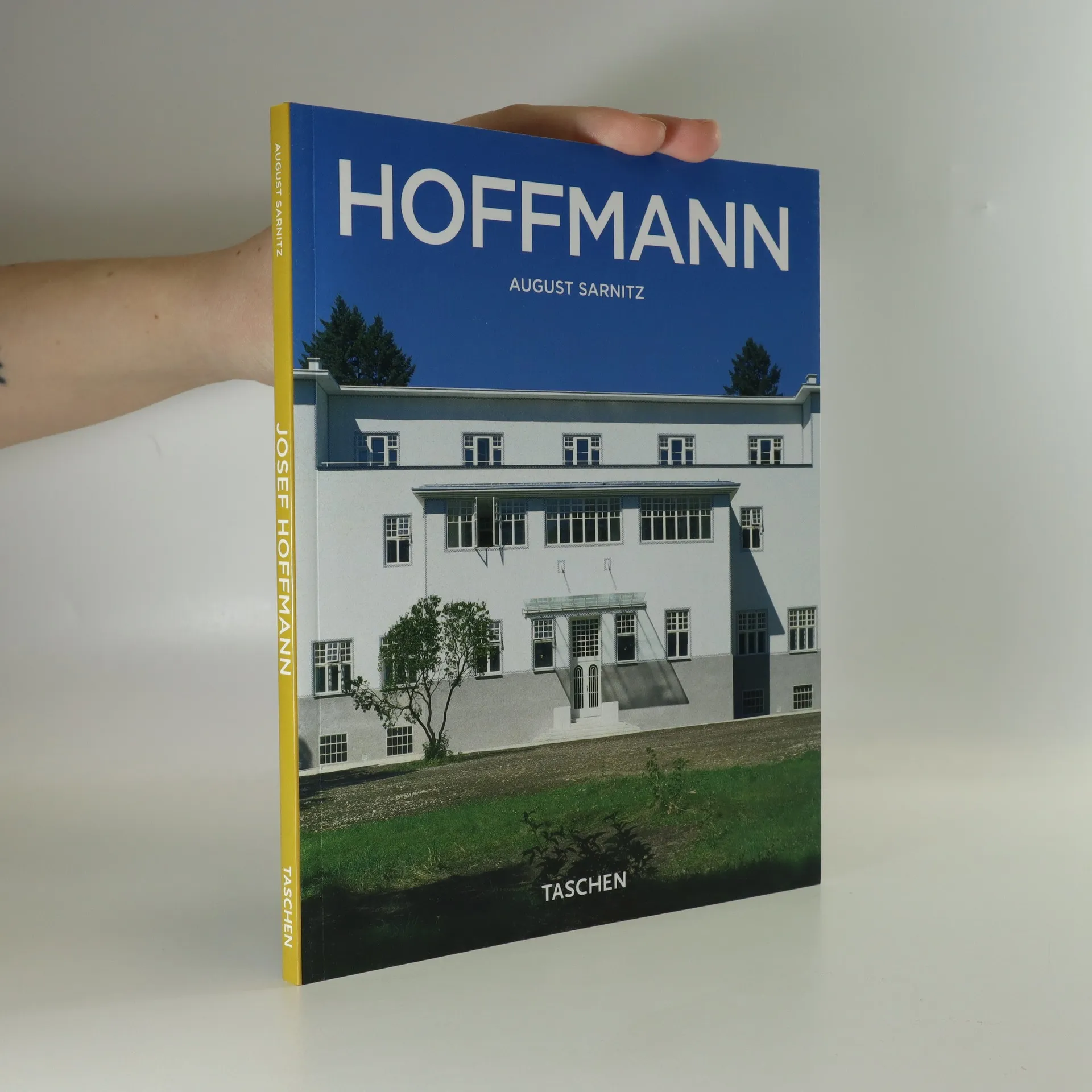
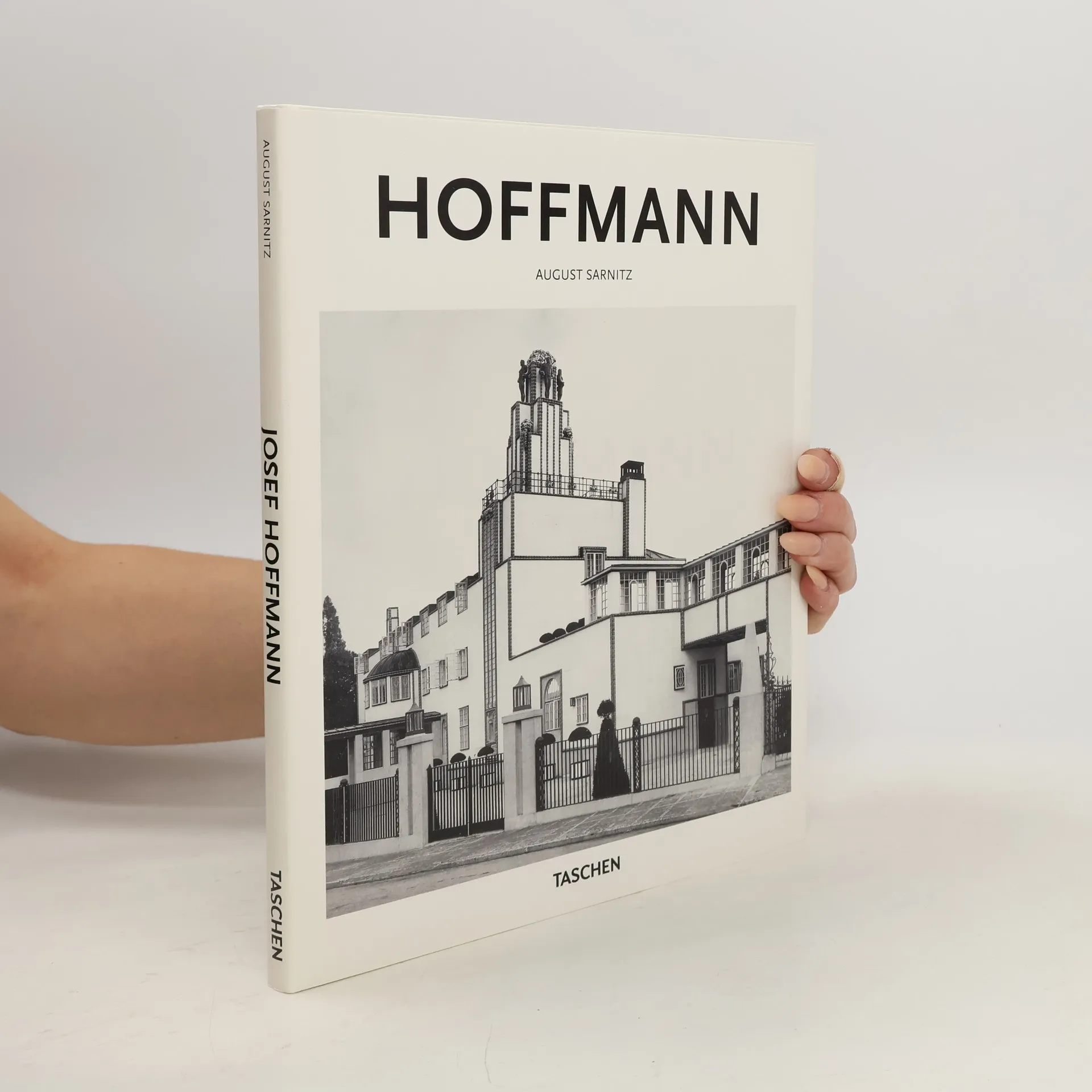
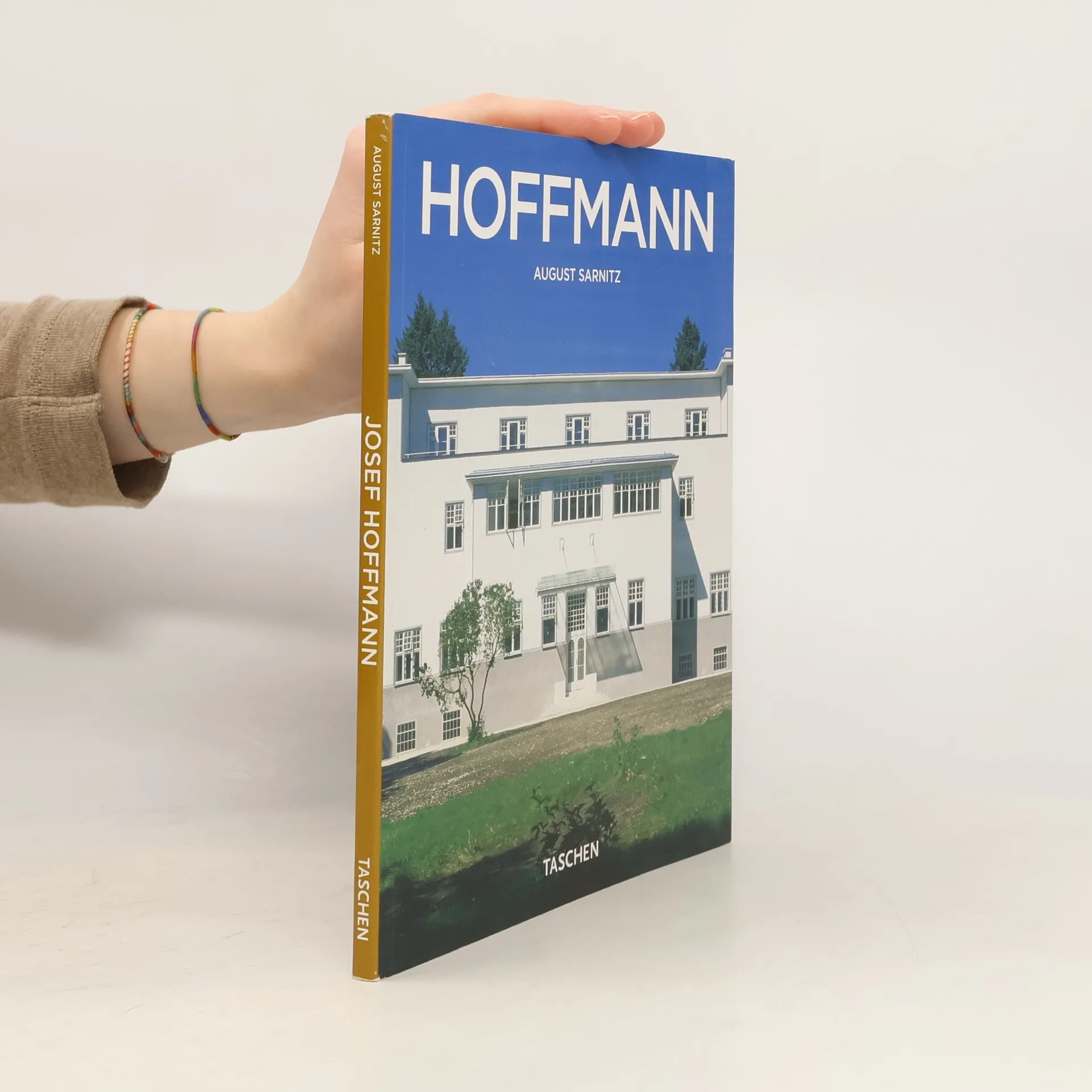
The avant-gardist The influence of the Austrian architect and designer Josef Hoffmann (1870-1956) is for a period of over 60 years he kept up an aesthetic dialog with Modernism, the International Style, and Art Deco. Before being rediscovered in the 1980s by the Post-Modernists, his work was nearly forgotten; now his importance is unquestioned. As a designer he was one of the leading proponents of the Wiener Werkstätte, with its close connection to the Arts and Crafts movement. As an architect, he built the first modern buildings in Europe, such as the Purkersdorf Sanatorium (1904) and the Palais Stoclet (1905-1911). Traversing several styles and schools during his lifetime, his work shows a consistent Formalism. He abandoned Functionalism long before it became obsolete. In a historic sense, Hoffmann was doubly in both the rise and fall of Modernism. About the Each book in TASCHEN’s Basic Architecture Series
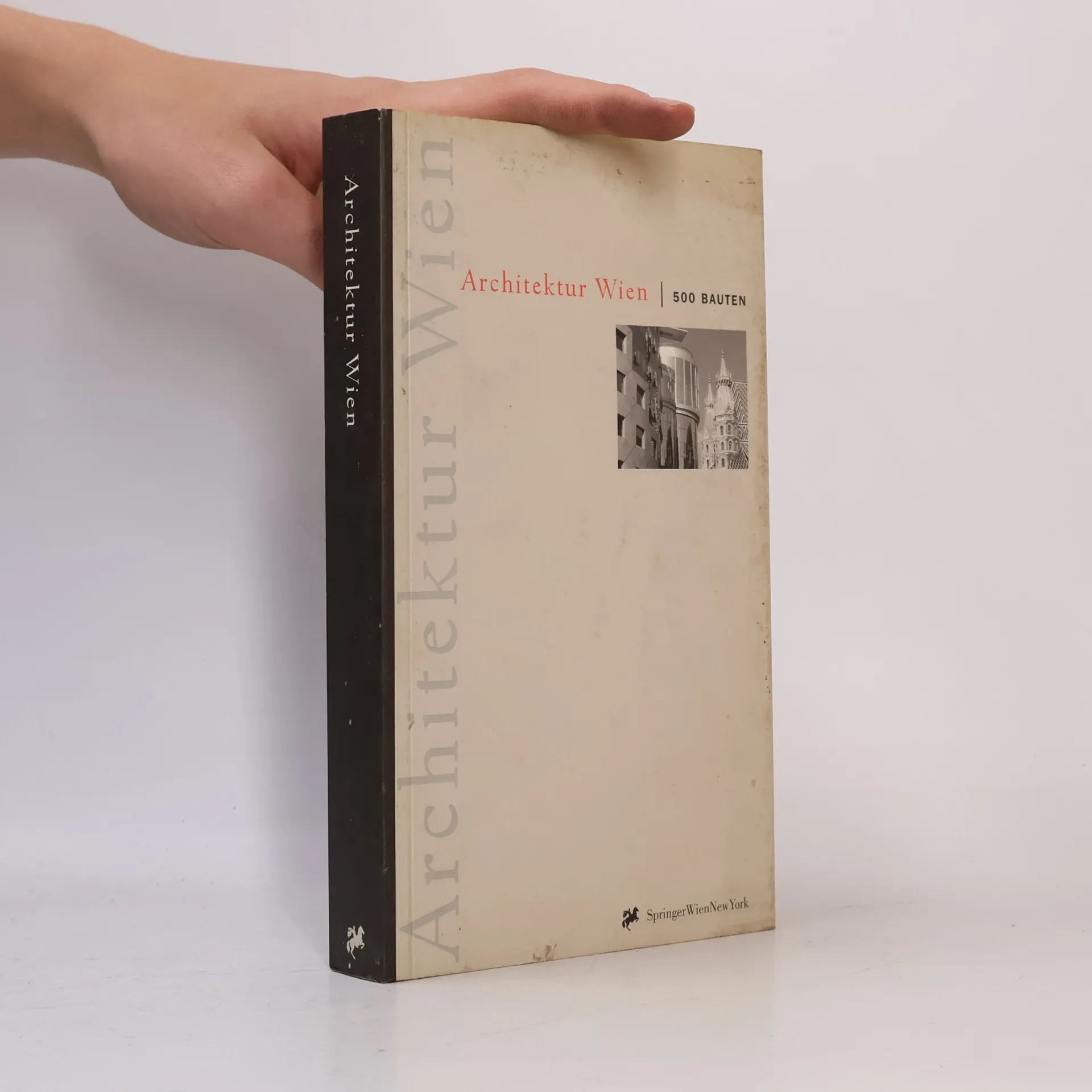
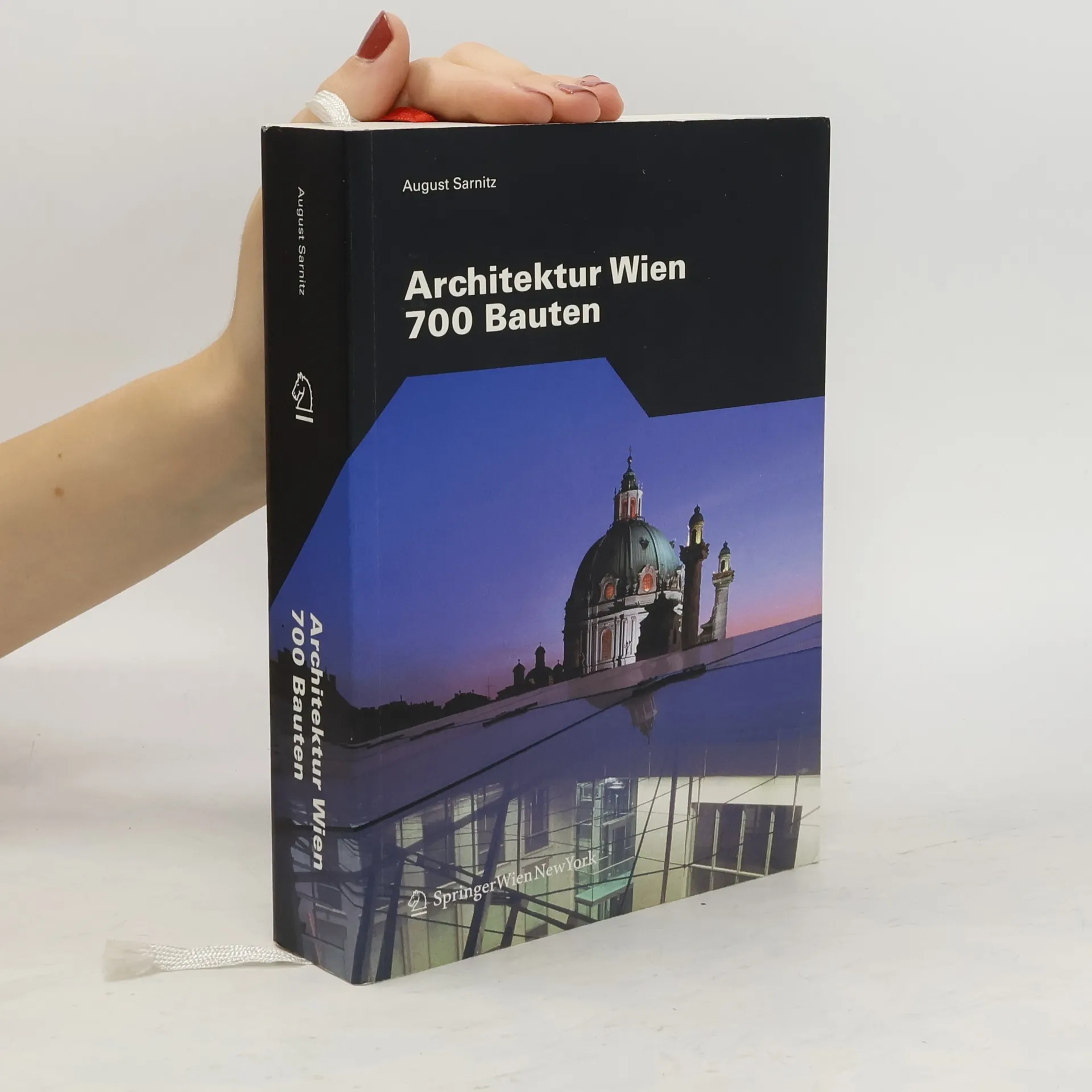
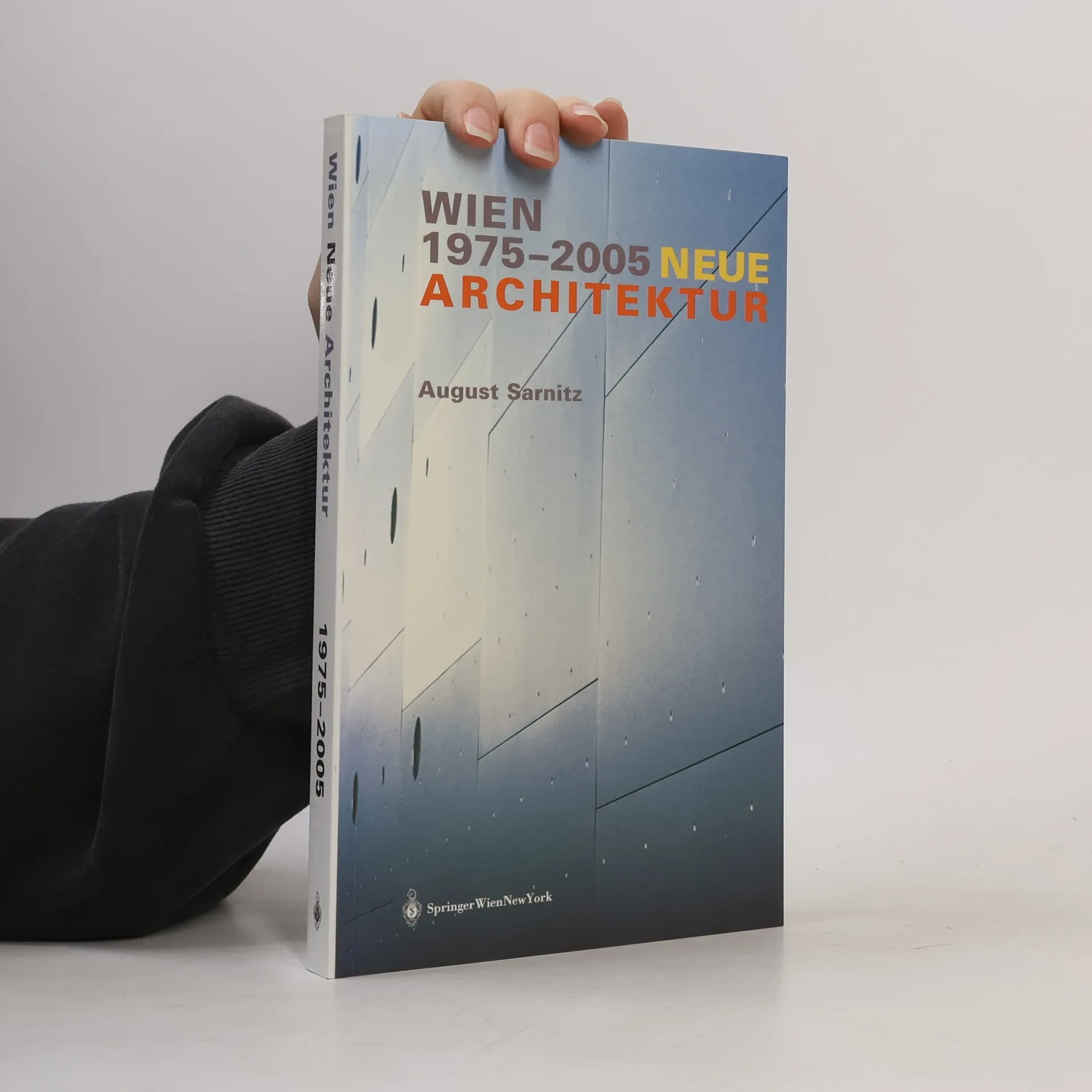
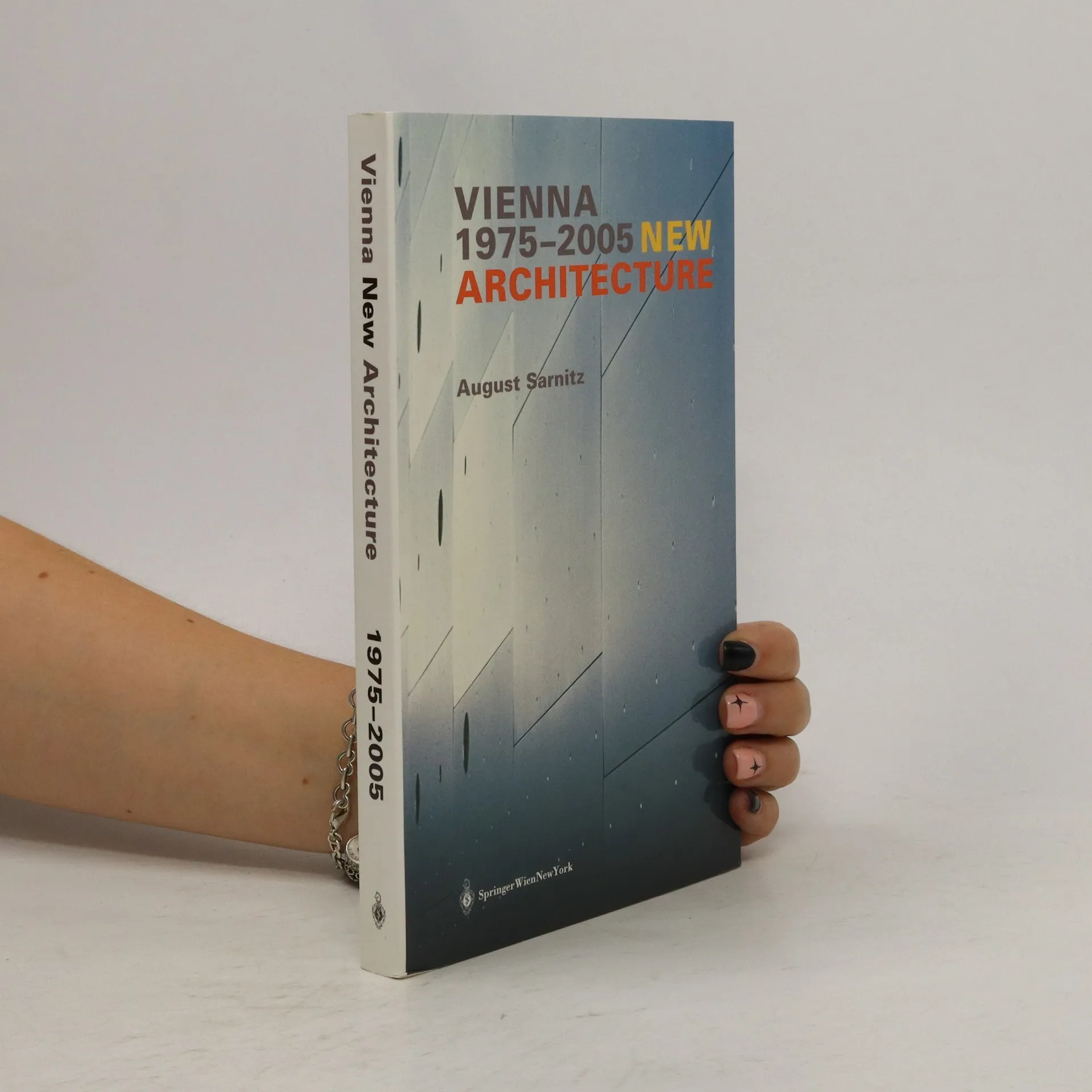
Intense urban development and consistent modernisation have marked the last three decades in Vienna. This new architectural guide with its essays on urban culture, urban renewal and urban spaces is a reflection of this process. Approximately 300 objects are presented in the book's main part by means of texts, photos and plans, each building localized and easy to find on the accompanying maps. This new guide will prove itself ideal both as a handy accompaniment on city strolls and as a reference work on new Viennese Architecture, and in that it offers an insight into the city's Architectural Institutions and selected restaurants, cafés and bars. TOC: From the contents: Three essays by August Sarnitz, Matthias Boeckl and Reinhard Seiß / selected architectural tours / 300 buildings and their construction / Vienna's Architectural Institutions / architect-designed restaurants, cafés and bars / index of the buildings presented
Meet modernist trailblazer Josef Hoffmann, a pivotal character in European aesthetics who pioneered the Viennese Secession and the Wiener Werkstatte. The Austrian mastermind introduced a brave, new minimalism that continues to inspire architecture and design to this day, from monochrome interior schemes to the cutlery on our table.
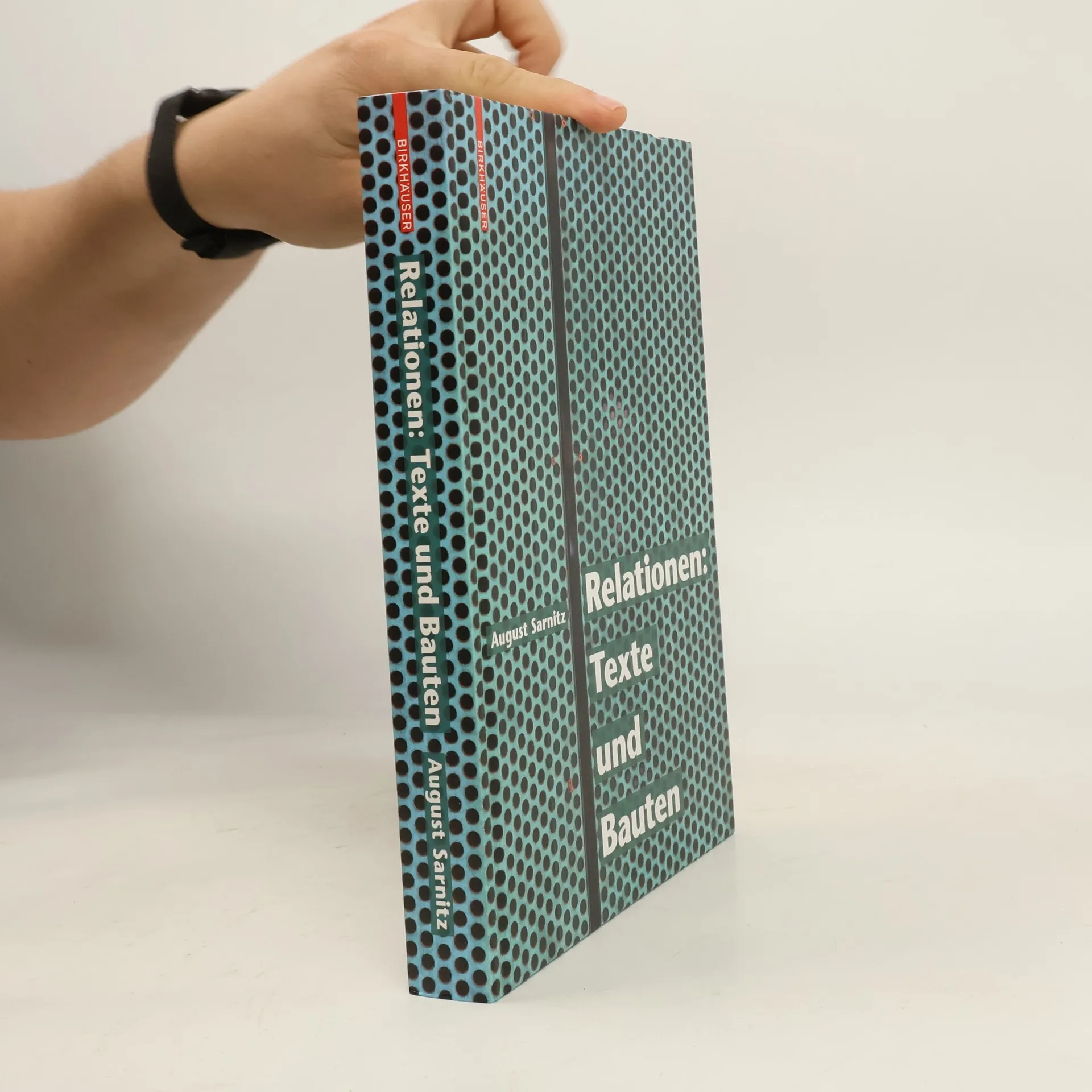
The title of the book sets the two fields of activity pursued by the architect, architectural historian and theorist August Sarnitz – building and writing – in a reciprocal relation: the context to what has been built emerges in the process of writing, just as the context to what has been written emerges in the process of building. The structure of the book follows precisely this reciprocity: an essay about architectural history and Big Data is followed by three on the topics of urban development, social housing, and the fiction of space. A number of influential Viennese architects appear as well: Frank, Kiesler, Hollein and Prix. The topics of housing, design and furniture are all illustrated with Sarnitz’s own projects; the end of the book is dedicated to architectural photography, which is especially important to Sarnitz in his capacity as publicist. The richly illustrated book is the first to document Sarnitz’s work as author, designer, exhibition designer, architect and photographer.
The internationally acclaimed architecture office Berger+Parkkinen Architects was founded by Alfred Berger and Tiina Parkkinen in 1995 with offices in Vienna and Helsinki. It has realized a broad typological spectrum of buildings and projects, which is distinguished by a clear, elegant urbanity and an innovative approach to materials. The award-winning Embassies of the Nordic Countries in Berlin (1995–1999) counts among their most publicized works. This first monograph about the office includes an essay by Francisco Barrachina Pastor, which explores the careers and design method of the architects through selected projects, an in-depth interview, and a comprehensive index of works.
Der Stand der Dinge. The State of the Art
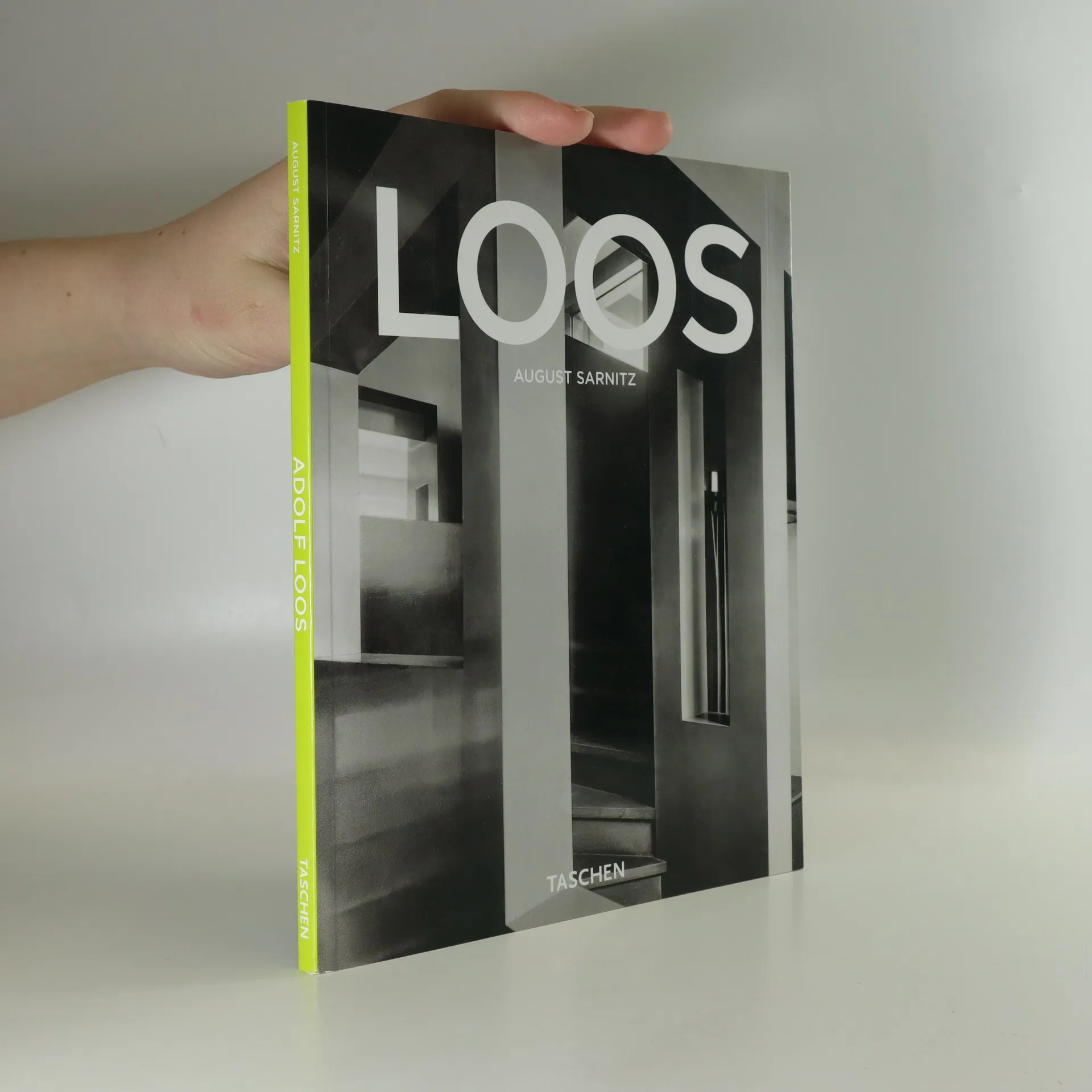
Adolf Loos, který na přelomu století svou kritikou současné kultury „literárně“ zboural zastaralé stavby historismu, by dnes asi dostal titul guru lifestylu. Jeho životní styl byl svobodný a přijímající podněty z celého. Pro tehdy jen malý okruh přátel a umělců byl hvězdným architektem.