Compra 10 libros por 10 € aquí!
Bookbot

Andrew Sinclair

    21 de enero de 1935 – 30 de mayo de 2019

    Andrew Sinclair fue un prolífico autor reconocido por sus novelas imaginativas y estilísticamente diversas. Sus obras a menudo exploran temas de identidad, historia y estructuras sociales, empleando una mezcla única de fantasía gótica, comedia macabra y aventura picaresca. El enfoque de Sinclair hacia la escritura implicó una profunda inmersión en la historia y la cultura, evidente tanto en su ficción como en su extensa obra de no ficción. Su habilidad para crear personajes cautivadores y tramas intrincadas lo distingue como una voz literaria singular.

    Andrew Sinclair
    Death by fame
    An Anatomy of Terror
    Dylan the Bard. A Life of Dylan Thomas
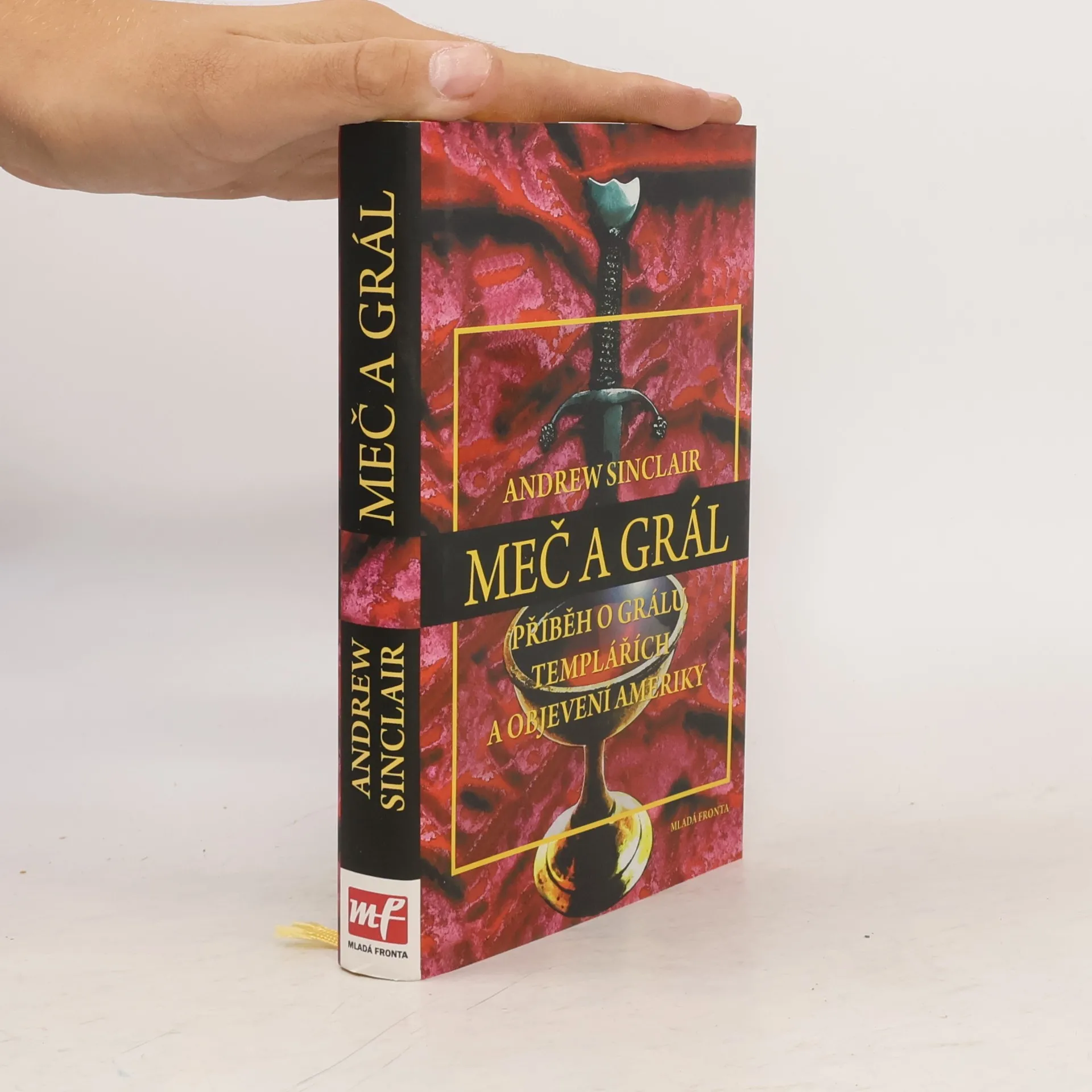
    The discovery of the Grail
    The Secret Scroll
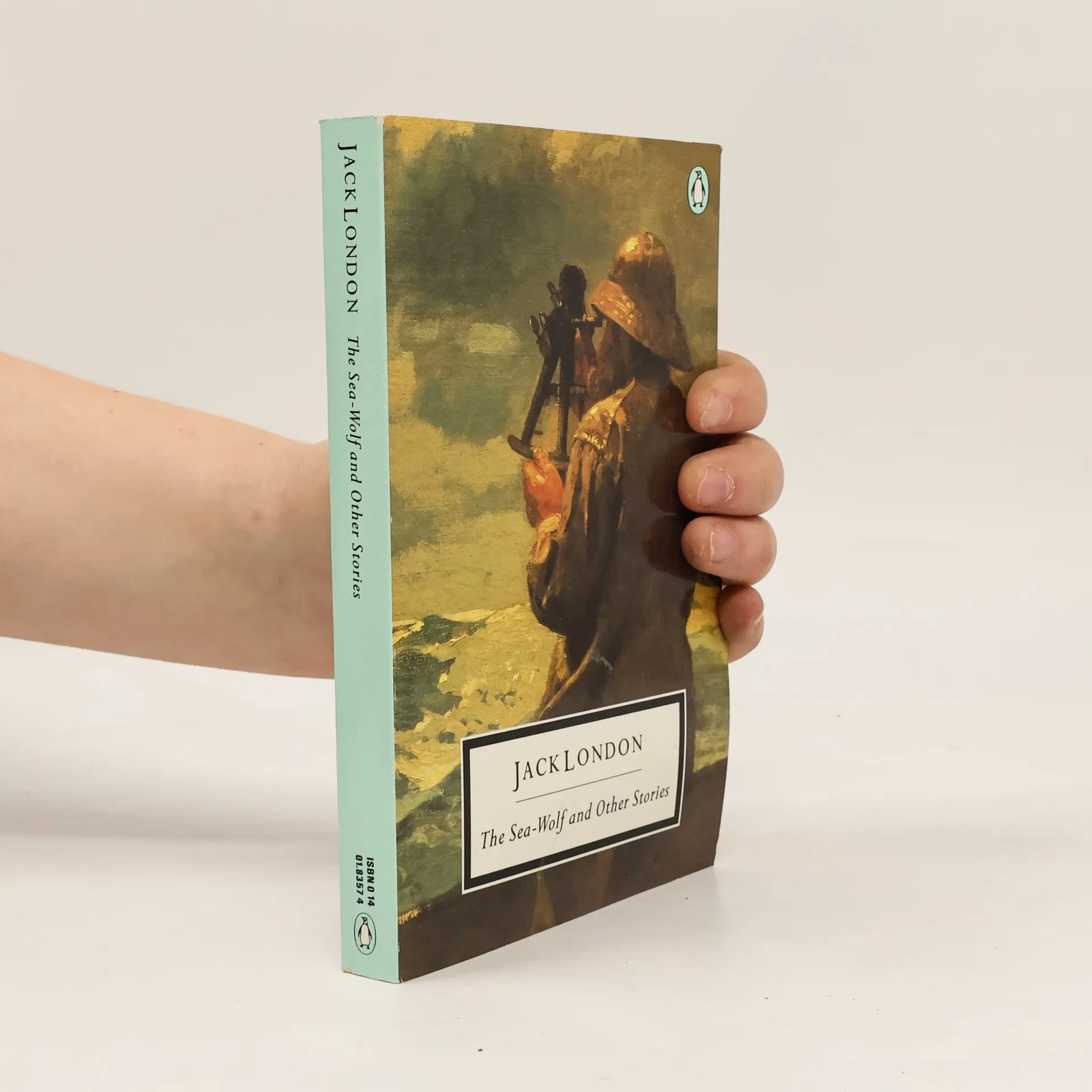
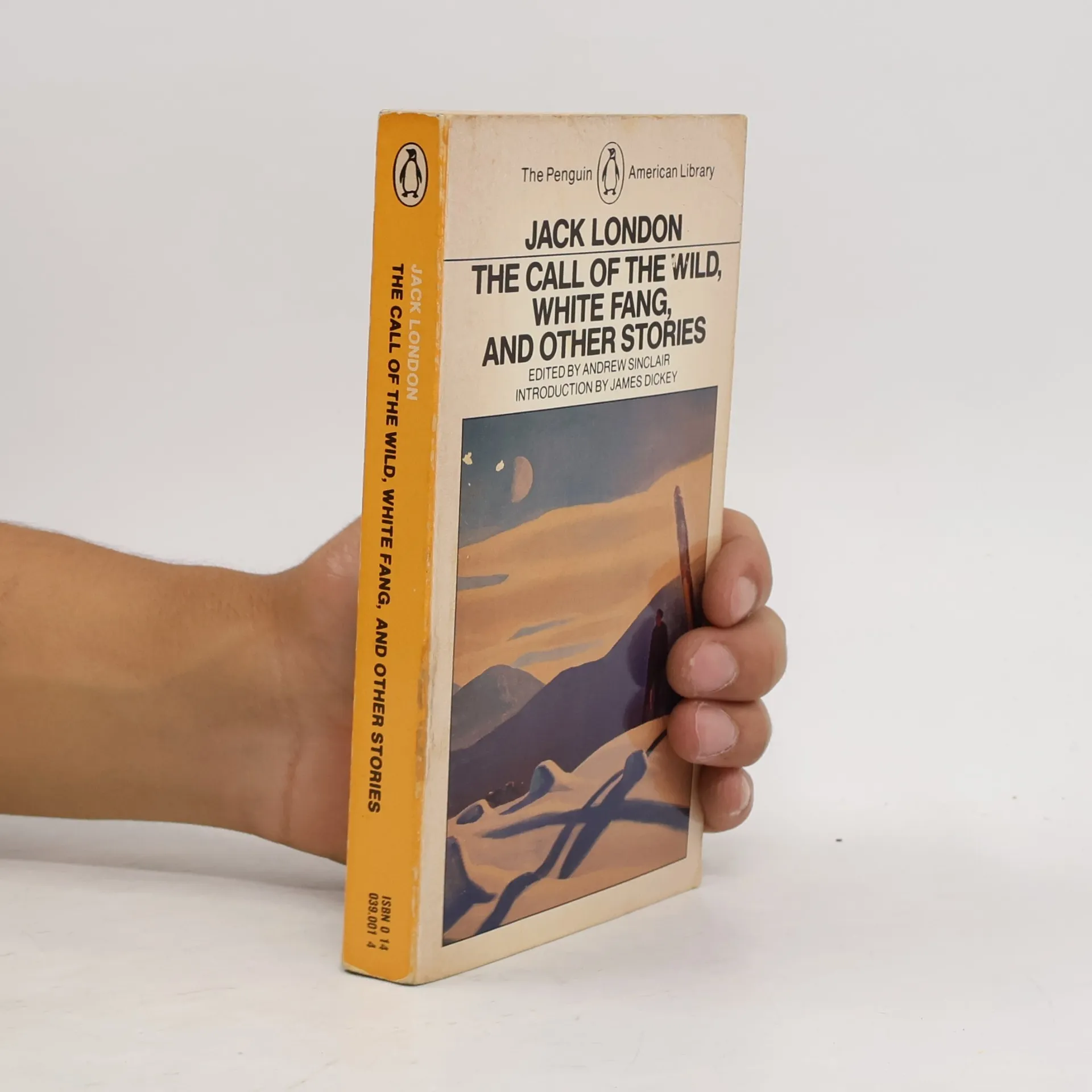
    The Call of the Wild, White Fang, and Other Stories
    • 2022

      Data On Previous Extractions

      DOPE BOOK

      • 120 páginas
      • 5 horas de lectura

      Designed for coffee professionals and enthusiasts, this log book serves as a data collection tool to enhance the coffee experience. It allows users to document and analyze various aspects of their coffee journey, fostering a deeper understanding and appreciation of the craft.

      Data On Previous Extractions
    • 2009

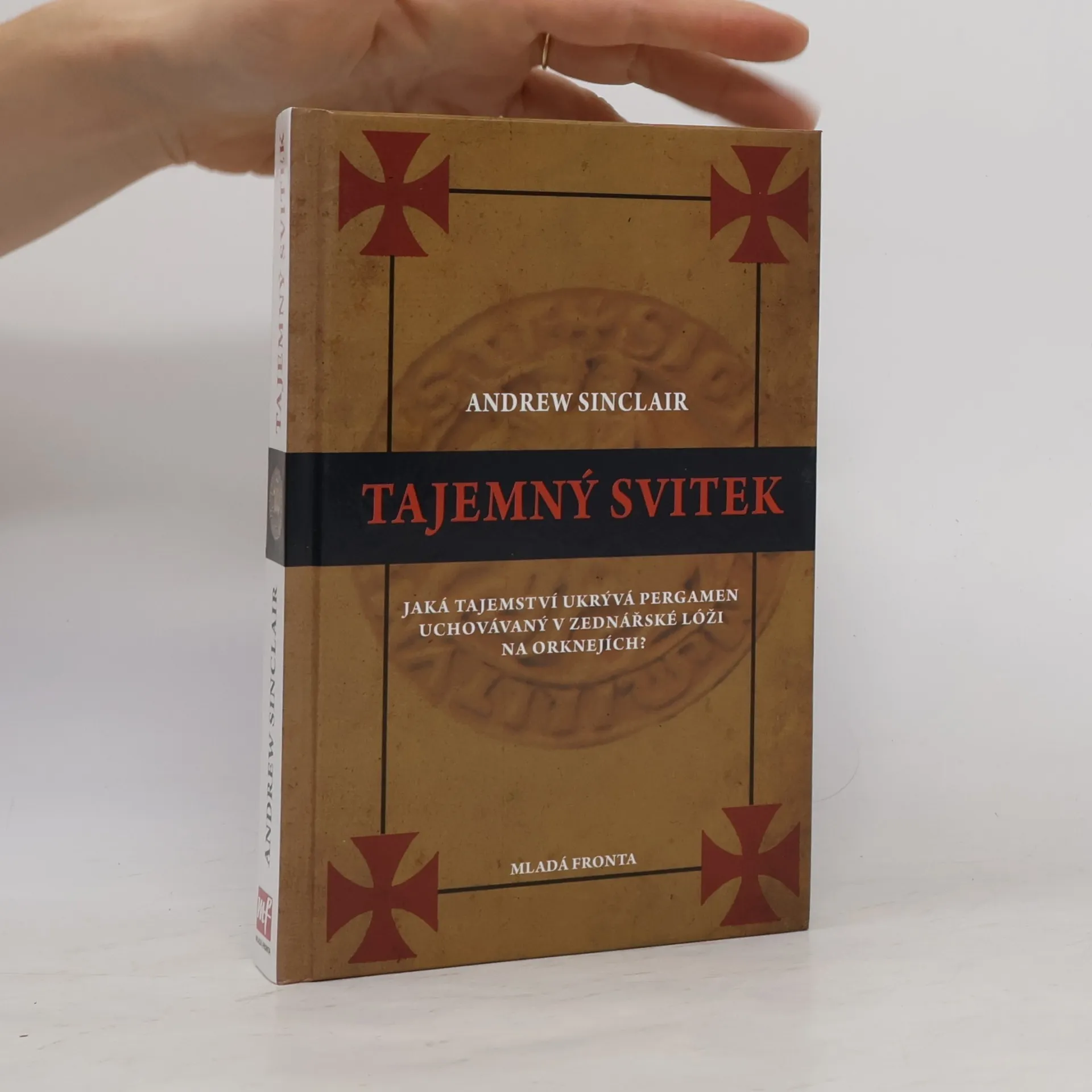
      Tajemný svitek

      • 274 páginas
      • 10 horas de lectura

      Příběh jednoho z nejdůležitějších historických dokumentů středověku je současně příběhem jeho strážců templářských rytířů. Zkušený historik Andrew Sinclair nás s pomocí dosud nevyužívaných esoterických zdrojů, jako jsou sochy či architektura, seznamuje s osudy templářů po jejich potlačení francouzským králem Filipem IV. Sličným. I po zrušení řádu rytíři Templu nadále střežili své vědění a relikvie. Jejich dědictví z posledního útočiště na Rosslynu přešlo na prince Henryho St. Claira, hraběte z Orkney, který sto let před Kryštofem Kolumbem doplul do Nového světa. Všechna tato tajemství odhaluje jedinečný svitek z Kirkwallu na Orknejích.
      Tajemný svitek
    • 2008
    • 2005

      Rosslyn

      • 214 páginas
      • 8 horas de lectura

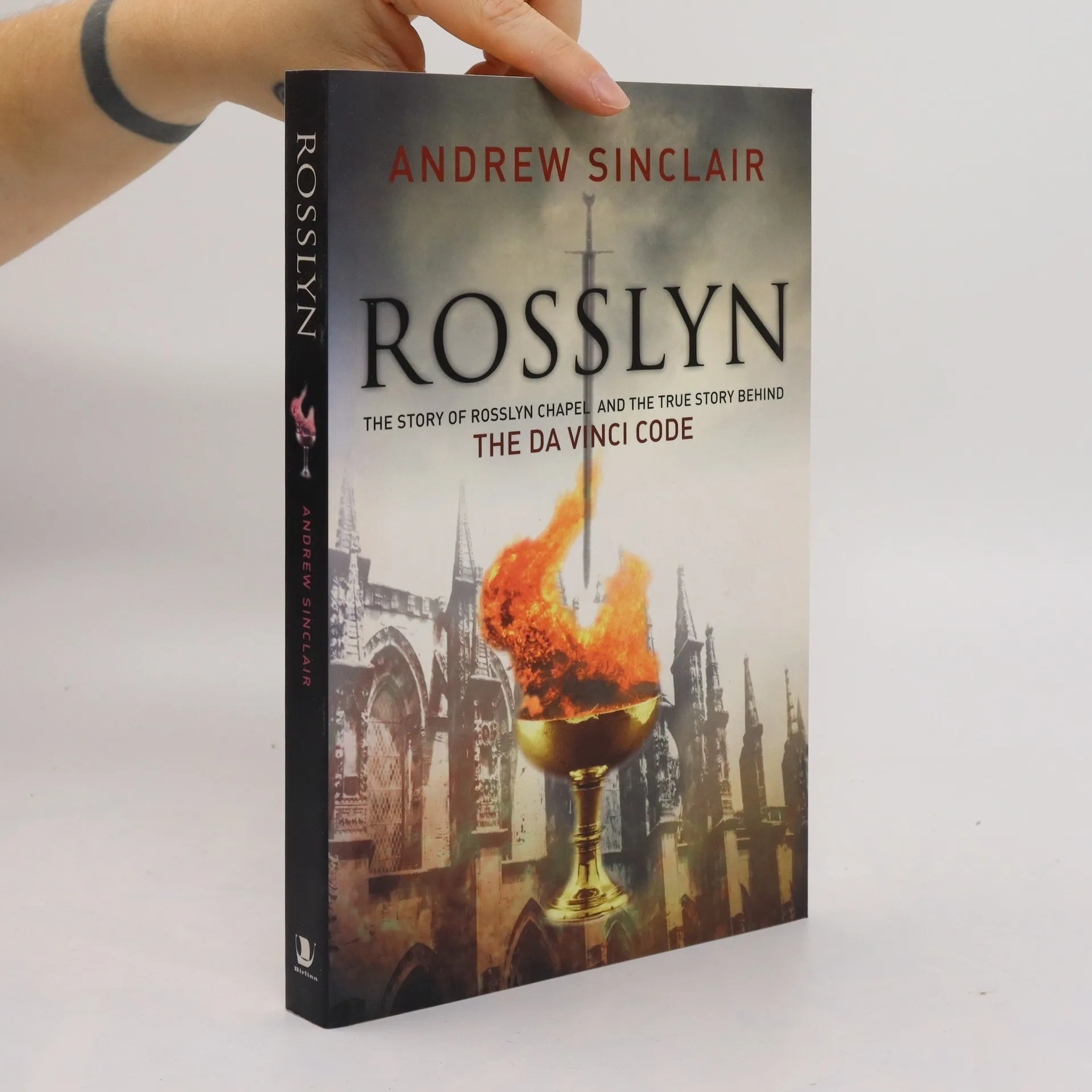
      The mysterious history of Rosslyn Chapel and the Knights Templar is revealed in this authoritative volume by a descendent of its first patrons.In the 15th century, William Sinclair, 1st Earl of Caithness and Baron of Roslin, built a Catholic chapel in the Midlothian region of Scotland. Famous for its esoteric symbolism, this flamboyant Gothic church was of great importance to the Knights Templar, who formed a third Temple of Solomon with the patronage of the Sinclair lairds.Historian Andrew Sinclair, whose own family lineage traces back to William, explores the rise and fall of Rosslyn over the course of centuries. It is a tale of religious conflicts and ancient relics, of epic battles and secret societies. Along the way, he dispels the many myths and misinterpretations that have grown up around Rosslyn, as the fortunes of the Sinclair family declined and the Church and Castle fell into ruin.

      Rosslyn
    • 2004

      An Anatomy of Terror

      • 415 páginas
      • 15 horas de lectura

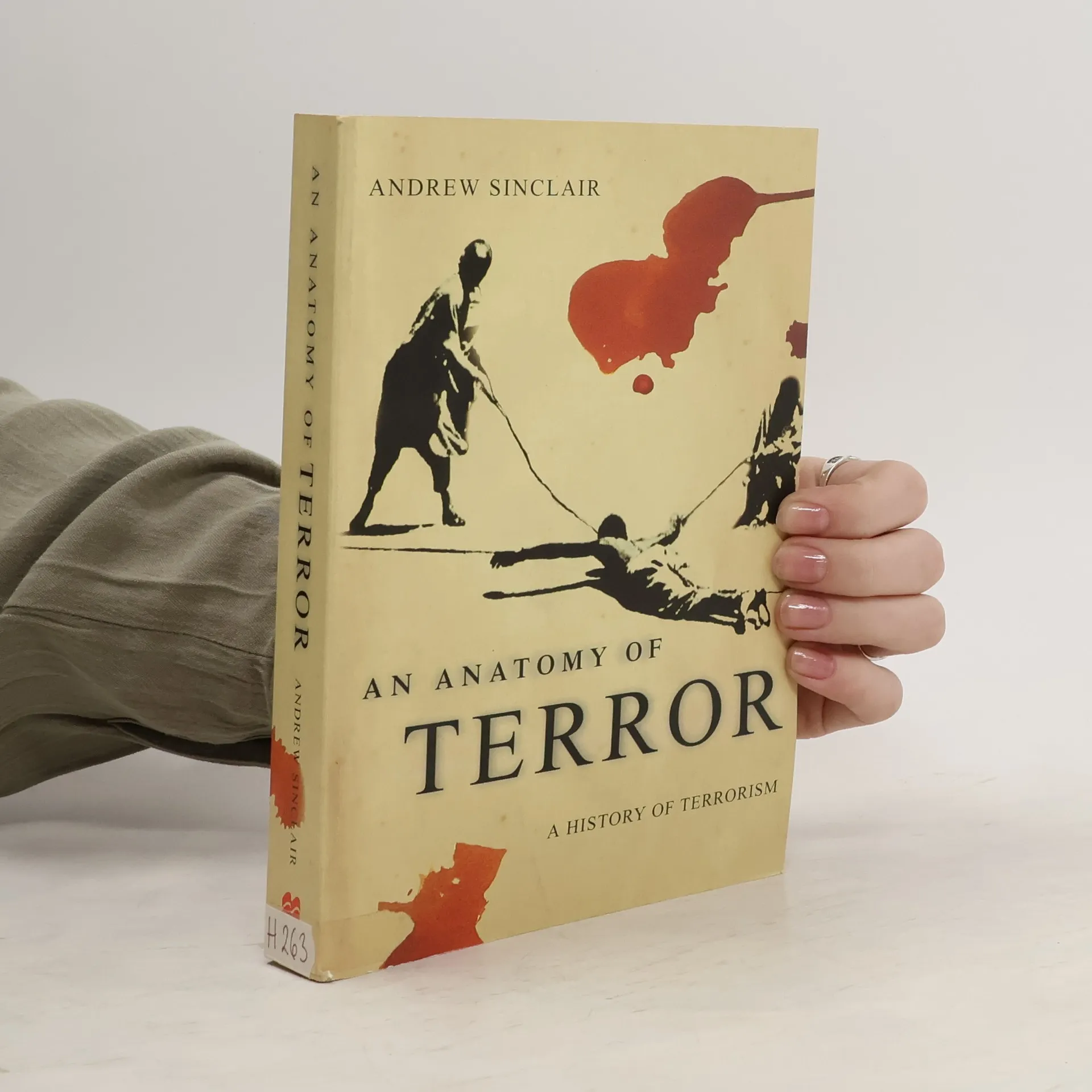
      Andrew Sinclair explores the entire sweep of history - from the early role of terror as a tribal force and its incorporation into the rise of religious terrorism to later, politically fuelled violence.

      An Anatomy of Terror
    • 2003

      Storia del terrorismo

      Dall'antichità alle sette islamiche degli assassini, dall'IRA alle Torri Gemelle fino alla situazione esplosiva del Medio Oriente

      • 317 páginas
      • 12 horas de lectura

      Il saggio di Andrew Sinclair esplora il pensiero e i metodi del terrorismo e dimostra come la strategia del terrore non abbia mai perso la sua efficacia, fin dai tempi della setta degli Assassini e delle orde mongole. L'unica differenza è che le moderne tecnologie permettono lo sterminio di decine di milioni di persone, invece delle decine di migliaia di vittime causate dagli antichi strumenti di distruzione. Nato da una meticolosa ricerca, questo libro analizza l'uso atroce dell'arma del terrorismo, dalla distruzione di Cartagine per mano dei Romani all'attacco suicida alle Torri Gemelle.

      Storia del terrorismo
    • 2001

      This is the story of how the mysterious Order of the Knights Templar brought their treasures and secrets to Scotland. The author, using historical analysis, religious interpretation, and detective skills, finds a chapel of the Holy Grail and its architect, and, in Orkney, the Secret Scroll.

      The Secret Scroll
    • 1999

      Nuovi misteri - 47: L'avventura del Graal

      • 328 páginas
      • 12 horas de lectura

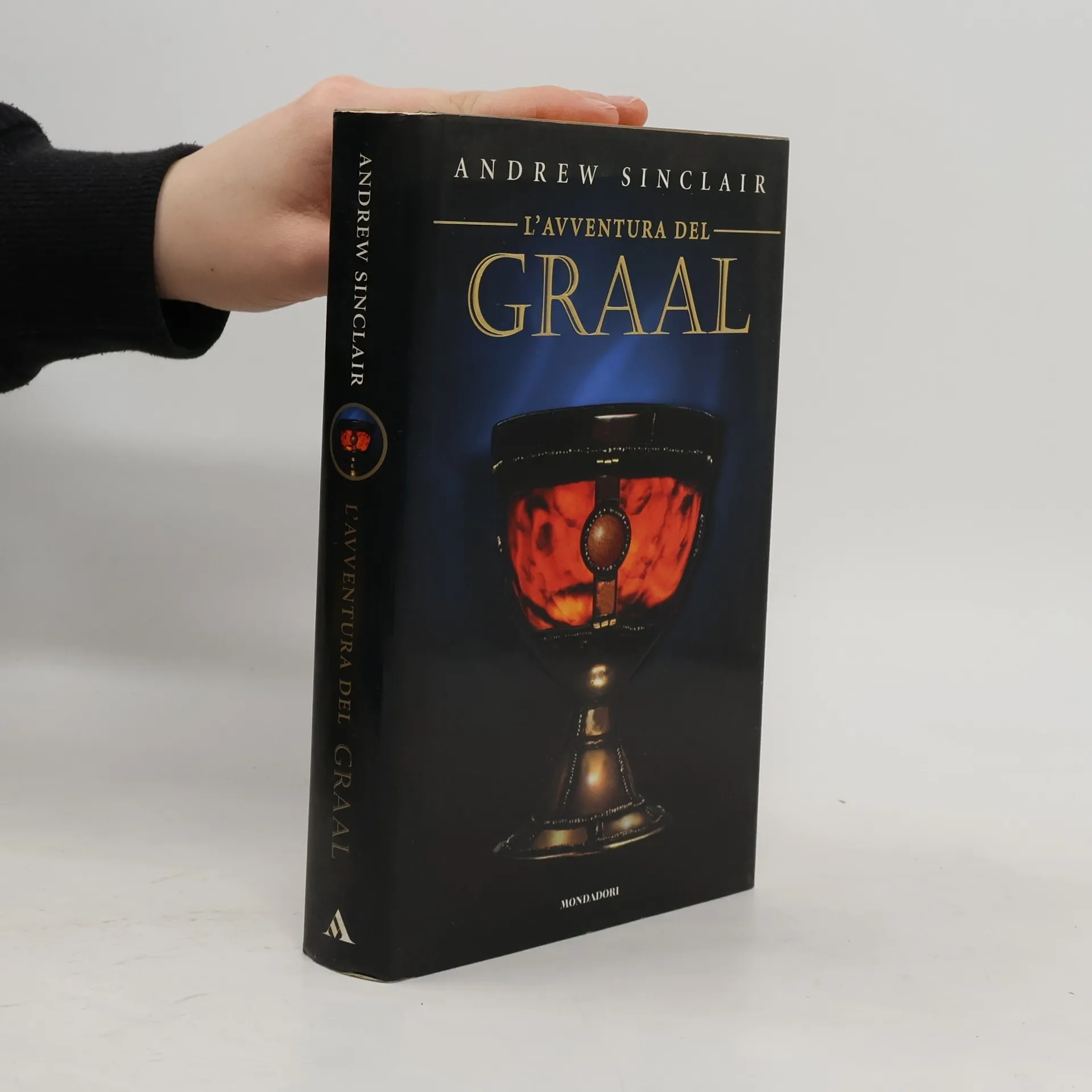
      Dai secoli il Graal, la coppa in cui sarebbe stato raccolto, secondo i Vangeli apocrifi, il sangue di Cristo, è uno dei più affascinanti e misteriosi simboli del sacro. A esso sono dedicati i più bei poemi medievali, e nell'Ottocento vi si è ispirato perfino Richard Wagner, Ma l'immagine di un contenitore dai poteri sovrannaturali risale a epoche molto più antiche: nasce con le grandi città mesopotamiche ed egizie, attraversa le mitologie nordiche, le dottrine degli alchimisti, i culti ereticali. Si ritrova nel mondo celtico sotto la forma della pentola magica. Andrew Sinclair rannoda con grande maestria i molteplici fili di una leggenda che mostra forti legami con la storia politica e religiosa del Medioevo, nonché con le tradizioni letterarie e artistiche di tutto l'Occidente. E, in particolare, ne utilizza l'intensa carica spirituale e simbolica per sondare il messaggio profondo che il mito ha mantenuto vivo attraverso i millenni: «La ricerca del santo Graal non è altro che la parabola di noi, singoli individui, mossi dall'aspirazione al divino».

      Nuovi misteri - 47: L'avventura del Graal
    • 1999
    • 1999

      "The story of the Grail has never been told in full. This definitive shows how the idea of the Holy cup dated from pagan sacrifices in Babylon, Greece, the Nordic people and the Celts. The biblical and post-biblical accounts of the Grail continued fitfully through the Dark Ages then flowered in the early Middle Ages through the legends of King Arthur. The Knights Templar claimed to have discovered the Grail in Palestine and brought it to Rosslyn Chapel in Scotland, which throughout the Middle Ages many artefacts surfaced which were claimed as the Grail. Andrew Sinclair traces the histories of these various artefacts and assesses their varied claims; the Glastonbury bronze bowl, the Saint Elizabeth Cup from Egypt, the wooden cup from Nanteos in North Wales, the emerald bowl owned by Napoleon, the precios metal Grail said to be hidden in Rosslyn Chapel and sought there by Rudolf Hess."

      The discovery of the Grail