Murasaki Shikibu fue una novelista, poeta y dama de honor japonesa de la época Heian. Es celebrada como la autora de una de las novelas más tempranas y famosas de la historia de la humanidad. Su prosa, escrita en japonés clásico, es elogiada por sus intrincados retratos psicológicos y su matizada representación de la vida aristocrática de su época. Su legado literario reside en sus profundas perspectivas sobre la naturaleza humana y su magistral uso del lenguaje, que ha influido en generaciones posteriores de escritores.
Escrita por una mujer del refinado Japón imperial de la segunda mitad del siglo X, la novela es una obra magna fascinante, a la altura de Quijote, Guerra y paz o Hamlet. La historia de Genji se esparce por más de medio siglo, con infinidad de personajes y de aventuras, muchas galantes, en que el protagonista, hijo del emperador a quien han alejado del poder desde su infancia, pugna por recuperar sus derechos. Una vida de éxitos y fracasos, de maquinaciones de poder y de erotismo que llenan el clásico más notable de cuantos quedaban por traducir a nuestra lengua.
"The Tale of Genji" by Lady Muraski is one of the world's most influential novels. As the first psychological novel, "The Tale of Genji" delves into the motivations and thoughts of the main characters, which had never been done in previous novels. The famous Japanese story is about Genji, the son of an emperor. When his mother died, Genji's father married another woman who greatly resembled Genji's mother. However, Genji fell in love with his new stepmother, causing problems between him and his own wife. He pursues a number of affairs, and is eventually exiled from the Capitol to a small, rural town. While Lady Murasaki did not base "The Tale of Genji" on a true story, she was inspired by a Minister in the royal court. She wrote the story in small installments for the ladies of the court, which might explain why the story was never "finished;" Lady Murasaki intended to keep the stories going as long as she possibly could. She also created some of the most memorable female characters in literature. As such, "The Tale of Genji" is widely considered to be one of the greatest works in the Japanese literature canon, as well as one of the most influential works of storytelling. Contained in this volume is the abridged translation of Suematsu Kencho.
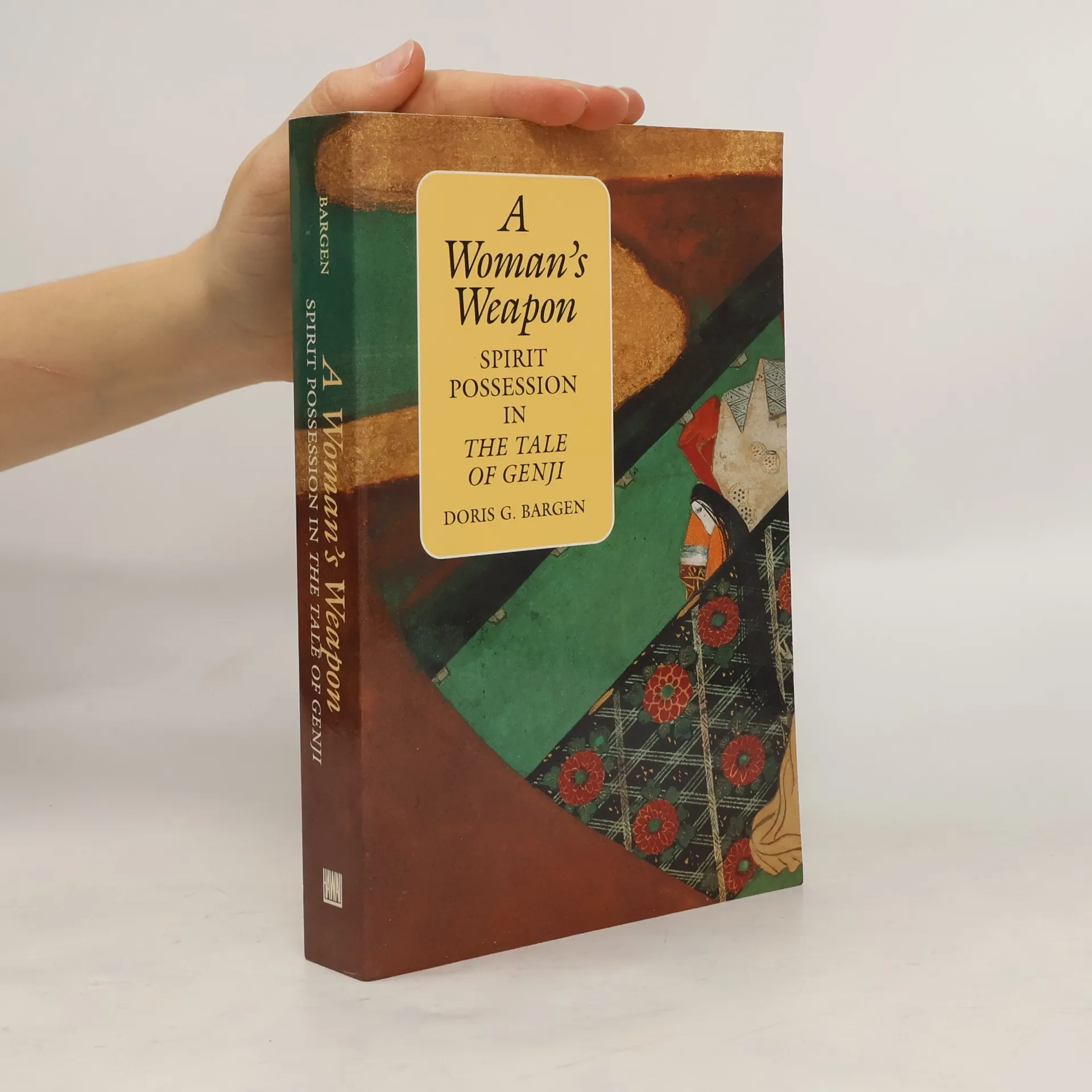
This text presents an examination of Murasaki Shikibu's 11th-century classic The Tale of Genji. The author explores the role of possessing spirits from a female viewpoint, and considers how the male protagonist is central to determining the role of these spirits.
Completed in the early 11th century, The Tale of Genji is considered the supreme masterpiece of Japanese prose literature, and one of the world's earliest novels. A work of great length, it comprises six parts, the first part of which (also called The Tale of Genji) is reprinted here. The exact origins of this remarkable saga of the nobility of Heian Japan remain somewhat obscured by time, although its author, Lady Shikibu Murasaki, presumably derived many of her insights into court life from her years of service with the royal family. The novel centers on the life and loves of the prince known as "the shining Genji." Far more than an exotic romance, however, the tale presents finely drawn characters in realistic situations, set against a richly embroidered tapestry of court life. Moreover, a wistful sense of nostalgia pervades the accounts of courtly intrigues and rivalries, resulting in an exquisitely detailed portrayal of a decaying aristocracy. Vibrant in its poetry and wordplay, subtle in its social and psychological observations, this work ranks in stature and significance with such Western classics as Cervantes' Don Quixote and Proust's Remembrance of Things Past. This inexpensive edition, featuring Arthur Waley's splendid translation of the first of the six-part series, offers readers a memorable taste of one of the world's first and greatest novels.
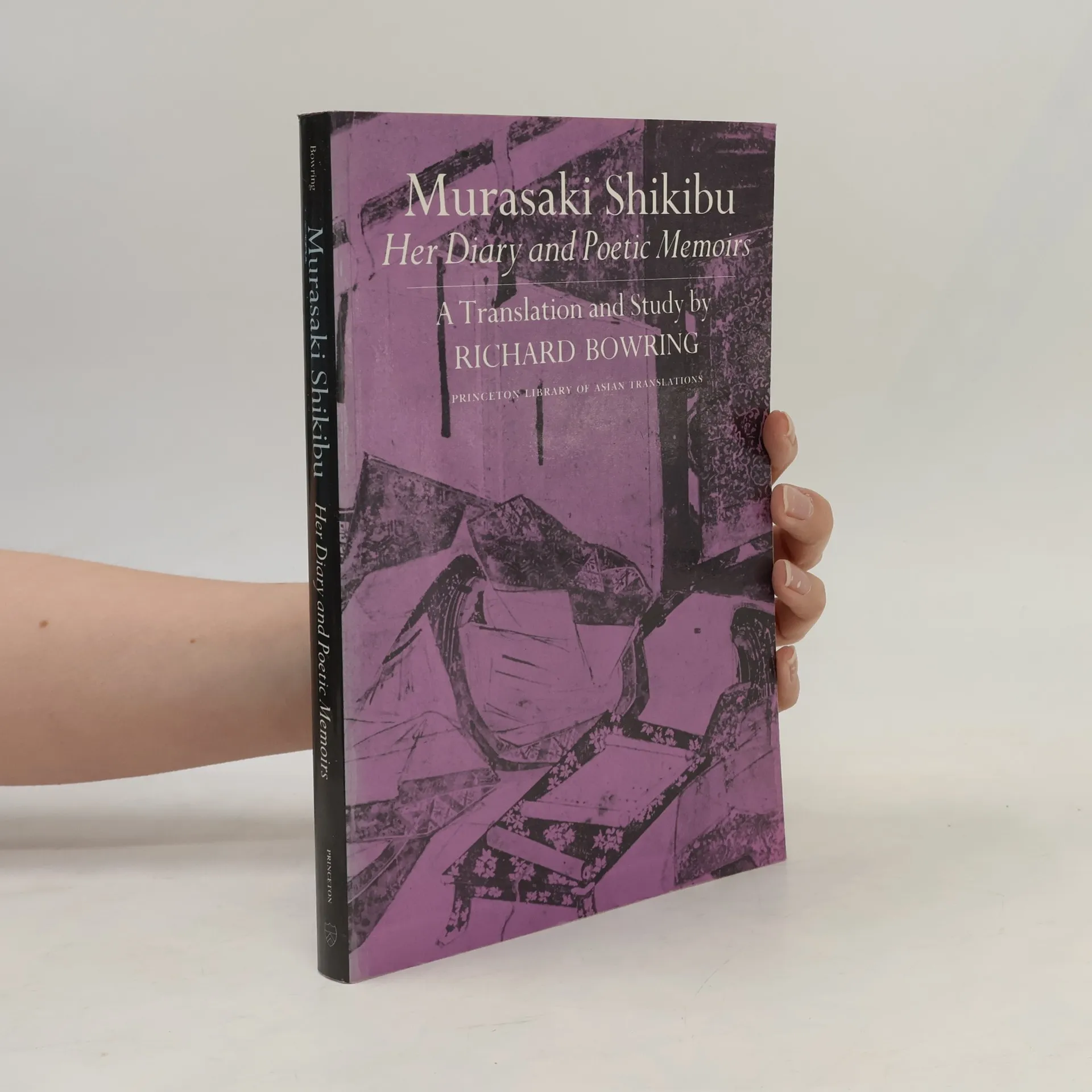
Derived from the journals of an empress's tutor and companion, this unique book offers rare glimpses of court life in eleventh-century Japan. Lady Murasaki recounts episodes of drama and intrigue among courtiers as well as the elaborate rituals related to the birth of a prince. Her observations, expressed with great subtlety, offer penetrating and timeless insights into human nature. Murasaki Shikibu (circa AD 973–1025) served among the gifted poets and writers of the imperial court during the Heian period. She and other women of the era were instrumental in developing Japanese as a written language, and her masterpiece, The Tale of Genji, is regarded as the world's first novel. Lady Murasaki's diary reveals the role of books in her society, including the laborious copying of texts and their high status as treasured gifts. This translation is accompanied by a Foreword from American poet and Japanophile Amy Lowell.
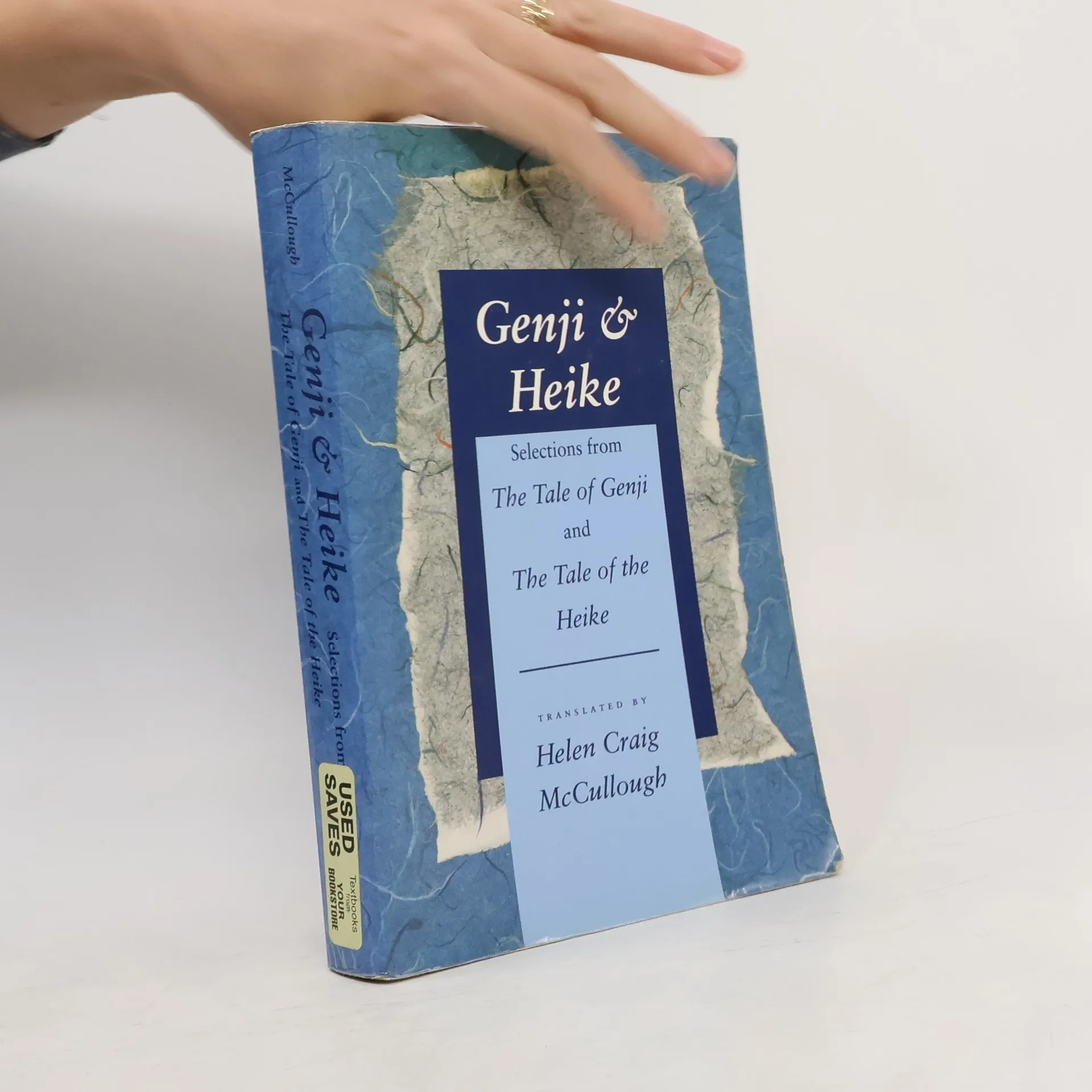
Selections from The Tale of Genji and The Tale of the Heike
500 páginas
18 horas de lectura
The Tale of Genji and The Tale of the Heike are two seminal works of classical Japanese prose. This abridged edition offers a one-volume selection suitable for survey courses in classical Japanese literature or world literature, as well as for general readers intimidated by the complete texts. The translator has chosen representative excerpts to create coherent and aesthetically pleasing narratives.
Often regarded as the world's first novel, The Tale of Genji, by Murasaki Shikibu, poetically captures the aristocratic life of eleventh-century Japan, a time of rich cultural development. This translation emphasizes key events in Genji's life, particularly his profound relationship with Murasaki, and includes significant portions from 10 of the 41 chapters, notably the "Broom Tree" chapter, which encapsulates the book's central themes.
Conversely, The Tale of the Heike portrays the late twelfth-century political machinations and battles that led to the decline of the Kyoto court and the rise of the Minamoto (Genji) clan's military government. Its theme of the impermanence of worldly affairs resonates with Genji, yet its oral composition and vigorous language starkly contrast with Genji's elegant tone. The selections from Heike comprise about 40 percent of the work and are drawn from a celebrated complete edition.
To aid readers, the translator has included introductions, headnote summaries, and supplementary materials, along wi
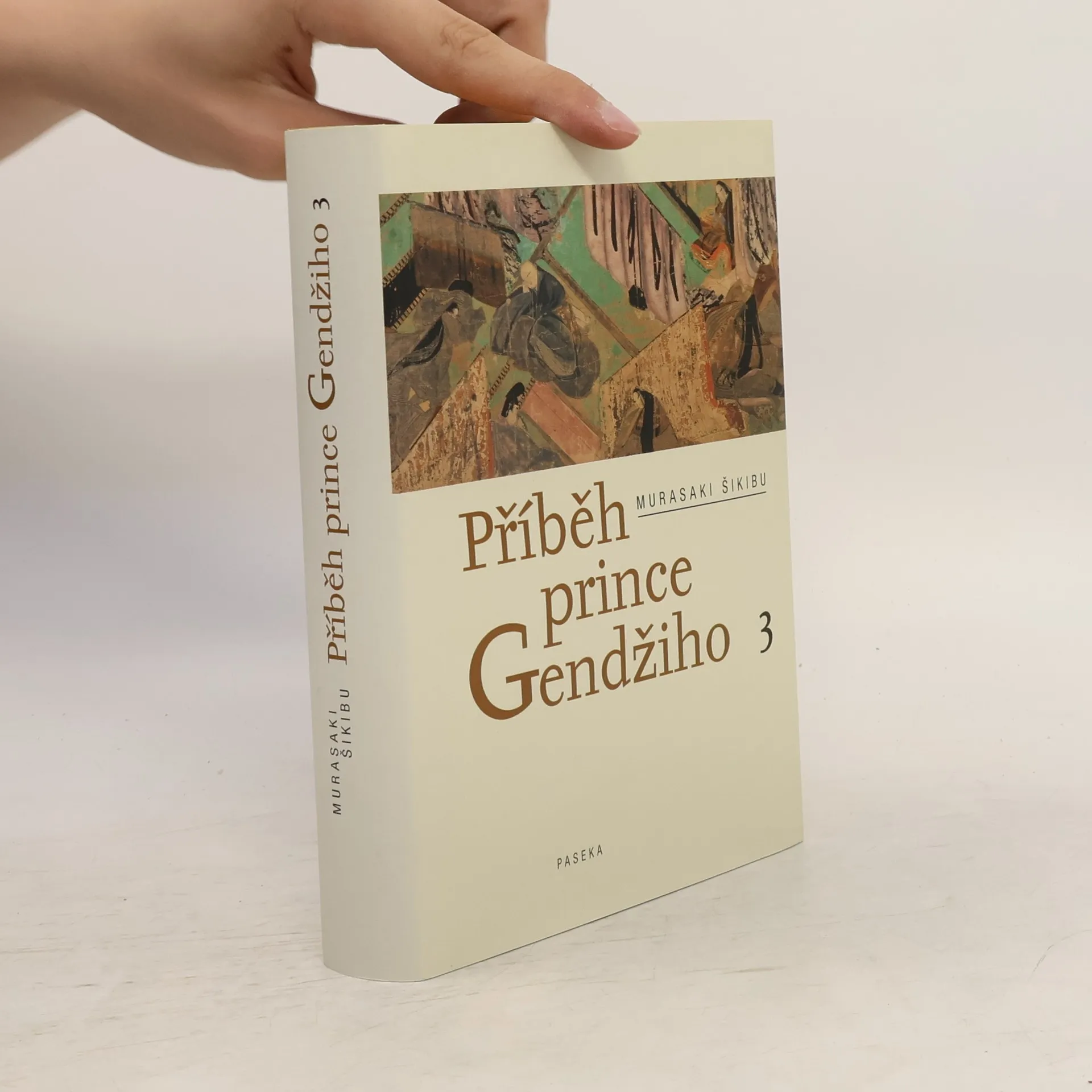
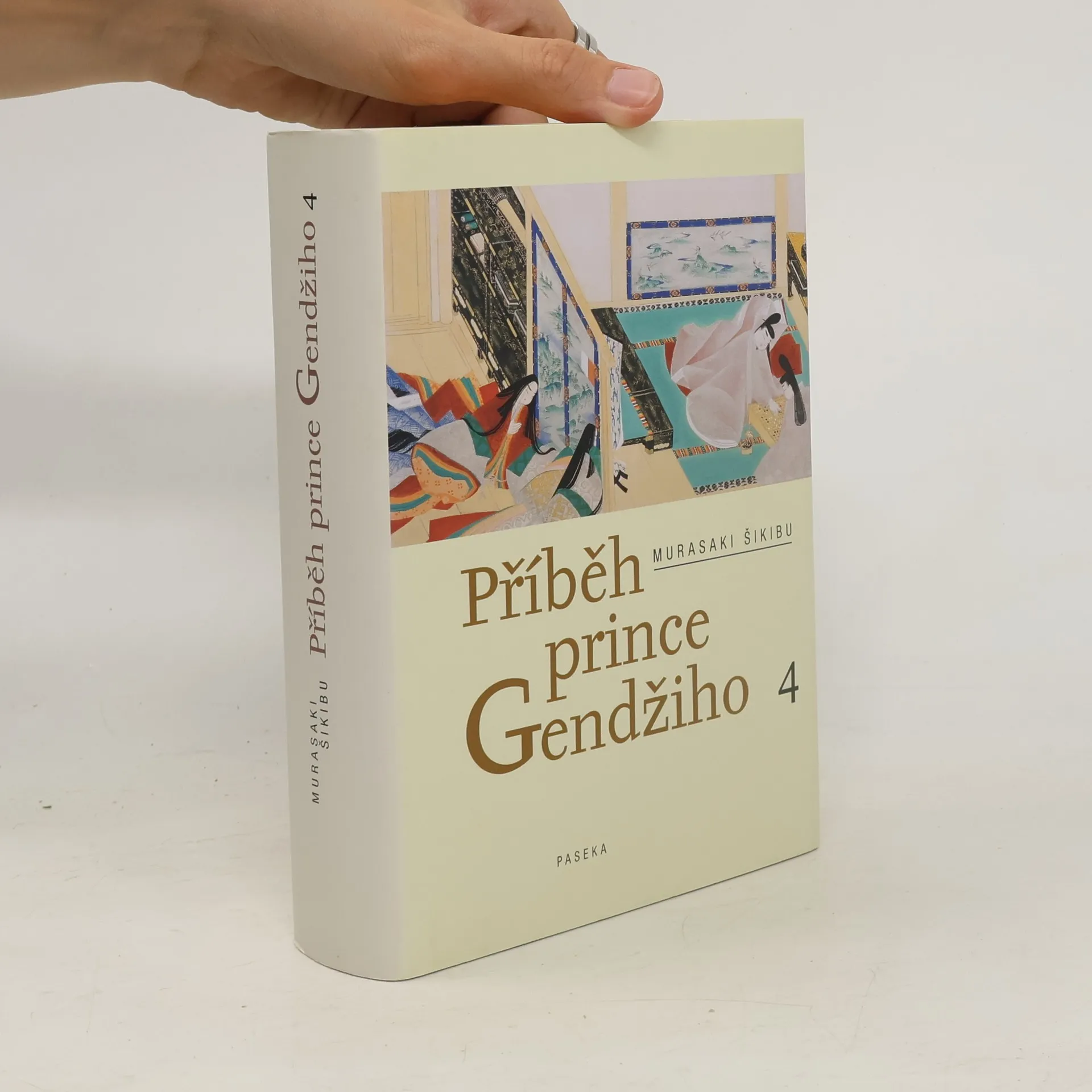
Život prince Gendžiho se chýlí ke konci a on se stále častěji zamýšlí nad svým životem a nad tím, zdali ho žil, jak měl. Zatímco on stále setrvává na tomto světě, u dvora, svět kolem něj se mění a jeho často napadá, zdali by neměl opustit světské dění a před svou smrtí se oddat Buddhovi...
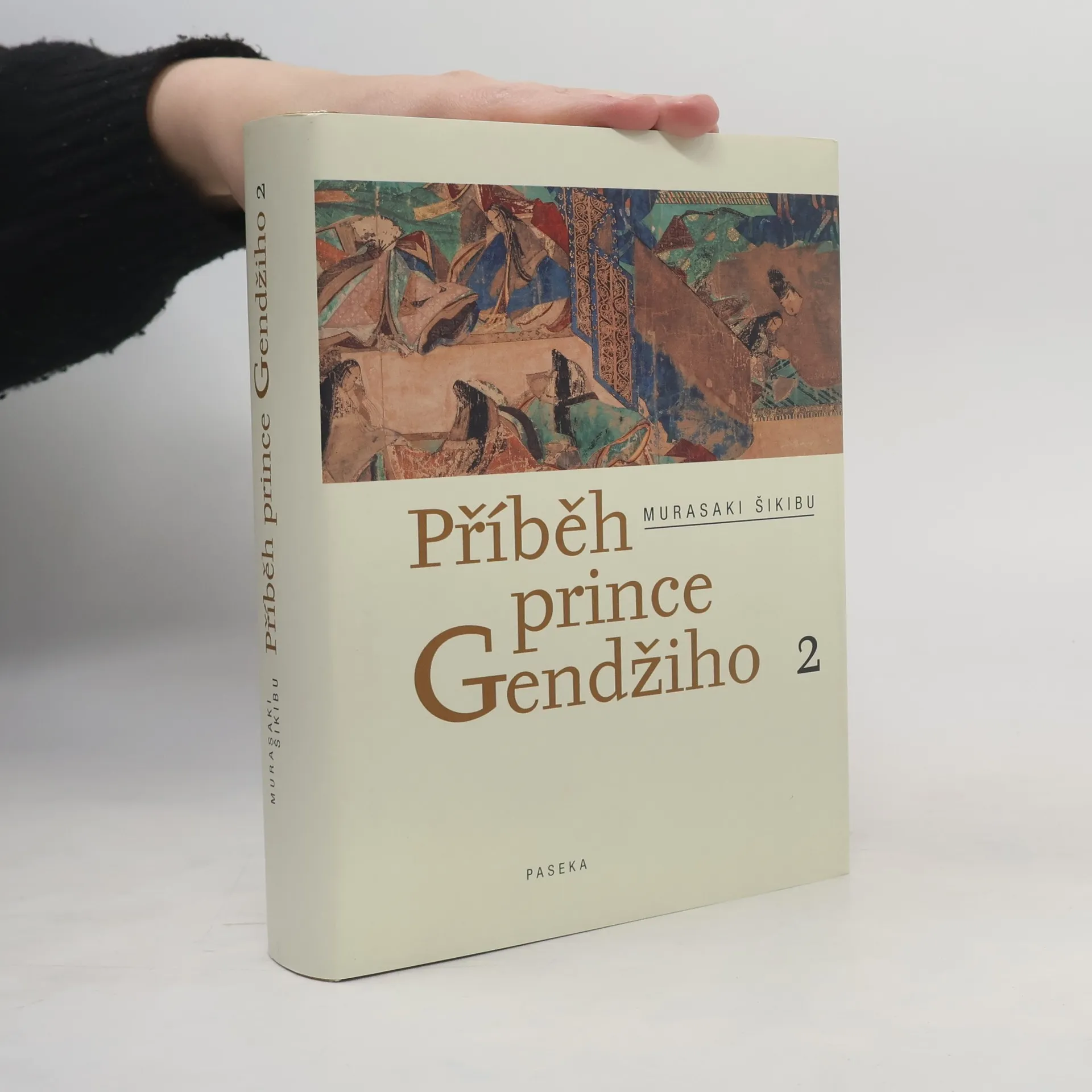
Příběh prince Gendžiho se řadí mezi jedny z nejvýznamějších světových literárních památek a to hlavně proto, že zde autorka dokázala i ve své době zručně vykreslit psychologický vývoj hlavní postavy. Kniha je také skvělou příležitostí, jak nahlédnout k heianskému dvoru, seznámit se s jeho tradicemi i každodenním životem.
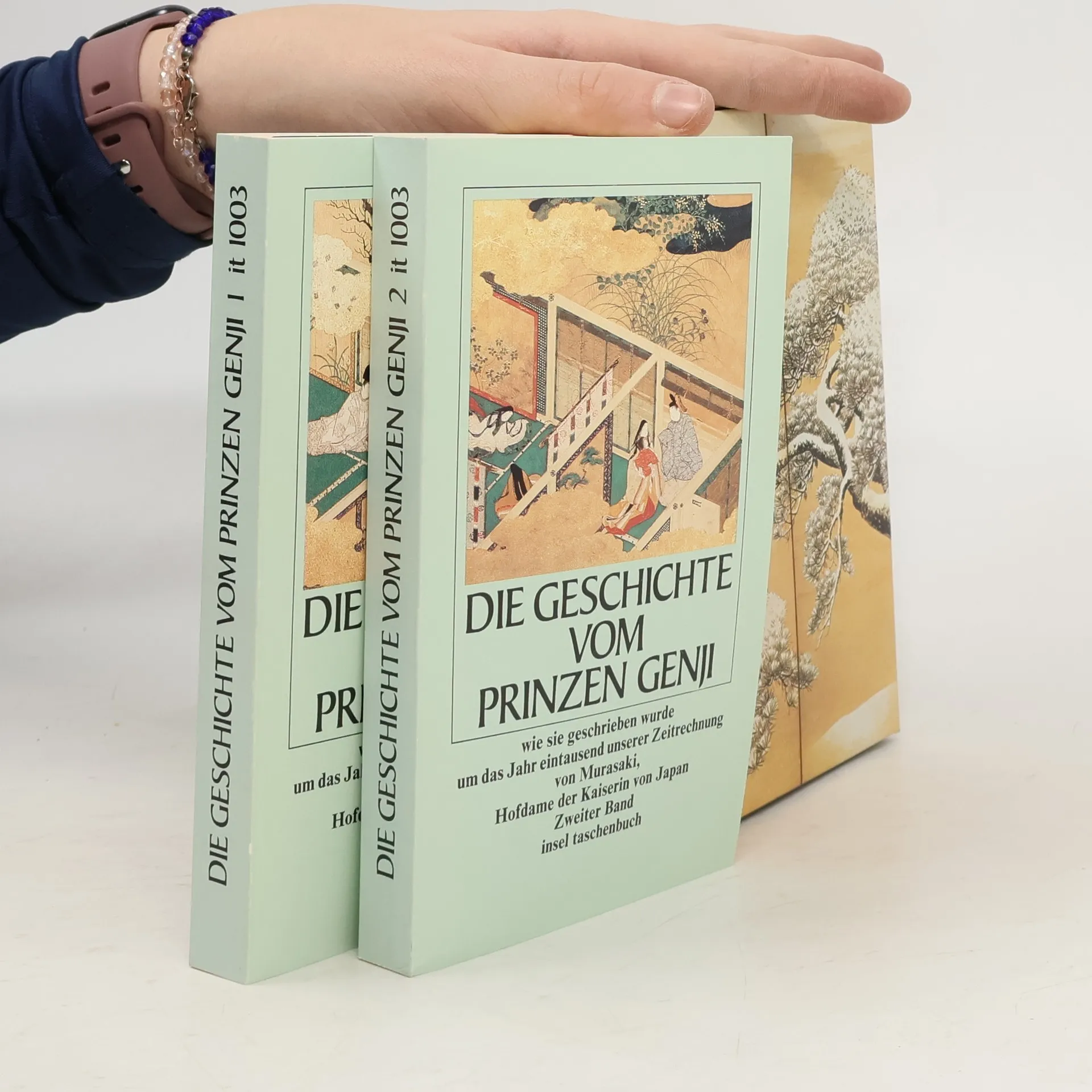
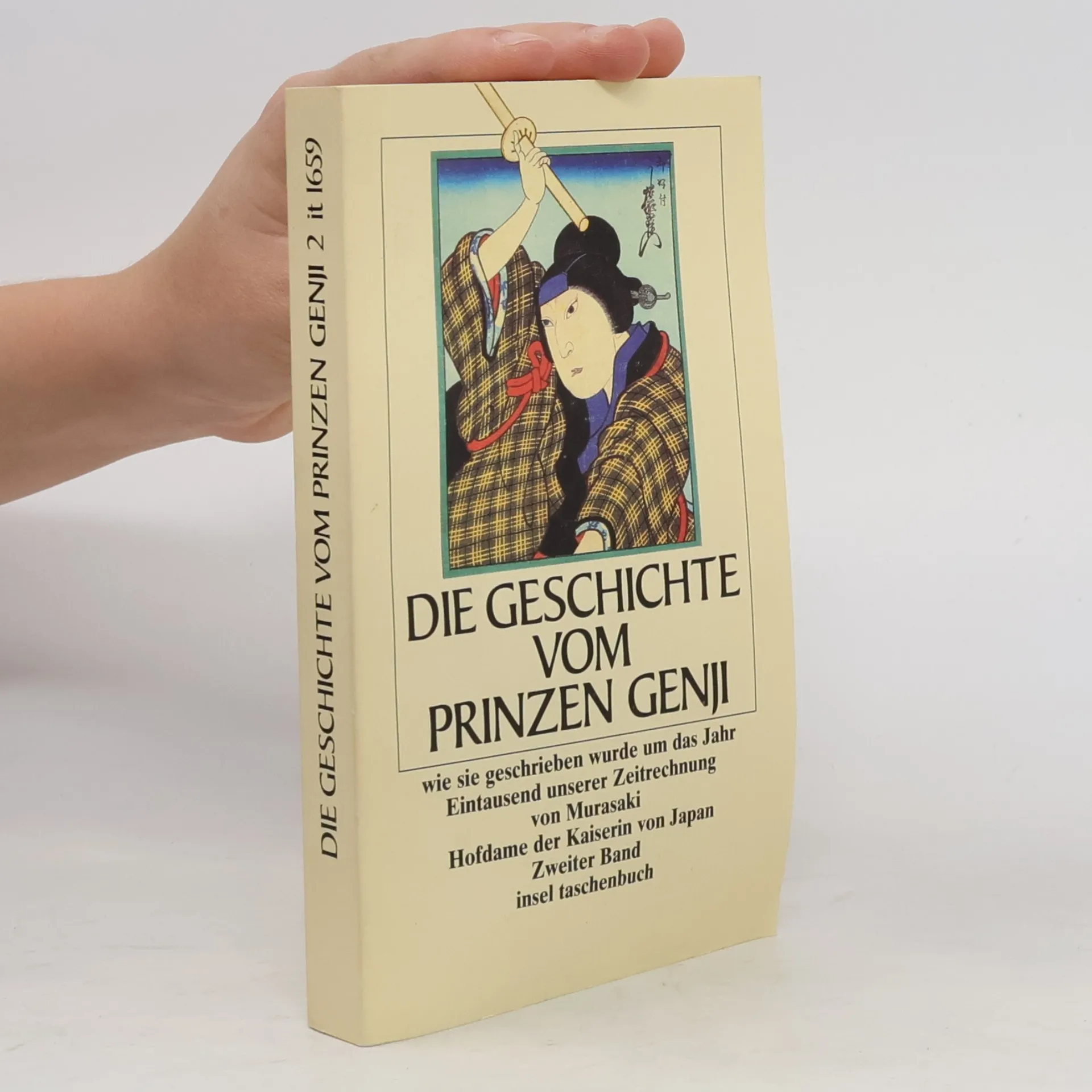
Das Genji-Monogatari ist das älteste und bedeutendste Werk der japanischen Frauenromane. Zugleich gilt es als ältester Roman der Weltliteratur überhaupt. Es entstand zwischen 1004 und 1011, als seine Verfasserin als Hofdame in den Diensten der Kaiserin Akiko stand. Als Meisterin einer leicht hinfließenden Prosa versteht sie es, die Bildhaftigkeit der Sprache zu nutzen, um die Liebeserlebnisse des Prinzen Genji zu beschreiben. Wie in einem Nô-Schauspiel treten die Personen der Handlung klar akzentuiert in ihren Wesenszügen vor dem Hintergrund einer sich immer wieder wandelnden Natur auf.
Princ Gendži se vrací ze svého vyhnanství zpět do hlavního města, kde už na něj čeká nejen jeho drahá paní Fialka, ale i další ženy, které se do něj zamilovaly nebo je to teprve čeká. Přestože se snaží napravit některé hříchy, jimiž se v mládí provinil, bohové mu nedokáží odpustit svedení své macechy a poprávu ho za něj trestají...
Příběh prince Gendžiho se řadí mezi jedny z nejvýznamějších světových literárních památek a to hlavně proto, že zde autorka dokázala i ve své době zručně vykreslit psychologický vývoj hlavní postavy. Kniha je také skvělou příležitostí, jak nahlédnout k heianskému dvoru, seznámit se s jeho tradicemi i každodenním životem.
Závěrečný díl tohoto románu se odehrává po Gendžiho smrti a na scénu přichází Gendžiho vnuk Nió a jeho domnělý syn Kaoru...
Příběh prince Gendžiho se řadí mezi jedny z nejvýznamějších světových literárních památek a to hlavně proto, že zde autorka dokázala i ve své době zručně vykreslit psychologický vývoj hlavní postavy. Kniha je také skvělou příležitostí, jak nahlédnout k heianskému dvoru, seznámit se s jeho tradicemi i každodenním životem.
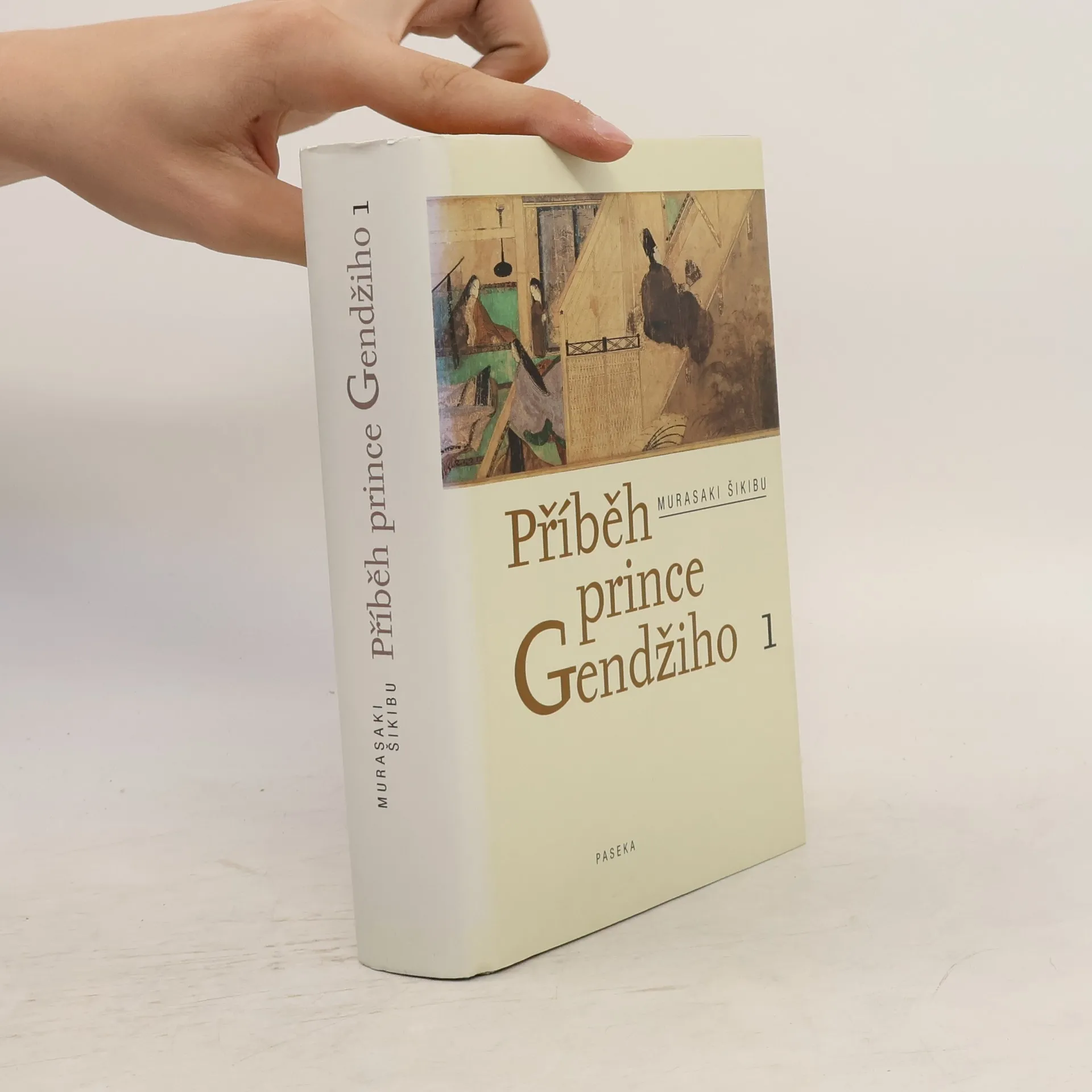
Úvodním dílem se otevírá vůbec první české vydání rozsáhlé japonské románové ságy z počátku 11. století, která je pro svou psychologickou hloubku i fabulační strukturu považována za vůbec první román. Řetěz alegoricky laděných romantických epizod, líčící osudy idealizovaného dvorského milovníka, císařského levobočka prince Gendžiho, v sobě pod takřka donjuanským hledáním ideální ženy skrývá hluboký estetický a filosofický podtext, pokus zachytit krásu prchavého pozemského života na pozadí estetických ideálů japonské šlechty doby Heian a etických hodnot spjatých s buddhistickou filosofií.
„Die Geschichte vom Prinzen Genji“ ist ein zeitloses Meisterwerk, das die Liebesabenteuer des Prinzen und das Leben am kaiserlichen Hof der Heian-Zeit schildert. Mit psychologischer Tiefe und sprachlicher Eleganz erzählt es von Genjis Einfühlsamkeit und seinem Umgang mit Machtintrigen. Der Manesse Verlag bringt die vollständige Übersetzung von Oscar Benl in prachtvoller Ausstattung heraus.