Marjane Satrapi es una autora iraní-francesa cuyas novelas gráficas capturan conmovedoramente experiencias vitales complejas. A través de su obra, explora temas de identidad, memoria y eventos políticos, basándose en gran medida en la experiencia personal. Su distintivo estilo artístico presenta dibujos expresivos y narrativas convincentes que sumergen al lector en los acontecimientos. Satrapi se enfoca en retratar la vida interior de sus personajes y sus luchas contra las presiones sociales externas.
Eine Graphic Novel von «Persepolis»-Autorin Marjane Satrapi
96 páginas
4 horas de lectura
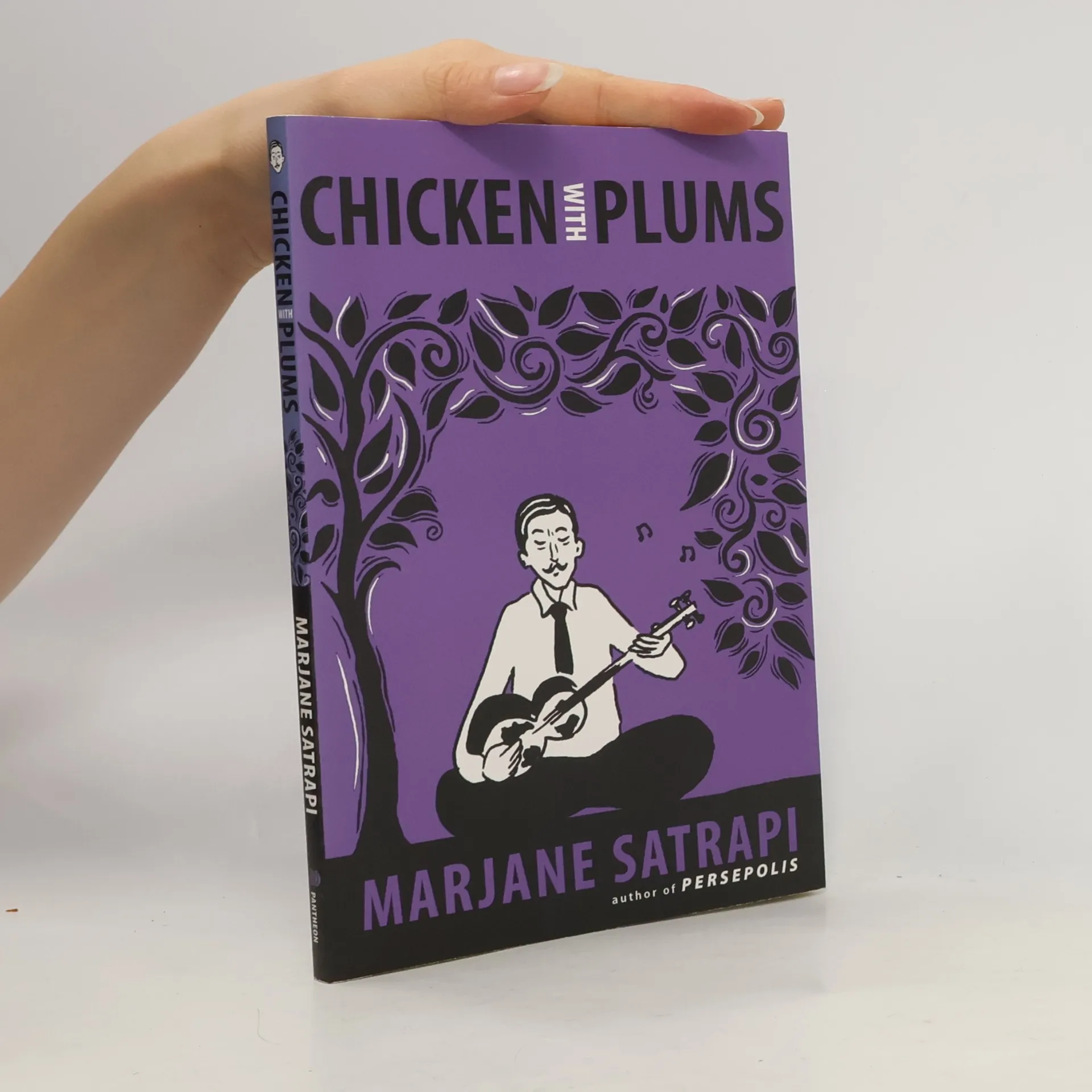
In «Huhn mit Pflaumen» erzählt Marjane Satrapi die letzten acht Tage im Leben ihres Grossonkels Nasser Ali Khan wie ein iranisches Märchen. Teheran 1958. Nasser Ali Khan, ein sagenhafter Tar-Spieler (Tar = traditionelle Laute aus dem Iran), will sterben, weil seine Frau im Streit sein unersetzliches Instrument zerbrochen hat. Er beschliesst, sich hinzulegen und auf den Tod zu warten. Nicht einmal seine Lieblingsspeise Huhn mit Pflaumen kann ihn davon abhalten …
On September 13, 2022, a young Iranian student, Mahsa Amini, was arrested by the morality police in Tehran, and a wave of protests soon spread through the whole country. In this visual collection of graphic novel style essays, a collaboration of activists, artists, journalists, and academics are working together to depict the historic uprising in Iran, in solidarity with the Iranian people, in defence of feminism
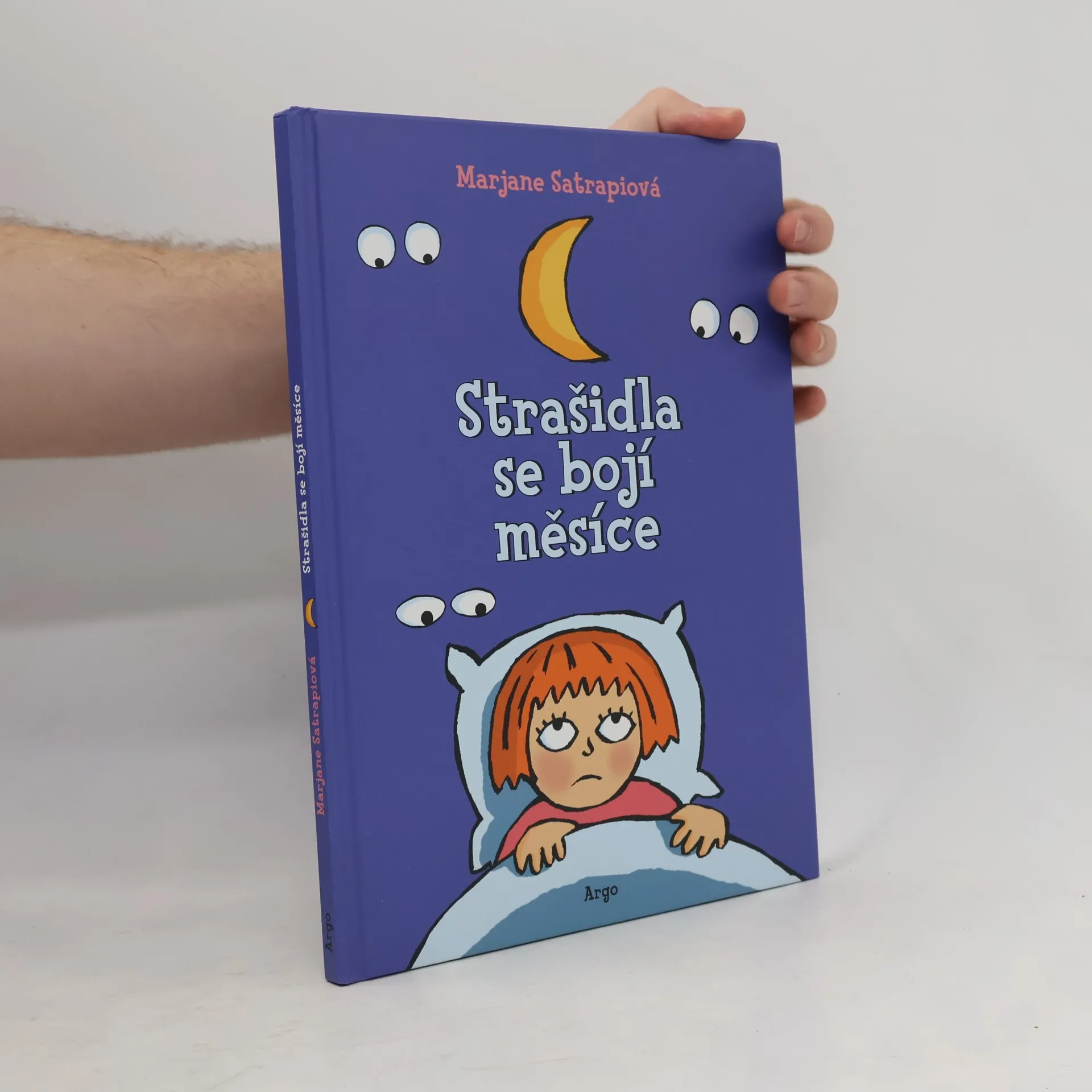
Malé Marjánce není co závidět. Sotva se uloží do postýlky a zhasne, vynoří se tři protivná, kruťácká strašidla a zlobí ji až hrůza. Holčička dostane nápad: Strašidla se přece objevují jen ve tmě, světla se bojí. Stačí tedy, aby Marjánka vystřihla měsíc z noční oblohy a zavřela ho do klece u své postýlky. A jak si usmyslí, tak udělá. Jenže ouha! Strašidla sice zmizí, zato kočkám teď nastaly zlé časy... Jak to? To se dozvíte v knížce Marjane Satrapiové, íránsko- francouzské autorky a ilustrátorky, která se světově proslavila autobiografickým komiksem Persepolis. Pro děti od 3 let.
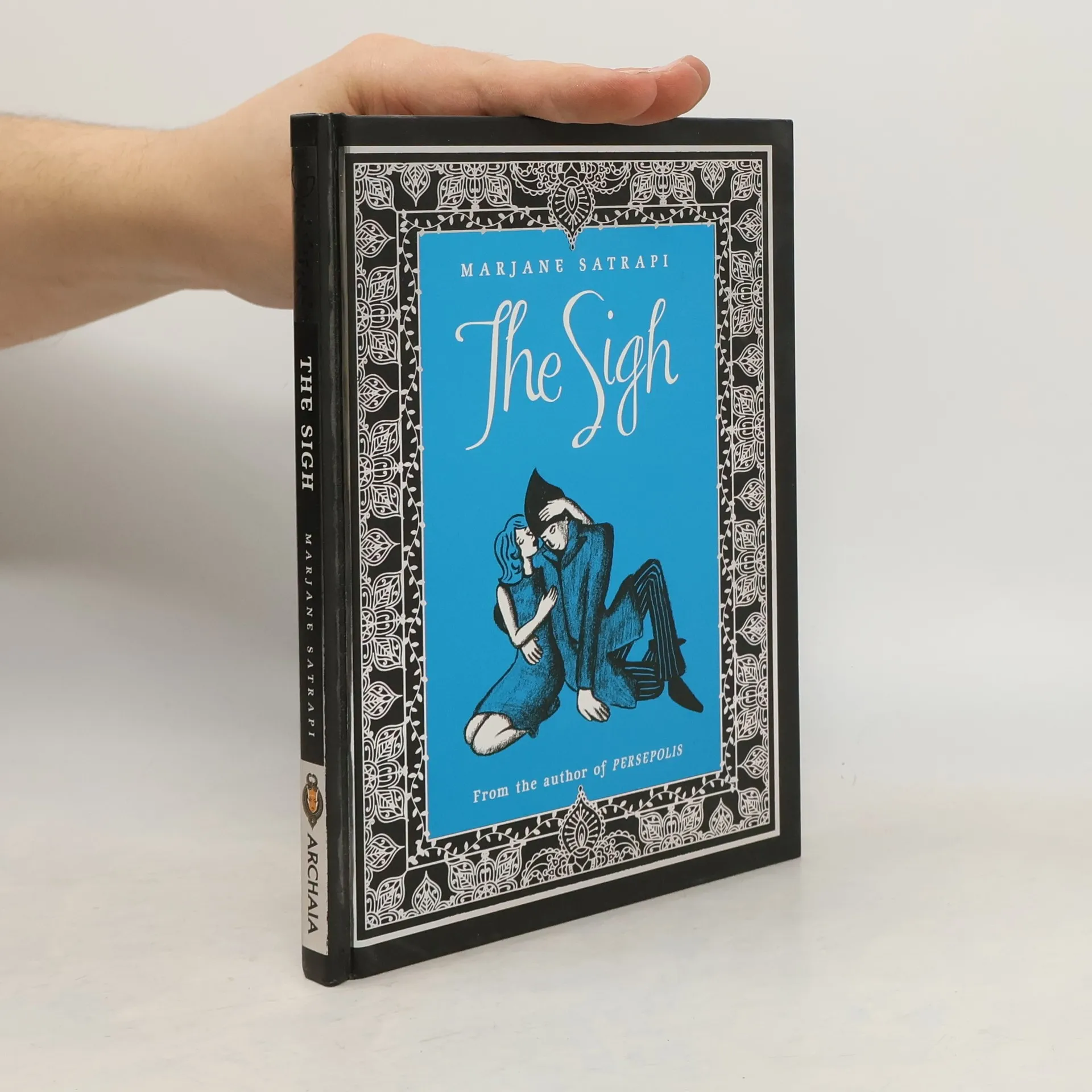
From the author of Persepolis, comes this illustrated fairy tale. Rose is one of three daughters of a rich merchant who always brings gifts for his girls from the market. One day Rose asks for the seed of a blue bean, but he fails to find one for her. She lets out a sigh in resignation, and her sigh attracts the Sigh, a mysterious being that brings the seed she desired to the merchant. But every debt has to be paid, and every gift has a price, and the Sigh returns a year later to take the merchant's daughter to a secret and distant palace.
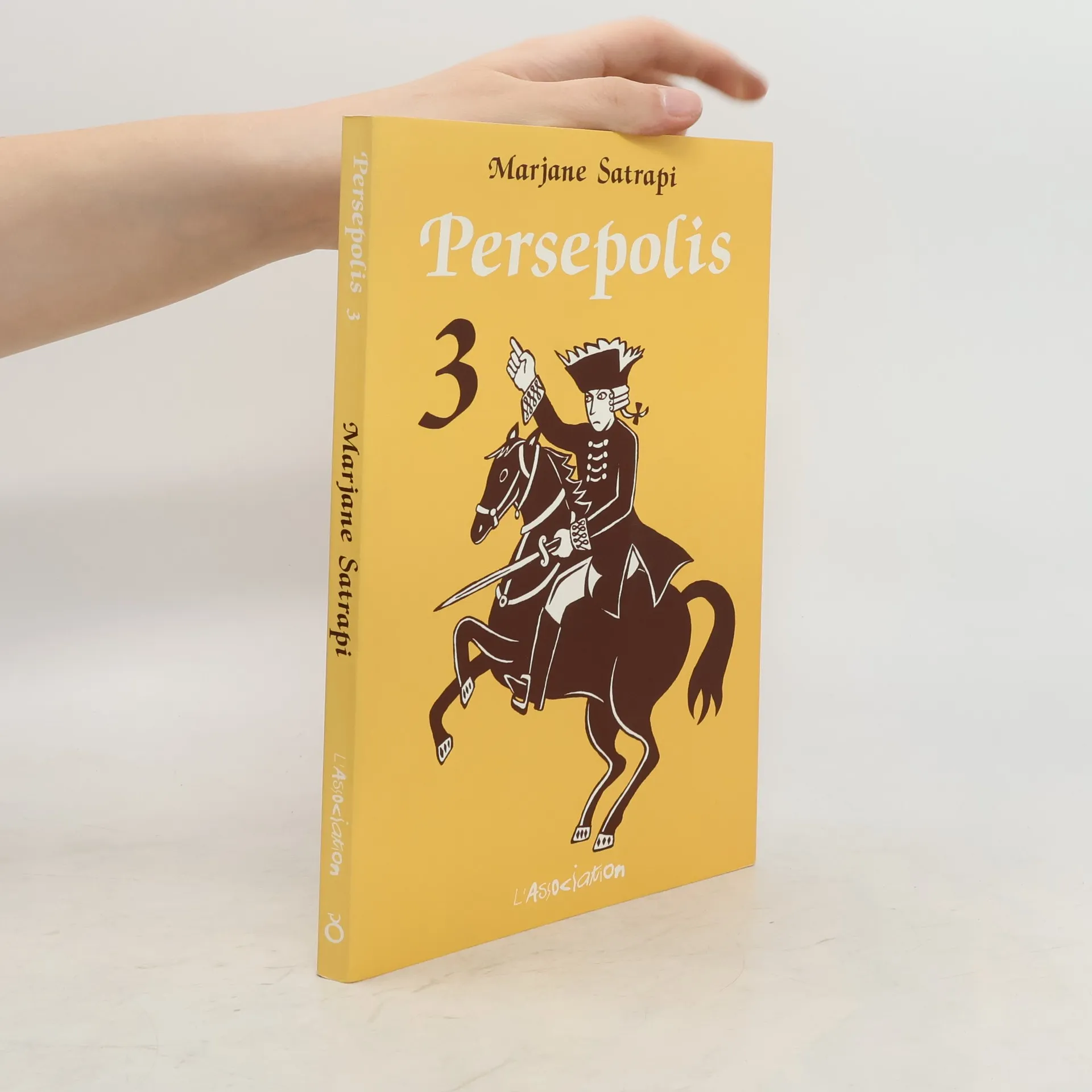
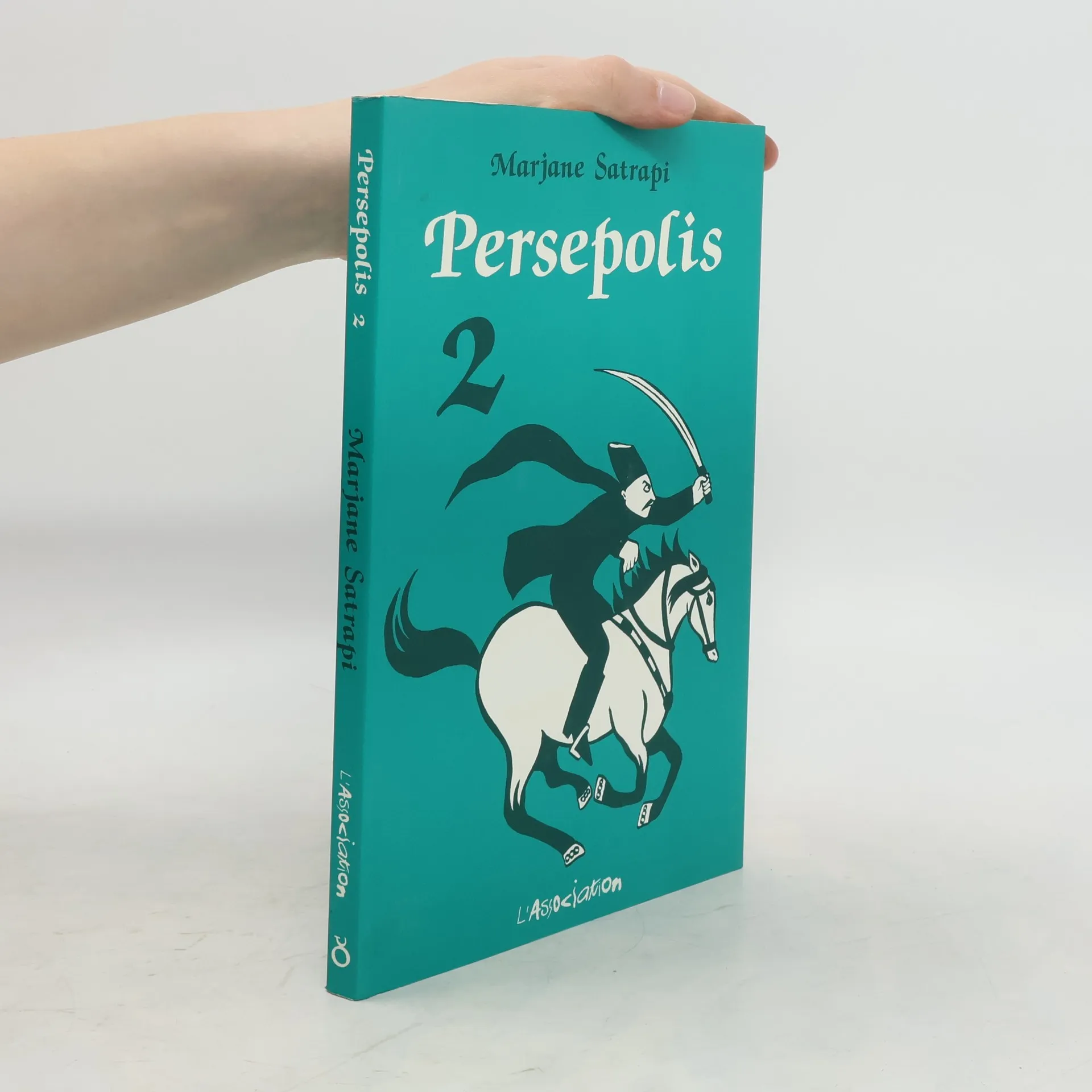
Récit autobiographique d'une enfance iranienne, entre guerre et révolution, à travers la regard d'une petite fille. Après avoir fait connaissance avec la révolution, Marjane, douze ans et apprend à vivre avec la guerre. On est en 1982 et les bombes irakiennes pleuvent sur Téhéran.
Un nouvel épisode de la jeunesse de Marji, prépublié cet été dans Libération.
On craingait par avance d'etre déçus par ce nouvel épisode, c'est bien loin
d'etre le cas ! L'épisode est celui de l'apprentissage de l'Occident : Marji
est exilée en Autriche, chez les bonnes soeurs et partage sa vie avec une
jeune fille dnt elle ne comprend pas du tout la langue. Pertinent
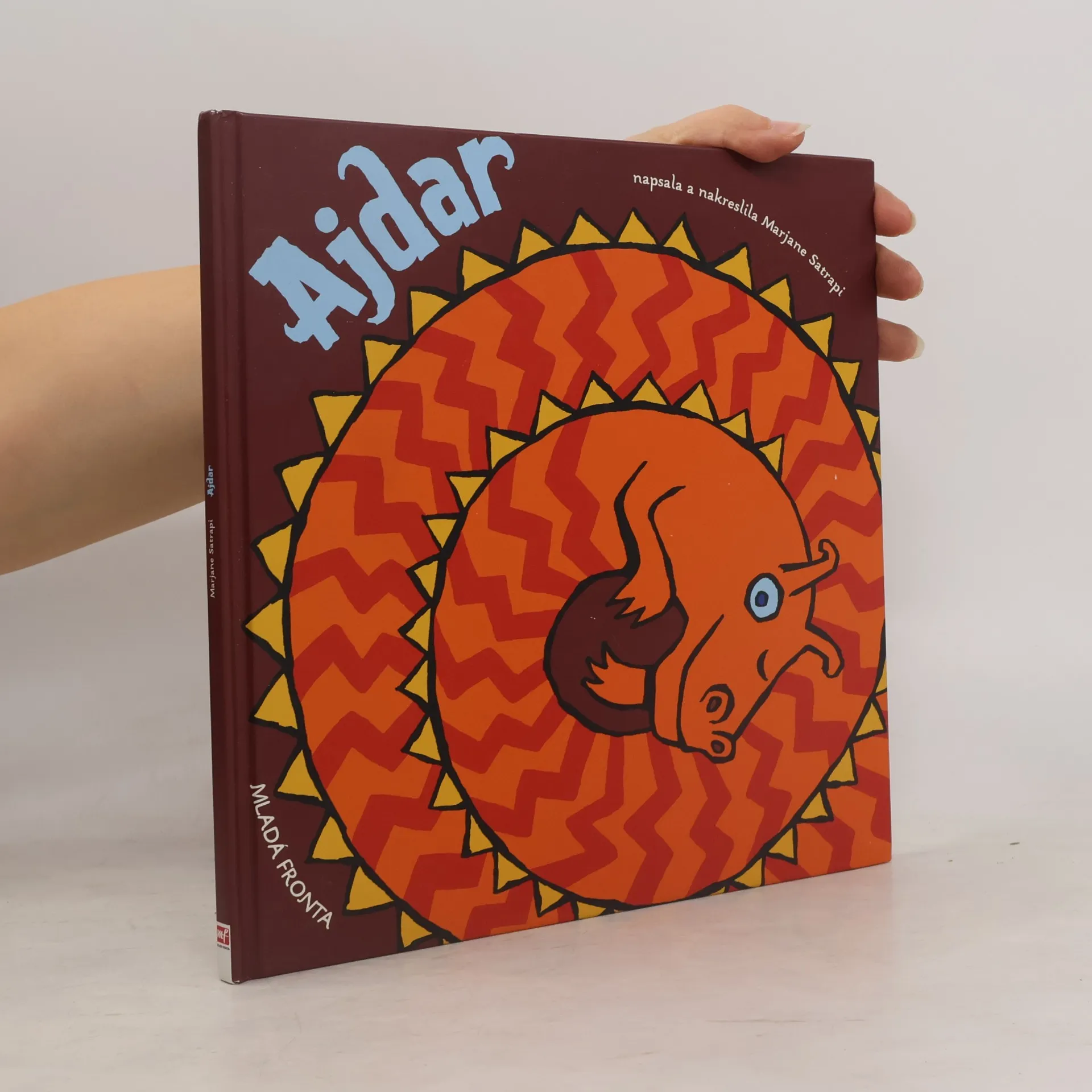
Ilustrovaný příběh o statečné holčičce a podzemním drakovi. Matyldina země je jedna z nejkrásnějších na světě. Jednoho dne ale přijde zemětřesení a nic není jako dřív – až na Matyldu. Král ji pověří nebezpečným úkolem: vydat se do nitra země za drakem Ajdarem, který zemětřesení způsobil, a zjistit, co ho rozzlobilo.
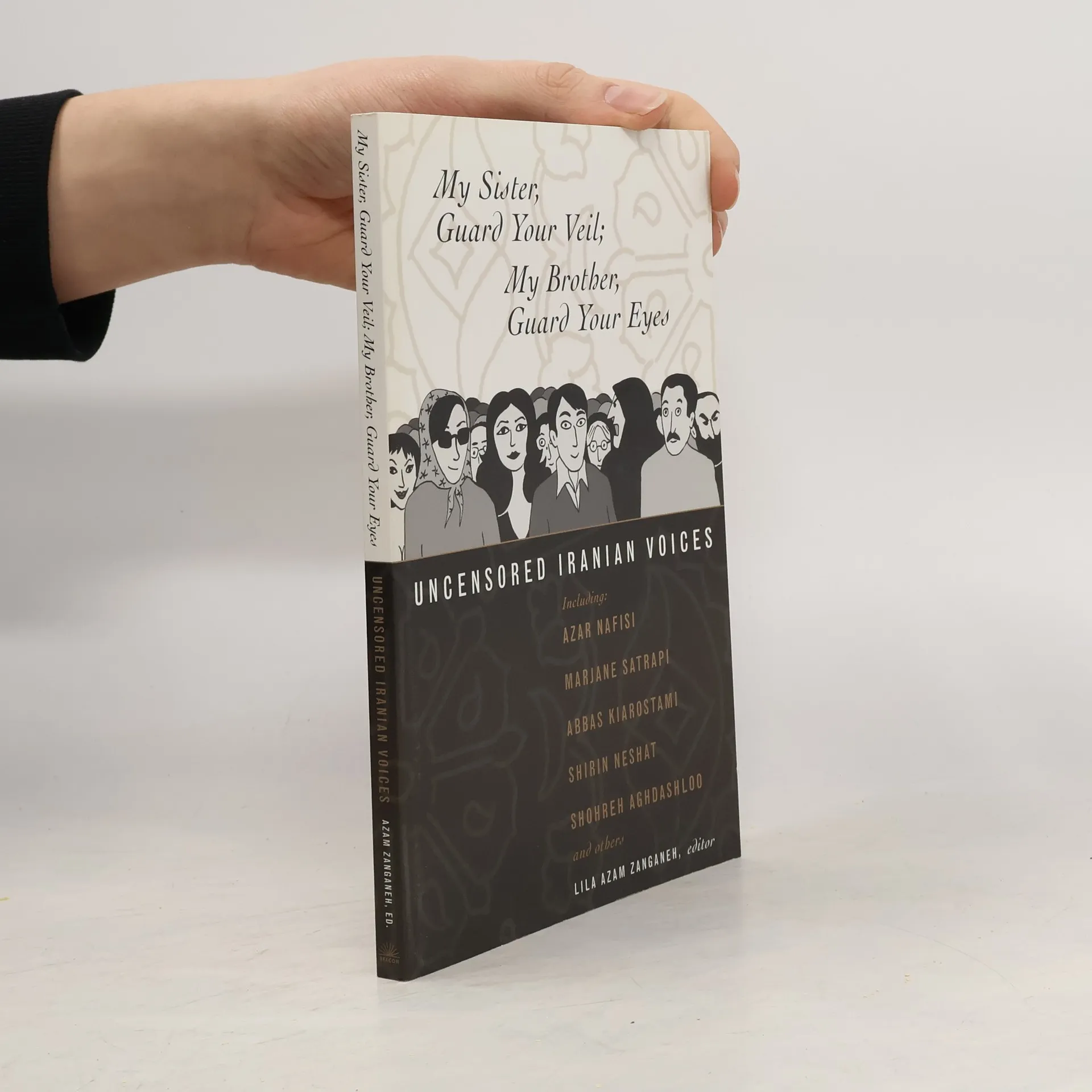
In this groundbreaking anthology, Lila Azam Zanganeh explores the complexities of Iran, challenging the simplistic narratives that dominate American perceptions. Contributors like Azar Nafisi and Marjane Satrapi present a multifaceted view of a nation often misrepresented as either a member of the "axis of evil" or a place of youthful rebellion. This collection aims to dismantle cultural and political clichés, featuring diverse topics such as feminism, sexuality, and political dissent under the Islamic Republic.
Reza Aslan clarifies that Iran is better described as a "mullahcracy" than a theocracy, while Mehrangiz Kar discusses how the Iranian Revolution sparked a feminist movement. Azadeh Moaveni uncovers Tehran's underground parties and sexual culture, and Gelareh Asayesh addresses the racial identity of Iranians in America. Naghmeh Zarbafian reflects on the experience of reading censored literature, and Roya Hakakian reminisces about the joyful past of Iranian Jews.
With a compelling introduction by Zanganeh, this collection seeks to reshape understanding of Iran, revealing the intricate realities of its society—caught between political Islam, modern media, and stark social inequalities.
The brilliant graphic memoir of growing up in Iran during and after the
Islamic revolution.Marjane Satrapi lived through the Iranian Revolution as a
little girl. This is her classic memoir-in-comic-strips, the story of a child
entangled in the history and politics of her country. It paints an
unforgettable portrait of growing up in revolutionary and war-torn Iran, in a
family that was both outrageous and ordinary, beset by tragedy and yet
buffered by love. Funny, wise, ultimately heartbreaking and told with
unforgettable pictures.'A revelation...you will remember it for a very long
time'Mark Haddon'The magic of Marjane Satrapi's work is that it can condense a
whole country's tragedy into one poignant, funny scene after another'
Independent on SundayTHE COMPLETE PERSEPOLIS VOLUMES I & II: Includes The
Story of a Childhood and The Story of a ReturnTRANSLATED BY ANJALI SINGH ONE
OF THE GUARDIAN'S 100 BEST BOOKS OF THE 21st CENTURY
1982: il pleut des bombes irakiennes à Téhéran et Marjane a douze ans. A peu
près l'age des gamins, ceux de la femme de ménage s'entend, qui seront envoyés
sur les champs de bataille munis d'une clé en plastique censée leur ouvrir les
portes du paradis. Après avoir fait connaissance avec la révolution et ses
corollaires terrifiants, Marjane découvre la guerre à sa fenetre et apprend à
faire la différence entre un Mig et un F14. C'est la guerre. Alors, comme dans
toutes les guerres, on tâche de ne pas se laisser abattre: on s'aime, on boit,
on se déchire, on s'entraide, on se méfie des voisins et on attend la fin. On
grandit aussi un peu plus vite car on vit plus intensément, et la vie de
suivre ou non son cours, Inch'Allah ou au petit bonheur la chance. A douze
ans, on voit grand, et Marjane n'est pas du genre à s'en laisser compter. Ses
parents non plus, qui prendront le risque de lui rapporter de Turquie des
posters d'Iron Maiden et de Kim Wilde ou d'organiser des fetes interdites. Au
fil des chapitres de sa vie, on assiste à la transformation d'une petite fille
ordinaire en femme de chair et d'assaut, qui forgera son caractère dans
l'acier trempé de l'insoumission et de la rage d'exister.
The bestselling author of Persepolis brings her signature humor and insight to the heartrending story of a celebrated Iranian musician who gives up his life for music and love. “A feast you’ll devour.” —Newsweek When Nasser Ali Khan, the author’s great-uncle, discovers that his beloved instrument is irreparably damaged, he takes to his bed, renouncing the world and all its pleasures. Over the course of the week that follows, we are treated to vivid scenes of his encounters with family and friends, flashbacks to his childhood, and flash-forwards to his children’s future. And as the pieces of his story fall into place, we begin to understand the breadth of his decision to let go of life. The poignant story of one man, it is also stunningly universal—a luminous tale of life and death, and the courage and passion both require of us.
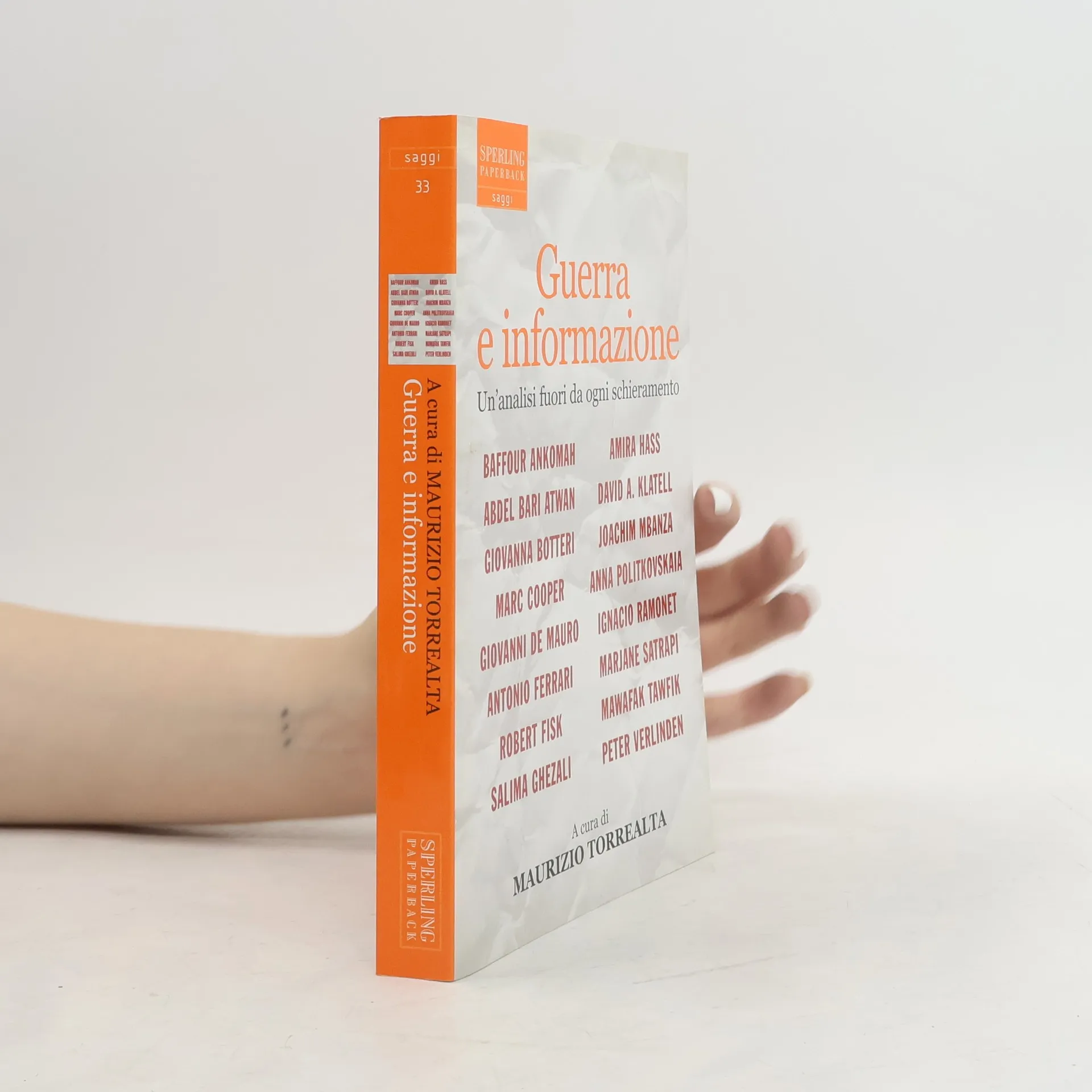
Dalle voci più autorevoli della stampa internazionale, una raccolta di interventi su uno dei temi più critici dell'informazione: come fare giornalismo indipendente oggi. Dalle zone calde del pianeta - dall'Algeria alla Cecenia, dai territori palestinesi occupati all'Iraq e all'Afghanistan voci fuori da ogni schieramento raccontano un mondo che non assomiglia più alla geografia insegnata nelle scuole. Alcuni di loro scrivono in russo, altri in inglese, altri in arabo, altri in ebraico: molti sono riusciti a guadagnarsi la stima dei loro nemici e a perdere quella dei loro amici.
The great-granddaughter of Iran's last emperor and the daughter of ardent Marxists describes growing up in Tehran in a country plagued by political upheaval and vast contraditions between public and private life.
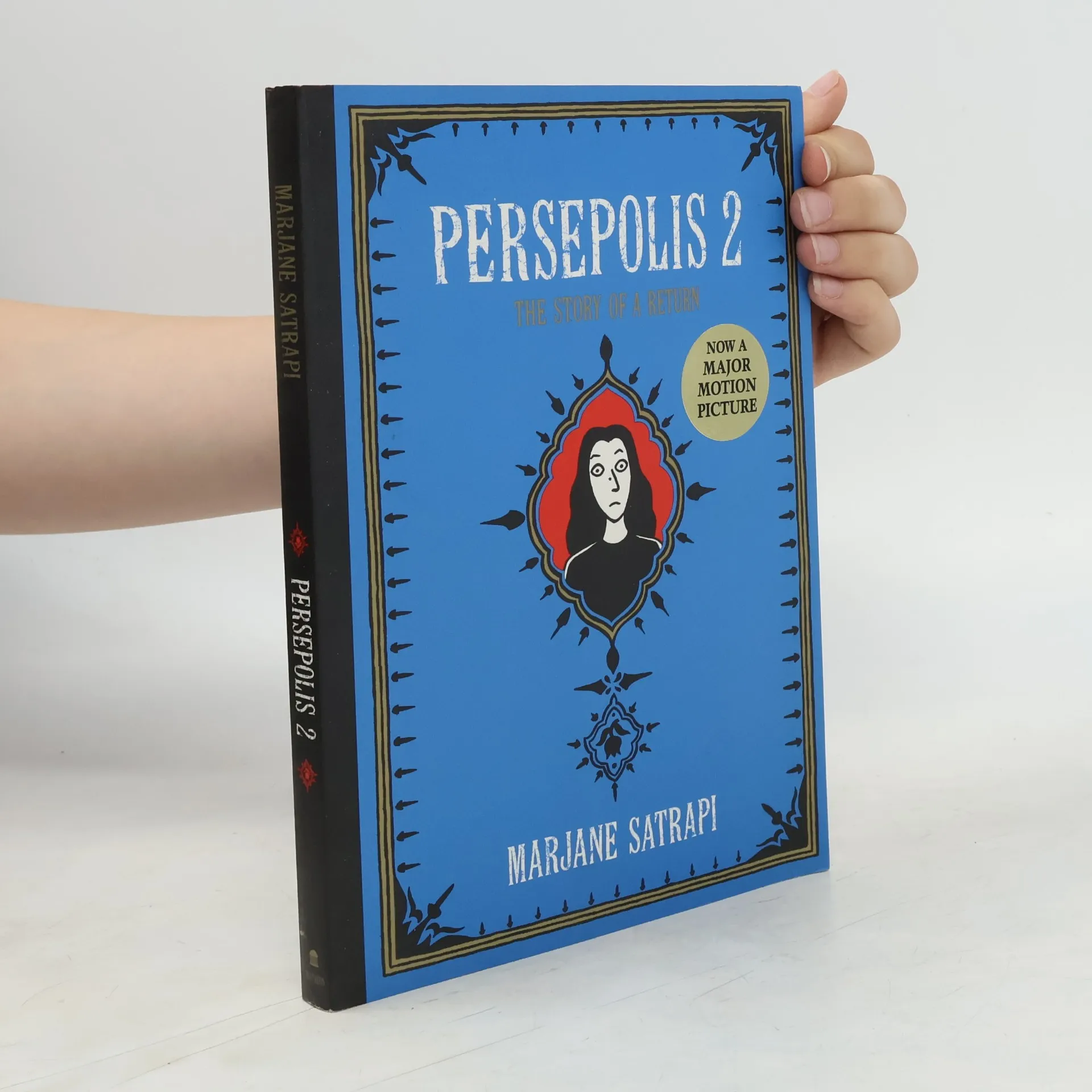
The great-granddaughter of Iran's last emperor and the daughter of ardent Marxists continues her description of growing up in Tehran--a country plagued by political upheaval and vast contradictions between public and private life
Alrededor de una mesa preparada con el samovar, el té y las pastas, varias mujeres se disponen a pasar la tarde. Los temas de conversación desembocan pronto en los amores, el sexo y los caprichos de los hombres. Y con ellos se irán desvelando los más íntimos secretos de este elenco de mujeres fascinantes, así como sus miedos, sus remordimientos y varias anécdotas a cuál más escandalosa. Bordados es un libro radicalmente vivo que nos enseña qué significa ser mujer, no solo en un país islámico, sino en cualquier lugar del mundo.
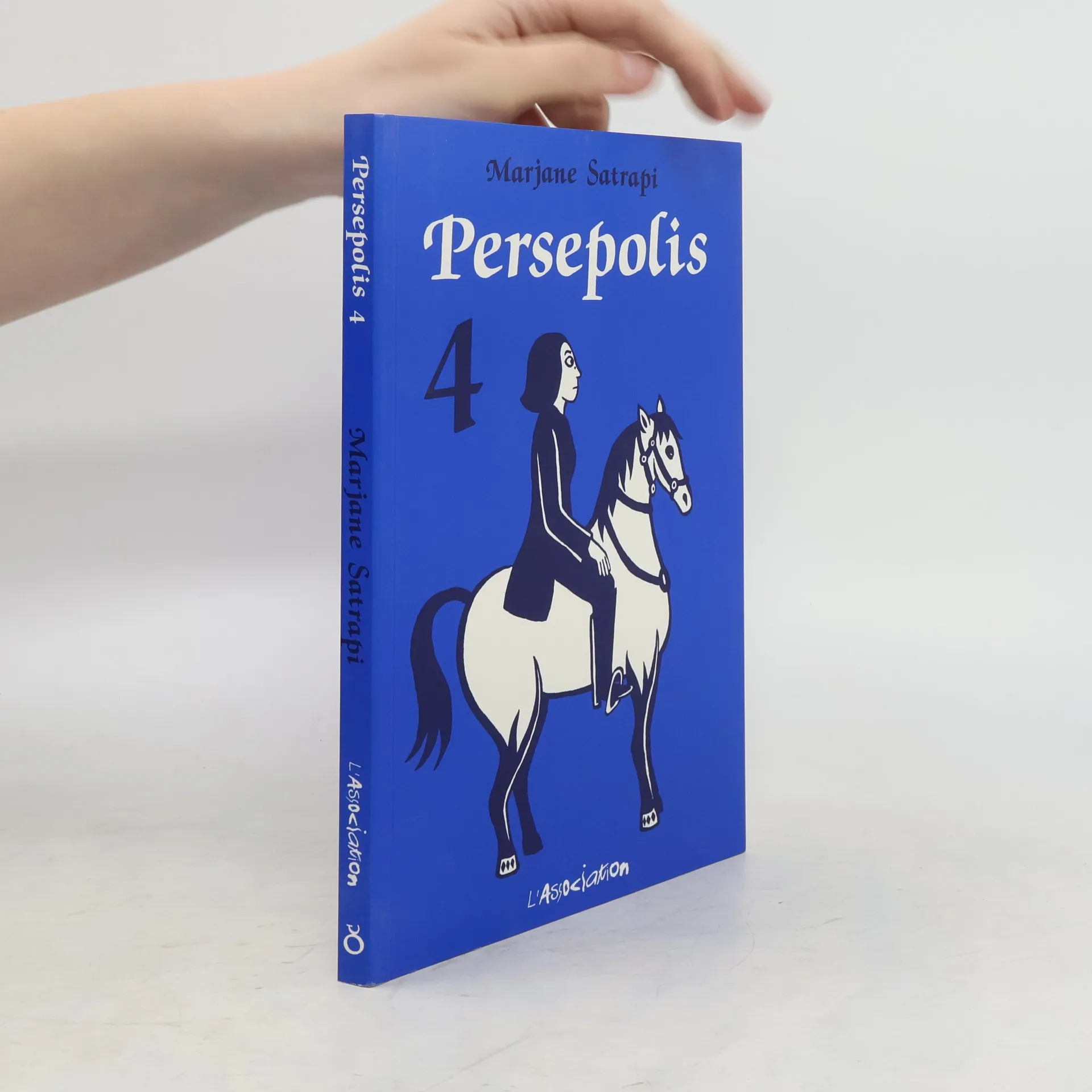
Après quatre années de vie à Vienne, revoilà la petite Marjane à Téhéran. Dès son arrivée à l'aéroport de Mehrabad et à la vue du premier douanier, elle sentit immédiatement l'air répressif de son pays.
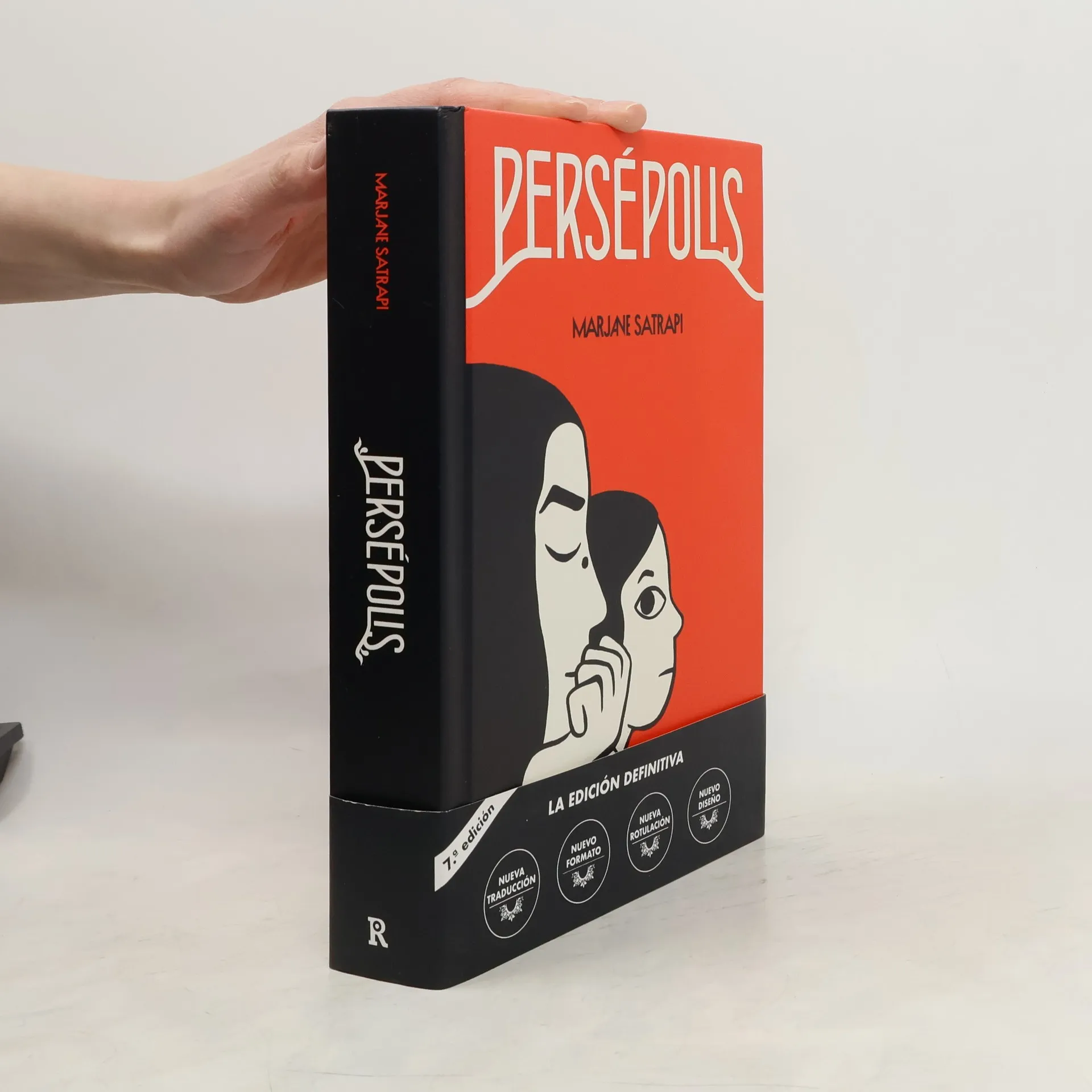
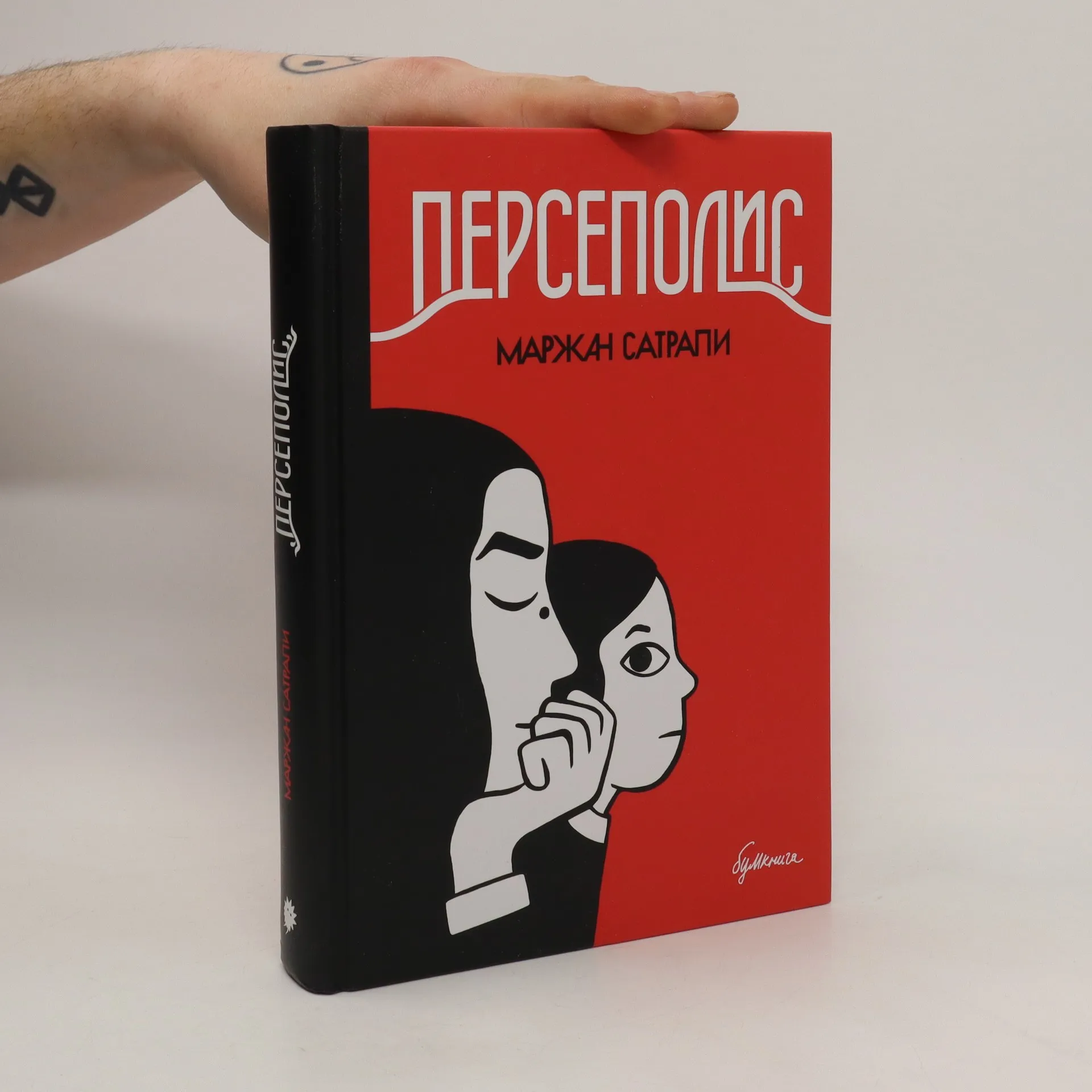
Originally published to critical acclaim in France, this memoir captures Marjane Satrapi's experiences growing up in Iran during the Islamic Revolution. Through powerful black-and-white comic strip images, Satrapi narrates her life in Tehran from ages six to fourteen, a period marked by the overthrow of the Shah, the Islamic Revolution, and the war with Iraq. As the intelligent and outspoken only child of committed Marxists and the great-granddaughter of one of Iran's last emperors, Marjane's childhood is deeply intertwined with her country's tumultuous history. The memoir paints a vivid portrait of daily life in Iran, highlighting the stark contrasts between private and public existence and the heavy toll of repressive regimes on individual spirit. Through her child's-eye view of dethroned emperors, state-sanctioned violence, and revolutionary heroes, readers witness her journey of understanding the complexities of her nation and family. This intensely personal and politically charged narrative serves as both a coming-of-age story and a poignant reminder of the human cost of war and repression. Ultimately, it reveals how we navigate through laughter and tears amidst absurdity, introducing us to an unforgettable little girl we cannot help but love.
Persépolis nos cuenta la revolución islámica iraní vista desde los ojos de una niña que asiste atónita al cambio profundo que experimentan su país y su familia, mientras ella debe aprender a llevar el velo. Intensamente personal y profundamente político, el relato autobiográfico de Marjane Satrapi examina qué significa crecer en un ambiente de guerra y represión política