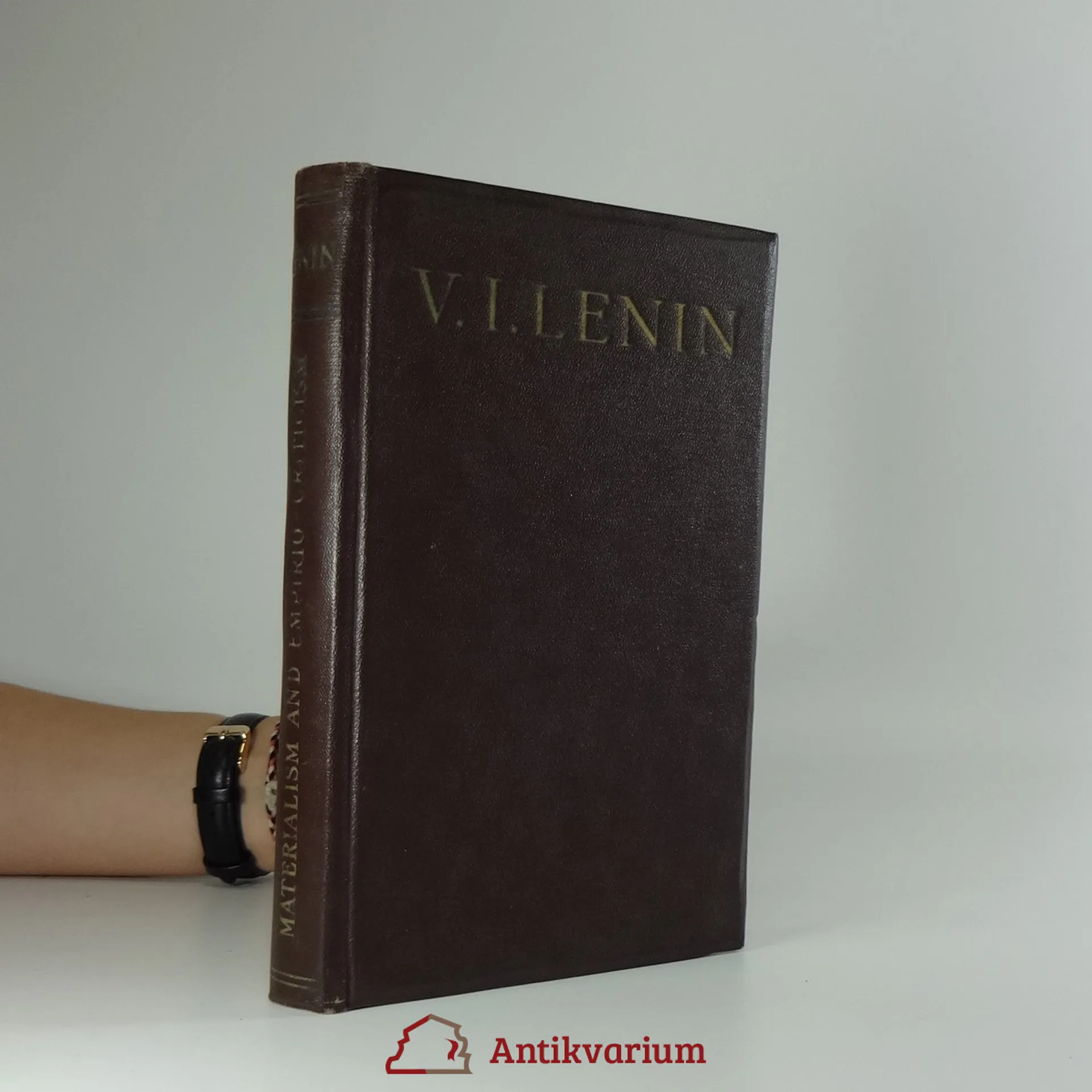
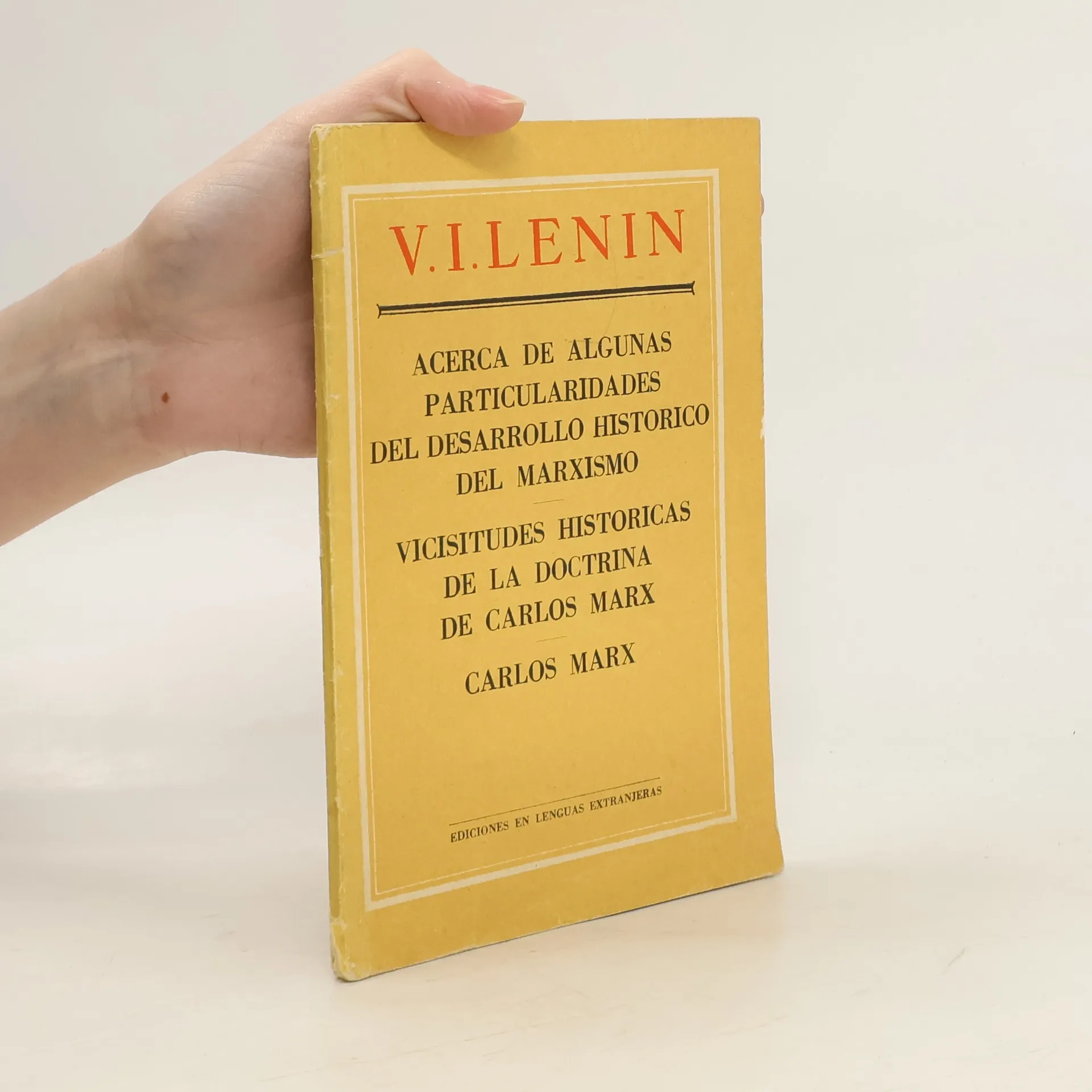
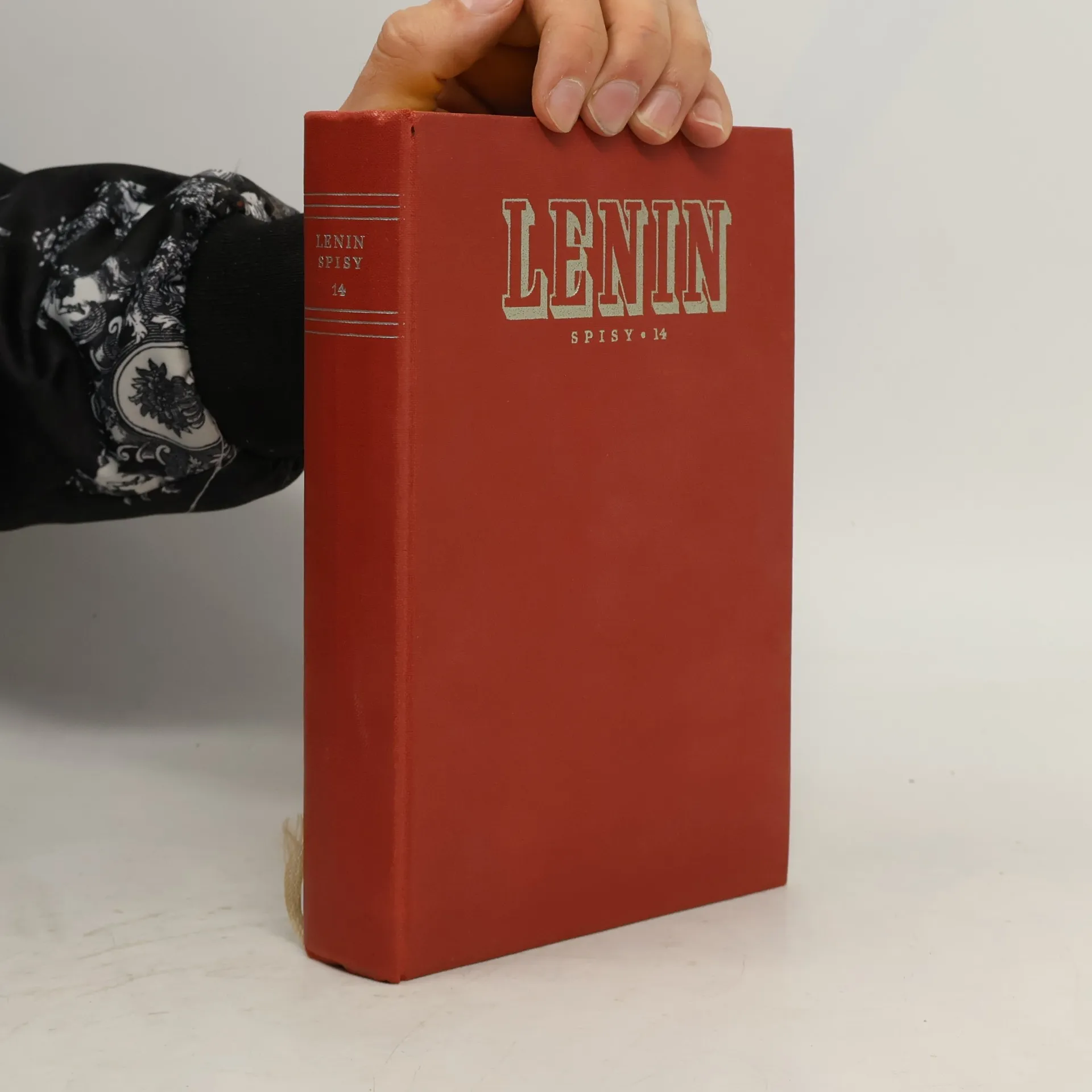
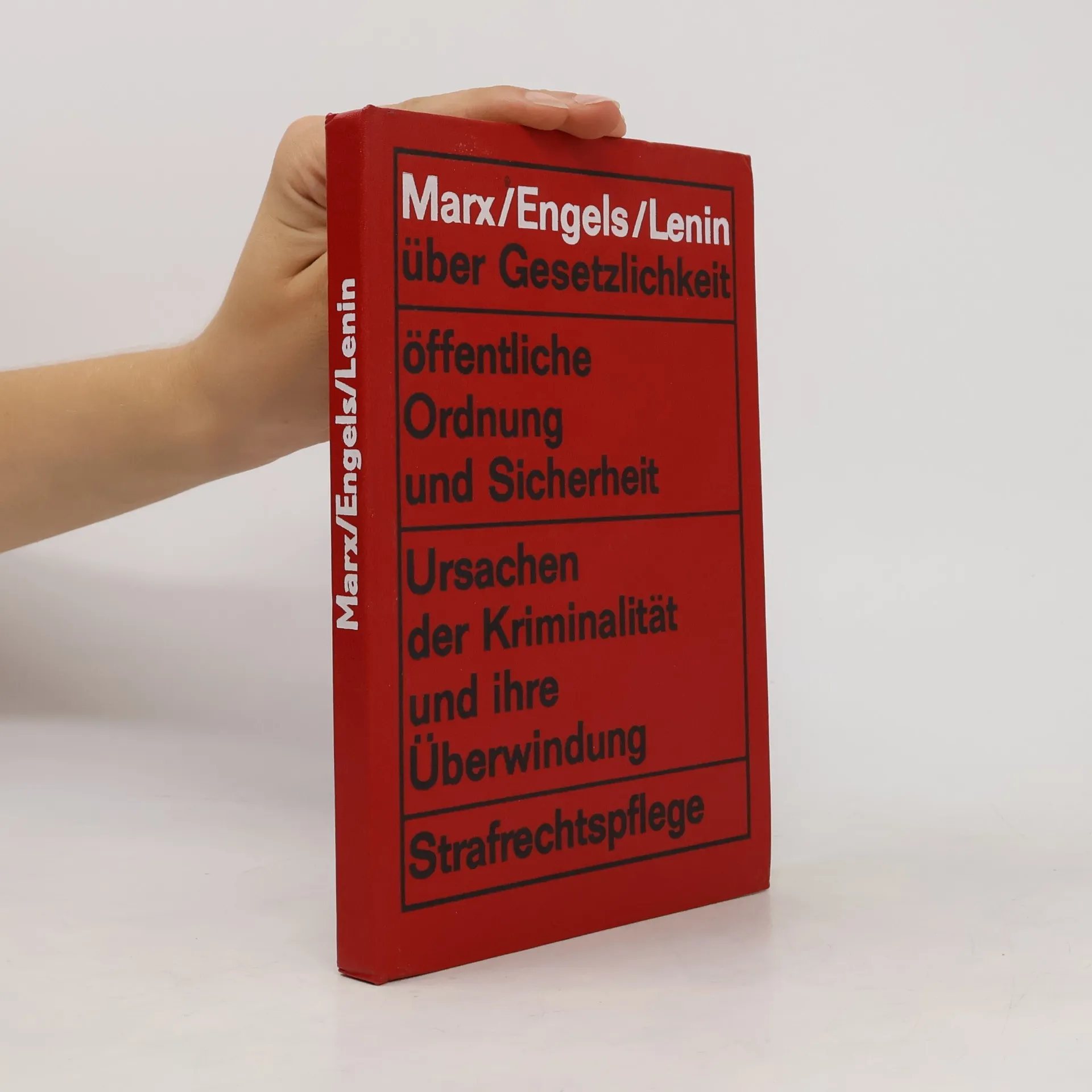
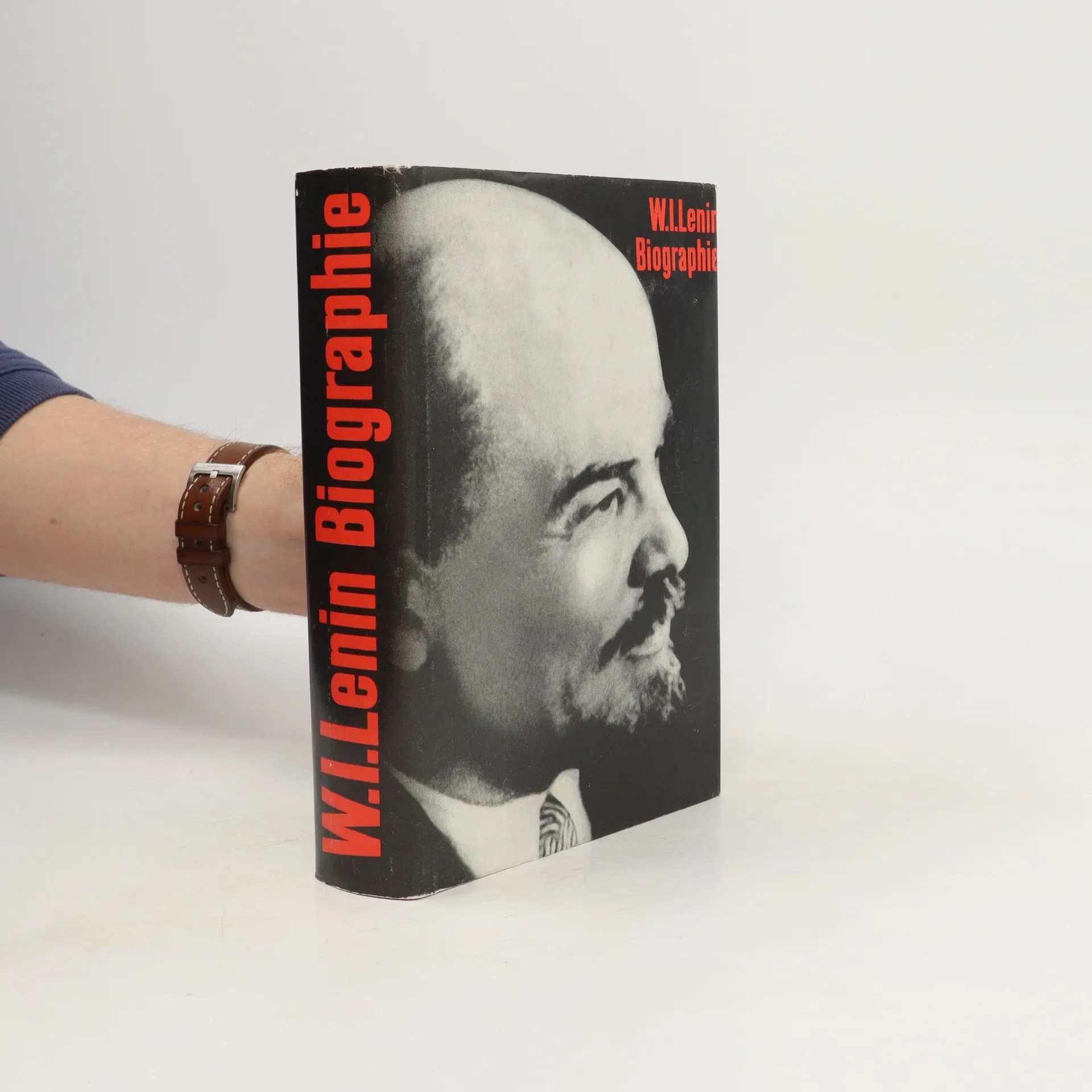
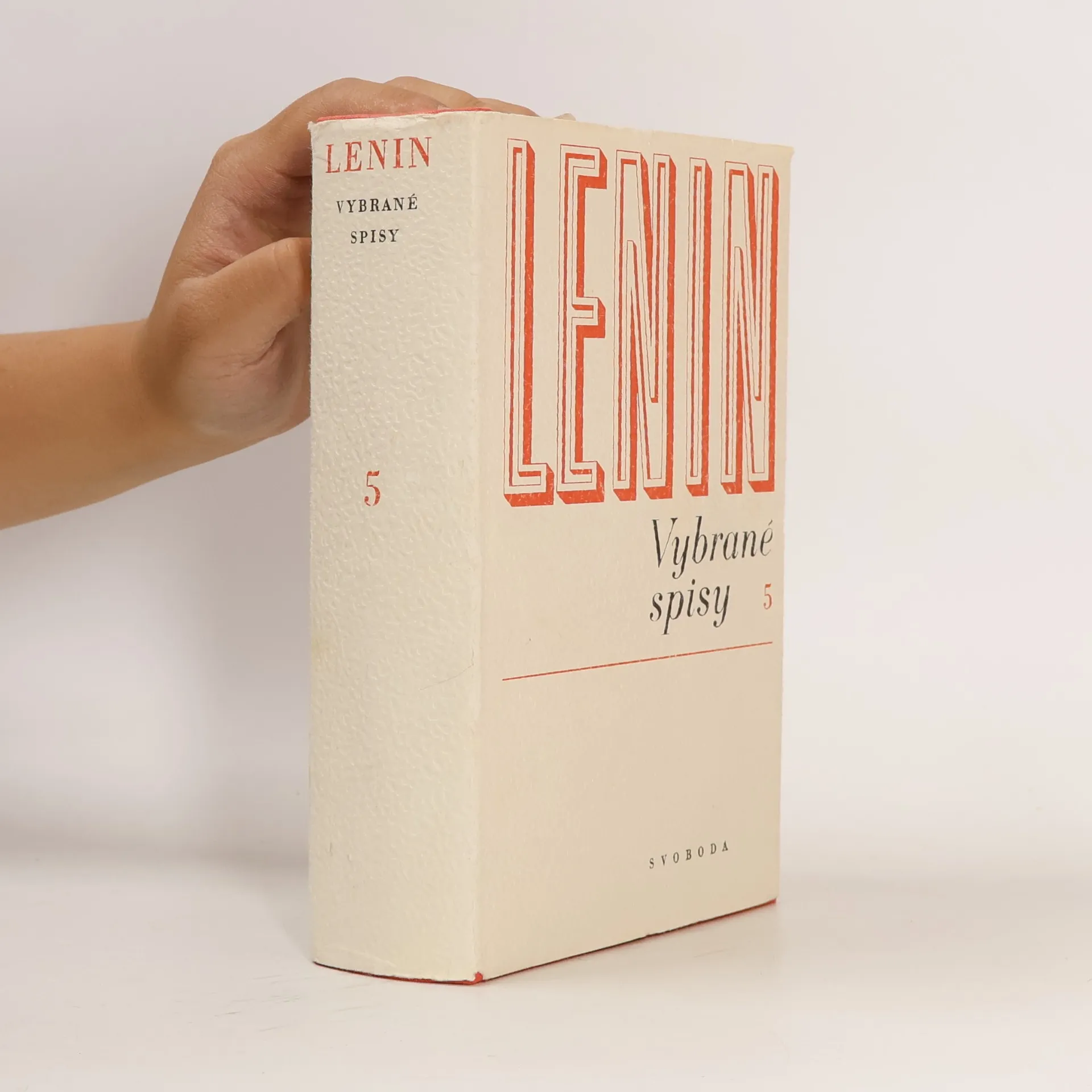
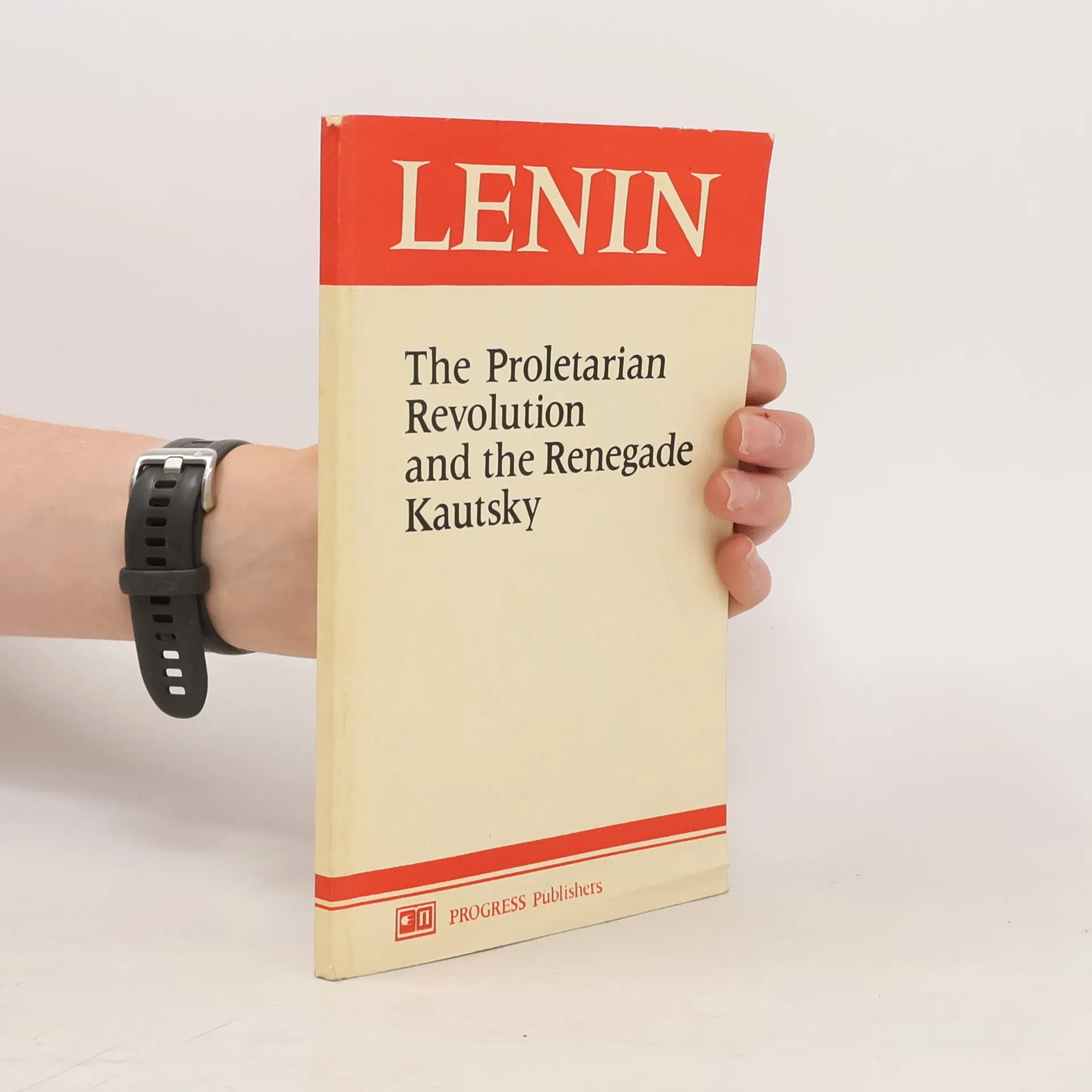
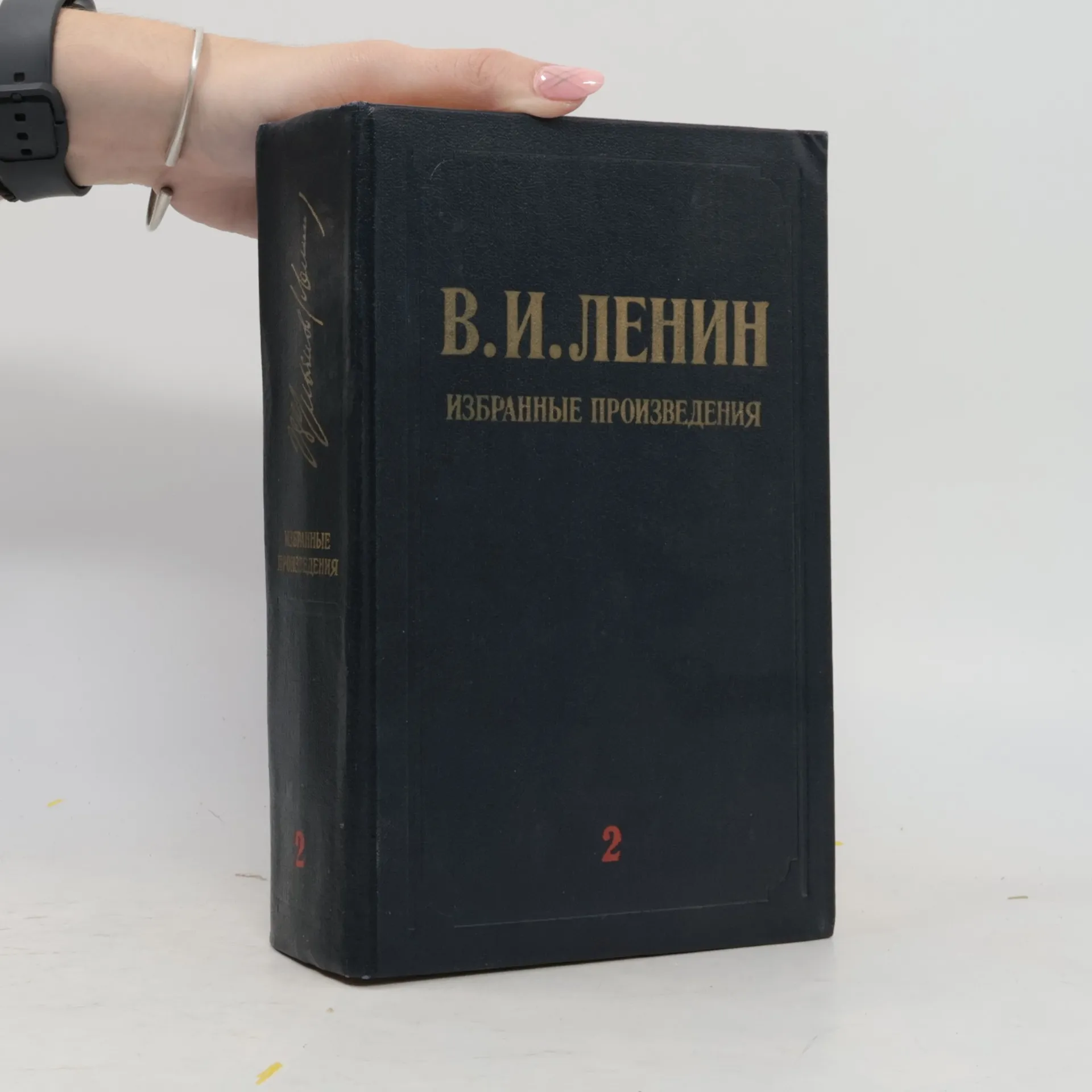
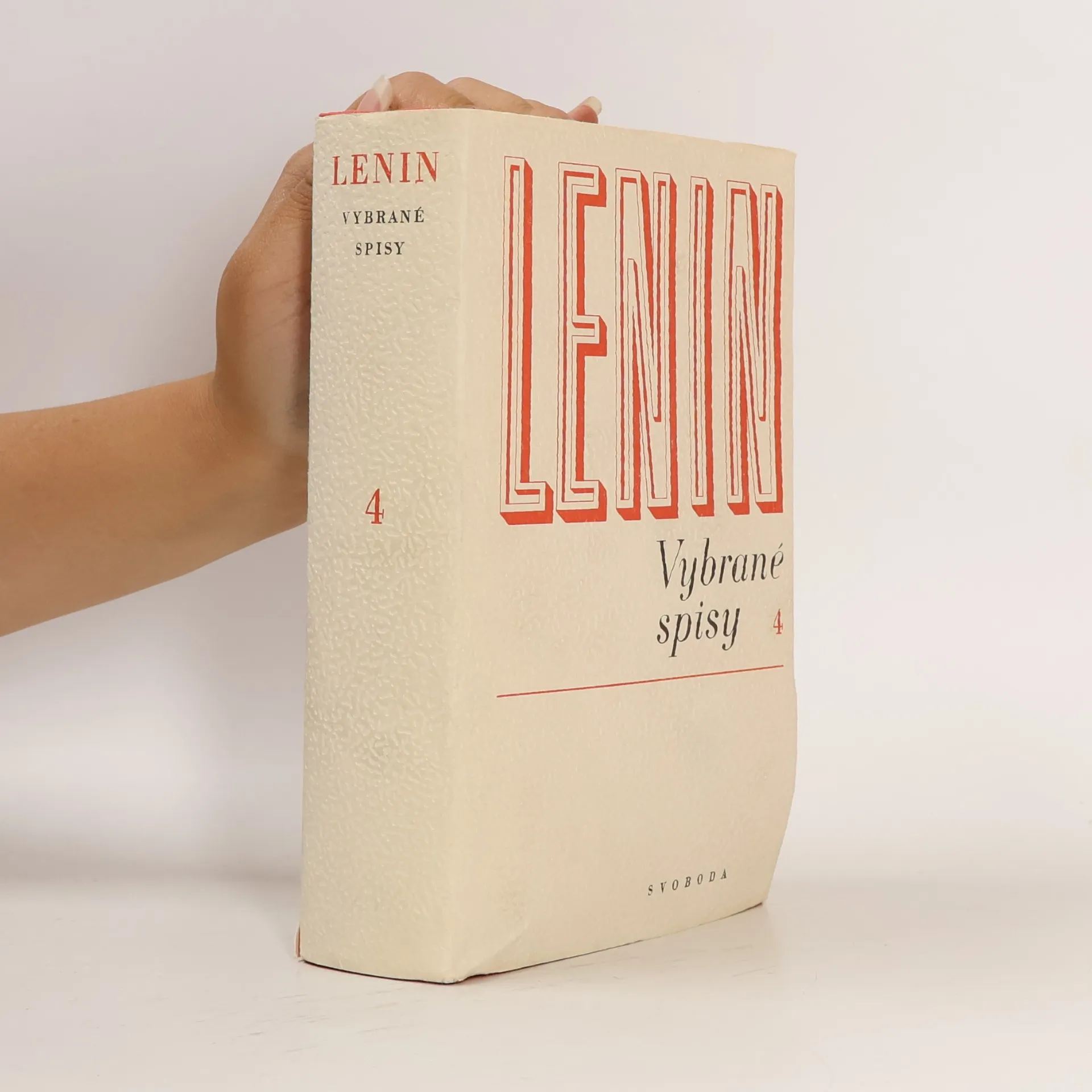
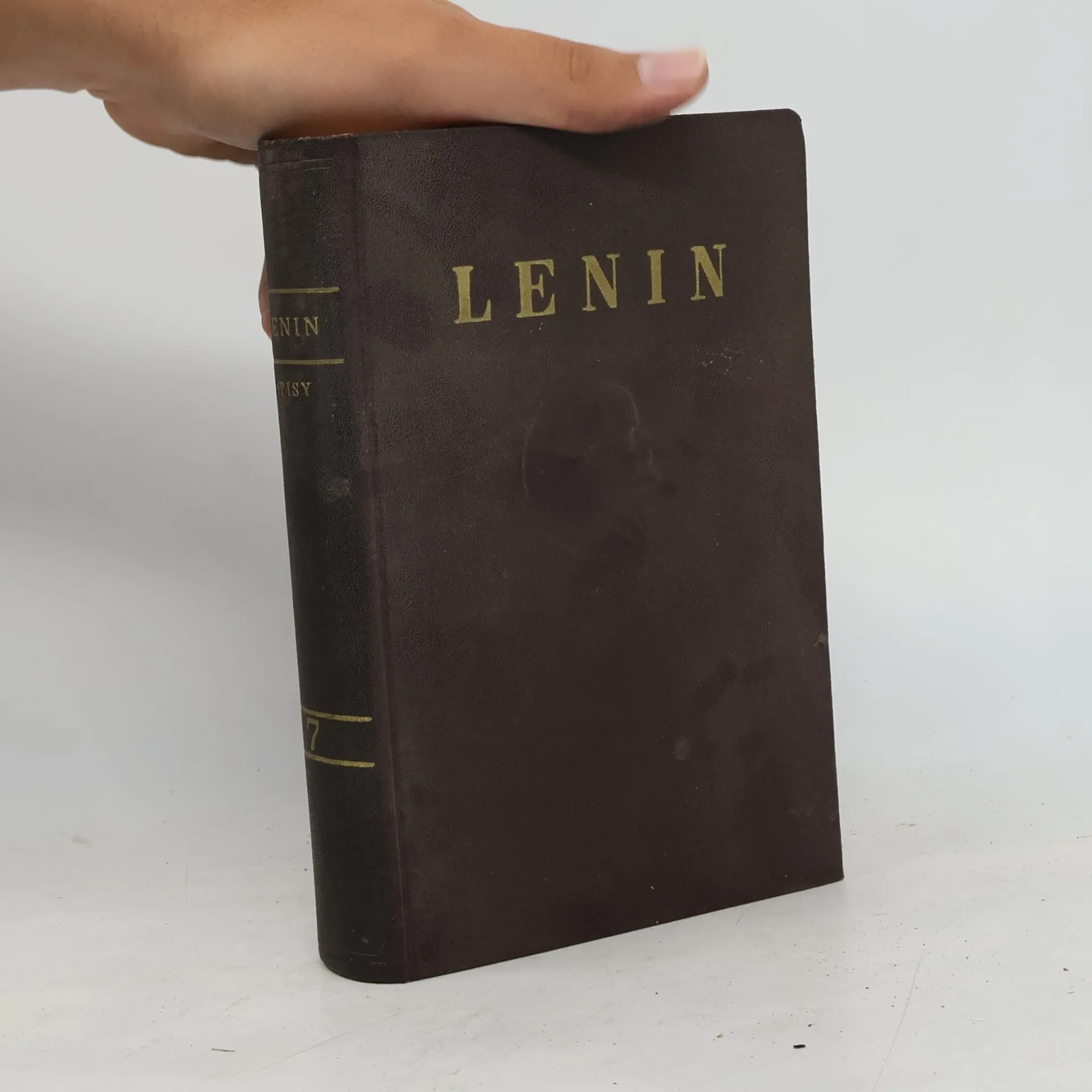
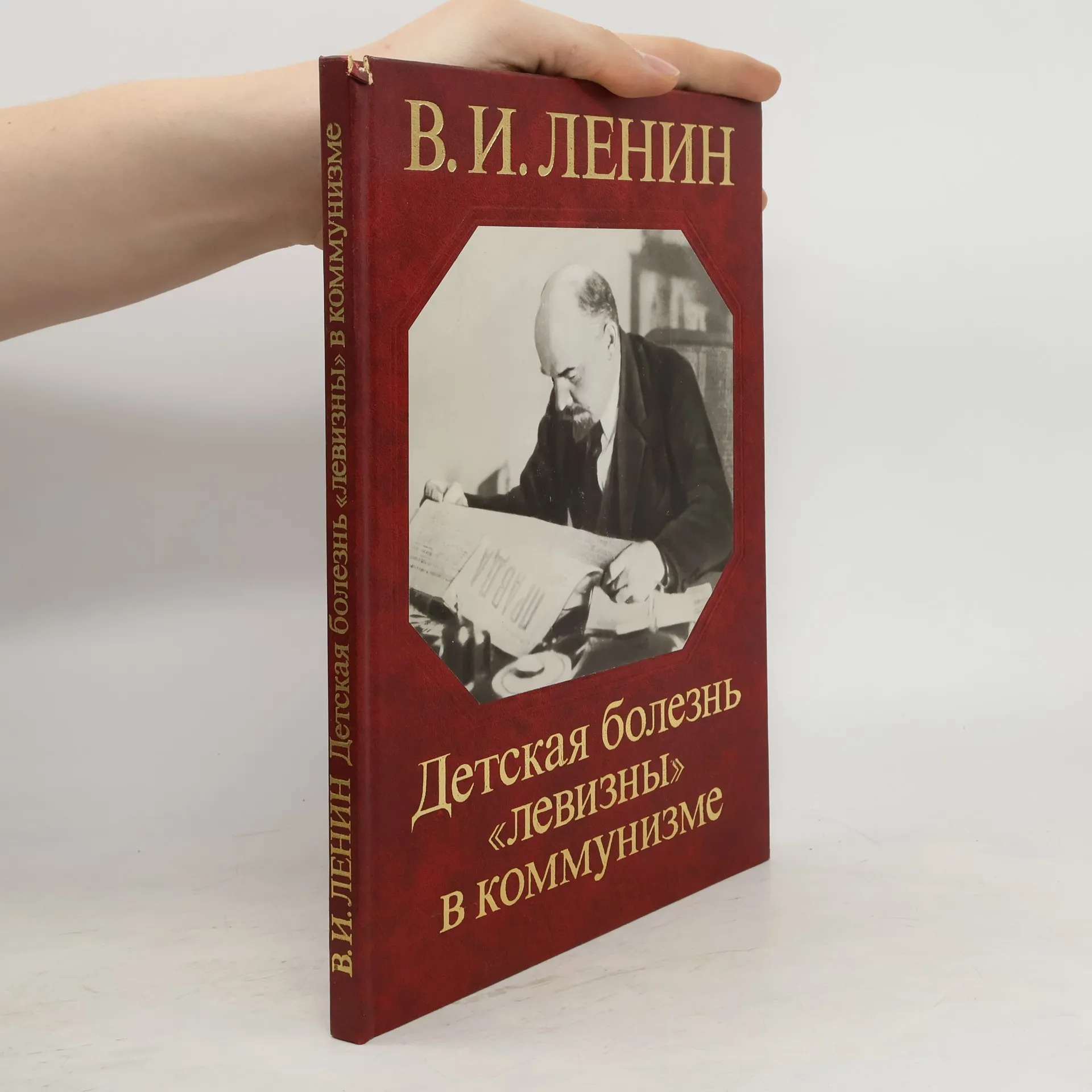
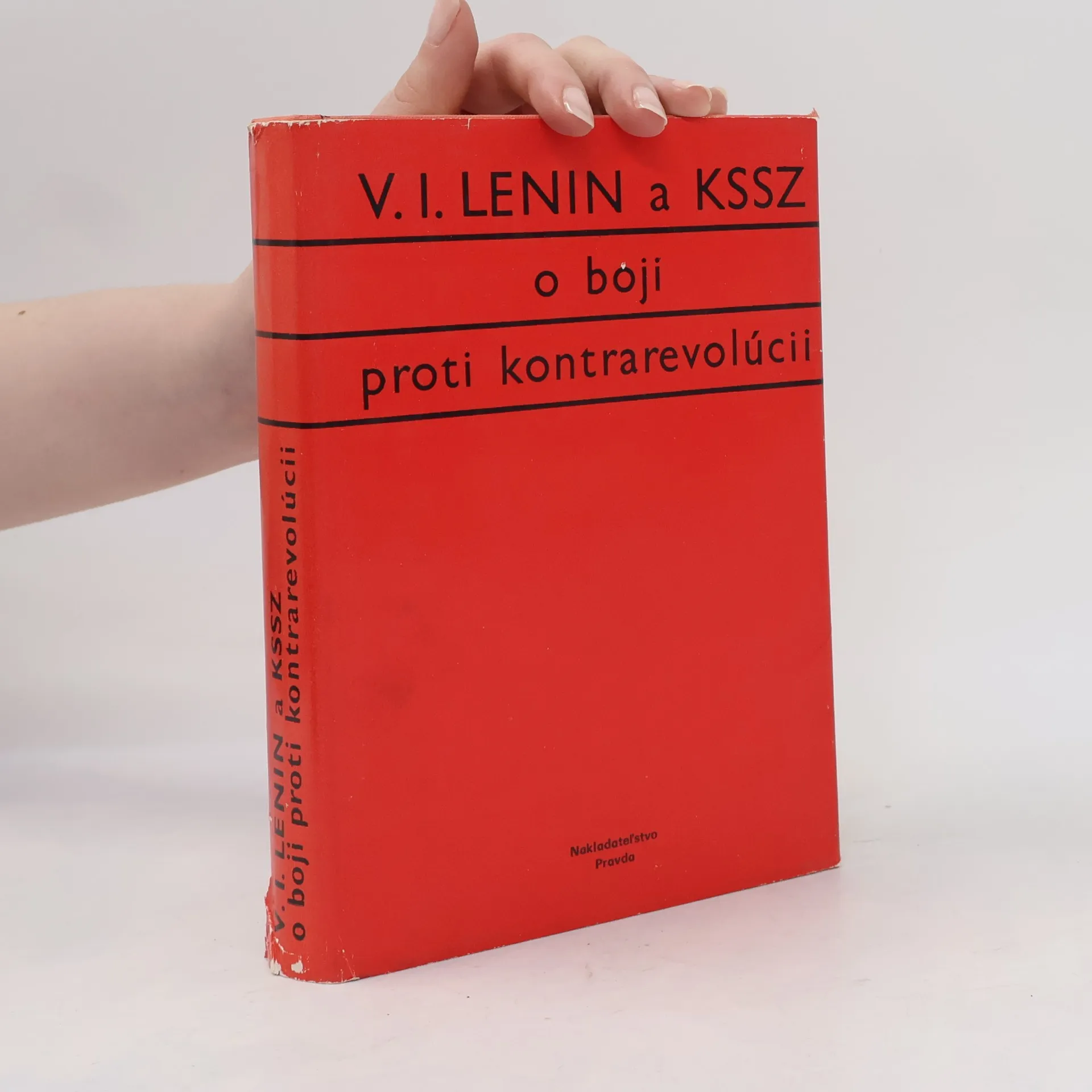
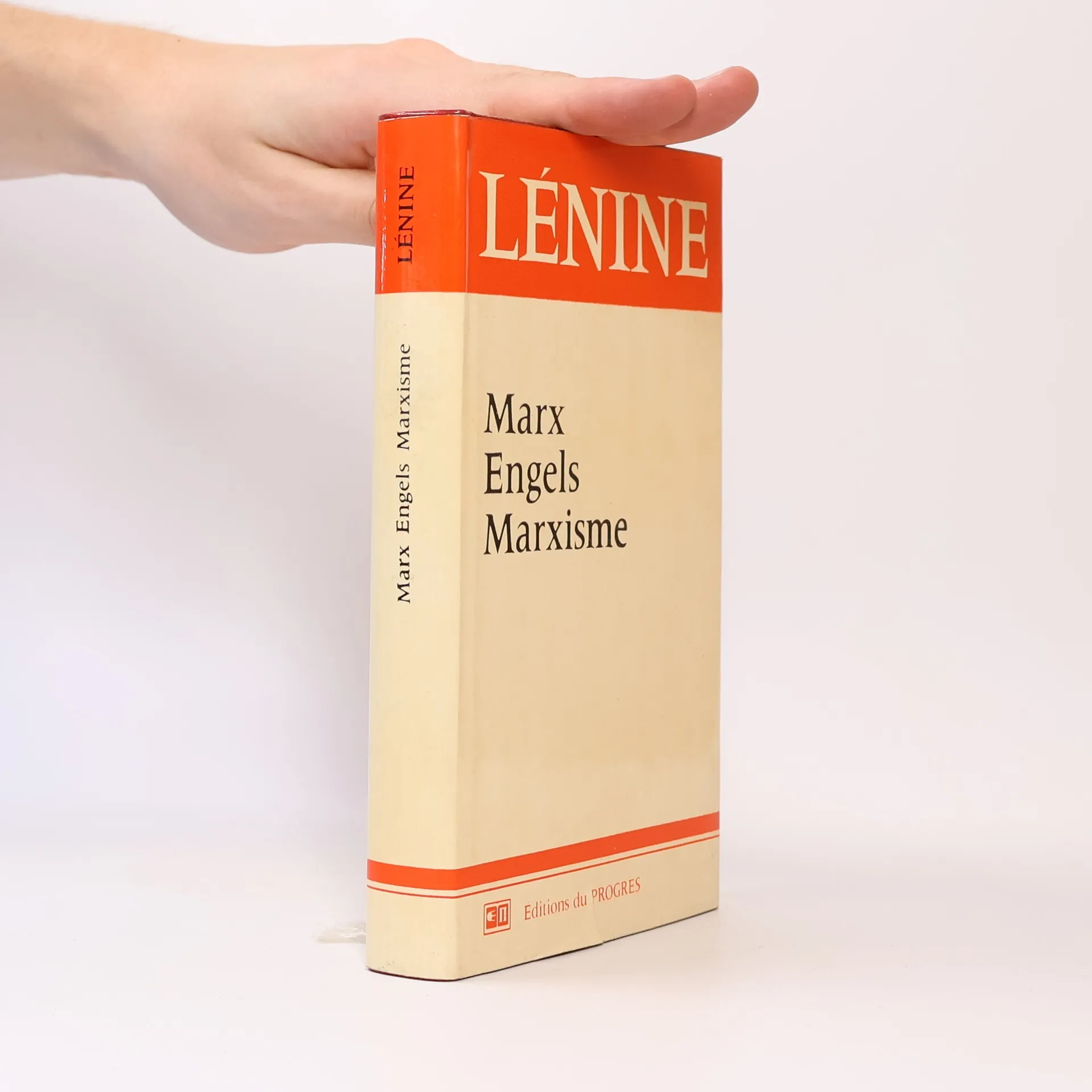
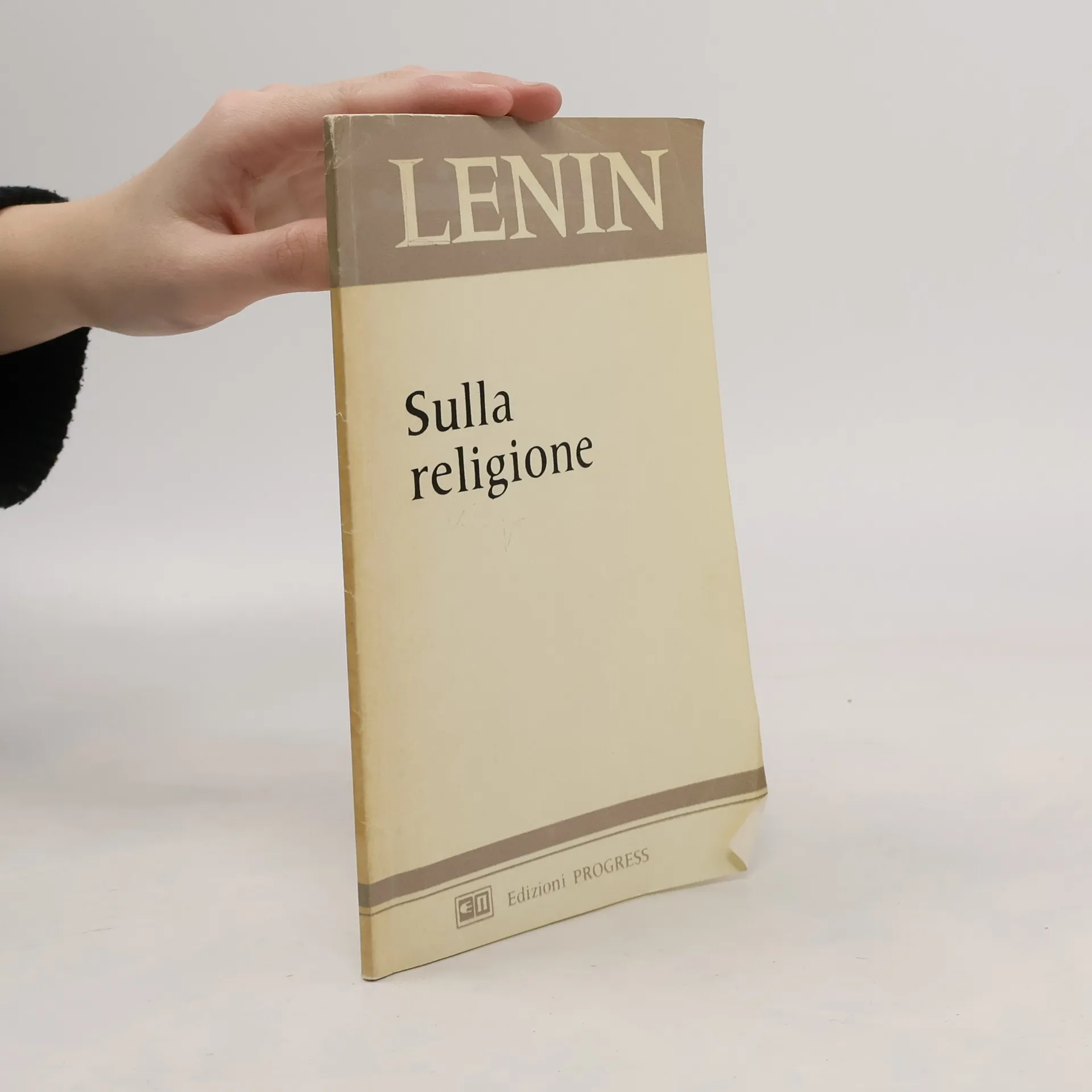
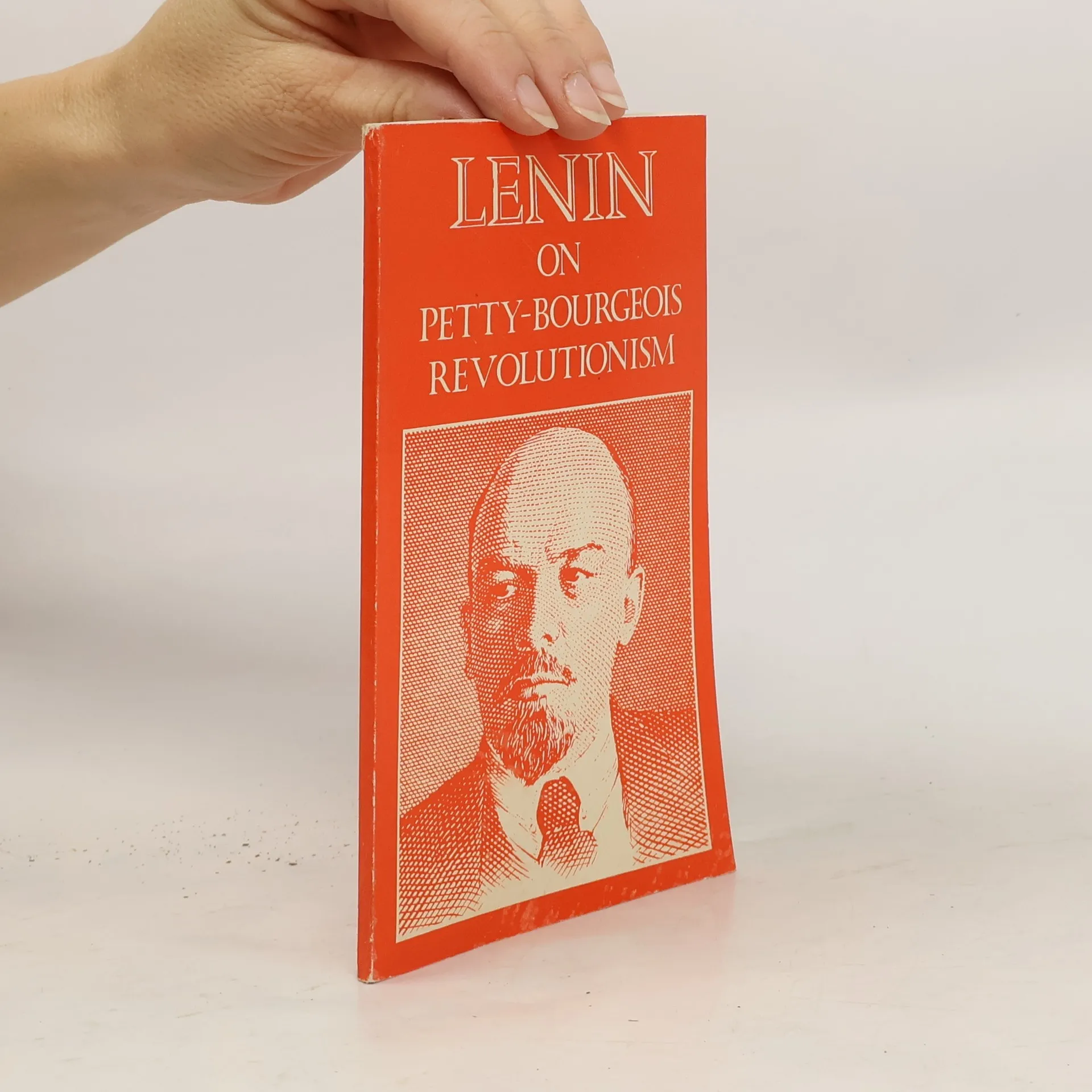
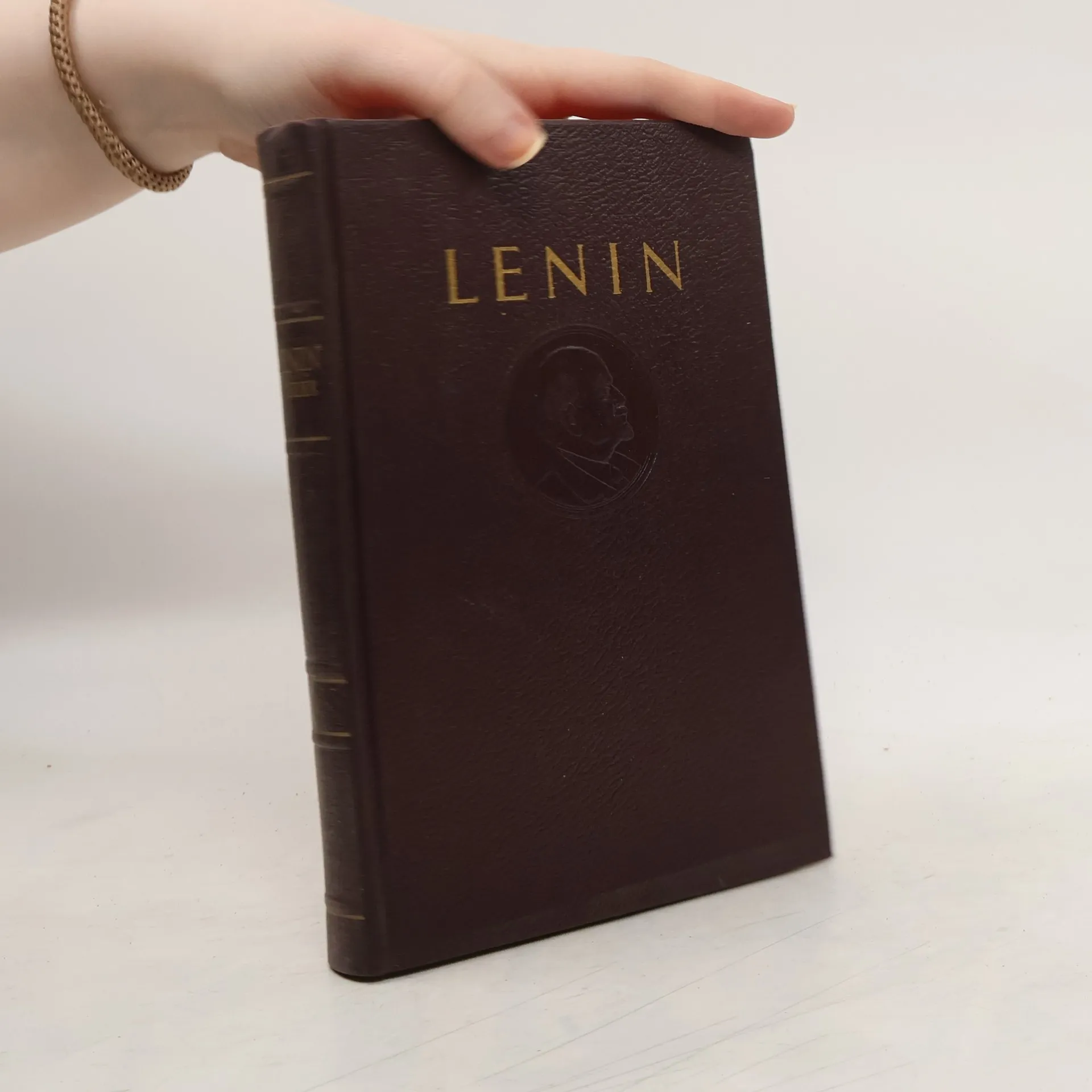
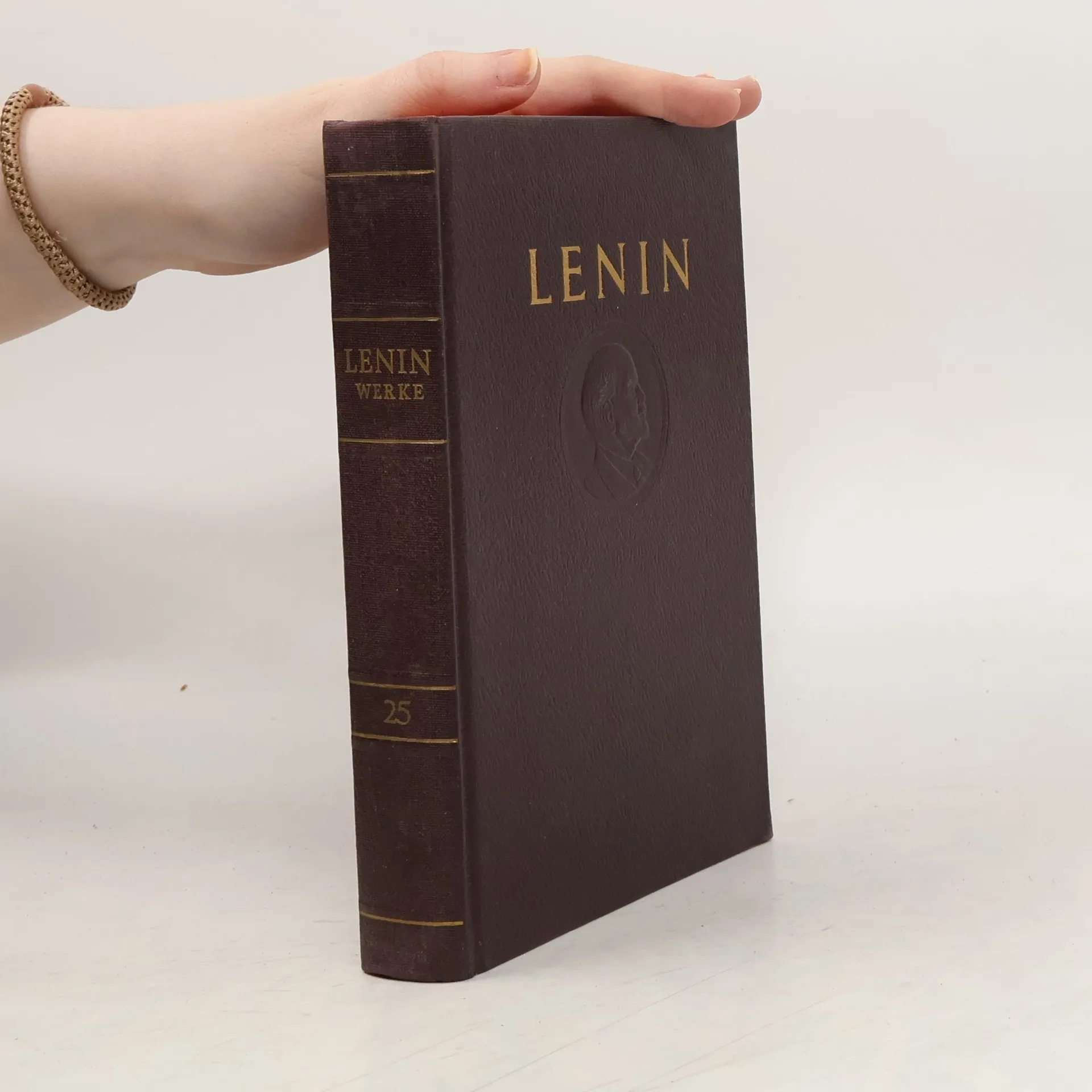
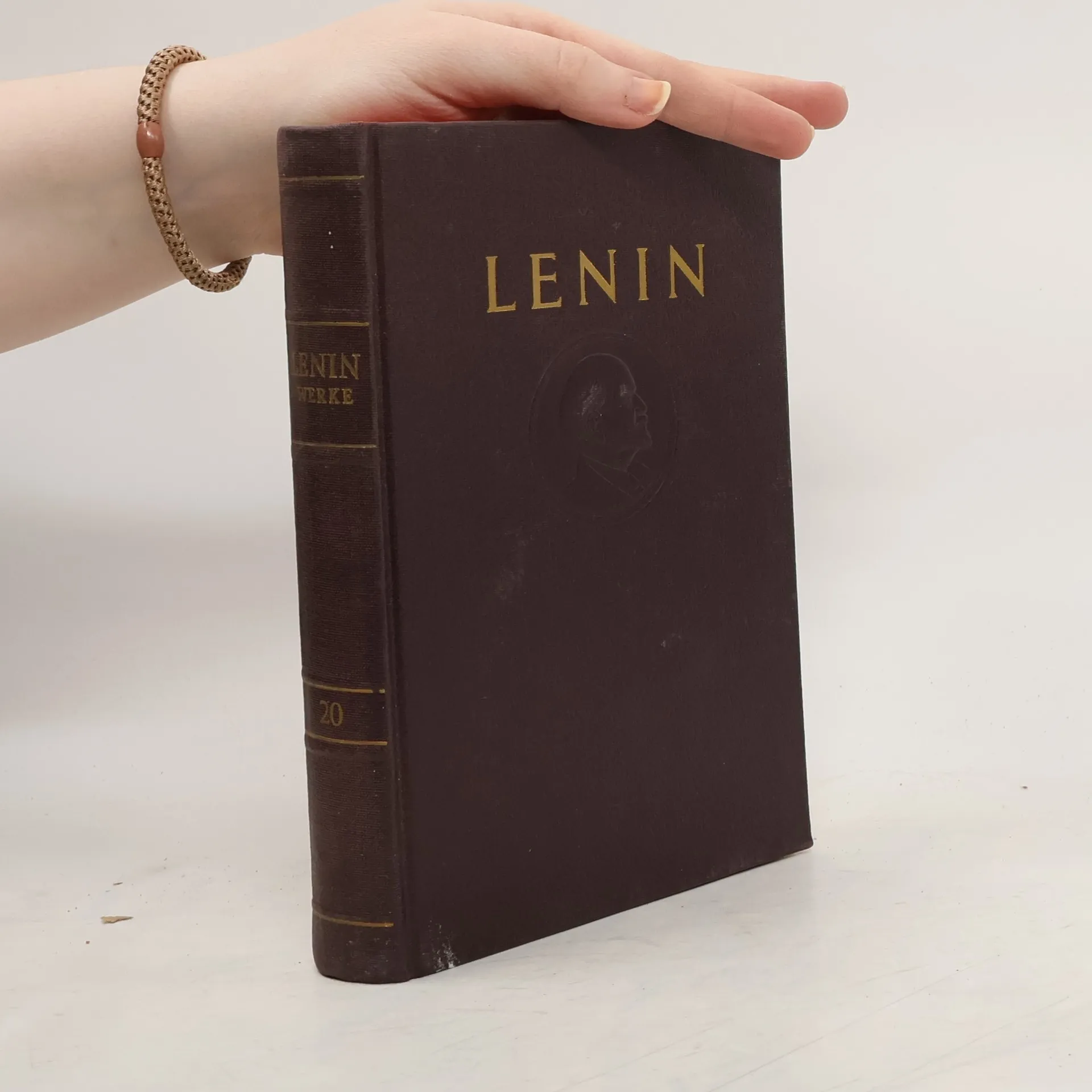
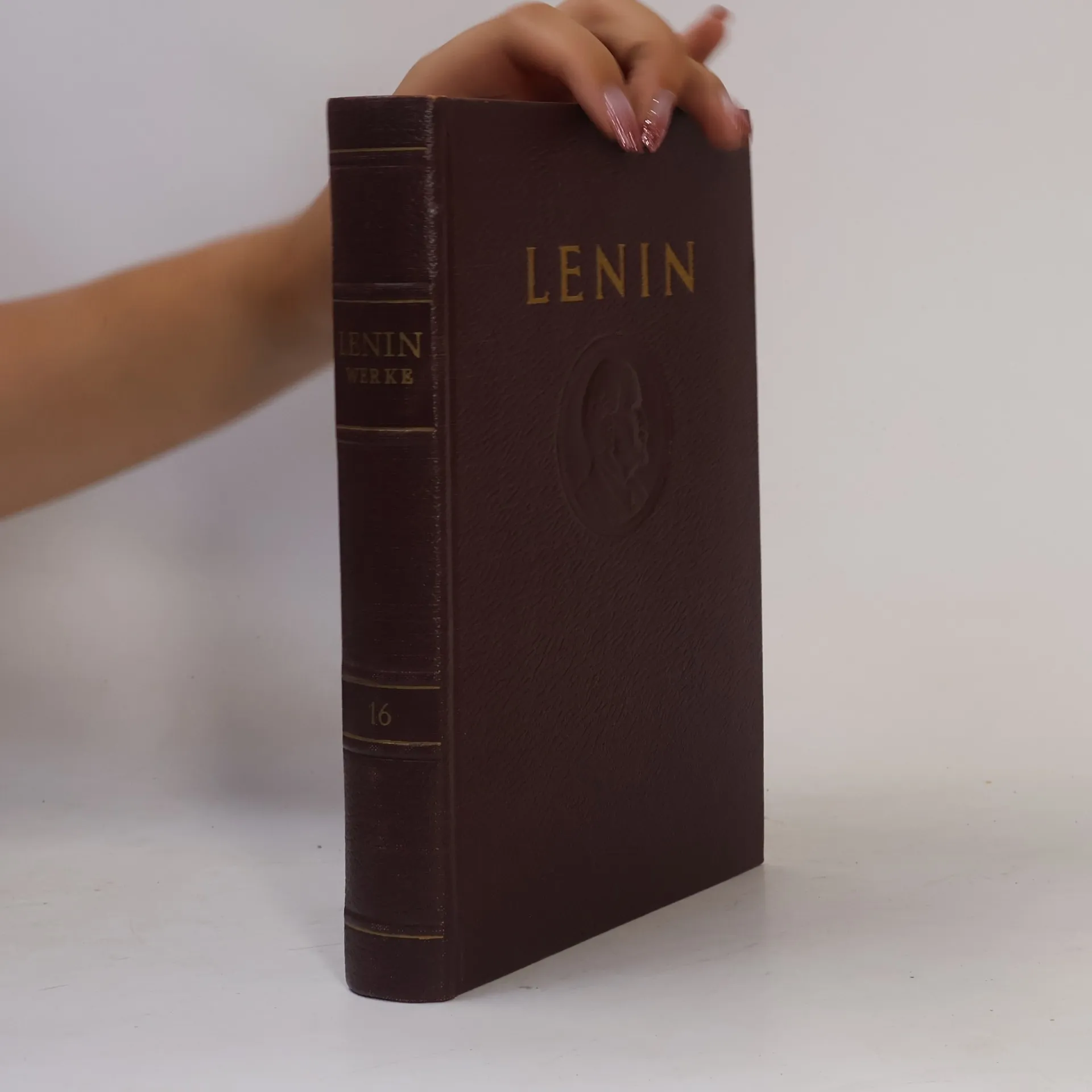
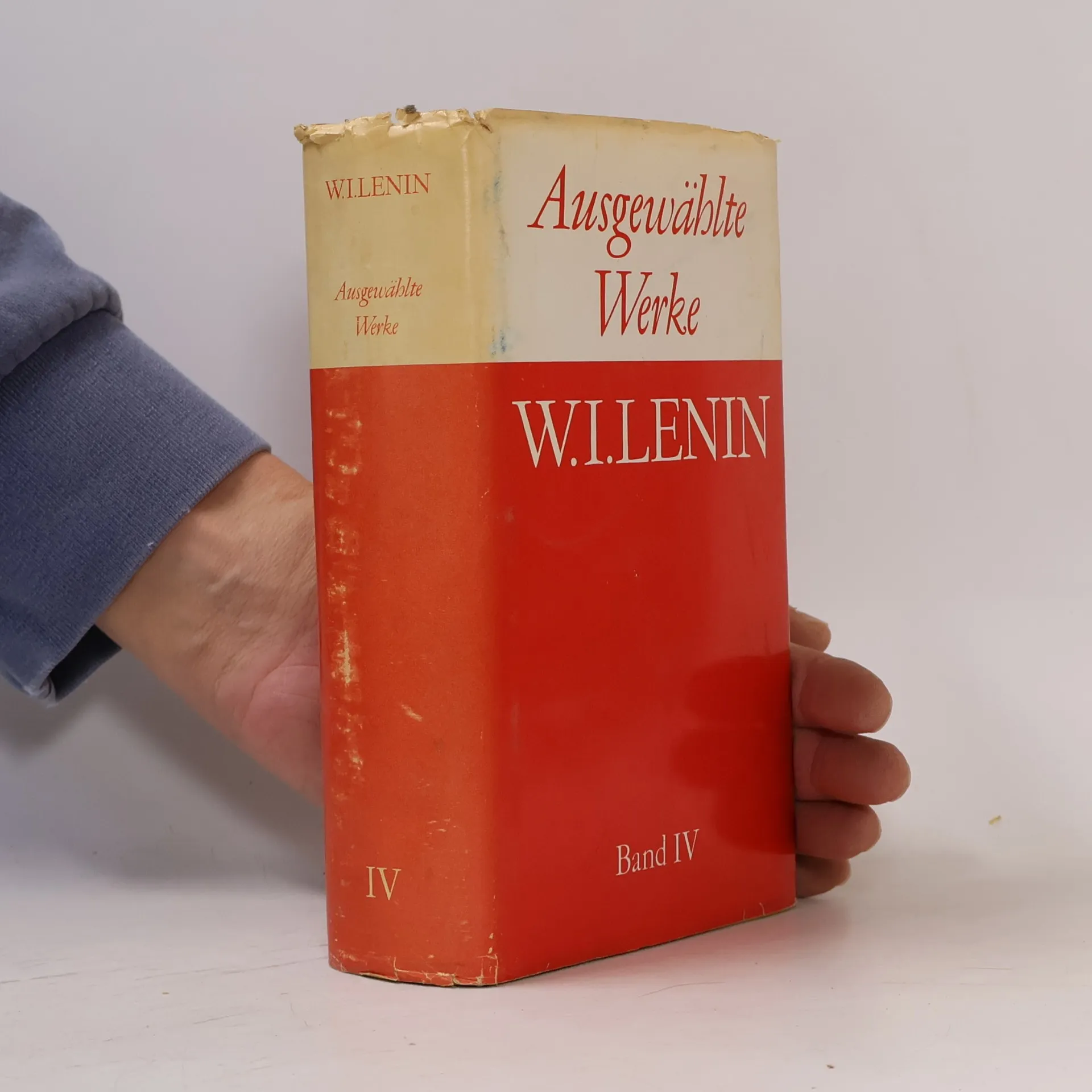
Vladimir Iljič LeninOrden de los libros (cronológico)
10 de abril de 1870 – 21 de enero de 1924
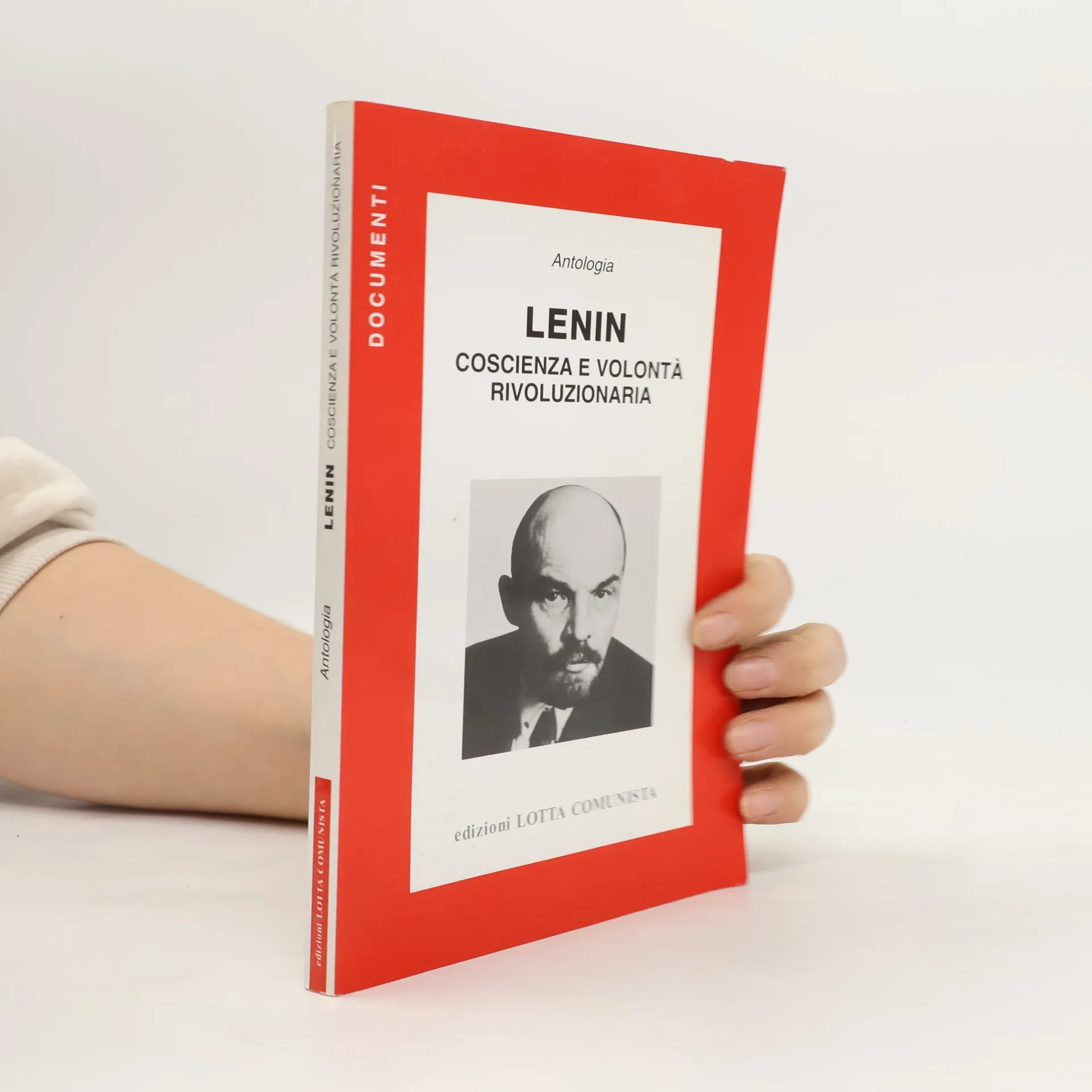
Vladimir Ilich Lenin fue una figura fundamental en la Revolución Rusa y un líder del Partido Bolchevique. Su vida temprana estuvo marcada por un compromiso con la lucha revolucionaria, influenciado por la historia familiar y las corrientes filosóficas de su tiempo. Sus experiencias con la opresión del campesinado y las enseñanzas marxistas lo guiaron hacia la organización de círculos de trabajadores y la difusión de literatura revolucionaria. Tras liderar la Revolución de Octubre, se convirtió en el primer presidente del gobierno soviético y fundó la Internacional Comunista, advirtiendo más tarde en sus escritos finales contra la burocratización del Estado.
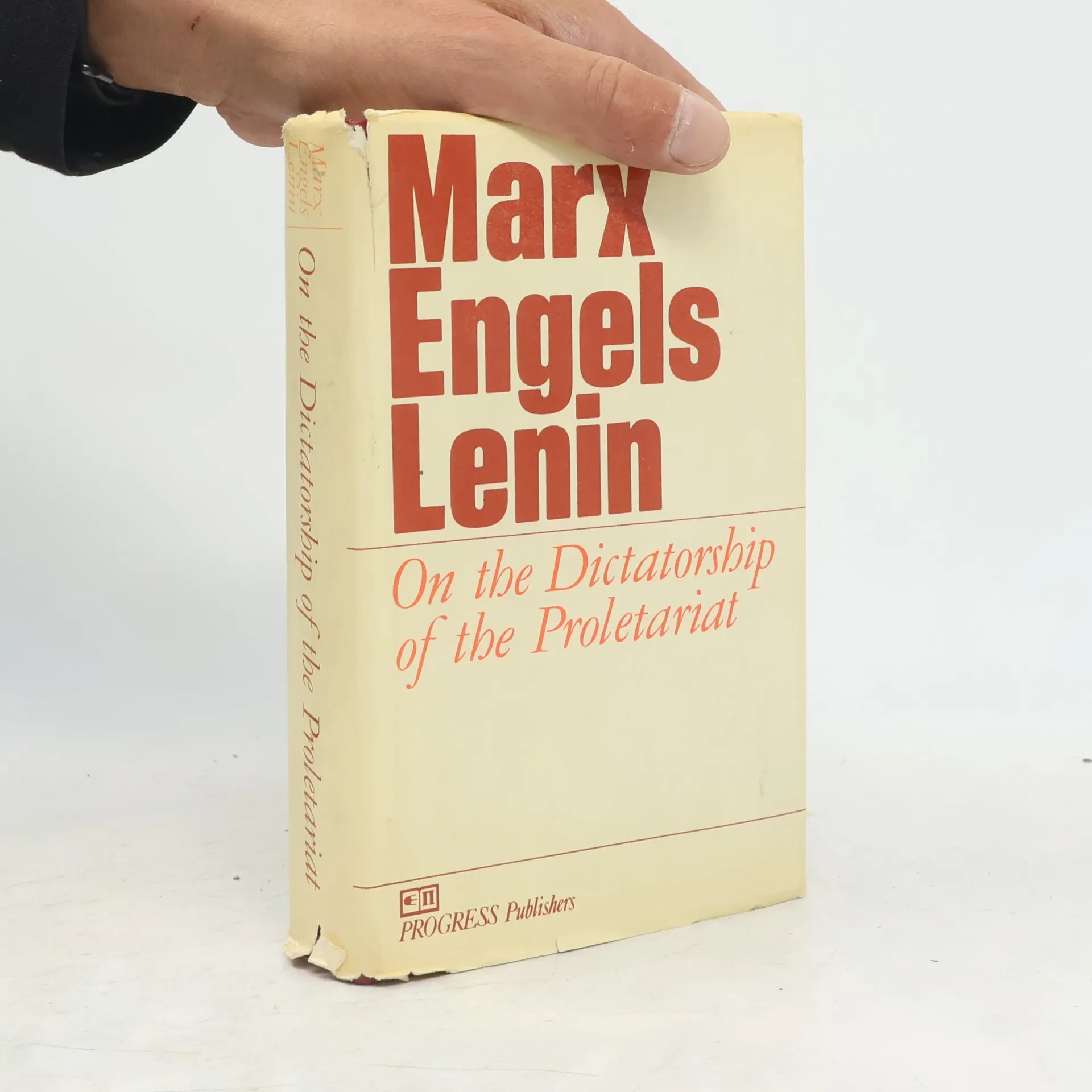
The book explores the Paris Commune of 1871, highlighting its brief but impactful experiment in democracy and workers' governance. It includes Marx's address on the Commune, Lenin's reflections on its significance for building socialism, and Bertolt Brecht's poetic tribute. Additionally, it features the Manifesto of the Paris Commune's Federation of Artists, showcasing the cultural and political aspirations of the time. Together, these texts provide insights into revolutionary thought and the enduring legacy of the Commune in shaping socialist ideals.
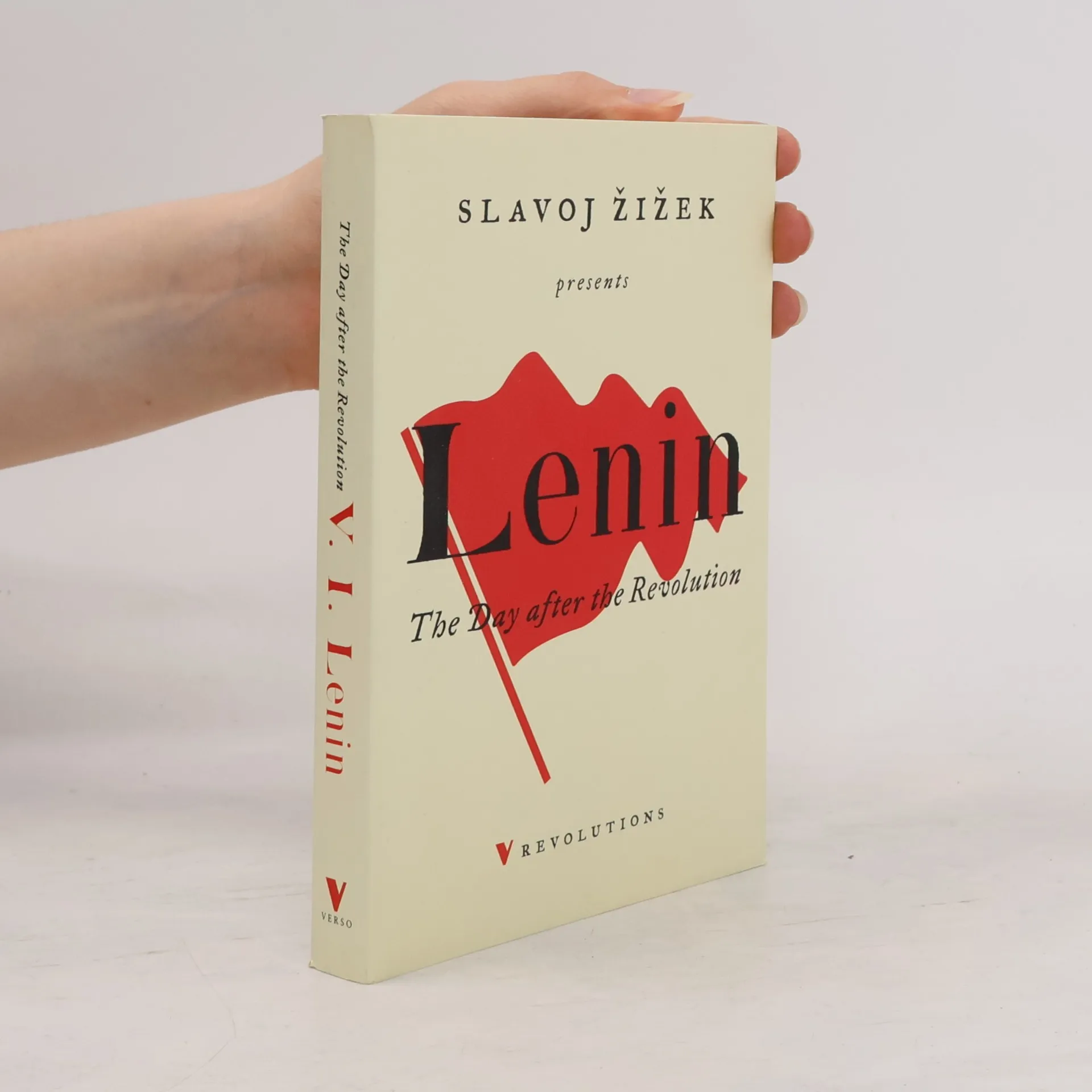
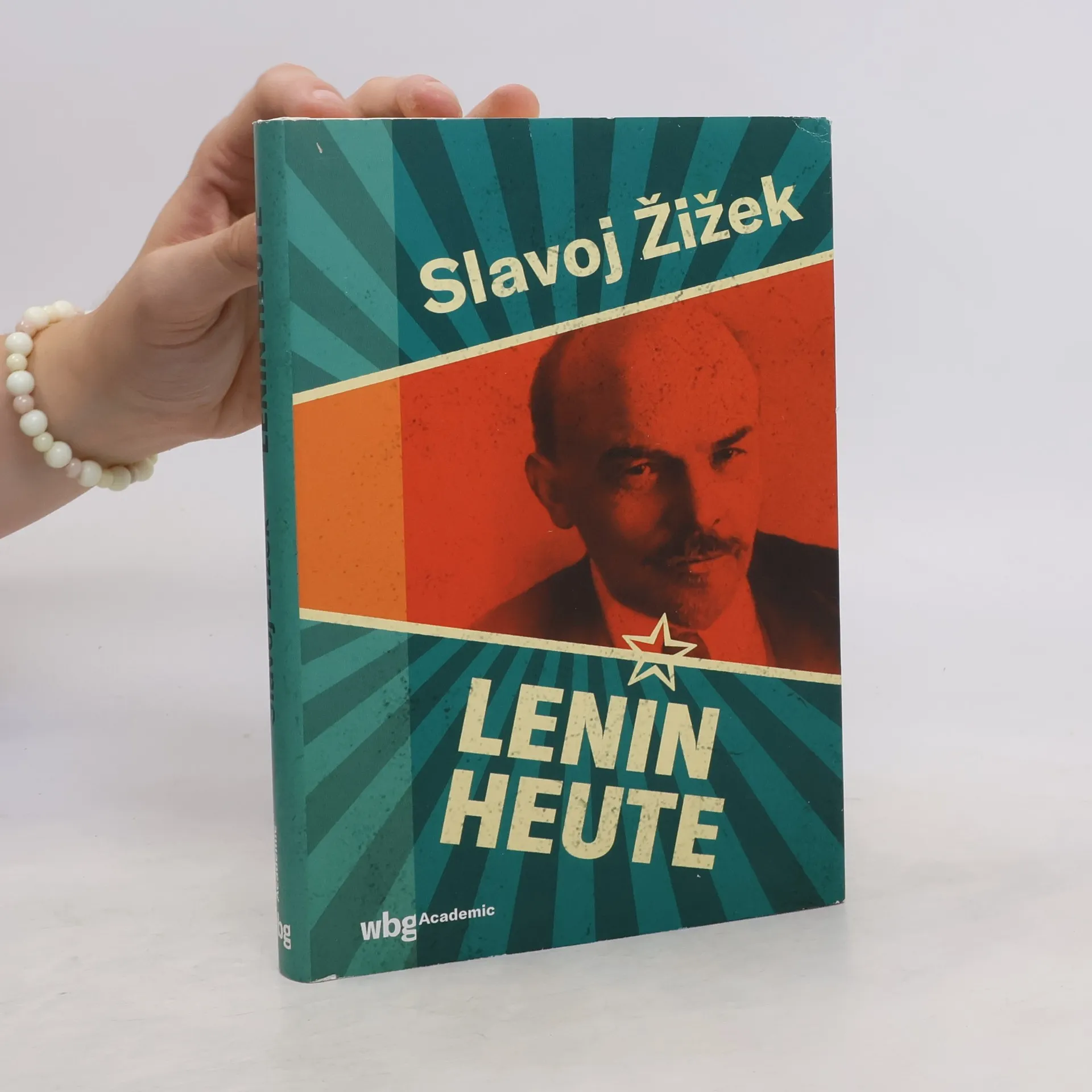
One hundred years after the Russian Revolution, Žižek shows why Lenin’s thought is still important today V. I. Lenin’s originality and importance as a revolutionary leader is most often associated with the seizure of power in 1917. But, in this new study and collection of Lenin’s original texts, Slavoj Žižek argues that his true greatness can be better grasped in the last two years of his political life. Russia had survived foreign invasion, embargo and a terrifying civil war, as well as internal revolts such as the one at Kronstadt in 1921. But the new state was exhausted, isolated and disorientated. As the anticipated world revolution receded into the distance, new paths had to be charted if the Soviet state was to survive. With his characteristic brio and provocative insight, Žižek suggests that Lenin’s courage as a thinker can be found in his willingness to face this reality of retreat unflinchingly. In today’s world, characterized by political turbulence, economic crises and geopolitical tensions, we should revisit Lenin’s combination of sober lucidity and revolutionary determination.
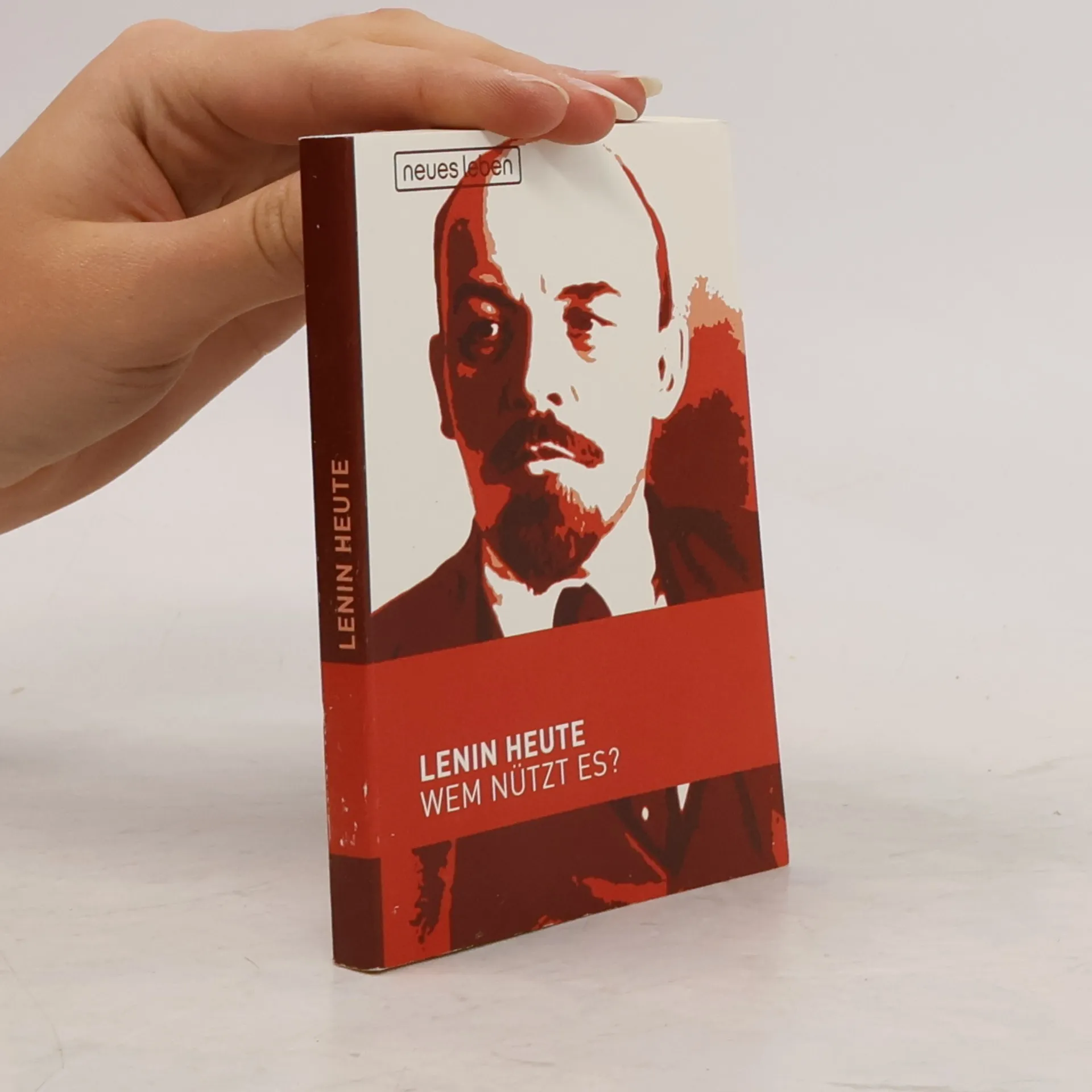
Im Spätwerk Lenins verdichten sich Dringlichkeit und revolutionäre Schlagkraft in besonderer Weise. Dennoch stehen meist seine frühen Schriften im Rampenlicht. Der Philosoph und ausgezeichnete Lenin-Kenner Slavoj Žižek zeigt nun anhand ausgewählter Briefe, Reden und Notizen eine neue Seite des sowjetischen Regierungschefs, fernab von Personenkult und Verklärung. Anfang der Zwanzigerjahre, inmitten der letzten Wellen des russischen Bürgerkriegs, sah sich Lenin mit der größten politischen Herausforderung seines Lebens konfrontiert. Die junge Sowjetunion war nach außen wie nach innen schwach, isoliert und zerrüttet - eine neue, gemäßigte Politik musste her. In seiner scharfsichtigen, präzisen und unterhaltsamen Interpretation zieht Žižek eine Verbindung von den turbulenten Zeiten des jungen Staates bis zu gegenwärtigen ökonomischen Krisen. Angetrieben wird er von der Frage, was wir für unsere Situation von Lenin lernen können.
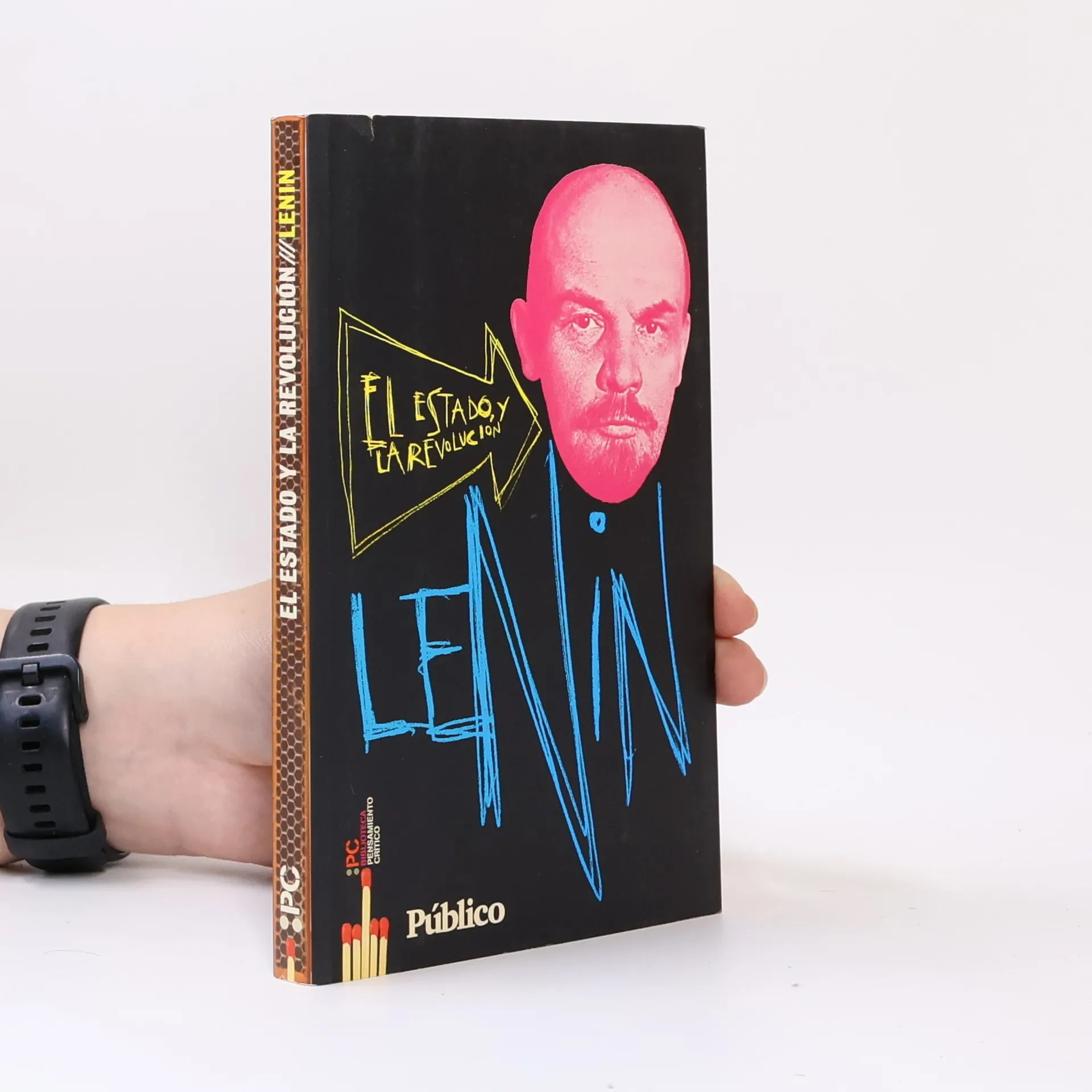
Escrito en la inmediata y concitada vigilia de la Revolución de octubre, "El Estado y la Revolución" es un punto de partida esencial para cualquier profundización y actualización de la doctrina del marxismo. En esta obra, Lenin aborda, con su característico pragmatismo, la aplicación de los principios revolucionarios desde una perspectiva doctrinaria, histórica y práctica. Examina casos históricos como los movimientos de 1848 y la Comuna de París (1871), conectándolos con la actualidad más apremiante. A través de su análisis, Lenin busca esclarecer el papel del Estado en la revolución y la necesidad de una transformación radical de la sociedad, ofreciendo una reflexión crítica sobre el poder y la emancipación de las clases oprimidas.
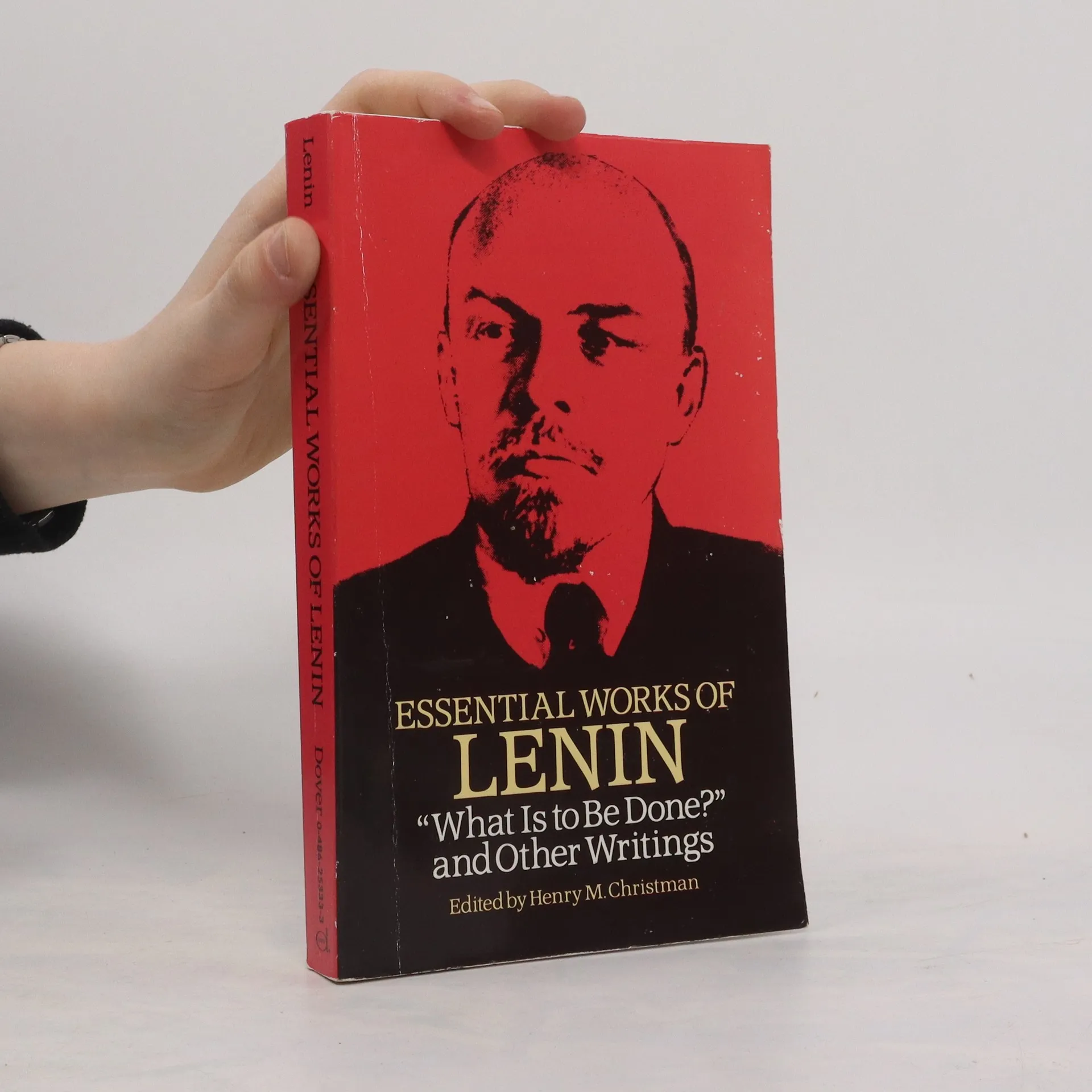
Among the most influential political and social forces of the 20th century, modern communism rests firmly on philosophical, political and economic underpinnings developed by Vladimir Ilyich Ulyanov, later known as Lenin. In this volume, comprising the four works generally considered his most important publications, Lenin presents the goals and tactics of communism with remarkable directness and forcefulness.His first major work was The Development of Capitalism in Russia, written in prison after Lenin had been arrested for anti-government activities in 1895. Represented here by key sections, the book developed a number of crucial concepts, including the significance of the industrial proletariat as a revolutionary base. What Is to Be Done?, long regarded as the key manual of communist action, is presented complete, containing Lenin's famous dissection of the Western idea of the political party along with his own concept of a monolithic party organization devoted to achieving the goal of dictatorship of the proletariat. Also presented complete is Imperialism, the Highest Stage of Capitalism, in which Lenin examines the final "parasitic" stage of capitalism. Finally, this volume includes the complete text of The State and Revolution, Lenin's most significant work, in which he totally rejects the institution of Western democracy and presents his vision of the final perfection of communism.
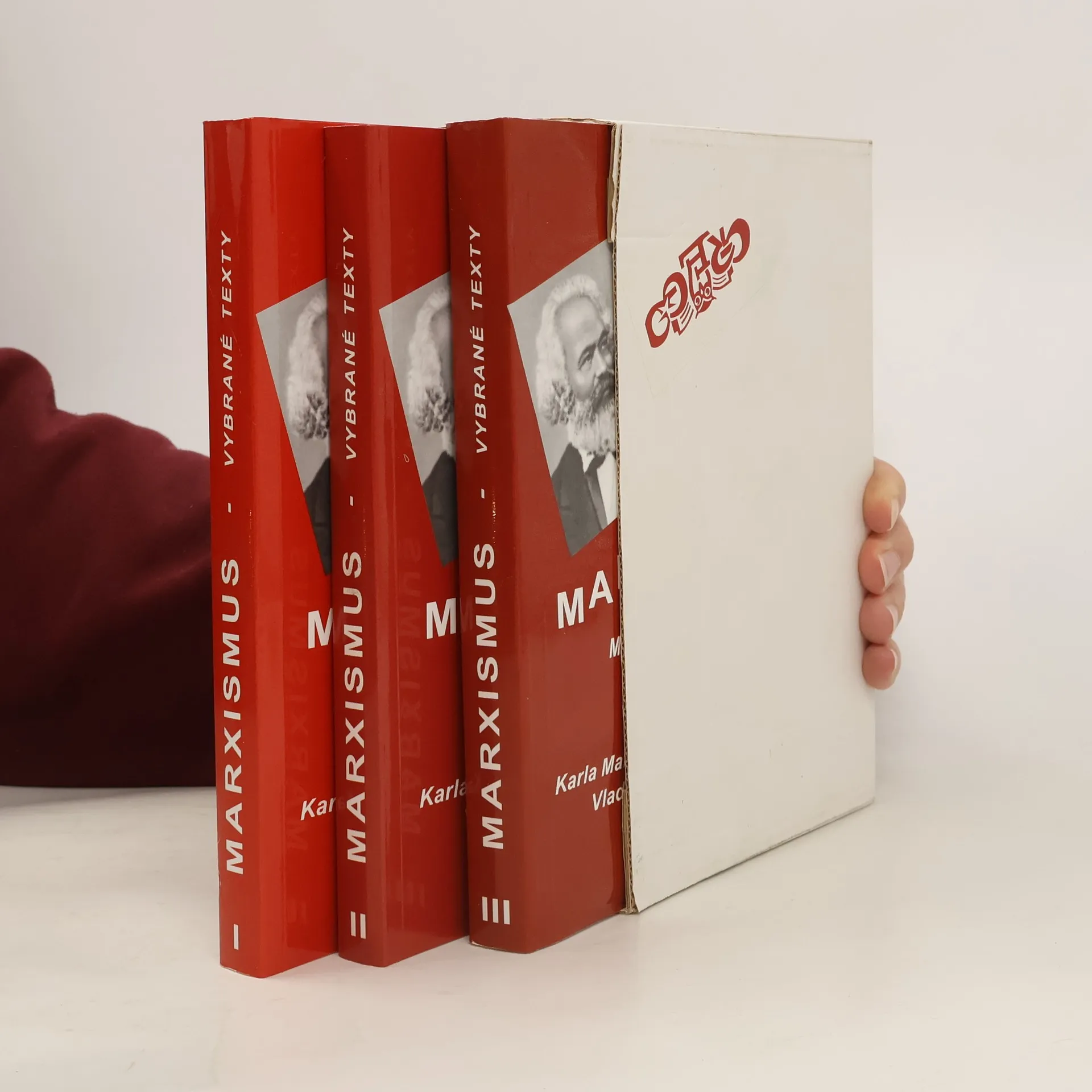
2. slovenské vydanie. Obsahuje: konspekty a fragmenty / poznámky o knihách, článkoch a recenziách / glosy a podčiarkovanie v knihách / cca 170 strán poznámok a registrov / niekoľko rozkladacích príloh.