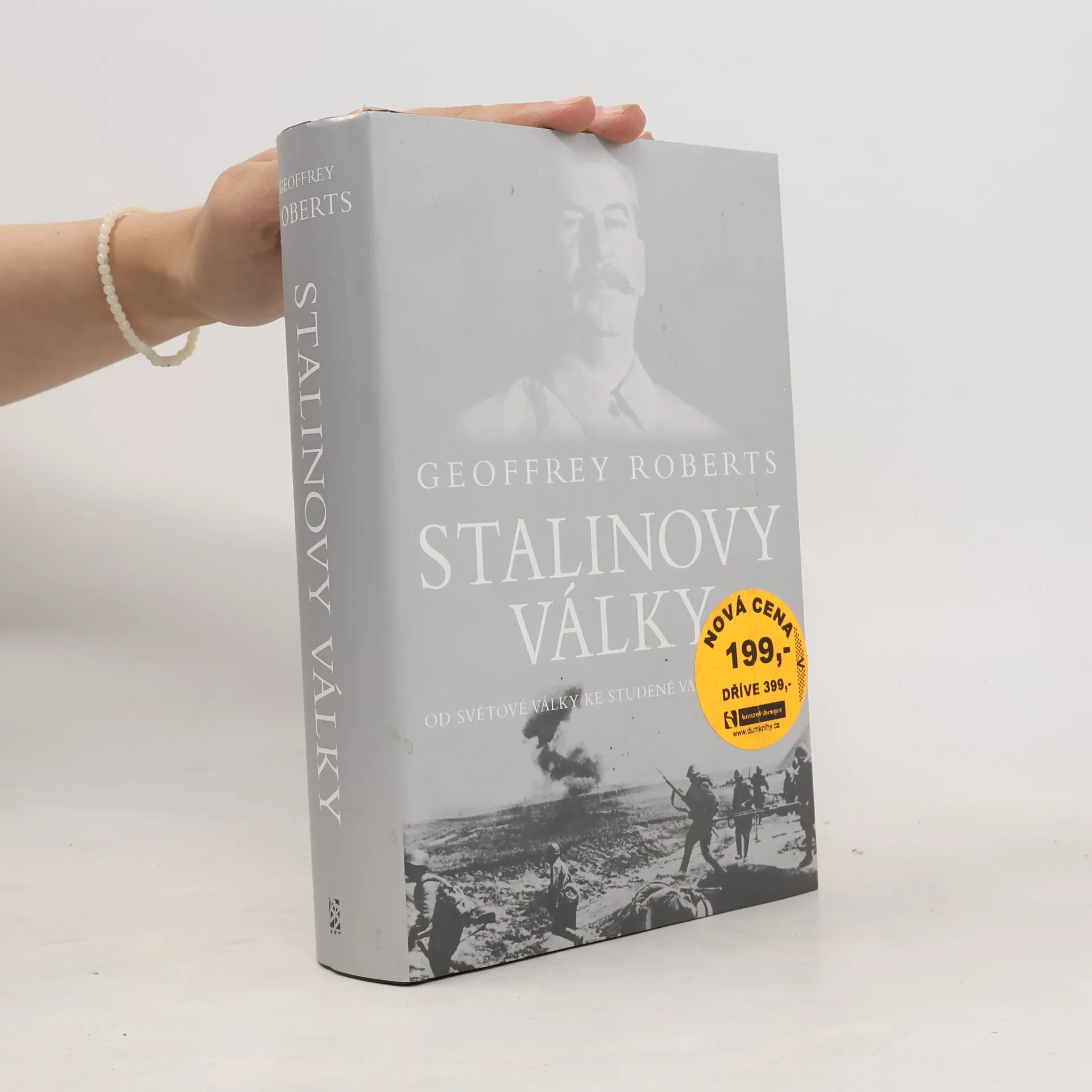
Stalin's Library
- 320 páginas
- 12 horas de lectura
A compelling intellectual biography of Stalin told through his personal library


Geoffrey Roberts es un historiador cuyo trabajo se adentra en la compleja dinámica de las relaciones internacionales y la historia del siglo XX. Sus escritos exploran a menudo las intrincadas jugadas de poder y los choques ideológicos que han moldeado los acontecimientos mundiales, ofreciendo a los lectores perspectivas matizadas sobre momentos históricos cruciales. Roberts aborda sus temas con una investigación rigurosa y una aguda visión analítica, buscando desentrañar las causas y consecuencias subyacentes de importantes desarrollos políticos y militares. Su erudición ilumina las conexiones, a menudo pasadas por alto, entre las decisiones políticas y su impacto humano.


A compelling intellectual biography of Stalin told through his personal library
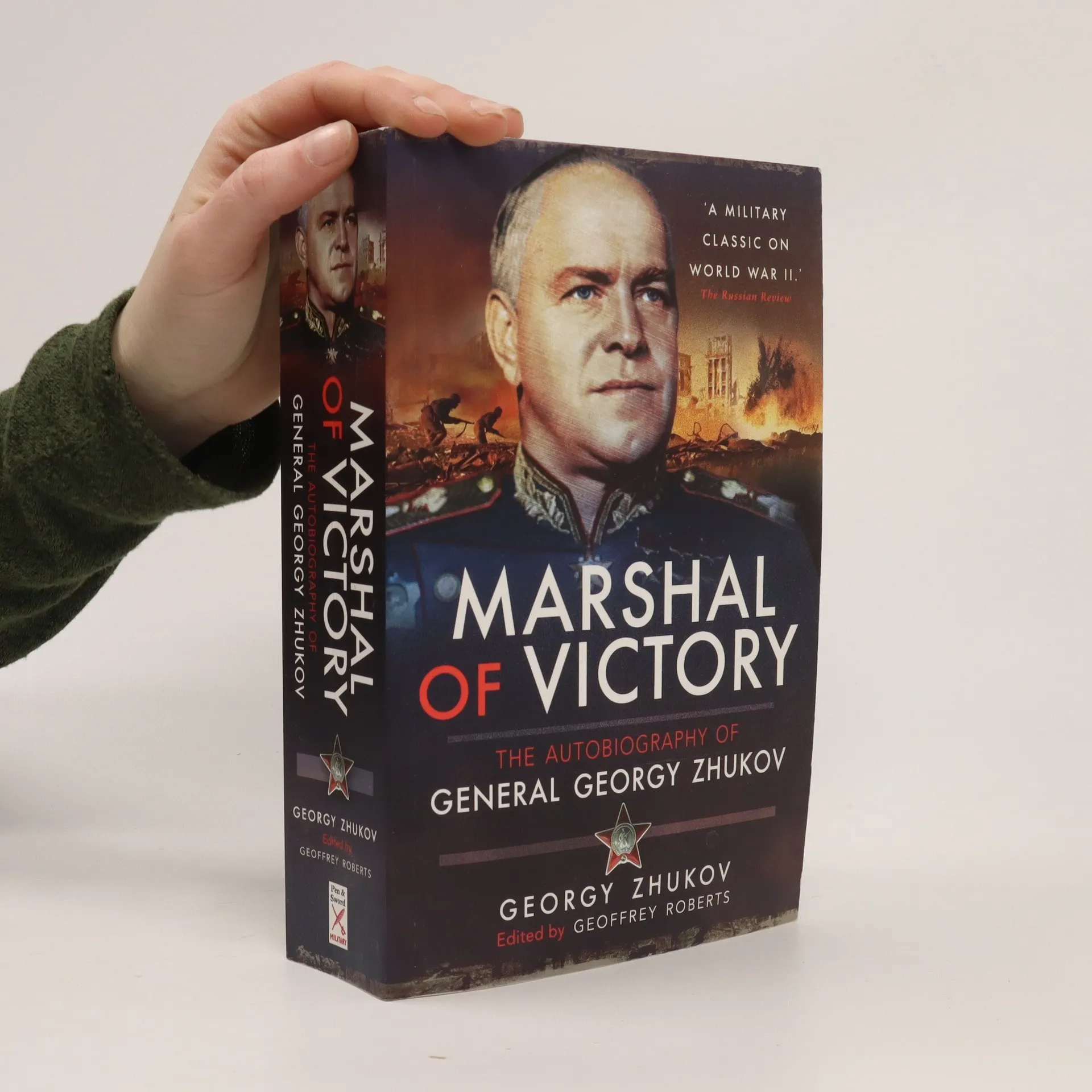
Marshal of the Soviet Union Georgy Konstantinovich Zhukov remains a national hero in today s Russia as the man who beat Hitler and saved both Russia and Europe from the Nazis. His reputation is that of a Russian patriot and an independent-minded general who remained a key figure in Stalin s high command throughout the Great Patriotic War. Zhukov played a significant role in virtually all the principal battles on the Eastern Front during the Second World War including Moscow, Leningrad, Stalingrad, Kursk and Berlin. It was Zhukov who formally accepted Germany s unconditional surrender on 9 May 1945. In his post-war autobiography Zhukov chronicled his brilliant career as he saw it and wanted it to be seen. His memoirs reveal the why and how of decision-making at the highest level of the Soviet command throughout the war, and his continued loyalty to the Soviet dictator despite being demoted after the war. Zhukov s writing is a fascinating and invaluable source for anyone interested in the war on the Eastern Front and presents intriguing insights into Zhukov the man as well as Zhukov the military commander."
Obszerne opracowanie oparte na dokumentach z archiwów rosyjskich przedstawia burzliwe relacje między sowieckim dyktatorem Józefem Stalinem a brytyjskim premierem Winstonem Churchillem. Podkreśla tajną korespondencję między przywódcami, rejestruje ich spotkania w Moskwie oraz na szczytach w Teheranie, Jałcie i Poczdamie, ujawniając poufne komunikaty Stalina i jego dyplomatów. Opracowane przez trzech czołowych historyków drugiej wojny światowej, łączy historię wojskową i polityczną, analizę dokumentalną oraz biografię. Ujawnia spory i współpracę Stalina i Churchilla w dążeniu do zwycięstwa, ukazując ich osobiste relacje oraz różnice polityczne. Mimo upadku Wielkiego Sojuszu po wojnie, obaj przywódcy zachowali wzajemny szacunek i przywiązanie. W dokumentach pojawiają się także inne ważne postacie, takie jak prezydent Roosevelt, ministrowie spraw zagranicznych Wielkiej Brytanii i ZSRR, Antoni Eden i Wiaczesław Mołotow, oraz ambasadorzy radziecki w Londynie, Iwan Majski, i USA w Moskwie, Averell Harriman. Książka oferuje fascynujący dokumentalny zapis oraz szczegółową narrację na temat relacji Stalin-Churchill w kontekście anglo-sowieckich stosunków wojennych i polityki Wielkiego Sojuszu, co zainteresuje miłośników historii II wojny światowej.
Josef Stalin (1878–1953) ist für den Tod von Millionen von Menschen verantwortlich. Aber sein Name ist auch untrennbar verbunden mit der Befreiung von der nationalsozialistischen Gewaltherrschaft. Der Weltkriegshistoriker Geoffrey Roberts hat der Stalin-Ära Jahrzehnte intensivster Forschung gewidmet. Der Bogen seines großen Geschichtswerks spannt sich vom Hitler-Stalin-Pakt (1939) über die Kämpfe des Zweiten Weltkriegs bis zum Koreakrieg (1950–1953). Stets fragt der Autor nach der persönlichen Rolle Stalins, geht seinen Erfolgen und seinen katastrophalen Fehlern auf den Grund. Roberts konnte das erst seit kurzer Zeit zugängliche sowjetische Quellenmaterial auswerten und entwickelt daraus ein dichtes Bild des Politikers, Strategen und Machthabers. 'Dieses Buch ist ein Meilenstein in der Erforschung von Stalins Kriegsführung und Kriegsdiplomatie' Jochen Laufer, Zentrum für Zeithistorische Forschung, Potsdam in: Sehepunkte 'In den letzten Jahren hat es viele Bücher über Stalin gegeben. Roberts’ Werk ist eines der nützlichsten, denn es berichtet in ausgewogener Weise über die großen Ereignisse in den Jahren der Entscheidung.' History Today Aus dem Englischen von Michael Carlo Klepsch. Mit zahlreichen Bilddokumenten.
Kniha nabízí podrobnou rekonstrukci Stalinova vůdcovství od začátku druhé světové války v roce 1939 až do jeho smrti v roce 1953. Geoffrey Roberts využívá nové materiály z ruských archivů a zpochybňuje zavedené představy o Stalinovi, včetně jeho vůdcovských kvalit, vztahů s vojevůdci a světovými představiteli, zahraniční politiky a role v podněcování studené války. I když nezapře Stalinovy brutality a jejich dopad na sovětské občany, nachází důkazy, které vedou k závěru, že Stalin byl největším vojevůdcem dvacátého století a snažil se vyhnout studené válce a dosáhnout dlouhodobého míru s kapitalistickým světem. Roberts integruje vojenské, politické a diplomatické záležitosti a vytváří přesvědčivý osobní portrét sovětského vůdce, jehož zobrazení je plné vnitřních protikladů a mění naše chápání Stalina a jeho historického místa. Zachycuje despotu, který zachránil svět pro demokracii, muže s osobním kouzlem, který byl zároveň nemilosrdný, utopického ideologa a válečného diktátora, který se stal strůjcem poválečného míru. Robertsova kniha je aktuální, přístupná a zřetelná, přičemž bere Stalina vážně jako mimořádného válečného diktátora v období od uzavření paktu s Hitlerem do vypuknutí studené války.
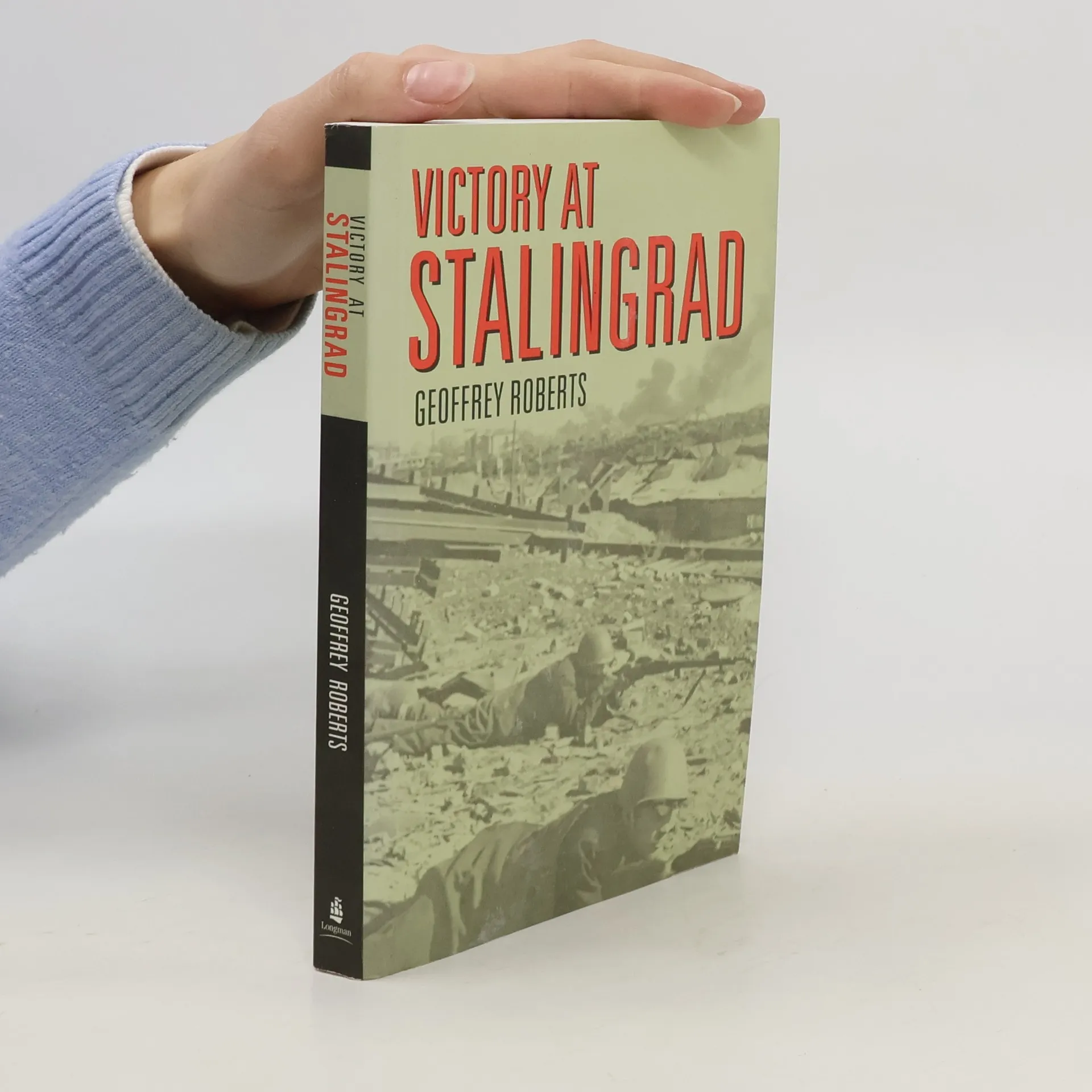
Focusing on the Battle of Stalingrad, the author delivers captivating insights and a thorough analysis of its significant impact on World War II. The narrative explores the strategies, key figures, and the battle's far-reaching consequences, making it a compelling read for history enthusiasts.
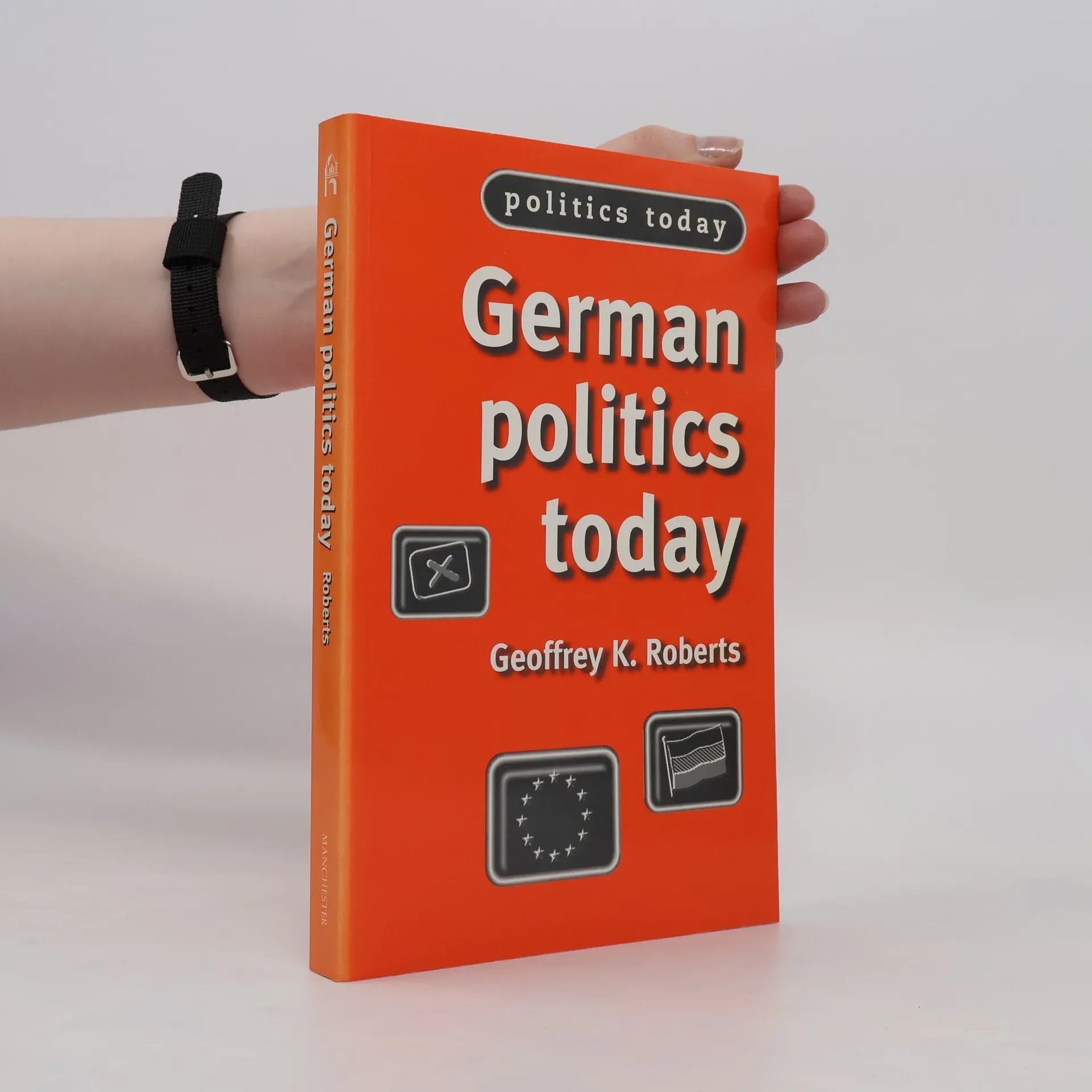
German Politics Today surveys the German political system, based on up-to-date information covering the period since the 1998 Bundestag election and the new coalition government under Chancellor Schröder. A concise survey of the historical background to the present-day political system, including the steps that led to German reunification in 1990, is followed by analysis of the institutions of political participation and the institutions of government. The book concludes by considering the symbiotic relationship between Germany and Europe, and assesses how apt it is to consider Germany to be a “normal” democracy today.
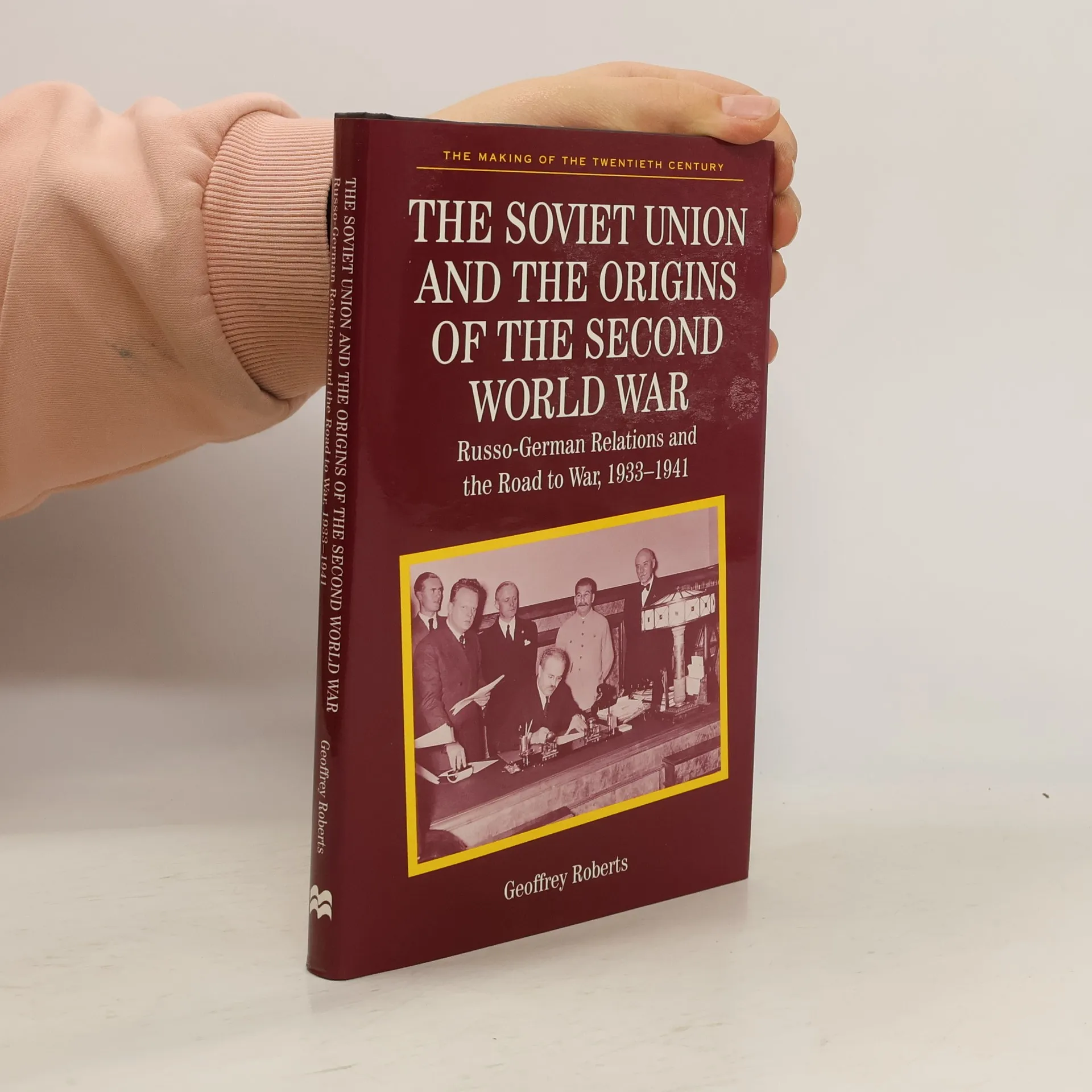
Russo-German Relations and the Road to War, 1933-41
Historians have heatedly debated the Soviet role in the origins of the Second World War for more than 50 years. At the centre of these controversies stands the question of Soviet relations with Nazi Germany and the Stalin-Hitler pact of 1939. Drawing on a wealth of new material from the Soviet Archives, this detailed and original study analyses Moscow's response to the rise of Hitler, explains the origins of the Nazi-Soviet pact, and charts the road to Operation Barbarossa and the disaster of the surprise German attack on the USSR in June 1941.
German