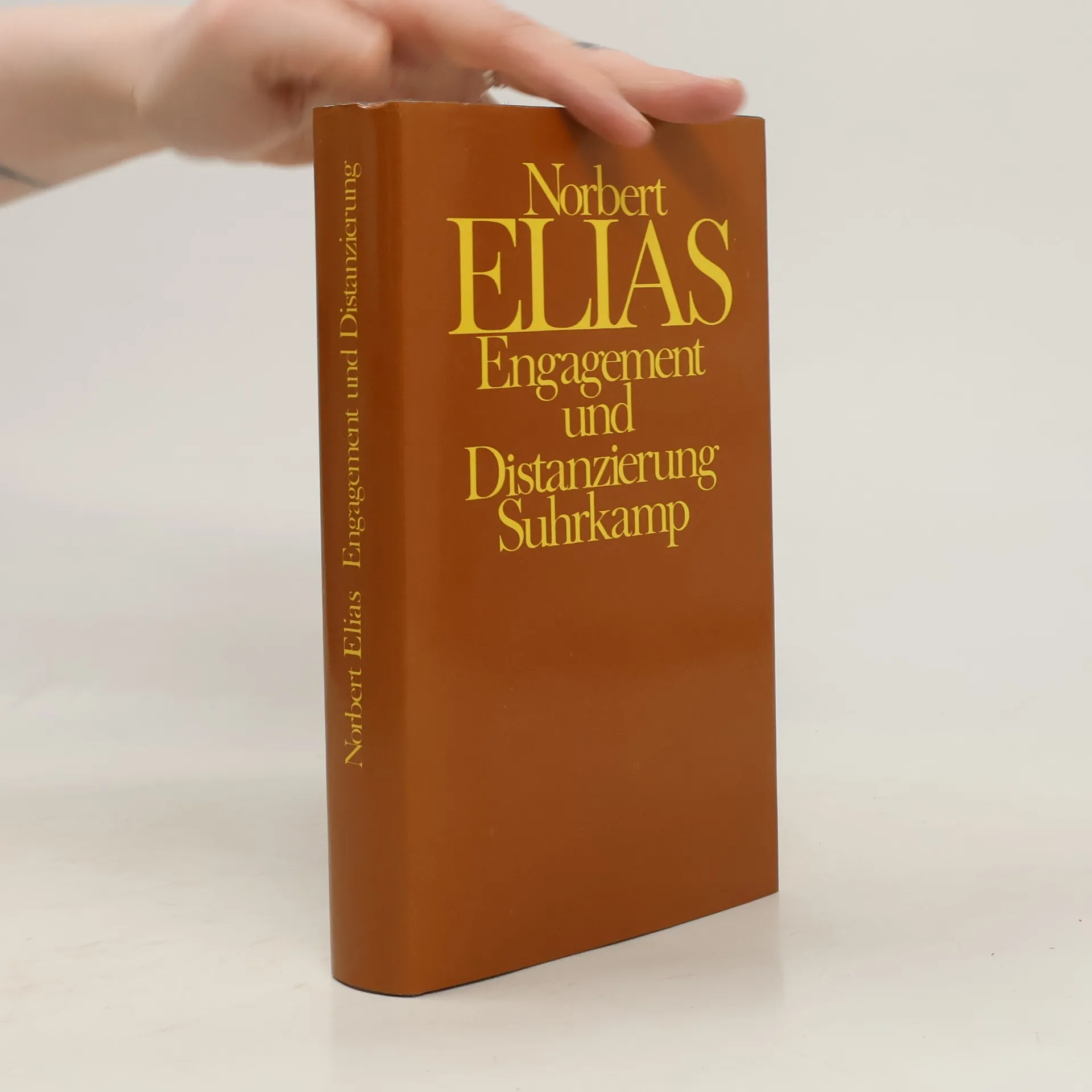
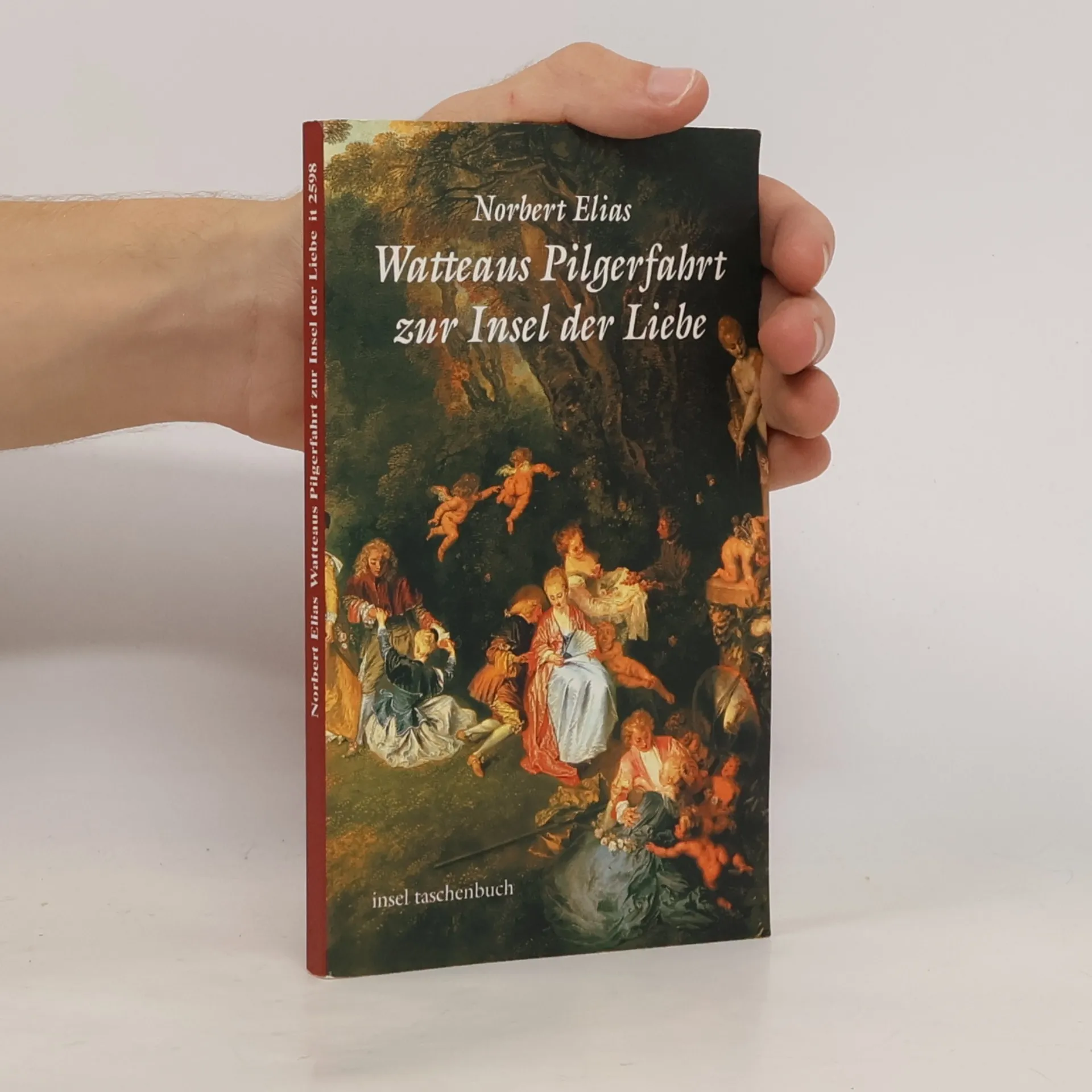
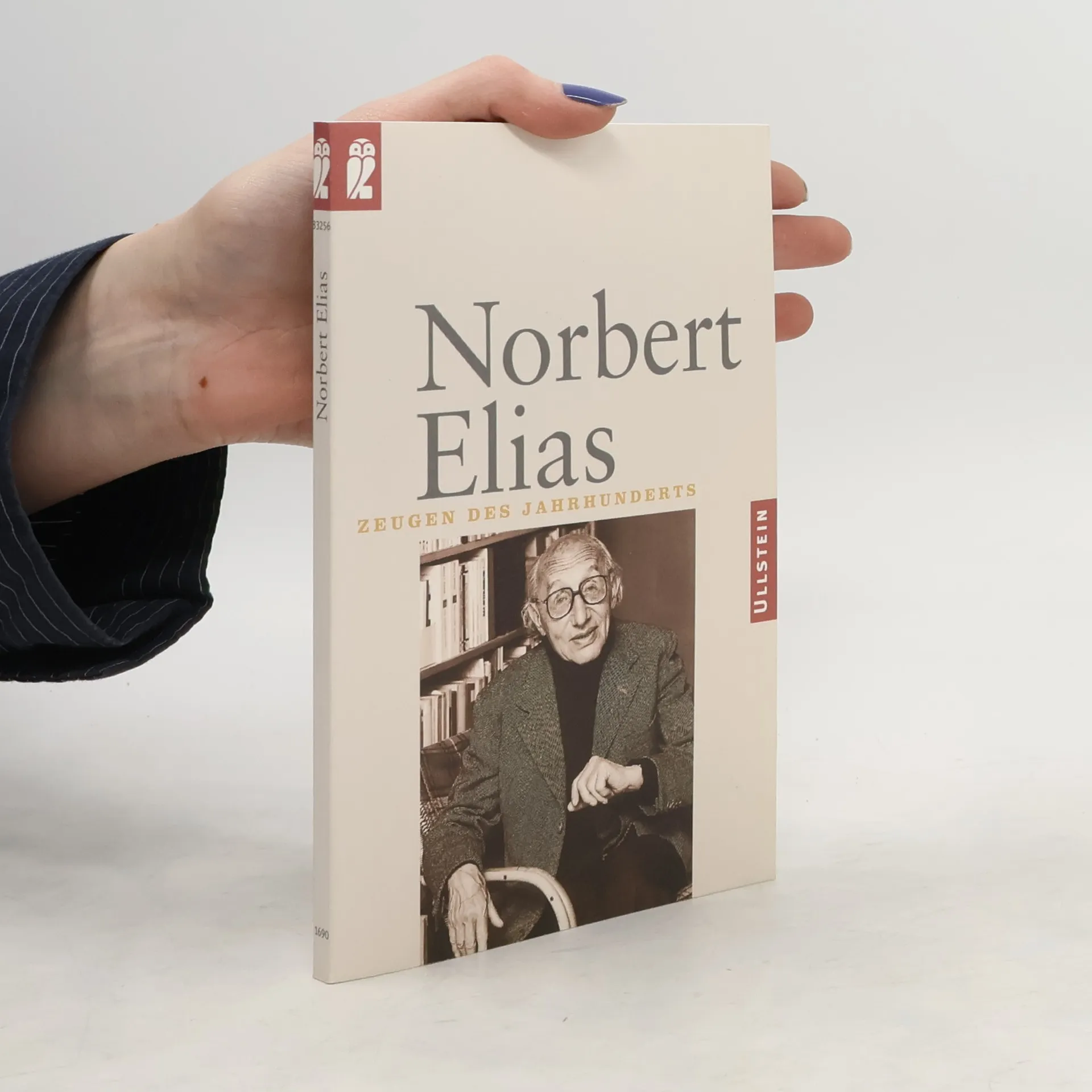
Norbert Elias fue un sociólogo alemán cuyas teorías exploraron las intrincadas relaciones entre poder, comportamiento, emoción y conocimiento a lo largo del tiempo. Dio forma de manera profunda al campo conocido como sociología de procesos o figuracional. A pesar de permanecer como una figura marginal durante gran parte de su carrera debido a circunstancias históricas, Elias experimentó un redescubrimiento significativo en la década de 1970. Este resurgimiento lo estableció como uno de los sociólogos más influyentes en la historia de la disciplina.
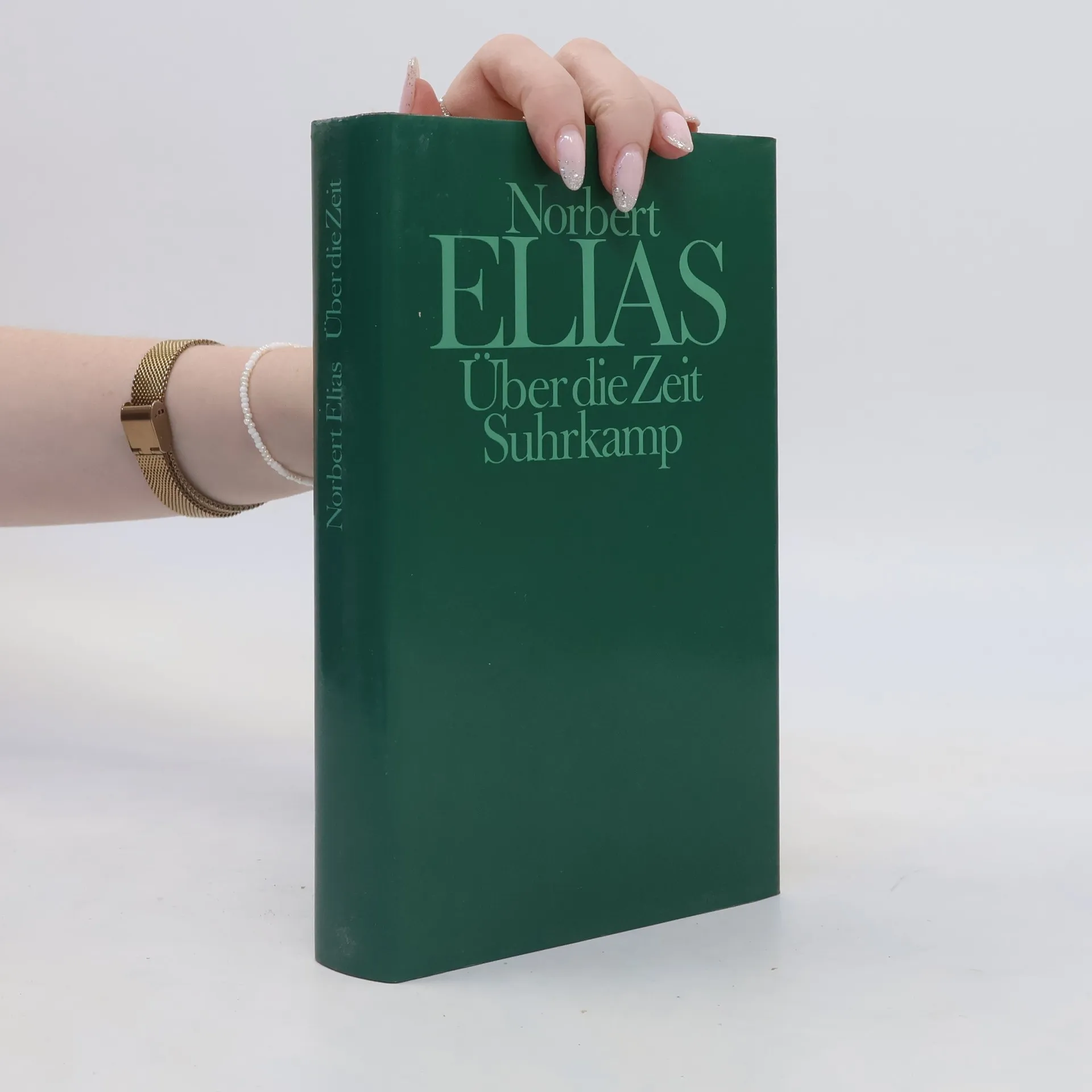
Ensayo que formula y desarrolla algunas de las principales opiniones del autor, en el que de modo particular pretende demostrar que lo que llamamos "tiempo" no es ni un dato a priori de la naturaleza humana, ni una propiedad inmanente de la naturaleza no-humana, sino m s bien el resultado de una s ntesis humana que s lo puede entender quien la refiera a ciertos procesos sociales.
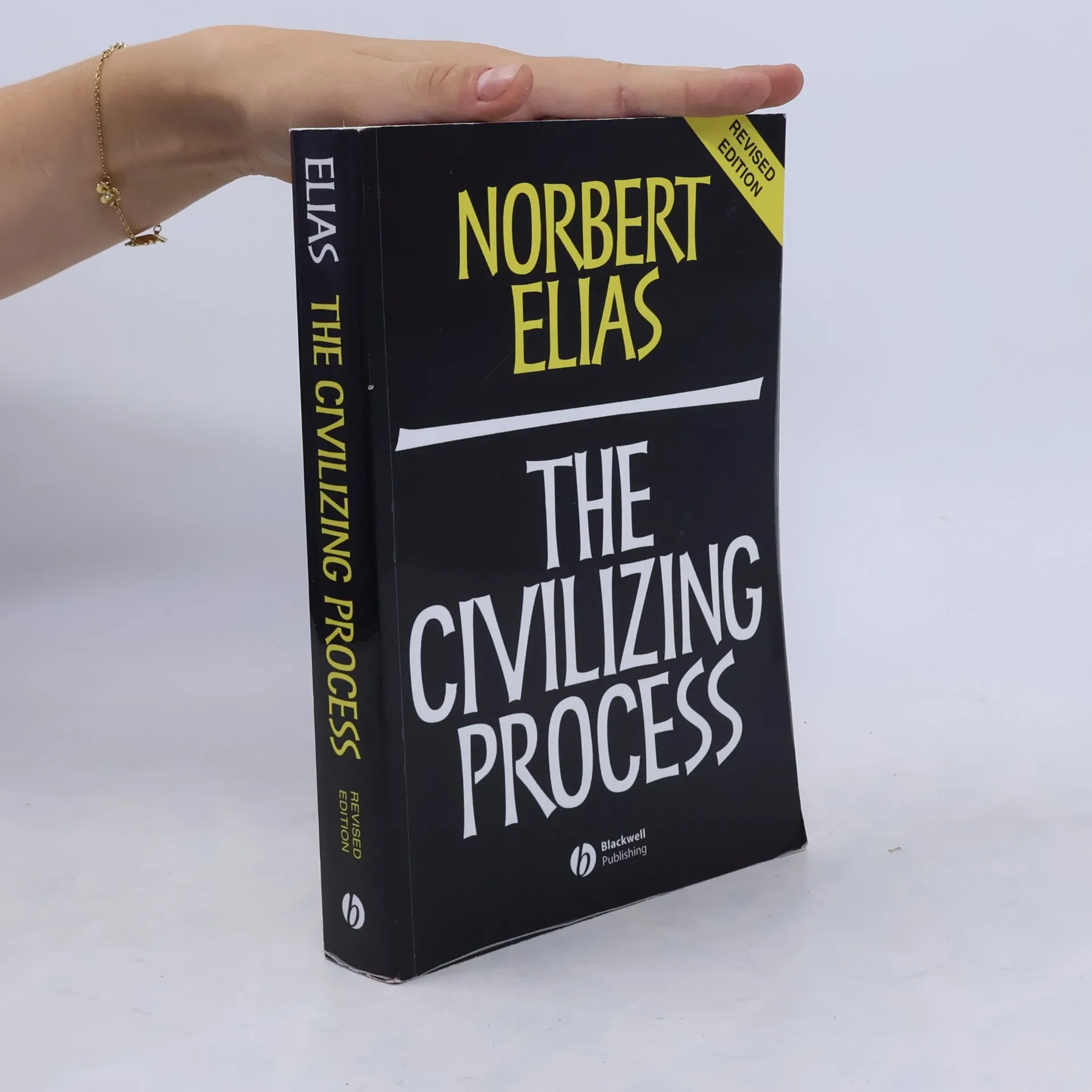
Completely overhauled version of the combined classic texts The History of
Manners and State Formation and Civilization. Revised throughout, updated
postscript and bibliography, and line corrections made from the original
version. schovat popis
Unlike other post-war sociologists, Norbert Elias has always held the concept
of historical development among his central concerns; his dynamic theories of
the evolution of modern man have remedied the historical and epistemological
shortcomings of structuralism and ethno-methodology. This work presents the
major ideas of his work.
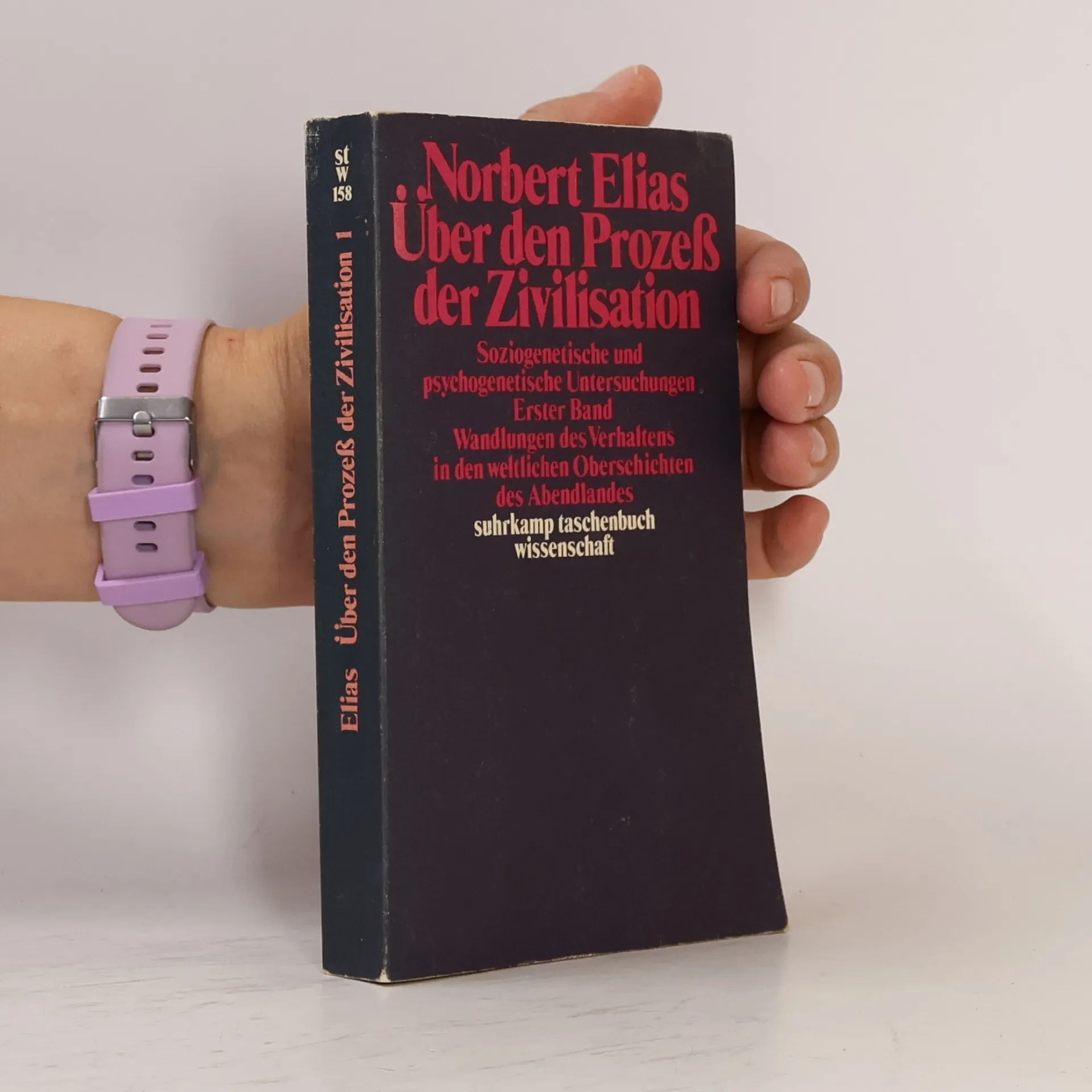
"Die Soziologie des 20. Jahrhundertshatdie langfristigen Transformationen der Gesellschafts- und Persönlichkeitsstukturen weitgehend aus den Augen verloren. Im Werk von Norbert Elias sind gerade diese langfristigen Prozesse das zentrale Thema: Wie ging eigentlich die »Zivilisation« im Abendlande vor sich? Worin bestand sie? Und welches waren ihre Antriebe, ihre Ursachen oder Motoren? Bei Elias' Arbeit handelt es sich weder um eine Untersuchung über eine »Evolution« im Sinne des 19. Jahrhunderts noch um eine Untersuchung über einen unspezifischen »sozialen Wandel« im Sinne des 20.; seine Arbeit ist grundlegend für eine undogmatische, empirisch fundierte soziologische Theorie sozialer Prozesse."
"Die Soziologie des 20. Jahrhundertshatdie langfristigen Transformationen der Gesellschafts- und Persönlichkeitsstukturen weitgehend aus den Augen verloren. Im Werk von Norbert Elias sind gerade diese langfristigen Prozesse das zentrale Thema: Wie ging eigentlich die »Zivilisation« im Abendlande vor sich? Worin bestand sie? Und welches waren ihre Antriebe, ihre Ursachen oder Motoren? Bei Elias' Arbeit handelt es sich weder um eine Untersuchung über eine »Evolution« im Sinne des 19. Jahrhunderts noch um eine Untersuchung über einen unspezifischen »sozialen Wandel« im Sinne des 20.; seine Arbeit ist grundlegend für eine undogmatische, empirisch fundierte soziologische Theorie sozialer Prozesse."
Wandlungen des Verhaltens in den weltlichen Oberschichten des Abendlandes
502 páginas
18 horas de lectura
Die Soziologie des 20. Jahrhunderts hat die langfristigen Transformationen der Gesellschafts- und Persönlichkeitsstrukturen weitgehend aus den Augen verloren. Im Werk von Norbert Elias sind gerade diese langfristigen Prozesse das zentrale Thema: Wie ging eigentlich die »Zivilisation« im Abendlande vor sich? Worin bestand sie? Und welches waren ihre Antriebe, ihre Ursachen oder Motoren? Bei Elias’ Arbeit handelt es sich weder um eine Untersuchung über eine »Evolution« im Sinne des 19. Jahrhunderts noch um eine Untersuchung über einen unspezifischen »sozialen Wandel« im Sinne des 20.; seine Arbeit ist grundlegend für eine undogmatische, empirisch fundierte soziologische Theorie sozialer Prozesse.
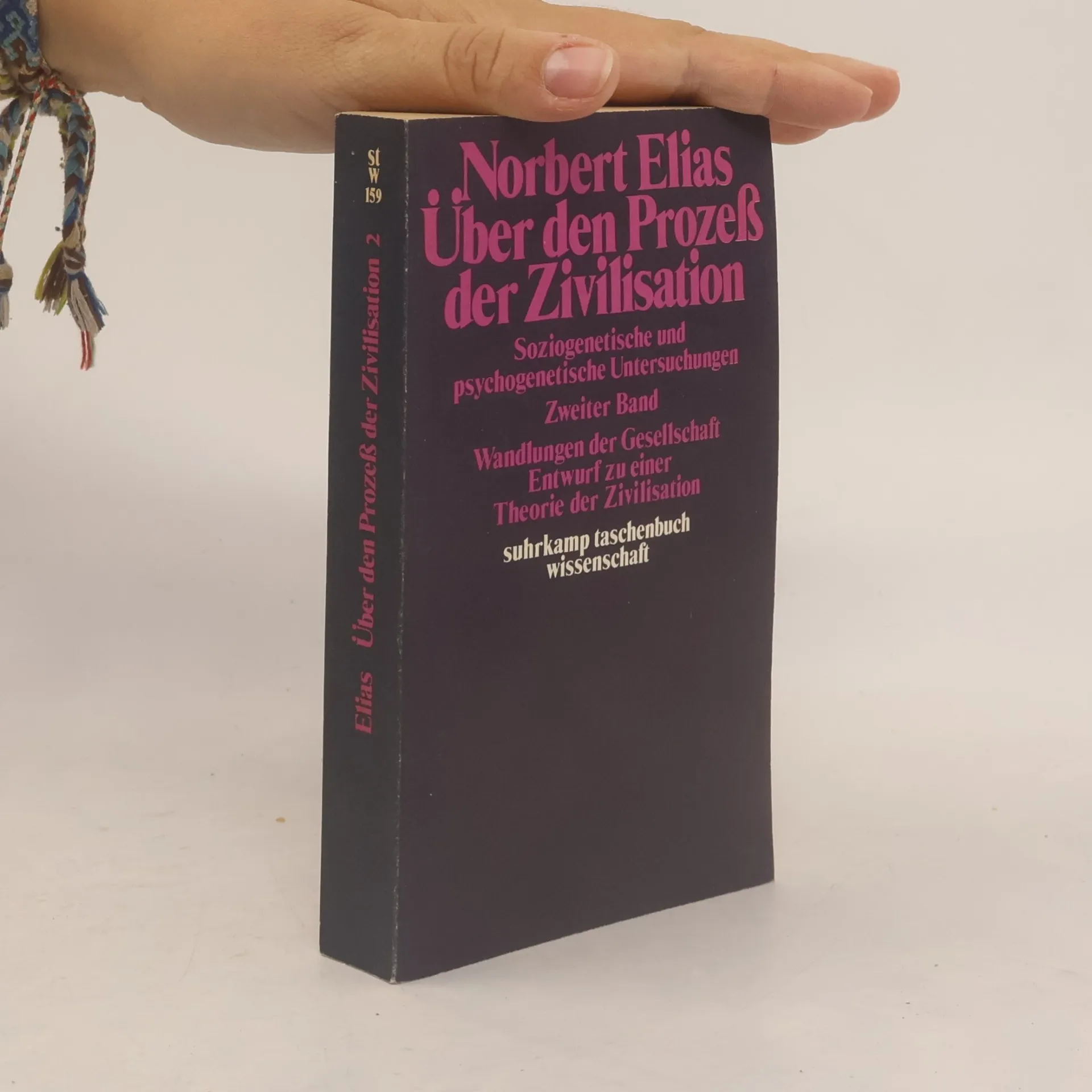
Soziogenetische und psychogenetische Untersuchungen
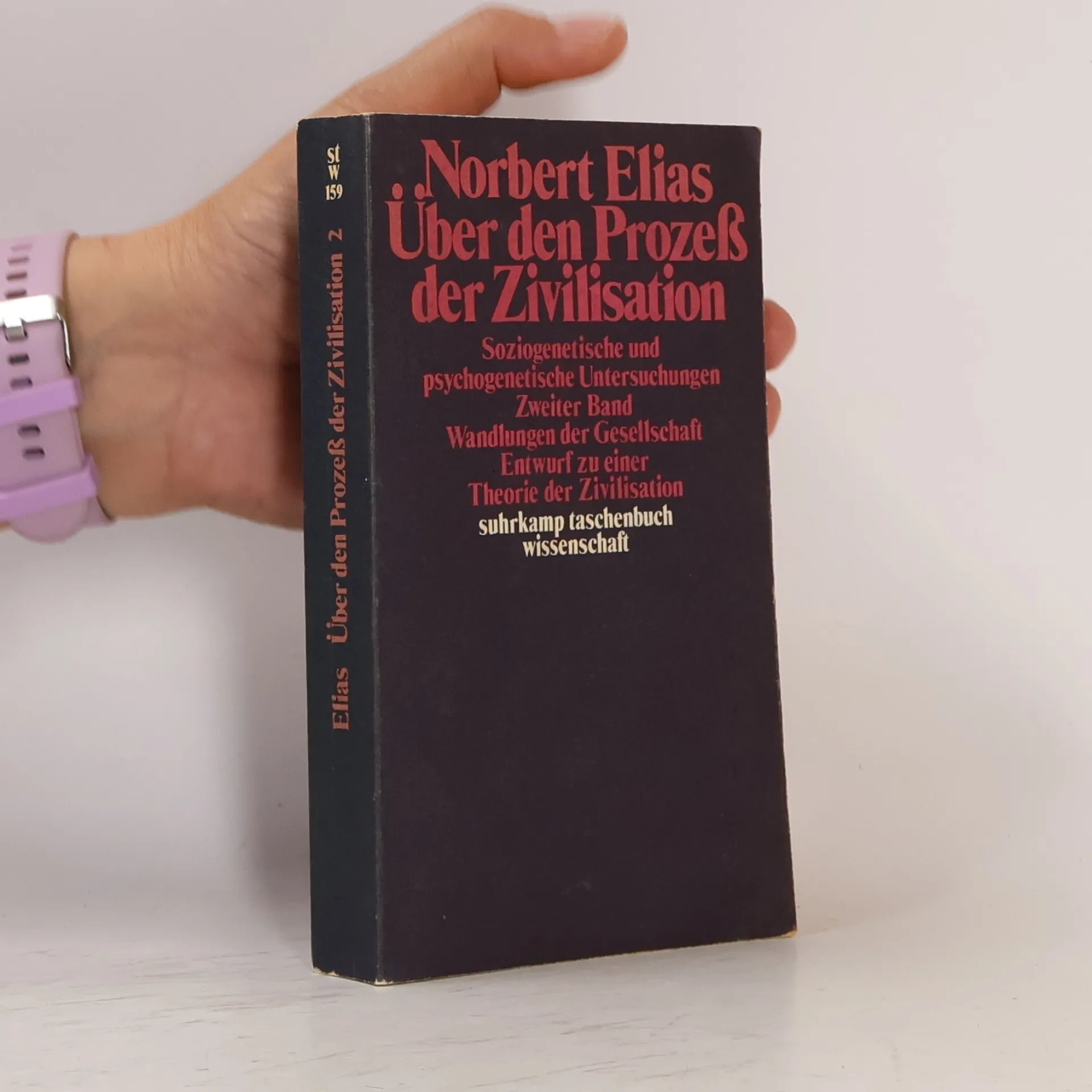
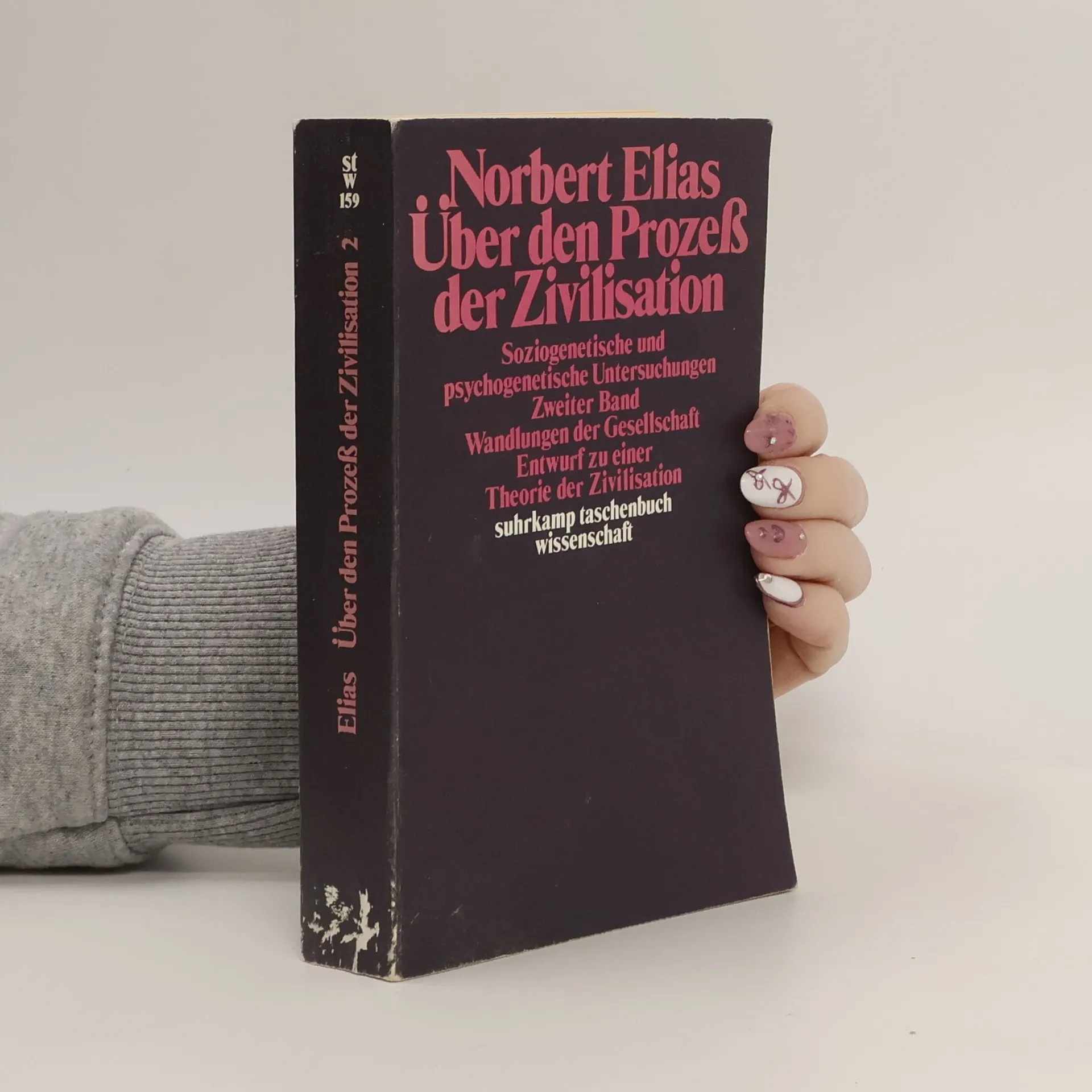
Dies ist der zweite Band von Elias' Über den Prozess der Zivilisation. Darin erweitert Elias seinen Blickwinkel, um die sozialen, wirtschaftlichen und politischen Veränderungen in der europäischen Gesellschaft von der Zeit Karls des Großen bis zum zwanzigsten Jahrhundert zu untersuchen, und entwickelt eine hochoriginelle Theorie der Staatsbildung und des Machtwachstums. Seine Erklärung des sozialen Prozesses, durch den das private Machtmonopol der Könige in das öffentliche Machtmonopol des modernen Nationalstaates überging, schließt mit einer beeindruckenden Zusammenfassung, die die Anfänge einer Theorie des Zivilisationsprozesses vorschlägt.
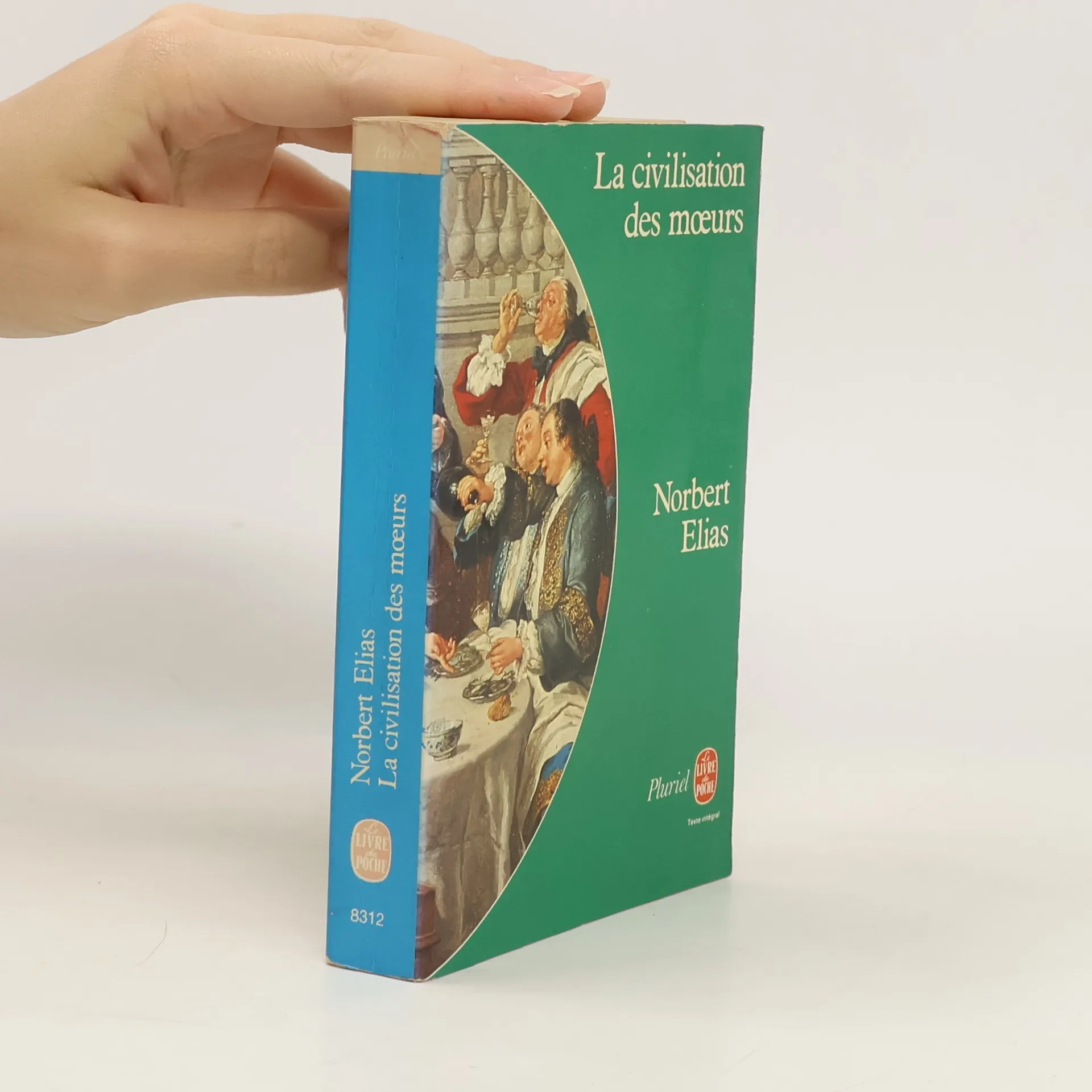
Norbert Elias (1897-1990), fut l’un des plus grands penseurs de notre temps. Né à Breslau dans une famille juive aisée où il fait l’apprentissage de la culture allemande classique, il délaisse bientôt ses études de philosophie pour se tourner vers la sociologie. En 1930 Karl Mannheim lui propose de le suivre comme assistant à l’université de Francfort. Mais, au printemps 1933, Elias doit fuir l’Allemagne. C’est à Londres qu’il élabore Sur le processus de civilisation (paru en français en deux volumes sous le titre La Civilisation des mœurs et La Dynamique de l’Occident), sans doute l’un des livres les plus importants du XXe siècle. Le présent ouvrage, constitué de plusieurs articles majeurs et d’un entretien avec Norbert Elias, propose une biographie intellectuelle du penseur, qui d’une part fournit une introduction solide à une œuvre multiforme, d’autre part explicite les circonstances dans lesquelles lui sont venues ses principales intuitions. Au terme de sa longue vie qui se confond avec le siècle, Elias définissait ainsi son projet : « J’avais l'ambition de développer une image de la société qui ne soit pas idéologique. »
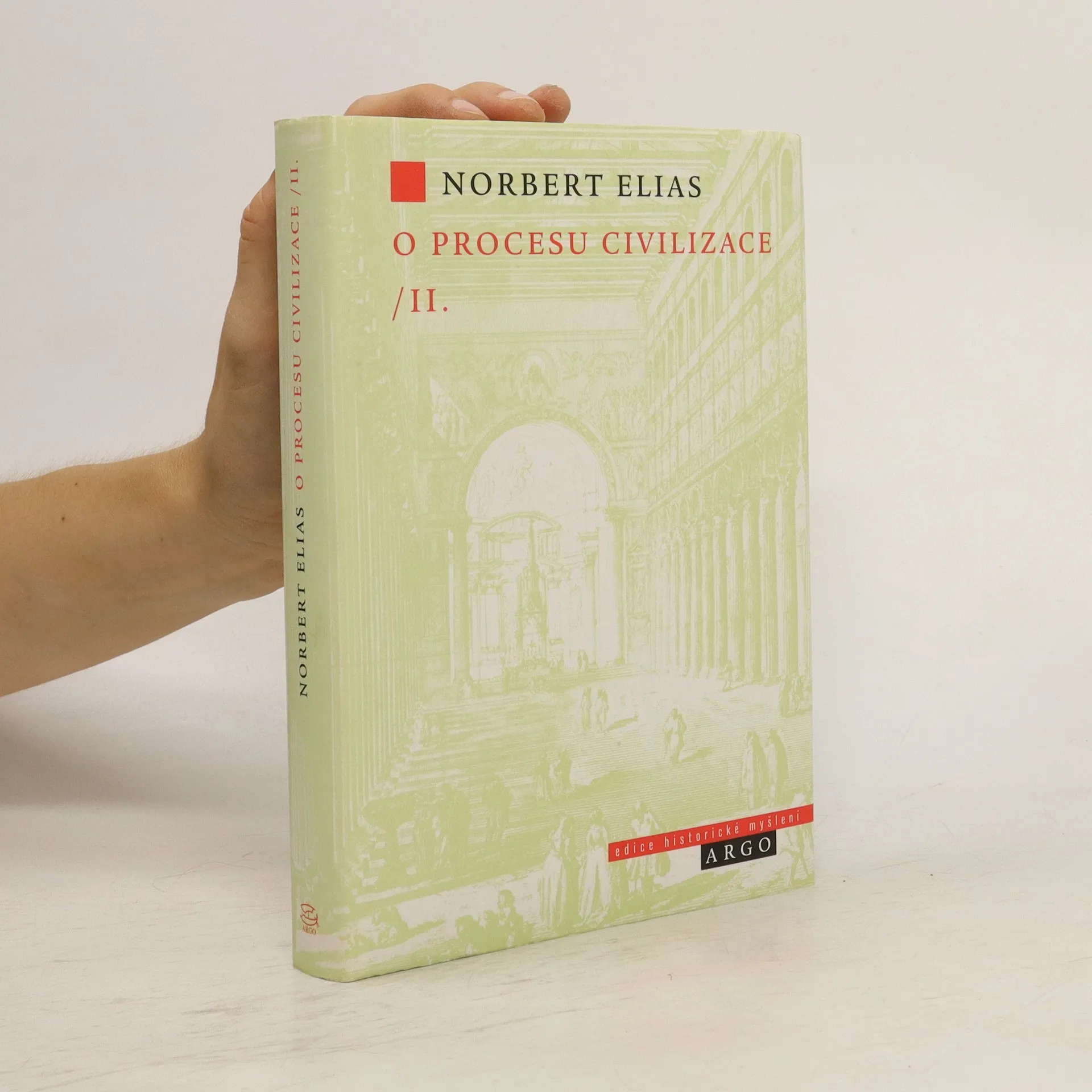
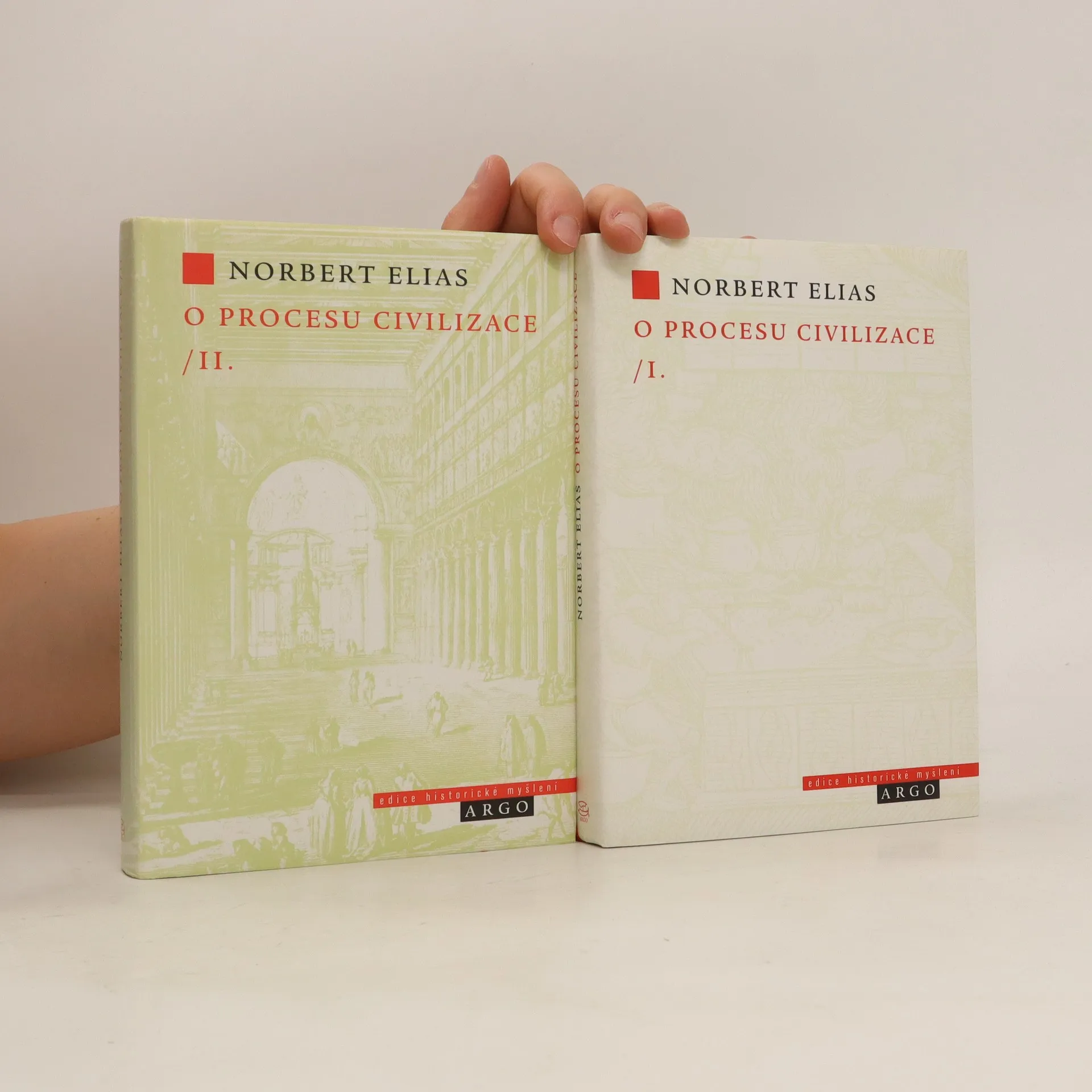
Eliasova kniha představuje zásadní text pro moderní myšlení o moderní i předmoderní společnosti. Ačkoli byla napsána již na konci 30. let 20. století, kdy bez většího zájmu zcela zapadla, patří dnes k fundamentálním knihám sociokulturního dějepisu. Elias v ní stopuje nesnadný proces civilizace, proces, jehož genezi zachycuje na základě proměn stolování, hygienických návyků, sexuálních praktik, galantního chování či způsobů sociálně odlišného oblékání. Své teze, dnes v mnohém sice zpochybněné, avšak jako celek nadále velmi inspirující, postavil především na literárních textech. Jejich prostřednictvím dospěl k závěru, že civilizační chování získávalo svou podobu prvotně v prostředí aristokratických elit. Odtud pak, často ve zjednodušené formě, pronikalo do nižších pater společnosti, především mezi měšťany, kteří je recipovali, aniž by je však originálním způsobem rozvíjeli.
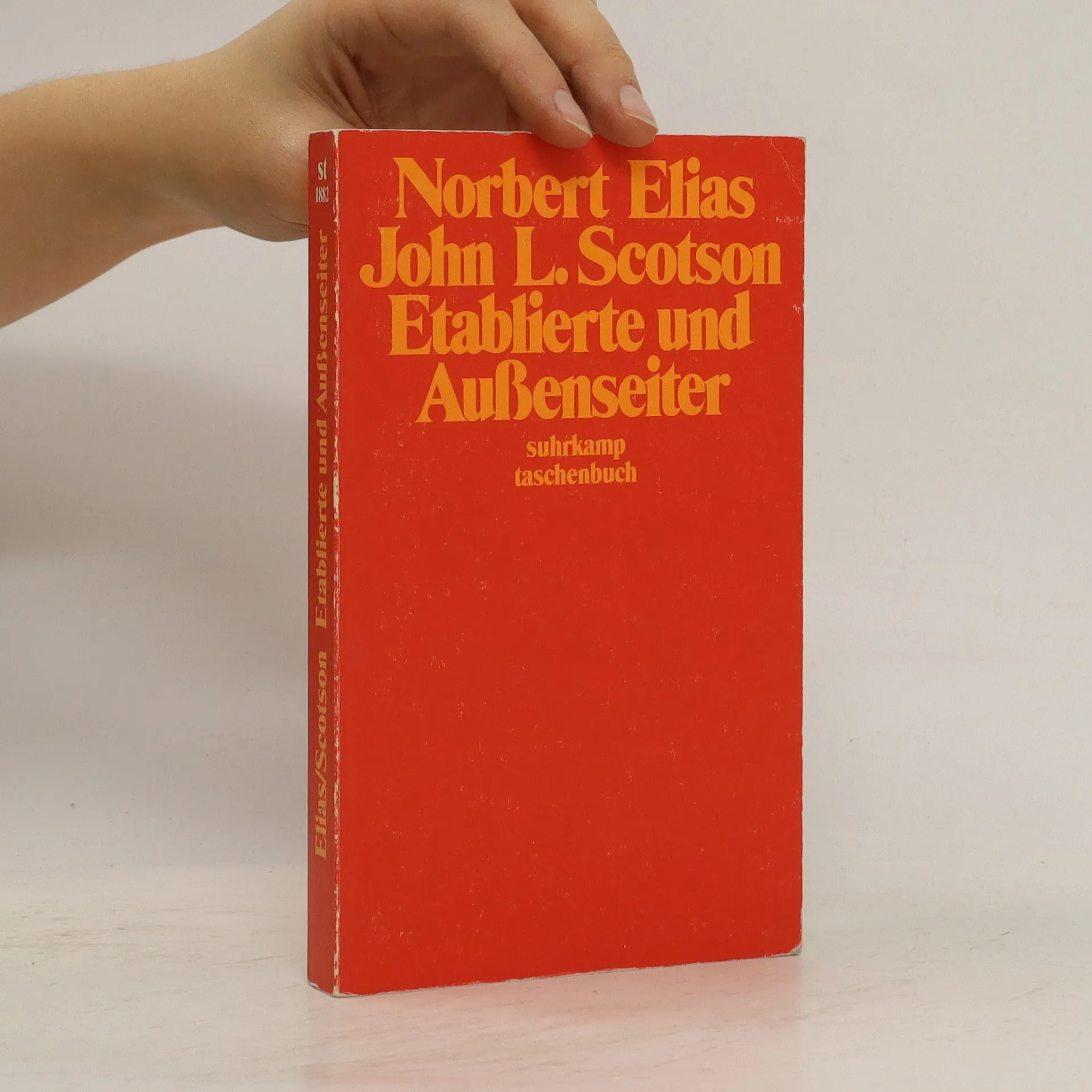
Die vorliegende Arbeit ist die Frucht eines Projekts, mit dem sich Norbert Elias mehr als je dem Mainstream soziologischer Forschung nach dem Zweiten Weltkrieg annäherte: sie beruht auf einer empirischen Gemeinde-Untersuchung, die er zusammen mit einem jüngeren Mitarbeiter 1958-60 in England durchführte. Ausgangspunkt der Untersuchung war die Beobachtung, daß in einer englischen Vorortgemeinde von drei Wohnbezirken einer eine höhere Delinquenzrate aufwies als die anderen. Es ist ein besonderer Vorzug dieses Buches, wie hier für den Leser die Wirklichkeit einer geographisch und historisch genau lokalisierten Menschengruppe wachgerufen wird: ihr Vereinsleben, die Bedeutung der Kirchen und politischen Parteien, Struktur und Funktion ihrer Familien, das konkrete Ambiente ihrer Wohnungen, die Gestalt eines Gemeindeführers wie »Councillor Drew«, die Probleme von Jugendlichen, für die es kaum andere Freizeiteinrichtungen gibt als das örtliche Kino. Der sichere Blick von Elias, der kleine, sonst eher unbeachtete Details als Indikatoren für bedeutsame Zusammenhänge erschließt, zeigt sich etwa in der Analyse von Kneipengewohnheiten oder in einem veritablen Kabinettstück, einem Kapitel »Über den Klatsch«.
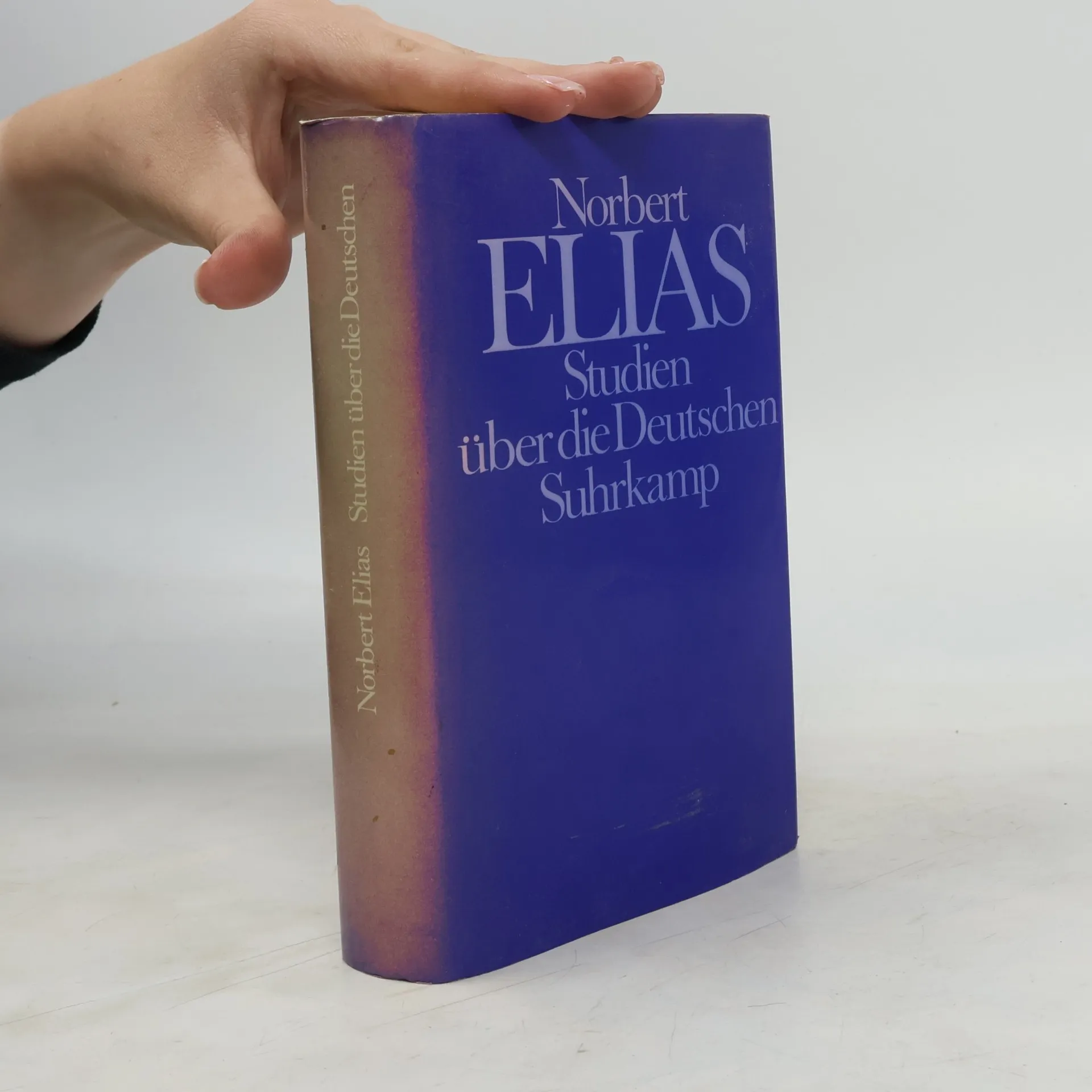
Norbert Elias beschreibt die Entwicklung von Staaten und Nationen ähnlich wie die Biographie eines Einzelmenschen, da frühere Erfahrungen in der Gegenwart fortwirken. In seinen Studien über Deutschland konzentriert er sich auf die wilhelminische Gesellschaft, die Weimarer Republik, den Hitlerstaat und die Bundesrepublik. Elias verknüpft die Staatsbildung mit der Entwicklung sozialer Persönlichkeitstrukturen der Individuen und schärft den Blick für deutsche Besonderheiten durch Vergleiche mit anderen Ländern. Er analysiert die beobachteten Gegebenheiten im Kontext langfristiger Prozesse und der Machtverhältnisse innerhalb der Gesellschaft. Dabei werden innerstaatliche Entwicklungen in Verbindung mit zwischenstaatlichen Ereignissen betrachtet. Die Gedankenführung wechselt zwischen empirischen Detailuntersuchungen und theoretischen Reflexionen, wobei jeder Beitrag ein Zeugnis für das hohe Syntheseniveau seines Denkens darstellt. Ein zentrales Motiv in diesen Arbeiten ist die Frage nach den spezifisch deutschen Traditionen, die den Ausbruch der Barbarei in der Nation von Goethe, Schiller und Kant ermöglicht haben und möglicherweise wieder ermöglichen könnten.
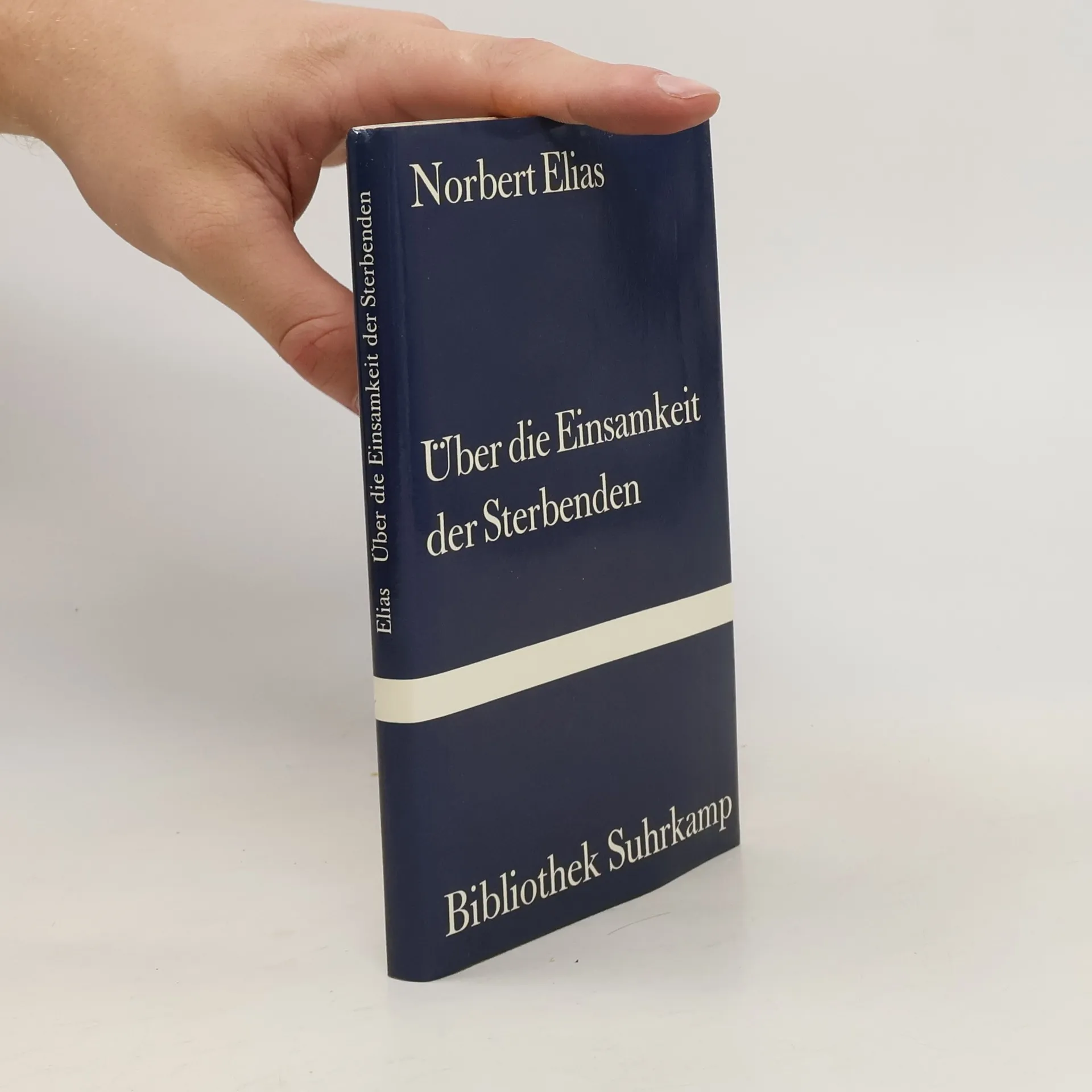
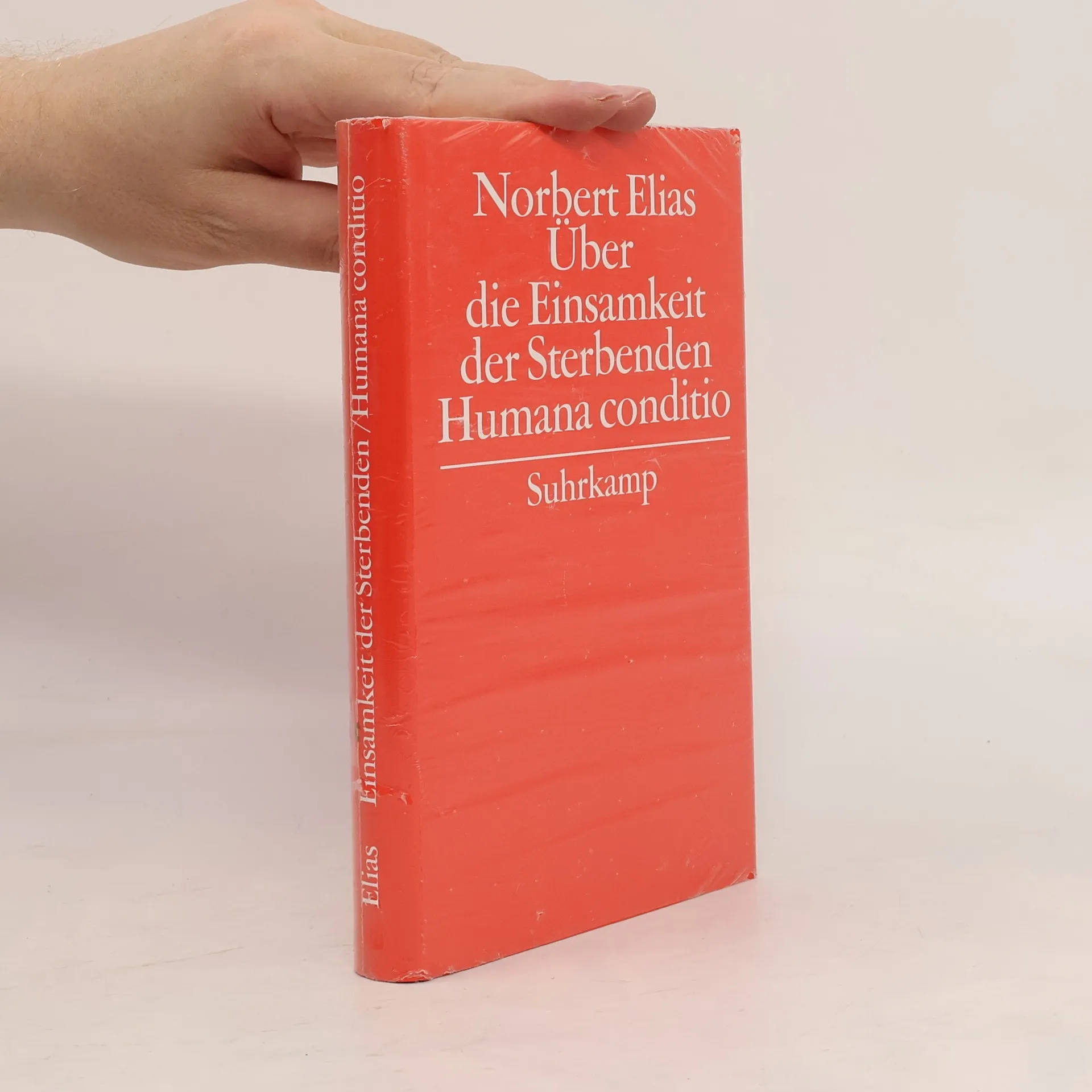
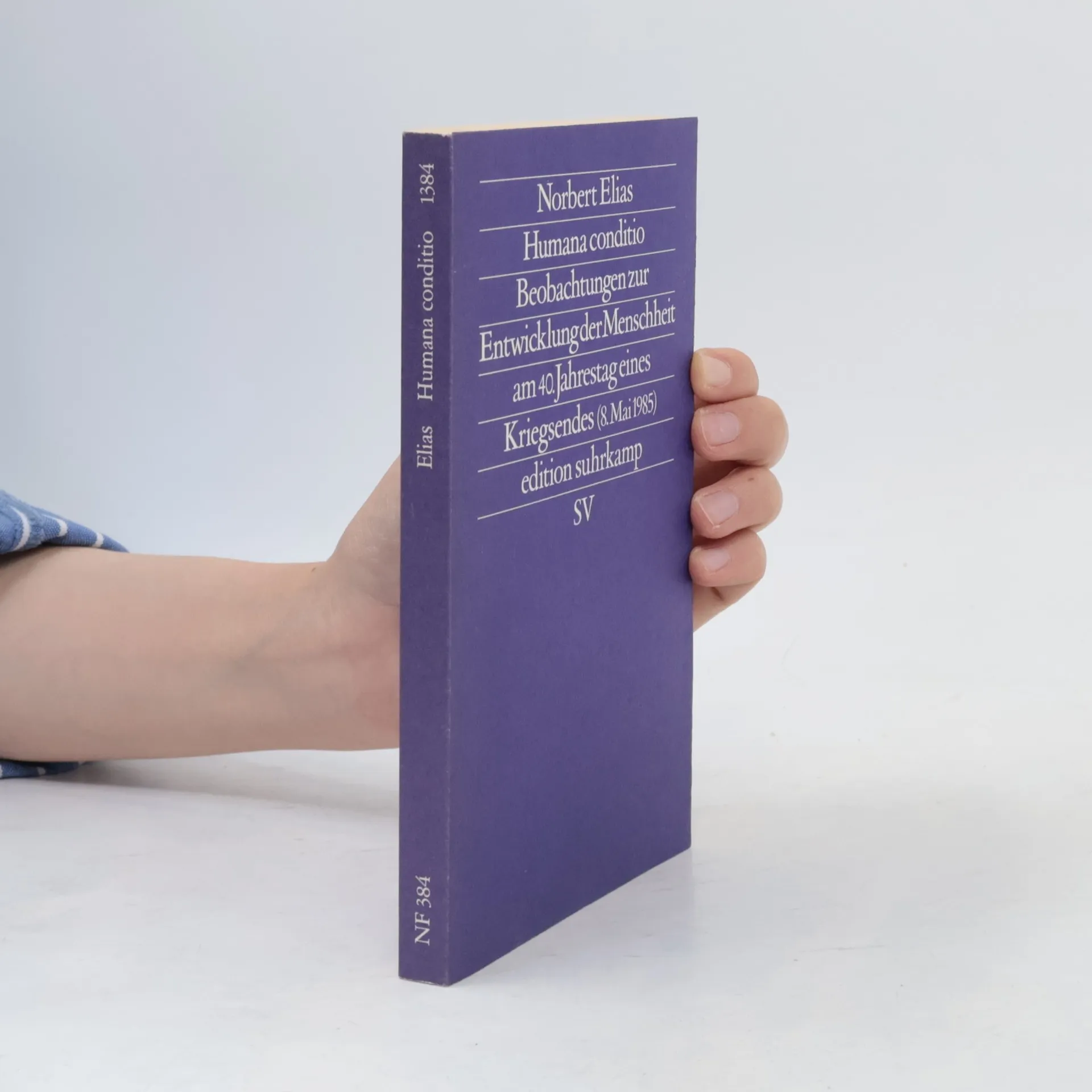
Band 6 der Gesammelten Schriften vereinigt kürzere Texte von Elias, die um die Themen Krieg und Tod kreisen: Humana conditio ist eine eindringliche Stellungnahme gegen den Krieg, die Elias anläßlich des 40. Jahrestages des Kriegsendes formuliert hat: »Wir stehen vor der Wahl zwischen der weitgehenden Selbstzerstörung der Menschheit und der Abschaffung der Haltungen, die zu Kriegen als Mitteln der Lösung zwischenstaatlicher Konflikte führen. Die zweite Alternative verlangt eine weitere Zivilisierung.« Über die Einsamkeit der Sterbenden thematisiert die Tendenzen zeitgenössischer Gesellschaften, die für Art und Ausmaß der sozialen Verdrängung des Todes verantwortlich sind. Elias ist hier über alle soziologische Erkenntnis hinaus ein beeindruckender Essay über die Themen »Tod« und »Sterben« gelungen. Der Vortrag Conditio humana sowie der Text Altern und Sterben runden den Band ab.
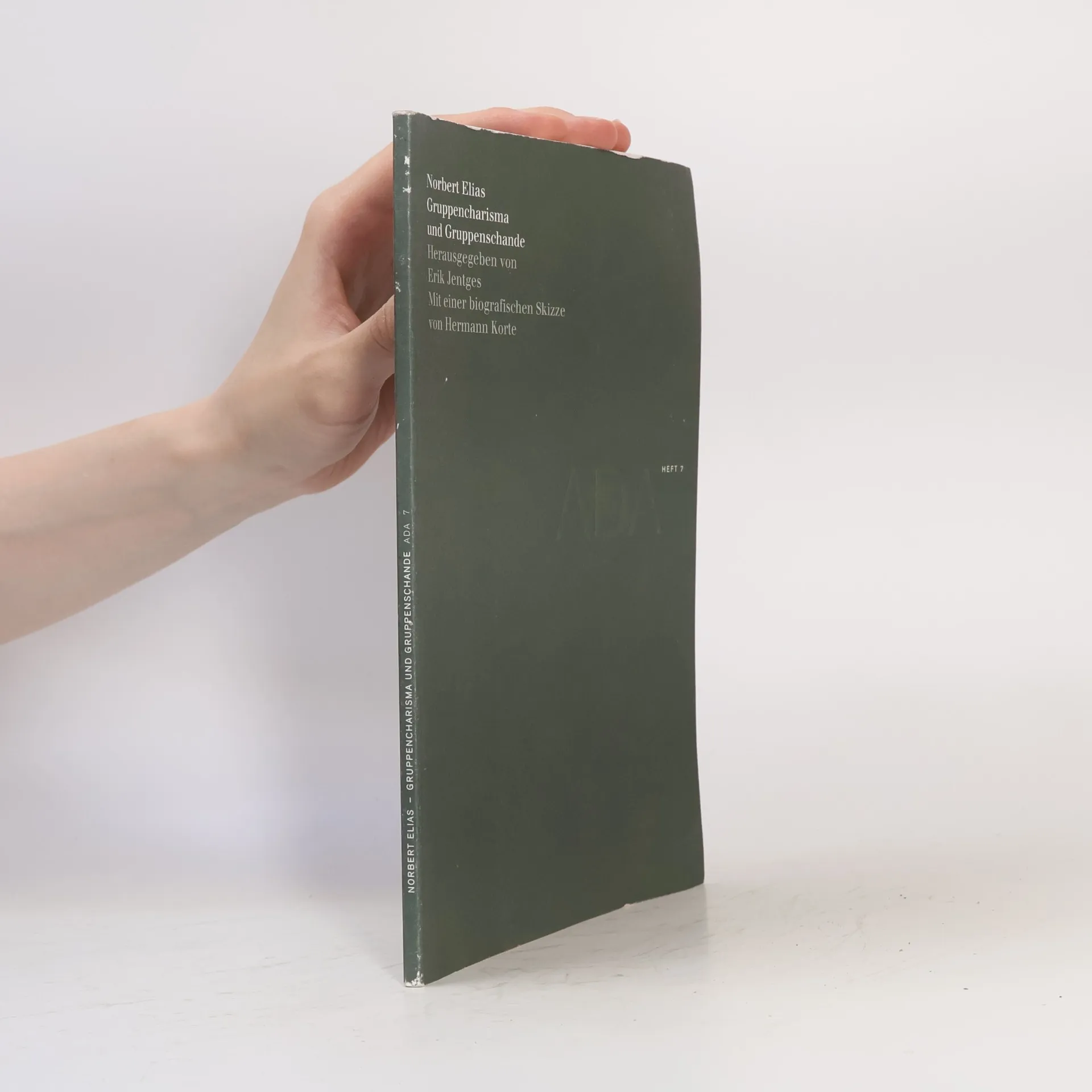
Im April 1964 reist der 67-jährige Norbert Elias vom afrikanischen Accra nach Deutschland, um auf dem 15. Deutschen Soziologentag in Heidelberg einen Vortrag zu halten. Anlässlich des 100. Geburtstags von Max Weber unternimmt die deutsche Soziologie eine Bestandsaufnahme des Faches und seiner Vorgaben ('Soziologie soll heißen …'). In seinem Beitrag setzt sich Elias kritisch mit Max Webers Idealtypus der charismatischen Herrschaft auseinander. Im Rückgriff auf eigene Forschungen in einem englischen Arbeiter-Vorort definiert er Charisma als komplementäres Phänomen aus Gruppencharisma und Gruppenschande. Norbert Elias’ Vortrag, der seine späte Rezeption in Deutschland einleitete, erscheint hier erstmals auf Deutsch.
Norbert Elias (1897-1990) wurde am 22. Juni 1897 in Breslau geboren, wo er auch seine Kindheit verbrachte und nach dem 1. Weltkrieg Medizin und Philosophie studierte. Er promovierte bei Richard Hönigswald, wechselte bald zur Soziologie und wurde »inoffizieller Assistent« bei Karl Mannheim. 1933 floh er aus Deutschland über Paris nach England. Von 1954 bis 1962 war er Dozent für Soziologie an der Universität von Leicester, ab 1965 nahm er verschiedene Gastprofessuren unter anderem in Deutschland wahr; größere Anerkennung setzte hier aber erst mit der breiten Rezeption von Über den Prozeß der Zivilisation ein. 1977 erhielt er den Theodor W. Adorno-Preis der Stadt Frankfurt am Main. Ab 1984 ließ er sich dauerhaft in Amsterdam nieder, wo er am 1. August 1990 starb.
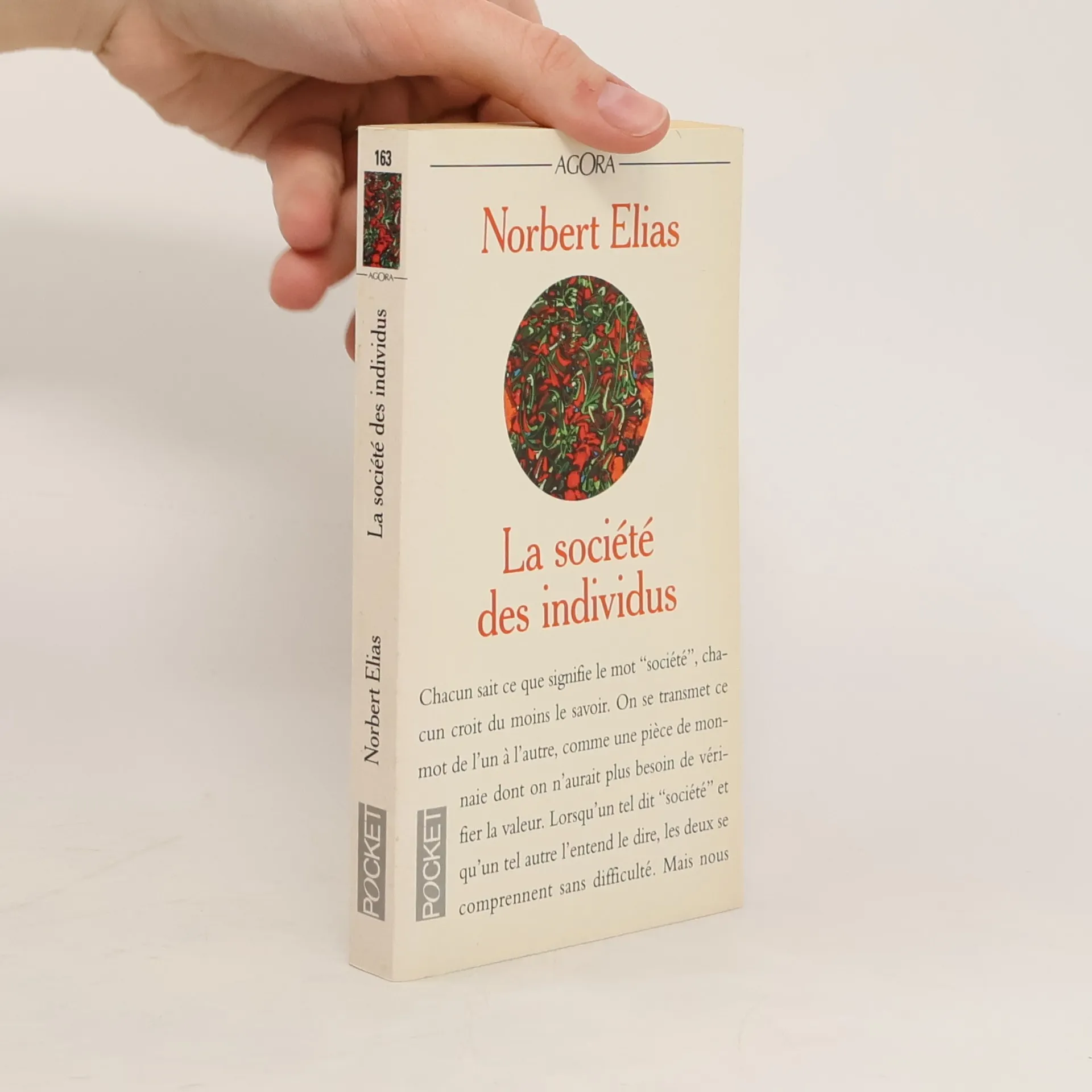
Pour Elias, les individus sont liés les uns aux autres par des liens de dépendance réciproque qui constituent la société même. C'est sous l'effet de cette imbrication que les comportements se sont modifiés au fil des siècles. L'idée moderne de l'individu - cet idéal du moi qui veut exister par lui-même - n'est apparue en Occident qu'au terme d'un long processus, qui est indissociable de la domination des forces de la nature par les hommes et de la différenciation progressive des fonctions sociales. L'individu et la société ne sont donc pas deux entités distinctes, et la dépendance croissante des Etats les uns à l'égard des autres place les hommes dans un processus d'intégration au niveau planétaire. La création des Nations unies et de la Banque mondiale en a été l'une des premières expressions. Le développement d'une nouvelle éthique universelle et, surtout, les progrès d'une conscience d'appartenance à l'humanité tout entière en sont des signes évidents. Un recueil de trois articles clés dans l'œuvre d'Elias, trois étapes majeures de sa réflexion sur le rapport civilisation, individu et sociétés.
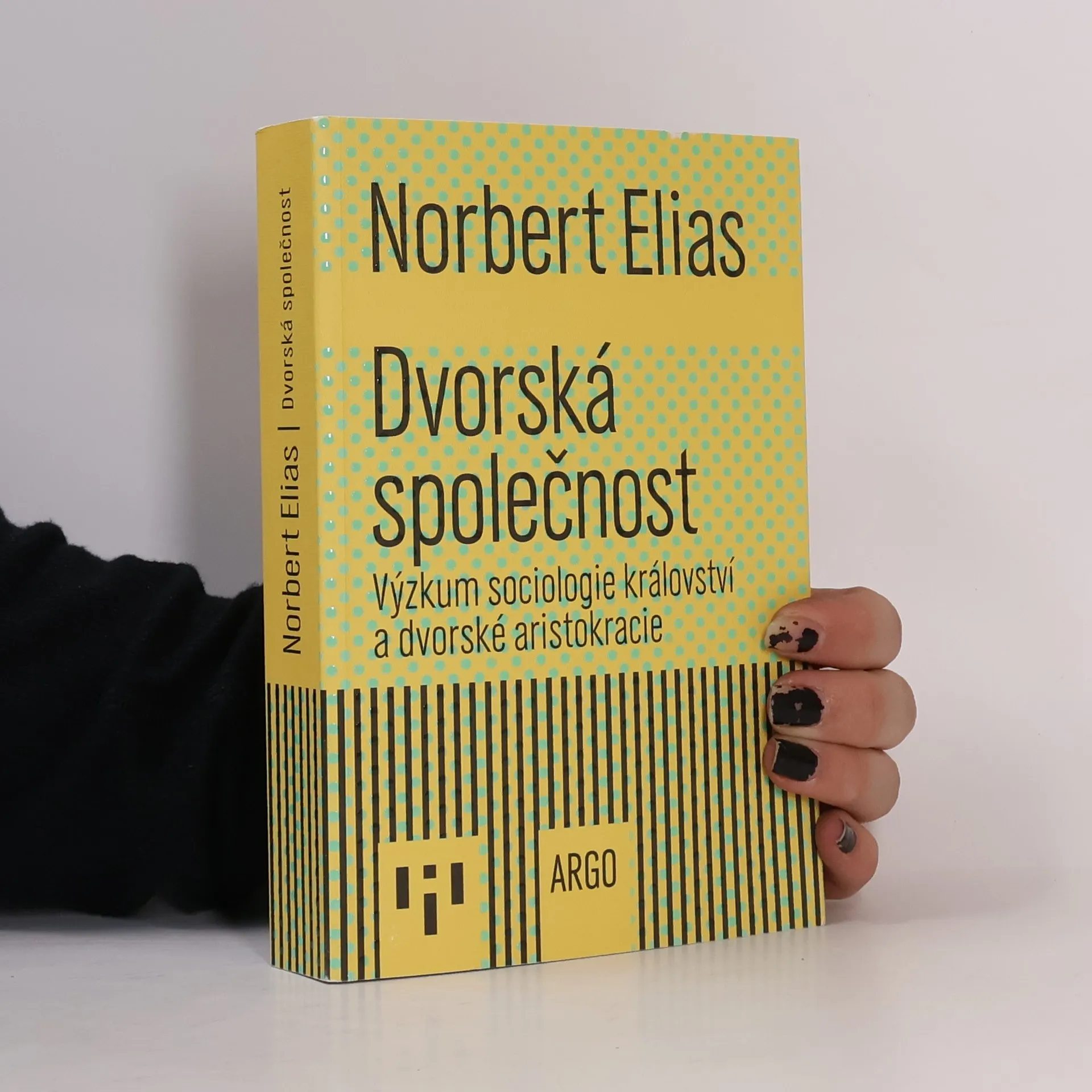
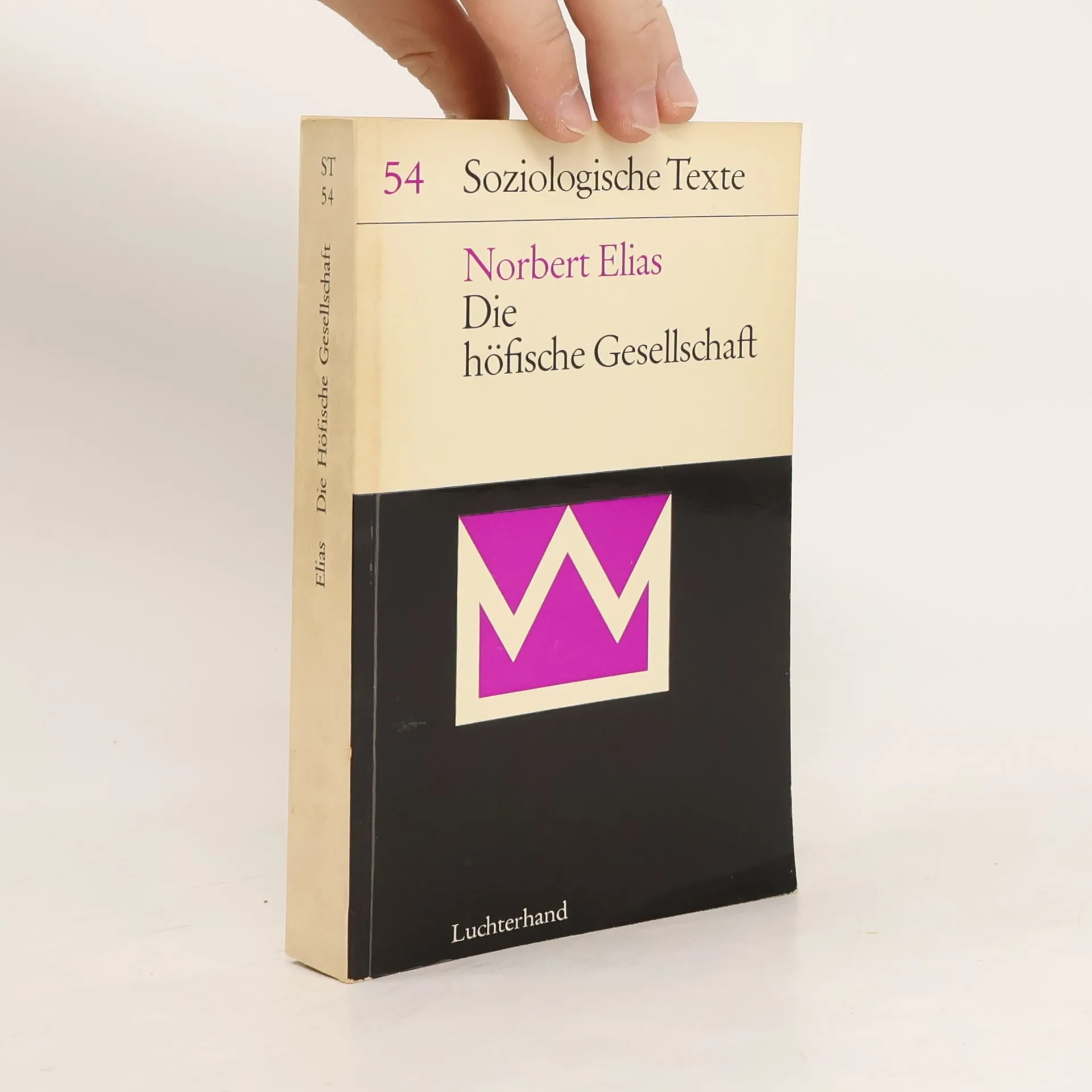
Dvorskou společnost Norbert Elias poprvé vydal v roce 1969. Tato kniha představuje široce pojatou analýzu utváření se společenských a sociálních vztahů v dvorském prostředí v období starého režimu. Středobodem autorova zájmu je dvorská společnost francouzského krále Ludvíka XIV., jež podle jeho názoru vytvořila zcela nové modely společenského chování aristokracie, jež v jistých proměnách přežívaly hluboko do 19. století a jež i při zániku monarchií ve většině západního světa ovlivňují chování politických i kulturních elit do současnosti.
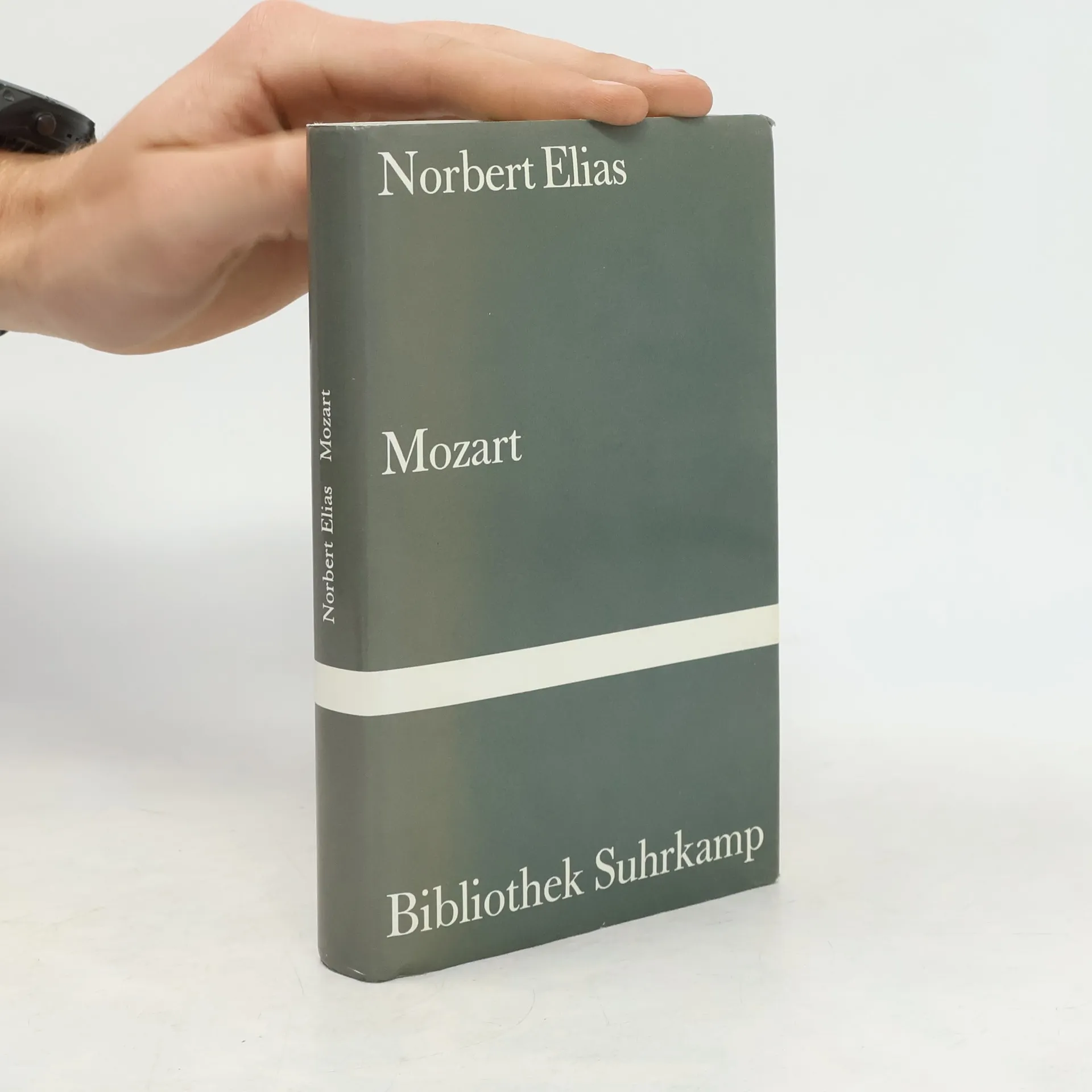
Anläßlich des Vorabdrucks dieser »Soziologie eines Genies« hieß es in der Frankfurter Allgemeinen Zeitung : »... ein überaus lesbares Buch, in dem Elias mit erzählerischer Anschaulichkeit Antworten gibt auf Fragen, wie ›das Genie Mozart‹ zustande kommen konnte. Er erhellt die inneren Antriebe und die äußeren Einflüsse: die Beziehung zum Vater, das nie gestillte Liebesbedürfnis, das Ringen um Anerkennung und die Konflikte eines bürgerlichen Künstlers in einer höfischen Gesellschaft, der sich dem Verhaltenskanon und den Schaffenszwängen eines angestellten Hofmusikers nicht unterwerfen will. Vor allem anhand der Jahre um 1781 zeigt Elias die sozialen Konflikte eines Genies in einer Gesellschaft, die den Geniebegriff noch nicht kannte.«
Ústředním tématem knihy jsou především dlouhodobé procesy transformace společenských a osobnostních struktur. Jak se vyvíjela západní civilizace? Na čem je založena? A na základě jakých podnětů a příčin se rodila? Přesto se v případě Eliasova díla nejedná ani o nějaký popis „evoluce“ v duchu 19. století, ani o zkoumání „proměn společnosti“ v duchu století následujícího. Eliasova práce (již v době nástupu módní marxistické vlny na Západě 60. let málokdo věnoval pozornost) představuje základ nedogmatické, empiricky fundované sociologické teorie sociálních procesů.
A déjà paru chez Calmann-Lévy en 1973. Réflexion à caractère sociologique. L'original allemand a paru en 1939. Deux parties: La notion de culture et de civilisation en Allemagne et en France - Comment on peut être civilisé: problème historique et sociologique, certaines manières de se comporter (à table, quelques fonctions naturelles, relations sexuelles, agressivité). L'auteur fait appel à des manuels de bonnes manières et, par ses commentaires, montre comment la sensibilité diffère d'un époque à l'autre.
Dieser Nachlass von Norbert Elias untersucht die soziologischen Aspekte von Lebensthemen und deren zivilisationstheoretische Verarbeitung. Er behandelt die Herausforderungen der menschlichen Sinngebung und -entleerung, insbesondere in einer von Konflikten geprägten Welt. Ergänzt durch Einleitung und Nachwort.
Uhren, Kalender, Zeitpläne: Die Zeit scheint eine Zwangsmaßnahme zu sein, der niemand entkommen kann. Wir haben das Gefühl, dass die Zeit vergeht, aber die Zeit existiert nicht von sich aus, behauptet Norbert Elias. Sie ist vor allem ein gesellschaftliches Symbol, das Ergebnis eines Lernprozesses, der sich über Jahrtausende erstreckt hat. Zu welchem Zweck mussten die Menschen die Zeit bestimmen? Wie wurde das Bewusstsein für die Zeit zu einer zweiten Natur? In dieser umfassenden Erkundung der Erfahrung von Zeit im Laufe der Epochen lädt Norbert Elias uns ein, über einen grundlegenden Aspekt des Zivilisationsprozesses nachzudenken.
Norbert Elias (1897-1990) wurde am 22. Juni 1897 in Breslau geboren, wo er auch seine Kindheit verbrachte und nach dem 1. Weltkrieg Medizin und Philosophie studierte. Er promovierte bei Richard Hönigswald, wechselte bald zur Soziologie und wurde »inoffizieller Assistent« bei Karl Mannheim. 1933 floh er aus Deutschland über Paris nach England. Von 1954 bis 1962 war er Dozent für Soziologie an der Universität von Leicester, ab 1965 nahm er verschiedene Gastprofessuren unter anderem in Deutschland wahr; größere Anerkennung setzte hier aber erst mit der breiten Rezeption von Über den Prozeß der Zivilisation ein. 1977 erhielt er den Theodor W. Adorno-Preis der Stadt Frankfurt am Main. Ab 1984 ließ er sich dauerhaft in Amsterdam nieder, wo er am 1. August 1990 starb.
Band 6 der Gesammelten Schriften vereinigt kürzere Texte von Elias, die um die Themen Krieg und Tod kreisen: Humana conditio ist eine eindringliche Stellungnahme gegen den Krieg, die Elias anläßlich des 40. Jahrestages des Kriegsendes formuliert hat: »Wir stehen vor der Wahl zwischen der weitgehenden Selbstzerstörung der Menschheit und der Abschaffung der Haltungen, die zu Kriegen als Mitteln der Lösung zwischenstaatlicher Konflikte führen. Die zweite Alternative verlangt eine weitere Zivilisierung.« Über die Einsamkeit der Sterbenden thematisiert die Tendenzen zeitgenössischer Gesellschaften, die für Art und Ausmaß der sozialen Verdrängung des Todes verantwortlich sind. Elias ist hier über alle soziologische Erkenntnis hinaus ein beeindruckender Essay über die Themen »Tod« und »Sterben« gelungen. Der Vortrag Conditio humana sowie der Text Altern und Sterben runden den Band ab.