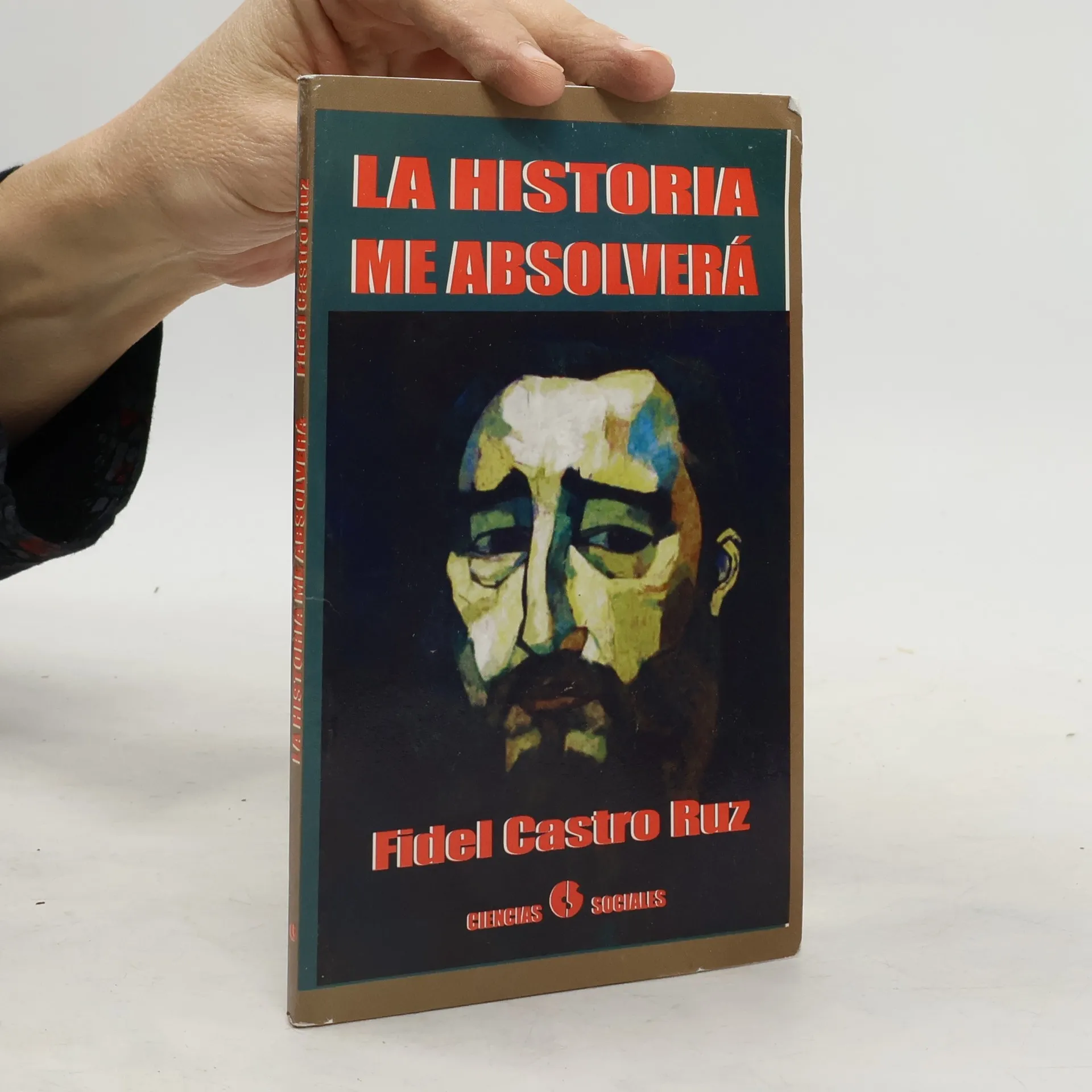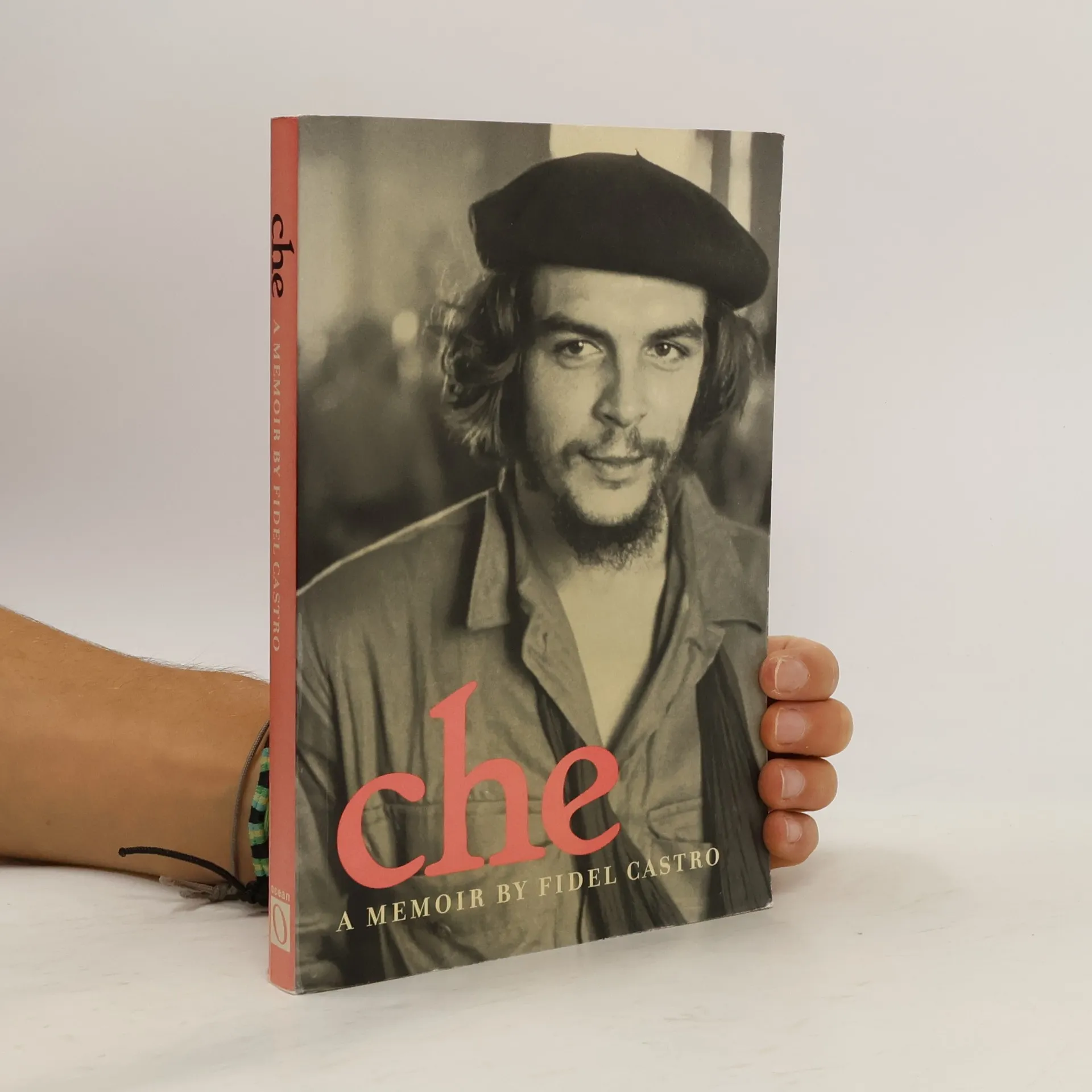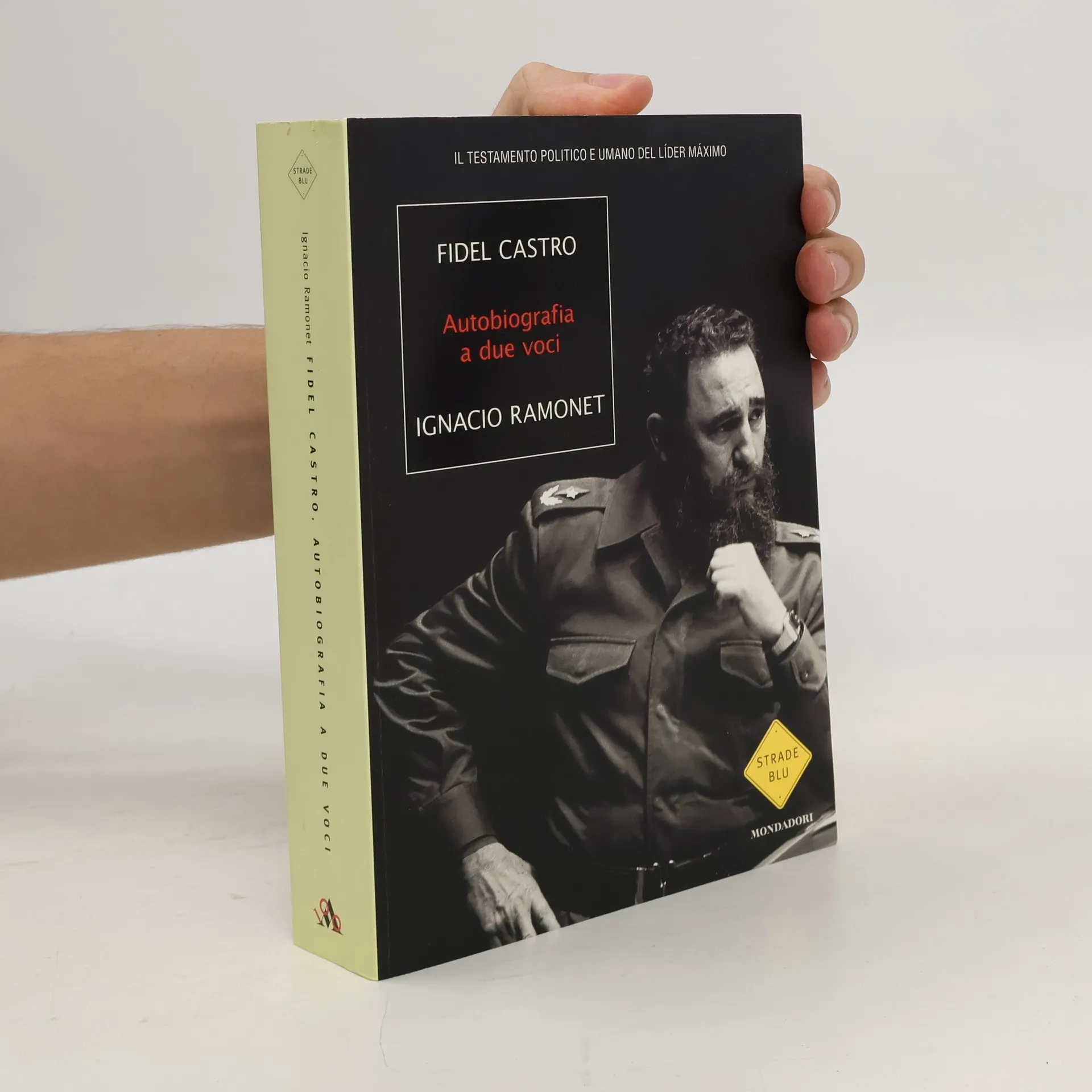

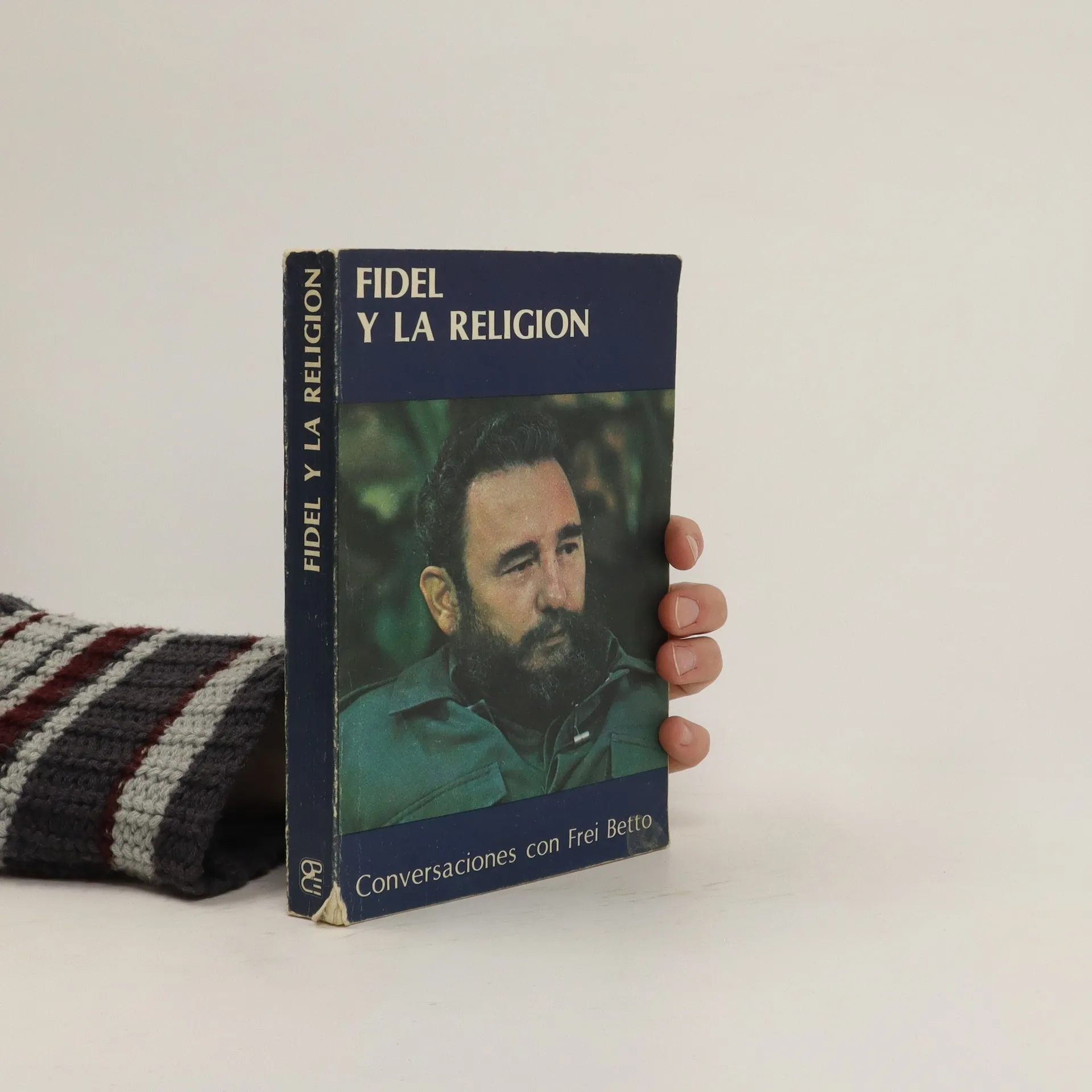
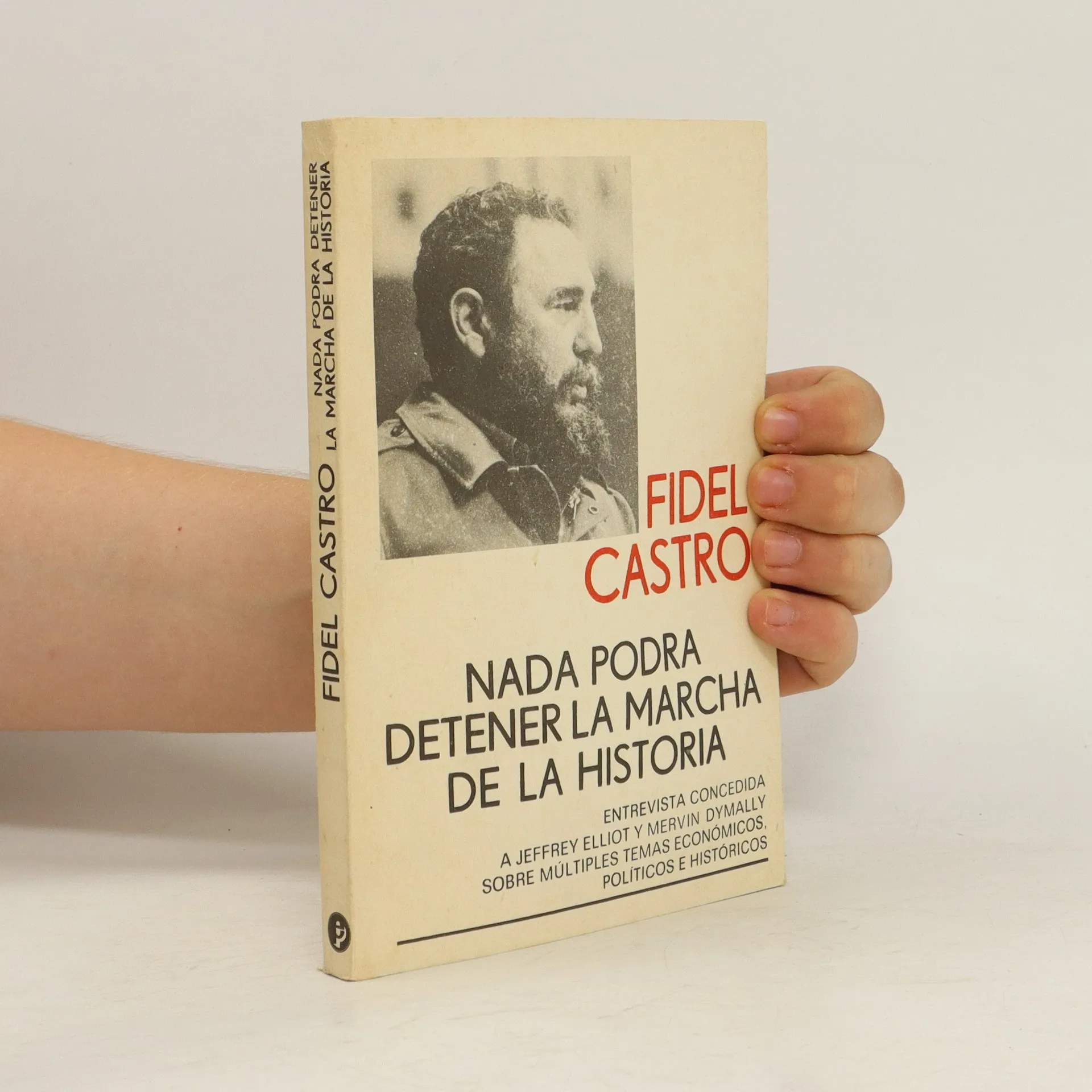
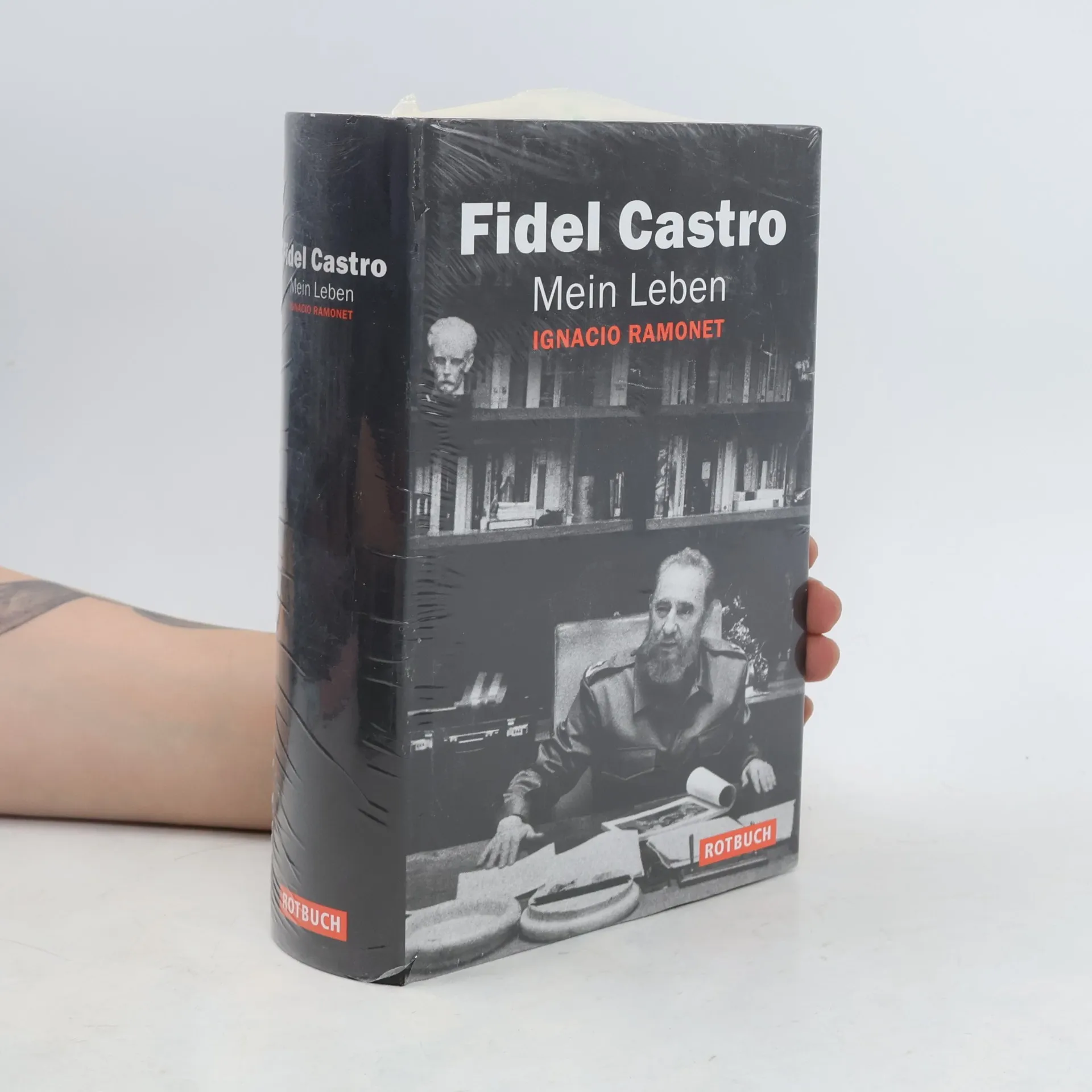

Cien horas con Fidel
- 798 páginas
- 28 horas de lectura
Cien horas con Fidel recoge el contenido de las largas conversaciones sostenidas entre el Comandante en Jefe Fidel Castro y el intelectual y periodista francés Ignacio Ramonet entre principios de 2003 y mediados del 2005. Es un libro excepcional por la magnitud, diversidad y trascendencia de esta entrevista. Nunca antes Fidel había dedicado tantas horas a una conversación con fines de publicación en forma de libro, ni abordado un espectro de temas tan copioso en una sola entrevista, desde los recuerdos y vivencias de la infancia en Birán y en Santiago de Cuba, los años escolares y universitarios, los primeros afanes políticos y revolucionarios contra la tiranía batistiana, hasta las más recientes batallas de la Revolución Cubana: contra el bloqueo y la criminal Ley de Ajuste, por la liberación de los Cinco Héroes, el comandante contra toda forma de corrupción, la revolución energética y la grandiosa Batalla de Ideas que actualmente libera al pueblo cubano. El valor fundamental de este libro está en la profundidad de los análisis y respuesta del entrevistado.