Walter Scheidel, die moderne Geschichtskomparatistik und Oswald Spengler
Reden anlässlich der Verleihung des Oswald-Spengler-Preises an Walter Scheidel 13. November 2020
- 162 páginas
- 6 horas de lectura


Walter Scheidel es un distinguido profesor cuyo trabajo tiende puentes entre las humanidades, las ciencias sociales y las ciencias de la vida. Su extensa investigación profundiza en la historia social y económica de las sociedades premodernas, la demografía histórica y la historia global comparada. Se dedica especialmente a explorar las dinámicas históricas de la desigualdad, la formación del estado y el bienestar humano a través de diferentes culturas y épocas. La erudición de Scheidel se caracteriza por su enfoque transdisciplinario, buscando conectar campos de estudio dispares.



Reden anlässlich der Verleihung des Oswald-Spengler-Preises an Walter Scheidel 13. November 2020
The fall of the Roman Empire has long been considered one of the greatest disasters in history. But in this groundbreaking book, Walter Scheidel argues that Rome's dramatic collapse was actually the best thing that ever happened, clearing the path for Europe's economic rise and the creation of the modern age. Ranging across the entire premodern world, 'Escape from Rome' offers new answers to some of the biggest questions in history: Why did the Roman Empire appear? Why did nothing like it ever return to Europe? And, above all, why did Europeans come to dominate the world? In an absorbing narrative that begins with ancient Rome but stretches far beyond it, from Byzantium to China and from Genghis Khan to Napoleon, Scheidel shows how the demise of Rome and the enduring failure of empire-building on European soil ensured competitive fragmentation between and within states.
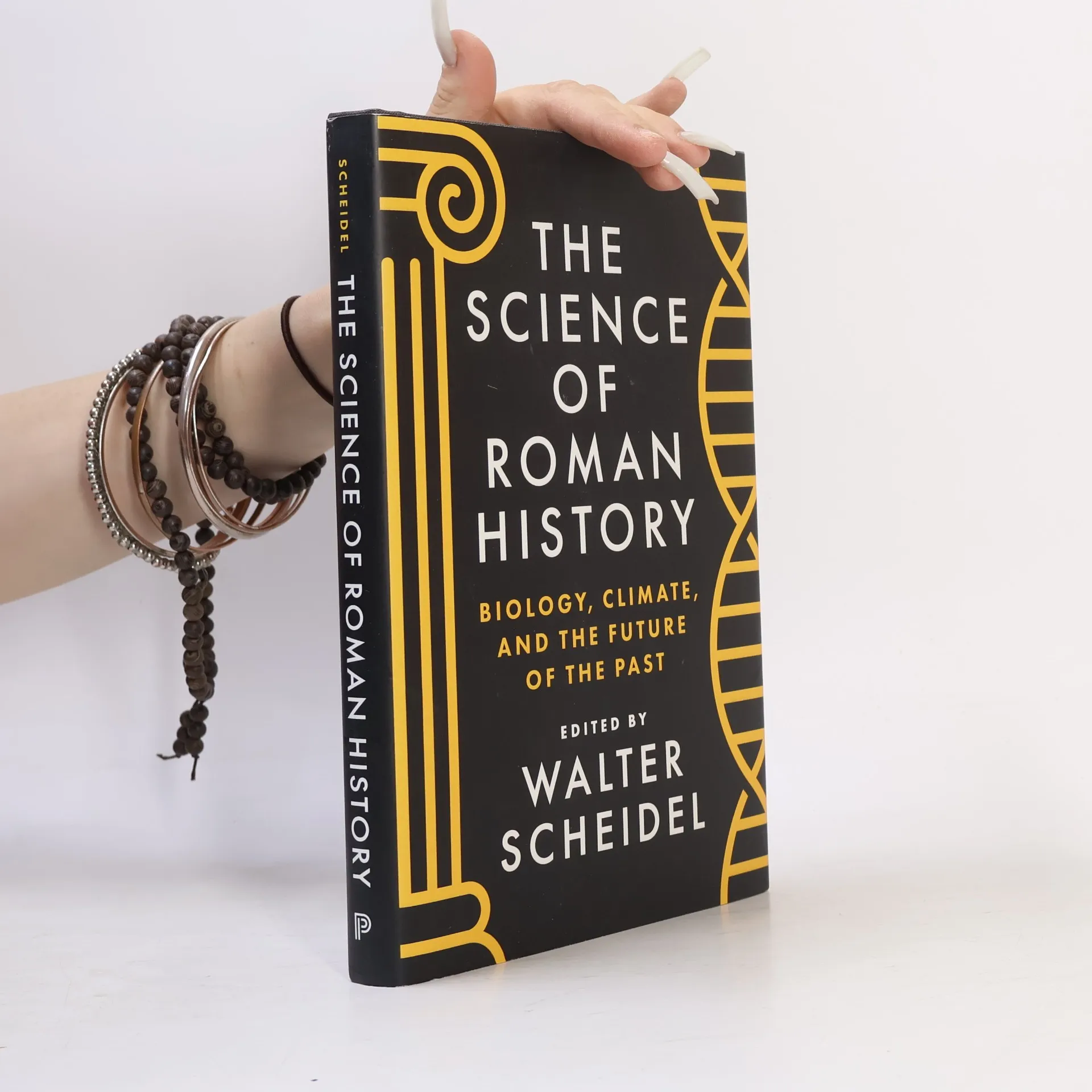
The Science of Roman History is a very timely book. With state-of-the-art contributions by scholars who are leaders in their respective fields, it describes how the integration of natural and human archives is changing the entire historical enterprise. I highly recommend that all historians read this important contribution.--J. G. Manning, author of The Last Pharaohs
Are mass violence and catastrophes the only forces that can significantly reduce economic inequality? Historical evidence suggests they are. Tracing the global history of inequality from the Stone Age to the present, Walter Scheidel demonstrates that inequality declines only when faced with carnage and disaster, and tends to rise again during periods of peace and stability. This work charts the critical role of violent shocks in diminishing inequality throughout human history. Since the advent of agriculture and the transmission of wealth, economic inequality has been a hallmark of civilization. Over millennia, only violent events have notably lessened this inequality. The "Four Horsemen" of leveling—mass-mobilization warfare, transformative revolutions, state collapse, and catastrophic plagues—have repeatedly dismantled the wealth of the affluent. Scheidel explores these phenomena, from early civilization crises to the world wars and communist revolutions of the twentieth century. While the violence that historically mitigated inequality has waned, raising concerns about future equality, this analysis offers vital insights into the persistence of inequality and the challenges of achieving a more equitable society.
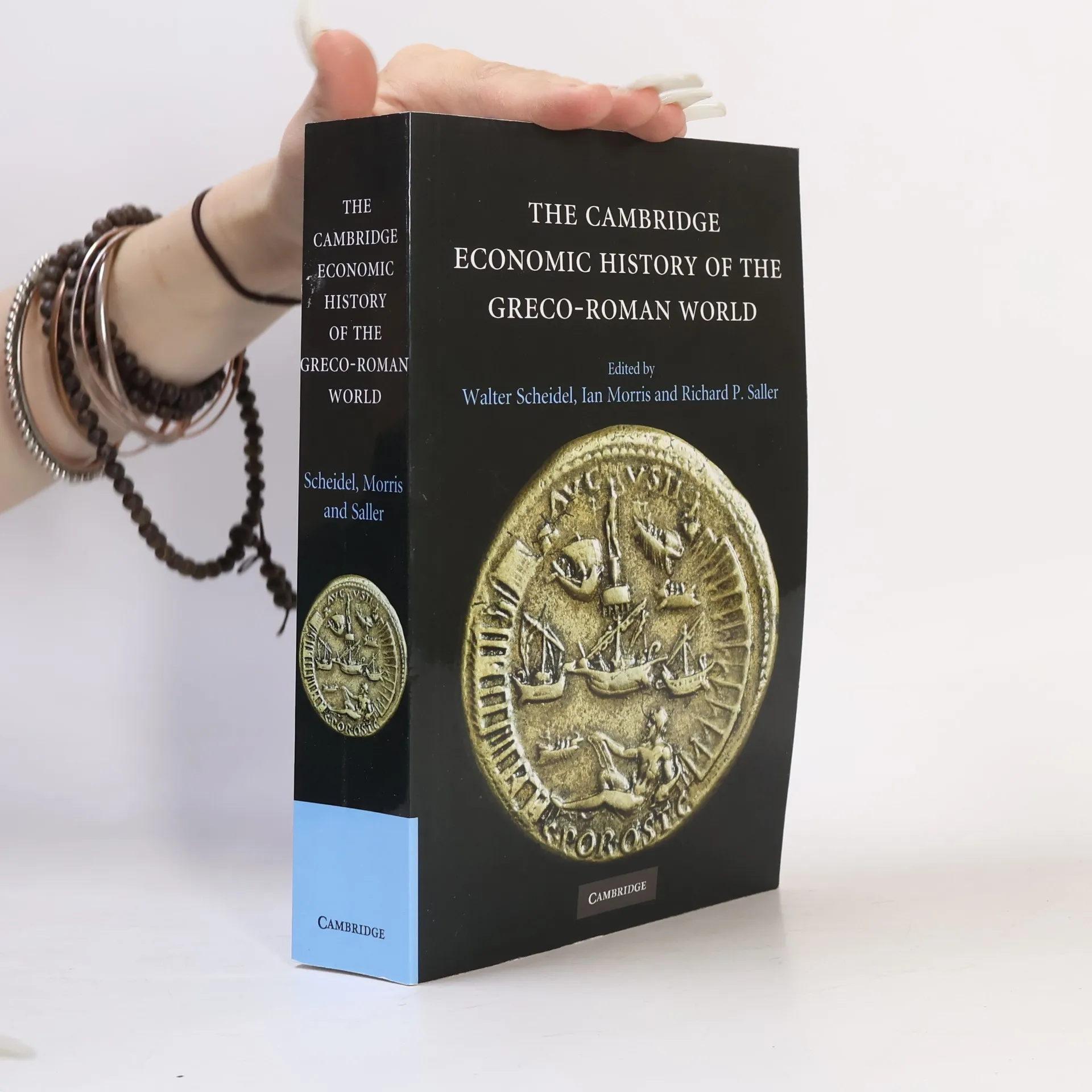
In this, the first comprehensive one-volume survey of the economies of classical antiquity, twenty-eight chapters summarise the current state of scholarship in their specialised fields and sketch new directions for research. The approach taken is both thematic, with chapters on the underlying determinants of economic performance, and chronological, with coverage of the whole of the Greek and Roman worlds extending from the Aegean Bronze Age to Late Antiquity. The contributors move beyond the substantivist-formalist debates that dominated twentieth-century scholarship and display a new interest in economic growth in antiquity. New methods for measuring economic development are explored, often combining textual and archaeological data that have previously been treated separately. Fully accessible to non-specialist, the volume represents a major advance in our understanding of the economic expansion that made the civilisation of the classical Mediterranean world possible.
Ausgezeichnet: Choice Outstanding Academic Title 2013
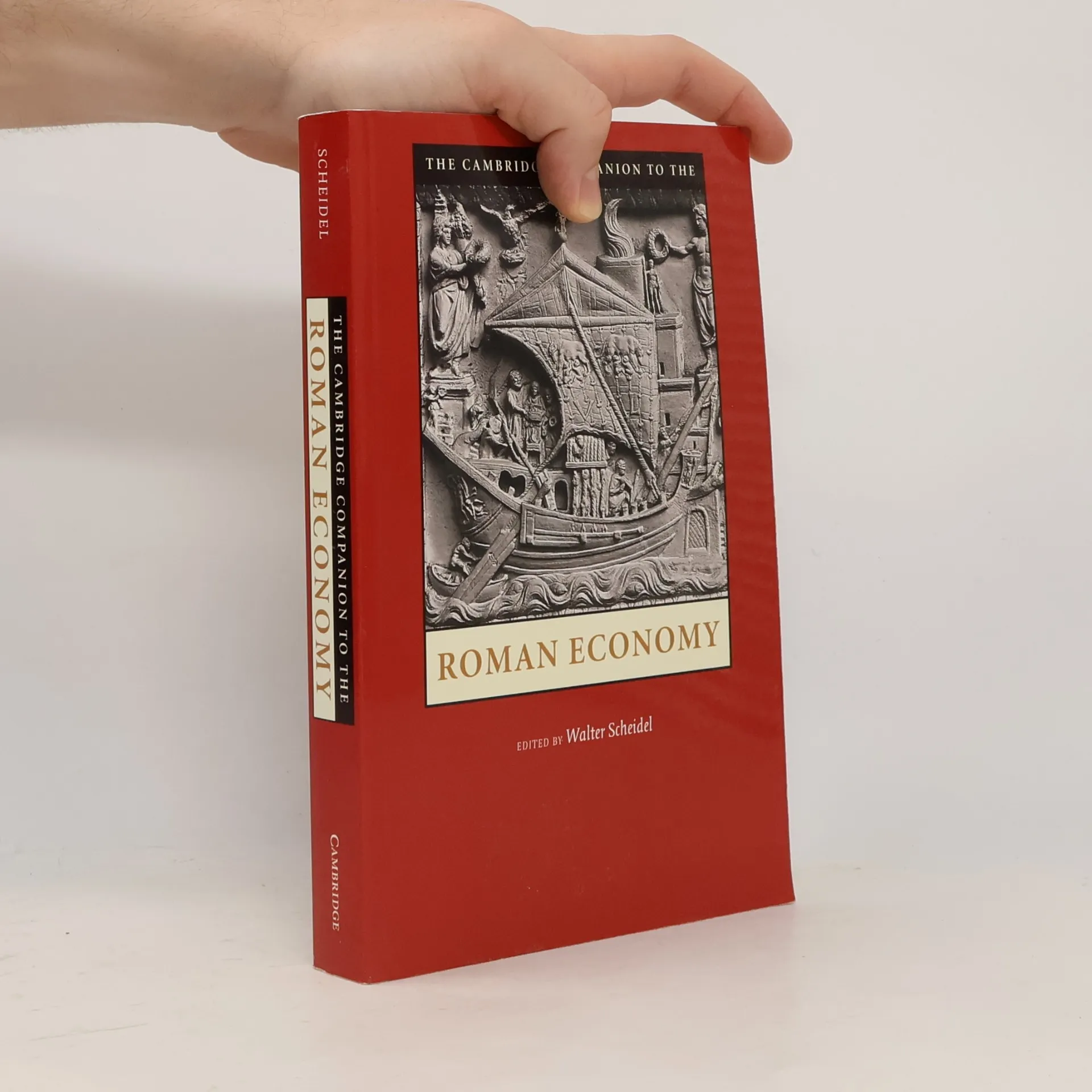
A sophisticated introduction to and assessment of all aspects of the Roman Empire's economic life.
This volume brings together experts in the history of the ancient Mediterranean and early China and presents a series of comparative case studies on clearly defined aspects of state formation in early eastern and western Eurasia, focusing on the process of initial developmental convergence.
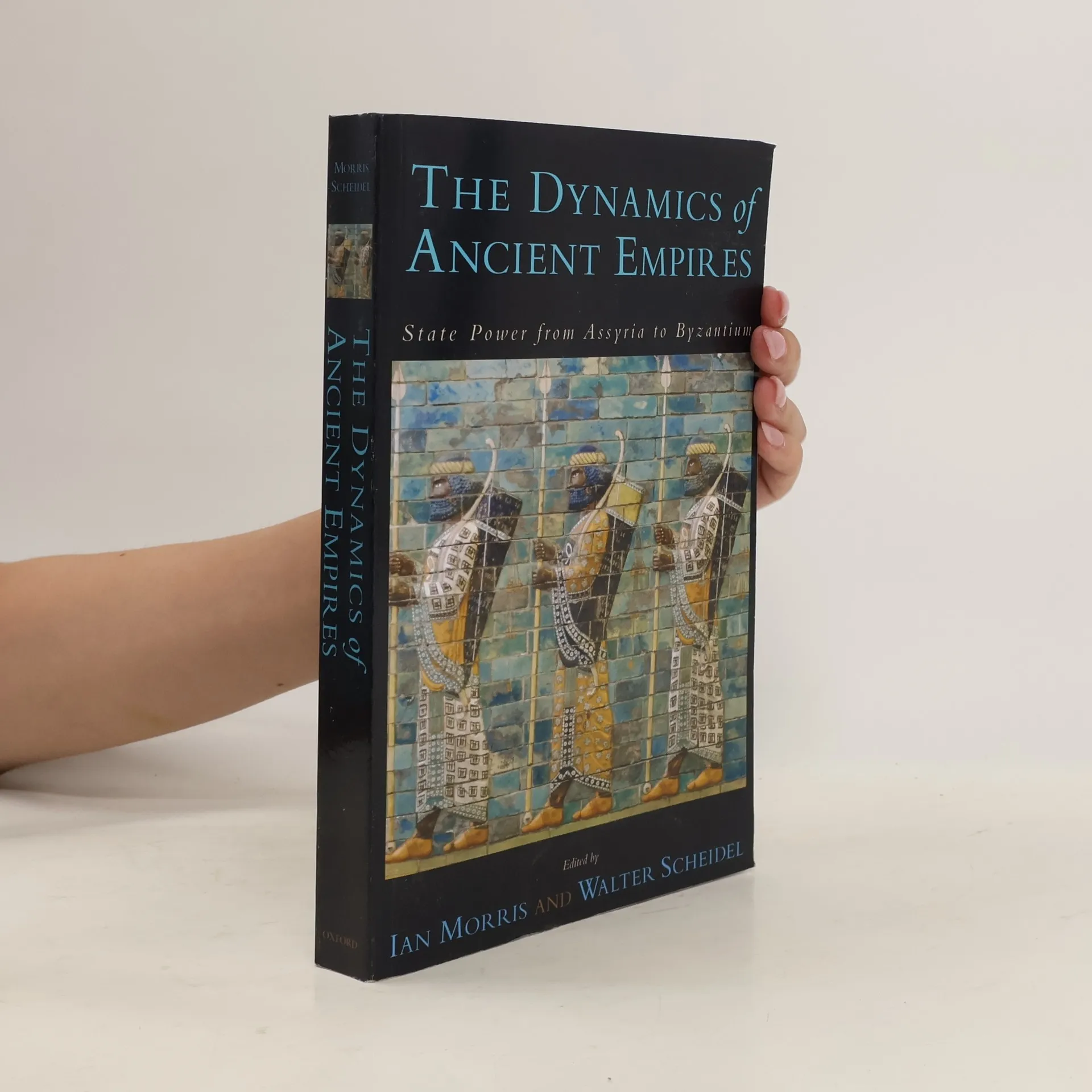
"Greek and Roman empires have largely been studied in isolation from those of the Near East. This volume is designed to encourage dialogue across disciplinary boundaries by examining the fundamental features of the successive and partly overlapping imperial states that dominated much of the Near East and the Mediterranean in the first millennia BCE and CE."--Back cover.
In conjection with an extensive critical survey of recent advances and controversies in Roman demography, the four case-studies in this volume illustrate a variety of different approaches to the study of ancient population history. The contributions address a number of crucial issues in Roman demography from the evolution of the academic field to seasonal patterns of fertility, the number of Roman citizens, population pressure in the early Roman empire, and the end of classical urbanism in late antiquity. This is the first collaborative volume of its kind. It is designed to introduce ancient historians and classicists to demographic, comparative and interdisciplinary perspectives, and to situate and contextualize Roman population studies in the wider ambit of historical demography.