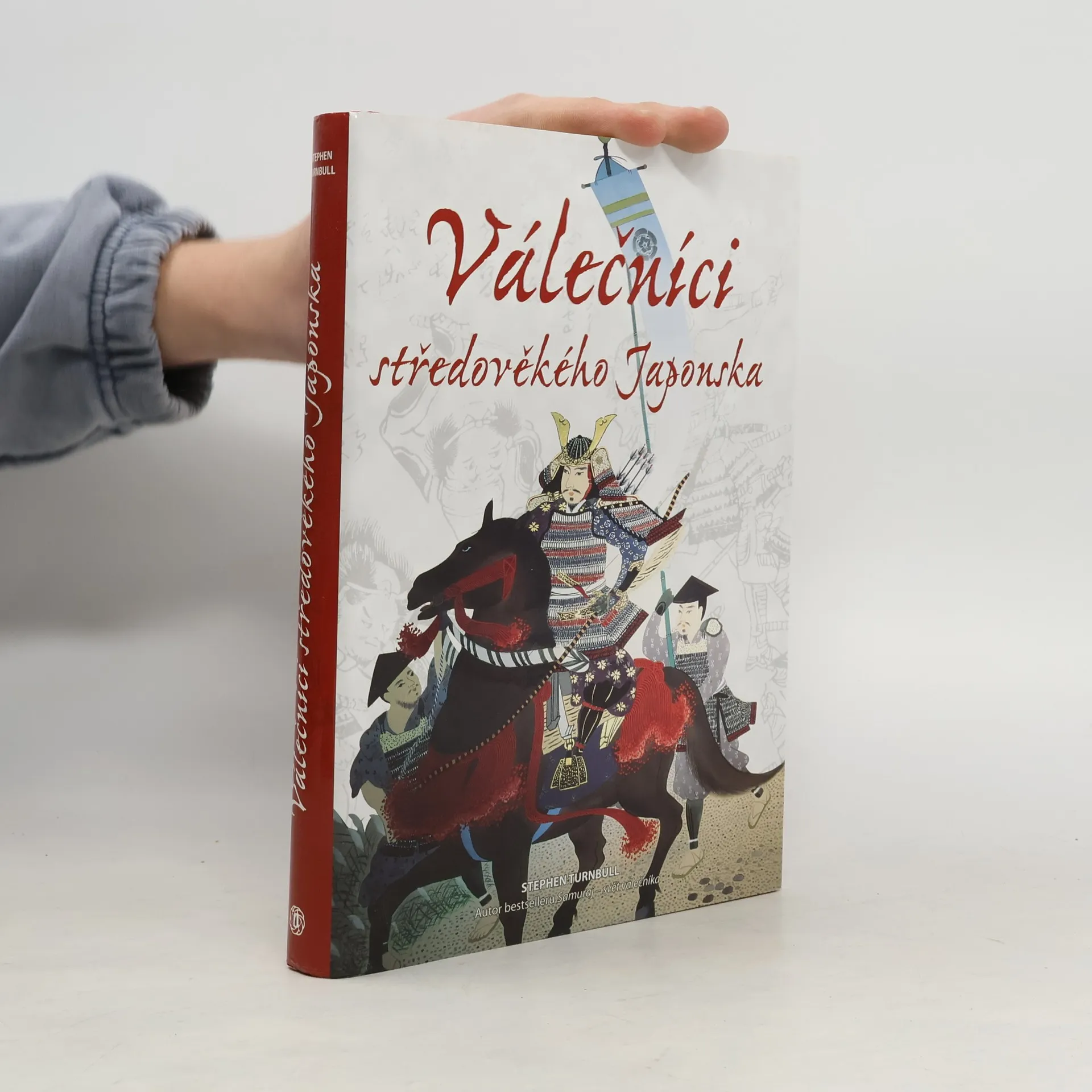
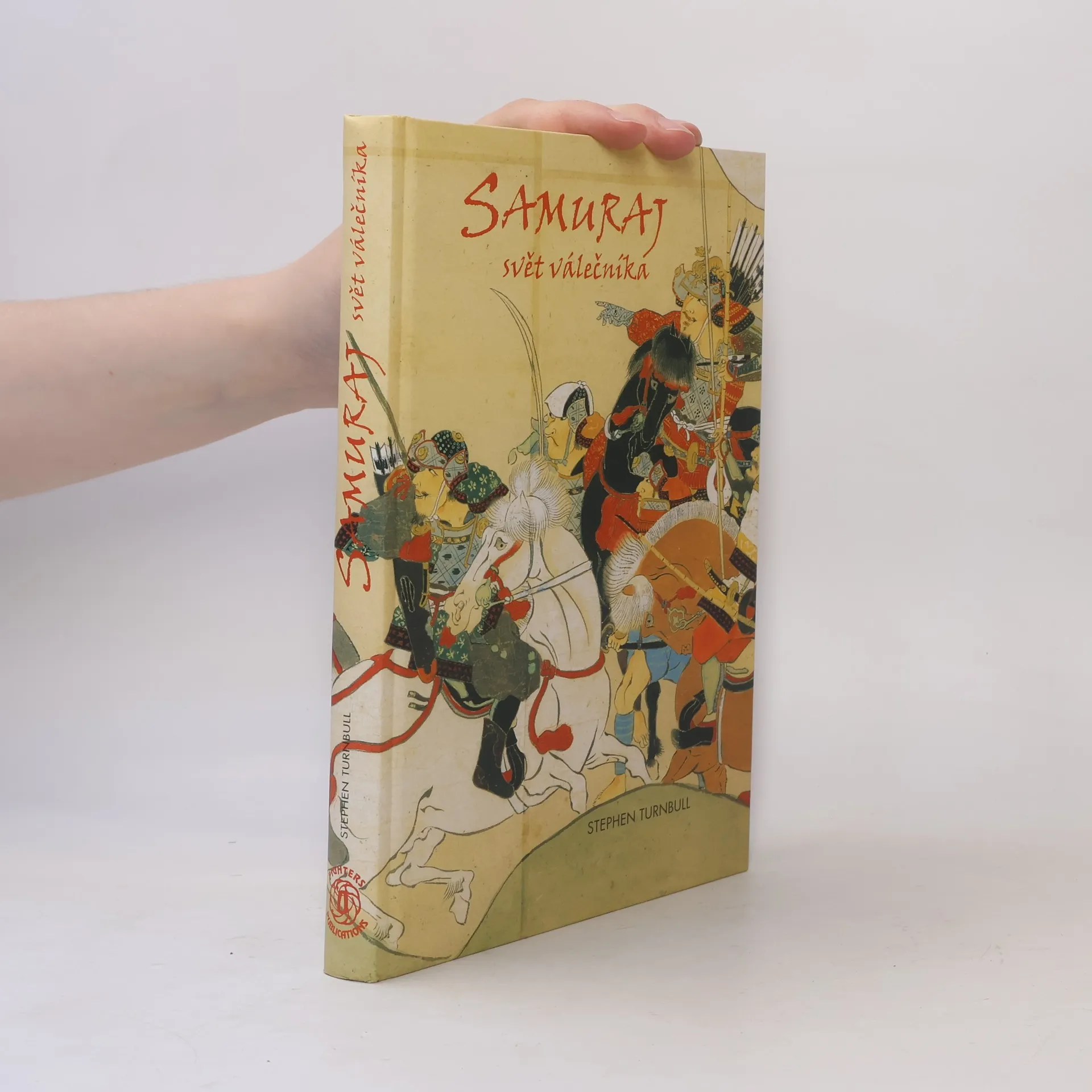
Stephen Turnbull es un historiador británico especializado en la historia militar del Lejano Oriente, en particular de los samuráis de Japón. Su obra se centra en temas japoneses y mongoles, adentrándose también en temas medievales. Imparte clases sobre religiones del Lejano Oriente en la Universidad de Leeds. Sus escritos son valorados por sus profundas perspectivas sobre la historia y la cultura militar.
Important sourcebook investigates the developments in samurai army organization, weapon technology and communication. Travel through the history of warfare and see how it evolved through the centuries. Take an in-depth look at battles, siege craft and naval warfare. Remarkable color artwork, photographs, and illustrations fill the pages along with reconstructions of battle scenes, archive materials, maps and plans, tactics to actual case studies.
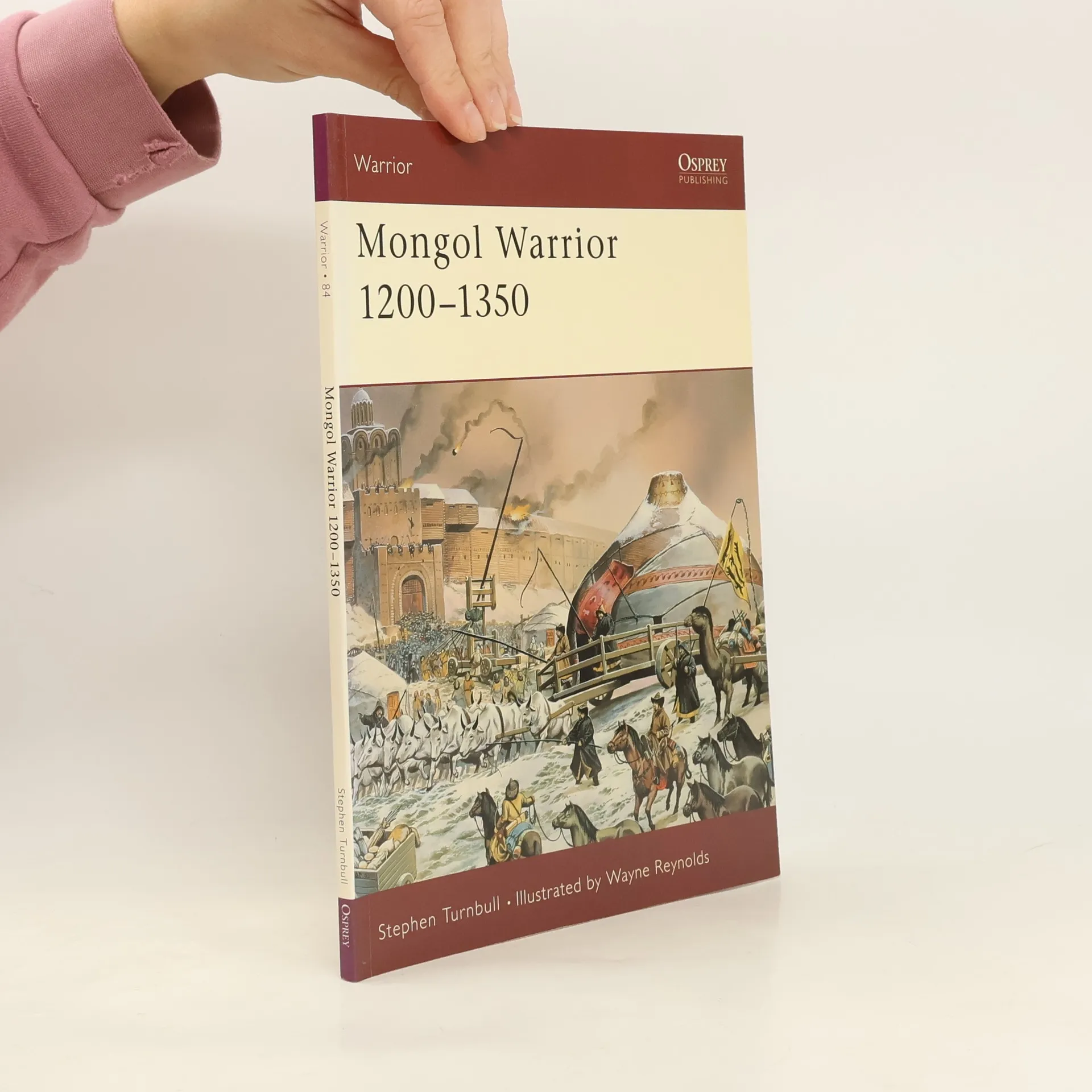
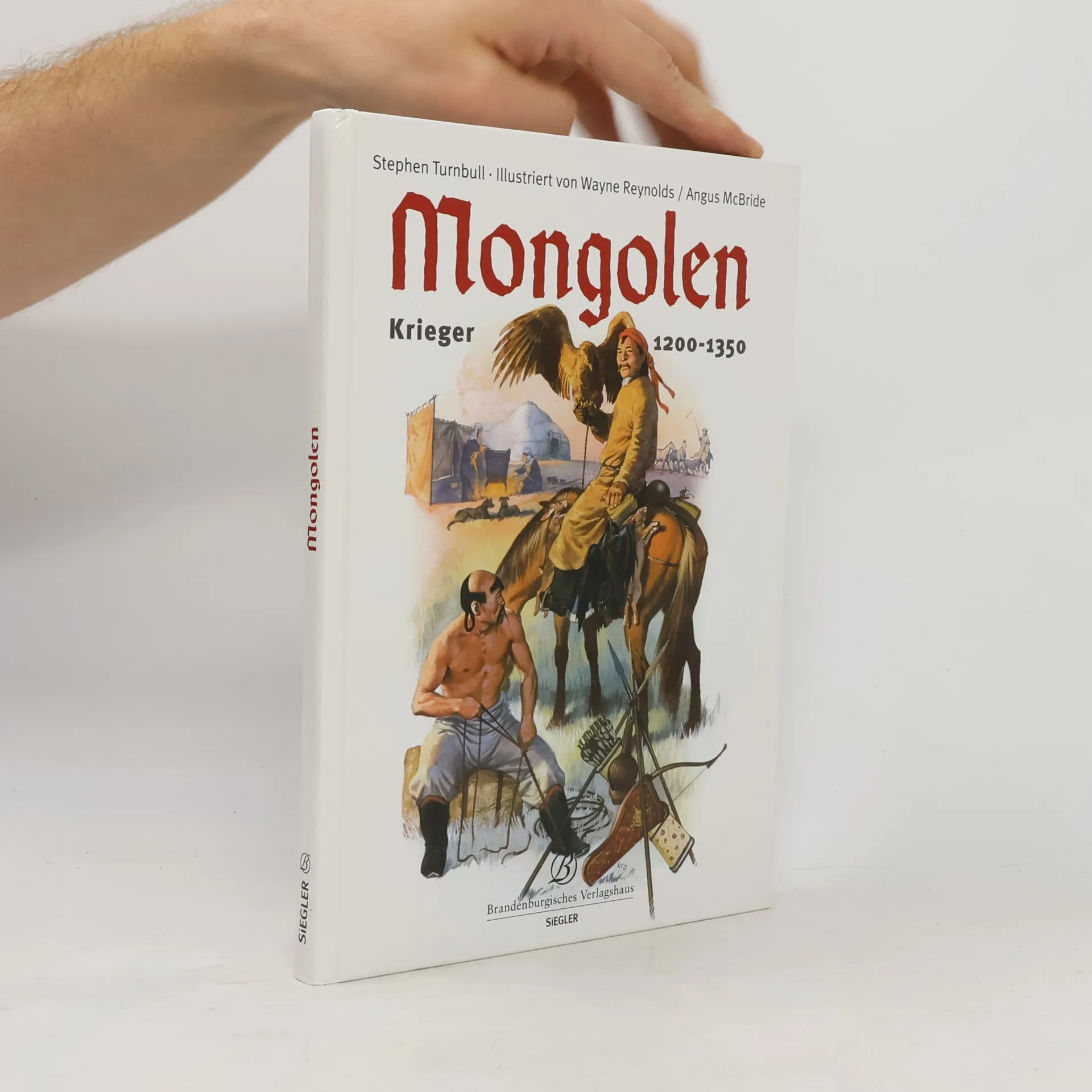
The Mongol warriors are one of the great success stories of world military history. Under the leadership of Genghis Khan and his successors the Mongols conquered much of the known world, fighting in territory ranging from the frozen steppes, the wilderness of Palestine, the jungles of Java and the great rivers of China. Through all this they showed a remarkable ability to adopt, adapt and improve a vast range of military techniques and technology, from siege weapons to naval warfare. This book tells the story of this remarkable military organisation, including details of weaponry, tactics, training and beliefs.
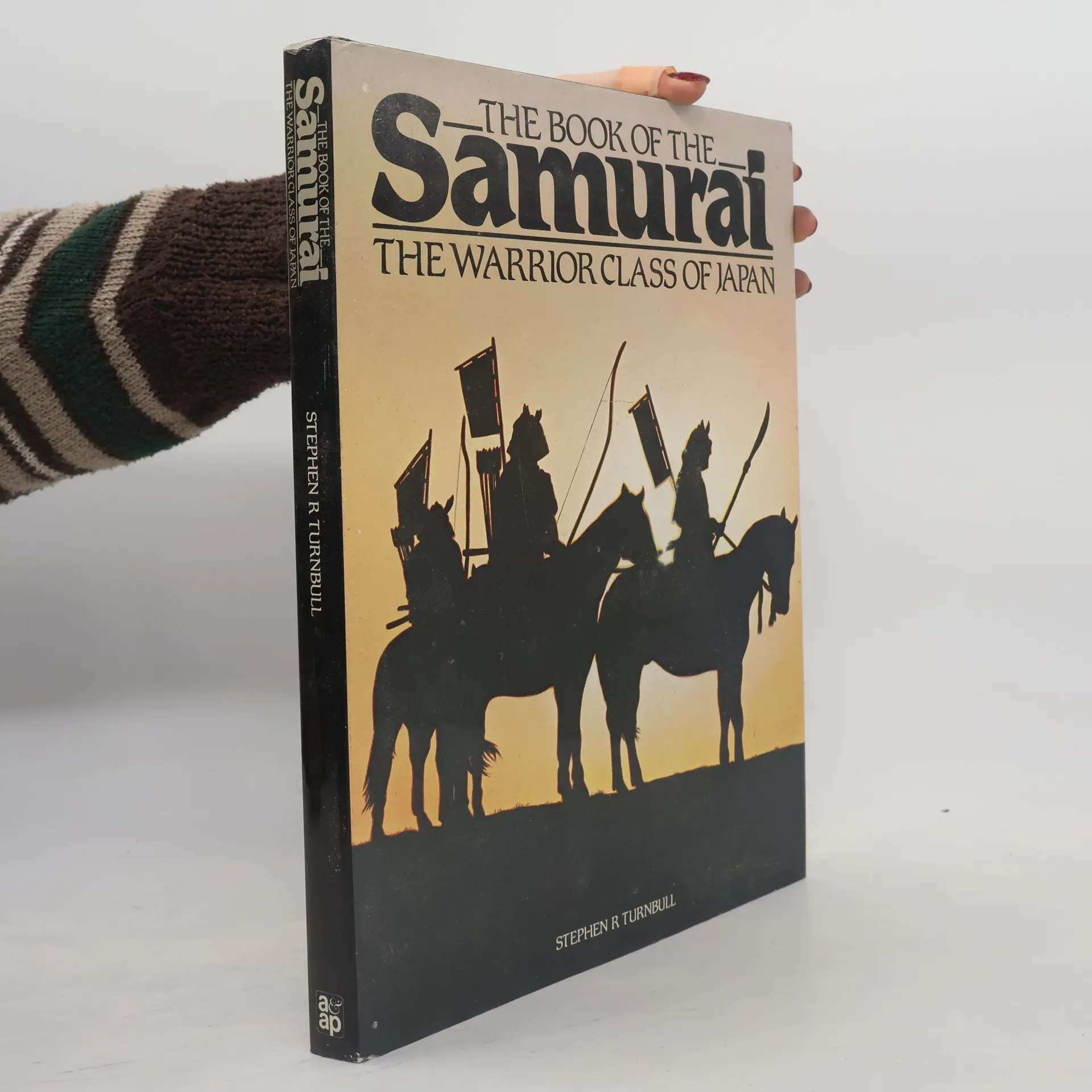
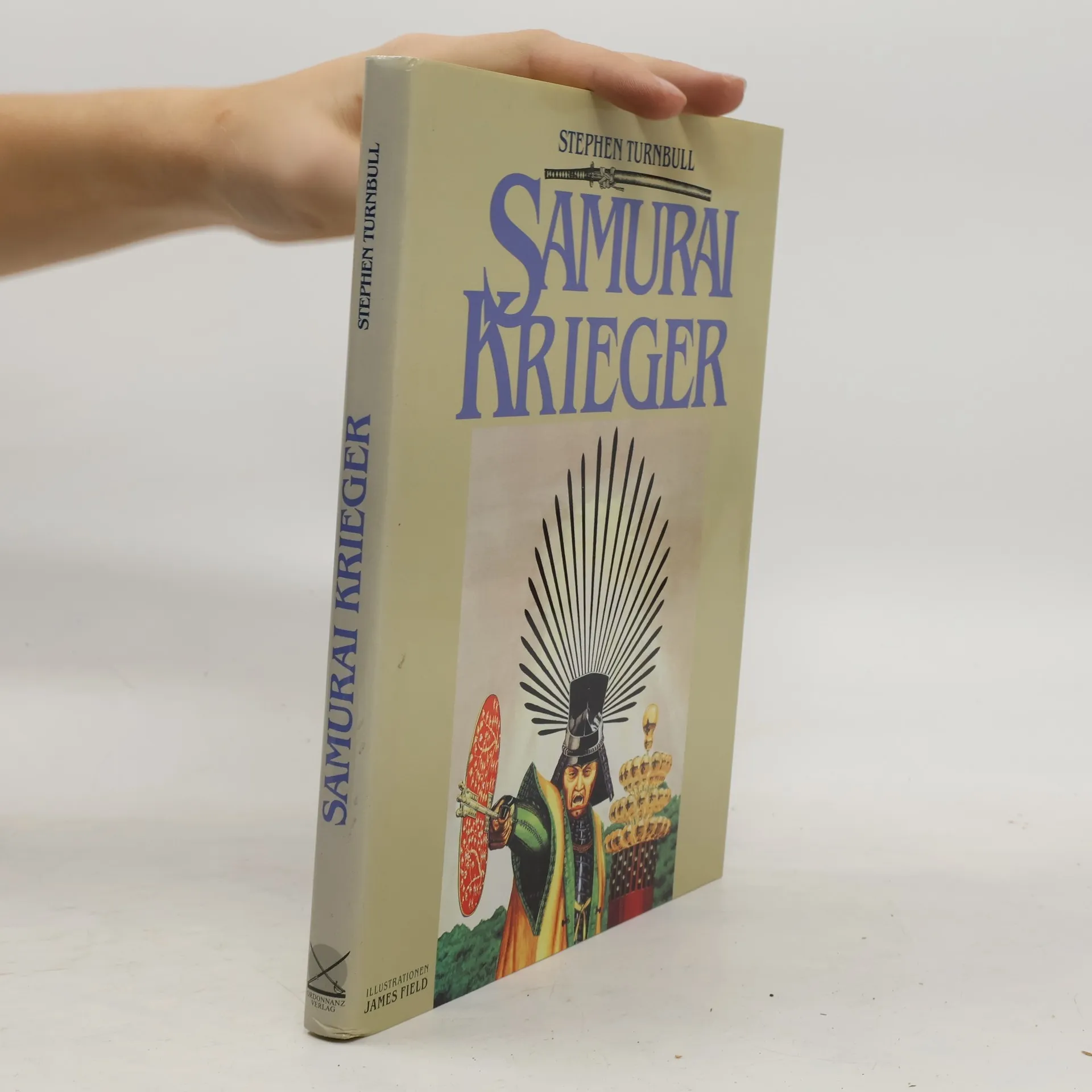
Ruling Japan for nearly 700 years, members of the samurai class fought for control of Japan and to keep Japan free of foreign influence. From their inception in the Heian Period to the bloody Onin Wars, the history of the samurais is a history of political and military struggle. This book overviews that history, repeatedly making the point that the history of the samurai is an integral part of the history of Japan.
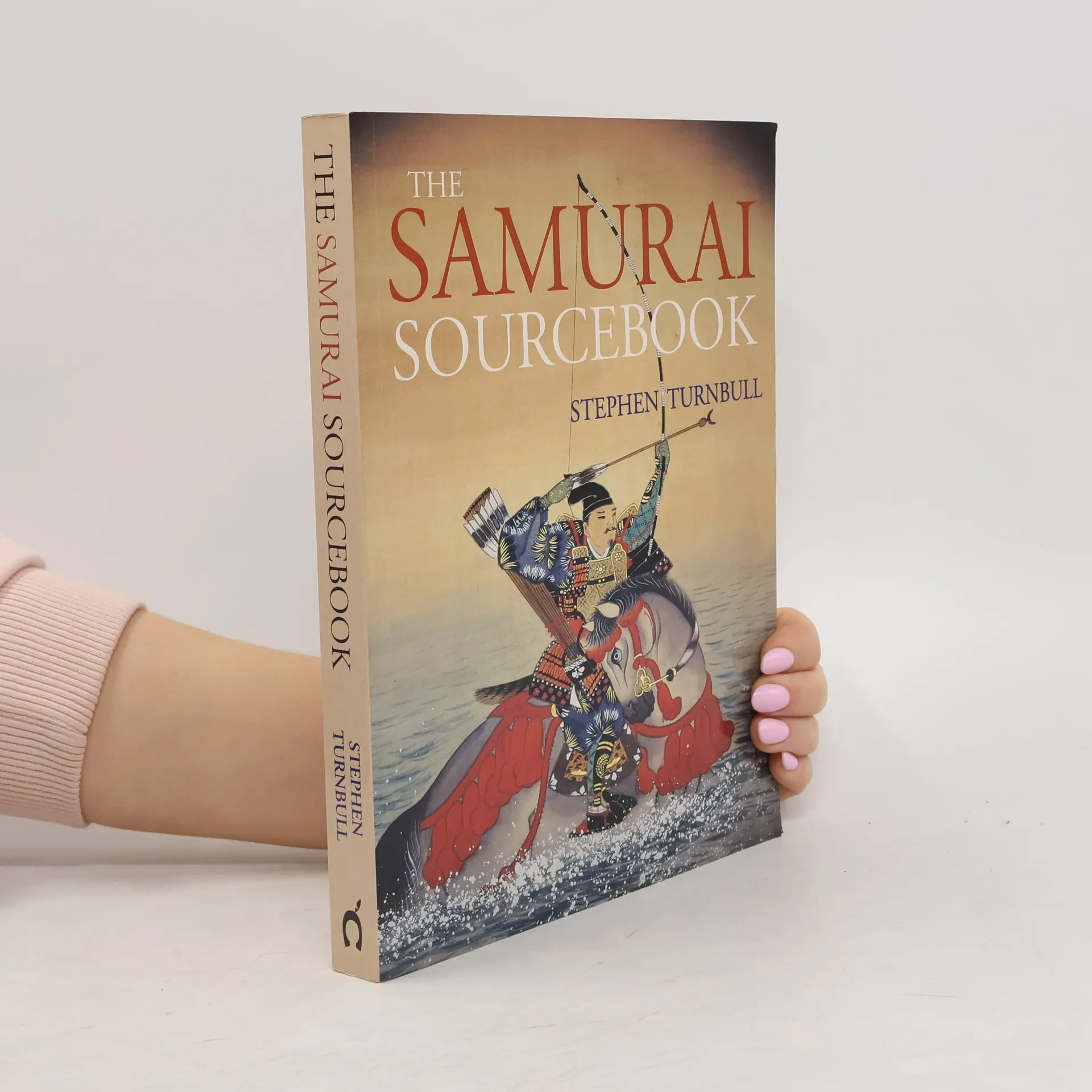
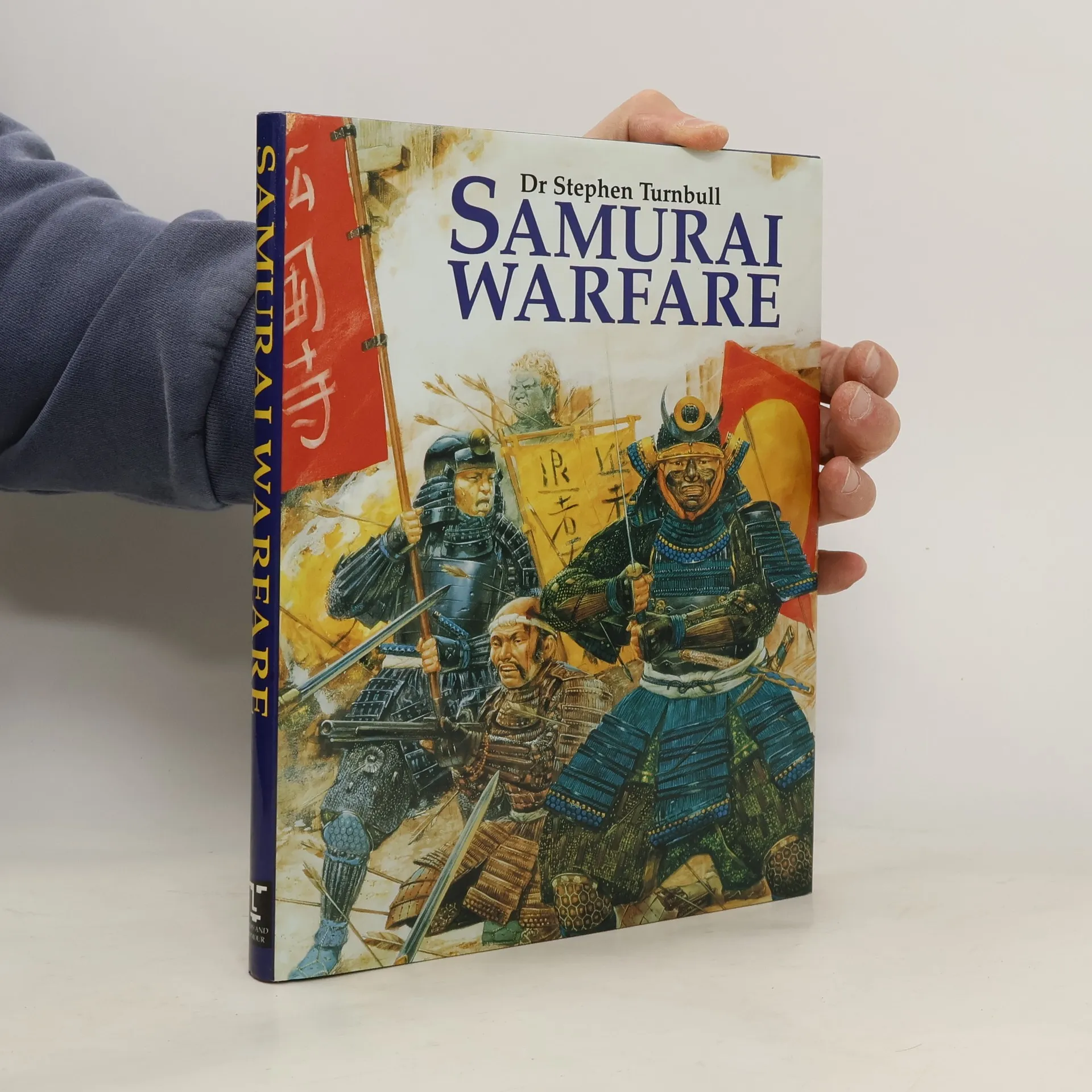
The essentials of samurai warfare, weaponry and tradition are all explained in this comprehensive work of reference E on the samurai culture.The introduction outlines samurai history, and a detailed section on arms and armour includes the evolution and construction of samurai armour, the Japanese bow, the samurai sword and polearms - plus the technology and deployment of explosives and gunpowder weapons, including the fire lance and arquebus.The chapters on strategy and tactics include details of command structures, the raising of armies, campaign life, the role of the castle, the characteristics of Japanese battles and the rituals and other consequences of battle.A catalogue of every major battle and siege from 940 to 1638 is followed by ten specific case studies examining such subjects as personal combat and guerilla warfare. Further sections cover religion and the samurai, bushido and hara-kiri, and samurai heraldry.More than 175 maps, diagrams and illustrations, many previously unpublished outside Japan, add greatly to the text, and some forty anecdotes illuminate the heroic events of Japanese military history during the samurai period.Dr Stephen Turnbull is the recognised authority on the samurai tradition. He has travelled widely in Japan since his first visit in 1970 and is an expert on the Japanese religion. The Samurai Sourcebook is his latest in a long and eminent line of published works.
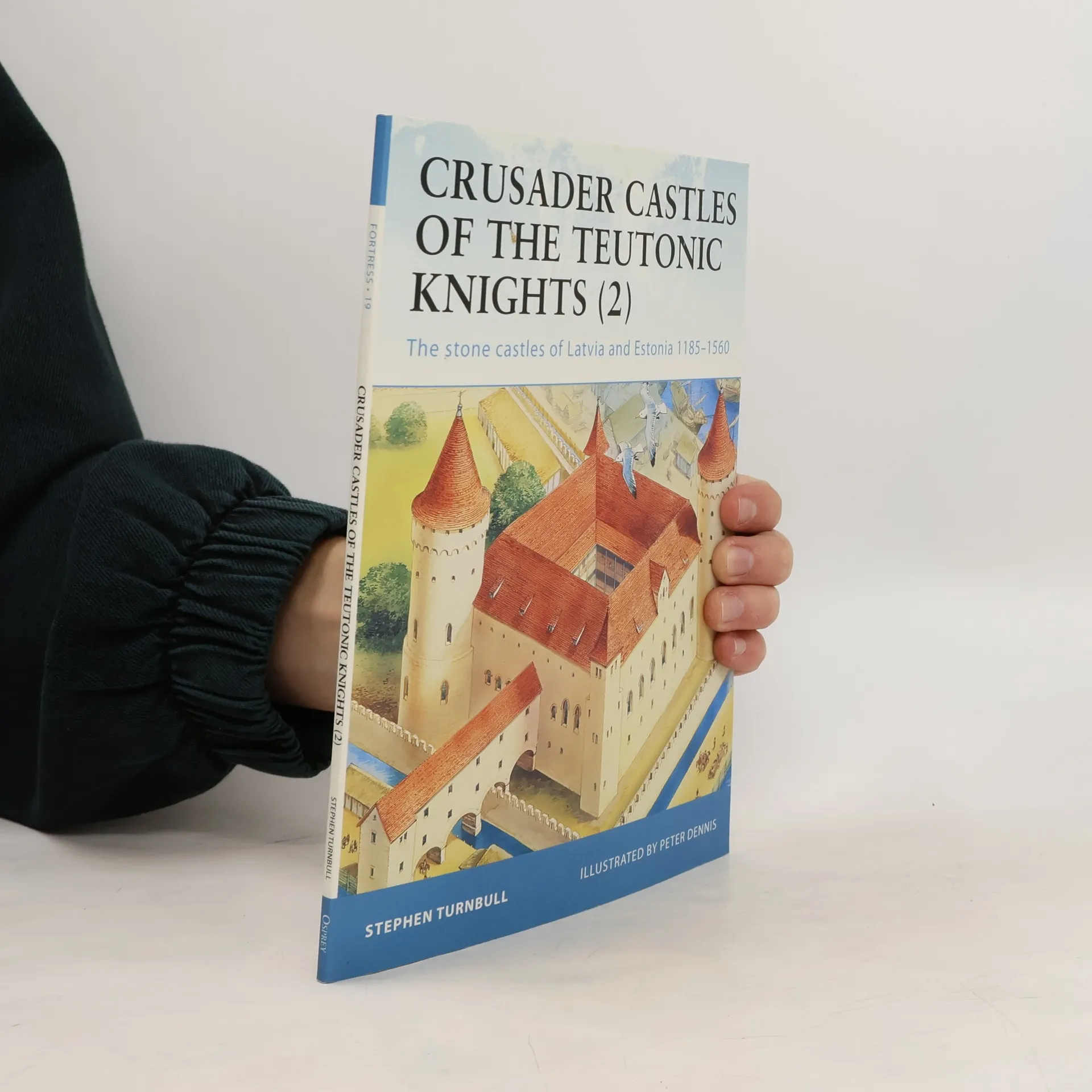
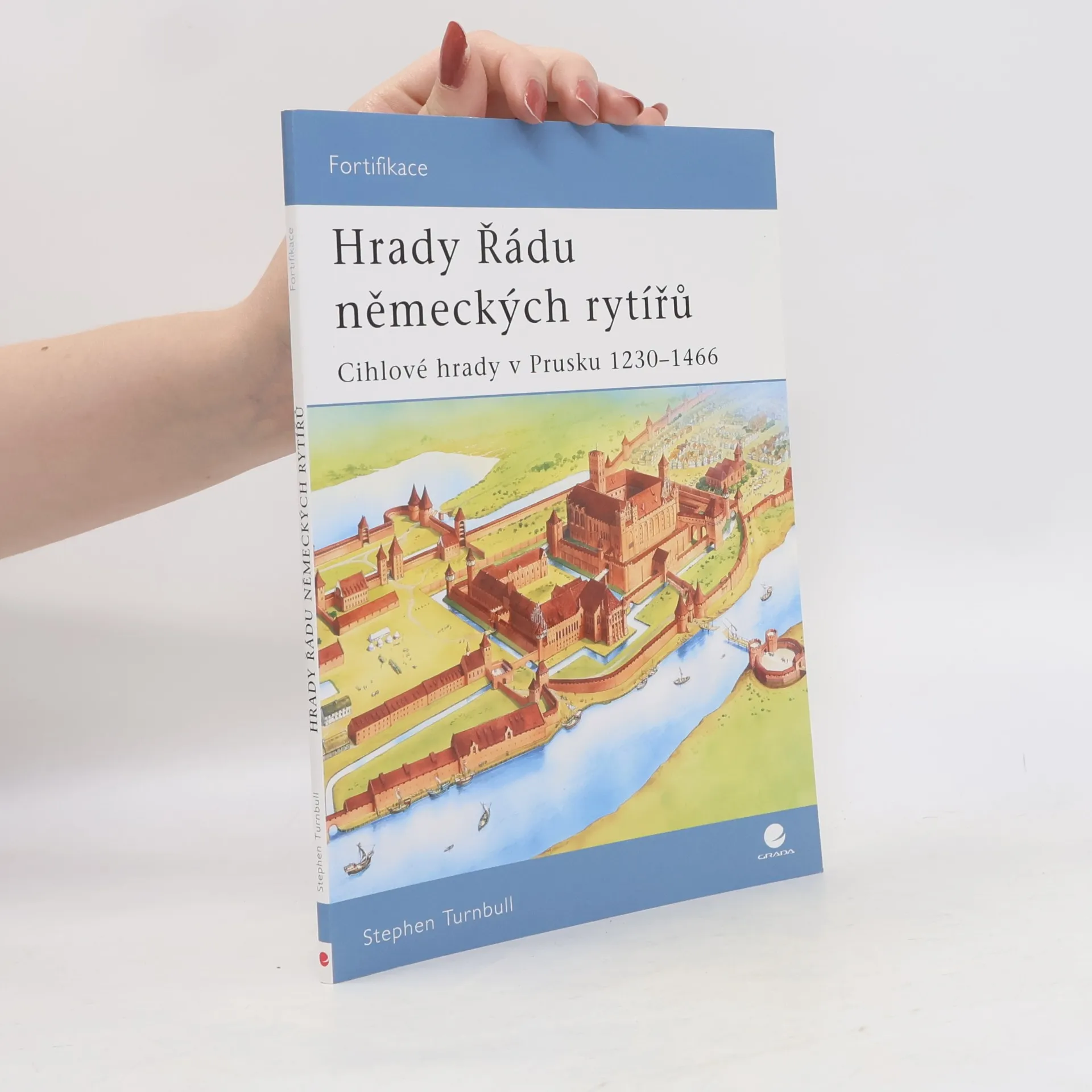
The original forced conversion of pagan Livonia, what is now the Baltic states of Latvia and Estonia, was carried out by a military order known as the Brethren of the Sword. In 1236 this order was incorporated into the Teutonic Knights following a catastrophic military defeat. The knights had always consolidated their conquests through networks of castles and fortified places, and the Livonian Chapter of the Teutonic Order built castles of stone. This title covers the developmental and operational history of these fortresses over the length of the Middle Ages. It details how the Baltic fortifications of the Teutonic Knights evolved to reflect the changing nature of siege warfare and the increasing dominance of gunpowder in warfare.
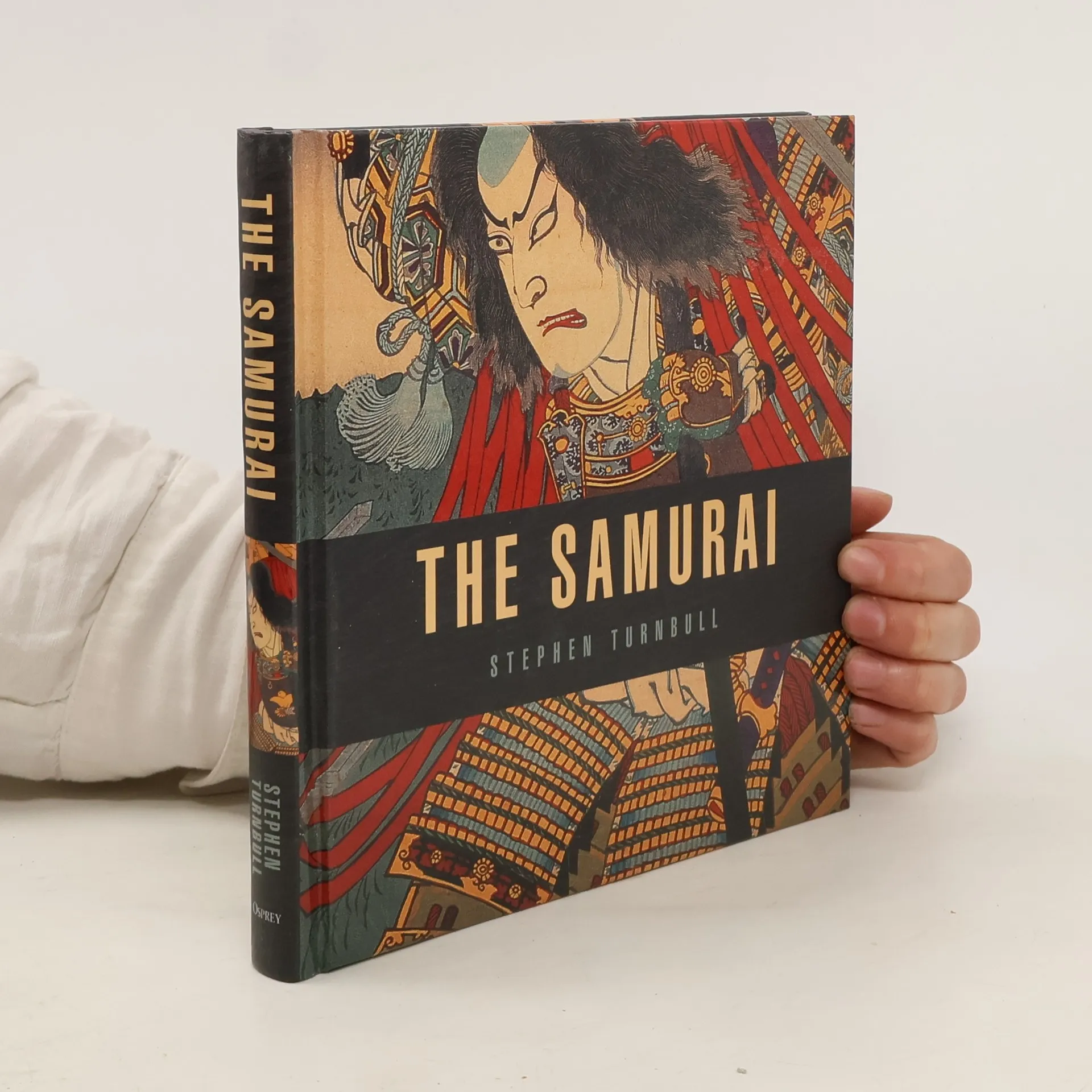
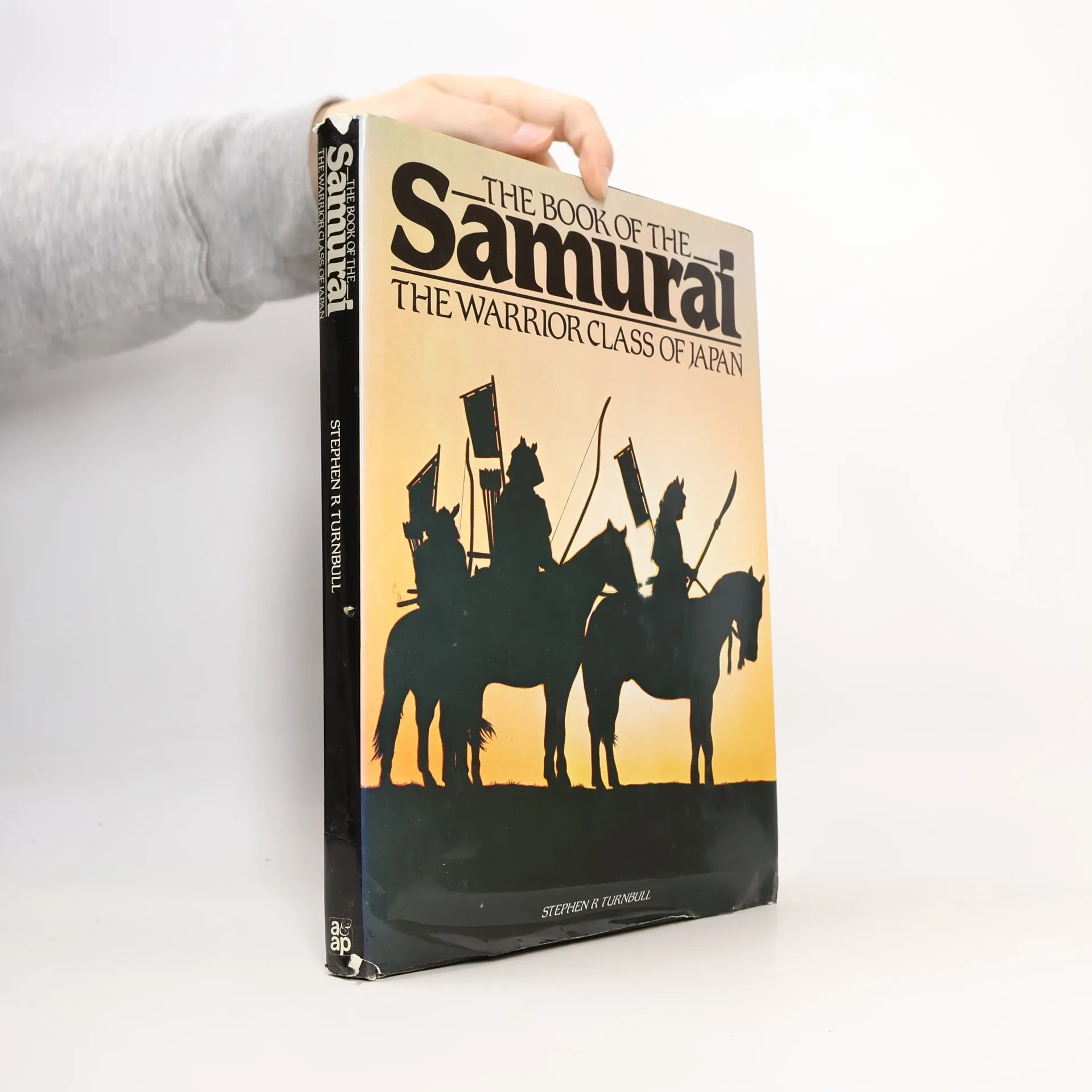
Bound by a strict code of honor and driven by a fierce sense of loyalty, the elite fighting class of medieval Japan, the samurai were some of the most feared and respected warriors of all time. In this book, Stephen Turnbull exposes the vibrant and exciting world of the samurai and reveals an all-encompassing warrior culture that was expressed as much through art and poetry as through violence.
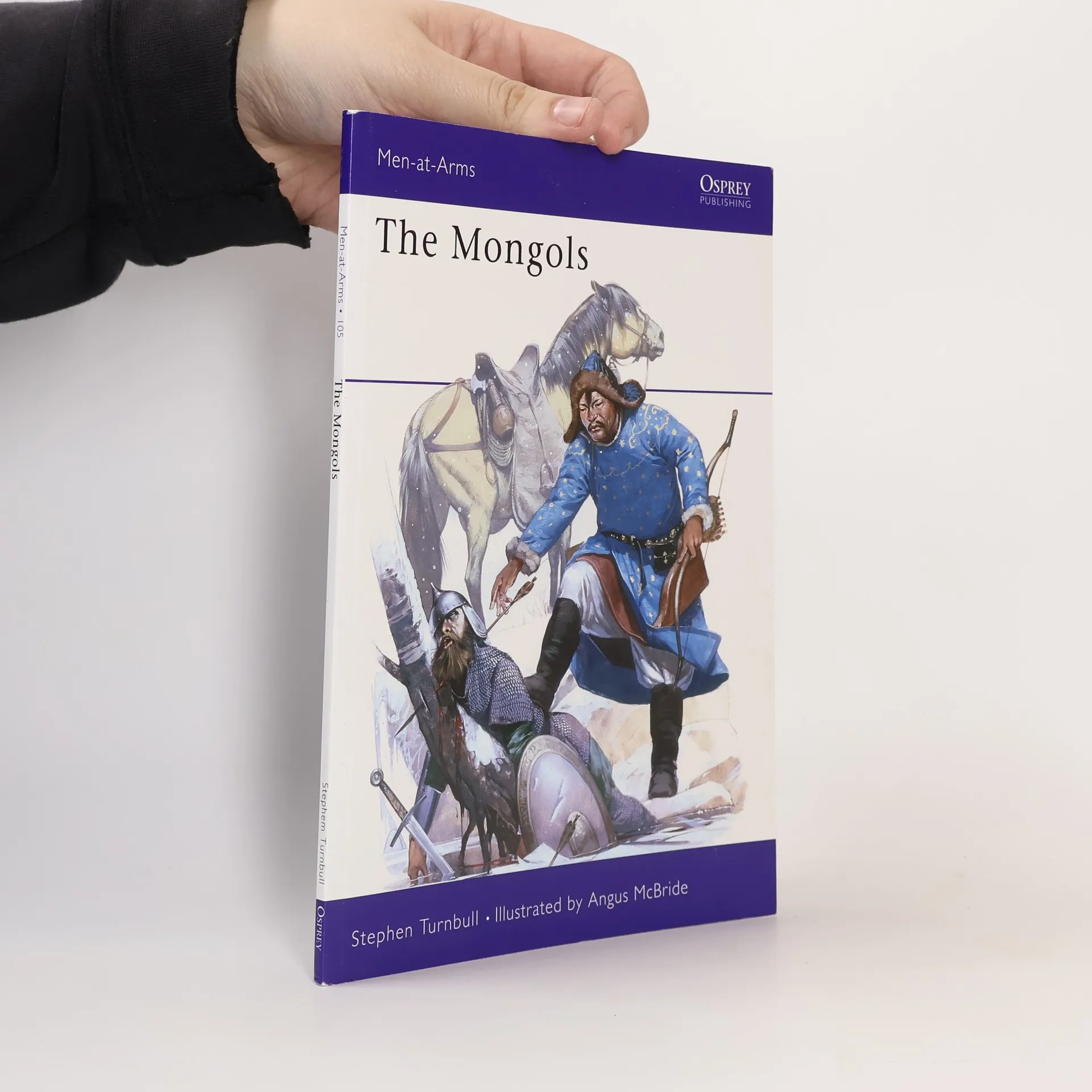
The history of the Mongol armies is a catalogue of superlatives. No armies in history have ever won so many battles or conquered so much territory. No army has ever provoked such justifiable terror and loathing in its victims, or slaughtered so many of its vanquished. What other army in history has marched on Russia in the winter and survived, let alone won victories? The stories of these and many other amazing feats of this 'barbarian' people are here brought vividly to life by Stephen Turnbull, from the birth of Genghis Khan in the wind-swept steppes of Mongolia, through the conquest of China and beyond.
Combines the latest research with contemporary lives, descriptions, and reconstructions to provide a dramatic picture of what it was like to be a samurai.
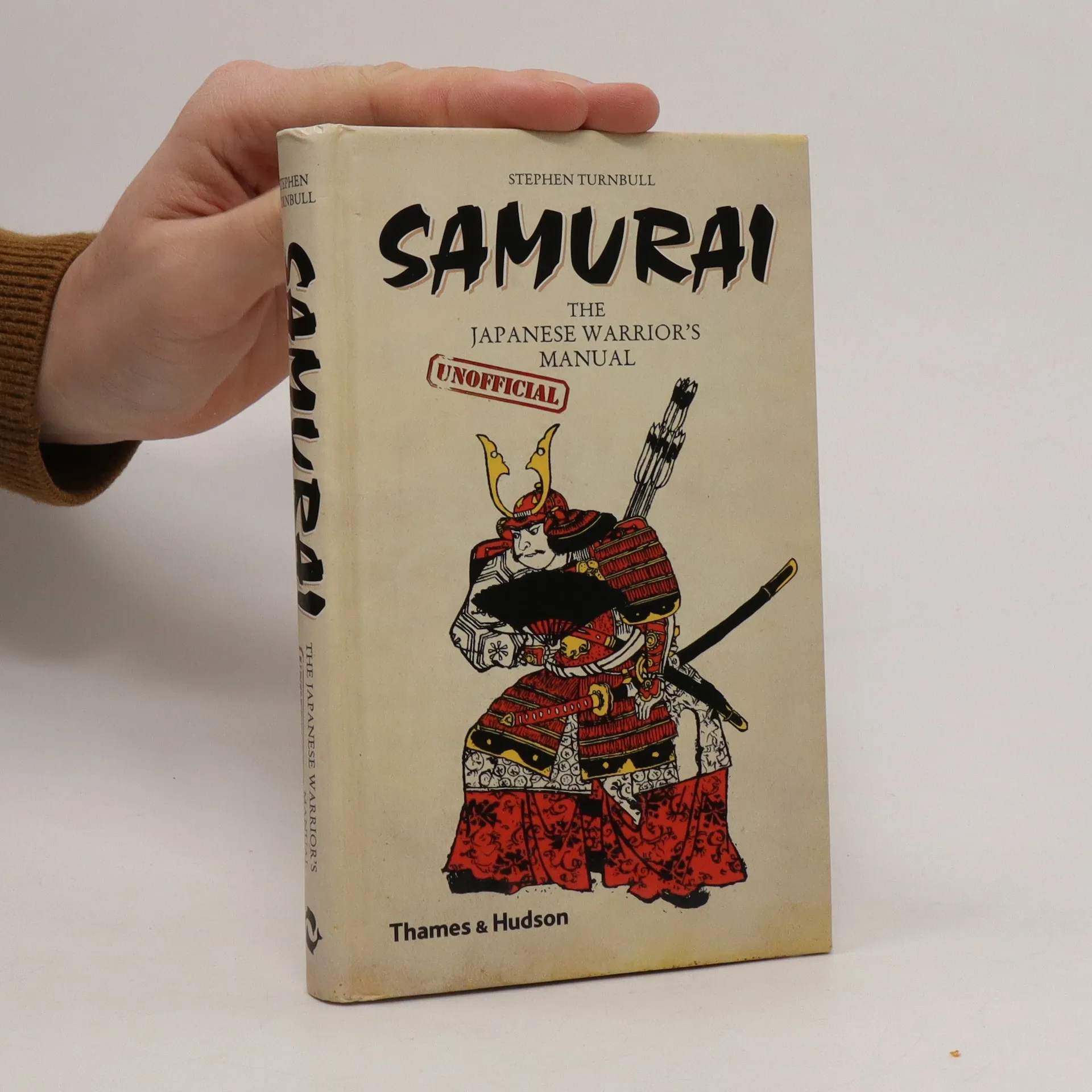
Set in the year 1789 and based on the original ninja manuals of that era, this
witty and informative secret manual equips readers with all the tools needed
to become a master of ninjutsu.
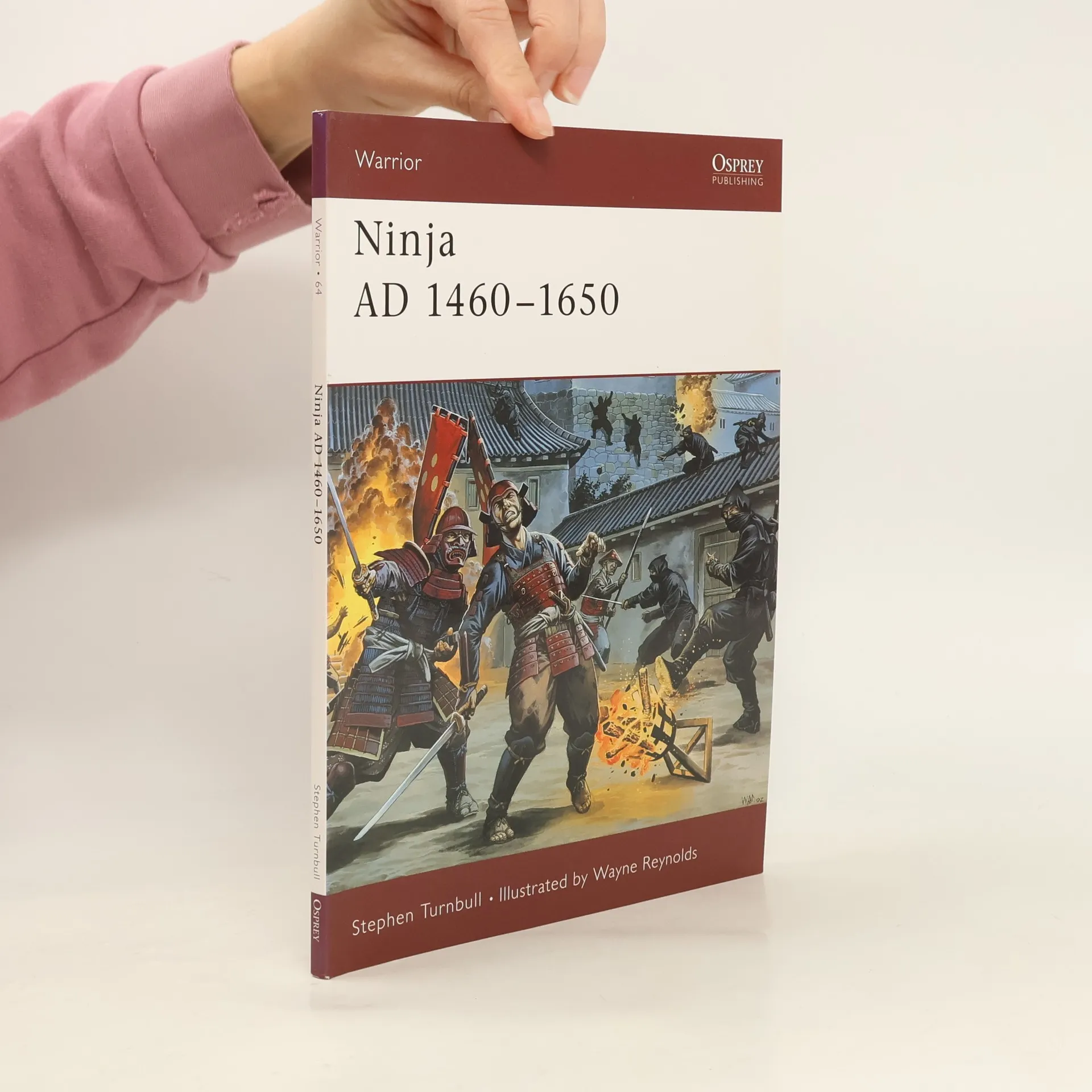
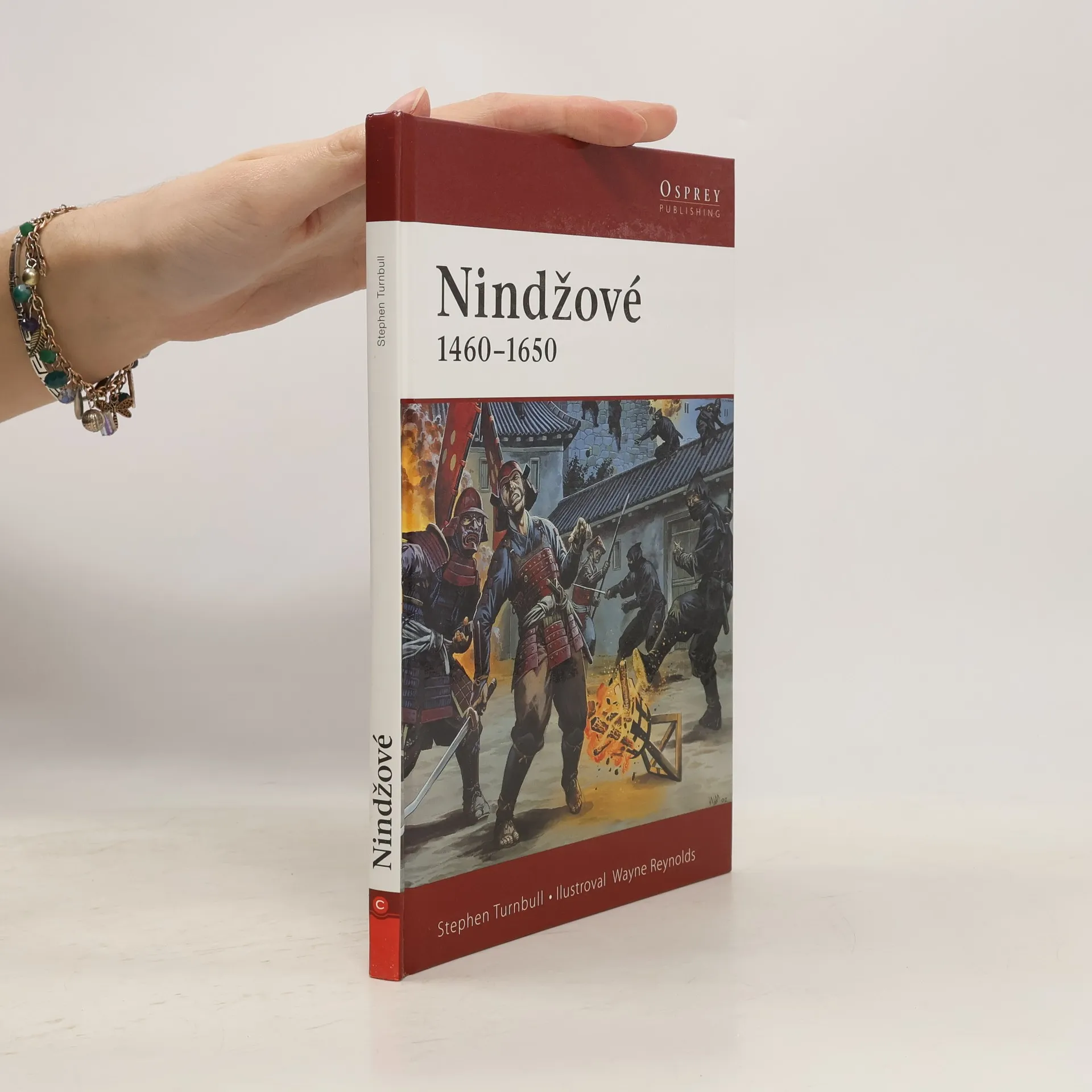
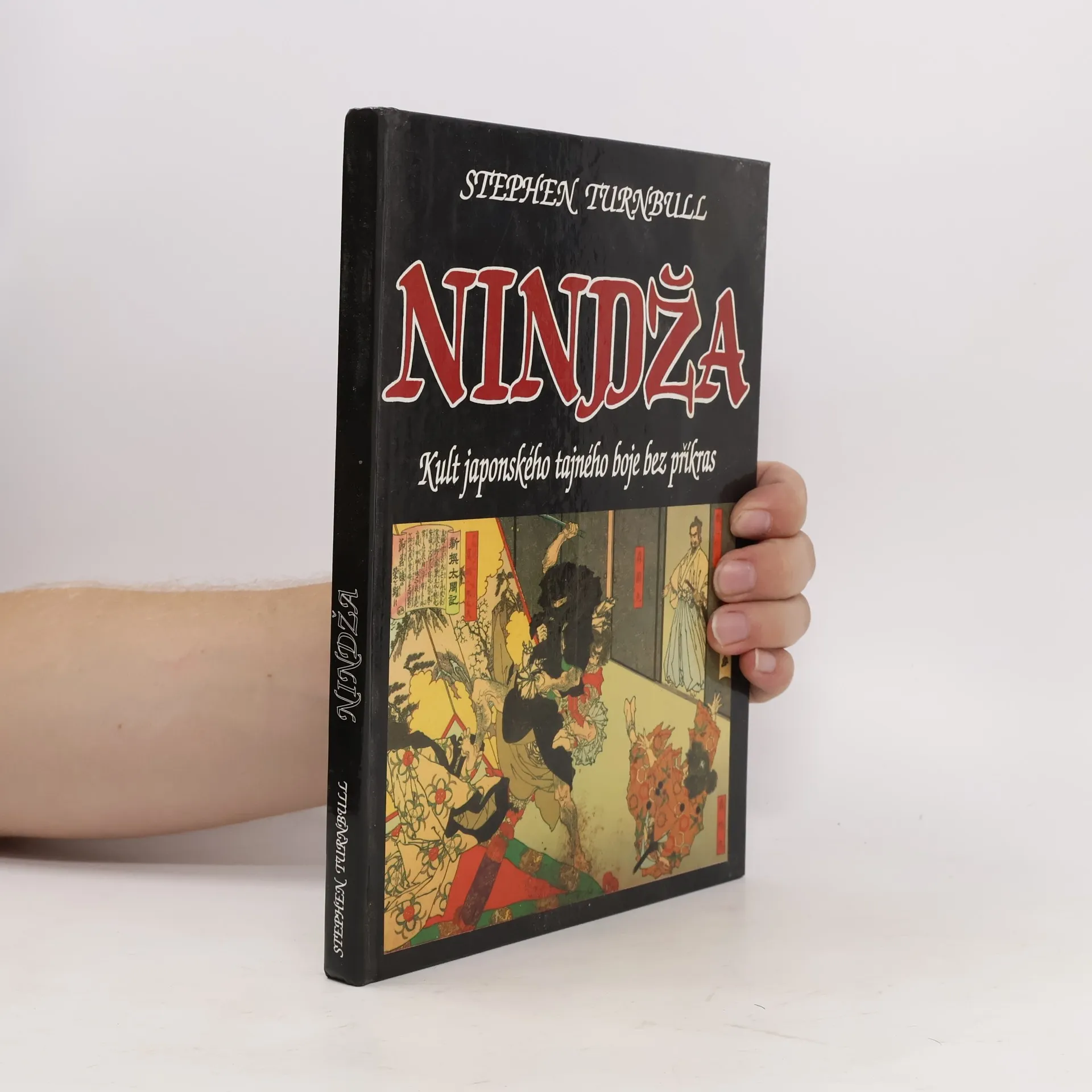
The Ninja were the secret agents and assassins of feudal Japan and they remain a subject of enduring fascination. They first emerged during the power struggles of 9th and 10th century Japan, in response to the increasing demand for spies, informants and even assassins, and they were used until the mid-1600s when they disappeared on account of a campaign to destroy them. This title provides an accurate and detailed account of the reality of the Ninja, detailing their daily life, training, hiring, combat use and secret operations; also covered are the Ninja's use and knowledge of poisons, medicines and charms.
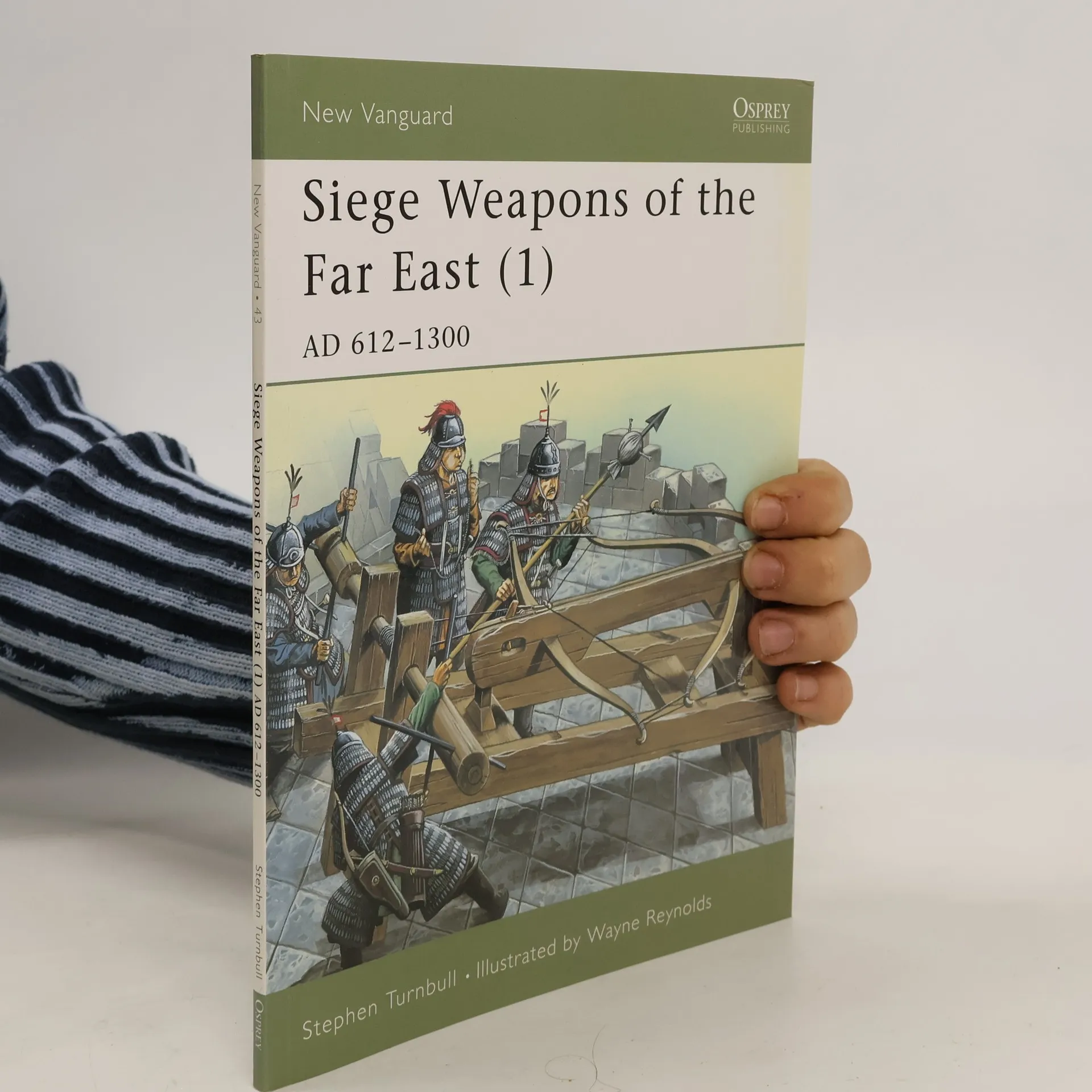
The prevalence of particular fortress types in medieval China, Mongolia, Japan and Korea demanded the evolution of different modes of siege warfare in each country. The wealthy walled towns of China, the mountain fortresses of Korea and the military outposts of Japan each presented different challenges to besieging forces, and this book reveals the diversity of tactics that were developed to meet these challenges. Most of the Far Eastern weaponry of this period originated in China, but was adapted to fit the demands of siegecraft across the region and the individual strengths and weaknesses of each piece of machinery are studied here.
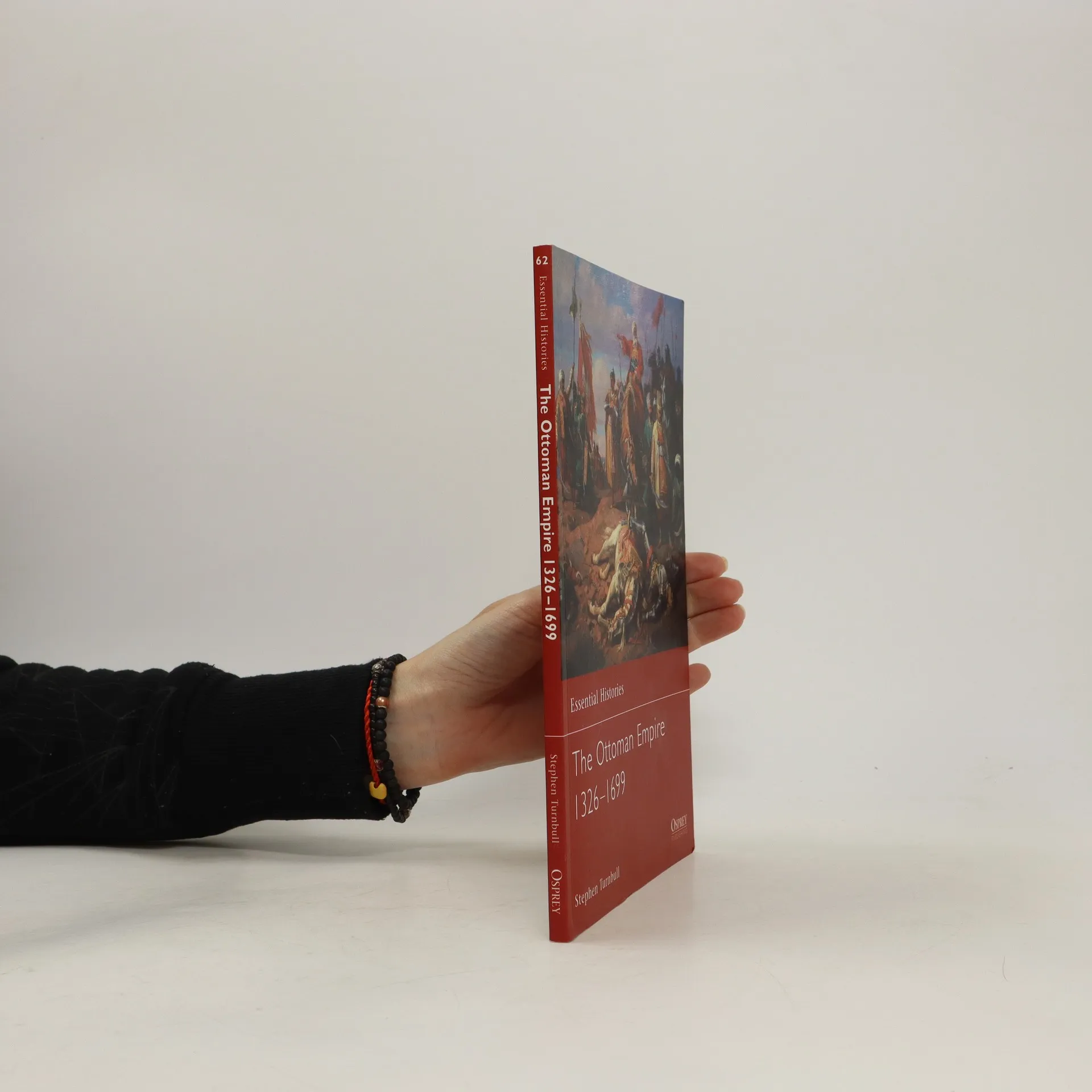
The Ottoman Empire and its conflicts provide one of the longest continuous narratives in military history. Its rulers were never overthrown by a foreign power and no usurper succeeded in taking the throne. At its height under the reign of Suleiman the Magnificent, the Empire became the most powerful state in the world - a multi-national, multilingual empire that stretched from Vienna to the upper Arab peninsula. With Suleiman's death began the gradual decline to the Treaty of Karlowitz in 1699 in which the Ottoman Empire lost much of its European territory. This volume covers the main campaigns and the part played by such elite troops as the Janissaries and the Sipahis, as well as exploring the social and economic impact of the conquests.
Názorný průvodce dobrodružným světem samurajů, nejslavnějších japonských bojovníků, který vás provede dávnými bitvami, seznámí s bojovou strategií, zvyky a rituály.
Prohlédnete si zbroj a výzbroj z nejrůznějších historických období - samozřejmě včetně legendárních samurajských mečů.
Dozvíte se, čím tehdejší válečníci žili, čemu věřili, jak přemýšleli a co si oblékali. Jednotlivé průhledné listy vám umožní „obléknout“ si svého samuraje od spodního oblečení přes vrchní oděv až po poslední součástku zbroje.
Překlad Blahoslav Mikolášek.
Samuraj zůstává nejznámějším válečníkem středověkého Japonska, nebyl však jediným článkem ve vojenské historii. Nepostradatelnou části japonské vojenské síly byli také ašigaru, pěšáci kteří plnili mnoho důležitých vojenských povinností. K ochraně duchovních míst a klášterů byli cvičeni mniši válečníci, jenž ovládali mnohá bojová umění a vládli bravurně se všemi soudobými zbraněmi. A v neposlední řadě, patří k japonské historii nindžové, jenž sloužili jako vyzvědači, špióni a atentátníci, kteří mistrně ovládali boj se zbraní a beze zbraně a také jako jedni z mála uměli používat třaskavých látek. Tato kniha je jedinečným dílem pro všechny, kdož se zajímají o historii a bojová umění středověkého Japonska. Knihu doplňují desítky barevných fotografií.
Překlad Petra Müllerová.
V této knize nás autor zavede za hranice všeobecného a povrchního pohledu na samuraje a jejich historii. V dnešní době známe samuraje spíše jako neúprosného bojovníka a věrného služebníka svého lenního pána. Díky tomuto dílu se však dozvíte, že k všednímu životu těchto válečníků patřila také poezie a jiná výtvarná umění. V přehledně kompilovaných kapitolách najdete mnoho informací řazených dle vývoje a historie těchto fenomenálních bojovníků. Knihu doplňuje mnoho barevných i černobílých fotografií.
Cihlové hrady v Prusku 1230 – 1466. Do dějin se Řád německých rytířů zapsal nesmazatelným dojmem a s pozůstatky jejich působení se setkáváme dodnes. Patří k nim především mohutné hrady, které lze spatřit na území Polska. Přeložil Václav Lohr.
Nindžové byli tajnými agenty a vrahy feudálního Japonska a dodnes zůstávají předmětem trvalého zájmu. Poprvé se v Japonsku objevují během mocenských bojů v 9. a 10. století. Tento titul poskytuje přesný a podrobný popis historické reality, kterou nindžové představují, a detailně popisuje jejich každodenní život, výcvik, nábor, využití v boji i operace v týlu nepřítele. Popsáno je i použití a znalosti jedů, léčiv a kouzel.
Překlad Jan Machula.
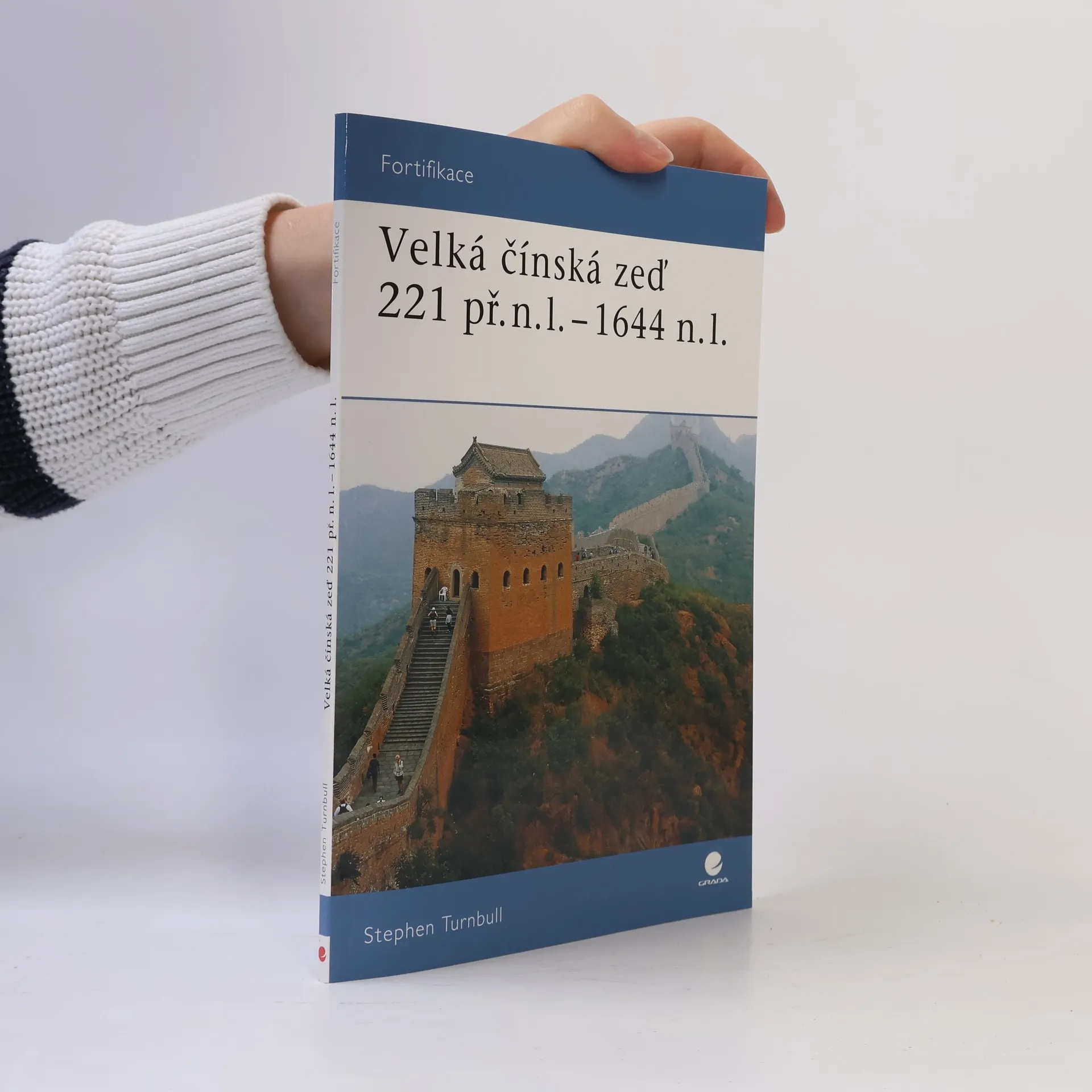
Nejslavnějším příkladem fortifikační stavby na světě je bezpochyby Velká čínská zeď, která se táhne více než 6000 km nehostinným terénem. V knize je popsána její historie od samotného vzniku až po dnešek, tvrdá realita, jež provázela její výstavbu, její význam pro obranu čínského státu, život jejích posádek, boje, které se zde odehrály, zbraně, jimiž byla vybavena, její stavební a architektonické prvky, i mýty, které ji obklopují. V závěru knihy jsou uvedeny i informace o jejím současném stavu a možnostech návštěvy.
Z anglického originálu Fortress 57: The Great Wall of China 221 BC-AD 1644 vydaného v Osprey Publishing Ltd., Oxford (2007) přeložila PhDr. Petra Müllerová, Ph.D.
První vydání.
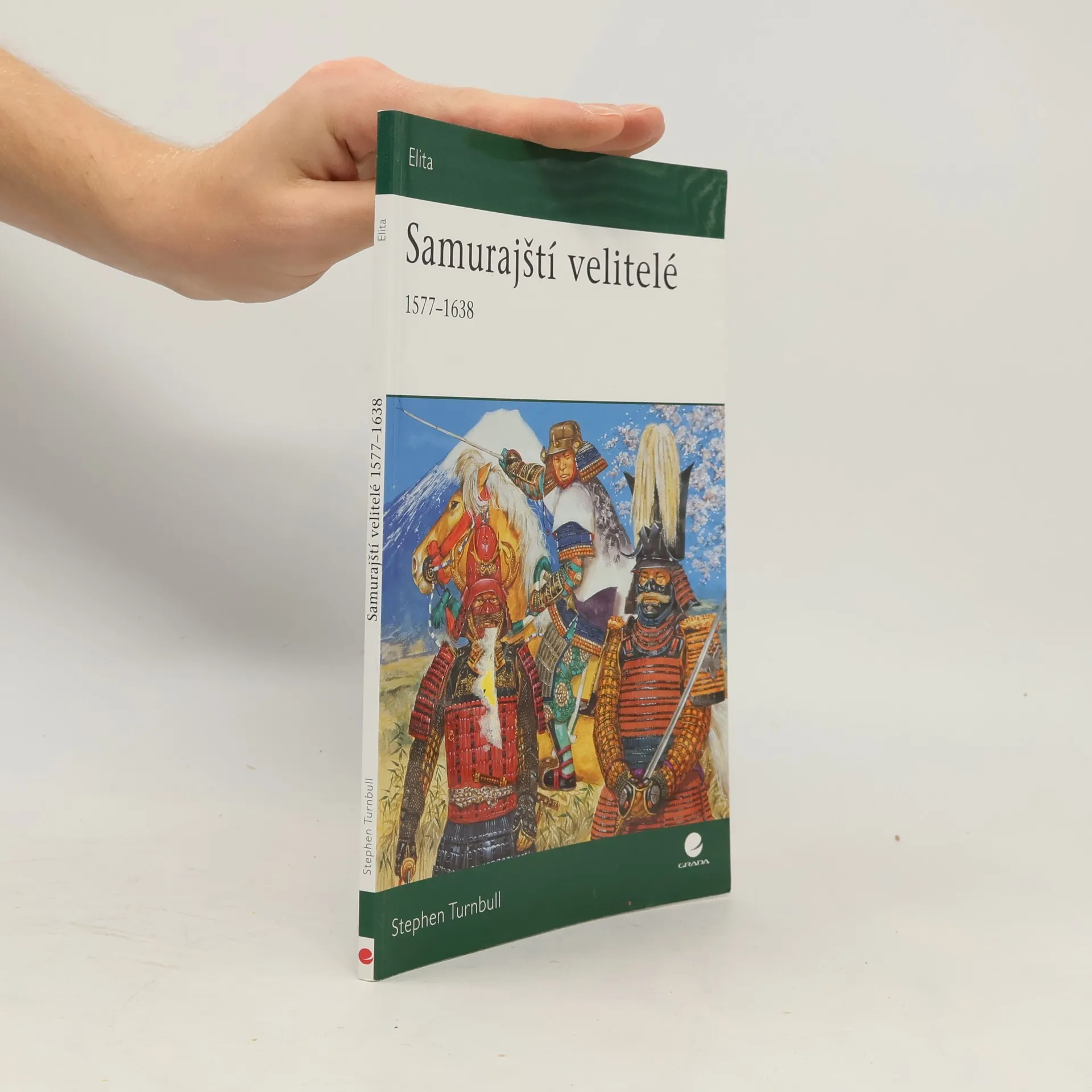
Druhý díl Samurajských velitelů se zabývá pozdějšími lety Období válčících států, dobou Sengoku džidai, a především pak skvělými samurajskými veliteli, jako byli například Oda Nobunaga, Tojotomi Hidejoši a Tokugawa Ieajasu, velcí stratégové, kteří spolu se svými velkolepými armádami utvářeli dějiny Japonska. Z líčení o jejich životě se čtenář dozví, jaká byla tehdejší doba, kdy dokázali přežít jen ti nejschopnější, neobyčejně zdatní velitelé a organizátoři, kteří prokázali individuální bojové dovednosti. Pozná legendami opředené prostředí japonských bojovníků a lépe také porozumí, co utvářelo japonskou kulturu. Kniha je bohatě ilustrována.
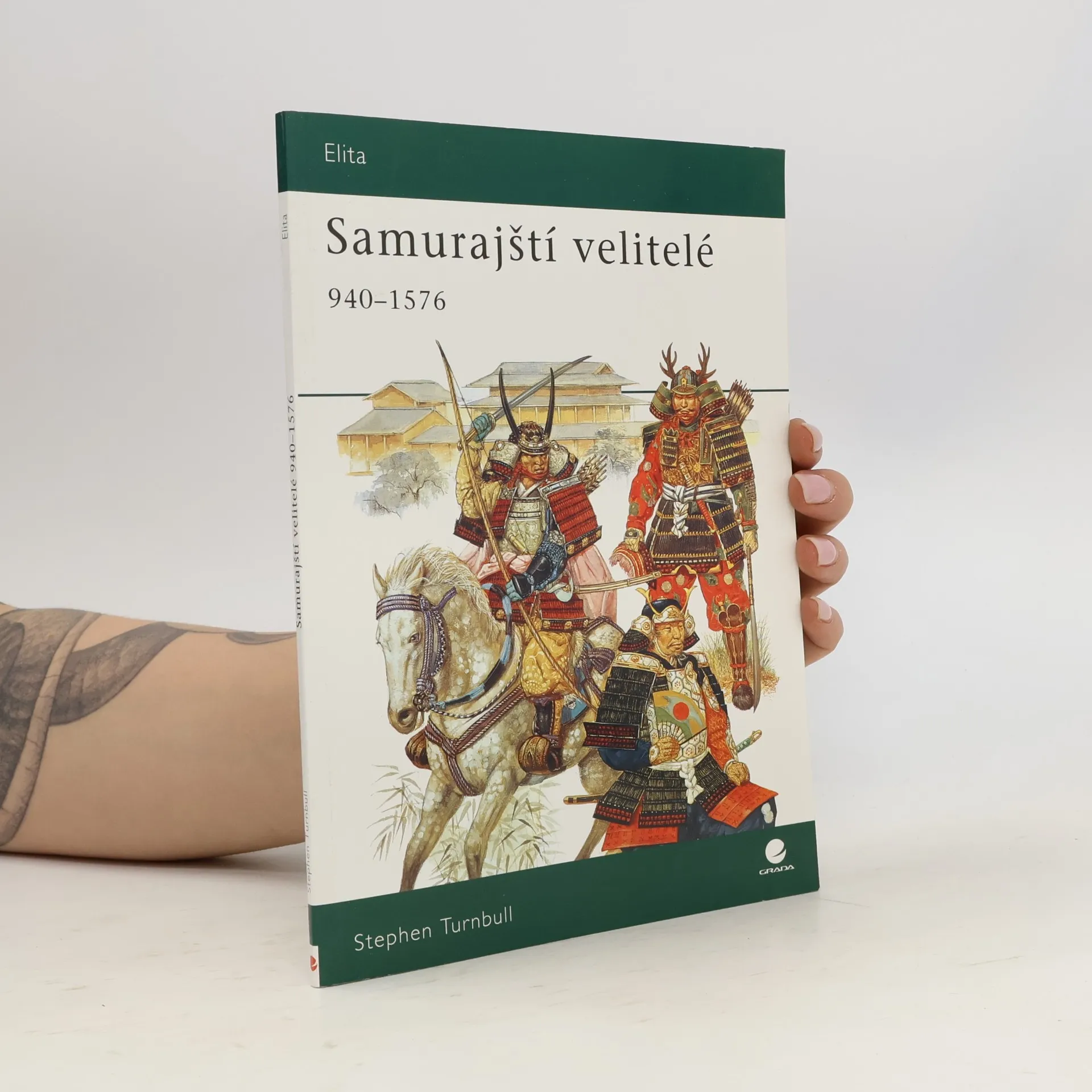
Samurajové byli vojenskou elitou středověkého i raně novověkého Japonska. Jedinečná, obrazově velice vybavená publikace nás uvádí do exotického světa mužů, kteří stáli v jejich čele a byli oslavováni jako ti největší, nejstatečnější a nejúctyhodnější ze všech samurajů.
Die mongolischen Krieger sind eine der großen Erfolgsgeschichten der Weltmilitärgeschichte. Unter der Führung von Dschingis Khan und seinen Nachfolgern eroberten die Mongolen einen Großteil der bekannten Welt und kämpften in Gebieten, die von den gefrorenen Steppen über die Wildnis Palästinas bis zu den Dschungeln Javas und den großen Flüssen Chinas reichten. Dabei zeigten sie eine bemerkenswerte Fähigkeit, eine Vielzahl von militärischen Techniken und Technologien zu übernehmen, anzupassen und zu verbessern, von Belagerungswaffen bis hin zur Marinekriegsführung. Dieses Buch erzählt die Geschichte dieser bemerkenswerten Militärorganisation, einschließlich Details zu Waffen, Taktiken, Ausbildung und Überzeugungen.
Stephen Turnbull ist ein exzellenter Kenner der japanischen Geschichte und bringt dem Leser in diesem reich illustrierten Buch die kaum bekannte Welt der religiös motivierten Kampfmönche, aber auch die geheimnisumwobenen Ninja näher, die mit ihren Kampfmethoden und ihrem Dasein als Söldner mit japanischen Traditionen radikal brachen.
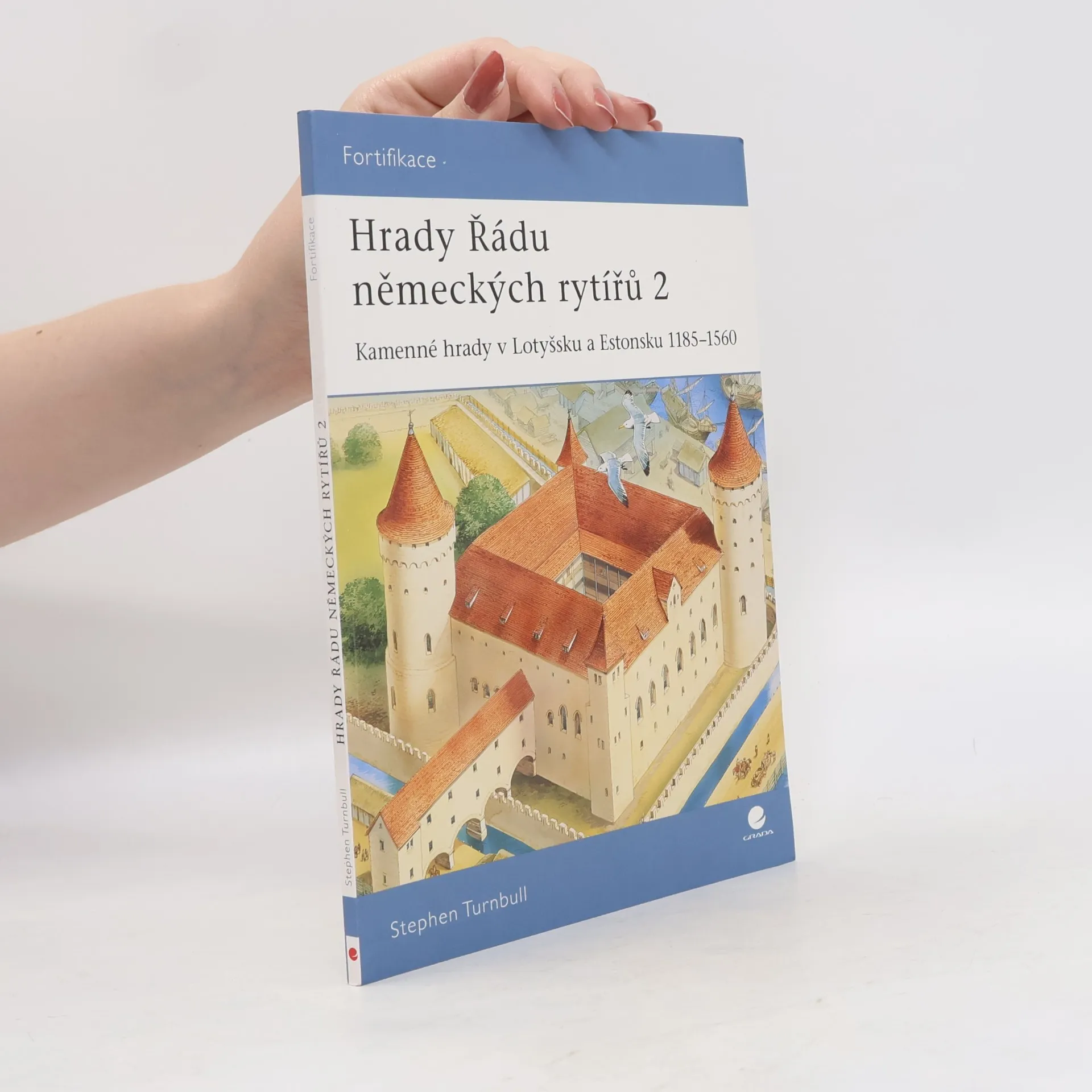
Podtitul: Kamenné hrady v Lotyšsku a Estonsku 1185–1560
Součástí Řádu německých rytířů byla také severní větev, působící na území, které soudobí kronikáři nazývali Livonskem. V podstatě odpovídalo dnešnímu území Lotyšska a většiny Estonska. I zde němečtí rytíři vybudovali řadu nádherných hradů, jejichž větší nebo menší pozůstatky můžeme vidět i dnes, převážně na březích řek. Tato kniha vypráví jejich příběh od založení až do doby, kdy v 60. letech 16. století přestaly být majetkem Řádu. Na rozdíl od cihlových hradů v Prusech, o nichž pojednává první díl o řádových hradech, vydaný v Gradě v roce 2008, byl hlavním stavebním materiálem v Livonsku kámen. Jak a kde přesně hrady vznikaly, z jakých částí sestávaly, k čemu sloužily a jaký byl na nich každodenní život i život za válek, to se dozví čtenář nejen z textu erudovaného badatele, ale i z četných maleb, schémat a map.
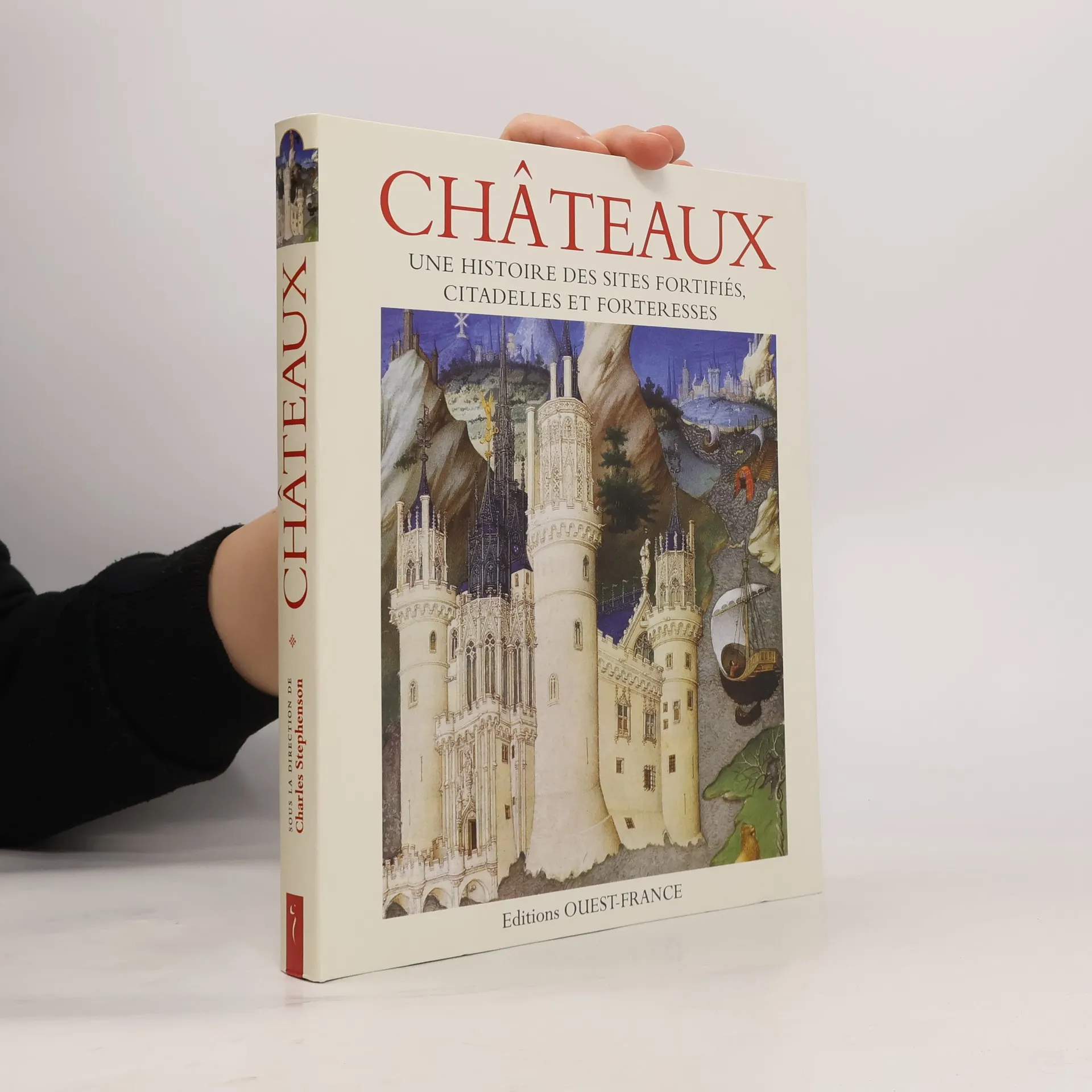
Qui dit " châteaux forts et fortifications " pense invariablement à un édifice en pierre datant du Moyen Age, avec donjon, tourelles, créneaux, barbacanes et oubliettes. Pourtant, l'architecture défensive, aussi ancienne que la civilisation elle-même, n'a cessé d'évoluer à travers le temps et l'espace, jusqu'à encore très récemment. Le château fort et ses métamorphoses constituent donc une excellente illustration de l'évolution des pratiques militaires, en liaison avec les avancées technologiques. Dans cet ouvrage vous trouverez : Une approche architecturale inédite, analysant toutes les formes de fortifications existantes et montrant comment le travail des architectes, des maçons et des ingénieurs a su s'adapter à l'évolution des armes. Un vaste panorama de l'art défensif, des premières forteresses et villes fortifiées de l'Antiquité jusqu'aux structures du XIXe siècle, lorsque les armes modernes ont contraint les armées à livrer des combats souterrains. Un point de vue architectural mettant en avant le " squelette " des châteaux, pour illustrer l'évolution des éléments défensifs, des plans, de l'ingénierie, des technologies et des matériaux. Ce panorama architectural révèle une histoire fascinante et fait de cet ouvrage une référence indispensable.
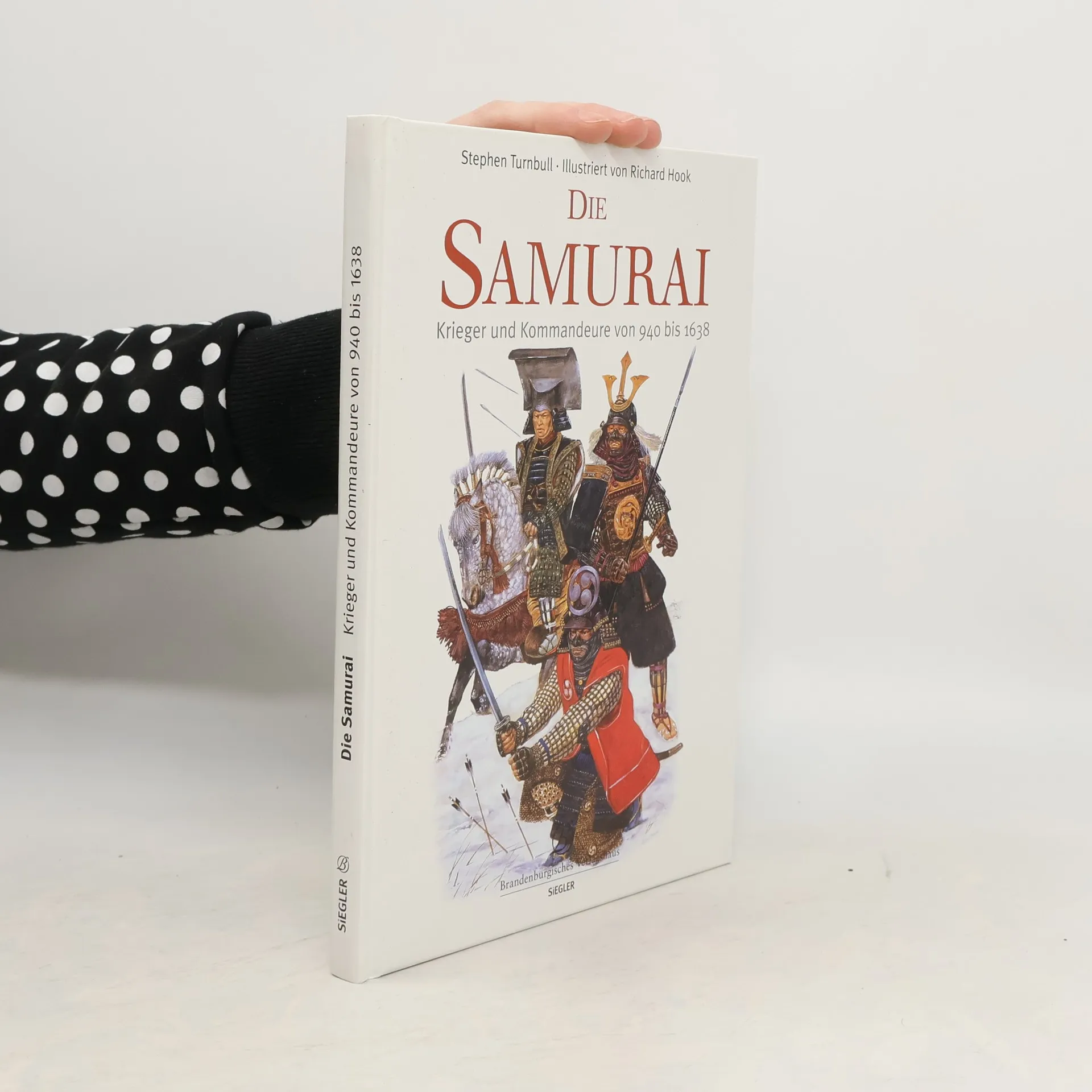
Die Kommandeure und Krieger der Samurai waren die militärische Elite im frühen Japan. Die beiden Bände untersuchendas Leben, die Ausrüstung, die Schlachten und die erweiterete Rolle der Kommandeure und Krieger der Samurai zwischen 940 und 1638, den Zeitraum vor der Entstehung der Samurai bis zum Triumph von Oda Nobunaga, der Japan auf den Weg zur Wiedervereinigung gebracht hat. Besonders talentierte und bekannte Kommandeure wie Oda Nabunaga und Toyotomi Hideyoshi - große Männer, die sich aufgrund ihrer aufwendigen Rüstungen und Helme und ihrer atemberaubenden Persönlichkeit von den anderen abheben, werden detailliertanhand von zahlreichen, zum Teil auch farbigen Bildern beschreiben.