

Bookbot

Hendrik Bündge

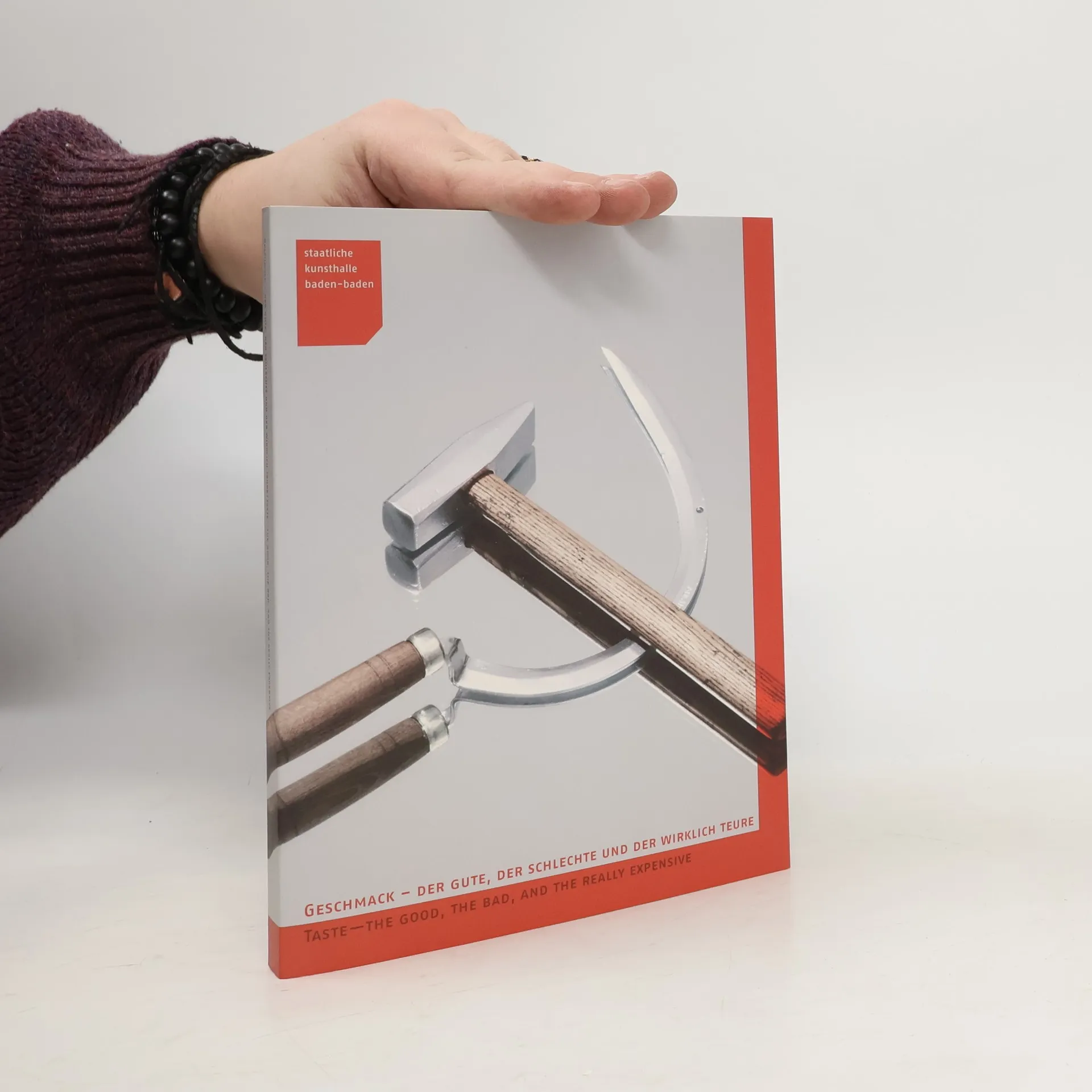
    Geschmack - der Gute, der Schlechte und der wirklich Teure
    Remember Lidice (1967–2017). 50 let Lidické sbírky umění. 50 Years of the Lidice Art Collection
    Körper. Blicke. Macht. / Body. Gaze. Power.
    • Körper. Blicke. Macht. / Body. Gaze. Power.

      Eine Kulturgeschichte des Bades. / A cultural history of the bath.

      • 264 páginas
      • 10 horas de lectura

      At the center of the project Body. Gaze. Power. A Cultural History of the Bath is a global social practice that is as old as humankind itself. Even though it has always been associated with cleansing rituals, what is revealed here are centuries of bathing references that go far beyond such topics as hygiene, health, and wellness. In fact, as the site where the act of bathing occurs, the bathroom has always been ideologically, religiously, socially, and culturally charged, and it remains so to this day. The catalogue features objects and works of art from various epochs, lands, and cultures, from seventeenth-century barber's bowls, heaters, or nineteenth-century hammam sandals, to works by artists ranging from Albrecht Dürer to David Hockney, Thomas Demand to Zoe Leonard. Besides the many illustrations, informative texts help readers to immerse themselves in the pleasures of various bathing cultures. SELECTED FEATURED ARTISTS: Patrick Angus, Joseph Beuys, Giuseppe Cesari, Atelier de Jacques-Louis David, Maurice Denis, Thomas Demand, Albrecht Dürer, Martin Engelbrecht, Rainer Fetting, Friedrich Wilhelm Gmelin, Nan Goldin, David Hockney, Nicolas René Jollain, Ute Klophaus, Leonard Koren, Katarzyna Kozyra, Lee Miller, Pablo Picasso, Chiharu Shiota, Gaston de la Touche, Ben Vautier, Eugène Viollet-le-Duc, Friedrich Weinbrenner. Exhibition: Staatliche Kunsthalle Baden-Baden, Germany (07.03. - 21.06.2020).

      Körper. Blicke. Macht. / Body. Gaze. Power.2020
    • Česko-anglický katalog Lidické sbírky umění 20. a 21. století vydaný u příležitosti 50. výročí jejího založení. René Block se po padesáti letech opět vrací do Lidic, aby po dvou předchozích donacích – z šedesátých a v poté z devadesátých let – obohatil místní sbírku výtvarného umění o další více než čtyři desítky uměleckých děl. Jednoduché konstatování, významné datum, skvělý galerista s obrovským smyslem pro to důležité, co umění přináší společnosti... Ale jak se to celé přihodilo, jaký to má význam? Lidice jsou i 75 let od svého zániku a následné obnovy stále fenoménem na mnoha úrovních. Jednou z těchto úrovní je bezesporu kreativita reprezentovaná vizuálním uměním, kterou osud Lidic vzbuzoval a dodnes vzbuzuje. Pomocí umění lze vyjádřit nevyslovitelné, umění má schopnost vlastními výrazovými prostředky sdělit více, než je možné vyjádřit verbálně, a snad lze s jeho pomocí pohnout společnost k vlastní reflexi. Umění v Lidické sbírce se o to jistě snaží.

      Remember Lidice (1967–2017). 50 let Lidické sbírky umění. 50 Years of the Lidice Art Collection2017
    • In einer Zeit, in der Begriffe wie guter und schlechter Geschmack austauschbar geworden sind, entscheidet häufig die Inszenierung und Präsentation von Konsumartikeln und ebenso die von Kunstwerken darüber, wie begehrenswert diese sind. Was offenbar zählt, ist der teureGeschmack, der heute mehr denn je der sozioökonomischen Abgrenzung dient. Anders als zu Gründungszeiten der ersten deutschen Museen dient Geschmack nicht mehr der ästhetischen Erziehung des Bürgertums unter bestimmbaren Kriterien, sondern ist zu einer Kategorie manipulierbarerVorlieben mutiert. Die Ausstellung thematisiert, vornehmlich anhand von zeitgenössischen Positionen, diese Veränderung. In an era in which the concepts of good and bad taste have become interchangeable it is often the staging and presentation of consumer goods as well as artworks that decide how valuable these things are. What apparently counts is expensive taste, which now more than ever seems to feed the socioeconomic divide. In contrast to the period in which the first German museums were founded, taste no longer serves the aesthetic education of the general public within definable criteria, but has instead mutated into a category of easily manipulated preferences. With a special focus on contemporary positions, this exhibition takes this change as its theme.

      Geschmack - der Gute, der Schlechte und der wirklich Teure2011